
Mexico’s trains? They’re honestly a revelation. Sure, lots of travelers just aim for the famous beaches or colonial cities, but I stumbled onto something deeper: the country’s railway journeys. You can watch everyday Mexican life unfold right outside your window—something you’ll never get from a plane or a rental car.
Here are seven train routes that really let you see Mexico’s heart. From the wild depths of Copper Canyon to ancient Mayan lands, each ride brings you face-to-face with the country’s soul. There’s luxury tequila sipping as you roll through blue agave fields, and then there are modern lines that knit together indigenous villages and untouched wilderness.
Let’s dive into Mexico’s most unforgettable train experiences. I’ll show you how to plan these unique adventures, and what makes each route stand out. If you’re after jaw-dropping mountains, cultural deep-dives, or just a fresh way to see this vibrant country, these trains will change how you look at Mexico.
Why Train Travel Captures Mexico’s Essence
Train travel in Mexico? It’s a totally different vibe. You glide through landscapes you’d never see from a highway, and the tracks seem to stitch together the country’s traditions and wild beauty.
A Journey Through Mexico’s Diverse Landscapes
I’ve seen Mexican trains cross terrain so varied, it’s almost hard to believe. El Chepe, for example, climbs from sea level to nearly 8,000 feet, winding through the epic Copper Canyon.
Six canyons, all together, make up a system four times bigger than the Grand Canyon. The train zips over bridges and ducks into tunnels, cutting right through Rarámuri territory in the Sierra Madre.
Then there’s the Tren Maya, which couldn’t be more different. Riding it, I watched dense jungle, hidden cenotes, and Maya villages slide by, all from the comfort of a big window.
This line runs 1,554 kilometers across five states in the Yucatán Peninsula. It takes you through places most tourists never even hear about.
The Tren Interoceánico? It crosses Mexico’s narrowest stretch, from the Gulf to the Pacific, in just 188 miles. The route passes through green landscapes and Zapotec villages where old traditions still thrive.
The Cultural Significance of Mexican Rail Travel
Back in the Porfirio Díaz era (1876-1911), Mexico’s railways boomed. They linked up cities and ports, fueling modernization.
Trains used to be the heartbeat of communities, connecting people and stories. That all shifted when highways took over after the Revolution, but the railway’s cultural magic never fully disappeared.
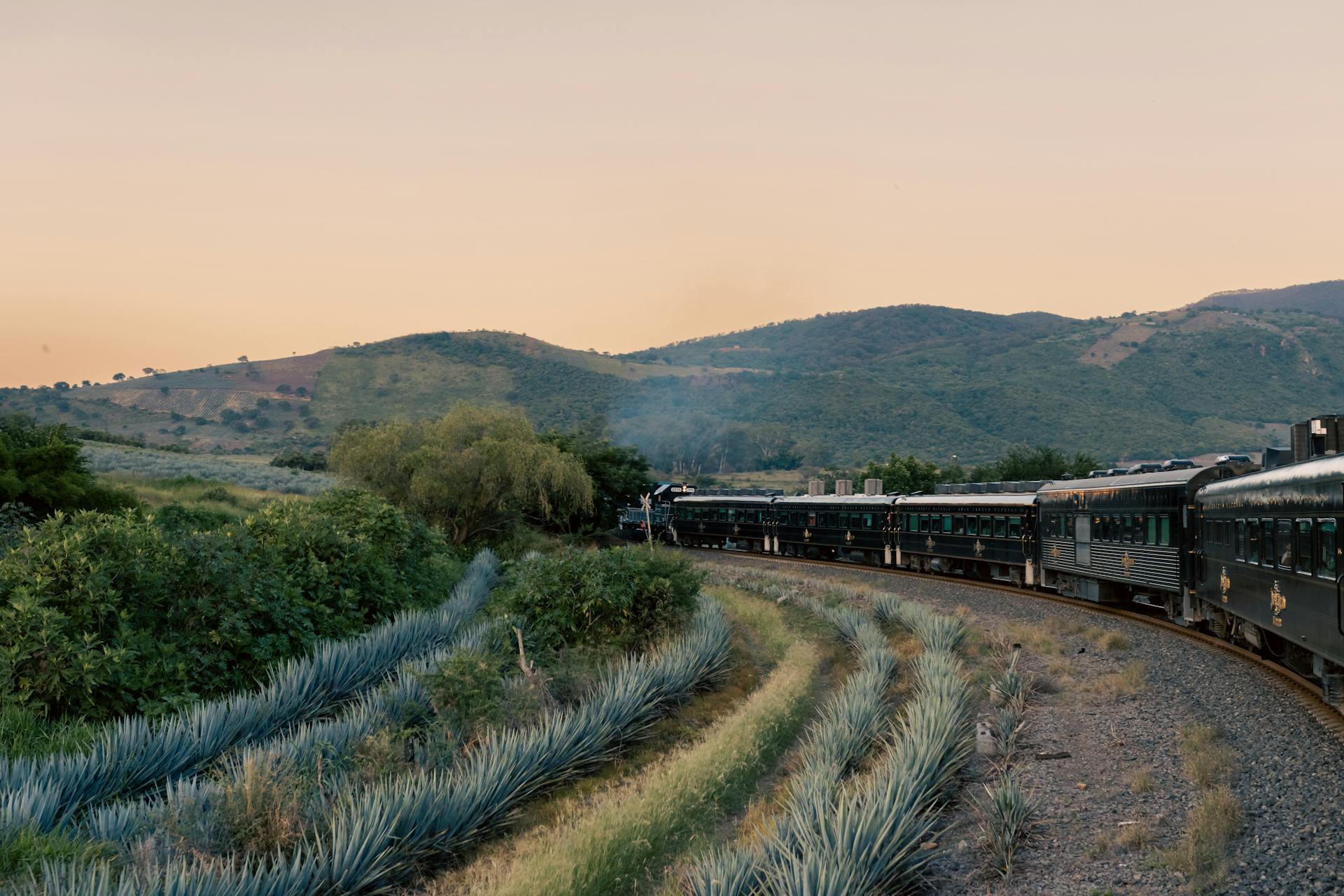
Take the Tren Maya—it weaves through 23 Pueblos Mágicos and links ancient ruins with colonial gems. Or the tequila trains from Guadalajara, where you get mariachi, cultural shows, and distillery tours all rolled into one.
These trains open doors to communities and markets that haven’t changed much in decades. It’s real Mexican culture, far from the tourist crowds.
Scenic Views Unique to Mexico’s Railway Routes
Some of Mexico’s best views are reserved for train travelers. At Divisadero station on El Chepe, I stood on the platform and just stared into Copper Canyon—no road in sight.
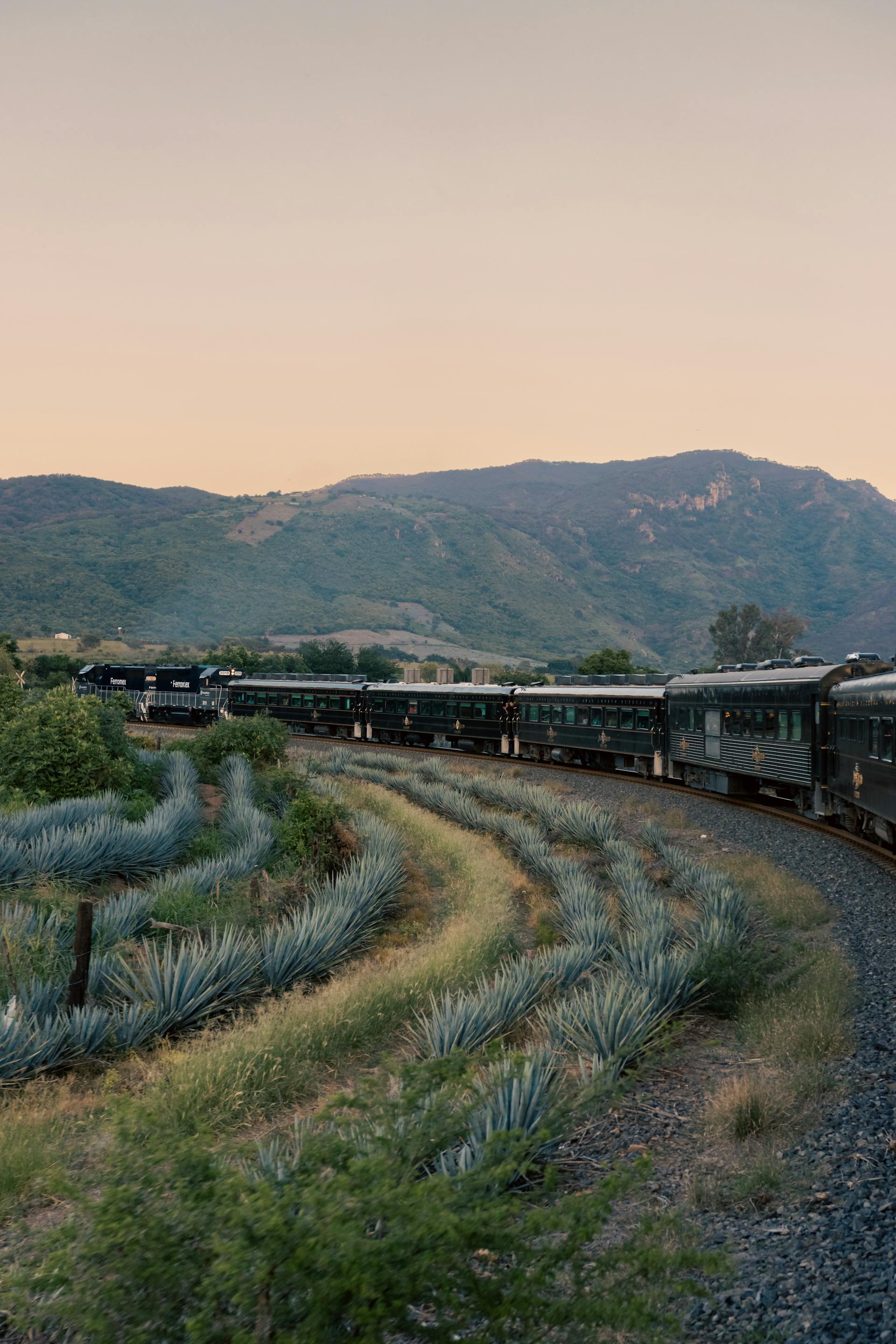
Jalisco’s UNESCO-listed agave fields roll past your window on the tequila trains. The blue-green hills are iconic, and you’ll know instantly why tequila feels so tied to this land.
On the Tren Maya, you can spot wildlife and secret cenotes deep in the jungle. The train’s elevation gives you a peek at Maya ruins from angles you’d never get otherwise.
Scenic highlights by route:
- El Chepe: Towering mountains, canyon lookouts, desert stretches
- Tren Maya: Jungle canopies, cenotes, ancient ruins
- Tren Interoceánico: Coastal plains, tropical forests, rural villages
The changes in elevation keep things interesting. You’ll pass through multiple ecosystems—arid, lush, and everything in between—without ever leaving your seat.
Mexico’s Passenger Railways and Their Current Landscape
Most of Mexico’s trains haul freight, not people, but there are a few exceptions. Some lines cater to tourists and city commuters, and the network itself stretches for thousands of miles.
Overview of the Mexican Railway Network
Across the country, about 26,000 kilometers of track crisscross the landscape. Most of it? Strictly for goods, not passengers.
The network links up big industrial centers and ports. Mexico City connects to places like Veracruz on the Gulf Coast.
Current passenger trains:
- Tourist routes like Chepe Express through Copper Canyon
- Suburban lines in Mexico City
- Light rail in some cities
The government’s pushing for more passenger service. Four new intercity lines are under construction (as of 2025).
Soon, routes will connect major cities like Mexico City and Querétaro. It’s the biggest rail expansion Mexico’s seen in years.

Major Rail Companies: Ferromex and Ferrosur
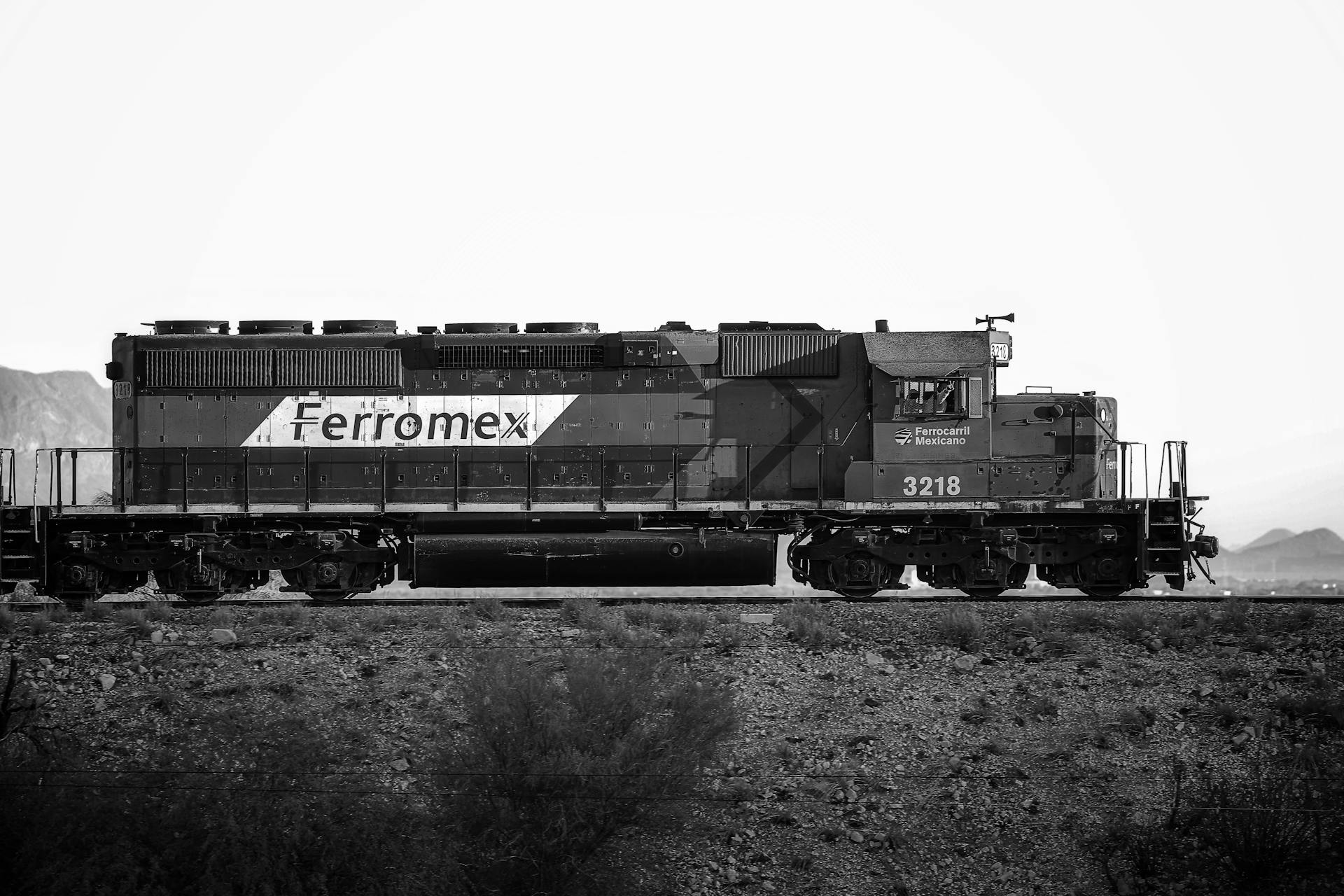
Ferromex is the big player up north and out west. They connect Mexico to the U.S. at several border crossings—crucial for trade.
Ferrosur runs the show in central and southern Mexico, covering key industrial hubs and ports.
Both focus almost entirely on moving freight. They keep goods flowing between factories, ports, and borders.
Along with KCSM (Kansas City Southern de México), these companies form a massive cargo network. Together, they move most of Mexico’s rail freight.
Historic Evolution of Railways in Mexico
Mexico’s railway story started in 1837, when the government handed out its first concession. The dream? Link Veracruz to Mexico City. Actual building didn’t start until 1857, though.
Don Antonio Escandón got the rights to that first line. By the late 1800s, rails were spreading fast, and the Mexican Central Railway took off.
Key moments:
- 1837: First concession granted
- 1857: Construction rights awarded
- Late 1800s: Major expansion
- 1990s: Privatization
Passenger trains mostly stuck to scenic routes for tourists. El Chepe became the star.
Now, the government is trying to bring back passenger trains in a big way. Construction on new lines began in 2025, aiming for operations by 2027.

The Iconic Copper Canyon Adventure: El Chepe Train
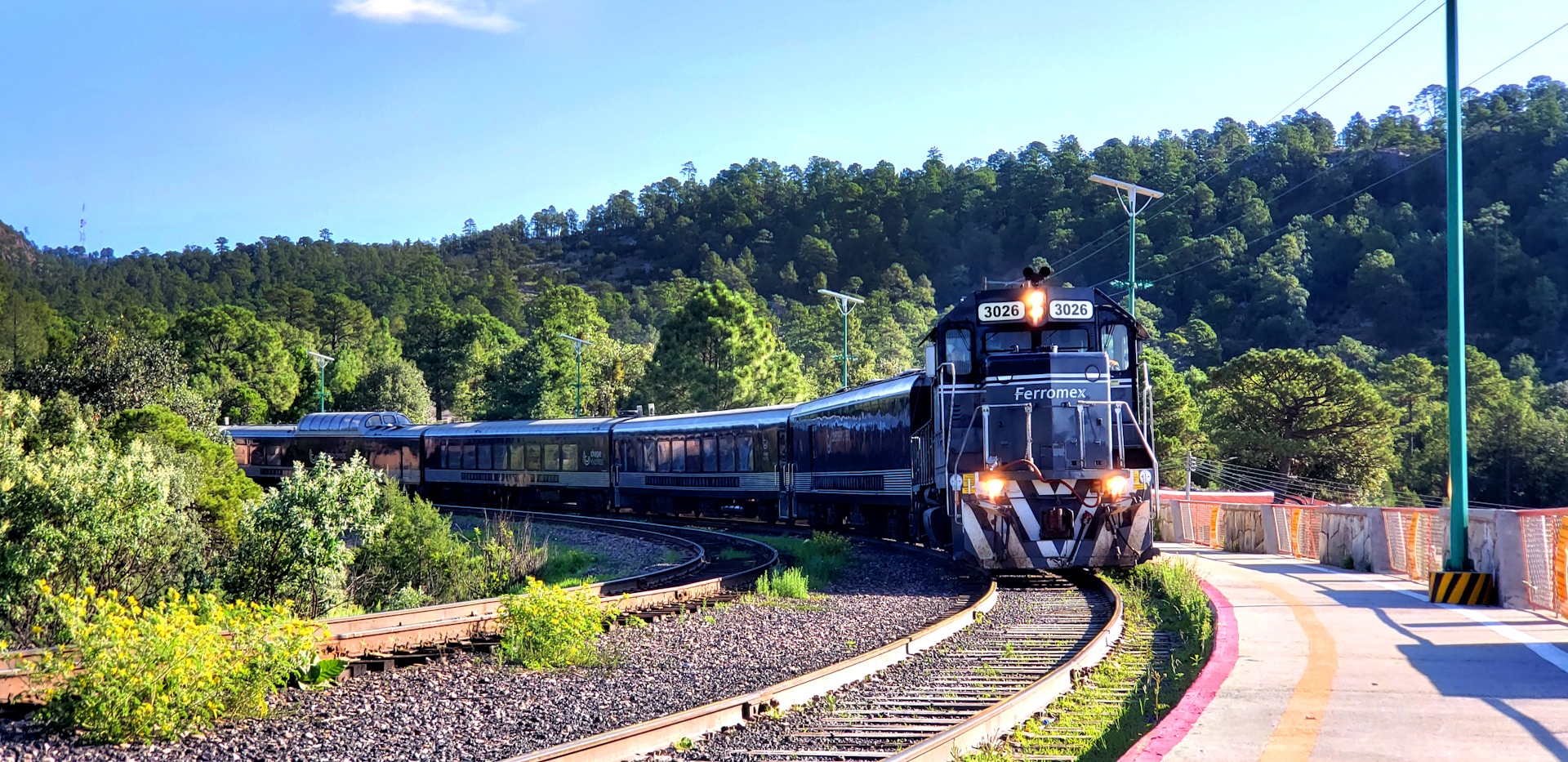
El Chepe is a bucket-list ride, no question. It snakes through Copper Canyon’s wild terrain for 350 kilometers, blending epic scenery with deep cultural roots.
Spectacular Panoramas from El Chepe Train
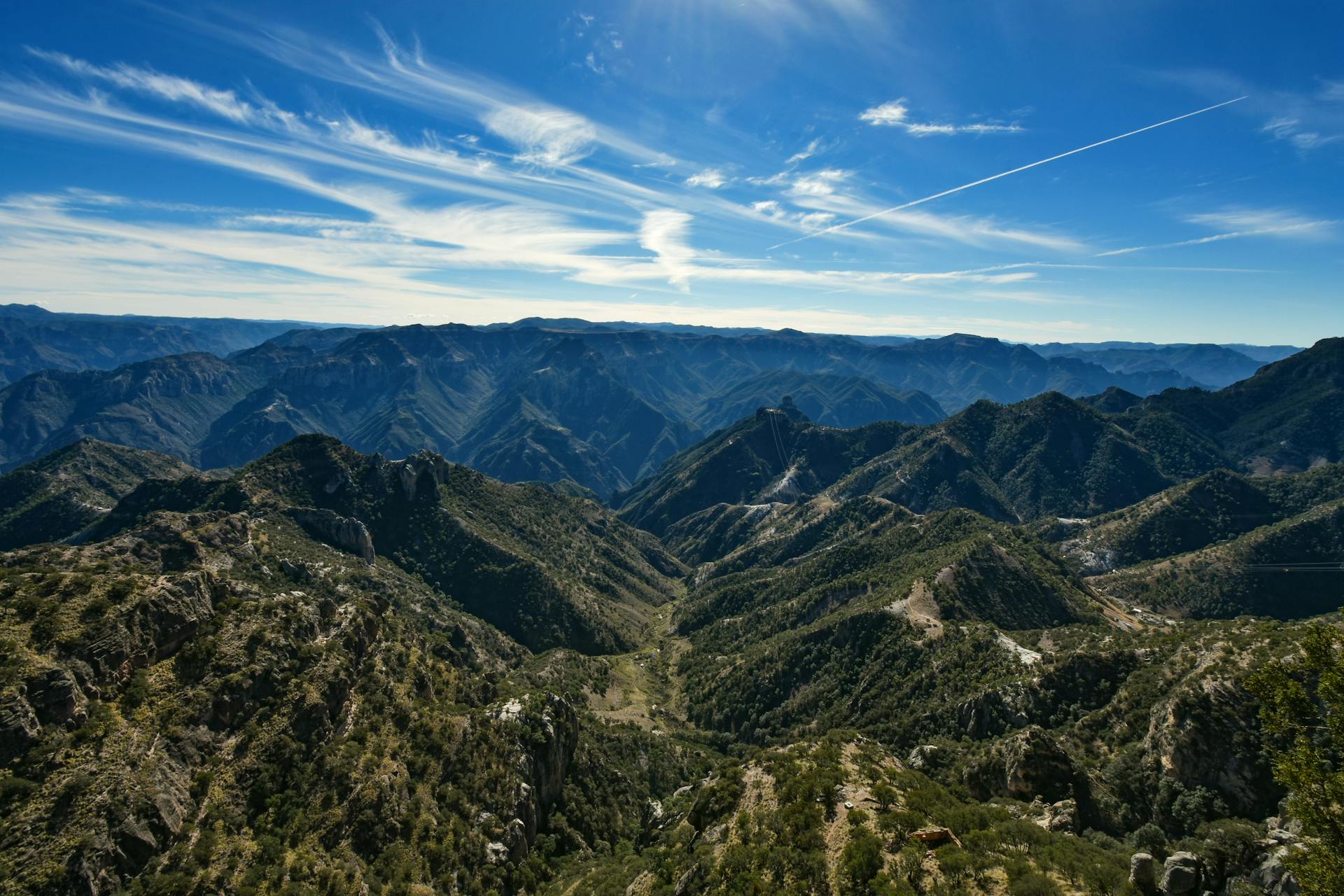
The views? Unreal. I watched the train snake over bridges and disappear into tunnels, all while climbing through the Sierra Madre.
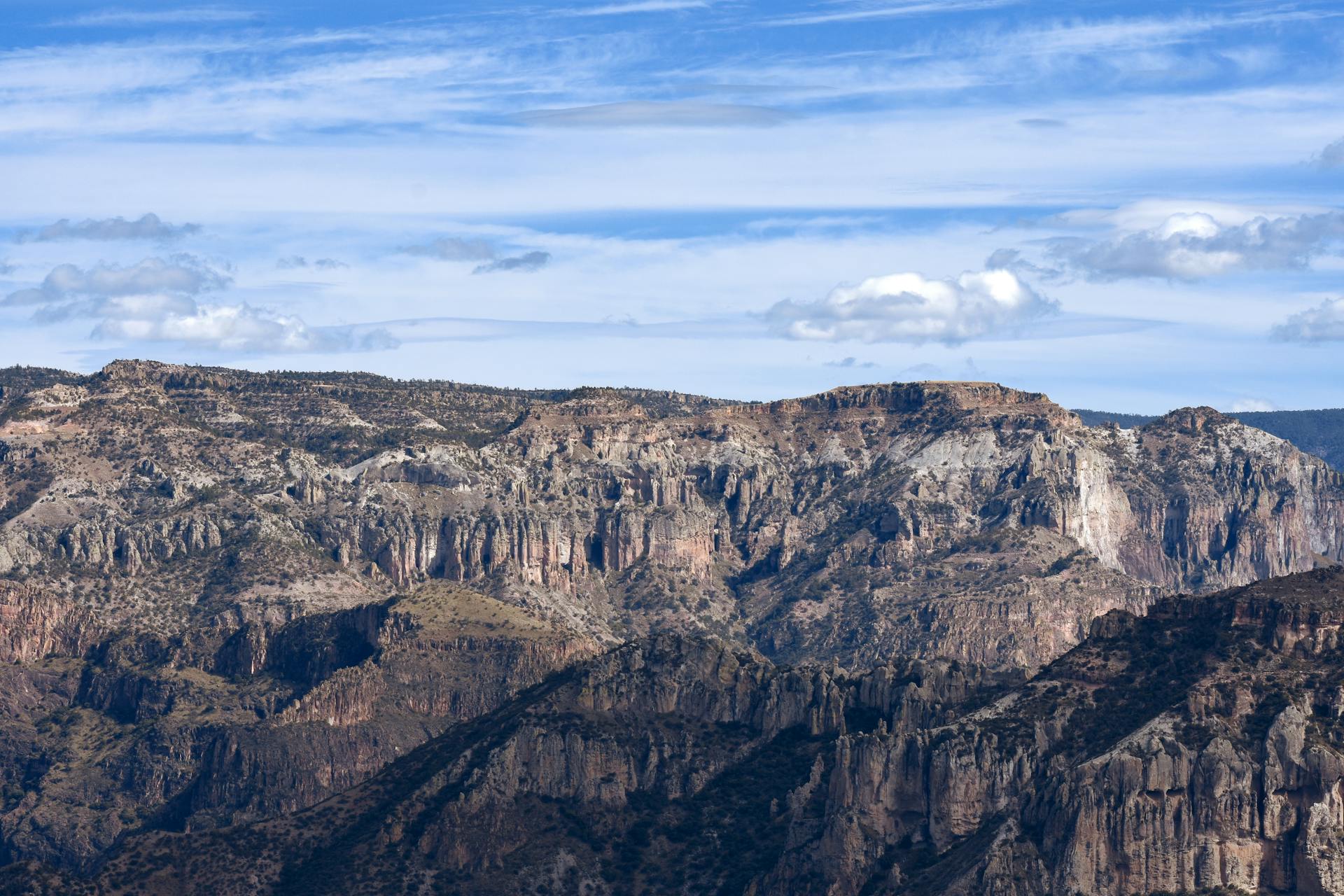
Copper Canyon goes deeper than the Grand Canyon. Nine huge gorges slice through the land, some plunging over a mile down.
From my window, I spotted waterfalls tumbling into rivers and forests giving way to green meadows as we climbed.
Top highlights:
- Sheer canyon walls that seem to go on forever
- Wide-open desert plains
- Ancient rock formations shaped by time
- Lush valleys hidden between peaks
The trip covers 220-plus miles in about nine hours. Every curve brings something new.
El Chepe’s Significance in Mexican Rail History
El Chepe isn’t just a train—it’s a legend. Its real name is Chihuahua al Pacífico Railroad.
Building it took nearly a century. Engineers finally finished in 1961, after decades of sweat and planning.
It’s a testament to Mexican ingenuity. Workers built bridges and blasted tunnels through some of the country’s toughest mountains.
El Chepe links up remote communities in the Sierra Tarahumara. It’s a lifeline for locals, not just a tourist ride.
The train keeps Mexico’s railroad legacy alive. While other passenger lines faded, El Chepe keeps chugging along.
Highlights Along the Copper Canyon Route
El Chepe stops at five main stations, and each one brings its own flavor.
Main stops:
- Los Mochis, Sinaloa – The Pacific gateway
- El Fuerte, Sinaloa – A colonial town with history
- Bahuichivo, Chihuahua – The jumping-off point for canyon adventures
- Divisadero, Chihuahua – The spot for those jaw-dropping canyon views
- Creel, Chihuahua – Pueblo Mágico in the heart of the Sierra
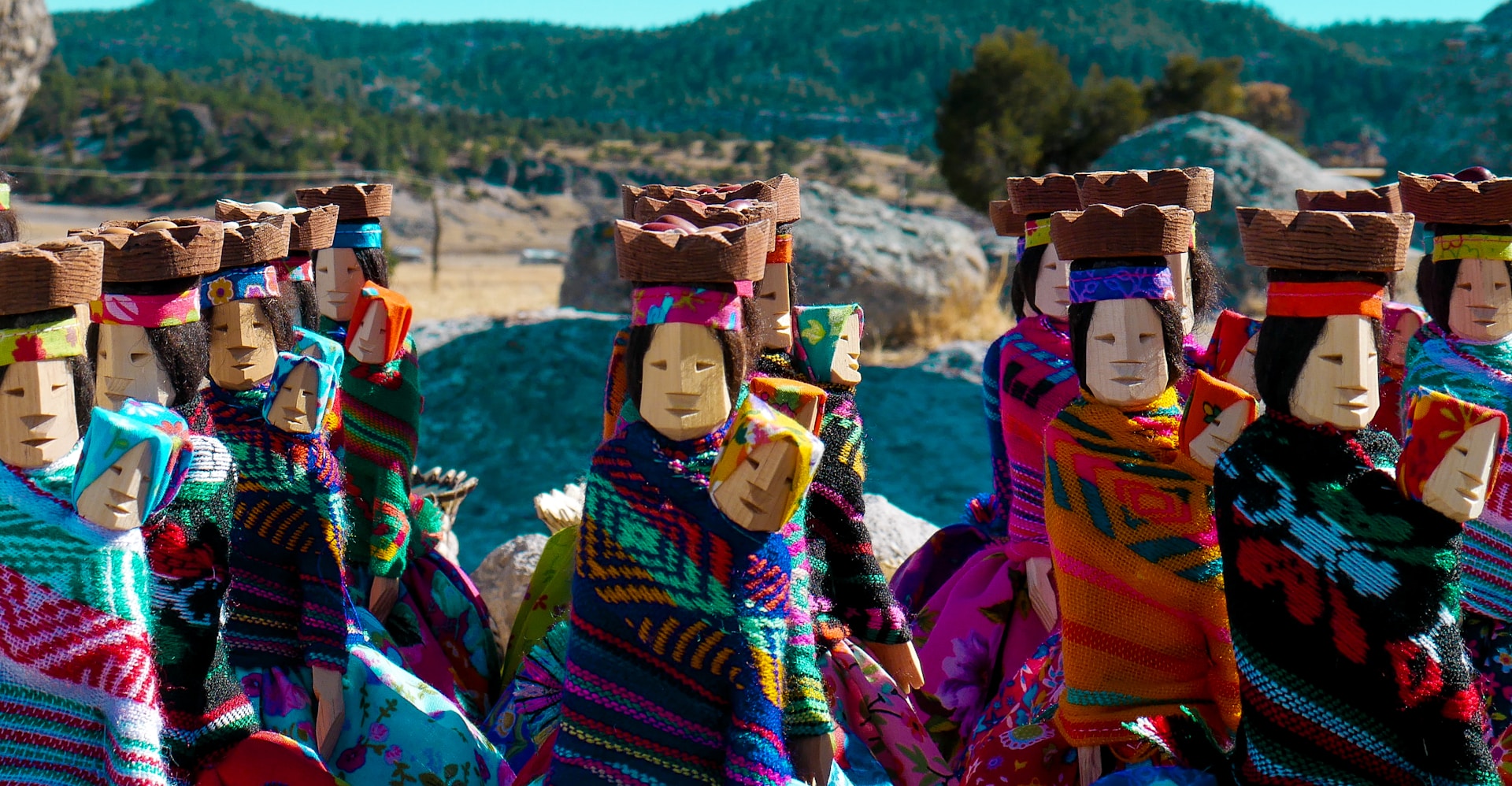
Along the way, I visited Tarahumara villages and chatted with local guides about Rarámuri traditions.
The train rolls past old Spanish silver mines, blending ancient cultures with colonial history.
Creel, the final stop, sits right in the Sierra Tarahumara. It’s the place for hiking and cultural deep-dives.
Tren Maya: Exploring the Mayan World by Rail
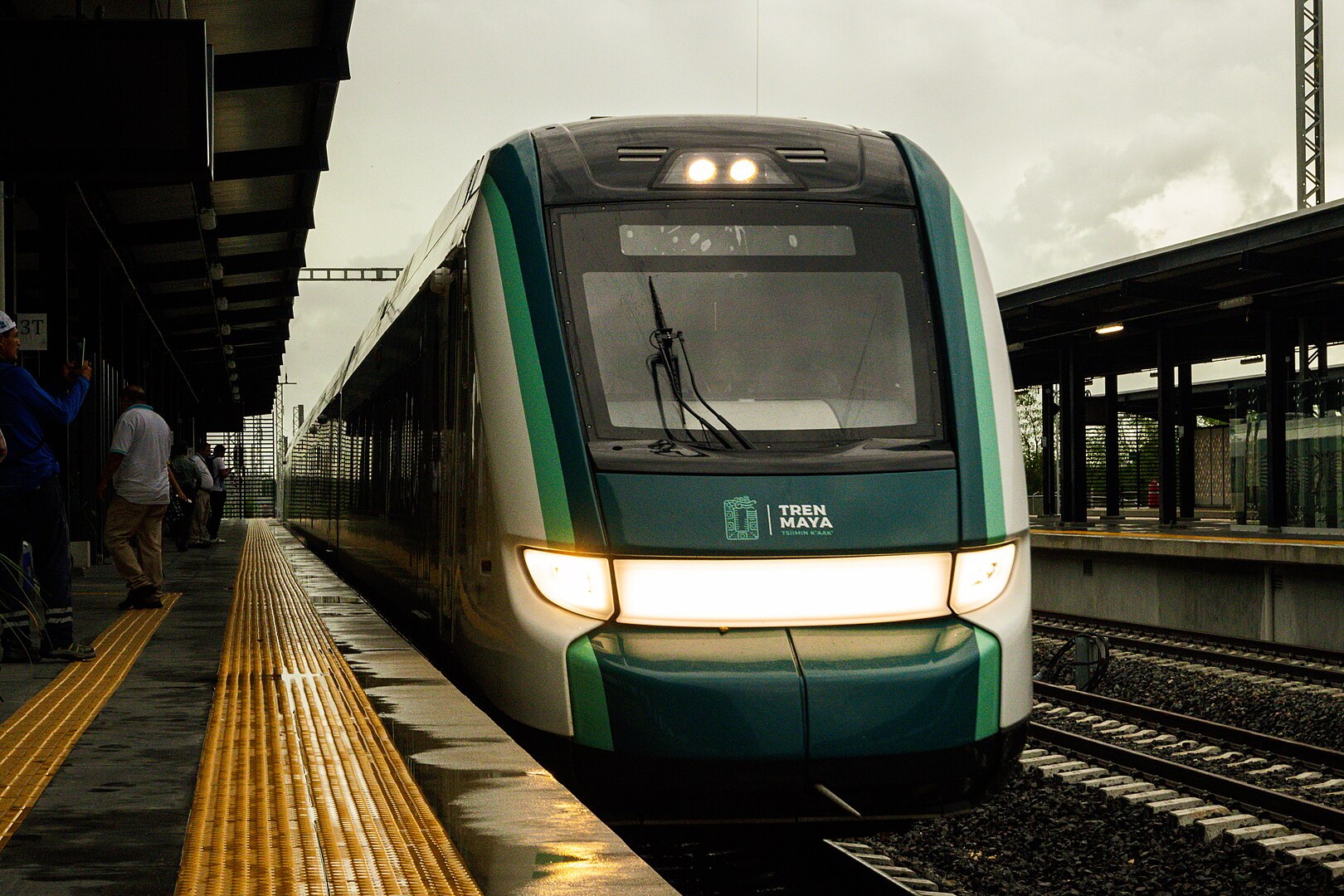
Tren Maya stretches 1,554 kilometers across five states, linking up ancient ruins and modern hotspots. The train has three travel classes and opens a door to the Yucatán’s Mayan treasures—while also helping local communities.
Features and Classes of the Tren Maya Experience
Tren Maya has three classes to fit different budgets. Premier class gives you plush seats, climate control, and panoramic windows—perfect for soaking up the Yucatán views.
Tourist class is comfy and mid-priced, with all the basics you’d want. Standard class keeps things simple but clean for those watching their pesos.
No matter the class, the onboard experience impressed me. Food cars serve up regional favorites like cochinita pibil and fresh fruit. There’s Wi-Fi and digital guides with info on each stop.
Accessibility is good—ramps, accessible bathrooms, and staff always ready to help.
Sample fares:
- Cancun to Playa del Carmen: $12-19
- Cancun to Merida: $43-69
- Palenque to Playa del Carmen: $178-285
Mexican residents get discounts. Families and groups can save with return tickets and group rates.
Archaeological and Cultural Stops Along the Route
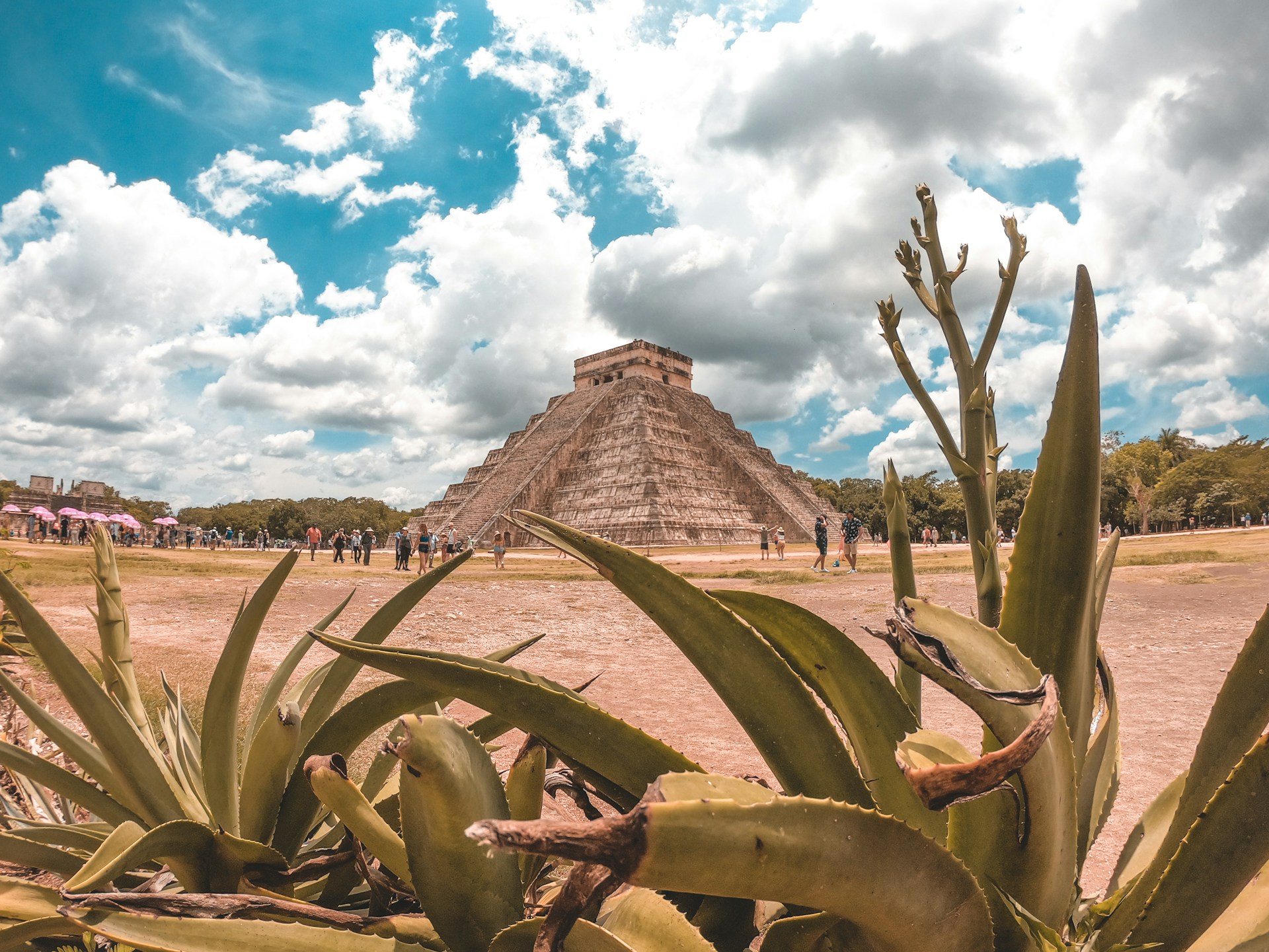
The train links up 34 stations, many at major Mayan sites. Chichen Itza is the big one—standing there, I marveled at El Castillo’s perfect symmetry.
Palenque in Chiapas blew me away with its jungle temples and intricate carvings. The train drops you close to the action—no long bus rides needed.
Tulum is all about clifftop ruins and Caribbean views. Calakmul is more remote, with pyramids poking above the trees in a biosphere reserve.
You’ll also stop in colonial cities like Merida and Valladolid. I wandered local markets, took a cooking class, and learned hammock weaving from artisans.
Bacalar and its seven-colored lagoon are on the route too. Indigenous communities offer workshops on traditional medicine and farming.
Festivals happen year-round along the route. You might catch a jarana dance in Merida or stumble into a Day of the Dead celebration in a small town.
Environmental and Modernization Aspects
Tren Maya is Mexico’s biggest infrastructure project in the southeast. It’s created thousands of jobs and made it way easier to get between rural towns and tourist hubs.
Solar panels power many stations. Water recycling systems help save resources. The railway follows UN sustainability guidelines.
Wildlife corridors run alongside the tracks in sensitive areas. Tree planting helps offset the land cleared for construction. The train cuts down on car traffic and emissions, which is a win for the environment.
Local communities now see more tourists and better access to markets. Small businesses have sprung up to serve train travelers. Many locals now work as guides, cooks, or train staff.
Some folks criticized the environmental impact, especially in delicate areas. But the railway’s taken steps to protect cultural sites and natural reserves, and they work with conservation groups to keep an eye on things.
Looking ahead: Electric trains are coming to some routes by 2026. More connections to remote ruins are in the works, depending on demand and environmental checks.
Other Scenic and Heritage Train Routes in Mexico
Mexico’s railways stretch far beyond the famous tourist lines. They wind through historic corridors that helped shape the country, and some new routes are quietly linking up hidden corners you’d probably never find otherwise.
I’ve always loved how these lesser-known tracks reveal colonial architecture, vibrant indigenous communities, and some truly wild feats of engineering. You’ll see all of this set against a backdrop that changes from lush jungle to windswept plains.
Historic Routes: Past and Present
Let’s start with the Tren Interoceánico. This line slices across Mexico’s narrowest point, running from Coatzacoalcos to Salina Cruz. It covers 188 miles and connects the Gulf of Mexico with the Pacific.
I find this journey especially compelling. The train rolls through Zapotec regions that most tourists never see. It’s a seven-hour trip, and you’ll catch glimpses of everyday life where traditional dress isn’t just for festivals—it’s just what people wear.
You won’t find luxury here, but the cars are air-conditioned and comfortable enough. Trains mainly run on weekends. Booking can be tricky, so flexibility is key while they continue to improve the tracks and stations.
Key Historic Features:
- Built to rival the Panama Canal as a freight route
- Passes through indigenous villages that keep ancient customs alive
- Links two of Mexico’s most important ports
- Offers rural views that haven’t changed much in decades
Emerging Tourist Rail Journeys
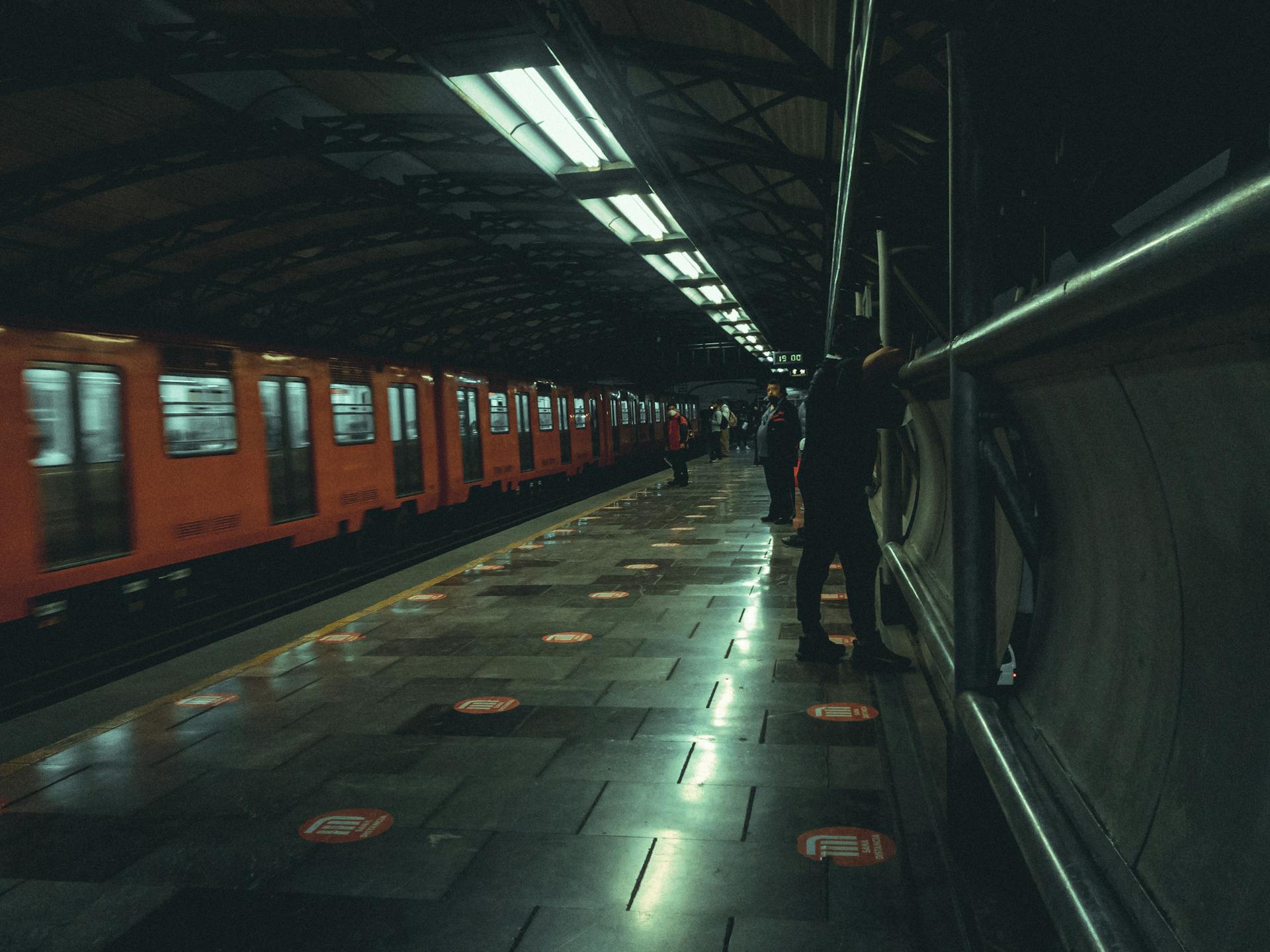
Now, there’s El Insurgente—Mexico’s nod to the future of rail travel. This commuter train zips from Zinacantepec to Santa Fe, covering 36 miles in just 37 minutes.
You won’t get dramatic mountain vistas, but the efficiency is impressive. Trains come every 15 minutes during busy hours, and you don’t need to book ahead.
If you hop off at Metepec, you’ll find the town famous for its vibrant tree of life sculptures. Once the line extends to Mexico City’s Observatorio station (expected late 2025), it’ll be even more useful for travelers.
Service Details:
- Frequency: Every 15 minutes at rush hour
- Stations: Five stops, including Metepec
- Tickets: Buy at the station kiosks
- Full route: Mexico City connection coming by late 2025
Architectural and Structural Railway Landmarks
Mexico’s railways have some show-stopping engineering. El Chepe, for example, rattles over 37 bridges and dives through 86 tunnels as it climbs from the coast to 8,000 feet.
The Tren Maya is a modern marvel, too. Its panoramic windows make jungle views almost cinematic. Honestly, it feels like Mexico’s biggest leap in transportation in ages.
Railway stations themselves are worth a stop. Some colonial-era terminals are still in use, blending old-world charm with today’s comforts.
Notable Engineering Features:
- Copper Canyon bridges that span yawning ravines
- Mountain tunnels blasted through solid rock
- Viaducts stretching across lush valleys
- Historic stations that keep colonial design alive
Planning Your Mexican Train Journey
Traveling Mexico by train takes a bit of planning. Timing matters, especially if you want to catch the best views or snag a seat on popular routes like El Chepe or the Tren Maya.
Best Seasons for Scenic Train Travel
October through April is prime time for rail adventures. These months bring less rain and clearer skies—perfect for snapping photos out the window.
If you’re eyeing El Chepe in Copper Canyon, steer clear of July to September. Heavy rains can delay trains and hide those epic mountain views.
November to February brings the coolest weather. Long journeys feel a lot more comfortable, especially if your train doesn’t have full-blown air conditioning.
For the Tren Maya in the Yucatan, December to March means lower humidity. Trust me, you’ll notice the difference when you’re exploring ruins between train rides.
Spring (March and April) is a treat up north. The deserts bloom and the Sierra Madre mountains burst into color—nature’s own show, right outside your train window.
Tips for Booking and Riding Trains in Mexico
Book tickets 2-3 weeks in advance for the most popular routes. Trust me, the Tren Maya and El Chepe sell out fast—especially if you’re traveling during a holiday.
I always buy tickets straight from official websites or through authorized agents. That way, you dodge those sneaky markups from third-party sellers.
Bring layers of clothing if you’re headed for the mountains. When the train climbs in elevation, the temperature can drop by 20–30 degrees. The Chihuahua al Pacífico line? It gets chilly up there.
Pack some snacks and a bottle of water for the longer rides. Sure, some trains serve food, but out in the remote stretches, your options might be slim.
Arrive 30 minutes early at the station. Mexican trains stick to their departure times, and getting through luggage checks can eat up more time than you’d think.
Carry some Mexican pesos for things you want to buy onboard. Most trains won’t accept credit cards for little stuff like sodas or souvenirs.