
Ever waited in a two-hour line just to snap a photo at a famous national park? Yeah, me too. Places like Yellowstone and Yosemite are spectacular, but let’s be honest—they’re also magnets for summer crowds. If you crave wild beauty without the chaos, you’re in luck.
You can find jaw-dropping landscapes, quirky wildlife, and unforgettable adventures at lesser-known national parks. These hidden gems stretch from Washington’s rugged peaks to South Carolina’s lush forests. Each one brings something unique to the table, and they all fly under most travelers’ radar.
I’ve put together a list of seven national parks that deserve a spot on your summer bucket list. Let’s dig into what makes each park special, and I’ll share a few tips for making the most of your trip—without elbowing your way through crowds.
1) North Cascades National Park, Washington
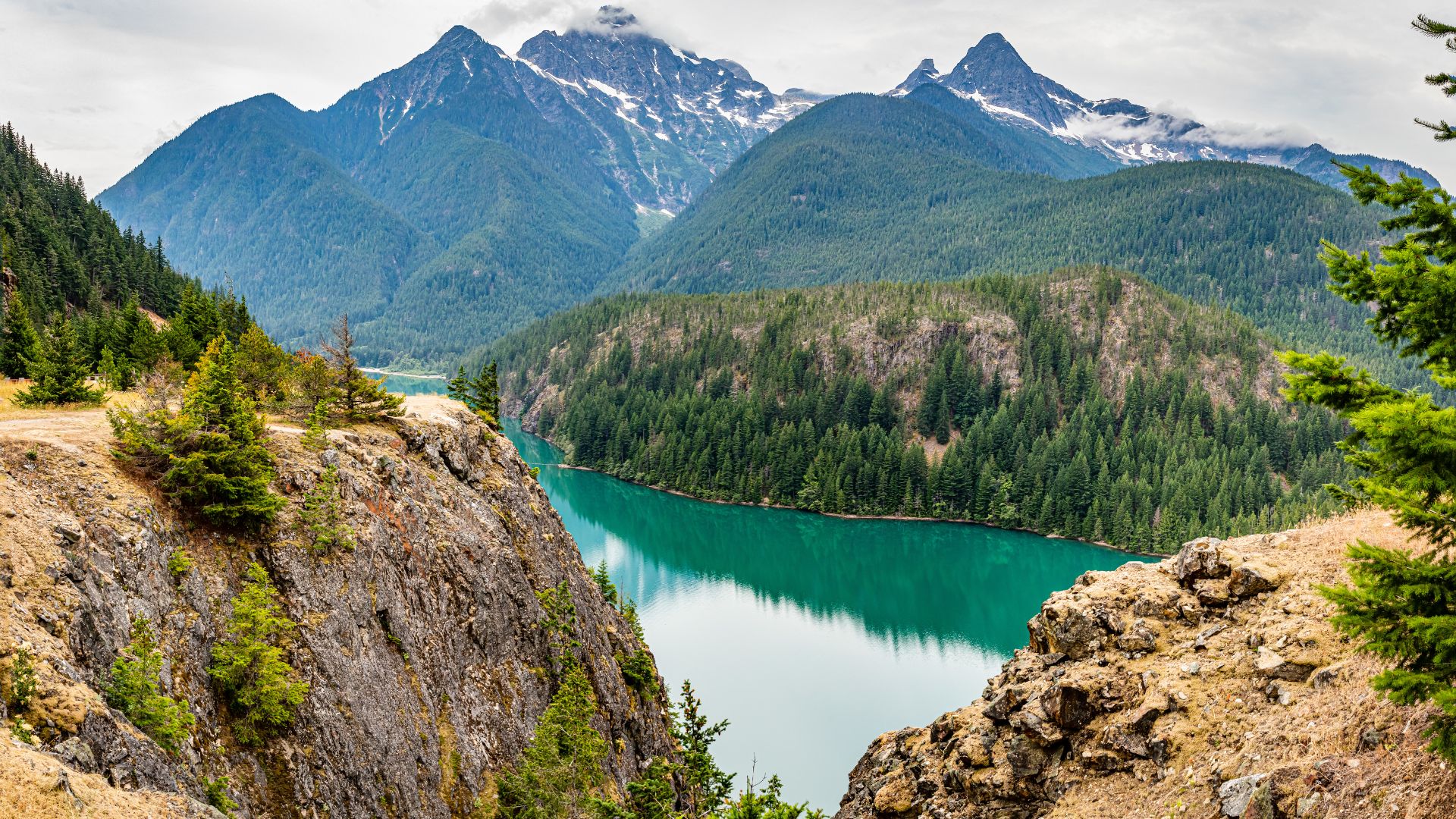
Just under three hours from Seattle, North Cascades National Park somehow remains one of the least visited national parks in the U.S. That’s kind of wild, right? If you want solitude, this place delivers.
You’ll wander past more than 300 glaciers—seriously, that’s a third of all glaciers in the lower 48. Jagged peaks, turquoise lakes, and thick forests are everywhere you look.
Highway 20 slices through the park, offering easy access to jaw-dropping overlooks. Not in the mood for a big hike? No problem. But if you’re up for it, there are trails for every level, from gentle waterfall strolls to tough backcountry treks.
Mid-July through September is prime time for a visit. Just remember: the mosquitoes don’t take a vacation, so bring your bug spray!
Camping in the park feels wild, but nearby towns have comfy beds if you prefer. Compared to Mount Rainier or Olympic, you’ll dodge the crowds and soak up pure wilderness vibes.
2) Great Basin National Park, Nevada
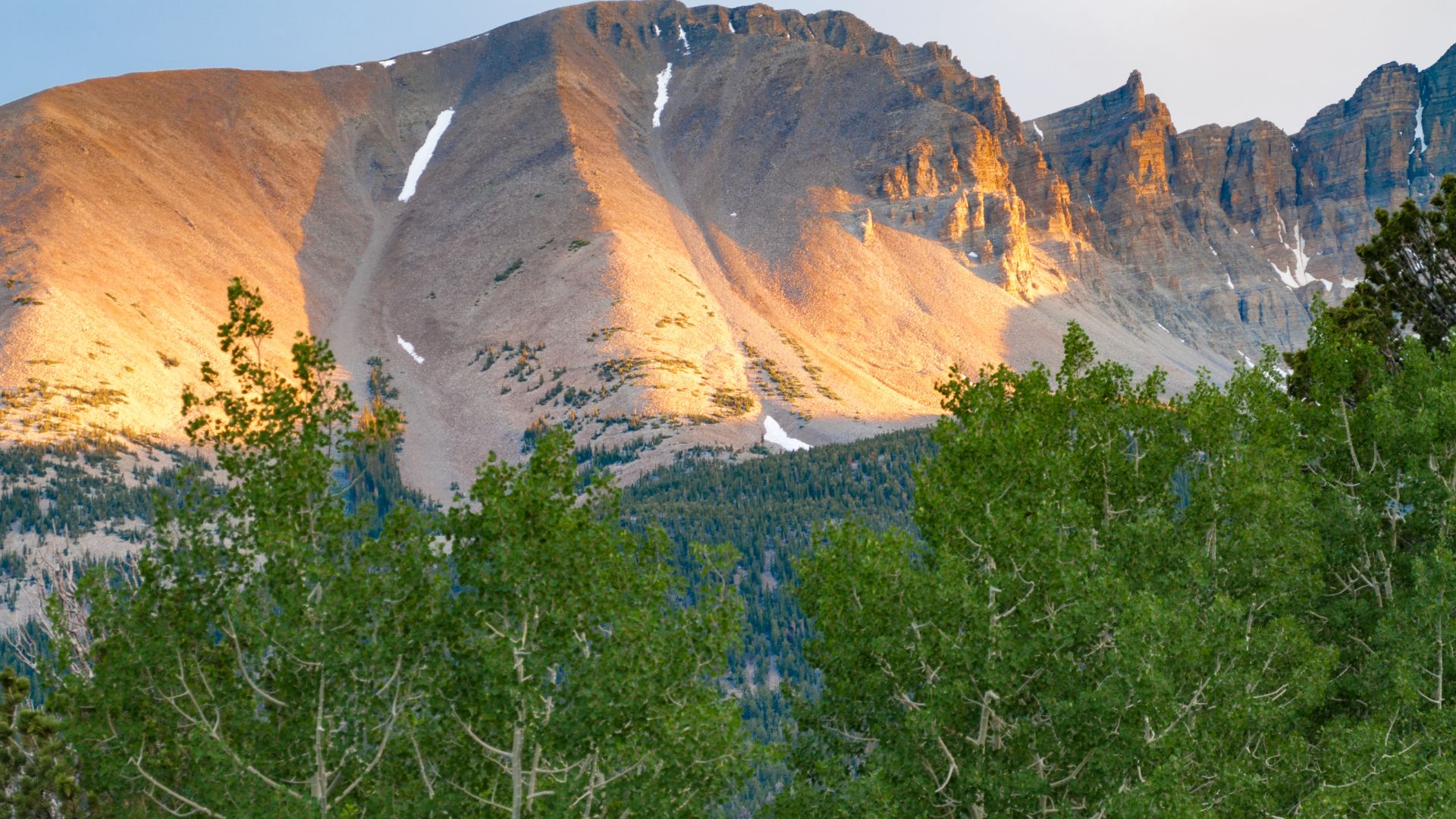
Great Basin National Park sits quietly in eastern Nevada, just shy of the Utah border. Only about 140,000 people visit each year, so you’ll have space to breathe.
This park packs in surprises. Hike up 13,063-foot Wheeler Peak, crawl through marble caves, or wander among ancient bristlecone pines (some are older than most civilizations).
Since 1986, Great Basin has wowed those who make the trek. You’ll find it near Baker, a tiny town about five miles from the entrance. Getting there means a drive along Nevada State Route 488—a road that feels like it leads to a secret.
Summer brings perfect hiking and camping weather. You can fish, snap mountain photos, or just kick back and watch for wildlife. The night skies? They’re some of the darkest you’ll ever see, making stargazing downright magical.
If you want big scenery and big adventure with almost no crowds, this park is a winner.
3) Isle Royale National Park, Michigan
Isle Royale sits smack in the middle of Lake Superior and barely registers on most travelers’ lists. Fewer than 20,000 people make it here each year, so genuine solitude is the real deal.
You can’t just drive in. You’ll need to hop on a boat or seaplane. Most folks catch a ferry from Houghton or Copper Harbor in Michigan. The quickest ride leaves from Grand Portage, Minnesota—about a 1.5 to 2-hour journey.
The park includes Isle Royale itself plus more than 400 smaller islands. There are over 165 miles of hiking trails winding through forests and along rocky ridges. Moose and wolves roam here, so keep your camera handy.
Getting to Isle Royale takes planning and patience. Once you arrive, though, backpackers, hikers, and paddlers rave about the wild isolation.
You’ll find thick woods, lakes, and bogs covering 132,000 acres. If you’re chasing true wilderness, this is about as remote as Michigan gets.

4) Congaree National Park, South Carolina
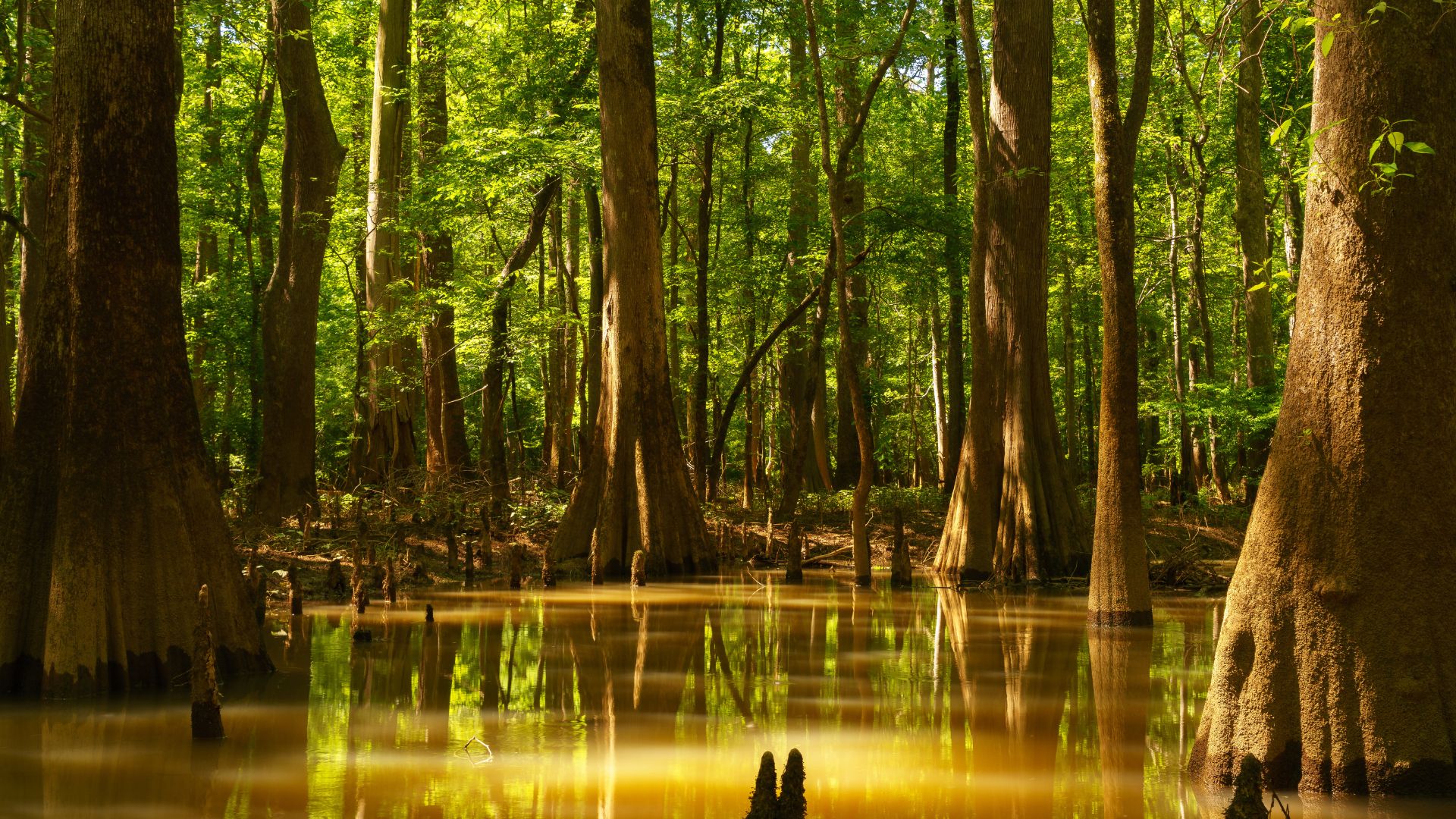
Congaree National Park protects the largest old-growth bottomland hardwood forest left in the Southeast. Some trees soar over 150 feet and have stood for nearly 300 years.
Just 18 miles southeast of Columbia, this 26,700-acre park feels worlds away from city life. The Congaree and Wateree Rivers meet here, flooding the forest and creating a lush, otherworldly landscape.
You can explore the park for free—no entrance fee at all. Boardwalk trails and backcountry paths snake through champion trees, and wildlife is everywhere if you’re patient.
The floodplain ecosystem is special. River waters bring nutrients, supporting a wild mix of plants and animals. No wonder Congaree is a Biosphere Reserve and an Important Bird Area.
Summer is a great time to visit if you want to avoid crowds. Hike, paddle, or stroll the elevated boardwalks. Bonus: dogs are allowed on all trails, so bring your furry friend along.
5) Chaco Culture National Historical Park, New Mexico
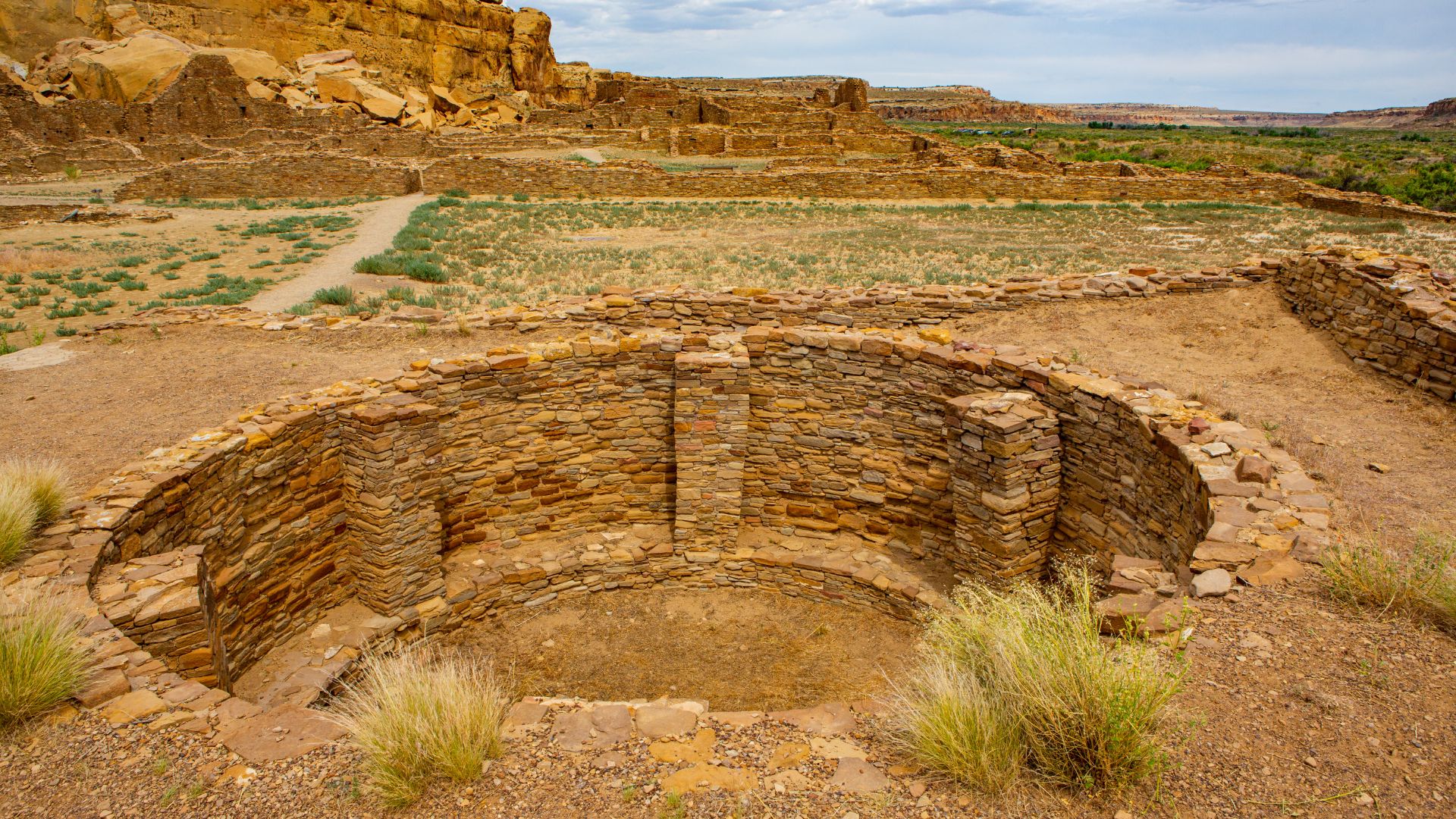
Chaco Culture National Historical Park rises from the high desert of northwestern New Mexico. Here, massive stone structures built by ancestral Puebloan people between 850 and 1250 CE still stand.
The park preserves the largest ancient buildings in the U.S., with more than 700 rooms across several sites. You can wander through grand kivas and multi-story Great Houses along a 9-mile loop road. Pueblo Bonito is a must-see.
Chaco’s remote setting keeps visitor numbers low. Getting here means bumping down unpaved roads between Albuquerque and Farmington—expect about 90 minutes’ drive from Albuquerque.
Start at the visitor center for maps and advice. Most people hit the main sites in a day, but you might want to linger.
This place is sacred to many Indigenous peoples. Please visit with respect and stick to marked trails.
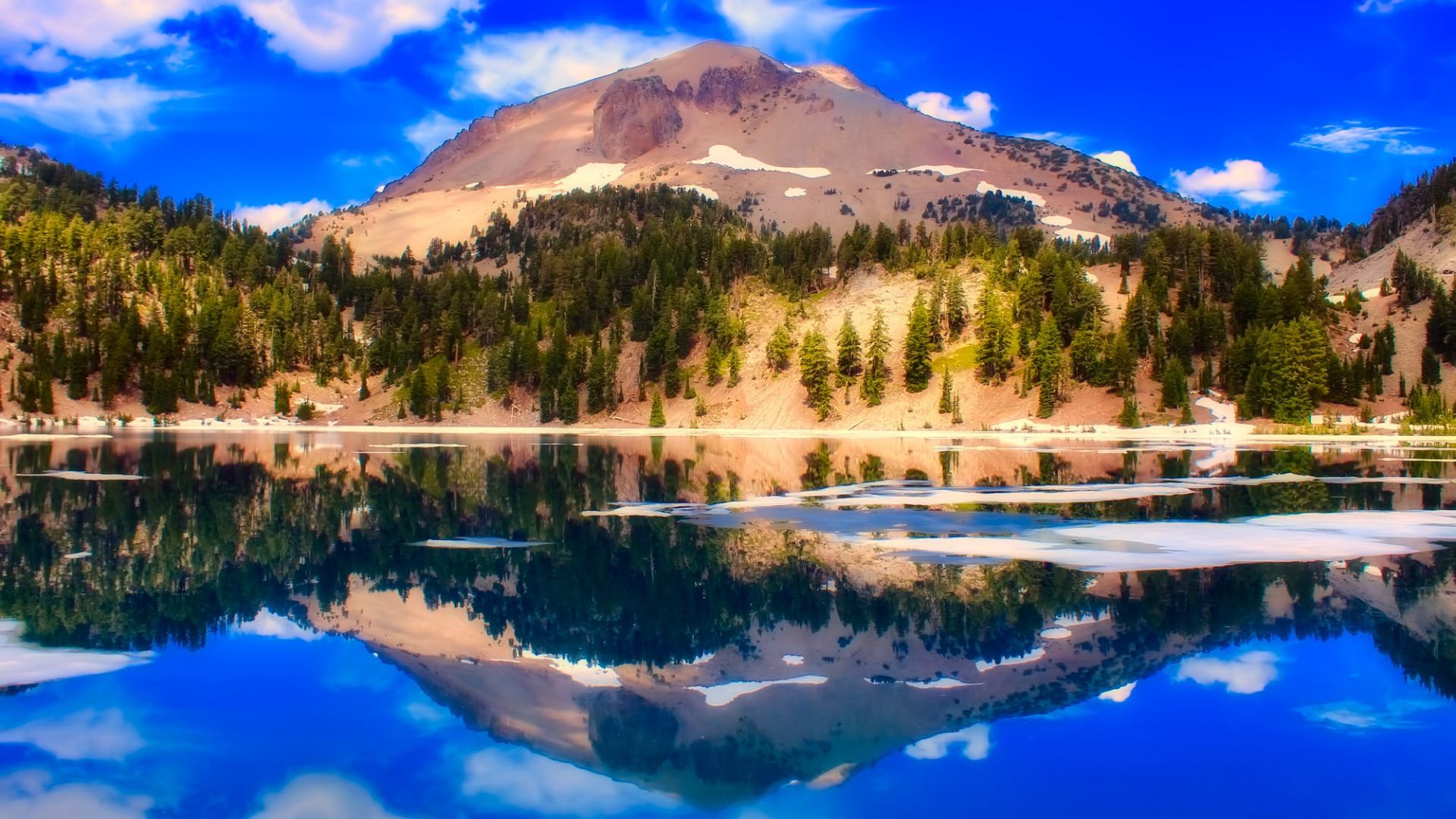
6) Lassen Volcanic National Park, California
Lassen Volcanic National Park sits tucked away in northeastern California, about a three-hour drive from Sacramento. Yosemite gets all the hype, but Lassen lets you explore without the crowds.
Lassen Peak, the world’s largest plug dome volcano, dominates the landscape. You’ll stumble upon steaming fumaroles, bubbling mud pots, and boiling springs at almost every turn.
It’s one of the only places on Earth where you can spot all four types of volcanoes in one park. There are also sparkling lakes, wildflower meadows, and dramatic peaks—each with its own eruption story.
Trails wind past all these volcanic features. The visitor center has maps and tips for exploring.
Lassen Peak last erupted in 1914, staying active for three years. These days, it’s quiet, but the bubbling ground reminds you the earth is still alive beneath your feet.
7) Guadalupe Mountains National Park, Texas
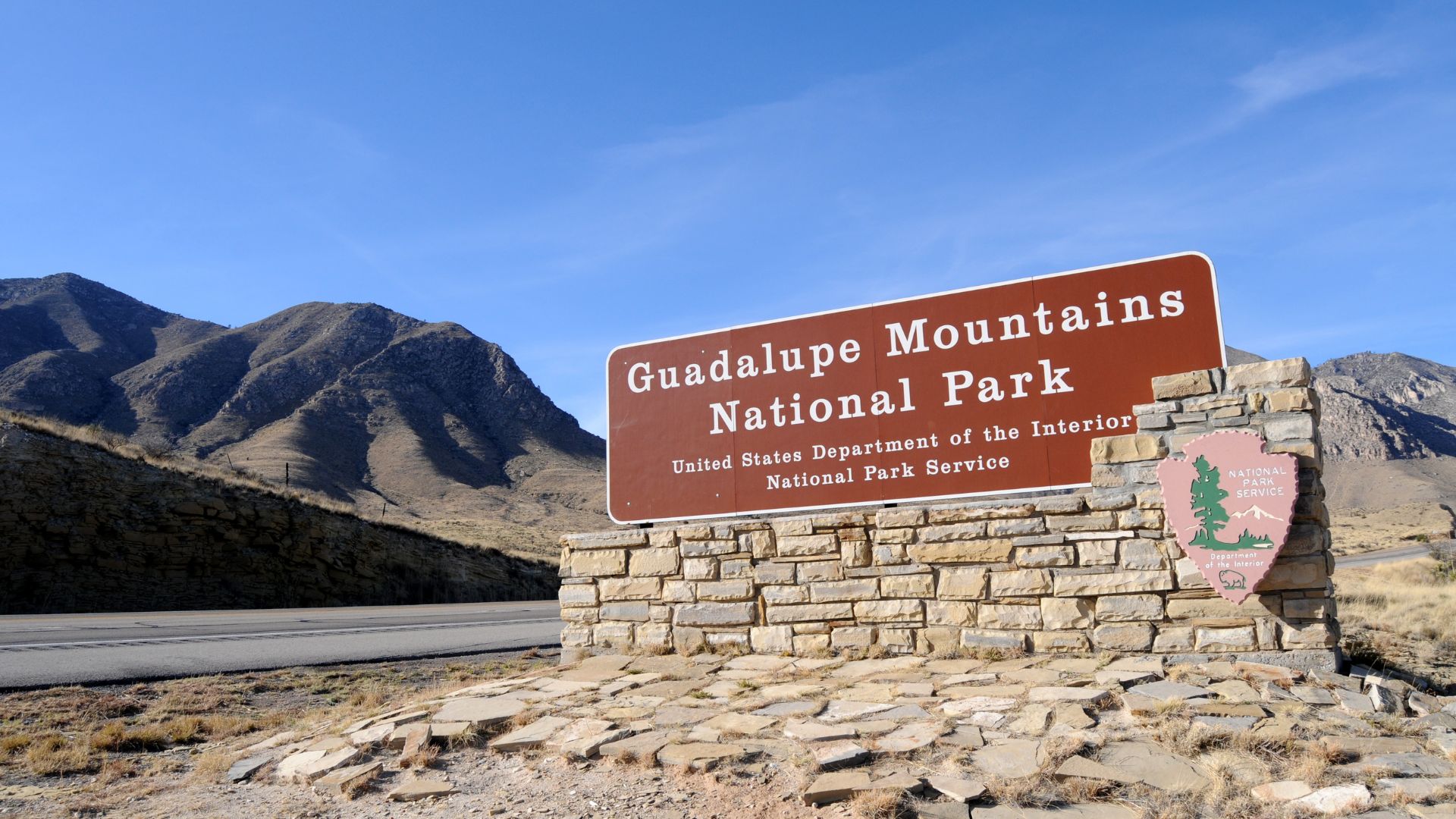
Tucked away in West Texas near the New Mexico border, Guadalupe Mountains National Park is a true hidden gem. With only about 225,000 annual visitors, it’s a far cry from the crowds at more famous parks.
The park protects the world’s most extensive Permian fossil reef. Guadalupe Peak, the highest spot in Texas at 8,751 feet, sits here. You can hike to the summit, explore deep canyons, or wander through landscapes that shift from desert to forest.
El Capitan, a striking peak, once guided early travelers and stagecoaches. The park is also a stargazer’s paradise thanks to its remote, dark skies.
You’ll probably fly into El Paso International Airport to get here. Most people stay in Carlsbad, New Mexico, since park facilities are pretty limited.
Guadalupe Mountains covers more than 86,000 acres and became a national park in 1972. If you visit in fall, the canyons explode with color—another reason to put this place on your list.
Why Choose Lesser-Known National Parks?
Smaller national parks offer quiet trails, rare wildlife, and better camping without the constant struggle for parking or photo ops that comes with the big-name parks.
Benefits of Avoiding Popular Crowds
When you skip the famous parks, you can actually slow down and enjoy the place. The big parks—think Yellowstone or Grand Canyon—get millions of visitors. Just 10 parks pull in over half of all national park traffic. Wild, right?
Arriving at a smaller park feels different. You’ll usually find a parking spot. Campgrounds have openings, even on summer weekends. No need to book months ahead or wake up before sunrise just to get a good spot.
What you get at less-crowded parks:
- No lines for bathrooms or visitor centers
- Peaceful trails where birds and wildlife take center stage
- Campsites available, even during peak season
- Easy parking and stress-free viewpoints
- Uninterrupted views for your photos
Rangers often have more time to chat and share stories. You can linger at overlooks without someone breathing down your neck.
Unique Landscapes and Biodiversity
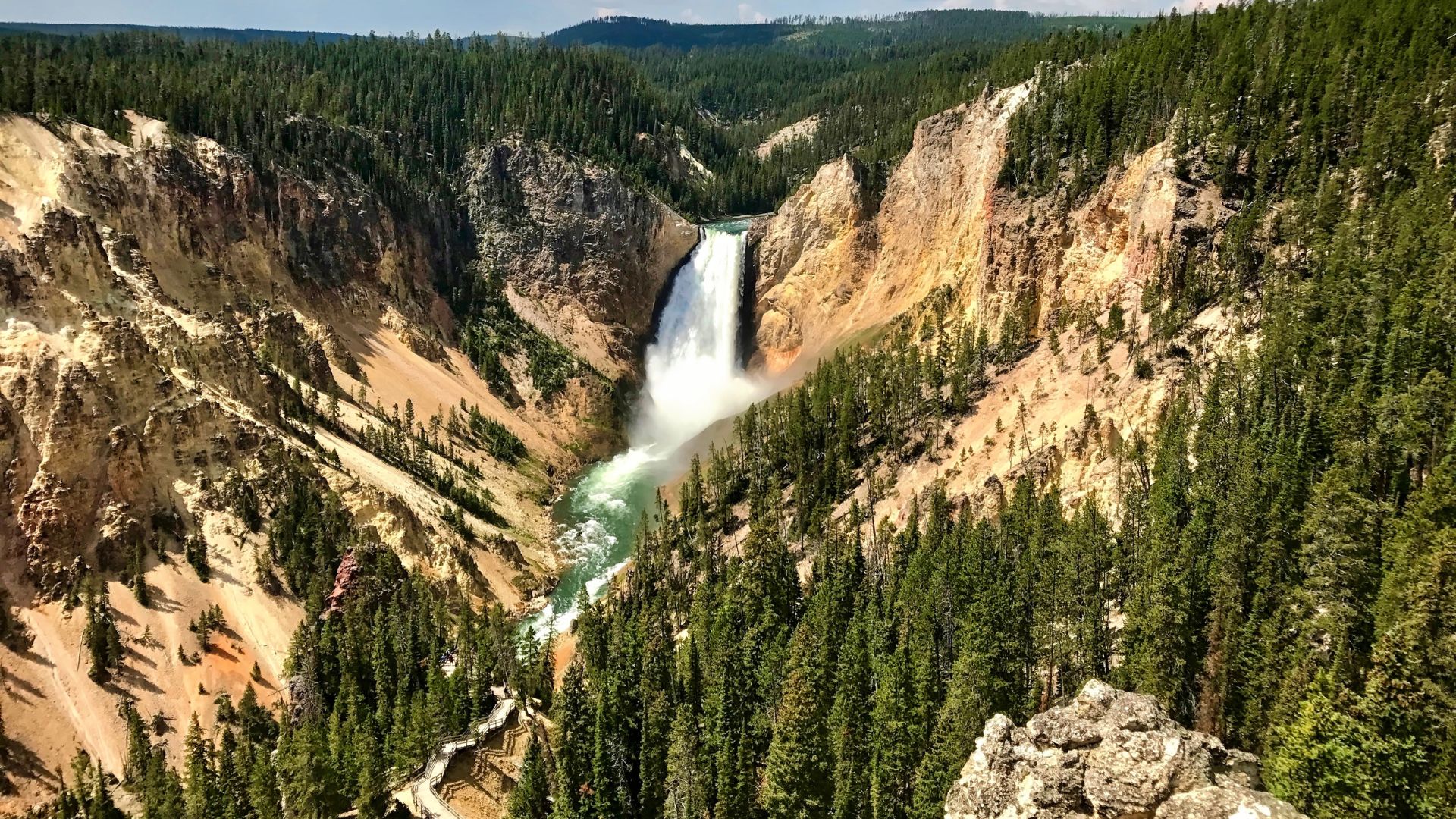
These overlooked parks protect rare ecosystems and wild geology you won’t find elsewhere. Each one preserves its own mix of plants, rocks, and wildlife.
Some parks save habitats that exist nowhere else. Others show off wild landforms or tell fascinating stories from Earth’s history. You might see cave systems, volcanic fields, coastal forests, or ancient rock layers that reveal eons of change.
Wildlife tends to stick around longer in quieter parks. Animals are less shy, so your chances of spotting something cool go way up.
Photographic Opportunities
At these parks, you can actually get a shot without a crowd in the background. In popular parks, you might spend ages waiting for a clear photo—or just give up.
Morning and sunset golden hours are all yours. Set up your tripod wherever you want. Animals behave naturally, so wildlife photos really pop.
You have time and space to experiment with lighting and composition. You can return to the same spot for different conditions. Your photos will stand out because, honestly, not many people have been there.

Planning Your Summer Adventure
Visiting these overlooked national parks in summer calls for a different approach than the usual tourist hotspots. Weather can change fast, and packing smart helps you handle anything—while keeping your environmental impact low.
Best Times to Visit for Each Region
Let’s start with the Pacific Northwest. Parks like North Cascades really shine from July through September. That’s when the snow finally melts, roads open up, and you’ll catch those clear trails and warm, sunny days. There’s just something magical about those alpine lakes under blue skies.
Desert parks in the Southwest, on the other hand, practically beg for early summer trips. I’d say May or June is your window before the heat turns brutal—think over 100°F by July. If you’re eyeing Great Basin or Guadalupe Mountains, try to get there before mid-June. If you can’t, just set your alarm early and plan to explore at sunrise or after dinner.
Alaska’s parks—like Wrangell-St. Elias—are a whole different world. You’ll want to visit between June and August. During these months, the roads become passable, and you get almost endless daylight. Late June is a treat if you love wildflowers.
Eastern parks such as Congaree can get muggy in July and August. I’d aim for early June or maybe late August. You’ll dodge the worst of the heat and those unpredictable afternoon thunderstorms.
Essential Packing Tips
Packing for a national park? It’s all about matching your gear to the place. For mountain parks, layers are your best friend because temperatures can swing 30 or even 40 degrees from dawn to afternoon.
Don’t forget these essentials:
- Sun protection—SPF 30+ sunscreen, a hat, and sunglasses
- Reusable water bottles (at least 3 liters per person, trust me)
- A first aid kit, especially with blister care
- Bear spray if you’re headed somewhere wild
- Offline maps downloaded to your phone (cell service is a gamble)
I always skip cotton and go for moisture-wicking clothes. Cotton just holds onto sweat and gets chilly fast at higher elevations. Quick-dry fabrics make life easier—no one likes hiking in soggy clothes.

Sustainable Travel Practices
Please, stick to marked trails. I know it’s tempting to wander, but even a few steps off can damage fragile plants and cause erosion. Here’s a good read on why it matters.
Always pack out every bit of trash—even fruit peels and crumbs. Those take forever to break down and can attract animals to places they shouldn’t be. I keep an extra bag handy just in case.
When you camp, use established sites. Creating new fire rings or tent spots leaves scars that last. And always set up camp at least 200 feet from water so wildlife can get a drink.
Refill your bottles at visitor centers instead of buying more plastic. Most parks have refill stations—saves money and cuts down on waste.
Frequently Asked Questions
You’re not alone if you have questions about exploring those less-famous national parks. Here’s what I’ve learned from my own adventures and talking to fellow travelers.
North Cascades National Park in Washington is a personal favorite. With 300+ glaciers and sparkling alpine lakes, it still manages to fly under the radar compared to Mount Rainier or Olympic.
Great Basin National Park in Nevada is another underrated gem. Ancient bristlecone pine forests, wild caves, and barely any crowds, even in July.
Isle Royale National Park in Michigan? Now that’s an adventure. Since you can only get there by boat or seaplane, the crowds stay away and the wildness stays intact.
Skip the Yellowstone and Yosemite crowds and head for Great Basin. You’ll get dramatic mountains, quiet trails, and maybe even a parking spot right at the trailhead.
North Cascades is a solid alternative to the packed parks in Washington. The alpine views rival Mount Rainier, but you won’t be elbowing for space.
Congaree National Park in South Carolina lets you wander among giant trees and paddle through blackwater swamps without the hustle of the Smokies.
Great Basin National Park is just five miles from Baker, Nevada. It’s a scenic drive from Salt Lake City or Las Vegas—plan for a few hours, but it’s worth it.
Congaree National Park sits only 20 miles from Columbia, South Carolina. You can hop off Interstate 77 and be in the wilderness in no time.
North Cascades National Park does take a little more effort, but State Route 20 runs right through it. In summer, you can pull off at overlooks and trailheads straight from the highway.
Isle Royale National Park stands out for its isolation. You’ll need a ferry or seaplane to reach this wild island in Lake Superior. Wolves and moose roam here, and researchers have studied them for years.
Chaco Culture National Historical Park transports you back in time. You can wander through ancient Puebloan ruins and stand in awe under some of the darkest night skies in the country—stargazing here is unreal.
Congaree protects the largest old-growth bottomland hardwood forest in the U.S. Kayaking through these flooded forests, you’ll see trees that tower over 150 feet.
North Cascades bursts into life in summer. Snow melts off the passes, wildflowers bloom in the meadows, and those turquoise lakes look almost unreal.
Great Basin National Park stays cool up high while the desert below bakes. Tour Lehman Caves any time—the temperature inside hovers around 50 degrees.
Isle Royale is only really accessible in summer when the ferries run. The mild weather is perfect for backpacking or paddling along the shoreline. If you want solitude and adventure, this is your park.
Let’s talk about Isle Royale. Tucked far out in Lake Superior, this place draws fewer than 30,000 visitors each year. The long ferry ride and remote location scare off the crowds—so the park stays wild, quiet, and honestly, a little magical.
Then there’s Chaco Culture National Historical Park, hidden at the end of some bumpy dirt roads in northwestern New Mexico. Most folks don’t bother with the drive, which means you might just have ancient ruins and wide-open skies all to yourself. It’s a bit of a trek, but isn’t that half the adventure?
Great Basin National Park is another underrated gem. Despite its alpine lakes and mysterious caves, hardly anyone seems to go. You can wander high-elevation trails or duck into Lehman Caves and barely see another soul. If you’re craving solitude, this spot delivers.