
When I first packed my bags for Germany, I thought I had it all figured out. The usual stereotypes—German efficiency, strict punctuality, and a love for rules—pretty much shaped my expectations.
I pictured trains that never, ever ran late, streets lined with meticulous order, and people who’d rather skip small talk than crack a smile.
But wow, living here for a few years tossed all those ideas out the window. Sure, the trains mostly show up on time and the recycling system is next-level, but honestly, that’s just the tip of the iceberg.
The real Germany? It’s a patchwork of warmth, quirky traditions, and moments that made me rethink everything I thought I knew. I’ve laughed at everyday surprises, stumbled into new attitudes about life, and found a social scene that’s way more inviting than I imagined.
If you’re ready to look past the clichés, let’s dive in—Germany’s full of hidden gems, from food to festivals to unexpected kindness.
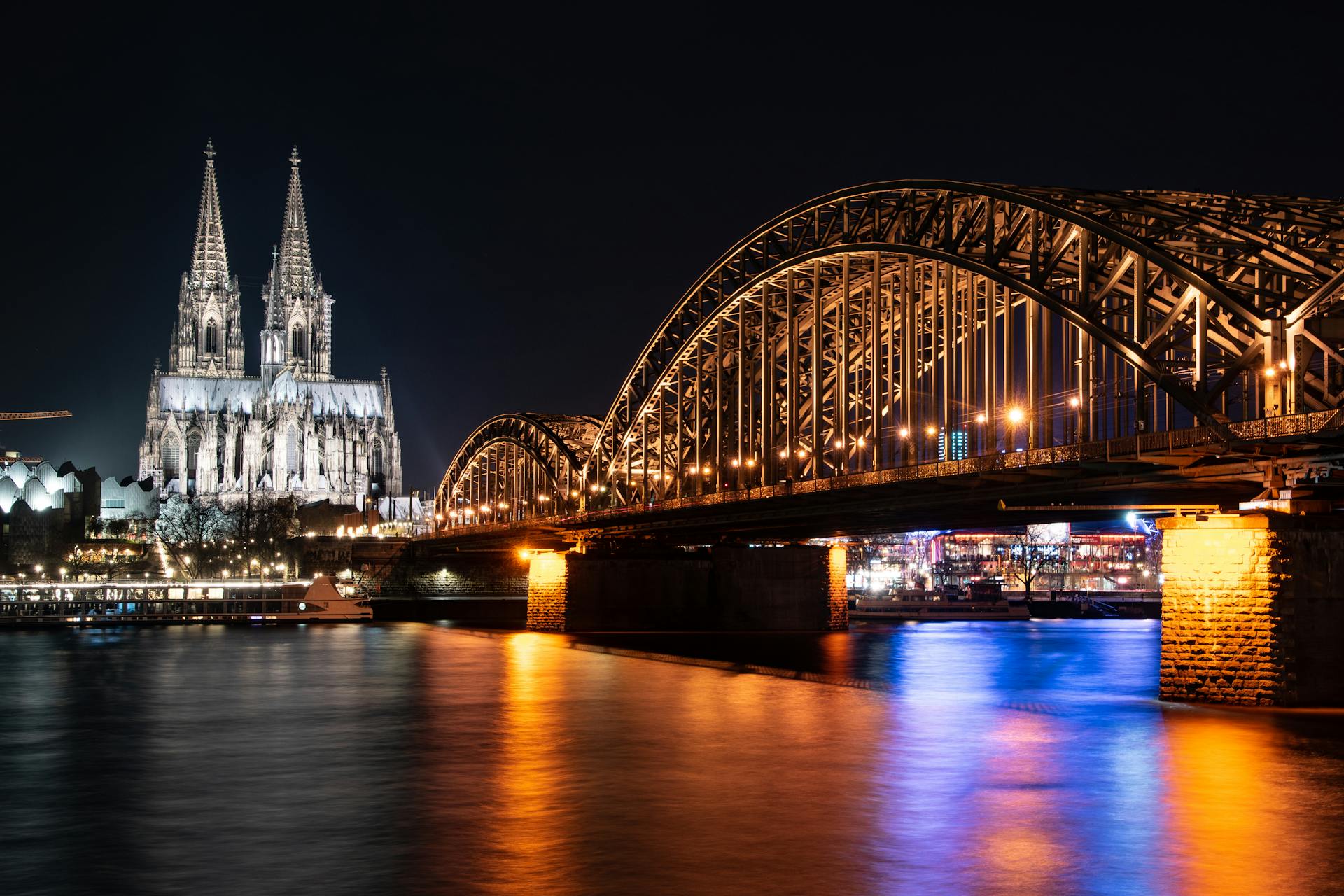
Beyond Efficiency and Punctuality: The True Face of German Culture
I quickly learned that German warmth shows up in the little things. My neighbors invited me over for coffee during my very first week.
They served homemade cake and genuinely wanted to hear about my family back home. This kind of hospitality wasn’t a one-off—it happened in every city I visited.
Small gestures that caught me off guard:
- Strangers offering to help carry heavy bags
- Coworkers bringing extra lunch to share
- Elderly folks drawing detailed maps on napkins when I got lost
Sure, Germans might seem reserved at first, but once you break through, their friendship sticks. They’ll remember tiny details from chats you had months ago.
I watched families embrace foreign exchange students as if they were their own. They brought them into holiday celebrations and birthday parties.
Even outside the home, the hospitality continues. Shopkeepers remembered my coffee order after just a few visits. Restaurant staff checked in to see if I needed help with the menu.
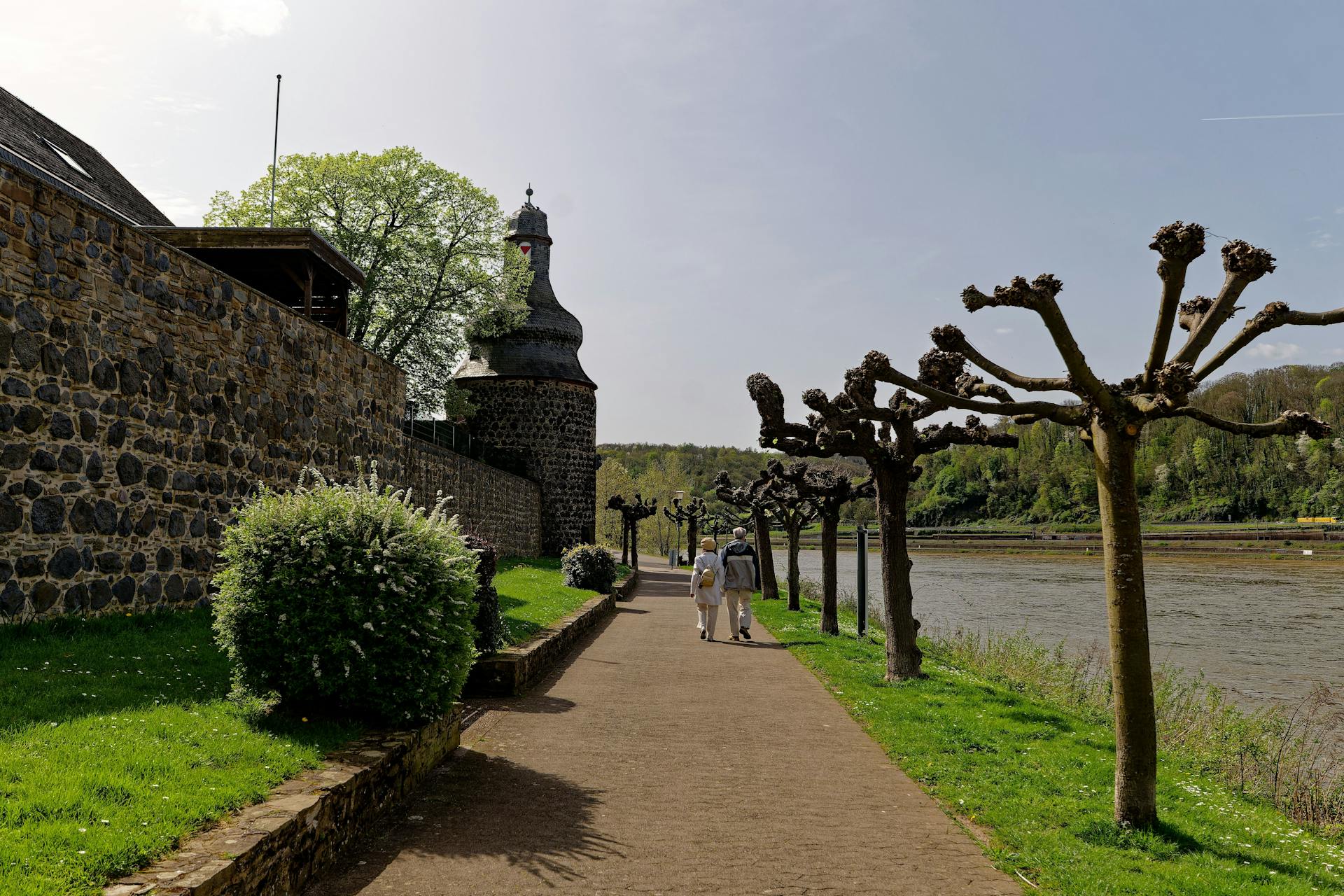
Deep-Rooted Traditions and Customs
Christmas markets really blew my mind. Every region boasts its own set of traditions, many passed down for generations.
Sundays mean Kaffee und Kuchen—coffee and cake with the whole family. It’s not just about dessert; it’s about connection.
Regional traditions I stumbled into:
- Bavaria: Hand-carved wooden toys at Christmas markets
- Rhineland: Carnival season with wild costumes and parades
- Northern Germany: Maritime festivals that keep fishing history alive
When kids start school, parents hand them a giant decorated cone, or Schultüte, packed with treats and small gifts. It’s adorable.
I joined a neighborhood Straßenfest where everyone brought food and music, and the whole street turned into a block party.
The Stammtisch tradition fascinated me. Groups of friends claim the same table at a local restaurant, meeting every week for years—sometimes decades. They talk about everything from politics to family drama.
These customs pull people together and make community ties much stronger than I ever expected.

Unexpected Everyday Experiences in Germany
Living here meant running into daily surprises that no guidebook could prepare me for. From the eerie calm of Sundays to the secret rules of public spaces, Germany’s everyday life is full of surprises.
The Mystery of German Sundays
Sundays here feel like a different universe. Weekdays are busy, but come Sunday, the city empties out.
Shops close. Streets go quiet. Even construction crews take a break.
You’ll only find a handful of places open:
- Shops at train stations
- Some gas stations
- Restaurants (but don’t count on all-day hours)
- A few tourist spots
The first time this happened, I wandered around looking for groceries and realized everything was locked up tight. At first, it was annoying, but now I kind of love the forced break.
Germans spend Sundays walking in the forest, catching up with family, or just relaxing at home. It’s a whole new approach to work-life balance—one I’ve come to appreciate.

Unspoken Rules in Public Spaces
Navigating German public spaces was a puzzle at first. People keep their distance on park benches and avoid eye contact on public transport.
The quiet car on trains? It’s silent. People whisper, or just don’t talk at all. If you need to make a call, you move to another car. Even kids seem to know the drill.
Things I picked up quickly:
- Don’t sit right next to someone if other seats are free
- Keep your voice down on buses and trains
- Wait patiently in line—no pushing
- Sort your trash, even in public
Cash is still king. I learned to carry euros everywhere after a few awkward moments when restaurants wouldn’t take cards. It’s less about tech and more about privacy and control, I think.
Personal space is sacred. Accidentally bumping someone in line? Apologize right away.
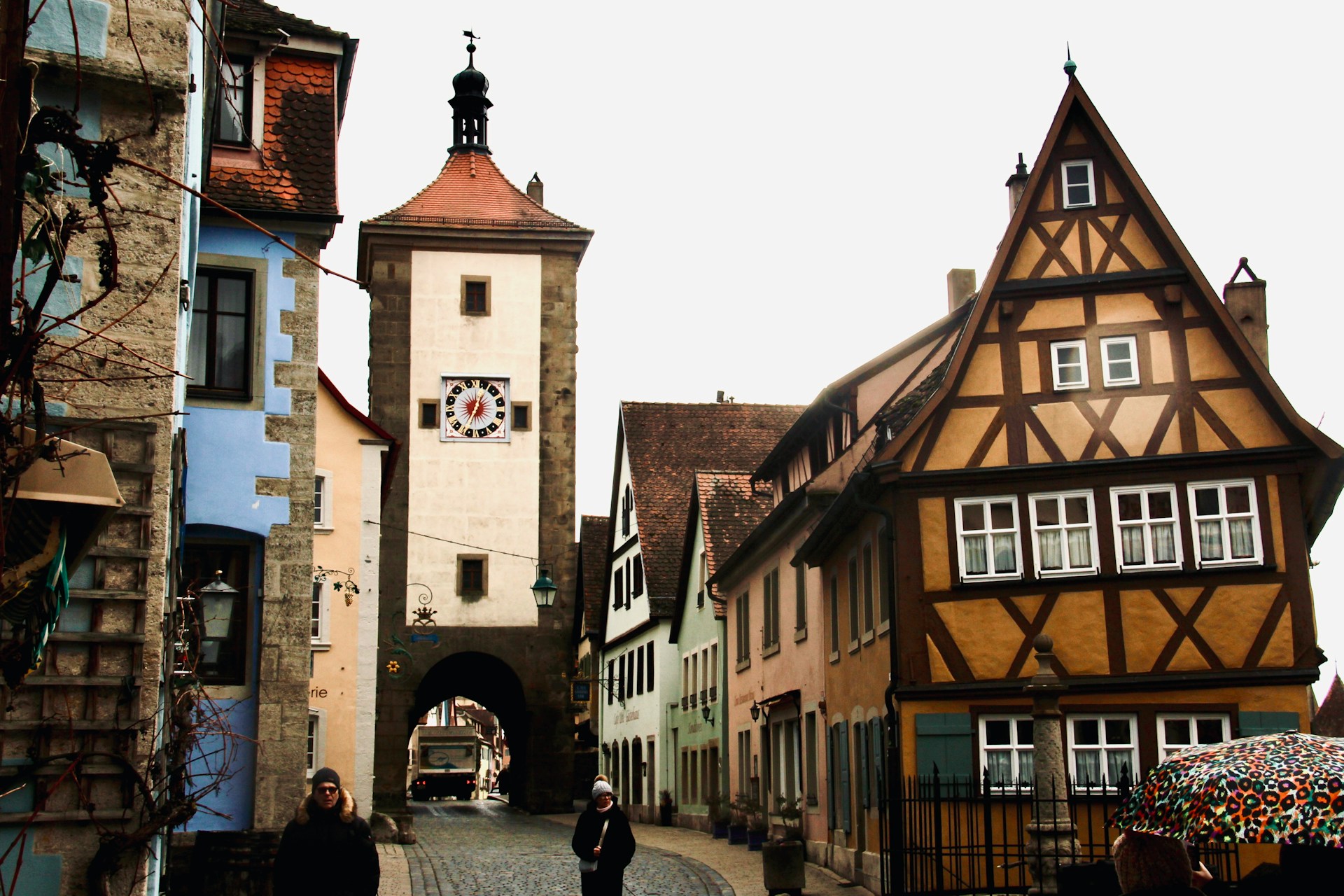
Regional Differences That Defy Stereotypes
Bavaria feels like another country compared to Berlin or Hamburg. Each region has its own dialect, food, and social quirks.
In Munich, people dress up just to run errands. In Berlin, anything goes—creativity wins over conformity.
What stood out to me:
- North: Direct talkers, love seafood, Protestant roots
- South: Dressier, Catholic traditions, hearty mountain food
- East: Soviet-era architecture, different business hours
- West: More international, super diverse
Food changes dramatically from region to region. I found fish dishes up north and heavy, comforting food in the south.
Even punctuality isn’t consistent. Berliners are way more relaxed about time than Bavarians. These differences really shattered that “one-size-fits-all” German stereotype.
Language shifts too. Bavarian dialect sounds nothing like standard German. Locals often switch to “Hochdeutsch” when they realize I’m not from around here, which honestly feels pretty considerate.
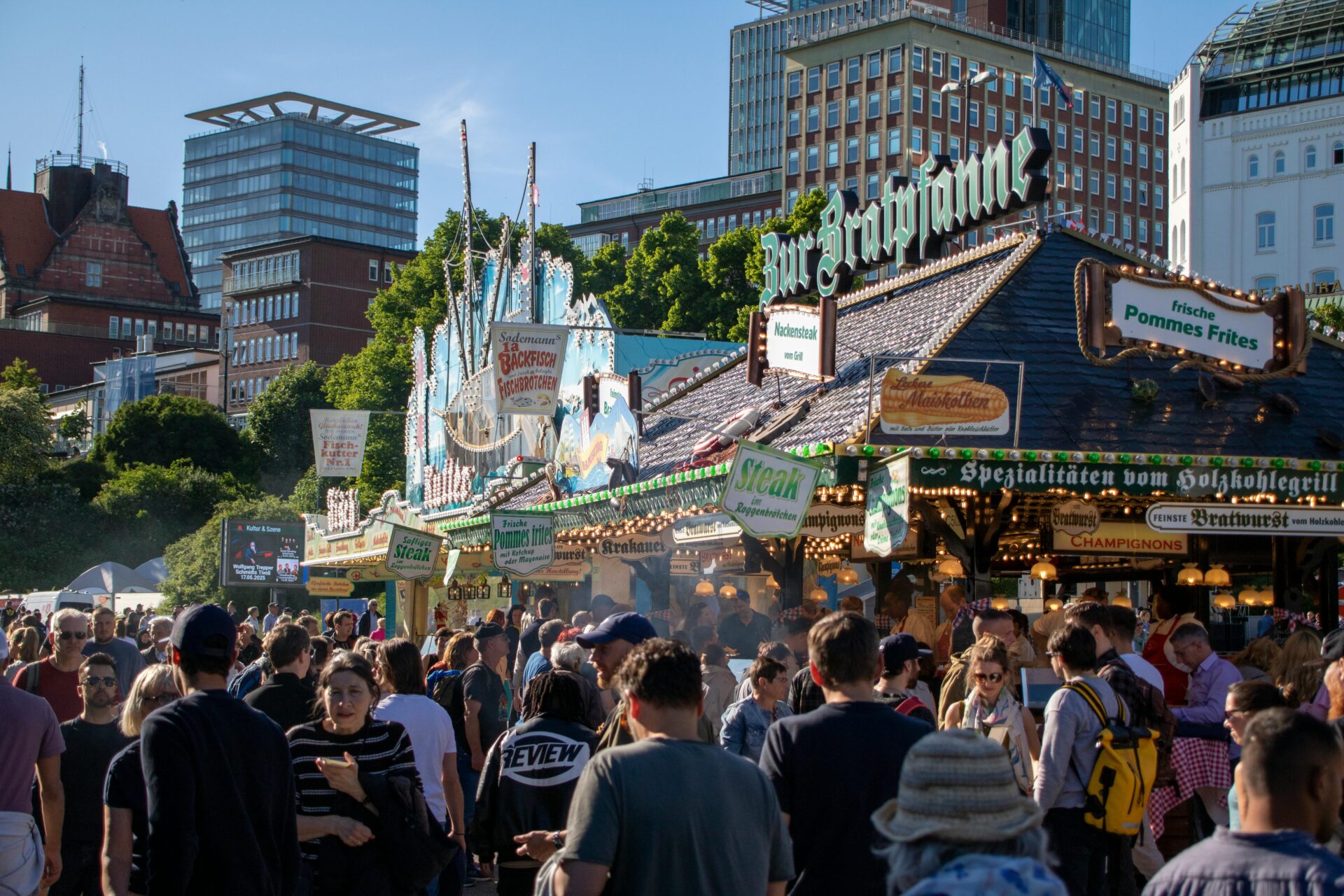
Surprising Attitudes Towards Suffering and Adversity
Germans tackle tough times with a kind of openness and practical support that’s rare elsewhere. People talk about hardships head-on, which honestly feels refreshing.
Cultural Openness About Difficult Topics
I noticed that Germans don’t shy away from mental health, historical trauma, or personal struggles. They talk about therapy, burnout, and tough emotions as easily as they chat about the weather.
When it comes to Germany’s darker history, museums and memorials present everything honestly. There’s no sugarcoating—just facts and space for reflection.
Mental health is just part of the conversation:
- Friends casually mention therapy appointments
- People talk openly about burnout
- Emotional struggles come up naturally
- No one seems embarrassed to share
Suffering isn’t taboo here. People discuss job loss, breakups, or health problems without shame.
This honesty means folks get help sooner. When you can talk about problems, it’s easier to find solutions.
Community Responses to Hardship
Communities here step up fast when someone’s struggling. Neighbors organize help for families facing illness or unemployment with impressive efficiency.
Local groups pop up during tough times, and they don’t just offer emotional support—they handle childcare, groceries, even home repairs.
Community help often looks like:
- Meal delivery schedules
- Childcare swaps and networks
- Financial assistance funds
- Hands-on help around the house
Workplaces take a direct approach too. Managers discuss personal issues openly and adjust workloads if needed. It’s practical, not just sympathetic.
The focus is on fixing the problem, not just comforting you.
Hidden Delights: Food, Nature, and Social Life
Germany’s food scene is so much more than bratwurst and beer. The outdoor culture thrives all year, and the social rituals around both are something you really have to experience.
Unexpected Food Traditions
I never expected to find an entire tea culture here, but in East Frisia, tea beats beer. Locals serve it with rock sugar (Kluntje) and cream, creating three flavors in a single cup—first cream, then strong tea, then sweet sugar at the bottom.
Bavaria surprised me with dishes like Kaiserschmarrn (a shredded pancake) and Schupfnudeln (potato noodles fried with bacon and sauerkraut).
Every beer garden serves Obatzda cheese spread. And Weisswurst? Only for breakfast, always with wheat beer.
The best meals I’ve had came from tiny, family-run guesthouses. Forget the fancy restaurants—grandma’s recipes always win.

Embracing the Outdoors in All Seasons
Germans treat outdoor time as essential. Natural spring baths and saunas aren’t just for relaxation—they’re for health.
Spa visits often include thermal springs, which are believed to have healing powers. People mix hot baths with sauna sessions and call it system revitalization.
Saunas are clothing-optional, which took some getting used to. Here, nudity isn’t sexualized; it’s just normal.
Winter brings Christmas markets everywhere. I wandered snowy streets with hot mulled wine, finding handmade crafts in even the tiniest villages.
Hiking is a year-round activity. Places like Saxon Switzerland National Park offer trails far from the tourist crowds and let you see a quieter side of Germany.

Everyday Humor, Quirks, and Life Lessons
German humor is dry and sneaky—if you blink, you’ll miss it. Their directness leads to funny moments and some surprisingly valuable lessons.
German Wit and Playfulness
Germans are way more playful than I expected. Their jokes are subtle, but the timing is perfect.
During my first Berlin summer, I bundled up on a sunny 15°C January day. My neighbor strolled out in shorts and a T-shirt, grinned, and said, “It’s sunny, so it must be warm, right?”
The compliment routine at meals threw me off. Germans repeat praise for good food over and over. At first, I thought they were joking, but it’s just genuine appreciation.
My friend’s grandmother said “Das ist sehr lecker” (this is very tasty) six times during one meal. It felt odd at first, but now I get it.
And the eye contact when clinking glasses? It’s intense. But I love this little ritual now, and I’m not about to risk seven years of bad luck.
Learning From Mistakes as an Outsider
I made plenty of cultural blunders, but those mistakes taught me the most.
Once, I asked a stranger at the bus stop about the weather. She looked baffled. Turns out, Germans save small talk for people they know—they want meaningful conversations.
Directness is key. My friend’s mom wanted sausage at the market and simply asked for it—no extra pleasantries.
Rule-following caught me off guard. I jaywalked at midnight across an empty street, and three Germans waited at the red light, shooting me stern looks.
I learned to stick to bike lanes and keep quiet on public transport. Honestly, these “mistakes” helped me understand why German society runs so smoothly.
Frequently Asked Questions
People are always curious about what German life is really like beyond the clichés. Here are some questions I get about the unique aspects of German culture, communication, and daily life.
German culture goes way beyond just being efficient. For starters, there’s a deep passion for environmental protection and sustainability. I still remember my first time trying to figure out their recycling system—it felt like solving a puzzle, but everyone took it seriously.
Work-life balance isn’t just a buzzword here. Germans have rock-solid laws that protect vacation time and weekends, and honestly, it shows. People really do unplug.
The cultural scene is surprisingly vibrant. Cities come alive with festivals, art galleries, and music events all year round. And when Christmas rolls around? The markets turn ordinary places into magical winter wonderlands. You can’t help but feel festive.
Outdoor adventures are a big deal too. Germans love hiking and cycling, and the trail networks are nothing short of impressive. I’ve spent hours exploring those paths, and it’s honestly the best way to see the countryside.
Punctuality is almost an art form in Germany. Arriving five minutes early is just the norm—being exactly on time is expected, not exceptional.
Meetings start right on schedule. If you show up late, people notice, and it’s not a great look.
Public transport sticks to its timetable with almost uncanny precision. Trains and buses arrive when they say they will, so planning your day feels a lot less stressful.
Even social events follow this rhythm. If dinner’s at 7 PM, you’d better not show up at 7:10. Germans appreciate it when you respect their time.
This whole approach builds trust. You know what to expect, and so does everyone else.
Germans can surprise you with how warm and loyal they become once you break the ice. Friendships here run deep; people value quality over quantity.
Their humor? It’s delightfully dry, sometimes so subtle you might miss it if you’re not paying attention. Wordplay is a favorite, and I’ve found myself chuckling at jokes I only understood a minute later.
Directness is another hallmark. If a German has something to say, you’ll hear it straight—no sugar-coating, just honesty.
Work and personal life stay in separate lanes. When people clock out, they really switch off from work talk.
And the green mindset? It’s everywhere. Everyday choices, from shopping bags to travel, reflect a real concern for the environment.
Germans put a premium on honesty and clarity. You’ll get direct feedback, but it’s not meant to offend—just to keep things clear.
In business, meetings usually skip the chit-chat. People dive straight into facts and solutions. It can feel refreshingly efficient or a bit abrupt, depending on what you’re used to.
That directness carries over into personal life too. Disagreeing openly isn’t taboo; it’s just part of the conversation.
If you ask a question, expect a straightforward answer. Sometimes it’s so blunt, it catches newcomers off guard.
But really, this style comes from a place of respect. Germans believe that being clear saves time and avoids misunderstandings.
“Ruhezeit,” or quiet hours, matter a lot here. From 10 PM to 6 AM, making noise is a big no-no—neighbors take it seriously.
Sundays feel almost sacred. Most shops close, and things like mowing the lawn are off-limits.
When you visit someone’s home, you’ll probably need to take your shoes off. Sometimes hosts even hand out house slippers, which I found pretty charming.
Toasting with eye contact is non-negotiable. If you look away, some say it brings bad luck—so don’t risk it!
And don’t be surprised if you need cash. Many small businesses still don’t accept cards, so it pays to keep some euros on hand.
Here’s one that always catches newcomers off guard: if it’s your birthday in Germany, you’re the one who brings cake to work for your colleagues. It’s a bit backwards if you’re used to being treated on your special day, but honestly, there’s something charming about it.
Shaking hands isn’t reserved for formal situations here. People greet each other with a handshake when they arrive—and again when they leave. Even casual meetups can feel a bit official at first, but you get used to it.
Summer in Germany? It’s a big deal. Many people take long summer vacations that last three or even four weeks. During those peak months, don’t be surprised if shops or offices run with a skeleton crew. It’s just how things go.
After a lecture or a presentation, Germans won’t clap. Instead, they knock on the table—a quirky tradition that started in university halls. It feels odd at first, but after a while, you might find yourself doing it without thinking.
And you can’t talk about German customs without mentioning the regional quirks. Bavarians, for example, have their own dialect, different festivals, and a vibe that’s totally distinct from the north. Traveling from one part of Germany to another can feel like entering a new country altogether.
