
Traveling through Bavaria as a food lover turned out to be one of the most unforgettable parts of my journeys in Germany. Every town had its own flavor, but what really hit me were the rich, comforting tastes rooted in tradition.
Bavaria’s culinary scene urges you to try everything—classic Weisswurst, buttery pretzels, sweet Apfelstrudel, and, of course, some of the world’s best beer.
I wandered from rustic beer gardens in Munich to cozy bakeries in Nuremberg, always finding something new to love.
The adventure wasn’t just about eating; it was about tasting the culture and sharing food with the people I met.
If you’re dreaming up your own Bavarian food trip or just want inspiration for your next adventure, here are seven Bavarian flavors and dishes that really made my trip special.
Exploring Traditional Bavarian Breakfasts
Bavarian breakfasts are a whole experience, filled with classics like Weisswurst, fresh pretzels, and rich cheeses.
Every morning in Munich, I found something memorable—both for the taste and the tradition.
Sampling Weisswurst & Weißwurst at Munich’s Markets
Munich mornings often start with Weisswurst—those soft, white sausages made from veal and pork back bacon.
At Viktualienmarkt, locals gather early to enjoy them together.
People usually eat Weisswurst before noon since it’s made fresh and tastes best while it’s still warm.
Ordering it at a busy market stall feels like stepping straight into Bavarian history.
The sausages come poached (never grilled) and arrive at the table in a bowl of hot water.
There’s a bit of a trick to eating them.
Locals use the zuzeln method, gently sucking the meat from the casing.
I’ll admit, I usually just slice mine, but nobody seemed to mind.
A dollop of sweet Bavarian mustard and a cold, cloudy Weißbier (wheat beer) are the classic partners.
Yes, beer for breakfast is totally normal here—especially with Weisswurst.
The flavor is mild, herby, and comforting—a gentle way to start the day.
The Art of Brezen: Perfect Pretzels and Pairings
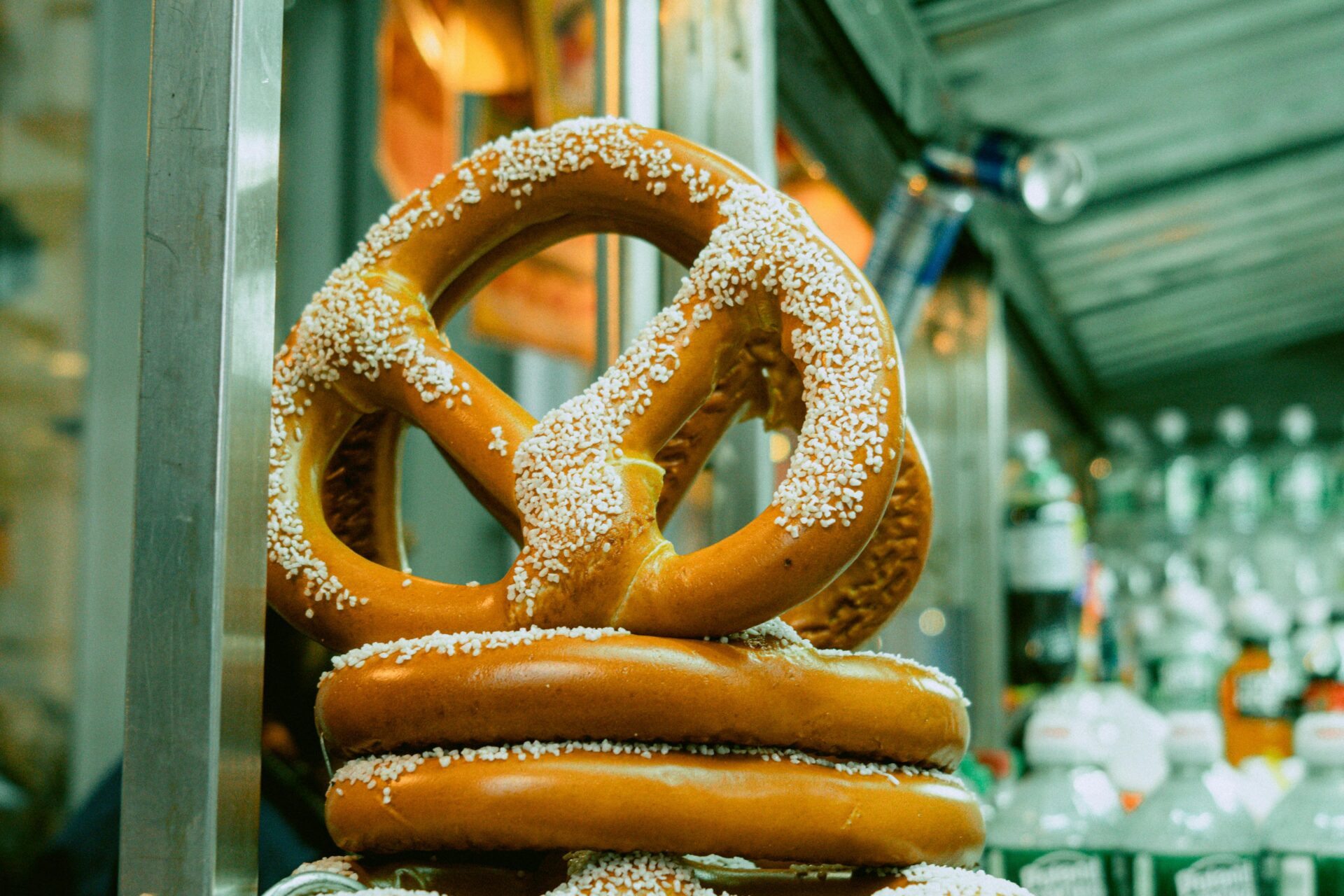
Pretzels, or Brezen, show up everywhere in Bavaria, and no breakfast feels right without one.
These chewy, dark, salt-crusted breads are baked fresh every morning.
My favorite Brezen came from a tiny bakery near Viktualienmarkt.
Just the smell—warm yeast, salt, and butter—pulled me in from the street.
Pretzels come in all sizes, and in the mornings, I loved eating them with Weisswurst or thick slices of cold ham.
They also taste great with honey or jam, balancing salty and sweet.
Locals sometimes pair them with a slice of Emmentaler or other regional cheeses.
It’s a simple meal, but so satisfying.
| Bavarian Breakfast Pairings |
|---|
| Weisswurst with sweet mustard |
| Brezen with butter or cheese |
| Weißbier (wheat beer) |
| Jams and honey for dipping |

Creamy Cheese Spread and Local Cheeses
No Bavarian breakfast felt right without cheese.
Käse comes in all shapes and flavors, from creamy Obatzda to slices of Bergkäse.
Obatzda quickly became my favorite—a soft, spreadable mix of aged cheese, butter, paprika, and onions.
It’s bold but balanced, just perfect on a fresh Brezen.
At Munich markets, cheese stalls offered samples so I could pick my favorite.
Regional specialties like Allgäuer Emmentaler tasted nutty and mellow, while some spicier cheeses packed a punch.
These cheeses go best with fruit, pickles, or even crunchy radishes.
Breakfast in Bavaria isn’t just about the food—it’s about sharing a slow, relaxed meal.
Sitting outside with cheese, warm pretzels, and the city waking up around me turned into my favorite way to start the day.

Bavaria’s Legendary Sausages and Wursts
Bavaria’s wurst scene is legendary across southern Germany.
Every city puts its own twist on sausage traditions, and you can taste the pride in every bite.
Bratwurst Delights in Nuremberg
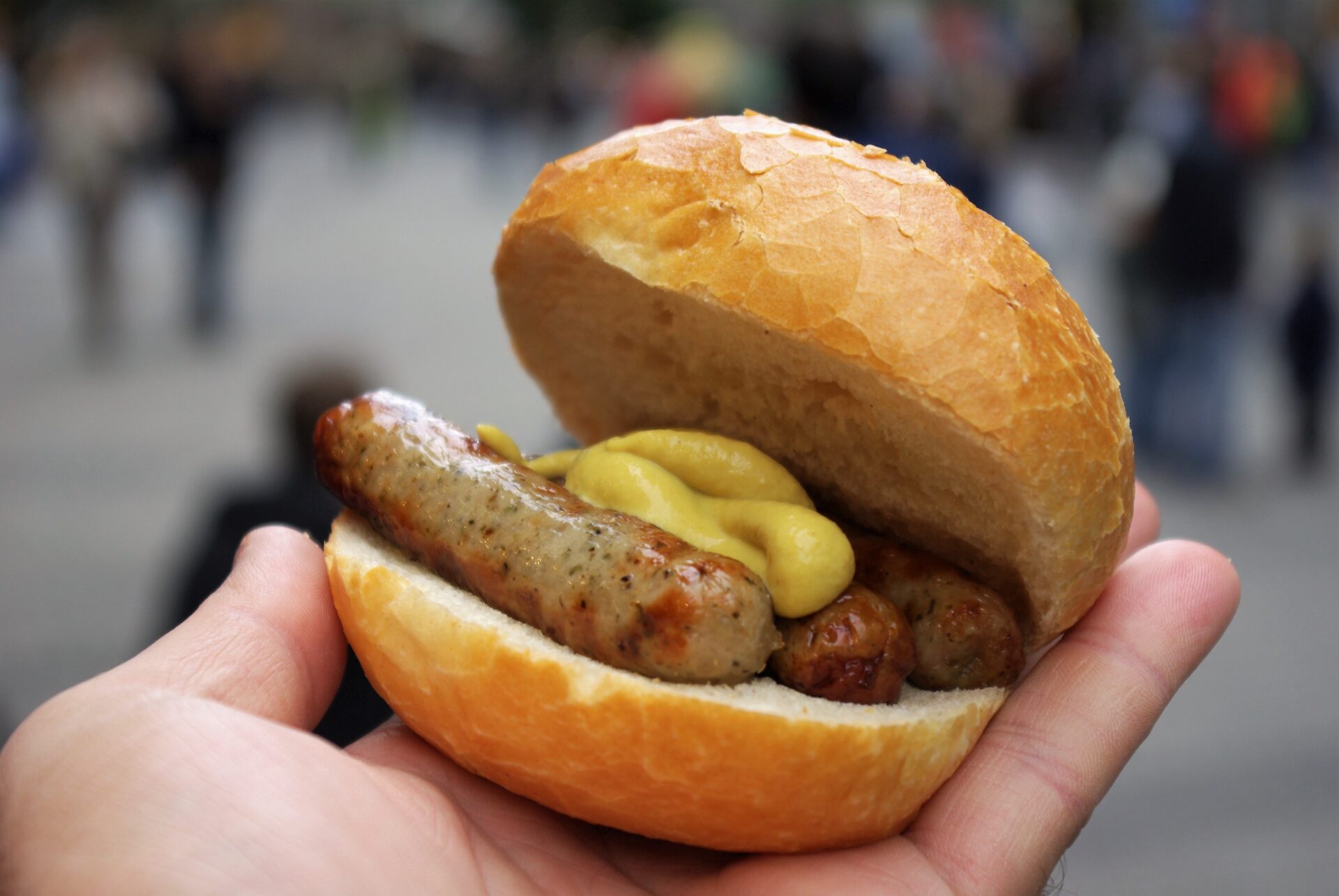
My first real Nürnberger Bratwürste blew me away.
In Nuremberg, bratwurst are small—just three inches long—but packed with pork and spiced with marjoram.
They cook these sausages over a beechwood fire and serve them by the half-dozen (or more).
You’ll get them with sauerkraut or potato salad and a side of strong mustard.
Some locals order twenty at a time—no joke.
Eating bratwurst in a historic Bratwurstküche is a must.
The smoky smell, the sizzle on the grill, and the sight of a server piling them onto a pewter plate—this meal became a highlight of my trip.
Discovering Sausages Beyond Munich
Bavarian sausage traditions go way beyond Nuremberg.
In Munich, I tasted the famous Weisswurst, made from finely minced veal and back bacon, flavored with parsley, lemon, and gentle spices.
Locals heat Weisswurst in hot water and eat it with a pretzel and sweet mustard.
They say, “No Weisswurst should ever hear the afternoon church bells,” so people eat them before noon.
Some towns have their own varieties—Regensburg’s smoky Knacker or the garlicky, cheese-filled Käsekrainer.
Trying different wurst as I traveled gave me a real sense of how deep these traditions run.

Savory Sauerkraut and Sides
No sausage meal in Bavaria feels right without the classic sides.
Sauerkraut—tangy, shredded, and usually slow-cooked with caraway seeds—cuts through the richness of the sausages.
Southern German potato salad, dressed with vinegar, broth, and onions, became another favorite.
And, of course, there’s always a pretzel nearby to mop up any extra mustard.
Getting these sides fresh from a local kitchen made the meal complete.
Simple foods, done well, can really steal the show.
Hearty Main Courses: Schweinshaxe, Käsespätzle, and More
There’s nothing like digging into Bavarian comfort food after a long day of exploring.
Big portions, rich flavors, and local tradition all come together in these dishes.
Crispy Schweinshaxe Experience
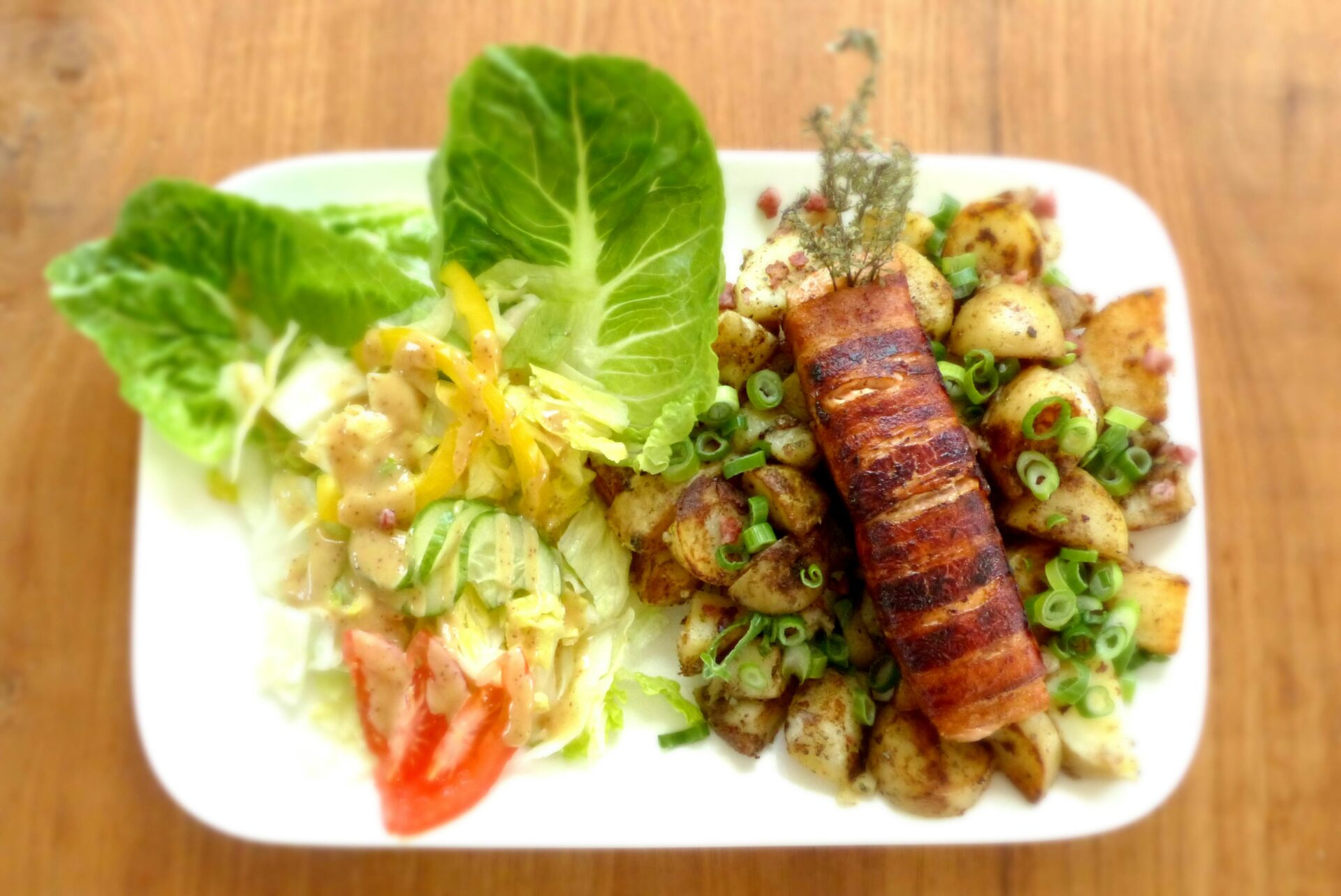
Schweinshaxe, or roasted pork knuckle, is the star of many Bavarian menus.
The first time I saw one arrive at a table—crackling skin, mouthwatering aroma, and a portion big enough for two—I knew I had to try it.
Chefs at my favorite beer hall in Garmisch-Partenkirchen basted the pork knuckles with beer to keep them juicy.
When you break into the crispy skin, you find tender, flavorful meat underneath.
They usually serve Schweinshaxe with sauerkraut, potato dumplings, or a rich gravy.
If you want the full experience, order it with a local Dunkel beer—the malty flavor and savory pork are a perfect match.

Indulging in Käsespätzle
When I needed comfort food, Käsespätzle always hit the spot.
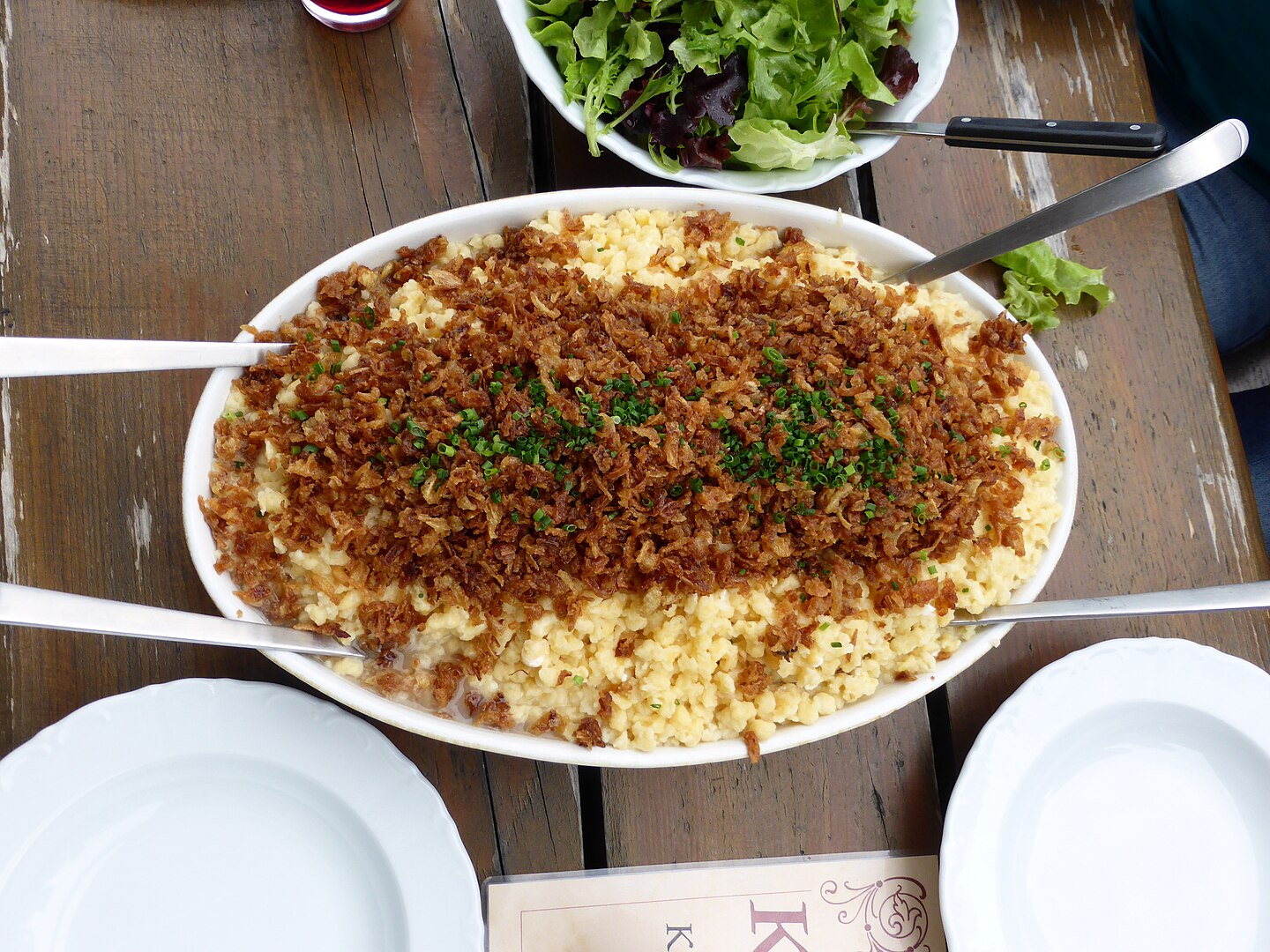
This dish is all about soft, handmade egg noodles, melted cheese, and crispy fried onions on top.
People sometimes call it Bavarian mac and cheese, but it’s got its own personality.
The cheese varies—Emmental or Allgäu mountain cheese are common choices, giving every bite a punch of flavor.
Locals at farmers’ markets debate the best cheese or noodle texture for Käsespätzle.
I like it hot from the oven, with a crisp green salad and a glass of white wine or a mild lager.
After hiking in the Alps, nothing tastes better.
Bavarian food really does comfort the soul.
Sampling Sweet Bavarian Pastries
Bavaria is a dream for dessert lovers.
Everywhere I went, I found flaky apple pastries, rich cakes, and even tropical fruits.
Tasting Apfelstrudel and Classic Desserts
One bite of apfelstrudel in Bavaria and I finally got what all the fuss was about.
This classic apple pastry comes warm, with crisp, thin layers of dough wrapped around apples, cinnamon, and just the right amount of sugar.
Some versions include raisins or chopped nuts, so every slice feels a little different.
Cafes usually serve it with a generous scoop of whipped cream.
It’s simple, but the flavors are pure comfort.
I also loved Bavarian specialties like prinzregententorte, a layered chocolate cake with thin sponge and chocolate buttercream, topped with glossy icing.
It almost looked too perfect to eat, but the chocolate won me over.
Here are a few classic desserts I found everywhere:
- Bienenstich (“Bee Sting Cake”)
- Dampfnudeln (Sweet steamed buns)
- Kaiserschmarrn (Shredded pancake with fruit)
Discovering Local Pastries and Exotic Fruits
Bavarian bakeries are packed with treasures.
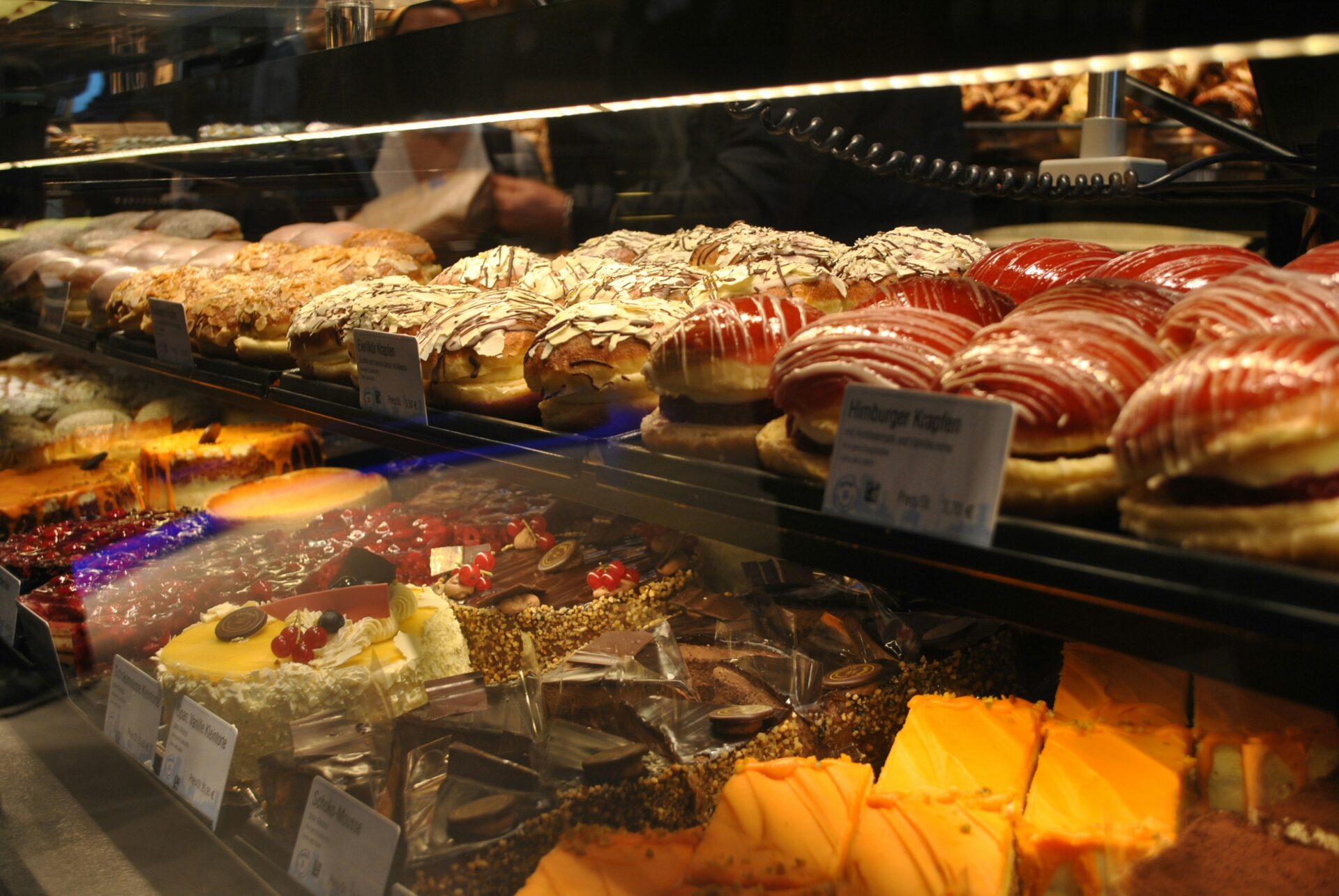
From buttery croissants to sweet, braided Hefezopf, I always found something new to try.
Every morning, markets displayed tables loaded with pretzel-shaped pastries, jam-filled doughnuts, and flaky danishes covered in icing or streusel.
But it wasn’t just baked goods.
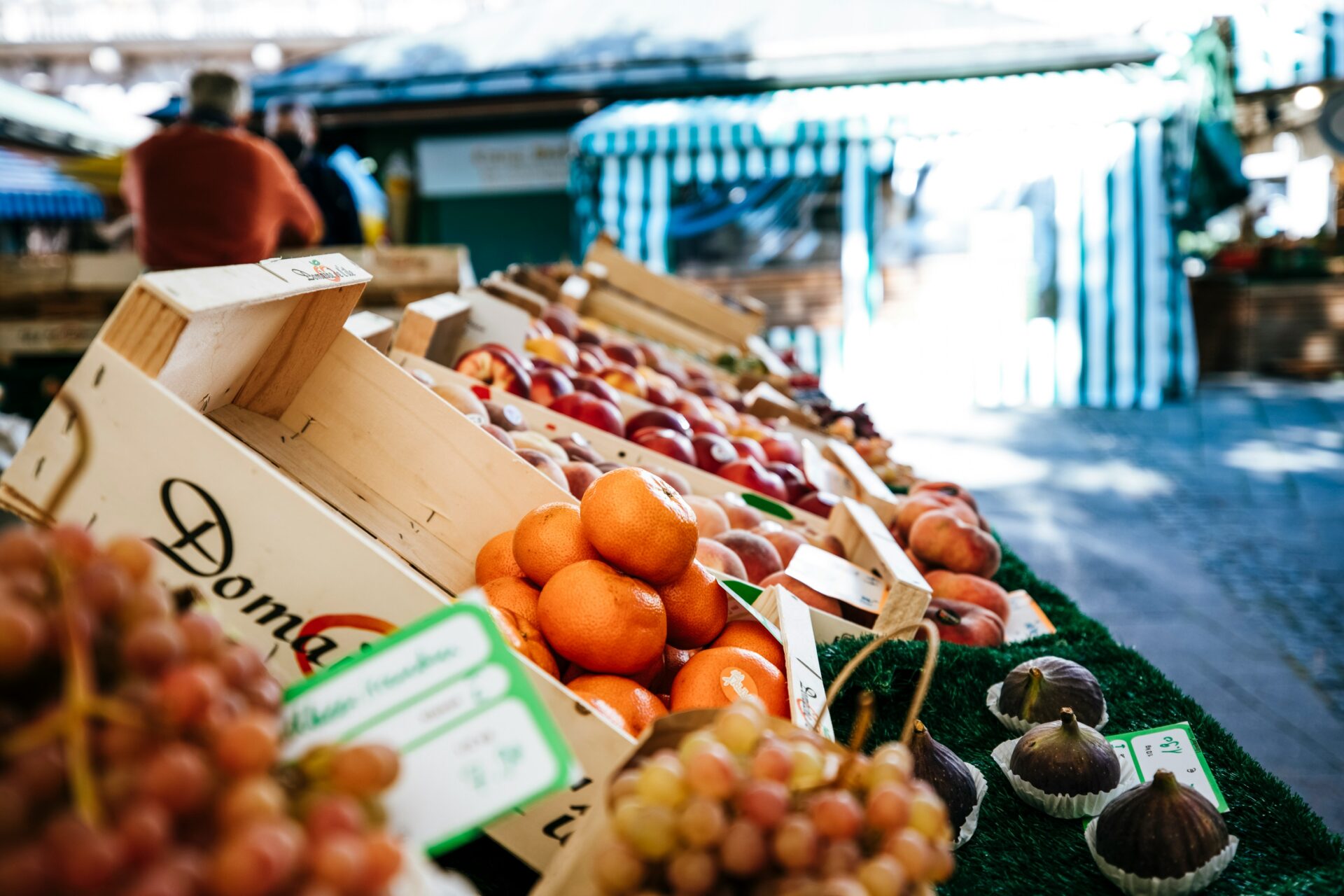
At Munich’s Viktualienmarkt, I spotted stalls overflowing with exotic fruits—figs, passionfruit, ripe mangoes—right next to regional apples and plums.
Trying a new pastry with a taste of tropical fruit became my little ritual.
The flavor mix—warm cinnamon from a bun, tart berries in a pastry, sweet mango—kept things interesting.
If you’ve got a sweet tooth, Bavaria’s authentic pastries and fruits are a highlight you shouldn’t miss.
Experiencing Bavaria’s Legendary Beer Culture
Bavaria’s beer culture is about so much more than what’s in the stein.
It’s a daily ritual, a lively gathering, and a huge part of the region’s identity.
From outdoor beer gardens to historic brewing laws, every sip ties you to centuries of Bavarian life.
Authentic Beer Gardens and Breweries
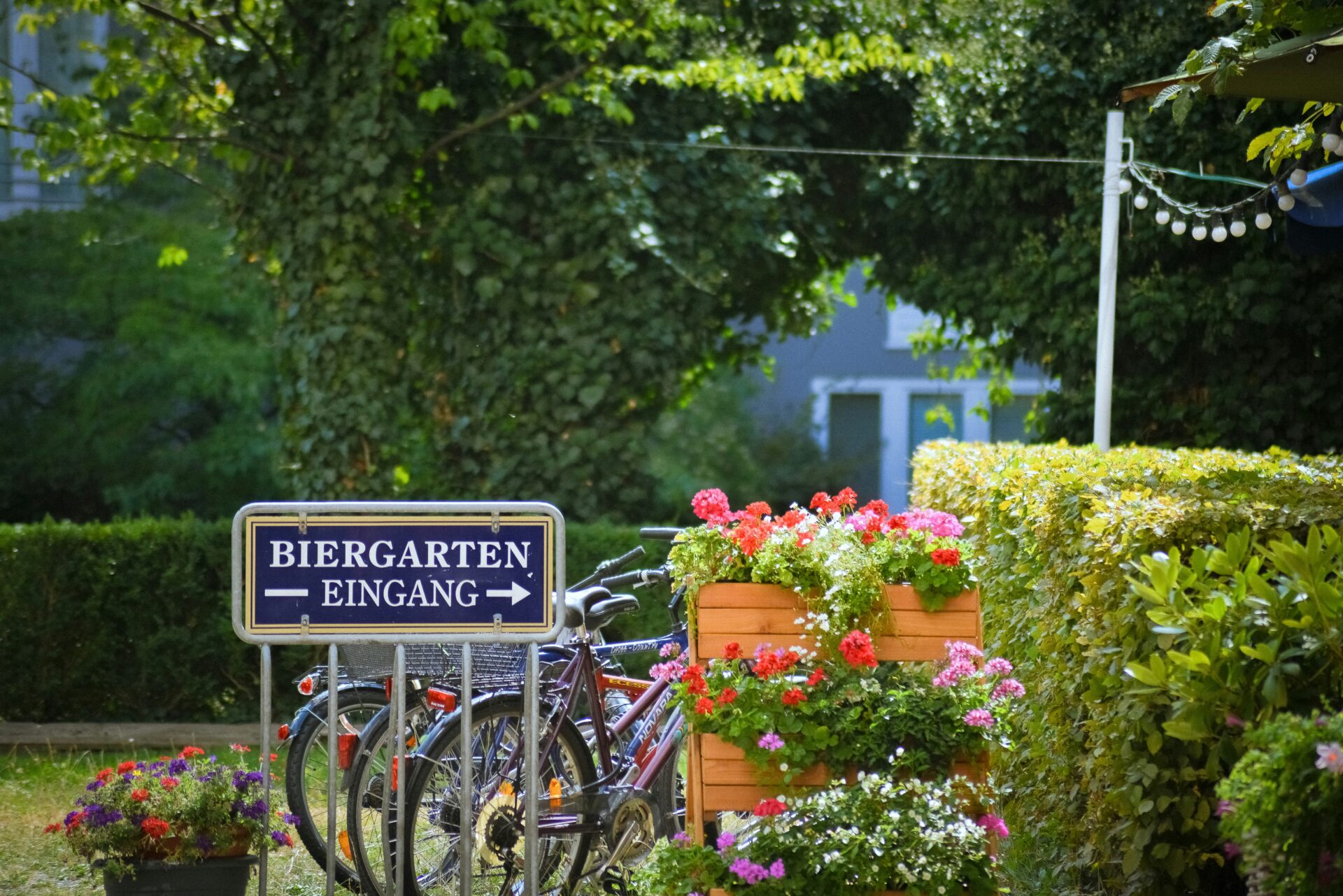
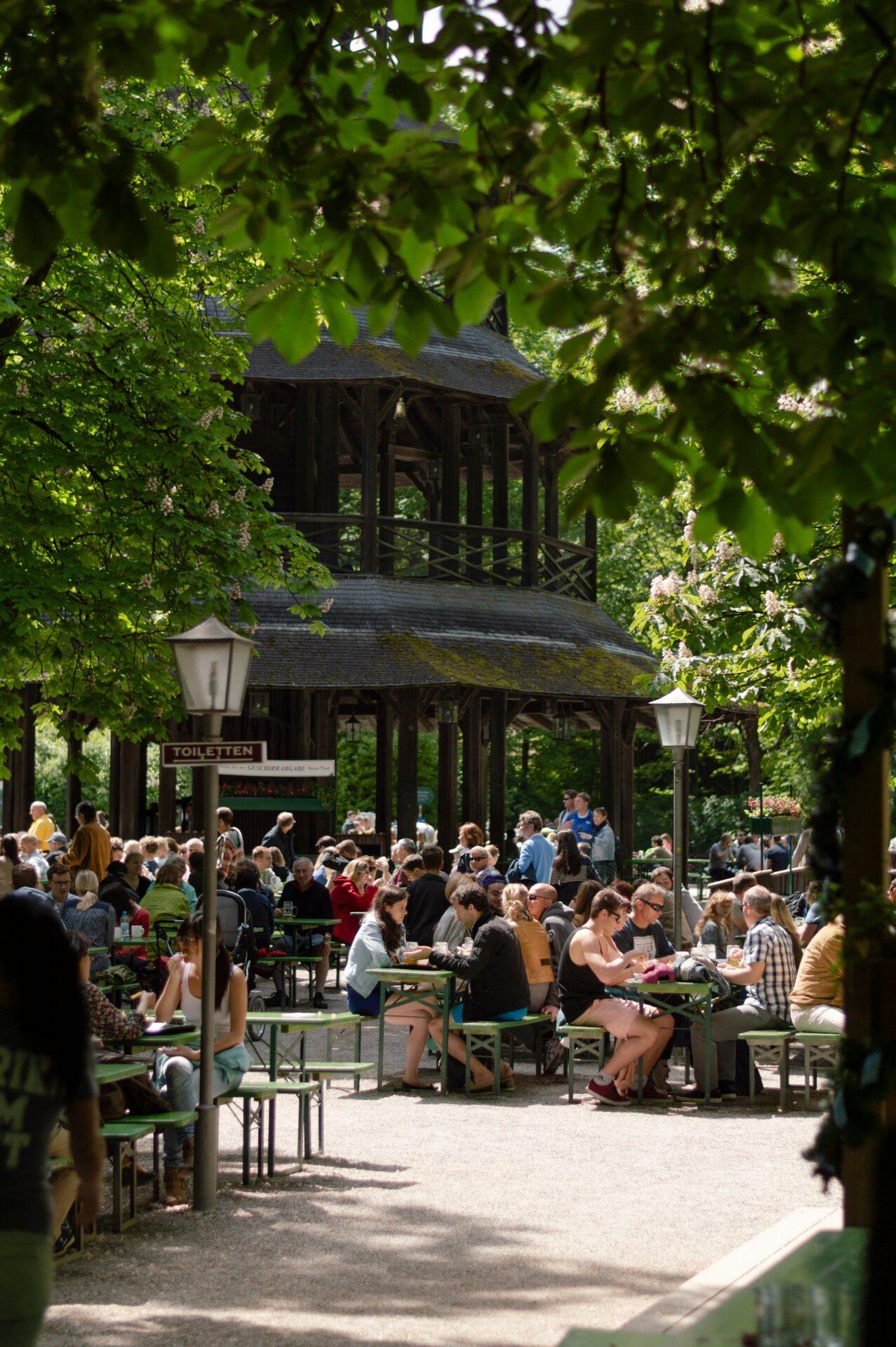
I found out pretty quickly that a beer garden in Bavaria is all about relaxing, swapping stories, and soaking up local flavors. The moment I walked into my first Munich beer garden, I heard laughter and the sound of clinking glasses everywhere.
Long wooden tables practically begged you to join in, whether you knew anyone or not.
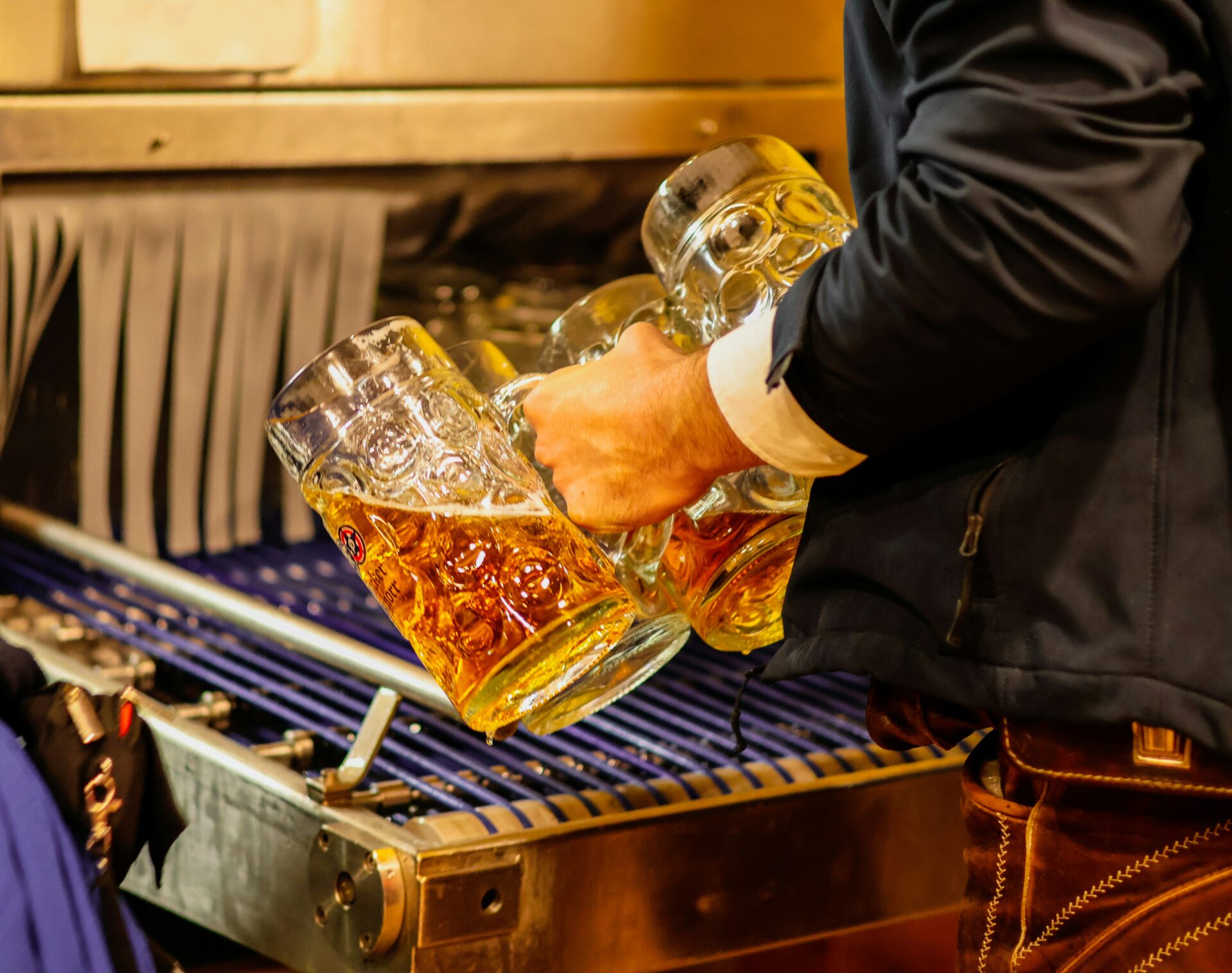
Some of my favorite stops? Classic places like the Hofbräuhaus, which has been around since 1589. The beer hall buzzed with music, platters stacked with pretzels, and waiters in traditional outfits.
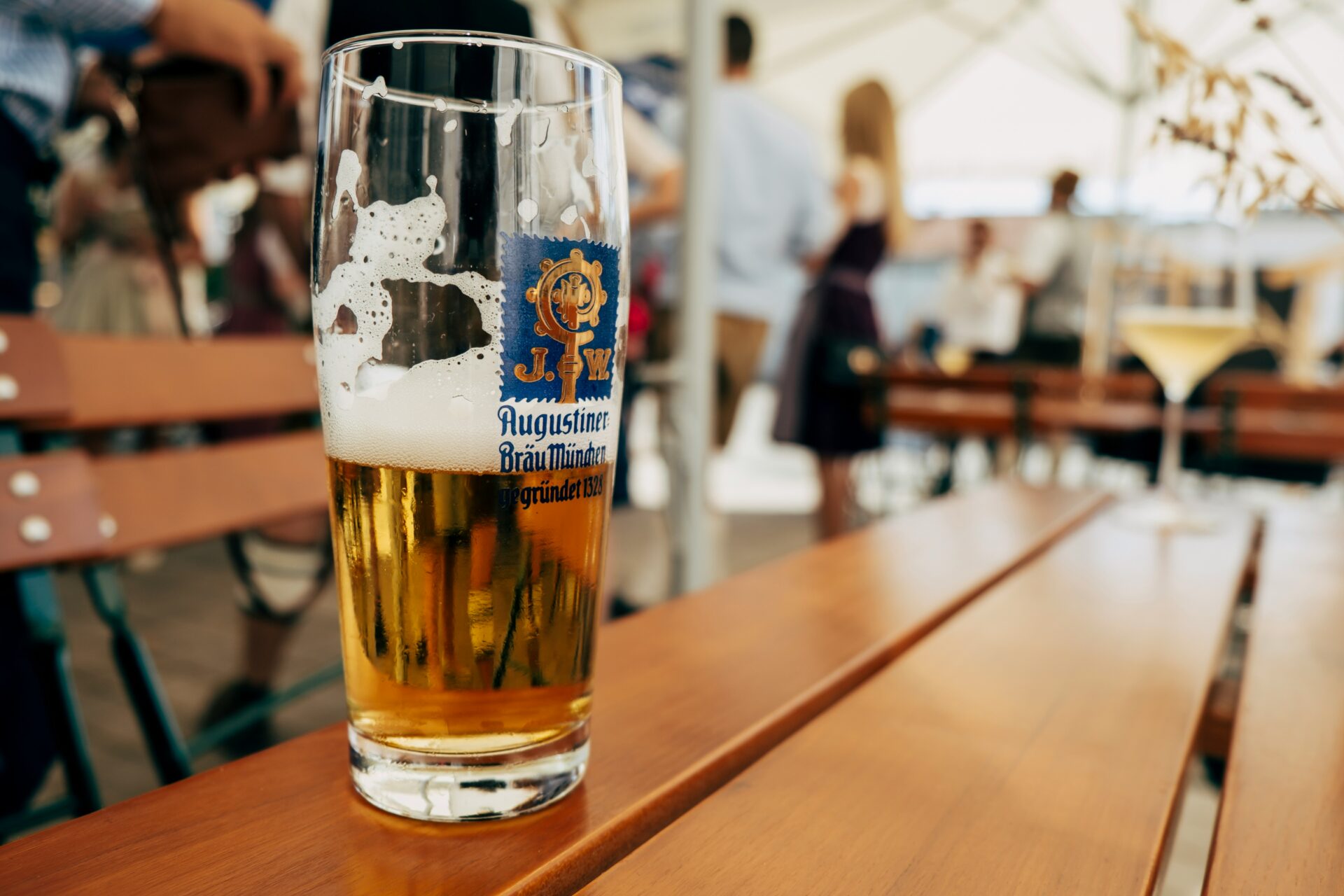
I also made sure to try Augustiner Bräu. Locals really love this one—it’s the city’s oldest privately-owned brewery, and honestly, it felt a bit more authentic than the touristy spots.
Most beer gardens and breweries serve up classic Bavarian snacks with the beer—stuff like weisswurst, soft pretzels, and some tangy obazda cheese. The tradition is to sit under chestnut trees for shade, and you can even bring your own food to enjoy with the house brew.
It’s all really communal and surprisingly welcoming.
Tips:
- Big beer gardens get crowded in the evening and during Oktoberfest.
- Always say “Prost!” before your first sip. It’s just good manners.
Understanding the Reinheitsgebot (Beer Purity Law)
One afternoon, a local brewer pulled me aside and explained the Reinheitsgebot—the famous Bavarian Beer Purity Law from 1516. This old regulation says beer can only have malted barley, hops, water, and later, yeast.
It’s the oldest food safety law still in use, and it really shapes the taste of Bavarian beer.
Back then, the Reinheitsgebot kept out cheap or sketchy ingredients, making sure beer stayed pure. People here still take pride in how the law keeps brewing standards high.
I could taste the difference. Each beer style had these clear, honest flavors.
Travelers can count on most Bavarian beers to have a clean finish and a reliable taste, no matter which brand or brewery you pick.
This law helped set Bavaria apart and turned its beer into a symbol of trust.
Key facts:
- Duke Wilhelm IV of Bavaria set it up in 1516.
- The law still influences German brewing today.
- Only malted grain, hops, water, and yeast are allowed.
Tasting Helles and Regional Bavarian Beers
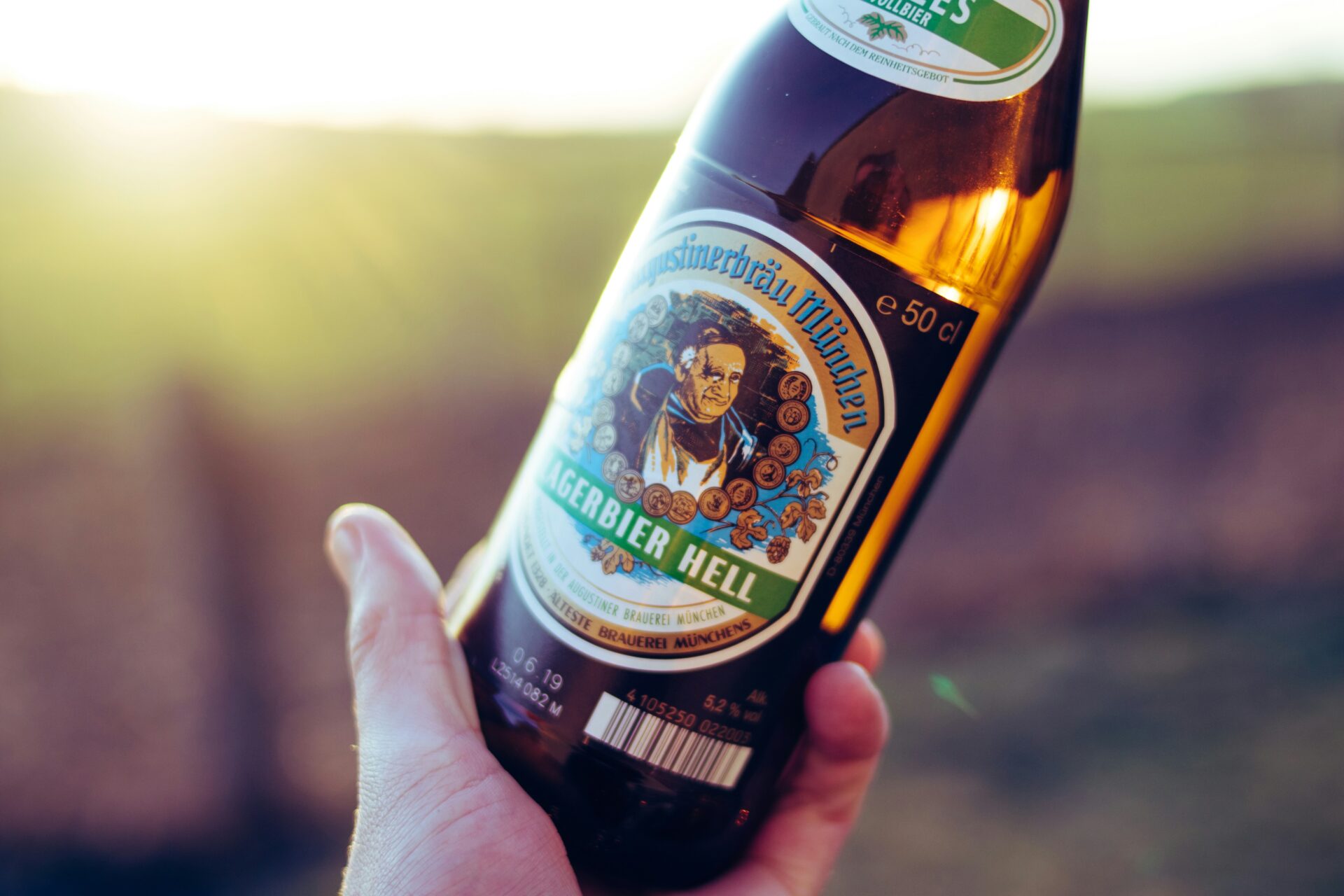
Trying a crisp glass of Helles was honestly a highlight for me. This golden lager is smooth, a little bit malty, and goes perfectly with bratwurst or schnitzel.
Locals drink it all the time, and you’ll find it everywhere.
I also tried Dunkel (that’s the dark lager) with its chocolate and caramel notes. Wheat beers (Weissbier) stood out for their fruity aromas.
Each style comes from a different part of Bavaria, shaped by local water, climate, and brewing traditions.
If you’re lucky enough to visit during Oktoberfest, you’ve got to try Märzen—a stronger, fuller-bodied beer brewed just for the festival.
Seasonal specialties and small-batch brews kept things interesting for me. I started ordering tasting flights at local breweries, comparing styles and asking locals what they liked best.
Must-try Bavarian beers:
| Beer Style | Flavor Profile | Best Pairings |
|---|---|---|
| Helles | Light, malty, crisp | Pretzels, sausage |
| Dunkel | Smooth, toasty, dark | Roast pork, obazda |
| Weissbier | Fruity, cloudy, lively | Weisswurst, salads |
| Märzen | Malty, full-bodied | Oktoberfest specialties |
Food Tours, Markets, and Hidden Gems
Whether you’re following a guided tasting tour through Munich or just wandering local street markets, Bavaria opens itself up to food lovers in ways that are both classic and full of surprises.
Jumping between traditional sausages, sweet pastries, and legendary breweries is easy if you’ve got a few tips and a bit of local know-how.
Munich Food Tours and Knowledgeable Guides
Booking a Munich food tour turned out to be a great way to get the city’s flavors and stories. Small groups made everything feel more personal.
The guides I met didn’t just lead us around—they really told the stories behind each stop, from old bakeries to lively beer halls.
On my favorite tour, we tried Weisswurst in a rustic tavern, learned about beer purity laws in a centuries-old brewery, and ended with crisp Bavarian pretzels.
Some guides even shared their own go-to places to eat, away from the usual tourist crowds.
If you want to really get to know Munich, I’d say join a guided tasting tour at least once. Here’s a quick reference:
| Provider | Group Size | Specialties | My Tip |
|---|---|---|---|
| Fork & Walk | Small (6-10) | Beer, sausages, pastries | Try their Christmas market route |
| Eatwith | Varies | Local home-cooked meals | Book for a more intimate visit |
Exploring Viktualienmarkt and Marienplatz
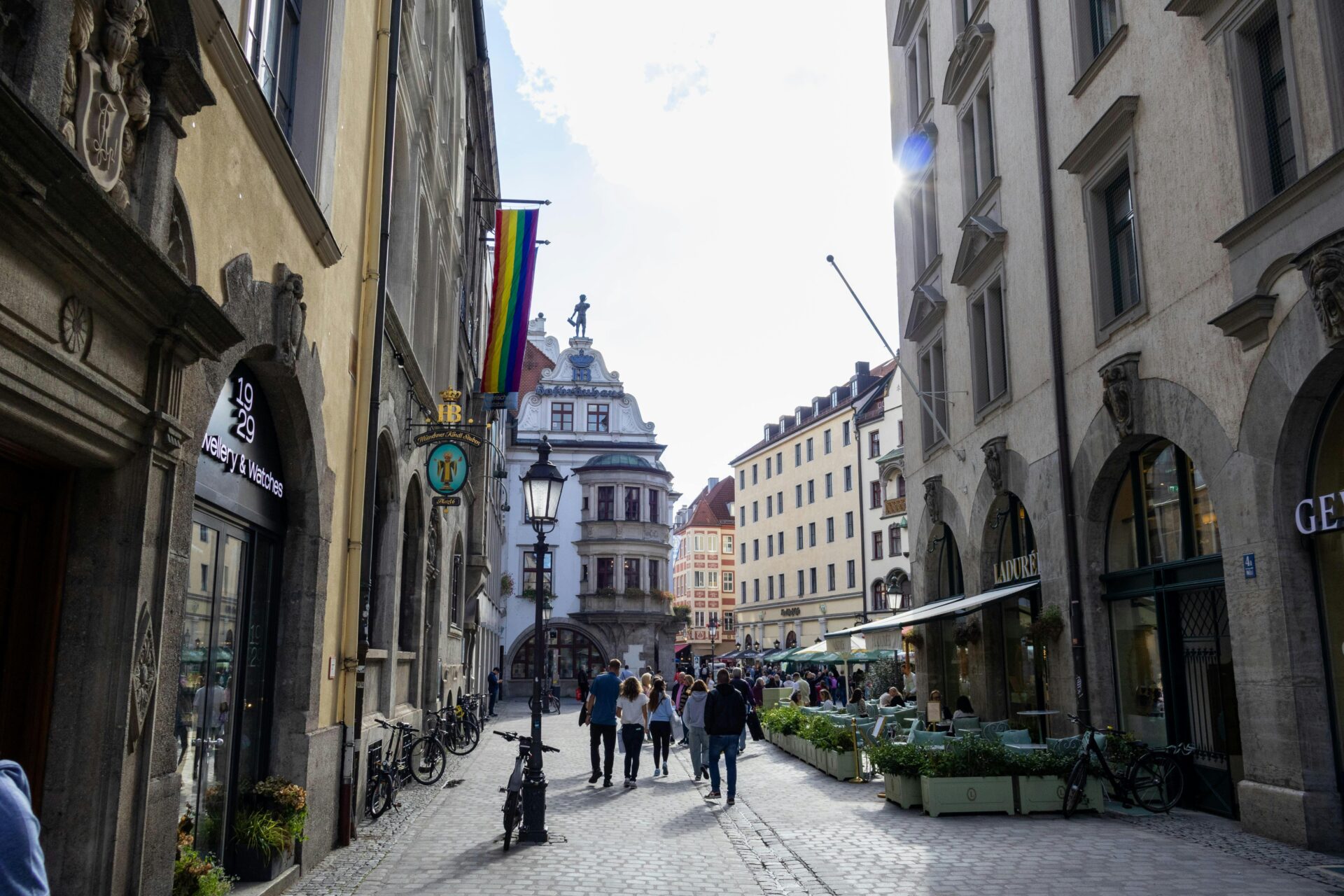
Viktualienmarkt is the real heart of Munich’s food scene. Every time I visit, the place buzzes with locals picking up fresh produce, cheeses, Bavarian meats, and regional honey.
Colorful stalls spill over with jars of sauerkraut, sausages, and all sorts of baked treats.
I like to start early to avoid the crowds. A mug of milky coffee and a slice of plum cake at a market stand became my little tradition.
Lots of vendors offer samples, and some will even share family stories if you ask.
Just a short walk away, Marienplatz is where history and food cross paths. Sure, it’s packed with tourists, but I found a few hidden gems in the winding side streets.
Little delis served open-face sandwiches piled with cheese and pickles, and patisseries tempted me with apple strudel dusted in cinnamon sugar.
Day Trips to Neuschwanstein Castle and Beyond
No trip through Bavaria feels complete without a day out of the city. I set aside a day for Neuschwanstein Castle, mixing fairy-tale scenery with some tasty regional bites along the way.
The train ride rolled past hills and small villages, where bakeries sold buttery pretzels and apple turnovers.
After the castle, I stopped in Füssen. A local tavern served me käsespätzle—egg noodles loaded with cheese and crispy onions.
On another day, I took a more relaxed route and explored nearby lakeside villages, sampling smoked trout and farmhouse breads.
If you’ve got extra time, wandering off the usual path often leads to the most heartfelt, memorable meals. Some local food tours even offer day trips that blend sightseeing with regional tastings for a really well-rounded Bavarian adventure.

Public Transportation Tips for Foodies
Getting around Bavaria feels surprisingly easy—and it doesn’t break the bank, either. The S-Bahn and U-Bahn trains zip through the city’s neighborhoods, while regional trains can whisk you away to places like Neuschwanstein Castle or Füssen.
I picked up the Bayern Ticket, which let me hop on and off trains all day across the region. If you’re chasing down local flavors, it’s a lifesaver.
Most food markets and tour meeting spots sit right near main transit stops. I leaned on Google Maps and the Deutsche Bahn app for directions, but honestly, chatting with local guides helped me dodge the busiest routes, especially when the weekend crowds rolled in.
If you’re heading out for food adventures, bring a reusable bag for your market finds. Comfortable shoes? Absolutely necessary, since you’ll probably end up mixing walking tours with tram rides.
There’s just something about knowing a hidden gem could be a short train or tram ride away. I never really worried about missing out.


.jpg)