
When I put together my Portugal itinerary, I thought I had a handle on things. Like a lot of first-time visitors, I’d heard about those famous pastéis de nata and figured that was basically the highlight of Portuguese food. I pictured myself sipping port wine, snapping a few shots of tiled facades, and calling it a day on culture.
But Portugal totally threw me for a loop. I stumbled into so much more than I expected—layers of culture, food, and surprises that completely blew up my assumptions.
Every day brought something new. One moment I’d discover a pastry I couldn’t pronounce, the next I’d find a cozy café serving up a meal that felt like a splurge but cost less than a sandwich back home.
The culinary scene here goes way beyond those iconic custard tarts. There’s depth, complexity, and a genuine love for food that rivals anywhere else in Europe.
Lisbon and Porto? Each has its own flavor—literally and figuratively. I found that even a simple lunch can feel special, but you rarely feel like you’re overspending.
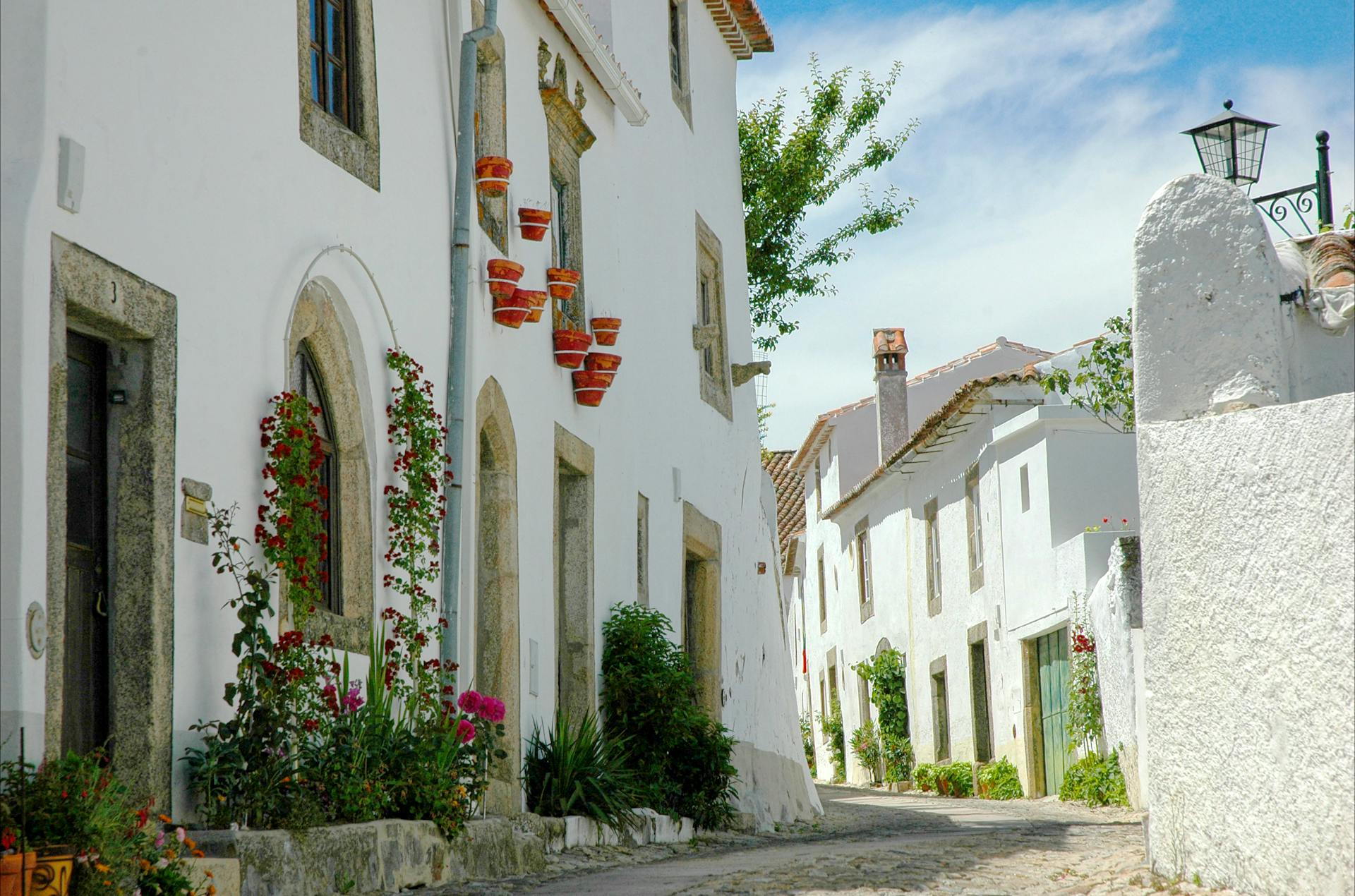
Beyond Pastéis de Nata: Portugal’s Iconic Custard Tarts
Let’s talk about those golden custard tarts for a second. They’re more than just a dessert; they’re a bite of history, straight from Lisbon’s Jerónimos Monastery.
The best pastéis de nata have a crispy puff pastry and a creamy egg custard, but not every bakery nails it. Tracking down the real deal became a bit of a personal mission.
Origins and Unique Qualities of Pastéis de Nata
I had no idea these tarts date back to 18th-century Lisbon. Catholic monks at the Jerónimos Monastery came up with the recipe, using leftover egg yolks since they used the whites to starch their clothes.
That’s how Pastéis de Belém got its name—and only one bakery in Belém can officially use it. Talk about exclusive.
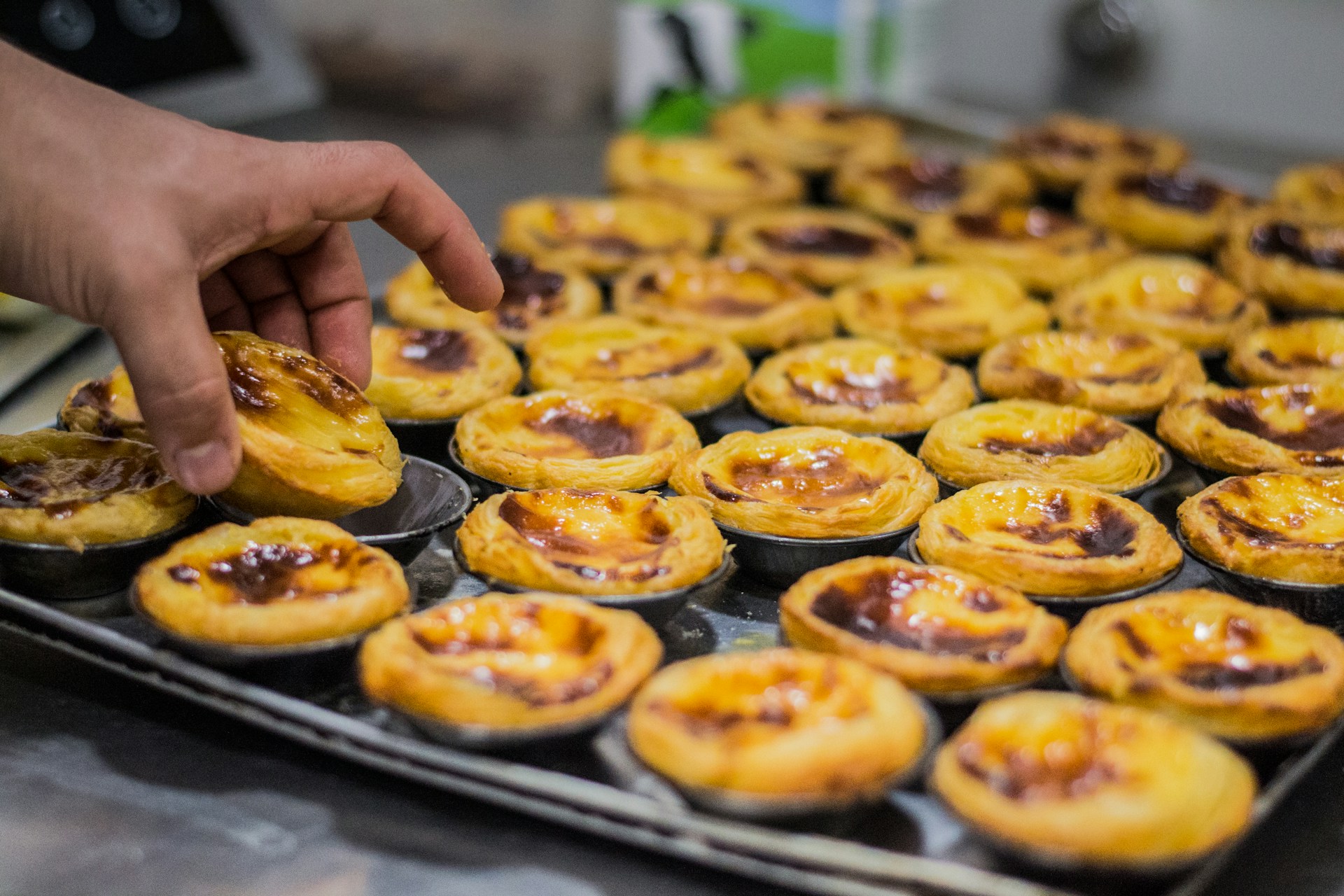
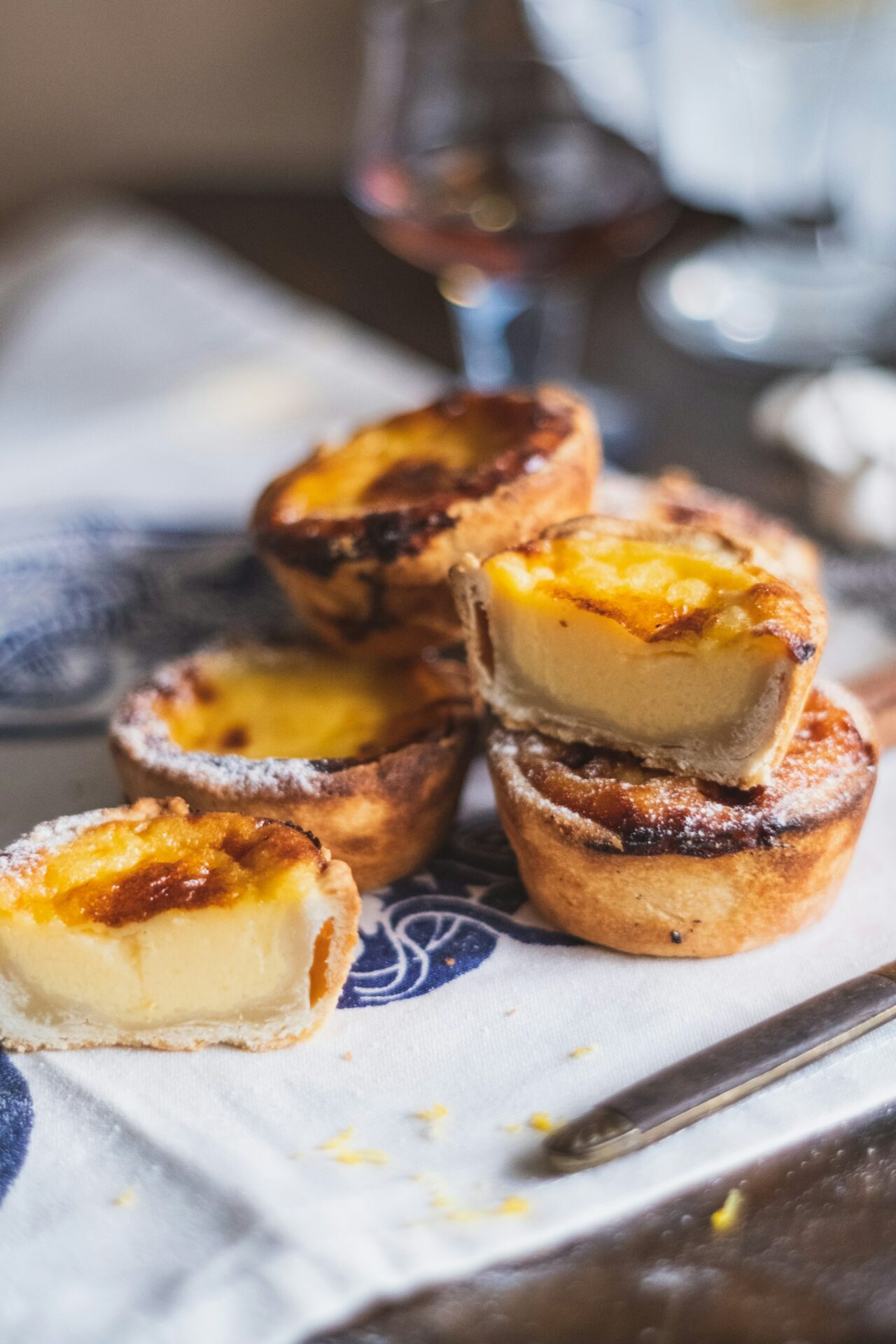
What sets these tarts apart? It’s that caramelized, blistered surface. Bakers crank up the oven to around 400°F, which gives the custard that signature burnt look.
The filling doesn’t taste like any other custard tart I’ve tried. Portuguese bakers use a sugar syrup base, milk, and cornstarch, so the texture stays smooth and light—not dense like British versions.
And here’s the secret: the best ones are always served warm. The contrast between the crispy shell and gooey center is unreal.
The Role of Custard, Puff Pastry, and Ingredients
It’s wild how a few simple ingredients can create something so addictive. Each part matters.
Key ingredients:
- All-butter puff pastry
- Plenty of egg yolks (six is pretty standard)
- Milk (about 1⅓ cups)
- Sugar and water for the syrup
- Cornstarch and flour
- Lemon peel and cinnamon stick
Bakers roll the pastry into logs, slice them, and press the rounds into tins for that perfect shell.
For the custard, they start by boiling sugar, water, lemon peel, and cinnamon. That syrup mixes with a milk-cornstarch blend. Egg yolks go in last, making the filling rich and yellow.
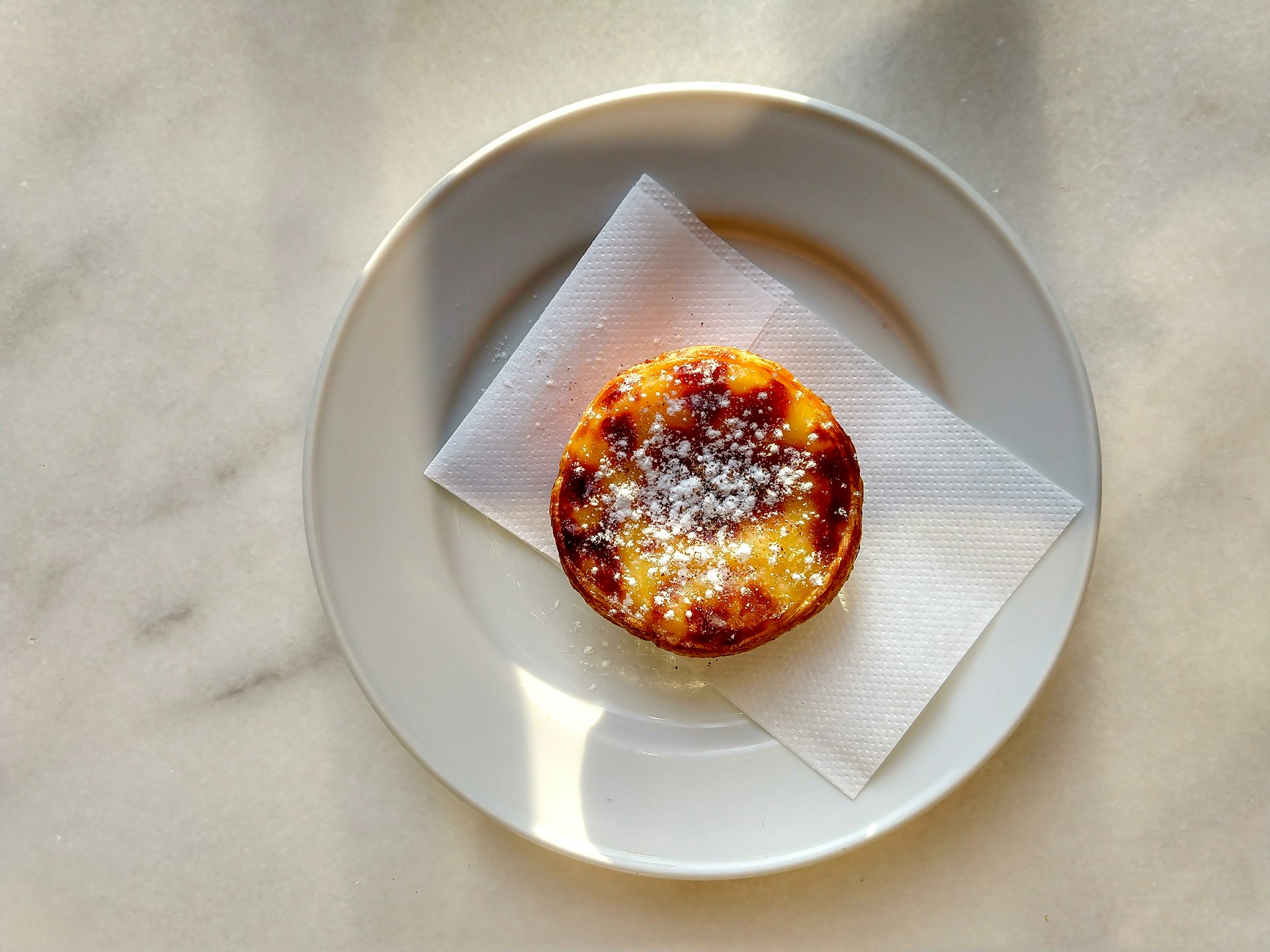
The custard stays a little jiggly in the center—never fully set. A dusting of cinnamon on top is the classic finishing touch.
Bakeries, Pastelarias, and Where to Try Them
Not all pastéis de nata are created equal. I learned to hunt down traditional pastelarias—those little pastry shops that take pride in local recipes.
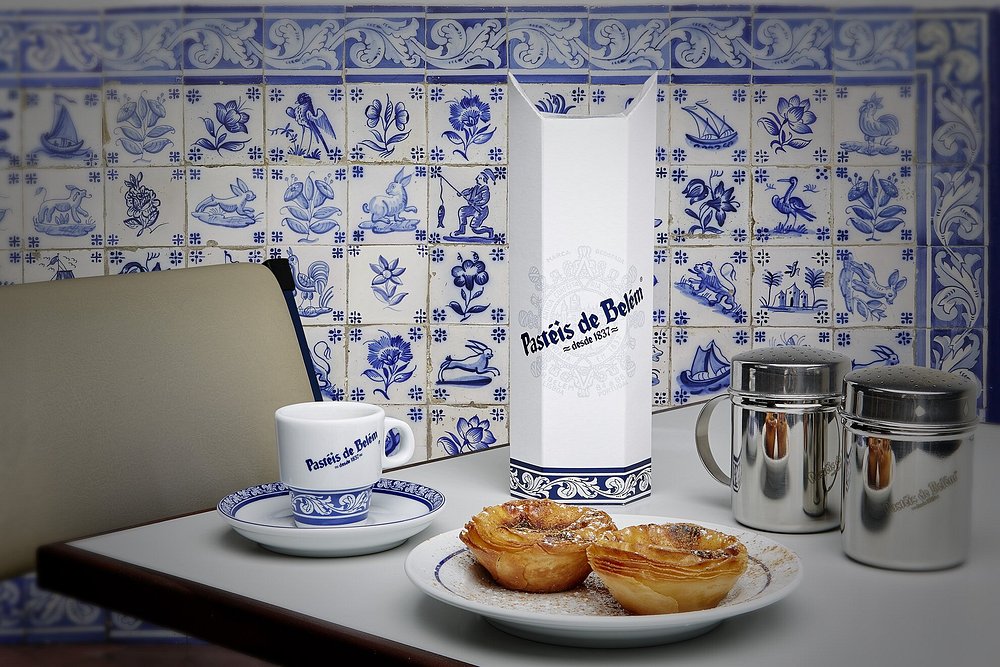
In Lisbon, Pastéis de Belém is the big name. It’s right by the Mosteiro dos Jerónimos and has been churning out tarts since 1837.
A few other spots I loved:
- Confeitaria Nacional (Lisbon)
- Nata Lisboa (they’re everywhere)
- Random neighborhood bakeries in Porto
If you see a place with locals crowding in, especially in the morning, you’re probably in the right spot. Fresh, warm, and the pastry should shatter when you bite in.
Tourist areas sometimes serve up pale imitations, so follow the locals. That’s my best advice.
Outside Portugal, you’ll find these tarts in places like Macau and Brazil. Each place puts its own spin on them, but honestly, nothing beats the original.
A World of Portuguese Sweets Beyond Egg Tarts
Portugal’s sweets go way beyond the egg tart. Centuries-old baking traditions, convent secrets, and regional specialties fill the shelves of every pastry shop.
I thought I’d seen it all, but then I tried pão de ló, a sponge cake that’s so light it almost disappears on your tongue.
Lesser-Known Portuguese Pastries and Cakes
Pão de ló blew my mind in Porto. Eggs, sugar, and flour—so simple, yet the texture is pure magic.
Then there’s bolo de bolacha. It’s a no-bake cake with Maria cookies and coffee buttercream, usually made for special family events.
Jesuítas caught my attention in Lisbon. These almond cream-filled triangles, dusted with powdered sugar, are irresistible.
Queijadas? Tiny cheese tarts that don’t taste anything like cheese. They’re sweet, creamy, and have a touch of cinnamon.
And let’s not forget travesseiros from Sintra—pillow-shaped pastries stuffed with almond and egg cream. The flaky pastry and smooth filling are a match made in heaven.

Bola de Berlim and Regional Treats
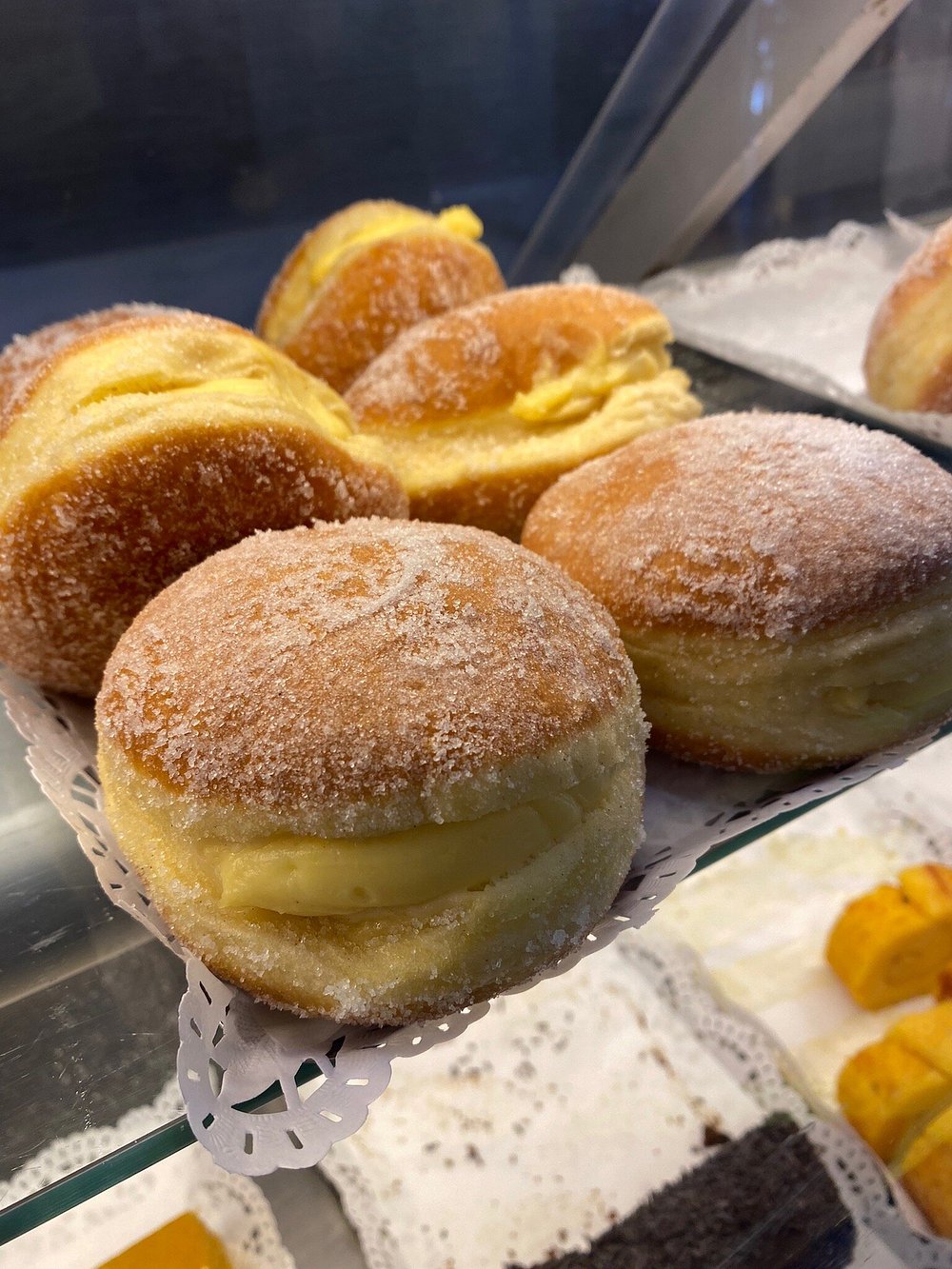
The biggest surprise? Bola de berlim—Portuguese doughnuts filled with egg custard or cream instead of jam.
I found them at beach cafés, fresh and warm, especially in summer. Vendors walk right up to your towel on the sand.
Every region has its own thing. Down south in the Algarve, you’ll find doces finos, almond sweets shaped like fruit.
Up north, there’s broas, sweet corn breads. The Azores make queijadas da vila, unique cheese pastries with cinnamon.
I couldn’t resist trying ovos moles from Aveiro. They come in decorative shells, stuffed with a rich egg yolk and sugar filling.
There’s a reason so many Portuguese desserts use egg yolks—nuns in convents started the trend centuries ago.
The Tradition of Convent Desserts
Nuns invented most of these classic sweets. They used up egg yolks left over from starching clothes with the whites.
These conventual desserts are rich, yellow, and packed with flavor.
Pastéis de tentúgal? Think paper-thin pastry wrapped around egg yolk custard. It takes years to master the technique.
Ovos reais (“royal eggs”) are just egg yolks and sugar cooked into threads—so simple, yet so decadent.
Convents sold these treats to pay the bills. Secret recipes passed from nun to nun, and now some bakeries still use methods that go back 400 years.
Every town seems to have its own convent sweet. Pastéis de Santa Clara from Coimbra and morgados from the Algarve show off the regional creativity.

Surprising Diversity of Flavors and Techniques
Portuguese cuisine packs a punch with its inventive combinations and deep religious roots. Monasteries and convents basically invented a whole category of desserts because they had extra egg yolks lying around.
The Influence of Convents and Monasteries
I found out that Portugal’s most famous desserts wouldn’t exist without the nuns and monks. They needed to use up all those egg yolks after starching clothes with the whites.
Instead of tossing them, they started baking. Each convent came up with its own specialties, and the recipes were closely guarded.
The monks at Mosteiro dos Jerónimos in Lisbon perfected pastéis de nata. Their techniques set the bar for everyone else.
These religious communities had time on their hands and a lot of patience. They kept tweaking recipes until they got them just right.

Signature Ingredients: Egg Yolks, Sugar, and More
Egg yolks give Portuguese desserts their bold yellow color and rich texture. Some sweets are so yolk-heavy, it’s almost like eating custard straight up.
Sugar balances out the richness. These desserts are usually pretty sweet, but that’s just how they like it here.
Milk helps make things creamy, especially in tarts and puddings.
Bakers also use:
- Almonds from the south
- Cinnamon and spices from Portugal’s seafaring days
- Rice for puddings
Over time, these convent recipes spilled out into the cities. Now, every region claims their version is the best, and honestly, tasting them all is half the fun.
The Cultural Tapestry of Lisbon and Porto
Lisbon and Porto each have their own vibe—different neighborhoods, different food traditions, and a pastry culture that goes so much deeper than you’d expect.
Distinct Neighborhoods and Their Culinary Heritage
Alfama in Lisbon drew me in with its maze of streets and live fado music. Family-run restaurants serve classic bacalhau dishes you won’t find anywhere else.
Belém is Lisbon’s historical showstopper. The Jerónimos Monastery and the original pastéis de nata bakery are here, and wandering around feels like a trip back to Portugal’s age of exploration.
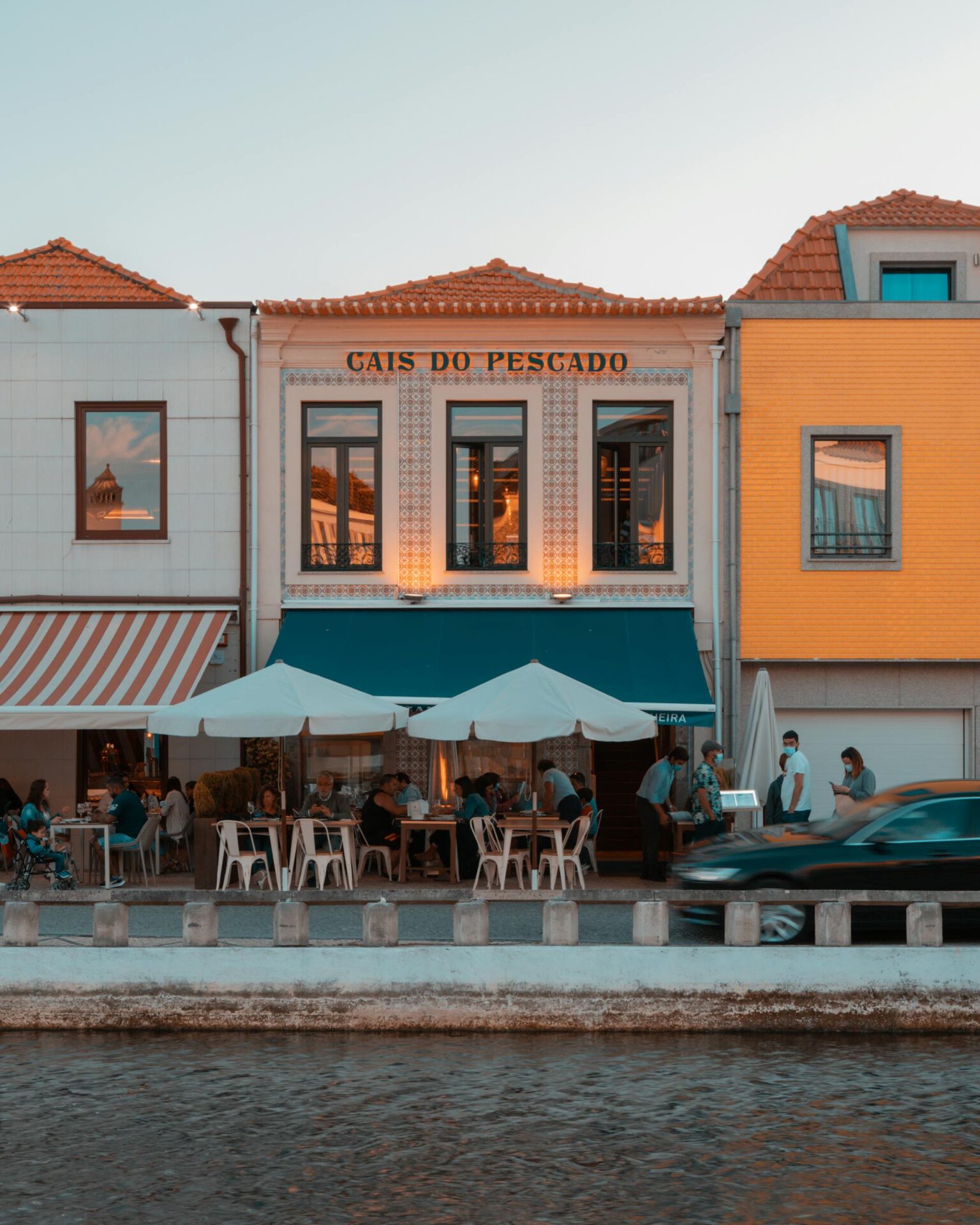
In Porto, the Ribeira district surprised me with its riverside bars and hidden taverns. I ducked into tiny spots for francesinha sandwiches and admired the azulejo tiles everywhere.
Each area has its specialty. Alfama is all about grilled sardines and hearty stews. Belém leans into monastic sweets and seafood. Porto’s Ribeira brings out the big flavors with northern comfort food.

Must-Visit Spots for Sweets Lovers
Belém’s Pastry Legacy
- Pastéis de Belém (the OG since 1837)
- Casa Pastéis de Belém (right by the monastery)
At Pastéis de Belém, I watched bakers work their magic. The recipe’s still a secret, and the technique hasn’t changed in nearly 200 years.
Porto’s Sweet Discoveries
- Confeitaria do Bolhão (classic pastry shop)
- Padaria do Ribeiro (local favorite)
Porto introduced me to pastéis de chaves and bolas de Berlim. They don’t get much tourist hype, but locals line up for them every day.
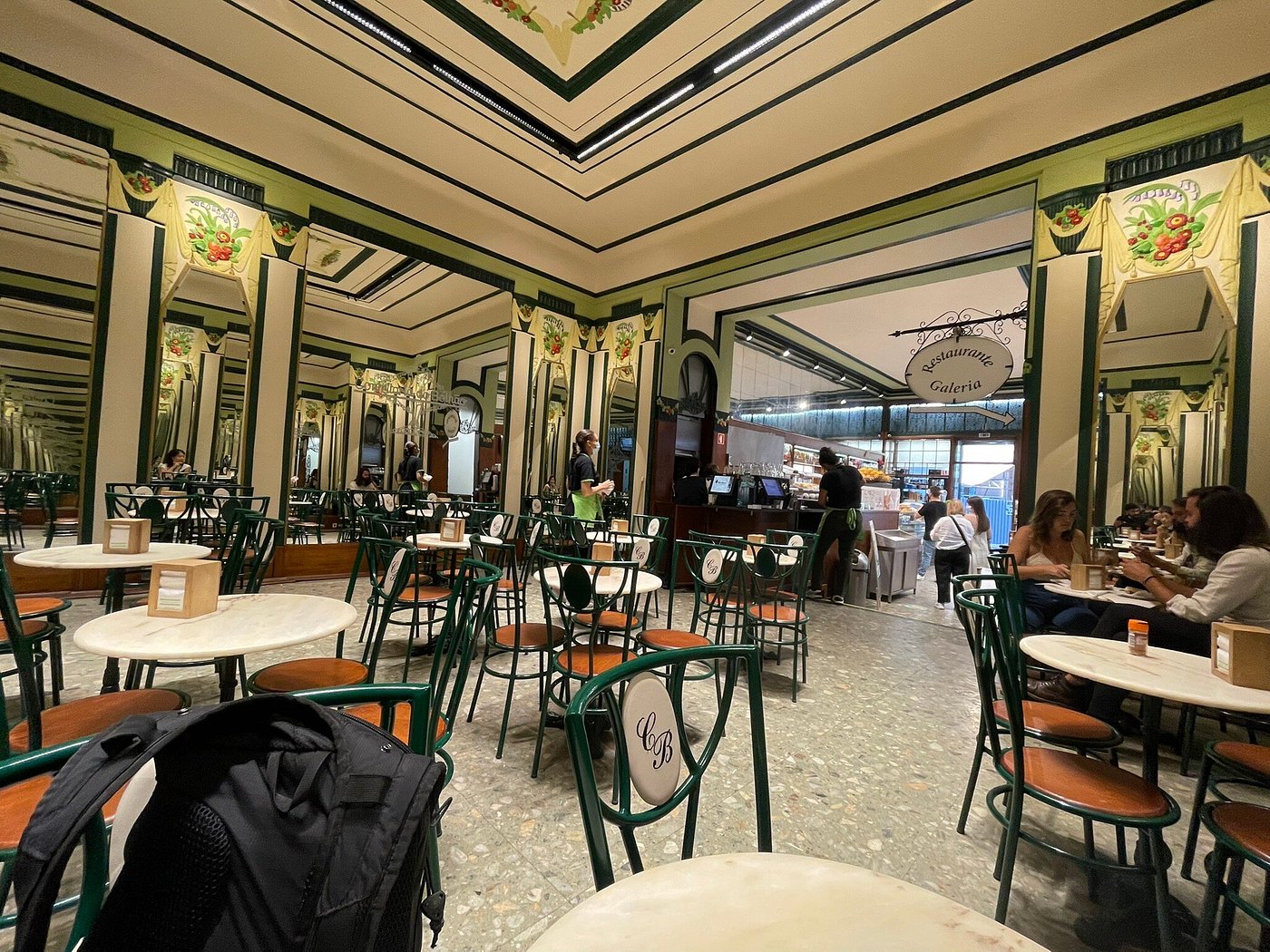
Many of these bakeries sit in centuries-old buildings. The mix of history, architecture, and traditional baking makes grabbing a pastry feel like a cultural adventure.
The Dining Experience: Affordability, Walkability, and Atmosphere
Portugal’s dining scene blew me away with its value. I found authentic food tucked into walkable neighborhoods, and pastry traditions shaped how people gather and celebrate, all without emptying my wallet.
Eating Sweets Across Portuguese Cities
Portugal’s pastry scene? It goes way beyond the famous pastéis de nata I thought I’d see on every corner. Each city brings its own sweet specialties, and locals genuinely eat them every day.
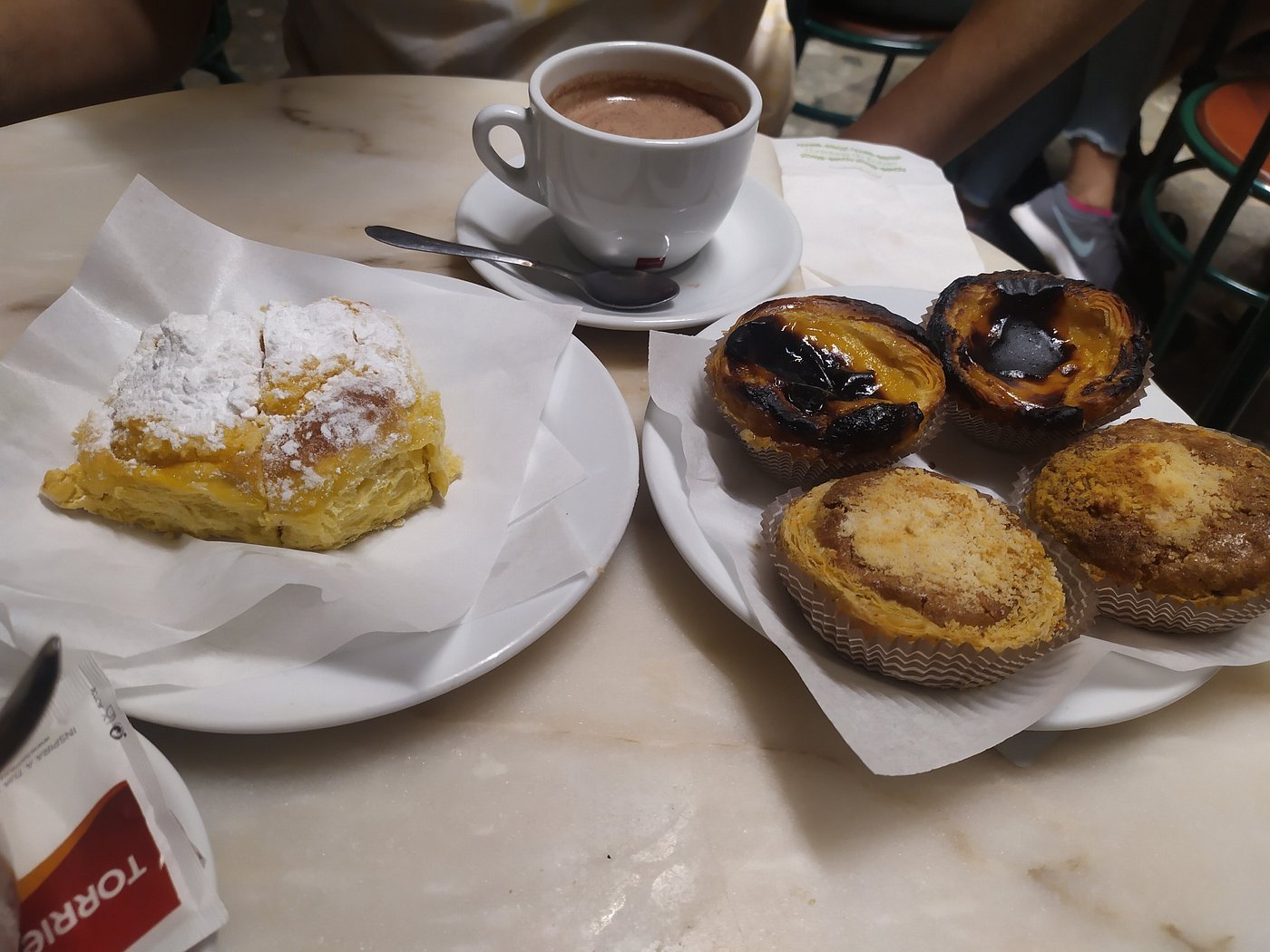
In Lisbon, I stumbled into tiny neighborhood bakeries where a perfect custard tart cost just €1. These weren’t tourist traps; real people popped in for their daily coffee and pastry fix.
Porto totally surprised me with its regional sweets. The pastry shops there showcased different treats entirely. I kept seeing jesuítas (flaky puff pastry with sweet cream) and bolas de Berlim (think Portuguese donuts) flying off the shelves—sometimes even more than pastéis de nata.
Local Pastry Shop Prices:
- Pastéis de nata: €1-1.50
- Coffee + pastry combo: €2-3
- Fresh bread: €0.50-1
The best part? Portugal’s walkable cities make bakery-hopping a breeze. I’d visit three different spots in a single morning stroll through Lisbon. Each shop had its own vibe and regulars who seemed to treat the bakery like a second living room.
Seasonality and Local Lifestyles
Dining in Portugal runs on a rhythm that caught me off guard. The seasonal approach to food—and even opening hours—felt totally different from what I’d experienced elsewhere in Europe.
Restaurants in both Lisbon and Porto shut down between lunch and dinner. I had to adjust and eat at local times, not whenever hunger struck.
Traditional Dining Schedule:
- Lunch: 12:00 PM – 3:00 PM
- Dinner: 7:00 PM – 10:00 PM
- Many places closed: 3:00 PM – 7:00 PM
Seasonal menus kept things interesting. Spring dishes looked nothing like summer ones. Local markets decided what landed on your plate, and in Porto, I watched seafood options change week by week depending on the fishermen’s haul.
This approach kept prices low. I could sit down to a full meal at a neighborhood spot for just €6-10, simply because they used whatever was fresh and cheap that week.
Frequently Asked Questions
Travelers often find Portugal full of surprises—medieval villages like Óbidos, azulejo tile workshops in Lisbon, and wild coastal hikes along the Rota Vicentina. The food? Dishes like arroz de marisco and bacalhau pop up everywhere, each with a twist.
Lisbon and Porto get all the buzz, but Óbidos totally charmed me as a UNESCO Creative City of Literature. This medieval town has quirky bookshops and hosts literary festivals that fill the narrow streets.
Évora wowed me with its Roman ruins and Gothic architecture. Wandering those old alleys, you can almost hear the stories whispering from the stones.
Tomar’s Convent of Christ just blew me away. As the former Knights Templar base, it’s a living museum of Portugal’s wild history.
The Douro Valley isn’t just about wine tastings. Grab a kayak or hop on a boat—seeing those terraced hills from the river is something else.
Sintra’s Pena Palace? It looks straight out of a fairytale, hidden in lush gardens and misty hills.
Arroz de marisco, a seafood rice dish, packs a punch of flavor in coastal towns. Each area puts its own spin on it, using whatever the fishermen brought in that day.
Bacalhau—codfish—shows up everywhere. Locals have turned it into a national icon, with endless recipes.
Cataplana is a bit of a wildcard. It mixes seafood and meat in a copper pan, and the flavors somehow come together perfectly.
Every region puts its own stamp on the food. Up north, you’ll get hearty stews; down south, the Mediterranean influence sneaks in.
If you want to learn more, traditional cooking classes can show you the ropes. Locals teach techniques passed down for generations.
Azulejo tile-painting workshops let you try your hand at Portugal’s iconic art. These painted tiles tell the country’s story in color and pattern.
Private Fado concerts take you deep into the heart of Portuguese music. The intimacy and emotion in those performances? Unforgettable.
Cork forest visits reveal the roots of Portugal’s sustainable traditions. The country produces most of the world’s cork, and these ancient forests are something to see.
Local markets go way beyond the touristy stuff. Small pastelarias serve up pastries the locals actually crave.
Village festivals pop up all year, honoring local saints. These are the real deal—full of color, music, and community spirit.
The Rota Vicentina might be Portugal’s best-kept hiking secret. It hugs the Atlantic coast, delivering jaw-dropping ocean views at every turn.
Kayaking in the Douro Valley lets you see terraced vineyards from the water. Floating past centuries-old wine estates feels like time travel.
Ericeira offers some of Europe’s best surfing. The waves don’t quit, whether you’re a newbie or a seasoned pro.
Alentejo’s rolling hills invite you to slow down. Biking through cork oak forests and sleepy villages is pure relaxation.
In Nazaré, winter waves can tower over 80 feet. Surfers from around the world come just to ride these giants—or just watch in awe.
Portugal claims 17 UNESCO World Heritage Sites, each revealing a different side of its story.
Roman ruins dot the map. Évora’s ancient temple stands as a reminder of the country’s deep roots.
The Convent of Christ in Tomar showcases Templar architecture. These religious and military orders left a big mark here.
Medieval castles pop up in small towns across the country. You can almost picture knights and battles unfolding on those old stones.
Azulejo tiles cover building facades everywhere. They don’t just decorate—they tell Portugal’s story, one square at a time.
Lisbon is bursting with hands-on cooking classes. Locals love to show visitors how to make traditional recipes, from cataplana to other regional favorites.
I once found myself elbow-deep in dough during a pastel de nata baking class. There’s just something special about pulling those warm, custardy tarts from the oven, especially when you’ve made them from scratch.
Private chef experiences feel a bit like being let in on a secret. You’ll get to pair delicious dishes with local wines, and the chefs often share tips you just won’t find in a cookbook.
Some cooking schools really lean into regional differences. Up north, you might work with heartier ingredients, while the south has its own unique flavors and styles.
If you’re a wine lover, consider a class in one of Portugal’s wine regions. You’ll not only cook but also wander through vineyards and pick up a thing or two about pairing food and wine—straight from the experts themselves.

