
Canada’s glaciers? Oh, they’re something else. If you’ve ever wondered whether you can actually set foot on one—without risking your neck—the answer is yes, as long as you pick the right spot and stick with the pros. Several glaciers across Alberta and British Columbia offer safe, guided adventures that let you walk right up to or even on the ice itself.
Here are eight Canadian glaciers where you can safely walk, ranging from easy strolls to guided ice walks. You’ll find options for families, thrill-seekers, and anyone in between. Think of legendary places like the Athabasca Glacier in Alberta, where guided tours actually get you out on the ice, plus a handful of lesser-known gems with jaw-dropping views.
Let’s dive into the best glacier walks, what makes them safe, and how you can plan a trip you’ll remember forever. Whether you’re after a gentle hike for the kids or a more demanding trek, there’s a glacier out there calling your name.

What Makes Canadian Glaciers Safe to Walk On?
Canadian glaciers can be surprisingly accessible—if you plan ahead and follow expert advice. The key is sticking to marked trails, choosing the right time of year, and, honestly, listening to the folks who do this for a living.
Guided vs. Unguided Glacier Hikes
Here’s the deal: guided glacier hikes are always the safer bet. Guides know the ice, the weather, and the hidden dangers you’d never spot on your own.
Take the Athabasca Glacier, for example. Certified ACMG guides lead tours there, and they know exactly where you should (and shouldn’t) step.
| Guided Hikes | Unguided Hikes |
|---|---|
| Safety equipment provided | Must bring your own gear |
| Expert route knowledge | Risky, unknown terrain |
| Small group sizes | Solo or unsupervised |
| Emergency training | Limited rescue options |
Guides hand out microspikes for grip and keep everyone away from sketchy areas. They’ll warn you about crevasses and unstable ice before you even realize there’s a problem.
Trying to walk a glacier alone? That’s asking for trouble. You could fall through thin ice or get caught out by a sudden whiteout.

Key Safety Considerations
Glaciers look magical, but they’re full of hazards. Seracs—those towering ice blocks—can collapse with zero warning.
You’ll need sturdy hiking boots, not sneakers. The ice is slick, and regular shoes just won’t cut it.
Don’t forget:
- Waterproof boots
- Warm layers (glacier winds are brutal)
- Microspikes or crampons
- Sunglasses (the glare is unreal)
Standing near a glacier feels like opening a walk-in freezer. Even in July, you’ll be glad for that extra sweater.
Stay back from the edges. Ice cliffs can break off fast, and crevasses sometimes hide under thin snow. Guides know how to spot these death traps, but most of us wouldn’t have a clue.
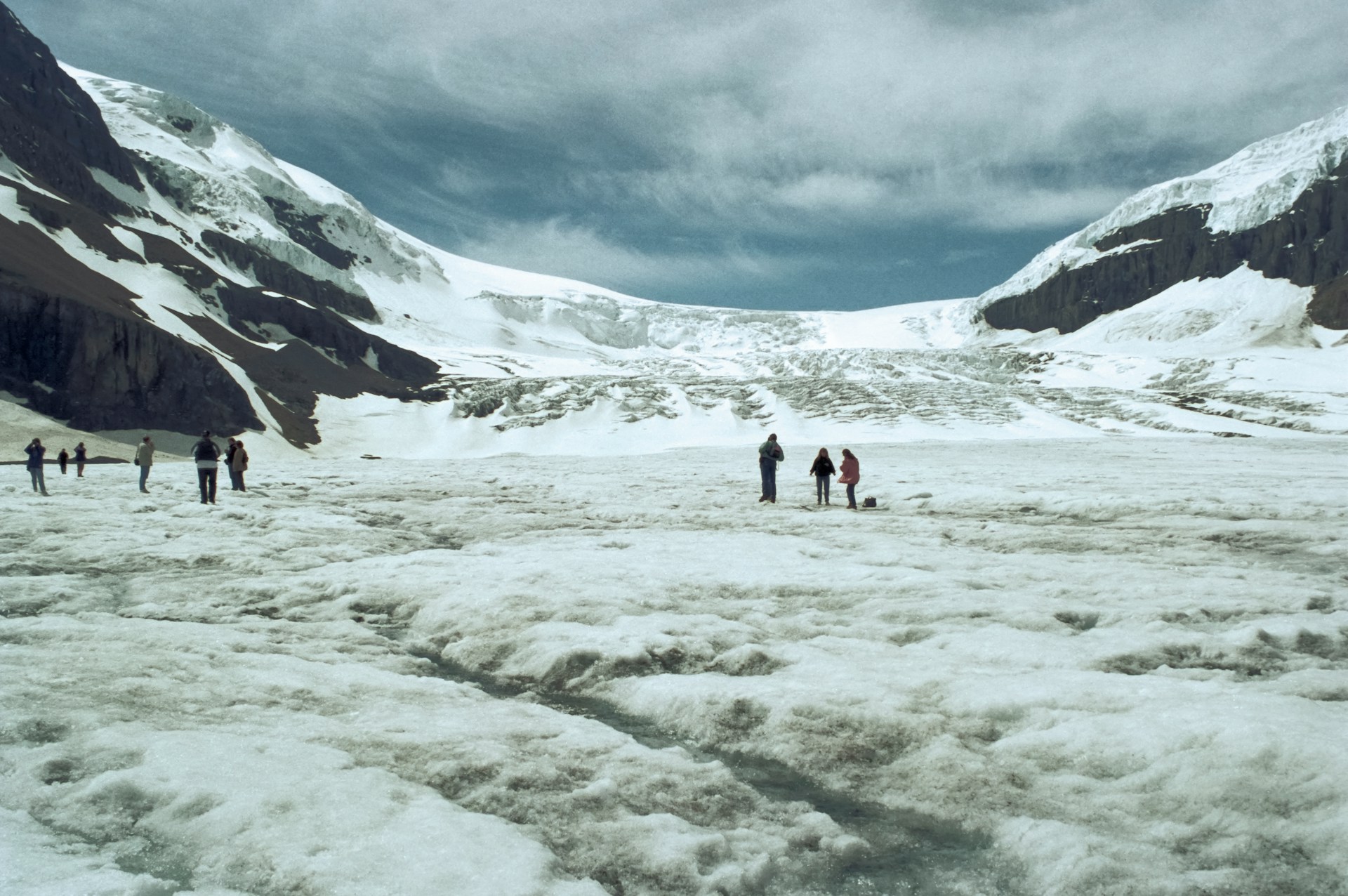
Seasonal Conditions and Accessibility
Most glacier walks happen between May and October. Outside those months, weather gets dangerous and trails often close.
Athabasca Glacier tours usually run from mid-May to mid-October, with morning and afternoon slots. Winter brings avalanche risk and bone-chilling cold.
Seasonal factors:
- Spring (May-June): Softer ice, more meltwater
- Summer (July-August): Best conditions, warmest temps
- Fall (September-October): Unpredictable weather, colder ice
Summer’s definitely the safest time to visit. The ice settles, and the weather is usually on your side.
If you go early in the season, expect more streams and slushy spots. By fall, it can get icy and even snow early.
Road access can be a headache, too. The Icefields Parkway sometimes closes during storms, which means no glacier for you that day.

Top 8 Canadian Glaciers You Can Walk On
Ready for the list? The Canadian Rockies and Selkirk Mountains are packed with glaciers you can actually walk on, as long as you’re prepared and stick with a guide.
Athabasca Glacier, Alberta
Athabasca Glacier might be the easiest glacier to reach in North America. It’s perched in the Columbia Icefield and you can literally stroll up to its toe on a smooth path.
You’ll see where this giant ice sheet begins, right from the highway.
Why it’s great:
- Part of the Columbia Icefield
- Easy trail right to the toe
- Guided tours onto the ice
- Views from the Icefields Parkway
Every year, the glacier shrinks—scientists have tracked its retreat for a century.
If you want to actually set foot on the ice, book a guided walk (about $100). That’s how you’ll get to fill your bottle with crystal-clear glacier water and crunch across ancient ice.

Saskatchewan Glacier, Alberta
Saskatchewan Glacier is the Columbia Icefield’s largest outflow. It feels way more remote than Athabasca and you’ll probably see fewer crowds.
This glacier feeds the North Saskatchewan River, a vital water source for millions. The hiking trail traces the glacier’s old path, so you’re literally walking through history.
Trail highlights:
- Fewer hikers
- Clear signs of retreat
- Freshly exposed rocks and new plants
You’ll see how the ice carved out the land over millennia. I always find it wild to spot pioneer plants sprouting where ice once ruled.
Illecillewaet Glacier, British Columbia
Illecillewaet Glacier sits in Glacier National Park and offers a front-row seat to climate change in action. Historical signs show just how much ground the glacier has lost.
The trail starts in ancient forest, then opens up to sweeping glacier views. Old park records from the early 1900s document the glacier’s dramatic retreat.
What stands out:
- Historic markers charting ice loss
- Forested approach
- Sweeping glacier basin views
Compare old photos to today’s landscape, and you’ll see the glacier has pulled back hundreds of meters. It’s a living lesson in how fast things change.

Vermilion Glacier, British Columbia
Vermilion Glacier sits high in the Selkirk Mountains and getting there takes some grit.
You’ll need solid hiking skills and mountain experience. The trail is rocky and steep, so don’t expect an easy stroll.
What you need:
- Mountain hiking chops
- Glacier gear
- Local guide (highly recommended)
- Best in summer
When you finally reach the ice, the views are unreal—blue crevasses, jagged peaks, and not a soul in sight.
I’d always go with a guide here, since glacier surfaces change all the time. The payoff? You might just have the entire glacier to yourself.
Additional Glaciers Worth Exploring
Looking for something off the beaten path? These glaciers offer safe walking (with the right prep) and some of the best scenery in Canada.
Bugaboo Glacier, British Columbia
Bugaboo Glacier hides in the Purcell Mountains, part of the Selkirk range. It’s a dream for experienced hikers who crave epic alpine scenery.
Getting there means a tough hike and some scrambling, but the granite spires and ice make it worth every step.
Details:
- Difficulty: Advanced
- Time: Full day
- Best months: July–September
The glacier has sculpted wild shapes into the rock. With the right gear, you can walk near the glacier’s toe and soak up the views.
Rock climbers flock here for the granite towers, but honestly, the mix of ice and stone is just plain spectacular.
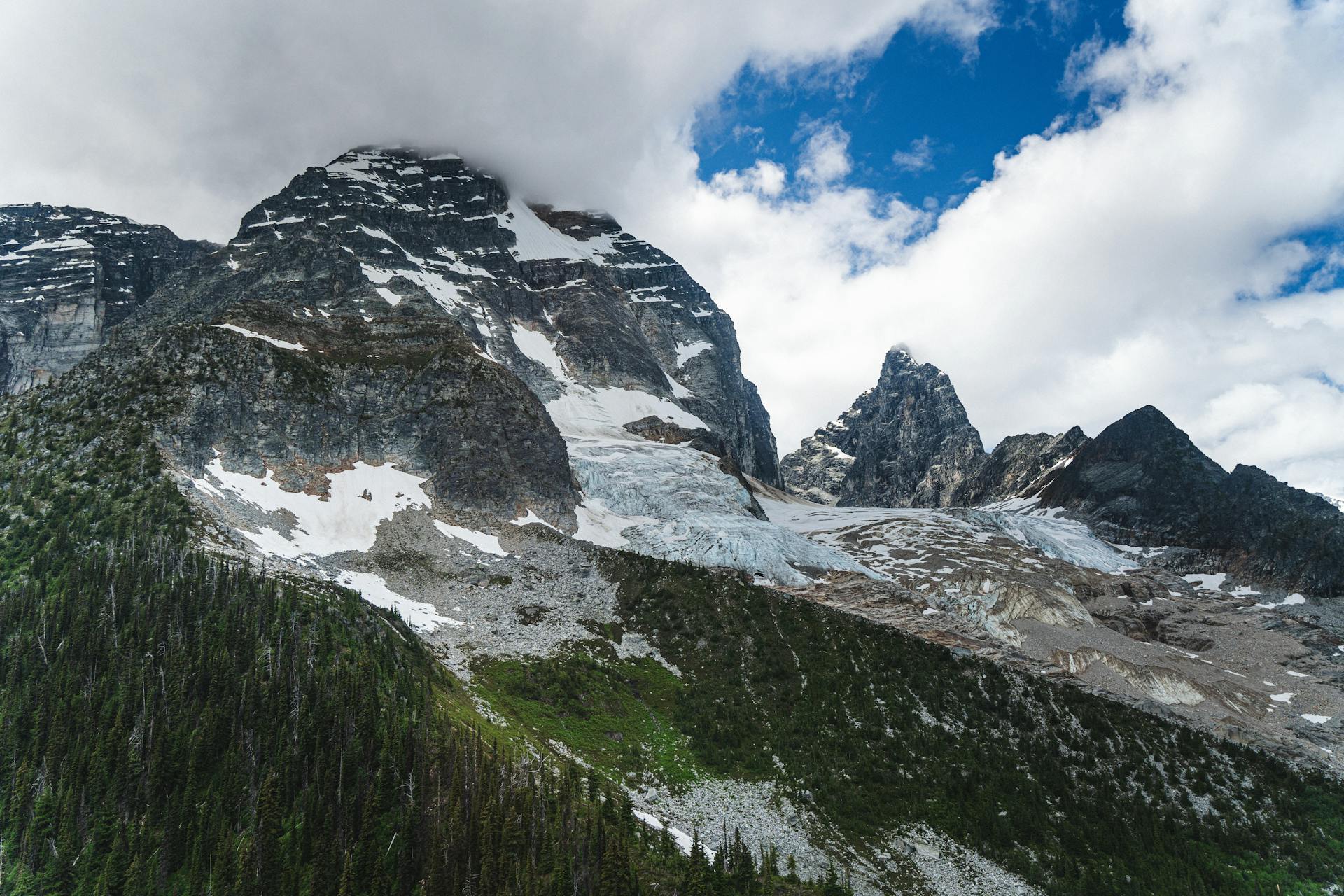
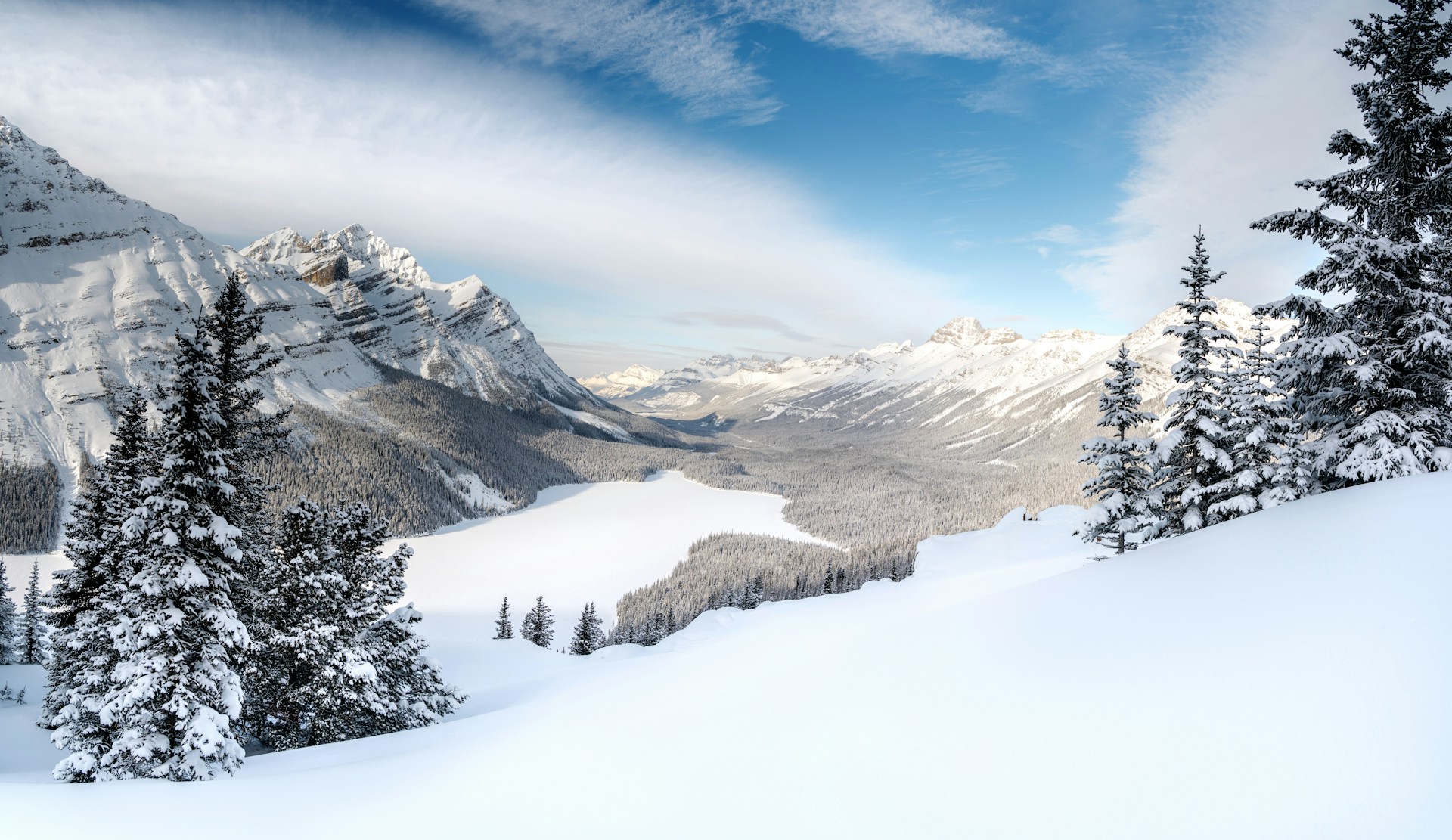
Peyto Glacier, Alberta
Peyto Glacier feeds the Insta-famous turquoise Peyto Lake. It’s a bit quieter than other Banff hotspots.
You’ll climb through alpine meadows to reach the glacier’s lower edge. Those views? Worth every bit of the uphill grind.
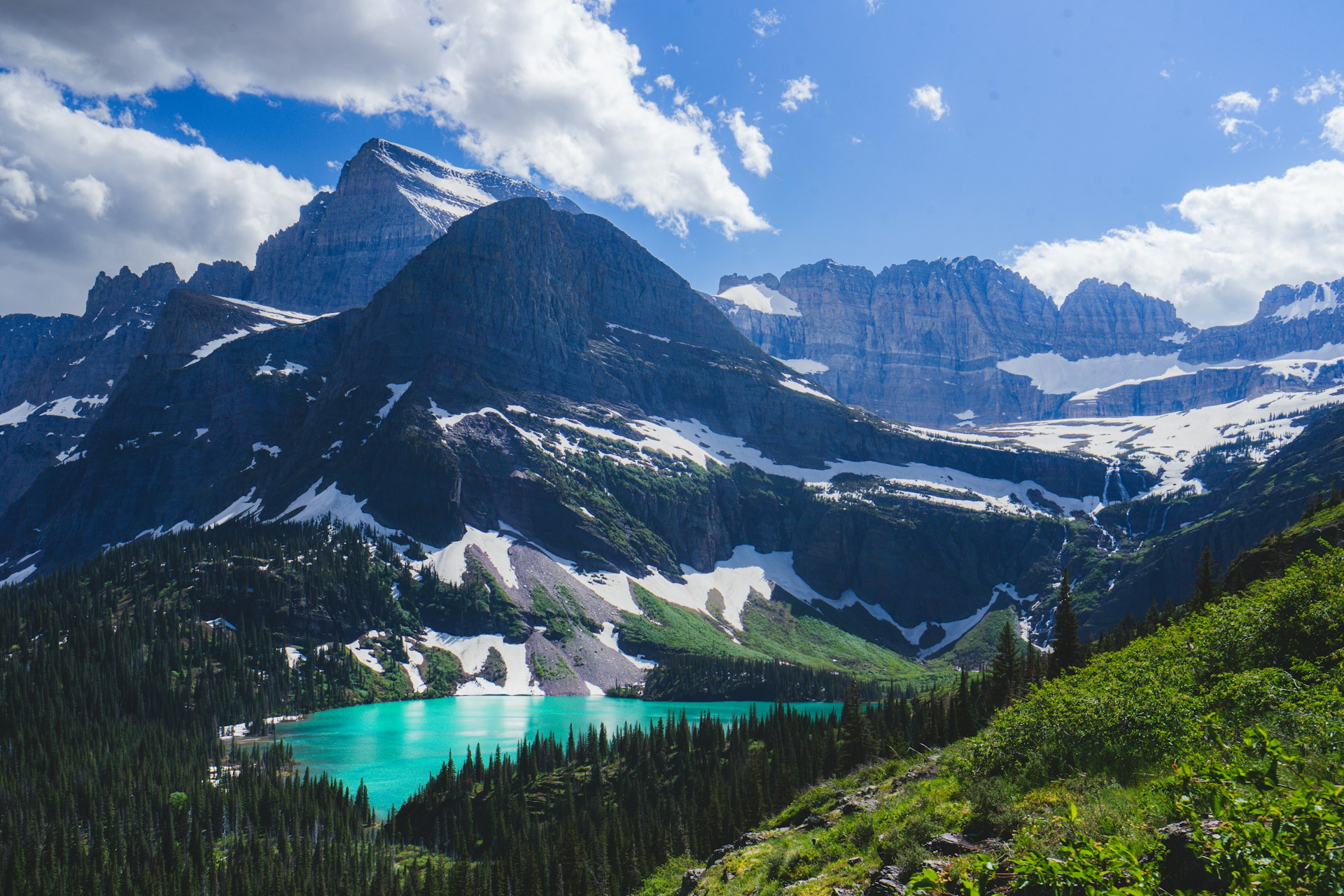
The lake’s wild blue color comes from the glacier grinding up rock into fine “flour.” It’s one of the Rockies’ signature sights.
Trail stats:
- Distance: 6 km roundtrip
- Elevation: 400 meters
- Best walking: Lower glacier terminus
The glacier’s icefalls tumble down the mountain, and you can walk carefully near the base with the right boots.
Wapta Icefield, Alberta/British Columbia
Wapta Icefield straddles the Continental Divide and offers Canada’s top multi-day glacier trek.
You’ll stay in a network of alpine huts, crossing massive icefields with jaw-dropping views in every direction.
Hut system:
- Bow Hut: From Bow Lake
- Balfour Hut: Middle of the icefield
- Scott Duncan Hut: Western edge
Multiple glacier tongues spill into separate valleys, so you can wander for days. You’ll need mountaineering skills and proper gear—this is not for beginners.
First-timers should always hire a guide to learn the ropes (literally).
Toe of the Glacier, Glacier National Park
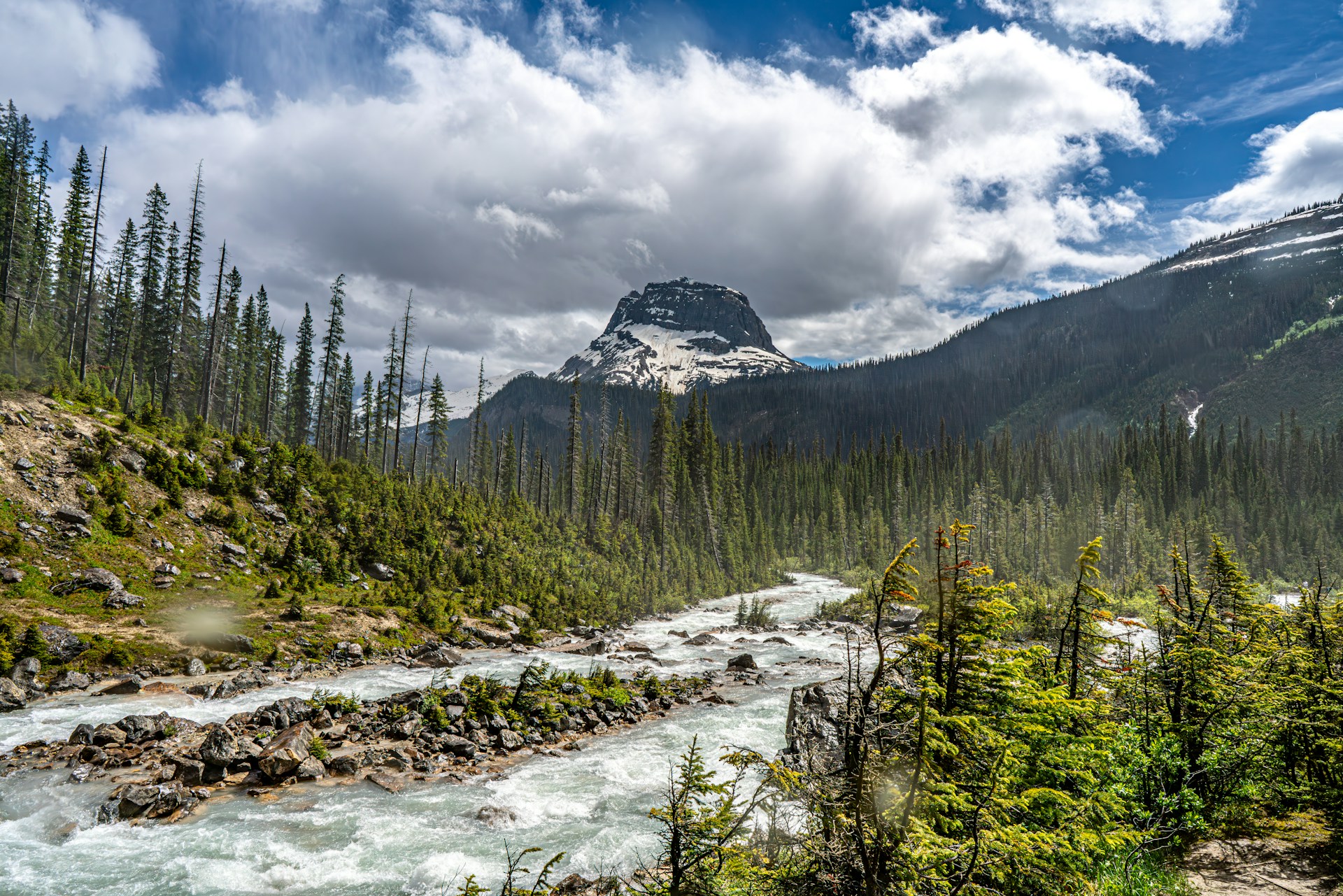
Glacier National Park in BC has some of the most approachable glacier walks around. The Illecillewaet Glacier trail is a solid pick for beginners.
The park hugs the Trans-Canada Highway, and you’ll find historic markers showing the glacier’s retreat over the decades.
You can reach the glacier’s toe safely in summer. The ice near the terminus is stable and easy to access.
Highlights:
- Historic records: Track the glacier’s retreat
- Forest approach: Lush old-growth trees
- Views: Glacier basin and ice loss
Walk through shaded forest, pop out into the open, and suddenly you’re facing ancient ice. The history here adds a whole extra layer to the experience.
Essential Tips for Planning Your Glacier Walk
Glacier walking is incredible, but you’ve got to prep right. Book with certified guides, wear the right gear, and learn about crevasse dangers before you go.
Choosing a Tour or Guide
Always, always book with a licensed tour operator. These guides train for years in glacier safety and rescue.
Never try to walk a glacier solo. Too many people have gotten in trouble (or worse) by going it alone. Glaciers change fast, and you won’t see the danger until it’s too late.
Tour operators provide:
- Crampons for grip
- Helmets for falling ice
- Ropes for crevasse safety
- Ice axes for balance
Book early, especially for popular spots like Athabasca. Tours fill up fast in summer.
Do your research—look for guides certified by the Association of Canadian Mountain Guides or a similar group. Recent reviews can tell you a lot about safety and quality.

Clothing and Gear Requirements
Layer up for your glacier adventure. Weather on the ice flips fast, so you’ll want to be ready for anything.
Base layer: Go for moisture-wicking fabrics. Cotton gets soggy and cold.
Middle layer: Fleece or wool works best for staying warm.
Outer layer: Bring a waterproof jacket and pants. Glaciers are wet and unpredictable.
Footwear: Sturdy hiking boots are a must. Guides will kit you out with crampons for extra grip.
Don’t forget:
- Waterproof gloves
- Warm hat
- Sunglasses (UV protection is key)
- High SPF sunscreen
- At least 1L of water per 2 hours
The glare off the ice can fry your eyes and skin, so sunglasses and sunscreen aren’t optional—they’re essential.
Staying Safe Around Crevasses
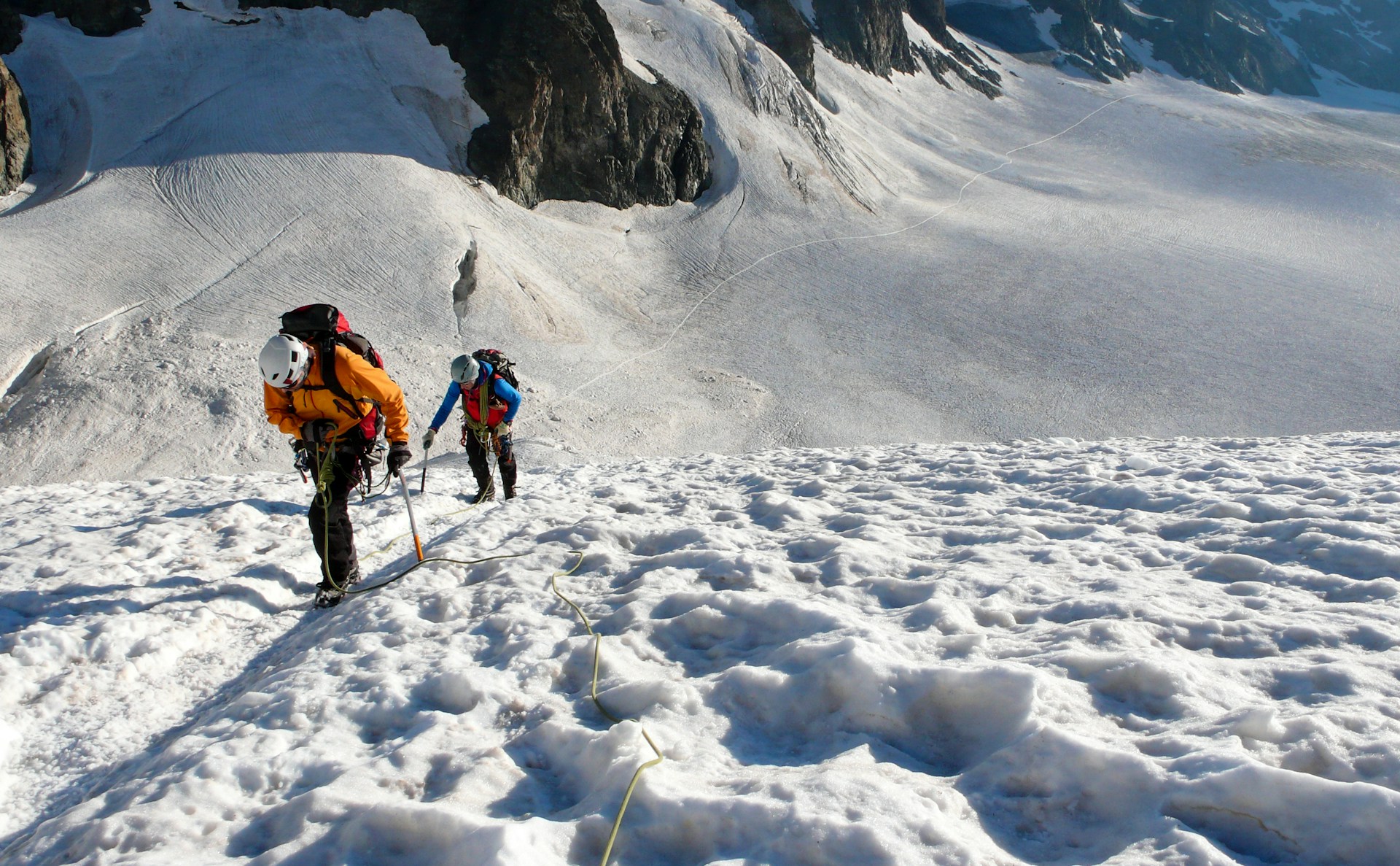
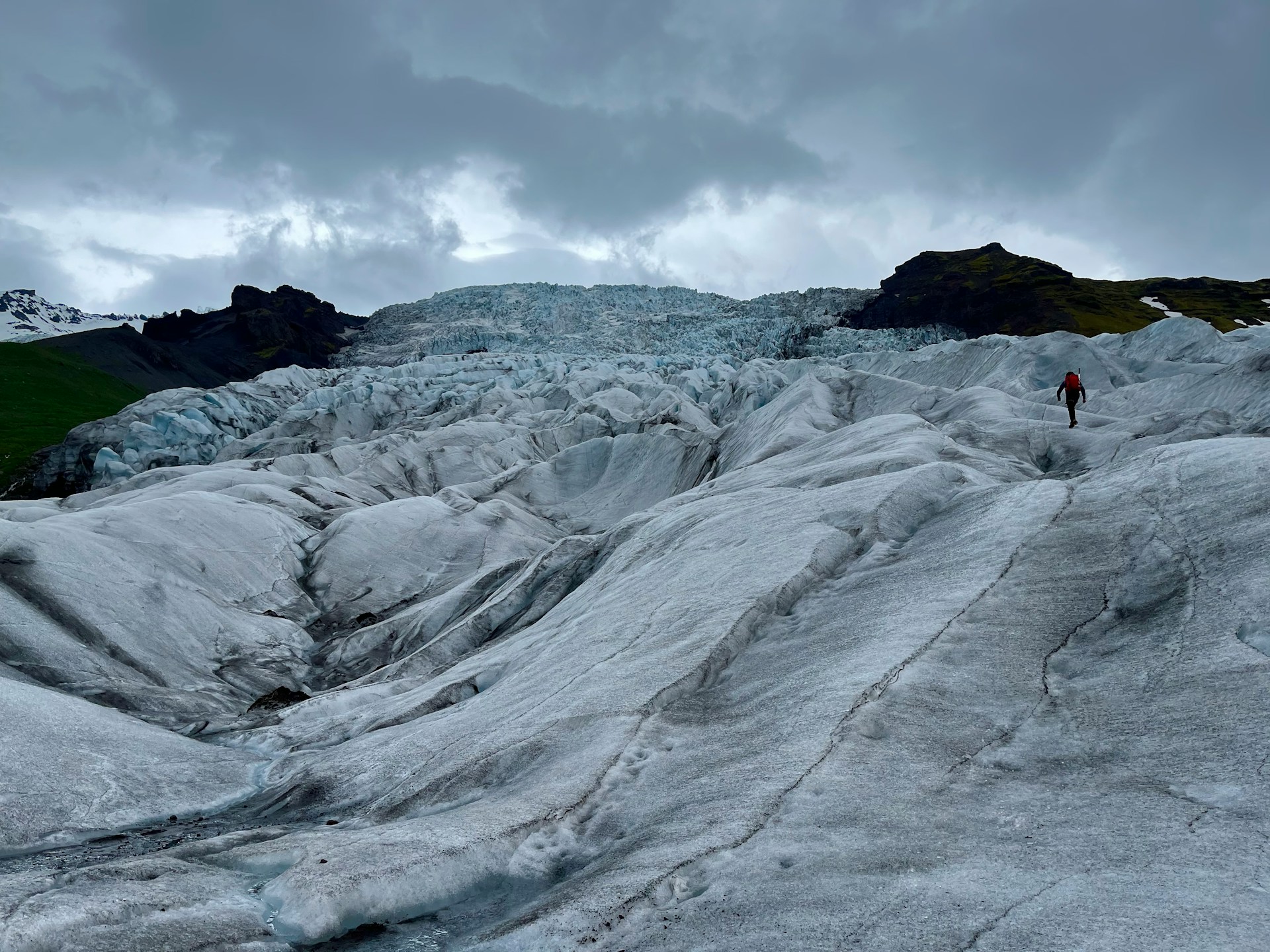
Crevasses—those deep cracks in glacier ice—are honestly the biggest danger you’ll face during a glacier walk. Sometimes, thin snow bridges cover these gaps, looking totally solid until someone steps on them.
Stick close to your guide and stay roped in with your group. Guides set up rope systems that catch you if you break through a hidden snow bridge.
Keep your eyes peeled for warning signs like:
- Subtle dips in the snow
- Odd colors or textures
- Spots where your guide pokes around with poles
I always follow my guide’s exact footsteps. They know the safe routes and check sketchy spots before anyone crosses.
Don’t wander off the marked path. Even if a spot looks fine, crevasses can lurk just below the surface. Some drop over 100 feet.
If someone falls in, the rope team and guide jump into action for the rescue. Stay calm and do exactly what they say. This is why I never go glacier hiking in Canada without a certified guide.
Experiencing More Around Canadian Glaciers
Glacier regions in Canada offer more than just ice—think campgrounds with epic mountain views, trails linking icy fields, and alpine lakes that beg for a summer swim. You’ll even find mountain lodges and visitor centers that serve up tasty meals after a day of exploring.
Camping Near Glaciers
Banff National Park is home to several campgrounds right near glacier viewing spots. Rampart Creek Campground is my top pick—super close to the Columbia Icefield and Athabasca Glacier.
It runs from June through September, and while it’s basic (no electrical hookups), the mountain views are unbeatable.
Jasper National Park has Wilcox Creek Campground, which is primitive but puts you within walking distance of glacier viewpoints.
For a wilder experience, check out the Wapta Icefield area. You can stay in alpine huts and camp near multiple glaciers over several days.
Glacier National Park in BC features Illecillewaet Campground, tucked into old-growth forest with easy access to glacier hikes.
Glacier campgrounds fill up fast in summer. I always book early through Parks Canada, or you’ll miss out.

Eating and Dining Options
The Columbia Icefield Glacier Discovery Centre is the main spot for a hot meal near Athabasca Glacier. You can grab snacks, coffee, and enjoy glacier views through giant windows.
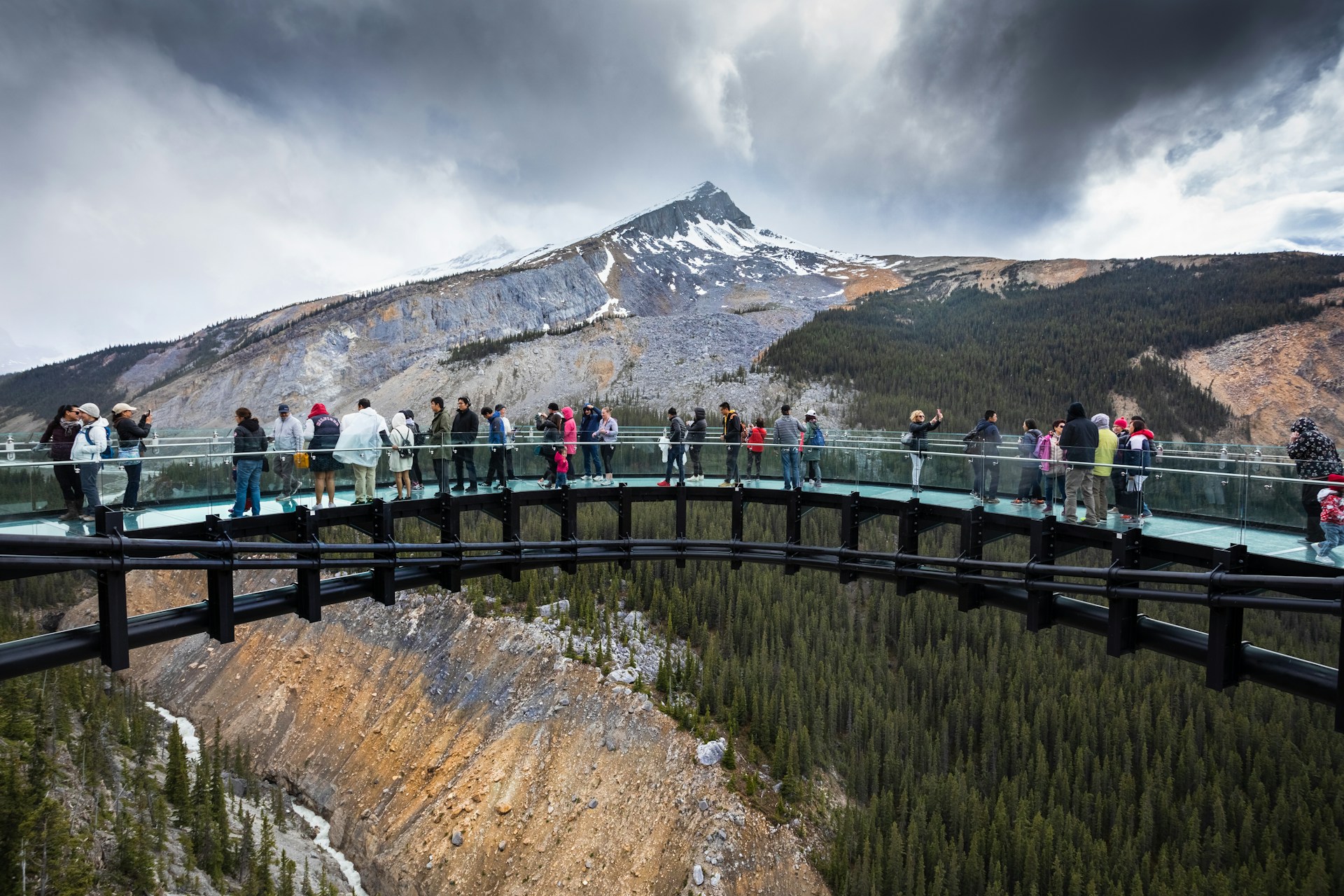
Glacier Skywalk has a cozy café, perfect for a sandwich or soup after your glacier tour.
Mountain lodges like Num-Ti-Jah Lodge near Bow Glacier serve up hearty food that just hits different after a long hike.
Whistler Village (near Helm Glacier) is packed with restaurants, from casual spots to fancy places—about an hour’s drive, but totally worth it if you want options.
When I visit remote glaciers like Bugaboo, I always pack my own food. Some areas don’t have any dining, so meal planning is a must.
Most visitor centers stock basic snacks and drinks, but I recommend bringing extra food, especially if you’re out all day.
Nearby Hiking Trails
Icefields Parkway is a dream for glacier lovers. This 230-kilometer stretch connects tons of glacier trails, so you can check out Athabasca, Saskatchewan, and Crowfoot Glaciers all in one trip.
The Valley of the Five Lakes trail near Athabasca Glacier is a moderate 4.6-kilometer hike, winding past beautiful, glacier-fed lakes.
Parker Ridge Trail gives you epic views of Saskatchewan Glacier. It’s a 5.4-kilometer climb through wildflower meadows to the glacier overlook.
Near Illecillewaet Glacier, the Avalanche Crest Trail adds some challenge and rewards you with panoramic ice field vistas.
Berg Lake Trail near Robson Glacier is a longer adventure—23 kilometers roundtrip through forests and meadows to the glacier basin.
The Iceline Trail in Yoho National Park is another favorite. It winds past hanging glaciers and waterfalls, and the views are pure magic.

Swimming Opportunities in Glacier Regions
Bow Lake sits near Bow Glacier and is perfect for a chilly summer swim. The water stays cold but sometimes warms up enough in July and August for a quick dip.
Peyto Lake is famous for its turquoise color, thanks to glacier melt. It’s freezing, but you’ll see brave swimmers jump in during hot summer days.
Berg Lake (by Robson Glacier) offers a wild swim with floating icebergs. The water’s icy, but the experience is unforgettable.
Moraine Lake gets glacier runoff too, so swimming is brief and best in early August when it’s “warmest.”
Near Kokanee Glacier, Kokanee Lake is another spot for alpine swimming. The water is blue and beautiful, but it’s always cold.
If you want to swim comfortably, you’ll need a wetsuit in most glacier lakes. I always check the water temperature first—hypothermia is no joke, even in summer.

Canadian Glacier Destinations: Parks and Regions
Canada’s walkable glaciers spread across three main mountain regions, each with its own personality. The Canadian Rockies are the easiest for most folks to access, while the Selkirks call out to those chasing more remote adventures.
Canadian Rockies Overview
The Canadian Rockies host the most visitor-friendly glaciers in North America. Banff and Jasper National Parks are your main gateways to these icy wonders.
Columbia Icefield is the crown jewel here. From one spot, you can reach several glaciers, including the iconic Athabasca Glacier.
The Icefields Parkway links major glacier viewing areas between Banff and Jasper. You’ll find roadside stops with glacier views—no epic hike required.
Yoho National Park sits on the Alberta-British Columbia border and offers more glacier experiences. Its spot along the Continental Divide means prime glacier conditions.
Most glaciers in the Rockies sit between 6,000 and 10,000 feet. Even in summer, it stays cool—perfect for glacier walking if you come prepared.
Selkirk Mountains Exploration
Glacier National Park in British Columbia anchors the Selkirk glacier region. Don’t confuse it with Montana’s park—they just share a name.
Selkirk winters dump loads of snow, which makes for great glacier conditions. Kokanee Glacier Provincial Park is my pick for accessible ice in this range.
Selkirk glaciers are harder to reach than those in the Rockies. You’ll probably need to camp overnight or plan a multi-day hike.
Bugaboo Glacier stands out for its dramatic scenery—those granite spires are unreal and make every glacier walk feel epic.
These mountains hang onto winter longer than the Rockies. Glacier walking season usually runs from July to early September, so plan accordingly.

Visiting Montana and Cross-Border Glacier Experiences
Glacier National Park in Montana is a stunner, but honestly, if you want to actually walk on a glacier, it’s a bit tricky here. Most of the glaciers in Montana aren’t really accessible for casual hikers—you’d need some serious mountaineering chops.
If you’re dreaming of that classic glacier walk, I’d steer you toward the Canadian side. Montana’s park? It’s fantastic for jaw-dropping glacier views, just not so much for getting up close and personal.
Waterton-Glacier International Peace Park is where Montana and Alberta shake hands. I love how this cross-border park lets you see how glaciers look and behave on both sides—it’s a unique perspective you don’t get everywhere.
Thinking of hopping between countries for a glacier adventure? You’ll need a valid passport, and trust me, it’s smart to double-check the latest border rules before you go. Regulations can change, and nobody wants a surprise at the crossing.
Montana’s glaciers are melting faster than a lot of their Canadian neighbors. It feels bittersweet, honestly—some of these icy giants might vanish within our lifetimes. If a glacier visit is on your bucket list, now’s the time.
