
Croatia has this way of transforming food into a true celebration—think centuries-old traditions, buzzing communities, and flavors that linger in your memory. From wandering through Istria’s truffle forests to slurping oysters in Mali Ston, I’ve realized Croatian food festivals offer so much more than a plate of something delicious.
These festivals aren’t just about eating; they mix regional dishes with folk music, crafts, and plenty of storytelling. Each one tells a tale of its region, whether it’s the spicy Slavonian kulen sausage, the comforting Zagorje strukli pastries, or the salty Dalmatian prosciutto.
Let’s dive into Croatia’s most authentic food festivals—from the bustling Adriatic coast to the quieter inland harvests. I’ll share what to eat, how to soak up the local vibe, and a few tips for making the most of your own culinary adventure.
How Food Festivals Reflect Croatian Culture
Walk into any Croatian food festival and you’ll feel it: these events act as living museums. Here, tradition and modern celebration collide. Food brings people together, whether you’re in a sleepy inland village or a lively coastal town.
The Role of Festivals in Community Life
Food festivals in Croatia genuinely unite communities in a way that’s hard to match. I’ve watched sleepy towns morph into lively hubs, with neighbors suddenly running food stalls and local farmers getting treated like celebrities.
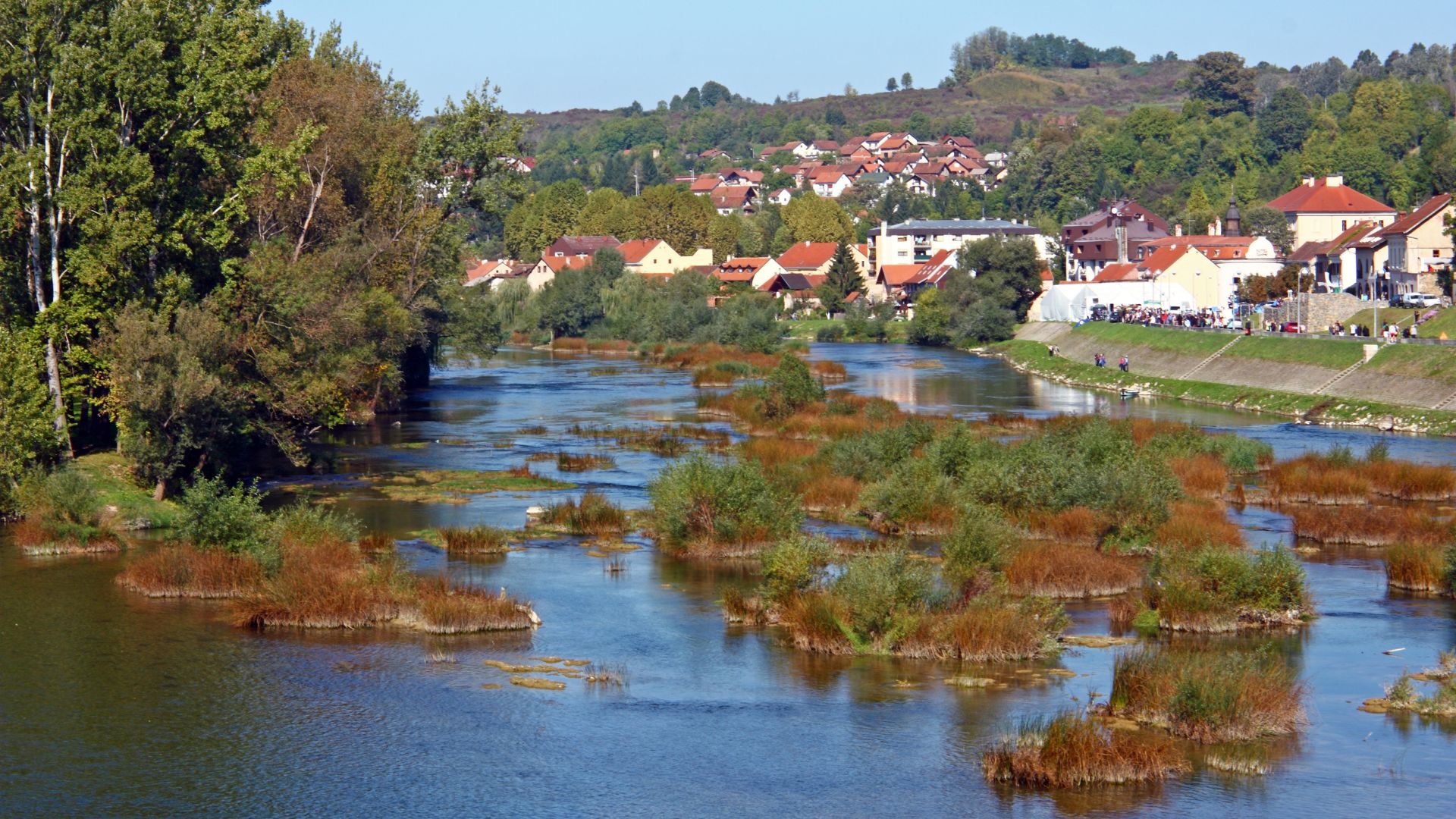
Take the Kestenijada in Hrvatska Kostajnica. Since 1997, the whole town has thrown itself into celebrating their chestnut heritage. Families swing open their doors, and everyone—choir singers, blacksmiths, you name it—joins in.
Older folks show the younger ones how to make dishes like strukli or whip up fish paprikash over open flames. They pass these skills down the old-fashioned way, hands-on and full of stories.
Community participation looks like this:
- Farms showing off homemade goods
- Families battling it out in cooking contests
- Artisans crafting on the spot
- Folk musicians keeping the tunes going
Jaskovo’s Strudel Festival even snagged a Guinness World Record, and suddenly the whole region was on the map. Food traditions here don’t just keep locals happy—they draw the world’s attention.
Celebrating Traditions Along the Adriatic Coast
The Adriatic coast really puts its stamp on Croatian food festivals. Here, it’s all about seafood, salt, and wines that have been made for generations.
At Mali Ston’s Oyster Festival on St. Joseph’s Day, the local fishermen share their freshest oysters with anyone who shows up. Pair those with Pelješac wines and you’ve got a meal that tastes like the sea itself.
What you’ll find at Adriatic festivals:
- Oysters and all sorts of Mediterranean seafood
- Local coastal wines
- Dalmatian music and traditional dance
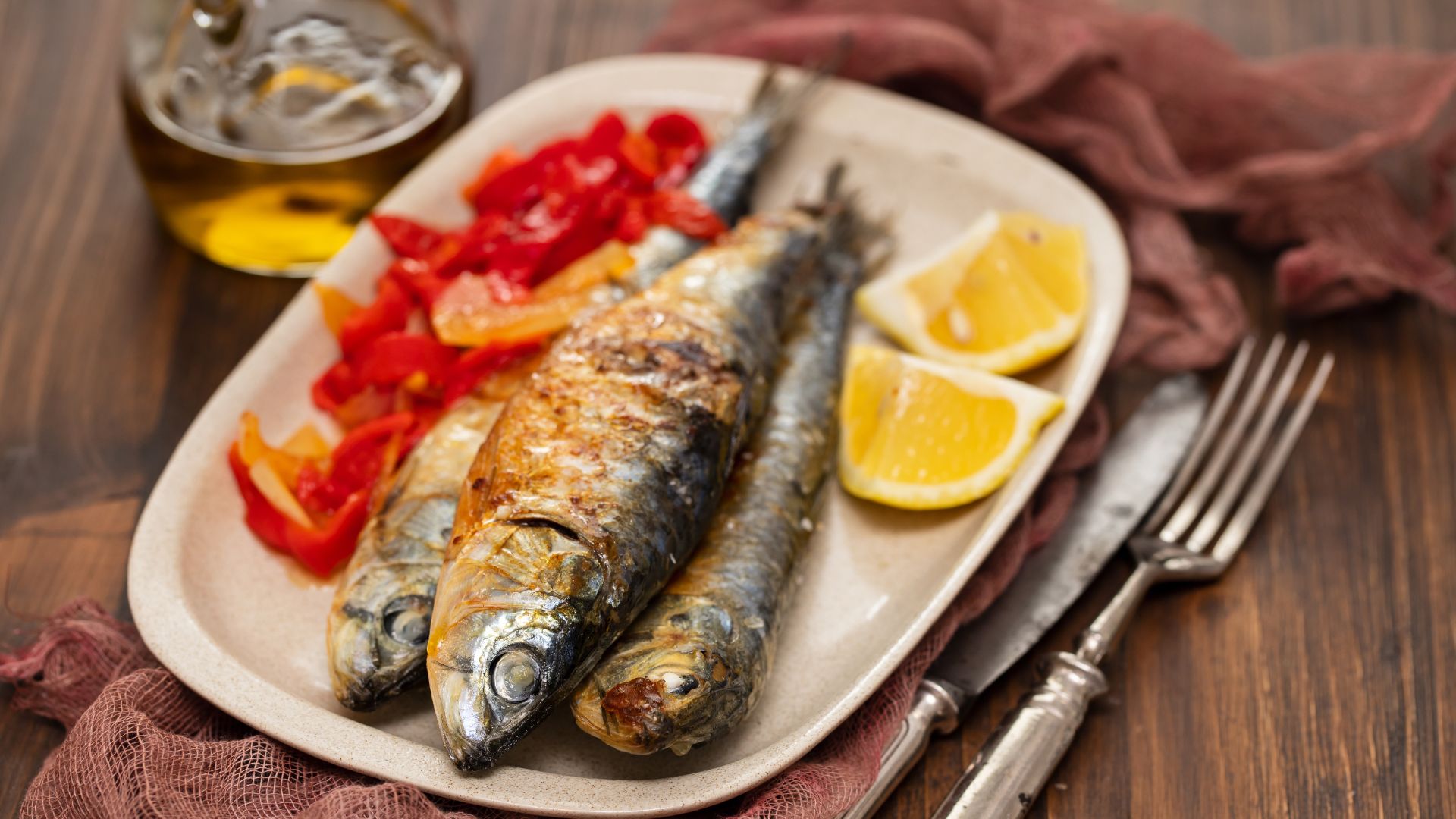
- Grilled sardines and seasonal treats
Coastal festivals flow with the seasons. Summer means outdoor feasts and grilled fish, while winter brings heartier meals indoors. These rhythms tie today’s festivals to the old cycles of fishing and farming.
Dubrovnik’s summer food festivals are a great example. The city’s cuisine, shaped by Italian, Austrian, and Turkish influences, is something you really can’t find anywhere else.
Fusion of Culinary and Cultural Heritage
Croatian food festivals are a crash course in the country’s complex past. Each one tells a story, weaving together foreign influences and local traditions.
The International Prosciutto Festival in Drniš comes to mind. Croatian prosciutto gets smoked in a way that’s totally different from Italy or Spain. The festival celebrates this twist, but doesn’t ignore the shared Mediterranean roots.
Cultural influences at play:
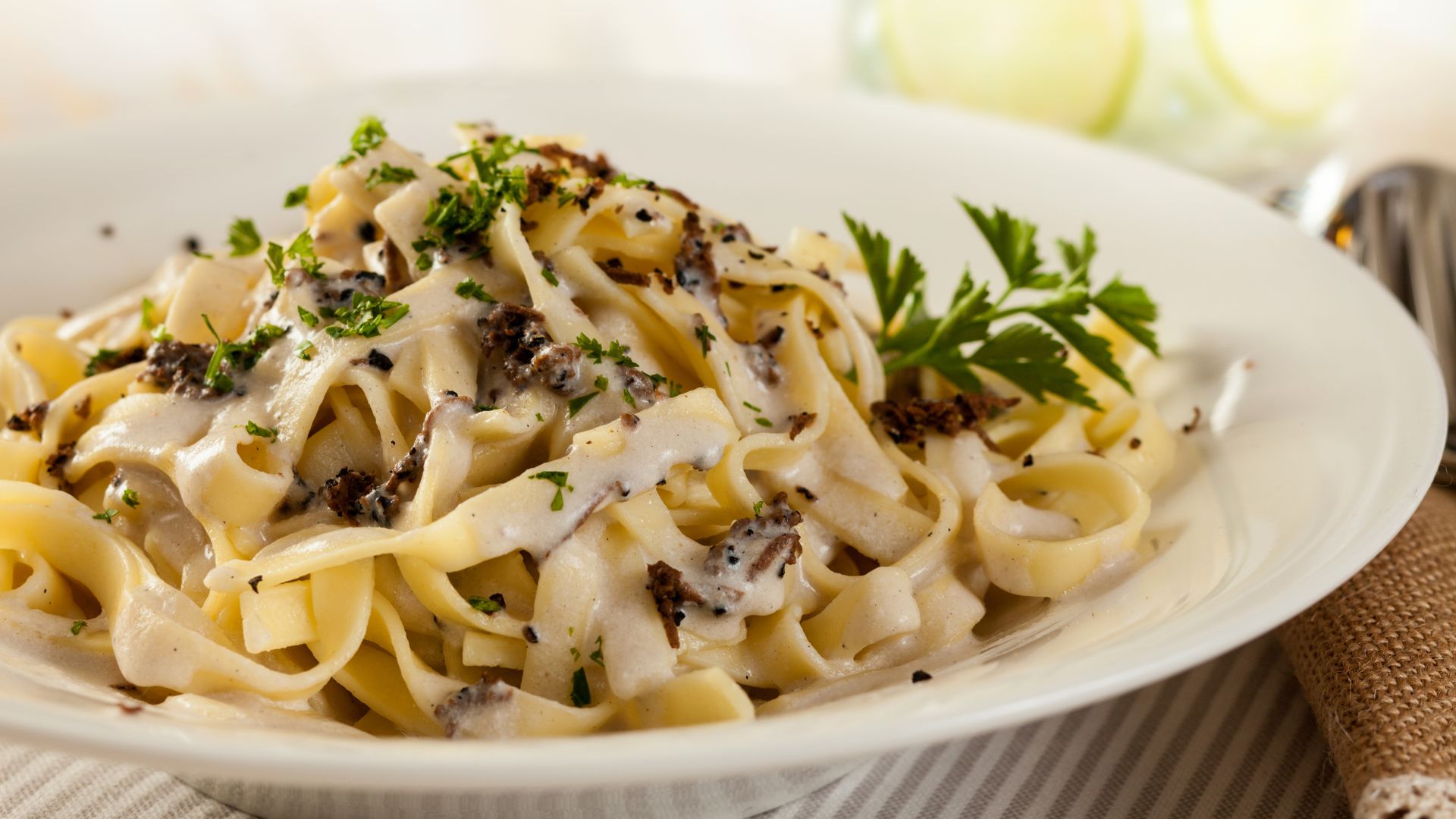
- Italian: Pasta dishes like fuži with truffles
- Austrian: Strudel recipes and techniques
- Turkish: Spices and cooking styles
- Slavonian: Unique meat preservation
Istria’s Truffle Days show off how Croatian cuisine borrows and blends. Imagine Italian-style pasta loaded up with local truffles. It’s a dish that’s all Istria.
Religious customs sneak into these festivals too. In Rovinj, Easter means Catholic traditions mix with special breads like pinca and brightly painted eggs. Food and faith are tightly woven here.
Some festival foods, like kulen sausage, started out of necessity—preserving meat without a fridge. Now, Kulenijada celebrates that ingenuity and the flavors that came from it.

Signature Croatian Foods at Festivals
Croatian food festivals are a showcase for regional favorites—grilled meats, sweet pastries, and spreads bursting with flavor. The mix of Mediterranean and Central European influences keeps things interesting.
Ćevapi and Other Grilled Specialties
Ćevapi is a festival superstar. These little sausages, made from beef and pork, are everywhere.
You’ll spot vendors grilling ćevapi and stuffing them into flatbread with chopped onions and a dollop of kajmak. That smoky flavor really hooks you.
Other must-try grilled bites:
- Kulen – fiery pork sausage from Slavonia
- Pljeskavica – a hefty, seasoned meat patty
- Raznjici – skewers of juicy meat
The Kulen Festival in Požega is a highlight every June. Producers bring their best, and visitors get to sample and sip local wine.

Fritule and Traditional Sweets
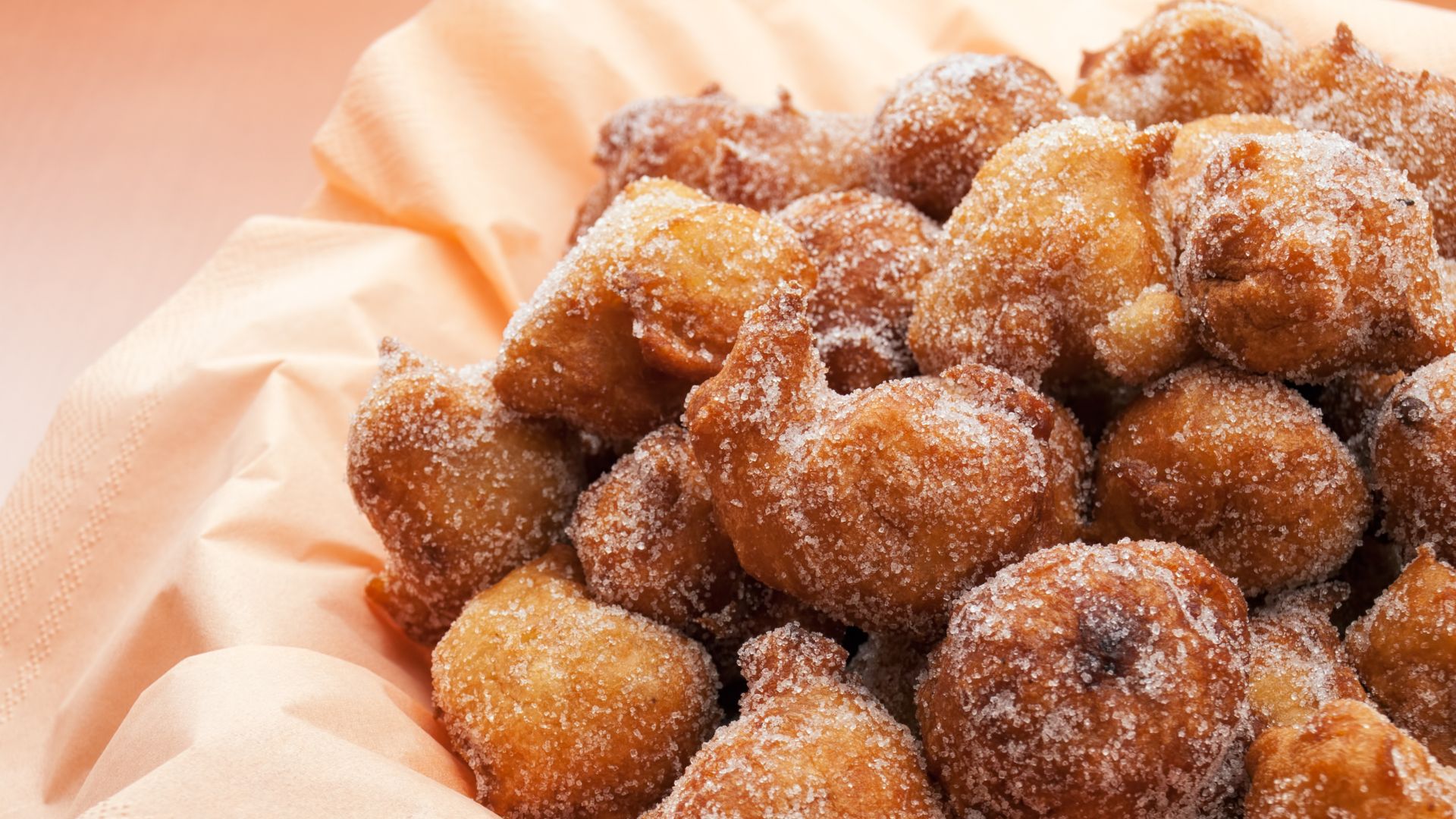
Fritule are bite-sized doughnuts that pop up at nearly every festival. They’re packed with raisins, lemon zest, and sometimes a splash of rum.
You’ll catch vendors frying them on the spot and finishing with a snowy sprinkle of powdered sugar. They’re especially popular at winter and Christmas events.
Other sweets to look for:
- Pinca – sweet bread for Easter
- Strukli – cheesy pastry from Zagorje
- Strudel – thin pastry stuffed with fruit
Jaskovo’s Strudel Festival set a world record with a strudel that stretched 1,479 meters. It’s a fun scene, with baking competitions and endless fruit fillings.
Ajvar and Regional Flavors
Ajvar, a punchy red pepper spread, turns up everywhere. It’s roasted peppers, eggplant, and garlic blended into a thick, flavorful paste.
I’ve noticed ajvar changes from region to region. Istrian ajvar gets a splash of local olive oil, while Slavonian versions bring the heat.
A quick look at regional specialties:
| Region | Specialty | Key Ingredients |
|---|---|---|
| Istria | Truffle dishes | White/black truffles |
| Dalmatia | Fresh oysters | Adriatic shellfish |
| Zagorje | Strukli | Cottage cheese, dough |
If you’re in Istria from September to November, don’t miss the Truffle Days festival. You’ll find truffle pasta, truffle omelets, and pretty much truffle everything.
Iconic Food Festivals in Croatia
Croatia’s top food festivals blend old-school recipes with new food trends. These events draw crowds from all over and turn whole cities into open-air restaurants.
Dubrovnik Food Festival
Dubrovnik goes all out with food celebrations year-round. The city’s ancient walls make a stunning backdrop for any event.
Each June, the Burger Festival rolls into town, filling the streets with the smell of sizzling beef. Chefs get creative, using Croatian ingredients to build burgers you won’t find anywhere else.
You’ll usually find:
- Premium local beef
- Croatian cheeses
- Fresh market veggies
- Craft beer pairings
The action happens near the old town walls. There’s nothing like biting into a gourmet burger while wandering through centuries-old streets.
Restaurants often join in, offering special menus that fuse Mediterranean flavors with burger trends from around the world.
Zagreb Burger Festival
Zagreb’s burger scene has exploded lately. The annual Burger Festival is a multi-day celebration of all things burger.
It usually takes over the city center during the summer. Food trucks and pop-up stalls keep things lively.
Festival favorites:
- Live cooking shows
- Burger battles
- Craft beer tastings
- Local bands and DJs
What stands out? The focus on Croatian ingredients. Vendors source their meat locally and pair burgers with regional drinks.
People come from all over the Balkans for this one. It’s become a highlight of Zagreb’s food calendar.

Rijeka Carnival and Street Food Events
Rijeka’s carnival season is wild—think parades, costumes, and loads of food. It kicks off in January and runs until March.
During carnival, the city fills with food stalls selling everything from classic Croatian bites to international street food. You’ll find grilled meats, pastries, and seasonal dishes.
The party atmosphere is infectious. Musicians and street performers turn every meal into a mini celebration.
Vendors often whip up carnival-only treats, especially sweet pastries and festive drinks.
Mixing one of Europe’s biggest carnivals with street food makes for a unique experience. You get tradition and modern eats side by side.
Wine and Rakija Tasting Celebrations
Wine lovers, Croatia’s got you covered. Wine regions like Istria and Slavonia throw tasting events all year.
Local winemakers pour their best bottles, usually paired with traditional snacks.
Rakija festivals are a big deal too. Rakija, Croatia’s beloved fruit brandy, gets its own spotlight, especially inland.
You’ll find rakija made from:
- Plum (šljivovica)
- Grape (lozovača)
- Apple (jabukovača)
- Pear (viljamovka)
Most festivals pair drinks with hearty food—think roasted meats and aged cheeses.
It’s a great way to get a feel for Croatian drinking culture and the old-school methods behind it.
Celebrating by the Sea: Coastal and Marina Festivals
Food festivals along the Croatian coast are something special. Fresh seafood, stunning waterfronts, and even marina access for boaters—it’s hard to beat.
Highlights of Adriatic Coast Festivals
The Dubrovnik Summer Festival runs from July 10 to August 25. It’s not just about food; there are cultural performances and food stalls tucked throughout the Old Town.
Split’s Summer Festival, from July 14 to August 14, takes over the area around Diocletian’s Palace. Seafood, wine, and theater—what’s not to love?
Zadar’s Night of Full Moon on August 3 is pure magic. The city turns off its electric lights, candles flicker everywhere, and locals serve up traditional dishes by the sea.
What makes these coastal festivals shine:
- Waterfront dining
- Daily seafood catches
- Traditional prep methods
- Local wine pairings
Rovinj’s Easter festival lasts three days and focuses on specialties like pinca bread and fritulica pastries.
Island festivals are more laid-back. Rab’s Rapska Fjera, July 25-27, features medieval feasts with recipes straight from the history books.

Local Seafood Specialties
Seafood is the star at Adriatic festivals. Each region does things its own way, depending on what’s fresh.
Seafood dishes you’ll want to try:
- Buzara – mussels or shrimp in garlicky white wine sauce
- Crni rižot – black risotto with cuttlefish ink
- Peka – fish slow-cooked under iron bells
- Gregada – a white fish stew from Hvar
Istrian festivals love adding truffles to their seafood. They also drizzle everything with local olive oil and toss in fresh herbs.
Dalmatia keeps it simple: grilled fish with blitva (chard and potatoes). The freshness really stands out.
On the islands, you’ll find dishes you can’t get on the mainland. Pag’s festivals serve up fish encrusted with their famous sheep’s milk cheese.
Hungry yet? Croatia’s food festivals are more than just a meal—they’re a window into the country’s heart and soul. Whether you’re drawn by the music, the stories, or just the promise of another delicious bite, there’s a festival waiting for you.

Festival Experiences with Marina and Mooring Access
Coastal festivals in Croatia? They’re a dream if you’ve got a boat. Most welcome boaters, and you’ll find marinas right near the action.
But here’s a tip: check mooring availability early, especially during big summer events. Those marina spaces vanish faster than you’d think.
Marinas Near Festival Locations:
- Dubrovnik: ACI Marina Dubrovnik—just a 15-minute walk to Old Town.
- Split: ACI Marina Split—straight into Diocletian’s Palace area.
- Zadar: Marina Zadar—stroll right to the waterfront festival spots.
When you moor close to a festival, you get this front-row access most people only dream about. Some festivals even put together boat packages, sometimes with reserved dining spots. Not bad, right?
Marina life has its own vibe, too. I’ve stumbled into small food gatherings where local fishing families share recipes passed down for generations. These aren’t big tourist productions—they’re cozy, and honestly, the food feels more authentic.
I always feel more relaxed at these marina-based events. Maybe it’s the sea air, maybe it’s the simple grilled fish, but there’s something special about eating a meal prepared by the same families who supply the local restaurants.
Island festivals? Now, those are a different adventure. You’ll need a boat or catch a ferry, which keeps things exclusive. Fewer crowds mean you can actually chat with food vendors and local chefs. It feels like you’re part of a secret.

Tips for Visiting Croatian Food Festivals
Croatian food festivals have so much to offer—flavors, tradition, and a dash of chaos if you don’t plan ahead. I’ve learned that knowing what to taste and when to show up makes every bite better.
A little planning goes a long way. It helps you dodge the crowds and shows respect for the locals and their traditions.
What to Taste and Where to Find It
Every region in Croatia brings something different to the table. In Istria, you really shouldn’t miss truffle dishes like fuži pasta or fritaja. Truffle Days runs from September to November, and the white truffles? They’re legendary.
If you’re in Slavonia in June, Kulenijada in Požega celebrates kulen sausage. It’s a mildly spicy pork sausage—easily Croatia’s most famous cured meat. I still remember my first bite—smoky, rich, unforgettable.
Coastal festivals, of course, focus on seafood. The Oyster Festival in Mali Ston happens in March, pairing fresh oysters with Pelješac wines. They serve them raw, grilled, even breaded if you’re not into the slippery texture.
Pastry lovers, you’re not left out. Zagorski strukli, a cheese-filled dough, stars at Štruklijada. You’ll find it boiled or baked. And at Štrudlafest in Jaskovo, apple strudel takes center stage every September—so many variations, it’s hard to pick a favorite.
Don’t skip the local products. Pumpkin oil, honey, rakija, regional wines—most festivals sell these directly from the producers. The prices beat tourist shops, and the flavors are the real deal.
Navigating Crowds and Schedules
Weekends mean crowds. If you want some breathing room, get there early on Saturday or try Friday if the festival stretches over a few days.
October brings festivals like Kestenijada and Bučijada. The weather’s great, but so are the crowds. I always book my accommodation ahead for these—learned that the hard way.
Getting to smaller towns can be tricky. For Bučijada, there’s the Bucko Express train from Zagreb, which is a lifesaver when it comes to parking. For other festivals, I aim to arrive before 10 AM to snag a good spot.
Festival lengths are all over the map. Truffle Days goes on for two months, but the Oyster Festival? Just one day. Always double-check the dates—some events have shifted their timing lately.
If you’re after the liveliest moments, go during competition times. Kulenijada has producer tastings, and Štrudlafest hosts the longest strudel contests. The energy is contagious, and you’ll feel right in the middle of it all.
Embracing Local Customs as a Guest
Greeting vendors with a few Croatian phrases really goes a long way. Try saying “hvala” (thank you) or “molim” (please). Locals usually notice the effort, and sometimes they’ll toss in a little extra sample just because you tried.
Sampling etiquette is pretty straightforward. Take just a small taste when someone offers you a free sample. If you love what you tried, go ahead and buy it—it’s a great way to support small businesses.
Cultural activities aren’t just about food at these festivals. For example, Kestenijada has historical reenactments at Zrinski castle. Jumping into these events makes everything more memorable and helps you connect with local traditions.
Payment methods can be a bit old-school. Most vendors prefer cash, especially smaller bills. Croatian kuna or euros usually work, but cards? Not so much.
Photography courtesy is important too. Always ask before snapping photos of vendors or their goods. Most people don’t mind, but they’ll appreciate the respect—especially when they’re busy getting everything ready.
