
If you love skiing, the U.S. is basically a playground. From wild Rocky Mountain powder to mellow, family-friendly slopes, there’s something for everyone. I’ve spent years chasing snow across the country, and I still get excited planning the next trip. Whether you’re itching for your first blue run or you’re already eyeing those double blacks, American ski resorts have you covered.
Here’s a rundown of eight standout ski resorts that really show off what U.S. skiing is all about. We’ll jump from Colorado’s legendary peaks to California’s sun-drenched mountains, and I’ll throw in advice, quirky facts, and honest tips along the way. Ready to find your next winter adventure?
1) Aspen Snowmass, Colorado
Aspen Snowmass is a bit of a legend. You get four distinct ski areas on one lift ticket—Aspen Mountain, Aspen Highlands, Buttermilk, and Snowmass. That’s 5,547 acres, so you’ll never get bored.
Snowmass is the giant here, with more terrain than the other three combined. I’ve tackled everything from steep tree runs to gentle cruisers, and there’s always something new. If you’re into terrain parks, Buttermilk’s setup is famous (hello, X Games).
The new Coney Express lift at Snowmass makes it easier to get around those 3,300+ acres. And with 336 trails and 43 lifts, you’ll spend more time skiing and less time waiting.
Ski Magazine called Aspen Snowmass the fourth-best ski resort in the West for 2025-26. Snowfall is generous, so conditions usually stay great all season.
You can base yourself in Aspen or Snowmass Village. Both towns offer plenty of lodging, lessons, and gear rentals. I love Aspen’s lively vibe, but Snowmass Village is super convenient if you want to roll out of bed and hit the lifts.

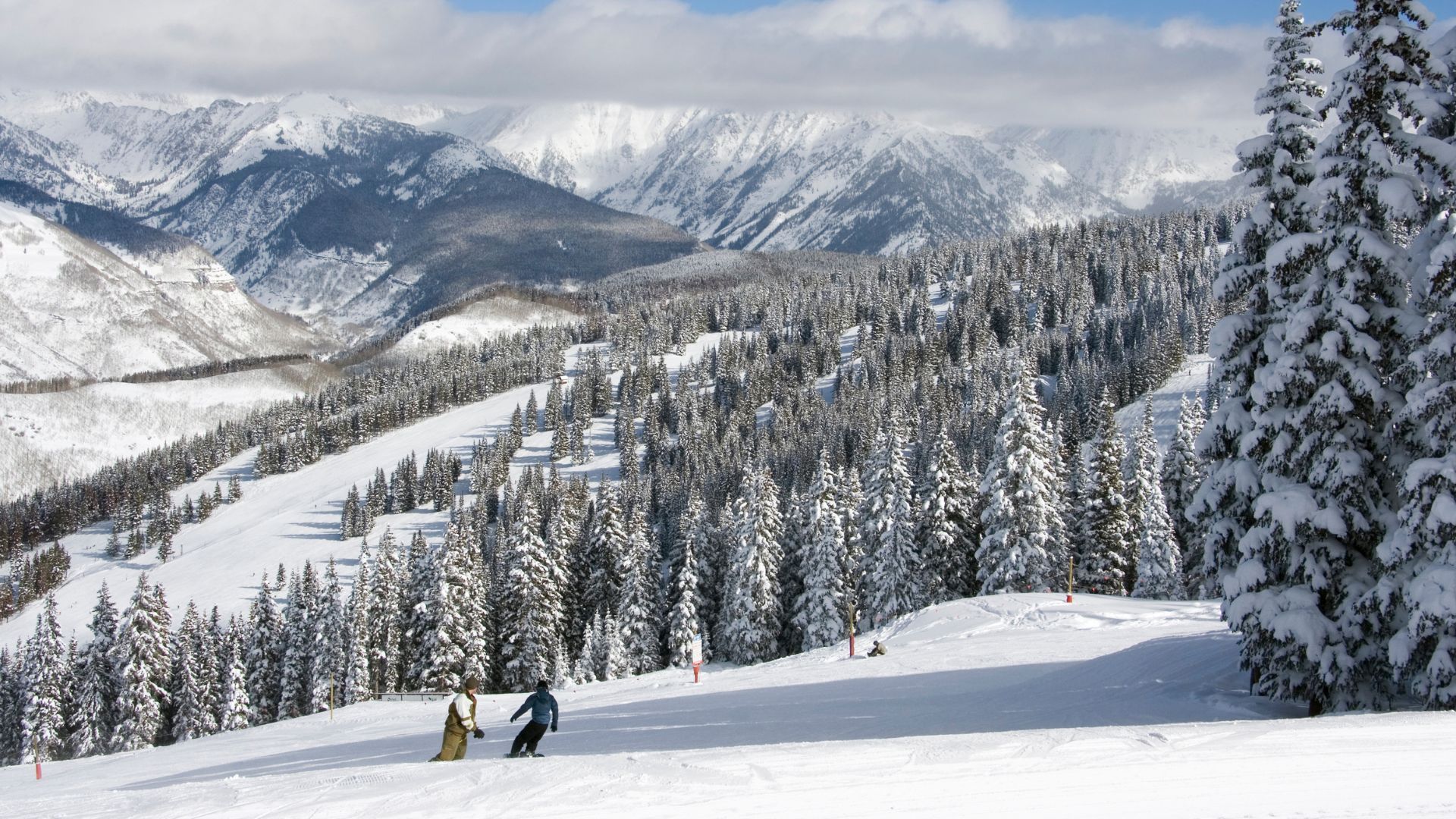
2) Vail Ski Resort, Colorado
Vail is iconic for a reason. With over 5,300 acres, you get everything from mellow front-side groomers to legendary back bowls that challenge even the pros. High-speed lifts keep lines short, even when the crowds roll in.
Beginners can stick to the front, while powder hounds head straight for the bowls. Vail sits high, so snow stays consistent all winter.
Vail village at the base feels like a little slice of Europe, with cobblestone streets and après-ski spots everywhere. It’s easy to get from your morning coffee to first chair.
Grab an Epic Pass for unlimited Vail access—plus a bunch of other resorts if you’re feeling adventurous. You’ll find ski schools, rentals, and tons of dining options right on the mountain.
I’d recommend coming between November and April, but always check opening dates—early storms can change everything.
3) Jackson Hole Mountain Resort, Wyoming
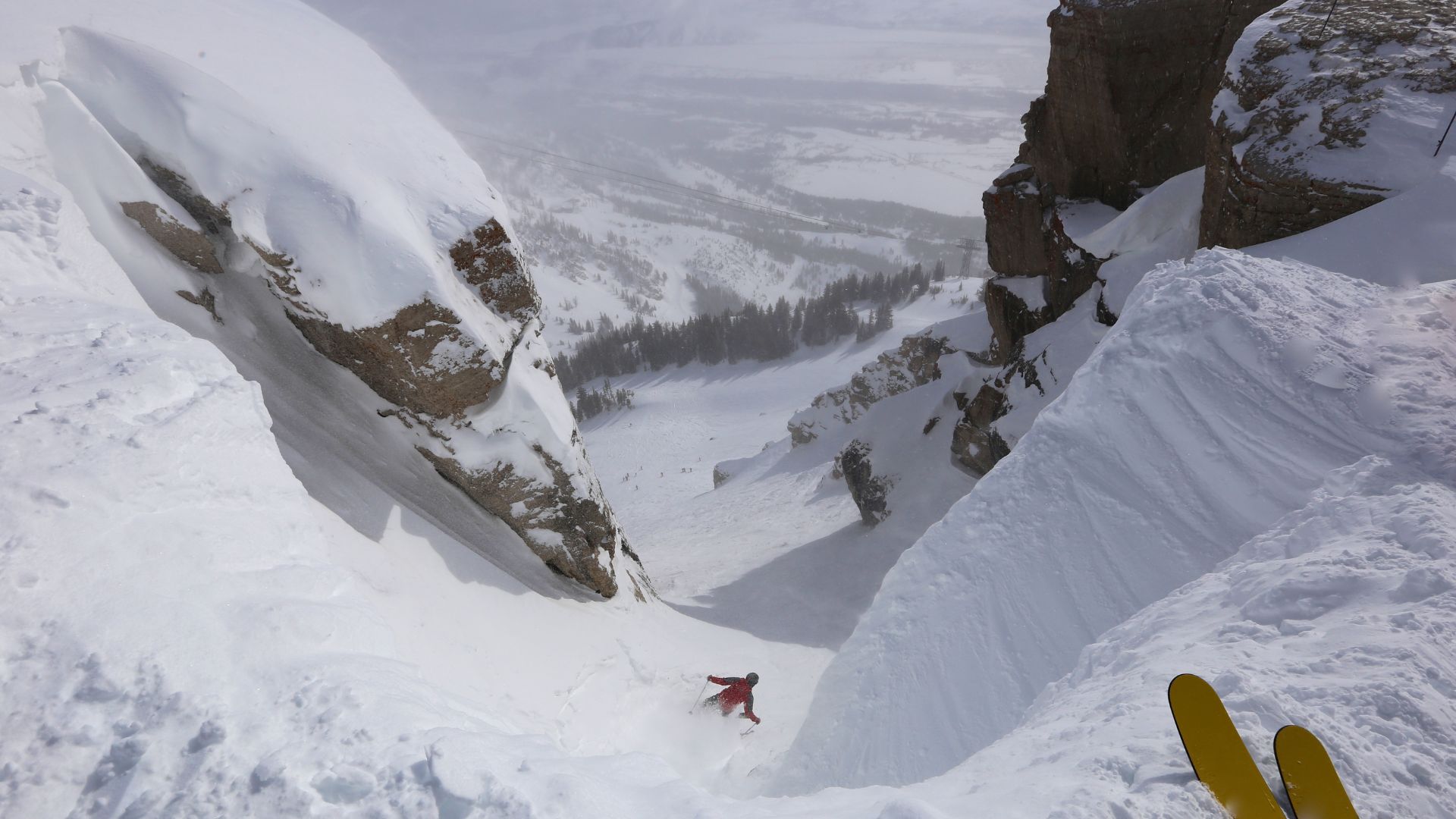
Jackson Hole is where you go when you want a real mountain adventure. It’s tucked into Wyoming’s Tetons, with over 2,100 acres and a jaw-dropping 4,139-foot vertical drop.
The terrain gets steeper as you go, but there’s something for everyone. Still, this place has a reputation for tough runs and deep powder—serious skiers love it.
Getting here takes a bit more effort. The resort sits in Teton Village, about 12 miles from Jackson. The remoteness adds to the magic, honestly.
The Tetons create a dramatic backdrop for every run. If you want to mix it up, you can check out Snow King Mountain in town or Grand Targhee nearby.
Their season usually runs through mid-April. If you have a season pass from another resort, ask about discounted lift tickets—they sometimes offer deals.
4) Park City Mountain Resort, Utah
Park City is the biggest ski resort in the U.S. It’s massive—over 7,300 acres—so you’ll need more than a weekend to see it all.
The Epic Pass covers Park City and a bunch of other spots, which is handy if you like variety. Getting here is easy too; Salt Lake International Airport is just a short drive away.
You’ll find terrain for every skill level, from gentle greens to wild back bowls. Park City averages over 320 inches of snow each season, so powder days aren’t rare.
The town at the base is packed with shops, restaurants, and a surprisingly fun nightlife. The historic main street adds a cool vibe after a long day on the slopes.
It’s not just about skiing—snowboarders, terrain park fans, and families all find their groove here. You could ski for days and still discover new runs.

5) Breckenridge Ski Resort, Colorado
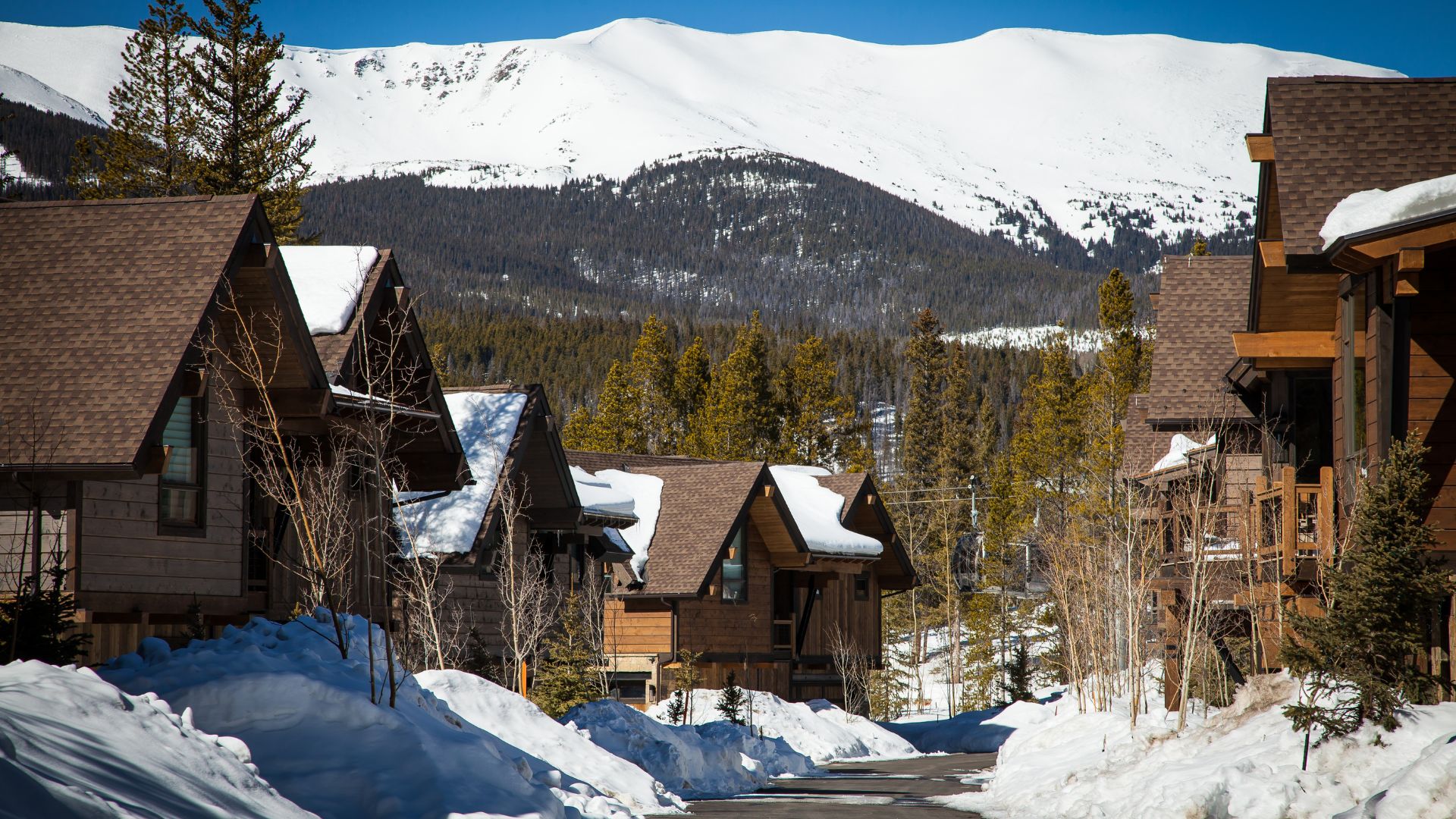
Breckenridge, or “Breck” if you’re in the know, sprawls across five peaks with nearly 3,000 acres of terrain. There’s something for everyone, from smooth groomers to gnarly steeps.
They plan to open on November 7th, 2025, and sometimes the season stretches into May if the snow sticks around. Each peak has its own personality, so you can find your favorite vibe.
Epic Pass holders love Breck for its easy access and variety. The mountain offers everything from beginner trails to advanced bowls and tree runs.
Historic Breckenridge sits right at the base. You’ll find cozy lodges, tasty restaurants, and quirky shops, all within walking distance of the lifts. The old mining town charm mixes with modern amenities—kind of the best of both worlds.
Groups love Breck because it’s so easy to get around, and there’s always a new trail to try. I’ve spent days here and never gotten bored.
6) Mammoth Mountain, California
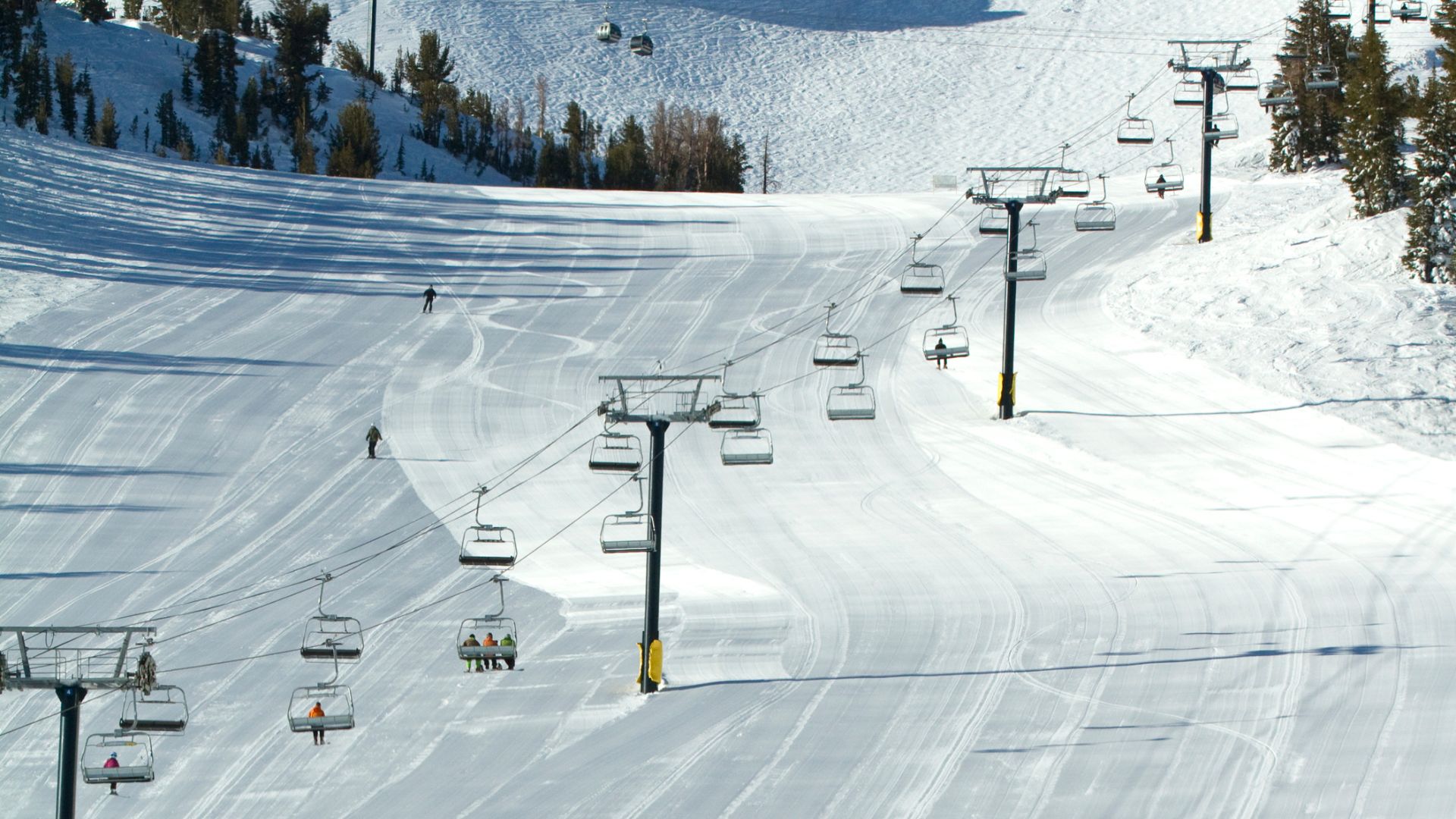
Mammoth Mountain is California’s high-altitude gem, with a summit at 11,053 feet. Over 3,500 acres and 150+ trails mean you’ll never run out of options.
They run 24 lifts, so you’re always on the move. What really sets Mammoth apart is the long season—sometimes you can ski from November all the way into June. That’s thanks to an average of 337 inches of snow every year.
The mountain sits on the east side of the Sierra Nevada. You’ll get a 3,100-foot vertical drop from top to base, and the views are unreal.
Freestyle fans love the terrain parks, and there’s plenty for beginners too. The nearby town covers all the basics—lodging, food, and gear.
If you want reliable snow and a long season, Mammoth is a sure bet. I keep coming back, and it never disappoints.
7) Stowe Mountain Resort, Vermont
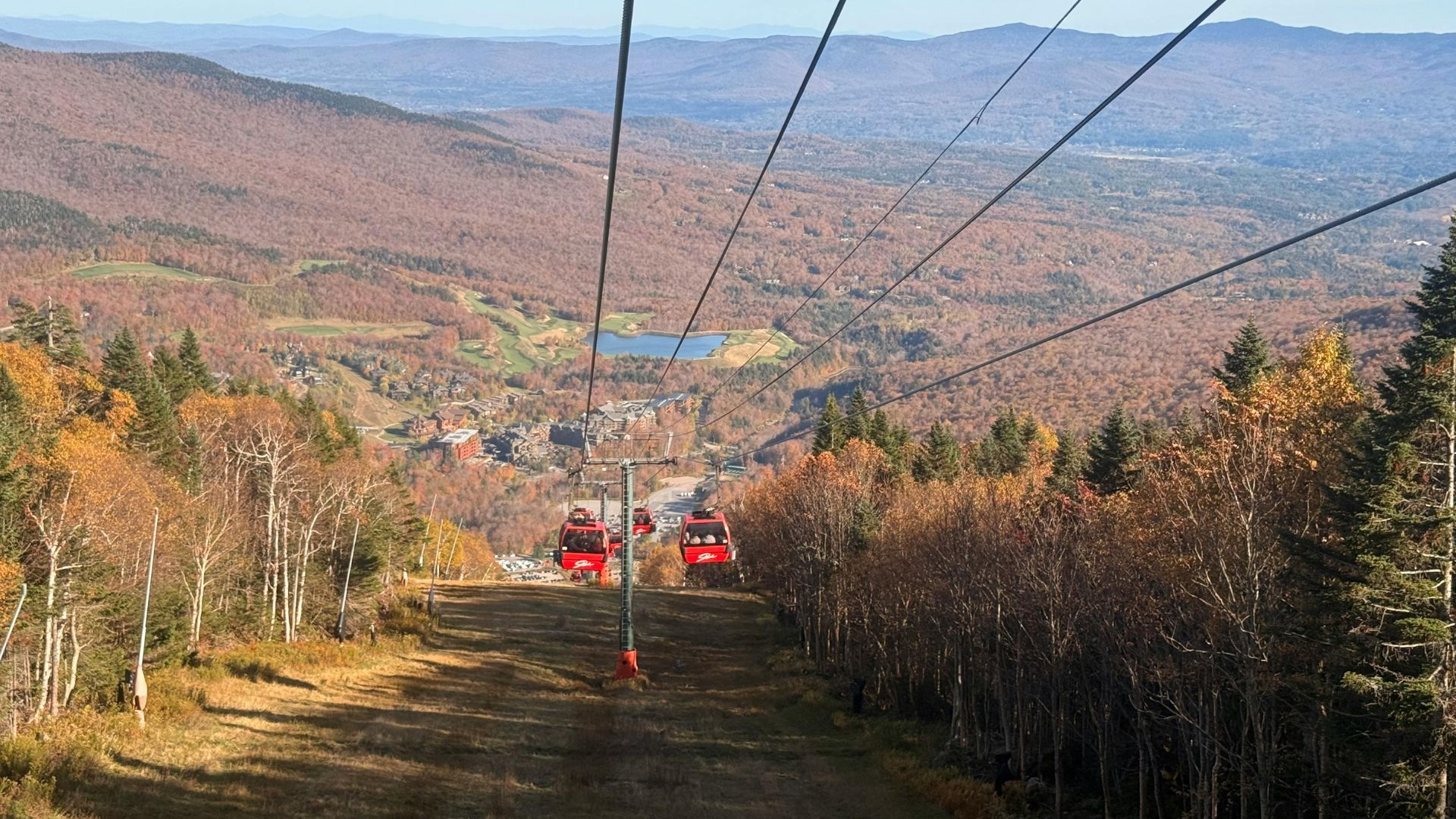
Stowe is the pride of the Northeast. You get two mountains—Mount Mansfield and Spruce Peak—with 116 trails across 485 acres.
It’s part of the Epic Pass, so you can hop around if you’re collecting ski days. Mount Mansfield is Vermont’s highest peak, which helps keep the snow in good shape.
Stay at Stowe Mountain Lodge or in Spruce Peak Village for ski-in/ski-out ease. The village has restaurants, shops, and even an ice skating rink. Thirteen lifts keep you moving quickly.
Stowe mixes luxury with classic Vermont charm. Beginners and advanced skiers both find trails that fit their style. The grooming is top-notch, and the snow stays solid most of the winter.
8) Sun Valley Resort, Idaho
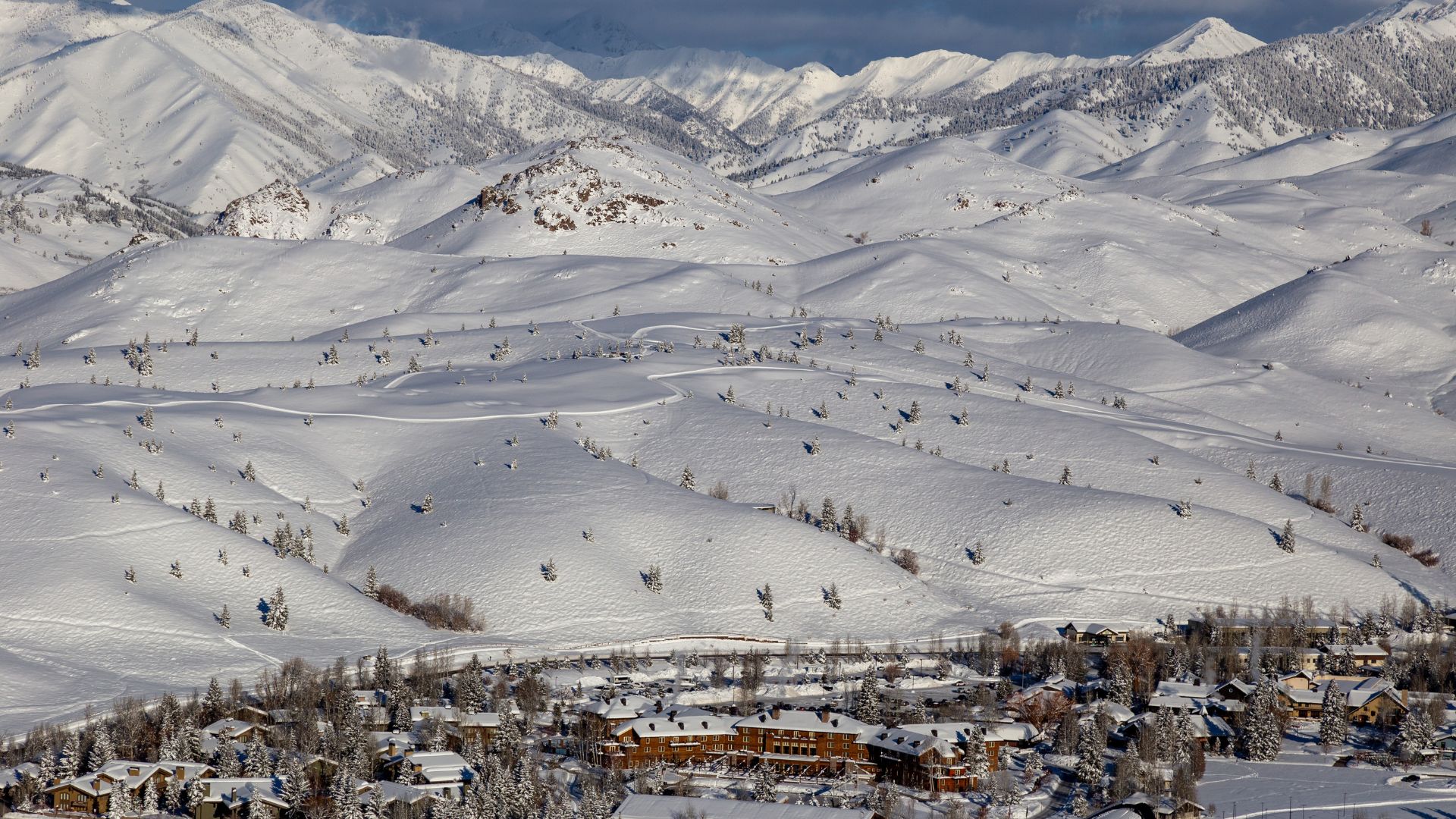
Sun Valley claims the title of America’s first destination ski resort. It’s tucked into Idaho’s Sawtooth Mountains, and you really feel the history here.
There are two separate mountains. Bald Mountain keeps advanced skiers happy with challenging terrain, while Dollar Mountain is ideal for beginners and families. The season usually kicks off in mid-November.
Epic Pass holders get four to seven days at Sun Valley, depending on the pass. Crowds are rare, so you’ll spend more time skiing and less time waiting.
The base area has everything from luxury lodges to budget-friendly options. The old-school ski village vibe is alive and well, with plenty of shops and dining.
Those Sawtooth Mountain views are something else. Sun Valley works for both hardcore skiers and families who want a laid-back trip.
Essential Tips for Planning Your Ski Trip
A great ski trip isn’t just about picking a mountain. Timing, packing, and choosing the right spot for your skills all make a difference.
Best Times to Visit
Most resorts open around mid-November and wind down in early April. If you want the best snow, January through March is usually the sweet spot.
Early Season (November-December)
- Smaller crowds, better deals
- Not all terrain is open
- Snow can be hit or miss
Peak Season (January-March)
- Prime snow conditions
- Everything’s open
- Higher prices, bigger crowds
- Holidays get especially busy
Late Season (April)
- Warm, sunny days
- Afternoon slush is common
- Deep discounts on lift tickets and rooms
Book your trip a couple of months ahead for the best prices. If you can swing a midweek trip, you’ll save a lot and spend less time in lift lines.
What to Pack for the Slopes
Packing right can make or break your ski day. Here’s what I always bring:
Must-Have Clothing
- Waterproof jacket and pants
- Moisture-wicking base layers (skip the cotton)
- Fleece or insulated mid-layer
- Ski socks (bring extras)
- Waterproof gloves or mittens
- Neck gaiter or balaclava
- Goggles and sunglasses
- Helmet
Extras
- Sunscreen and lip balm (the sun is sneaky at altitude)
- Hand/toe warmers
- Small backpack
- Reusable water bottle
Most resorts rent skis, boots, and poles for about $40-60 a day. If you only ski a few times a year, renting makes sense.
How to Choose the Right Resort for Your Skill Level
Not every resort fits every skier. Check out the trail breakdown before you book.
Beginner-Friendly Resorts
Look for at least 40% green runs. Wide, gentle slopes and good ski schools are key. Bonus points for separate learning areas.
Intermediate Resorts
Aim for 40-50% blue runs. You want enough variety to challenge yourself but not get overwhelmed.
Advanced Resorts
If you love steeps, moguls, and backcountry, look for at least 30% black diamond terrain.
Most big resorts are on the Epic or Ikon Pass. If you ski more than five days a season, those passes can save you a bundle.
Maximizing Your Experience at U.S. Ski Resorts
There’s way more to a ski trip than just the skiing. Try the local food, check out family-friendly activities, and don’t skip lessons if you’re new. Sometimes, the best moments happen off the slopes—trust me.
Après-Ski Activities and Dining
After a long day carving up the slopes, I usually crave a spot to kick back and refuel. Major U.S. ski resorts spoil you for choice, whether you want a laid-back mountain pub or you’re in the mood for an upscale restaurant with local flavors.
Hot tubs with killer mountain views? Yes, please. A lot of folks flock to resort spas or head out for live music at the base village—there’s always something going on.
If you’re still in your ski boots, you’ll probably end up around a fire pit, drink in hand, swapping stories with new friends. Honestly, it’s half the fun.
Families on a budget can grab a bite at food courts or quick-service spots—super convenient when everyone’s starving. If you’re eyeing fine dining, definitely book ahead, especially over the holidays.
Some resorts buzz well into the night. Out West, places like Colorado and Utah keep the party going with lively bars and entertainment. Not every resort has that scene, but if you want it, you’ll find it.
Family-Friendly Amenities
Traveling with kids? U.S. ski resorts make it surprisingly easy. Some even take babies as young as two months in their on-mountain childcare centers.
These programs keep little ones busy with crafts, snow play, and beginner ski lessons. It’s a lifesaver for parents who want a few solo runs.
Many mountains set up family zones with gentle terrain—perfect for learning or just taking it slow. Tubing parks are a blast if skiing isn’t everyone’s thing.
I always look for ski-in/ski-out lodging. It’s a game changer with tired kids. Base villages usually add in perks like ice skating rinks, heated pools, or arcades.
Some spots even run kids-eat-free deals or offer discounted lift tickets for the younger crowd. It’s worth checking before you book.

Ski School and Lesson Options
Getting instruction on the mountain? I can’t recommend it enough. Most resorts run group lessons, private sessions, and multi-day programs.
Group lessons cost less, but private lessons give you way more attention. First-timers should check out half-day beginner packages—they bundle rentals, lift tickets, and lessons, making things simple.
These beginner sessions usually run in the morning or afternoon. It’s a great way to ease into the sport.
Advanced skiers can sign up for clinics on moguls, steeps, or terrain parks. Some instructors even use video to break down your form—pretty helpful if you’re looking to improve fast.
If you’re planning to visit during holidays or weekends, book lessons early. Morning sessions often mean better snow and smaller groups.
Frequently Asked Questions
Choosing a ski resort isn’t just about the size of the mountain or how much snow falls. Resorts like Vail and Aspen attract different crowds, and families or beginners need specific amenities.
Every year, SKI Magazine surveys readers to rank the best ski resorts in the U.S. They look at things like terrain, snow, amenities, and the overall vibe.
Colorado usually dominates the list. Resorts like Vail, Aspen Snowmass, and Breckenridge always seem to impress.
Western resorts score high thanks to reliable snow and huge terrain. Utah and Wyoming spots also pop up in the top 10 pretty often.
Breckenridge Ski Resort stands out for family programs and a walkable, activity-packed town. The ski school takes kids of any age, and there are special family zones on the mountain.
Park City Mountain Resort wins points for its free shuttle and kid-friendly touches. Burton Riglet Park gets young snowboarders started, and there are terrain parks for all levels.
Deer Valley Resort in Utah bans snowboarding, which keeps things calm for families with young skiers. People rave about the attentive service and the perfectly groomed runs.
Breckenridge is a beginner’s paradise, with gentle runs spread across five peaks. Their ski school is massive, offering both group and private lessons.
Park City sets up a learning area right at the base, complete with magic carpets. With over 3,700 acres and plenty of green runs, there’s a lot of space to practice.
Aspen Snowmass has Buttermilk Mountain, which was practically made for beginners and intermediates. Wide-open slopes and a chill vibe make it easy to learn.
Most U.S. ski resorts don’t open until November or December, but there are exceptions if you’re eager for early turns.
Arapahoe Basin in Colorado sometimes gets going in October if the snow gods cooperate. Thanks to its high elevation, it usually leads the pack.
Keystone and Loveland Ski Area also try for late October or early November openings. Colorado just tends to get things started sooner than most.
Breckenridge has a vibrant downtown with restaurants, shops, and events year-round. Locals enjoy good schools and solid healthcare.
Jackson, Wyoming blends outdoor adventure with a strong community feel. The town’s grown but keeps its Western charm, and you get quick access to Jackson Hole Mountain Resort and Grand Teton National Park.
Park City offers easy airport access and city amenities, but still feels like a mountain town. The Sundance Film Festival happens here, and there are jobs beyond the ski industry if you’re thinking long-term.
Aspen? It’s the classic. This mountain town draws in luxury seekers with its high-end boutiques, top-notch restaurants, and those exclusive mountain lodges you see in glossy magazines.
What’s really special is that Aspen isn’t just one mountain—it’s four, each with its own vibe. You can spend the morning on uncrowded slopes and the afternoon browsing designer shops.
Then there’s Vail, which feels a bit like stepping into a European fairy tale. The cobblestone streets, the après-ski scene, and the sheer size of the terrain make it a magnet for well-heeled travelers.
I love how Vail’s luxury hotels seem to anticipate your every need. Private ski guides? Members-only clubs? They’ve got it all.
Jackson Hole stands out for skiers who want a taste of the wild West, but with all the comforts you’d expect. The terrain is legendary—steep, dramatic, and not for the faint of heart.
If you’re after luxury, you’ll find it at places like Amangani or the Four Seasons. But honestly, it’s that blend of rugged adventure and upscale comfort that keeps people coming back.