
Europe always calls to travelers, but lately, the sticker shock in major cities has left a lot of Americans second-guessing their plans. The upside? There are affordable options hiding all over the continent.
Why spend a fortune in the usual capitals when you can dive into rich culture, jaw-dropping architecture, and create new memories in lesser-known cities?
More Americans are picking budget-friendly European spots where their dollars stretch further and the experiences don’t feel watered down. Eastern Europe and smaller Western cities still pack in the history and charm, just minus the crowds and sky-high prices.
You’ll find yourself paying less for hotels, meals, and attractions, but still getting all the best parts of European travel.
Let’s check out nine cities where Americans are catching on to the idea that you don’t have to empty your savings to see Europe. Each destination offers authentic local vibes, reasonable daily costs, and a chance to experience Europe in a way that feels a little more personal.
1) Budapest, Hungary
Budapest has become a go-to for Americans who want a budget-friendly city trip. You get the grand capital experience, but your wallet barely notices.
You can soak in famous thermal baths for a few bucks, then wander along the Danube and stare up at the Parliament Building or Buda Castle. These are the kind of sights that stick with you, and you don’t have to pay a premium for them.
Street food and local restaurants serve up tasty Hungarian dishes at prices that feel almost too good to be true. The ruin bars? Totally unique, and you won’t get gouged at the door.
Public transport is cheap and easy to navigate. I’ve spent a full day sightseeing, eating, and hopping around for less than $50.
Budapest’s mix of deep history, vibrant culture, and serious value for money explains why more Americans are putting it at the top of their lists. You get the classic European adventure, but you keep your savings intact.
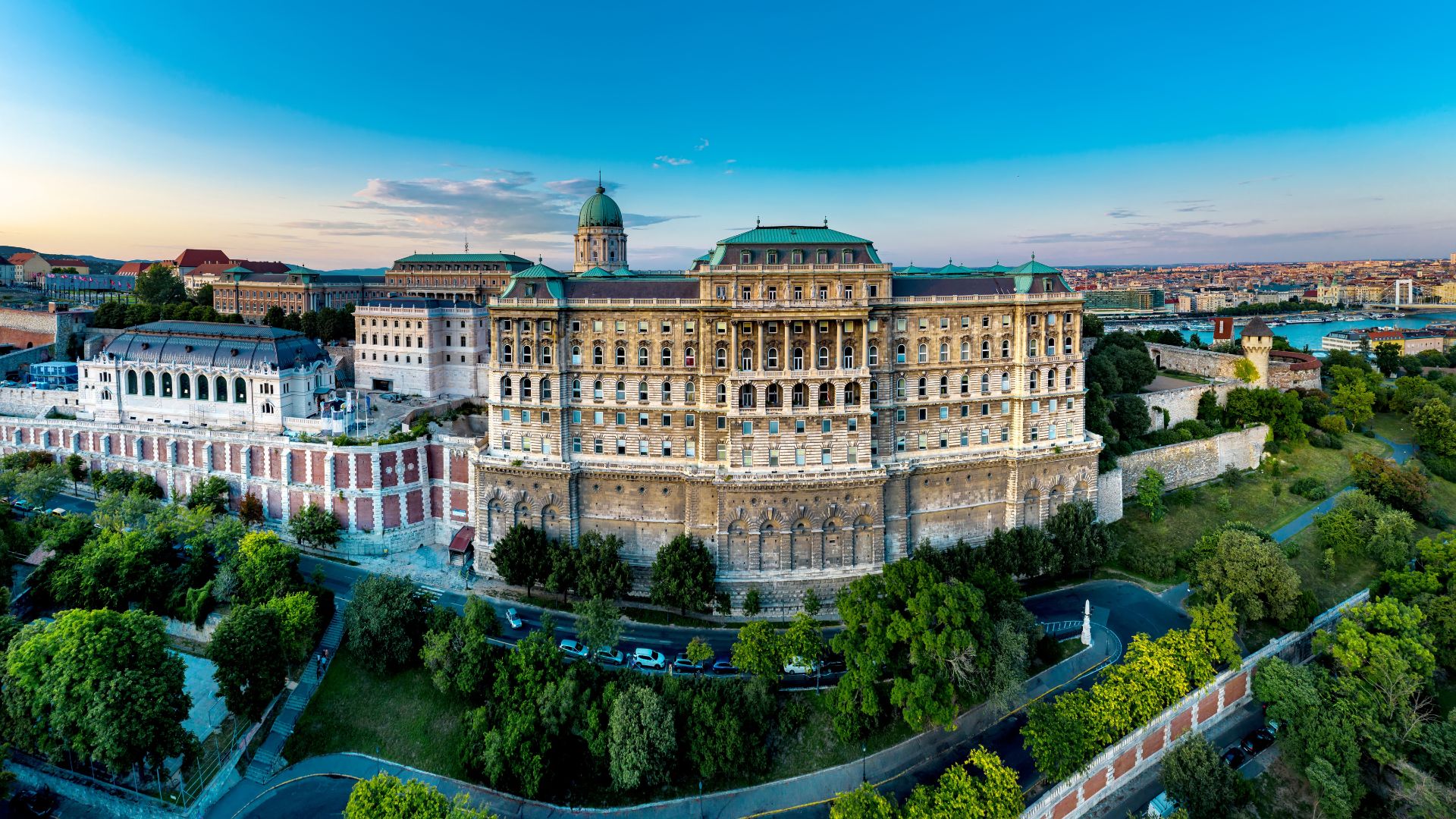
2) Krakow, Poland
Krakow’s got a reputation for being one of the easiest, most stress-free cities to visit in Europe. It’s packed with history, but without the price tag that comes with cities further west.
You can stroll through centuries-old streets, check out world-class museums, and eat well for a fraction of what you’d spend in Paris or Rome.
Getting around is a breeze. The city center is super walkable, and public transport doesn’t cost much. Free walking tours pop up everywhere, and they’re a great way to get your bearings and learn a little history.
Local restaurants serve hearty Polish meals at budget-friendly prices. The mix of cultural depth and affordability is hard to beat.
Your travel budget stretches here. Hostels and mid-range hotels both cost less than you’d expect. It’s easy to see why Krakow is becoming a top pick for 2026 European adventures.
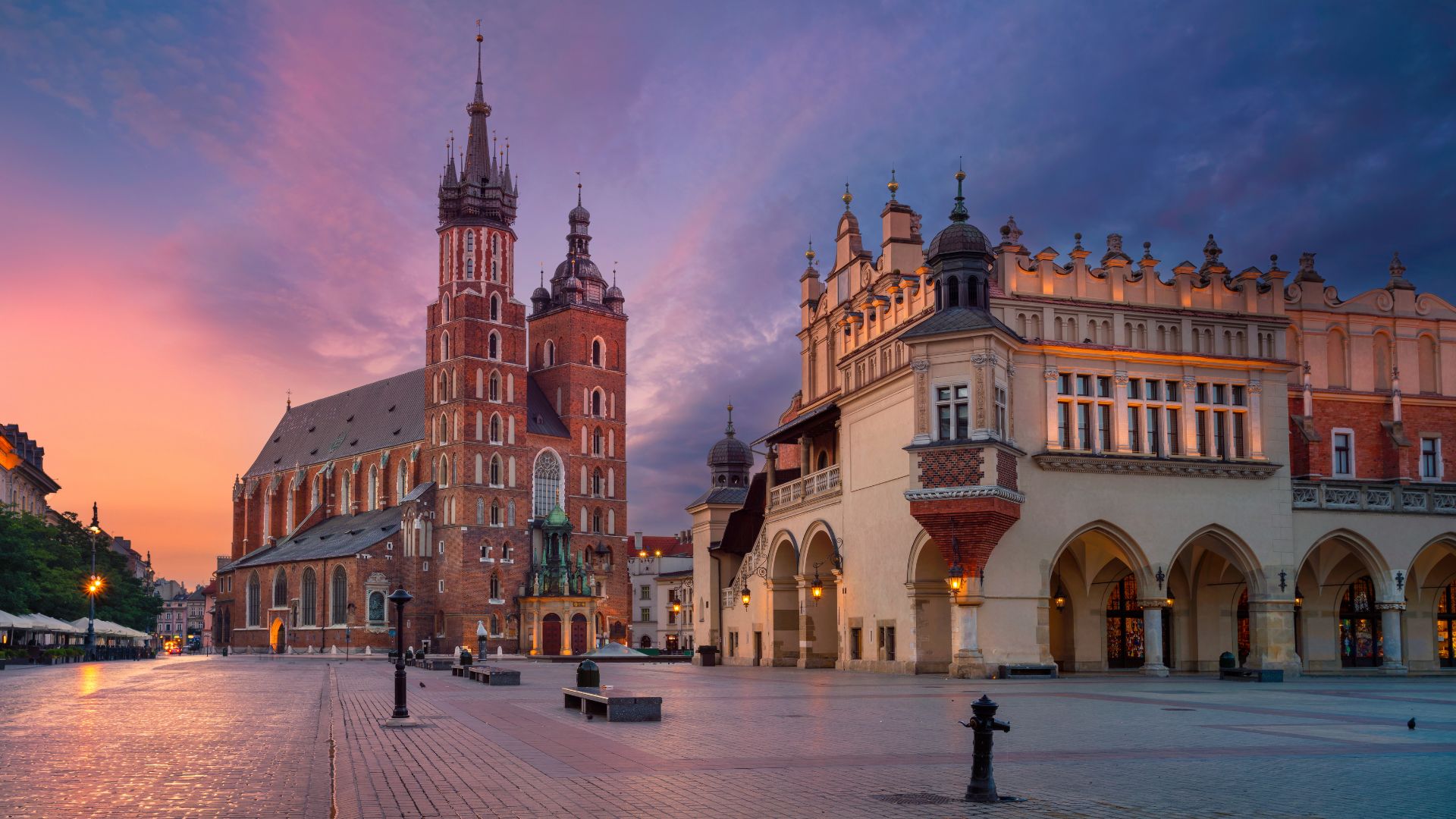
3) Sofia, Bulgaria
Sofia doesn’t get enough hype, honestly. It’s probably Europe’s most budget-friendly capital, and you can get by on less than €40 a day.
You’ll find classic European sights without the usual price tag. Think historic buildings, cozy local restaurants, and a surprising amount of green space.
Sofia works well as a base for day trips—Rila Monastery and Vitosha Mountain are both within reach.
Starting in 2026, you’ll even be able to fly nonstop from the US to Sofia. That’s a game-changer.
Hotels and public transport are affordable, which helps keep costs low. Free walking tours are everywhere if you want to dig into the city’s story.
You’ll wander past Roman ruins, lively markets, and friendly locals. Sofia’s mix of European charm and Eastern European prices is finally getting attention from American travelers.
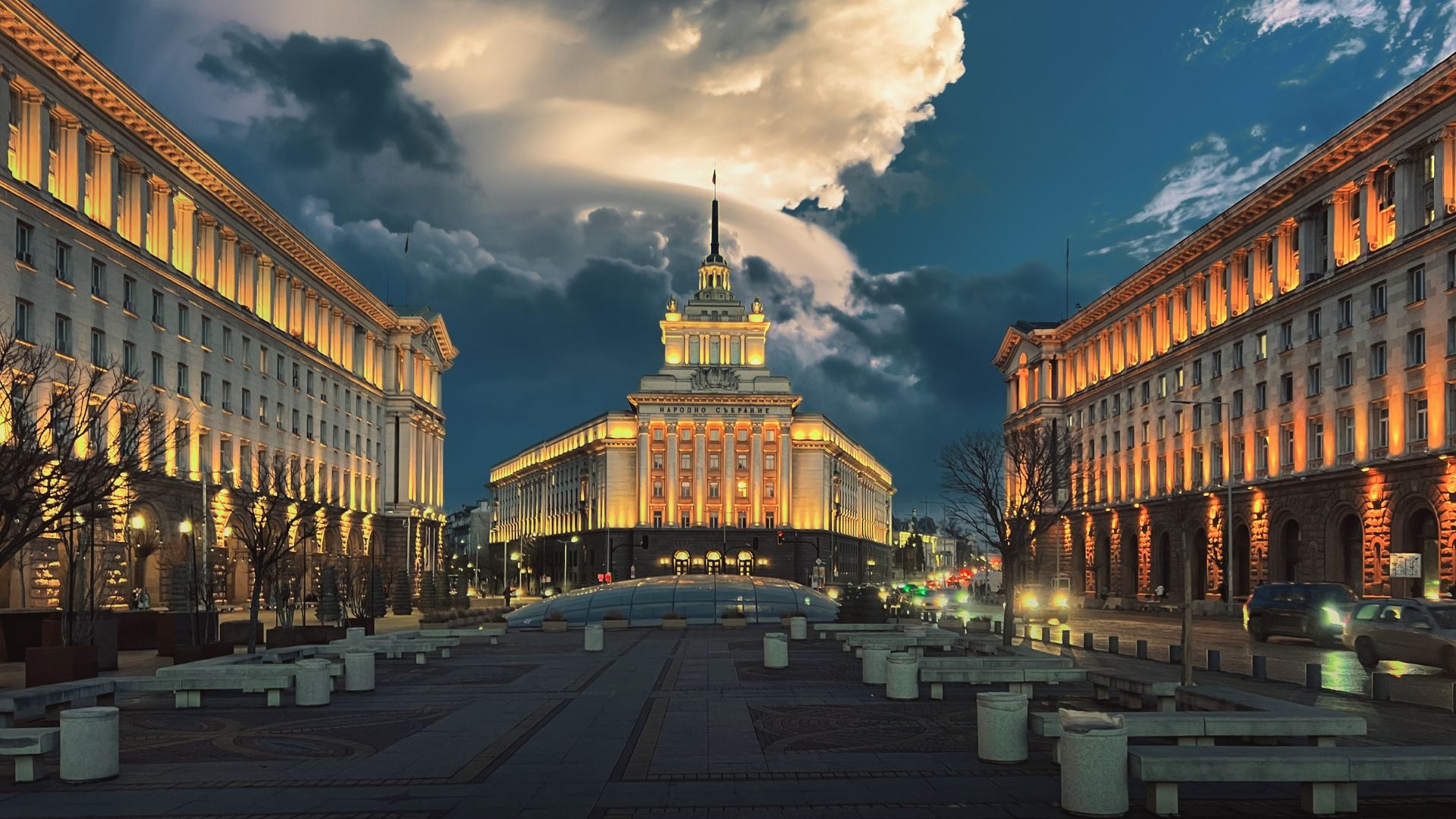
4) Belgrade, Serbia
Belgrade sits right where East meets West, and you feel it everywhere—from the food to the architecture. It’s also a city that won’t break the bank.
You’ll see Ottoman, Austro-Hungarian, and Yugoslav influences blending together. Ancient fortresses and historic sites line the riverbanks, and when the sun goes down, the nightlife takes over—especially on those famous riverboat clubs.
The Danube and Sava rivers meet here, and you can stroll the waterfronts for free. Local restaurants serve up Serbian classics at prices that’ll make you do a double-take. A full meal, drinks included, often costs less than a single entrée in the States.
Getting around is easy, whether you walk or hop on public transport. Belgrade’s been quietly attracting digital nomads and travelers who want something real, not touristy.
You get history, a vibrant culture, and a warm welcome from locals. It’s a place where your travel dollars actually go somewhere.
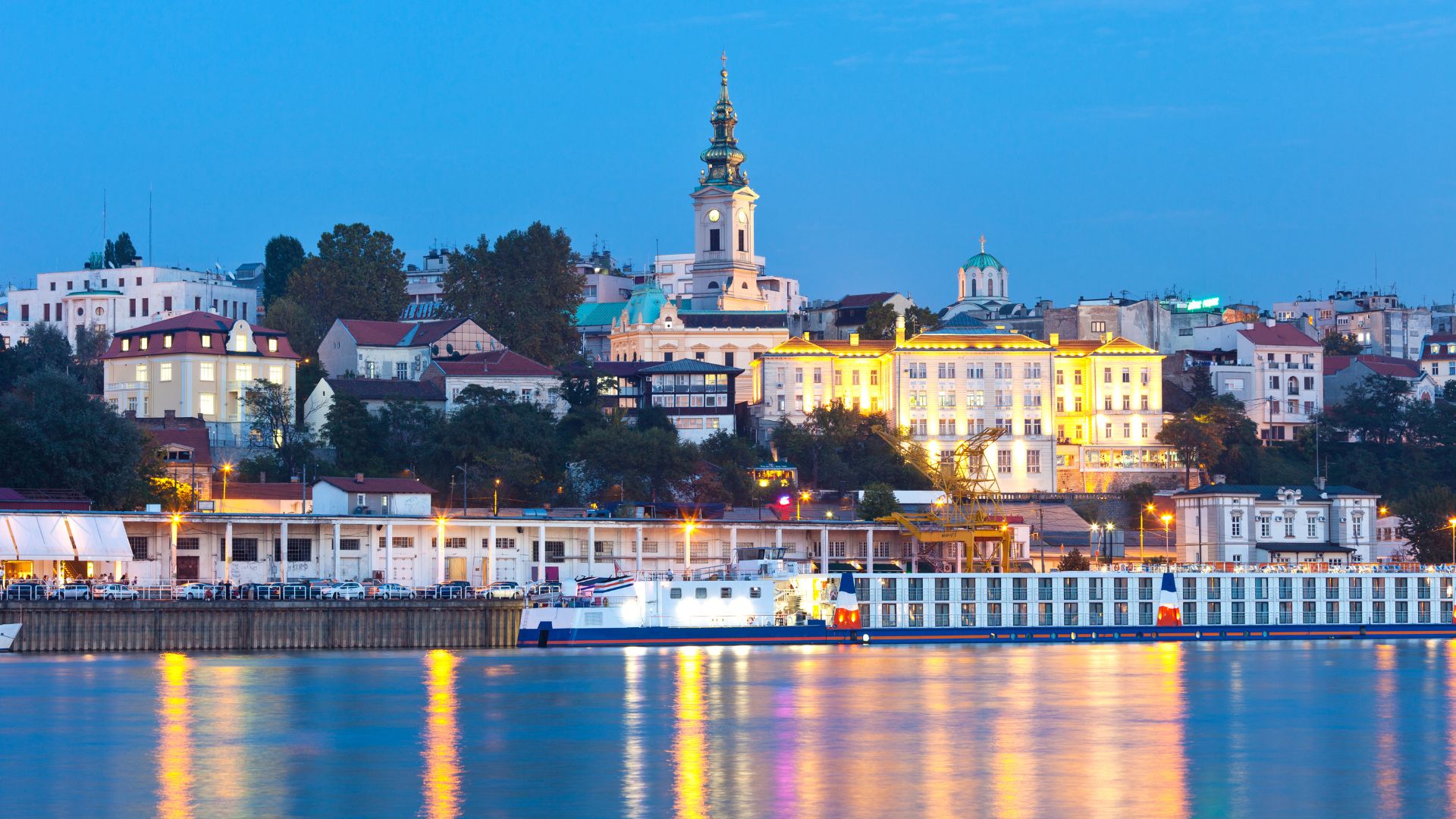
5) Lviv, Ukraine
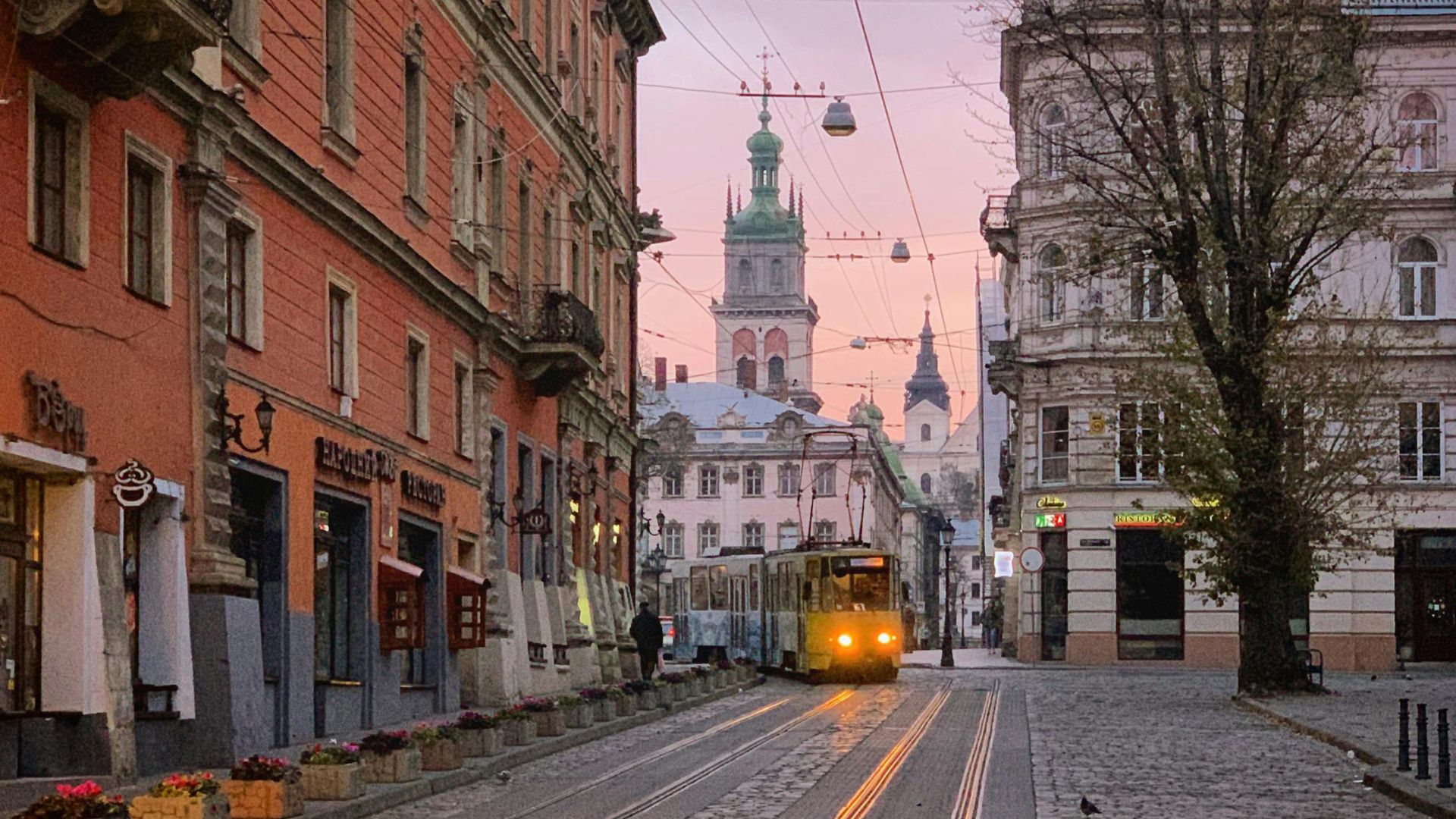
Lviv is a bit of a hidden treasure. With its Austrian-inspired architecture and affordable Ukrainian prices, it’s hard to find a better deal in Europe.
You can snag hostel beds for $6-12 a night. That’s almost unheard of these days.
Food is just as budget-friendly. Traditional Ukrainian meals usually cost $3-5, so you can eat out without a second thought.
Beyond the low prices, Lviv’s old town is full of cobblestone streets, beautiful churches, and charming cafés. The Austrian influence is everywhere.
Flights are getting easier, and more Americans are noticing Eastern Europe’s value. Lviv stands out for those chasing authentic culture at a fraction of Western European prices.
With European trips often costing over $10,000, Lviv is a refreshing alternative that still delivers unforgettable moments.
6) Porto, Portugal
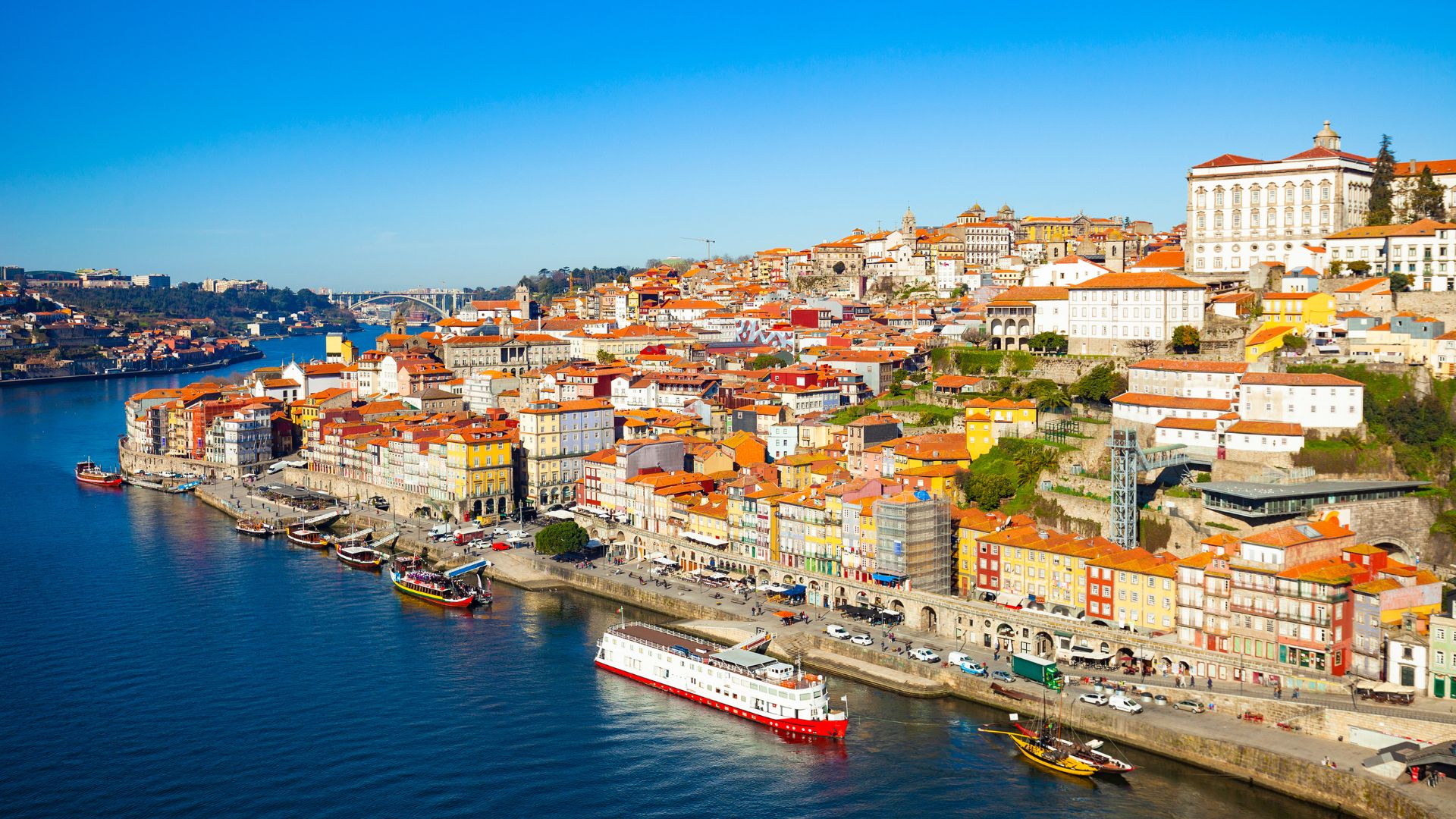
Porto hugs the Douro River in northern Portugal, mixing old-world charm with modern life—and somehow keeps it affordable.
You can now fly nonstop to Porto from several big US cities. TAP Air Portugal runs multiple weekly flights, and Delta is adding a direct route from New York JFK in May 2026.
The city has medieval streets, cool local restaurants, and that magical feeling you get from places that haven’t been overrun by tourists. Portuguese food is delicious and won’t empty your wallet.
Porto is famous for its port wine. You can taste it at cellars just across the river in Vila Nova de Gaia.
The Ribeira district is perfect for riverside walks and snapping photos of colorful buildings.
Portugal keeps popping up on lists of Europe’s safest destinations, and Porto is a favorite for travelers who want real culture without the high prices or crowds.
7) Riga, Latvia
Riga just snagged the title of Europe’s most affordable city break for 2025. According to the Post Office Travel Money study, it sits at the top out of 38 cities for low costs.
Hotels are a steal—two nights in a three-star spot run just over $160 per couple. That’s a fraction of what you’d pay elsewhere.
The study looked at 12 typical tourist expenses—meals, drinks, transport, attractions—and found a weekend break costs about $253 for the basics.
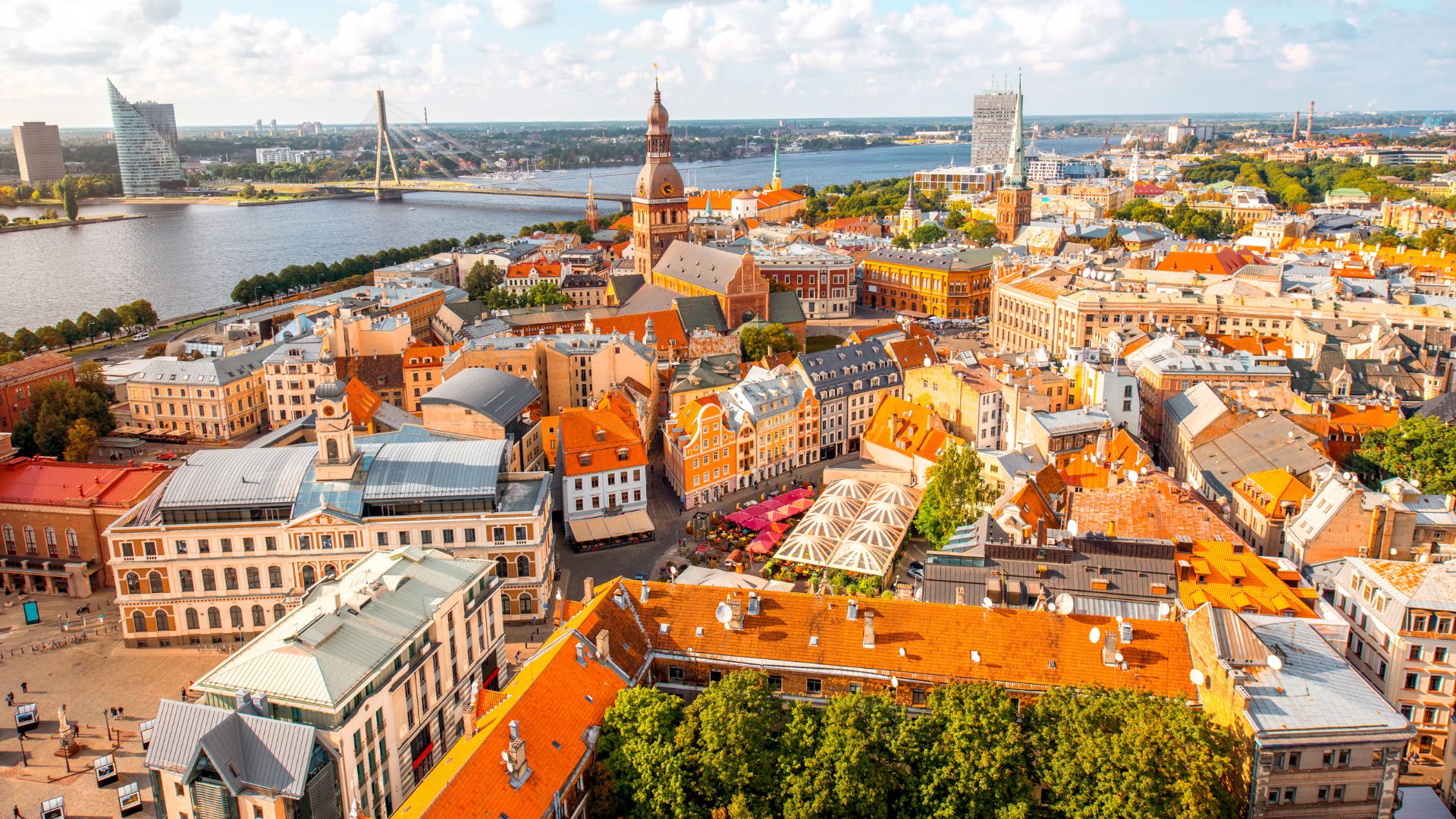
Riga’s Old Town is a UNESCO World Heritage site, full of medieval architecture and cobbled streets. Gothic and Art Nouveau buildings line the Daugava River.
More Americans are catching on, realizing Riga offers real European culture and history at a price that’s hard to beat.
8) Tallinn, Estonia
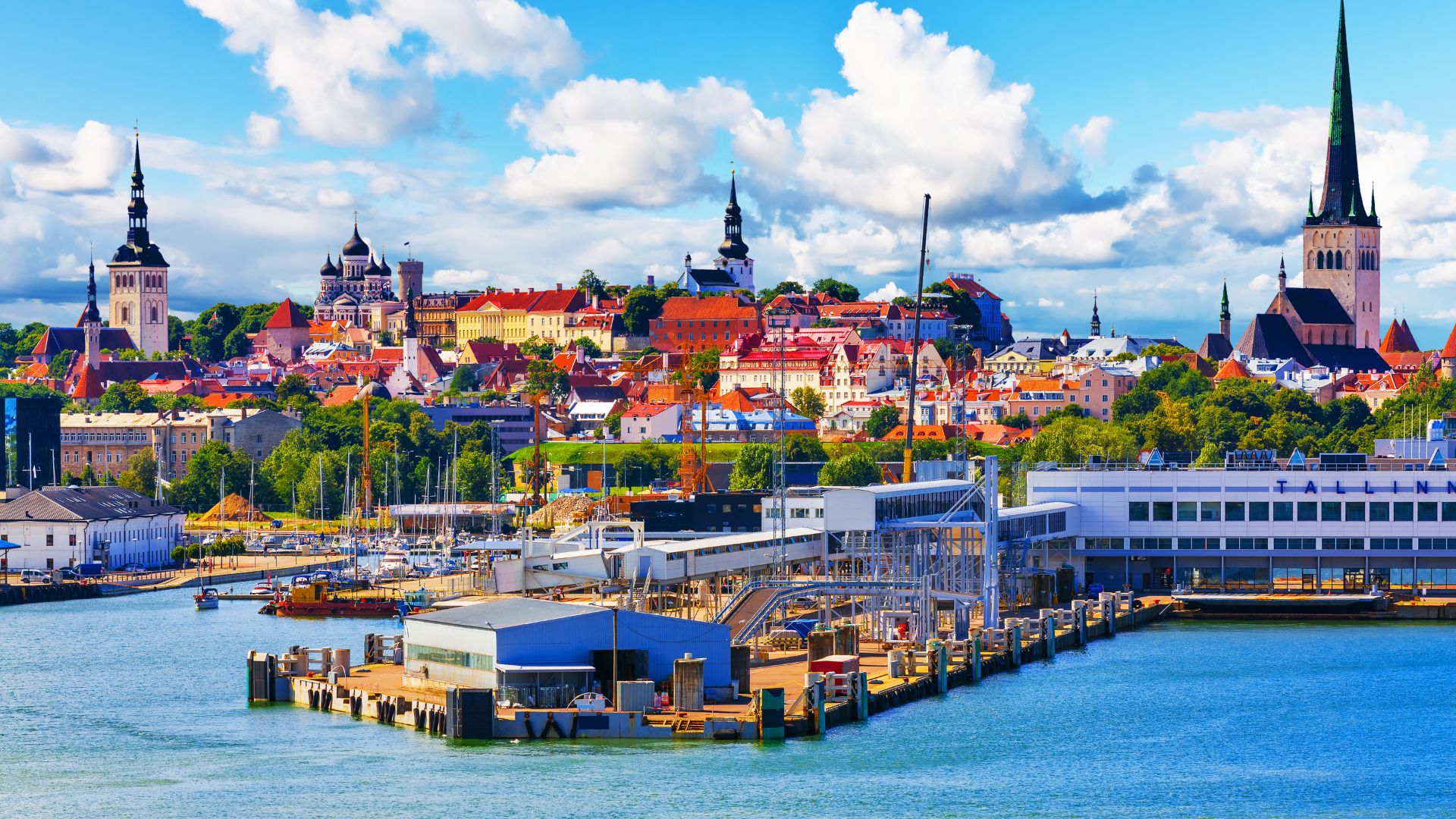
Tallinn brings something different to the table. This Baltic capital gives you a medieval Old Town and a modern city vibe in one neat package.
Prices here are a breath of fresh air. Expect to pay 30-50% less than in most other European cities for hotels, meals, and activities. Your budget stretches further, plain and simple.
The Old Town feels like a fairy tale—cobblestone streets, historic buildings, and that magical atmosphere you can only find in places with real history.
Tallinn sits right on the northern coast, so you get beaches and waterfront walks, too. It’s become a favorite for those looking to dodge the crowds and still get a genuine European experience.
Guesthouses and smaller hotels often give you local tips and a personal touch. Tallinn’s creative scene, friendly prices, and walkable size make it a smart choice for Americans planning a 2026 trip.
9) Valencia, Spain
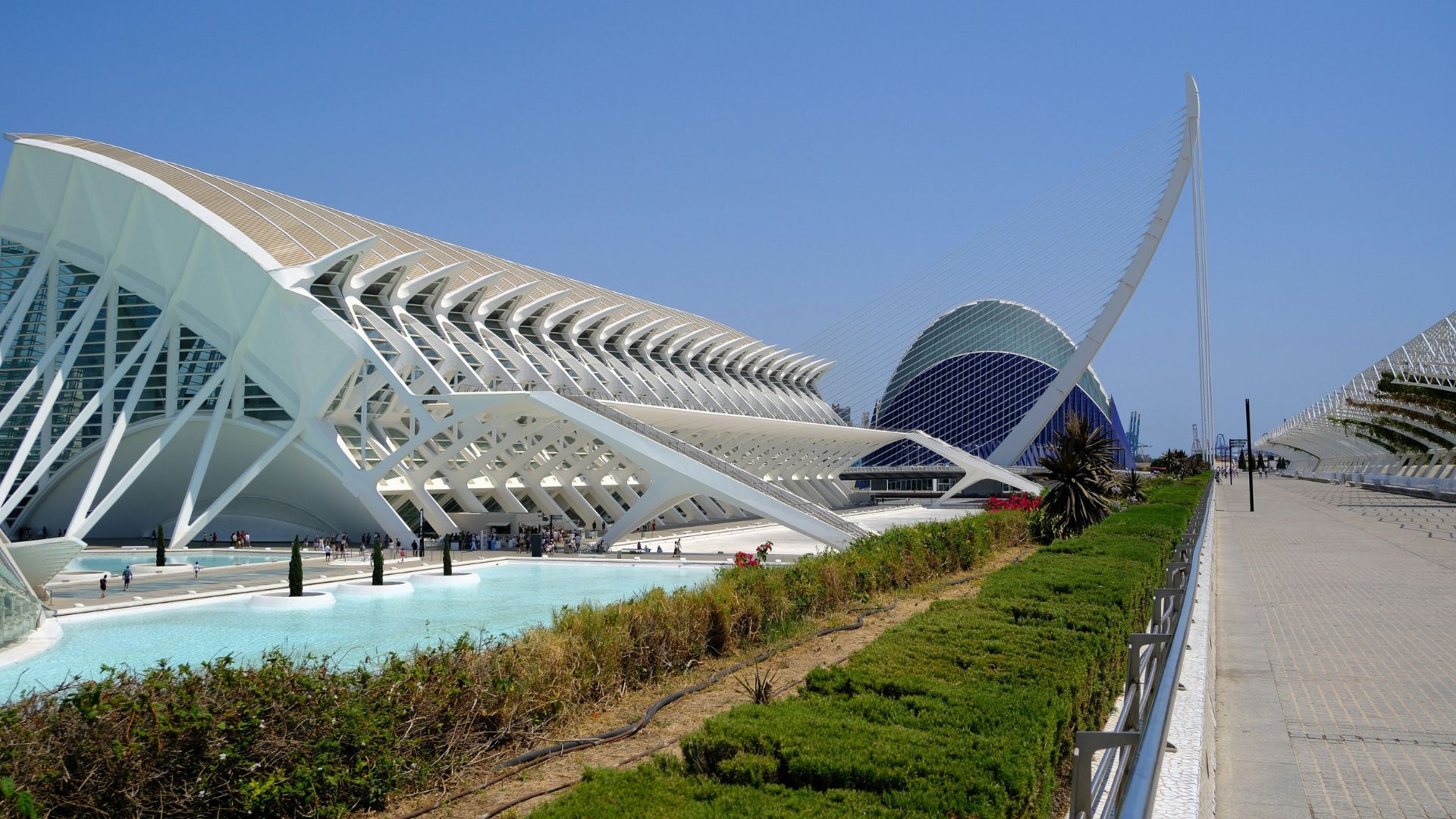
Valencia lets you soak in Spanish culture without the Barcelona or Madrid crowds—or their prices. It’s Spain’s third-largest city, right on the Mediterranean, and it’s got a bit of everything.
Recently, new hotels have opened up, and the old fishing districts are buzzing with creative energy. You can wander historic sites, lounge on sandy beaches, and eat local specialties without worrying about your budget.
Getting around is easy. The Turia Gardens—a 9-kilometer park built in an old riverbed—cuts through the city center. Walking, biking, and public transport all get you where you need to go.
Valencia still costs less than Spain’s bigger cities, though prices are starting to creep up as more people discover it. You’ll find plenty of affordable places to stay.
Americans are just starting to catch on, so you can still enjoy Valencia before it gets swamped by tourists. If you want a coastal city with great food, history, and value, this is your moment.
Why Affordable European Destinations Are Trending
Americans are moving away from expensive cities like Paris and London. As travel costs rise, priorities are shifting. Budget-friendly European destinations now offer the same cultural experiences—just without the sticker shock.
Changing Travel Preferences Among Americans
If you’re like me, you crave real experiences over just snapping photos of famous landmarks. Lately, more travelers want to wander local neighborhoods, try family-run restaurants, and discover cities that aren’t swarming with tourists.
Remote work has totally shaken up how we travel. Americans now take longer trips and look for ways to make their money go further. Honestly, you can spend two weeks in Krakow or Budapest for the same price as a four-day sprint through Paris.
Social media keeps showing me these lesser-known European cities. Friends post from places like Riga or Český Krumlov, and suddenly I realize—these spots have medieval charm, fascinating history, and vibrant street life, minus the tourist mobs. Who says you have to visit the Eiffel Tower to have a meaningful trip?
Economic Factors Influencing Destination Choices
Travel budgets feel the squeeze in 2026. Average summer trips to big-name European spots now run about $10,346—that’s up 38 percent from a few years ago. It’s wild, right? No wonder so many of us are rethinking where to get the most value.
Eastern European cities keep popping up as budget-friendly options. In Krakow, hostel beds go for $10-15 a night, and hearty meals rarely top $7. Hotels in Warsaw, Gdansk, and Krakow usually stay under $100 per night.
Flights matter too. You can grab roundtrip tickets to Polish cities from major US airports for around $700. That’s about the same as Western Europe, but your dollars stretch way further once you land.

Tips for Experiencing Europe on a Budget
Traveling to Europe doesn’t have to wreck your savings. Smart timing and savvy booking can cut your costs by 30-50%—and you’ll still get those authentic moments.
Choosing the Best Travel Seasons
Shoulder seasons are a sweet spot for value. I love visiting in April-May or September-October when prices drop and crowds thin out.
Hotels and vacation rentals drop by 20-40% during these months. Airlines slash fares after the summer stampede ends.
Want even deeper discounts? Winter travel—think December through March (except holidays)—brings rock-bottom prices in most cities. Museums, cozy restaurants, and indoor sights stay open, but the crowds don’t.
Every country has its own peak times. Southern Europe stays lively through September, while the north quiets down after August. I always check each place’s quietest months before booking.
Maximizing Savings on Transportation and Accommodation
Budget airlines like Ryanair, EasyJet, and Wizz Air connect European cities for $20-60 a flight. I usually book 2-3 months out for the best deals. If you can travel light, stick to carry-on bags to dodge extra fees.
Rail passes make sense for multi-country adventures. The Eurail Pass covers 33 countries and usually costs less than buying single tickets. Regional trains are slower but half the price—and the scenery’s not bad either.
Hostels aren’t just for college backpackers anymore. Many now offer private rooms with en-suite bathrooms for $40-70 a night. Plus, you can use the kitchen to whip up your own meals and save even more.
Traveling with friends or staying longer? Vacation rentals are a win. Splitting a two-bedroom apartment among four people often beats hostel prices. I always look for places in local neighborhoods, not just the tourist center.
Public transit passes help you save on getting around. Most cities have 24-hour, 72-hour, or week-long passes that cost less than buying single tickets. And honestly, walking between sights is free and gives you a better feel for the place.

Frequently Asked Questions
Eastern European cities keep leading the pack as affordable alternatives to Western Europe. You’ll spot hotel rooms under $100 per night and round-trip flights for around $700 in many of these up-and-coming spots.
Budapest, Krakow, and Sofia are shining as affordable cities drawing more Americans. These places offer cheaper hotels, meals, and sights compared to Paris or London.
You can snag a comfortable room for under $100 per night in most of these spots. Lower prices don’t mean you miss out on great food or cultural gems.
Belgrade and Lviv have become favorites for travelers who want something different—without blowing the budget. You get authentic European vibes, friendly locals, and no crowds.
These cities let your money go further, from meals to museums. The culture and history are just as rich as anywhere else.
Krakow draws you in with its medieval Old Town and centuries of Polish history. Sofia mixes ancient Roman ruins with Orthodox churches and mountain views right on the edge of the city.
Budapest stuns with its riverside architecture and legendary thermal baths. Each city serves up museums, concerts, and historic sites at prices that don’t sting.
Lviv in western Ukraine is perfect if you’re after something off the beaten path. Belgrade’s nightlife and riverside hangouts are getting more attention too.
Airlines keep adding more direct or one-stop flights to Eastern European cities. This makes it easier—and often cheaper—to get there from the US.
Eastern European capitals top the trending list for 2026. Sofia, Belgrade, and Krakow are seeing the biggest jumps in interest from American travelers.
These cities blend cultural depth with wallet-friendly prices. You’ll get a real European adventure, without the $10,000-plus price tag.
Budapest? Oh, you can’t skip it. The city mixes famous thermal baths with grand architecture, and honestly, the food scene surprised me in the best way. It feels like every street hides a new cafe or ruin bar waiting for you.
Krakow draws you in with its medieval charm. I wandered cobbled streets, discovered hidden courtyards, and found that it’s also a great base for exploring natural wonders nearby. There’s something special about how history and nature meet here.
Sofia caught me off guard. The city packs Roman ruins, Ottoman mosques, and Soviet monuments all within easy walking distance. It’s compact, but every corner tells a different story.
Belgrade pulses with energy. You can feel the crossroads of East and West in the food, music, and even the street art. Nightlife here? Unforgettable. If you’re after something a little off the beaten path, this city delivers.
