
America’s roads are wild, weird, and absolutely unforgettable. There’s just something about cruising highways that hug the ocean, or winding through mountain passes, that makes you feel like you’re starring in your own road movie. Driving experiences here can be as dramatic or as chill as you want.
2026 is shaping up to be a huge year for American road trips. Route 66 is hitting its 100th birthday, and everyone seems to be talking about classic drives again.
Planning a road trip across America is basically a ticket to freedom. You get to poke around in hidden towns, chase after jaw-dropping scenery, and roll down stretches of highway that have shaped American culture.
Want coastlines? You got it. Desert valleys? No problem. Mountain ridges, quirky diners, and roadside oddities? All on the menu. Here are nine road trips I think everyone should try at least once—some are legendary, others are a little off the beaten path, but all are worth the miles.
1) Route 66 from Chicago to Santa Monica
If you’re after that classic Americana vibe, Route 66 is the granddaddy of them all. Starting in Chicago and ending at the Pacific in Santa Monica, this highway runs for over 2,400 miles and slices through eight states.
You’ll find vintage diners glowing with neon, and all sorts of oddball roadside attractions. I still remember standing on the corner in Winslow, Arizona, humming that Eagles song—cheesy, but kind of perfect.
Every state along the route brings something different. You’ll pass small towns, natural wonders, and spots like the Pontiac Murals that just ooze nostalgia.
Route 66 turns 100 in 2026, so there’s no better time to go. This road is pure Americana—classic motels, retro diners, and that open-road feeling you just can’t fake.
Give yourself at least 10 to 12 days if you’re zipping along, but honestly, two or three weeks lets you soak it all in. I always recommend mapping out your must-see stops before you hit the gas.

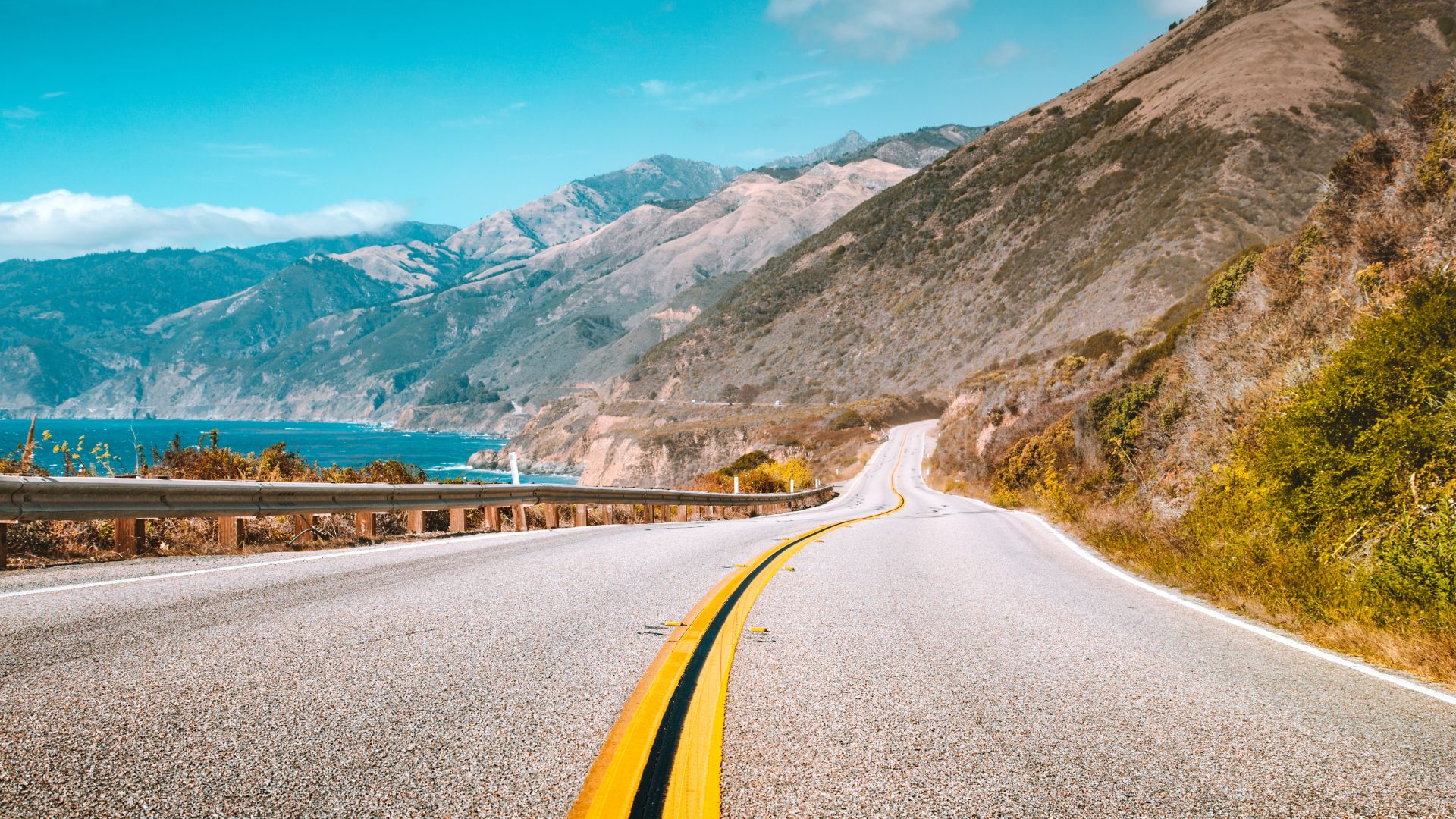
2) Pacific Coast Highway in California
Few drives can match the drama of the Pacific Coast Highway. Highway 1 clings to California’s rugged coastline for hundreds of miles, and every twist in the road is a new postcard.
Most folks kick things off in Santa Monica and cruise north, but you can go either way. Big Sur, Monterey, Santa Barbara—these are the kinds of stops that make you want to linger.
You’ll want five to seven days if you actually want to get out and explore. The drive itself isn’t long, but trust me, you’ll be stopping every few miles for photos or a bite to eat in charming seaside towns.
Check for road closures before you leave. Landslides and weather sometimes shut down parts of Highway 1, and you don’t want to get stuck backtracking.
If you’re lucky, you might spot whales offshore during migration. The road winds through redwood forests and past hidden beaches, and spring or fall usually means fewer crowds and great weather.
3) Blue Ridge Parkway through the Appalachians
The Blue Ridge Parkway is kind of a slow-motion roller coaster through the Appalachians. It runs 469 miles, connecting Shenandoah National Park in Virginia with the Great Smoky Mountains in North Carolina.
This isn’t your average highway—it was built to show off the mountain views. The road hugs the mountain crest, and there are hundreds of overlooks where you can pull over and just stare.
Waterfalls, hiking trails, and little mountain towns dot the route. Every bend brings a new view, and the pace is relaxed enough that you never feel rushed.
If you time it right, fall turns the mountains into a riot of color. Spring and summer mean wildflowers and cool breezes. Winter sometimes closes sections, so always check ahead.
You can tackle the whole parkway in a few days, or just pick a stretch and make it a weekend.

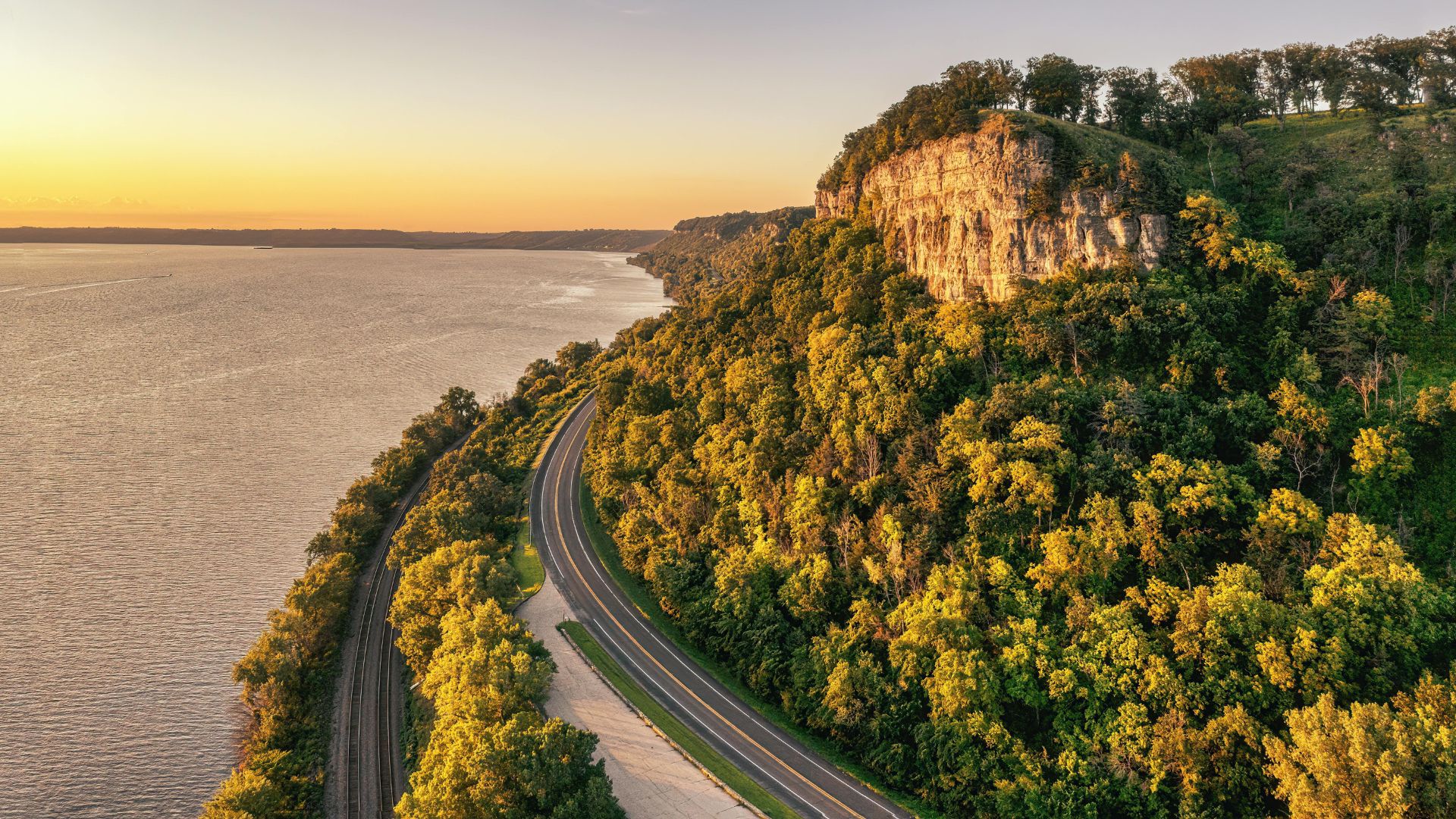
4) The Great River Road along the Mississippi River
The Great River Road is a winding, 3,000-mile adventure that follows the Mississippi River from Minnesota all the way down to Louisiana.
This route is a patchwork of river towns, each with its own flavor. You’ll cruise past natural beauty, quirky museums, and historic sites that tell the story of America’s heartland.
You can do the whole thing in one epic go, or break it into smaller trips. Flexibility is the name of the game on this one.
Stopping in small riverside communities is a must—grab some local eats, chat with folks, and soak up the river culture. Outdoor adventures, history, and Southern hospitality are everywhere.
The Great River Road is perfect if you want to see the Midwest and South without rushing. The route is well-marked, so you won’t get lost even if you’re not a pro navigator.
5) Overseas Highway through the Florida Keys
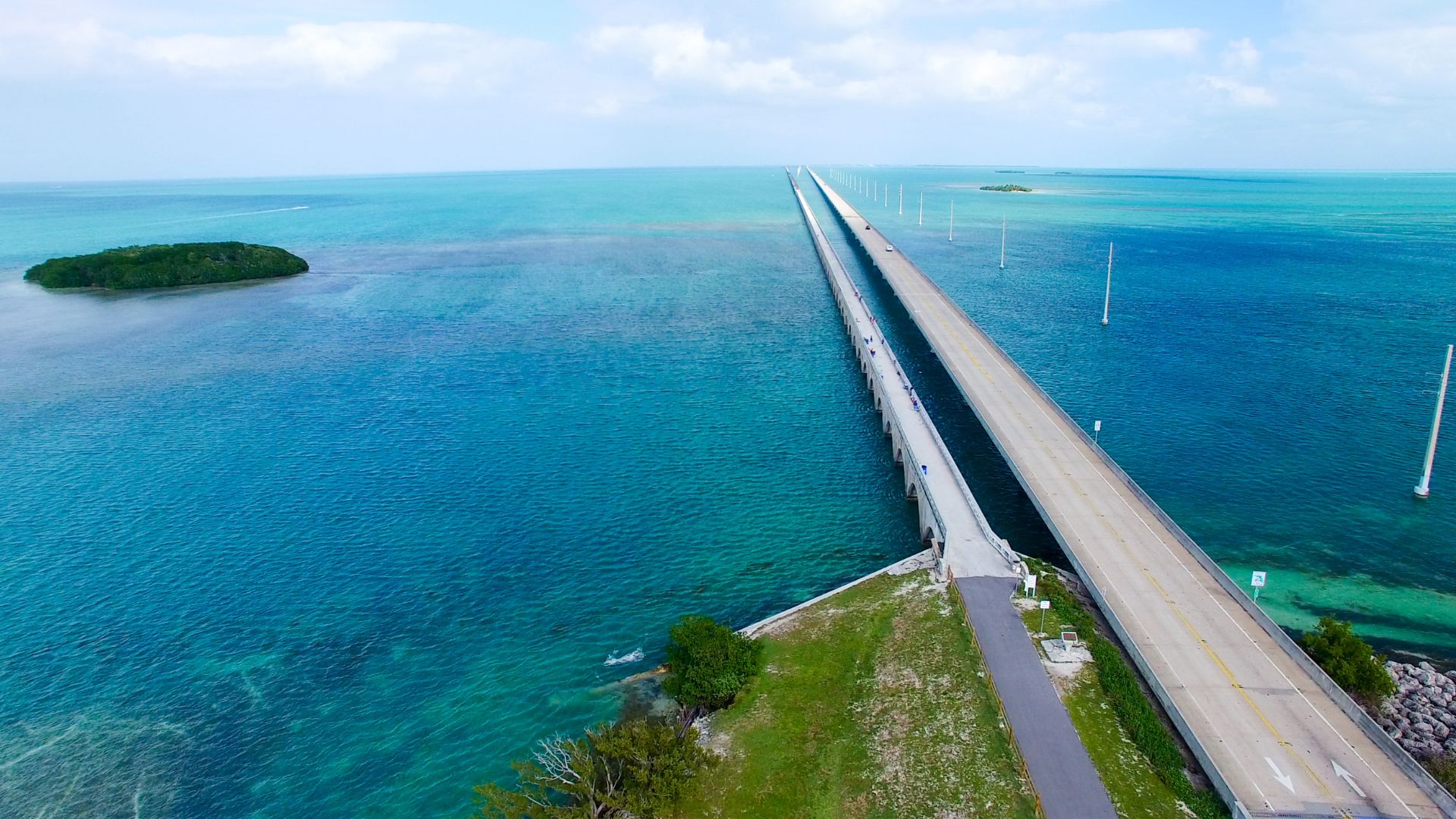
The Overseas Highway is just wild—113 miles of road strung across the ocean, connecting mainland Florida to Key West. You’ll cross 42 bridges, and the water is so blue it almost looks fake.
They built this highway on the bones of Henry Flagler’s old railroad, finished in 1912. The road opened in 1938, and honestly, it still feels like a marvel.
Every key has its own vibe. Key Largo is all about coral reefs and snorkeling. Keep heading south and you’ll hit Islamorada, Marathon, and eventually, the quirky streets of Key West.
The Seven Mile Bridge is the showstopper—you’re basically floating above the sea. It’s surreal.
Plan for at least a day if you want to stop and poke around, but two or three days is better if you want to really dig into the islands.
6) The Loneliest Road: US-50 across Nevada
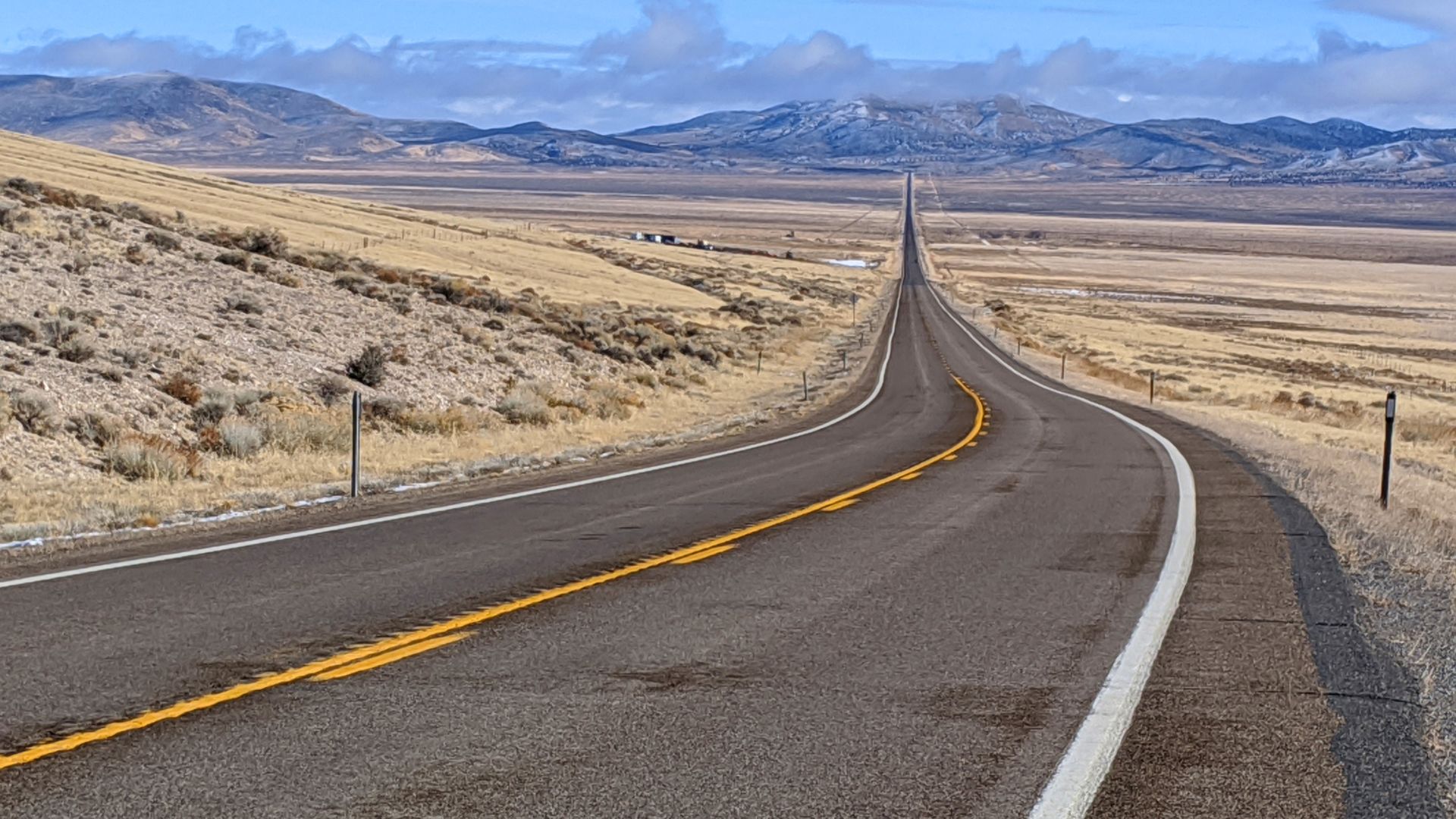
US-50 in Nevada isn’t called “The Loneliest Road in America” for nothing. Life magazine tried to scare people off back in the ‘80s, but now that just makes it more appealing for adventurers.
The road runs 408 miles through the heart of Nevada, following the old Pony Express route. Towns like Ely, Eureka, and Austin pop up out of nowhere, each with stories from Nevada’s mining days.
You’ll see endless sagebrush, distant mountains, and skies that stretch forever. Wild horses sometimes wander the plains, and that always feels like a bonus.
Pick up the official Highway 50 Survival Guide and get it stamped in the towns you pass—it’s a quirky tradition that adds some fun.
Services are few and far between, so fill up your tank and bring snacks and water. Cell service? Don’t count on it.
7) The Alaska Highway from Dawson Creek to Delta Junction
The Alaska Highway is the stuff of legends. It runs 1,390 miles from Dawson Creek, British Columbia, up to Delta Junction, Alaska, and it’s as wild as it sounds.
They built this road in just eight months during World War II to connect Alaska with the rest of the continent. Now, it’s a rite of passage for anyone craving real wilderness.
You’ll pass through endless forests, mountains, and lakes. Bears, moose, and caribou might cross your path, so keep your camera ready.
Gas stations and towns can be hundreds of miles apart. Prep your car and pack emergency supplies—you don’t want to get stranded out here.
Most folks split the drive over several days. Summer is the best time, with long daylight hours and open services.
The payoff? You get to say you drove one of North America’s last true frontiers.
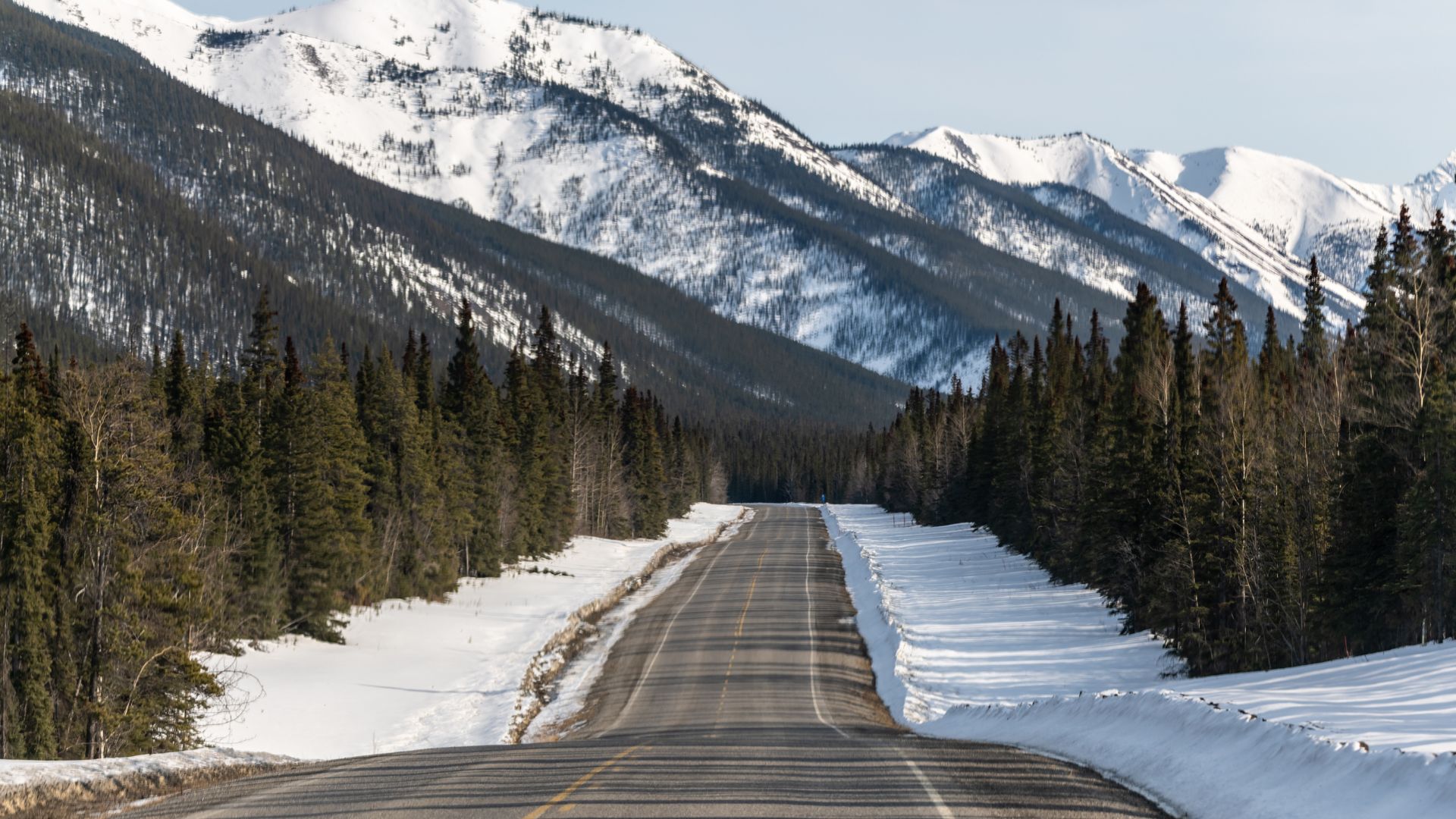
8) Natchez Trace Parkway through the South
The Natchez Trace Parkway is a 444-mile drive from Natchez, Mississippi, up to just south of Nashville, Tennessee. This route follows an old trail used by Native Americans and settlers long before cars were a thing.
You can start anywhere along the parkway. It runs through Mississippi, Alabama, and Tennessee, and three or four days is enough to hit the highlights.
No billboards, no big trucks, and a 50 mph speed limit—it’s all about slowing down and soaking up the scenery.
Pull over for historic sites, walking trails, and overlooks with killer views. The road is open year-round, and both drivers and cyclists love it.
Spring and fall are the sweet spots for weather, but you can go anytime. If you’re into Southern history and easygoing drives, this one’s for you.
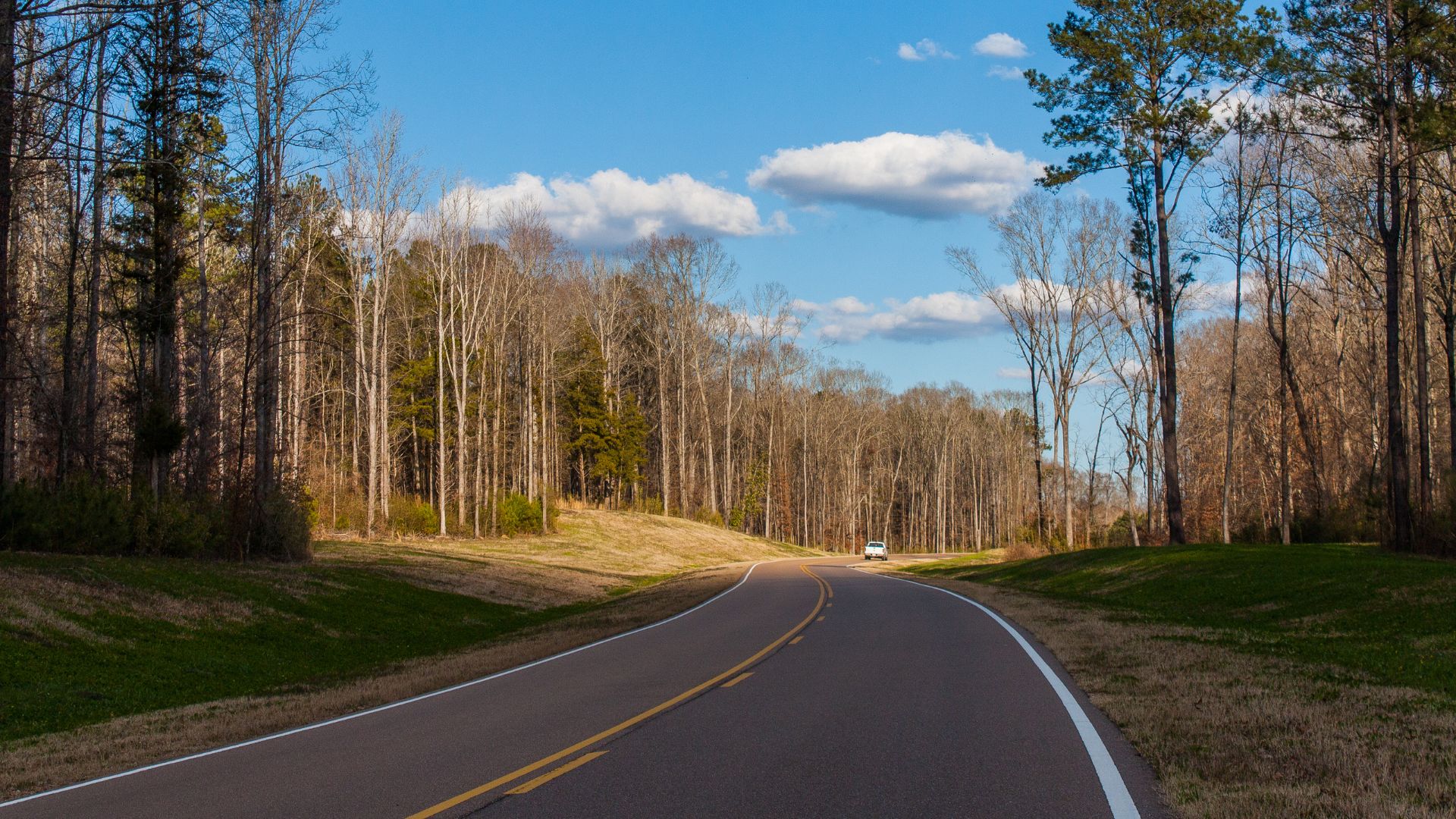
9) Going-to-the-Sun Road in Glacier National Park
Going-to-the-Sun Road is 50 miles of pure mountain magic inside Montana’s Glacier National Park. The road snakes through glacial valleys, past alpine lakes, and up to Logan Pass at over 6,600 feet.
Waterfalls spill down the cliffs, and if you’re lucky, you’ll spot mountain goats or maybe even a bear. The road links the park’s west and east sides, and every mile is a stunner.
Plan for two or three days to really see the sights. The road usually opens in late spring and closes for snow in fall, so timing is everything.
Don’t miss Lake McDonald, the Weeping Wall, or the Logan Pass Visitor Center. Tons of trailheads branch off the main road, so bring your hiking boots.
Check for road conditions and reservation requirements before you go. Some parts are narrow, guardrail-free, and a bit nerve-wracking, but that’s part of the adventure.
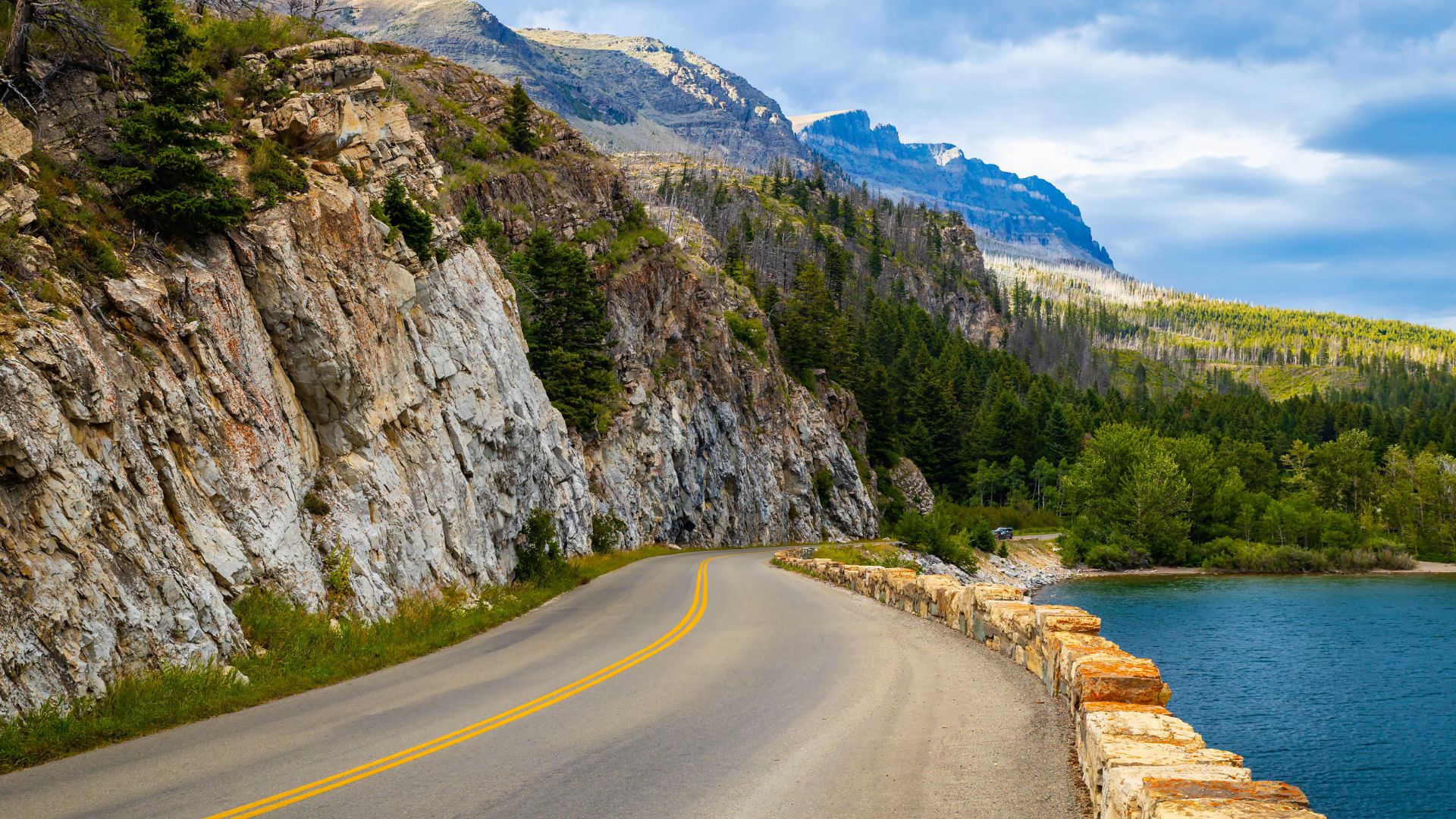
Essential Tips for Planning an Epic Road Trip
If you want your cross-country adventure to go smoothly, you’ve got to plan your route, pack smart, and be ready for surprises. That’s the difference between a trip you brag about for years and one you’d rather forget.
Choosing the Right Route for Your Interests
First things first—figure out what you actually want from this road trip. Are you after salty breezes and ocean views, or are you a sucker for mountain switchbacks? Maybe you’re hunting for history, or you just want to stumble on the weirdest roadside oddities you can find.
Once you know your vibe, start plotting your route. I like to use mapping apps to check distances and see how long each stretch might take. Most folks find 200-300 miles per day pretty comfortable, but hey, you do you.
Don’t forget to leave some wiggle room for the unexpected. The best stories usually come from those unplanned stops or surprise detours.
Before you hit the road, check the weather for your dates. Mountain passes can close in winter, and deserts? Well, they turn into ovens in July. Timing really shapes the whole experience.
Highlight a few must-see stops on your map, but keep things flexible. Locals love to share their favorite hidden spots, and those can be the highlight of your trip.
I always book my first and last night’s stay, but I leave the middle open. You never know when you’ll want to linger somewhere cool.
If you’ve got your heart set on a specific attraction, double-check if you need to reserve in advance. National parks, especially, can book up months ahead.
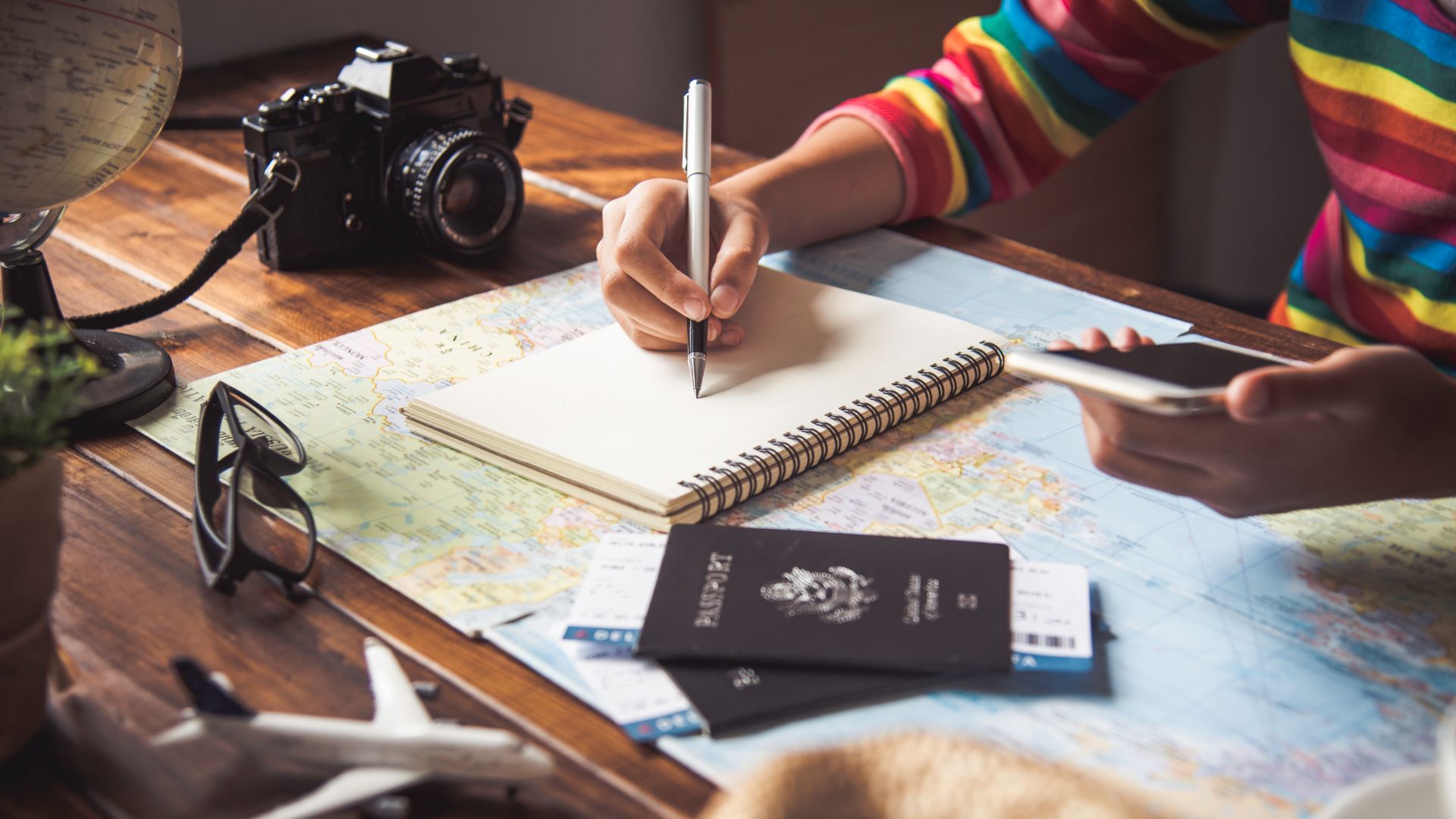
Packing Smart for Cross-Country Travel
I always go for clothes I can layer and mix around. Pack enough for about a week, then plan to do laundry somewhere along the way. It keeps your bag light and your options open.
Must-haves for your car:
- First aid kit
- Spare tire and jack
- Jumper cables
- Phone charger
- Paper maps (trust me, sometimes your GPS ghosts you)
- Reusable water bottles
- Snacks that won’t melt or spoil
I keep a small bag with the stuff I reach for all day—sunglasses, sunscreen, hand sanitizer, tissues, and any meds I need.
All your important documents? Put them together in one spot that’s easy to grab. Take photos of them too, just in case.
Before leaving, I download offline maps for those dead-zone stretches. I also save playlists, podcasts, and audiobooks. Nothing kills a long drive like radio static.
Staying Safe and Prepared on the Road
Give your car a good once-over before you leave. I check tire pressure, fluids, and all the lights. If I’m close to needing an oil change, I just get it done.
Share your route with someone back home. I text updates when I hit big stops or if plans change.
If you’re tired, don’t push it. Drowsy driving is no joke. I pull over and nap if I need to—or swap drivers if someone else is with me.
In remote areas, I never let my gas tank dip below a quarter. There are stretches where you won’t see a gas station for hours.
A few safety basics:
- Lock up before you walk away
- Park somewhere bright at night
- Stash valuables out of sight
- Listen to your gut if something feels off
- Save emergency contacts in your phone
I always carry $200-300 in cash. Small towns sometimes don’t have ATMs, and card readers can be finicky. It’s a lifesaver when tech lets you down.

Maximizing the Experience on Iconic American Highways
The best road trips? They’re a mix of awesome photos, quirky stops, and local flavor. I plan for photo ops, but I leave room for surprises—especially when it comes to food and little roadside treasures.
Capturing Stunning Photos Along the Journey
Golden hour is magic for photos—first hour after sunrise or just before sunset. That soft light makes everything look better, even after a long day in the car.
I pull over at scenic overlooks and rest areas for safe shots. Parks along routes like the Pacific Coast Highway and Blue Ridge Parkway have marked spots with parking, so you don’t have to risk it on the shoulder.
A phone mount is great for dash shots or quick time-lapses. I bring a camera with a wide-angle lens for landscapes, plus a zoom for wildlife or distant peaks.
Photo spots worth a stop:
- Pullouts with big views
- Old bridges and tunnels
- State line signs and welcome markers
- Cool local architecture
I wipe down my windshield every morning—nothing ruins a photo like a bug splat. If the weather looks interesting, I might tweak my route to catch a dramatic sky or a clear overlook.

Making the Most of Roadside Attractions
Classic roadside stops break up the drive and make for great stories. For small spots, I budget half an hour; for bigger museums or parks, maybe a couple of hours.
Before the trip, I download apps like Roadside America or Atlas Obscura. They help me find everything from giant dinosaurs to oddball museums I’d never know about otherwise.
Roadside gems to look for:
- Retro diners and drive-ins
- Historic markers
- Observation towers and viewpoints
- Craft shops and farm stands
I try to visit these places on weekday mornings to dodge crowds. Hours can be weird, so I call ahead if I’m set on something.
I keep my daily mileage goal flexible, especially if I want to explore. With stops and detours, 200-300 miles a day feels about right.
Immersing in Local Cultures and Cuisine
Nothing connects you to a place like its food. I skip the chains and hunt down diners, food trucks, and spots locals swear by.
Some of my best meals have come from gas station tips or chatting with hotel staff. Locals know where to eat—and they rarely steer you wrong.
Can’t-miss regional eats:
- Southwest: Green chile everything, real Mexican food, Navajo tacos
- South: BBQ, fried chicken, biscuits and gravy
- Midwest: Cheese curds, hot beef sandwiches, all things corn
- Pacific Northwest: Fresh seafood, farm-to-table spots, creative drinks
Farmers markets are fantastic for fresh stuff and handmade goods. They usually run on weekends, so I check ahead.
If there’s a festival or community event, I’ll stop by. It’s a fun way to hear local music, try new foods, and chat with people about their hometown.
Frequently Asked Questions
Big road trips take some planning—routes, budgets, timing, all that. Here are answers to the most common questions folks have about pulling off a killer cross-country adventure in 2026.
Route 66 is the classic—Chicago to Santa Monica, eight states, full of nostalgia and Americana. It’s a must if you want that old-school road trip feel.
The Pacific Coast Highway in California? Unreal ocean views, winding roads, and beach towns that just beg you to stop for a while.
Blue Ridge Parkway winds through Virginia and North Carolina, offering 469 miles of mountain scenery and endless overlooks. If you love hiking or just want to gawk at the Appalachians, it’s hard to beat.
I always start with fuel costs, using my car’s gas mileage and the current price at the pump. Gas usually ends up as my biggest transportation expense.
Lodging can be as cheap or fancy as you want—mixing camping, motels, and hotels helps balance comfort and savings.
Food sneaks up on you, so I pack snacks and sometimes make my own meals to save cash.
I set aside extra for activities, park fees, and those “uh-oh” moments. A contingency fund (about 10-20% of your total budget) keeps you covered when things don’t go as planned.
Route 66 still reigns as the most famous historic highway. It’s got a rich backstory, dating back to the 1920s and symbolizing the American spirit of adventure.
The Great River Road follows the Mississippi for over 3,000 miles, passing through ten states and loads of historic towns.
The Overseas Highway in the Florida Keys connects island after island with 42 bridges—including the legendary Seven Mile Bridge. It’s pure tropical road trip magic.
Google Maps is my go-to for distances and drive times. It also shows rest stops and points of interest.
State tourism websites are gold mines for info on attractions, road conditions, and local events.
Road trip blogs and travel guides offer real stories from people who’ve been there and done that. I always find practical tips I wouldn’t get anywhere else.
If you’re aiming for national parks, check their official sites for entrance fees, campsite reservations, and seasonal closures.
If you’re just blasting coast-to-coast, you can do it in a week—though you’ll barely have time to look around.
To actually see major landmarks and cities, plan for 2-3 weeks. That way, you’re not just speeding from one spot to the next.
If you want the full experience—mixing routes like Route 66 and the Pacific Coast Highway—set aside 4-6 weeks. That gives you time for detours, rest, and all those little adventures along the way.
Keep in mind, some roads (like Going-to-the-Sun Road in Montana) close in winter. Always check seasonal openings before you go.
Let’s start with the Pacific Coast Highway. I can’t think of a better way to soak up endless ocean views and hop between beaches as you cruise along. There’s something magical about rolling into Big Sur—especially that stretch between Carmel and San Simeon. The cliffs? Unreal. If you’re curious, here’s a guide with some dramatic coastal scenery that’ll make you want to pull over every five minutes.
Next up, the Blue Ridge Parkway. It’s a favorite for road trippers who crave mountain vistas and vibrant colors. If you hit it during fall foliage season, you’re in for a treat. But honestly, spring and fall both bring the best weather and the kind of views that make you want to linger at every overlook.
Don’t skip Going-to-the-Sun Road in Glacier National Park. This one’s a wild ride—literally. The road twists over the Continental Divide at Logan Pass and packs 50 miles of jaw-dropping alpine scenery into a single drive. I spotted mountain goats last time, and, wow, it felt like a real adventure.
And then there’s the Overseas Highway. This drive is just different. You’ll cruise from mainland Florida all the way to Key West, gliding over bridges with blue water stretching out on both sides. It’s almost surreal—like you’re floating between islands.
Honestly, these routes aren’t just highways—they’re the kind of journeys that stick with you long after you’ve parked the car.
