
Croatia, perched where the Mediterranean, Central Europe, and the Balkans all meet, has a food scene that honestly deserves way more hype than it gets. After wandering through the country’s regions, I’ve come to realize that Croatian cuisine offers the kind of sophistication and obsession with local ingredients you’d expect from a Michelin-starred place—just with a bit more soul and a lot less fuss.
You’ll find dishes like slow-cooked peka, jet-black risotto made with cuttlefish ink, and Istrian pasta showered in truffles. These meals show off not just technical skill, but a kind of regional pride you can taste. Food critics are finally starting to catch on. With two Michelin-starred restaurants already, Croatian chefs are proving they can play in the big leagues while fiercely holding onto their Balkan roots.
Let’s dive into nine unforgettable dishes that really capture Croatia’s culinary magic. From seafood feasts on the Dalmatian coast to earthy truffle creations in Istria, these plates tell stories—about local ingredients, old-school techniques, and the kind of passion that turns a meal into a memory.
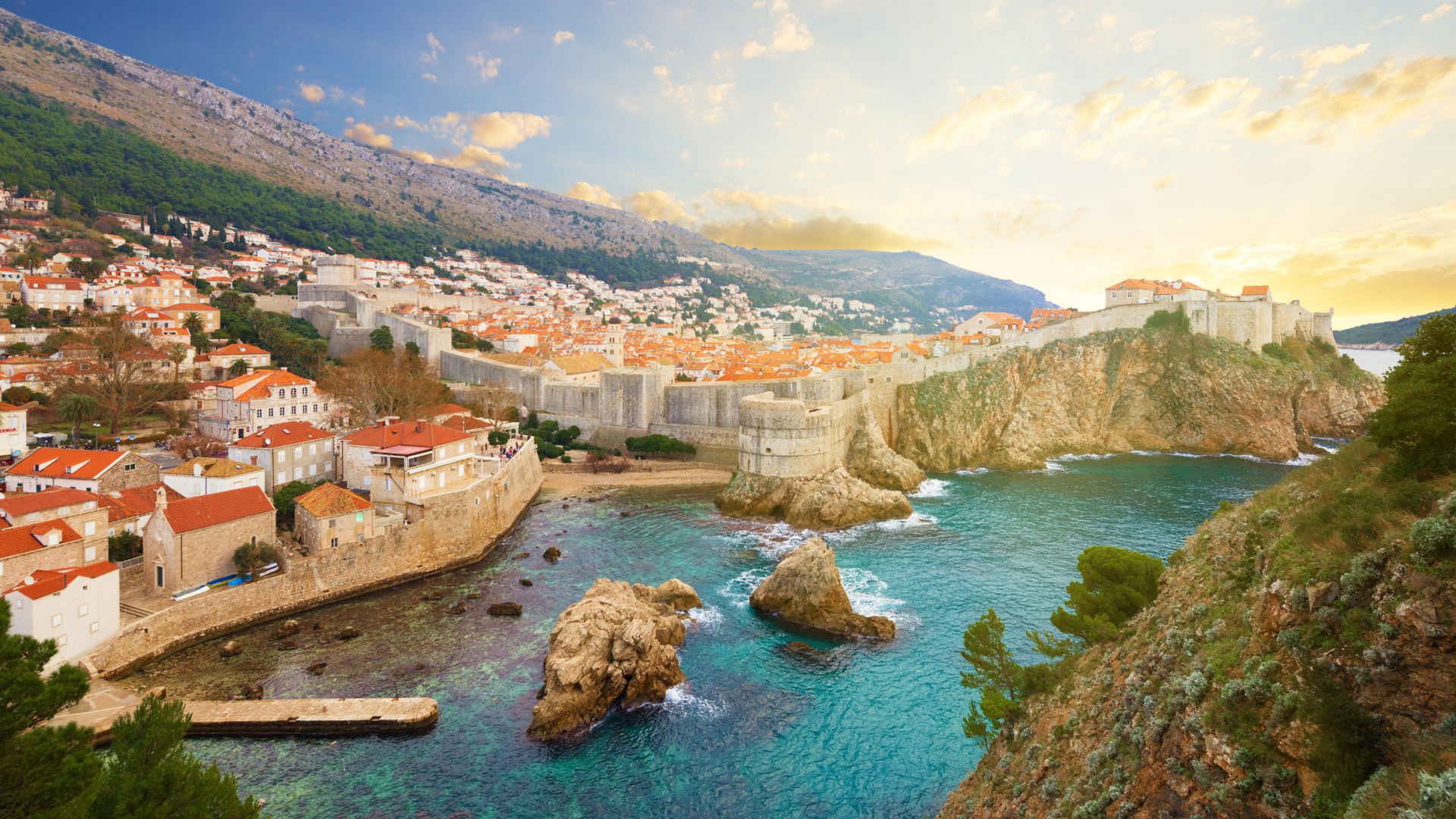
Why Croatian Cuisine Stands Out Within Balkan Food Traditions
Croatian food just hits different compared to the rest of the Balkans. The country sits right between Central Europe and the Mediterranean, so the flavors get pretty wild and varied.
The geography alone pushes cooks to use different methods and ingredients. You get things here you just won’t find anywhere else in the region.
Distinctive Regional Influences
What’s cool about Croatian food? It borrows from everywhere, then makes it its own. Along the Adriatic coast, you’ll taste Italian and Mediterranean vibes. Head inland, and suddenly Austrian, Hungarian, and Turkish influences pop up on your plate.
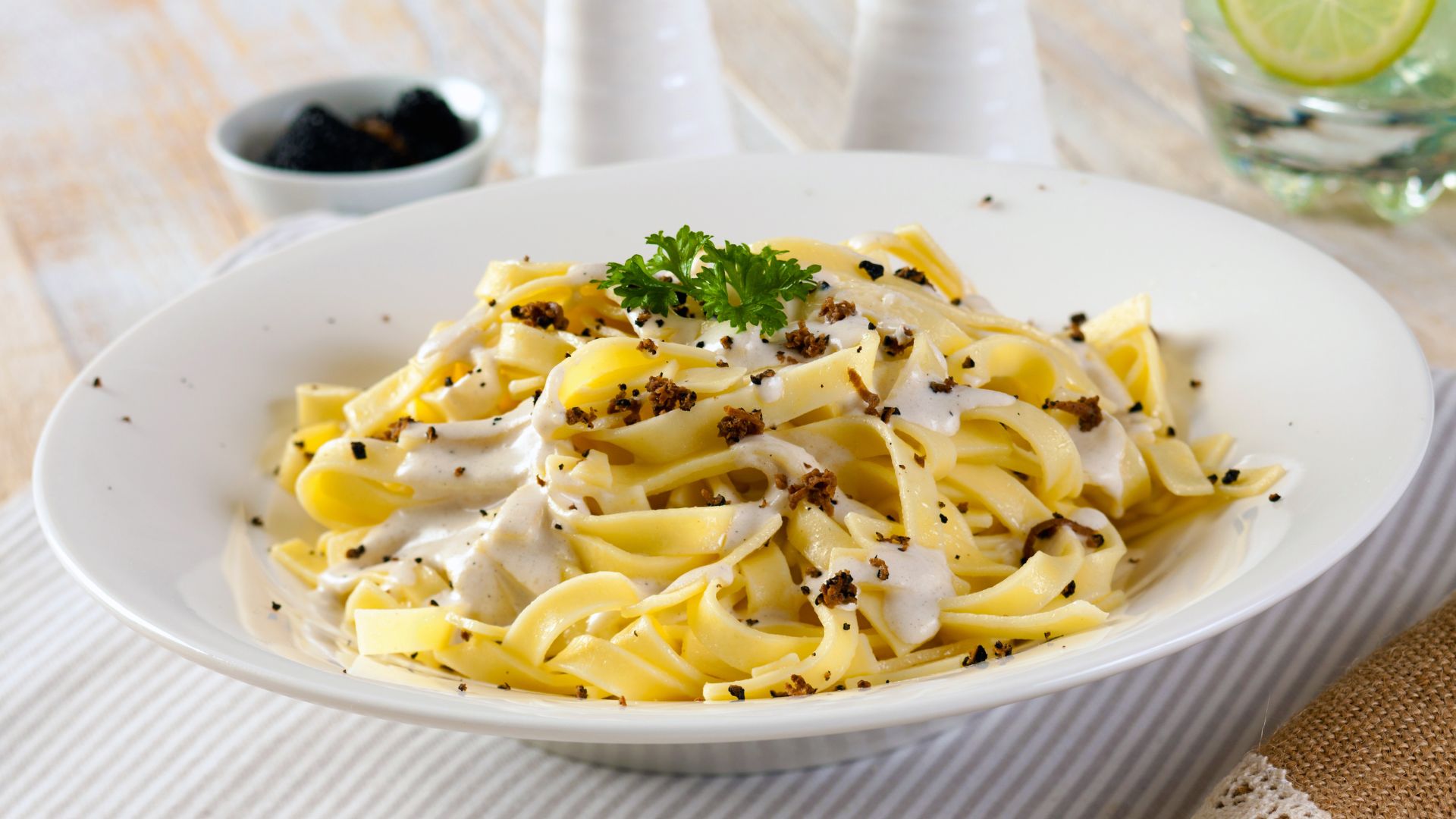
In Istria, truffle pasta is everywhere—definitely an Italian move, but it’s got a local twist. Then in Slavonia, paprika-heavy stews remind me of Hungary, but with a Croatian edge.
History left its mark too. Venetian rule shaped how folks cook by the sea, while the Austro-Hungarian era brought new flavors inland. All these layers make Croatian food both unmistakably Balkan and totally unique.
Unlike some Balkan neighbors who stick to one main influence, Croatia juggles several. That’s why the cuisine feels so dynamic and, honestly, a bit more sophisticated.
Unique Ingredients and Cooking Methods
Croatian cooks have some tricks up their sleeves that others in the Balkans just don’t use. Take the peka method—cooking under a bell-shaped lid with hot coals on top. It’s slow, it’s smoky, and it makes everything meltingly tender.
Thanks to its coastline and fertile land, Croatia gets first dibs on amazing seafood and truffles. That’s a combo you won’t find in landlocked Balkan countries.
They’ve also mastered the art of preserving. Coastal regions cure pršut (prosciutto) in salty sea air, which gives it a flavor you can’t replicate elsewhere.
Then there’s black risotto—a dish that borrows from Italian techniques but feels totally Croatian, thanks to the local seafood and a dash of creativity.
Recognition in the Michelin Guide
Lately, Michelin has started giving Croatia some love. That’s a big deal for a Balkan country. It’s a sign that the world is finally noticing what’s happening here.
Chefs are taking grandma’s recipes and giving them a modern spin, but they never forget where the food comes from. That mix of innovation and respect for tradition is winning over critics.
Wine helps too. Croatia boasts 258 grape varieties—with 134 native to the region. The wine scene is as wild and diverse as the food, and the pairings are out of this world.
Cities like Zagreb, Split, and Dubrovnik are now foodie hotspots. International travelers are catching on, and honestly, Croatia’s culinary tourism is starting to outshine its Balkan neighbors.
The 9 Signature Croatian Dishes Earning International Acclaim
Here’s a look at nine dishes that really show off what Croatian cooking is all about. From inky black risotto to hearty mountain stews, each one tells its own story.
Black Risotto (Crni Rizot)
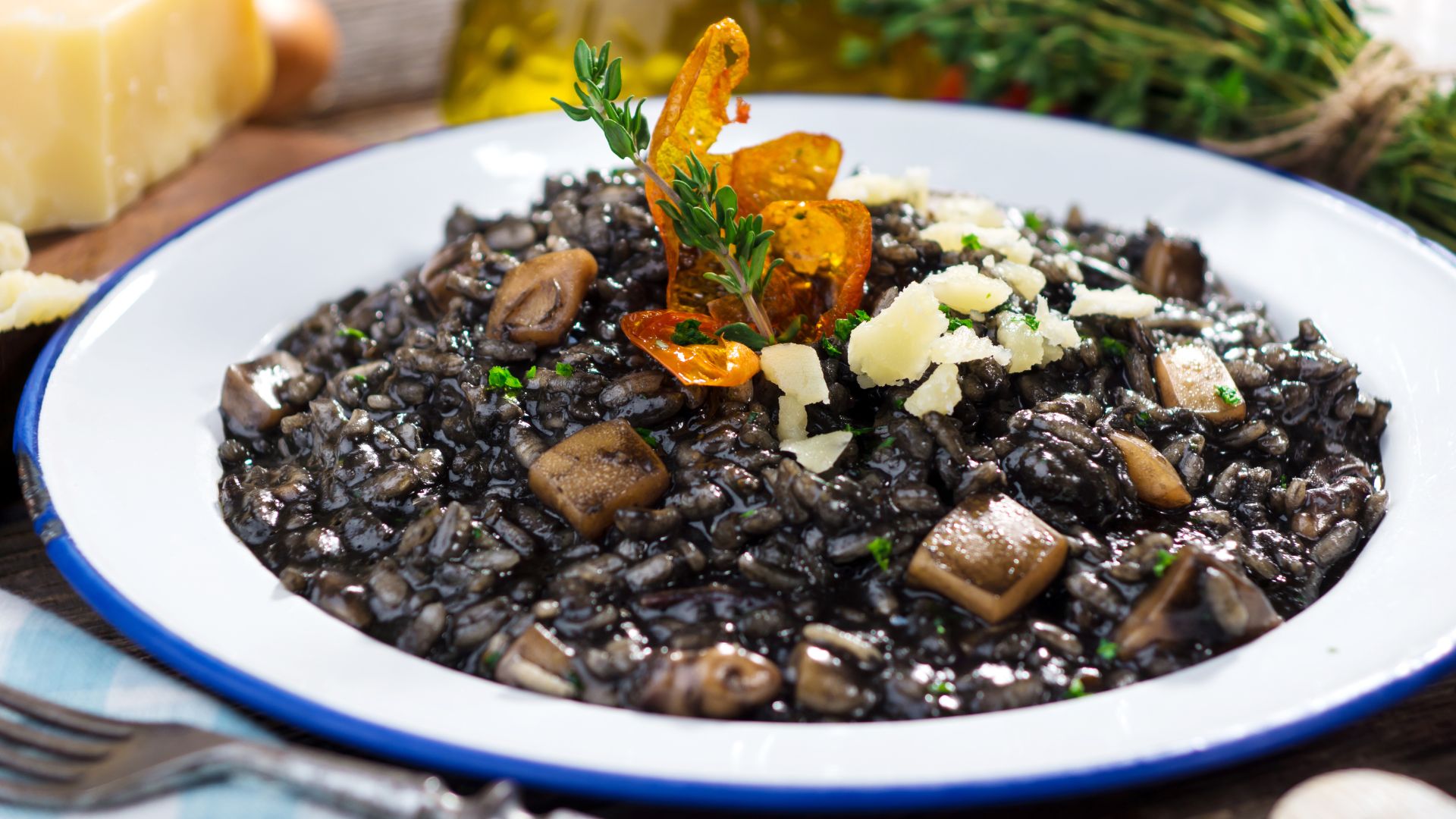
You can’t miss black risotto if you’re on the coast. It’s dramatic, inky, and loaded with the flavor of the sea. The color comes from squid or cuttlefish ink stirred into creamy Arborio rice.
I’ve tasted the best versions in Dalmatia, where fishermen first cooked it up using the day’s catch and rice brought in by Venetian traders.
What goes in:
- Fresh squid or cuttlefish
- Squid ink
- Arborio rice
- White wine
- Garlic and onions
Making crni rizot takes patience. Cooks add warm fish stock slowly, stirring all the while. The ink goes in bit by bit, turning everything jet black.
A great risotto should be creamy but not mushy, and the seafood needs to stay tender. Along the Adriatic, you’ll find this dish on almost every menu.

Brodet (Brudet)
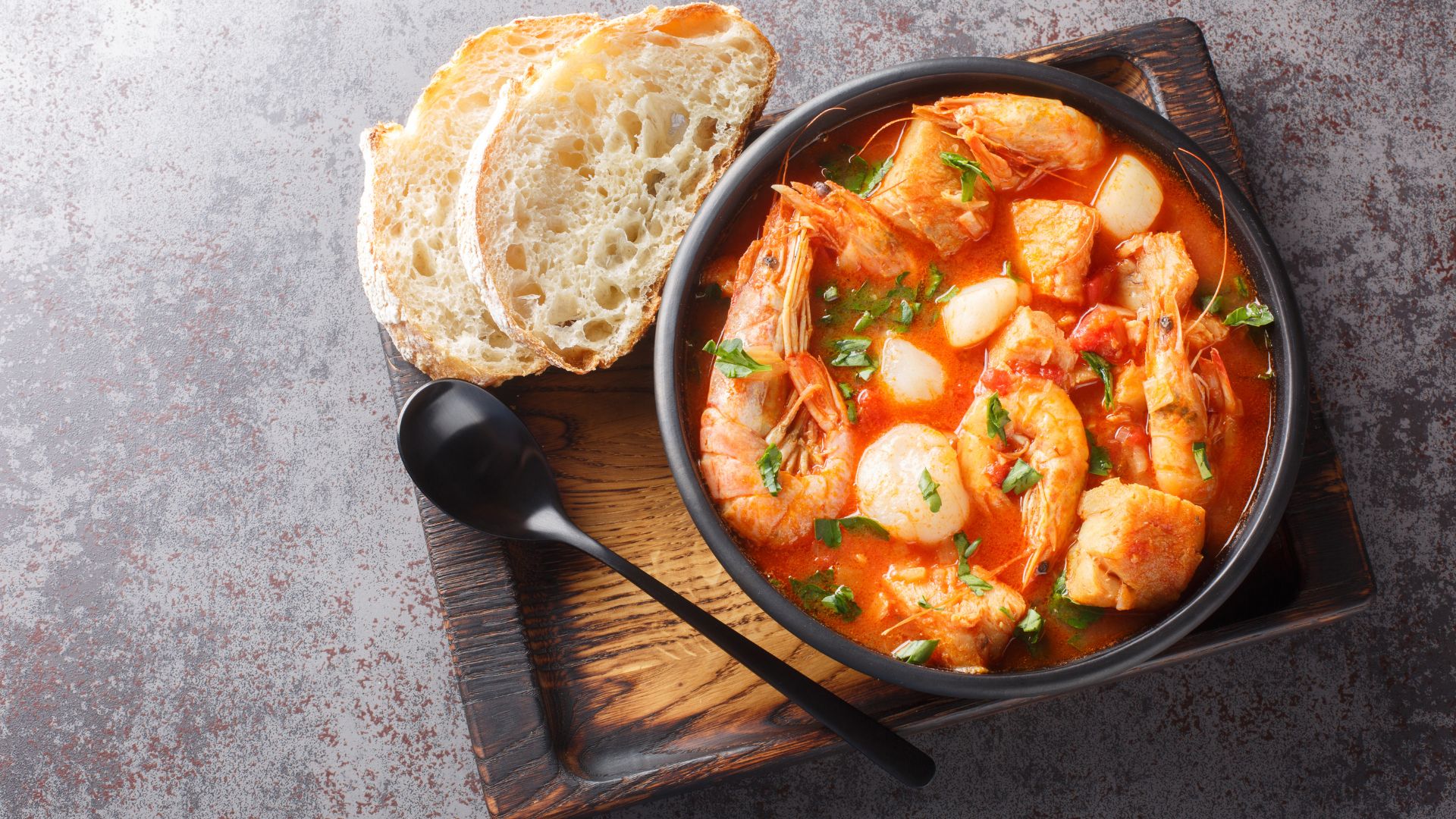
Brodet is Croatia’s answer to bouillabaisse. It’s a rustic fish stew packed with whatever the fishermen caught that day, simmered in a rich tomato broth.
Every coastal town has its own spin. Dalmatian brodet gets a splash of white wine and bay leaves, while Istrian versions might lean into local herbs and olive oil.
You need at least three types of fish—think sea bass, John Dory, monkfish, or red scorpionfish.
Onions, tomatoes, and peppers form the base, and some cooks toss in potatoes for extra heft.
Traditionally, fishermen made brodet right on their boats. They’d serve it with polenta or crusty bread to soak up every drop.
Pašticada
Pašticada is a labor of love. This beef dish from Dalmatia starts with marinating the meat for a full day before it ever hits the pot.
Cooks stud the beef with garlic, carrots, and bacon, then let it soak in red wine vinegar, veggies, and spices.
What’s in the marinade:
- Red wine vinegar
- Carrots
- Celery
- Bay leaves
- Cloves
- Nutmeg
After marinating, the beef cooks low and slow for hours. The sauce turns deep and rich, sometimes sweetened with prunes or figs.
You’ll usually see gnocchi on the side. The beef should fall apart with a fork. This is the kind of dish families save for Sundays or special occasions.
Pašticada hints at Italian influence, and every family swears their recipe is the best.
Peka
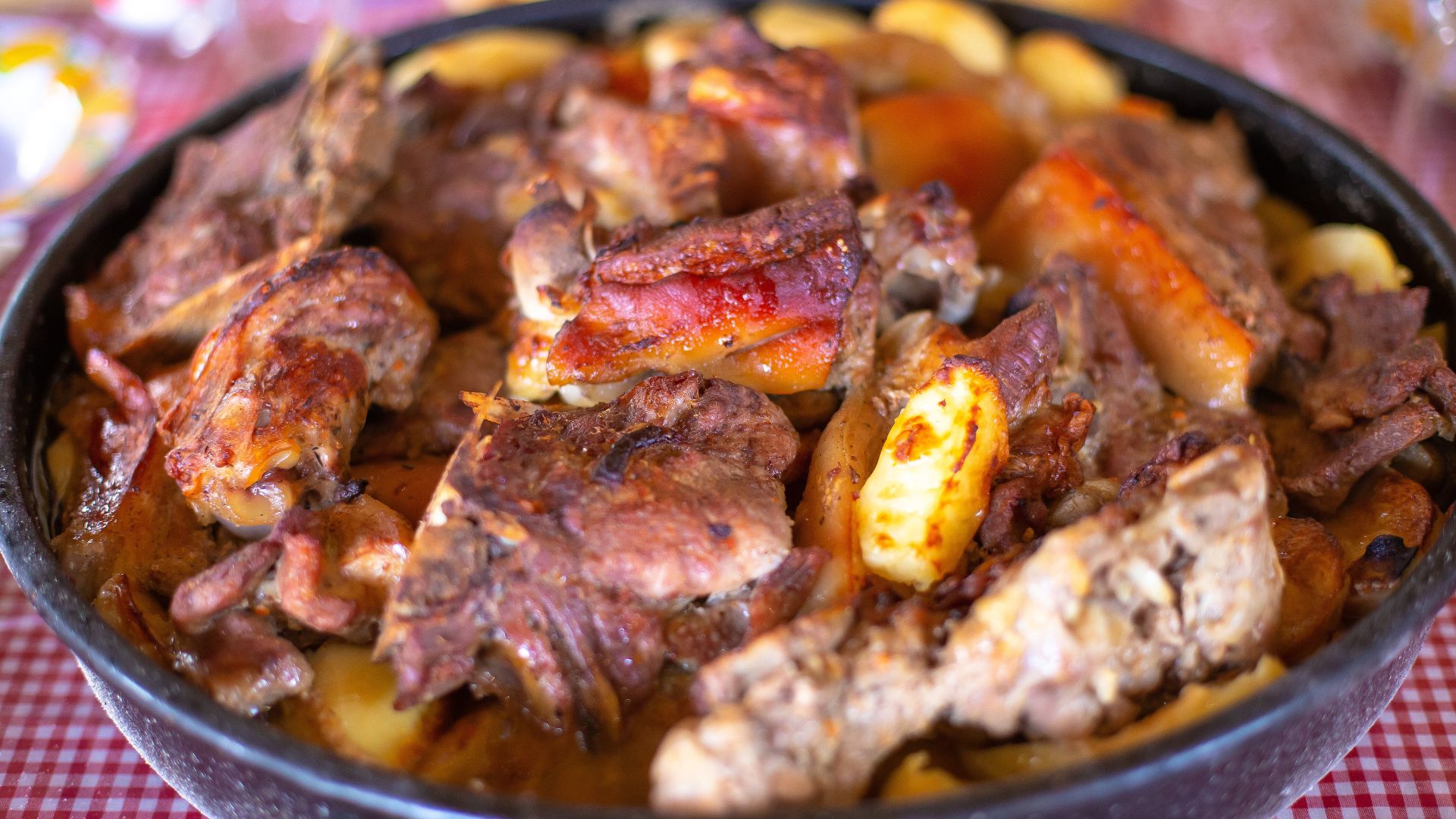
If you get a chance to try peka, don’t pass it up. This ancient technique uses a metal bell covered with hot coals to create some of Croatia’s most unforgettable meals.
You can cook just about anything under a peka—lamb, veal, octopus, or a mix of veggies. Potatoes, onions, and herbs go in too.
How it works:
- Cast iron or metal bell (ispod čripnje)
- Hot coals on top
- Slow, steady heat
- Barely any liquid
The results? Incredibly tender, flavorful food. The sealed bell steams everything gently, while the coals add a subtle smokiness.
You’ll find peka in some restaurants, but the best versions happen outdoors, surrounded by friends and family. It’s as much about the experience as the food.
Soparnik
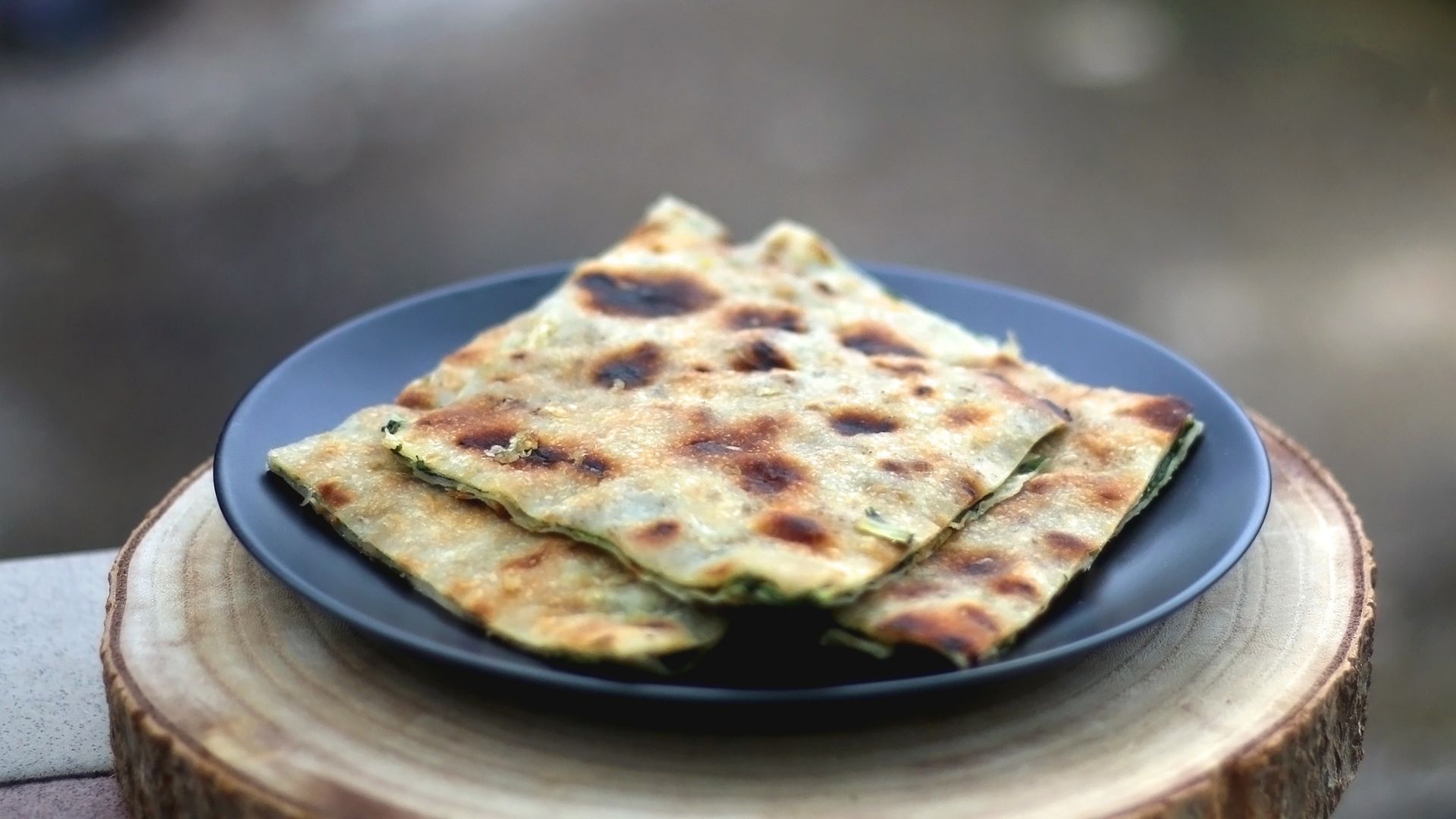
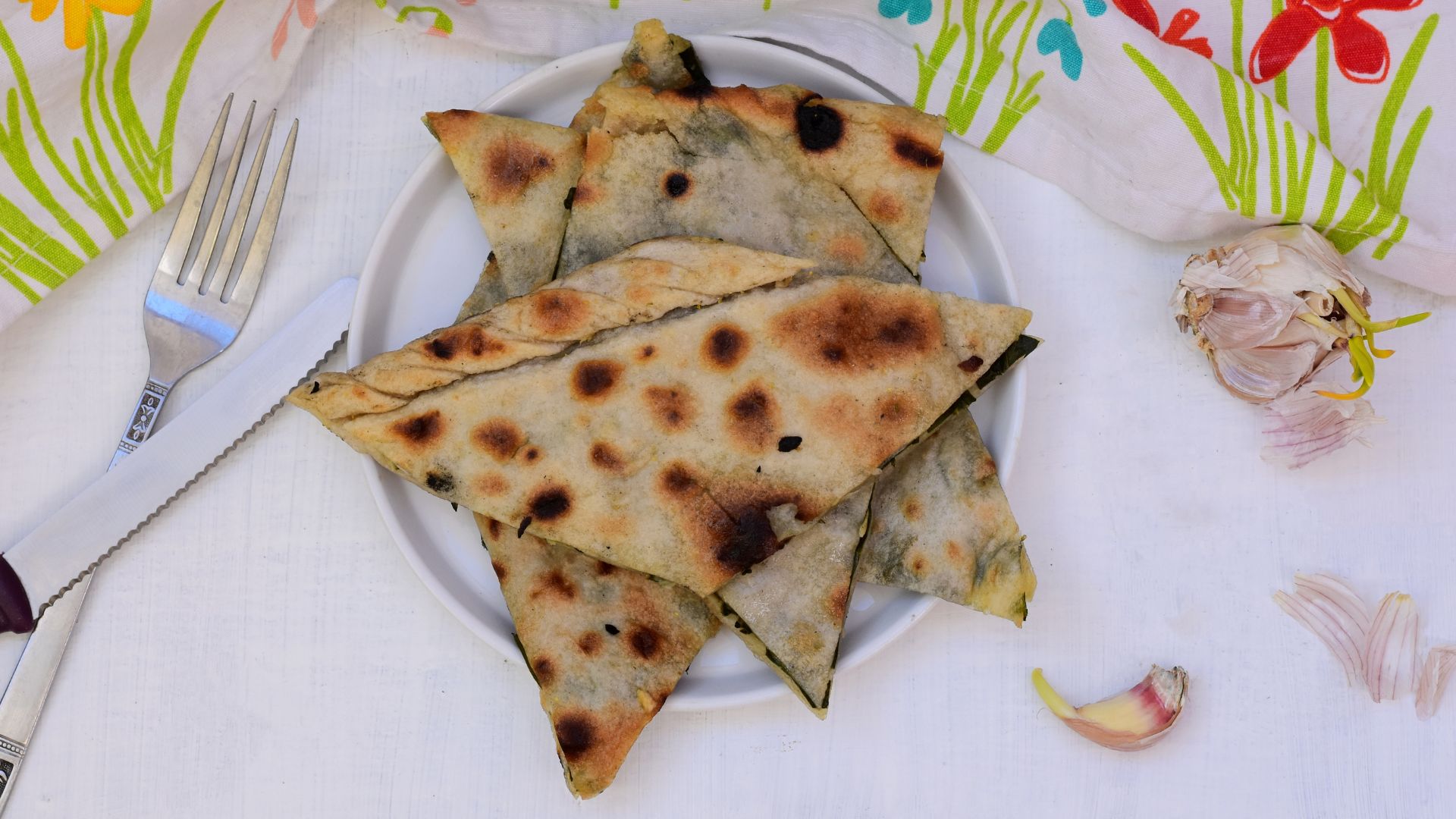
Soparnik is a humble but delicious pie from the Dalmatian hinterland, near Split. It’s basically a thin, flaky pastry filled with Swiss chard, onions, parsley, and garlic.
The dough gets rolled out super thin, then filled and folded. No eggs or dairy—just olive oil.
Traditionally, cooks bake soparnik on a stone or metal plate, sometimes with hot coals above and below. The finished pie is crispy and savory, almost like a Croatian crepe.
Classic filling:
- Swiss chard (blitva)
- Onions
- Parsley
- Garlic
- Olive oil
- Salt and pepper
Soparnik started as peasant food, especially during Lent. Now, you’ll spot it as a healthy starter on trendy menus.
Čobanac
Čobanac is the kind of dish that keeps you warm on a cold night. Originating from Slavonia, this shepherd’s stew combines several meats with paprika and spicy peppers.
Cooks usually throw in beef, pork, and sometimes venison or wild boar if they’re feeling fancy.
Paprika gives the stew its deep red hue and smoky punch. Hot peppers add a kick that varies depending on who’s cooking.
The stew simmers for hours, letting all the flavors meld. Onions, tomatoes, and peppers break down into a rich sauce.
Čobanac usually comes with bread or dumplings. It’s a crowd-pleaser, perfect for big gatherings.
Buzara
Buzara is the Adriatic’s gift to shellfish lovers. Mussels, shrimp, or scampi get a quick cook in white wine, garlic, herbs, and olive oil. Breadcrumbs sometimes join in for a bit of texture.
How buzara comes together:
- Fresh shellfish
- White wine
- Garlic
- Parsley
- Olive oil
- Breadcrumbs
The key is speed—seafood cooks fast, and you want it tender, not rubbery. The wine sauce is light and lets the natural flavors shine.
The best buzara I’ve had came straight from the coast, with shellfish plucked from the sea that morning. It’s simple, pure, and totally addictive.
Fritule
Fritule are tiny fried pastries that make Croatian winters a little sweeter. They’re bite-sized, a bit boozy (thanks to rum), and often dotted with lemon zest or raisins.
The batter is simple, but every family tweaks it a little. You’ll find fritule at Christmas markets and festive gatherings, dusted with powdered sugar and disappearing fast.

Coastal and Inland Flavors: What Makes Each Dish Unique
Croatian food is a tale of two worlds. On the one hand, you get fresh, vibrant seafood along the coast. On the other, hearty, comforting meat dishes fill tables inland.
Seafood Specialties of the Adriatic
The Adriatic coast is seafood heaven. Crni rižot—that black, briny risotto—really sums up the region’s style. It’s bold, a little mysterious, and packed with flavor.
Brudet is another classic. Fishermen invented this tomato-rich fish stew to make use of their daily haul. It’s as flexible as it is delicious.
Buzara lets the shellfish do the talking. Mussels or prawns simmer quickly in wine, garlic, and parsley, and that’s really all you need.
Then there’s peka, where octopus or fish slow-cook under hot coals. The result? Smoky, tender, and absolutely unforgettable.
Heartier Fare from Central and Eastern Croatia
Head inland and the food gets cozier. Pašticada is all about beef, marinated and slow-cooked with prunes and spices. It’s rich and deeply satisfying.
Kulen comes from Slavonia and packs a punch with paprika and garlic. Smoky, spicy, and perfect with a cold beer.
Central Croatia’s strukli—cheese-filled pastry, either boiled or baked—offers comfort in every bite. Some are savory, some sweet, but all are delicious.
Čobanac brings together lamb, pork, and beef in a spicy, slow-cooked stew. It’s the kind of dish that brings people together around the table.
Vegetarian Delights and Regional Variants
Vegetarians aren’t left out. Soparnik—that flaky Swiss chard pie—proves you don’t need meat for big flavor. Baked in wood-fired ovens, it’s crispy and satisfying.
Istria’s fuži pasta shines with truffles or seasonal veggies. Its twisted shape is perfect for soaking up sauces.
Maneštra changes from town to town, but it’s always a hearty mix of beans and veggies. Coastal versions add seafood, while inland ones might go for smoked meats. Every family has their own take, and recipes get handed down like treasures.
Even shared dishes like peka change depending on the region. Along the coast, cooks use seafood. Inland, lamb or veal takes center stage.
The Role of Local Ingredients and Iconic Products in Croatian Gastronomy
Croatia’s kitchen magic comes down to its devotion to local ingredients and time-honored methods. The country’s unique spot on the map means you get rare treats like boškarin beef, world-class Istrian truffles, and native wines that rival anything you’ll find in Europe.
Boškarin and Traditional Meats
If you ask me, boškarin cattle might just be one of Croatia’s best-kept culinary secrets. This ancient Istrian breed gives us beef with marbling and flavor you just can’t find anywhere else.
You’ll spot these cattle grazing freely on Istrian pastures, munching on wild herbs and Mediterranean plants. That natural diet? It creates meat with a nutty taste and a melt-in-your-mouth texture.
Locals prepare boškarin in a few standout ways:
- Slow-roasting it with handfuls of local herbs
- Grilling steaks and finishing them with Istrian sea salt
- Braising the beef low and slow in Teran wine
Istrian ham is another star on the table. Families have passed down the curing process for generations, letting the meat dry in the salty coastal air for up to two years.
Pairing the ham with local cheeses and a glass of Malvazija wine is a move I can’t recommend enough. The salty-sweet flavors show off just how well Croatians have mastered the art of preservation.
Truffles and Istrian Specialties
Istria’s truffles—especially the black ones—are legendary. I’ve watched truffle hunters and their dogs sniff out these earthy gems in Motovun’s oak forests, and honestly, it’s a bit magical.
You’ll spot truffles in all sorts of local dishes:
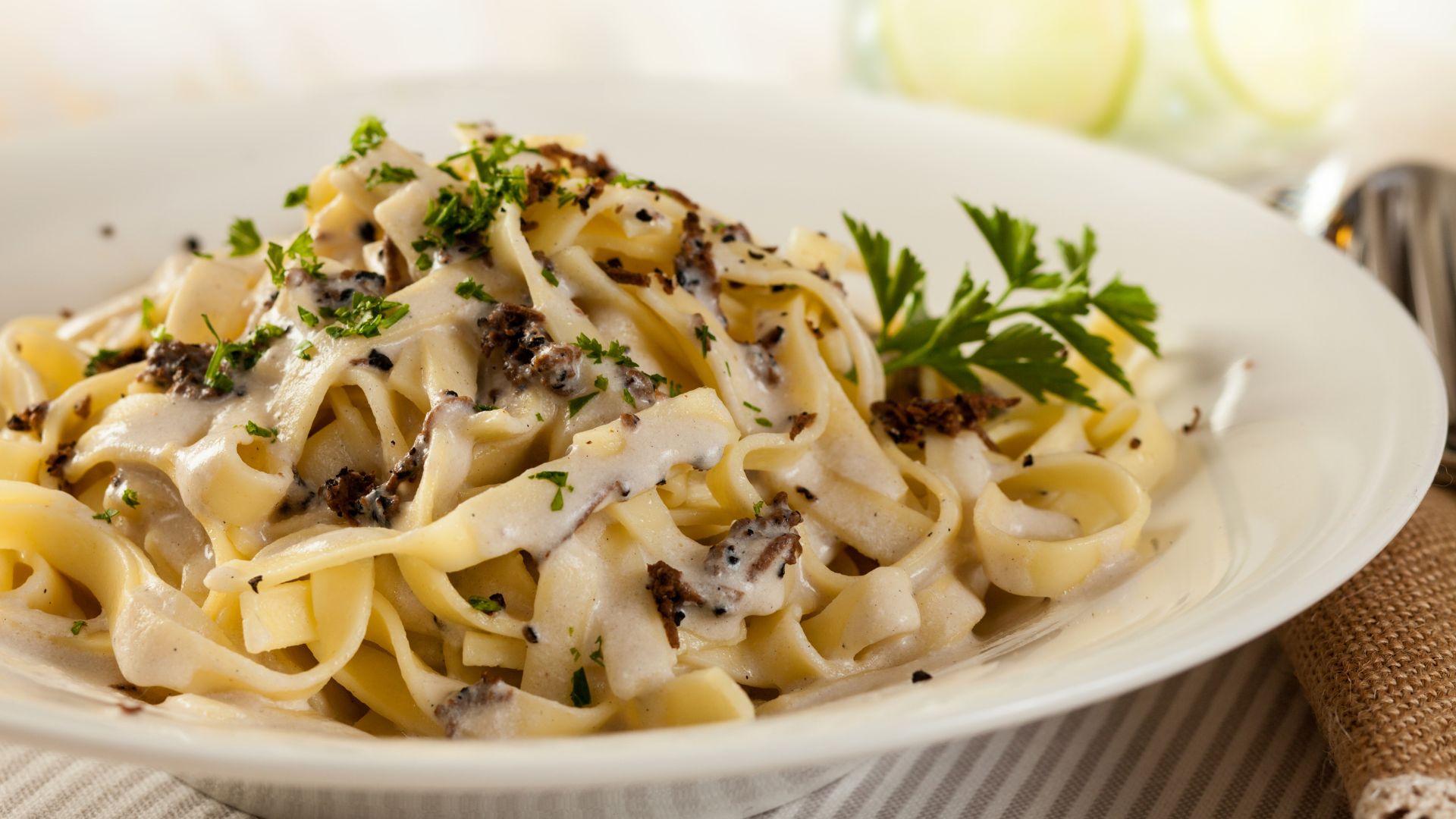
- Fuži pasta: Hand-rolled tubes swimming in a creamy truffle sauce
- Pljukanci: Twisted, chewy pasta tossed with freshly grated truffles
- Istrian soup: Hearty broths finished with a generous shaving of truffle
Truffle season runs from September to December. That’s when restaurants go all-in, serving up truffle dishes that really let those earthy, complex flavors shine.
Chefs here keep things simple—eggs, pasta, maybe a splash of olive oil—so the truffle stays front and center. No need to overcomplicate perfection.
Native Wines and Spirits
Croatia’s wine scene deserves way more hype. Malvazija, Istria’s signature white, is crisp and mineral-driven—honestly, it’s a go-to for seafood.
Teran is another favorite of mine. It’s a bold red, made from Refosco grapes, and it pairs perfectly with boškarin beef or that incredible Istrian ham.
A quick cheat sheet for Croatian wines:
- Malvazija: Zippy acidity and citrus, made for seafood lovers
- Teran: Big, earthy, and tannic—best with red meats
Rakija is the national spirit. Distillers usually make it from plums, grapes, or pears.
The process is old-school—double distilling in copper stills. Rakija packs a punch at 40-60% alcohol, and locals sip it before or after a meal.
Modern Recognition and the Path to Michelin Stars
Not long ago, Croatia flew under the radar food-wise. Now? The country boasts 11 Michelin-starred restaurants, including its first-ever two-star spot. Croatian chefs are getting noticed around the world, blending old Balkan traditions with a fresh, modern twist.
Croatia’s Rise in the International Culinary Scene
Croatia now proudly claims 11 Michelin stars—a huge leap for its food scene. The 2024 Michelin Guide was a real game-changer.
Agli Amici in Rovinj made history as Croatia’s first two-star Michelin restaurant. Chef Emanuele Scarello opened the place in 2021, snagged a star right away, and then leveled up to two.
The menu? You get to pick between “Rovinj” and “Istria”—both tasting menus that weave together Italian techniques and Croatian ingredients from the sea and countryside.
The Michelin spotlight shines on more than just the starred places:
- 11 Michelin stars
- 11 Bib Gourmand restaurants
- 71 Michelin recommendations
- 3 Green Michelin stars for sustainability
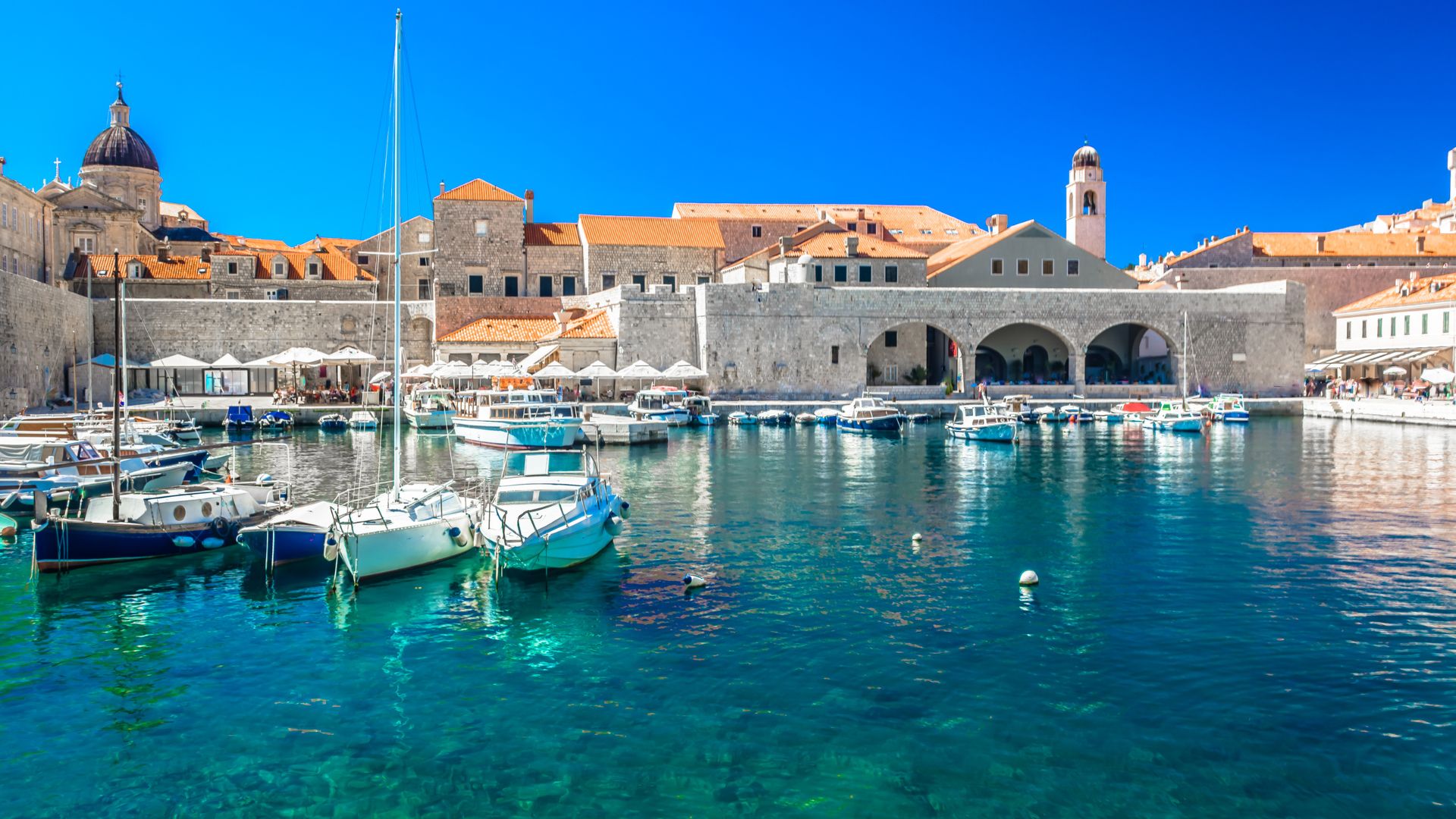
Cities like Zagreb, Dubrovnik, and those charming coastal towns now have restaurants on the Michelin map. Croatia’s officially rubbing shoulders with Europe’s culinary heavyweights.
Innovation and Tradition in Michelin-Starred Restaurants
Croatian Michelin-starred restaurants really know how to blend old and new. They respect traditional Balkan cooking, but they don’t shy away from modern twists.
Take Restaurant 360 in Dubrovnik, for example. This place earned its star by serving up local ingredients in ways that feel immersive and fresh—honestly, the experience sticks with you.
Korak in Jastrebarsko nails this balance. You’ll find modern Croatian dishes here, all crafted from local produce, and the vineyard backdrop just adds to the charm.
They even picked up a Green Michelin Star for their commitment to sustainability. Not every day you see that!
Zagreb’s food scene? It’s buzzing with creativity. Dubravkin Put recently snagged a star, and Noel keeps pushing boundaries with inventive takes on classic Croatian recipes.
Along the coast, places like Pelegrini in Šibenik and LD in Korčula put the spotlight on seafood. They use Adriatic catches in ways that feel both familiar and surprisingly modern.
The Michelin Guide keeps noticing how Croatian chefs stay rooted in tradition. At the same time, they’re not afraid to experiment and meet the high bar set by international fine dining.
I’ve found that this mix of heritage and innovation is what makes dining in Croatia so memorable. If you’re after a meal that tells a story, these spots should be at the top of your list.