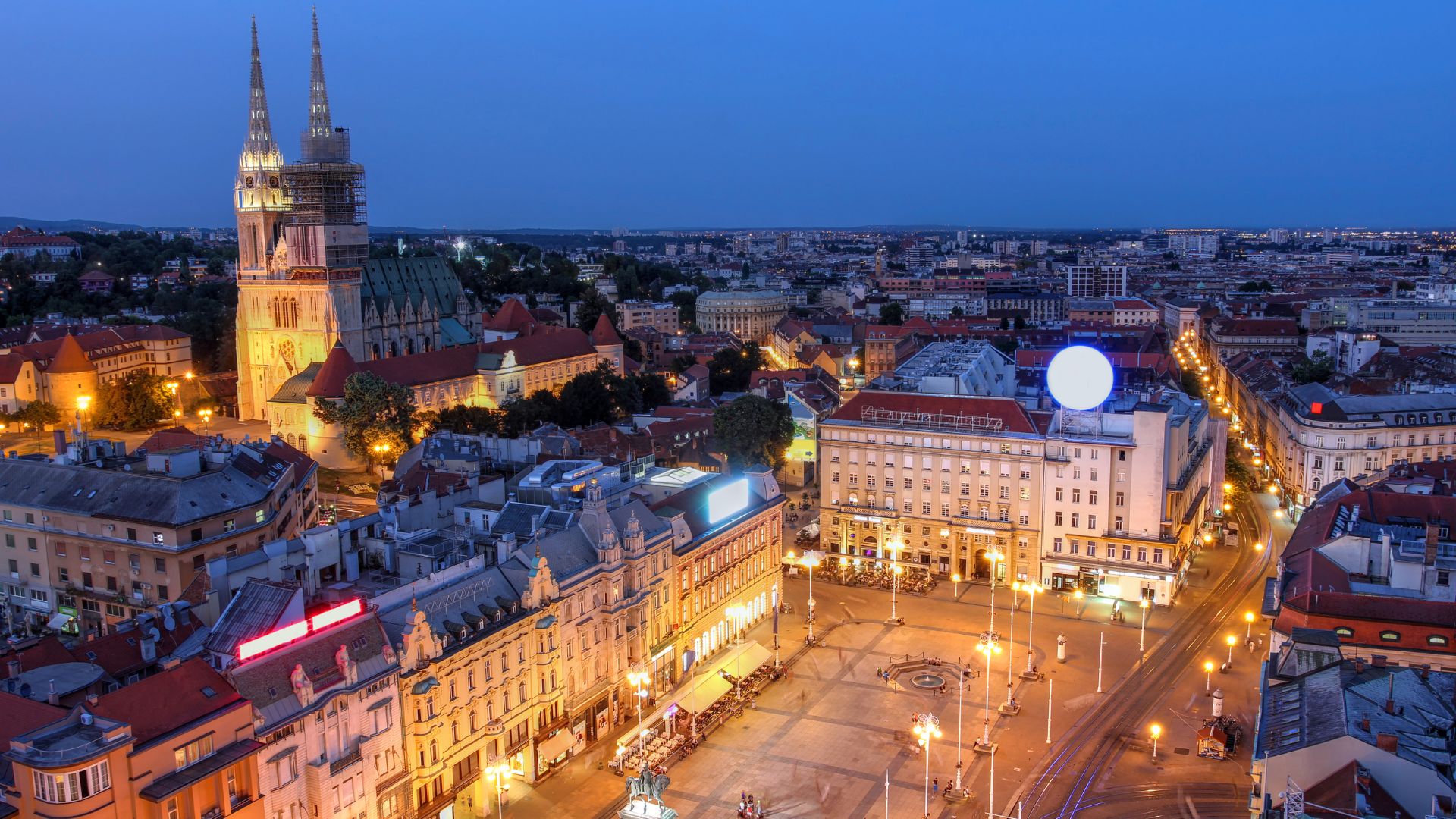
Croatia kind of sits quietly along the Adriatic Sea while most travelers rush to Italy, Greece, or France. The thing is, this beautiful country hides secrets that prove Europe still has places where you can actually escape the crowds and find your own bit of paradise.
Sure, places like Dubrovnik and Split get all the attention, but there’s so much more beneath the surface—pristine islands, mountain villages, and coastal towns that honestly feel untouched by mass tourism. I’ve stumbled onto spots here that offer something rare in modern Europe: the chance to discover places that still feel genuinely undiscovered.
From hidden coves you can only reach by boat to mountain retreats where waterfalls tumble through ancient forests, Croatia keeps reminding me that magical places still exist. The lesser-known islands, secret inland escapes, and cultural gems here? They feel both authentic and a little extraordinary.
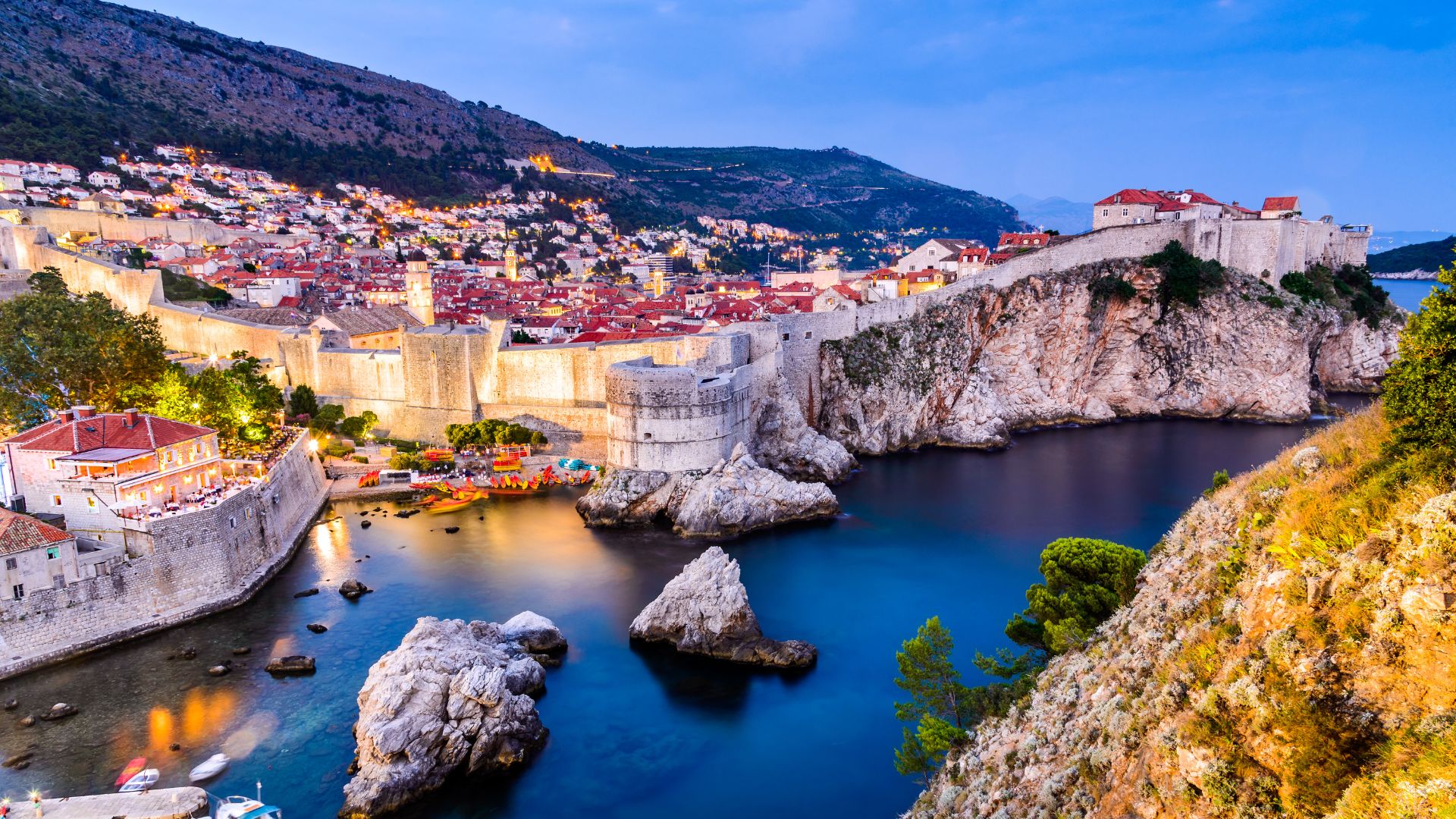
Hidden Croatian Islands Few Tourists Discover
Croatia’s remote islands are a whole different world. Out here, you’ll find untouched nature, crystal-clear waters, and a kind of traditional island life that’s getting harder to come by.
Lastovo: The Remote Sanctuary
Lastovo stands out as one of Croatia’s most isolated inhabited islands. You’ll find it way out in the southern Adriatic Sea.
This place is wild and peaceful—dense forests, barely any development, and a real escape from modern tourism.
The Lastovo Archipelago became a nature park back in 2006. Strict development rules have kept its wild character perfectly intact.
Key Features:
- Fewer than 800 residents
- No big hotels or resorts
- Protected marine environment
- Dark sky reserve status
Rolling hills covered in Mediterranean greenery stretch across the island. Ancient stone walls split up tiny fields where locals still grow olives and grapes.
I’ve seen the water here so clear you can spot the bottom at 50 meters out. Not many boats come through, so the sea stays clean and peaceful.
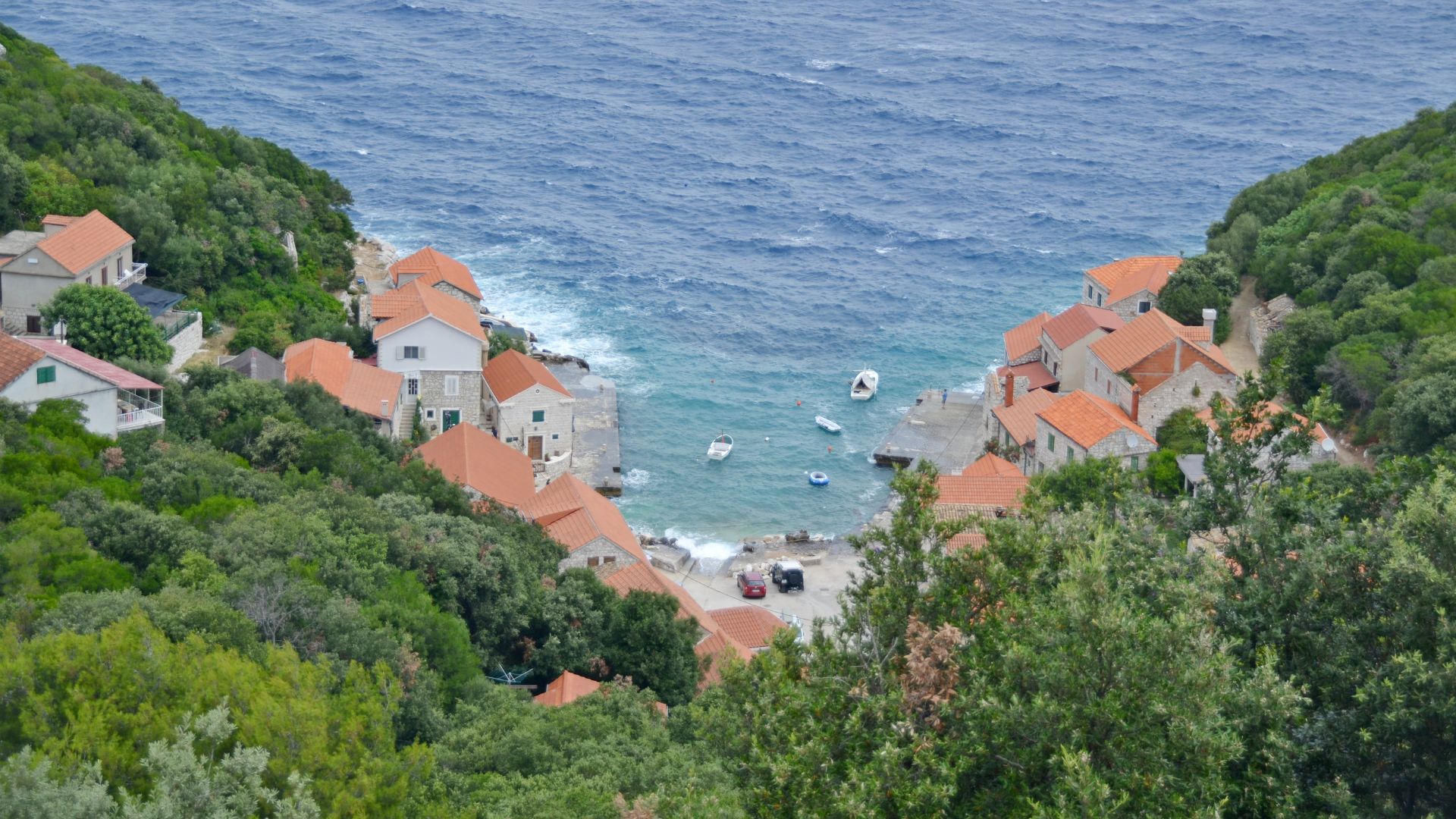
Pakleni Islands: Secluded Waters Near Hvar
Just off Hvar’s southwest coast, the Pakleni Islands wait with their own secret beaches and coves. These 21 little islands are all about hidden swimming spots and calm, blue water.
Palmižana is the main stop for most people. There’s a botanical garden and a tiny marina, plus coves where the water barely ripples.
Sveti Klement is the biggest island in the group. I really recommend wandering its quiet paths and finding those tucked-away beaches on the southern side.
Most people grab a water taxi from Hvar town. It’s only a 15-minute ride, so day trips are a breeze.
Best Activities:
- Hop from beach to beach
- Snorkel in the clear bays
- Hike nature trails
- Grab a meal at a waterfront spot
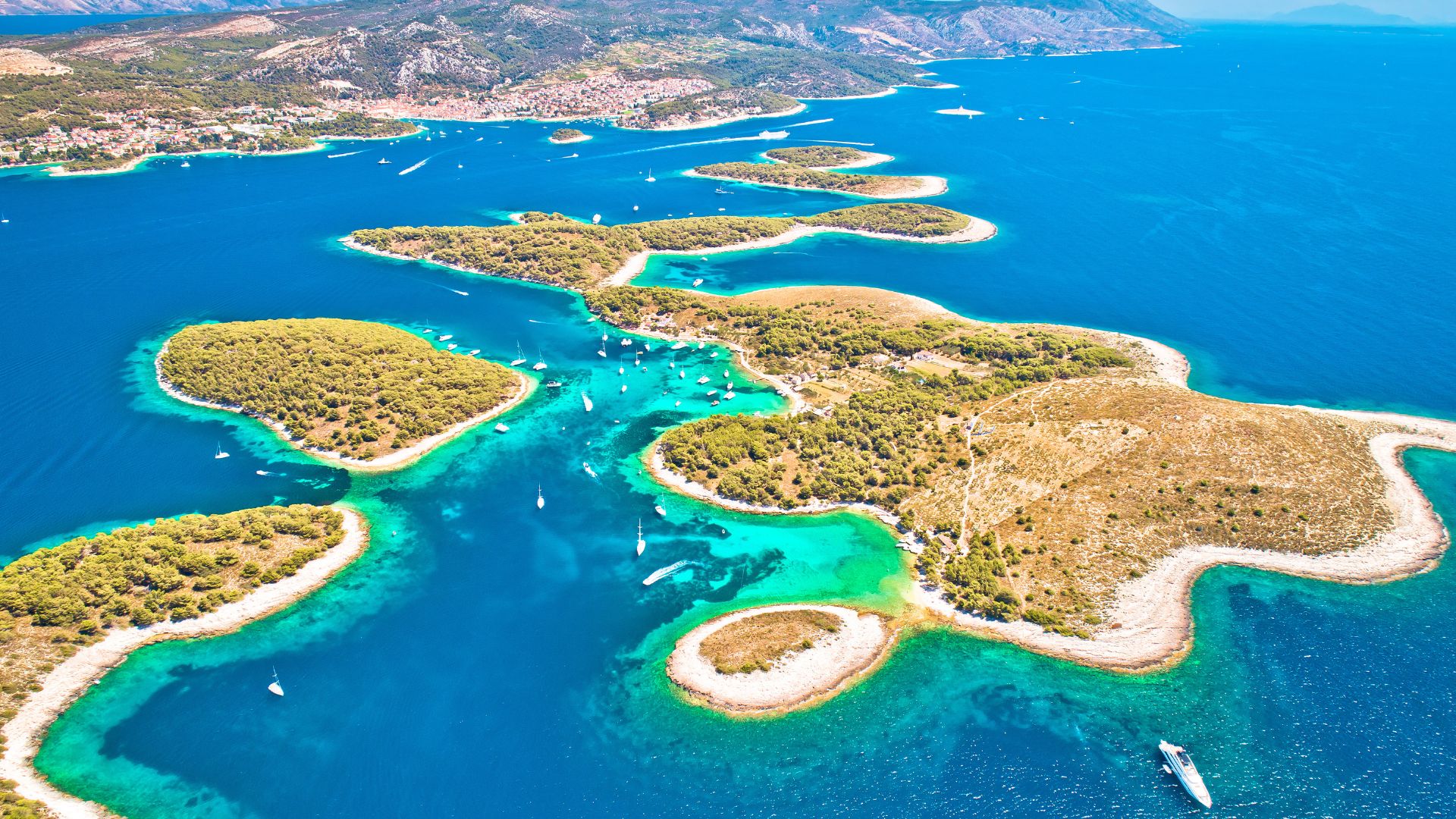
Elafiti Islands: Authentic Adriatic Life
Northwest of Dubrovnik, the Elafiti Islands give you a taste of traditional Croatian island culture. Only three have people living there year-round: Koločep, Lopud, and Šipan.
Koločep is the smallest, with fewer than 200 residents. Pine forests and sandy beaches make it feel peaceful—hard to believe it’s just 30 minutes from Dubrovnik.
Lopud is home to Šunj Beach, one of Croatia’s rare natural sand beaches. No cars here, so you’re either on foot or cycling.
Šipan is the biggest of the three. Rolling hills, olive groves, and stone villages that haven’t changed much in decades.
Ferries run regularly, so it’s easy to visit without feeling overrun by tourists. Life moves slowly here, and it’s a real contrast to the mainland bustle.
Vis Island: Unspoiled Charm and Crystal Seas
Vis Island stayed off-limits to tourists until 1989 because of its military past. That isolation preserved its authentic vibe and some of the cleanest nature I’ve seen.
The main towns, Vis and Komiža, still look and feel like old fishing villages. Stone houses line narrow streets, and the Mediterranean atmosphere is real.
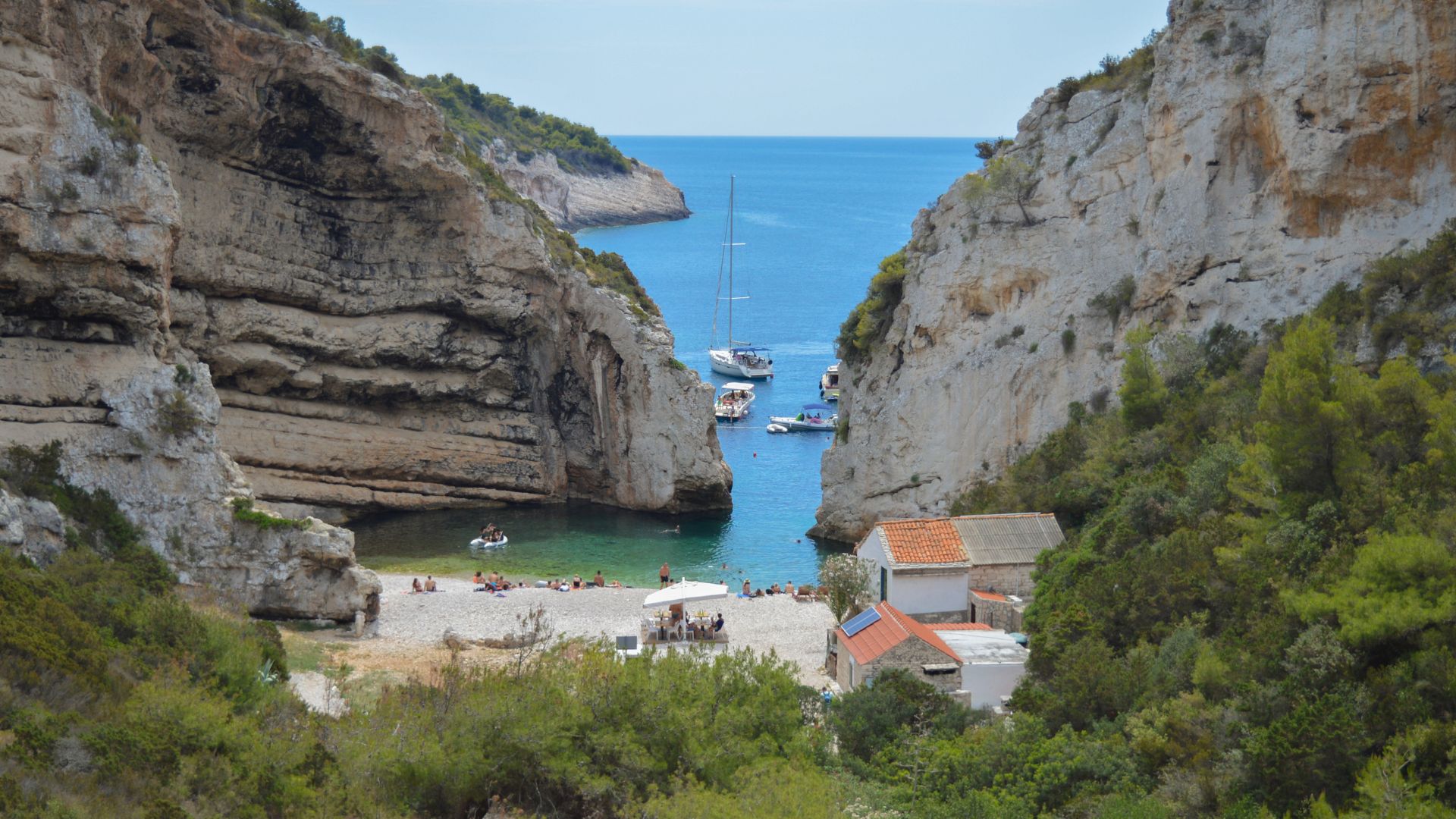
Stiniva Cove is Vis’s most famous beach, but it’s not easy to get to—only by foot or a little boat. Dramatic cliffs wrap around the pebble beach, creating a natural amphitheater.
The sea here is unbelievably clear. Fishermen still use old-school methods, and the lack of big hotels keeps the marine life thriving.
Nearby, Bisevo Island hides the Blue Cave. If you take a morning boat trip from Vis, you’ll catch the best light for those glowing blue waters.
Secret Inland Escapes and Mountain Retreats
Croatia’s interior feels like a step back in time. Up north, you’ll find medieval towns perched on hills, castles dotting the landscape, and cobblestone streets winding through vineyard country.
Motovun: Storybook Hilltop Town
Motovun sits perched on a hill in central Istria, surrounded by ancient stone walls from the 13th century. The views over the Mirna River valley are absolutely stunning.
Vineyards and truffle forests seem to stretch forever. Walking the narrow streets, I felt like I’d landed on a movie set.
The main square is lined with Gothic and Renaissance buildings, now home to small galleries and cafes. Motovun’s charm is hard to overstate.
What makes Motovun special:
- Walk the ancient city walls
- Hunt for truffles in nearby forests
- Taste Istrian wines at family vineyards
- Catch the summer film festival
The winding drive up to Motovun is an adventure by itself. I’d recommend coming early or late in the day for a quieter experience.
Hrvatsko Zagorje: Rolling Hills and Castles
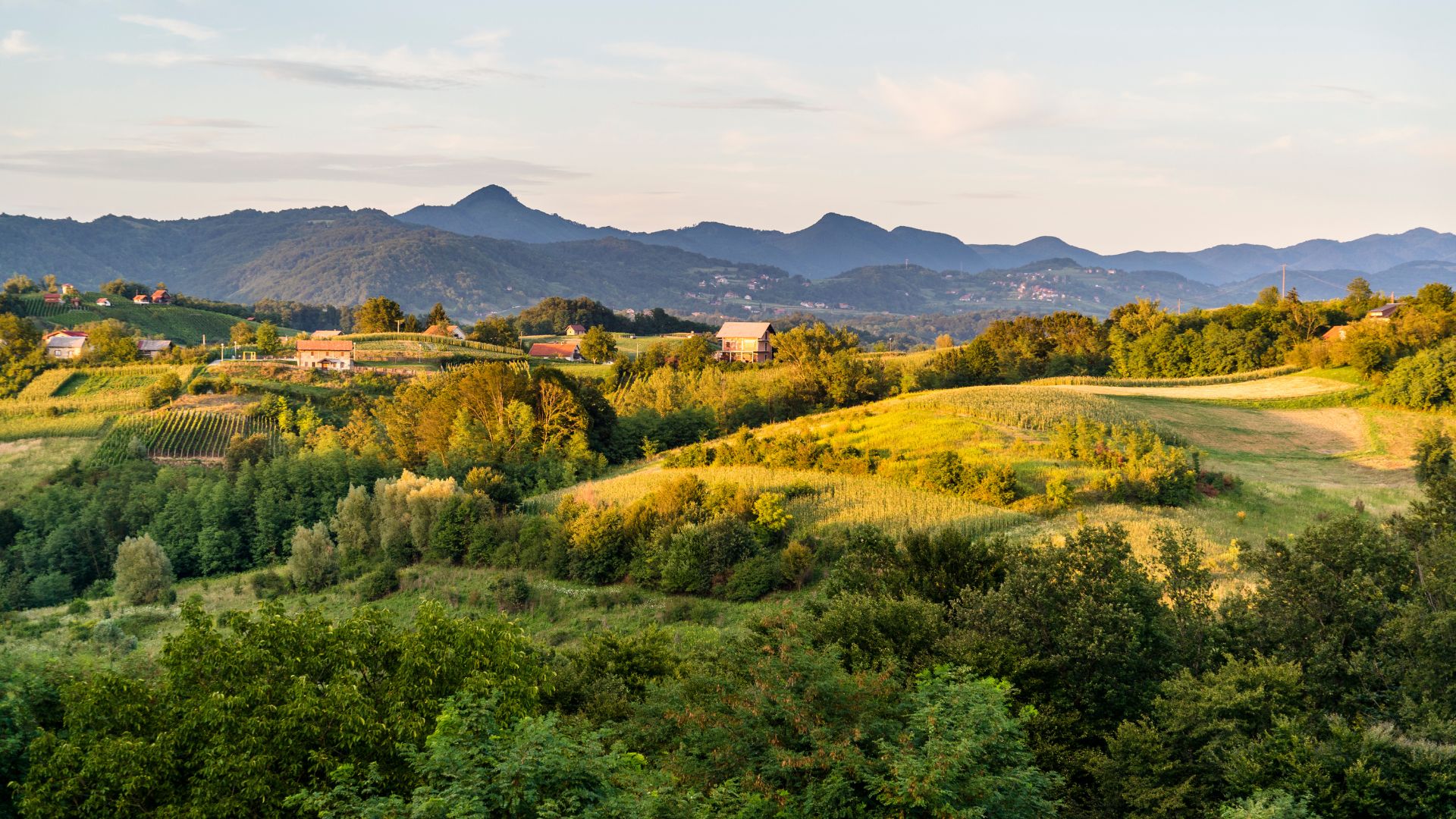
Hrvatsko Zagorje unfurls across northwestern Croatia like a green patchwork, dotted with castles. It’s just an hour north of Zagreb, but it feels like a different world.
Rolling hills covered in vineyards and cornfields stretch in every direction. Small villages pop up around every bend, each with its own baroque church.
The area’s famous for thermal springs and spa towns. Krapinske Toplice has drawn visitors since Roman times.
Key attractions in Hrvatsko Zagorje:
- More than 20 castles and manor houses
- Traditional wooden houses with steep roofs
- Local specialties like strukli (cheese pastry)
- Vineyard trails for cycling
Varaždin is the cultural center here. This baroque city was once Croatia’s capital and still hosts classical music concerts in beautiful old courtyards.
Trakošćan Castle: A Fairytale Fortress
Trakošćan Castle rises from the forest like something out of a fairy tale. Built in the 13th century, it’s one of Croatia’s most photogenic castles.
The castle sits by a small lake that reflects its towers perfectly. I walked the lake path in about half an hour, catching different views as I went.
Inside, the castle museum displays original furniture, weapons, and portraits from the noble families who lived here. Every room tells a different story about Croatian aristocracy.
Trakošćan highlights:
- Medieval architecture with 19th-century touches
- Museum with authentic period pieces
- Lake trail with castle views
- Park grounds for picnics
Autumn is especially magical here. The leaves turn gold, and morning fog sometimes rolls off the lake, giving the castle a mysterious vibe.
Off-the-Beaten-Path Coastal Towns
Along Croatia’s Dalmatian coast, some medieval towns hide in plain sight. These places offer UNESCO-protected architecture, dramatic mountain backdrops, and real local culture—minus the crowds of Split or Dubrovnik.
Omiš: Adventure Between Mountains and Sea
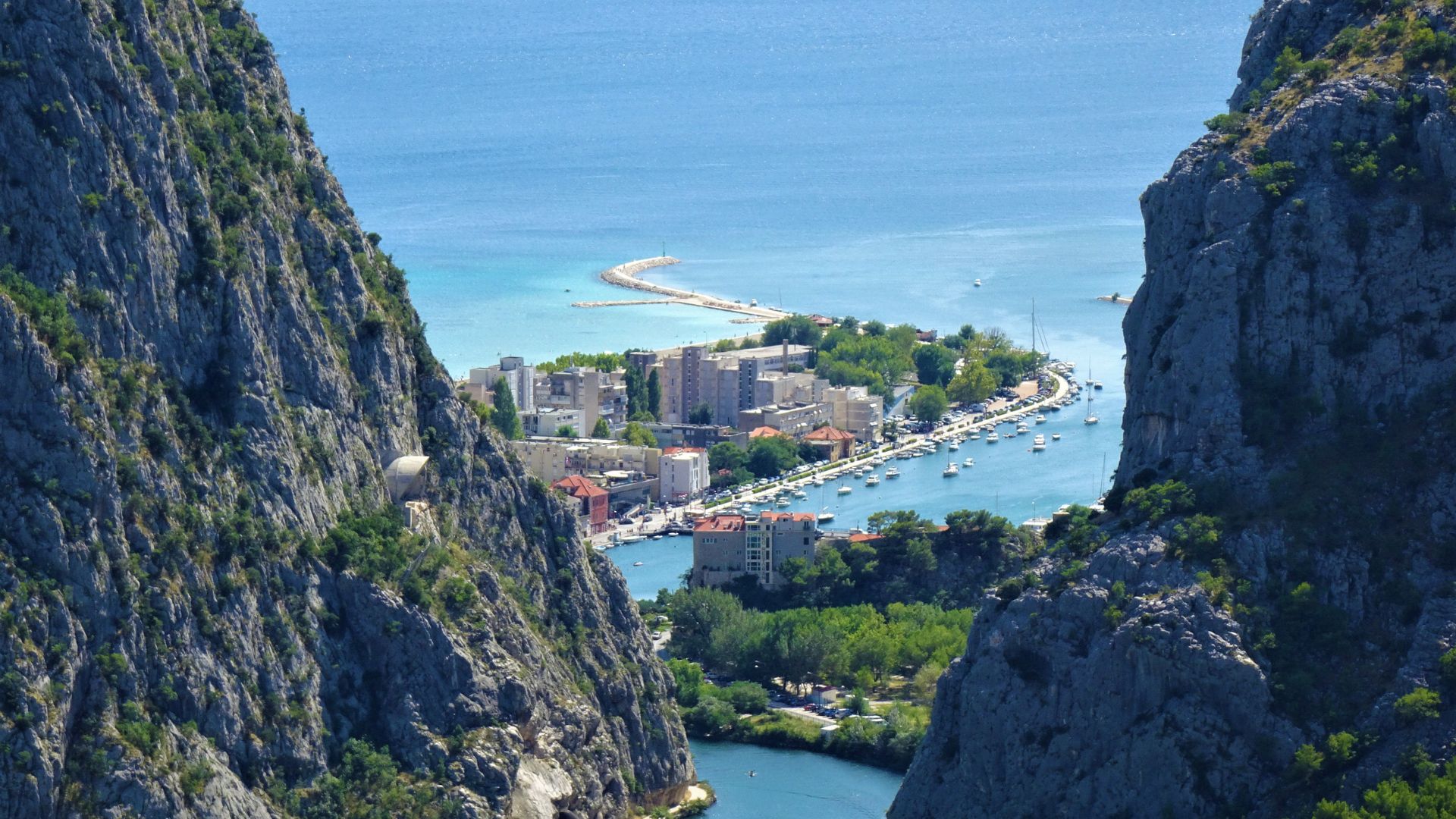
Omiš sits where the Cetina River meets the Adriatic Sea, and honestly, it’s one of the most dramatic settings I’ve seen. Towering cliffs rise above the town, once hiding medieval pirates.
What makes Omiš special:
- River rafting and zip-lining in Cetina Canyon
- Two medieval fortresses perched on the cliffs
- Sandy beaches close to the old town
- Traditional klapa singing in summer
Narrow stone streets wind through the old town, leading to little squares where you can grab fresh seafood without tourist prices. Fortica Fortress gives you sweeping views of the coastline and islands.
If you’re up for adventure, white-water rafting trips start just outside town. The Cetina River carves through canyons before spilling into the sea.
Šibenik: Medieval Heritage Beyond the Crowds
Šibenik is one of Dalmatia’s oldest cities, founded in the 11th century. I think it’s easily one of Croatia’s most underrated coastal spots.
The Cathedral of St. James is a UNESCO site, built entirely of stone—no mortar or wood. It’s a masterpiece from the 15th century.
Key attractions in Šibenik:
- Two huge fortresses above the old town
- Car-free historic center with marble streets
- Traditional konoba restaurants
- Quick access to Krka National Park
The city never saw the tourist boom, so you can still experience authentic coastal life. Local markets sell fresh produce and handmade crafts.
St. Michael’s Fortress hosts summer concerts with epic harbor views. The medieval streets curve uphill past stone houses that have stood for centuries.
Trogir: UNESCO-Protected Beauty
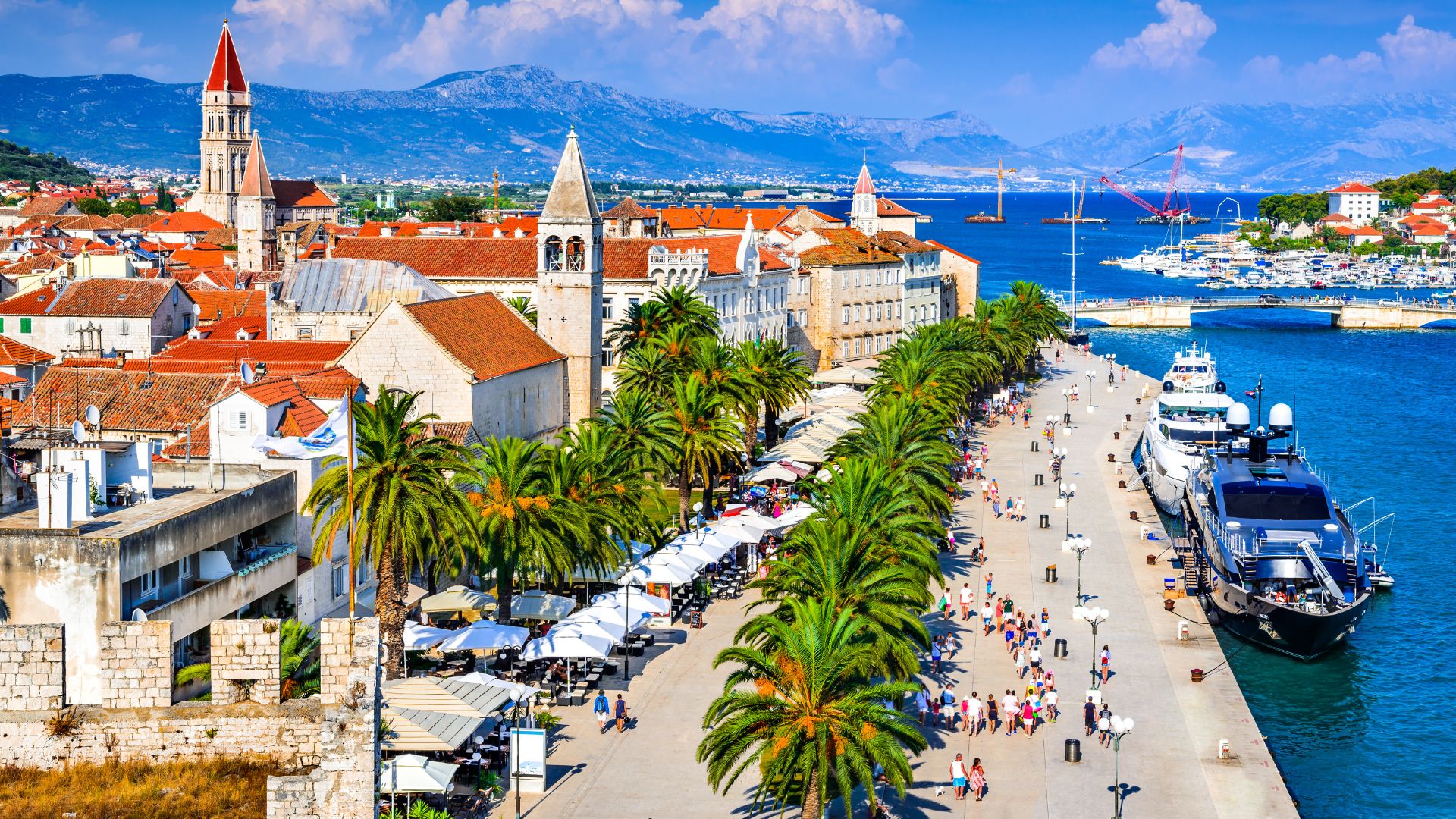
Trogir sits on a tiny island, linked by bridges to the mainland and Čiovo. This UNESCO World Heritage site is like a living museum of medieval architecture.
You can walk through 2,300 years of history in just a few blocks. Roman foundations, Venetian palaces, Gothic churches—it’s all here.
Trogir highlights:
- St. Lawrence Cathedral with its detailed stone portal
- Kamerlengo Fortress guarding the harbor
- Waterfront promenade full of cafes and restaurants
- Traditional stone buildings everywhere you look
Locals still live and work in the old town, and the fish market buzzes every morning. Small boats can take you to beaches on Čiovo in minutes, so you can swim in clear water right after exploring history.
Nature’s Hidden Wonders
Croatia’s inland gems are something else. Pristine waterfalls, mysterious caves, and rivers perfect for adventure. You get peaceful escapes from the coast and a glimpse of the country’s wild side.
Rastoke: Waterfall Village
Rastoke might be the most enchanting village I’ve ever stumbled upon. It sits where several rivers meet, creating dozens of waterfalls that weave between old wooden houses.
It honestly feels like a fairy tale. Stone and wood homes perch above rushing water, and historic watermills still turn, including the famous Stari Mlin in the middle of the village.
What makes Rastoke special:
- More than 20 waterfalls run through the village
- Centuries-old watermills
- Wooden walkways connecting everything
- Only 20 miles from Plitvice National Park
I found kayaking and fishing all over the area. Even in summer, the village stays quiet. Most tourists just drive by on their way to bigger attractions.
Baredine Cave: Underground Mysteries
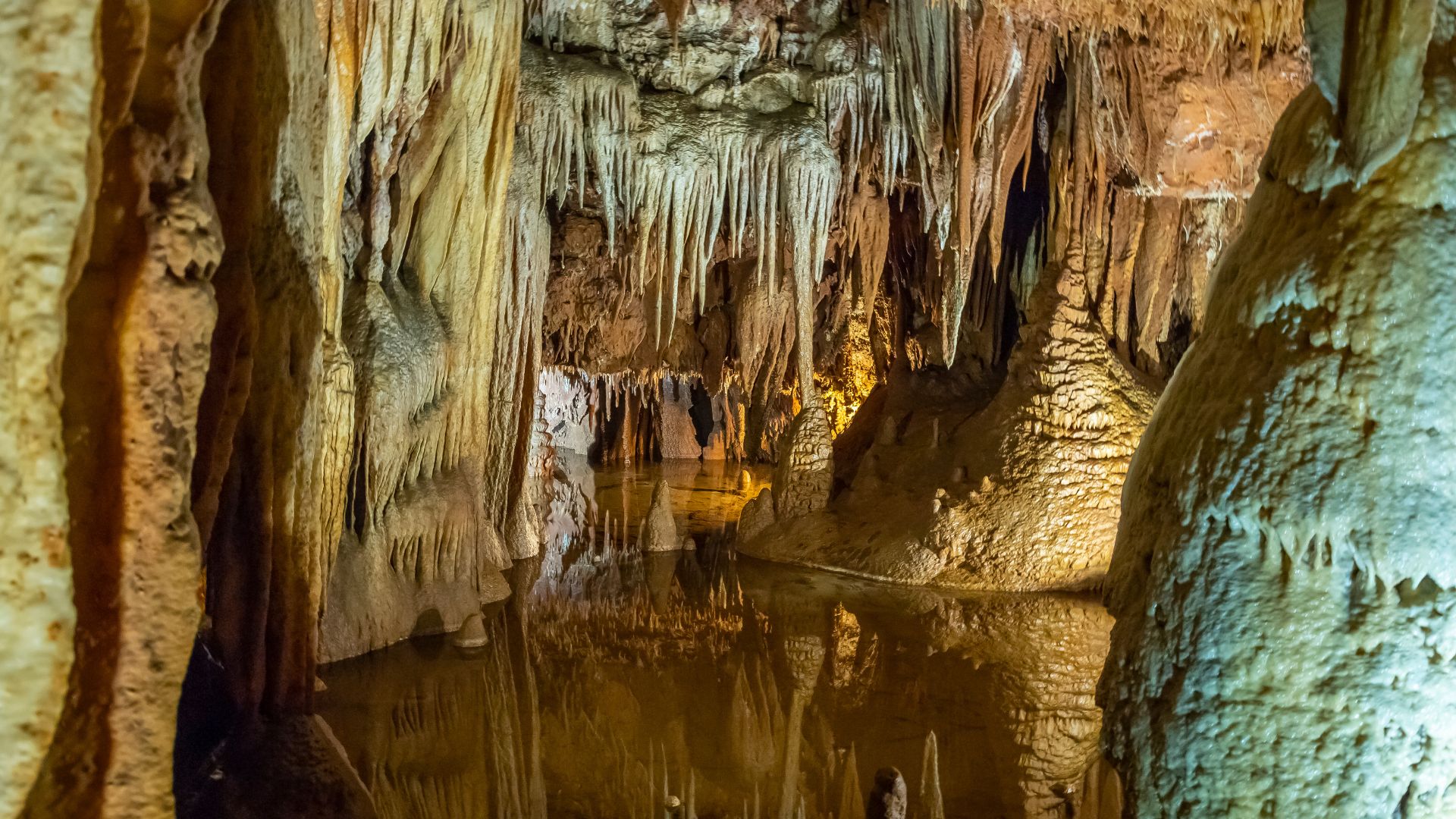
Baredine Cave in Istria opens up a whole underground world. Few visitors make it down here, but those who do find incredible rock formations and hidden lakes.
I wandered through five chambers filled with stalactites and stalagmites. The cave is always cool, no matter the weather outside.
Cave highlights:
- Depth: 132 feet underground
- Length: Over 300 feet of walkable passages
- Temperature: Steady 57°F year-round
- Unique sights: Underground sculptures and pools
Rare animals like the human fish live in these waters. Guided tours take about 40 minutes and share stories about the cave’s history and geology.
Krka National Park: Waterfalls and Serenity
Krka National Park covers 110 square kilometers of wilderness. The Krka River runs through it, creating seven spectacular waterfalls.
Unlike some parks, Krka lets you swim in certain spots. I spent hours at Skradinski Buk, the park’s most famous waterfall, cooling off in natural pools.
There’s more than just waterfalls here. Forest trails wind along the river, and old monasteries sit on tiny islands.
Park essentials:
- Main draw: Skradinski Buk waterfall
- Swimming: Allowed in marked areas
- Wildlife: Over 200 bird species
- History: 12th-century monastery on Visovac Island
Wooden walkways make it easy to explore. Boat trips connect different corners of the park, and you’ll find plenty of quiet spots to just take it all in.
Cetina River: Canyons and Adventure Sports
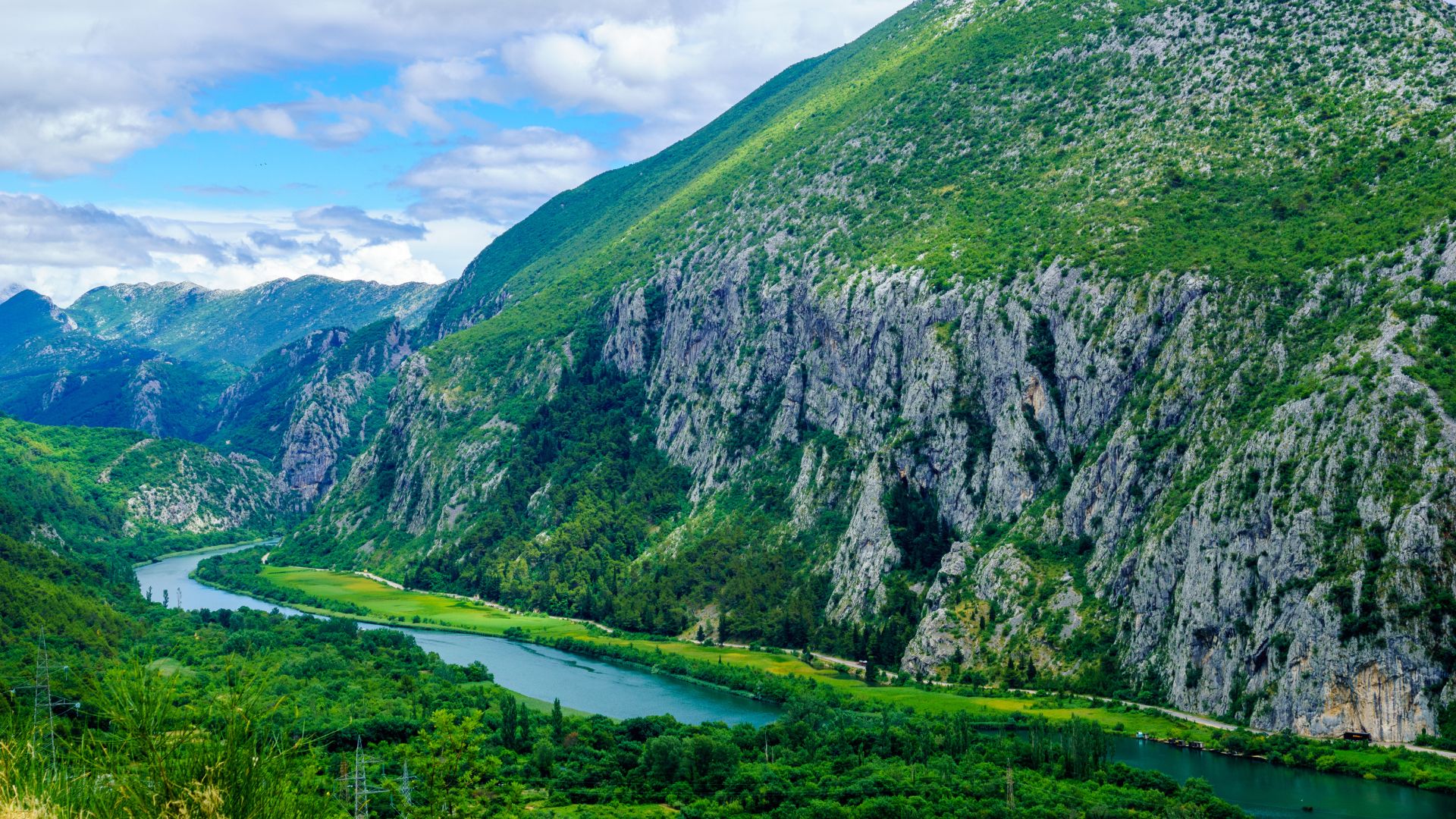
The Cetina River slices through jaw-dropping canyons before finally spilling into the Adriatic Sea. At 105 kilometers long, this river packs in some of Croatia’s wildest adventure sports.
I still remember white-water rafting through those canyon stretches—the water felt icy-cool even in the middle of a scorching summer. Some rafting trips are mellow, but others? They’ll get your heart pounding with real rapids.
Adventure activities you’ll find here:
- White-water rafting (Class II-III rapids)
- Canyoning and cliff jumping
- Zip-lining right over the gorges
- Kayaking in the gentler sections
The river sweeps past Omis, a town where the Cetina finally meets the sea. In places, canyon walls shoot up to 170 meters. Local guides and outfitters have all the gear you need, no matter your skill level.
Rock climbers love the routes along the canyon walls. It’s noticeably cooler here than down on the coast, so summer adventures stay refreshing.
Underrated Islands and Villages
If you want to escape the crowds, Croatia’s lesser-known spots deliver authentic experiences. These islands and villages keep traditional life and genuine local culture alive—something bigger destinations lost years ago.
Pag Island: Lunar Landscapes and Local Culture
Pag Island almost feels like you’ve landed on another planet. Its barren, moonlike landscape is a dream for anyone who loves photography.
Strong bura winds shaped this place, stripping away soil and leaving behind wild white stone formations. Against the deep blue sea, the contrast is unreal.
What makes Pag stand out:
- Famous Pag cheese from local sheep milk
- Lace-making workshops with centuries of tradition
- Salt production that goes way back
- Quiet, pristine beaches
Sheep graze on wild herbs here, which gives Pag cheese a flavor you won’t find anywhere else. If you’re curious, visit a family-run farm and watch them make cheese by hand.
Pag lace is a UNESCO treasure. In the old town, women still create these delicate pieces using techniques passed down for 500 years. Watching them work is mesmerizing.
Near Pag town, you’ll spot salt flats that are still in use today. Workers harvest salt just like their ancestors did, and the white pyramids look incredible at sunset.
Brac Island: Authentic Dalmatian Life
Brac Island gives you real Dalmatian culture—no party crowds, just tradition. Local families still fish and farm the old way, passing down knowledge through generations.
The island’s white stone is famous. Builders used it for Diocletian’s Palace in Split and even the White House in Washington. You can actually tour quarries and see stone carvers in action.
Don’t miss these on Brac:
- Olive oil tastings at family farms
- Hands-on stone carving workshops
- Cozy fishing village restaurants
- Hiking trails shaded by pine forests
Milna, a village on the west coast, stays peaceful even when the rest of Croatia buzzes with tourists. Fishermen bring in their catch every morning, and restaurants serve it fresh.
Inland, places like Nerežišća feel frozen in time. Old stone houses line the streets, and locals still speak in their own dialect. Vineyards dot the hills, and you might just get invited in for a glass.
Jelsa: Peaceful Haven on Hvar
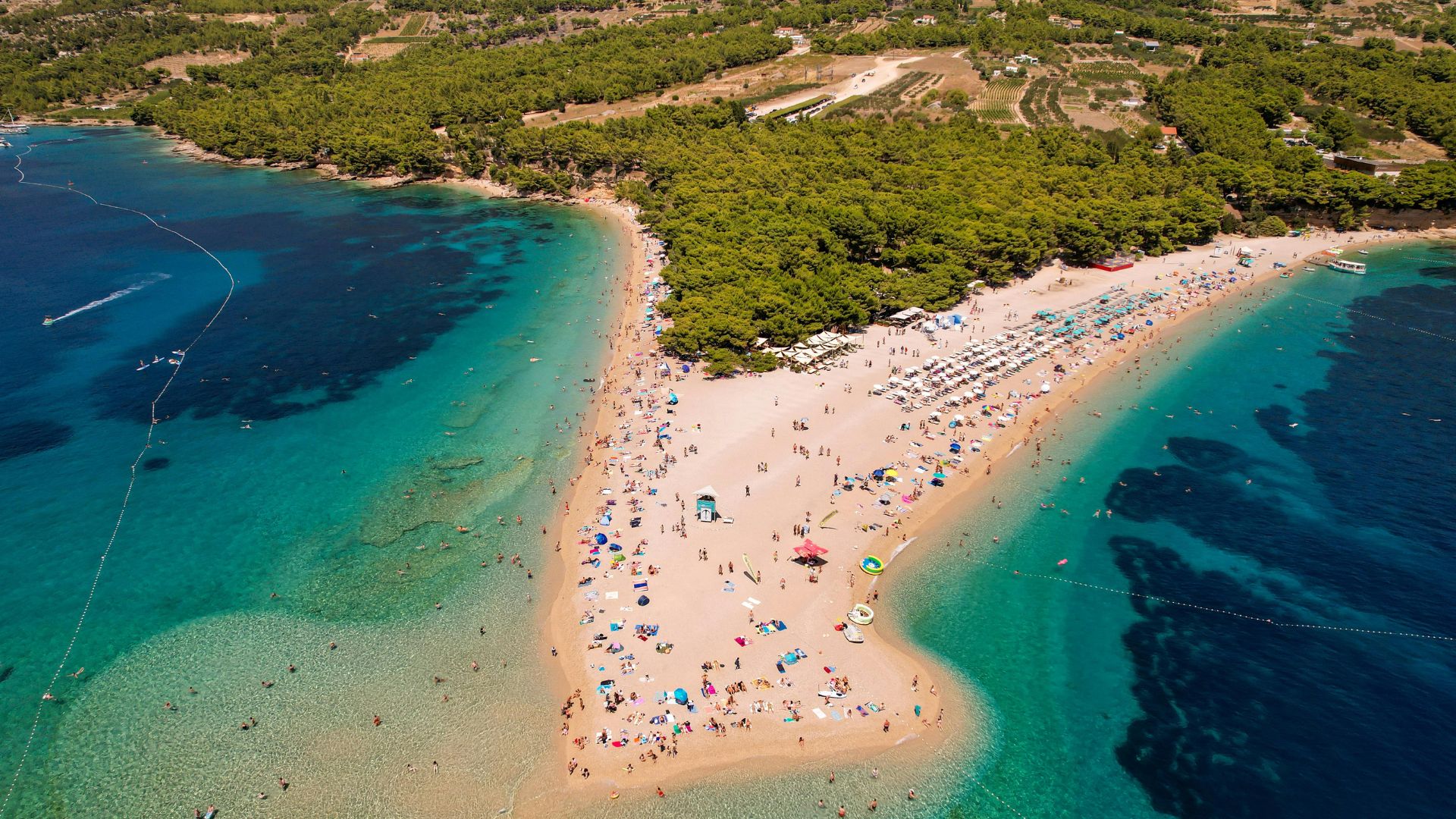
Jelsa sits quietly on Hvar’s northern shore. It’s got all the beauty of Hvar, minus the crowds and flashy yachts.
The harbor brims with fishing boats, not mega-yachts. Seafood is fresh and prices are fair. The vibe? Relaxed and genuinely local.
Pine forests wrap around the town, and trails lead to hidden beaches and lookout points. The water stays crystal clear since most tourists head elsewhere.
Jelsa highlights:
- Old-school fish markets
- Family-run wine cellars
- Pebble beaches with hardly anyone around
- 16th-century buildings
Most businesses are family-owned, and locals really care about keeping their traditions alive. If you respect their way of life, they’ll welcome you in.
Labin: Artistic Hilltop Village
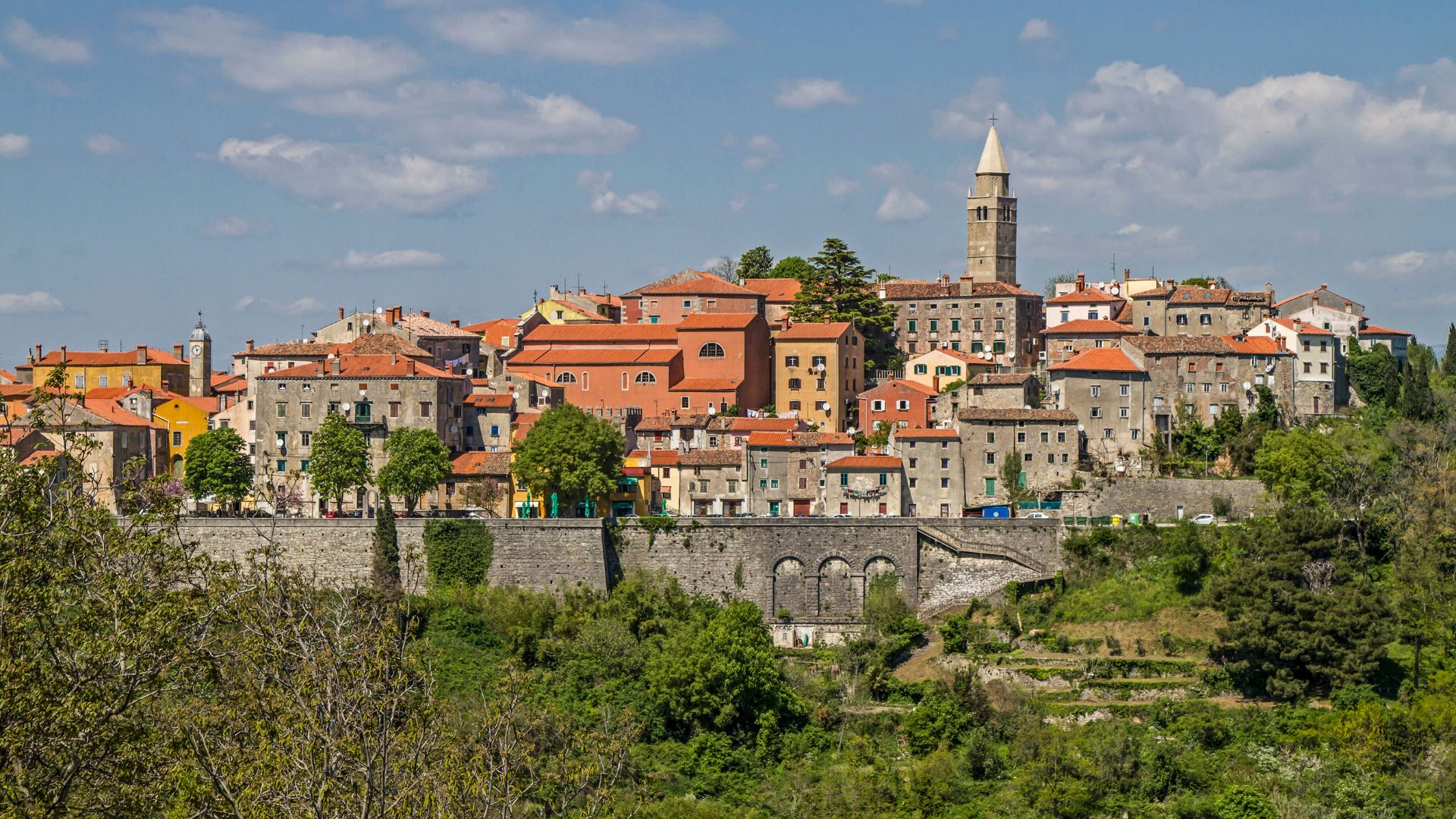
Labin, perched on a hill in Istria, has reinvented itself from a mining town into a creative hotspot. Artists and dreamers flock here for the calm and inspiration.
The old town sits 320 meters up, winding through medieval streets and colorful houses. Art galleries and studios fill former miners’ homes.
Labin’s creative pulse:
- Small, independent art galleries
- Sculpture parks scattered through town
- Lively music festivals
- Hands-on craft workshops
There’s a mining museum, too—complete with underground tunnels that show what life was like for miners. This gritty history gives Labin a soul that touristy places just don’t have.
Artists from all over Europe come for residencies, drawn by the views and affordable living. Their energy keeps the town buzzing with creativity.
Cultural Curiosities and Local Flavors
Croatia’s culture goes way beyond the beaches. You’ll find quirky attractions like a “drunk” railroad, hearty inland dishes, and museums that capture emotions in totally unexpected ways.
Pijana Pruga: The Drunk Railroad
One of my favorite discoveries? Pijana Pruga, or “The Drunk Railroad.” Locals gave it that name because the narrow-gauge tracks weave and zigzag like someone who’s had one too many.
The train links small towns and villages in rural Croatia. It rolls slowly through fields and forests, taking sharp turns and bends you wouldn’t expect. Locals use it for their daily commute, but travelers love the scenic ride.
What makes Pijana Pruga unique:
- Narrow tracks winding through untouched countryside
- Slow pace, so you can soak in the views
- Stops at villages most tourists skip
- Schedules that fit local life, not tourist timetables
Riding this train feels like stepping back in time. It’s not about speed—it’s about the journey and the stories you’ll pick up along the way.
Croatian Cuisine Beyond the Coast
Move inland and you’ll find a whole new side to Croatian food. Slavonia, out east, serves up hearty comfort food with Central European roots, not Mediterranean.
Traditional Slavonian dishes:
- Čobanac – spicy meat stew with several kinds of meat
- Kulen – paprika-rich sausage aged for months
- Štrukli – cheese-filled pastry from Zagorje
- Fish paprikaš – Danube river fish stew
Over in Istria’s Mirna River region, truffles are a big deal. Restaurants serve truffle pasta, cheese, and oils that honestly rival what you’ll find in Italy or France.
Traveling inland, I noticed the flavors shift. Paprika replaces olive oil, and pork and beef become the stars instead of seafood. Hearty stews take the place of light salads.
Local markets burst with homemade rakija (fruit brandy), fresh cheeses, and cured meats. These ingredients come together in warming dishes perfect for cold winters, proving that geography shapes every bite you take.
Museum of Broken Relationships in Zagreb
Zagreb has this quirky gem tucked away—the Museum of Broken Relationships. It’s not your average museum, that’s for sure.
Inside, you’ll find personal objects people left behind after breakups. Each one comes with a short, heartfelt story from the person who donated it.
A pair of Croatian artists kicked off the whole idea after their own breakup. They started by asking friends and strangers for objects, and soon, people from all over the world sent in their mementos.
Now, the collection’s pretty wild. You’ll spot a wedding dress that never made it to the aisle.
There are love letters in all sorts of languages. Some displays feature ordinary things—a toaster, a shoe, a faded photograph—that meant everything to someone.
Some items come from relationships that lasted a lifetime; others, just a weekend fling.
Walking through, I felt a weird mix of heartbreak and hope. The stories are raw and real, sometimes hilarious, sometimes a little gut-wrenching.
You realize love and loss connect us, no matter where we’re from. The honesty in those little notes sticks with you.
The museum’s snagged awards for being so creative and out-of-the-box. Honestly, you won’t find anything quite like it anywhere else in Europe.
People linger for hours, soaking in the stories and maybe even thinking about their own love lives. If you’re ever in Zagreb, this is one spot you shouldn’t skip.