Last week, I landed in the charming town of Sulmona, tucked away in Italy’s Abruzzo region. Here, I stumbled into the fascinating world of confetti—not the paper stuff, but the sugar-coated almonds that locals have crafted for centuries.
Artisans in Sulmona have kept the traditional process alive, combining Avola almonds and layers of sugar to make these treats central to Italian celebrations. The moment I walked into the historic factory, the smell of sugar and almonds just took me somewhere else.
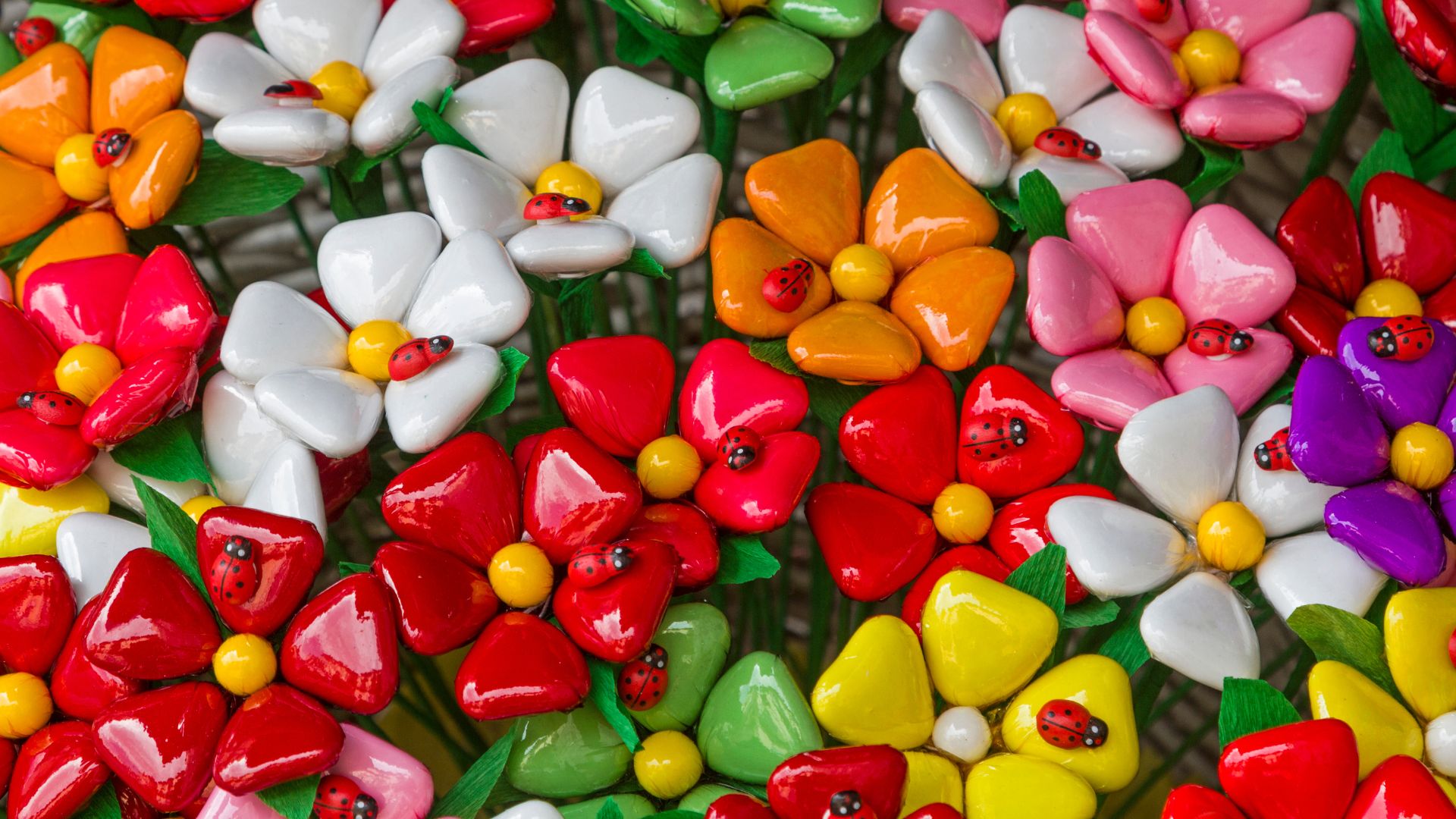
As I wandered through the production area, I watched skilled artisans turn simple ingredients into colorful art. These candies aren’t just sweets—they’re symbols of Italian culture, often wrapped in bright paper and shaped into flowers or intricate displays.
What blew my mind was how each confetto goes through multiple stages of sugar coating, with someone watching the temperature and timing every step of the way. I got to try the process myself, with results that, well, let’s just say they were mixed.
Getting my hands sticky making confetti in Sulmona connected me to traditions that go back generations. The town’s ancient streets and history already charmed me, but learning this craft opened a window into Abruzzo’s heart.
The patience required for each sugar layer made me realize how much effort goes into Italy’s beloved traditions. Some things, it turns out, are worth the time.
Discovering Sulmona: The Home of Sugar-Coated Almonds
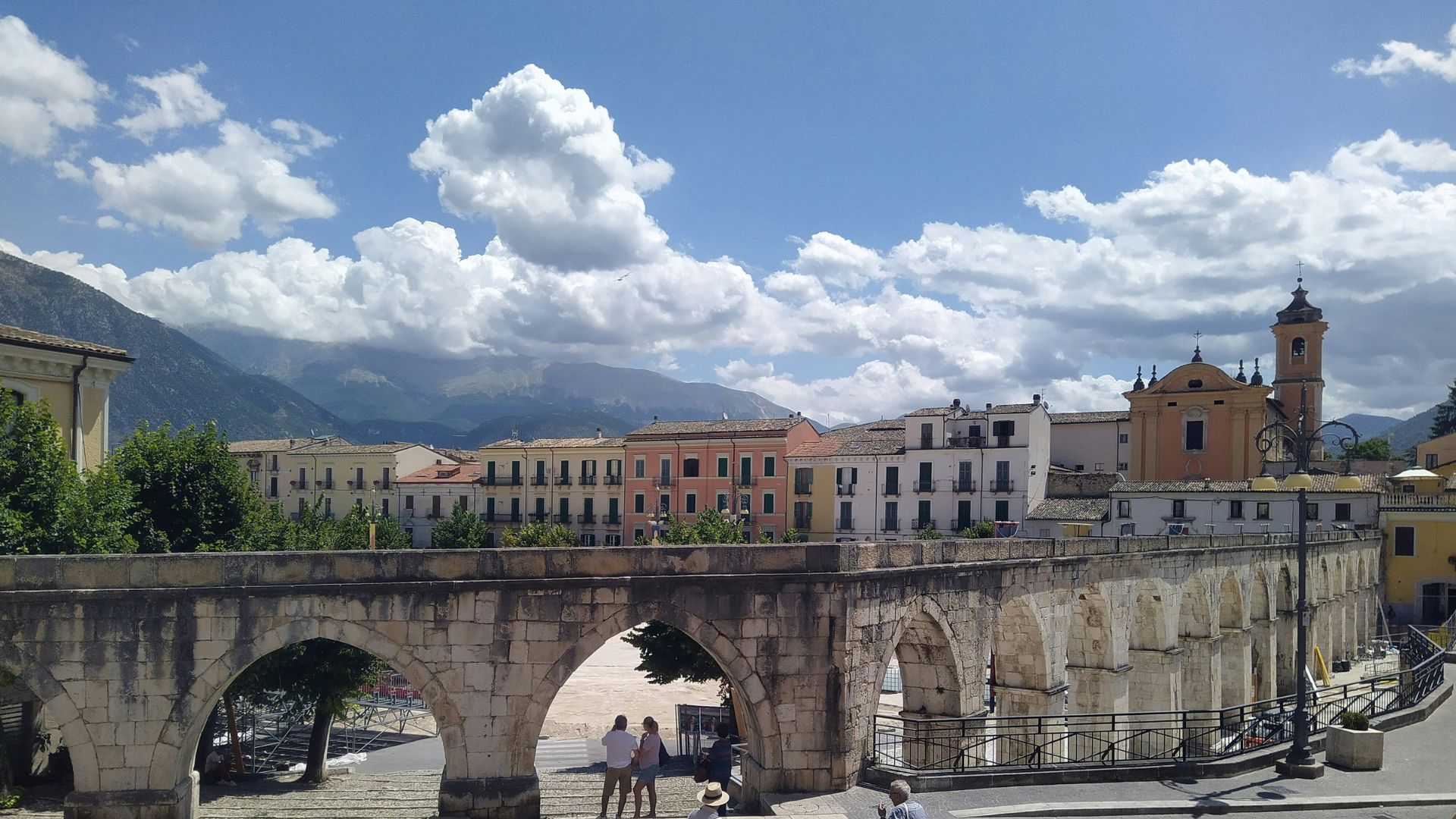
Right in the center of Abruzzo, Sulmona drew me in with its rich history and sweet traditions. This Italian town is famous for its confetti—those colorful sugar-coated almonds crafted since medieval times.
A Brief History of Sulmona
Sulmona’s roots reach back to ancient Roman days. As I wandered its old center, I could almost feel the layers of history under my feet.
The town proudly claims Ovid, the famous Roman poet, as a native son. During the Middle Ages, Sulmona started developing its signature craft—the art of confetti making.
I found out that local convents were among the first to perfect these sweets, making them for nobility and religious events. The Renaissance brought more prosperity, and confectioneries popped up everywhere.
Some factories still use techniques that haven’t really changed for hundreds of years. They keep this delicious tradition alive.
Cultural Importance of Confetti
In Italy, confetti are more than candy. They’re symbols packed with meaning.
Different colors mark different life events: white for weddings, blue or pink for births, red for graduations, silver for 25th anniversaries. I loved seeing how these almonds get arranged into decorative flowers and fancy designs.
Wrapped in tulle or paper, they become beautiful gifts for special moments. Italians give confetti to share sweetness and good luck.
Usually, people arrange an odd number of pieces (five or seven) to symbolize unity. I watched locals carefully pick out confetti for family celebrations.

Why Sulmona Became Renowned for Confetti
Sulmona’s spot in Abruzzo helped make it a confetti capital. The region grows top-notch almonds, and old trading routes brought sugar, once a real luxury, right to the town.
Artisans in Sulmona developed their way of coating almonds with sugar, layer by layer. This process takes patience and precision, balancing the bitter almond with a sweet shell.
I stood there, just watching as craftspeople added each layer, letting it dry before moving on. Sulmona’s factories built a reputation for quality and artistry.
Some workshops have been around for generations, still making confetti by hand. Families pass down their secret recipes and tricks.
The bright colors and creative displays set Sulmona’s confetti apart. These treats now travel all over the world for special occasions.
Inside Sulmona’s Historic Confetti Factory
Stepping into Sulmona’s confetti factory felt like traveling back in time. The air was thick with the scent of sugar and almonds.
I wandered through rooms where old traditions meet modern methods. It was a mix you don’t see every day.
Meeting the Master Artisans
Mario, a third-generation confetti maker, greeted me at the door. His family has worked in Sulmona’s candy world for over 80 years.
His hands, weathered from decades of work, moved with such practiced ease as he showed me how to pick the best almonds. “The best confetti starts with the best ingredients,” he told me, sifting through a handful of nuts.
Mario introduced me to his team of six artisans. Each one had a specialty.
Anna, who’s been at this for 40 years, could tell by the sound alone when the sugar layer was just right. I watched them work in perfect sync, their movements smooth and unhurried.
They answered all my questions, clearly proud of their heritage and skills. I felt lucky to get a peek behind the scenes of such a classic Italian tradition.
Traditional Techniques and Modern Innovations
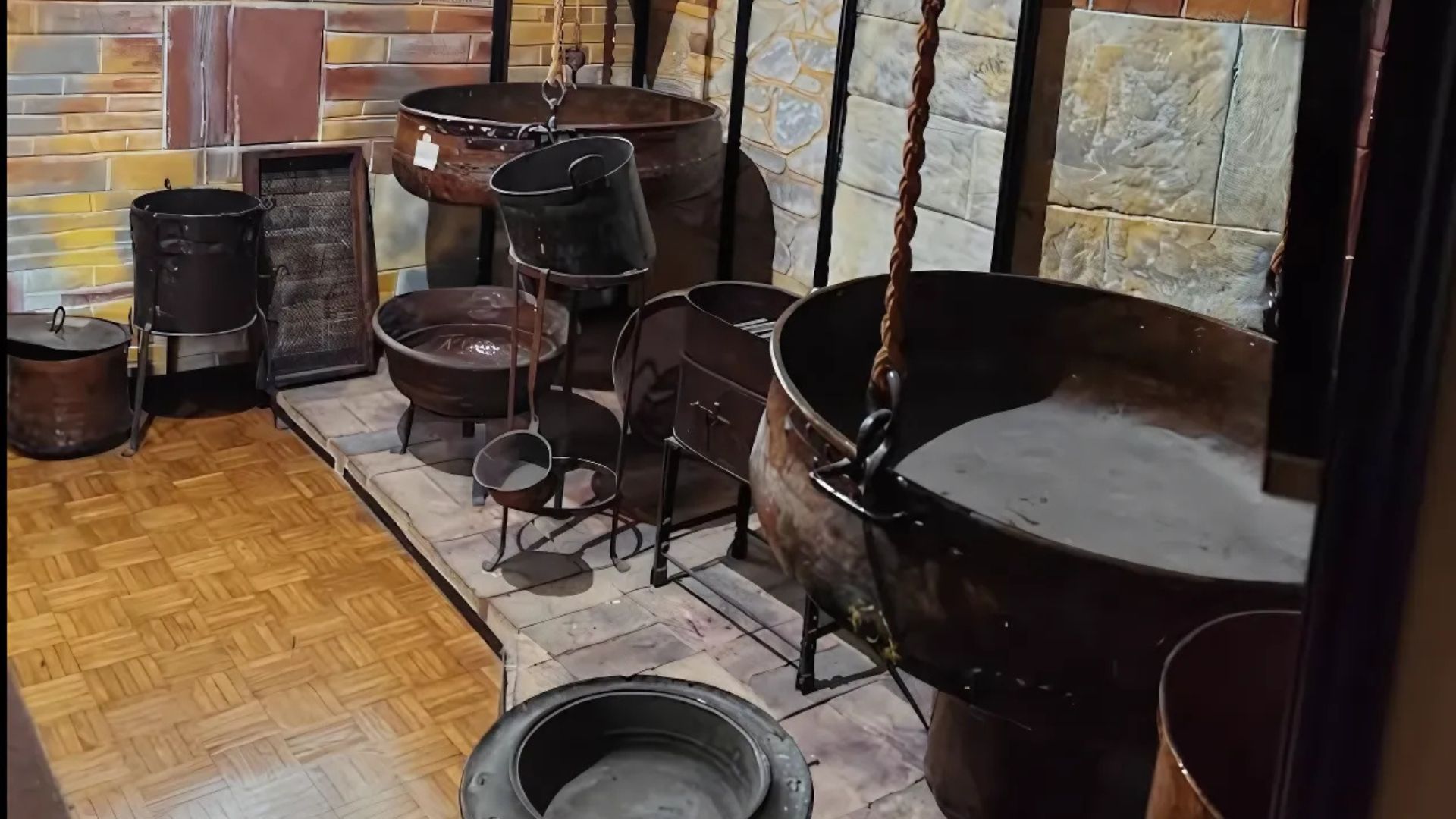
The basics of making confetti haven’t changed. Workers still ladle sugar water onto almonds as they spin in copper basins—a hypnotic sight, honestly.
“We use the same techniques my grandfather taught my father,” Mario said, showing me some old tools still in use. But the factory isn’t stuck in the past.
I noticed temperature-controlled rooms and modern equipment keeping humidity in check. This helps keep the quality high without losing the old-school touch.
What caught me off guard was the variety. The factory now makes confetti with chocolate centers, cinnamon sticks, and even coffee beans.
These colorful treats aren’t just for weddings anymore. People use different colors and flavors for baptisms, graduations, anniversaries—you name it.
Touring the Factory: Sights, Sounds, and Aromas
The tour kicked off in the almond prep area. Workers sorted and roasted the nuts with care.
The soft clicking of almonds tumbling in copper basins echoed through the place. It was oddly soothing.
Watching the sugar-coating process was the highlight for me. Layer by layer, the almonds turned into shiny candies.
This takes days, since each layer has to dry before the next one goes on. “Close your eyes and breathe in,” Mario suggested.
The warm, sweet scent of vanilla and sugar was almost overwhelming. In the packaging room, workers arranged confetti into flowers and wreaths.
These handmade creations, wrapped in bright tulle, are a true Italian art form. My tour wrapped up at the factory store, where I got to see—and buy—a rainbow of confetti.
I couldn’t resist grabbing a few bags to bring home. Edible souvenirs are the best kind, right?

Step-by-Step: Learning to Make Sugar-Coated Almonds
Making sugar-coated almonds in Sulmona is an art—one that mixes precision, patience, and old-school techniques. I got lucky and learned this craft firsthand during my visit.
Selecting the Finest Ingredients
The lesson started with picking out the perfect almonds. The master confectioner explained that only the best Sicilian almonds cut real Sulmona confetti.
She showed me how to spot almonds of the right size and shape. “The foundation of perfect confetti starts here,” she said, demonstrating her method.
The sugar needs to be ultrafine and pure. Traditional recipes stick to basics: almonds, sugar, water, and sometimes a little vanilla or cinnamon.
No artificial stuff allowed in authentic Sulmona confetti. I learned to weigh each ingredient carefully.
The sugar-to-almond ratio matters for flavor and texture. These proportions have stayed the same for centuries.

The Classic Sugar Coating Process
The real magic happens in big spinning copper pans called bassine. These bowls spin nonstop while sugar syrup gets poured over the almonds.
First, they warm up the almonds in the pan. Then comes the mesmerizing part—pouring thin streams of syrup as the pan turns.
This is how the delicate sugar layers form. “Patience is essential,” my instructor said.
Each layer needs to dry before you add the next. For premium confetti, you might repeat this 7-10 times.
Between each layer, warm air dries the sugar. I took a turn spinning the pan, feeling the almonds get heavier with each new shell.
Decorating and Finishing Touches
The last stage is where the plain sugar-coated almonds become colorful confetti. Traditional Sulmona confetti comes in shades with special meanings:
- White: Weddings and religious events
- Pink/Blue: Baby celebrations
- Red: Graduations
- Green: Engagements
I mixed natural coloring with a final sugar solution. The master confectioner showed me how to coat the spinning almonds evenly.
After drying, we arranged the confetti into decorative flowers. This creative step is what makes Sulmona confetti unique.
I carefully twisted colored tissue paper around small groups of confetti to make petals. “Every confetti flower tells a story,” my guide said as we crafted traditional arrangements.

Local Flavors and Culinary Traditions of Abruzzo
Abruzzo’s food reflects the region’s rustic roots. Dishes celebrate simple, top-quality ingredients.
While in Sulmona, I realized how closely the famous sugar-coated almonds connect to Abruzzo’s broader food culture.
Pairing Sugar-Coated Almonds with Regional Delicacies
Sulmona’s confetti isn’t just for snacking—it often gets paired with local specialties. I learned that people sometimes serve these sweets with Centerbe, a strong herbal liqueur from Abruzzo that balances the sugary almonds.
Many families keep a dish of confetti next to homemade Montepulciano d’Abruzzo wine during parties. The combo offers a flavor contrast that’s surprisingly good.
At Sulmona’s cafés, I spotted folks enjoying these almonds with a strong espresso in the afternoon. It felt like a perfect pick-me-up, and honestly, I wish I’d thought of it sooner.
Must-Try Abruzzo Specialties Beyond Sweets
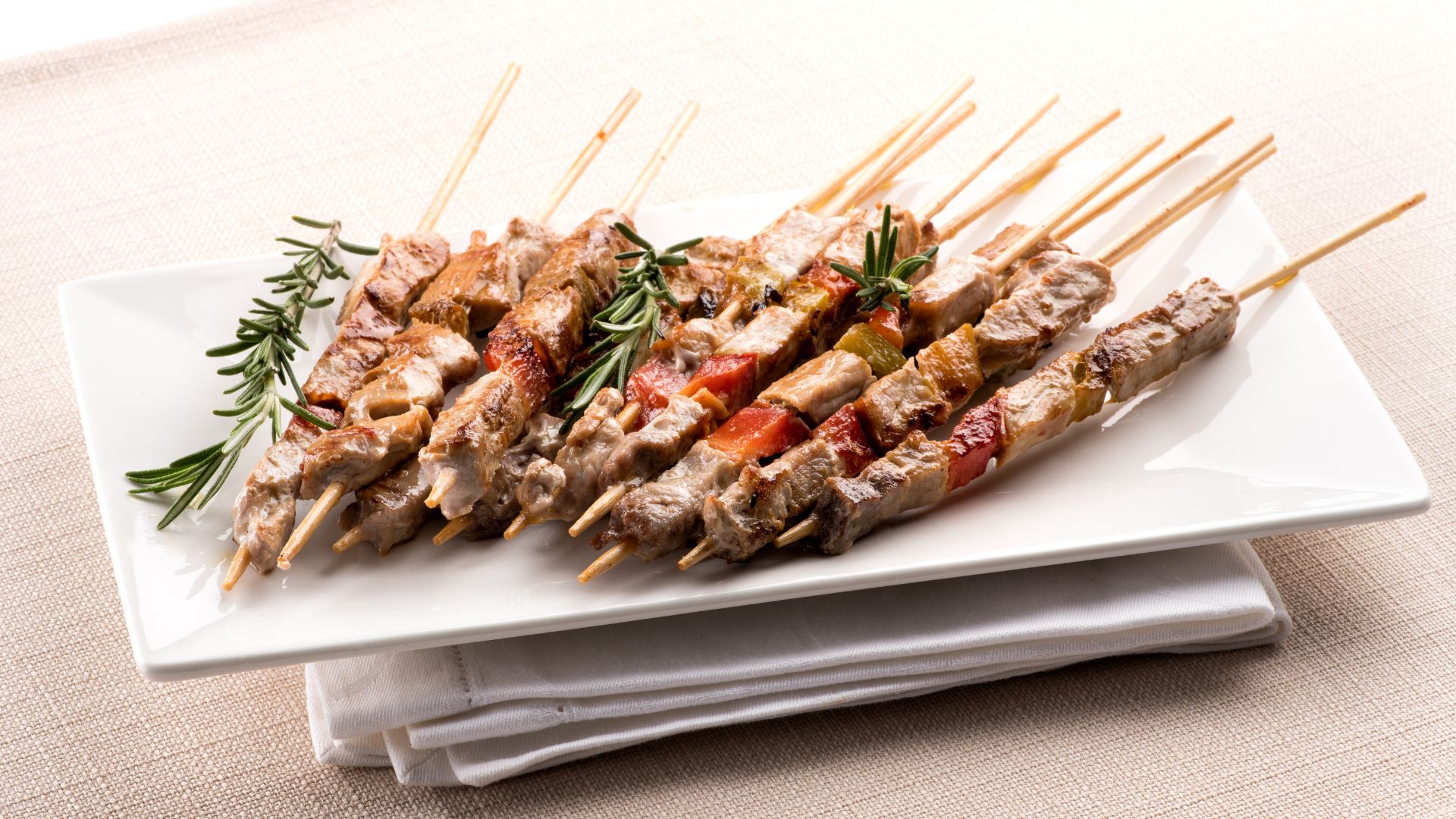
Abruzzo’s food scene goes way beyond candy. The region’s most iconic dish is arrosticini—grilled lamb skewers that I couldn’t stop eating.
These simple, flavorful bites highlight the area’s shepherding traditions. In Scanno, a mountain town not far from Sulmona, I tried pan dell’orso (bear bread), a sweet pastry filled with local honey and almonds.
It tasted like a nod to the region’s forests.
Regional pasta specialties to try:
- Maccheroni alla chitarra (square-cut pasta made on a special wooden tool)
- Sagne e fagioli (pasta with beans in rich broth)
- Pallotte cacio e ova (cheese and egg balls in tomato sauce)
Abruzzo’s mountains produce excellent cheeses like pecorino and ricotta. These often show up in rustic dishes that, honestly, haven’t changed much in generations, just like Sulmona’s confetti.
Exploring the Surroundings: Day Trips from Sulmona
While staying in Sulmona, I found it made the perfect base for exploring Abruzzo’s wild beauty. The area is full of stunning landscapes and charming old villages.
The Scenic Beauty of Gran Sasso
Gran Sasso National Park blew me away with its towering peaks and diverse wildlife. It’s just a 90-minute drive from Sulmona.
Corno Grande, the highest peak in the Apennines, rises to 2,912 meters. I spent a whole day hiking well-marked trails through alpine meadows.
The wildflowers and sweeping views were unforgettable. Wildlife watching became an unexpected highlight.
I spotted chamois and golden eagles. In summer, the park offers guided nature walks—I’d recommend those.
Mountain villages dot the park, and they’re perfect for sampling Abruzzese food. I devoured a bowl of pasta alla chitarra in a cozy trattoria.

A Journey to the Medieval Village of Scanno
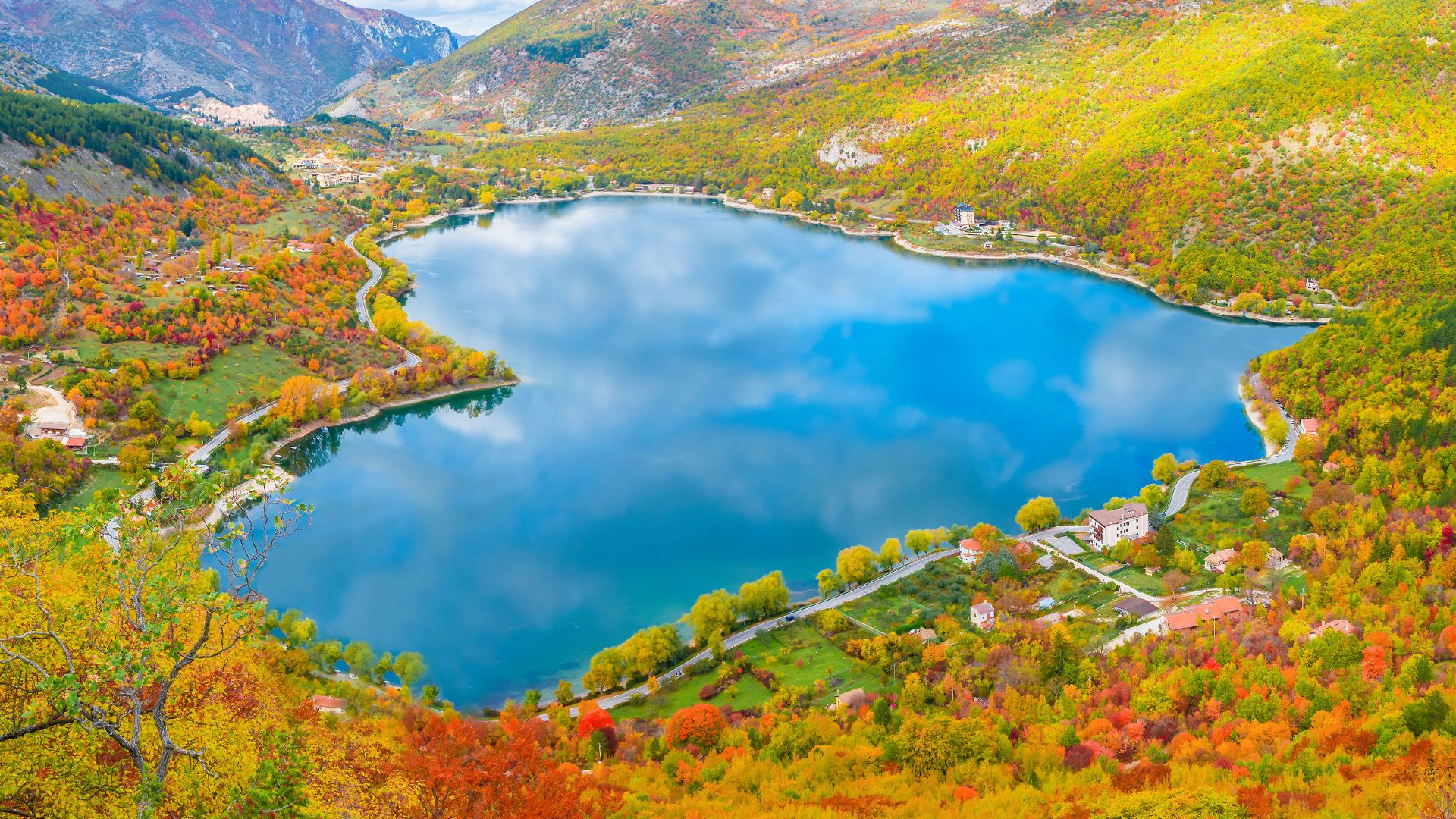
Scanno charmed me right away with its stone alleys and timeless vibe. It’s about 40 minutes from Sulmona, sitting beside the heart-shaped Lake Scanno.
The drive there was half the fun, taking me through the dramatic Sagittario Gorge. I stopped at a few viewpoints for photos—couldn’t resist.
Wandering Scanno’s narrow streets, I found:
- Gorgeous Baroque churches
- Artisan jewelry shops with the traditional “presentosa” heart pendant
- Elderly women in classic costumes, still practicing old needlework
The village stands out for its unique architecture and photogenic corners. Henri Cartier-Bresson shot iconic photos here in the 1950s.
I get why—every turn had its magic. Lake Scanno offered a refreshing swim after my walk, its clear waters framed by mountains.
Honestly, it was the perfect way to end the day.