
Walking through the ancient streets of Venosa in southern Italy, you can’t help but feel like you’re stepping through layers of history with every step. This small town once marked the border between Lucania and Apulia, and you can really see how civilizations stacked their stories here.
Romans saw Venosa’s value for controlling southern Italy and made it a key outpost. Later, other cultures came along and added their own architectural marks right on top of those Roman foundations.
I stumbled onto this historical palimpsest last summer, wandering the town’s narrow streets. What really grabbed me was seeing a fifth-century church built straight on top of a second-century Roman mithraeum.
These layers tell stories of conquest, adaptation, and cultural blending that you just don’t find everywhere. Venosa feels different from other Italian destinations.
The architecture here lets you see how Romans and Normans recycled and reimagined spaces for their own needs. Unlike the tourist-packed sites you get elsewhere, Venosa gives you a much more personal look at southern Italy’s tangled past.
You can actually trace the footsteps of emperors, saints, and regular folks who shaped this crossroads of Mediterranean civilization.
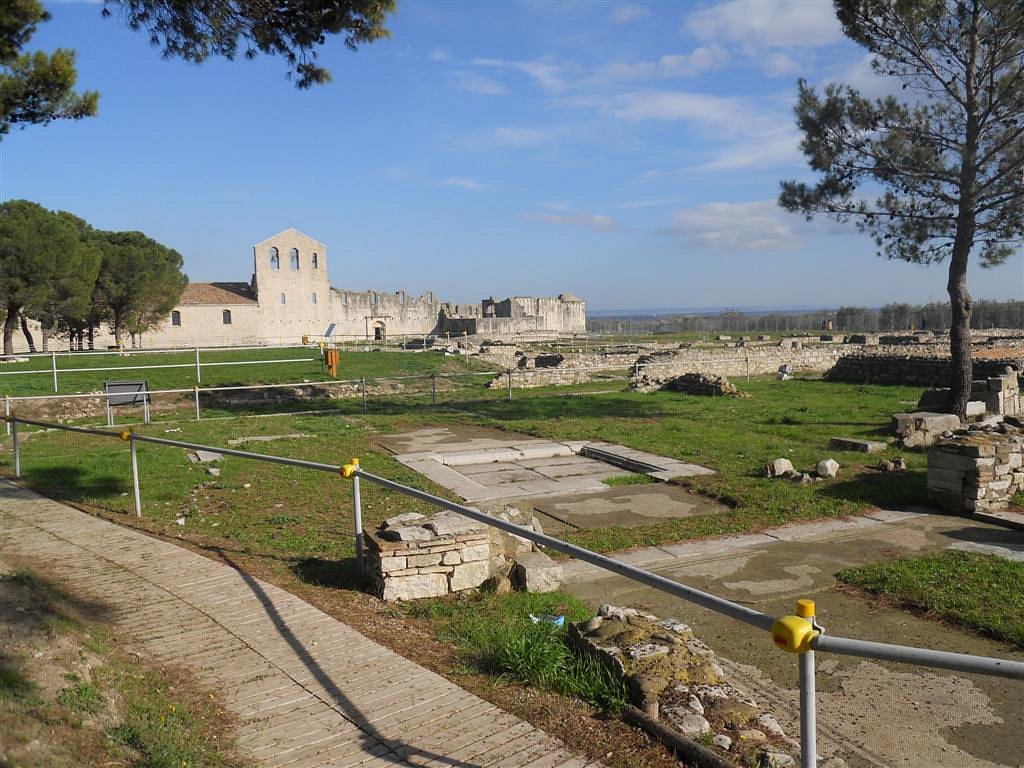
Unearthing Layers: Venosa’s Ancient Past
Walking through Venosa, I feel like I’m traveling through time itself. The stones underfoot have seen civilizations rise and fall, each leaving a mark on this strategic southern Italian town.
From Greeks to Romans
I started digging into Venosa’s ancient past with its earliest recorded settlers. Greeks from Syracuse arrived around the 4th century BCE, though their settlement was pretty modest compared to other colonies.
What really interested me was how these early Greeks saw Venosa as a crucial crossroads. They figured out its strategic value long before the Romans showed up.
I spotted some Greek influence in a few architectural fragments at the local archaeological museum.
The shift from Greek to Roman control didn’t happen overnight. It evolved through alliances and slow integration. When I stood among the ruins, I almost imagined ancient Greek voices fading into Latin as the culture changed.
Roman Expansion in Venosa
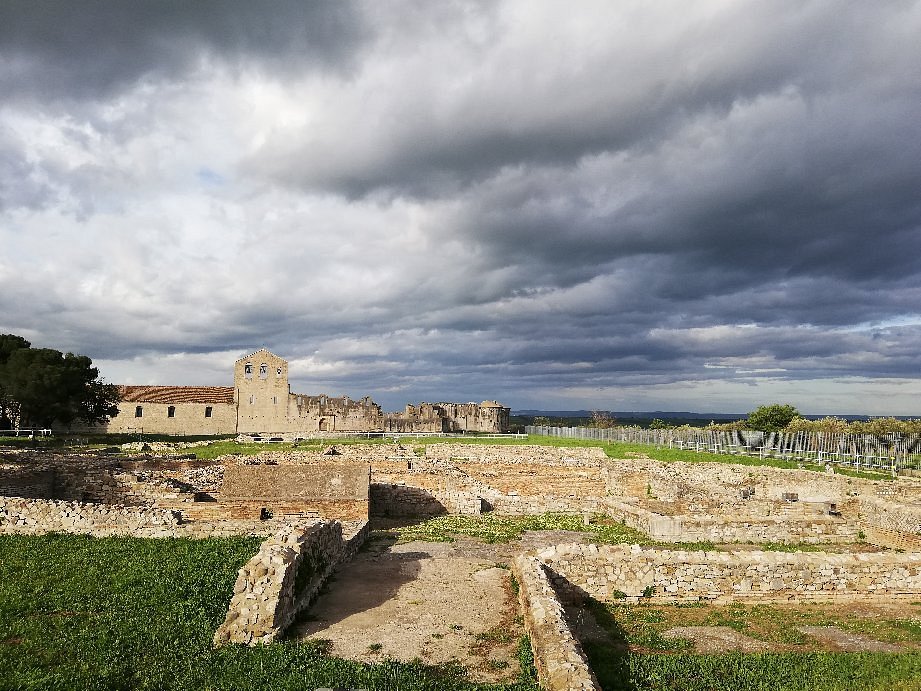
The Romans came in and transformed Venosa after founding their colony of Venusia in 291 BCE. I was surprised to learn this happened right after the Third Samnite War.
As I wandered the archaeological park, I found:
- A well-preserved amphitheater that could hold thousands
- Roman baths with intricate mosaic floors
- Several domus (wealthy homes) with painted walls
The colony worked as a major military outpost during the Punic Wars against Carthage. Its location made it vital for Roman expansion across the Mediterranean.
“Venusia flourished under Roman rule,” my guide said as we checked out ancient inscriptions. The town even claims the poet Horace as a native son—he was born here in 65 BCE, and locals still like to brag about that.
Norman Arrival and Consolidation
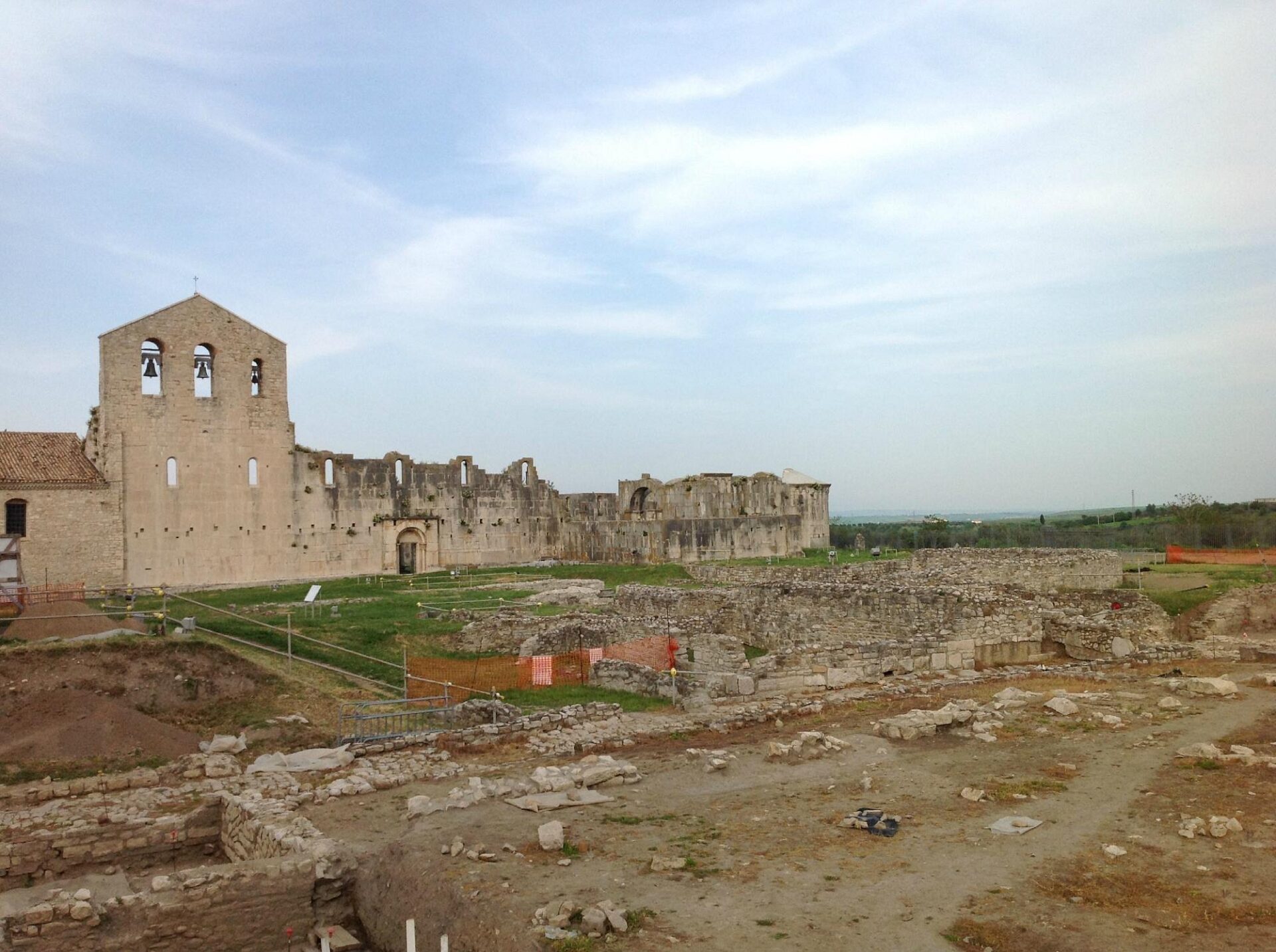
Almost a thousand years after Rome’s glory days, I found myself following the Norman trail through Venosa. The Normans rolled in during the 11th century, bringing fresh architectural styles and new military ideas.
The Abbazia della Santissima Trinità stands as their most impressive legacy. They built this abbey right on top of Roman ruins, literally constructing their power on Roman stone.
I noticed how the Normans used Venosa as a base to tighten their grip on southern Italy. They needed strongholds to push back against Byzantine and Arab forces from Sicily.
Robert Guiscard, the Norman leader, turned Venosa into an administrative hub. As I walked those Norman-era streets, I could sense how they took this old Roman town and turned it into a medieval powerhouse.
Walking Through Venosa: The Must-See Sites
Venosa gives you a wild ride through history, with ancient civilizations stacked one atop the next. The town’s small center makes it easy to explore on foot, and Roman foundations literally hold up the medieval buildings above.
Archaeological Park and Roman Ruins
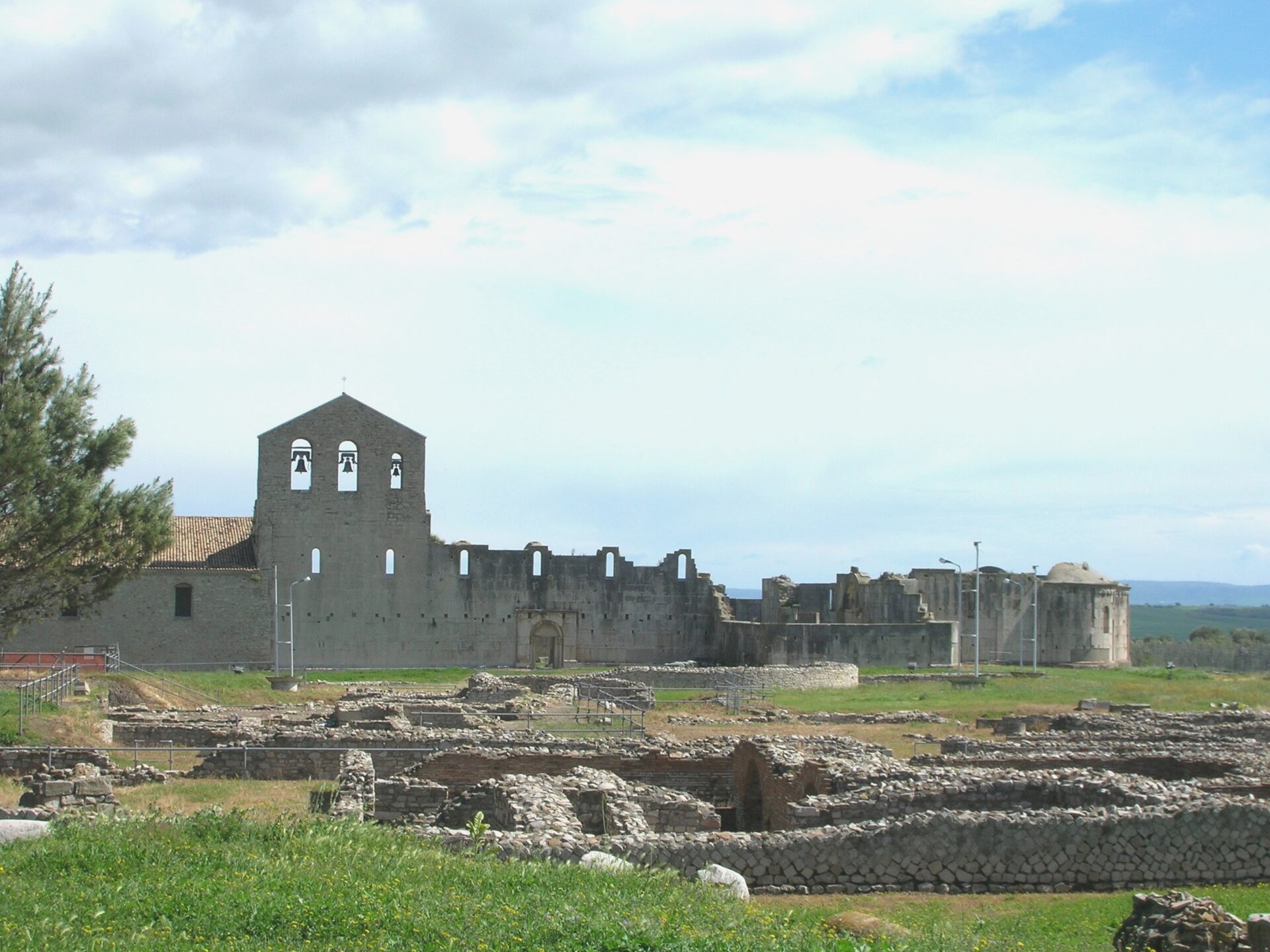
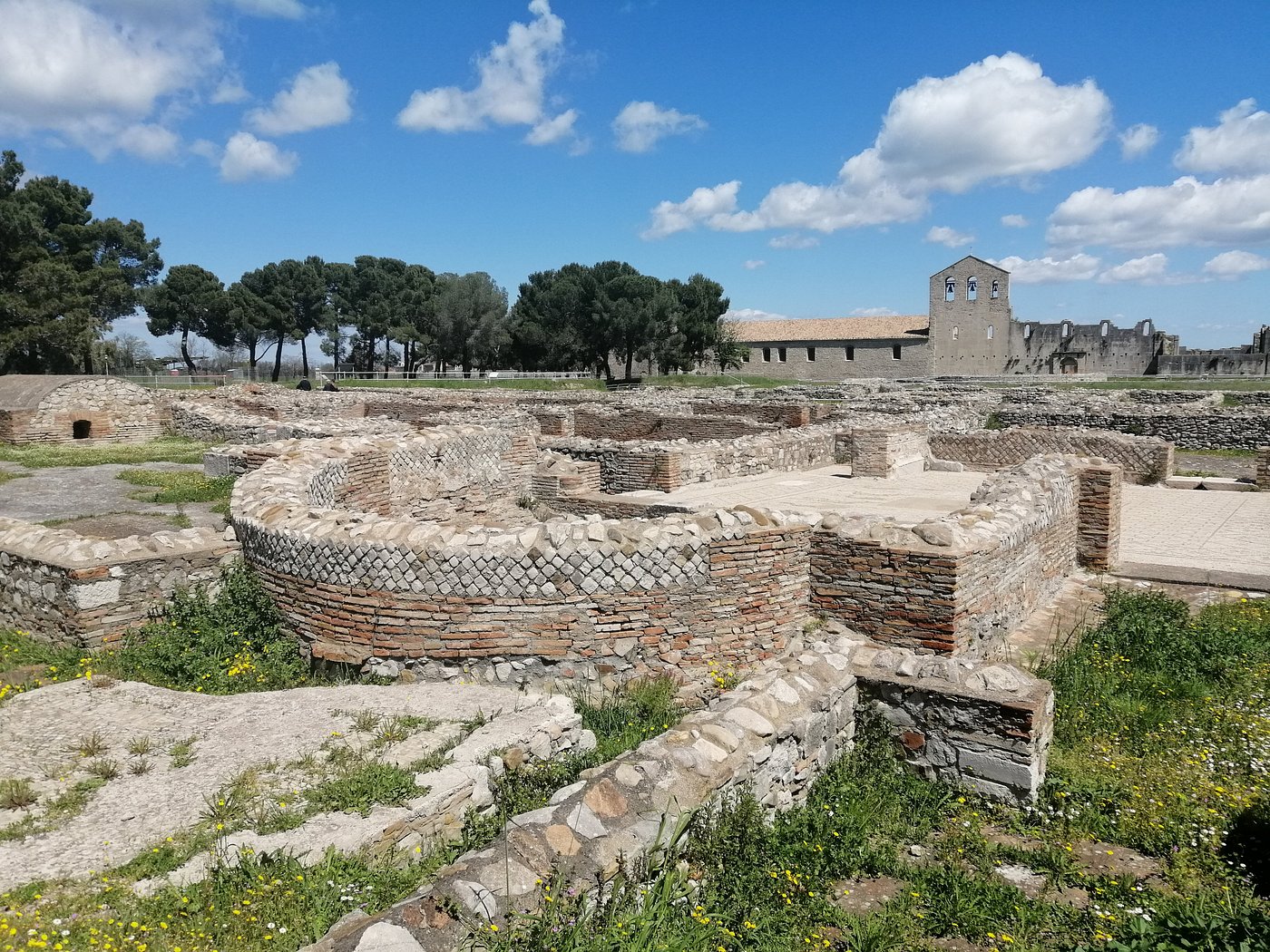
I spent most of my morning in the Archaeological Park, walking the same stones Romans used 2,000 years ago. The place shows off Venosa’s Roman amphitheater, baths, and domus (private homes), with some mosaic floors still hanging on.
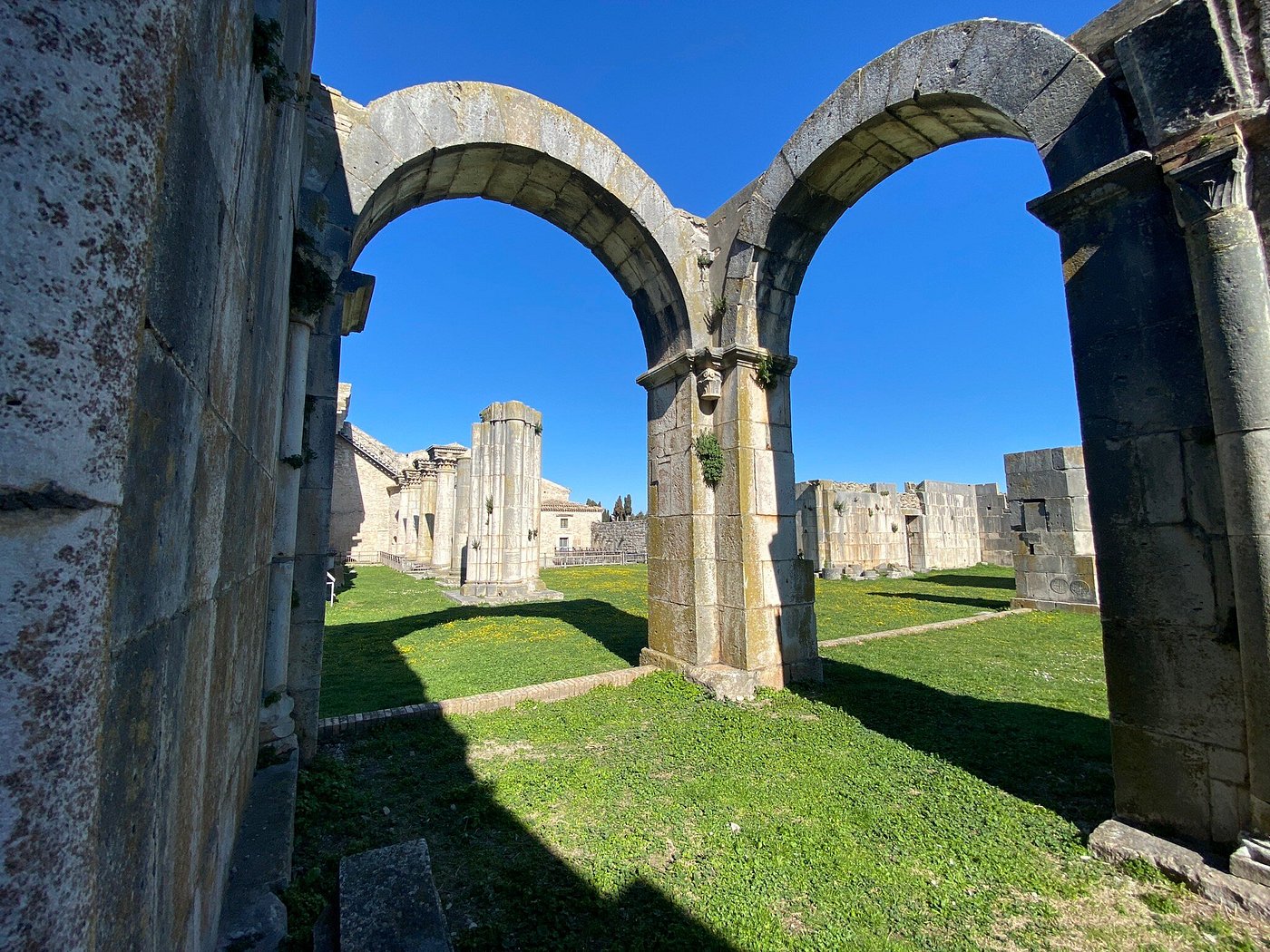
The Incompiuta (Unfinished Church) quickly became my favorite spot—a massive Norman basilica started in the 11th century but never finished. Its broken walls and columns make a haunting silhouette against the sky.
What really sets this site apart is how you can see Roman stones repurposed in Norman walls. I spotted Latin inscriptions flipped upside-down in the masonry—a quirky bit of recycling that spans centuries.

Aragonese Castle and Medieval Remnants
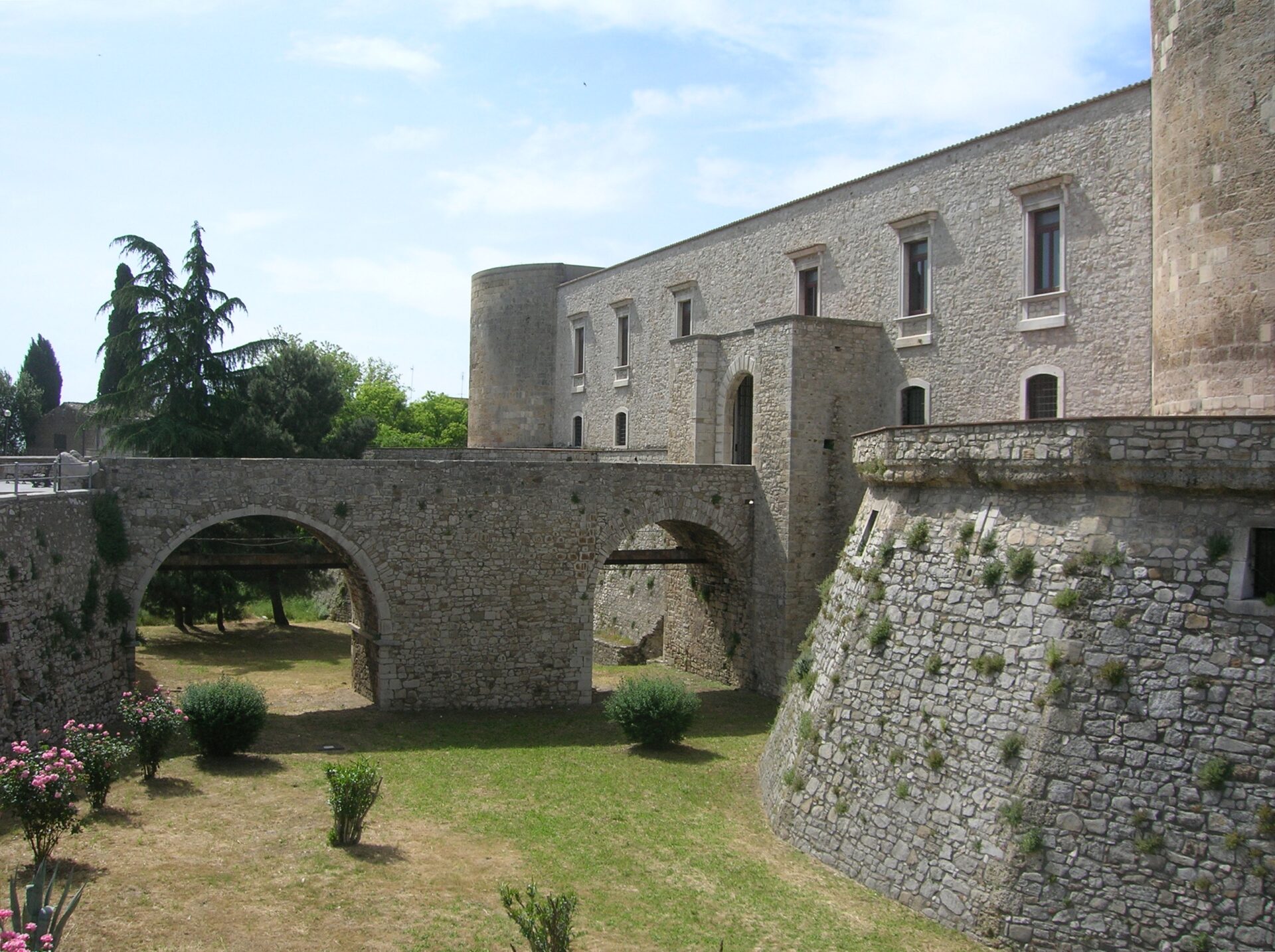
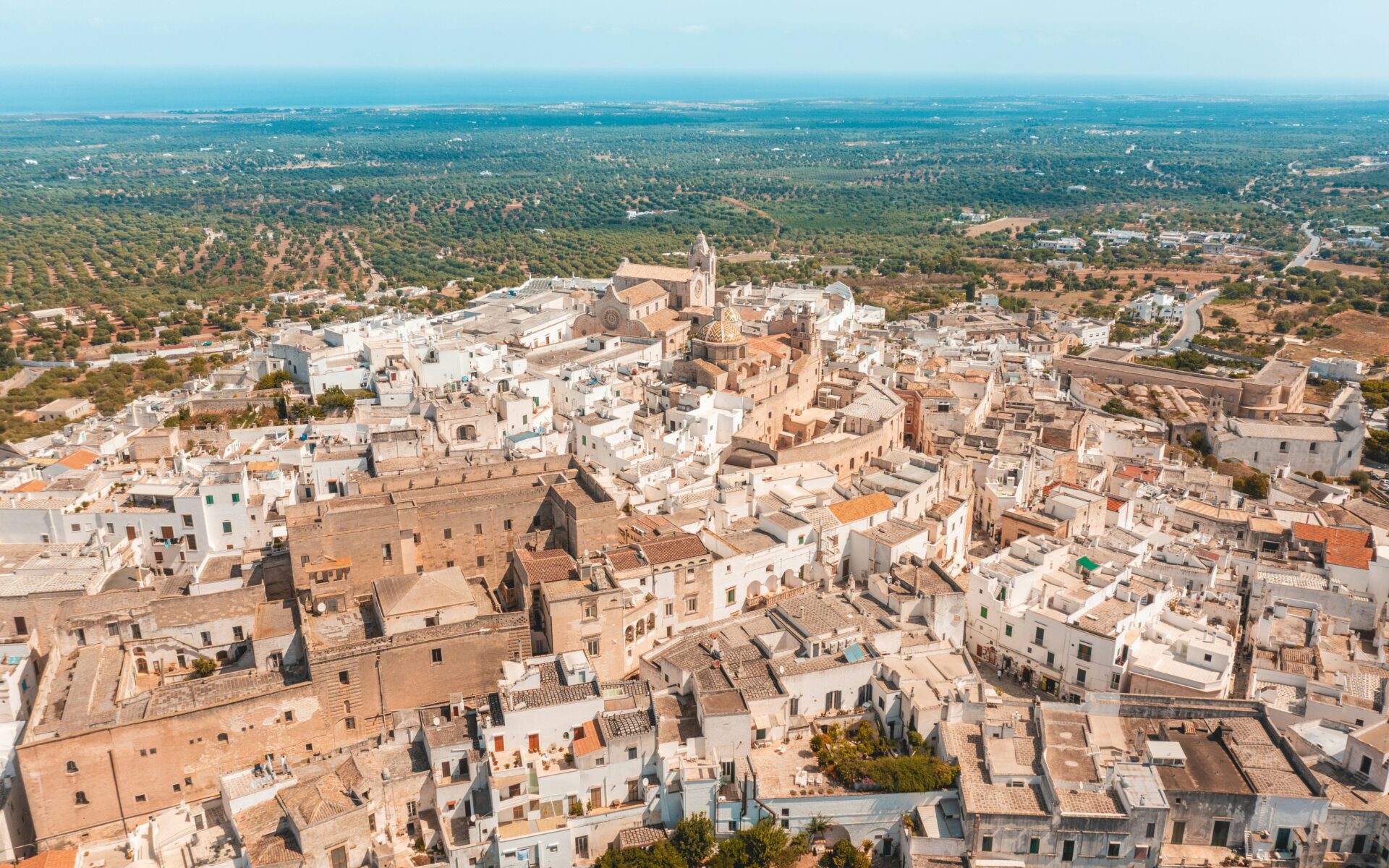
The Aragonese Castle towers over Venosa, reminding everyone how important this town once was. Duke Pirro del Balzo built it in 1470, and now it houses the National Archaeological Museum.
I spent hours here, checking out Roman artifacts from the area. The castle walls actually include older Norman fortifications, and if you look closely, you can spot where the masonry changes.
Climb up to the battlements for a killer view of the countryside.
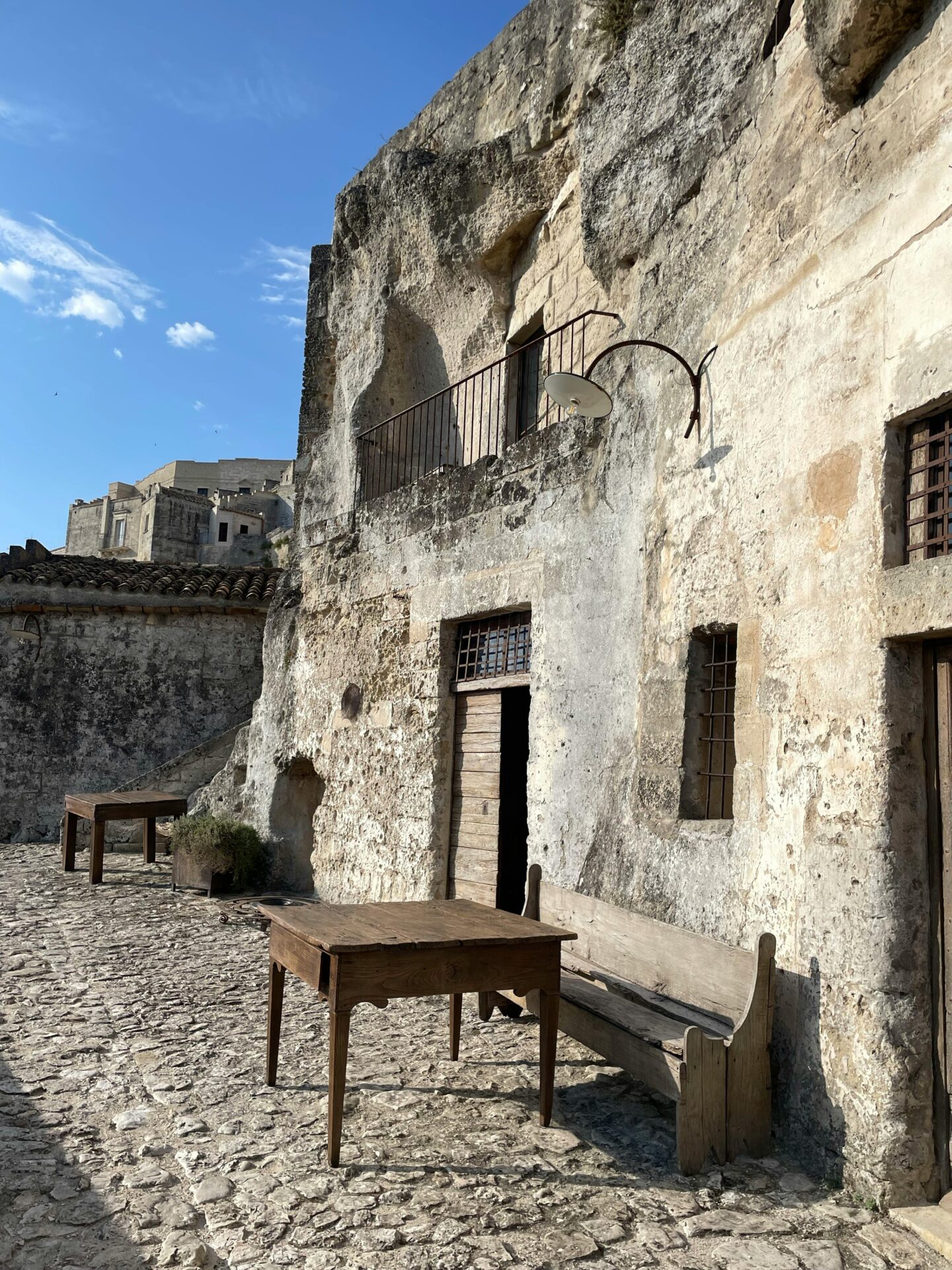
Venosa’s medieval quarter wraps around the castle, with narrow, winding streets dating back to Norman times. I wandered into tiny piazzas and stumbled onto hidden courtyards. The 12th-century fountain near the main square is worth finding.
Jewish Catacombs and Ancient Christian Church
Venosa’s Jewish catacombs are truly unique. Dating from the 3rd to the 7th century, these underground tombs have inscriptions in Hebrew, Greek, and Latin—a real testament to the town’s ancient diversity.
I had to book my visit through the tourist office, since access is limited to protect the site. The guided tour took me past detailed tomb decorations and symbols showing the blend of Jewish and Roman traditions.
Nearby stands the Church of the Holy Trinity, built in the 11th century right on top of a Roman temple. Inside, I found Norman architecture with columns salvaged from Roman ruins. Trap doors in the church floor reveal Roman mosaics underneath—a literal layering of history that sums up Venosa’s appeal.
Where Architecture Tells Stories: From Classical to Norman
Walking around Venosa, I see history stacked in stone and mortar. The shift from Roman to Norman architecture isn’t just about style—it’s a record of changing cultures and new technology.
Landmarks of the Roman Age
I always end up staring at the Roman amphitheater when I’m in Venosa. Built at the height of Roman power, its stone arches show off Roman engineering skills.
Thousands once packed the seats for gladiator fights and public events.
Not far away are the old thermal baths, where Romans gathered to wash up and socialize. The mosaic floors still show off those classic geometric patterns.
The Roman bridge over the river impresses me every time. Its thick piers have survived floods and earthquakes for centuries. When I walk across, I half expect to hear the tramp of Roman soldiers.
Norman Innovations Built Upon the Past
When the Normans arrived in the 11th century, they didn’t tear down the Roman buildings—they built right on top. The Abbey of the Holy Trinity is the clearest example. I’ve run my hands along walls where Norman arches rest on Roman stone.
The Norman castle has those classic rounded towers and narrow windows for defense—features you don’t see in Roman work. These details show how warfare had changed.
Inside the cathedral, the Norman columns actually use chunks of Roman marble. This wasn’t just thrifty—it was their way of linking to Rome’s glory. The Norman bell tower soars higher than anything the Romans built here, showing off their new techniques.
The acoustics in these Norman buildings are fantastic. Local opera performances sound incredible, and it makes me think the Normans understood sound in ways the Romans maybe didn’t.

The Culture and Flavors of Venosa
Venosa’s culture weaves together old traditions and lively modern life. The town feels alive with music, food, and celebrations that reflect both Roman and Norman roots.
Opera and Oratorio Traditions
Venosa really loves its music. Local theaters often put on Italian opera, celebrating the region’s musical heritage.
The oratorio tradition is strong here, too. Performances remind me of the style made famous by composers like Handel and Bach. These musical dramas often tell stories tied to Southern Italian religious history.
In spring, I’ve caught small performances where local musicians keep centuries-old pieces alive. Some even weave in references to Venosa’s Roman past, creating a cool bridge between ancient and classical art.
Local Vineyards and Mediterranean Cuisine
Venosa’s food scene centers around its famous Aglianico del Vulture wine. I’ve spent lazy afternoons tasting this bold red at family-run vineyards that have been around forever.
The local cuisine is all about Mediterranean flavors with a southern Italian twist. Expect dishes like:
- Fresh pasta with wild boar ragù
- Lamb cooked with local herbs
- Cruschi peppers (dried and fried)
- Podolica cheese from the nearby mountains
Market days fill the air with color and scent. Vendors sell olives, citrus, and fresh veggies grown in the volcanic soil around town.
The traditional Cucco pastry—stuffed with ricotta and dusted with sugar—makes a perfect breakfast, especially with a strong espresso in a piazza café.

Community Celebrations & Festivals
Venosa really comes alive during its annual Medieval Festival. Locals dress up and reenact Norman-era games and ceremonies. The highlight? A wild historical race through the ancient streets.
Religious processions mark big dates, especially during Holy Week. I’ve joined crowds following decorated statues through narrow alleys while traditional music bounces off the stone walls.
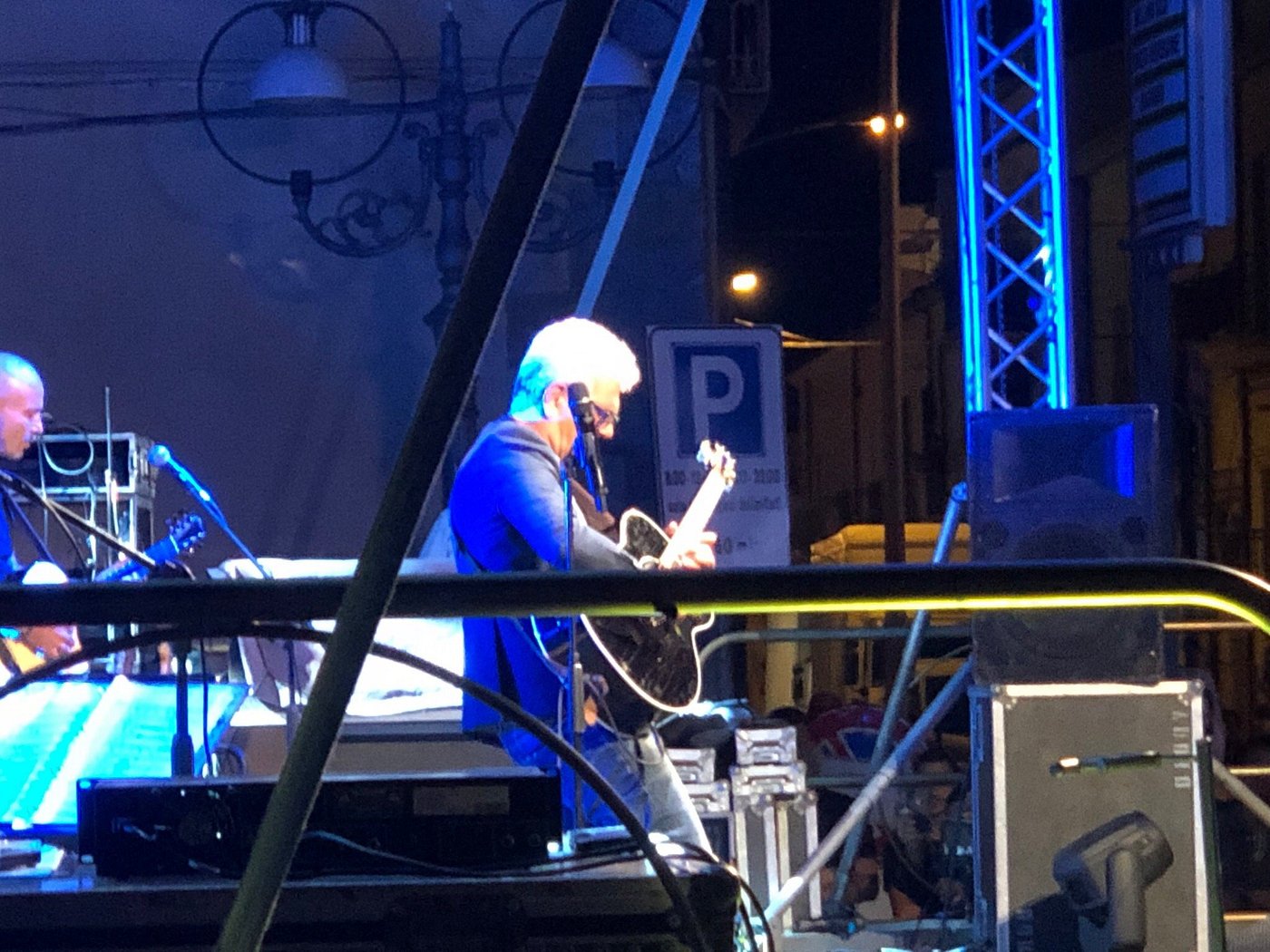
Summer brings open-air concerts in the archaeological park, mixing entertainment with the town’s ancient backdrop. These shows often blend folk traditions with classical music.
Autumn’s harvest festivals celebrate local food and wine. People dance under strings of lights, and the party usually lasts long into the night.
Exploring Beyond Venosa: Regional History and Influence
Venosa’s story doesn’t end at the town limits. The whole region is layered with civilizations that built on top of each other, just like in Venosa. Its strategic location made it a crossroads for Greeks, Romans, Normans, and even Arab travelers.
Greek and Roman Legacies Across Basilicata
When I walk through Basilicata today, I keep bumping into reminders of its Greek roots. Greeks set up powerful cities along the coast as early as the 8th century BCE, bringing their culture and architecture with them.
Later, the Romans took over and connected the region with impressive roads. The Appian Way, for example, linked Rome to Brindisi and passed close to Venosa. That road symbolized Roman power and engineering.
I keep finding towns in the area with amazing archaeological sites. Metaponto and Heraclea, for example, have Greek temples and theaters, while Roman amphitheaters and baths still dot the countryside.
Norman and Arab Interplay in Southern Italy
When the Normans swept into Southern Italy during the 11th century, they shook up just about everything. These tough warriors from northern France didn’t just bulldoze over what they found—they actually mixed in Greek, Roman, and Arab influences instead of wiping them out.
I’ve wandered through a bunch of Norman castles in Basilicata and Puglia. You can spot their bold military architecture, but then you’ll catch these unexpected artistic touches that clearly nod to Arab designs.
The Norman people carved out a new ethnic identity here. They kept some of their northern customs, but you can tell they picked up plenty from the Mediterranean too.
They didn’t just stumble into power; their strategic moves helped them take over places that had been under Arab control.
You’ll still spot Arab traces in the local agriculture, food, and decorative arts. The way Norman and Arab cultures tangled together gave Southern Italy a character you just don’t find up north.

Montecassino and the Broader Italian Tapestry
Whenever I dive into Italian history, I can’t help but find myself drawn to Montecassino Abbey. It’s just about two hours northwest of Venosa.
Saint Benedict founded this monastery back in 529 CE. Over time, Montecassino grew into a vital hub for learning during medieval times.
The abbey’s story really echoes the bigger Italian experience. Invaders and wars destroyed it more than once, but people rebuilt it each time.
After World War II bombings, they brought it back to life once again. Now, Montecassino stands as a symbol of religious and cultural resilience, and honestly, that’s pretty inspiring.
Monks at Montecassino copied and preserved tons of ancient texts during the so-called Dark Ages. Without them, we probably would’ve lost a lot of Greek and Roman works.
Their efforts bridged ancient wisdom with the medieval world. That connection made a real difference.
The abbey’s influence reached far across Southern Italy, even touching places like Venosa. Benedictine monks set up smaller monasteries, and these spots became known for education and agriculture.
Those religious communities helped keep civilization afloat during rough times.


