
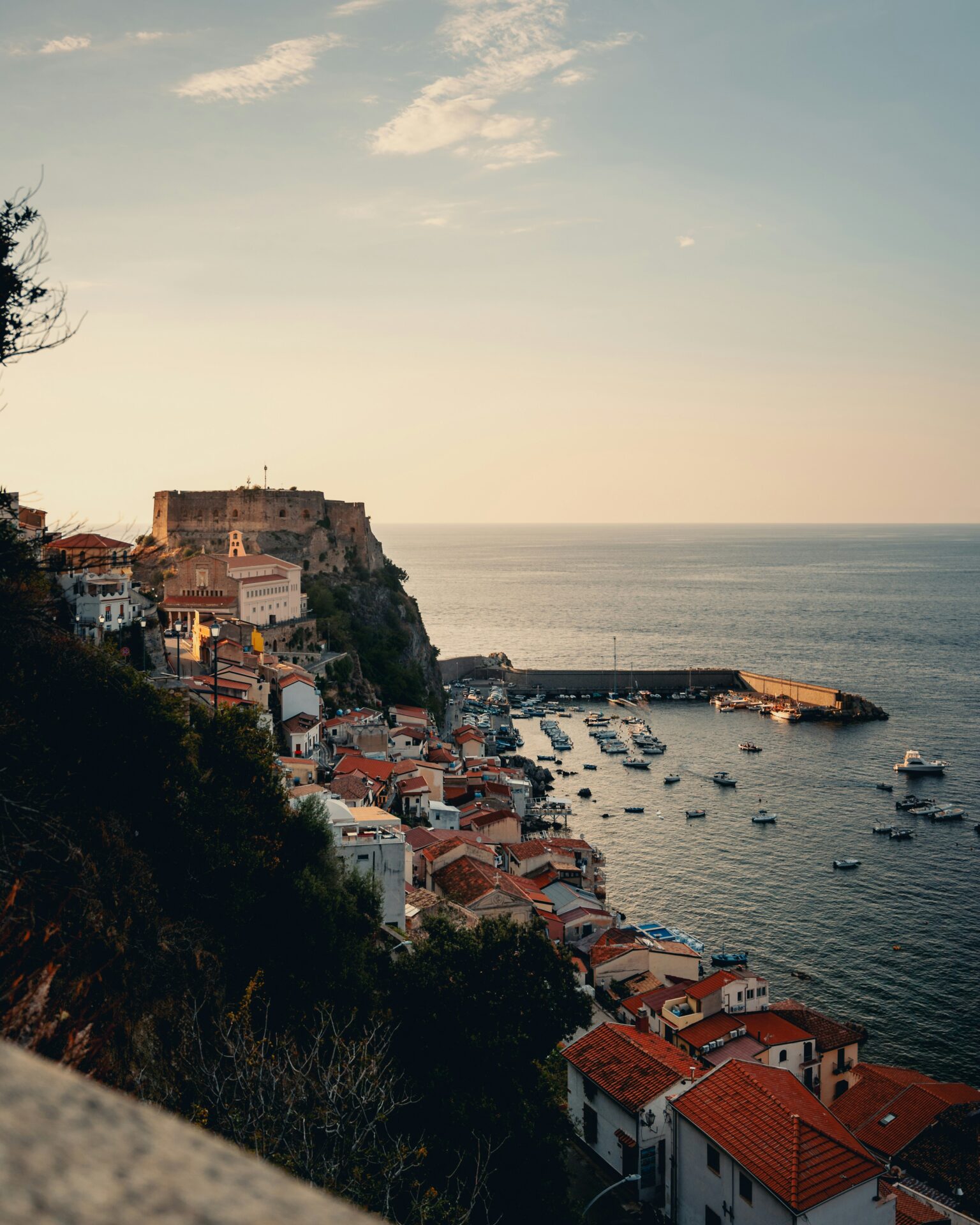
When I stood at the edge of the narrow strait between mainland Italy and Sicily, the ancient myth of Scylla felt real and close. The little fishing village of Scilla clings to the Calabrian coast, borrowing its name from the terrifying six-headed monster in Greek mythology—Scylla, who once haunted sailors passing these waters.
Scylla and the whirlpool Charybdis, her counterpart on the opposite shore, created the original “between a rock and a hard place” dilemma for ancient mariners. That’s not just a wild story; honestly, the myth probably grew out of real dangers lurking in this tricky Mediterranean passage.
As my ferry neared the coastline, I could see why tired sailors might mistake those jagged rocks for a monster. This stretch of water has swallowed up countless ships over the centuries. The unpredictable currents and hidden shoals challenged even the most experienced captains.
Walking through Scilla today, I sensed a strong link between myth and reality. Fishing boats still head out every morning, and their crews respect the sea just as their ancestors did thousands of years ago.
I spent hours watching them work the same waters where Odysseus once sailed. There’s a strange harmony between those old, terrifying legends and the peaceful Mediterranean village that sits here now.
The Myth of Scylla and Charybdis
The ancient Greek myth of Scylla and Charybdis remains one of the most gripping tales of seafaring peril. These two monsters guarded opposite sides of a narrow strait, daring sailors to risk everything as they passed between them.
Origins and Early Legends
Digging into Greek mythology, I realized Scylla and Charybdis might be the earliest example of being “caught between two dangers.” They haunted the Strait of Messina, separating Sicily from Italy.
Scylla didn’t start as a monster. Ancient texts often describe her as a beautiful nymph who, through various twists, transformed into a terrifying creature with multiple heads and dog-like features.
Charybdis started out as Poseidon and Gaia’s daughter. Zeus, after catching her stealing Heracles’ cattle, punished her by turning her into a monstrous whirlpool that devoured ships.
The dangerous currents in the Strait of Messina probably inspired these old stories.
Transformation of Scylla in Mythology
Scylla’s transformation is just tragic, honestly. In the most common version I’ve come across, she was a nymph who caught the attention of Glaucus, a sea god. After she rejected him, Glaucus turned to the sorceress Circe for help.
But Circe fell for Glaucus herself. Driven by jealousy, she poisoned the waters where Scylla bathed.
That poison changed Scylla forever. She became a monster with:
- Six long necks
- Twelve feet
- Six heads, each with three rows of teeth
- A lower body made of barking dogs
Afterward, Scylla hid in a cliffside cave, waiting to snatch sailors from passing ships.
Charybdis and the Double Peril
Charybdis, meanwhile, created a deadly whirlpool across from Scylla’s cliff. I find it fascinating how the myth describes her: she would drink and spit out seawater three times a day.
- She’d swallow huge amounts of water, forming a massive whirlpool.
- The center dropped so low you could see the dark sea floor.
- Then she’d spew the water back out with frightening force.
This cycle forced sailors into an impossible choice. Get too close to Scylla and lose crew members; venture near Charybdis and risk losing the whole ship.
Even today, people still say “between Scylla and Charybdis” when they’re stuck between two dangers.
References in Ancient Literature
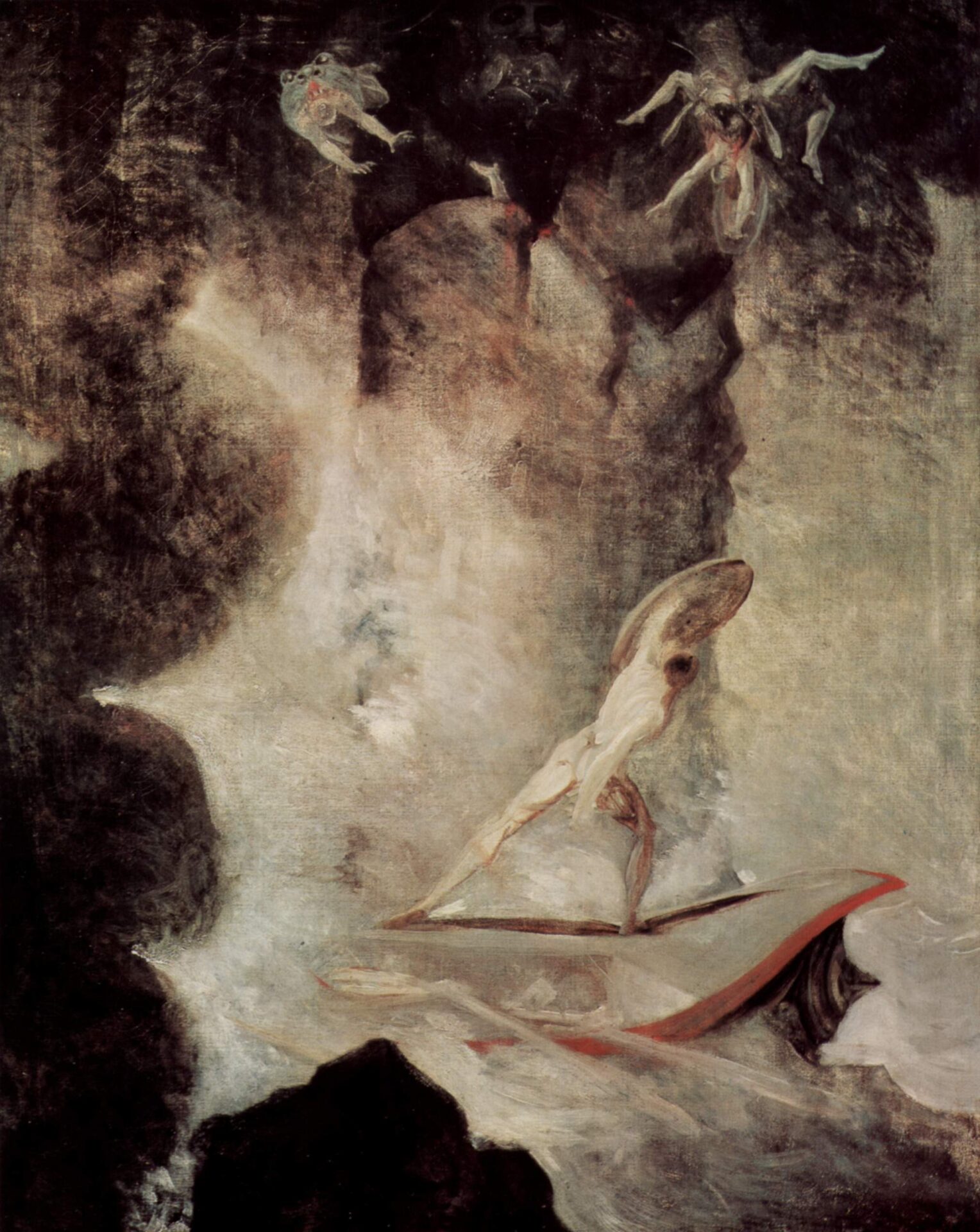
Homer’s Odyssey features these monsters most famously. Odysseus chose to sail closer to Scylla, sacrificing six men rather than risk his whole ship to Charybdis.
In Virgil’s Aeneid, Aeneas gets warned to avoid the strait altogether. Ovid’s Metamorphoses also tells Scylla’s transformation in detail.
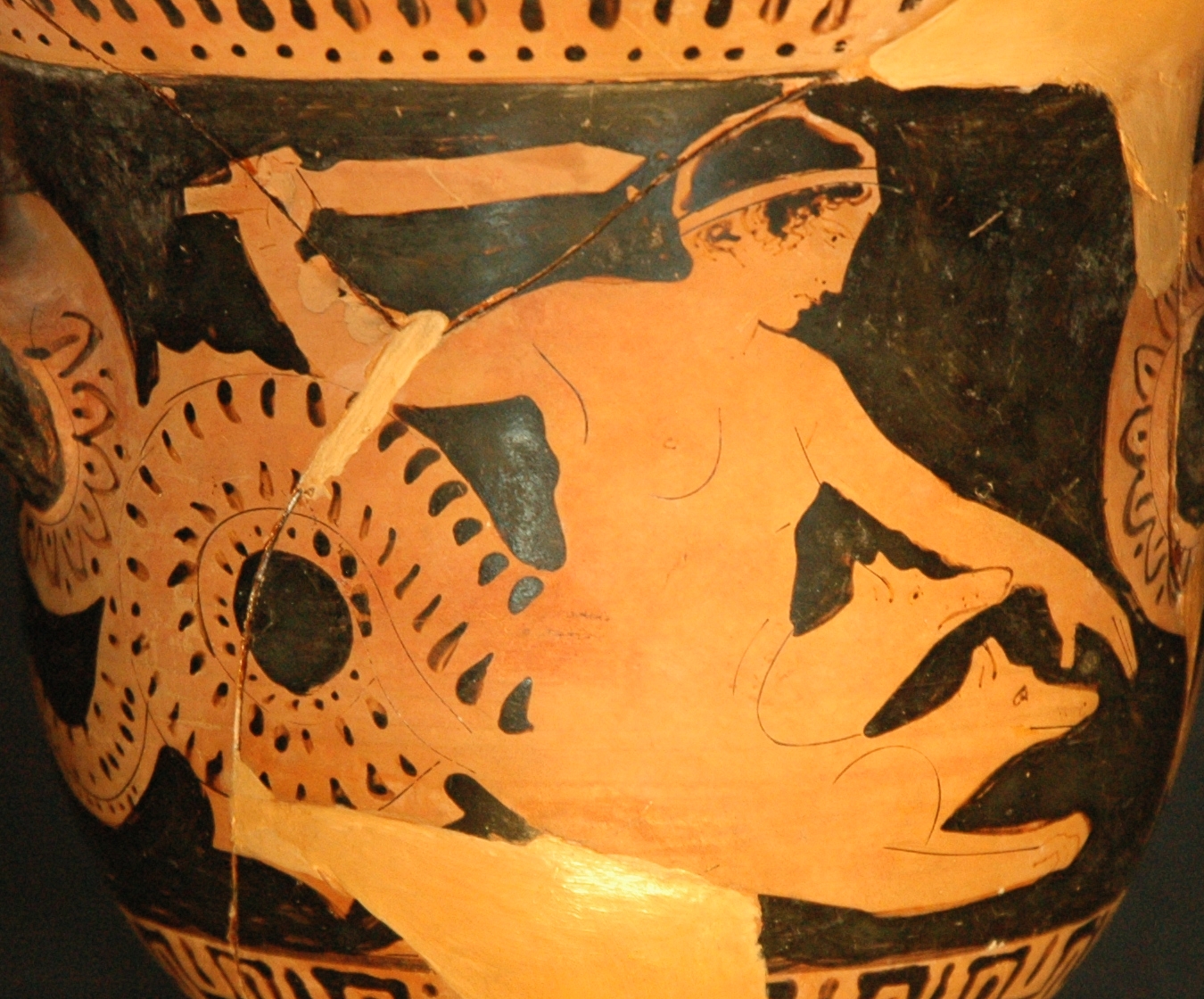
Greek and Roman poets and artists loved this story. Vase paintings often show Scylla attacking ships.
These monsters became powerful metaphors for the sea’s dangers and the tough choices people sometimes face.
Geography and Setting: The Strait of Messina
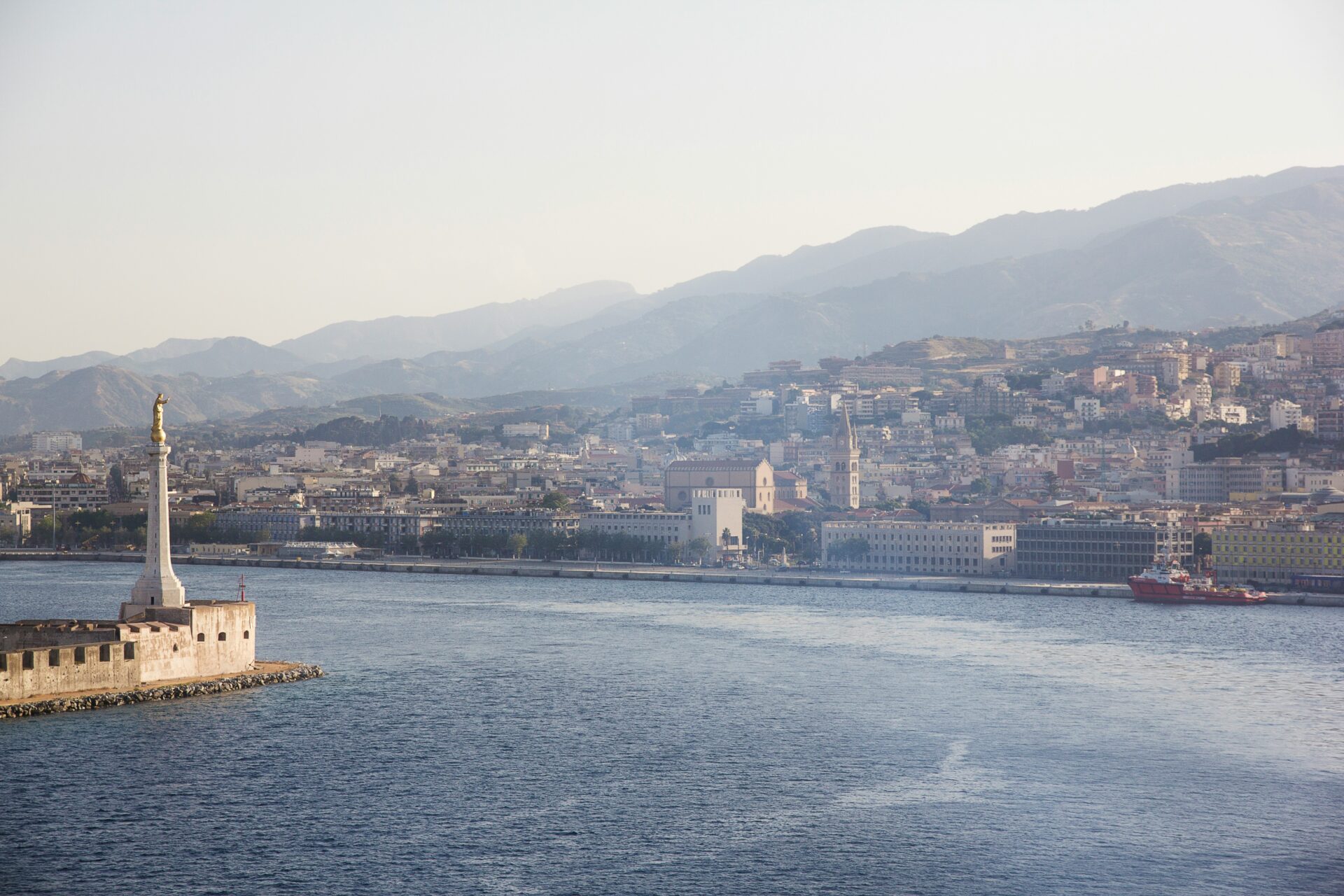
The Strait of Messina slices a narrow path between Sicily and mainland Italy. It’s one of the Mediterranean’s most mythologically loaded and naturally challenging waterways.
This slender channel has shaped both stories and real lives for thousands of years. Its mix of geography, coastal villages, and unpredictable forces is unforgettable.
Physical Features of the Strait
At its narrowest, the Strait of Messina stretches just about 3 kilometers (1.9 miles). Sicily and Calabria seem close enough to touch. The water drops to around 250 meters deep, and strong currents change direction roughly every six hours.
These currents create whirlpools and eddies. Ancient sailors saw them as the monsters Scylla and Charybdis. I’ve watched boats from Messina carefully navigate these swirling waters.
Because of its location, the strait has always been important for Mediterranean shipping. On clear days, I could see the buildings in Reggio Calabria from Sicily—almost like looking across a river.
Scilla: The Cliffside Village
Scilla perches dramatically on the Calabrian coast. This picturesque fishing village brings the myth of the monster to life.
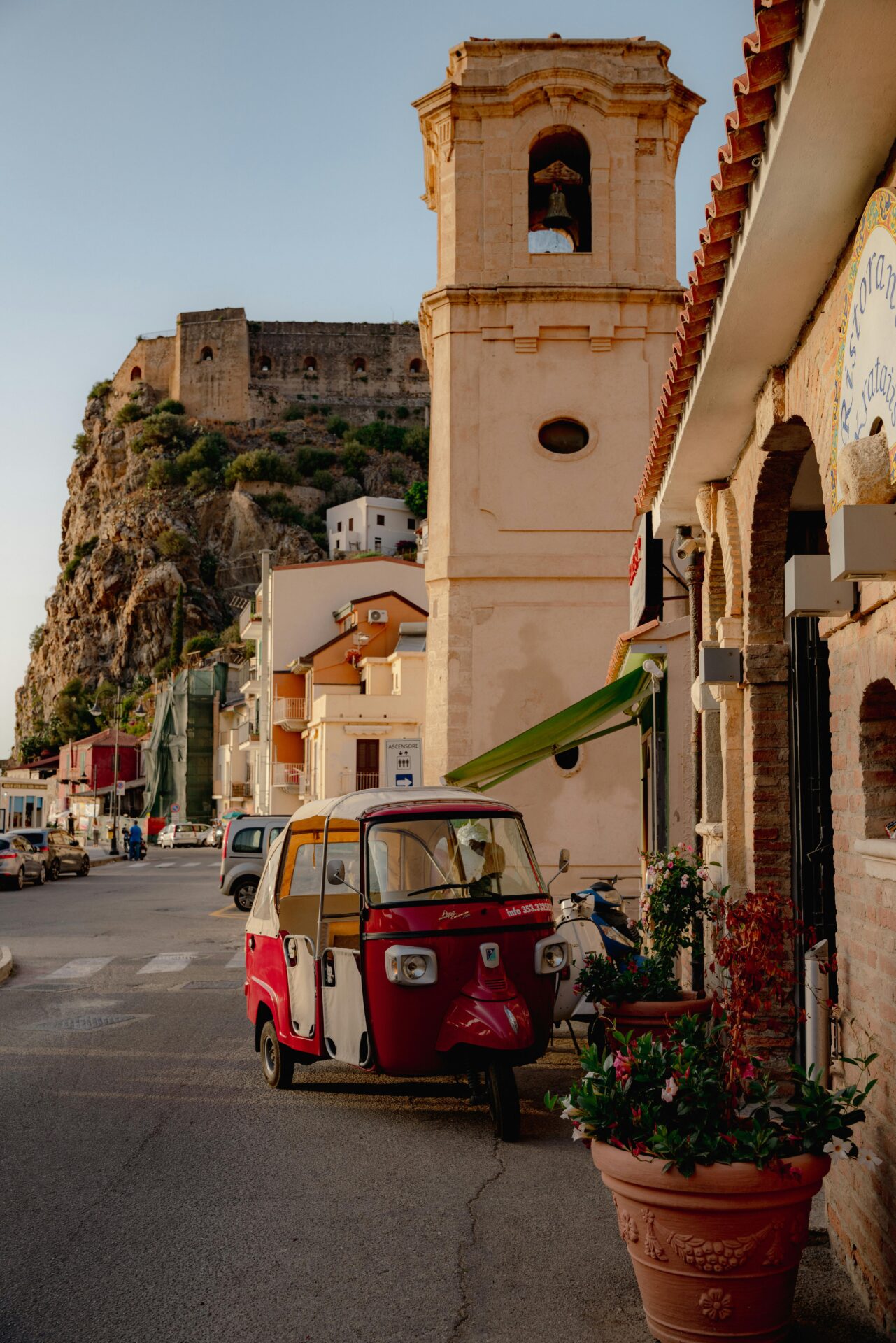
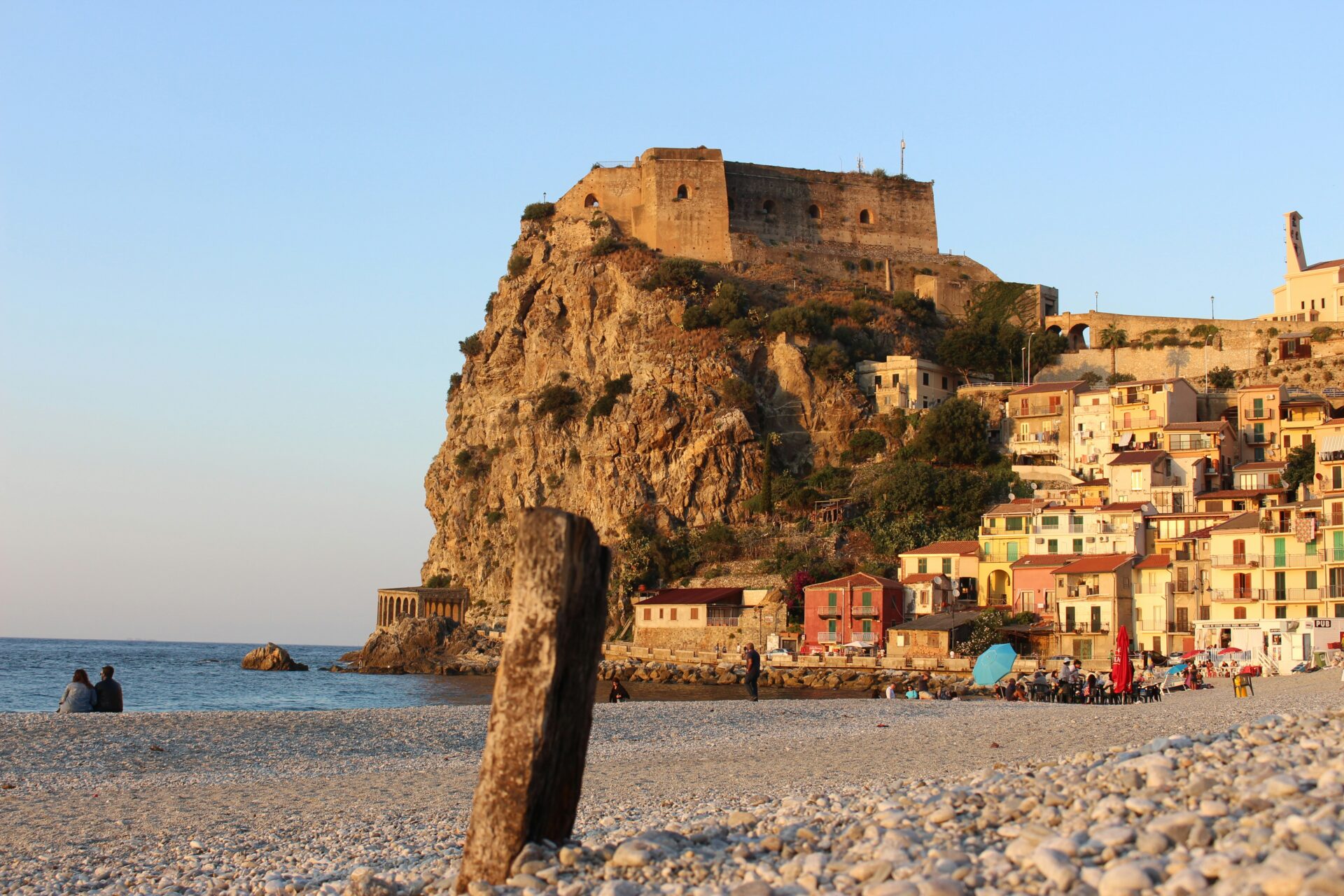
Its rocky promontory, topped by Ruffo Castle, took my breath away when I saw it from the beach. The village splits into sections, but Marina di Scilla (Chianalea) is the most charming.
Here, fishermen’s houses seem to rise straight from the sea. Walking those narrow alleys, I felt like I’d stepped back in time.
Traditional wooden boats called passerelle still fill the harbor. Local fishermen keep swordfishing traditions alive, just as their ancestors did. The town’s natural harbor made it a strategic spot for watching over the strait.
Natural Hazards and Seismic Activity
The Strait of Messina sits right on a major fault line where the African and Eurasian plates meet. Earthquakes and tsunamis are part of life here.
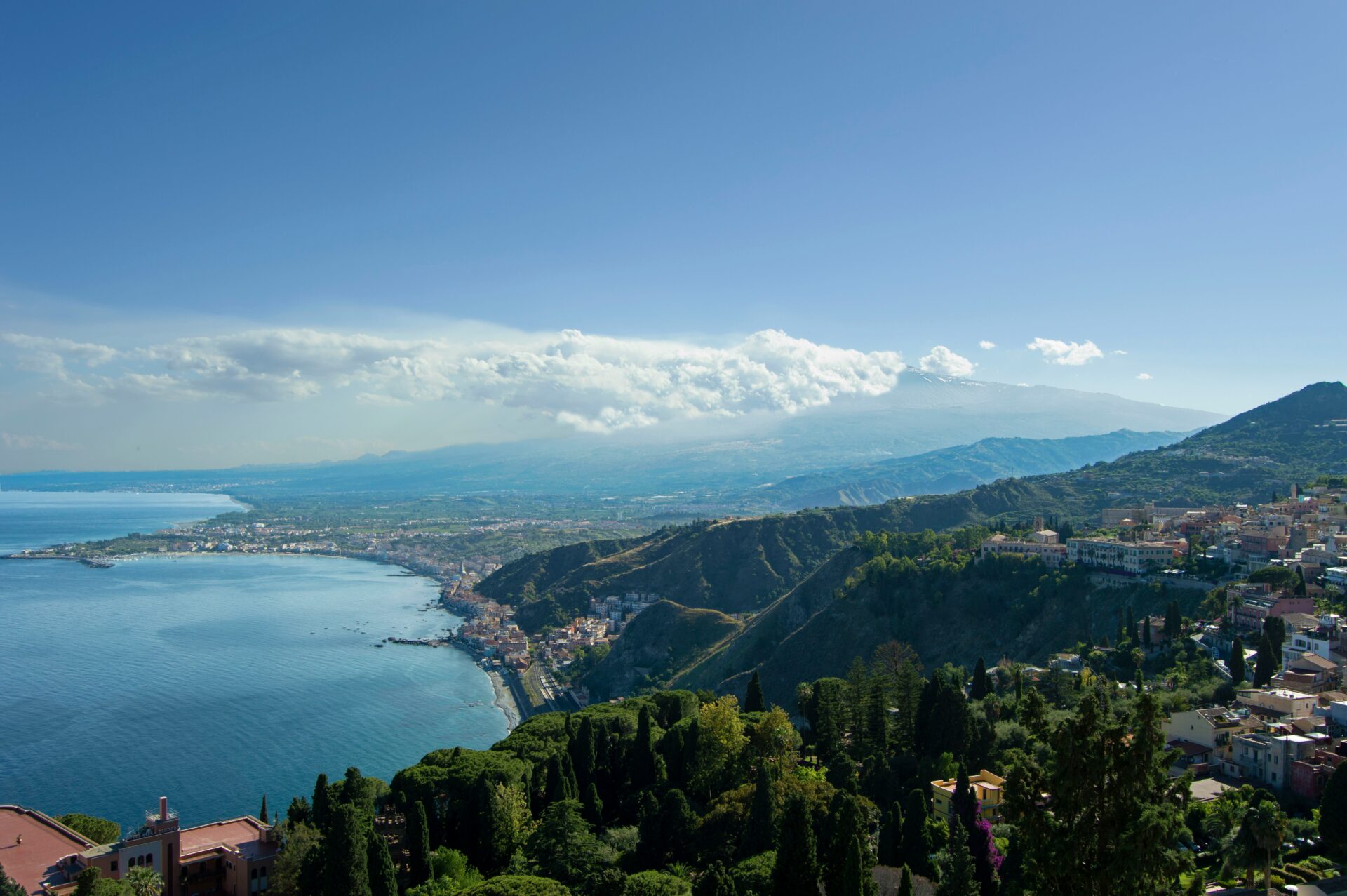
The 1908 Messina earthquake and tsunami devastated the area, killing over 100,000 people. Mt. Etna, visible from parts of the strait, is still an active volcano. When I visited Taormina, Etna loomed in the distance, always a reminder of nature’s power.
The original Greek settlement of Zancle (now Messina) took its name from the sickle-shaped harbor, formed by seismic activity. Navigating the strait is still tricky because of strong currents and whirlpools.
Scientists keep a close eye on the area. Minor seismic events happen often, reminding everyone that nature can still shake things up in this legendary passage.
From Antiquity to the Modern Era: Historic Influences
Scilla has seen countless civilizations come and go along its shores. Each one left something behind in this landscape of myth and memory.
From ancient sailors to medieval kingdoms, this strategic location shaped both history and legend.
Ancient Peoples and Powers
Scilla’s position in the Strait of Messina made it valuable to ancient powers. The Greeks settled here around the 8th century BCE, bringing their myths and forever tying this coastline to Scylla.
Romans took over next, folding Scilla into their vast empire. When I visited nearby archaeological sites, I spotted traces of Roman influence in the architecture and old roads.
During the Punic Wars, the Carthaginians fought for control of this vital passage. Whoever controlled Scilla also controlled trade routes between Italy and Sicily.
Medieval Conquests and Changes
Scilla’s medieval past still echoes in its streets. The Normans conquered the region in the 11th century and built Ruffo Castle, which still dominates the skyline.
Before the Normans, Arabs and Byzantines fought for influence here. Richard the Lionheart reportedly stopped at Scilla during the Third Crusade, showing how important it was as a Mediterranean waypoint.
The Black Death hit Scilla hard in the 14th century, wiping out much of the population. But the community rebuilt, and fishing traditions became even more important for survival.
Echoes in the Modern World
Today, Scilla’s mythological past blends right into modern life. Local fishermen still talk about Scylla as they work in traditional purple boats called “passerelle.”
Tourists come to connect with these ancient myths. The Ruffo Castle now houses a museum, where I explored artifacts linking Scilla to places like Knossos and Cyprus.
Festivals fill the year with celebrations of this heritage. The summer Feast of St. Rocco is the highlight, with processions winding through streets once walked by Greeks, Romans, and so many others.
Travel & Myth: Discovering Scilla Today
Wandering through Scilla now feels like stepping into a myth, but with all the pleasures of a modern Italian coastal town. The place manages to blend its legendary past and present-day charm beautifully.
Must-See Mythological Sites
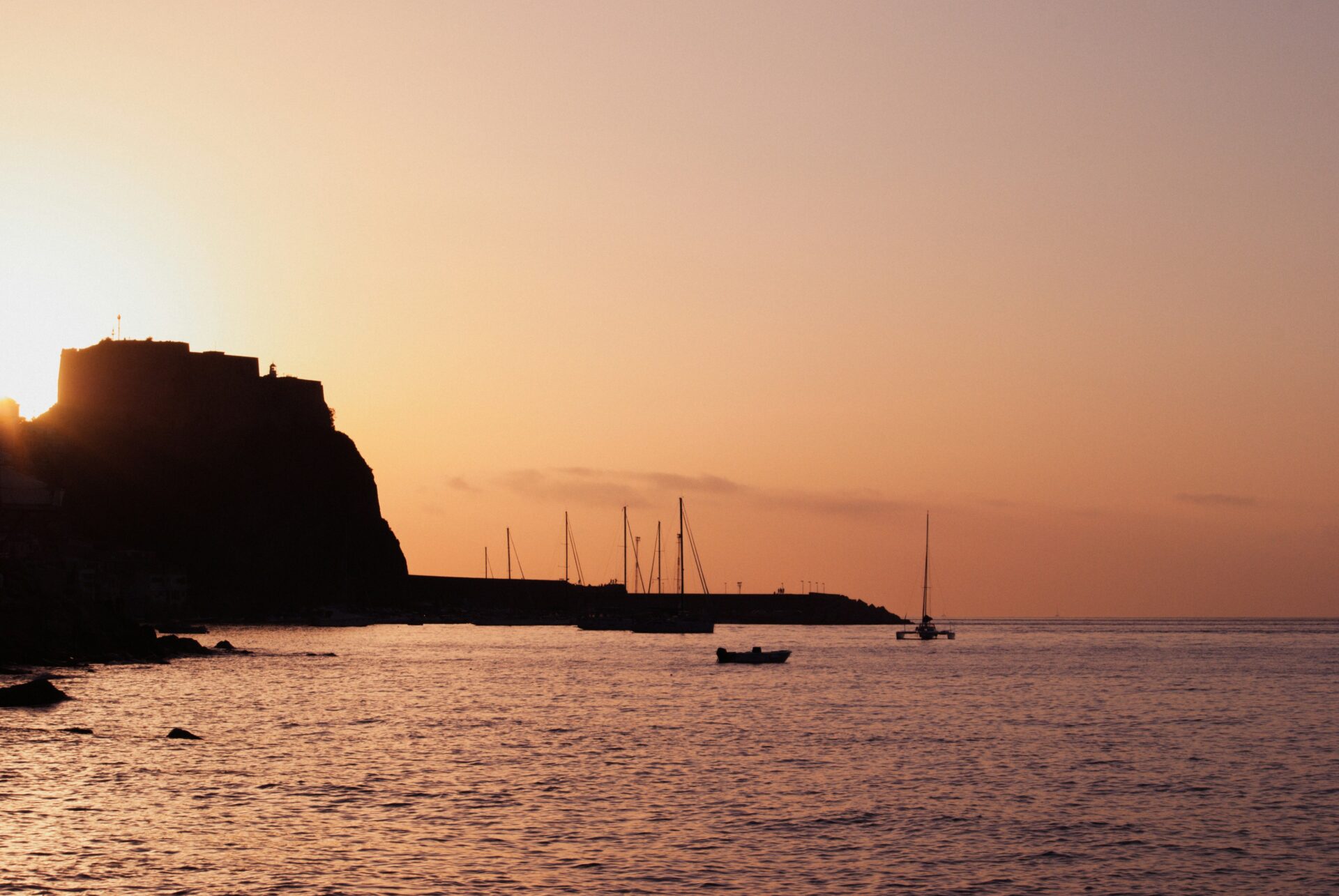
Start your journey at the dramatic Ruffo Castle overlooking both the town and the strait. This is where Scylla supposedly lived, and the views are simply stunning.
If you love history, make a short trip to Reggio Calabria’s Archaeological Museum. I spent ages staring at bronze statues and artifacts that bring these old stories to life.
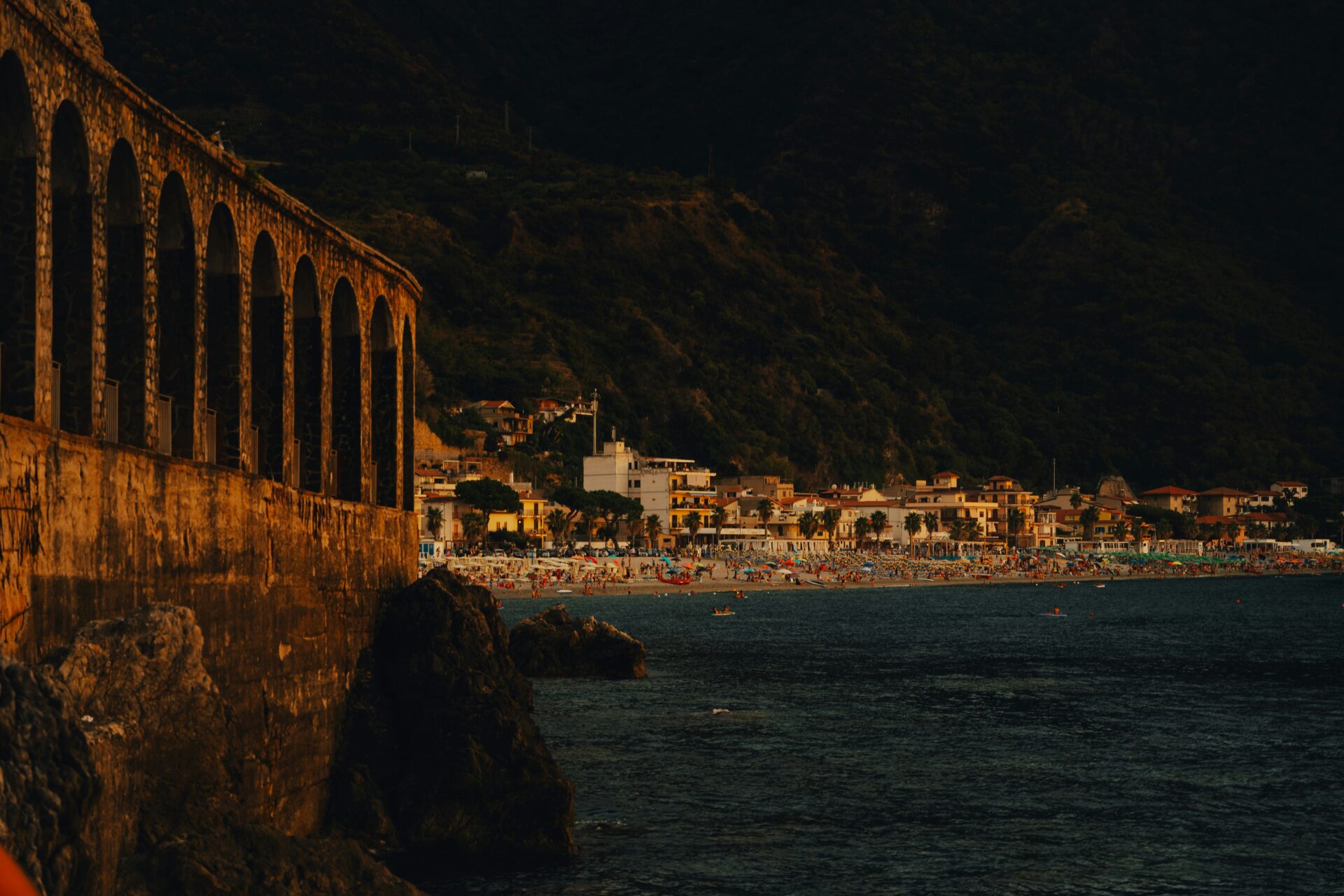
Don’t skip the Chianalea district, known as “Little Venice.” Its narrow streets and houses rising from the sea make it easy to imagine how sailors once saw this place—with a mix of fear and awe.
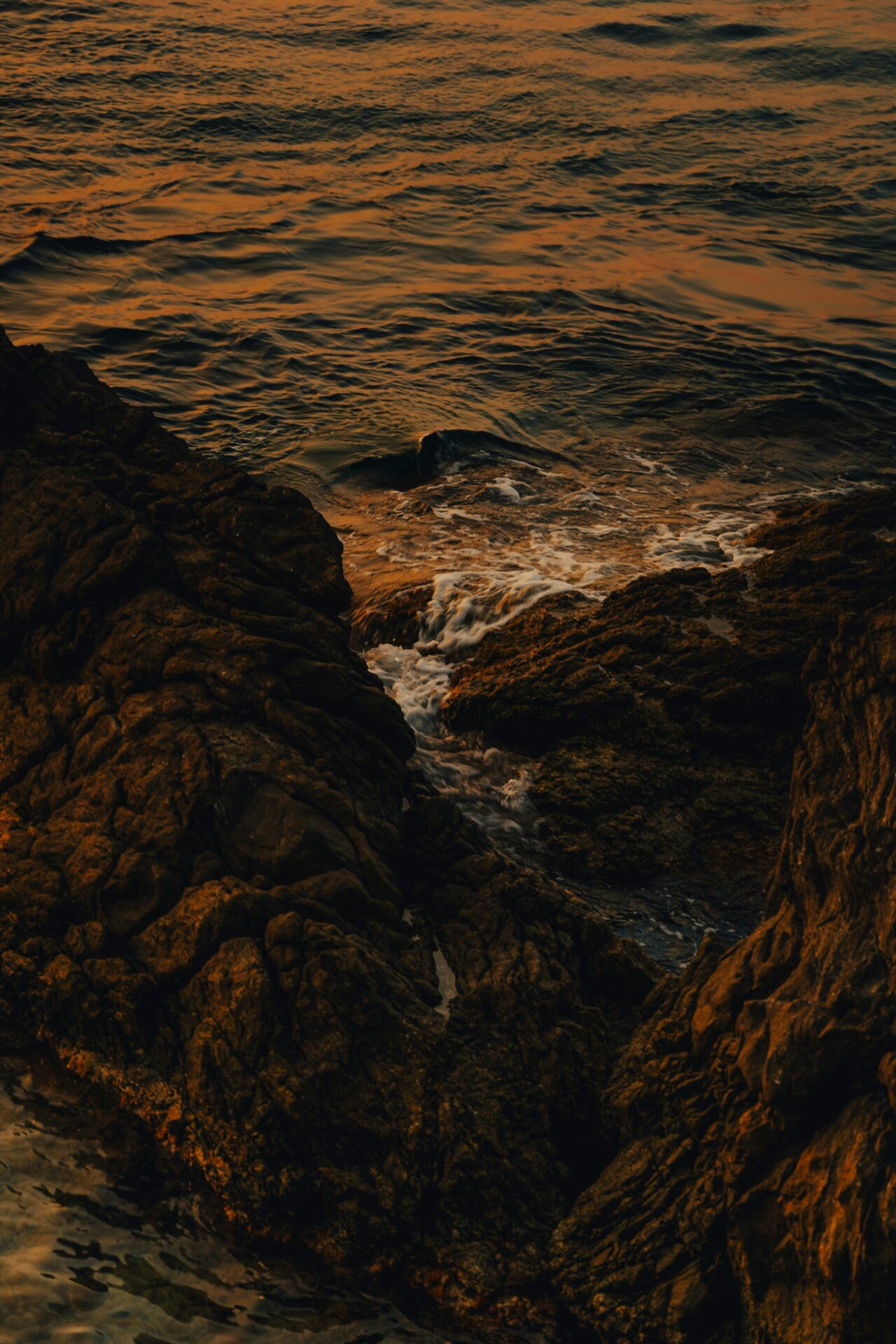
At the edge of town, a rocky outcrop is said to be the petrified remains of the sea monster. I stood there as waves crashed against the rocks, and honestly, you can see how these legends got started.

Local Legends and Storytelling
Locals in Scilla love sharing their mythology. I joined a walking tour with Francesco Triglia, who tells tales of Scylla and Charybdis with such flair that you can almost see the monsters.
Many restaurants show off murals of mythological scenes. At one seaside trattoria, the owner played me videos of local artists performing puppet shows retelling these ancient tales.
Each summer, Scilla throws a festival for its mythological heritage. I watched performers reenact Odysseus’s journey through the strait, complete with a model of the six-headed monster.
Local artists sell beautiful souvenirs inspired by the myths. I picked up a handcrafted ceramic of Scylla, and it’s now one of my favorite keepsakes—a reminder of where myth and reality meet.
The fishermen of Chianalea still share old superstitions and rituals. Some told me they still sense Scylla’s presence when sailing certain parts of the strait, especially when storms roll in.
Wider Connections: The Myth of Scylla in the Mediterranean and Beyond
Scylla’s story stretches way past Sicily. You can spot her in all sorts of cultures, and sometimes, you’ll even find her up among the stars. People in ancient times loved looking to the sky for answers about the strange things they heard in stories.
Cultural Symbolism Across Regions
For folks living along the Mediterranean, Scylla stood for the wild, unpredictable side of the sea. Sailors from Greece all the way to Libya would actually offer gifts before heading into risky waters, just hoping to keep the monster calm.
I’ve come across Lithuanian tales with sea monsters guarding rivers—makes you wonder if everyone just needed a way to explain nature’s scary side. When I wandered around Bremen, some locals pointed out old carvings on harbor buildings. The creatures there? Honestly, they looked a lot like Scylla.
The myth didn’t stop in Europe. Spanish colonizers carried these stories all the way to Chile and Argentina. There, the old legends mixed with native stories, and somehow, new monsters popped up in South American maritime folklore.
Astronomical and Astrological Connections
I wandered through an ancient observatory in Paphos and found myself genuinely intrigued. Some scholars say Scylla showed up in the night sky as the constellation Hydra.
This long, serpentine formation lies just below the celestial equator. You’ll find it near Cancer and Leo.
Ancient astronomers liked to tie dangerous sea routes to celestial events. For example, when Orion popped up in certain spots, sailors would decide it wasn’t safe to cross Scylla’s waters.
I’ve pored over some medieval astrological charts and noticed Scylla turning up near Aquila and Delphinus. These constellations seem to echo how water can both give and take life.
Farmers living by the coast would actually check these star patterns before making decisions about their crops. They hoped Aphrodite, working through the stars, might shield their fields from brutal sea storms.



