
Walking through Palermo feels like you’ve wandered into a living art gallery. Gold Byzantine mosaics meet wild Baroque grandeur at almost every corner.
I noticed this fascinating contrast while exploring Sicily’s vibrant capital last summer. The city brings together an incredible collection of artistic treasures, from the shimmering gold mosaics of the Palatine Chapel to the wild Baroque decoration at Casa Professa.
Palermo’s heart reveals its cultural riches at every turn. Stand at Quattro Canti, where Via Maqueda meets Corso Vittorio Emanuele, and you’ll find yourself at the baroque center of a city shaped by so many civilizations.
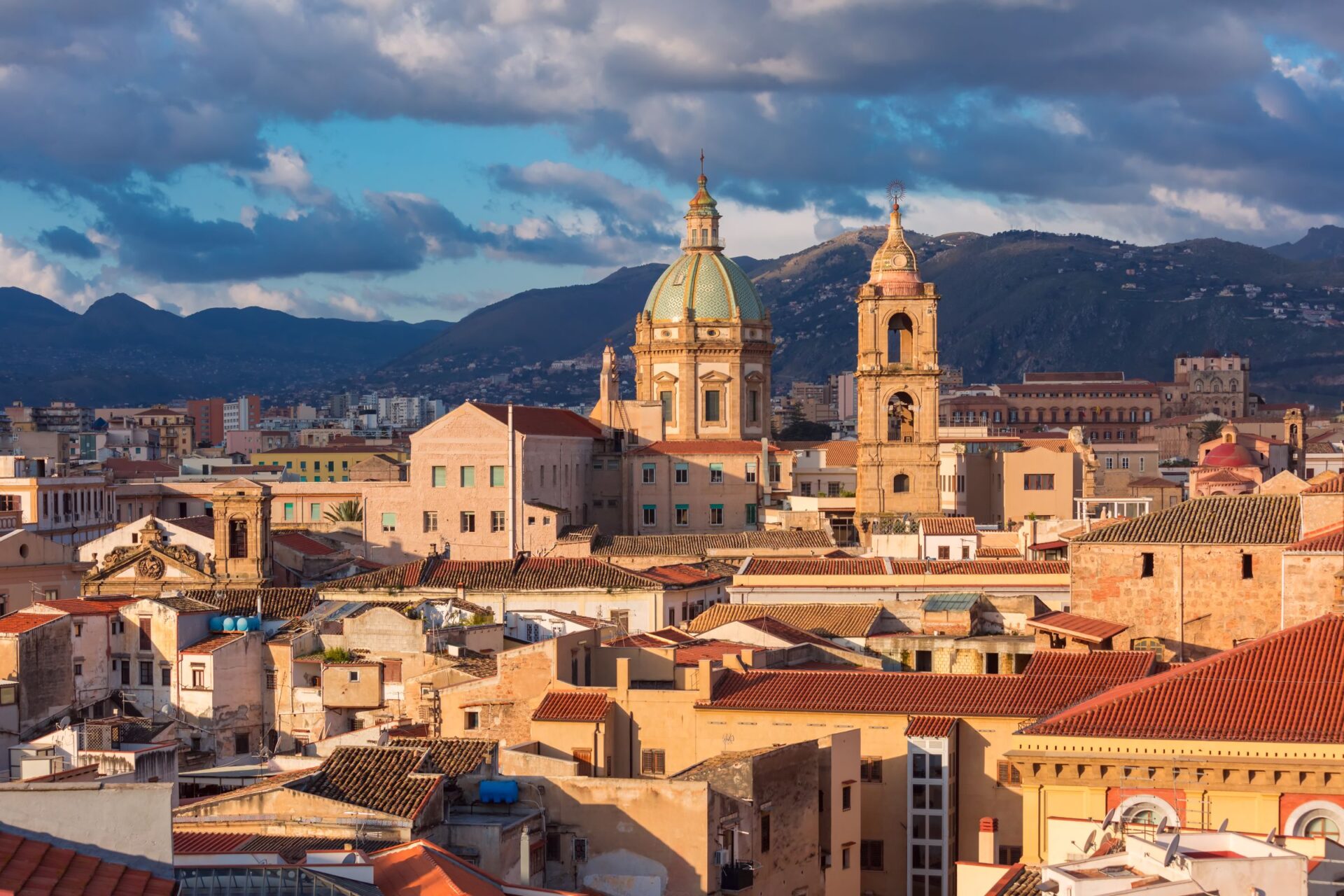
Norman influence here stands out, especially in the 11th-century golden Byzantine mosaics that decorate sacred spaces.
Art lovers and history buffs will find Palermo unforgettable. The Cathedral of Monreale, just outside the city, holds some of Sicily’s most spectacular Byzantine mosaics.
The 14th-century Chiesa e Monastero di Santa Caterina shows off the ornate Baroque style that came later. Palermo, sunbaked and lively, really gets under your skin with its wild blend of architecture and UNESCO World Heritage sites.
Palermo’s Byzantine Gold: Tracing the City’s Dazzling Mosaics
Some of Palermo’s most breathtaking treasures hide inside its old churches and palaces. The city’s Byzantine mosaics, all gold backgrounds and vibrant colors, tell stories of Sicily’s multicultural past.
Cappella Palatina: The Crown Jewel of Norman Splendor
I still remember stepping into the Cappella Palatina inside the Norman Palace for the first time. Nothing really prepares you for the overwhelming beauty of its gold mosaics.
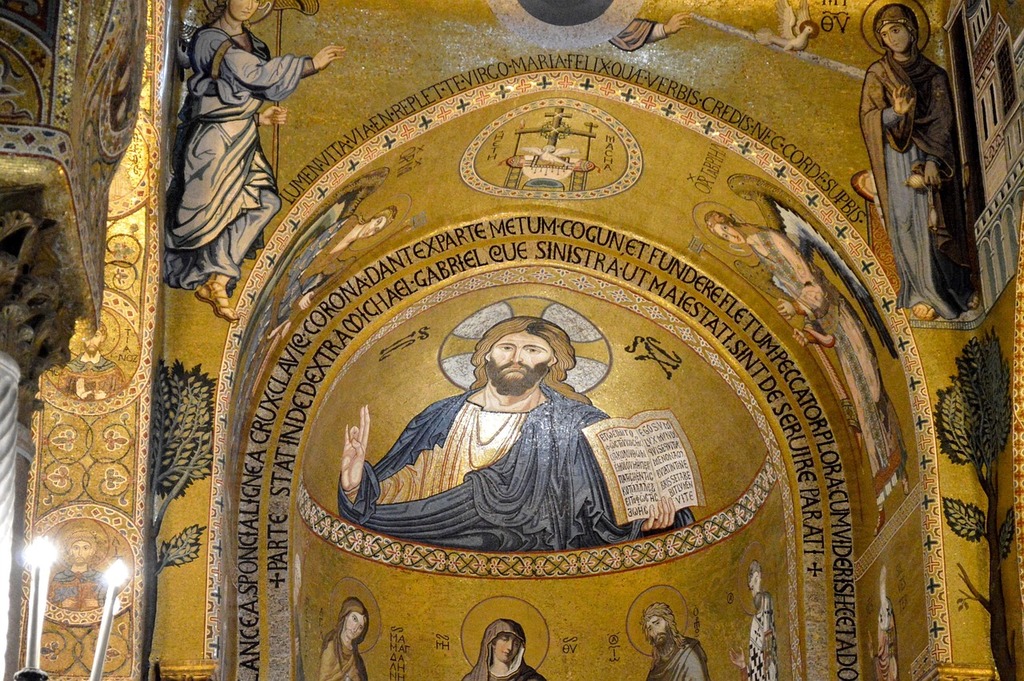
King Roger II built this royal chapel in 1132, fusing Byzantine, Norman, and Arab influences in one place.
The ceiling alone is a showstopper. Its honeycomb wooden structure—muqarnas—displays clear Islamic craftsmanship.
But the mosaics? They dazzle. Gold, blue, green, and red shimmer on the walls, with figures outlined in black.
The central apse features the imposing Christ Pantocrator. His calm but powerful gaze seems to follow you everywhere.
If you can, visit early in the morning. Sunlight streaming through the windows makes the gold surfaces glow.
La Martorana: Vibrant Byzantine and Arabesque Domes
Not far from Quattro Canti, I stumbled upon La Martorana (Santa Maria dell’Ammiraglio). This 12th-century church surprised me with its mix of styles.
The original Byzantine core holds some of Palermo’s oldest, brightest mosaics. One scene—Admiral George of Antioch kneeling before the Virgin Mary—really struck me. It’s a strong reminder of Sicily’s multicultural history.
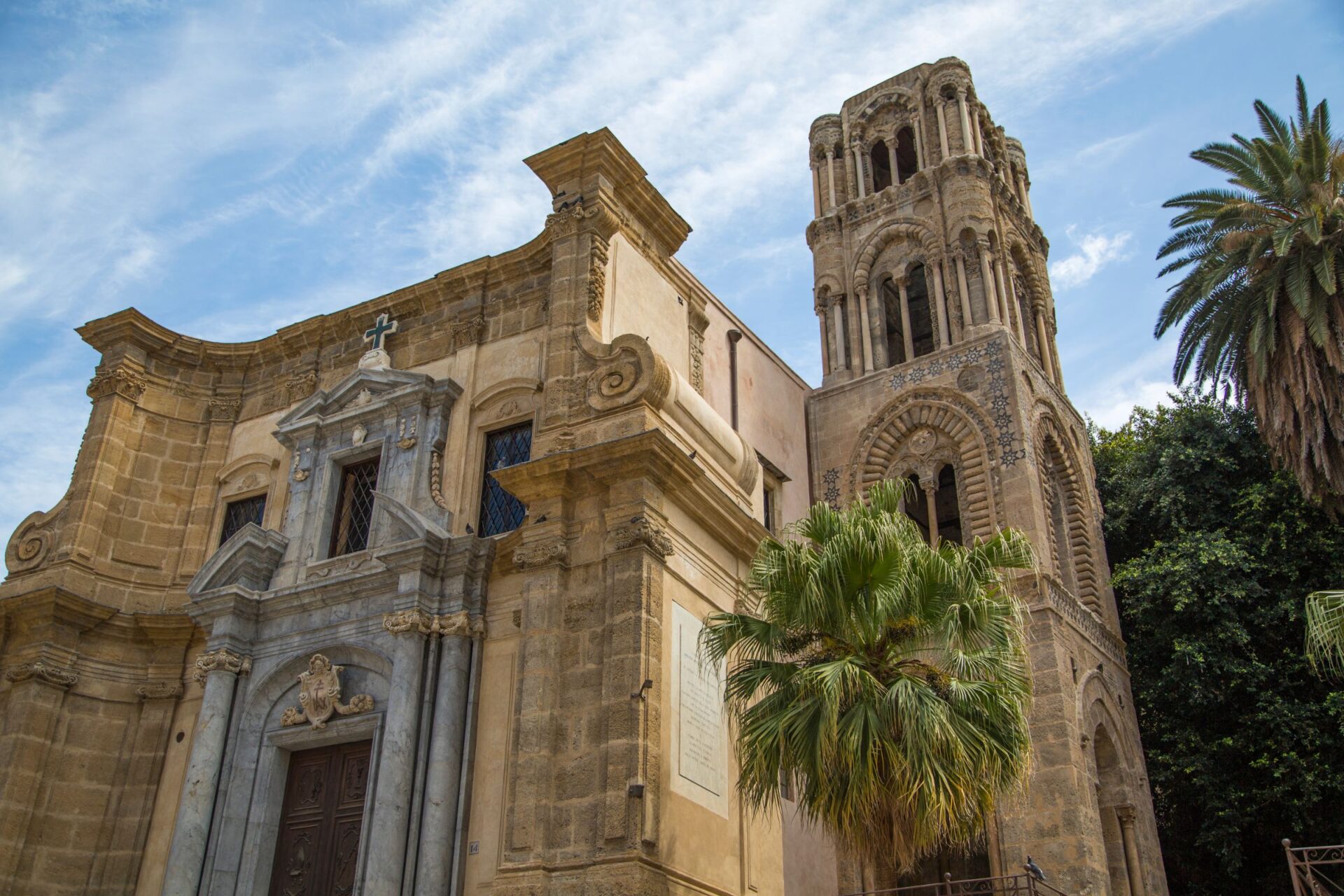
Arabesque domes top the church, creating a striking silhouette against the city’s skyline. Inside, light dances across the golden mosaics, giving the place an almost mystical vibe.
Don’t skip the scene of Christ crowning King Roger II. It’s a masterpiece of Byzantine art and says a lot about the close ties between politics and religion in Sicily.
Chiesa di San Giovanni degli Eremiti: Red Domes and Lush Gardens
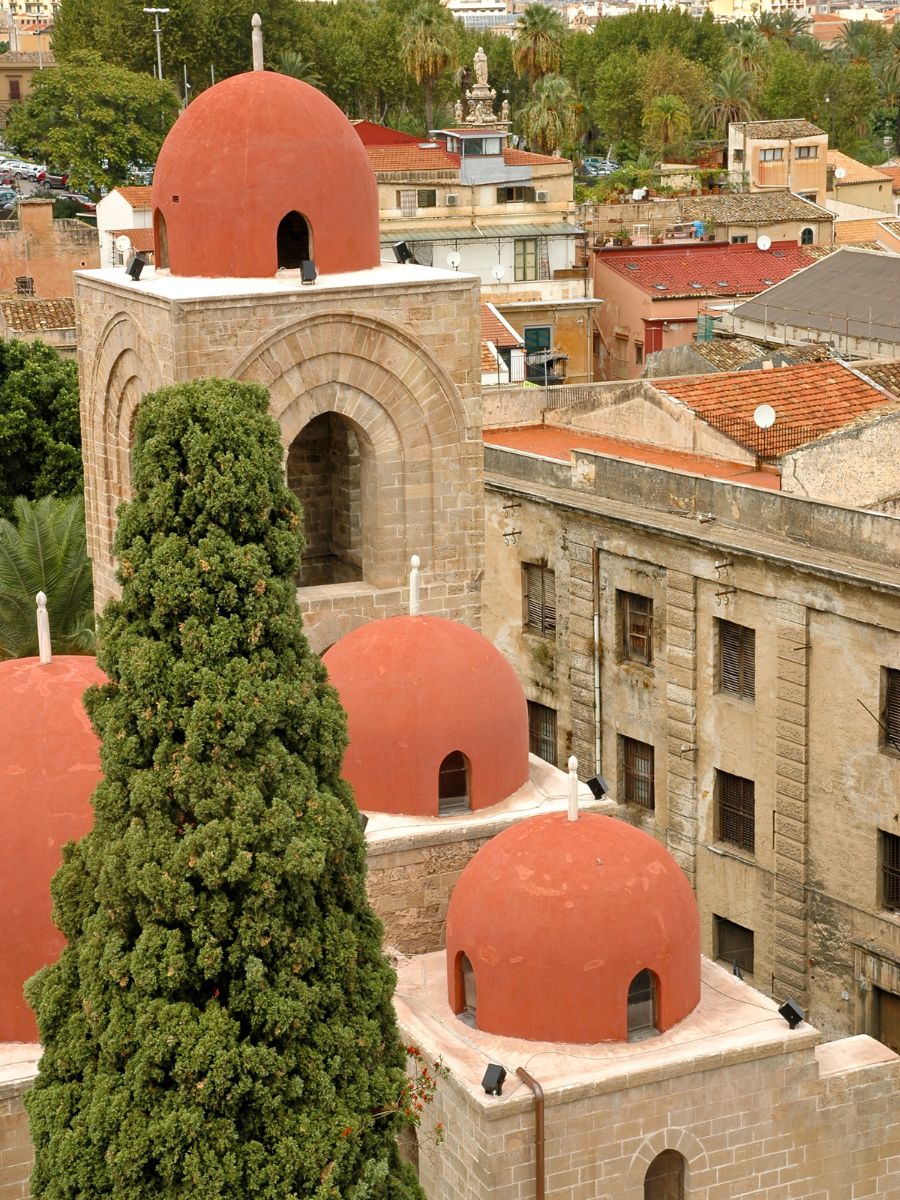
You can’t miss the red domes of San Giovanni degli Eremiti. While this church has fewer mosaics, its Arab-Norman architecture makes it a must-see on any Byzantine trail.
I spent a peaceful hour in its cloisters and gardens. The stark interior stands in sharp contrast to the ornate decoration of other Palermo churches.
Simple stonework and perfect proportions show a different side of Norman architecture. If you look closely, you might spot traces of the original geometric patterns that once decorated the walls.
The garden, filled with orange trees and jasmine, offers a fragrant break after a morning of mosaic-hunting.
Baroque Excess: The Theatrical Side of Palermo
Palermo loves theatrical design. Baroque extravagance pops up around nearly every corner.
The city’s architects seemed to work with a kind of joyful abandon, creating spaces that surprise and delight with their wild details.
Quattro Canti and Piazza Pretoria: Palermo’s Baroque Heart
I wandered down Corso Vittorio Emanuele and suddenly landed at Quattro Canti, the spectacular baroque crossroads at the heart of Palermo’s old city.
This octagonal intersection features four nearly identical façades, each with fountains, statues of Spanish kings, and Palermo’s patron saints.
Each corner stacks three tiers of sculptures, telling stories of seasons, saints, and royalty. The whole thing feels more like a stage set than a street corner.
Just steps away stands Piazza Pretoria, one of my favorite spots for pure Sicilian Baroque. The square buzzes with life as locals and visitors gather to admire the surrounding architecture.
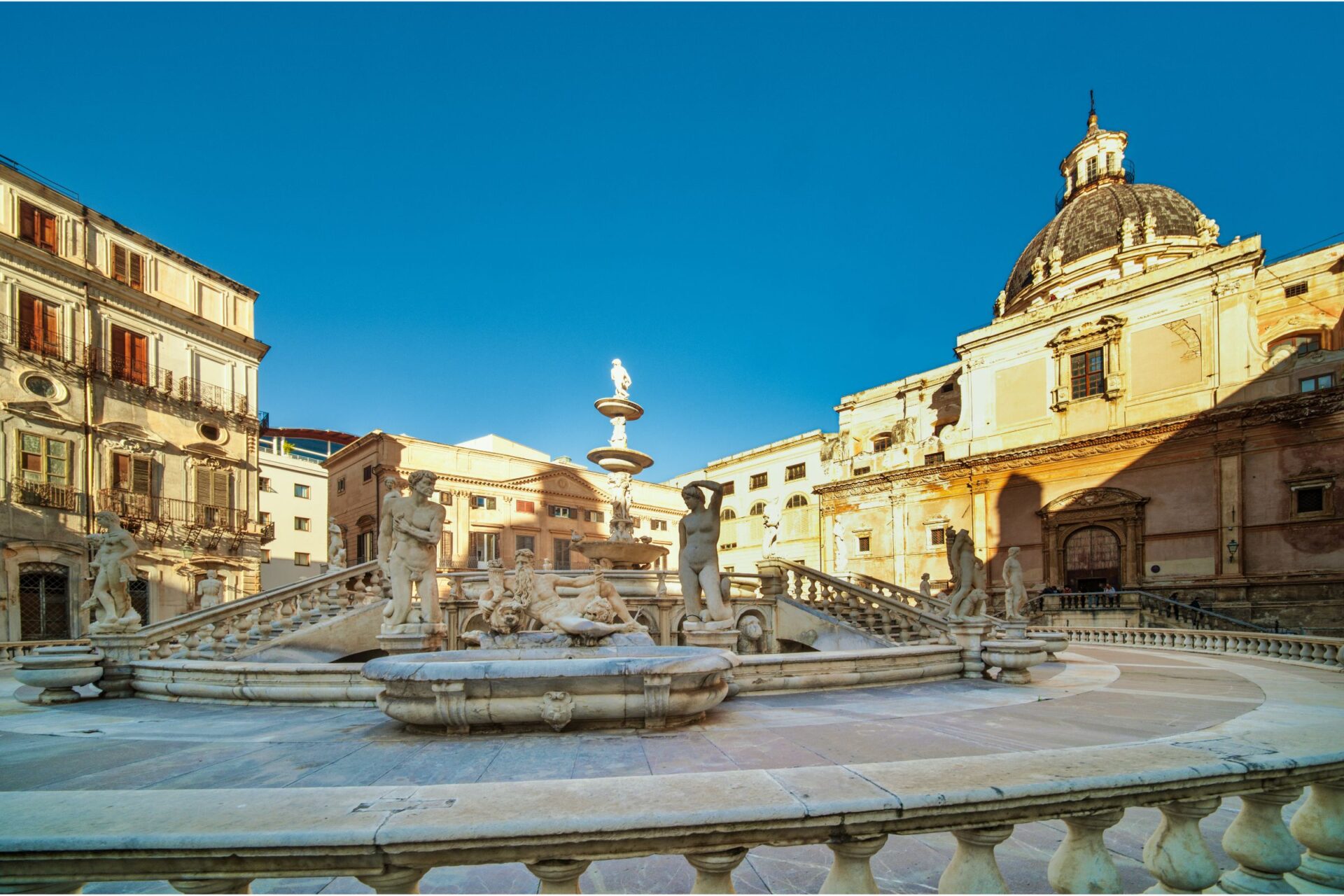
Fontana Pretoria: Sculptures and Secrets
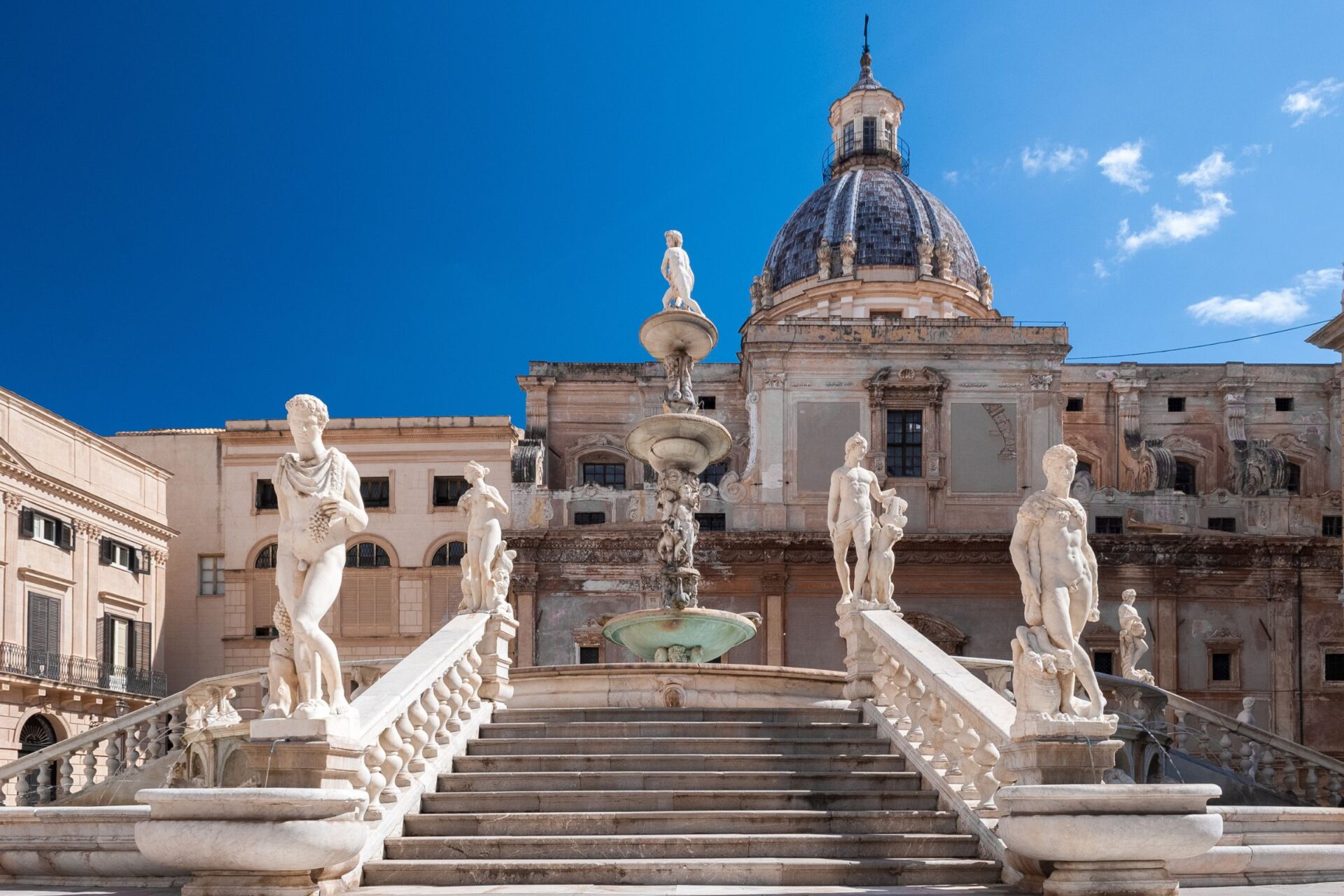
Piazza Pretoria’s star is the magnificent Fontana Pretoria—locals call it the “Fountain of Shame” because of its nude statues.
Florence originally claimed the fountain, but Palermo bought it in 1573.
Concentric rings rise toward a central figure, with sixteen nude nymphs, tritons, and river gods circling the base. Water tumbles through the tiers, creating a gentle soundtrack on hot Sicilian afternoons.
When I visited, I watched morning sunlight play across the white marble, bringing out new sculptural details as the hours passed. The fountain’s dramatic poses and flowing forms capture baroque excess in full force.
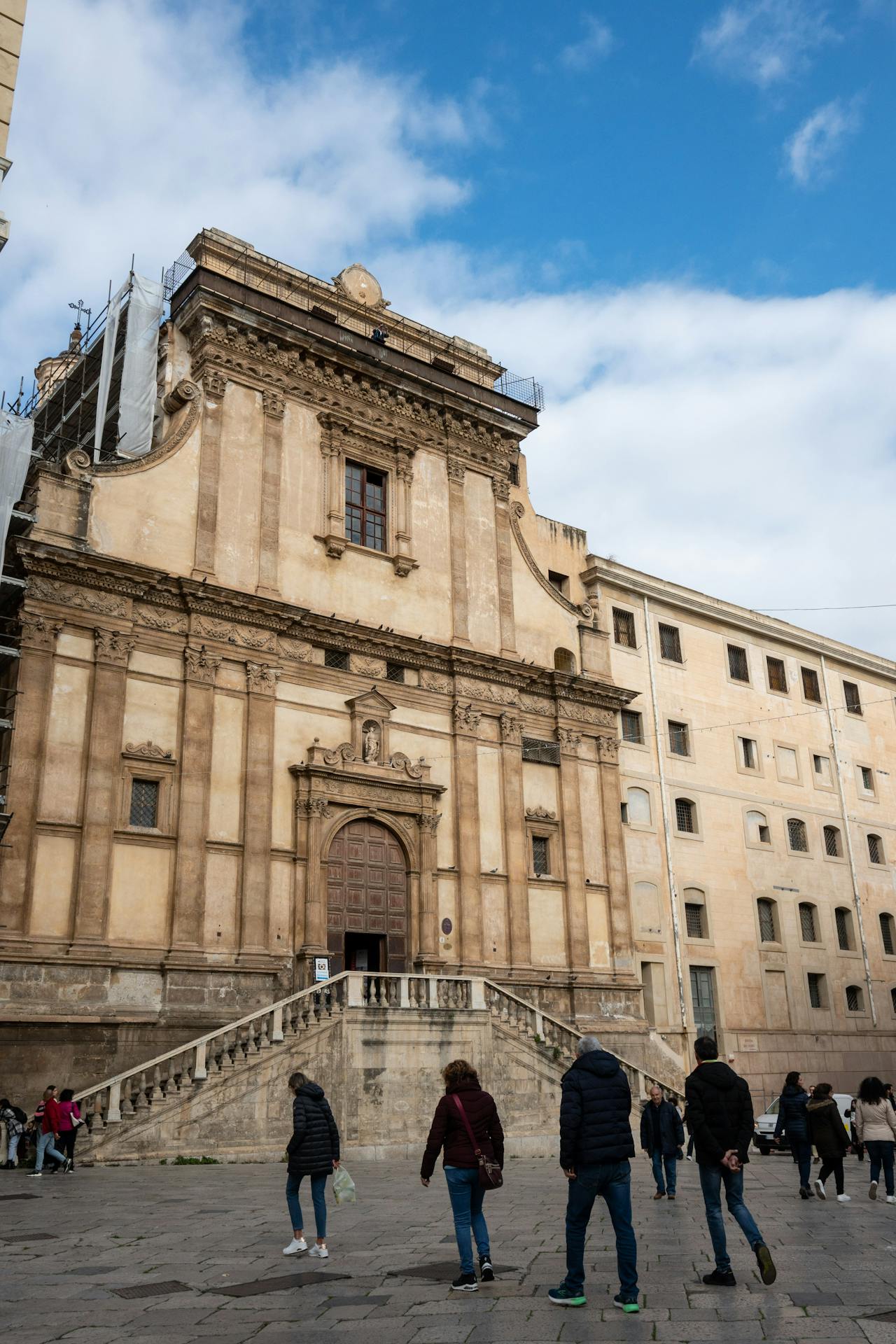
Exploring Santa Caterina: Frescoed Cupolas and Sweet Marzipan
Santa Caterina Church stands at the peak of Palermo’s baroque expression. Honestly, I wasn’t ready for the riot of color inside.
Every inch bursts with decoration—frescoed cupolas, marble inlays, and gilded ornaments.
The ceiling’s breathtaking frescoes depict religious scenes in vivid color. Look up and you’ll spot swirling clouds, angels, and saints in brilliant blues and golds.
Don’t skip the convent’s bakery. The nuns still make traditional marzipan sweets from ancient recipes.
These colorful treats, often shaped like fruit, are little works of art—a sweet reminder of Sicily’s Arabic influences and baroque love for excess.
Architectural Walks: Palermo’s Landmarks and Hidden Gems
Walking in Palermo feels like wandering through an open-air museum. The city’s architecture tells stories of conquest, artistic movements, and centuries of cultural exchange.
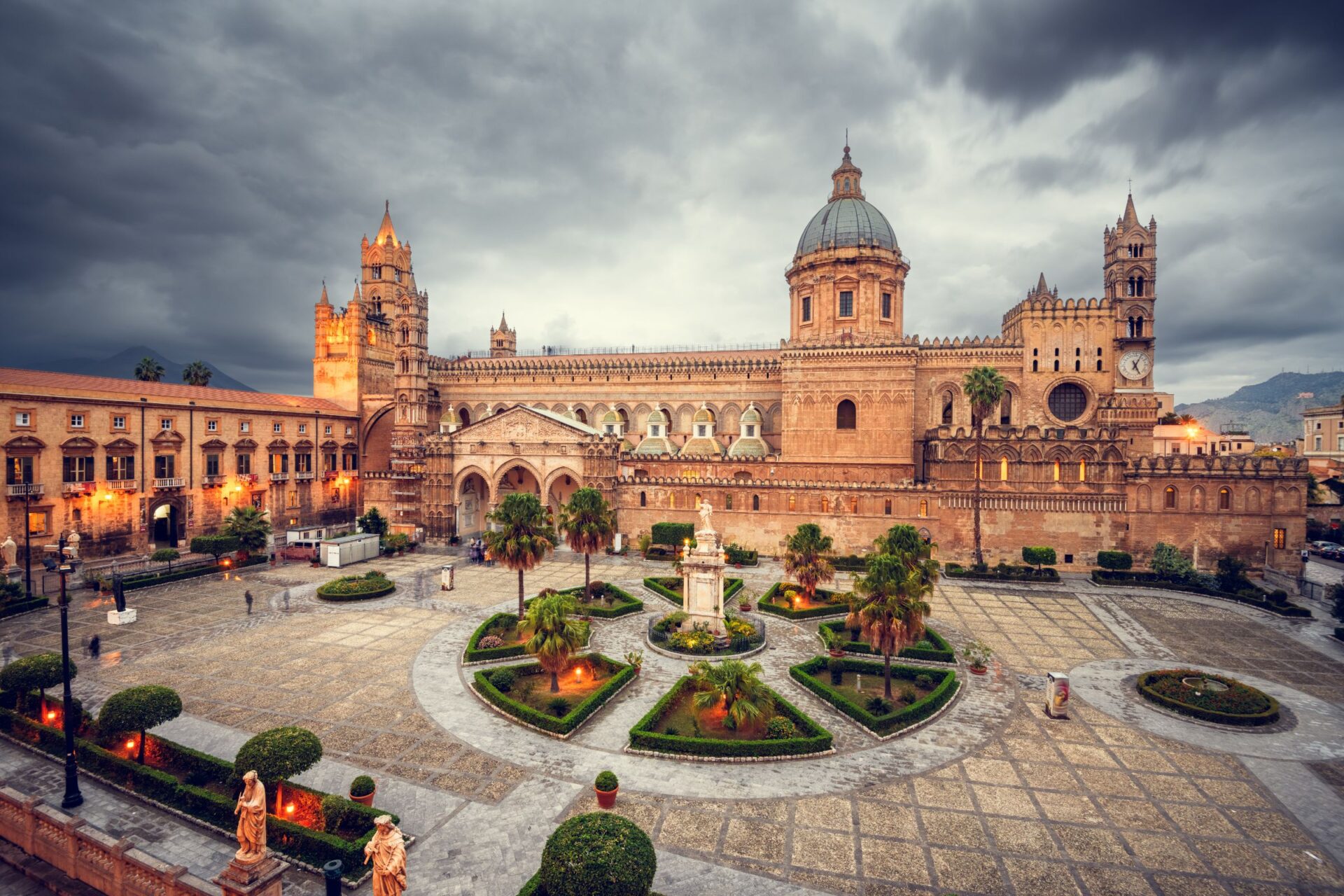
Palermo Cathedral: Icons and Layers of History
Palermo Cathedral rises as a testament to the city’s tangled past. Its blend of Norman, Moorish, Gothic, and Baroque styles surprised me.
The ornate portico and big dome on the outside caught my eye. Inside, Norman kings’ royal tombs rest beside beautiful chapels.
The Treasury Museum holds precious relics, including the crown of Constance of Aragon.
Many visitors miss the rooftop. I highly recommend climbing up for sweeping views of the city’s historic center.
The cathedral really does mirror Palermo—layers of history stacked on top of each other, creating something uniquely Sicilian.
Don’t forget the small courtyard with palm trees. It’s a peaceful spot away from the crowds and perfect for photos of the cathedral’s eastern side.
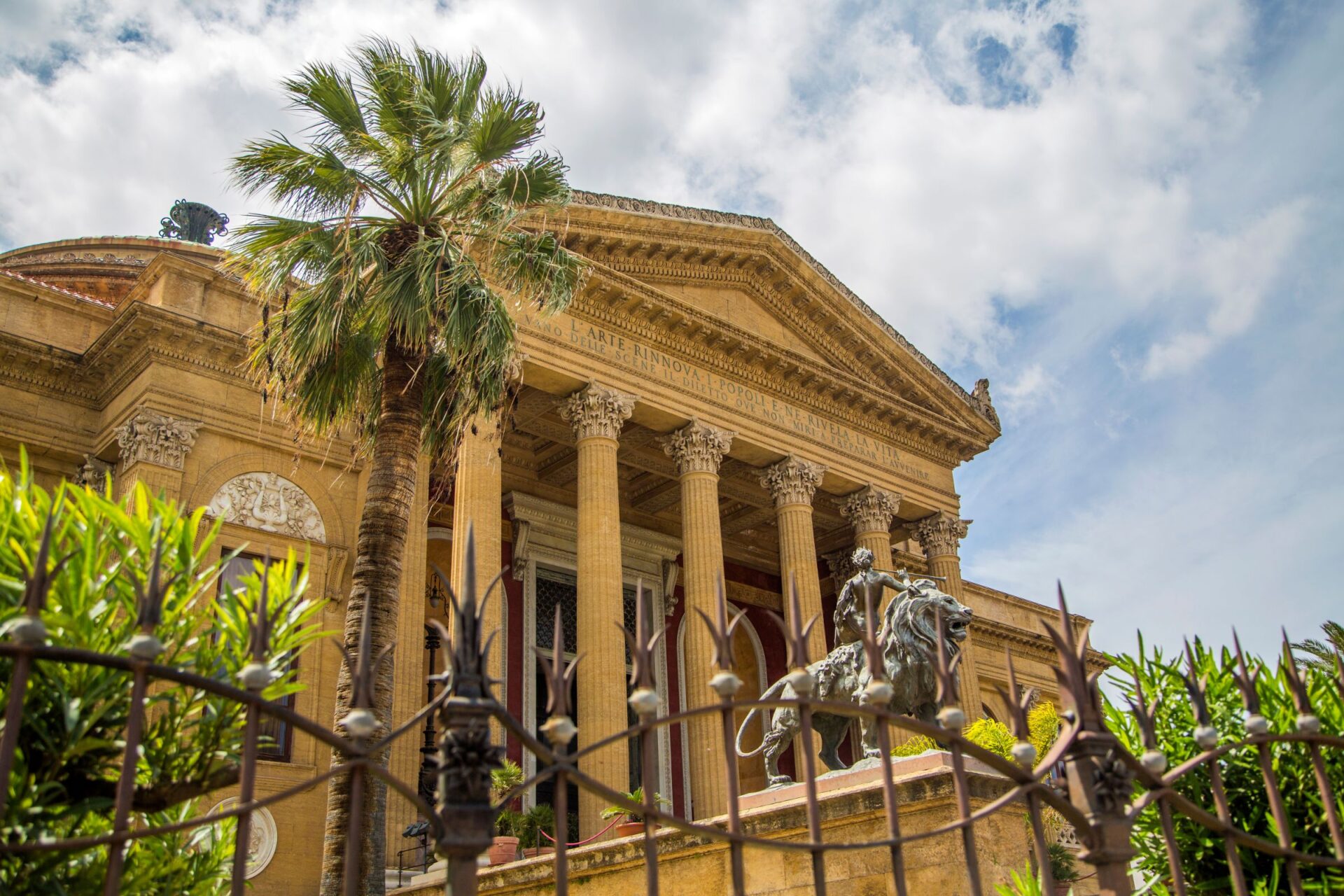
Teatro Massimo: Opera House Grandeur
Teatro Massimo isn’t just Italy’s biggest opera house—it’s a symbol of Palermo’s cultural comeback.
When I first saw this neoclassical giant, the six columns and grand staircase stopped me in my tracks.
Built from 1875 to 1897, this place has:
- Exceptional acoustics (some say among Europe’s best)
- A stunning horseshoe-shaped auditorium
- Ceiling paintings by Ducrot
- The famous “Wheel of Fortune” mosaic in the foyer
The guided tour surprised me with its secrets. Seven floors hide rehearsal rooms, workshops, and a magnificent Royal Box.
I didn’t expect to learn that “The Godfather Part III” filmed its final scene on these steps.
Evenings here feel magical. Even if you’re not into opera, seeing the building all lit up at night is worth it.
Royal Palace: Ancient Power and Opulence
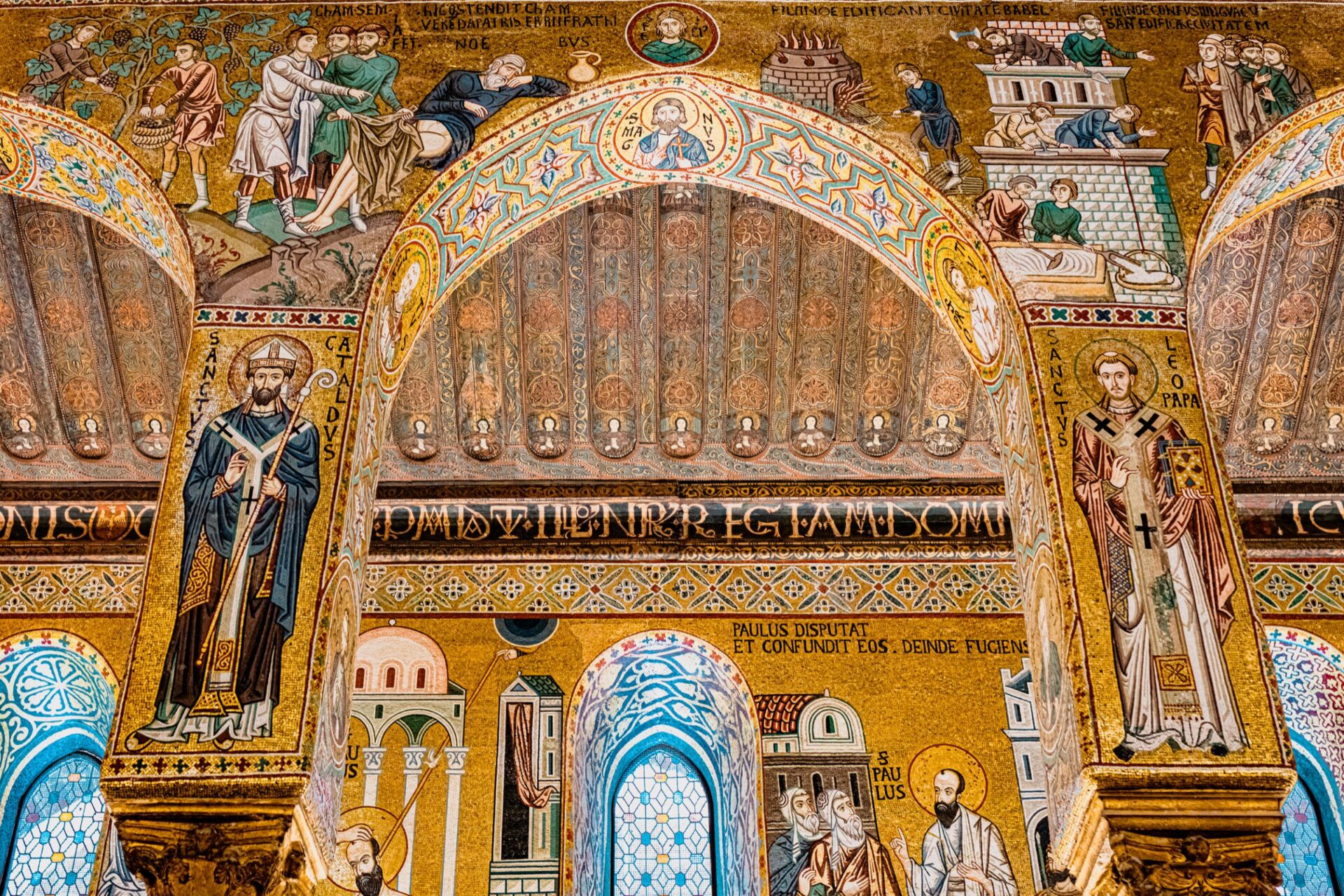
The Norman Palace (Palazzo dei Normanni) has served as Sicily’s seat of power since Arab times.
As I wandered its chambers, I felt surrounded by living history.
The Palatine Chapel is the palace’s true jewel. Its golden Byzantine mosaics left me speechless—every wall and ceiling inch covered in glittering biblical scenes.
The wooden muqarnas ceiling blends Islamic artistry with Christian imagery like nowhere else I’ve seen.
The Royal Apartments show off lavish decorations from different eras. I especially loved the King Roger Room with its original Norman walls.
Don’t miss the palace’s archaeological area below ground. You can walk among ancient foundations that go back to Punic times.
The contrast between those ruins and the royal splendor upstairs really sums up Palermo’s layered identity.
Vucciria Market: Markets Meet Monuments
Vucciria Market mixes food, architecture, and daily life. It’s quieter than it used to be, but still gives you a taste of real Palermo.
I lost myself in the narrow medieval streets, lined with crumbling baroque buildings. The market sits in the old Arab quarter, where arched doorways, worn stone steps, and ornate balconies hint at past grandeur.
Vucciria morphs throughout the day. Mornings bring food vendors and shoppers. By evening, ancient squares fill with young people enjoying aperitivos against a backdrop of history.
Look for Piazza Garraffello. Though damaged, its Renaissance fountain and palaces hint at former elegance.
Street art now decorates many buildings, creating a conversation between past and present.
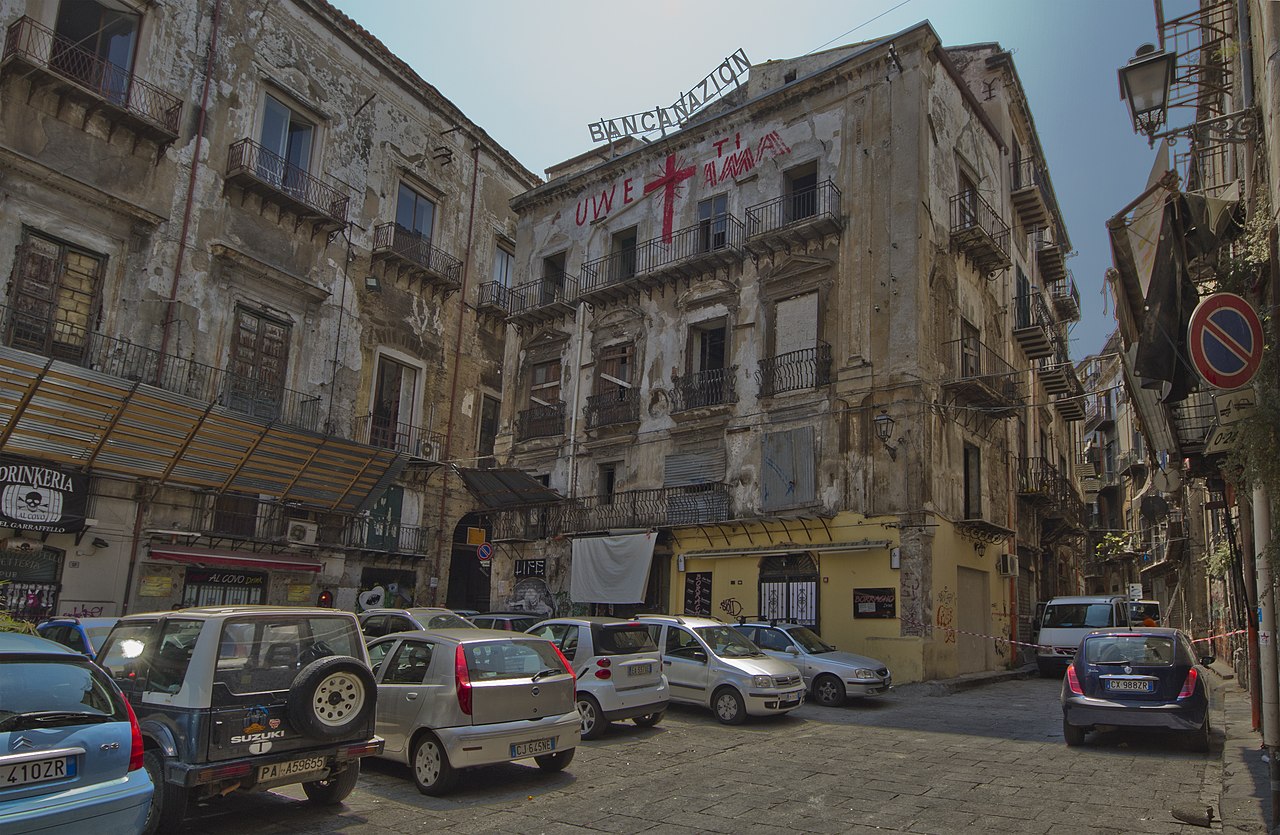
Image Source: Wikimedia Commons
UNESCO World Heritage Trails: Palermo and Beyond
Sicily boasts a dazzling collection of UNESCO World Heritage Sites. From Byzantine churches to stunning Baroque towns, these treasures open a window onto the island’s wild history.
Arab-Norman Palermo: Where East Meets West
The Arab-Norman UNESCO route in Palermo is, honestly, one of my favorite cultural experiences in Sicily.
This unique style blends Byzantine mosaics, Islamic arches, and Norman structure in a way you just don’t see anywhere else.
La Martorana Church is a must-see. Its gold mosaics seem to glow from within.
The Cathedral of Monreale, just outside the city, probably has the most impressive Byzantine mosaic program anywhere.
Inside the Norman Palace, the Palatine Chapel’s honeycomb muqarnas ceiling and tiny, brilliant tesserae left me speechless.
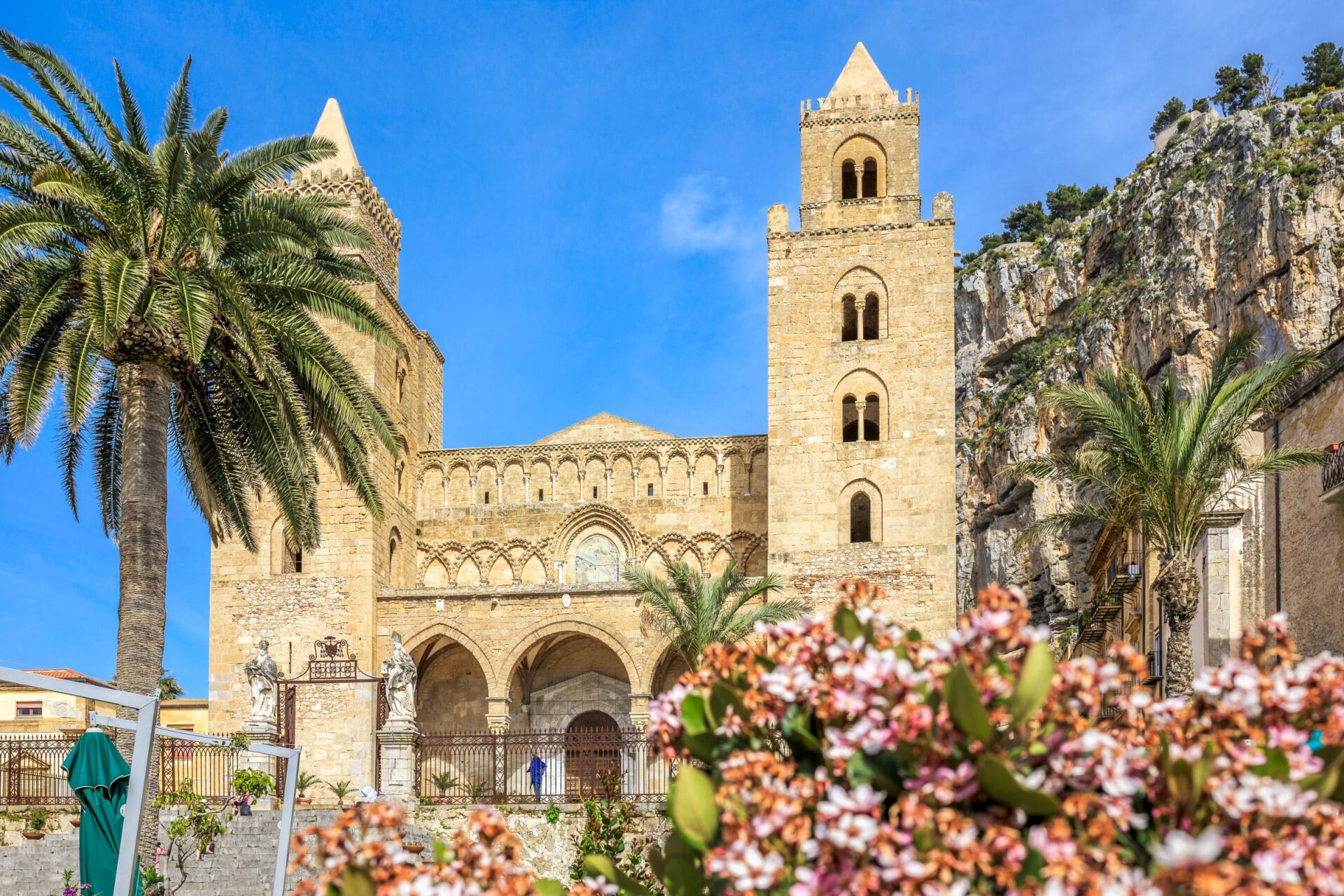
The UNESCO route also includes Cefalù’s Norman cathedral, where Christ Pantocrator’s eyes seem to follow you across the apse.
Exploring Noto and Baroque Sicily
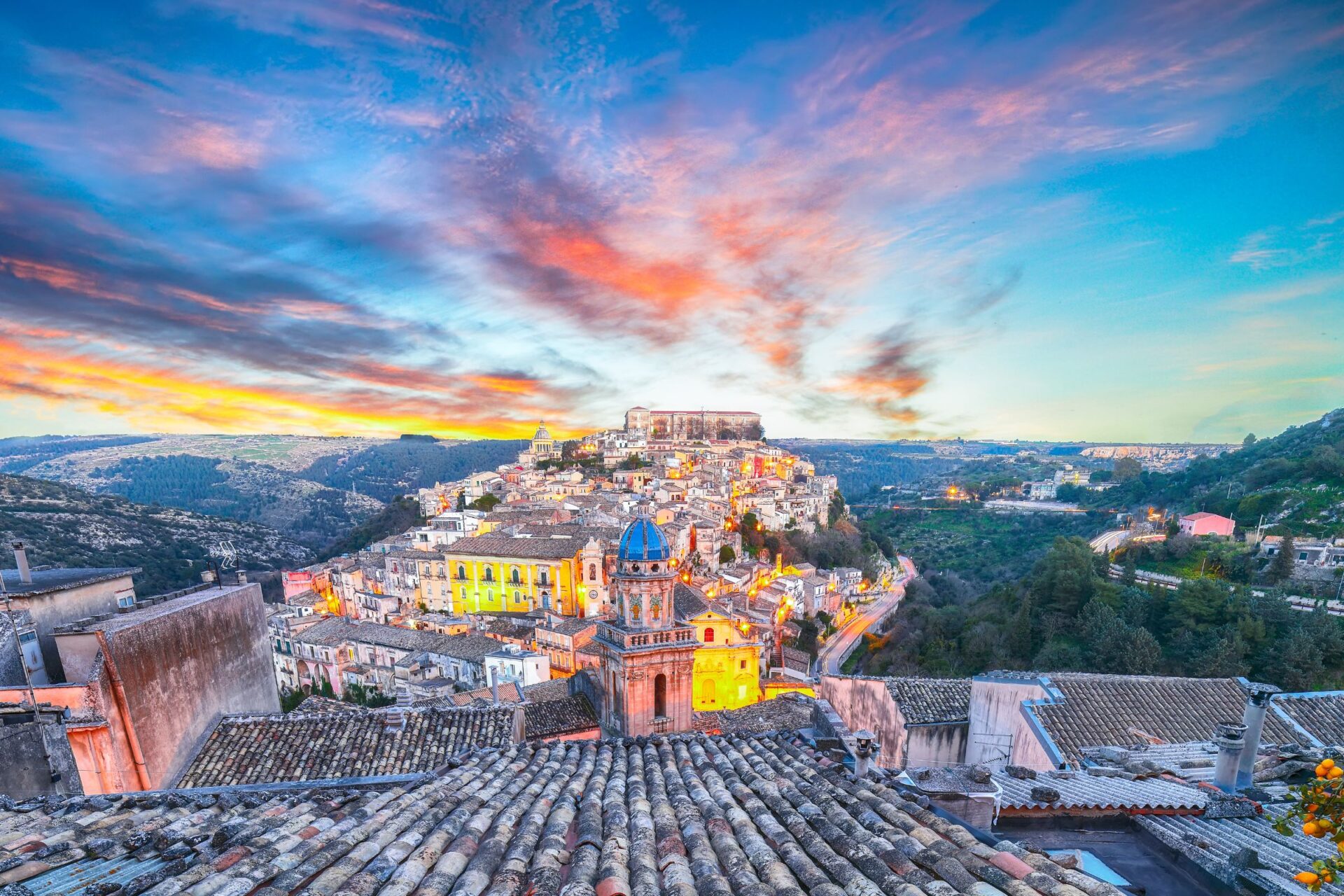
The Val di Noto region in southeastern Sicily shows off some of Europe’s finest Baroque architecture.
After a massive earthquake in 1693, eight towns rose again in flamboyant Baroque style.
Noto shines with golden stone, ornate balconies, and theatrical public squares. I spent hours along Via Nicolaci, staring up at the wild stone carvings—mythical beasts and grinning masks—on the noble palaces.
Other UNESCO-listed Baroque towns—Ragusa, Modica, and Catania—each put their own spin on extravagance.
Churches drip with marble, stucco, and gold leaf. Public squares become dramatic stages for daily Sicilian life.
Side Trips: Agrigento, Valley of the Temples, Segesta, and Taormina
You’ll find some of the best-preserved Greek temples outside Greece at the Valley of the Temples in Agrigento. I suggest heading there early in the morning, when the golden light hits the Temple of Concordia and brings its ancient stones to life.
Segesta’s lone Doric temple stands out in the rolling countryside, creating this hauntingly beautiful scene that honestly feels a bit otherworldly. Above it, a Greek theatre sits perfectly intact, offering wide-open views of the hills.
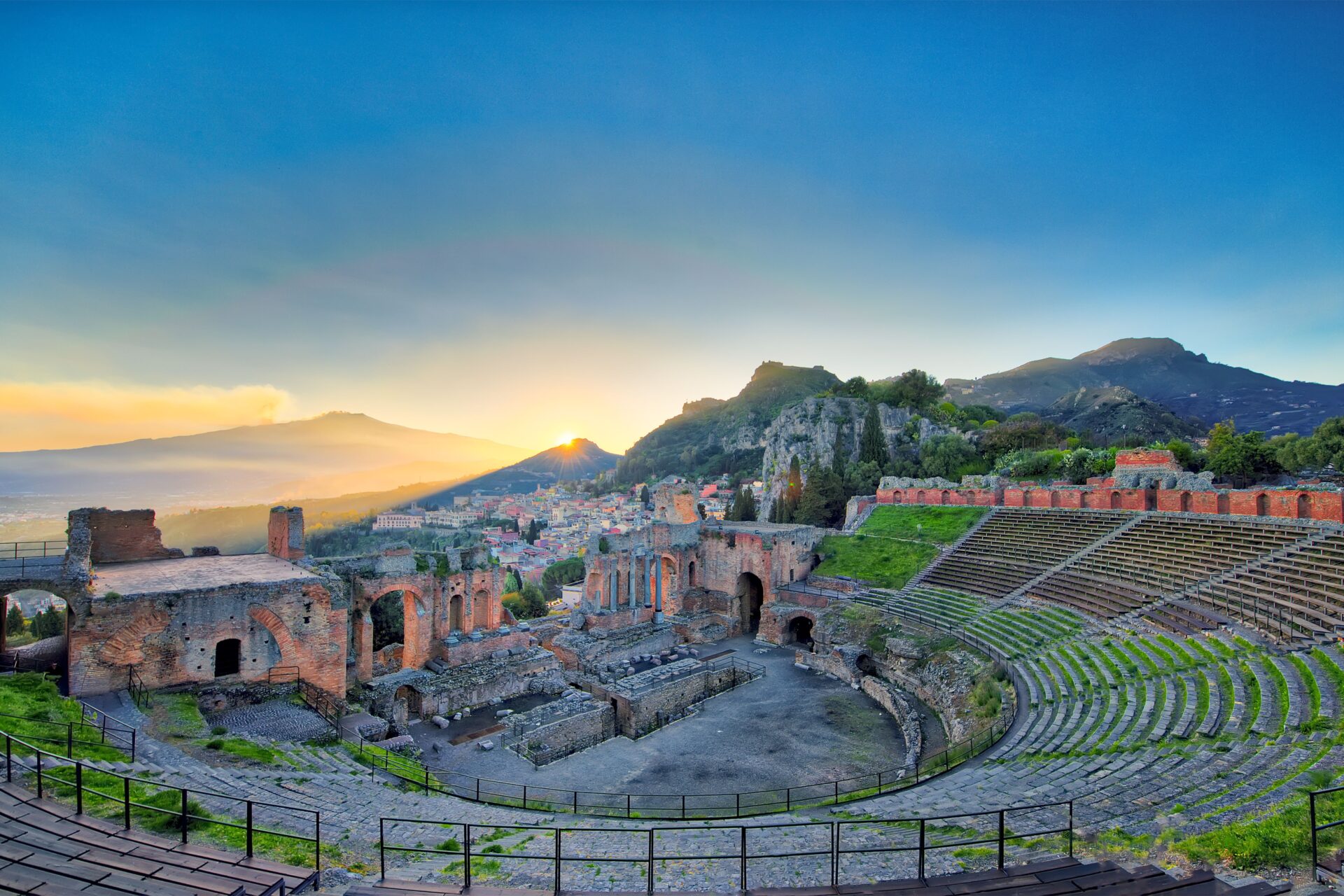
Taormina’s ancient Greek theatre might have the most dramatic setting in Sicily. People still hold performances there, right in front of Mount Etna and the Mediterranean—it’s a wild combination.
Nearby Syracuse, another UNESCO site, mixes Greek ruins with the island district of Ortygia. I loved wandering those narrow medieval streets that suddenly open onto bright, baroque piazzas.
Cultural Feasts: Palermo’s Cuisine and Street Life
Palermo’s food scene bursts with energy and history. Vendors fill the streets, selling treats that reflect Sicily’s Arabic, Norman, and Mediterranean roots.
Sicilian Street Food Adventures
As I walk through Palermo, I spot street food stalls on just about every corner. These tiny spots serve up snacks for a couple of Euros, and honestly, it’s hard to stop at just one.
Arancini—those crispy rice balls with ragu, peas, and cheese—quickly became something I craved every day. I tried panelle (chickpea fritters) and pani ca’ meusa (spleen sandwich) at the lively markets too.
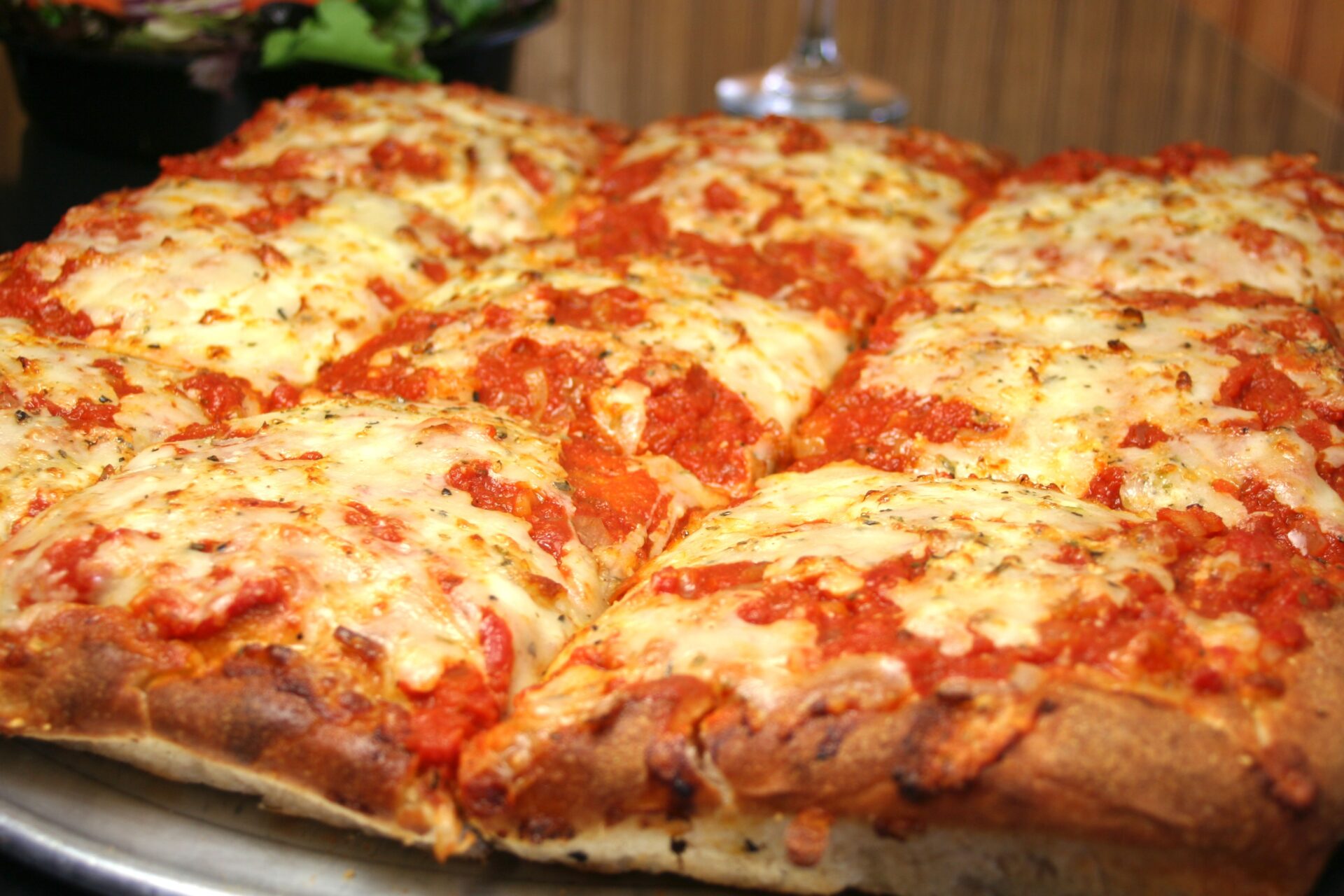
Locals showed me that street food is more than just eating; it’s a way for families and friends to connect. Lots of Palermitans begin their mornings with sfincione, a thick Sicilian pizza topped with tomato, onion, and breadcrumbs.
If you want the real deal, try a Streaty food tour. My guide took me to tucked-away spots where families have cooked the same recipes for generations.
Sweet Treats: Almonds, Marzipan, and More
Sicily’s reputation for sweets is well deserved, and Palermo really goes all in. The city’s obsession with almonds and honey comes straight from its Arab past.
Cassata became my afternoon ritual—it’s a sponge cake soaked with liqueur, layered with sweet ricotta and marzipan. The colors alone are a treat.
Frutta martorana, those marzipan fruits painted to look almost too real, taste as good as they look. I stumbled on the best ones at old pastry shops near the Church of St. Mary of the Admiral.
You can’t skip cannoli—crisp pastry tubes packed with sweet ricotta. I always look for shops that fill them on the spot; that’s the secret. If you see pistachios dusted on the ends, you’re in the right place for classic Sicilian flavor.

Markets and Mediterranean Flavors
Palermo’s markets feel like sensory wonderlands where Sicily’s Mediterranean bounty practically bursts from every stall.
Vucciria Market isn’t as sprawling as it once was, but it still captures the heart of Palermo. I loved watching fishmongers sell fresh tuna, shouting out to customers in rapid-fire Sicilian.
The markets overflow with Sicily’s best produce—blood oranges, pistachios, and eggplants bigger than anywhere else I’ve seen.
These days, Mercato di Capo and Ballarò offer even more authentic experiences. Vendors set up vibrant piles of olives, capers, and sun-dried tomatoes. Honestly, it’s the Mediterranean diet in living color.
Locals definitely shop here too. I often caught people debating which stall had the best ingredients or haggling over prices. Most bring their own shopping bags and dart from stand to stand, hunting down every last thing they need for dinner.