
I still remember when our little red train started its climb from Diakopto, chugging slowly into the wild Vouraikos Gorge toward Kalavryta.
This one-hour rack railway ride through the northern Peloponnese ranks among Greece’s most breathtaking travel experiences, blending natural beauty with rich Greek history.
The rhythmic clickety-clack of the wheels set the mood as the scenery outside my window kept shifting.
As we climbed into the mountains, the landscape just kept getting wilder.
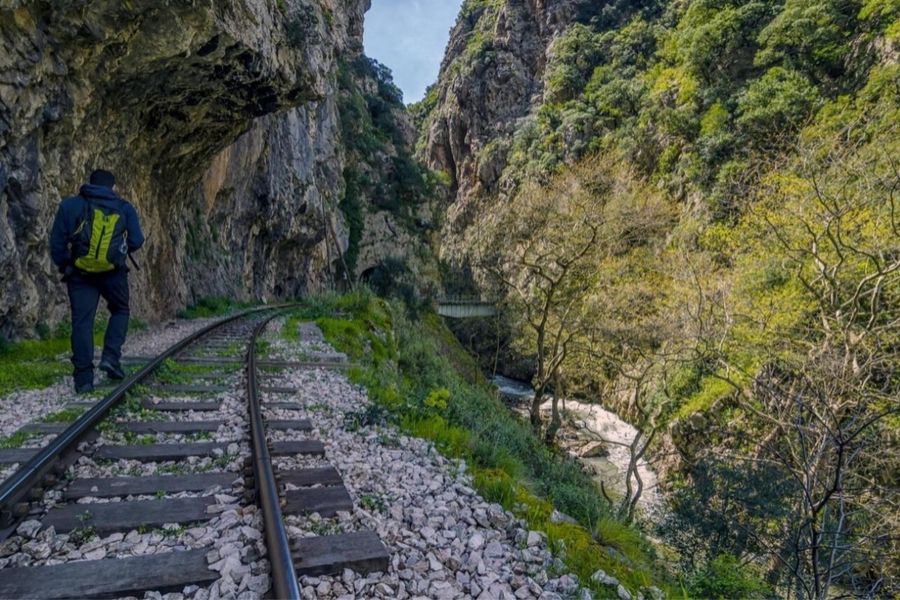
Stone bridges, tight tunnels, and dizzying drops flashed by while the gorge’s walls loomed above us.
Engineers built this marvel more than 120 years ago, and it still connects the coast to the mountains.
Today, locals and travelers alike ride the rails for just 9.5 euros (kids go half-price), making it a surprisingly affordable adventure.
Kalavryta, nestled at the foot of Mount Chelmos, greeted us at the end of the line.
This mountain town isn’t just a pretty face—it’s deeply tied to some of Greece’s most important historical moments.
The train journey itself felt like a story of resilience.
These little engines have conquered the rugged route for decades, linking communities through all sorts of changes.
Unveiling the Diakofto-Kalavryta Railway Experience
The Diakofto-Kalavryta railway carves out one of Greece’s most spectacular journeys.
It winds through the dramatic Vouraikos Gorge, showing off both nature’s wonders and human ingenuity.
History and Heritage
This 750 mm gauge rack railway has played a key role in the northern Peloponnese since the late 1800s.
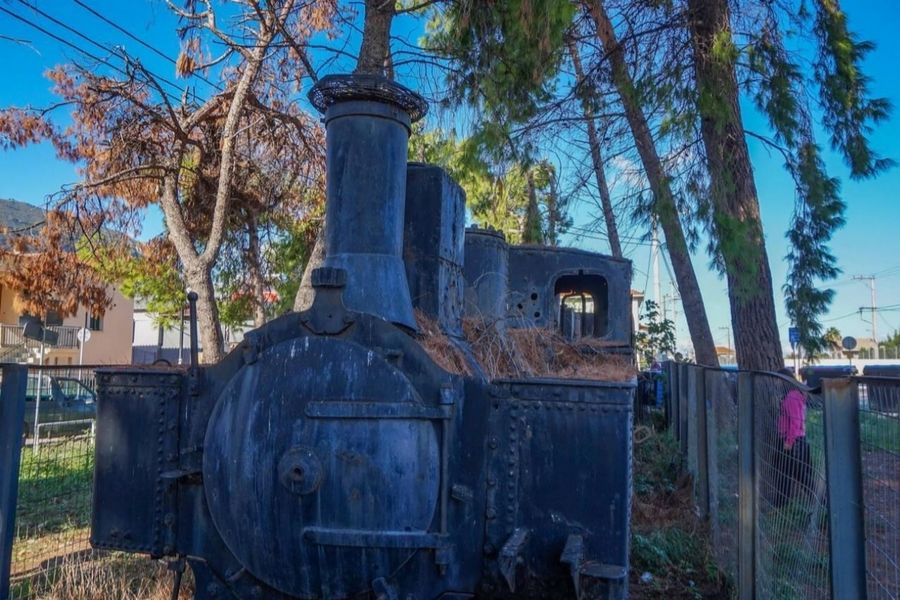
I was honestly amazed to find out that some original engines ran for over 70 years—one even clocked more than two million kilometers before retiring as a monument.
The railway connects Diakofto on the coast with Kalavryta in the mountains, blending practical transport with a dash of adventure.
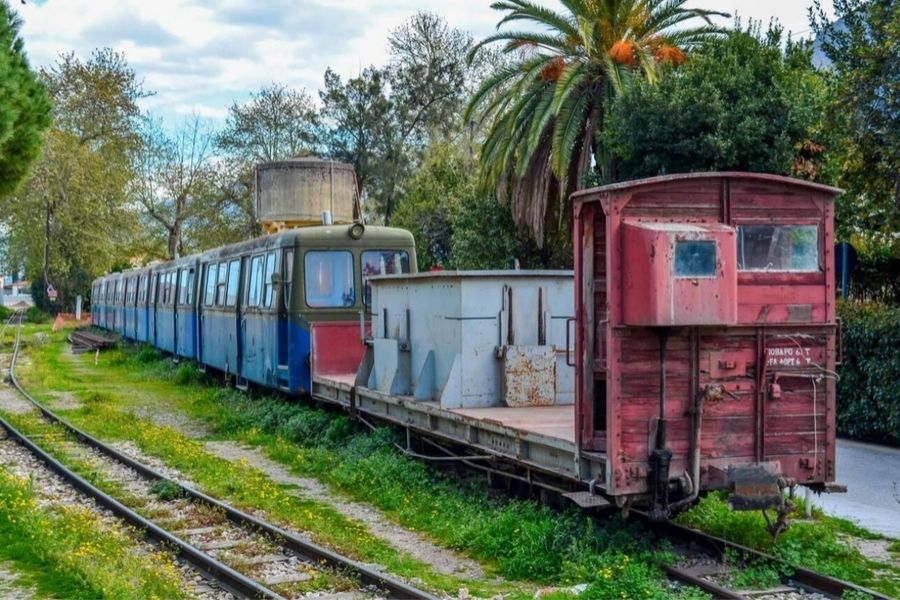
Walking along the tracks, I could almost hear echoes of history drifting through the gorge.
During the twentieth century, this railway became more than just transport—it turned into a symbol of Greece’s drive to connect even its most remote corners.
Why the Route Is Unique
What really sets this journey apart is the rack-and-pinion system.
It lets the train climb steep gradients through the gorge that regular trains couldn’t handle.
The one-hour ride covers 22 kilometers (14 miles) of some of the most stunning scenery in the Peloponnese.
Travel books and even Frommer’s call it the Balkans’ most spectacular train route.
Honestly? They’re not wrong.
The narrow-gauge tracks hug cliff faces and cross stone bridges that seem almost impossible.
The trip strikes a perfect balance between wild nature and human achievement.
As my train rattled alongside the Vouraikos River, I spotted hikers far below, their trails weaving parallel to the tracks.
Personal Journey Highlights
My journey kicked off in Diakofto, where I boarded the cheery little train bound for the mountains.
The clickety-clack rhythm quickly became hypnotic as we entered the gorge.
Sometimes the rock walls closed in so tightly on both sides, I could almost reach out and touch them.
I pressed my face to the window, trying to soak up every detail of the limestone carved by centuries of water.
The most magical moment?
Midway through, we crossed a bridge with the gorge plunging below.
For a second, the train seemed to float between earth and sky.
Villages appeared and vanished in the greenery, giving fleeting glimpses of rural Greek life that hasn’t changed much in generations.
By the time we rolled into Kalavryta, I felt like I’d traveled not just in distance but through time.
Essential Information for Travelers
If you’re planning to ride the Diakofto-Kalavryta railway, a little preparation will help you make the most of it.
This journey through the Vouraikos Gorge is unforgettable, but there are a few practical things to keep in mind.
Getting There and Entry Requirements
The journey starts in Diakofto, a small town on the northern Peloponnese coast.
I found it easy to reach from Athens—about two hours by car.
You can also take a regular train from Athens to Patras, hopping off at Diakofto station.
No special entry requirements here, just the usual Greek travel documents.
As an EU citizen, I only needed my ID card.
Non-EU travelers should bring a passport and any necessary visas.
The Diakofto station sits right in the center of town and is clearly marked.
I’d suggest arriving at least 30 minutes before your train to grab tickets and find your seat, especially in high season.
Parking is available near the station, but it can fill up during peak summer months.
Buying Tickets and Planning Your Trip
A one-way ticket from Diakofto to Kalavryta costs €9.50 for adults.
Kids aged 4-12 pay half (€4.75), and little ones under 4 ride free.
You can buy tickets at the station, online via the Hellenic Train website, or by phone.
The journey covers 22 kilometers and takes about an hour each way.
I’d recommend booking return tickets ahead of time—summer and weekends get busy.
The train runs daily with multiple departures, but the schedule changes with the seasons.
When I visited in May, departures from Diakofto were at 9:00, 11:00, 13:00, and 15:00.
Returns from Kalavryta left at 10:15, 12:15, 14:15, and 16:15.
Best Times to Ride
The railway operates all year, but each season brings something different.
Spring (April-May) and autumn (September-October) are my favorites—pleasant weather and fewer crowds.
Summer brings more tourists and warmer days, but the gorge stays cool.
Winter transforms the landscape, especially near Kalavryta, with snow and an almost alpine vibe.
If you love photography, morning rides have the best light for the gorge’s dramatic scenery.
Catching an early train also gives you more time in Kalavryta.
Weekdays are quieter than weekends.
I rode on a Tuesday and enjoyed wandering the carriage for different views.
Visitor Information
Kalavryta has plenty to explore after your train ride.
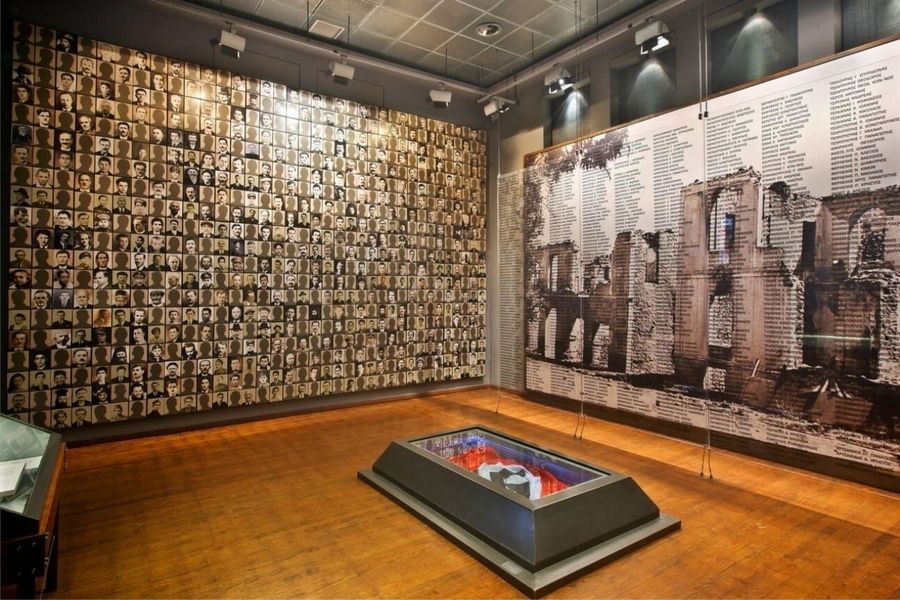
The Holocaust Museum honors the town’s tragic WWII past and is well worth a visit.
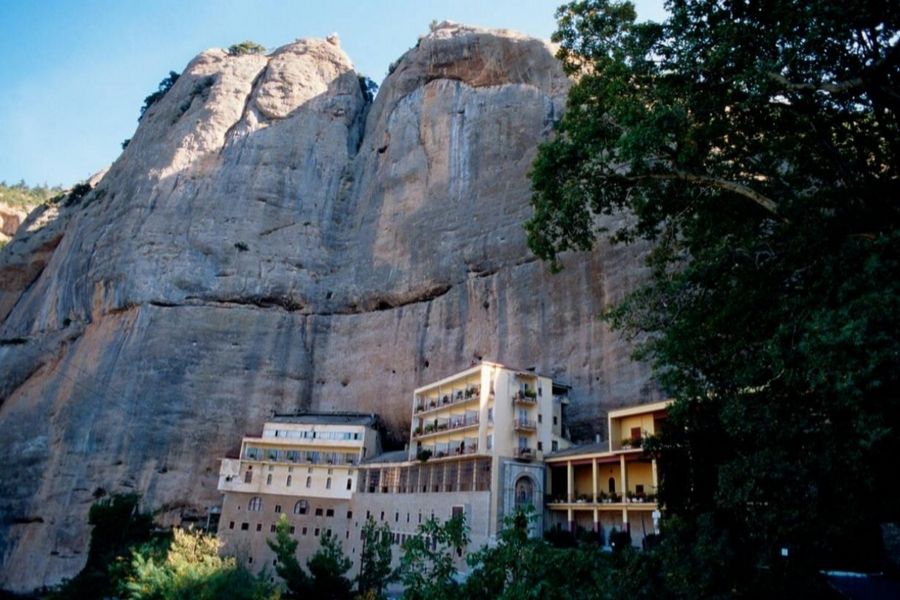
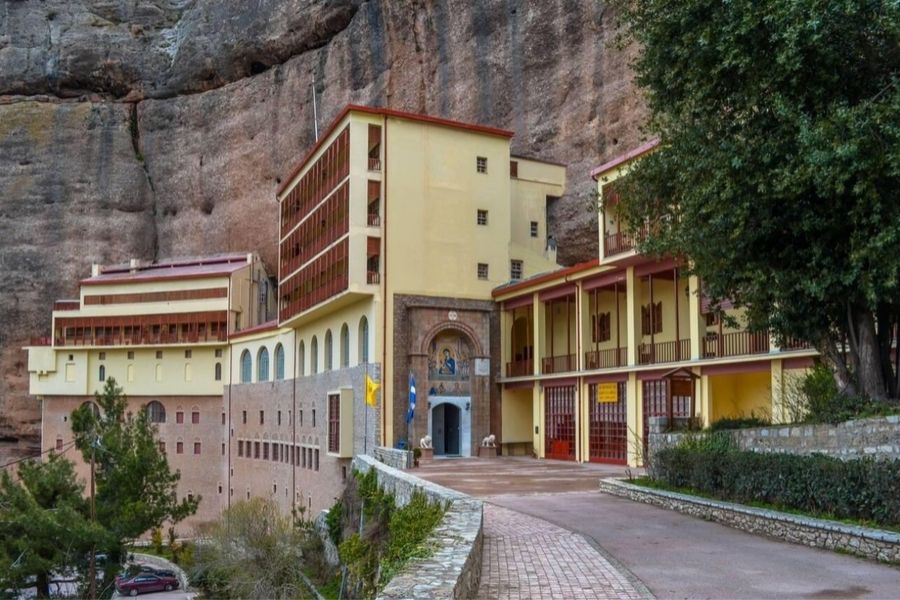
Nearby, the Mega Spilaio Monastery offers both spiritual and historical insight.
On the train, amenities are basic—no food service, so bring your own snacks and water.
The seats are comfy and the windows are big, perfect for soaking in the views.
The train stops briefly at a few small stations along the way.
At Zachlorou, you can hop off to visit Agia Lavra Monastery or access hiking trails through the gorge.
Travelers with mobility issues might face some challenges.
The vintage carriages have steps and some stations aren’t very accessible.
If you have specific needs, contact the railway ahead of time.
On Board the Historic Rack Railway
Riding the Diakofto-Kalavryta Rack Railway is more than just a scenic trip—there’s a bit of adventure, some safety tips, and a dose of Greek culture along for the ride.
My day on this historic 750 mm gauge railway left a deep impression, not just for the views but for the whole experience.
Health and Safety Essentials
The Odontotos Rack Railway climbs up to 750 meters through steep mountain terrain.
A little preparation goes a long way.
I brought motion sickness tablets, just in case—the train winds through lots of curves in the gorge.
Good walking shoes are a must, especially if you plan to explore during stops.
Spring felt ideal to me—not too hot, and the gorge was bursting with green.
Stay hydrated!
I packed a reusable water bottle since there aren’t many facilities on board.
Quick Safety Tips:
- Hold the handrails when moving between carriages.
- Listen for announcements (they’re usually in Greek, then English).
- Keep your valuables secure and visible.
- Bring basic first aid supplies for minor scrapes or headaches.
Understanding Greek Customs and Etiquette
Greeks take pride in hospitality, and I felt it right away from the railway staff.
A smile and a few basic Greek phrases go a long way.
Saying “Kalimera” (good morning) and “Efharisto” (thank you) always got a warm response.
The train ride moves at a relaxed Greek pace.
When our departure ran a bit late, nobody seemed bothered.
I learned to just go with the flow.
Photography is pretty much welcome, but I always asked before snapping photos of locals.
People appreciated the courtesy, and sometimes it sparked great conversations.
Seating is open, but respecting elders is important.
I offered my seat to an older woman and ended up chatting with her about the railway’s past.
Sustainable Tourism Practices
This railway is a fantastic example of sustainable travel.
By riding, I supported local communities and kept my carbon footprint low.
The railway spreads tourism benefits beyond the usual hotspots.
I bought snacks from small shops in Diakofto before boarding and picked up crafts in Kalavryta afterward.
Trash bins on the train are limited, so I carried a small bag for my waste and tossed it in town.
The Vouraikos Gorge is environmentally sensitive.
During stops, I stuck to marked paths and left nothing behind.
Lots of passengers bring snacks.
I chose local products with minimal packaging to cut down on waste and support the region.
Discovering Kalavryta and Surrounding Sights
After the railway adventure, Kalavryta welcomes you with its cozy charm and rich history.
The town and its surroundings offer a nice mix of culture, local food, and natural beauty.
The Town of Kalavryta
Kalavryta holds a special spot in Greek history.
I felt it as soon as I arrived.
The Holocaust Museum honors the town’s tragic WWII story and gives real insight into local identity.
The central square buzzes with life, lined with cafés where locals sip coffee and chat.
I spent hours just people-watching and soaking up the mountain air.
The Church of Agia Lavra, nearby, stands as a symbol of Greek independence—it’s where the 1821 revolution kicked off.
For shopping, the main street offers local products like mountain tea, honey, and handmade crafts.
They make great souvenirs that really capture the region’s spirit.
Dining, Nightlife, and Local Experiences
Kalavryta’s food scene caught me off guard—in a good way.
Ta Kalavritina serves up fantastic traditional dishes with local ingredients.
Their roast lamb with mountain herbs was, honestly, unforgettable.
For something more casual, To Spitiko offers home-style cooking at good prices.
Their cheese pies, made with local dairy, left me wanting seconds.
The nightlife is low-key but inviting.
Evening strolls reveal cozy bars like Kastro, where I sipped local wines and raki, trading stories with friendly locals.
Don’t skip the regional specialties:
- Mountain tea with honey
- Feta cheese from local producers
- Game meats cooked the traditional way
- Fresh trout from nearby streams
Nearby Attractions and Excursions
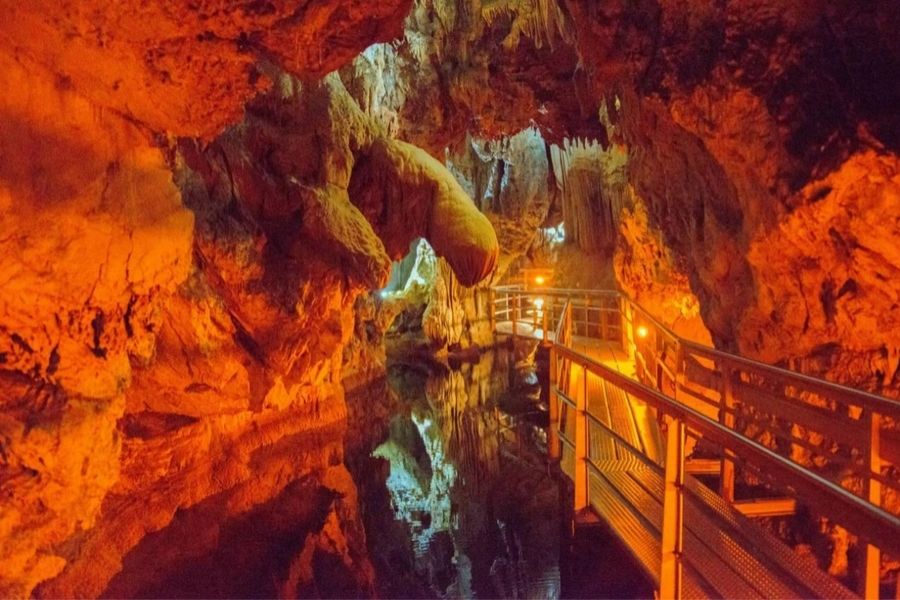
The Cave of Lakes, just 17km from town, blew my mind with its three-level cave system and 13 underground lakes.
Guided tours explain all the wild geological formations.
Mount Helmos (Chelmos) has hiking trails for all abilities.
In winter, the Helmos Ski Center draws snow lovers—who knew you could ski in Greece?
The Monastery of Mega Spileo, carved into a cliff about 10km from town, is dramatic and steeped in history.
Nature fans will love the Vouraikos Gorge below Kalavryta.
I spent a morning hiking parts of the old railway path on foot—highly recommended.
Extending Your Peloponnese Adventure
The Diakofto-Kalavryta railway is just a starting point.
After this magical train ride, I found endless ways to keep exploring the Peloponnese’s stunning landscapes and hidden gems.
Top Nearby Towns and Beaches
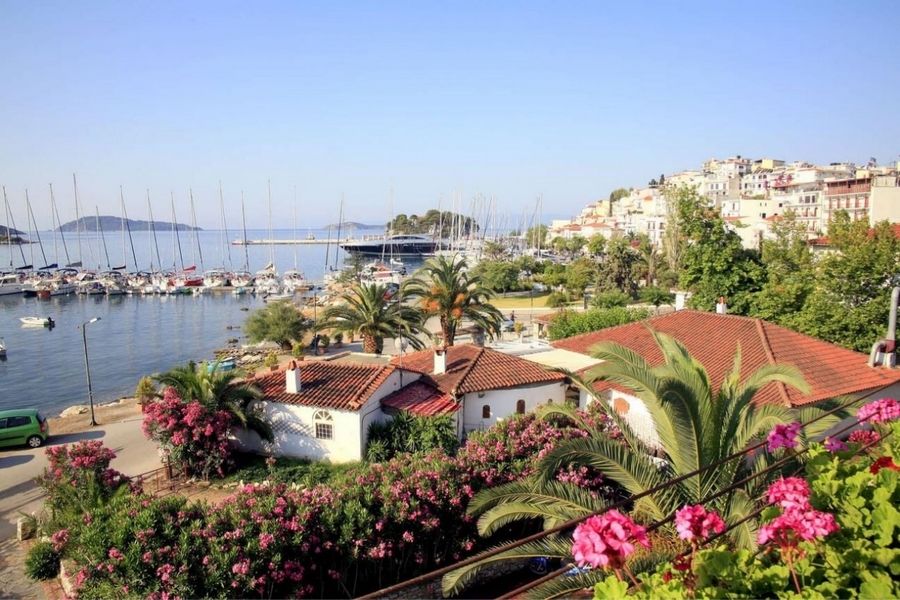
The coastal town of Diakofto has a pleasant beach where I kicked back after my railway adventure.
Just a short drive west, Aigio drew me in with its waterfront tavernas and that unmistakable local vibe.
For spectacular beaches, I headed over to Xylokastro, about 30 minutes east. Pine trees grow right up to the crystal-clear water there—honestly, it’s something you have to see.
If you’re even a little bit interested in history, you shouldn’t skip ancient Corinth. The archaeological site and museum really open a window into Greece’s past.
Looking for something quieter? I wandered around the mountain village of Zachlorou near Kalavryta. Its stone houses and narrow alleys made me feel like I’d stumbled into another era.
My favorite beaches in the region:
- Derveni Beach – Super peaceful and the sunset views are unreal
- Akrata Beach – Great for families, with shallow waters for kids
- Platanos Beach – Usually quiet, plus there are some authentic tavernas nearby
Best Resorts and Hotels in the Region
I found a handful of places to stay that really made my Peloponnese trip special.
In Kalavryta, the Kalavryta Canyon Hotel & Spa gave me mountain views I still think about. If you’re after something fancy, the Kalavrita Mountain Resort blends traditional architecture with all the modern comforts.
Along the coast, Hotel Alkyon in Vrachati stood out for its beachfront spot and genuinely good service. If you’re traveling on a budget, you’ll probably love the family-run guesthouses in Diakofto—local hospitality just feels different there.
My top accommodation picks:
- Villa Oneiro in Diakopto – Has that boutique vibe and lovely garden views
- Filoxenia Hotel in Kalavrita – Comfy rooms and breakfasts that actually fill you up
- Aegli Resort near Xylokastro – Modern place with its own private beach
Getting Around the Peloponnese
I rented a car because I wanted the most flexibility for exploring the Peloponnese. The roads? Mostly good, but when you hit the mountains, you really have to pay attention.
Rental agencies popped up in all the major towns I visited. Prices usually started at about €30 per day, which felt pretty reasonable to me.
KTEL buses link up plenty of towns and villages, so they’re a solid, affordable choice. The catch: schedules can be tricky, especially on weekends. I made sure to check timetables ahead of time.
From Kalavryta, I caught regular buses to Patras—the region’s largest city. From there, it’s easy enough to connect to Athens or wherever else you’re headed.
If you want to explore the coast, local boats sometimes run between beach towns in the summer. Taxis are around, but honestly, they get expensive if you’re going far.
Every now and then, I used BlaBlaCar to share rides with locals. It turned out to be a fun way to meet people heading in the same direction.