
Walking through ancient Corinth last summer shifted my whole perspective on ruins. I started out thinking it’d be just another tourist stop, but the place quickly pulled me into a deeper journey. Those battered stones in Corinth aren’t just leftovers—they’re storytellers, whispering about power, faith, and everyday life in ways that still hit home today.
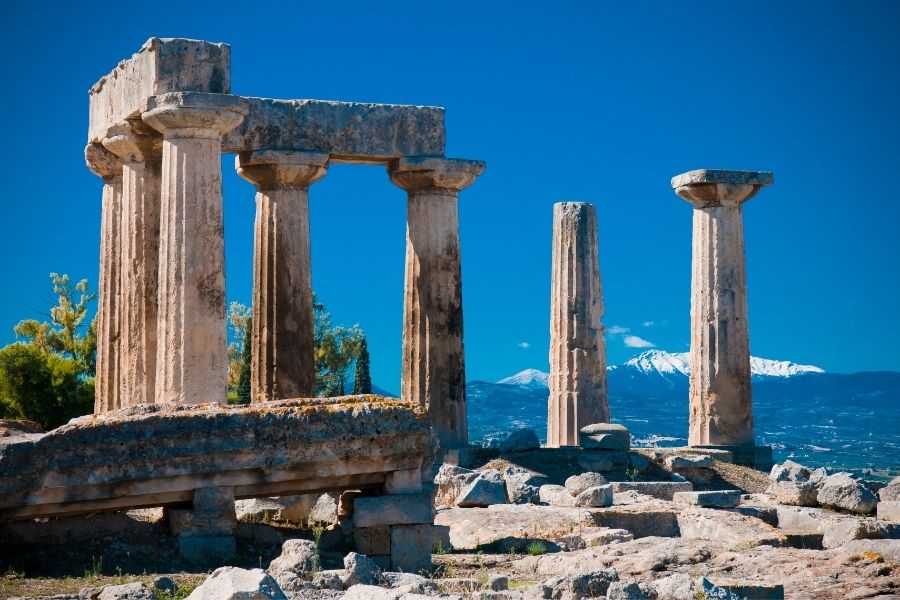
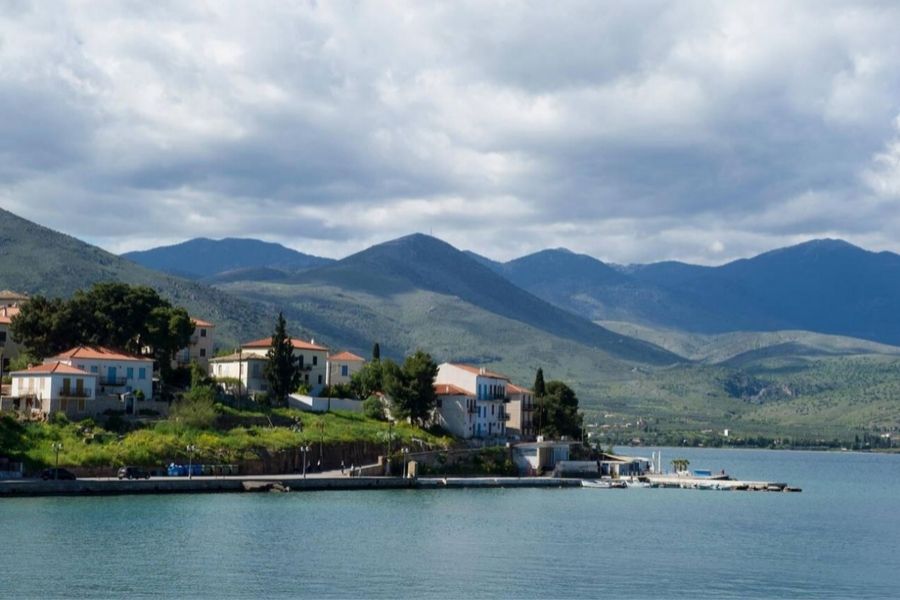
I pressed my hand to the cool marble of a toppled column and, for a moment, felt why this city once meant so much. Corinth was no ordinary Greek city. It sat at a crossroads between East and West, where riches flowed through busy ports, and Apostle Paul once stirred up early Christians. The Temple of Apollo still looms over the landscape, a stubborn reminder of ancient faith practices that shaped our whole Western world.
My guide pointed out details I’d have totally missed: graffiti scratched by regular folks, worn paths showing where crowds once hurried, and the huge marketplace where people swapped ideas along with goods. These weren’t just dry facts—they opened a window into what makes us human, and honestly, not much has changed in two thousand years. Sightseeing turned into a lesson about ourselves.
Walking Among the Ruins: Experiencing Ancient Corinth
Standing in the middle of Corinth’s old stones felt like stepping into another world. Power, faith, and daily life all tangled together here. The archaeological site gives you a rare peek into a Mediterranean giant that once thrived.
First Impressions and the Echoes of Power
The ruins hit me with their size as soon as I got close. Ancient Corinth sprawls across the land, hinting at a past that was anything but small.
Massive stone foundations and towering columns make a bold first impression. The Romans rebuilt Corinth in 44 BCE after its destruction, and their ambition shows everywhere.
Corinth’s spot between two harbors fueled its wealth and reach. Merchants from all over the Mediterranean passed through, paying taxes that built the city’s grand monuments.
I ran my fingers along the weathered stones, imagining all the hands that once shaped them. These stones have stood through earthquakes, wars, and centuries of drama.
Stories Etched in Stone: Tracing Ancient Lives
Inscriptions scattered around the site tell stories about real Corinthians. You see names of shopkeepers, dedications to gods, and old decrees—tiny echoes of lives long gone.
One tablet caught my eye—a freedman donated money for a public fountain, staking his claim in the community. These personal touches make the ruins feel alive.
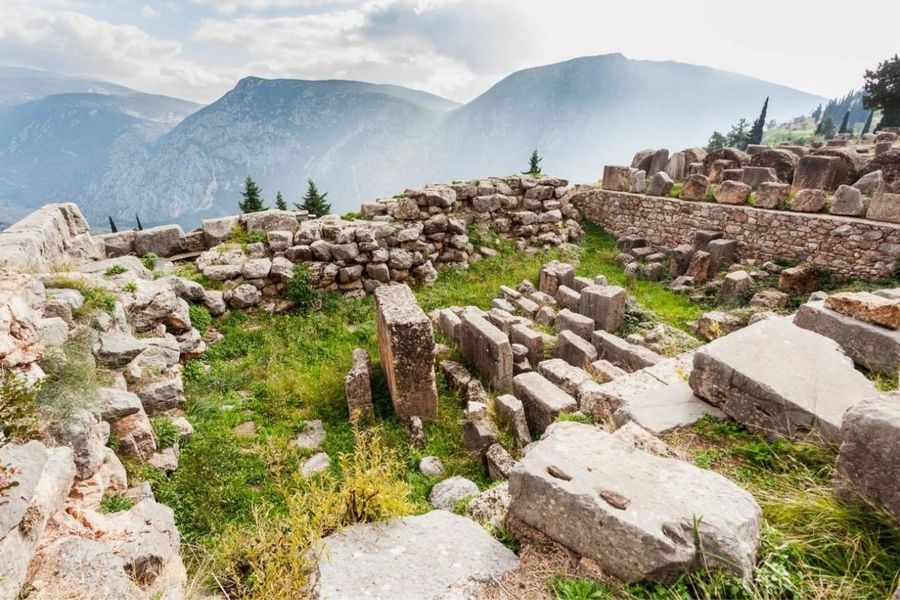
Walking the ancient streets, I noticed grooves worn by carts and countless feet. Those marks connect us to people who lived, worked, and dreamed right here.
The museum displays artifacts that reveal daily routines—cooking pots, jewelry, toys, and religious offerings. Each object hints at a family, a belief, a life.
Navigating the Agora and the Temple of Apollo
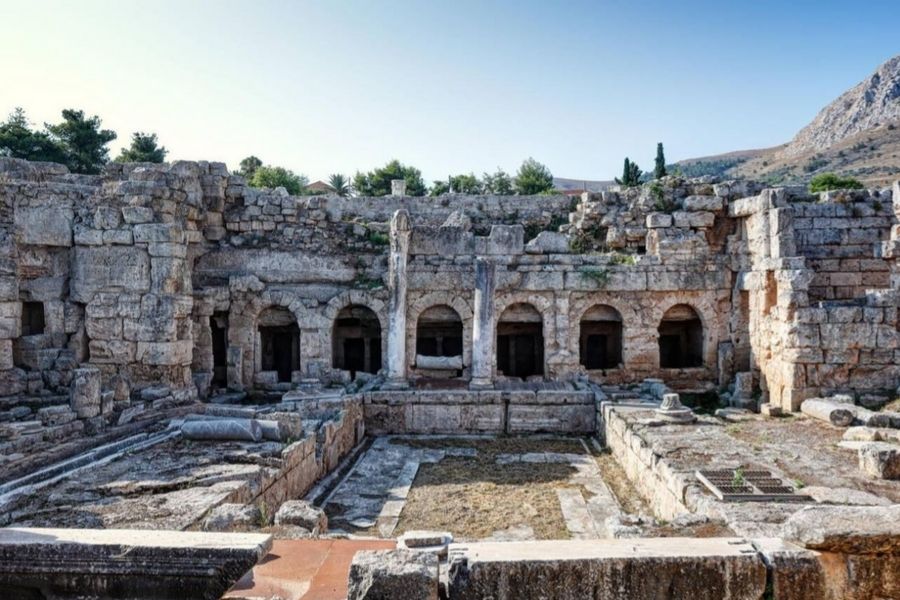
The agora was the city’s beating heart. Here, merchants, politicians, philosophers, and everyday citizens mingled, argued, and traded.
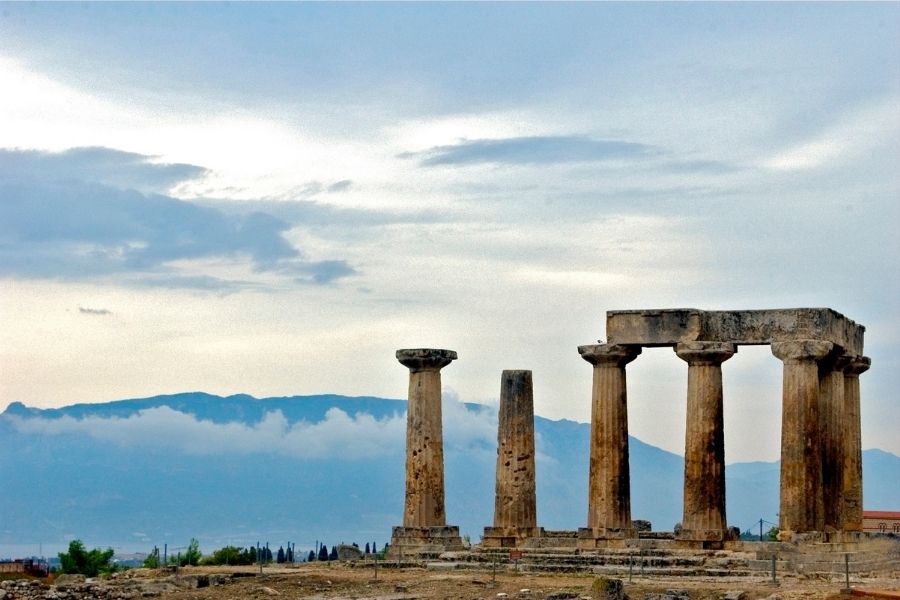
Seven columns from the Temple of Apollo still rise above everything, visible from afar. Built around 560 BCE, this temple survived when much of the Greek city didn’t.
The temple looms as a reminder of religious devotion. Corinthians believed their good fortune depended on the gods.
Market stalls once lined the agora’s edges, selling fish, olive oil, pottery, and exotic wares. Sometimes, I swear I could almost hear the old haggling and laughter.
The bema, or speaker’s platform, still sits in the agora. Tradition says Paul was brought before it, tying these stones to early Christian history.
Epic Tales Intertwined: Myth, Memory, and the Stones
As I wandered, I realized every stone here carries whispers of myths and heroic tales. The ruins let you touch the stories that once defined Corinth.
Legends of the Iliad and Odyssey in Corinth
Standing at the Temple of Apollo’s remains, I pictured ancient Corinthians gathering to hear Homer’s epics. Corinth pops up in both the Iliad and Odyssey, always as a wealthy, important place.
In the Iliad, Corinthian warriors join the fight against Troy, sailing under their king’s banner. Their deeds echo through these stones.
The Odyssey calls Corinth “wealthy” several times, marking it as a big deal even in myth. When Odysseus visits the underworld, he meets spirits tied to Corinthian lore.
What really surprised me was how the archaeology backs up these epic links. Bronze Age artifacts here point to Mycenaean roots—the same era that inspired Homer.
Homeric Echoes: Oral Traditions and Storytelling
Corinth’s stories started as oral traditions, not written words. I sat in the agora, imagining bards performing these tales to crowds.
Homer’s epics probably rang out here centuries before anyone wrote them down. Their rhythm made them easier to remember and retell, and that drama must’ve hooked listeners.
Local guides explained how Corinthian storytellers put their own spin on these myths, adding local details. They made sure Corinth’s role was front and center.
As new temples rose, the stories shifted to include them as backdrops. Myths evolved along with the city.
These oral traditions connected generations. The same tales echoed through these streets for centuries, tying people together.
Heroes, Gods, and the Rise of a Polis
Corinth’s growth from a small settlement to a powerful polis showed up in its changing myths. In the museum, I traced this shift through artifacts showing new heroic ideals.
The city claimed ties to many heroes—Jason of the Argonauts supposedly left Medea here. The struggles of Thebans with the Sphinx showed up often on local pottery.
Religious rituals around these figures built a shared identity. When citizens joined festivals for Poseidon or Aphrodite, they reinforced their beliefs together.
Pindar, the famous poet, wrote odes for Corinthian athletes, linking their wins to ancient legends. These performances stoked civic pride.
I find it wild how mythology doubled as both entertainment and a political tool. The elites even claimed descent from legendary heroes to legitimize their rule.
Faith and Transformation: Corinth’s Spiritual Legacy
Wandering among the old stones, I found a city that became a crucible for spiritual transformation. Corinth’s religious landscape shifted from many gods to a key hub for early Christianity—a legacy still felt today.
From Pagan Temples to Early Christian Roots
Before Christianity, Corinth boasted grand temples to many gods. The Temple of Apollo still stands, its columns a testament to old beliefs.
What struck me was how worship of gods like Dionysus set a spiritual tone that later opened the city to new faiths. Dionysus worship, I read, “embodied something of the same religious spirit” as other mystery religions.
The shift from paganism to Christianity didn’t happen overnight. Archaeological evidence shows early Christians often reused sacred spaces, slowly changing the city’s spiritual landscape.
Walking through these layers, I felt the weight of centuries—so many seekers, all drawn to this spot for meaning.
Paul’s Letters and the Birth of the Christian Faith
Standing in ancient Corinth, I kept picturing Paul arriving around 50 CE. His letters to the Corinthians are some of the earliest Christian texts and offer a raw look at the faith’s beginnings.
Paul addressed real struggles—his teachings on forgiveness, salvation, and community shaped not just Corinth but Christianity everywhere.
He built a diverse community here—former pagans, Jews, rich merchants, and slaves. Corinth’s cosmopolitan energy made it the perfect launchpad for spreading the Word.
Paul’s letters reveal a very human story. These weren’t perfect saints but people wrestling with how to live their faith in a city famous for its wild side.
Easter Traditions and the Meaning of Salvation
Easter in Corinth grew from the first celebrations of Jesus’s resurrection. Walking where those early gatherings happened moved me in ways I didn’t expect.
Corinthian Christians saw Easter through their own lens. Resurrection and eternal life turned their ideas about death and salvation upside down.
Good Friday observances likely started here as solemn remembrances. Archaeology suggests believers gathered in special spots to share meals and remember Jesus’s sacrifice.
Salvation meant something powerful in a city known for excess and spiritual hunger. For many, Easter wasn’t just rebirth—it was a whole new way of seeing the world.
Saints, Disciples, and Corinthian Judgment
The stories of saints and disciples who visited Corinth add layers to its spiritual story. Some say Mary Magdalene stopped here, along with other early followers.
I found it fascinating how Paul’s letters tackled Corinth’s unique culture. He pushed for personal responsibility within the community—a pretty radical idea back then.
The early church here dealt with divisions and moral messes. In the agora, I pictured believers hashing things out, guided by Paul’s words.
Saints felt close and real—not distant icons, but people who walked these same streets. Their lives became examples for others balancing old traditions with a new faith.
Artistry and Identity: Corinthian Columns Beyond Architecture
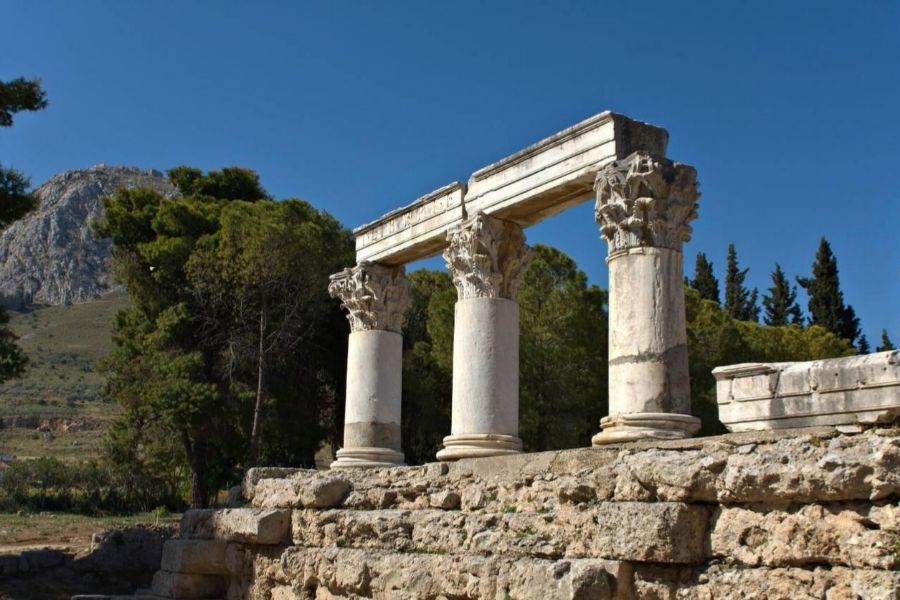
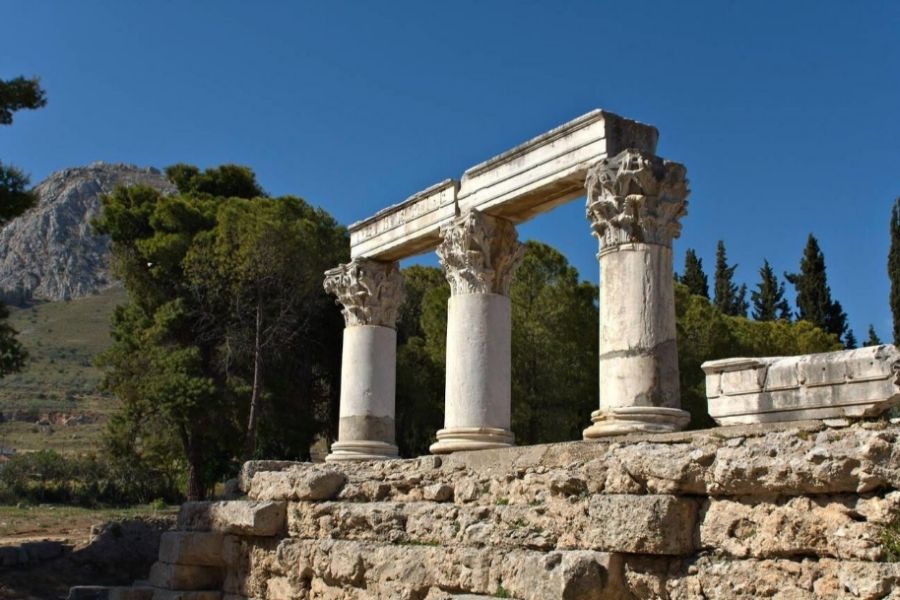
Corinthian design shaped more than just buildings. Strolling through the ruins, I saw how these ornate columns influenced sculpture, painting, and even civic pride.
Sculpture and the Human Figure: Canon and Expression
Corinthian sculptors didn’t just carve stone—they created a visual language. I noticed how they used the same proportional harmony found in columns for their human figures.
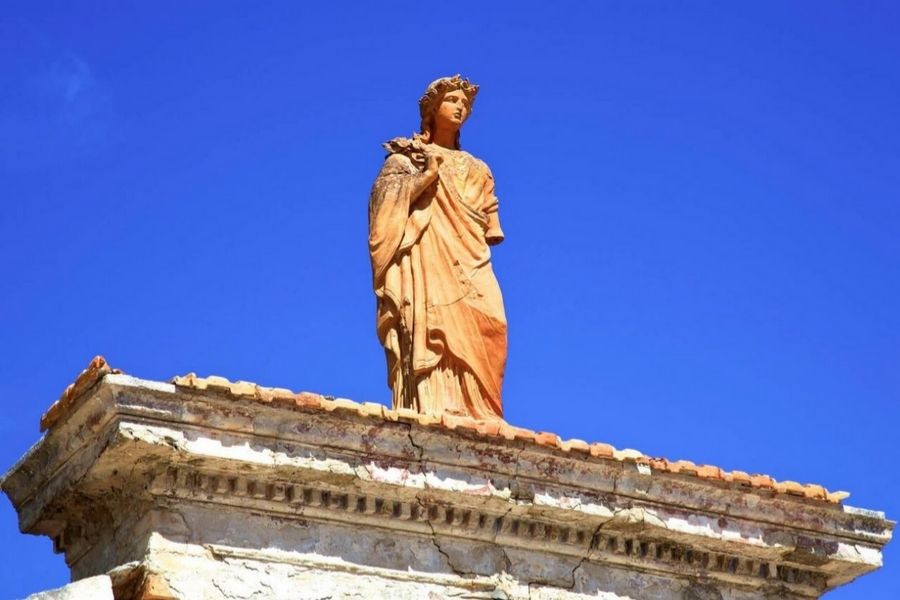
Their sculptures of Aphrodite and Hera strike graceful poses, echoing the shape of the columns. The famous acanthus leaf motif appears in the folds of their robes.
Looking at these works, I realized they weren’t just pretty—they were statements of Corinthian identity. Unlike the more restrained art in Athens, Corinthian artists loved ornamental flourishes and sensuous lines.
Their style influenced artists for centuries. Renaissance masters studied these proportions, aiming for that same balance of structure and decoration.
Painting, Proportion, and Decorative Arts
Corinthian painting follows the same harmony as their architecture. The frescoes I saw used a distinctive color palette—deep reds and blues on creamy backgrounds.
Artists divided wall paintings with proportional systems borrowed from columns, creating a rhythm that feels both balanced and alive.
In pottery workshops, I watched artisans paint patterns echoing Corinthian capitals. These choices weren’t random—they tied back to architectural roots.
The fanciest vases showed scenes framed by painted acanthus leaves. Decorative arts weren’t “lesser”—they were part of a whole visual culture, linking temples to everyday objects.
Architectural Harmony and Civic Competition
As I wandered through ancient neighborhoods, I couldn’t help but notice how architectural harmony shaped civic identity.
Every building—temples, marketplaces, you name it—showed off Corinthian elements, though some leaned into it more than others.
Cities really went all out, trying to outdo each other with impressive Corinthian structures.
I came across inscriptions bragging about column height, fancy materials, and clever artistry.
These weren’t just buildings; they were statements, almost like ancient bragging rights.
What really grabs me is how Corinth managed to spread its architectural style as a sort of soft power.
When I visited colonies that Corinth had founded, I saw them keeping the mother city’s columns as a way to stay connected.
You can actually read the rivalry between cities in their buildings.
Rival centers would tweak and play with the Corinthian style, making it their own, but still nodding to its roots.
Enduring Lessons: Wisdom, Power, and the Search for Meaning
Standing among Corinth’s ancient stones, I realized they hold timeless wisdom about human nature and our ongoing search for meaning.
These ruins also remind me of the cycles of power that shape civilizations.
Lessons from Plato, Xenophon, and Ancient Thinkers
When I walked through Corinth, I kept thinking of Plato and Xenophon.
Both wrote about this bustling commercial hub, using it to test out their big ideas about wisdom, governance, and what makes us human.
Xenophon captured Corinth’s wealth but also dug into questions about leadership and virtue.
His practical advice still feels relevant, honestly.
I even found myself scribbling his thoughts in my travel journal.
Corinthians really cared about knowledge and debate.
The agora buzzed not just with trade but with ideas.
I pictured philosophers standing there, arguing about justice and truth.
Their pursuit of wisdom reminds me that real knowledge isn’t just collecting facts—it’s about understanding.
That lesson hits home now, with information everywhere and real wisdom feeling kind of rare.
Suffering, Salvation, and Ecclesiastes
Corinth’s story swings from incredible highs to crushing lows.
Romans destroyed the city in 146 BCE, then people rebuilt it, only to face more challenges later on.
As I wandered the ruins, I found myself thinking of Ecclesiastes:
“What has been will be again, what has been done will be done again; there is nothing new under the sun.”
The city’s resilience through suffering really gets to me.
Despite everything, people rebuilt and found meaning in the struggle.
Paul wrote letters to the Corinthians, reaching out to help them through tough times and show them a way forward.
Standing where those letters might have landed gave me chills.
These stones still whisper stories of spiritual searching—people always looking for something deeper than just material success.
End of the World, Judgment, and Modern Reflections
Roman Corinth fell in the end, just like every so-called great power eventually does. Those ruins? They really hit you with the reality that nothing lasts, no matter how mighty it seems—something Churchill noticed when he pored over ancient history.
I found myself perched on a toppled column, lost in thought about what it must’ve been like for Corinth’s people as everything unraveled. Did they realize the end was near? Or were they too caught up in daily life to notice history passing judgment right in front of them?
People like me show up nowadays for all sorts of reasons. Some just want the perfect shot for Instagram. Others dig into the stories, chasing a piece of the past. I was hoping for some clarity, but instead, I stumbled on connections I didn’t expect.
Classic literature doesn’t shy away from warning us about how power can twist things. The Corinthians saw those warnings come to life when Rome flexed its muscles against them.
What really struck me, though, was how these old struggles still hit close to home. We’re still tangled up in the same big questions—meaning, power, and what it actually means to live a good life.
