
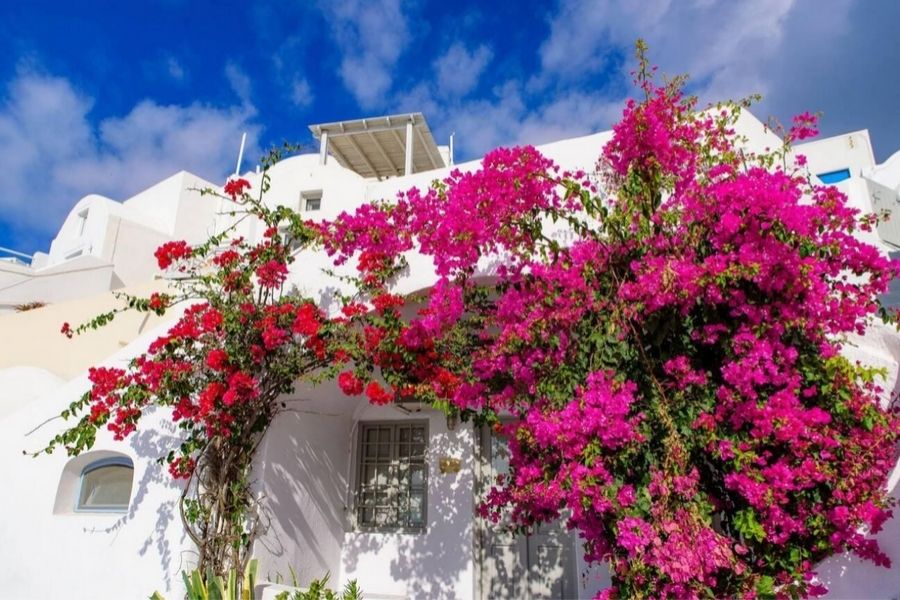
I never thought I’d fall so hard for a flower, but the bougainvillea-draped streets of Nafplio’s old town got me from the very start. With my camera ready, I wandered through the narrow, twisting paths of this historic Greek seaport, searching for that perfect shot of vibrant pink and purple blooms tumbling down neoclassical walls.
Nafplio’s old town just begs to be photographed—those colorful bougainvillea pop against the weathered stone and the deep blue Aegean.
My hunt for the ultimate bougainvillea photo pulled me into corners of this Peloponnese town that most travelers miss. Beyond the busy squares and bustling cafes, I stumbled on quiet alleys where time feels like it slows down, secret viewpoints peeking out at the harbor, and local hangouts that show the real spirit of Nafplio.
What started as a simple photo quest quickly turned into a real adventure through Greece’s first capital. I found centuries of stories and beauty everywhere I looked.
While chasing the right light for my bougainvillea shots, I wandered past Venetian fortresses and Ottoman fountains. Locals even shared their favorite spots, far from the usual tourist crowds.
Why Nafplio’s Old Town Is a Photographer’s Dream
Walking through Nafplio’s Old Town with my camera felt like stepping into a living postcard. Every corner seemed ready for its close-up. The mix of ancient buildings, bold colors, and that Mediterranean glow gives anyone a head start in the photography game.
Chasing Bougainvillea: The Iconic Pink Canopy
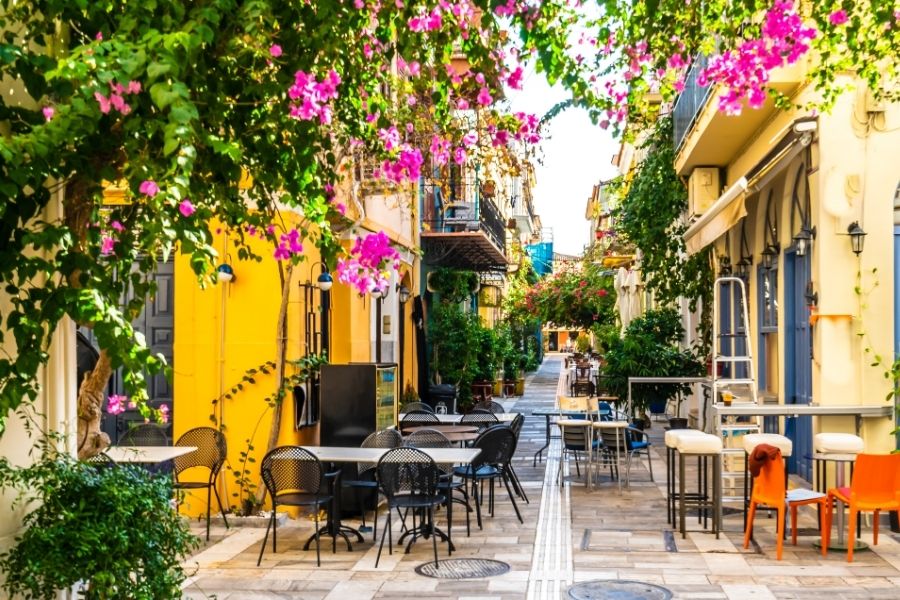
Nafplio’s bougainvilleas really do live up to the hype. These wild tropical vines spill out in bright pink, purple, and orange, hanging dramatically over the town’s golden stone buildings.
I found the best bougainvillea scenes along the winding lanes climbing up from the harbor. Some vines grow six or eight meters high, arching over the streets and making natural tunnels of color.
The way the vivid flowers stand out against the old Venetian architecture is almost surreal in photos.
Mornings here are pure magic. I noticed the colors really pop between 8 and 10am when the light is soft and gentle. Around Staikopoulou, the bougainvilleas form tunnels of color—just waiting for a photo.
Colors, Light, and Storybook Lanes
But Nafplio’s Old Town isn’t just about flowers. It’s a wild mix of textures and patterns for any camera lover. Byzantine details blend with Venetian arches, creating a patchwork of history and style.
The golden hour here feels almost fake—like someone turned up the saturation. The sun sets and the stone glows, lighting up the narrow streets and cozy squares where locals gather.
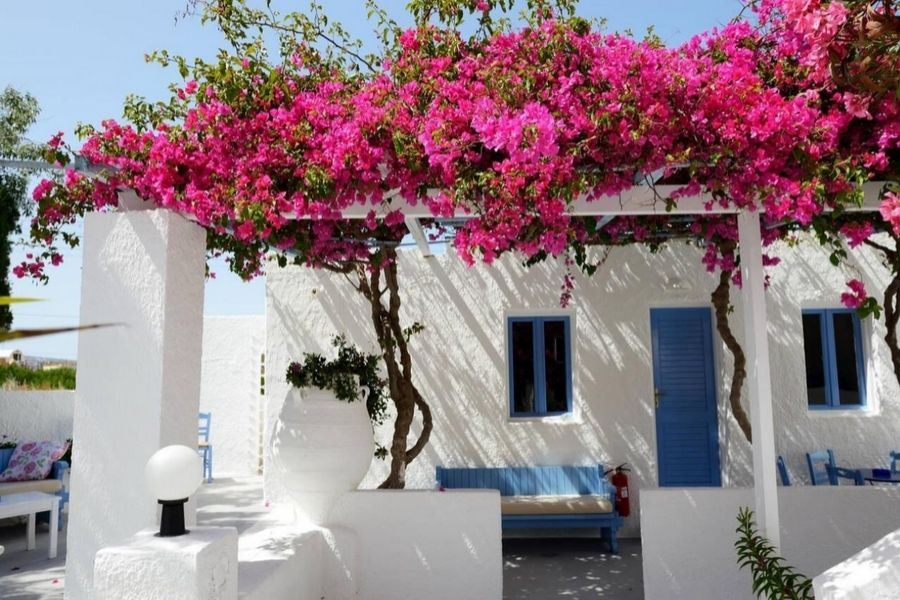
I couldn’t stop photographing the doors and windows. Each one has its own story, with Ottoman touches, neoclassical flourishes, and blue shutters against whitewashed walls. Even the cobblestones catch the light after a little rain, reflecting all that color from above.
Famous Landmarks and Their Historic Backdrops
Nafplio’s location made it a prize for empires, and its architecture gives photographers endless inspiration.
Palamidi Fortress towers over everything. I climbed up (they say 999 steps, but I counted 857—still, who’s counting when the view is this good?) and watched the whole region turn gold at sunset.
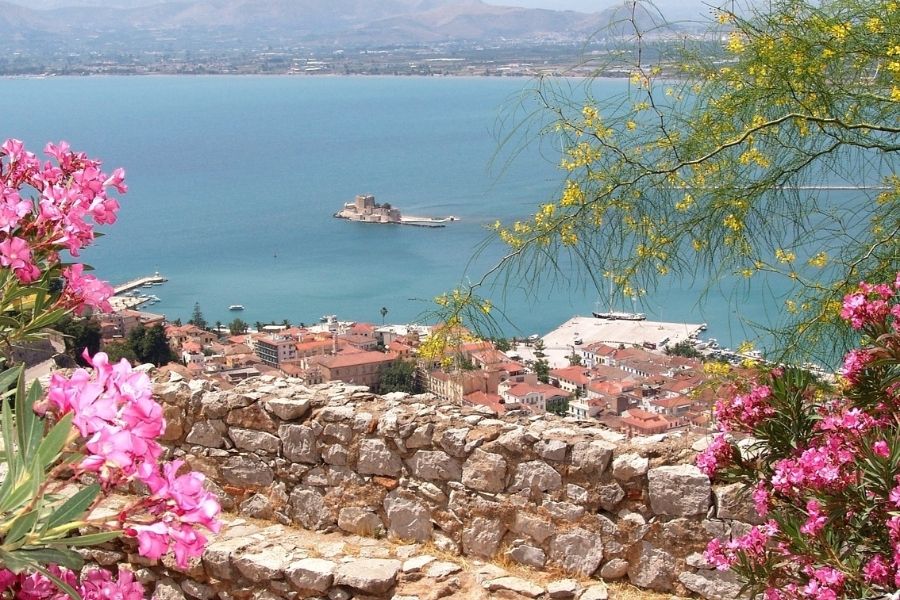
Bourtzi Castle floats in the harbor, perfectly symmetrical if you shoot it from the waterfront. On calm mornings, it almost looks like it hovers over the water.
Syntagma Square buzzes with energy, surrounded by buildings from every era of Nafplio’s past as Greece’s first capital.
Discovering the Hidden Gems of Nafplio’s Old Town
Getting lost in Nafplio’s winding streets led me to treasures no guidebook could have prepared me for. The real heart of this old capital beats in its hidden corners, where history and beauty meet in unexpected ways.
Secret Courtyards Teeming with Flowers
I stumbled into my first hidden courtyard while chasing bougainvillea. Behind an ordinary wooden door, I found a private paradise—walls covered in pink and purple blooms. Many families in Nafplio keep these secret gardens just as their grandparents did.
Venetian touches stand out in these little sanctuaries, with stone arches and tiny green pockets. One older woman invited me in for Greek coffee among her herbs and roses. She told me these courtyards were once the center of neighborhood life in Byzantine times.
The most beautiful courtyard I found belonged to a mansion near Syntagma Square. An ancient olive tree stood in the center, surrounded by pots of thyme and oregano. The smell of herbs and sea breeze mingled in the air.
Charming Cafés and Local Flavors
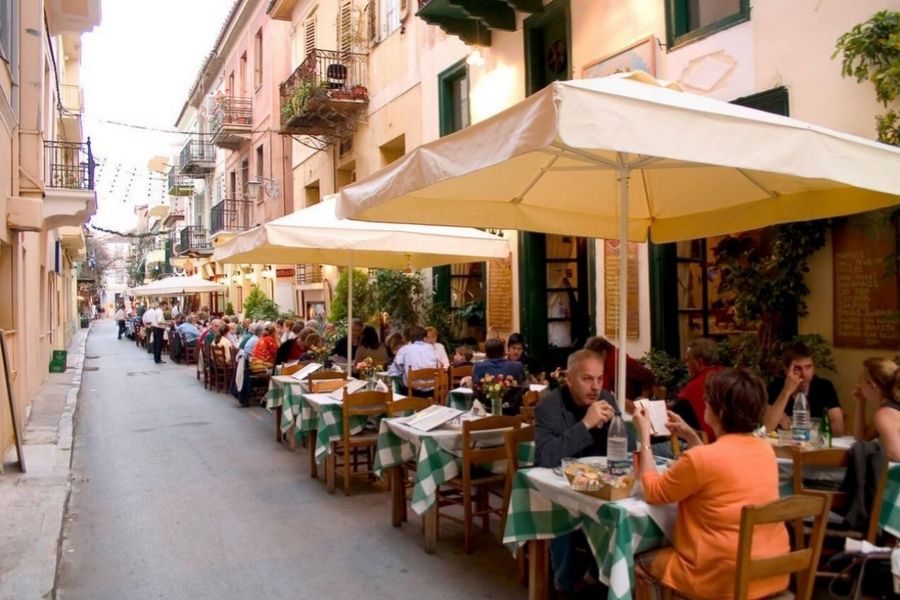
Nafplio’s food scene hides in its backstreets. Down a narrow alley, I found a tiny family taverna serving the freshest fish soup—caught that morning, flavored with just lemon and olive oil.
I became obsessed with the local chickpea stew drizzled with thyme honey. At Κρυφό Στέκι (“Hidden Spot”), the owner let me in on their three-generation-old recipe. Their homemade bread, crusty and dark, was perfect for soaking up the last spoonful.
Wine fans, don’t skip the unmarked cellar by the harbor. What looks like a simple house opens into a tasting room with wines from Nemea. I spent an afternoon there, sipping bold reds and chatting with the vintner about old harvest traditions.
Hidden Architectural Masterpieces
Some of Nafplio’s best architecture hides in plain sight. I spotted lion and mermaid-shaped door knockers on old wooden doors, each one hinting at the town’s seafaring past.
One day, curiosity got the best of me and I peeked into a stone building. The foyer revealed Byzantine mosaics, carefully preserved by the family who lived there.
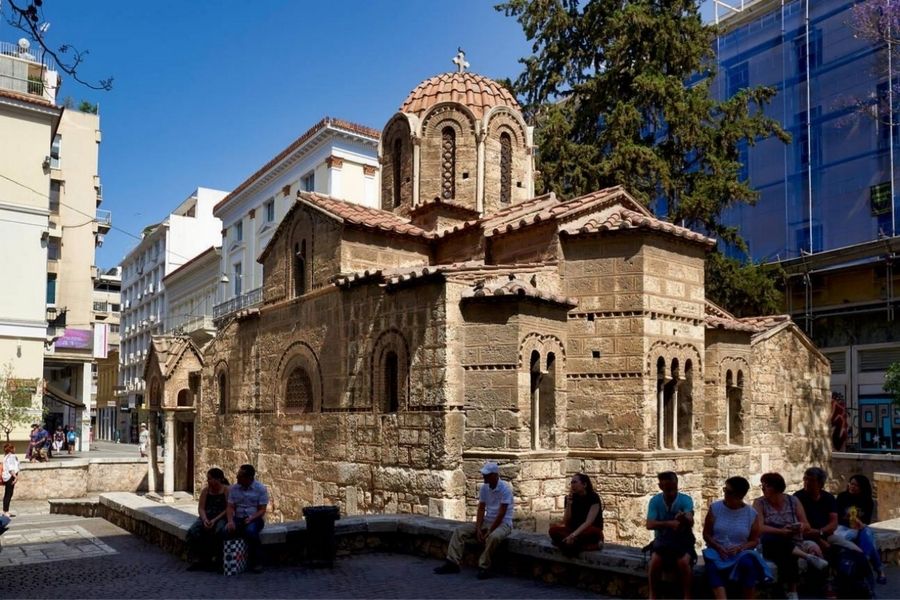
My favorite find was a tiny Byzantine chapel wedged between two newer buildings. The frescoes, showing saints with gold halos, have survived since the 1200s. The caretaker shared how locals disguised these chapels as homes during Ottoman times to protect them.
And then there was the old hammam—once a Turkish bath, now an art gallery. Marble slabs and domed ceilings now display art inspired by Nafplio’s blend of cultures.
Planning Your Bougainvillea Hunt: When and Where to Go
Catching those perfect bougainvillea cascades in Nafplio isn’t just luck—it’s about timing and knowing where to look. I spent hours exploring these colorful alleys to find the best photo spots.
Best Time of Year for Blooms
Bougainvilleas in Nafplio hit their stride from late spring through summer. May through September is prime time, but June and July are especially breathtaking.
On my last trip in May, the streets already exploded with magenta, purple, and orange. The Mediterranean weather here—hot and dry—makes bougainvillea thrive. If you’re planning your trip for the flowers, late May to early July is the sweet spot.
Morning light gives the blooms a soft glow, while late afternoon sun turns everything golden. The weather’s also pleasant then—warm but not too hot, perfect for wandering.
Mapping Out the Most Photogenic Streets
Staikopoulou Street is the absolute must-see for bougainvillea lovers. I found incredible displays at Kombolio Museum (number 25), Caramel House (number 58), and Xantra Mou (number 27). I could have spent ages at each spot.
Other can’t-miss streets:
- Vasileos Konstantinou Street, with its arched doors wrapped in flowers
- Plapouta Street, where blooms pop against stone walls
- The walkway by the harbor, offering views of Bourtzi fortress
Nafplio’s old town is small enough to cover in a day, but I’d split your hunt across two mornings. The light is better and the crowds are smaller.
Staying Near the Action: Hotels with Perfect Views
Staying right in the old town puts you steps from the best bougainvillea. I picked a little guesthouse with its own courtyard of pink blooms—perfect for morning coffee.
A few great options:
- Hotel Byron: On Plapouta Street, with balconies overlooking flower-covered buildings
- Nafplia Palace Hotel: Amazing views of the town’s red roofs and bougainvillea
- Amymone Pension: Cozy, with a courtyard full of flowers
If you book near Syntagma Square, you’re just a five-minute walk from most of the best spots. Waking up inside the old town walls and stepping into those flower-lined streets made every morning feel special.
Travel Tips and Local Customs for Bougainvillea Enthusiasts
Navigating Nafplio’s winding streets takes a bit of local know-how if you want to make the most of those bright bougainvillea shots. I picked up a few tips that made my visit smoother—and my photos better.
Getting Around: Transportation Tricks and Walking Tours
Getting from Athens to Nafplio is pretty easy—about two hours by car or two and a half by bus. Once you arrive, ditch the car. The old town’s narrow, bumpy streets are made for walking.
I used the local mini-bus to reach the viewpoints above town. For €1.80, you ride up to Palamidi Fortress instead of climbing all those steps (though the walk has its own charm, with bougainvillea everywhere).
Walking Tour Ideas:
- Go solo, using a map from the tourist office
- Join a guided tour (€25-35) with locals who know secret flower spots
- Take an evening stroll for that golden glow on the blooms
Renting a bike (€10-15/day) lets you explore nearby beaches and villages. The rural bougainvillea has its own wild style compared to the city vines.
Safety, Communication, and Health Essentials
Nafplio feels super safe, but I stay alert when wandering quiet alleys with my camera. I always pack:
- Comfortable shoes (those cobblestones will test you)
- Sunscreen and a hat (especially from April to October, when the flowers are brightest)
- A water bottle (you can fill up at public fountains)
Most people in tourist areas speak English, but tossing in a few Greek words goes a long way:
- Kalimera (good morning)
- Efharisto (thank you)
- Poso kani? (how much?)
Pharmacies (farmakeio) carry allergy meds if the pollen gets to you. For emergencies, dial 112, though the town clinic handles most needs.
Joining Local Culture: Etiquette and Greek Hospitality
Greeks take real pride in their homes and gardens. Always ask before snapping photos of private bougainvillea displays. Most people happily say yes—and sometimes offer gardening advice!
Shops close for afternoon rest (2-5pm), then reopen until late. Use that break to edit photos or enjoy a long lunch.
Cultural Tips:
- Accept offers of coffee or treats
- Compliment gardens and homes (people love it!)
- Eat dinner late (after 8pm) to fit in
My best bougainvillea shots happened after I chatted with locals. They’d point me to hidden courtyards or secret viewpoints I never would’ve found alone. Greeks value real conversation over quick transactions—take your time, and you’ll find the most authentic moments and photos.
Exploring Beyond Nafplio: More Peloponnese and Island Inspirations
Even though I came for Nafplio’s bougainvillea-lined streets, the wider Peloponnese region is packed with photo-worthy adventures. The peninsula mixes wild landscapes, ancient sites, and unforgettable food—don’t skip it if you’re in Greece.
Historical Excursions and Nearby Ancient Sites
Mycenae was my first day trip from Nafplio, and honestly, it completely blew me away. I walked through the Lion Gate and suddenly felt like I’d stepped back 3,500 years to Agamemnon’s era.
The massive stone walls and those circular burial chambers—they’re so well preserved, it’s almost unreal.
Just 30 minutes from Nafplio, you’ll find the ancient theater of Epidaurus. That place is an acoustic marvel; from the highest seats, I could actually hear a pin drop.
If you’re lucky with your timing, try catching a summer performance there. The setting is unforgettable.
The Corinth Canal caught me off guard with its wild engineering. Workers cut this narrow slice straight through solid rock to connect the Gulf of Corinth with the Saronic Gulf.
I’d say the old bridge gives you the best spot for photos. Trust me, the view is something else.
Ancient Olympia takes a bit longer to reach, but it’s absolutely worth the drive. I walked the original track where ancient athletes once competed, and honestly, I got goosebumps.
Coastal Towns and Island Day Trips
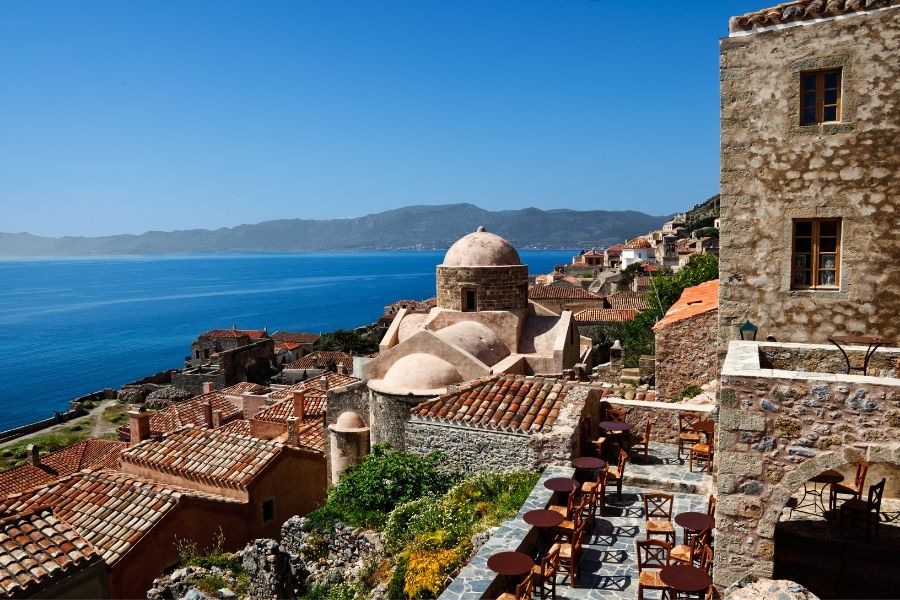
Monemvasia, sometimes called “Greece’s Gibraltar,” quickly became an unexpected highlight for me. This medieval fortress town clings to a massive rock just off the eastern Peloponnese coast.
I spent hours wandering its narrow cobblestone streets, and I probably could’ve stayed even longer.
The Saronic Gulf islands are perfect for day trips from Nafplio. Hydra completely charmed me with its car-free harbor and those old stone mansions.
Locals still use donkeys to carry goods up the steep hillsides, which is something you don’t see every day.
Spetses gave me a real sense of Greece’s maritime history. The island’s elegant coastal promenade, lined with neoclassical mansions built by shipping magnates, feels like a step back in time.
Aegina surprised me with its pistachio groves and the well-preserved Temple of Aphaia. Since it’s so close to Athens, it gets a bit busier than the other islands, but the beaches are still worth checking out.
Hidden Food and Wine Experiences of the Region
Nemea’s wineries really opened my eyes to the Agiorgitiko grape. These reds are velvety and go so well with the local lamb—can’t recommend that pairing enough.
A bunch of vineyards invite you in for tours and tastings. You get to sip wine while looking out over those beautiful rolling vines—honestly, it’s hard to beat.
Along the coast between Nafplio and Argos, the little tavernas serve some of the freshest seafood I’ve tasted anywhere in Greece. If you want the best meal, just ask what they caught that day instead of sticking to the menu.
I stumbled across this tiny, family-run olive oil producer just outside Epidaurus. Three generations work side by side there, and you can taste oils pressed from trees that are over 300 years old.
Up in the mountain villages above Nafplio, I found real-deal tavernas where grandmothers still make slow-cooked stews. These places don’t have English menus, but honestly, that’s where I ate the most genuine regional food.
