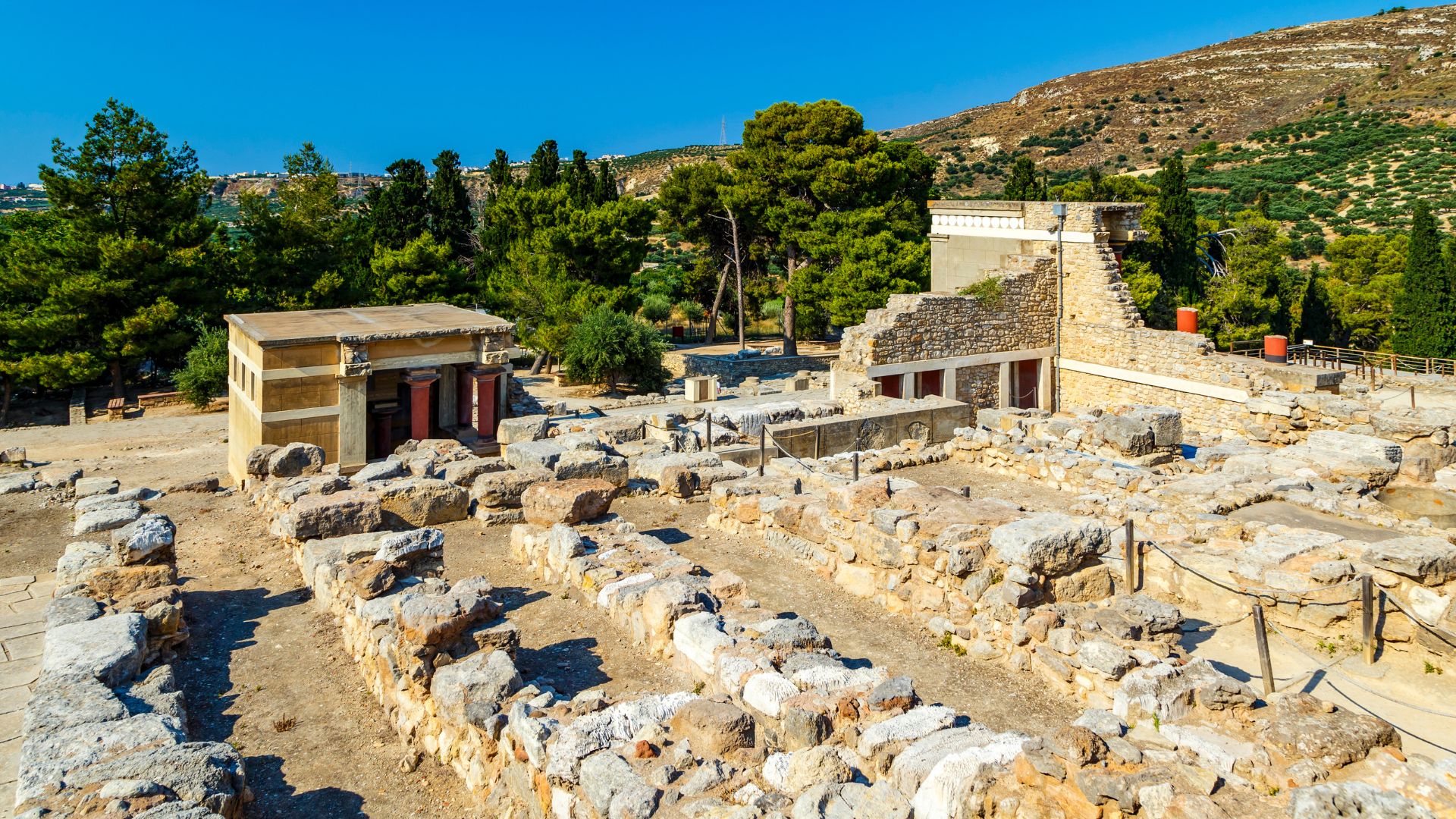
Walking through the ancient remains of Knossos, I realized this place was much bigger and more complicated than I’d pictured. Historians usually call it a palace, but honestly, that label feels too narrow for a place with twisting corridors, storage rooms, open courtyards, and traces of shops and homes.
Knossos was more than just a royal residence—it pulsed with religion, politics, and everyday life. It almost feels like a mini city tucked inside ancient walls.
Standing where Minoan leaders once held ceremonies and ran daily affairs, I felt the site’s power and mystery in my bones. Knossos isn’t easy to define; it’s a puzzle, and every visitor comes away with their own answer after wandering its ruins.
If you’ve ever wondered what really happened here, or if it lives up to the myths, my visit left me with a bunch of surprising thoughts I’d love to share.
First Impressions: Stepping into the Heart of Knossos
When I arrived at Knossos, the contrast between ancient stones and the buzz of modern crowds hit me right away. The site’s sprawling design, odd ruins, and traces of Minoan culture made me question what this place really was—palace, city, or something even stranger?
The Arrival: Sights, Sounds, and a Whiff of Ancient Mystery
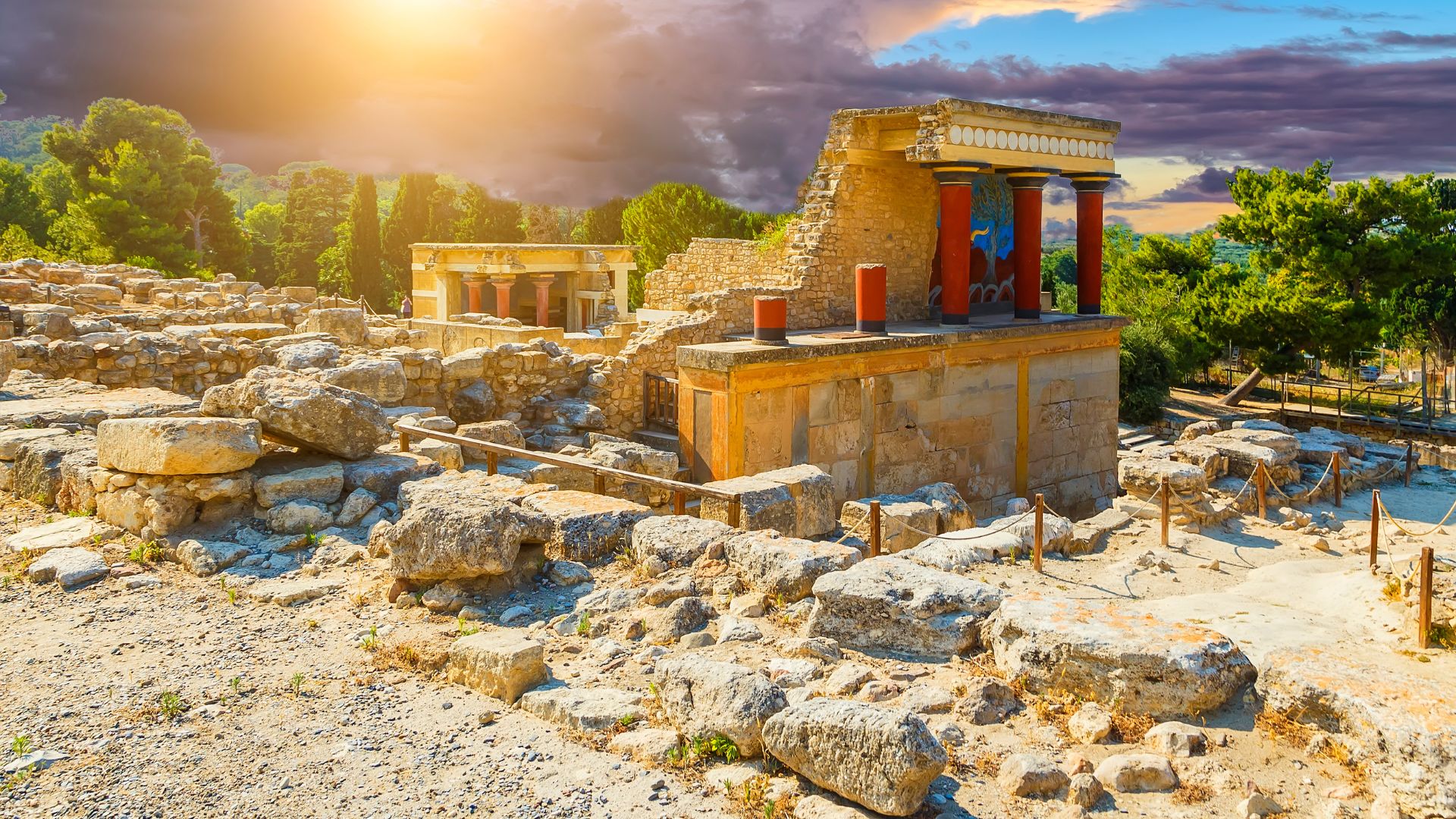
I stepped through Knossos’s gates on Crete, and the early morning light turned the ruins gold. Narrow paths pulled me into a landscape with tall cypress trees and the hum of tour groups near the entrance.
The air carried a faint mix of earth and distant flowers. I found myself weaving between scattered columns and half-restored walls, each one whispering stories from centuries past.
The sun, already sharp, glinted on bits of red and ochre paint that somehow survived thousands of years. What really caught me off guard was the atmosphere.
Despite the crowds, there was a hush—a mix of excitement and respect for Minoan achievements. Even casual visitors seemed drawn in, pausing at painted frescoes or the legendary throne room, which people say is the oldest in Europe.
Unexpected Details: The Labyrinthine Layout
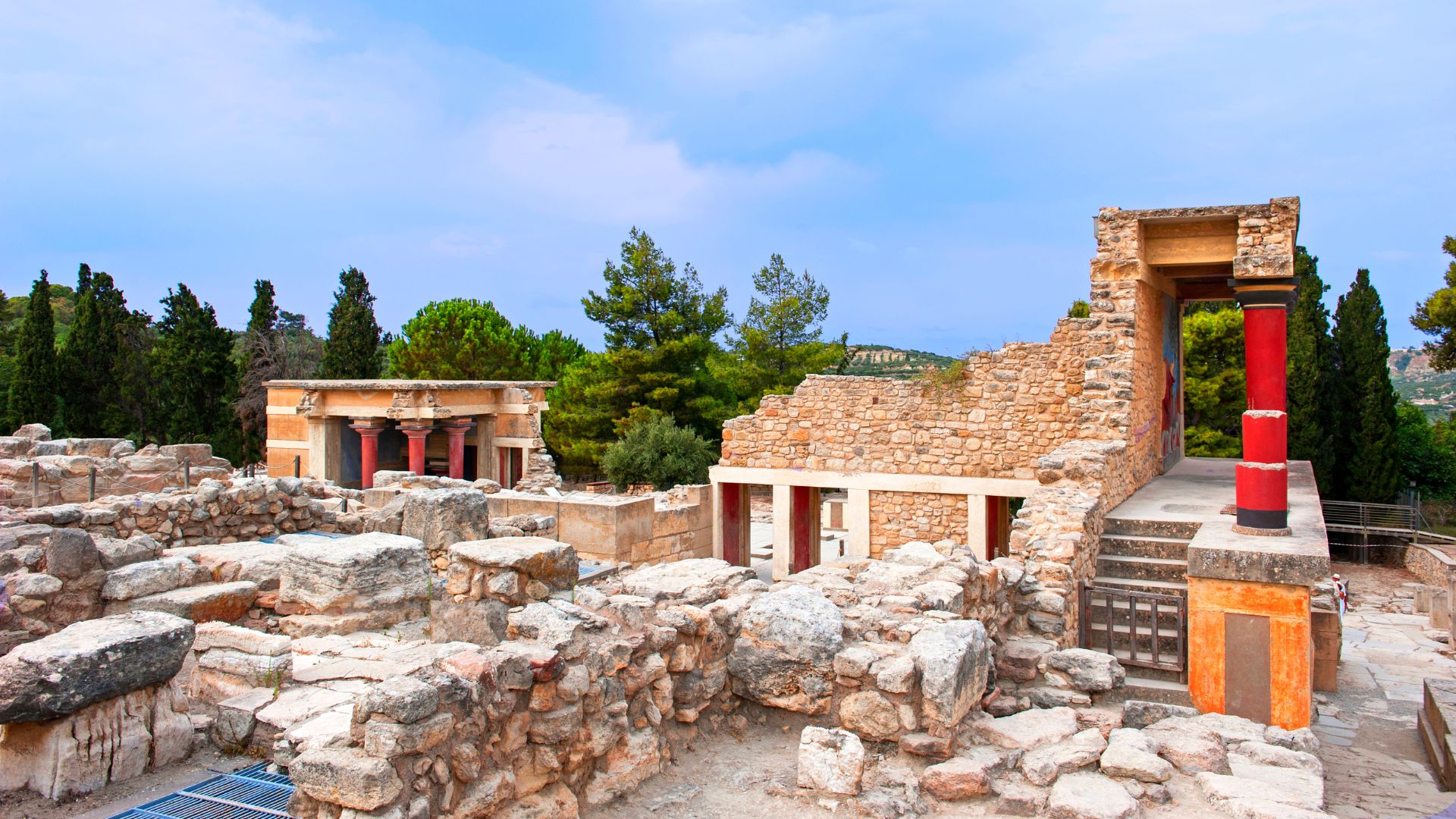
Once inside, I understood why people link Knossos to the legend of the labyrinth. The layout is a maze—stone corridors twist, and small staircases pop up without warning.
It’s easy to see how ancient visitors could get lost here. There aren’t grand halls like you might expect from a classic “palace.”
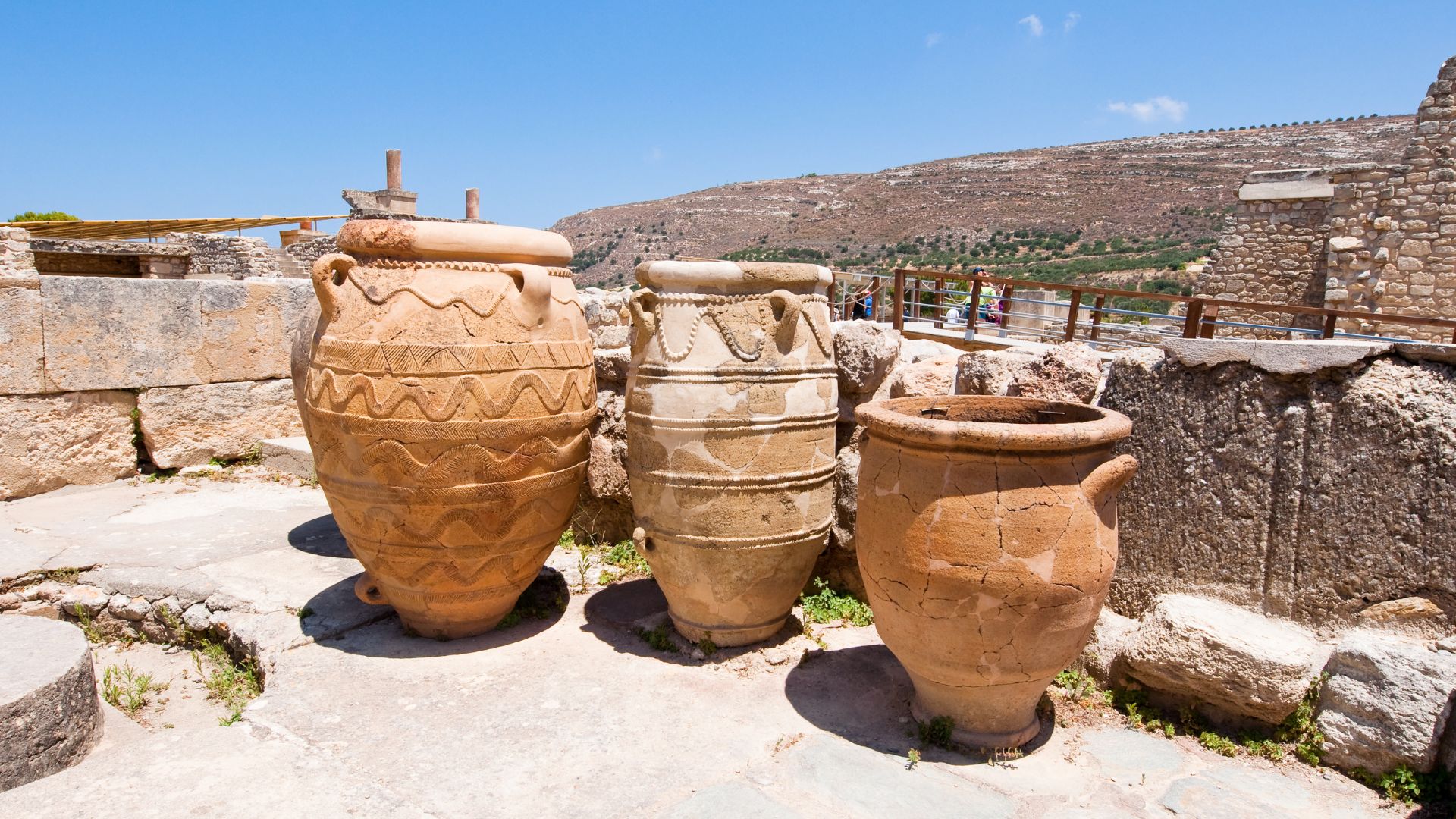
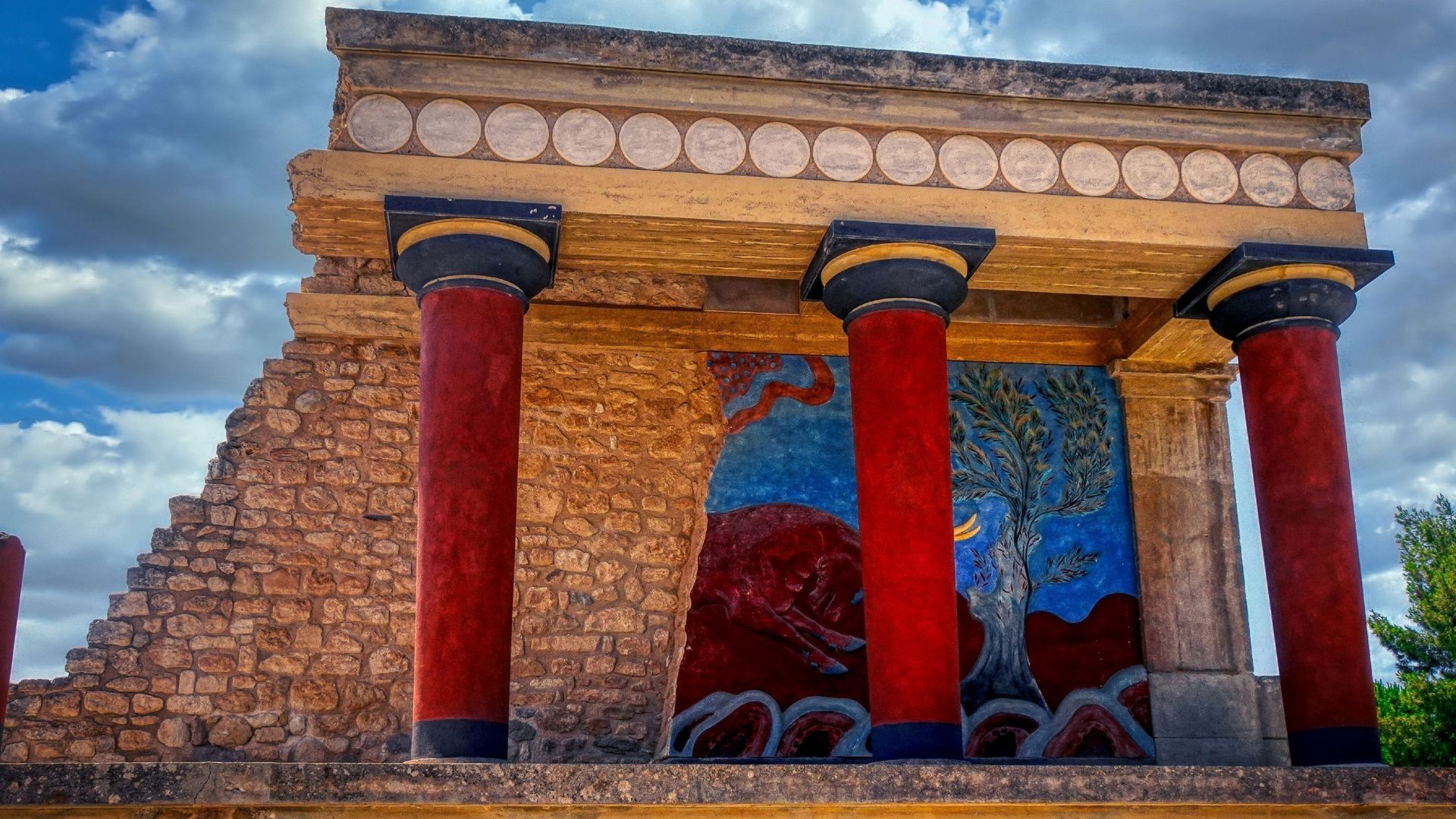
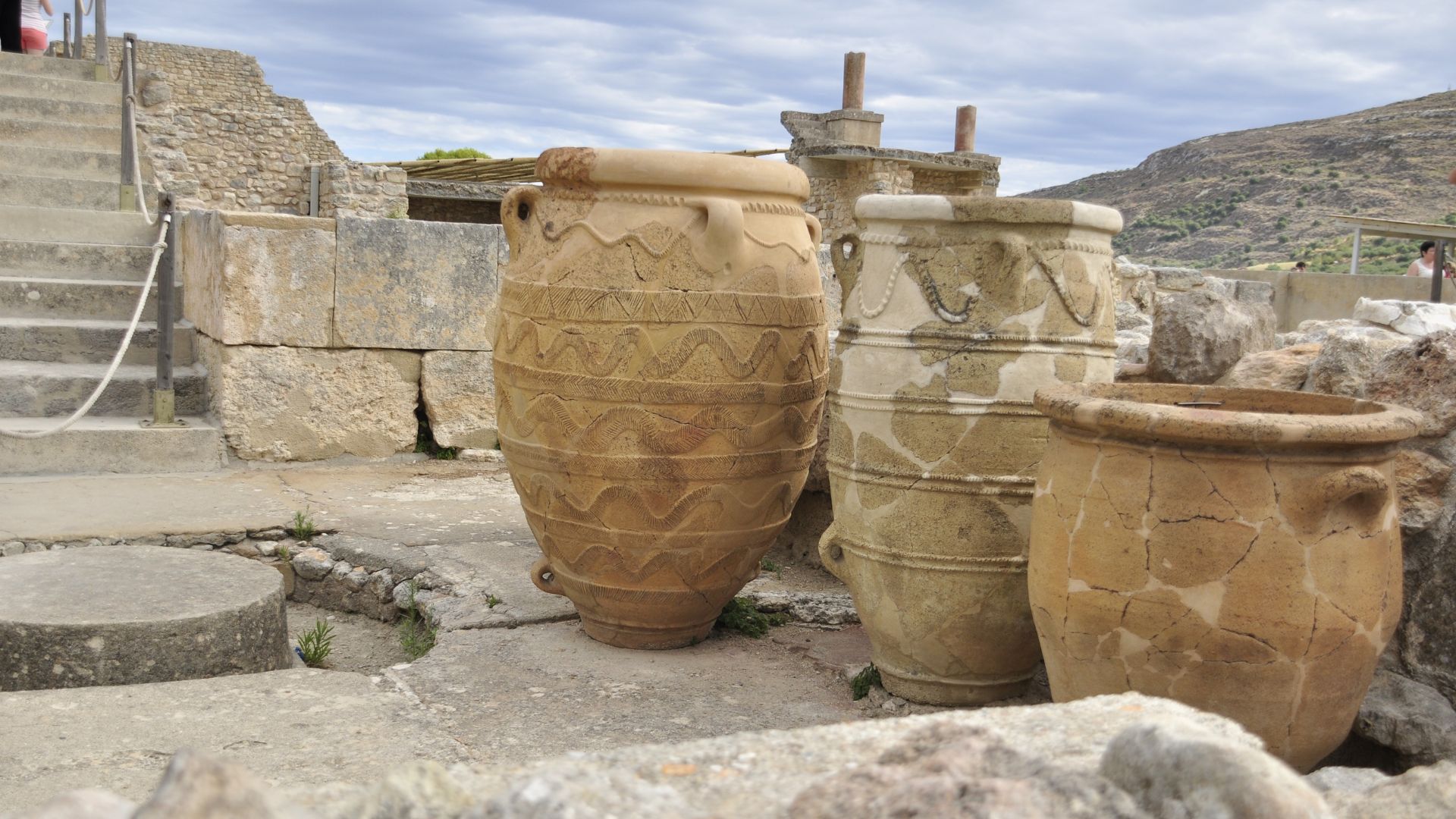
Instead, I found rooms of all shapes and sizes jammed together—storerooms lined with giant pithoi (those massive jars), light wells open to the sky, and passageways that turn at odd angles. Some areas have been clearly reconstructed, with columns painted bright colors, while others are left as bare rubble.
Maps help, but honestly, moving through the site is what makes it stick in your memory. Each turn brings a new view, a splash of color, or a detail that hints at daily Minoan life.
Wonder and Ambiguity: Is It Really a Palace?
The longer I explored, the more complicated “palace” seemed. Signs call it the Palace of Knossos, but the truth feels bigger and messier.
Archaeologists and historians still argue about whether it was really a royal residence, a religious center, or something in between. Some rooms look fit for royalty—a central throne room, murals, ceremonial spaces.
But other spots, packed with storage jars or workshop remains, point to economic hustle. I spotted evidence of religious rituals too, especially in spaces with double axes and sacred horns.
For travelers, this confusion is part of the magic. No guidebook can pin down whether Knossos was a palace, a city, or a mythic labyrinth. Walking the site made me wonder—was life here all about power? Was it sacred, shared, or just wildly complex in ways we’ll never fully get?
Each step made me want to know more.
Palace, City, or Beyond? Unraveling the Purpose of Knossos
Knossos blurs the lines between palace, city, and something even more mysterious. As I wandered its sprawling ruins, I couldn’t help but wonder how one site could play so many roles in Minoan life.
A Royal Residence or Ceremonial Center?
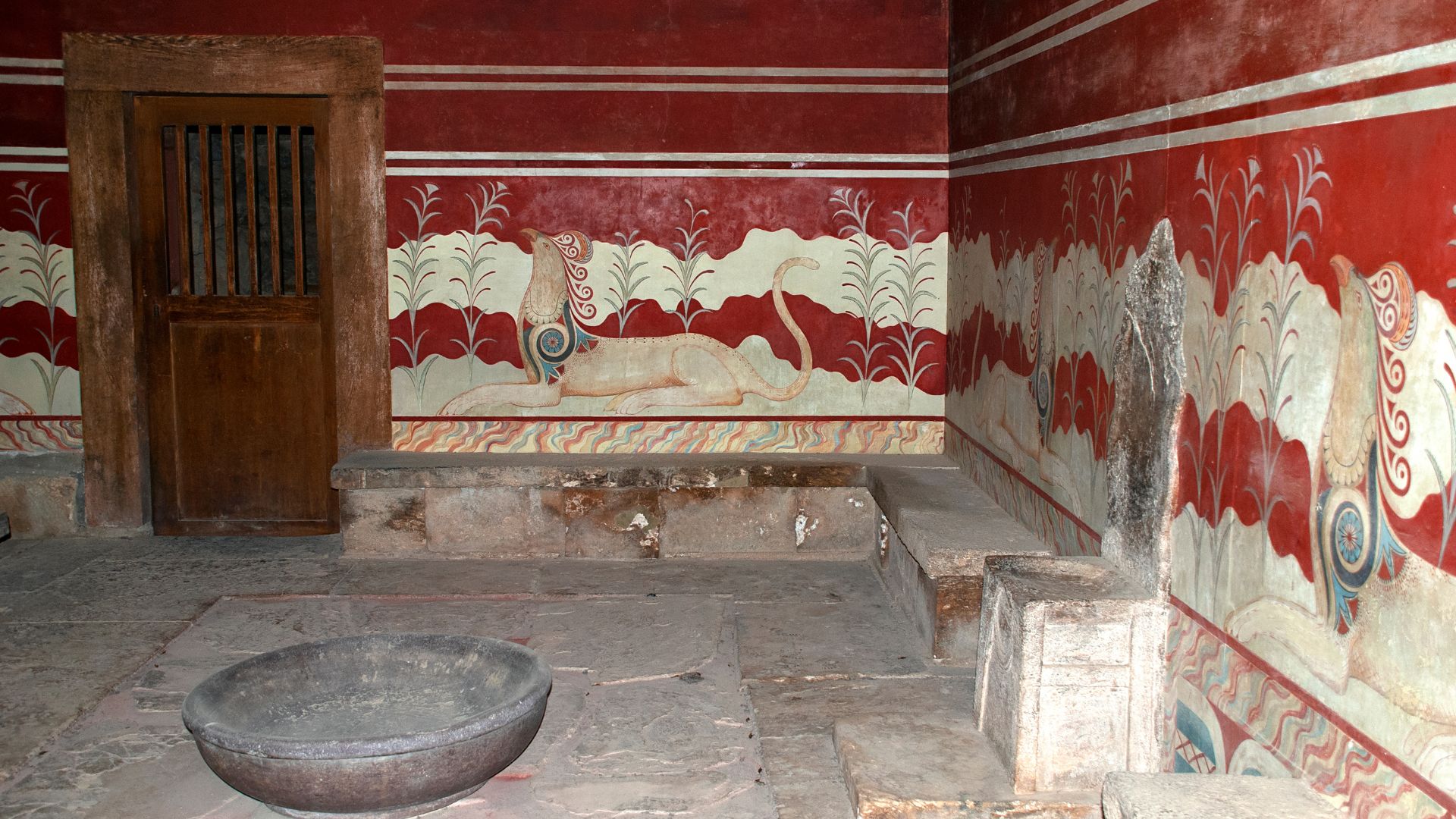
The so-called “throne room” sits at the heart of the site. Walking in, I imagined a ruler—or maybe a priestess—presiding over gatherings.
A stone throne rests against a wall painted with faded frescoes, full of griffins and flowing lines. Benches line the sides, hinting at meetings or rituals.
Was it just for royalty? Many researchers still debate that. Some clues point to ceremonies, not just daily living.
Sacred symbols and big basins could have been for offerings, not comfort. Knossos wasn’t built as a fortress; there aren’t heavy defenses anywhere.
Instead, it feels open—like people moved freely, whether nobles, priests, or guests. I get why people say Knossos was as much a ceremonial hub as a seat of power.
Urban Innovation: Architecture and City Planning
People often call Knossos Europe’s oldest city, and the planning is impressive. Wide corridors wind through storerooms, workshops, and living spaces.
As I walked, I saw light wells, open courtyards, and even an advanced drainage system. The place is huge, and its complexity rivals cities from later Greek times.
Staircases connect the different levels, and sunlight and breezes fill the open spaces. It never felt cramped or gloomy—more like it was designed for comfort and activity.
Daily life and civic pride seem baked into the walls. The frescoes, bursting with color and scenes from nature, really surprised me. It’s not hard to picture the energy and life that once filled these halls.
Economic Hub and Marketplace
Trade kept Knossos alive. Storage jars—some nearly as tall as me—still stand in magazines beneath the palace.
These weren’t decorations. The Minoans built their society on exchanging goods like olive oil, wine, and crafted items across the Mediterranean.
I pictured traders arriving with tin and copper, leaving with pottery and oil. The sheer size of the storerooms shows the palace managed not just its own needs, but probably supplied the whole region.
Knossos wasn’t just a palace. It was the economic heart of Crete, serving leaders, merchants, and artisans alike. Every corner seems to echo with the old market life that once buzzed here.
Spiritual and Mythical Dimensions
Knossos is tangled up in Greek mythology. The legend of the Minotaur, trapped in a labyrinth beneath the palace by King Minos, lingers in every shadowed hallway.
Maybe there wasn’t a monster here, but ritual ran deep. Double axes and “horns of consecration” pop up everywhere.
Some rooms seem built for ceremonies, not meetings. I stood in spaces where priestesses probably led rites, and it’s easy to imagine incense hanging in the air and torchlight flickering on the walls.
My visit convinced me Knossos was a spiritual center as much as an administrative one. History and myth are tangled together here, and it’s a powerful place to experience in person.
Legend, Myth, and Reality: Knossos in the Tapestry of the Bronze Age
Standing among the ruins of Knossos, I felt history and legend blur together. This place shaped Greek myths, inspired epic poetry, and helped lay the groundwork for Western culture as we know it.
From Minotaur to Modern Discovery: Fiction Rooted in Fact
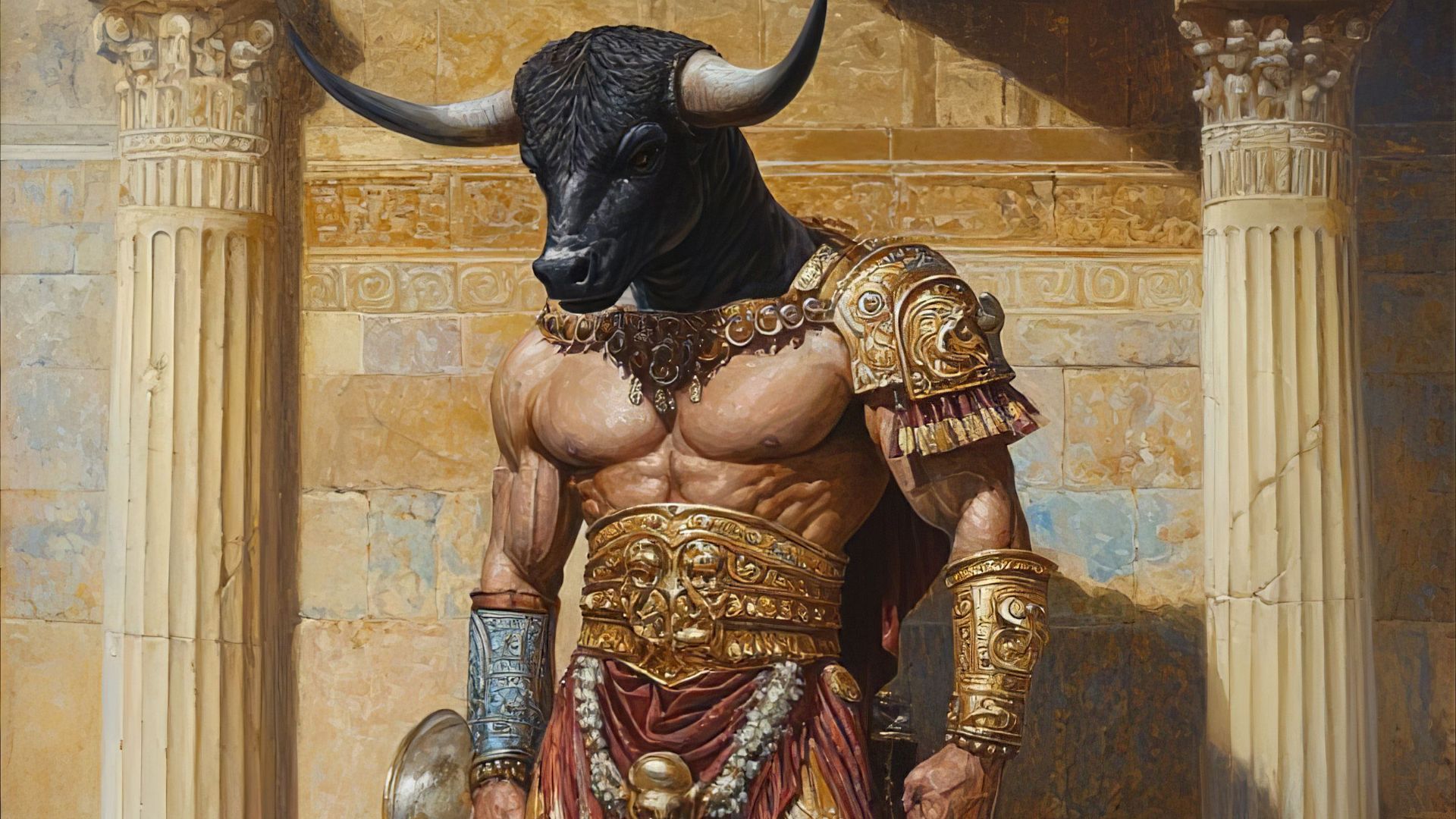
Knossos is famous for its link to the Minotaur—a half-man, half-bull monster supposedly kept in a labyrinth under the palace. The myth claims King Minos, after angering Poseidon, had to hide the Minotaur beneath his grand home.
These stories aren’t just fairy tales. They grew out of the complex layout and sheer scale of the real palace.
Walking through Knossos’s maze-like corridors, I could see how ancient travelers spread tales of the “labyrinth.” When Sir Arthur Evans started excavating in the early 1900s, he uncovered a vast network of rooms and staircases, fueling the link between fact and myth.
The palace wasn’t just a home—it became a powerful symbol, blending reality and legend. The Minotaur story isn’t the only myth rooted here.
Knossos was a center of ritual, ceremony, and power during the Bronze Age. That sense of mystery lingers among the ruins, making it one of the most intriguing places I’ve visited.
Knossos, Greek Mythology, and Epic Poetry
Knossos isn’t just about the Minotaur. Its stories ripple through Greek mythology and epic poems—think Homer.
Even though the Iliad centers on the Trojan War and heroes like Achilles, Homer nods to mighty Crete and King Minos, reminding us of Knossos’s ancient reputation.
The Mycenaeans—rivals and later conquerors of the Minoans—brought their own myths and blended them with those of Knossos. This mix of oral tradition kept Knossos alive in Greek and Roman minds.
Even Athens respected Minoan culture, seeing it as mysterious and advanced. As I walked through Knossos’s grand halls and frescoed rooms, it was easy to imagine how these stories grew.
The echoes of myth make the site more than just an archaeological dig—it’s a doorway into the imagination of the Bronze Age.
The Influence of the Minoans on Western Civilization
What really struck me was how much Minoan culture shaped what came after. The Minoans were masters of art, trade, and religion long before Athens hit its stride.
Their palace at Knossos bursts with colorful frescoes, many showing bulls—a nod to both myth and Minoan rituals.
Table: Minoan Influences on Ancient Greece
| Aspect | Example |
|---|---|
| Art | Colorful frescoes, pottery |
| Religion | Bull-worship, goddess imagery |
| Architecture | Multi-level palaces, open courtyards |
| Social Life | Festivals, sports (bull-leaping) |
The Minoans passed on artistic styles and ideas about honor, ceremony, and government. As Greeks like Homer spun their epics, they drew from older Minoan tales and customs, weaving Knossos into the roots of Western civilization.
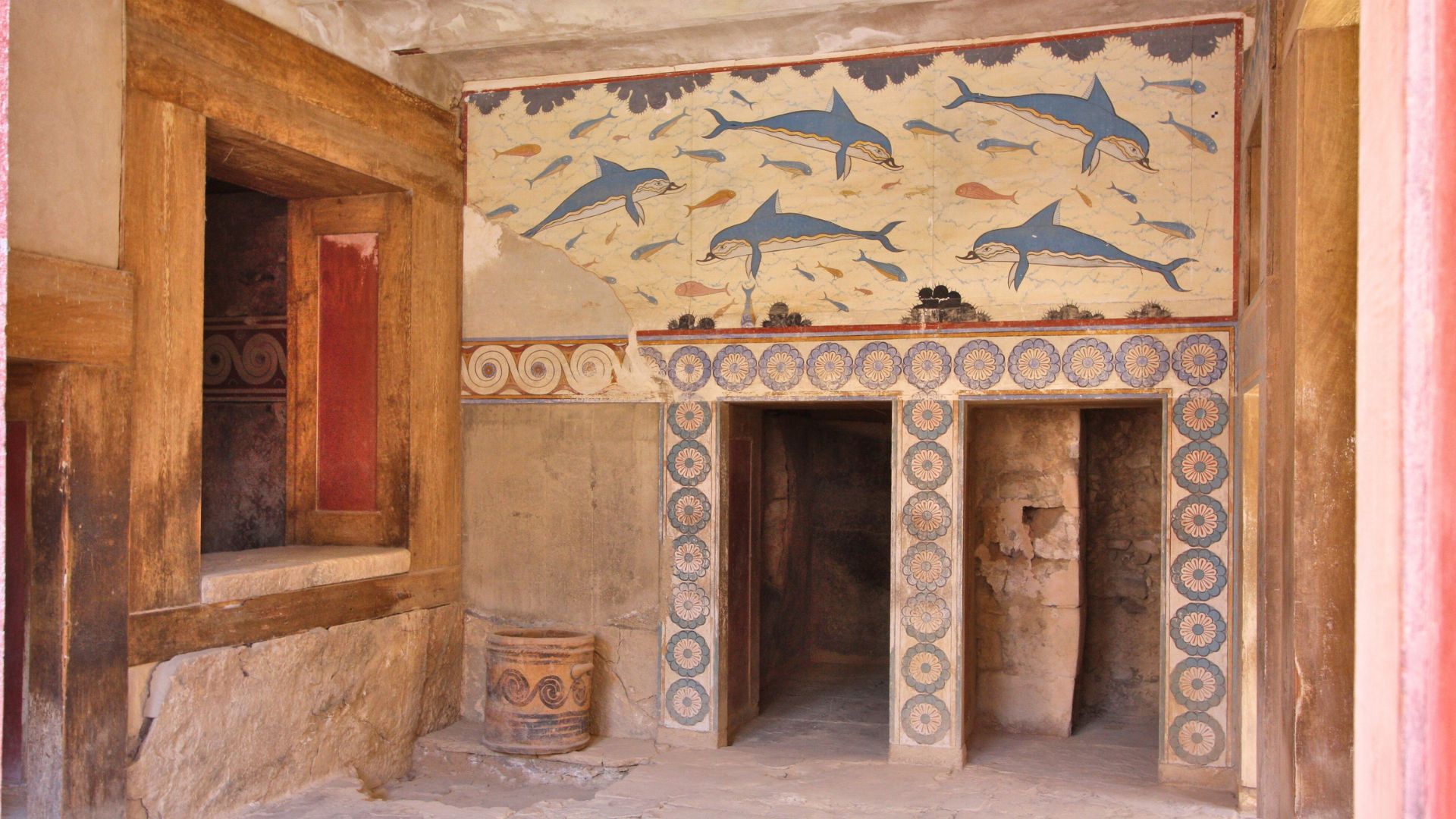
If you visit, look for Minoan symbols—spirals, dolphins, double axes. Each one offers a glimpse into a culture that inspired legends, shaped epic poetry, and birthed traditions that echoed through Greek and European history.
Walking the Halls: Stories Told by Stone, Fresco, and Artifact
Inside Knossos, layers of art and daily life meet you at every step. The palace, with its stone passageways, vivid frescoes, and unique artifacts, tells stories that no guidebook or website could ever really capture.
Simple objects reveal how the Minoans lived, worked, and worshipped.
Frescoes and Wall Paintings: Artistry in Daily Life
The frescoes at Knossos immediately grabbed my attention. Even after all these centuries, the colors and images of the Minoan frescoes still feel fresh, almost electric.
Scenes of bull-leaping, women in vivid dresses, and wild landscapes with olive trees and flowers fill the walls. One fresco, the “Prince of the Lilies,” really stood out for its detail and sense of movement.
These paintings aren’t just pretty decorations—they reveal what mattered to the people of Knossos: nature, ritual, celebration. I find it incredible that artists used natural pigments and mixed them into wet plaster so the colors would stick around.
Later, when I wandered through the archaeological museum in Heraklion, I saw even more of this artistry. The bold colors and careful lines in Greek art from Knossos really make the site stand out from others in the Mediterranean.
Weapons, Armor, and Tools on Display
Knossos isn’t just about art and beauty. The palace holds plenty of reminders of the Minoans’ practical side.
Weapons and armor—swords, bronze daggers—show up in storerooms and display cases. I felt surprised by how much care went into crafting even the tools and armor.
Some blades are decorated or shaped with real skill, showing pride in both protection and craft. Palace guards probably used these weapons, or maybe they played a part in ceremonies.
Tools for daily work also drew my eye. Stone axes and simple bronze tools hint at how advanced their lives actually were.
The Minoans mastered metalwork, turning copper and bronze into everything from household items to special treasures.
Tangible Remains: Olive Trees, Pottery, and More
As I wandered the big courtyards and stone paths, I couldn’t miss the grove of olive trees nearby. Olive trees meant everything to the Minoans—they pointed to both trade and local wealth.
People used olive oil for cooking, lighting lamps, and even for rituals. Pottery shards line many of the walkways at Knossos, each piece showing off styles from different times.
Some pots show scenes of harvests or animals; others keep things simple and sturdy. I paused to admire the famous “Kamares ware”—its thin walls and bright patterns make it easy to spot in any Greek art display.
Seeing these everyday objects made the Minoans feel less mysterious, more like real people who faced the same basic questions we do: how to live, work, and find beauty in the world.
Archaeology’s Role: The Modern Quest to Understand Knossos
Trying to make sense of Knossos feels like working on a massive, ancient puzzle. The story grows with every dramatic discovery, heated argument, and bold decision—some of which still spark debates among travelers and scholars.
Arthur Evans and the Controversy of Restoration
As I walked through Knossos, I couldn’t avoid Arthur Evans’s legacy. Evans, a British archaeologist, began digging and rebuilding the ruins in 1900.
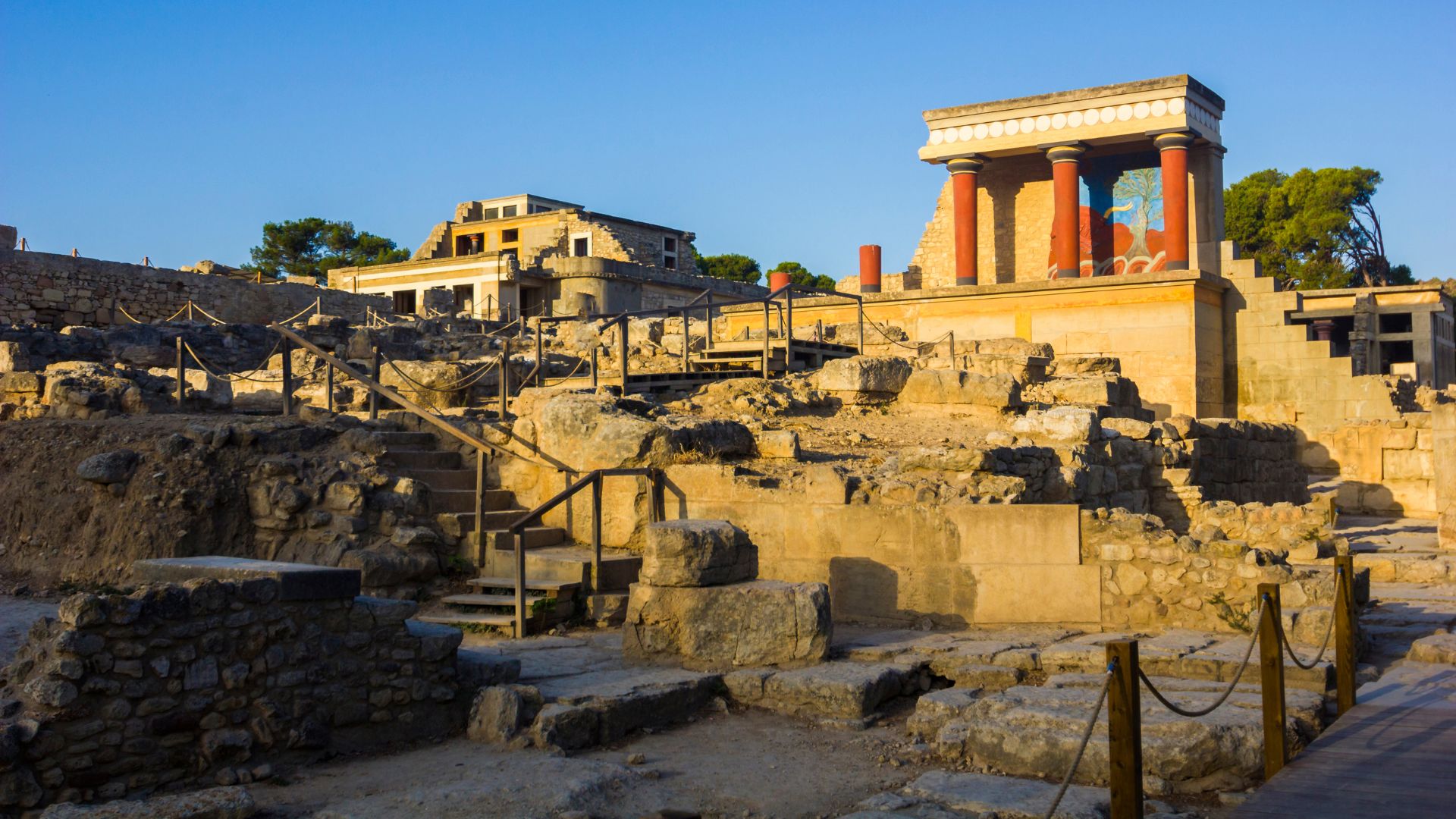
He’s the reason parts of the site look almost new, with those bright red columns and painted frescos. Evans wanted visitors to imagine Minoan life, so he made choices that changed how the palace appears.
He used reinforced concrete and sometimes guessed at missing details. This makes Knossos easier to picture, but some critics argue it’s misleading.
For travelers, Evans’s restorations are a mixed bag. The site feels lively and beautiful, but not every part is truly ancient. Sometimes I caught myself wondering—am I seeing history, or just Evans’s version of it?
Debates: Interpreting Ruins and Translating the Past
Figuring out Knossos isn’t just about looking at old walls and faded paintings. Archaeologists and historians still argue about what this place really was.
Was it only a palace, or more like a city? The ruins show royal spaces, but also places for trade, food storage, and religious rituals.
The writing found here, called Linear B, adds another layer of mystery. Scholars only cracked it in the 1950s, which opened up new secrets.
Still, not every text makes sense—some basics like names and titles remain fuzzy. Modern teams now use technology to scan for hidden rooms, hoping to separate myth from fact.
This work tries to bridge the gap between legend and reality, especially when ancient myths—like the Minotaur—get tangled up in the ruins.
Knossos and Its Rivals: Troy, Mycenae, and Beyond
Knossos almost feels legendary, right? But it’s definitely not the only big site from ancient times.
While I wandered around, I couldn’t help thinking about Heinrich Schliemann and what he uncovered at Troy and Mycenae.
The Mycenaeans traded with the Minoans, and sometimes they clashed as rivals.
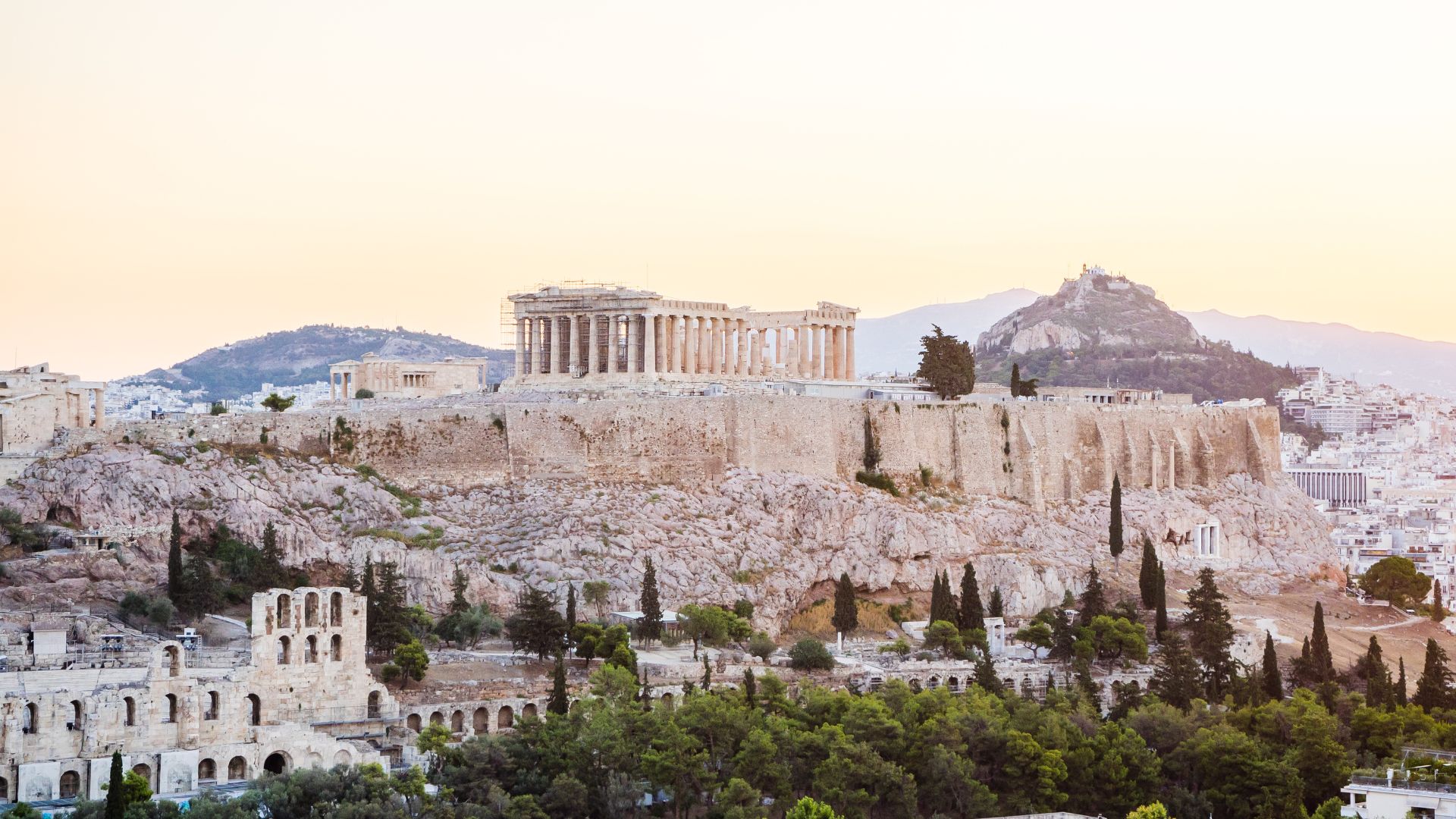
Places like the Acropolis in Athens make me realize just how many layers Greece’s history has.
It stretches from pre-history, through those powerful city-states, and even into later controversies—like the whole debate over the Elgin Marbles.
The Minoans didn’t just keep to themselves; they traded with Egyptians and Semitic peoples.
That helped spread culture all across Eurasia, which is honestly pretty wild to think about.
Climate and shifting power really shaped these sites.
Colonies rose and fell as trade and weather changed, and that shows how Knossos fits into the bigger puzzle of western civilization’s roots.
As I explored, I started to see how all these places connect.
Suddenly, the ancient world felt more real—like it wasn’t just words in an old book.