
When I visited Crete, most people asked about Knossos, but Phaistos quickly became my favorite Minoan palace.
Phaistos sits quietly among the rolling hills, holding stories and mysteries that Knossos never told me.
As I wandered through its ancient ruins, I felt the weight of thousands of years beneath my feet.
I couldn’t help but wonder about the lives that once filled these sprawling courtyards.
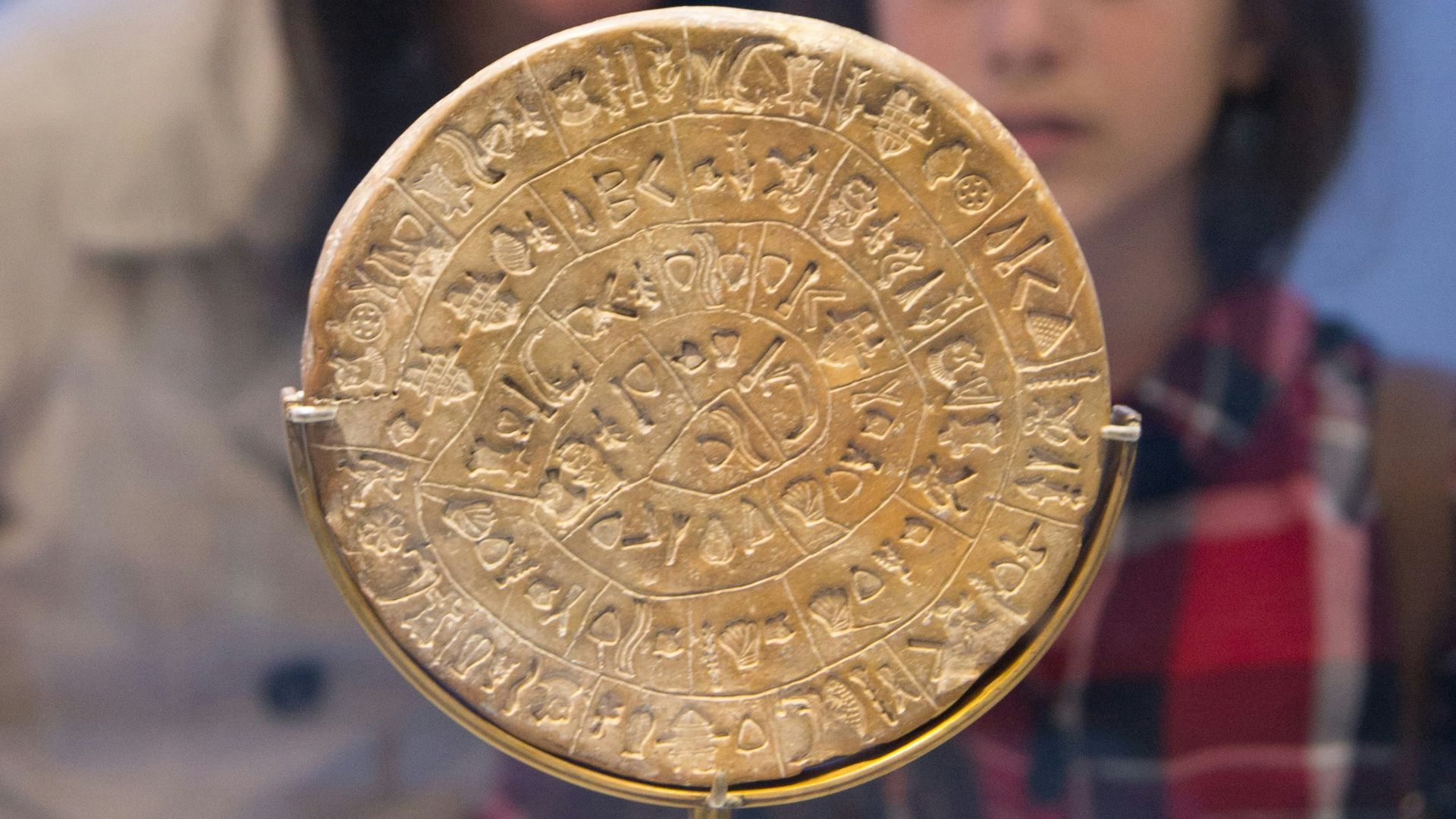
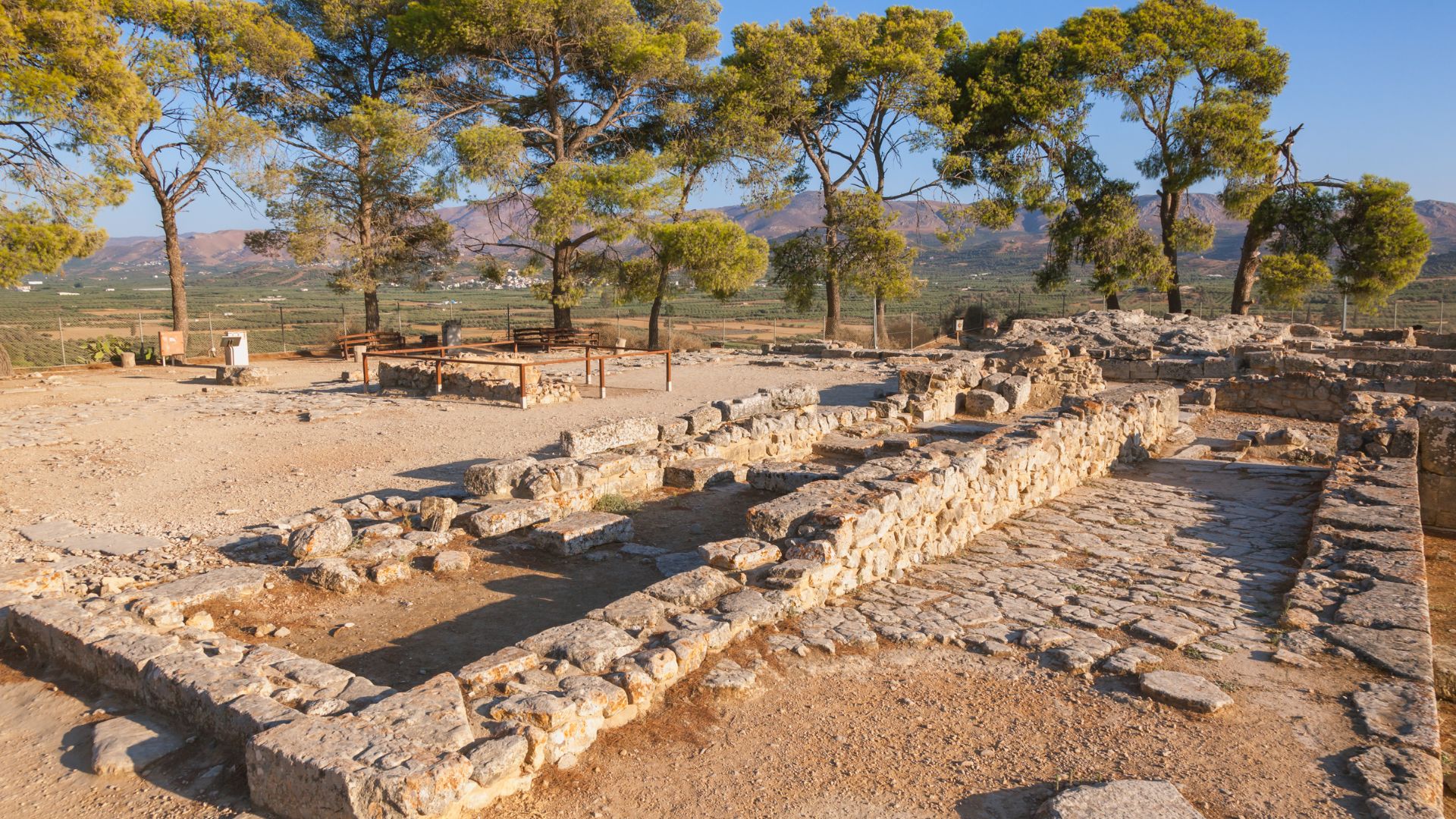
The biggest surprise? The Phaistos Disc—a small clay disc covered with mysterious symbols that no one has managed to fully decipher.
Exploring the palace and thinking about who might have created this strange artifact made me realize just how much we still don’t know about Minoan Crete.
If you want to dive into mythology, unsolved mysteries, and the hidden corners of history while traveling, Phaistos is a place you really shouldn’t miss.
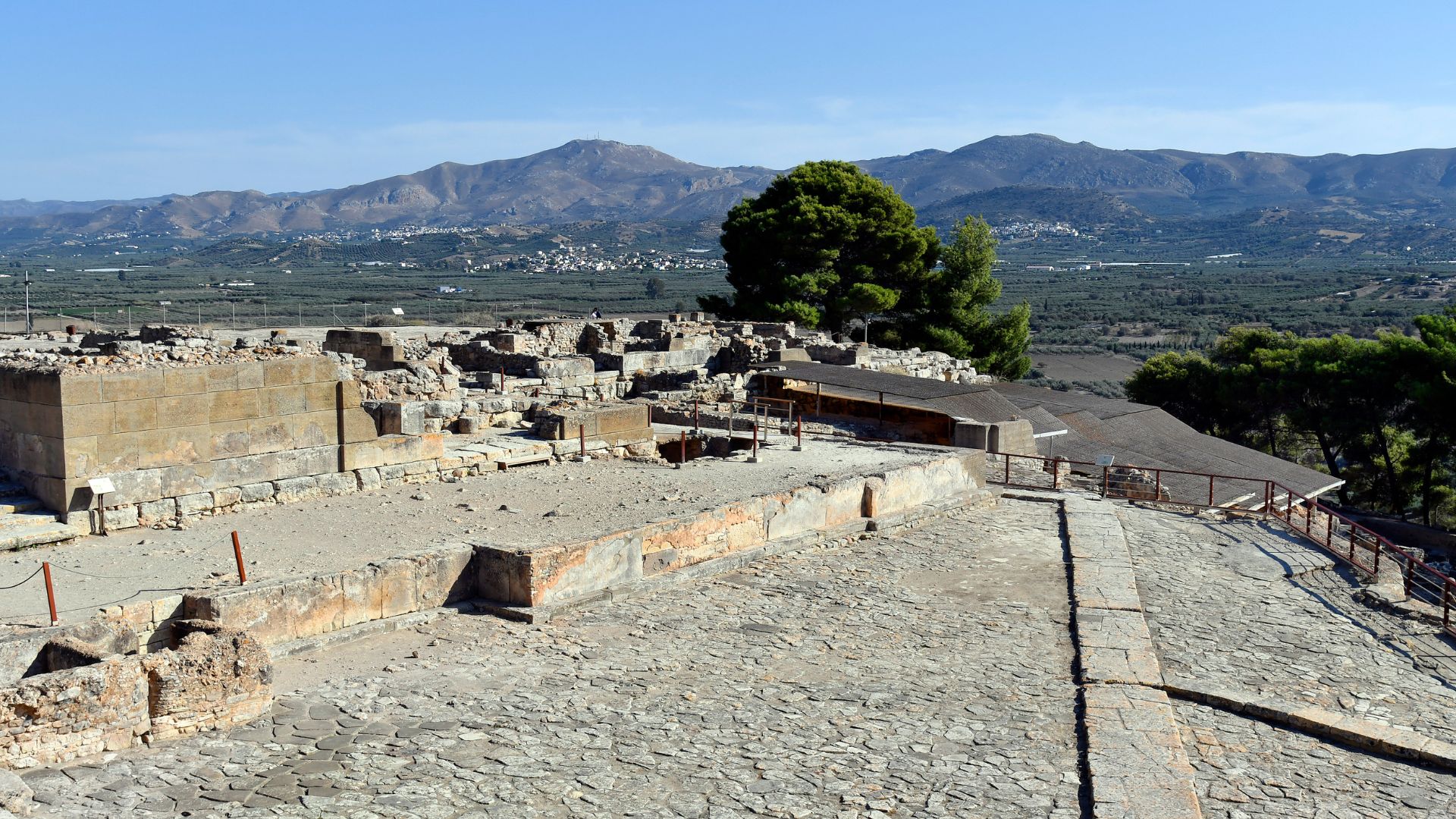
Phaistos: The Heart of Minoan Crete
Phaistos is where the stories and secrets of the Minoan civilization come to life.
From grand palatial ruins to the puzzles of the Bronze Age, this site gives a real sense of ancient Crete’s complexity, beauty, and intelligence.
Origins and Historical Significance
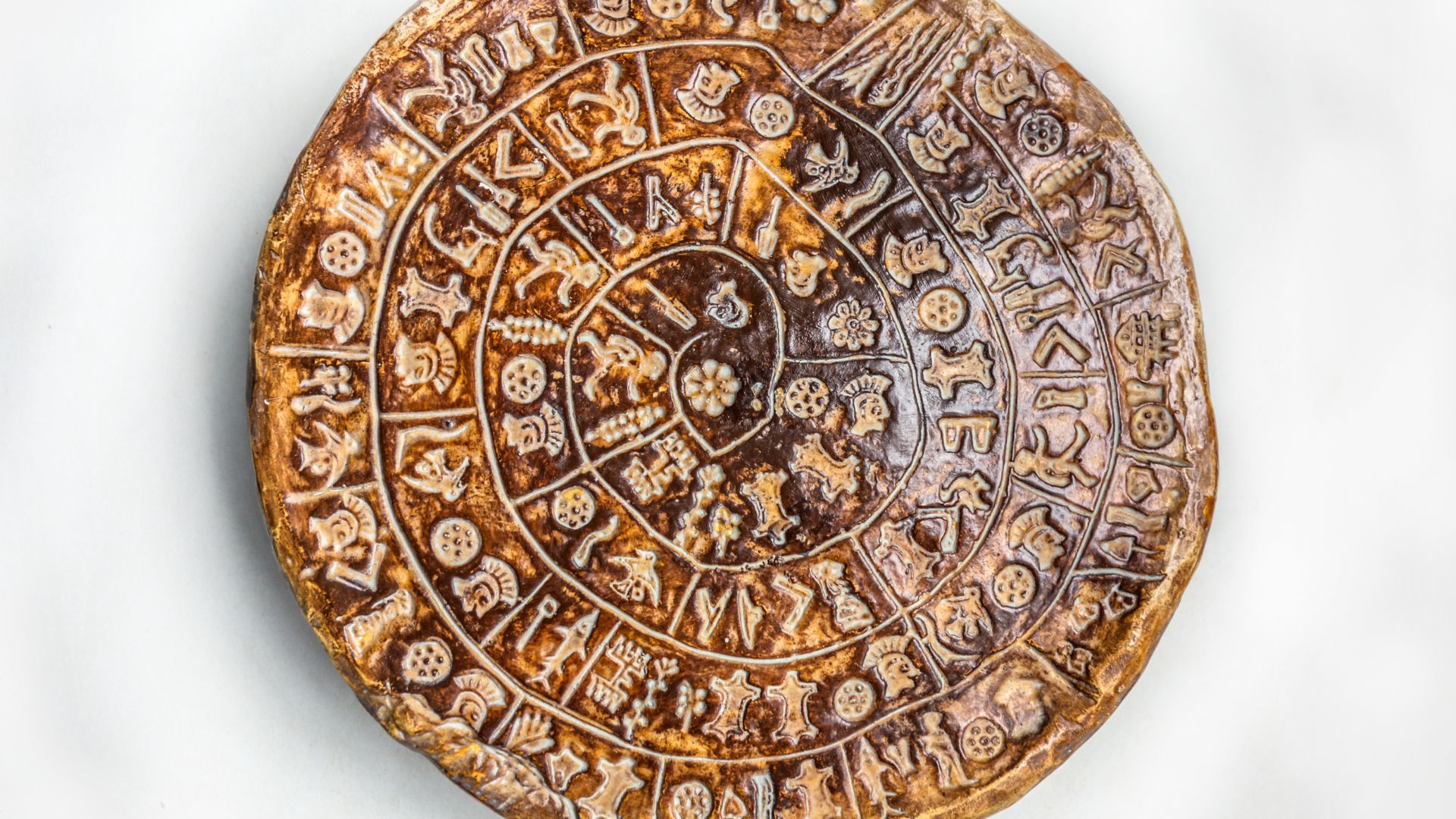
As I walked the sun-baked hill where Phaistos sits, standing above the southern plains of Crete, I felt the deep connection this place has to Minoan civilization.
Archaeologists date Phaistos back to the early Bronze Age, around 1900 BCE, so it’s one of the oldest and most important settlements on the island.
Phaistos was a key Minoan palace—second only to Knossos in size and influence.
This palace wasn’t just a royal home; it served as a major center for trade, religion, and cultural exchange.
Its position allowed rulers to control the fertile Messara Plain, which was perfect for farming.
The scale of artifacts found here, including the famous Phaistos Disc—a clay object covered in mysterious symbols—shows just how important the site was.
Archaeologists unearthed the disc in 1908, and it’s been puzzling experts ever since.
Phaistos connects directly to many myths and legends of ancient Greece.
It stands as a symbol of the vibrant communities and advanced societies that flourished on Crete long before classical Greece even existed.
The Palace’s Architectural Marvels
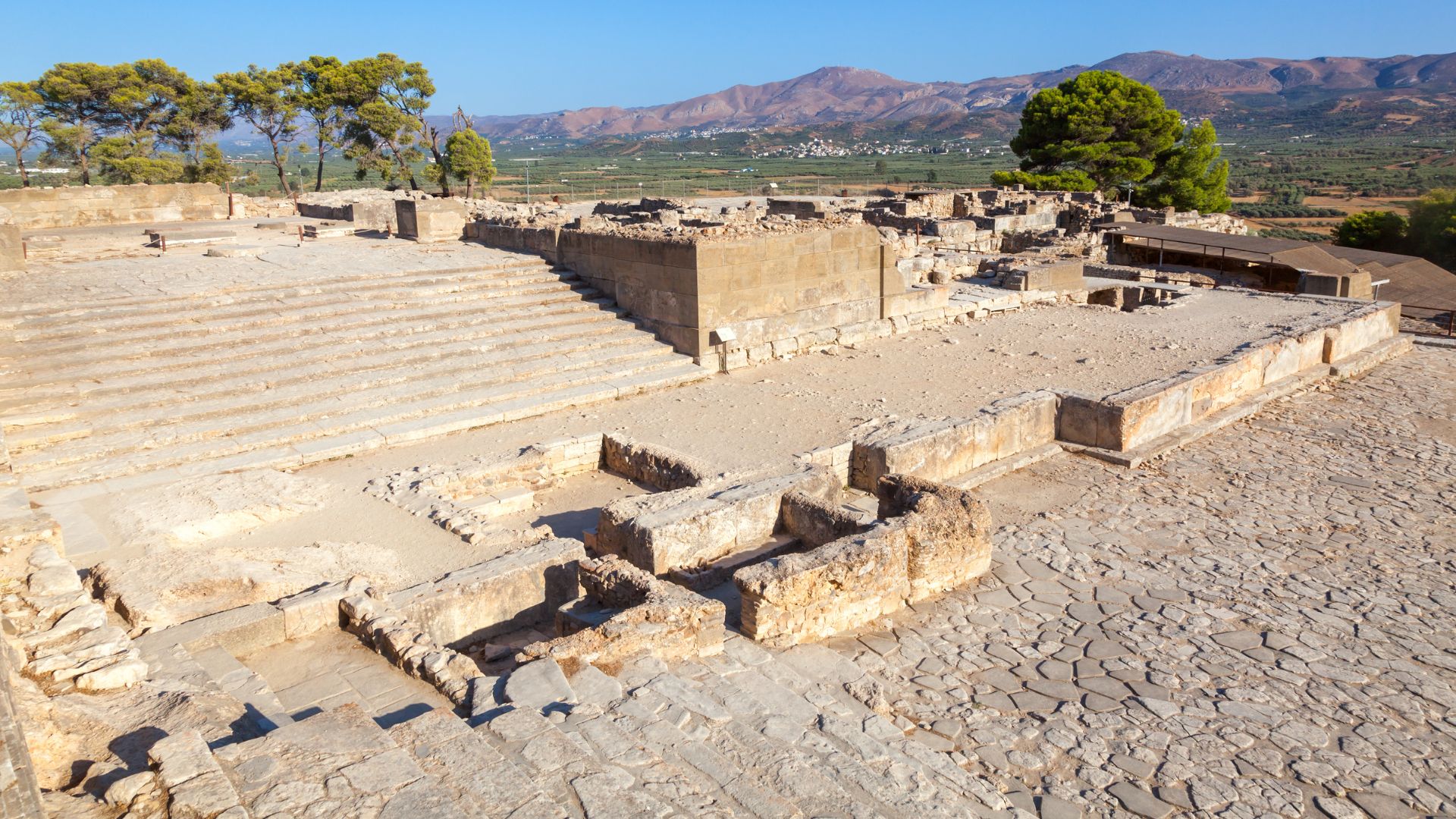
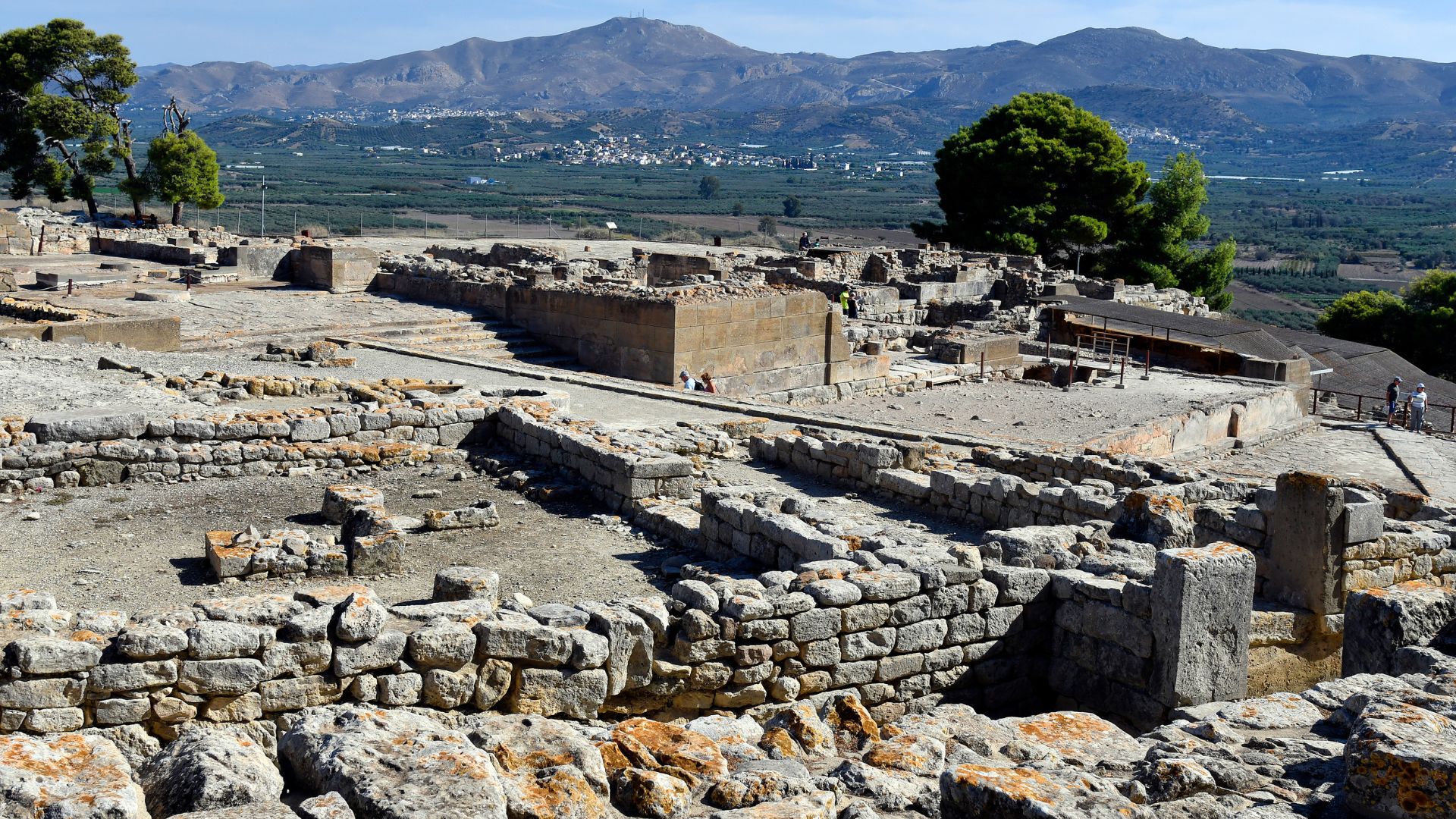
As I explored the ruins, I marveled at the careful layout and the sense of order in the palace design.
The site covers several terraces, each with its own function.
Grand staircases, storerooms, workshops, and ceremonial halls spread out over the complex.
Paved walkways and open courtyards connect everything together.
Here’s a quick breakdown of key features I discovered:
| Feature | Description |
|---|---|
| Central Courtyard | Heart of the palace, used for gatherings and rituals |
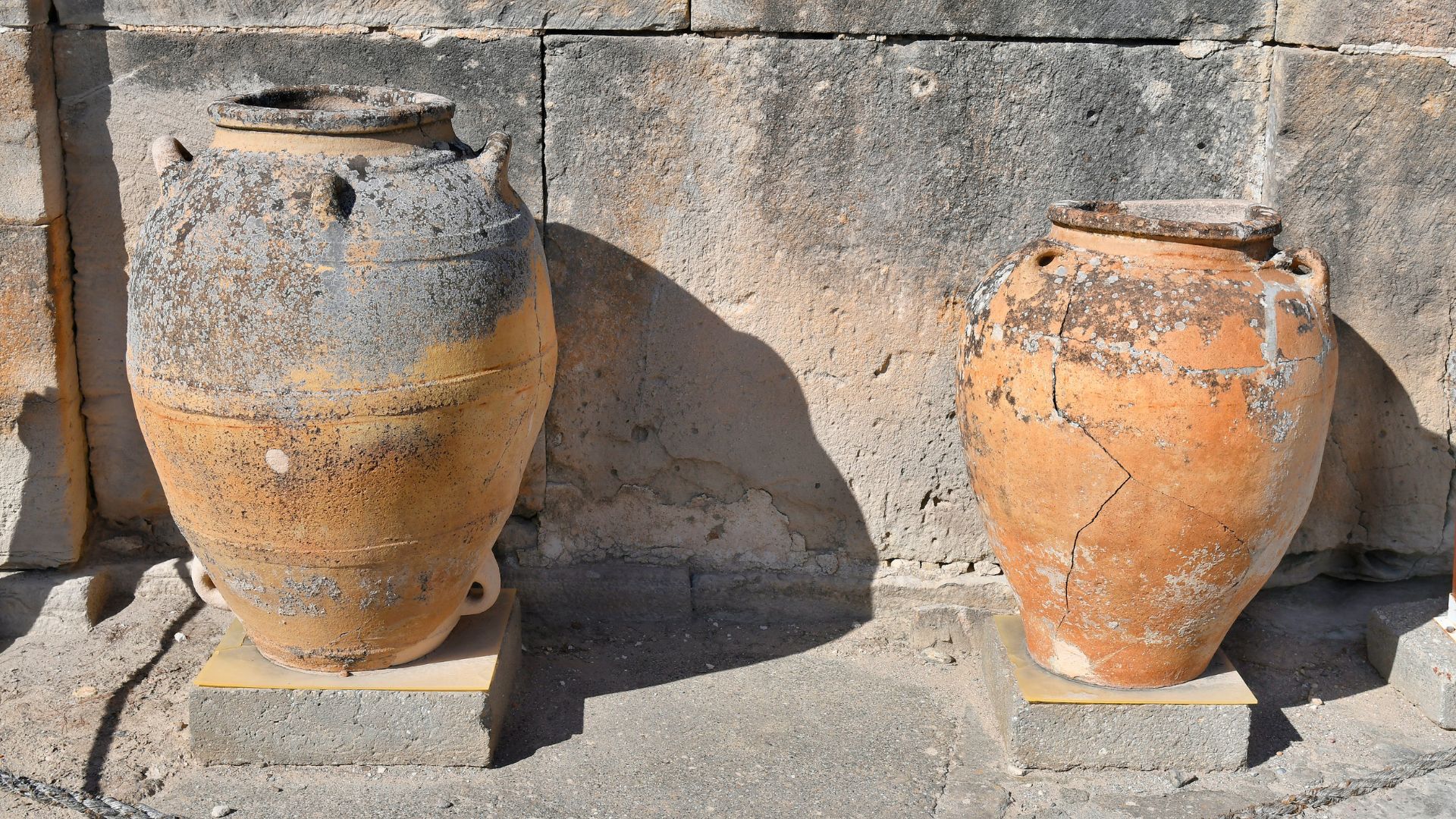
| Magazines | Long storage rooms packed with massive clay jars |
| Staircases | Multi-level access, clever engineering |
| Theatral Area | Seating for public events or performances |
The palace even had a drainage system and bathroom spaces.
That kind of engineering still surprises me for the time.
Daily Life in Bronze Age Phaistos
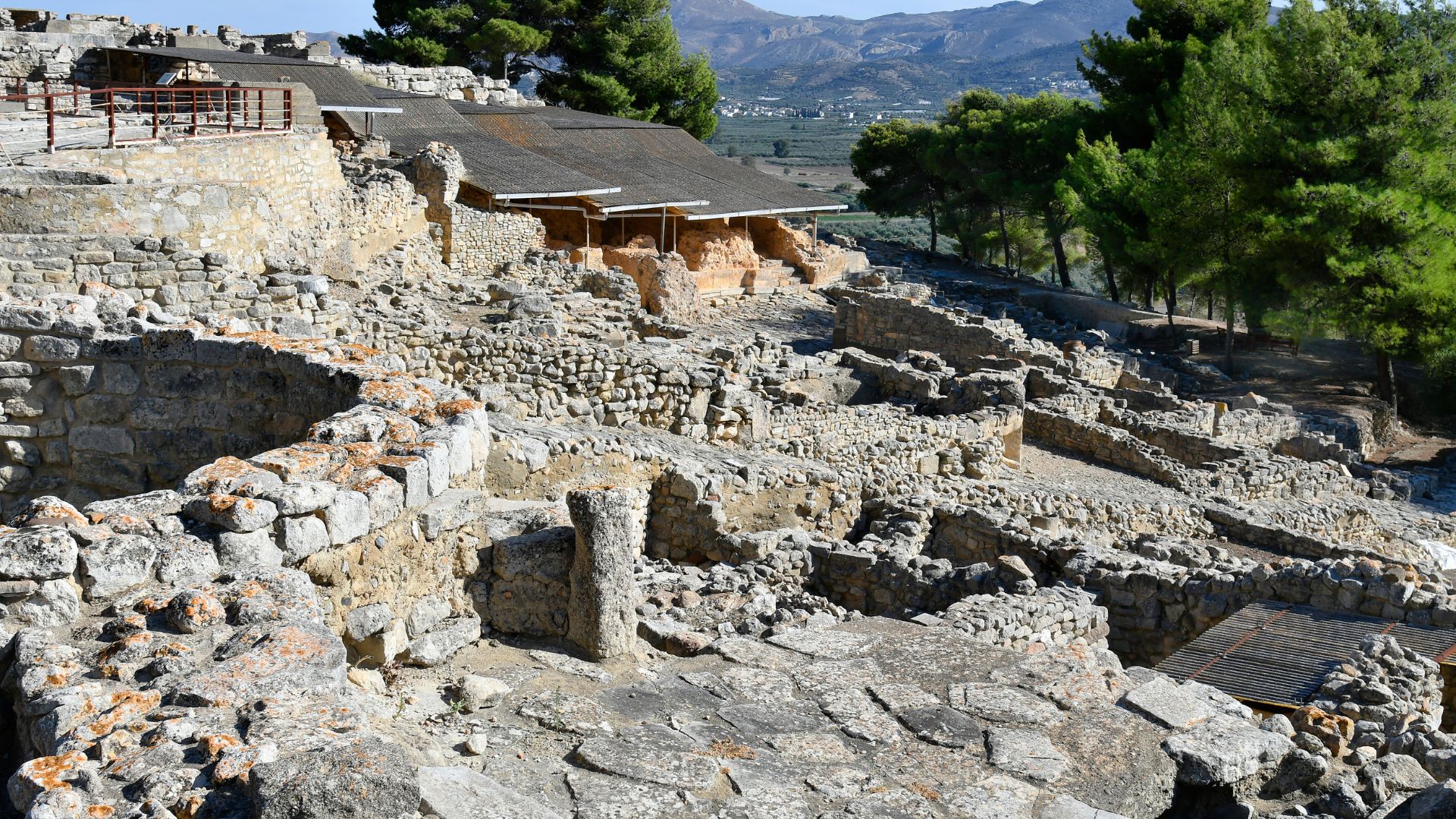
I tried to imagine what daily life felt like for the Minoans here.
With storerooms full of grain, olive oil, and wine, Phaistos thrived and stayed self-sufficient.
Artisans worked in workshops, producing pottery and intricate crafts.
Farmers tended the fertile land below, growing crops and raising livestock.
Religious life played a big part, with rituals and ceremonies held in open courtyards.
People likely wore colorful clothing and used bronze tools in both daily and ritual activities.
The local market must have been busy with trading, as Phaistos linked Crete to the Aegean world and beyond.
The mysterious Phaistos Disc, found inside the palace, hints that writing and record-keeping were part of their daily routine—even if I may never know exactly what those spiral symbols mean.
Wandering through these ruins gave me a vivid picture of a thriving, elegant world that shaped Crete for centuries.
Unlocking the Secret of the Phaistos Disc
Standing in the quiet, sunlit rooms of the Phaistos archaeological site, I found myself drawn to one artifact more than any other—the mysterious Phaistos Disc.
Its origins, puzzling symbols, and the race to decode its meaning offer an irresistible glimpse into the heart of Minoan culture.
Discovery and Mystique
I can still picture the excitement archaeologist Luigi Pernier must have felt in 1908 when he unearthed the Phaistos Disc in the ruins of the Minoan palace.
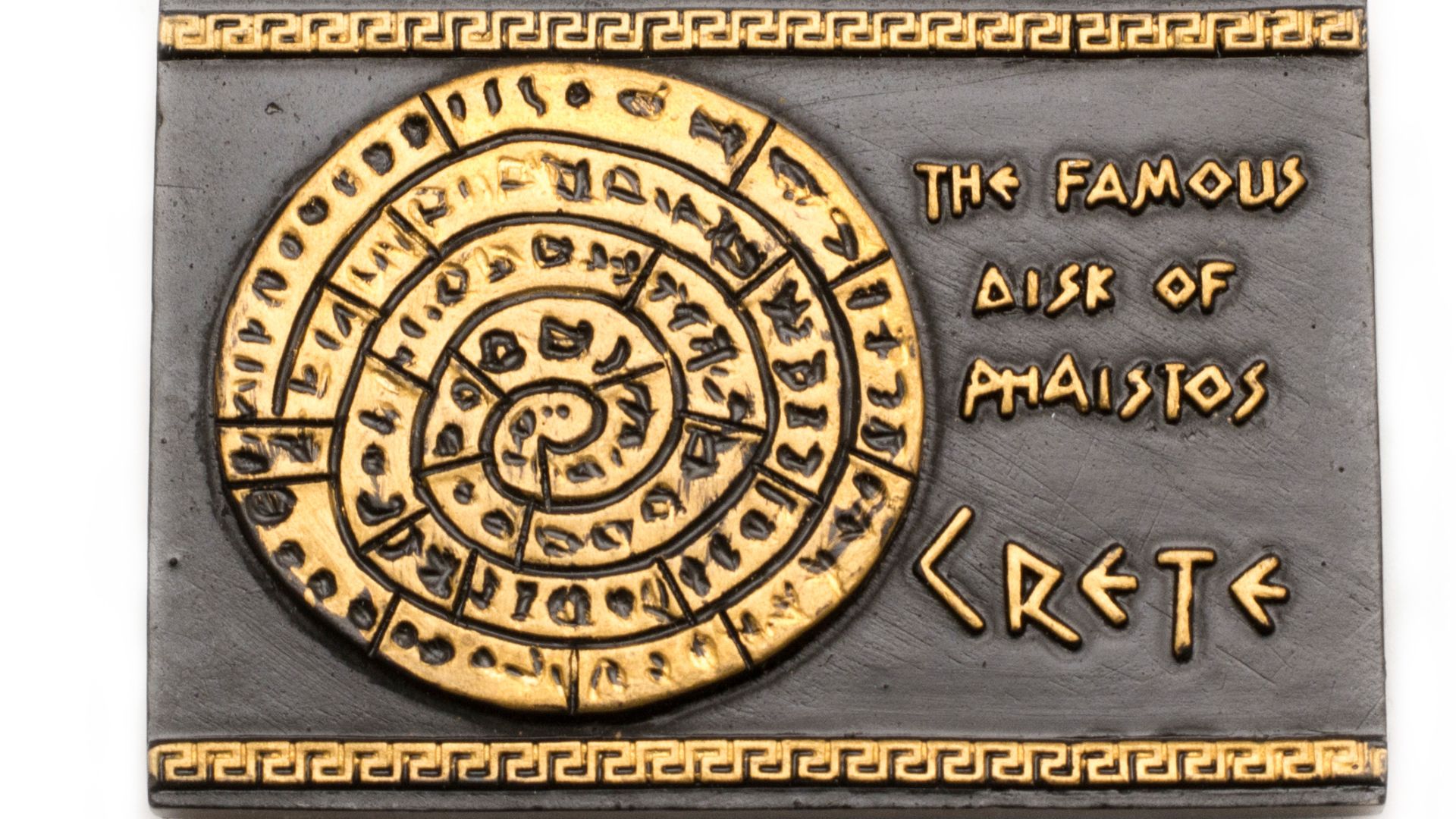
Made of fired clay and about 15 centimeters across, the disc stands out among ancient Greek finds.
What makes the disc even more mysterious is its unique spiral inscription, pressed on both sides with 241 symbols grouped into 61 “words”.
Nobody has ever discovered another object exactly like it.
Standing before its display, I felt the same sense of amazement—how did it get here, and what secrets might it hold about Minoan life?
Historians and travelers alike have been captivated by this disc for over a hundred years.
The unanswered questions surrounding its purpose keep visitors guessing as they explore the palace ruins.
Decipherment Attempts and Theories
Decoding the Phaistos Disc is one of archaeology’s longest-running puzzles.
Over the decades, linguists and enthusiasts have proposed many theories about what the symbols mean.
Some believe the signs could spell out a hymn, a form of record-keeping, or even a game.
Experts have tried to match the disc’s characters with known Minoan scripts and other Mediterranean languages.
Despite some bold claims—like solving it “99 percent”—no translation has been widely accepted.
The lack of similar artifacts makes clues scarce and the mystery more intriguing.
I’ve spoken with guides at Crete museums who share the latest decoding theories, but they always leave me with more questions than answers.
If you love a good riddle, this disc definitely delivers.
Comparisons with Linear A and Linear B
The Phaistos Disc’s symbols look very different from the Linear A and Linear B scripts found on other artifacts from Crete.
Linear A still remains undeciphered, while Linear B was cracked in the 1950s and is an early form of Greek.
Unlike Linear B, which helped us unlock Mycenaean records about trade and religion, the disc has resisted even the best high-tech analysis.
Here’s a quick comparison:
| Script | Deciphered? | Primary Use | Language Type |
|---|---|---|---|
| Linear A | No | Admin/ritual | Minoan (Unknown) |
| Linear B | Yes | Admin/legal | Mycenaean Greek |
| Phaistos Disc | No | Unknown | Unknown |
The differences in writing style, symbol shape, and function have led most experts to believe that the disc was a standalone creation.
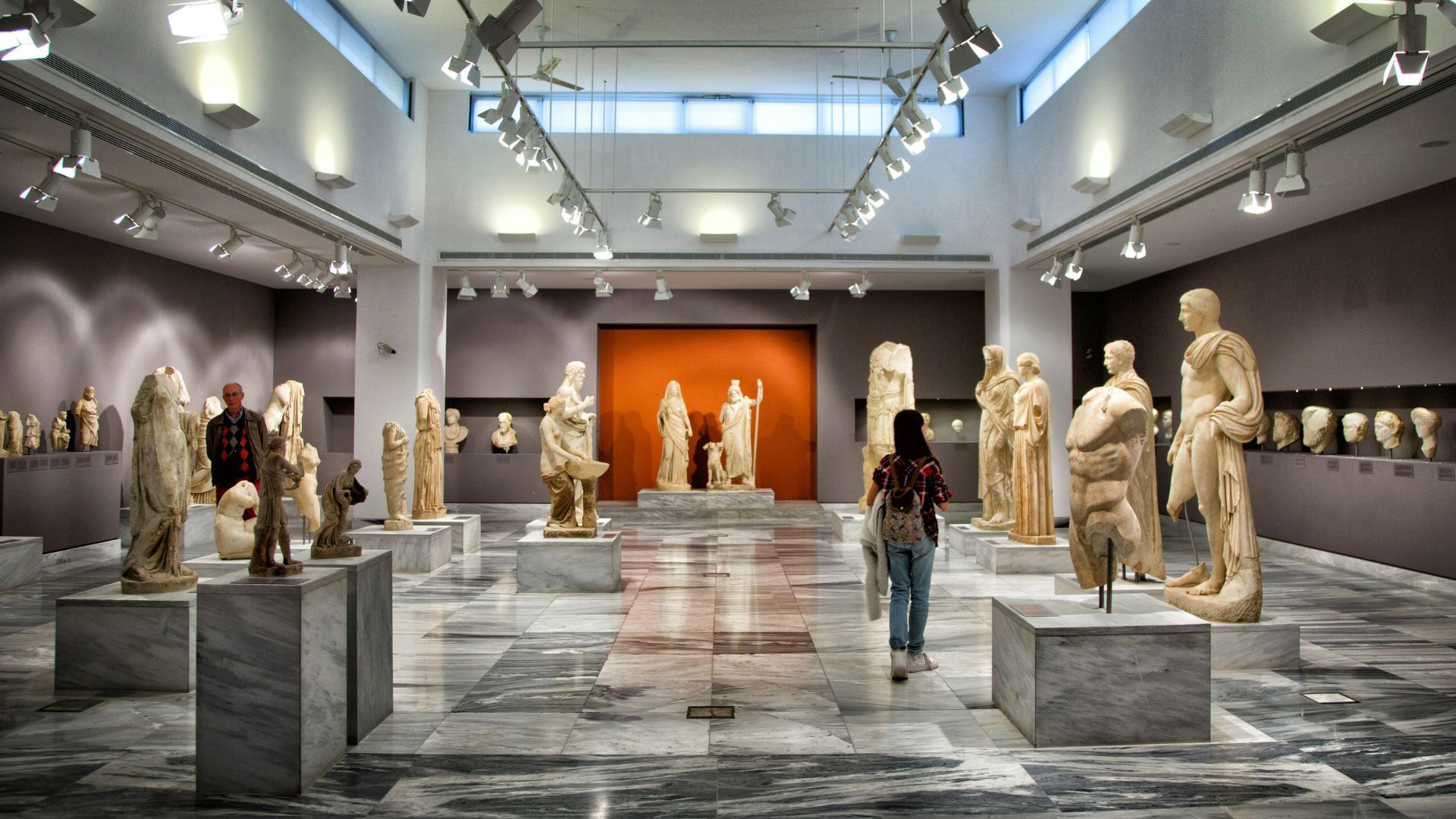
As I walked through the Heraklion Museum, seeing all three scripts on display, the disc’s uniqueness stood out clearly.
Inscription and Artistic Techniques
The disc’s iconic spiral design really sets it apart from everything else I’ve seen from the Bronze Age.
Instead of being carved, its 45 distinct symbols were stamped into the wet clay.
This was rare for its time—almost like using movable type in antiquity.
The symbols include images of people, animals, plants, and objects, showing a level of artistry and creativity that still amazes experts.
Some marks look like plumed heads, shields, boats, and even tools.
If you visit the museum, you’ll notice how carefully each impression was pressed, suggesting a practiced and deliberate hand.
The making of the disc hints at connections to ritual or ceremonial uses in Minoan culture.
It leaves plenty of room for endless travel daydreams about its original purpose in the great halls of ancient Phaistos.
Exploring the Wonders of Minoan Art and Culture
Walking through the ruins of Phaistos, I found myself surrounded by echoes of an ancient society rich in artistry and creative storytelling.
Each stone and artifact tells a piece of the Minoan story, from dazzling wall paintings to mysterious religious symbols and everyday objects that reveal glimpses of daily life.
Frescoes and Interior Decoration
The vivid frescoes covering the palace walls were what first drew my attention.
Scenes of colorful lilies, athletic youths, and marine life bring the ancient rooms to life.
The artists seemed to love nature, often decorating the walls with dolphins, birds, and flowers in swirling, graceful designs.
I noticed that many frescoes in Phaistos share styles with the famous art of Knossos, but with their own flair.
The bold reds, blues, and yellows create a feeling of energy and movement.
These paintings also hint at what mattered most to the Minoans: beauty, harmony, and daily life connected with the environment.
It’s easy to imagine how these walls would have glowed in the sunlight.
The use of natural pigments and the careful placement of these decorations make the palace feel both impressive and welcoming.
Even after all these centuries, the art still has a sense of freshness.
Weapons and Artifacts
While Minoan art feels peaceful, the display cases at local museums in Crete tell a more complex story.
Some of the finest objects found at Phaistos include bronze daggers, swords, and spearheads.
These weapons aren’t just for fighting; they show off skilled metalwork, with hilts inlaid with gold or ivory.
I was surprised by how much daily life depended on practical artifacts as well.
Pottery is everywhere, decorated with spirals, fish, and even octopus tentacles.
Some pots were likely used for cooking or storage, while others served religious or ceremonial roles.
Jewelry is another highlight.
I saw necklaces made of faience, beads, and semi-precious stones.
Personal items like these give a sense of individuality and status, bridging the gap between everyday life and palace luxury.
Religion, Myth, and the Labyrinth Legend
From the moment I walked through arched doorways, Minoan myths and religion seemed to touch every corner.
Shrines and altars dotted the palace, and I learned that many rituals focused on goddesses and symbols like the double axe, or “labrys.”
The stories connected to Phaistos are impossible to ignore.
The legendary Minotaur’s labyrinth, though most often linked to Knossos, is part of the broader Minoan spiritual world.
Labyrinth patterns turn up on pottery, frescoes, and even the enigmatic Phaistos Disc itself.
Ritual objects, such as clay idols and libation tables, hint at feasts and ceremonies filled with music and dance.
I imagined what it must have been like to stand in a torchlit courtyard, surrounded by the sounds and sights of worship.
Role of Economy in Minoan Daily Life
Every time I strolled through the palace store-rooms, I was reminded that Minoan culture was built on strong economic foundations.
Large clay jars, called pithoi, lined the magazines.
They stored everything from olive oil to grain and wine.
Trade sat right at the center of Minoan life.
Ships from Crete carried pottery, textiles, and crafts all around the Aegean and even as far as Egypt and Anatolia.
I found it fascinating that Minoan society handled complex record keeping, using clay tablets marked in Linear A script to track goods and transactions.
Markets near Phaistos likely buzzed with merchants.
People here enjoyed imported luxuries and local goods alike.
This vibrant exchange made the palace more than just a royal home—Phaistos was a hub of commerce and culture, showing how art and economy worked hand in hand.
Phaistos and Its Place in Ancient Connections
Even though Knossos might be more famous, I found that Phaistos tells a story that is just as interesting.
This palace gives a rare look into the Minoan civilization, its impressive reach, and the daily life that unfolded here long before ancient Greece rose to power.
Phaistos Within the Minoan Civilization
Phaistos wasn’t just another palace on Crete—it stood out as a major hub of Minoan society. The buildings here reveal clever planning and some surprisingly advanced engineering for their time.
As I wandered through those wide courtyards and storage rooms, I could almost hear the buzz of traders, farmers, and officials working side by side. The place just has that kind of energy, even now.
Archaeologists have found clay tablets at Phaistos written in Linear A, that old Minoan script that still baffles researchers. And then there’s the Phaistos Disc—covered in mysterious symbols spiraling inward.
That disc alone hints at a culture obsessed with communication, ritual, and maybe a bit of secrecy. I can’t help but wonder what messages those symbols held.
Phaistos played a huge role in southern Crete and helped the Minoans control the fertile farmland nearby. Since the palace sits inland, pirates probably didn’t bother it much, so the place could focus on growing its own unique culture and architecture.
Comparisons with Knossos and Arthur Evans
When I first visited Knossos, everything just felt bigger—almost theatrical. Sir Arthur Evans, the famous archaeologist, led big excavations and even rebuilt parts of Knossos with modern materials.
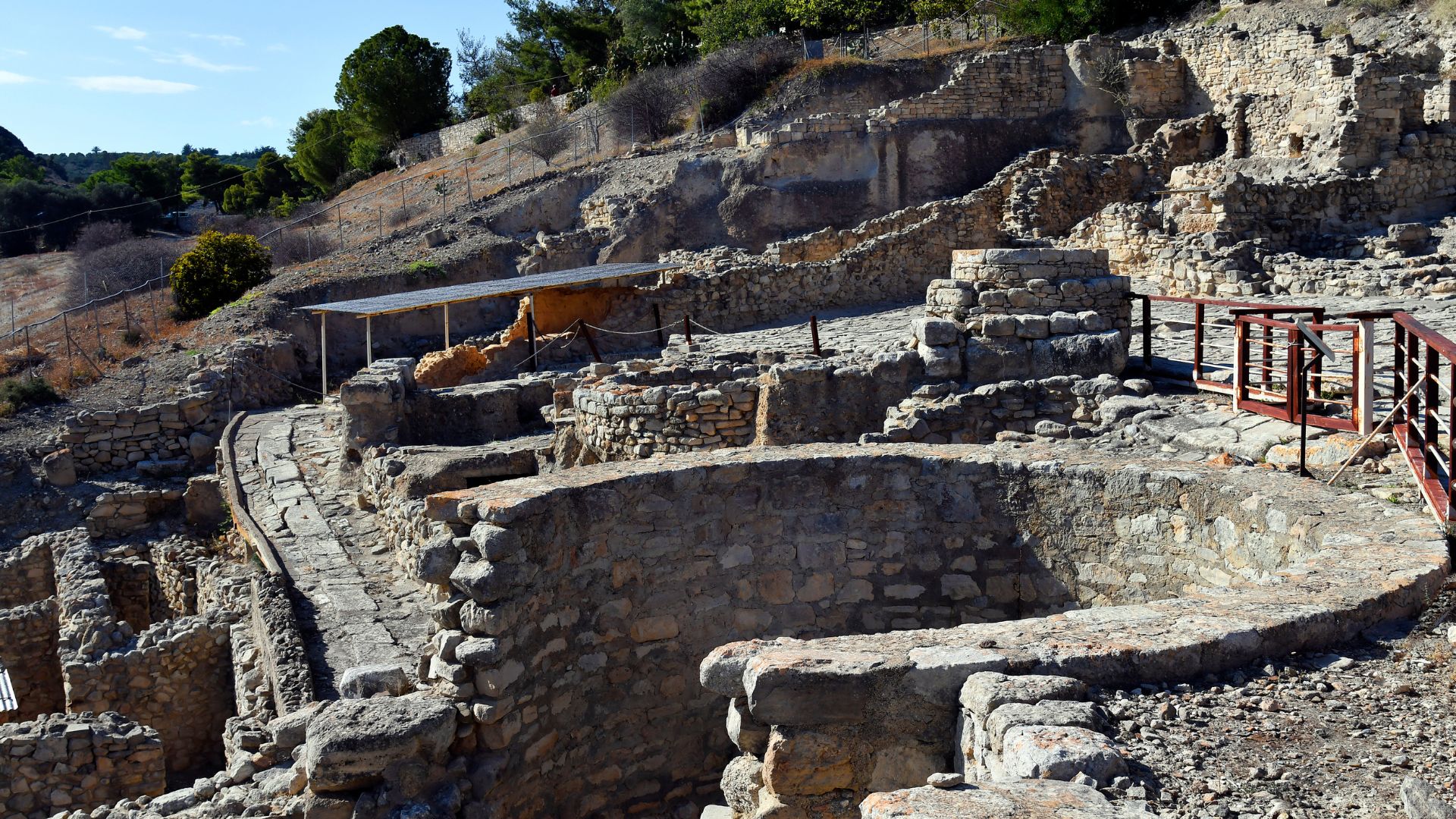
But Phaistos? It’s mostly untouched. That gives it a raw, authentic vibe I honestly prefer.
You won’t see much artwork on the walls at Phaistos, and the place stays pretty quiet compared to Knossos. While Knossos became the Minoan capital, Phaistos stands out for its different layout and rural setting.
I noticed the grand staircases and peaceful courtyards, and the old granaries are still in great shape. It was easy to picture daily life here, away from Knossos’ constant activity.
These two palaces give you totally different perspectives on Minoan life. Knossos feels like a royal showpiece. Phaistos, though, shows off the practical side—families, workers, leaders, all woven into the Minoan story.
Trade Networks: From Ugarit to the Aegean
Standing on the ruins at Phaistos, I got a real sense of just how far the Minoans reached. Pottery, bronze tools, and seals found here point to trade links stretching as far as Ugarit, in what’s now Syria.
Phaistos didn’t just trade with the mainland; it connected with islands all over the Aegean. Goods, art, and ideas flowed in and out, shaping cultures that would later define ancient Greece.
They’ve even found items from Egypt and the Near East here. That mix of traditions must have made the place feel alive with new ideas.
Key Exports and Imports
| Exported Goods | Imported Goods |
|---|---|
| Olive oil, wine | Exotic stones, ivory |
| Pottery | Fine textiles |
| Metalwork | Luxury goods |
When I picture those old sea routes, it’s clear Phaistos never sat in isolation. Traders, sailors, and craftspeople kept Crete at the center of things, and Phaistos played its part in that vibrant network.

Traveling to Phaistos: A Modern Explorer’s Guide
When I planned my trip to Phaistos, I wanted more than just a look at old stones. I hoped for a real connection to Minoan life—and maybe a little wonder, too.
There’s more here than ruins. You’ll find living history, cool museums, and even links to discoveries like the Antikythera mechanism.
How to Get There and What to Expect
Getting to Phaistos is pretty easy if you have a car. It’s on the eastern edge of Kastri hill, looking out over the Mesara plain in southern Crete.
I took the main road from Heraklion—about 60 kilometers. The drive took me just over an hour.
Parking was free and simple. As soon as I stepped out, I felt the wind from the plain.
The palace ruins are open to the sky, with worn stone steps and wide courtyards. The views go on forever.
Most of the signs are in English and Greek, so following the history as I walked felt straightforward.
It took me around two hours to do a full loop of the site. I wore sturdy shoes, since some paths get pretty uneven.
There’s not much shade, so I brought water and sunscreen. Trust me, you’ll want both.
Quick Tips:
- Opening Hours: Usually 8 AM to 8 PM in summer, but check before you go.
- Tickets: Under €10 for adults, with discounts for students and kids.
- Facilities: There’s a small café, restrooms, and a gift shop on site.
Visiting the Archaeological Museum
You really shouldn’t skip the Archaeological Museum in Heraklion after seeing Phaistos. That’s where they keep the famous Phaistos Disc, safe and on display.
I stood there for ages, just staring at those strange symbols and imagining who carved them.
The museum itself feels modern and well organized. I’d start with the Minoan exhibits: pottery, jewelry, figurines, and some great maps.
I even found an exhibit on the Antikythera mechanism. That thing alone proves how advanced this ancient world could be.
Set aside at least two hours for the museum. Photos are allowed in most places, but you can’t use flash.
Don’t skip the shop—there are some beautiful guidebooks and replicas you might want to take home.
Museum Tip:
The bus from Phaistos to Heraklion drops you right in the city center, which makes a day trip super easy.
Nearby Attractions for History Lovers
Phaistos is just the start if you’re into history. A short drive away, I found the ruins of ancient Gortyna, famous for its Law Code carved in stone.
The Roman theater and basilica there really show how long people have lived in this rich plain.
Matala Beach is close, too. The caves above the sand once housed ancient Greeks, and in the 1960s, travelers and artists moved in.
After all that history, I loved swimming and wandering the shoreline.
Here’s a quick list of must-see nearby places:
| Attraction | Distance from Phaistos | Highlights |
|---|---|---|
| Gortyna | 15 km | Law Code, Roman ruins |
| Kommos Archaeological Site | 7 km | Ancient port, sandy beach |
| Matala Beach & Caves | 15 km | Caves, swimming, seaside town |
Phaistos in Today’s Travel Culture
Phaistos doesn’t pull the same crowds as Knossos. I never felt rushed or trapped in a swarm of tourists.
Most people, like me, show up for the quiet. There’s actual space to let your mind wander back 4,000 years and picture what life could’ve been.
Travelers nowadays seem to hunt for places like Phaistos, hoping for something real. I ran into hikers, a couple of history fans, and even some locals just curious about their own backyard.
Social media has catapulted the Phaistos Disc into the spotlight. Now, photos of this site pop up everywhere online.
Local cafés serve up classic Cretan food with olive groves in the background. It’s easy to strike up a chat with the staff about what it’s like living here.
I walked away feeling like I’d found something special. Honestly, I’m already thinking about my next visit.
