
Stepping onto Milos felt like cracking open a travel journal full of bold colors, hidden history, and stories just begging to be uncovered.
Right away, the island’s volcanic landscapes and vibrant coastline swept me off my feet, with shades of blue and red everywhere I looked.
Milos isn’t just any Greek island—it’s where the famous Venus de Milo statue was born, and it’s packed with geological wonders and villages straight out of a postcard.
If you’re after more than just beautiful beaches, Milos delivers.
Every step seems to reveal a unique past.
I wandered through ancient catacombs, climbed sun-warmed rocks, and sailed into caves that felt both wild and mysterious.
The missing Venus gives the island an air of intrigue; you can almost sense her story hanging in the breeze.
Whether you’re into colorful photography, exploring new places, or digging into history’s secrets, Milos throws out surprises at every turn.
My journey was packed with unexpected moments, and honestly, it’s clear why travelers fall in love with this place.
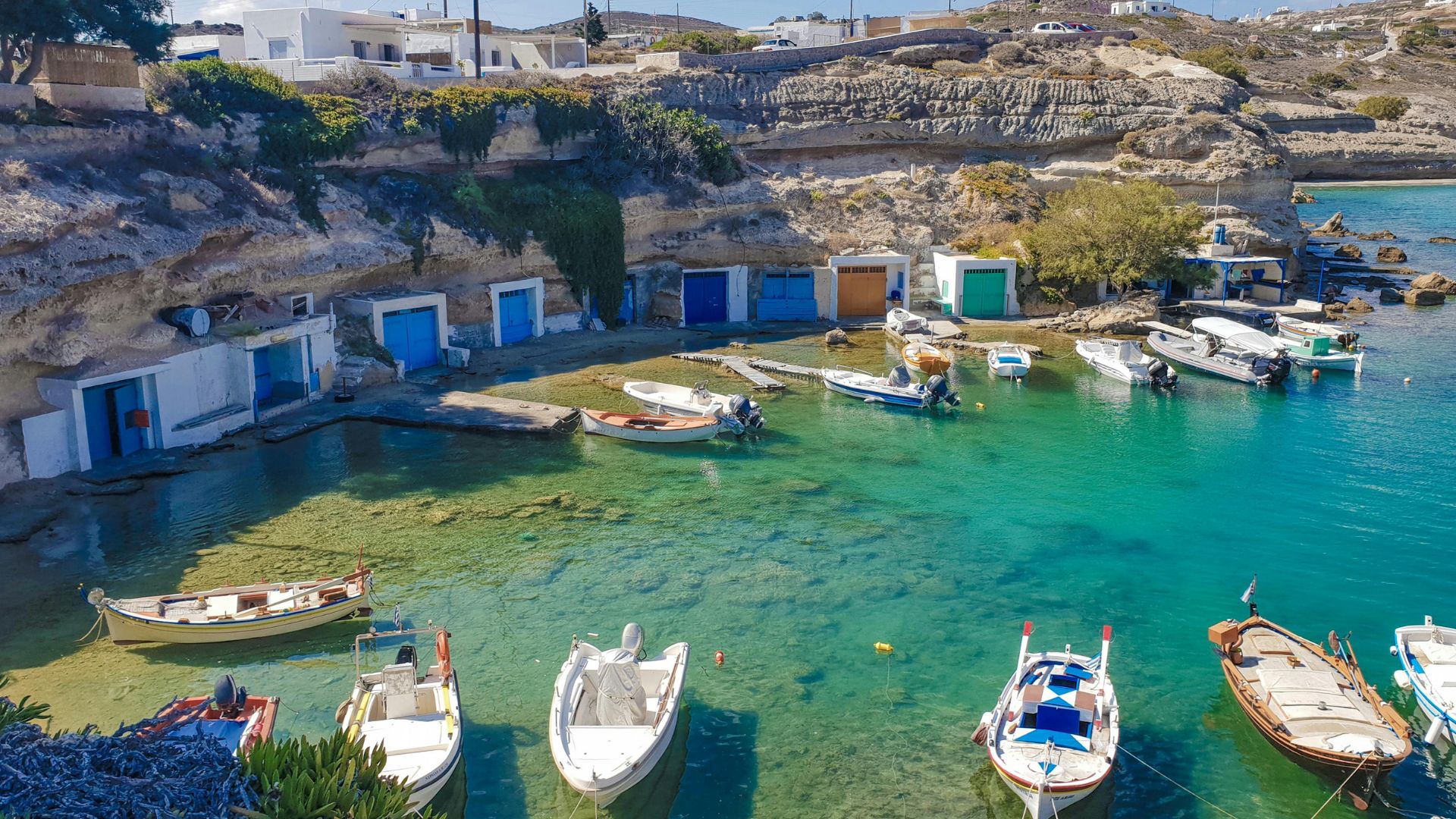
The Vibrant Allure of Milos: Island of Colors
Milos instantly pulled me in with its wild volcanic shapes, lively villages, and skies that seemed to burst with color.
Everywhere I looked, nature seemed to have painted the scene, and the buzz of local art and tradition tied it all together.
Dramatic Volcanic Landscapes
From the first step, Milos’s volcanic roots jumped out at me.
Tall cliffs, strange rock arches, and hills in shades from light gray to fiery red shaped the land.
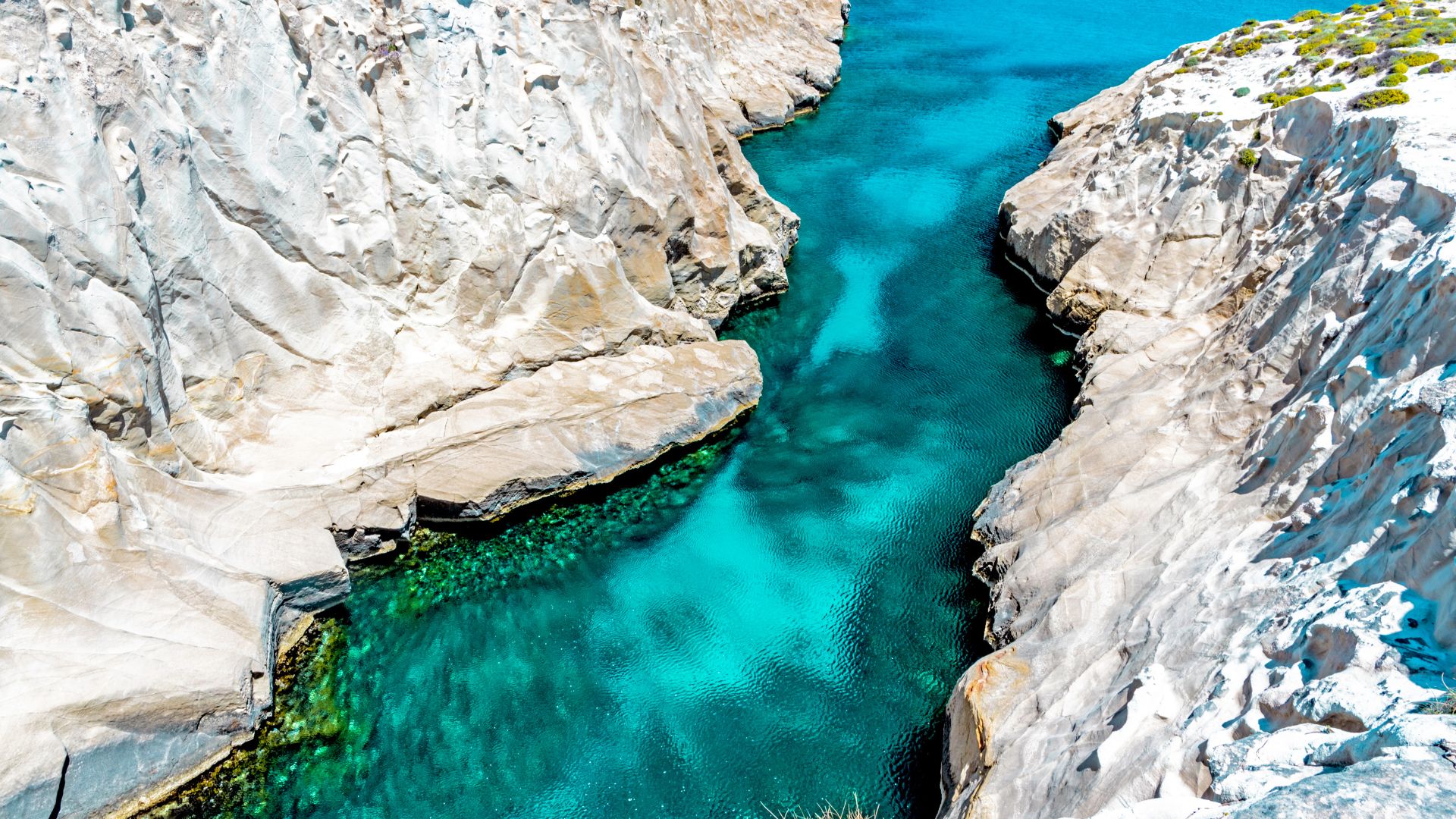
At Sarakiniko, white volcanic rock sprawled out like some lunar playground.
I watched the sun shift across the smooth stone, making shadows dance and the colors change from blue-white to golden orange.
Walking above Tsigrado Beach, I felt the ground warm beneath my feet.
Long-ago eruptions created Milos’s weird shapes and rich soil.
Here’s a fun fact: volcanic minerals give the island its wild mix of earth tones, from rusty yellow to deep gray.
| Famous Volcanic Spots on Milos | What Makes Them Special? |
|---|---|
| Sarakiniko | Lunar-like, smooth white stone |
| Kleftiko | Cliffs, arches, sea caves |
| Papafragas | Dark caves, narrow sandy beaches |
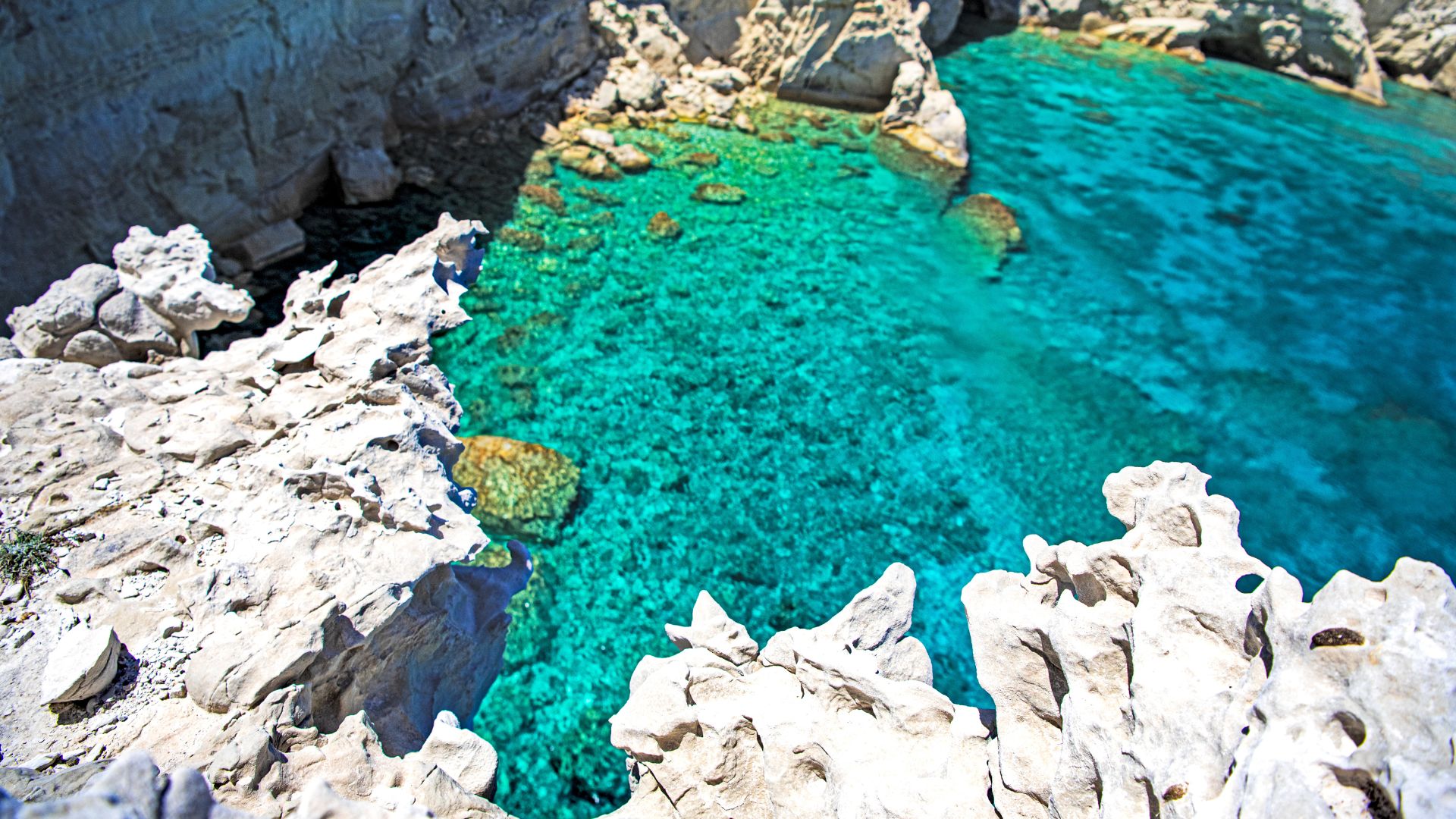
The Sea Caves and Prismatic Beaches
Exploring the coast, I found beaches and sea caves bursting with color—nothing like the rest of Greece.
Kleftiko, once a pirate hideout, mixes teal water with chalky white cliffs.
I hopped on a boat tour, weaving through caves while sunlight bounced off the walls, turning the water electric turquoise.
Firiplaka Beach almost didn’t look real, with its layers of white, red, and pink rocks.
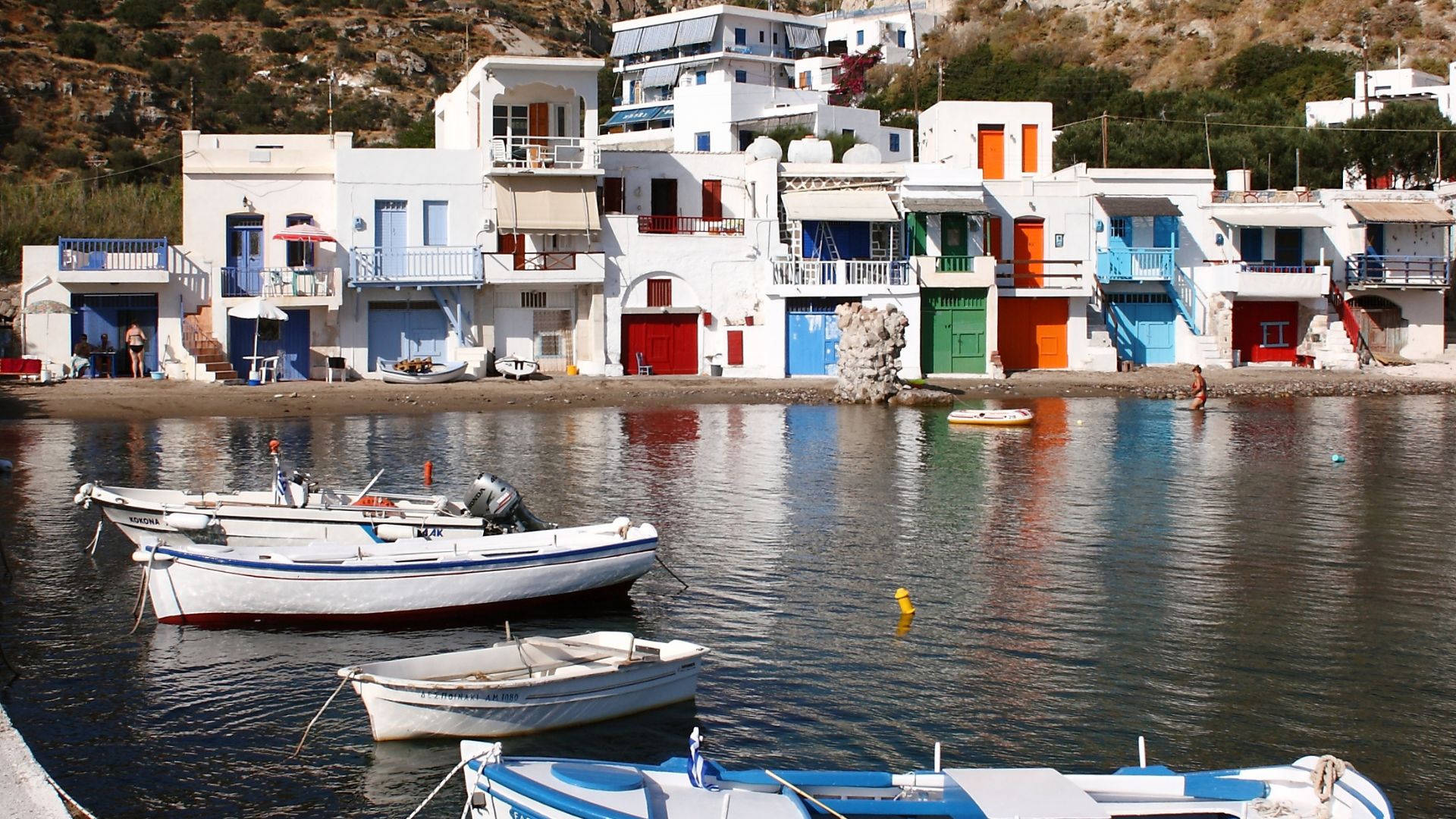
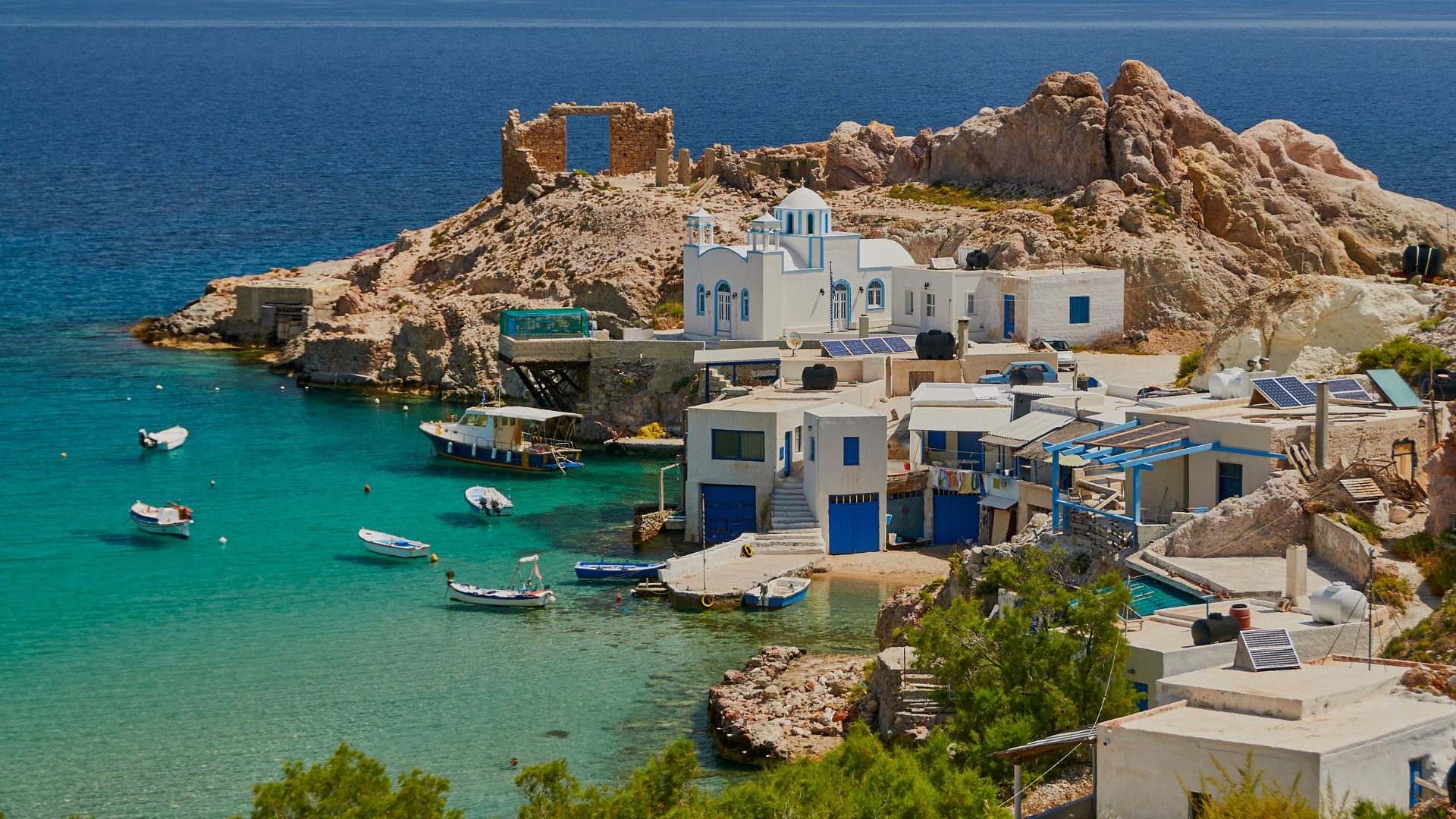
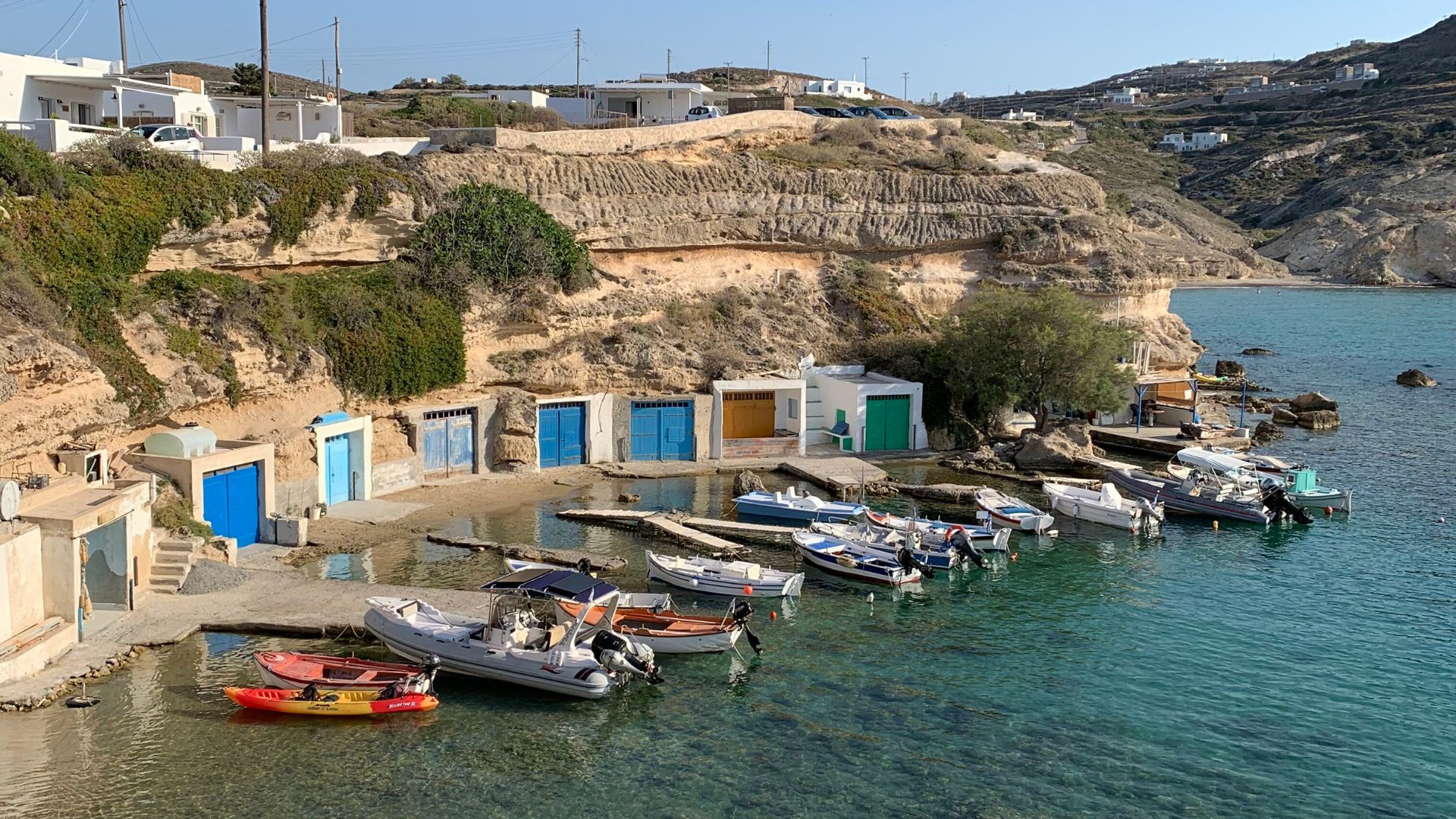
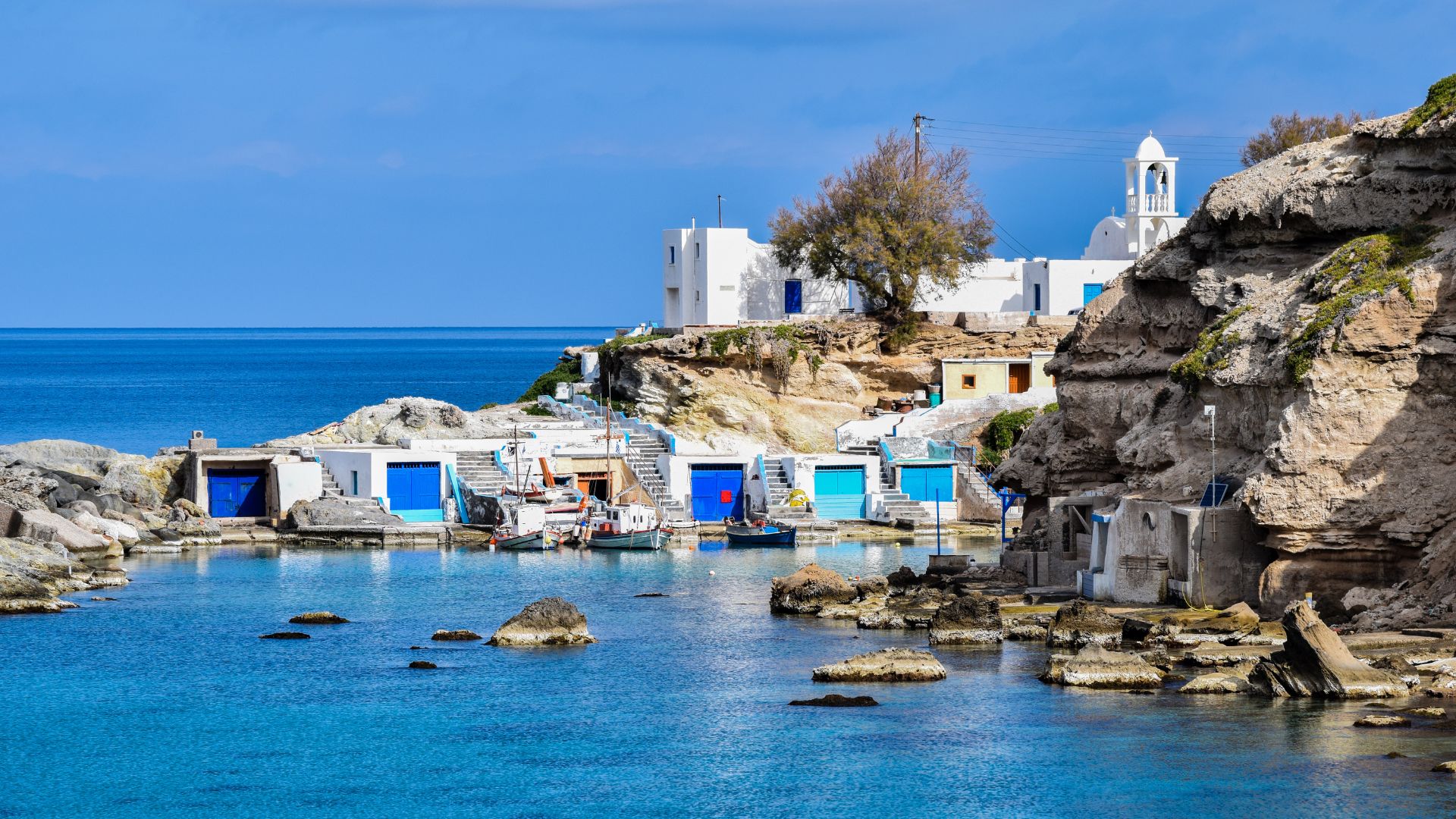
Near Klima, the fishing village, I counted tiny houses lined up right on the water, each one painted a different shade.
Every swim felt fresh—sometimes the sea shimmered silver, sometimes it glowed deep blue.
Snorkeling let me peek into colorful caves, where tiny fish darted between sunbeams under the waves.
Best Colorful Beaches to Visit:
- Tsigrado: Secret cove, golden sand, blue-green water
- Firiplaka: Layered volcanic cliffs, pink and gray pebbles
- Paleochori: Steaming hot springs near shore, rainbow pebbles
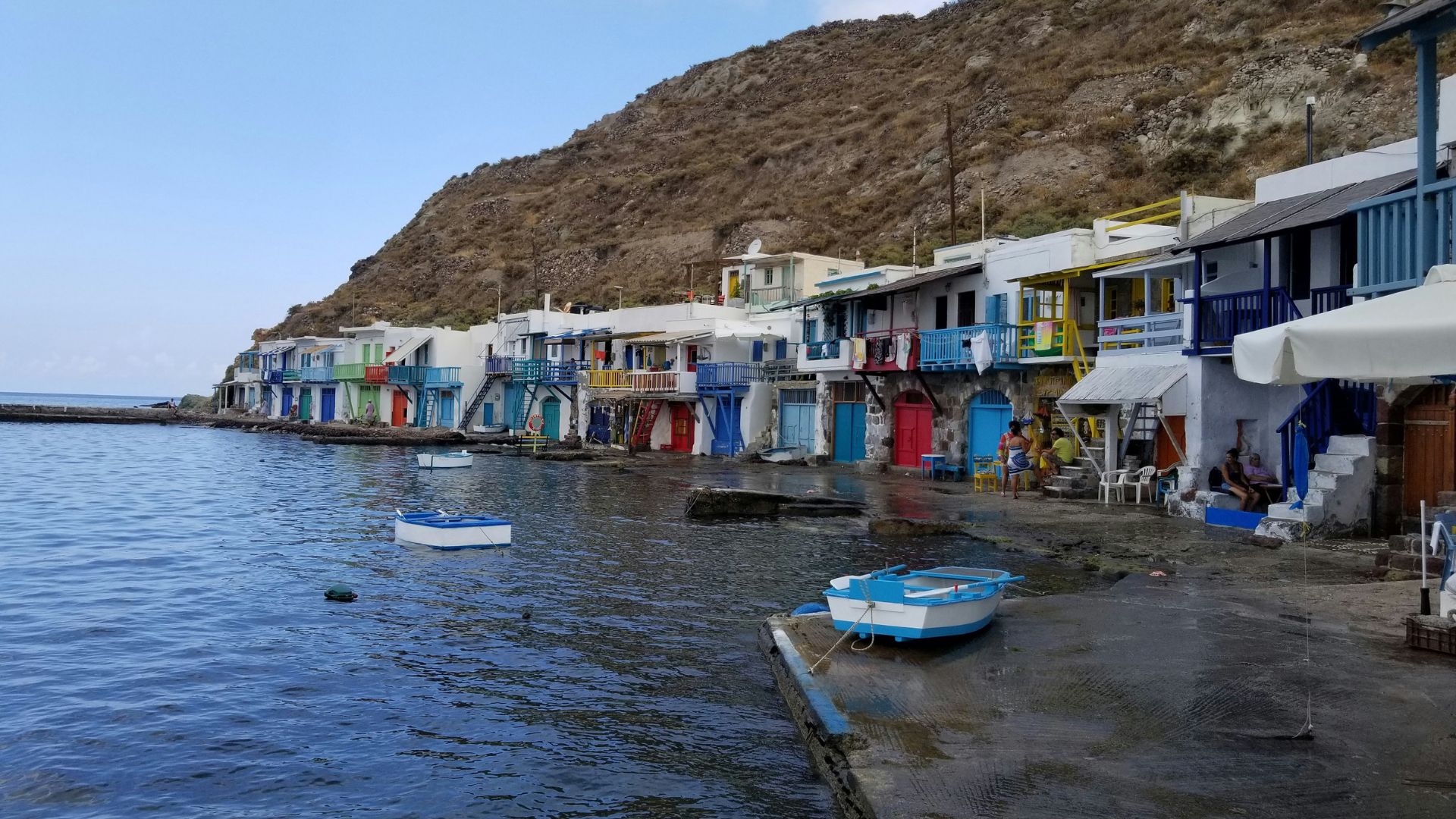
Famous Sunsets and Night Sky Views
As the sun dropped, Milos put on a show with sunsets that honestly stunned me.
Standing in Plaka village, I watched the land and sea turn purple, gold, and red.
The old Venetian Castle in Plaka gave me the best sunset view.
From up there, rooftops glowed and boats became simple silhouettes.
People gathered quietly, not wanting to break the magic.
Later, the night sky over Milos completely blew me away.
With hardly any light pollution, I could see the Milky Way stretch from one end of the sky to the other.
Lying on Sarakiniko’s beach, I counted stars and spotted constellations I’d only read about before.
That peaceful silence—just waves and stars—made stargazing feel almost otherworldly.
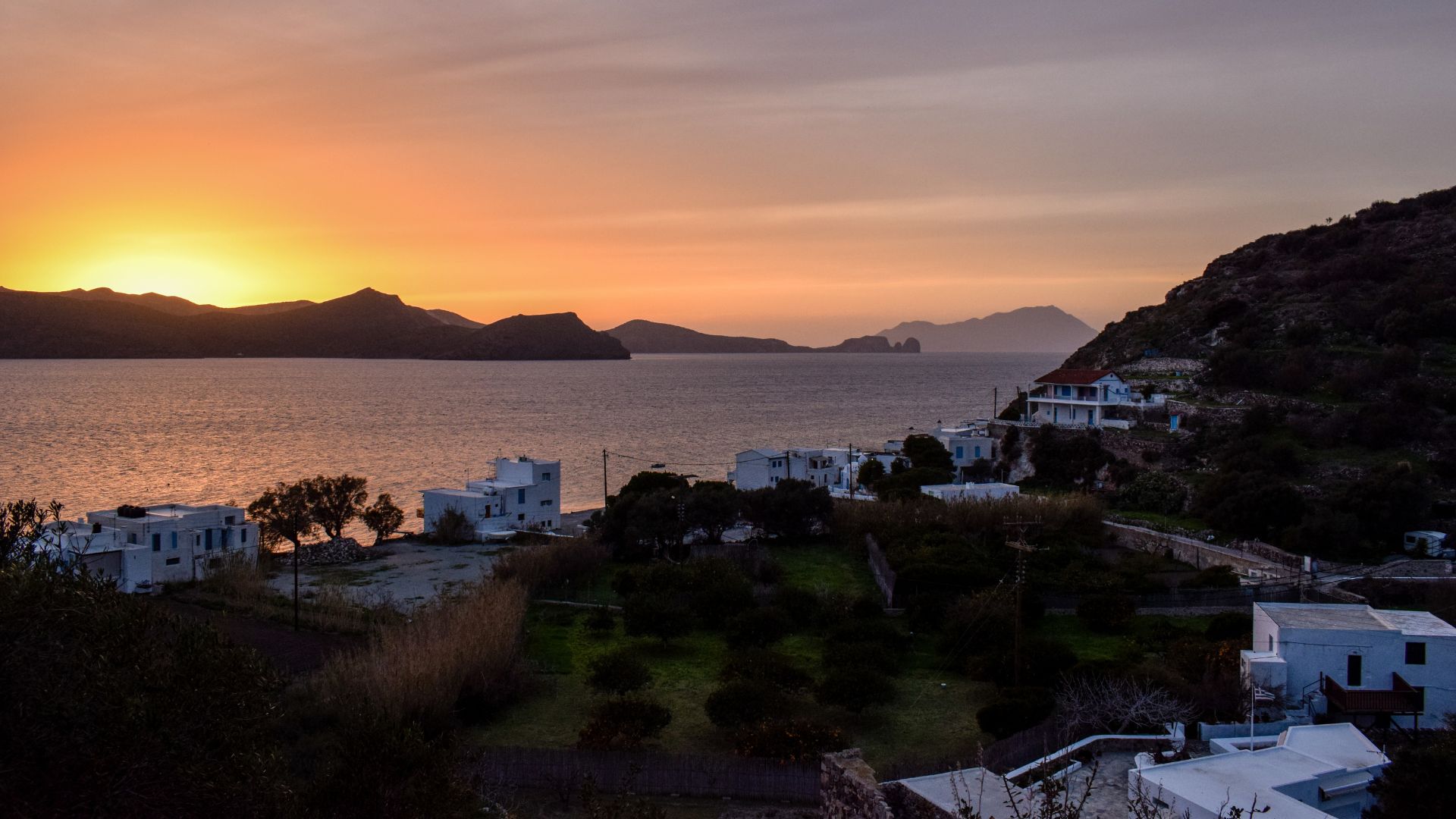
Art and Color in Local Life
Milos isn’t just about scenery.
The island’s art and traditions burst with the same energy as its landscapes.
In Adamas, the port town, I ducked into galleries selling pottery painted in blues and reds, all inspired by the earth and sea.
Walking through Klima, I chatted with fishermen whose houses looked like little works of art.
Each “syrma,” or boat garage, was painted a different color, turning the village into a row of crayons by the water.
Festivals here are lively and rooted in Greek culture.
I joined a summer feast in Tripiti, where music, folk dance, and local dishes brought everyone together.
Music, art, and a joyful spirit add even more color to daily life in Milos, linking old traditions with fresh creativity.
Tracing the Mystery: The Missing Venus de Milo
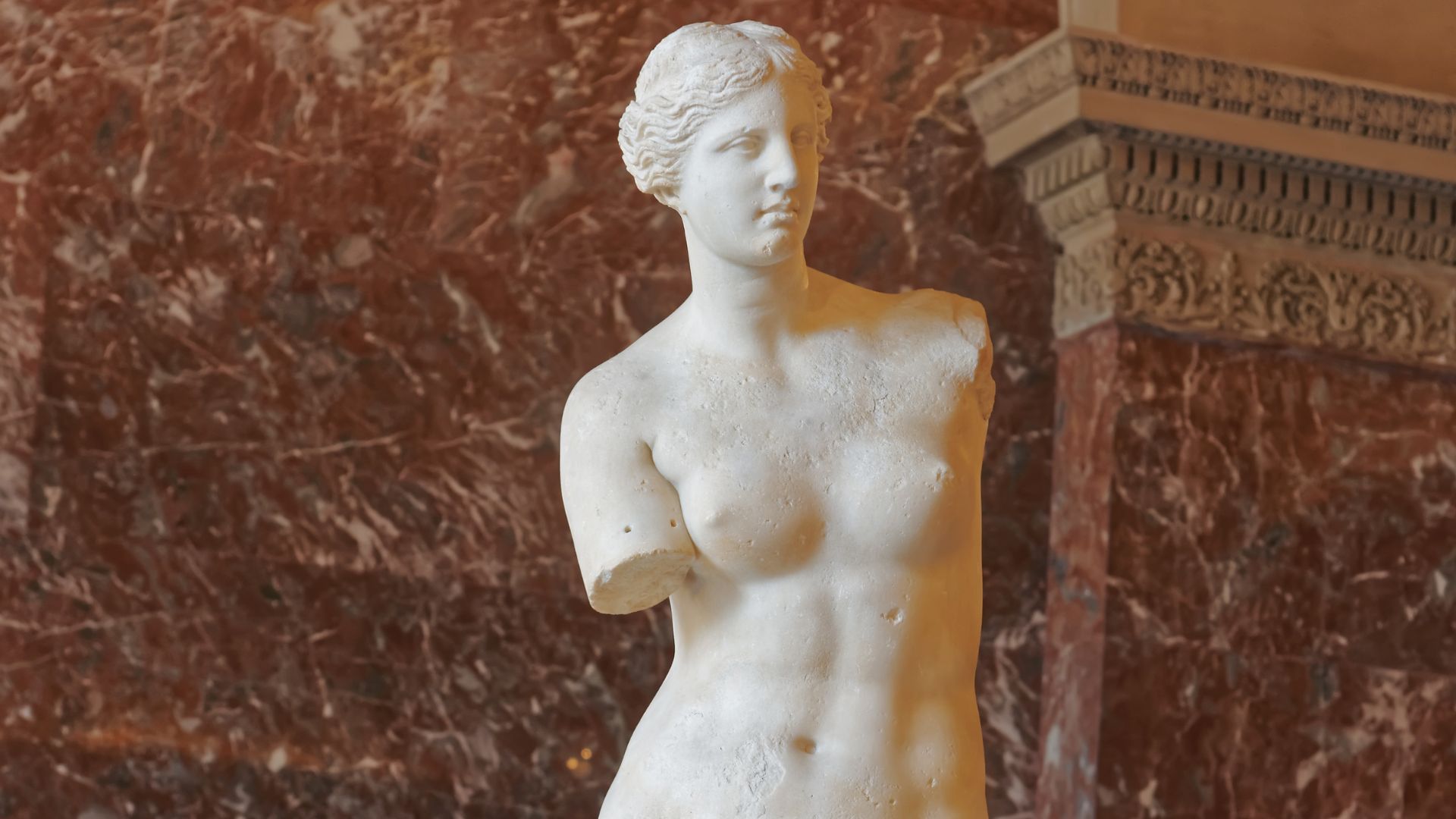
Standing in front of the legendary Venus de Milo, I felt pulled into a story of lost beauty, Greek history, and art that once made the world stop and stare.
Every traveler who lands on Milos hears whispers about a statue with no arms, a farmer’s lucky find, and the mad scramble between nations to claim her.
Discovery and Ancient History of Venus
A Greek farmer found the Venus de Milo in 1820 while digging on Milos.
At over 6 feet tall, the marble statue stunned people with its lifelike beauty and grace.
She probably dates to around 150 B.C. and most believe she represents Aphrodite, the ancient Greek goddess of love (Venus in Roman times).
Alexandros of Antioch is usually named as the artist, but honestly, nobody’s totally sure.
Legend says her original arms vanished before she became famous.
Some stories blame a struggle between Greek locals and French sailors for breaking them.
Others think time just did its thing, like it does with so many ancient treasures.
Nobody knows what she once held, but experts guess it could have been an apple—a nod to that famous myth where Paris of Troy had to choose the fairest goddess.
Legends and Modern Pursuits
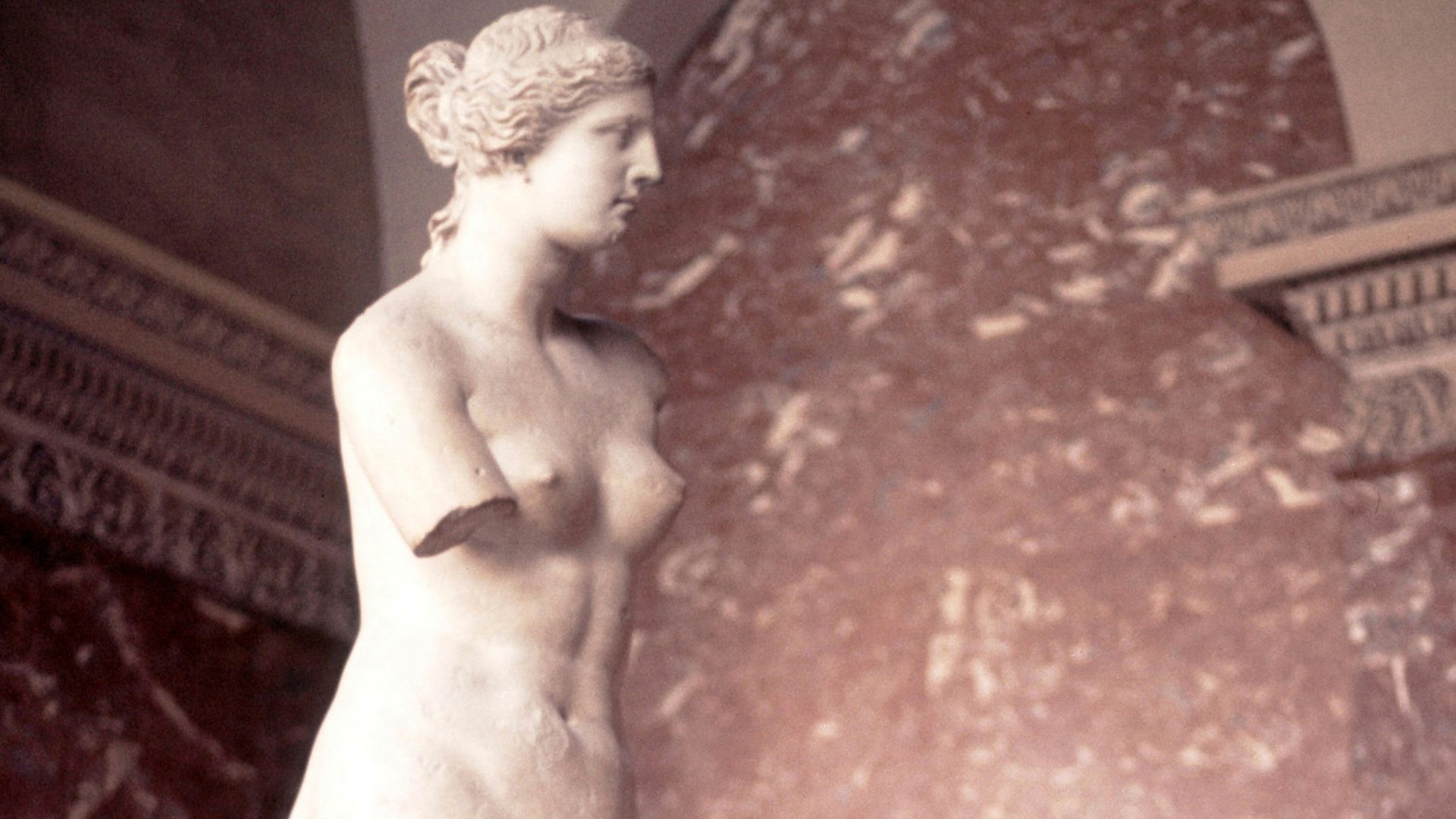
Stories about what Venus de Milo’s arms were doing keep the mystery alive.
I met locals in Plaka who argued over whether she once gripped a mirror, a shield, or the golden apple from myth.
Historical accounts suggest Venus might have held her drapery or reached out in some graceful gesture.
Art historians and writers have spent years speculating, piecing together clues from fragments and ancient texts.
These days, fiction and art love playing with Venus’s incomplete image.
The missing arms have turned into a symbol, making loss beautiful and sparking the imagination of artists everywhere.
That enigma just adds to her pull—and for me, it made the visit unforgettable.
Museums, Sculpture, and Artistic Heritage
Today, the Venus de Milo stands in the Louvre Museum in Paris.
Her impact on classical art and Greek history is massive, and millions see her every year.
On Milos, her story keeps going.
Local museums show off replicas and share stories that link her back to the island’s volcanic landscapes and colorful villages.
If you love history, check out the Archaeological Museum of Milos in Plaka.
Its exhibits fill in details about how ancient Athens and other Hellenistic cities shaped their art, chasing ideals of balance and poise.
Venus de Milo’s influence reaches way beyond Milos or even Greece.
She stands as proof that art can capture human emotion and leave questions hanging, inviting us all to look closer and wonder.
Volcanic Wonders and Geologic Marvels
Milos dazzles with some of the wildest volcanic features in Greece.
Striking landscapes, bubbling hot springs, and stories of transformation remind me how nature shapes not just the land, but local life and traditions too.
Exploring Lunar Landscapes
Trekking along Milos’s rocky paths, I kept thinking the land looked like another planet.
Sarakiniko Beach especially stands out.
Its smooth, white volcanic rock looks almost like the surface of Mars or the Moon.
Wind and sea have carved out waves and hollows, making it a favorite for geologists, photographers, and honestly, anyone with a sense of wonder.
Cliffs near Papafragas and the multicolored hills of Firiplaka tell stories from thousands of years ago.
Locals shared legends about hidden treasures and old mining tunnels.
Their tales matched the wild, almost surreal beauty spread out before me.
Here’s my quick list of must-see geologic spots:
- Sarakiniko Beach: White lunar rocks
- Firiplaka: Layers of red, yellow, and orange earth
- Papafragas: Sea caves and tall cliffs
Even standing still, I felt the ground hum with ancient energy—a reminder that Milos sits on what was once a fiery volcano.
Hot Springs and Wellness Retreats
Milos is laced with hot springs, all thanks to its volcanic core.
I learned these natural pools are more than just pretty—they’re places for healing and relaxation.
Locals told me about Lakkos, a seaside spring near Adamas, where the water often feels like a warm bath.
Some say these springs soothe sore muscles or help with certain skin problems.
When I dipped into one, the mineral-rich water left my skin feeling softer after just a short soak.
Small wellness spots pop up all over the island, sometimes run by families who’ve cared for them for generations.
I noticed a focus on both physical and mental health.
The slow, peaceful setting made it easy to let go of stress.
No wonder the ancient Greeks saw these springs as gifts from the gods.
If you’re into wellness, a visit to Milos’s hot springs feels like stumbling onto a secret part of island life.
The Power of Alchemy and Nature
The volcanic ground of Milos shapes not just the land, but the island’s stories and science too.
Over centuries, people here used minerals in all sorts of ways.
I discovered that locals once traded sulfur, obsidian, and other volcanic treasures across the Mediterranean.
There’s a bit of alchemy in how they worked with these minerals.
Ancient miners turned rocks into tools and even medicine.
The cliffs’ bold colors remind me just how powerful nature can be—even inspiring legends about transformation and health.
I also noticed how nature’s power can shift people’s moods.
The wild colors, mineral-rich mud, and strange rock shapes all work together.
Honestly, spending time here felt like a lesson from the earth itself—proof of what happens when fire, water, and time dance together for centuries.
Immersing in Local Culture, Hospitality, and Romance
The real heart of Milos beats through its warm hospitality, rich flavors, love stories, and lively gatherings.
My time on the island showed me beauty, but also traditions shaped by passion and togetherness.
Hospitality Traditions and Greek Cuisine
From the start, islanders treated me less like a stranger and more like family.
Locals often greet newcomers with a warm kalimera and sometimes a homemade treat.
I felt surprised by how often I got invited to join meals, even in tiny tavernas where laughter and shared plates filled the air.
Milos is famous for classic Cycladic recipes, but always with a twist.
I tasted pitarakia—savory cheese pies stuffed with local goat cheese—and fresh fish grilled right on the beach.
Every meal came with pride and usually ended with a glass of raki.
Hospitality here isn’t just service; it’s a genuine wish to connect, making every bite another piece of the island’s story.
Art, Literature, and Theatre in Milos
Art just flows on Milos. You’ll spot centuries-old poetry scratched into village walls and stumble onto lively, open-air theatre in the most unexpected places.
One evening, I wandered into a town square and noticed a small stage. Local actors threw themselves into Greek myths with so much heart that even those of us who barely speak Greek could follow along through their gestures and the crowd’s applause.
The island claims the Venus de Milo as its own, and honestly, that creative energy lingers everywhere. Modern artists run workshops, and galleries in Plaka pop up with both ancient relics and new masterpieces.
I found a slim book of poetry by a fisherman-turned-poet. His words capture daily island life in a way that feels both raw and gentle.
Spiritual Encounters and Community Life
One Sunday, the sound of bells pulled me up to a hilltop church. Locals, dressed in their finest, nodded and smiled as I slipped in.
The pastor spoke with a quiet grace, his voice echoing off stone walls while kids whispered and fidgeted in the back.
Spiritual traditions and festivals tie the community together here. At an evening festival, I joined everyone lighting candles, sharing bread, and singing hymns.
That sense of belonging? It’s real. Faith here feels as much about friendship as ritual, maybe even more so.
Stories of Romance and Adventure
Romance lingers everywhere in Milos. Sometimes it hides in ancient myths, sometimes it’s just two people laughing in a whitewashed alley.
I heard about sailors carving poems for their sweethearts into seaside rocks—a tradition you can still find at secret coves if you know where to look.
One night at Sarakiniko beach, the moon lit up the sand while a couple danced quietly, lost in their own world.
Adventure and romance mix easily here. Sunset boat rides, candlelit dinners, or just wandering—Milos hands you these little moments without even trying.
I left thinking the island’s heart comes from its people just as much as its landscapes.
Island-Hopping and Hidden Gems: Beyond Milos
After Milos, I wanted more. Every new stop brought its own vibe—some places soaked in history, others buzzing with life or wild nature.
Adventures to Hydra and Pera
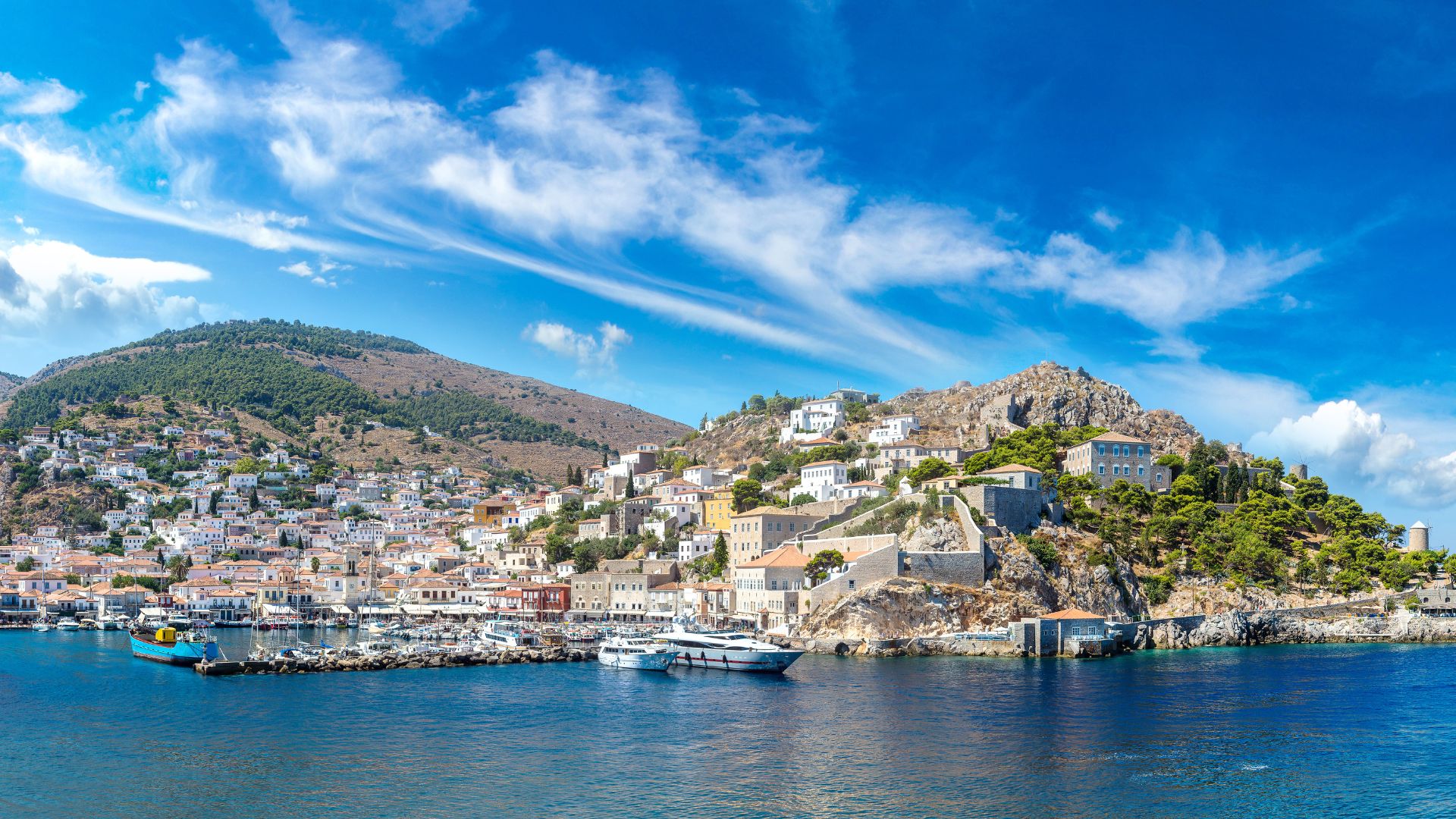
The ferry to Hydra promised blue water and car-free streets. When I landed, donkeys greeted me at the harbor.
Life slows down here. Boats drift beside stone mansions, and artists sip coffee along the waterfront.
I wandered narrow lanes and found bright doors and hidden courtyards bursting with flowers.
Hydra just feels peaceful, like time took a break. For a taste of local culture, I checked out tiny museums and watched fishermen mend their nets.
As the sun set, I joined locals for a seafood dinner by the water. The sky turned gold, and honestly, I didn’t want to leave.
Then I hopped over to Pera—Istanbul’s lively Beyoğlu district. It’s a whole different world.
Old streets spill over with coffee shops, street art, and historic buildings. I lost myself on Istiklal Avenue, dodging trams and tasting baklava, stopping in record stores just because I could.
The local markets overflow with everything—patterned scarves, handmade jewelry, you name it.
Spectacular Bazaars, Breathtaking Cappadocia
In Turkey, I dove into the wild maze of the Grand Bazaar in Istanbul. Lamps, carpets, and spices stacked everywhere, each seller eager to tell their story.
Haggling is half the fun. I scored deals on ceramics and teas while the air buzzed with voices and the smell of roasted nuts.
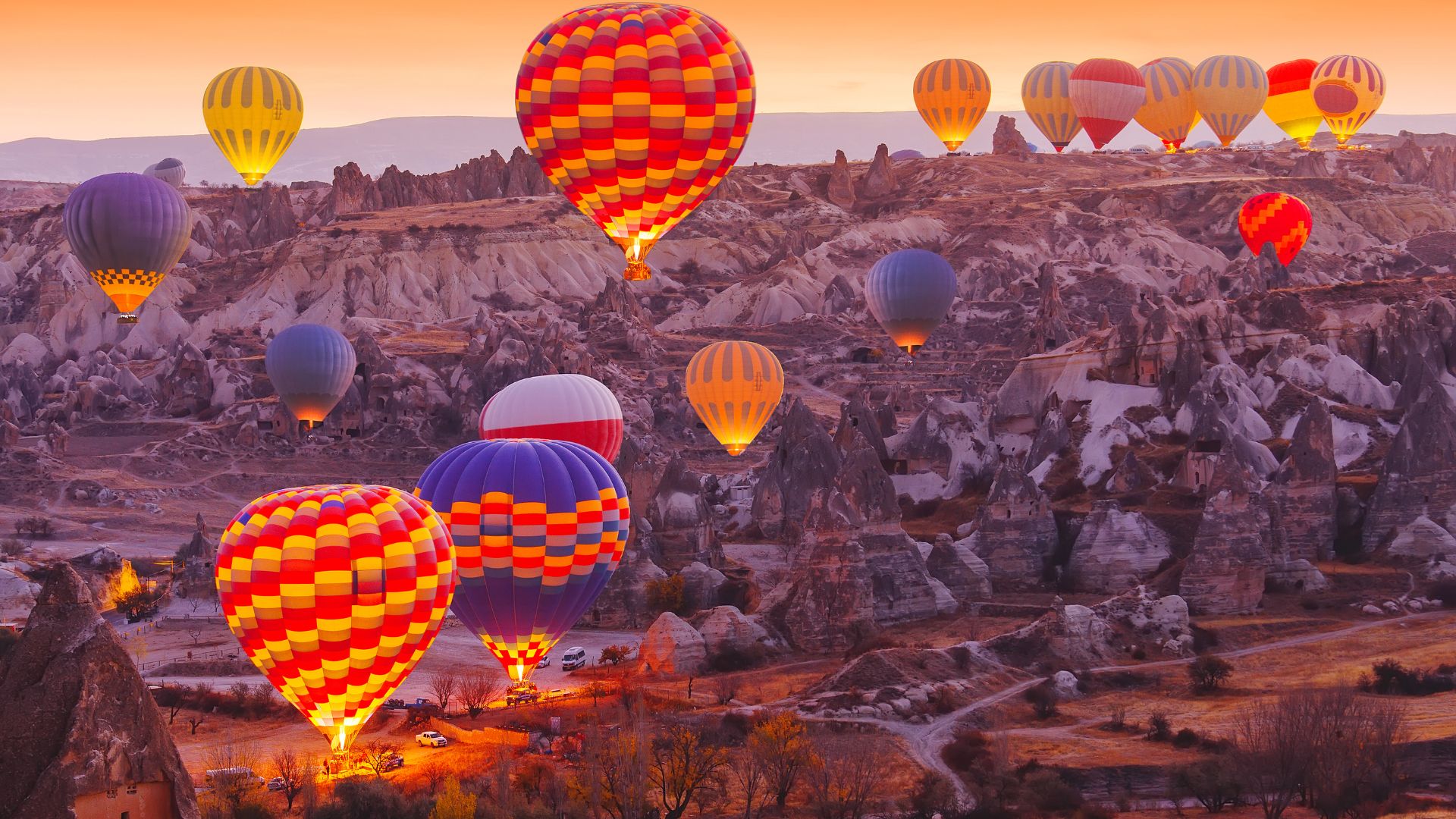
Next, I traveled inland to Cappadocia. Honestly, it looks like another planet with all those “fairy chimneys” and ancient caves.
At sunrise, hot air balloons floated overhead. I woke up early, climbed a hill, and watched the valleys turn orange and pink.
A local guide showed me cave churches and underground cities people used for centuries.
Cappadocia offers more than just wild views. Pottery shops fill the villages, and locals invite you in for tea with a smile.
If you love history and hiking, this is your place. The sense of adventure here feels genuine and a little addictive.
Visiting Athens, Turkey, and Georgia
Athens dazzled me with its blend of ancient and new. I stood beneath the Parthenon, feeling awestruck, then wandered off and got a bit lost in Plaka’s cobbled streets.
Cafés spill out onto the sidewalks, and street musicians keep the city buzzing with energy. If you’re into history or art, Athens really does deliver at every corner.
From Athens, I hopped on a flight (though you could take a bus) to Turkey. Sure, Istanbul and Cappadocia get all the attention, but I’d urge you to check out Ephesus for its ancient ruins.
Izmir, a coastal city, surprised me with its relaxed vibe. Turkish cuisine—like fresh simit bread, meze platters, and sweet baklava—quickly became the highlight of every stop.
Finally, I set out for Georgia. Tbilisi, the capital, instantly charmed me with its quirky architecture and that warm, easy hospitality.
Wine flows freely, and locals often invite strangers right to their tables. The old town’s sulfur baths and those mountain views? Yeah, I’d go back in a heartbeat.
For business or for adventure, Georgia caught me off guard in the best way with its mix of old and modern.
