
I pulled into Albarracín with high hopes. People kept calling it Spain’s most beautiful village, and honestly, the pinkish walls and twisting medieval streets grabbed my attention right away.
There’s something enchanting about walking along the Murallas de Albarracín, those ancient walls that rise above the red rooftops and snake along the mountain slopes. The wooden beams, iron balconies, and stone towers all seem to whisper stories from centuries ago.
Albarracín’s unique setting and preserved history really do make it one of the most beautiful villages in Spain. Each corner felt like a storybook, and I quickly saw why travelers from everywhere show up chasing that fairytale vibe.
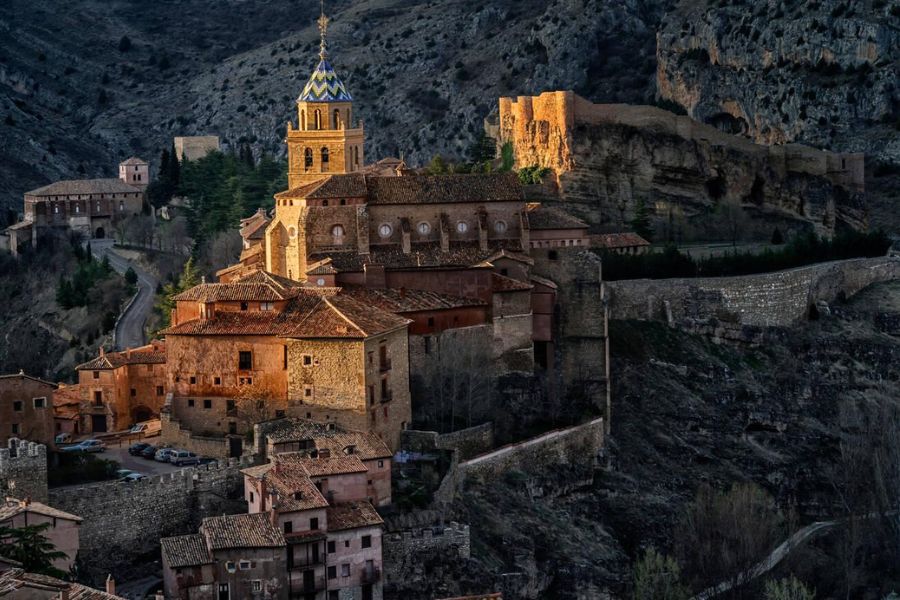
As I wandered, wonder stuck with me—just when I thought I’d seen it all, another jaw-dropping view would pop up around a corner.
Why Albarracín Captivates: First Impressions and Village Charm
Stepping into Albarracín just hits different. The mix of unique architecture, those ancient lanes, and the dramatic scenery stands out instantly.
The Enchanted Atmosphere of Pink Walls
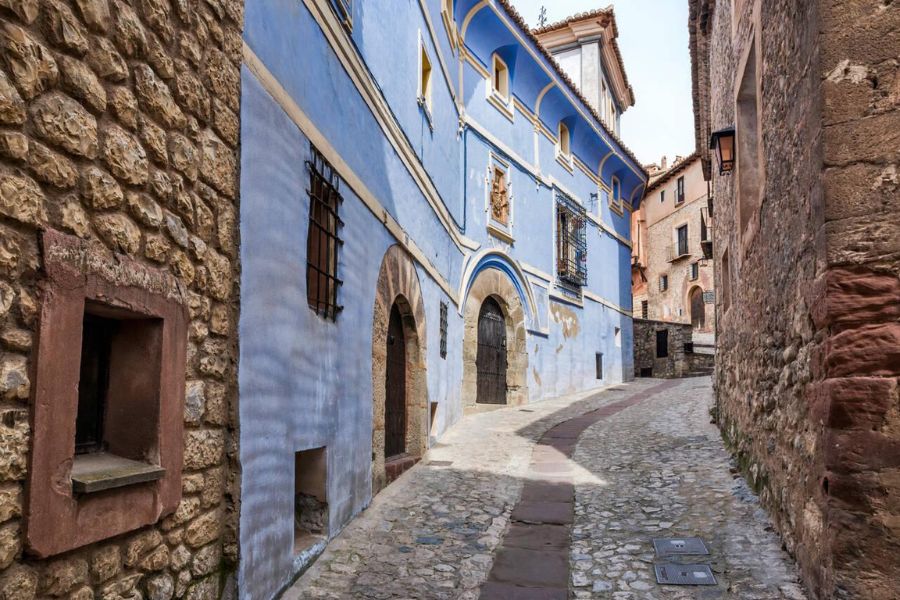
The first thing that hit me? That soft pink color covering so many buildings. It’s not a loud shade, but it gives the village this warm, almost magical glow—especially as the sun starts to dip.
Most houses are built from local sandstone, so they’ve got that signature pink and reddish tone. I’d only seen it in photos before, but in person, it’s even better.
As I strolled the narrow, winding streets, the colors shifted with the changing light. It honestly felt like I’d stepped inside a storybook.
Each house, archway, and tiny plaza looks like it belongs exactly where it is, but nothing comes off as too modern or fake. The wooden balconies and doors are full of little details—ironwork, hand-carved patterns, you name it.
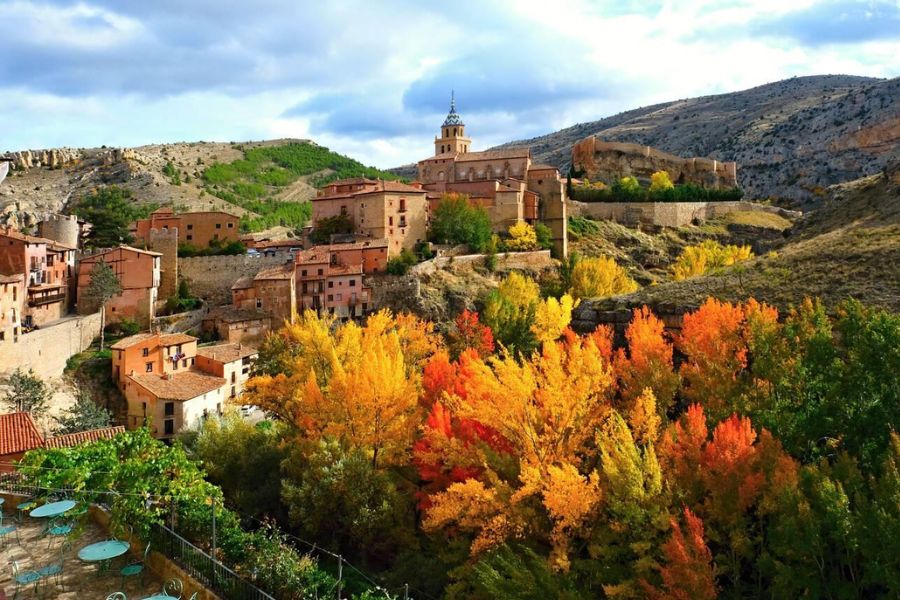
The pinks aren’t just for Instagram. They’re a big part of what makes Albarracín feel so different. Even if it gets crowded, those colors and textures make you want to stop and soak it in.
A Medieval Village Frozen in Time
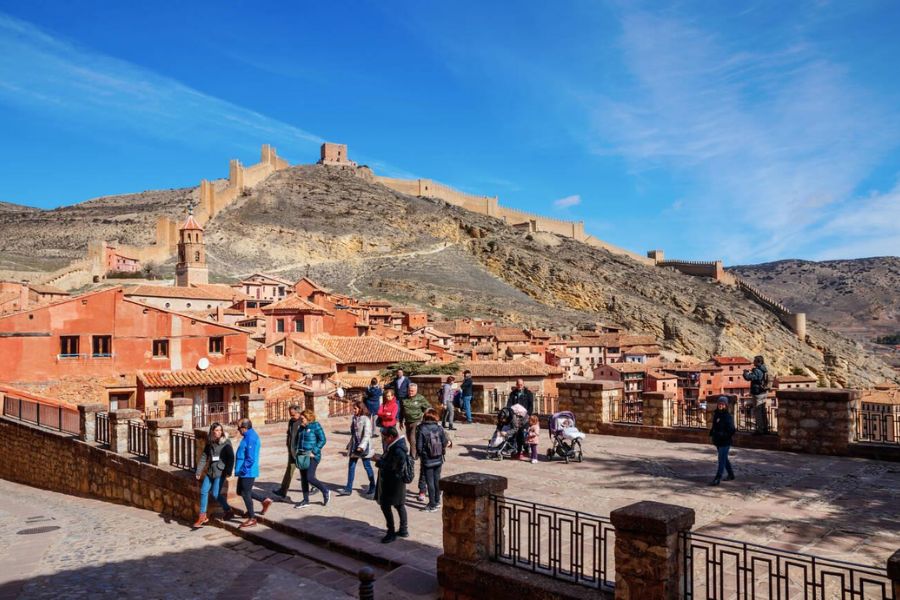
Albarracín feels straight out of the Middle Ages. Ancient walls wrap around the village, climbing the hills and crowned by a fortress that’s been watching over everything for centuries.
I spotted bits of the original defenses as I climbed narrow stairs and wandered stone paths. The cobblestone streets twist so much I lost my sense of direction more than once.
All around, you’ll notice old wells, stacked firewood, and weathered doors—a reminder of daily life from long ago. It isn’t just how it looks; the quiet and slow pace make it easy to picture life here hundreds of years back.
Cars barely get through these streets. Most people walk everywhere. Shops and little inns blend right into the old buildings, never messing with the village’s mood.
I found myself slowing down, pausing to read plaques or leaning over stone walls for the views.
Unique Geography and Cliffside Setting
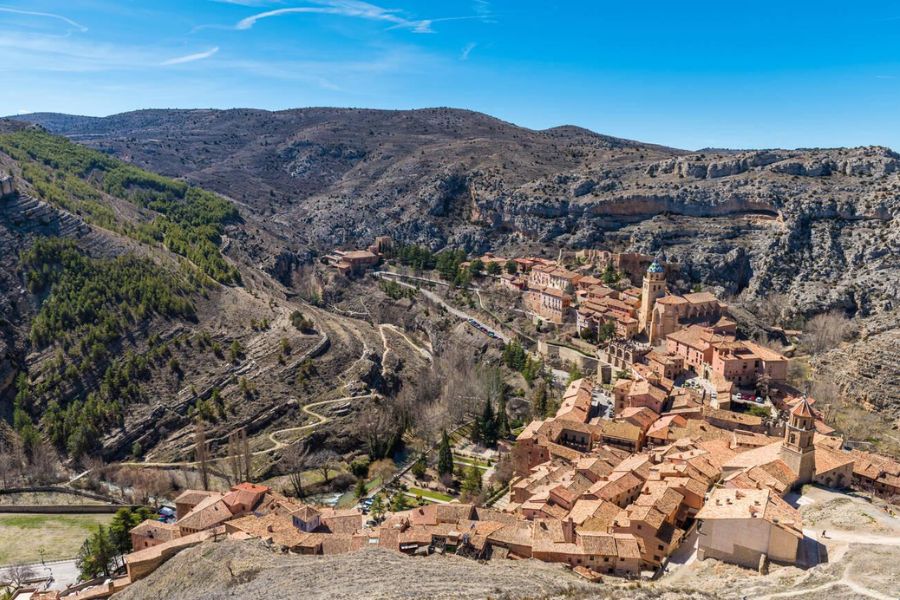
Albarracín hugs a steep curve of the Río Guadalaviar, tucked between hills and cliffs. The village seems to grow out of the rock, with houses stacked at odd angles to fit the land.
Some streets end in sudden drops or sharp turns, so every stroll feels a bit adventurous.
If you make it up to the top of the old town walls, the views are wild—rolling out across the valley below. The river twists in a tight bend, almost circling the oldest part of the village like a natural moat.
Craggy cliffs and strange rock shapes give Albarracín that special edge—you never forget you’re in the mountains.
Because of its spot, Albarracín really feels like a hidden retreat. The landscape’s rugged, but the village fits so well it all seems peaceful and private.
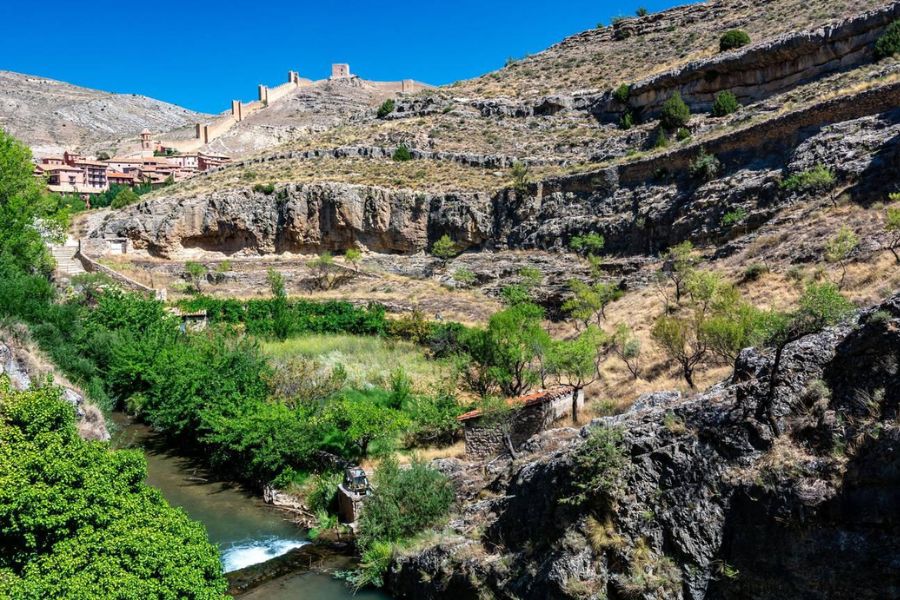
I could hear the river from so many corners. The cliffs and hills shape the scenery and offer up quick hikes, where the pink walls of Albarracín peek out around every turn.
Discovering Albarracín’s Historic Landmarks
Wandering through Albarracín tosses me right back in time. The narrow streets, ancient walls, and old churches all have stories to tell.
Strolling the Winding Cobbled Streets
Walking here really does feel like stepping into history. The streets twist and narrow down, barely wide enough for two people.
Old stone houses with pink walls lean over the cobbles, and wooden balconies spill over with flowers.
Look up and you’ll spot Arab-style tiles and medieval iron lamps. It’s so calm, the only sound is my own footsteps echoing.
Shops tucked under arches sell local crafts and simple treats—almond sweets, mostly.
Don’t miss these lanes:
- Calle Azagra
- Plaza Mayor
- Portal de Molina
Getting lost is part of the fun. Skip the map—every corner has another postcard scene waiting.
The Iconic City Walls and Watchtowers
You can’t miss Albarracín’s city walls. They climb the hills and seem to shield the whole place from above.
Builders put them up in medieval times to keep invaders out. I followed a steep path to the Torre del Andador, a tall watchtower with a sweeping view of the town and countryside.
From up there, I could imagine lookouts scanning the horizon, waiting for trouble. I traced my path along the wall, watching how each tower connects like stitches in a giant stone quilt.
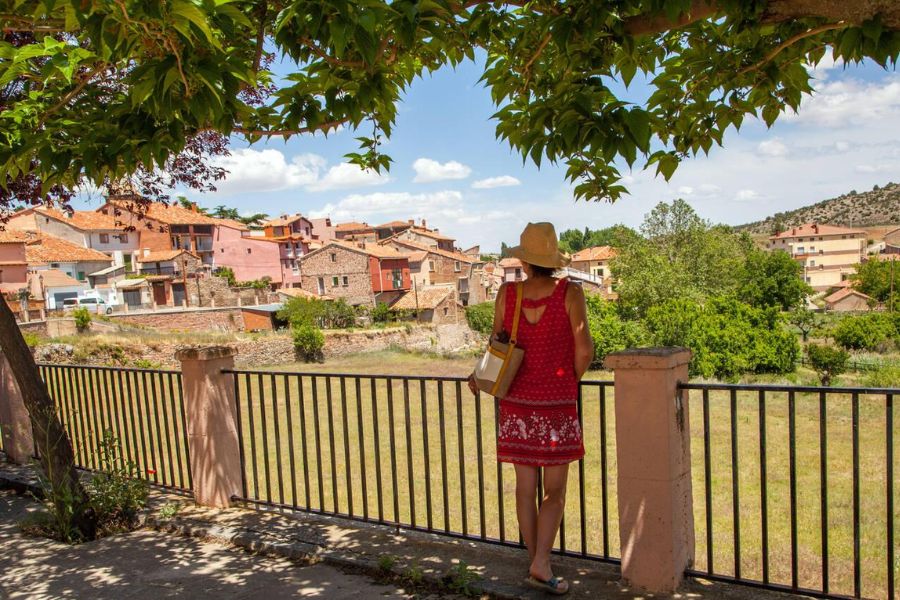
Bring sturdy shoes—the climb’s rocky and uneven. But the payoff? Some of the best views in Aragón.
Santa María Church and Its Bell Tower
Santa María Church stands out with its mix of styles—Romanesque, Gothic, and even a bit of Baroque. The bell tower rises above the rooftops, so I could spot it from almost anywhere.
Inside, I found colored frescoes and old wooden pews, polished by centuries of visitors. The air smells like stone and wax.
Sometimes you can catch a guided tour, and the bell tower gives a unique look over Albarracín’s red roofs.
If you want to visit, check opening hours ahead of time. The church sometimes closes for services or restoration.
Cultural Experiences and Local Life
Wandering Albarracín, I could feel how traditions, food, and celebrations shape daily life here. The medieval past lives on in workshops, lively plazas, and kitchens full of local flavors.
Traditional Crafts and Artisan Workshops
The heart of Albarracín’s charm beats in its artisan workshops. I wandered winding lanes and peeked into tiny studios where craftspeople shaped clay, tanned leather, and wove colorful textiles by hand.
Historic wooden beams creaked overhead as I watched a potter shape traditional dishes. Families have done this for generations.
Leather belts and bags, embossed with local patterns, lined the rustic walls.
Some shops let me try my hand at the crafts. There’s something special about working beside artisans who want to share their skills.
Picking up a locally made souvenir means I’m bringing home a piece of Albarracín’s living heritage.
Festivals and Timeless Celebrations
Albarracín lights up with festivals that fill the stone streets with music and laughter. Each spring, the Semana Santa processions wind through the old town.
I watched families gather in the main square, people in traditional robes, candles flickering against those pink stone walls.
Summer gets even livelier. I joined locals for the Fiestas Patronales, celebrating the town’s patron saints.
The smell of roasting meat drifted through the air, kids played games, and folk musicians played for everyone.
Joining in made me feel like part of the community, not just a tourist. Traditions bridge the centuries here, and every celebration feels close-knit in such a small, welcoming place.
Sampling Arroyo-Inspired Cuisine
Eating in Albarracín gave me a whole new view of local life. Simple dishes made from the nearby mountains and rivers bring comfort and flavor.
Trucha a la Navarra—river trout stuffed with cured ham—was a standout.
Hearty stews like migas (made from leftover bread and chorizo) show up in cozy taverns. Local cheese and cured meats fill tables during tapas hours.
For dessert, almond sweets and honey from mountain hives finish off every meal.
Sharing these dishes with locals, I learned how food here connects families and marks celebrations—each bite tells its own story.
Nature, Legends, and Hidden Corners Around Albarracín
Albarracín perches high above the Guadalaviar River, surrounded by rugged hills and thick pine forests. Alongside the natural beauty, stories from the past seem to fill the quiet spaces between rocks and narrow streets.
Exploring the Guadalaviar River Trails
Walking the trails near the Guadalaviar River gave me a whole new view of Albarracín. The river glimmers through the valley below, curving past pink stone cliffs.
The path shifts between shady spots and open views, sometimes lined with wildflowers that attract butterflies in spring.
Wooden walkways make the walk easy. I crossed little bridges, pausing to listen for birds and the faint echo of church bells above.
Sometimes, I’d just sit on a rock and watch the river flow.
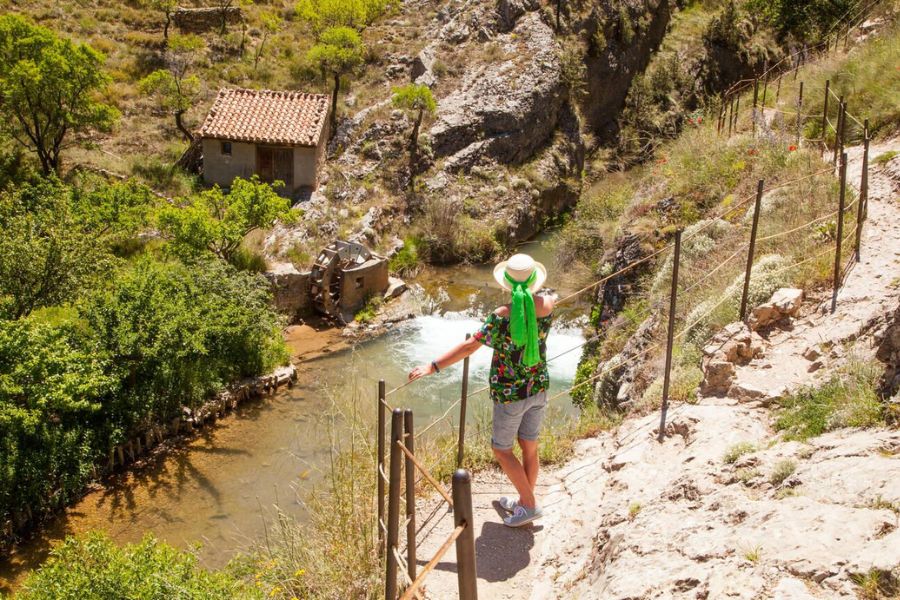
If you visit, hiking here isn’t about rushing to a viewpoint. It’s about moving slow, breathing the cool air, and noticing how the village walls blend into the earth.
If you need a quiet break from busy streets, this trail delivers.
Magic of the Protected Natural Park
Just beyond the village, the Protected Natural Park of Albarracín stretches for miles. Pines and juniper trees cover the hills, and sandstone rocks stand out in reds and pinks.
I spent a morning here with a picnic and a compact camera. The park is famous for rock climbing, especially bouldering, but you’ll find peaceful paths too.
I spotted wild deer and heard lizards rustling on the stones. Signs mark the main routes, and some areas showcase ancient rock art, painted thousands of years ago.
I found these ancient touches both haunting and beautiful. If you love wildlife or photography, bring binoculars—there’s always something new to spot.
Legends and Folklore of the Surrounding Cliffs
Legends hide in Albarracín’s cliffs and caves, often whispered in local cafes or by guides. People say the cliffs once protected villagers from countless invaders and thieves.
At night, with the moon out, it almost feels like those old stories still linger.
One tale stuck with me—the legend of a hidden treasure, supposedly buried among the rocks and guarded by spirits of ancient Moors.
Some locals claim they’ve seen ghostly shapes near the ruined watchtowers.
I learned that certain cliff spots are famous for mysterious carvings. Villagers told me to look near the rock ledges at dusk.
I didn’t spot any ghosts, but the centuries-old atmosphere made even an ordinary boulder seem enchanted.
Planning Your Perfect Albarracín Getaway
Finding the right place to stay makes Albarracín feel like stepping back in time. Knowing when to visit and what to bring matters too if you want to really enjoy this magical town.
Where to Stay for an Immersive Experience
I always stay inside Albarracín’s old town when I want the real experience. Small, locally owned guesthouses or boutique hotels with creaky wooden beams and thick stone walls are my go-to.
Most places sit just a few steps from the ancient city walls. Waking up to bell towers and those pink-tinged streets—honestly, it feels like the town belongs to me for a moment.
One of my favorite finds? The cozy hotel rural options. They serve homemade breakfasts, usually with local jamón and strong coffee that actually wakes me up.
Sometimes I pick a family-run bed and breakfast. The owners love sharing stories, and they almost always tip me off to hidden sunset spots.
Looking for more modern comforts? Some hotels just outside the walls offer parking and bigger rooms, which is nice if you’re hauling luggage or just want a bit more space.
Here’s a quick comparison:
| Option | Inside Old Town | Outside Walls |
|---|---|---|
| Atmosphere | Medieval, cozy | Spacious, quieter |
| Accessibility | Walk everywhere | Need a short walk |
| Parking | Limited | Easier, available |
Tips for Visiting in Every Season
Spring brings mild weather and wildflowers everywhere. Wandering and hiking feel perfect then.
The stone streets stay cool, even as summer starts. July and August get hot, but evenings cool down, and restaurants spill their tables outside.
Autumn feels quieter. The landscape glows with reds and yellows—honestly, it’s my favorite time to visit.
If I show up in winter, I brace for chilly air and fewer people. Sometimes a light snow dusts the rooftops, and the whole village looks magical. Some restaurants or shops close for a break, though.
Bringing layers always makes sense, since mountain weather changes fast.
During fiestas, rooms fill up super quickly—so planning ahead really matters.
Must-Know Travel Essentials
Albarracín’s streets twist and turn, and most of them slope up or down. I always grab my sturdiest walking shoes—sandals or heels? Not a chance. Those beautiful cobblestones get slick when it rains.
You won’t find many ATMs, so I make sure to bring enough cash for small cafés and shops. English speakers are rare, but honestly, a few Spanish words and a friendly smile usually do the trick.
Packing list highlights:
- Comfortable shoes
- Light jacket or sweater (even in summer)
- Re-usable water bottle
- Camera or phone for photos
- Cash in euros
Public transport is pretty limited. Renting a car just makes everything simpler, and parking outside the old city walls saves a lot of hassle. I always double-check my accommodation’s parking situation ahead of time—better safe than sorry.
