
Every traveler dreams of finding their own slice of paradise. For me, that place turned out to be the Balearic Islands.
Each island—Mallorca’s rugged peaks, Ibiza’s buzz, Menorca’s calm, Formentera’s flat beaches—felt like a different planet. They all sang their own, unforgettable song.
Exploring these islands made me realize just how much variety and beauty can fit into one small cluster of Mediterranean gems.
I hiked wild mountains in Mallorca, found peace and quiet in Menorca, and walked on some of the softest beaches in Formentera.

Ibiza surprised me—not just with its energy, but with hidden spots where I could actually relax away from the crowds.
Every stop had its own vibe. Each place told its own story, and I kept having moments that made me want to grab my passport and chase the next ferry.
Mallorca: From Mountain Peaks to Vibrant Towns
Mallorca hooked me from the very first morning. Wild mountain trails, deep-rooted history, and towns bursting with color—this island kept pulling me in.
The longer I stayed, the more familiar it felt. I wandered from the Tramuntana’s heights to Palma’s quiet corners and sun-warmed village plazas.
Scaling the Tramuntana: Hiking and Breathtaking Views
The Serra de Tramuntana mountains give Mallorca its dramatic edge. UNESCO even marked them as a World Heritage Site. These peaks stretch across the northwest, and honestly, I couldn’t resist lacing up my boots for days on end.
Old olive trees and stone terraces lined the trails. Sometimes, the paths felt like they were climbing straight into the sky.
One hike I loved started in Sóller and wound up to Puig Major through pine forests. From the ridge, the Mediterranean spread out below—deep blue, with cliffs dropping to secret coves.
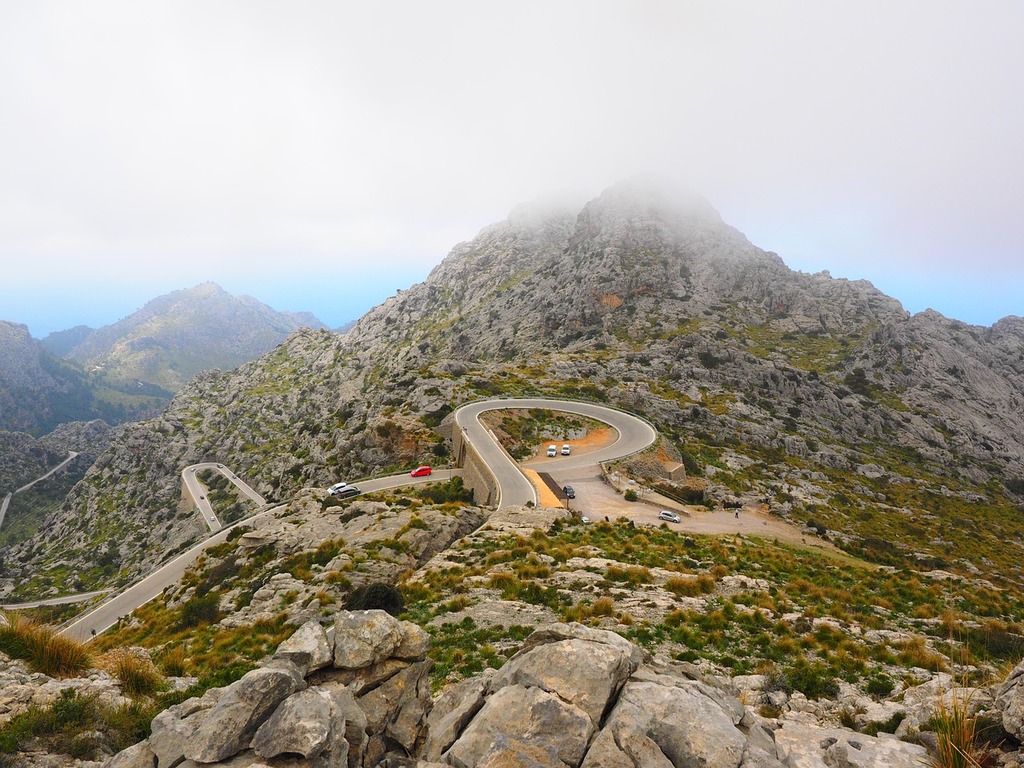
If you love the outdoors, you’ve got to try the Tramuntana. I always brought extra water and snacks—those paths get rugged and remote fast.
Here’s a quick tip for fellow hikers:
- Easiest access: Port de Sóller or Valldemossa
- Best time: Spring or fall—trust me, the heat isn’t a joke
- Don’t miss: The ancient stone-paved route from Deià to Sóller
Cultural Gems: Palma’s Gothic Cathedral and Historic Sights
Palma, Mallorca’s capital, mixes old and new better than any city I’ve seen. Every time I wandered the center, the Gothic cathedral of La Seu stole the spotlight.
Its sandstone towers rose above the waterfront, catching the sunset and stopping me in my tracks.
Inside, stained glass windows threw color across the stone columns. Mallorca’s history came to life—Roman, Moorish, Spanish, all layered together.
I ducked into narrow lanes behind the cathedral. There, I found old Arab baths, stately courtyards, and cafés tucked down quiet streets.
If you want to dive deeper, check out the Palau de l’Almudaina or the city’s bustling Mercat de l’Olivar.

Charming Villages: Discovering Fornalutx, Sóller, Pollensa, and Valldemossa
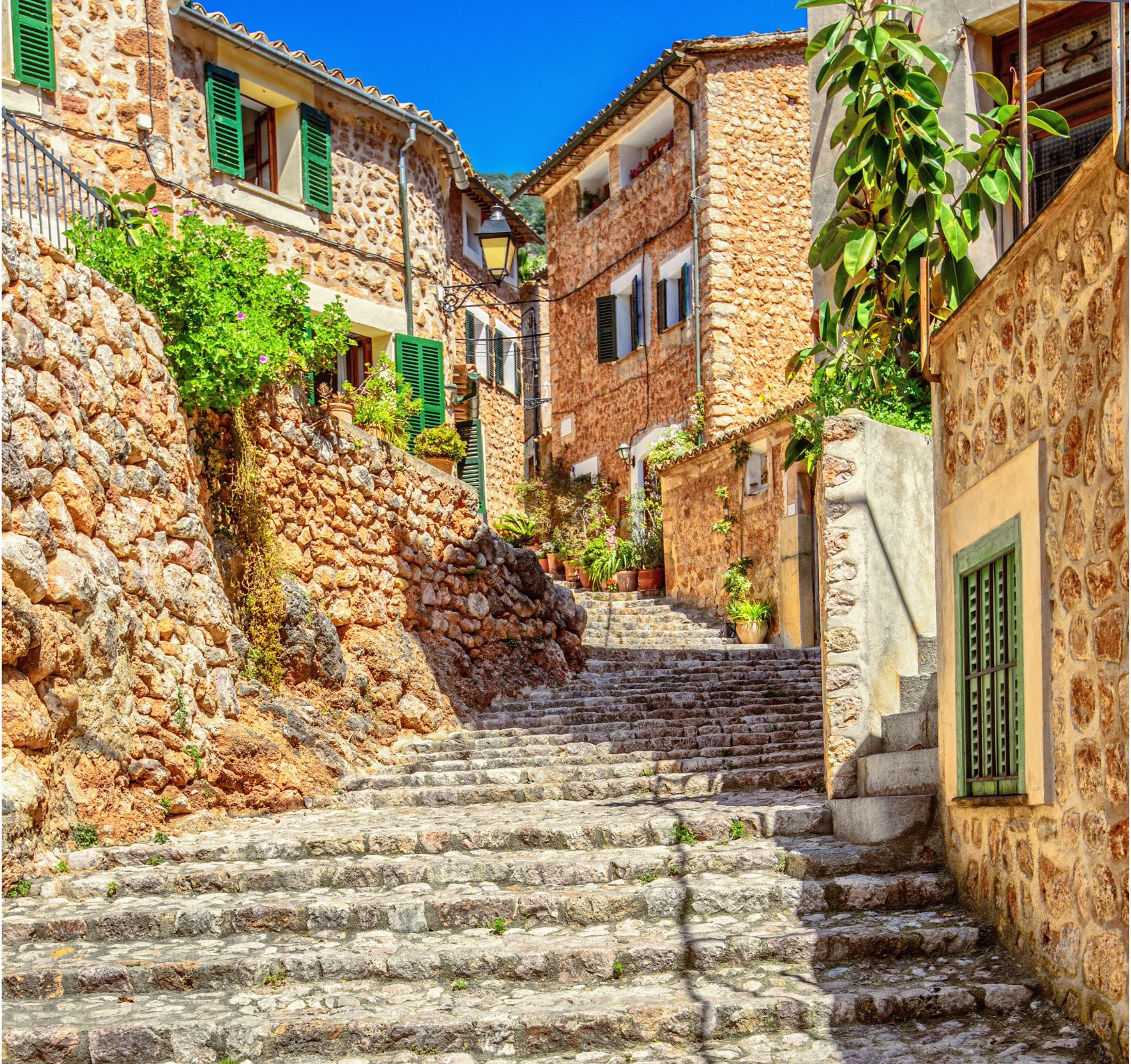
Mallorca’s small villages gave me a slower pace and loads of local flavor. Fornalutx looked like a postcard—stone houses with red tiles, bougainvillea everywhere, and citrus groves heavy with fruit.
I’d linger over coffee in the main square, just soaking up the calm.
Sóller was all about oranges from the orchards and vintage trams down to the sea. In Pollensa, I climbed the Calvari steps at sunrise, passing locals near old chapels.
Valldemossa had cool mountain air and ancient monasteries. I learned about Chopin’s winter here and wandered silent alleys lined with olive trees.
These villages made every day feel honest and real. If you can, rent a car and go at your own pace. Catch the early morning light—everything smells fresh and the streets are yours.
Beaches and Beyond: The Allure of Mallorca’s Coastline
Mallorca’s coastline really surprised me. Some shores buzzed with life, others felt almost meditative, and a few seemed hidden from everyone else.
The Bay of Palma: Sun, Sea, and Lively Atmosphere
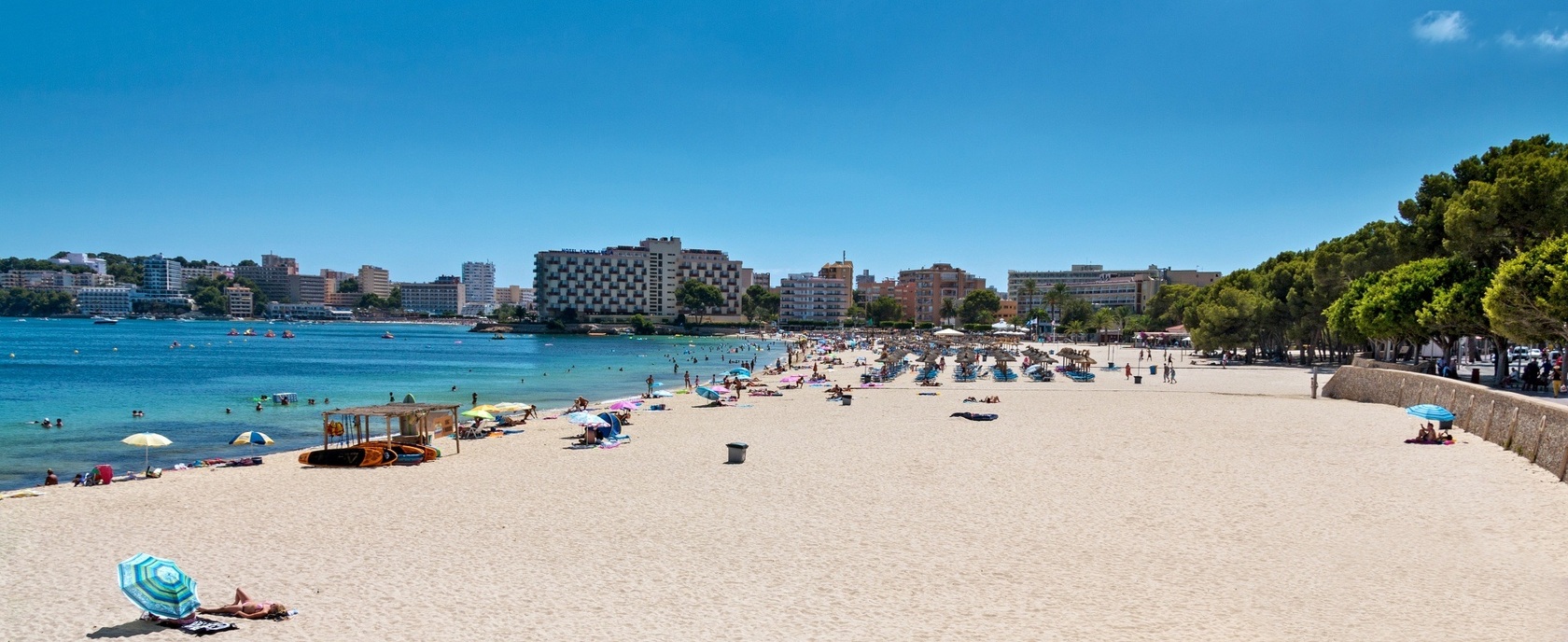
The Bay of Palma swept me in with its golden sand and constant hum of activity.
Every morning, joggers weaved between sunbathers, and families settled on soft towels.
Highlights:
- Es Trenc: Clear, shallow water—perfect for swimming.
- Palma Nova: Cafés, rentals, and good beach hotels.
- Water Sports: Paddleboards, jet skis, sailboats—take your pick.
I liked how easy it was to find restaurants and shops. The promenade along the beach put everything within reach, from cold drinks to sunscreen.
On sunny days, the atmosphere was lively but not too much. The Bay of Palma gave me my first taste of Mallorca’s famous beach life.
Tranquility in Alcudia: Bays and Blissful Stretches of Sand
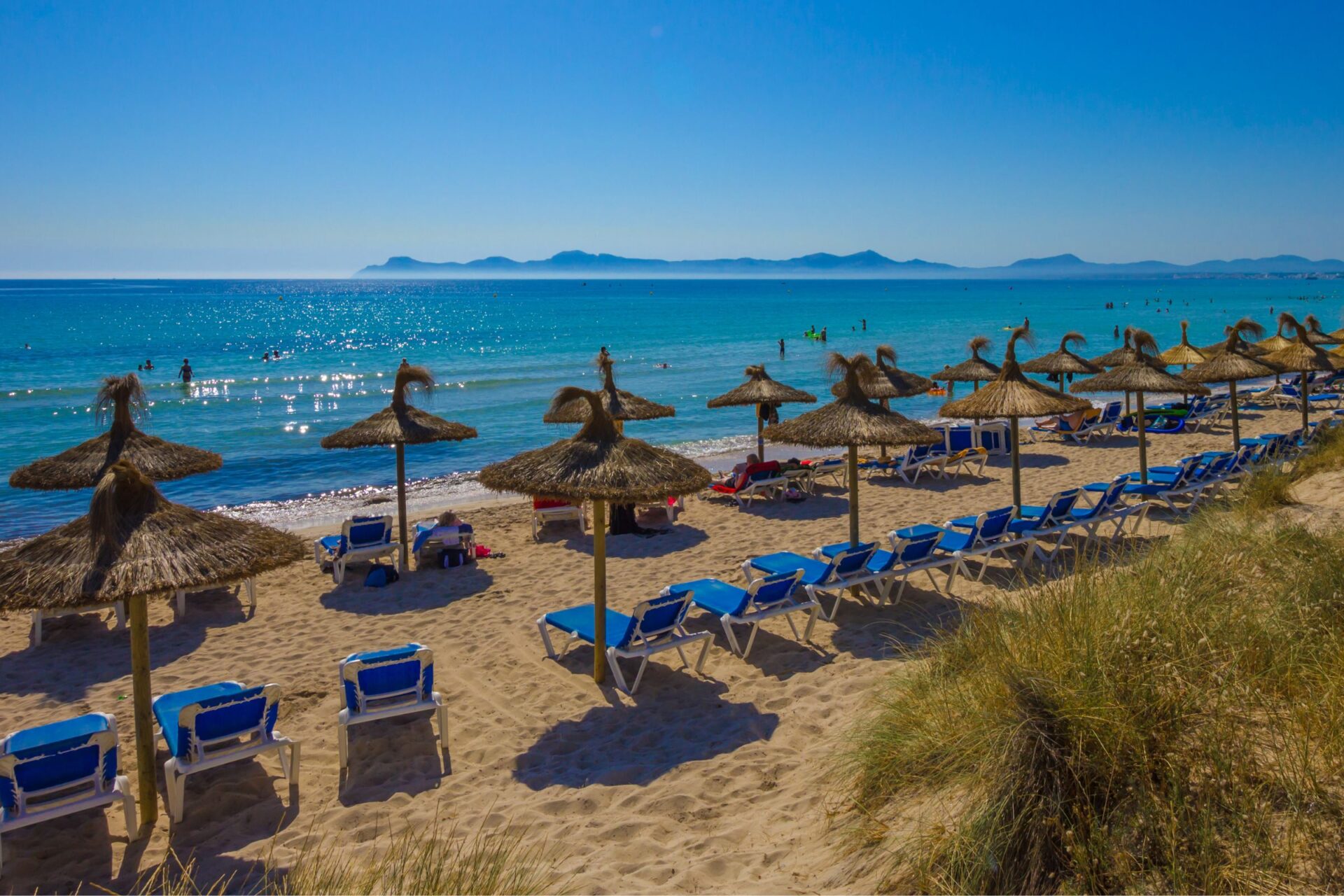
When I needed a break from the buzz, I’d head north to the Bay of Alcudia. The beach stretched on and on.
The sand was pale and soft, and the shore was so gentle I watched little kids splash around without worry.
What I Noticed:
- Playa de Muro: Soft sand, shallow water, umbrellas for rent.
- Port d’Alcudia: Family-friendly, with quieter hotels tucked behind the beach.
- Early Morning Walks: Hardly anyone around, just warm light and peace.
Alcudia felt less flashy than Palma. I’d spend hours reading under a sunshade or wandering among the dunes.
The breeze kept things cool, and the crowds thinned the farther I walked from the marina. For pure relaxation, Alcudia couldn’t be beat.
Magaluf and Artá: From Vibrant Resorts to Secluded Coves
Magaluf’s nightlife reputation is well-earned. Its huge beach drew groups of friends, and resorts lined the shore.
Music drifted across the sand long after sunset.
In Magaluf:
- Young, energetic crowds everywhere.
- Loads of hotels and budget-friendly places.
- Bars, clubs, and lounges within easy reach.
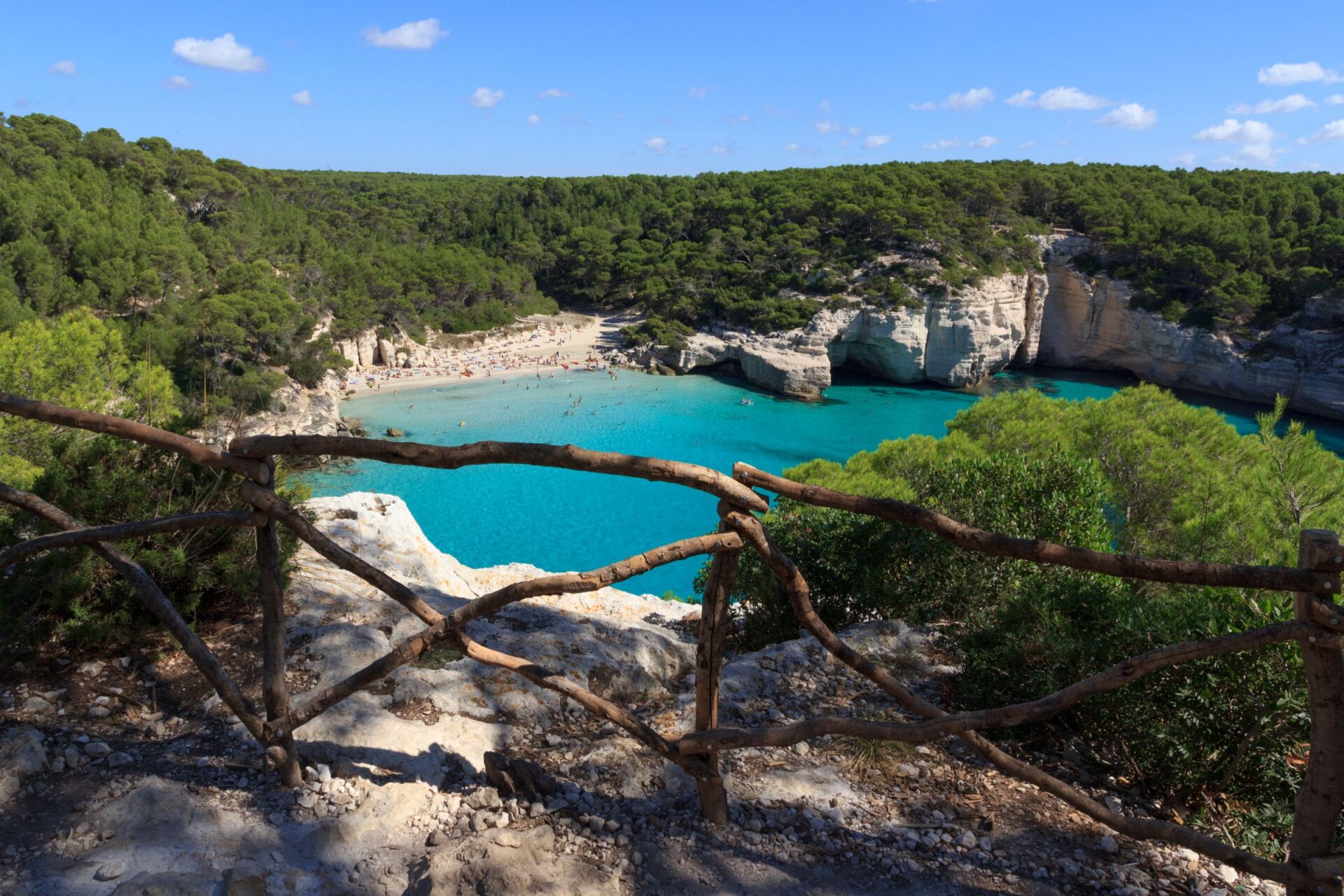
When I needed quiet, I’d escape to Artá on the northeast edge. Rocky coves like Cala Torta and Cala Mitjana offered clear blue water and hardly any people.
Facilities were sparse, but the wild scenery made up for it. Mixing Magaluf’s busy sands with Artá’s tranquil bays gave me the best of both worlds.
Menorca: Authenticity and Timeless Traditions
Menorca balances peaceful nature with a sense of heritage that’s everywhere you look.
Its landscapes felt quietly beautiful, and the community vibe was genuine—almost impossible to fake.
Exploring Minorca’s Landscape: Walks, Cycling, and Nature
Minorca’s natural world feels untouched. Even the busy Camí de Cavalls trail often felt empty, just the sound of my footsteps and the wind.
Clear signs marked the route, so I could walk or rent a bicycle and cover more ground.
Hidden coves and sandy beaches like Cala Macarella or Cala Pregonda waited at the end of winding paths. I loved early morning rides past dry stone walls and grazing cows.
Wildflowers splashed color across the hillsides.
Nature lovers can spot tortoises or Balearic lizards sunning themselves. The S’Albufera des Grau Natural Park felt a world away from busy resorts.
Wetlands and bird hides gave me a place to pause and watch herons stalking in the reeds. Even in peak summer, the island felt open and unspoiled.
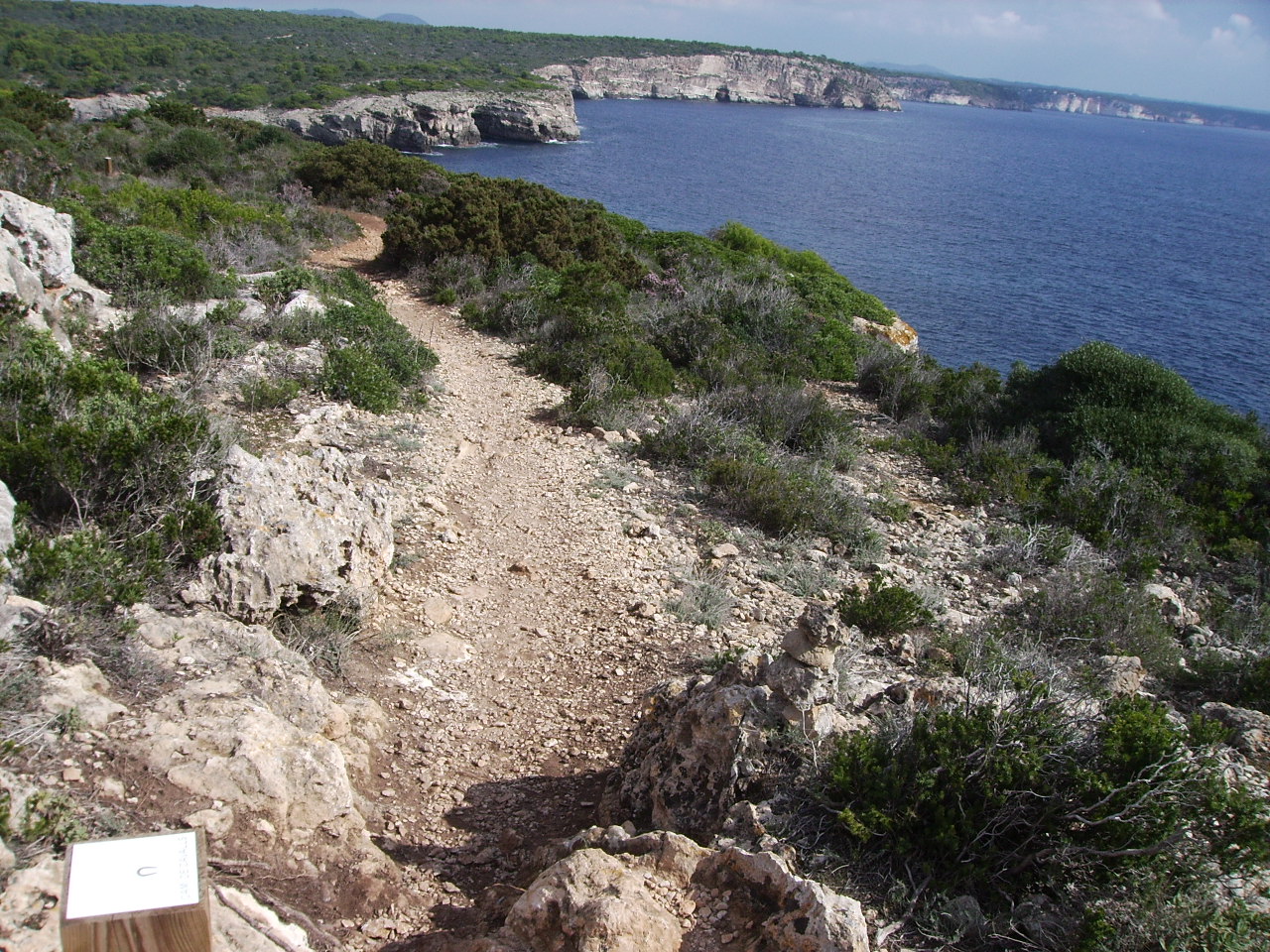
Image Source: Wikimedia Commons
Heritage and Customs: From Phoenicians to Modern Community
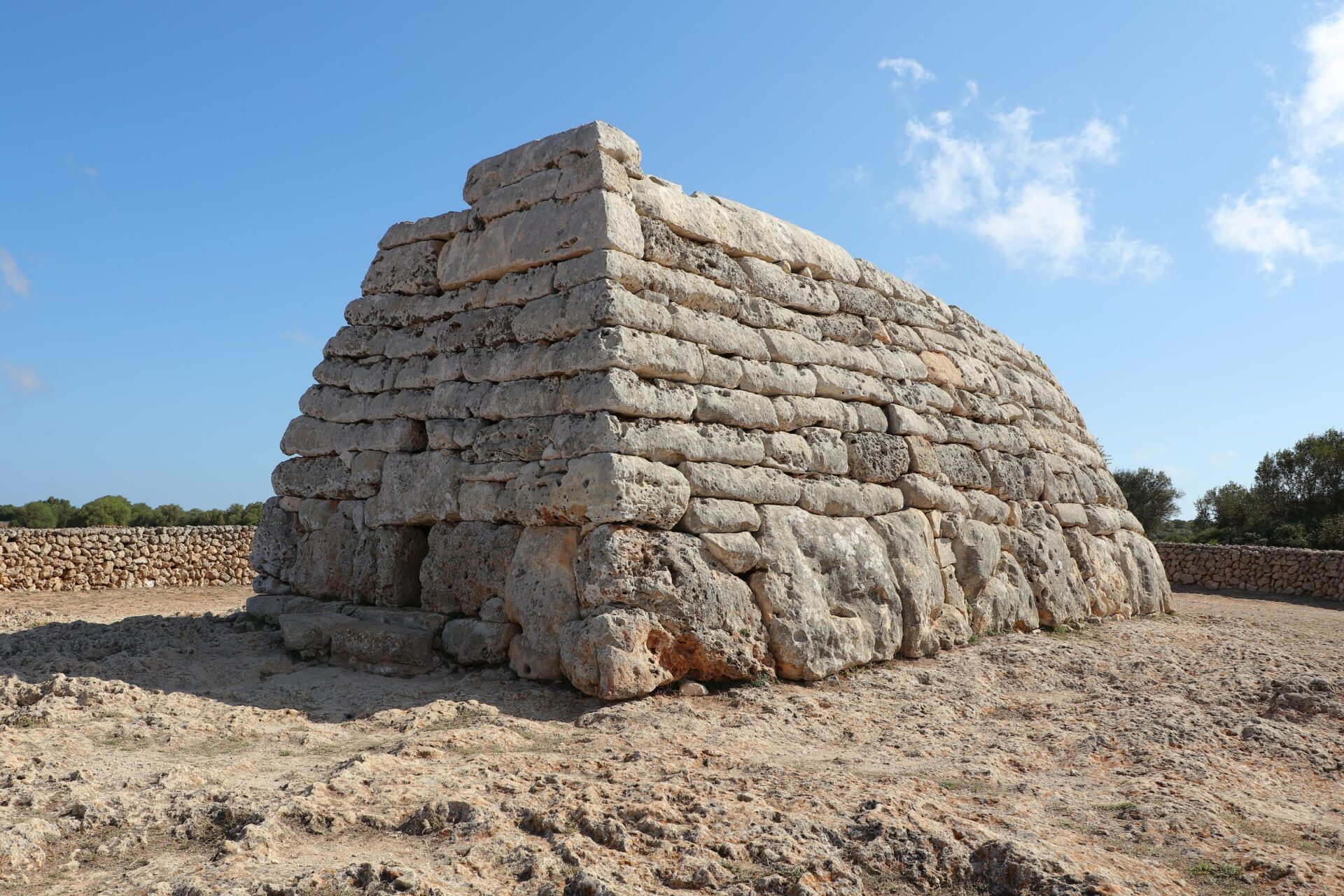
Minorca’s depth goes back thousands of years. I walked among the Talaiotic stone structures and saw traces of Phoenicians, Romans, and even the British.
Sites like Naveta des Tudons told stories in ancient stone.
Traditional festes unite the whole island every summer. Horses, manes braided, danced through Ciutadella’s squares, riders in bright sashes.
Locals welcomed everyone—tourists included—to join the celebrations, sharing pastries like ensaïmada or spicy sobrasada sausage.
The heart of Minorca beats in its tight-knit community. Even with tourism, daily markets in Mahón or Ferreries, and friendly chats in small cafés, let me feel the real island life.
Menorcans keep their language and customs alive with quiet pride, and I got to see what tradition really means here.
Ibiza: From Electric Nights to Peaceful Retreats
Ibiza greeted me with two totally different faces. By night, the island buzzed with music and energy.
By day, quiet beaches and calm bays let me slow down and breathe.
Beats and Beaches: The World-Renowned Ibiza Nightlife
My first impression of Ibiza? Pure music in the air. The island is famous for clubs like Pacha, Amnesia, and Ushuaïa, where DJs keep the party going until sunrise.
Streets in Ibiza Town and San Antonio buzzed with people from all over, everyone eager to dance and soak up the moment.
But nightlife here isn’t just mega-clubs. I found small beach bars and open-air venues where I could watch the sun drop into the sea.
Café del Mar was a favorite—chillout music and perfect sunset views. Travelers mixed big nights out with quieter evenings, often choosing self-catering apartments close to the action for comfort and flexibility.
The party scene draws groups and solo travelers alike. I made friends waiting for drinks or dancing by the DJ booth.
Still, I could always duck away for a relaxed seaside evening when I needed a break.
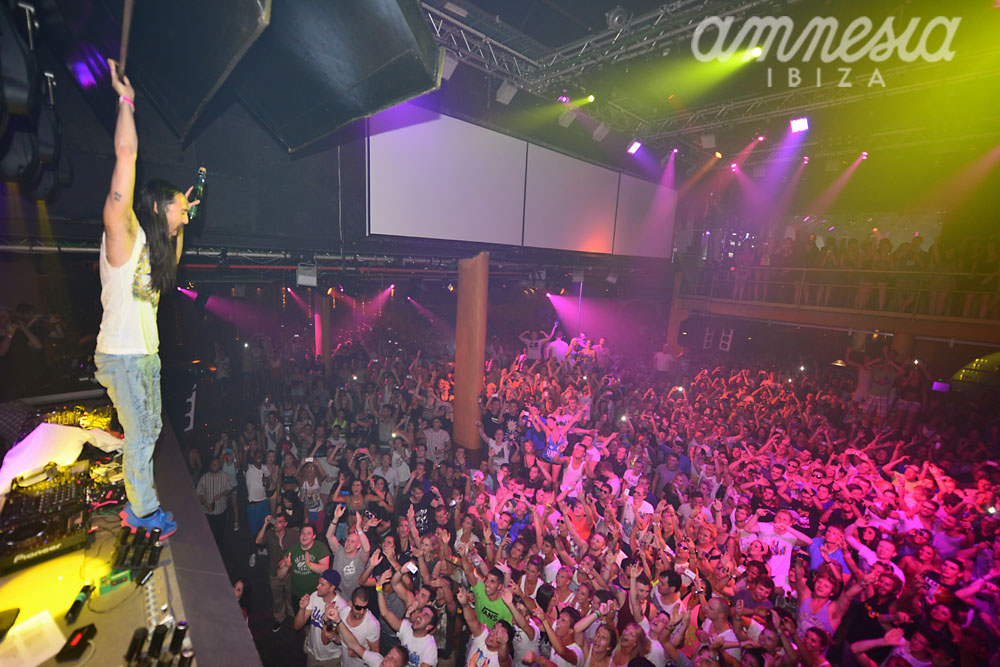
Image Source: Wikimedia Commons
Ibiza’s Natural Side: Hidden Coves and Family Escapes
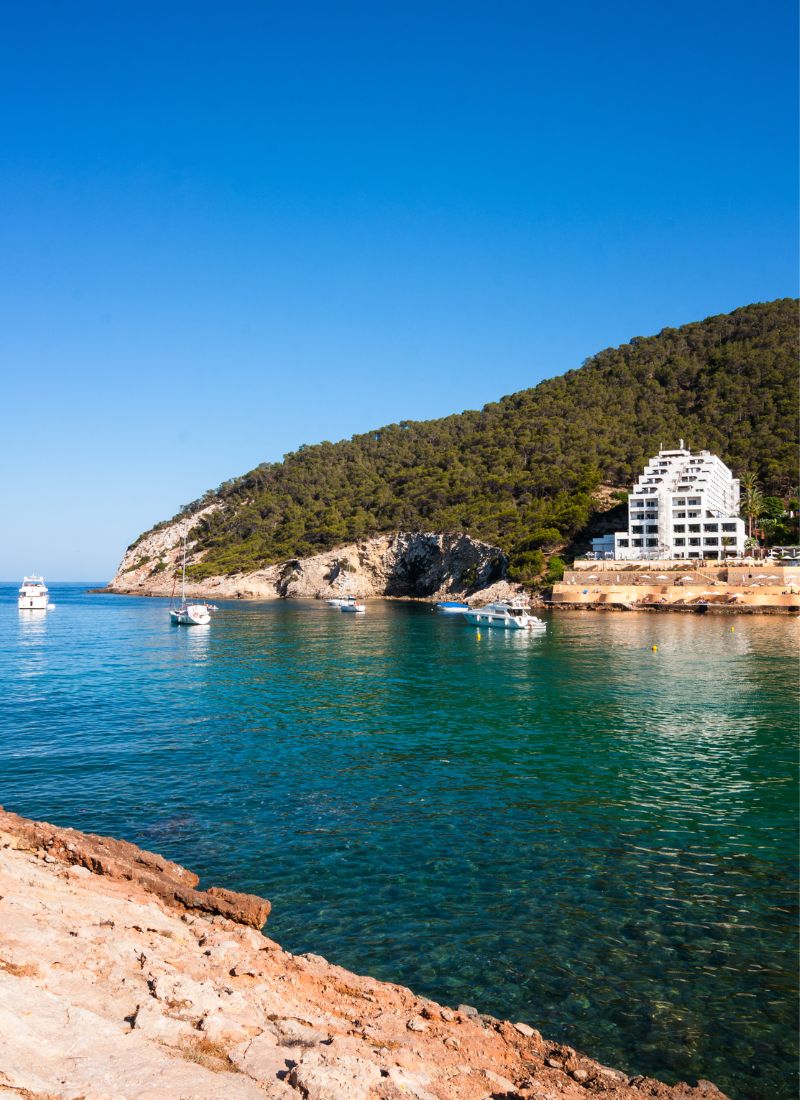
After a late night, Ibiza’s softer side felt like a gift. Beyond the parties, the island has calm, shallow coves like Cala Llonga and Cala Tarida.
I spent afternoons at these quieter beaches, where families relaxed and kids played safely, far from the club scene.
Small fishing villages like Santa Eulalia del Río offered peaceful walks along the marina and cafés serving fresh local dishes.
I joined a guided walk through pine forests and rocky coastlines, soaking up a relaxed, natural energy.
Ibiza’s north is especially calm, with fewer crowds and more hidden spots for a picnic or just a sunny nap.
Staying in a self-catering villa made it easy to set my own rhythm—cook at home, sleep in, and enjoy some privacy.
I realized Ibiza is just as easy for families and quiet seekers as it is for party lovers.
Formentera: Serenity and Simple Pleasures
Formentera greeted me with a slower pace. Its flat landscapes and peaceful vibe felt like a deep breath.
Days moved gently here, and I found myself savoring small joys around every corner.
Cycling the Flats: Discovering Hidden Paradises
I grabbed a basic bike and set off to explore Formentera’s flat landscape. The paths, lined with wildflowers and old stone windmills, made the ride easy and pleasant.
No steep hills meant I could just relax and enjoy myself. I left my phone in my bag and didn’t really miss it.
Instead, I paid attention to the little things—the salty breeze, the flash of a lizard across the road. Locals would sometimes point out secret coves or quiet beaches that I’d never find on a map.
Here are a few favorite cycling stops:
| Stop | What to Expect |
|---|---|
| Es Caló de Sant Agustí | Fishing village, quiet waters |
| Far de la Mola | Lighthouse views, rocky cliffs |
| Platja de Migjorn | Long, uncrowded beach |
Every turn seemed to reveal something new. The ride itself felt just as rewarding as wherever I ended up.
A Peaceful Escape: Laid-Back Beach Life
Formentera’s beaches have this gentle, unhurried vibe. I’d lose track of time at Platja de Ses Illetes, letting the soft waves wash away any worries.
The beaches never felt crowded. That quiet made it easy to unwind.
Sometimes I’d rent a sunbed, but just as often I’d sprawl on my towel and do nothing. Not checking my phone felt oddly freeing.
I’d swim in shallow coves, watching tiny fish dart around my toes. Local cafes served up fresh seafood, and I’d sit with a drink, watching sailboats drift past.
Sunsets were special here. The sky would go all pink and gold, and for a moment, it really did feel like my own slice of paradise.

Planning a Journey Across the Balearic Islands
Each Balearic island has its own rhythm. Mallorca’s mountains, Formentera’s beaches—they all offer something different.
Deciding where to stay, what to eat, and how to get around made a huge difference for me.
Travel Tips: Getting Around and Where to Stay
Getting around here is pretty straightforward, but a little planning never hurts. Ferries run regularly between Mallorca, Menorca, Ibiza, and Formentera, and you can catch local flights from Barcelona or even the Canary Islands now and then.
I liked how the ferry schedules let me jump between islands without much fuss, even if I only had a weekend.
Renting a scooter or car works well in Mallorca and Menorca. On Ibiza and Formentera, bikes and mopeds are perfect for checking out tiny towns or searching for hidden beaches.
There’s a lot of choice for places to stay:
| Option | Best For | Season |
|---|---|---|
| Boutique Hotels | Couples, city breaks | Year-round |
| Villas/Apartments | Families, longer stays | Spring to Fall |
| Resorts/Package | Convenience, all-in-one | Summer |
If you’re coming in summer, book early—tourism really ramps up. I liked mixing it up: one night in a Menorcan farmhouse, another in a budget guesthouse in Ibiza’s old town.
Cultural Nuances: Customs, Cuisine, and Social Dynamics
Family and tradition run deep in the Balearics. Weddings can last for days, blending old customs and tons of local food.
I found that even a simple meal—like pa amb oli (bread with olive oil and tomato)—is just as meaningful as a big celebration.
Every island has its own food quirks. Menorca’s cheese is famous; Mallorca has its sweet ensaïmadas; Ibiza serves up the freshest seafood.
Table of Typical Dishes:
| Island | Dish | Notes |
|---|---|---|
| Mallorca | Panades, Sobrasada | Savory pies, sausage |
| Menorca | Mahón cheese | Tangy, rich flavor |
| Ibiza | Bullit de Peix | Seafood stew |
| Formentera | Figs, Lamb | Local, seasonal |
Locals take pride in their roots but still welcome newcomers. I noticed that saying a few words in Spanish or Catalan really made a difference.

Image Source: Flickr
History and Influences: Phoenicians, Romans, and Carthaginians
The Balearic Islands feel like an open-air museum sometimes. In Palma, I walked past Roman ruins and grand old churches, all mixed together.
Each island holds traces of ancient civilizations. I’ve stumbled on Phoenician trading sites, Carthaginian relics, and Roman walls just wandering around.
Festivals often reach back to those old days. In Menorca, the Sant Joan festival mixes Christian and pagan traditions—a real layered history.
I started to spot Carthaginian touches in the buildings and Roman influence in the roads and ruins.
This history still shapes daily life and celebrations. Local museums bring those stories to life, but honestly, finding an ancient stone tower on a lazy afternoon stroll made it feel even more real.
Choosing Your Island Adventure: Solo, Family, and Package Holiday Options
Every Balearic island brings its own vibe and crowd. Mallorca gives you both mountain hikes and beach resorts.
I thought Palma worked great for a quick city break. The Serra de Tramuntana mountains really scratched my itch for adventure.
Ibiza gets all the fame for its clubs, but you’ll find chilled-out villages too. Families or solo travelers who want some peace can settle in pretty easily.
Menorca feels much quieter. If you want slower travel or beaches without the crowds, that’s probably your best bet.
Formentera is tiny, and honestly, you’ll want to get there from Ibiza. I grabbed a bike and circled its beaches in just one day—super easy.
Package holidays pop up everywhere and honestly, they make things simple. I booked one for a week in Mallorca—meals, transfers, excursions, all sorted out.
Later, I switched to apartments for more flexibility and just built my own itinerary. Singles, couples, big families—everyone can find their pace here, whether you’re chasing nightlife, nature, or just want endless days by the sea.


