
Ciutadella instantly pulled me in with its mix of old-world elegance and that easygoing Mediterranean vibe. As I wandered those narrow, cobbled streets lined with grand stone buildings, I couldn’t help but feel the town’s history buzzing all around me.
There’s a gentle hum from the cafés and little shops, and if you pause, you might catch a salty breeze from the sea. Every corner seemed to have something unexpected waiting for me.
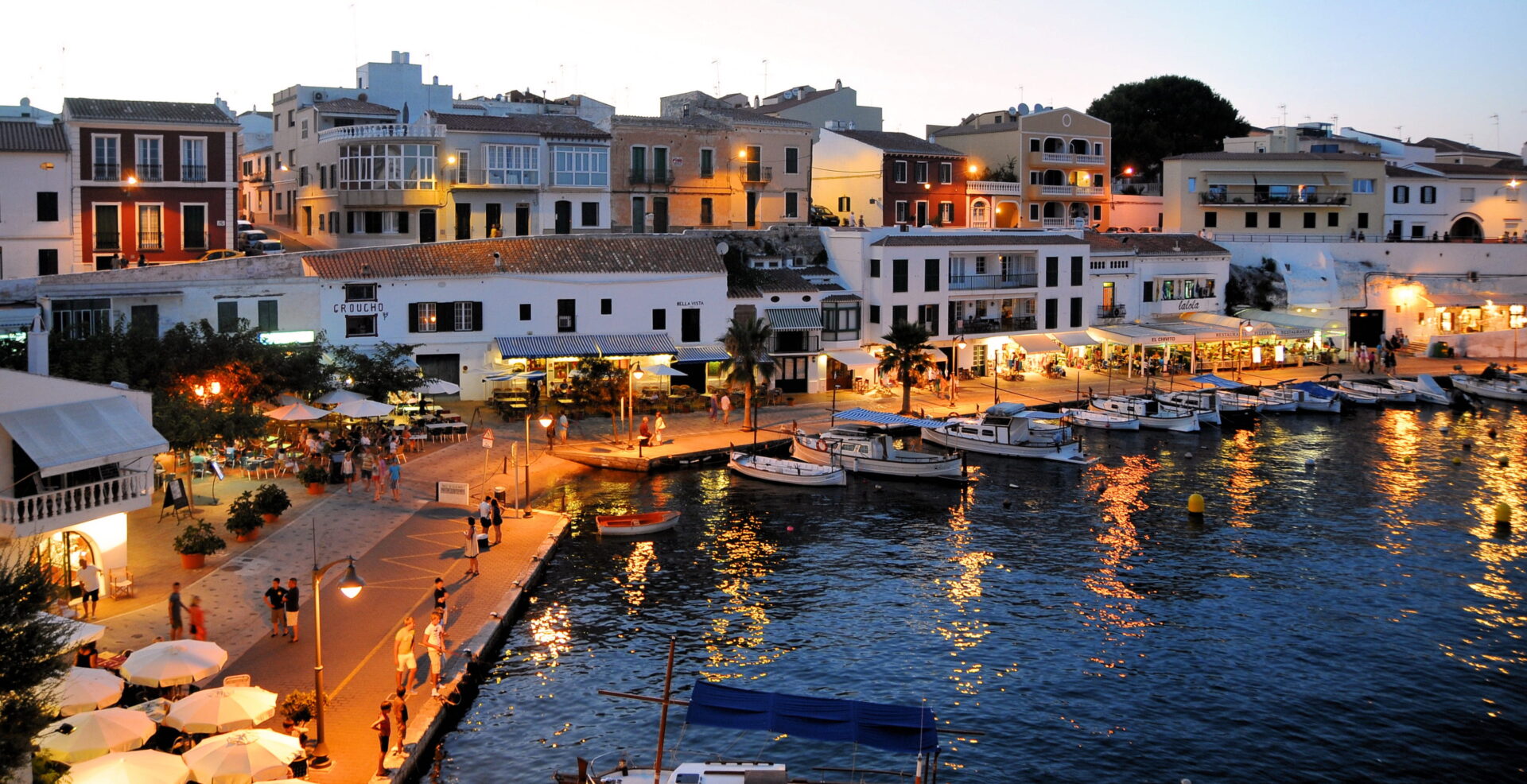
Down by the colorful harbor, fishing boats rocked gently, and quiet plazas peeked out between historic churches. Ciutadella felt both welcoming and full of old secrets.
My stroll turned into a slow, dreamy step back in time—Menorca’s most beautiful historic town really does invite you to linger.
First Impressions of Ciutadella: Arrival and Atmosphere
Arriving in Ciutadella felt like stepping into another era, where the old and new just sort of coexist. The town’s gentle energy and classic beauty set a peaceful mood right away.
Navigating the Historic Streets
As I wandered, narrow cobbled lanes and tall sandstone buildings caught the sunlight in all the right ways. Ciutadella’s streets twist and turn, opening up into small squares filled with outdoor cafés and that irresistible, quiet charm.
Landmarks like the Cathedral of Menorca suddenly pop into view, rising above the rooftops. Getting lost here is easy—and honestly, that’s half the fun.
I turned corners and found tiny bakeries with the smell of fresh ensaimadas drifting out. Shops and boutiques spill onto the sidewalks, showing off local crafts and souvenirs.
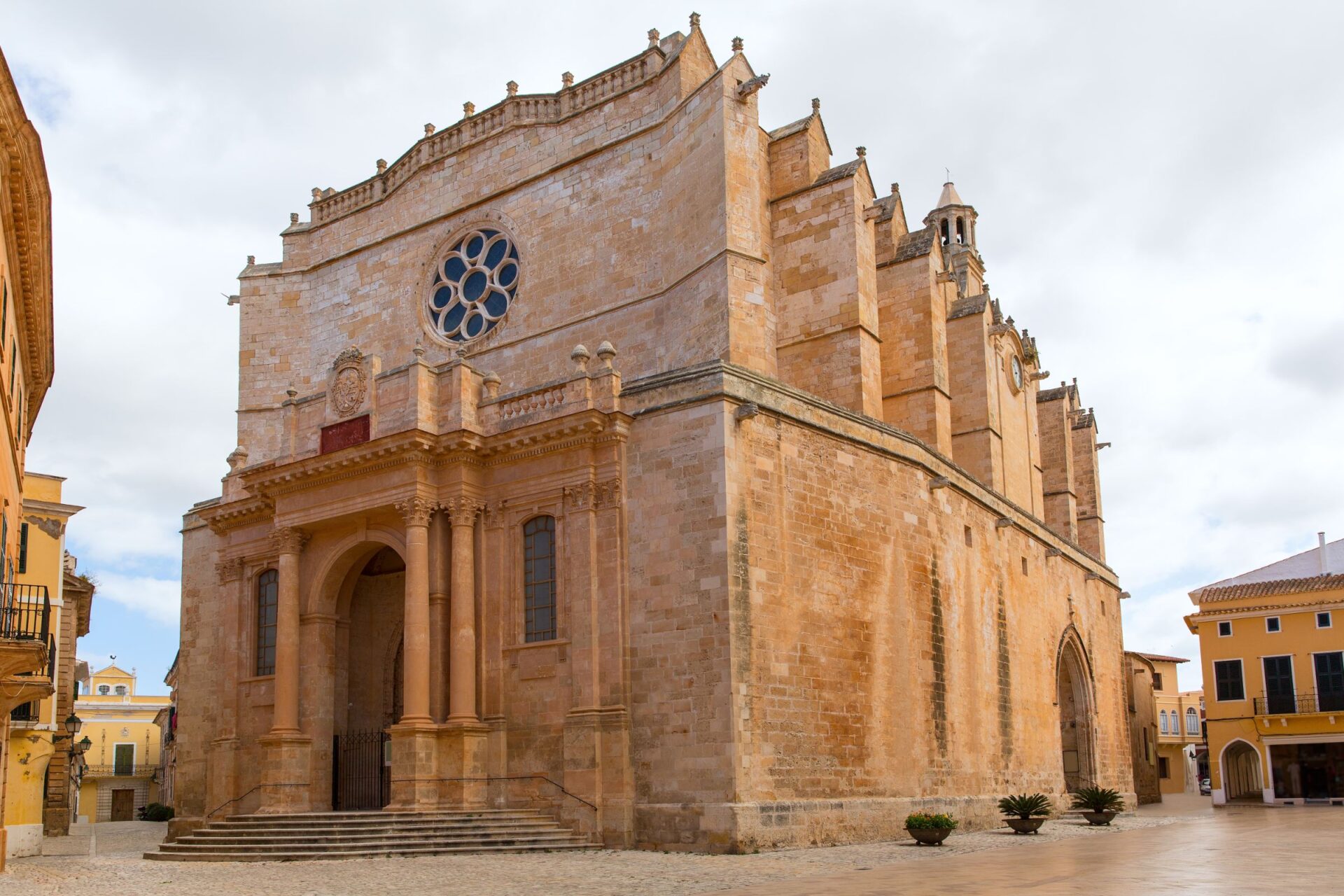
I didn’t bother much with a map; the flow of people, scooters, and laughter pulled me along. At the city’s edge, the harbor glistens with fishing boats and yachts bobbing in the sun.
Every street or square seemed to offer a moment worth snapping a photo or just stopping to soak in the centuries of history.
Warm Hospitality and Local Culture
The folks in Ciutadella really know how to make you feel at home. Friendly “Hola, bon dia!” greetings followed me everywhere, whether I was grabbing coffee or poking around the markets.
Locals love to share their town—tips on the best tapas bars, little hidden corners, or favorite bakeries come easily. The pace here is gentle, never rushed.
Family-run restaurants spill out onto flagstone terraces, with the buzz of conversation mixing with the smell of seafood paella. I’d sit at a café and watch old men play dominoes, families strolling slowly through the square.
Simple pleasures—warm sun, homemade gelato, laughter echoing down alleyways—reminded me how special it is to just slow down in this town. Menorca’s relaxed island feel is everywhere, but it’s the people who give Ciutadella its unforgettable heart.
The Legacy of Nobility in Ciutadella
As I wandered, I couldn’t help but notice the impressive presence of Ciutadella’s noble past. Elegant palaces and the vibrant energy of the main square tell the story.
Elegant Palaces and Grand Mansions
Ciutadella’s character comes from the stately mansions and palaces once owned by the island’s noble families. As I strolled, I admired grand façades like those of Palacio Salort and Palacio Torresaura.

Their ornate balconies and intricate stonework hint at stories of aristocratic life and old family traditions. Many mansions stand side by side, making a patchwork of architectural styles from different eras.
I loved peeking through heavy wooden doors and glimpsing cool courtyards with marble staircases and columns. Most are private, but sometimes they open for special events—what a treat to step inside!
Even from the street, those impressive entrances and wrought-iron gates give you a sense of how important these families once were. Their homes still set the tone for Ciutadella’s dignified, refined atmosphere.
Plaza Mayor: The Heartbeat of the Town
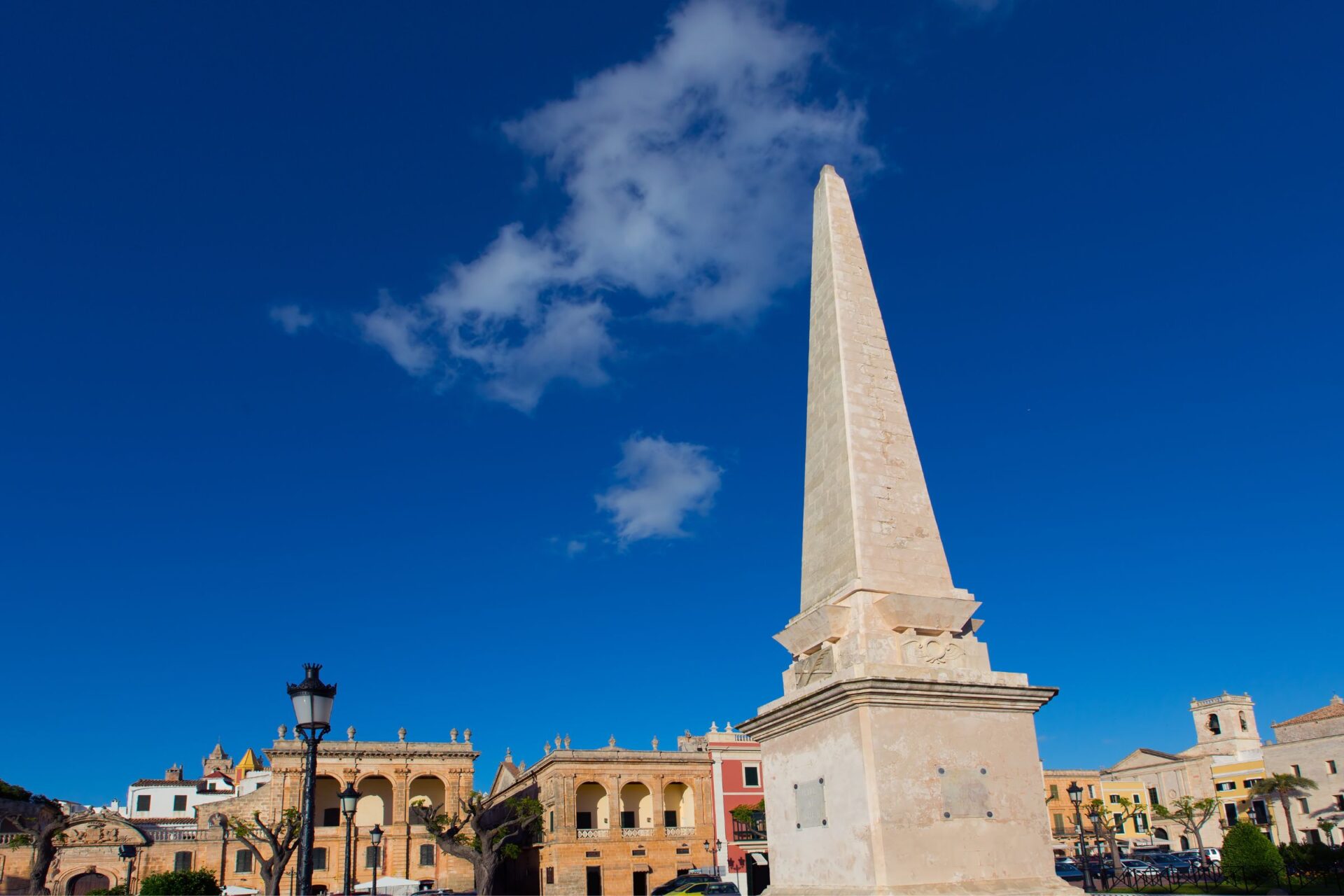
Right in the center, Plaza Mayor (or Plaça des Born) buzzes with life and echoes the town’s noble history. The nobility shaped this square, and their grand homes still watch over it.
I kept finding myself drawn back to its open space, where statues and the city hall stand tall. Locals gather at outdoor cafés, kids play on the cobbles under palm trees, and the square hosts festivals, markets, and civic events—many rooted in old customs.
From here, you can spot grand mansions and the city walls that once guarded the elite. Standing there, I felt woven into the city’s story, where noble legacy mixes with everyday life.
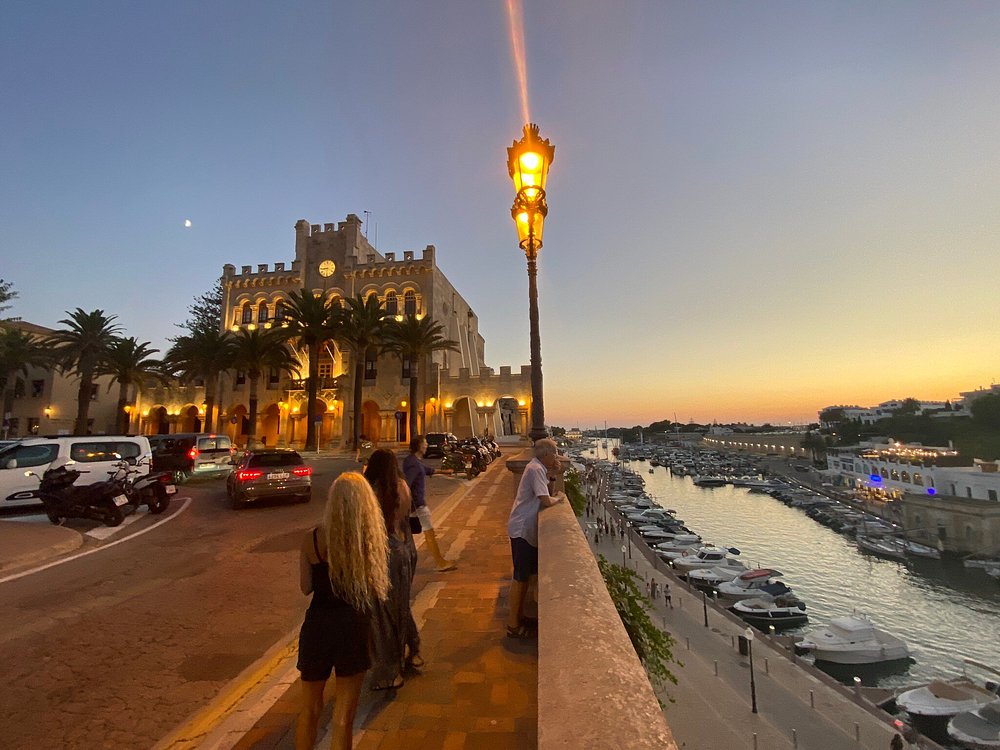
Image Source: Tripadvisor
Architectural Marvels and Historical Wonders
Walking those sun-warmed streets, I saw how Ciutadella’s architecture tells a story—faith, defense, and Mediterranean style all rolled together. Exploring these sights made me appreciate how history lives on in Menorca’s stone and streets.
The Cathedral of Menorca and Religious Heritage
Inside the Cathedral of Menorca (Cathedral Basilica of Santa Maria of Ciutadella), I felt awed by the mix of styles. Built in the 14th century on an old mosque site, its Gothic arches rise high, filled with quiet light.
The cathedral survived invasions and later restorations, so its walls hold centuries of prayers and stories. I found smaller chapels tucked into alleyways, each with simple façades and old wooden doors.
Some chapels date back to Menorca’s trading days with Barcelona and mainland Spain, mixing Catalan details with local stonework. If you enjoy old churches, Ciutadella has plenty of peaceful corners for reflection or a cool break from the sun.
Highlights to look for:
- Gothic portal of the Cathedral
- Ancient bell towers
- Ornate altar and chapels
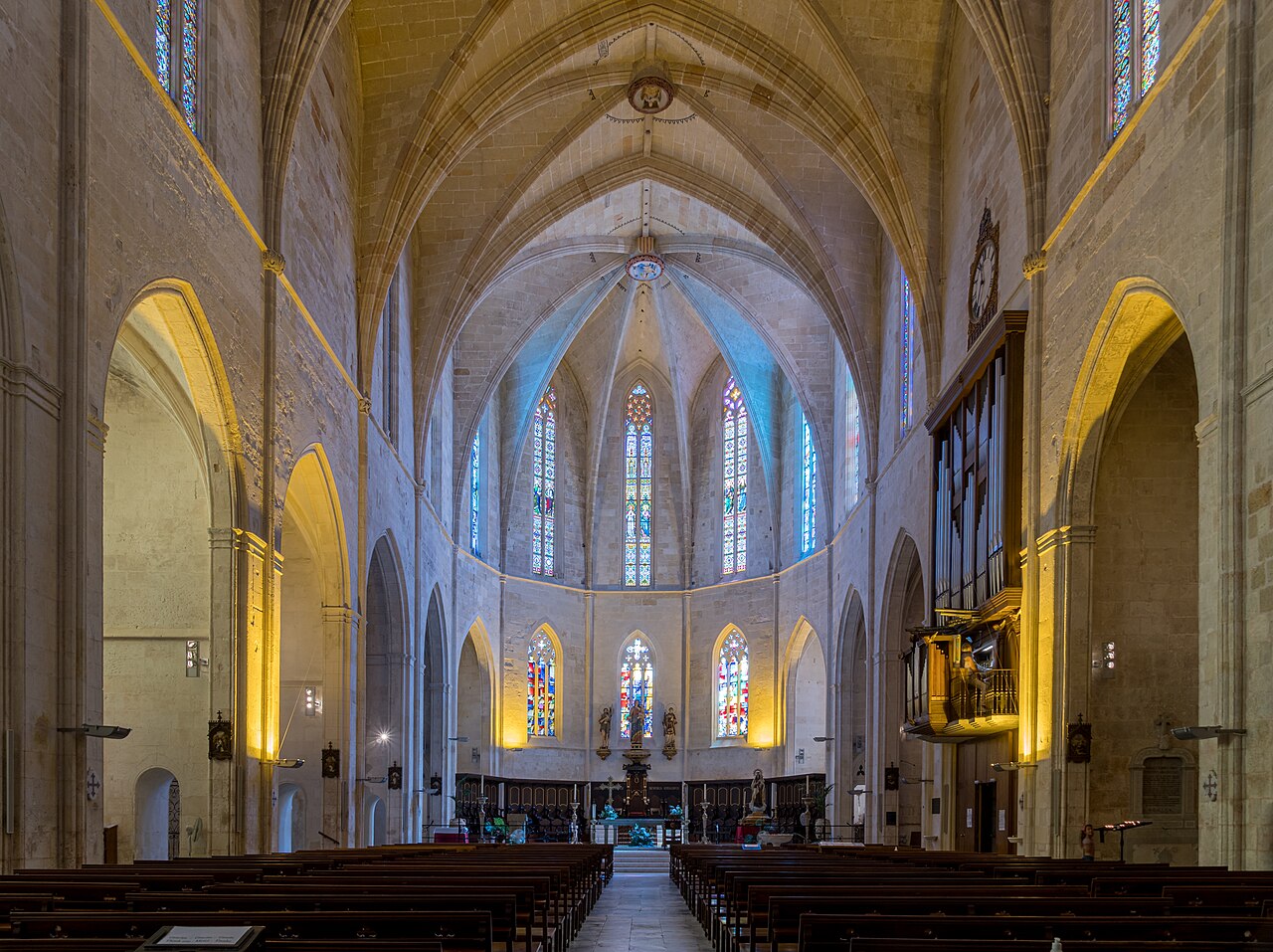
Image Source: Wikimedia Commons
Ciutadella’s Fortifications and Urban Layout
Long ago, thick walls surrounded Ciutadella for protection—think Alhambra, but way smaller. The remains of these fortifications still shape the old town, with narrow streets twisting around old towers and gates.
You can spot how history shaped the city. The main square, Plaça des Born, sits where the fortress once protected residents.
From there, cobblestone lanes lead to the port and sea gates, lined with houses showing off balconies and courtyards inspired by other Spanish cities. Signposts mark the remnants of original gates—a treat for anyone curious about medieval history.
Key features:
- Remnants of city walls and old gates
- Plaça des Born as a historic hub
- Streets built for defense, now filled with shops and cafés
Cultural Festivals and Mediterranean Flavors
When I stepped into Ciutadella, I felt surrounded by tradition and lively Mediterranean life. Festivals and local dishes bursting with flavor drew me deeper into Menorca’s unique culture.
Traditional Festivities through the Seasons
Ciutadella’s calendar stays full of celebrations. The Festival of Sant Joan in June steals the show—streets packed with people, horses parading through plazas, and fire runs lighting up the night.
Locals of all ages join in, keeping old customs alive. Other festivals mark everything from religious events to the changing seasons.
Easter and Christmas bring special processions and treats. Each season brings a reason to gather, decorate the old town, and let music drift through the streets as the sun sets.
The energy reminds me of other Mediterranean places I’ve visited—fiestas in southern Italy, or the busy streets of Malta during Carnival.
A Taste of Menorcan Cuisine
Trying the local food is a must here. Markets and restaurants overflow with fresh seafood, local cheeses, and vegetables.
I couldn’t get enough of caldereta de langosta, a rich lobster stew with crusty bread. Mahón cheese, with its salty tang, is everywhere—often paired with sobrasada, a soft sausage spiced with paprika.
Menorcan cuisine borrows from all over the Mediterranean—olive oils like Greece, fresh herbs as in France, and hearty stews you’d find in Portugal or Cyprus.

Image Source: Flickr
Here’s a quick guide to local flavors:
| Dish | Main Ingredients | Mediterranean Influence |
|---|---|---|
| Caldereta de langosta | Lobster, tomato, garlic | Spain, Italy, France |
| Mahón Cheese | Cow’s milk, sea salt | France, Greece |
| Ensaimada | Pastry, sugar, lard | Malta, Spain |
Festivals That Bring Ciutadella Alive
The Festival of Sant Joan truly takes over the town. Horses, called “caixers,” and their riders show off in parades while crowds cheer them on.
Bonfires crackle in the old squares, echoing celebrations I’ve seen in Malta and Portugal. Summer nights bring music festivals and traditional dances, inviting locals and travelers to join the fun.
Even in quieter months, smaller fairs fill the streets with food stalls and laughter. Attending these events let me meet people and try regional snacks—it’s that Mediterranean hospitality, connecting places from Cyprus to the fishing villages of France.
Each festival in Ciutadella mixes local pride with a welcoming spirit, making it easy for anyone to join in the fun.

Image Source: Wikimedia Commons
Day Trips and Inspiring Escapes Beyond the Old Town
Leaving Ciutadella’s old streets behind for a day opens up a whole new side of Menorca. Rugged coastlines, quiet beaches, and natural wonders are just a short trip away.
Hiking Adventures and Coastal Walks
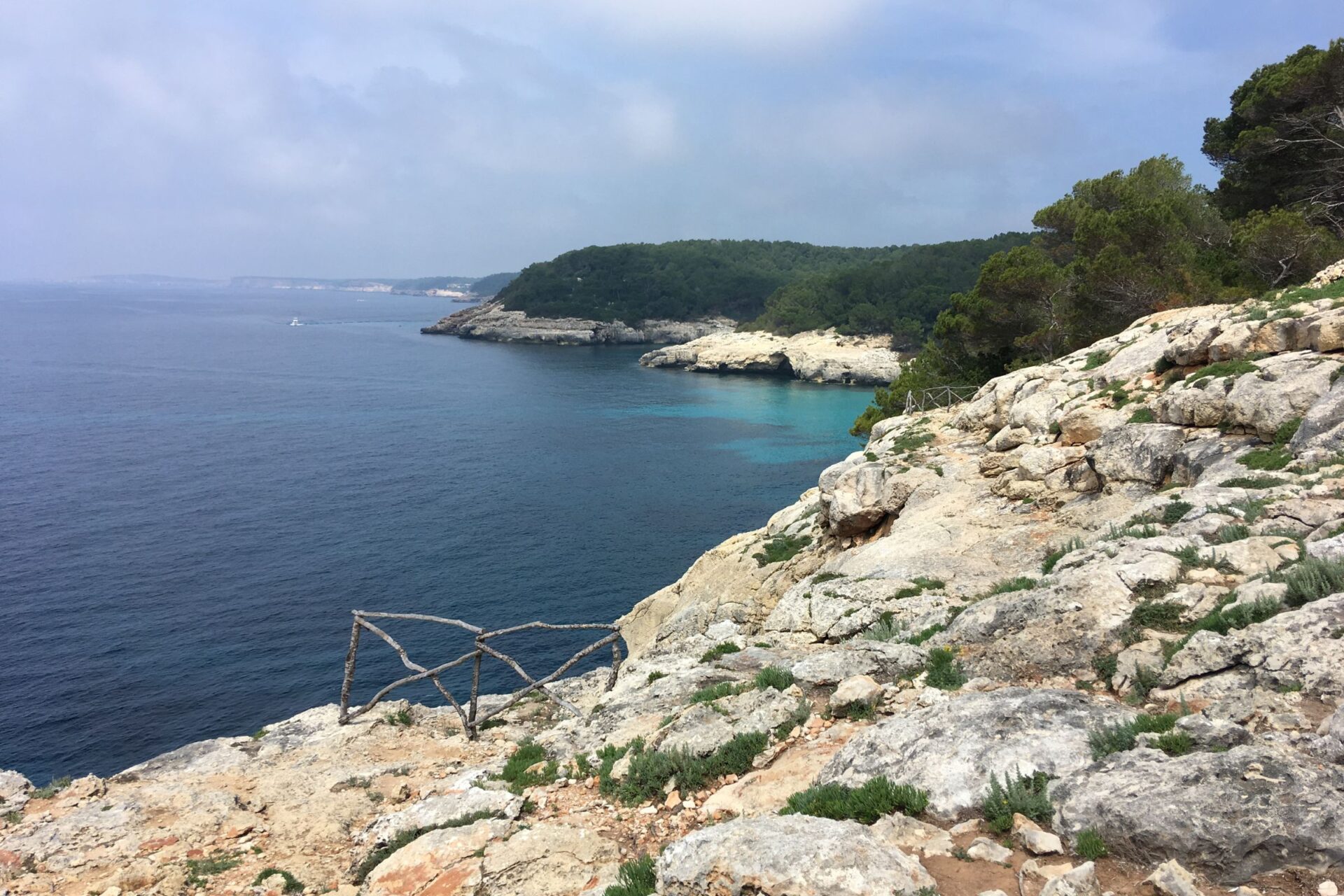
One morning, I laced up my shoes and set out on the Cami de Cavalls. This ancient trail circles Menorca’s coast, showing off dramatic cliffs and endless sea views.
The path changes from easy walks near Cala’n Bosch to tougher hikes toward Algaiarens. I always bring water, sturdy shoes, and a snack—the Menorcan sun can be relentless, and shade is scarce.
Even beginners can enjoy short coastal walks right outside the city. Local tourism offices offer “survival guides” and maps, making self-guided hikes simple.
Wildflowers and warm breezes usually keep me company. Sometimes, it’s just me, the sound of my footsteps, and the distant call of seabirds.
Hidden Beaches and Secret Coves
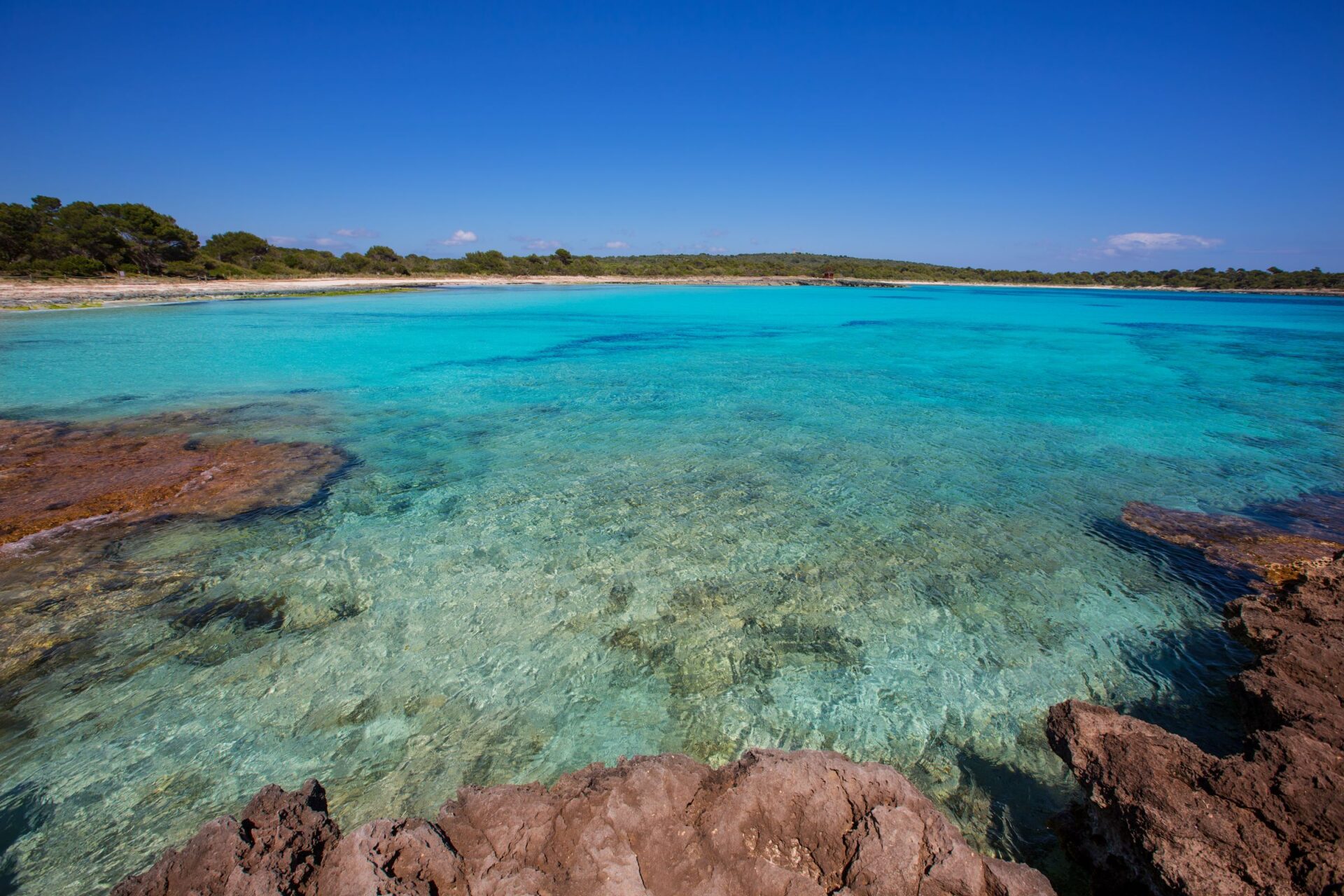
Step outside Ciutadella’s walls and you’ll find the coastline hiding secret escapes. South of town, coves like Macarella and Turqueta show off with white sand and turquoise water.
If you head slightly east, you’ll stumble on Son Saura. It feels quieter early in the day—a peaceful spot if you’re into morning swims.
You can reach some beaches by car or bus, no problem. For others, you’ll need to hike through pine forests or follow rocky paths. Honestly, that just adds to the adventure.
I always toss a small towel, plenty of sunscreen, and water into my bag before heading out. Early mornings or late afternoons? Those are the best times. You’ll dodge the big crowds and catch the sunlight when it’s soft, making the water really sparkle.
I can’t help but wander off the main paths now and then. Even during the busiest months, you’ll find hidden stretches of sand if you’re willing to walk just a little farther.
Exploring Montserrat and Nearby Wonders
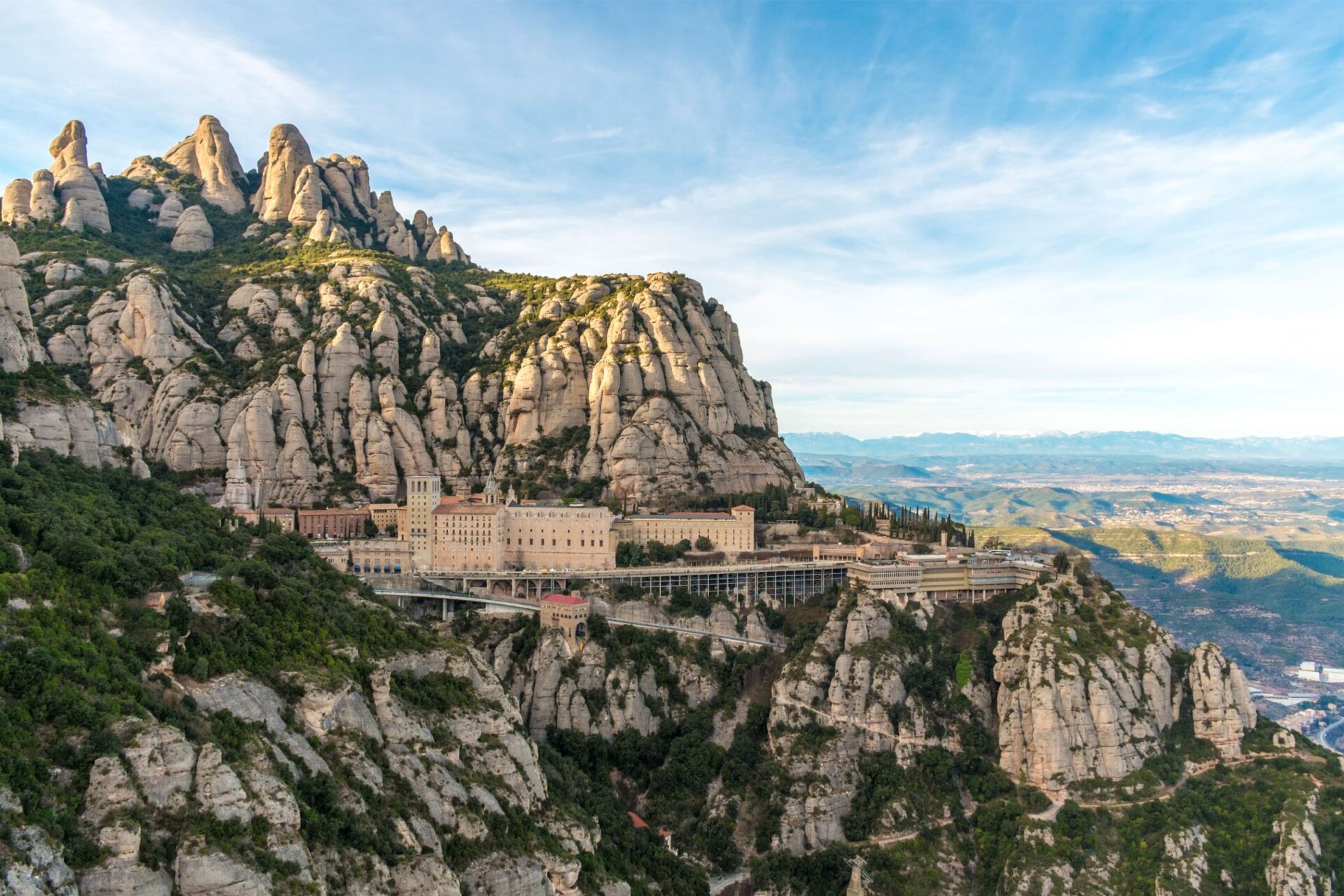
A day trip out to Montserrat isn’t the most obvious choice, but honestly, it’s so worth it. Most people rush to Majorca’s mountain, but Menorca has its own quiet hills and hidden sanctuaries just outside Ciutadella.
Locals sometimes call these spots “Mini Montserrat.” I ended up at Ermita de Sant Joan, tucked away in the green countryside.
It’s a peaceful little retreat—great for just stopping and thinking for a while. If you’re looking for something different, you can join organized tours with stops at archaeological sites like Naveta d’Es Tudons.
Some tours lead you along gentle cycling routes through rural farmland. I keep noticing those ancient stone walls and old farmhouses—they really make you feel Menorca’s long history.
When the sea gets a bit too much, these inland escapes clear your head. Just spending a few hours outside Ciutadella lets you see a quieter, almost hidden side of the island.


