
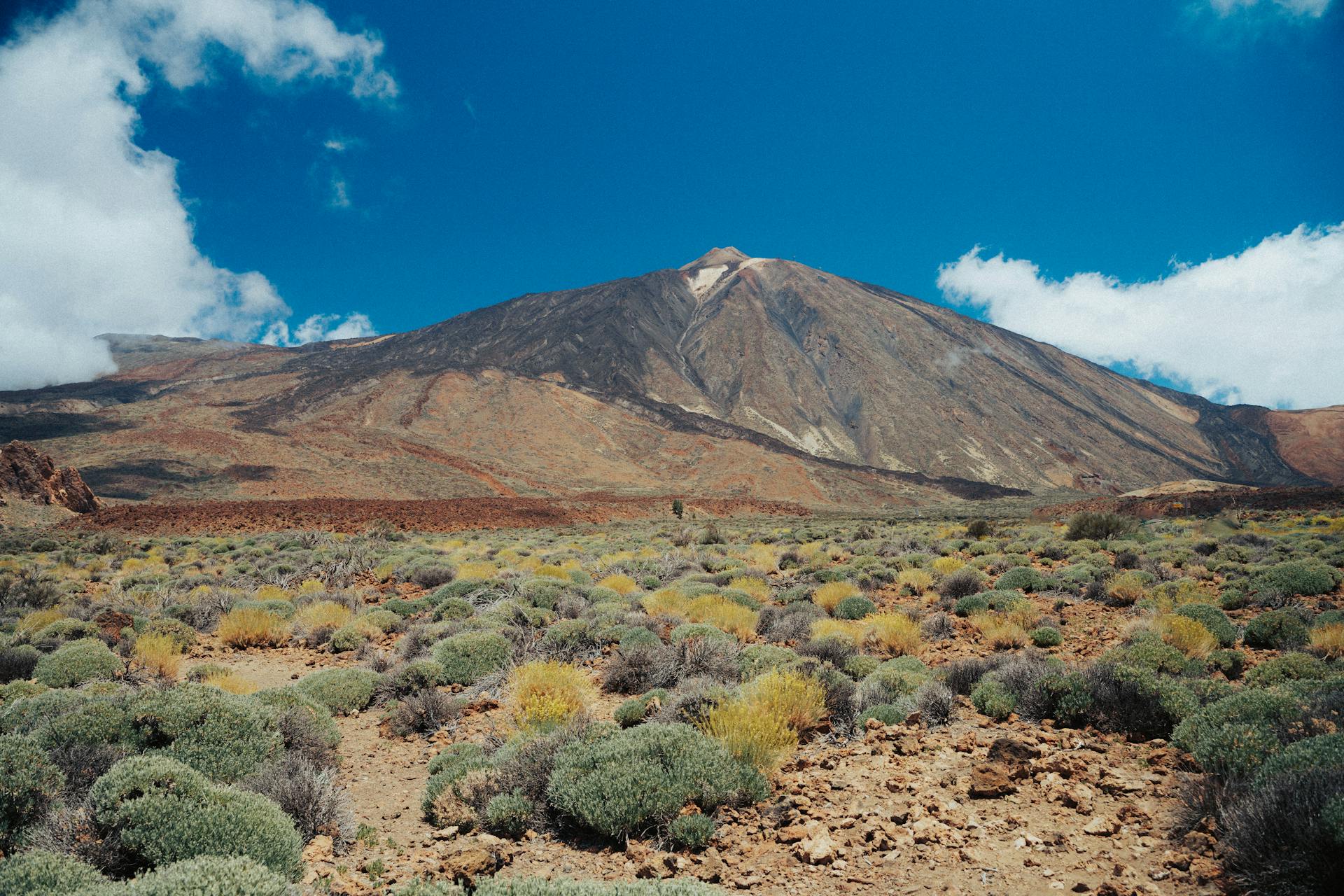
There’s this moment I’ll never forget—standing at the summit of Mount Teide, gazing down at clouds floating way below my feet. Mount Teide rises to 3,718 meters above sea level, making it Spain’s highest point, and reaching the top feels both exhilarating and oddly humbling.
The landscape shifts with every step. I walk from ancient volcanic rock to sweeping views of Tenerife, and if I’m lucky, I catch sight of the neighboring Canary Islands on a clear day.
When I explored this giant volcano, it quickly made sense why travelers flock here from all over. The crisp air at the summit, the stark lava fields, and the rush of riding the cable car or hiking the trails all add up to an experience I still can’t quite believe.
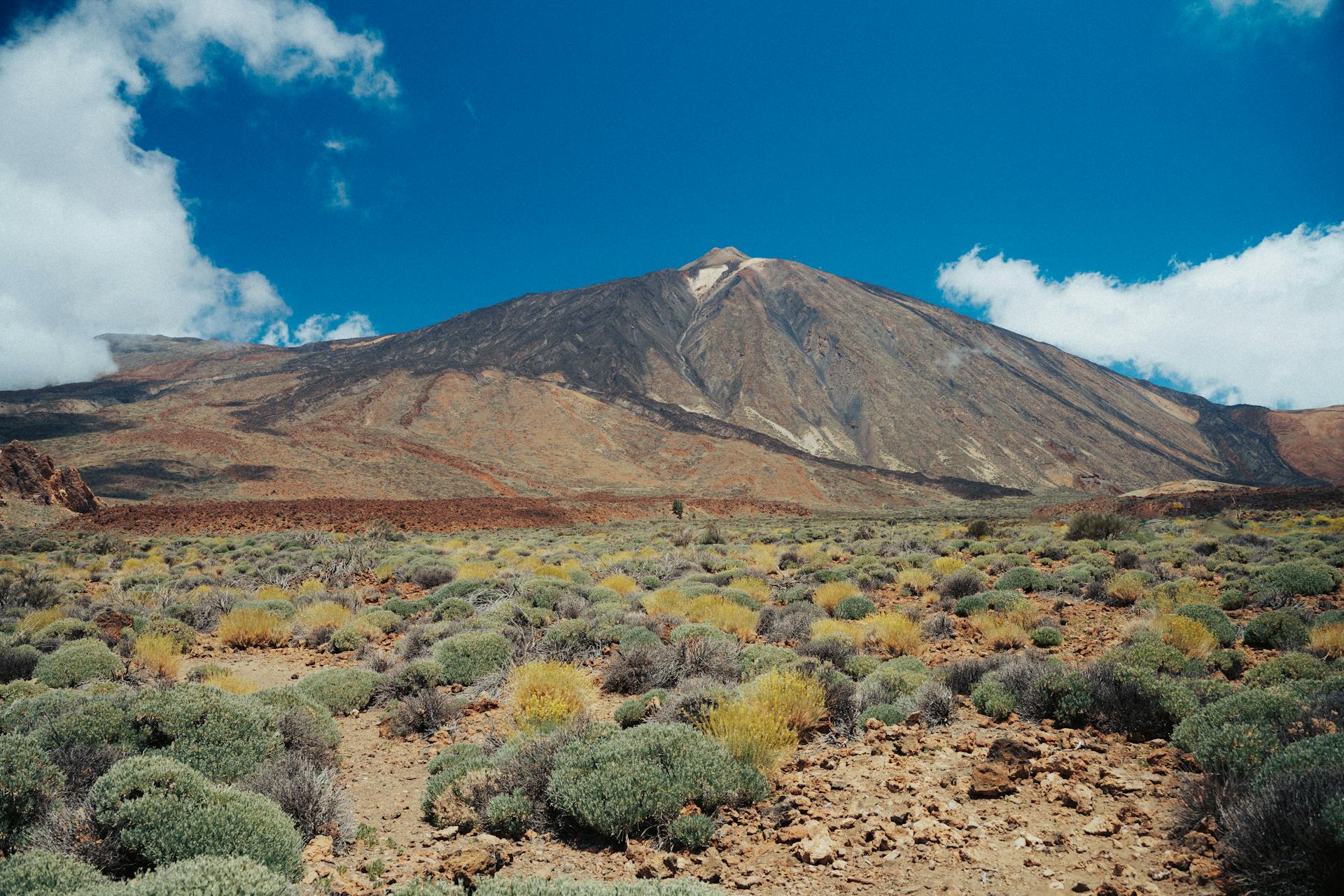
There’s a strange magic in knowing I’m standing on land shaped by fire and time. Up in that high silence, my everyday worries just seem to melt away.
If you’re after that feeling of being uplifted—literally and emotionally—while exploring one of Europe’s natural wonders, you really can’t skip Mount Teide. Standing above the clouds, it’s clear this peak is more than just a mountain. It’s a journey that sticks with you.
Why Mount Teide Feels Like the Top of Spain
Climbing Mount Teide isn’t just about bagging the highest summit in Spain. It’s about embracing wild, high-altitude landscapes, soaking in those jaw-dropping views, and feeling the thrill of standing where the air gets thin.
A Journey Above the Clouds
Climbing Mount Teide takes me way above the clouds, sometimes long before I even reach the top.
The winding road and trails wind through forests, then up into rocky, volcanic soil.
Partway up, the landscape suddenly turns otherworldly. Sometimes clouds form a sea below, making Tenerife’s towns look like tiny islands.
Honestly, the scenery shift always feels a bit magical. The air is fresher, thinner, and noticeably cooler.
A lot of people take the cable car partway. I’ve watched the view change from green forests to rough volcanic rock in just minutes.
Once I’m above the clouds, the sun feels stronger and the sky turns a deep, brilliant blue.
Standing on Spain’s Highest Peak
Mount Teide isn’t just any mountain. At 3,718 meters (12,198 feet), it towers over the rest of Spain.
Reaching the summit feels like more than a physical challenge—it’s a real point of pride for me.
Each step brings thinner air, and I find myself breathing harder. Even seasoned hikers can get headaches or a bit dizzy up here.
Standing right at the top, I get this crazy clear, panoramic view. On a good day, I can spot other Canary Islands way off in the distance.
It really does feel like standing on Spain’s rooftop, looking out across land and sea.
The Unique Allure for Adventurous Souls
Teide has this pull that keeps bringing back travelers and adventure-seekers, myself included.
The volcano’s sheer size and rugged beauty set it apart from anywhere else I’ve visited in Europe.
Climbing Teide means walking on ancient lava flows, spotting weird rock formations, and watching the colors shift as the sun moves. Every twist in the trail brings something new.
The trails can be tough, but honestly, that’s half the fun. Whether I ride the cable car or hike all the way, reaching the summit always feels worth it.
If you love exploring and pushing your limits, Teide delivers a rare feeling of achievement and wonder.
Planning Your Mount Teide Experience
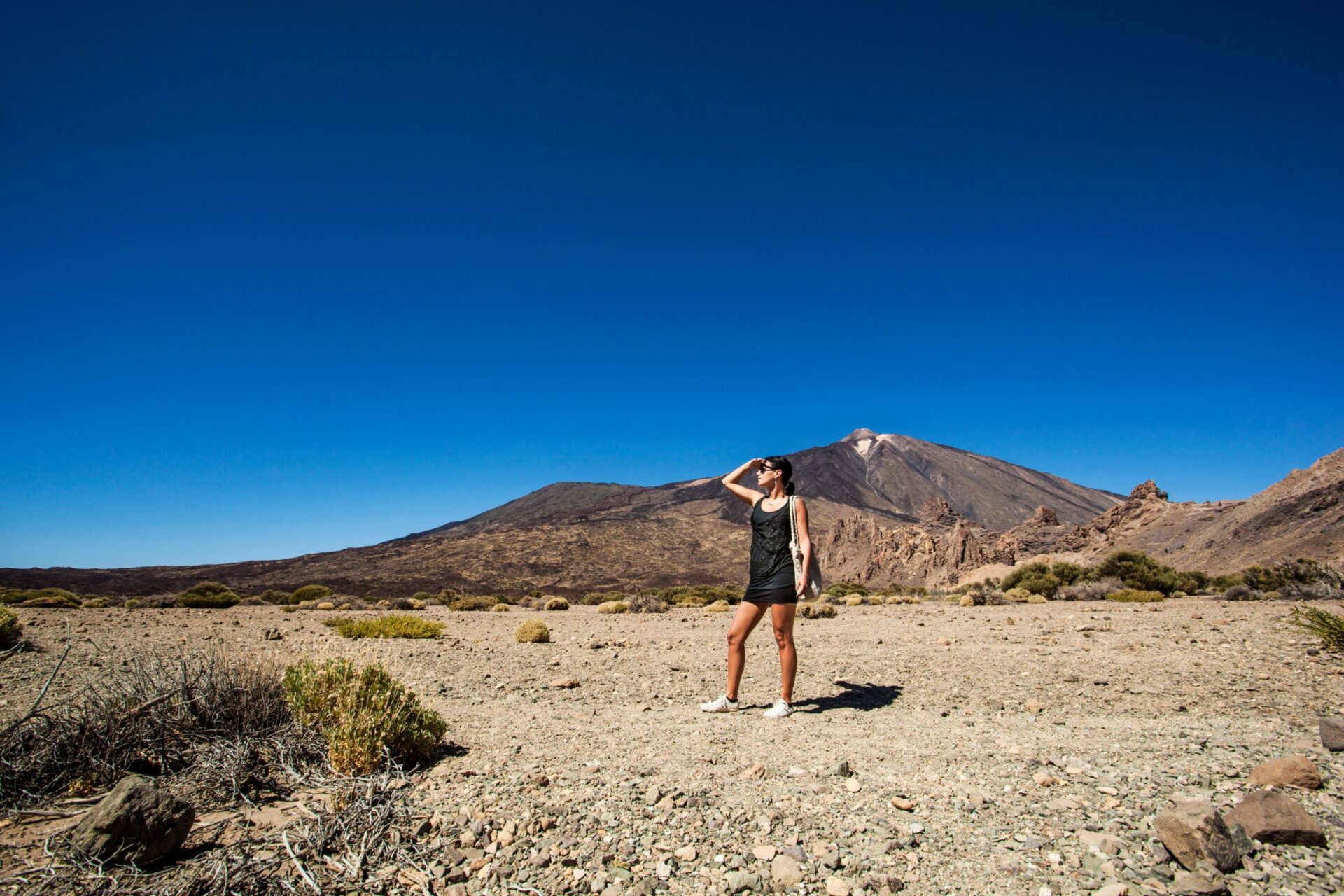
There’s nothing quite like standing on a volcano and seeing the Canary Islands stretched out below. Planning my Mount Teide adventure took a bit of prep—choosing the right time, sorting permits, and figuring out what to pack.
When and How to Visit
Spring and fall are the best times for a Mount Teide hike. I found May and September to be ideal—pleasant weather and way fewer crowds than in summer.
It gets cold near the summit, no matter the season, and snow or ice can show up in winter.
Getting there isn’t complicated. I drove up the winding mountain roads, but buses run daily from Santa Cruz and other big towns on Tenerife.
There’s a big parking lot near the cable car base, so parking was easy for me.
Most people use the cable car to get close to the top—it’s much quicker and way less tiring than hiking the whole way. It runs from morning to late afternoon, but strong winds can shut it down, so I always check updates before heading out.
Permits and Access Requirements
To stand at the very top of Teide, I needed a special permit. It’s free, but spots fill up fast, especially in busy months.
Permits are only needed for the last section of the climb—the Telesforo Bravo Trail that leads to the actual summit.
I booked mine online through the Teide National Park website. The permit comes with a specific time slot, so I had to plan my cable car ride or hike to match.
Guards check permits at the final checkpoint. I always make sure to have a printed or digital copy ready.
The lower trails and the cable car don’t require a permit, so even without one, there’s still a ton to see and do.
What to Pack for the Ascent
Packing for Teide felt like prepping for two totally different climates. I wore layers—a warm fleece, a windproof jacket—because it’s much colder at the top than down by the coast.
Good hiking boots are a must. The volcanic rocks can be loose and sharp, and I’ve seen more than one person slip.
Here’s a quick packing list that worked for me:
| Must-Haves | Optional Extras |
|---|---|
| Water (at least 2L) | Sunglasses |
| Snacks or energy bars | Trekking poles |
| Sunscreen & lip balm | Lightweight gloves |
| Hat or beanie | Camera |
| Warm layers | Extra socks |
I always bring plenty of water and high-energy snacks. The sun is strong up there, even when it’s cool, so sunscreen and a hat aren’t optional.
A small backpack fits everything I need without weighing me down.
Choosing Your Adventure: Ways to Reach the Summit
Mount Teide gives you a few ways to get above the clouds and take in the volcanic landscape. Whether you’re all about the hike, want a comfier ride, or prefer expert guidance, there’s something for everyone.
Hiking Routes and Trekking Tips
Walking up the Montaña Blanca Trail was honestly unforgettable. It’s the most popular path up the volcano.
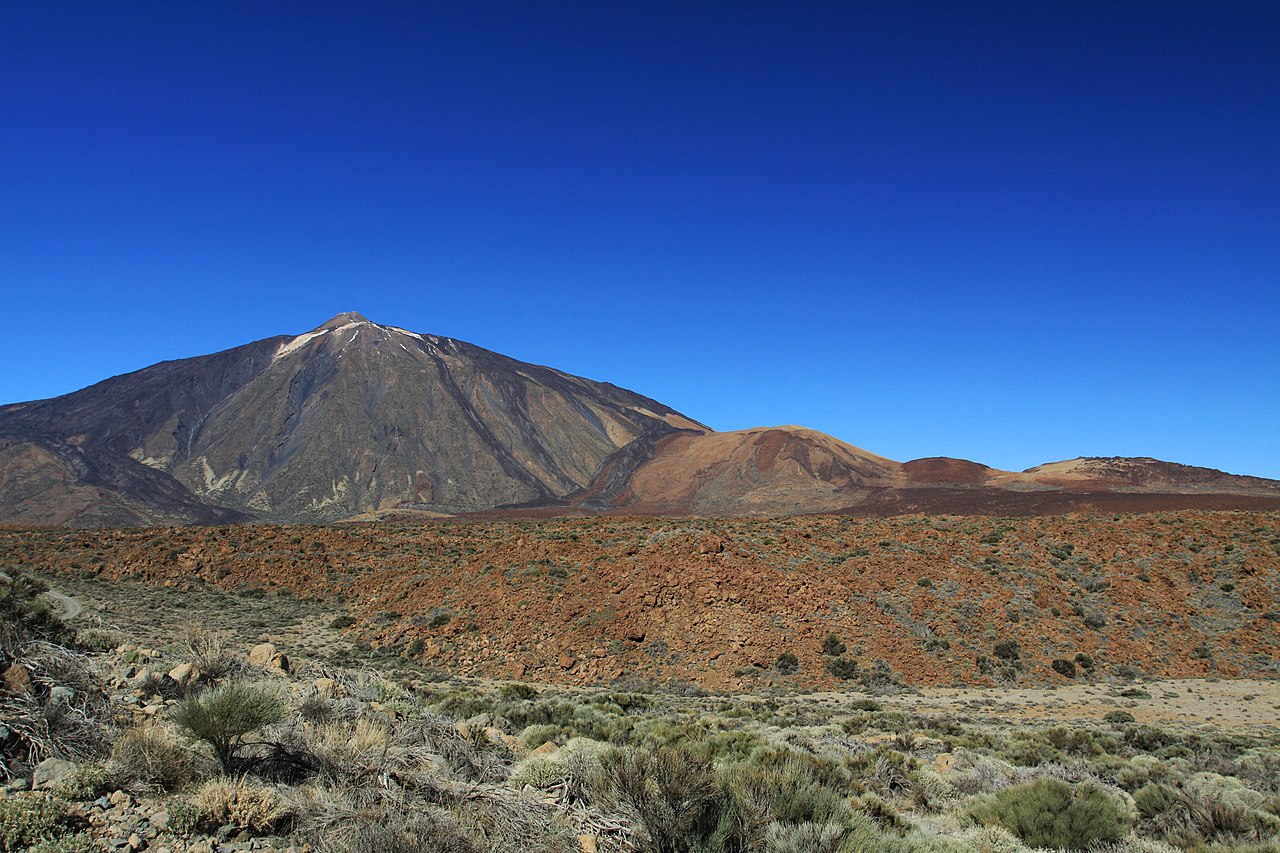
Image Source: Wikimedia Commons
It’s about 8.3 km to the Altavista Refuge, and after the first few kilometers, the trail gets steep and I had to stop more than once to catch my breath.
The volcanic scenery and the wide-open views made every sweaty pause worth it.
The last stretch from Altavista Refuge to the summit needs a permit, so I applied weeks ahead since spots are limited. Sturdy boots are essential here—loose rocks can make things slippery.
I packed layers because the temperature drops fast as I climbed.
Starting early helped me avoid the harsh midday sun, and I drank plenty of water because the air is so dry.
Here’s what I brought to make the trek more comfortable:
| Item | Why It’s Needed |
|---|---|
| Water bottle | Prevent dehydration |
| Sun protection | Intense, year-round sun |
| Layered clothing | Chilly and windy at top |
| Snacks | Energy boosts |
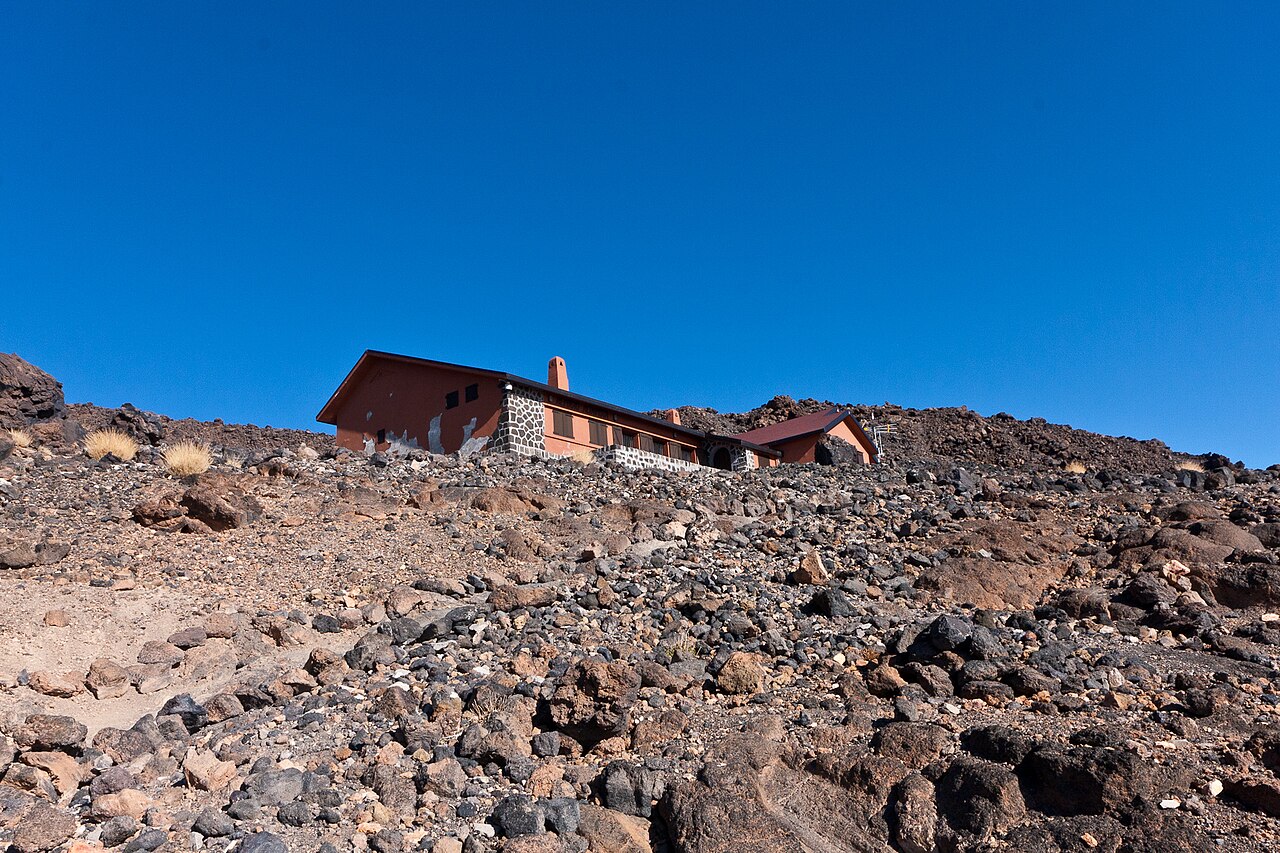
Image Source: Wikimedia Commons
Taking the Cable Car
If you want to skip the long hike, the cable car is honestly a lifesaver. I bought tickets online ahead of time, since it sells out a lot.
The cable car station sits at 2,356 meters, and in about eight minutes, it whisks you up to 3,555 meters.
You don’t need any special skills—just hop in and enjoy the ride. The windows give you panoramic views of the lava fields and caldera below.
From the upper station, a few short trails take you close to the summit, but you’ll still need a permit for the last bit.
If you’re not up for a tough hike, this is the best way to experience Teide’s heights with minimal effort.
Dress warmly, though. Even on a short ride, the altitude can make some people feel dizzy.
Guided Tours Versus Independent Exploration
I had to pick between going with a guide or heading up solo. Guided tours made things simpler for me—my guide handled permits and knew the safest paths.
Joining a group meant I met other travelers and learned local stories and geology from someone who grew up on Tenerife.
Going independently, I had more freedom to set my own pace and stop for photos or snacks whenever I wanted.
But I had to manage my own safety, navigation, and permits. If you’re new to hiking at altitude or just want a stress-free day, booking a guide is probably your best bet.
Here’s a quick breakdown:
| Option | Best For |
|---|---|
| Guided Tour | Beginners, solo travelers, anyone wanting info on nature and geology |
| Independently | Experienced hikers, those seeking flexibility and privacy |
Discovering the Magic of Teide National Park
Mount Teide and its national park offer so much more than just a climb to Spain’s highest peak. I found myself wandering through landscapes that felt otherworldly, spotting rare plants and animals, and watching the sky turn into a planetarium after dark.
Lunar Landscapes and Volcanic Wonders
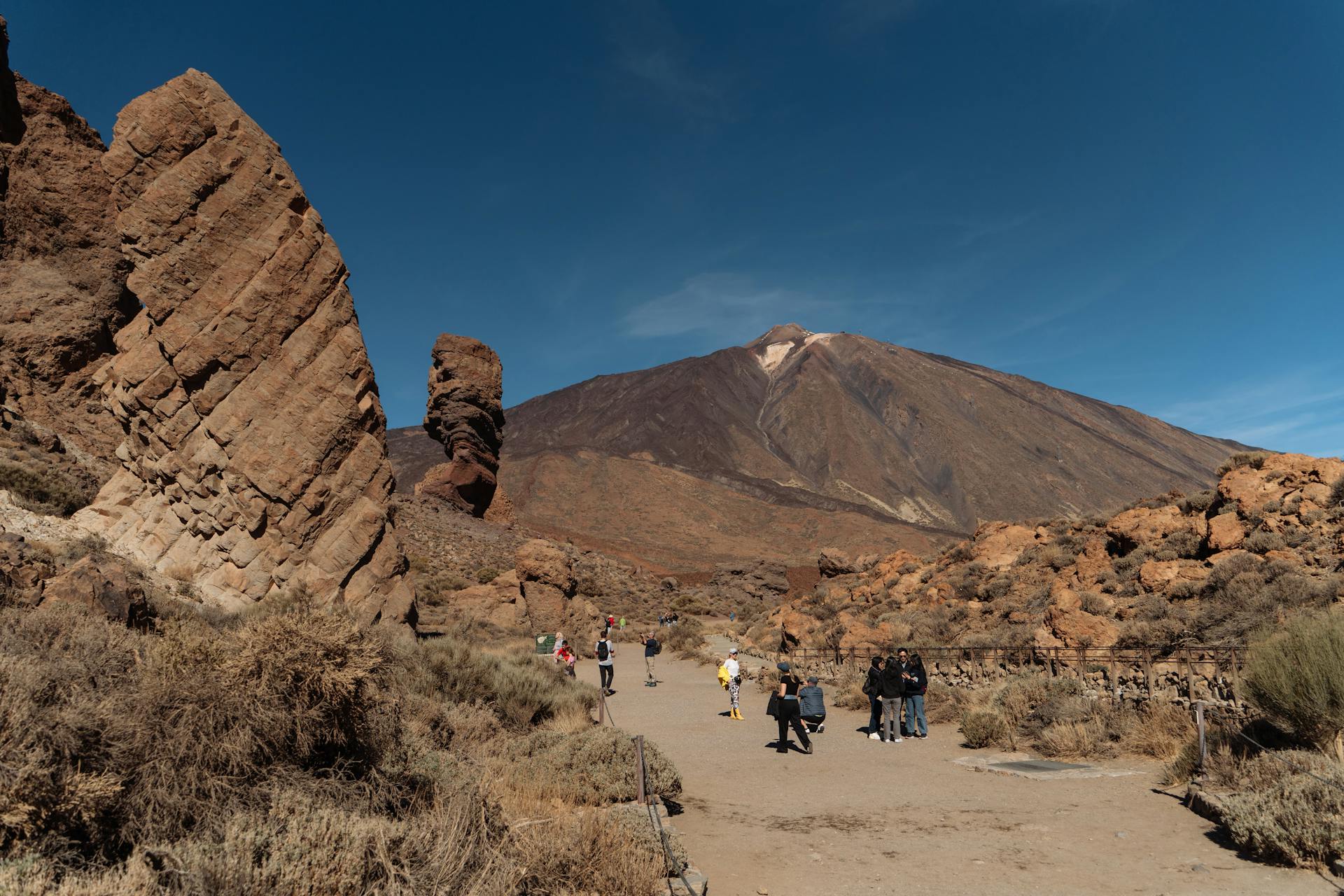
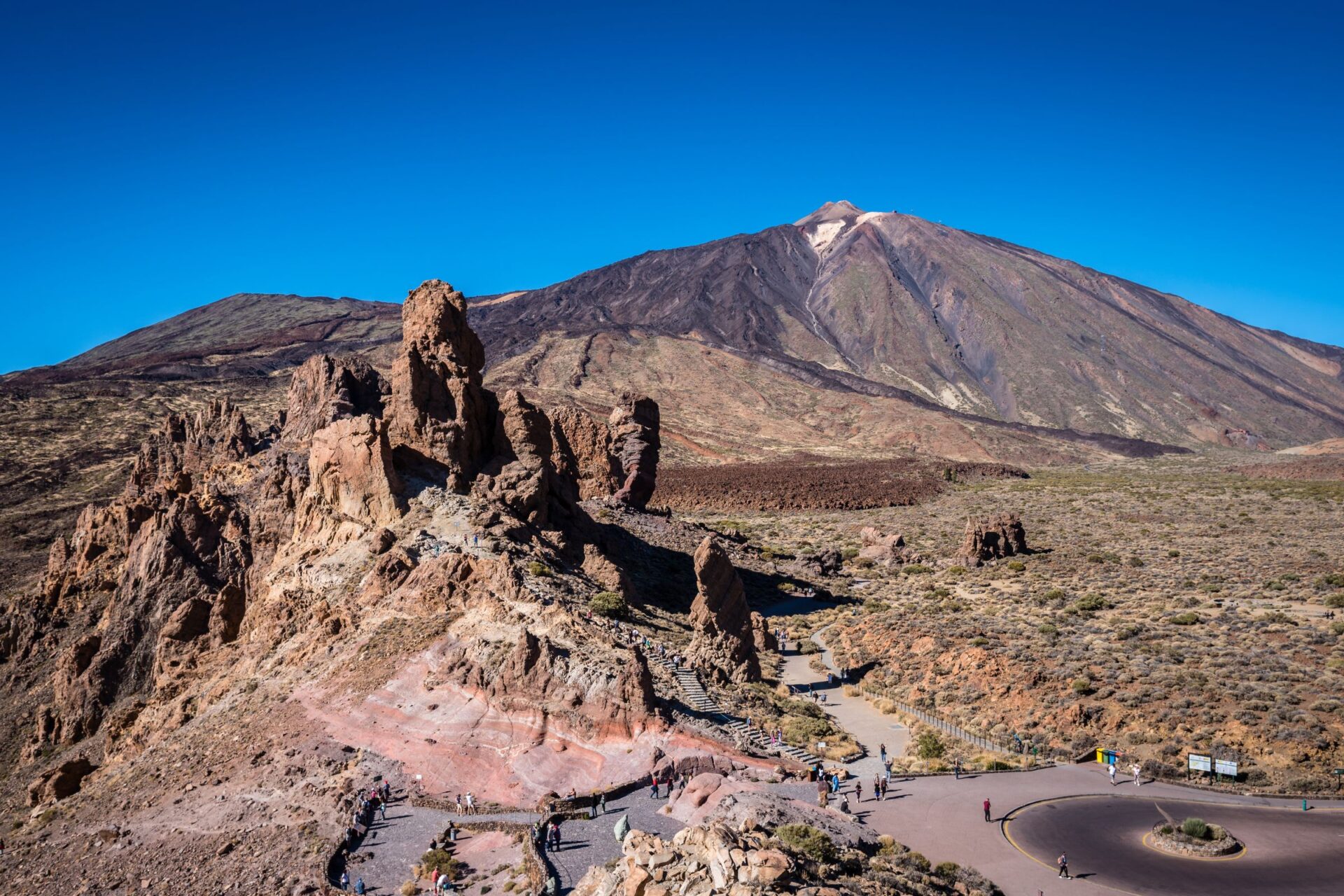
Walking through Teide National Park felt like landing on another planet. The ground is rough with lava flows, black rocks, and reddish earth.
I noticed strange rock shapes—like Roque Cinchado—that create an almost moonlike scene.
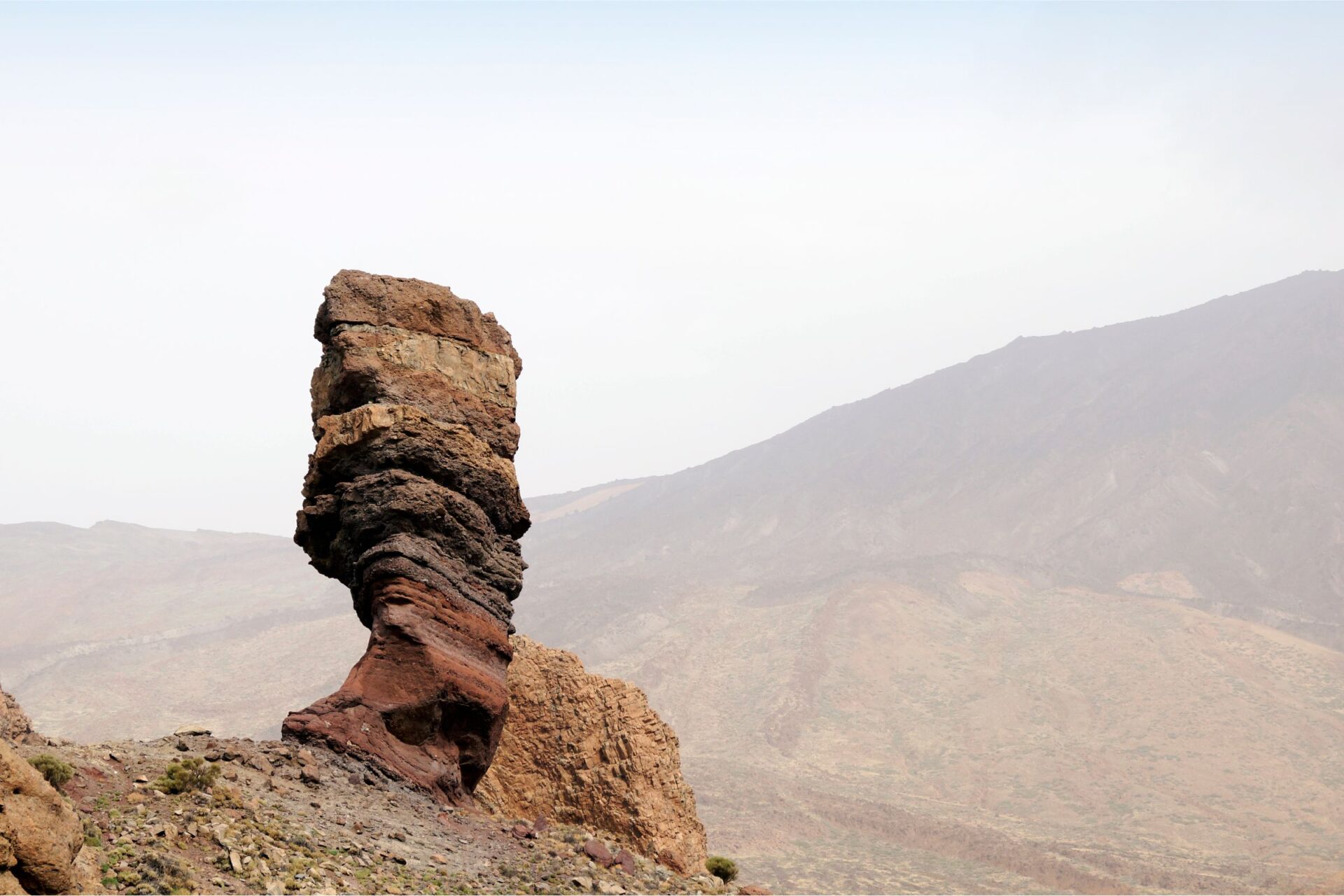
Hiking trails wind through these volcanic fields, with views stretching across Tenerife and out to sea.
The air smells faintly of minerals and sulfur, a reminder that this volcano is still very much alive. Sometimes, clouds drift below, making the peaks look like islands in the sky.
Quick Tips:
- Start early in the morning to avoid crowds.
- Wear sturdy shoes—the terrain is rough and rocky.
Wildlife and Endemic Flora
Teide National Park surprised me with its wildlife and unique plants. I watched canaries hop between the bushes and spotted lizards basking on warm stones.
You’ll only find these creatures here or on the Canary Islands.
In spring, the park bursts with color. Sometimes I spot the famous Teide flower—a tall, red plant standing out against the rocks.
Other times, patches of yellow and purple flowers pop against the black lava. These plants survive harsh sun and cold winds, which is honestly impressive.
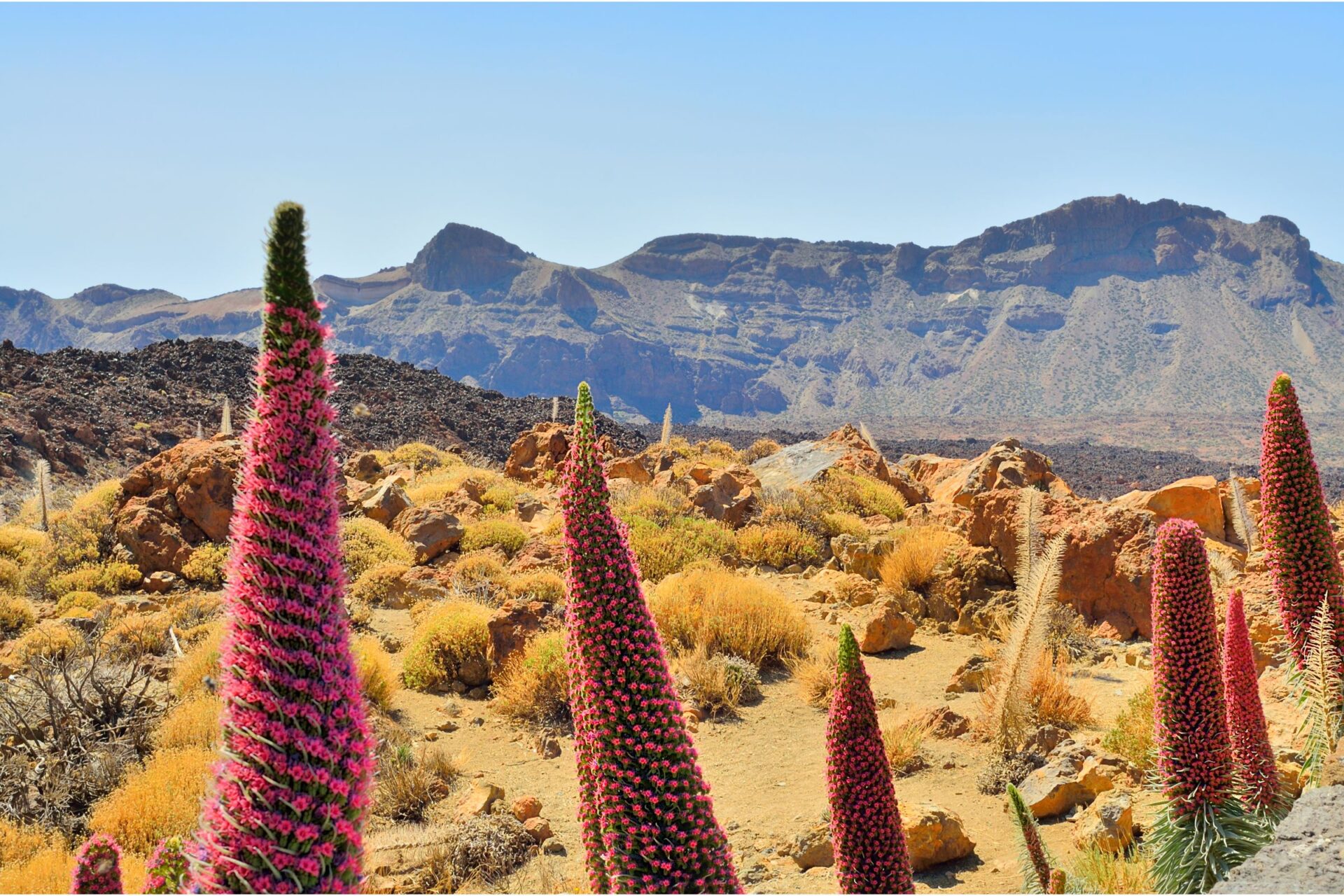
I learned not to pick flowers or rocks—the park works hard to protect its fragile habitats.
Stargazing Under Pristine Skies
When night falls, Teide turns into one of the best places for stargazing in Europe. Thanks to its high altitude and super-clear air, I see stars brighter and closer than almost anywhere else.
One night, I joined a stargazing tour. We used telescopes to spot Saturn’s rings and the glowing arm of the Milky Way.
The guides pointed out constellations while I wrapped myself in a jacket—the night air gets chilly, even in summer.
For me, seeing the night sky from Teide is a real highlight. If you love astronomy or just want a quiet moment under the stars, it’s unforgettable.
What you need for stargazing:
- Warm clothing (it gets chilly)
- A flashlight or headlamp
- Optional: Binoculars or a camera for long exposures
Moments That Will Elevate Your Soul
Breathing in the crisp mountain air atop Mount Teide, I felt a deep sense of peace and awe. Every visit brings special moments—golden light at dawn, clear panoramic vistas, and that rare feeling of being truly above it all.
Sunrise and Sunset at the Summit
Standing above the clouds, with the sky splashed in orange and purple, I realized there’s nothing quite like sunrise on Mount Teide.
The air feels chilly and still in those early hours. Watching the first light creep over the horizon is honestly kind of magical.
Sunsets up here? Just as unforgettable. In the evening, the landscape glows with these soft reds and golds.
Shadows from the volcanic rocks stretch across the ground. Sometimes I spot Teide’s triangle-shaped silhouette cast onto the clouds below.
It’s a popular time for photos, but also just to pause and think. The silence calms me, broken only by a gentle breeze or a few quiet voices from other hikers.
Tips for sunrise/sunset:
- Bring warm clothes—it’s cold up top, even in summer.
- The cable car works for most people, but I really liked hiking for the full experience.
- Book your summit permit in advance if you want to reach the peak.
Capturing Unforgettable Views
Mount Teide’s summit just blows you away with a 360-degree view of the Canary Islands. On clear days, I could spot La Gomera and even Gran Canaria way out on the horizon.
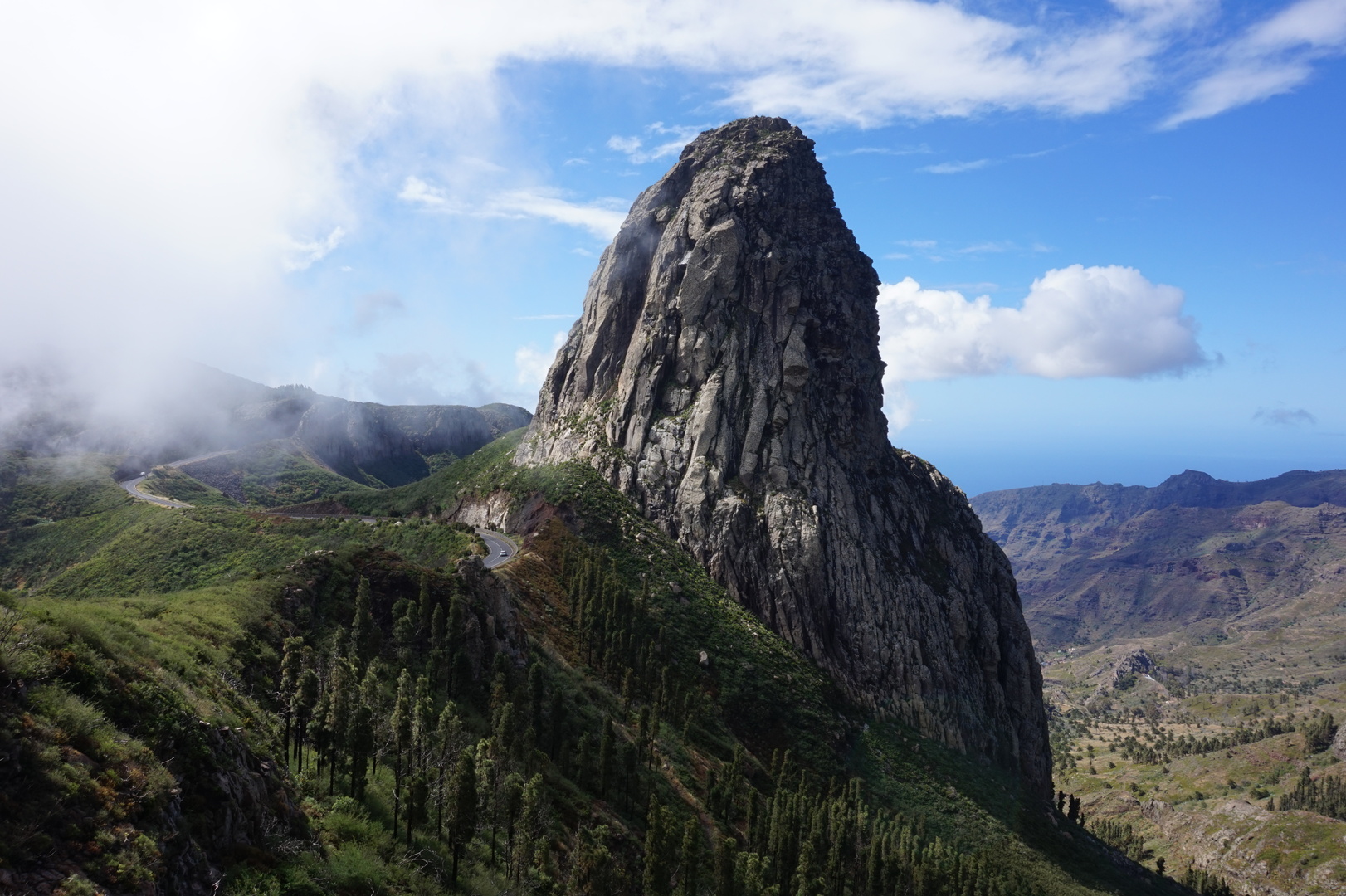
Lava fields, craters, and these wild ancient rock formations stretch across the landscape below. You can only reach the highest viewpoints if you snag a special permit.
The cable car gets most folks pretty close to the top. There are also a handful of hiking paths, and each one has its own perfect stopping point for photos.
I always toss my camera in my bag—though honestly, your phone will do the trick for those otherworldly landscape shots. The sky here? It’s unreal.
At night, the constellations almost jump out at you. Stargazing up here feels like a whole new experience.
Checklist for great photos and views:
- Bring plenty of water and don’t forget sunscreen—the sun at this altitude can be brutal.
- Try the platforms near the cable car for safe photo spots.
- Take a few minutes to just look around instead of snapping pics nonstop. Those are the moments that really stick with me.

.JPG)
