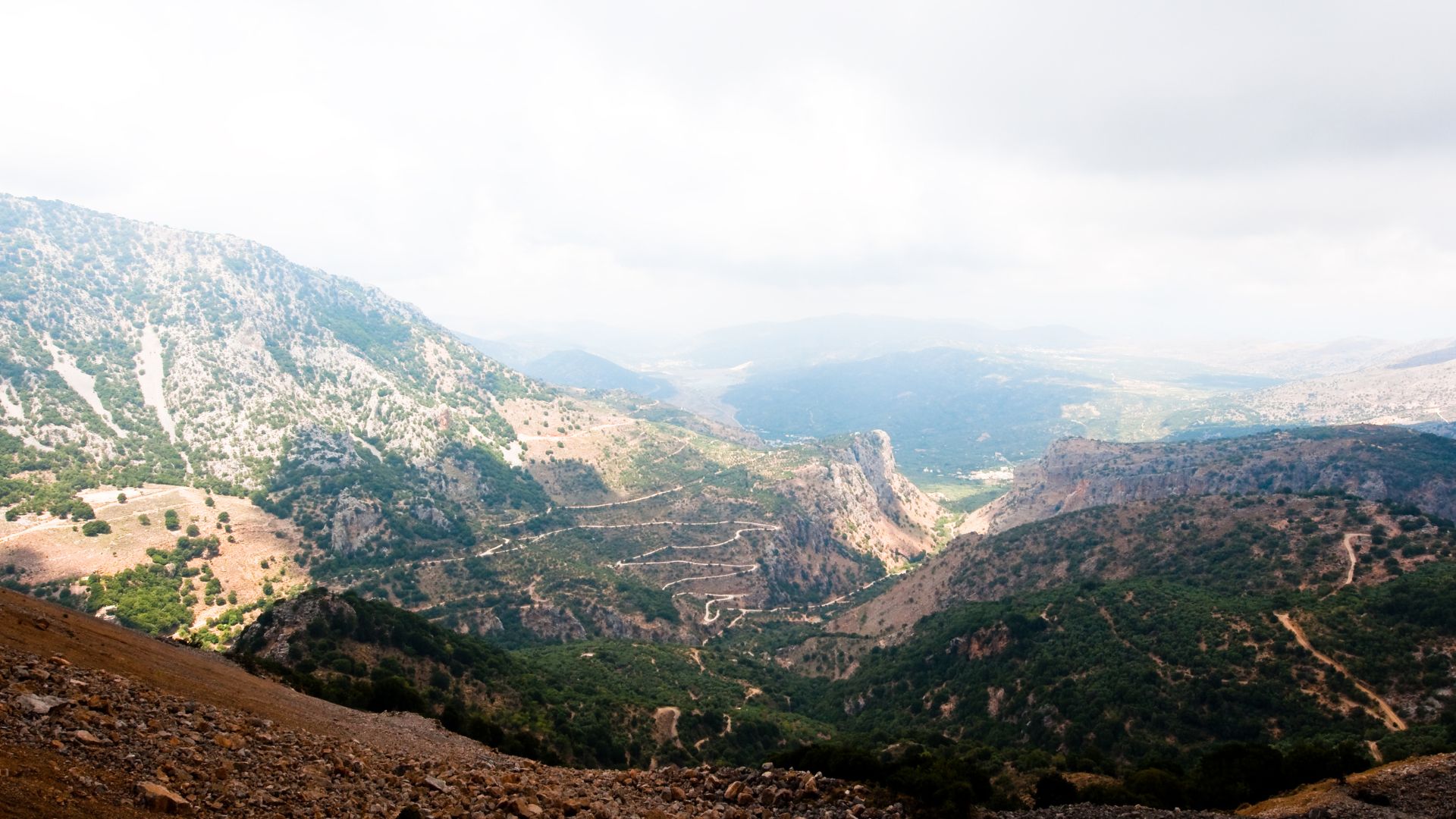
When I stood at the top of Psiloritis, Crete’s highest peak, I could feel the wild energy humming around me. The craggy slopes and sweeping views made it obvious why this spot has mattered so much in Greek myth and history. Psiloritis climbs to 2,456 meters, showing off some of the most stunning natural beauty in Greece.
The rugged trails, crisp mountain air, and ancient stones made me feel like I was tracing the paths of legends. From rolling hills with wildflowers to dramatic cliffs, every bit of this mountain shouts nature’s raw, untamed side.
You don’t have to be an expert hiker to love it here—adventure, breathtaking scenery, and a real connection with the land call out to anyone. Crete’s highest mountain pulled me in, promising not just epic views but a taste of the island’s old, powerful soul.
Discovering the Spirit of Psiloritis
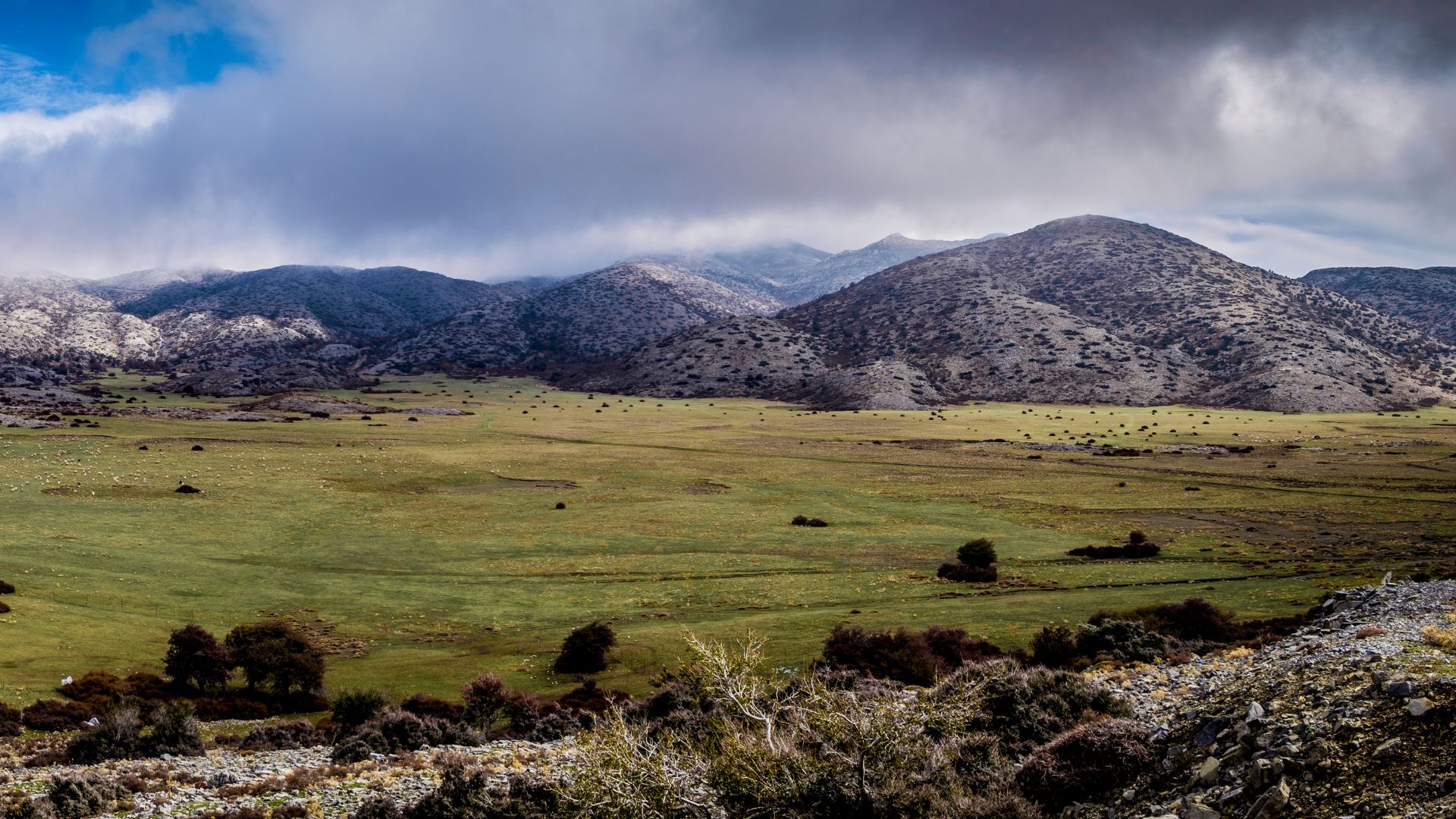
Psiloritis shoots up from the heart of Crete, wild yet somehow welcoming. I keep getting drawn back by its landscapes, its stories, and its deep roots in local life.
Geography and Geological Wonders
Psiloritis, also called Mount Ida, stands at 2,456 meters—the tallest point in Crete and all the southern Greek islands. Its rocky slopes, covered in low shrubs, often keep their snow cap well into spring. Climbing here, I battled strong winds and sudden weather swings.
The mountain’s deep gorges, sharp ridges, and caves all sprang from millions of years of tectonic drama. Crustal extension and fault lines still carve out these bold features. As I hiked, I watched the rocks shift in color and texture, telling stories about the restless land beneath my boots.
Paths like the E4 European trail snake through the Psiloritis Natural Park, a UNESCO Global Geopark. I always say: bring a good map. Many routes wind past mountain springs and the legendary Ideon Cave, offering glimpses of both untouched nature and ancient history.
Ancient Myths and Legends
Greek mythology claims Psiloritis as the place where Zeus hid as a baby, escaping Cronus, the child-swallowing titan. The Ideon Cave still draws visitors from all over. When I stepped inside, the hush made me think of the legends filling its shadows.
The mountain’s myths go way beyond Zeus. Locals still whisper about mysterious spirits and heroes. These stories passed down through generations, shaping Crete’s identity. For the Minoans, Psiloritis wasn’t just scenery—it wove right into their beliefs and rituals.
Festivals here still spark with echoes of the past. The myths add a timeless wonder to every hike. Standing on a ridge, I could almost picture gods, monsters, and heroes wandering these slopes.

Psiloritis in Cretan Culture
Psiloritis sits at the heart of Cretan identity. The mountain has shaped the culture of nearby villages, influencing customs, songs, and even the food. Shepherds still graze their flocks on these slopes, carrying on traditions older than most Greek cities.
When I visited the small villages at the base, people greeted me with homemade cheese, honey, and stories. Music—especially the lyra—drifts through the evening air. The land’s harshness breeds a stubborn pride that you can feel in every handshake.
This mountain played a part in big moments of Crete’s history. Tales of rebellion and secret wartime hideouts add another layer to its importance. Every step felt like walking with those who shaped Greece’s story, surrounded by wild, untouched beauty.
Raw Landscapes and Biodiversity
Jagged mountain slopes and hidden alpine meadows make Psiloritis feel like a wild world frozen in time. Traveling here, I saw how the landscape supports a mix of rare plants, diverse animals, and protected reserves vital for Crete.
Spectacular Peaks and Plateaus
Psiloritis, or Mount Ida, towers over Crete, with its highest point, Timios Stavros, hitting 2,456 meters. Climbing to the summit, I crossed rocky paths, loose stones, and high plateaus that changed with every step.
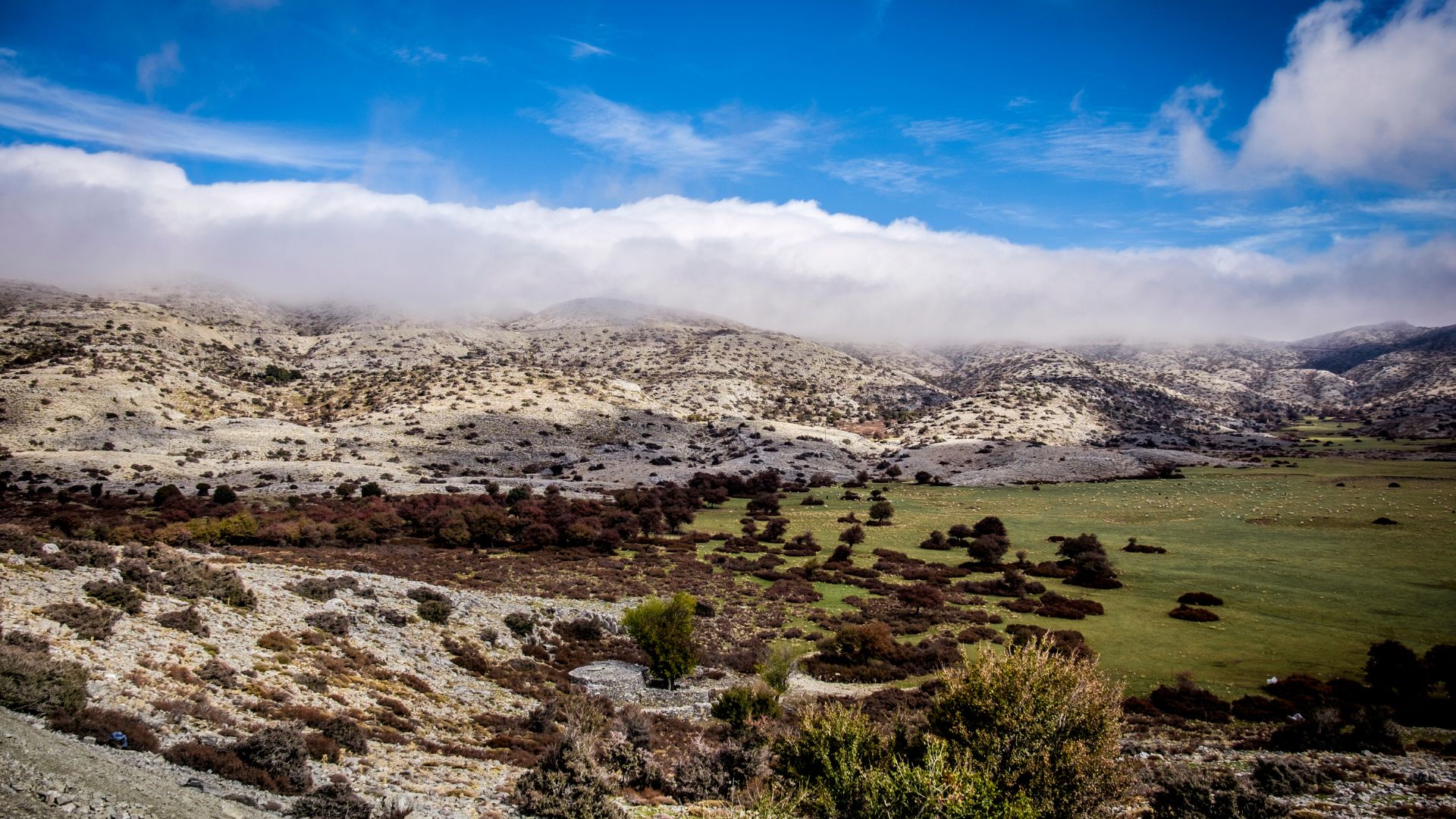
The Omalos Plateau isn’t directly on Psiloritis, but it reminded me of the remote highland fields along my hike. Wide-open views stretched out, with goats grazing and clouds skimming stone peaks. Each turn brought a surprise—a narrow gorge, a patch of wildflowers, or snow hanging on into spring.
Hiking here, I often stopped to gaze at rugged valleys and sharp ridges. The terrain keeps shifting, from alpine meadows to sheer cliffs, and sometimes you find yourself wrapped in total, silent wilderness.

Unique Flora and Fauna
The diversity of life here really caught my attention. Psiloritis shelters over 1,000 plant species, many found nowhere else on earth. High up, I spotted bright wild tulips and the rare dictamnus herb clinging to rocky cracks.
Birdsong bounced between the cliffs—vultures, falcons, and eagles circling overhead. On quiet paths, I glimpsed Cretan wild goats, or kri-kri, picking their way across steep slopes. Below the tree line, wildflowers and low bushes pulled in butterflies and bees, making the air buzz with life.
Gorges scattered around Crete—Samaria, Agia Irini, Imbros—give shelter to small mammals, lizards, and rare birds. Exploring these places lets you see nature up close, far from the crowds.
Nature Reserves and Conservation
Psiloritis anchors a protected area in UNESCO’s Global Geoparks Network. On the marked trails, I noticed signs about conservation efforts, urging everyone to protect these fragile habitats.
Strict rules stop littering, limit fires, and keep local wildlife safe. Many trails have boards explaining where rare species live and what’s being done to restore native plants.
Local groups run walks and educational events, helping visitors see why conservation here really matters. Spending time in these reserves, I felt real respect for the ancient landscape and the people working to keep it thriving.
Tracing Ancient Footsteps: History and Archaeology
Psiloritis towers over Crete, watching centuries unfold. As I hiked its slopes, I could sense layers of culture beneath every step, from the Minoans to far-off lands like Egypt and Anatolia.
Minoan Roots and the Sacred Ideon Cave
Psiloritis shelters the Ideon Cave, tied deeply to the ancient Minoans. Legend says Zeus hid here to escape his father, Kronos. Standing at the cave’s mouth, I could almost hear ancient prayers echoing in the stone.
Inside, archaeologists uncovered pottery, bronze figures, and tools. These finds show the cave’s role as a sacred spot for worship and mystery rituals. The atmosphere feels thick with centuries of belief. When I visited, it was easy to picture Minoan priests gathering by torchlight, guarding secrets in the cool, shadowy air.
Archaeological Sites and Antiquities
Around Psiloritis, I found more than views—antiquities lie everywhere. Besides Ideon Cave, trails lead to old shepherd huts, stone pens, and forgotten shrines. Each site gives a peek into daily life 3,000 years ago, far from Knossos but just as haunting in their quiet.
Pottery shards and tools often end up in small museums or in Heraklion, but some still rest on the mountainside. I always watched my step, knowing the ground might hide a piece of ancient history. The mountain holds a living archive for anyone curious enough to look.
Interconnected Civilizations
Hiking Psiloritis, I started to see how the Minoans connected with other great cultures. Ancient Crete sat at a crossroads, linking the Aegean, Near East, Egypt, and Anatolia. Trade routes ran right under Psiloritis, carried by sailors, traders, and storytellers.
I noticed pottery styles and metalwork that echoed Egyptian and Anatolian designs. Some objects even hint at distant contacts, sparking dreams of faraway lands. Among the ruins, I felt the mountain’s role in a world much bigger than just one island—a hub where people shared ideas, goods, and beliefs.

Journey to the Summit: Adventure and Experience
Climbing Psiloritis isn’t just about tagging Crete’s highest point—it’s an adventure wrapped in rare wildlife, shifting weather, and stories that seem woven into every rocky trail. Each step brings new landscapes, from brushy slopes to sweeping mountain views that invite both excitement and a little caution.
Planning Your Psiloritis Trek
When I chose to tackle Psiloritis, planning made all the difference. I checked out trails and local conditions ahead of time. Looking at rainfall patterns, I found that spring and early autumn brought cooler temps and less risk of sudden rain—way better for hiking.
I booked a guided tour, which gave me not just safety tips but also stories about the mountain’s plants, rocks, and legends. Many tours meet near Anogeia or Fourfouras, so those villages make great bases. Boutique hotels and traditional guesthouses welcomed hikers like me, and the hospitality felt genuinely warm.
Before heading out, I packed layers for the changing weather. I grabbed a good topographic map from a shop in Heraklion. Maps aren’t just for directions—they help you get the lay of the land and plan your breaks.
Popular Hiking Routes
I started my hike at the Mygero Refuge, a common jumping-off point for the summit. The E4 Trail climbs along dusty paths lined with wild herbs and limestone. It took me about four or five hours to reach the top, and a bit less coming down.
Some hikers start in Livadia or Fourfouras for less crowded, quieter routes. All the paths eventually lead to the same stark, beautiful peak at 2,456 meters. On clear days, the views stretch across Cretan valleys and all the way to the Libyan Sea.
Switchbacks and steep climbs made me thankful for sturdy hiking boots. Rock cairns and trail signs showed the way, but I always kept a printed map or GPS handy—clouds can sweep in fast, hiding the landmarks.

Health and Safety Considerations
Psiloritis’ open slopes mean weather changes hit fast. I learned how the sun’s heat can sneak up on you. Heat stress is real, especially in summer, so I carried extra water and wore a wide-brim hat. Early starts helped me dodge the worst heat and the crowds.
Altitude and wind can surprise even seasoned hikers. I watched for signs of fatigue and took breaks when I needed them. In wetter months, rain can make trails slick—another reason those boots matter. Travelers not used to the Mediterranean climate should know that sudden temperature swings happen when clouds roll in.
Finally, I always made sure someone knew my route and return time. Basic first-aid supplies, a charged phone, and layered clothing kept me ready for whatever the mountain threw my way.
Modern Connections: Villages, Culture, and Local Life
Living and traveling around Psiloritis, I can’t help but notice how the mountain shapes daily life. From mountain villages to the festivals and food, this place opens a window into Crete’s heart.
Everything feels both old and new, grounded in tradition but still alive and buzzing.
Mountain Villages and Community
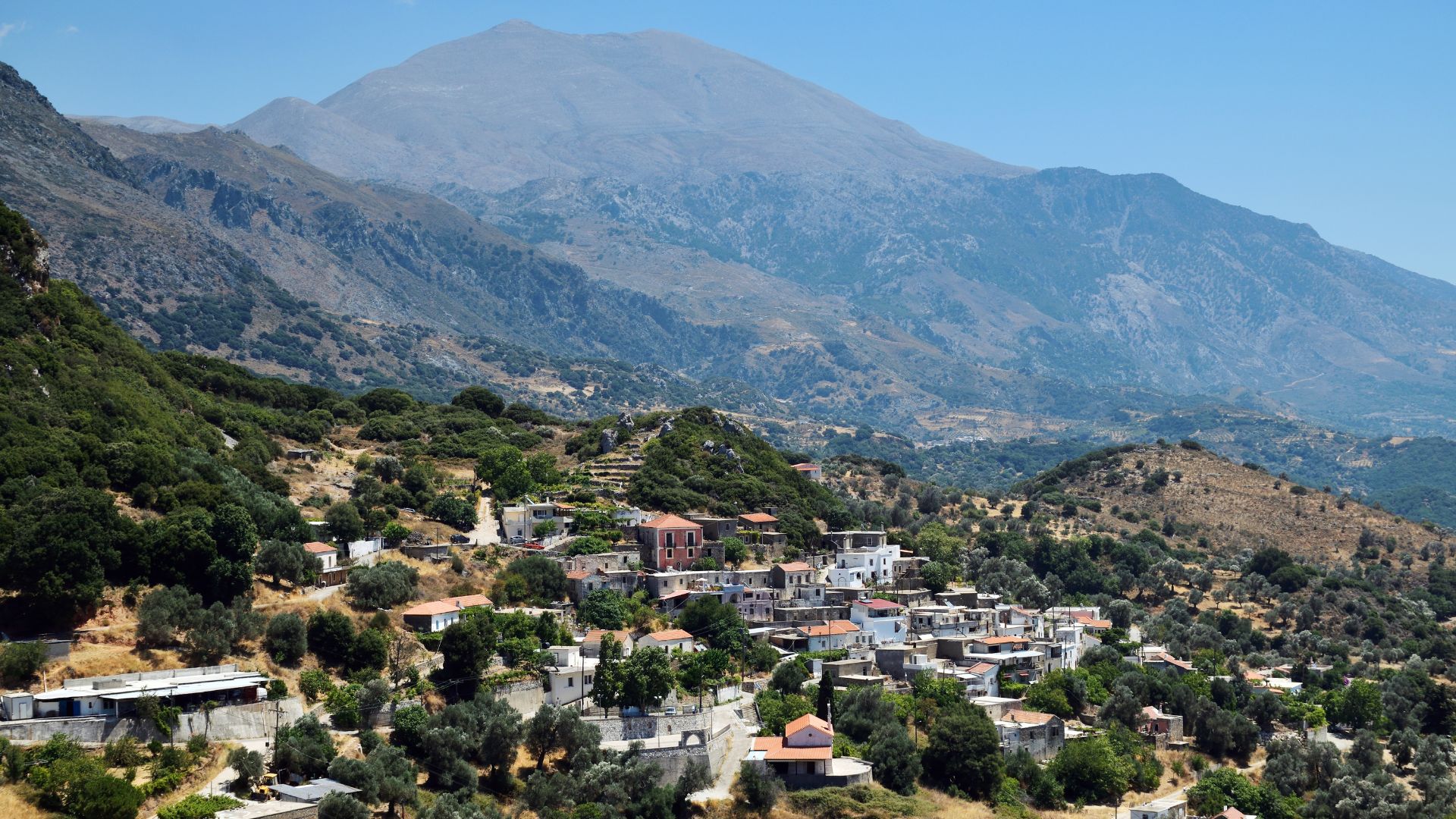
Villages like Anogeia, Livadia, and Zoniana dot Psiloritis’ slopes. Stone houses cluster around winding paths, and you’ll spot locals chatting or tending goats at nearly every turn.
Each village beats to its own drum, but everyone seems to share a love for stories, music, and warm hospitality.
When I wandered through these towns, people greeted me right away. Shops offer handmade crafts and jars of local honey.
Farmers work the olive groves, some of those trees older than anyone can remember. Their harvest shapes the local economy.
Cretan dialects drift through the air—different from what you’ll hear in the cities, always with a hint of song.
During my visits to Rethymno and Iraklio, I found mountain goods in the markets—cheese, herbs, wild greens, and homemade bread. The connection between people and land pops up everywhere.
Cretan Cuisine and Traditional Experiences
Eating near Psiloritis is honestly a treat. Cretan cuisine focuses on what grows or grazes here—olives, sheep and goat cheese, mountain herbs, and honey.
I tried slow-cooked lamb, tangy mizithra cheese, and bread dipped in olive oil so green it looked almost unreal.
Villages often host culinary tours, and I got to press olive oil and knead dough for rustic pies. Some days, I joined wine tastings at small family estates tucked between Iraklio and Rethymno.
Food and wine here really do bring people together.
Tavernas serve local specialties—dakos (barley rusk with chopped tomatoes), wild greens, and snails cooked with rosemary. Eating isn’t just about the food; it’s about sharing, talking, and learning from my hosts.
Cultural Events and Festivities
Festivals and music fill up the mountain’s calendar. In Anogeia, I got swept up in the sound of the lyra, Crete’s haunting stringed instrument.
During harvest festivals, everyone helps out—singing while they pick olives and grapes, then tasting the results later with laughter and raki.
Summer brings village feasts with whole lambs roasting slowly and old dances in the square. Locals show up in their best clothes, speaking in the tones of older Crete.
Even in Rethymnon and Chania, city celebrations echo the mountain’s traditions. It’s clear that tradition ties both rural and urban life together.
It’s easy to join in—nobody expects you to know the steps, just to clap along and have fun. Through these gatherings, I realized Psiloritis isn’t just a mountain; it’s a community bound by culture, pride, and the joy of doing simple things together.
Beyond the Peak: Psiloritis and the Wider Crete Experience
Climbing Psiloritis left me in awe. But wandering beyond its rocky slopes brought out a whole new side of Crete.
The mix of untouched wilderness, charming coastal towns, and wild scenery left just as strong an impression.
Western Crete and Hidden Gems
Western Crete caught me off guard with its variety. I spent a morning swimming in the cool, clear waters of Lake Kournas, watching local families picnic nearby.
The lake is the island’s only freshwater lake, so it’s a special spot for birdwatching and kayaking.
Not far away, Kalyves had a slower, more relaxed vibe. Old stone houses line narrow paths down to the beach, and I sipped coffee while fishermen untangled their nets beside me.
It’s a real village—definitely not just for tourists.
The endless blue of Souda Bay stretched out to the horizon, ancient fortresses perched on tiny islets. Sunset at Falassarna Beach was probably my favorite—pink light on golden sand, strong winds chasing the waves.
When I finally got to Elafonisi, the famous lagoon, the pink-tinted sands and shallow turquoise waters looked almost unreal. It gets crowded in high summer, so I made sure to arrive early for some peace.
Here, Crete’s wilder beauty really shines. Finding these places made my journey way richer than just climbing the mountain.
Ecology and Environmental Challenges
Psiloritis and its surroundings feel like a haven for rare plants and mountain wildlife. I spotted wild orchids tucked into rocky slopes, and on a lucky morning, I caught sight of griffon vultures circling overhead.
Yet, the signs of climate change hit hard, even here. Winters seem shorter now.
Wildflowers pop up earlier, then vanish before you know it. Local guides told me about the shrinking snowfall on the peak.
This change affects shepherds and wild animals alike. It’s unsettling.
Pollution creeps in, too. Even remote beaches like Elafonisi don’t escape—plastic drifts in with the tide.
Some parts of Souda Bay have oil spills and too much boat traffic. Towns and villages sometimes organize clean-up days, which honestly feels hopeful.
Here’s a quick look at the key environmental pressures:
| Challenge | Impact |
|---|---|
| Climate Change | Shorter winters, less snow |
| Pollution | Plastic, oil on beaches |
| Habitat Loss | Threat to rare species |
Visiting Psiloritis and western Crete really made me realize how fragile this island’s beauty is. I tried to hike carefully, support local conservation, and go with eco-friendly guides—hoping I left as small a mark as possible.