
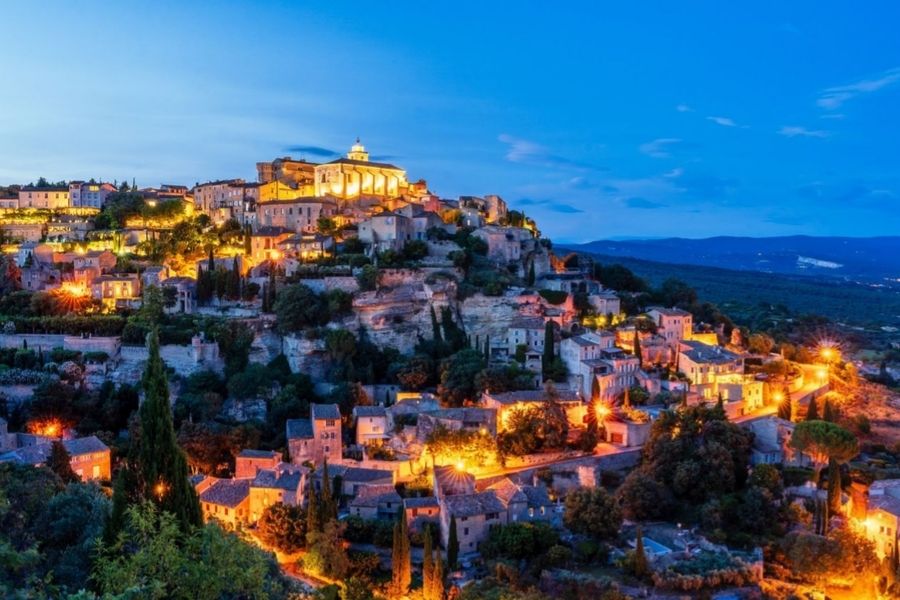
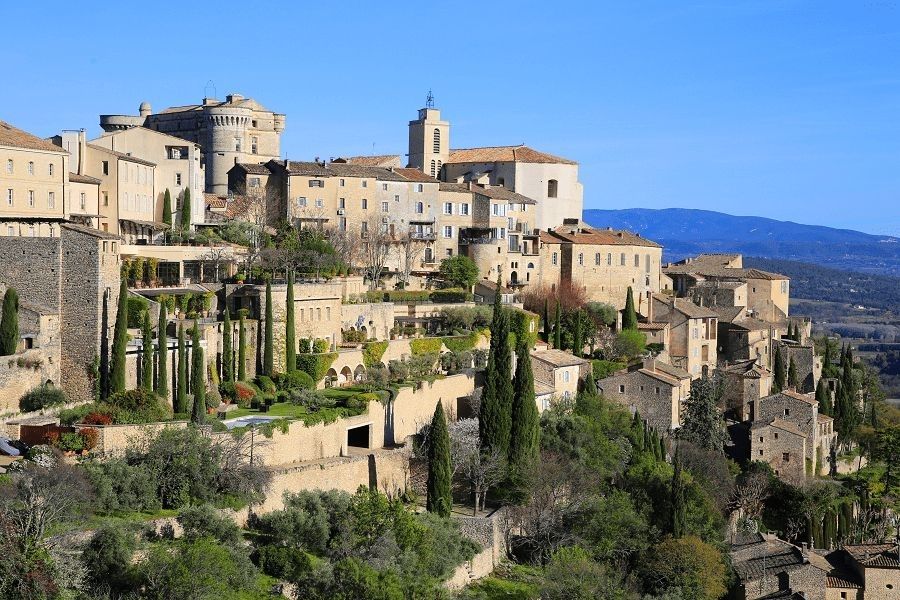
When I drove up the winding roads to Gordes, I finally got why so many travelers say it’s one of the most beautiful hilltop villages in Provence. Those honey-colored stone buildings stacked along narrow lanes, with sweeping views of the Luberon valley at every turn—there’s just something about it you can’t forget.
Gordes really is a breathtaking mix of history, scenery, and that classic Provençal charm everyone dreams about.
I spent the day wandering cobblestone streets, pausing at local cafes, and just soaking in the peaceful atmosphere. Every corner seemed to hide another postcard-worthy view.
The highlight? A quick drive away: the serene Sénanque Abbey, famous for its lavender fields and gorgeous Cistercian architecture.
Discovering Gordes: The Jewel of Provence
Gordes offers a stunning blend of natural beauty, old-world architecture, and an atmosphere that somehow feels both lively and peaceful. The soft golden color of its stone houses stands out, and you’ll find unexpected details down quiet lanes.
This is a place where each corner tells its own story.
The Charm of a Honey-Stone Dream
The moment I first saw Gordes, that sunlit honey-colored stone just stopped me in my tracks. Pretty much every house, wall, and lane glows in the Provence light.
The narrow streets twist up the hill, edged with flowers and little cafes.
As I strolled around, I noticed wooden shutters painted pale blue and doors weathered by years of sun. Lavender scent drifted through the air, mixed with the gentle sounds of daily village life.
Sitting at a café terrace, I watched locals chatting and kids playing, all with the rolling hills of Luberon in the background.
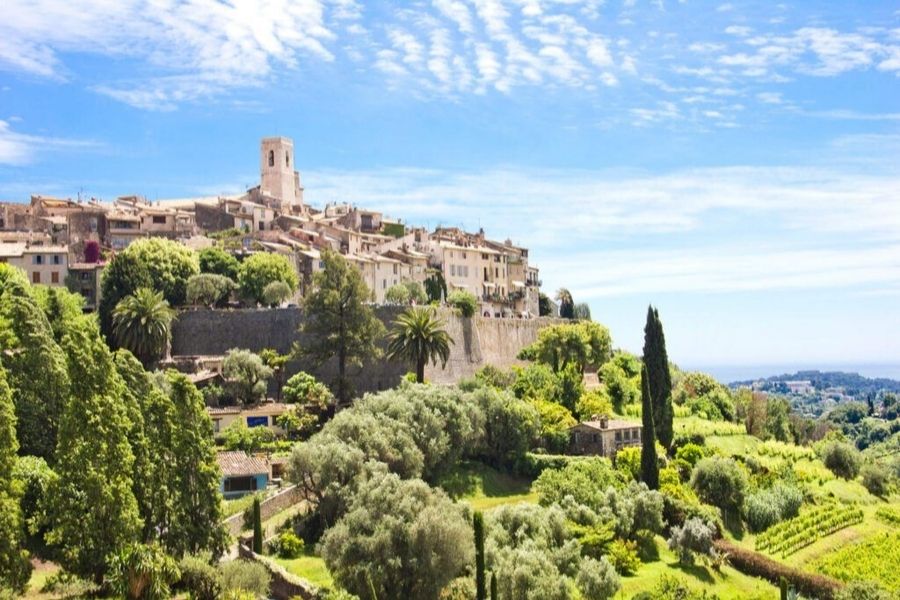
Even a simple fountain or a row of poplar trees feels special here. Gordes almost melts into the hill, as if someone carved it from the rock itself.
That’s probably why the whole place feels so magical.
What Makes Gordes Stand Out Among Hilltop Villages
Provence has its fair share of hilltop villages, but Gordes really stands apart. The clifftop setting gives you these huge views over the Luberon valley.
On clear afternoons, I could see fields and vineyards stretching way off into the distance.
Driving up, there’s this one spot where the whole village looks like it’s stacked on itself, climbing up the hillside. The buildings almost tumble down in a stone cascade.
It’s a view you don’t forget.
Here’s what makes Gordes unique:
- Unique Architecture: Those stone houses and steep laneways are just iconic.
- Village Life: Lively markets, boutique shops, and genuinely friendly locals.
- Easy Access: The location is central for exploring Provence, just a quick trip from places like Sénanque Abbey.
Gordes somehow manages to feel both bustling and calm, with small squares, cozy cafés, and the gentle rhythm of Provençal life.
An Insider’s Viewpoint: First Impressions
When I first arrived, the busy main square pulled me in right away. Farmers set up stalls selling fresh goat cheese and ripe fruit.
The air buzzed with quiet conversation and the clink of coffee cups.
I wandered up steep cobbled streets, finding hidden viewpoints behind church walls and little gardens full of rosemary. One family waved from their terrace, their lunch of bread and olives spread out under an olive tree.
Even though Gordes is popular, it never felt crowded to me. Tourists were there, but everyone just blended into the slow village rhythm.
Locals offered directions or tips—always with a smile.
My visit felt like a true welcome into the heart of Provence.
Iconic Sights and Experiences in Gordes
Walking through Gordes feels like stepping into a living postcard. Every turn brings a new view: honey-colored buildings, bustling market stalls, or sweeping panoramas of the Luberon Valley.
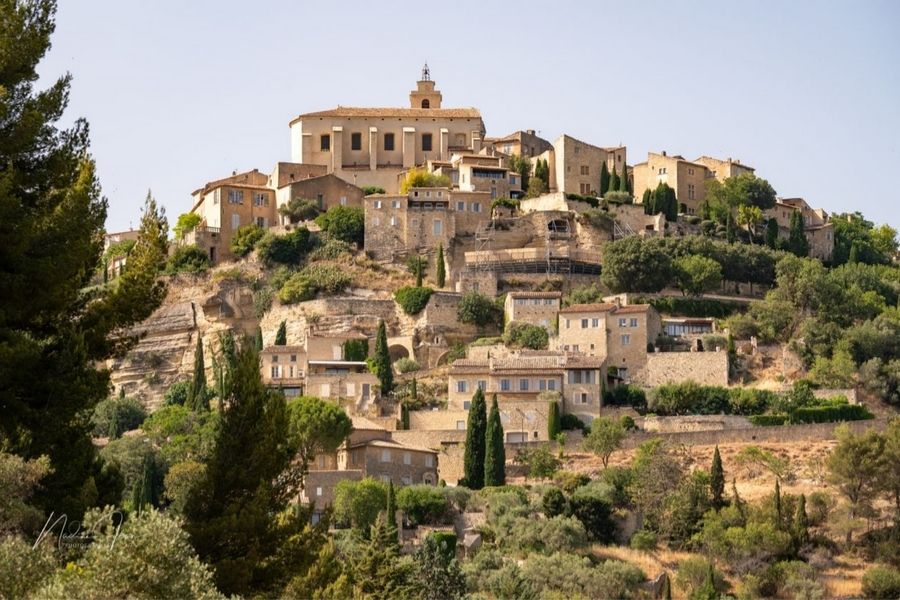
The town mixes history, vibrant local life, and unforgettable landscapes.
Exploring Gordes’ Picturesque Streets
The winding streets of Gordes invite you to slow down. I stopped at nearly every corner—each alleyway lined with rustic stone, flower-filled windowsills, and blue shutters.
As I climbed higher, the village revealed its famous panoramic views. The tight pathways pass tucked-away art galleries and cafés, some with outdoor seats perched above the valley.
It’s easy to linger here, snapping photos and soaking up the warmth bouncing off the golden stones.
Quiet moments in the early morning or late afternoon brought out the real magic of Gordes. The crowds thin, and all you hear are footsteps, distant laughter, and church bells marking the hour.
These peaceful walks became some of my favorite memories from Provence.
The Castle of Gordes: History and Views
Right in the heart of Gordes stands its medieval castle, Château de Gordes. The big stone walls and turrets look almost untouched by time.
Inside, you can check out a small art museum and see paintings and displays about the village’s history.
But honestly, the best part is stepping outside. The castle’s upper level gives you one of the best views in Gordes.
I stood there, gazing across the Luberon Valley, with neat rows of lavender and olive groves rolling out to the horizon.
Try to time your visit near sunset. When the last light hits the castle and village, the stones seem to glow.
That’s the moment that really captures what makes Gordes special.
Artisan Shops and Local Markets
Gordes overflows with small boutiques and artisan stores. I browsed handmade pottery, lavender soaps, and linen clothing—all crafted by people living in the Luberon.
The weekly market, held on Tuesday mornings, is a real highlight. Tables overflow with fresh cheeses, olives, bread, and fruit.
I tried tapenade and cheese samples, chatted with friendly vendors, and watched locals stock up for the week.

Here’s what I found most useful at the market:
| Must-Try Items | Local Tips |
|---|---|
| Goat cheese | Arrive early for bread |
| Lavender products | Bring a tote bag |
| Olive tapenade | Ask vendors for samples |
Shopping here is more than souvenirs. It’s a chance to meet the people who make Gordes so vibrant.
Every shop and stall felt like an invitation to discover a different side of Provence.
Sénanque Abbey: Lavender Fields and Timeless Serenity
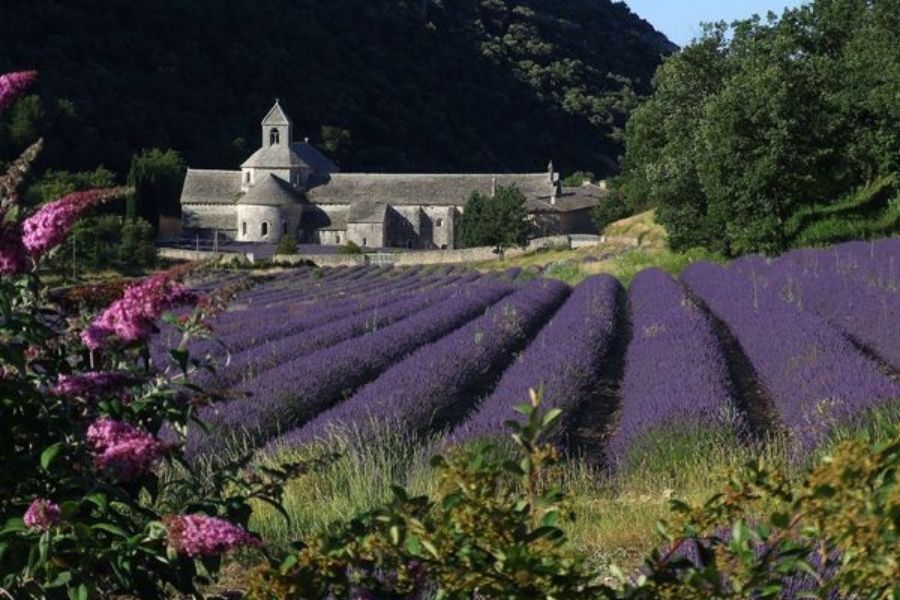
Sénanque Abbey sits quietly in a sheltered valley, surrounded by famous lavender fields and ancient stone walls. This peaceful spot blends natural beauty with the soft sounds of monastic life.
It’s a must-see when you’re exploring the region around Gordes.
A Short Journey From Gordes
It took me less than fifteen minutes by car to reach Sénanque Abbey from Gordes. The short drive winds through narrow roads, with olive trees and wildflowers peeking from rocky hillsides.
As the Abbey came into view, the scene looked like a painting—stone buildings set against neat rows of lavender.
The Abbey has stood since the 12th century. Today, monks still live and work here, but visitors can walk through certain areas.
I wandered first to the cloister and chapter house, where monks once gathered in silence.
The valley setting makes it feel far from the world. Only the low hum of bees moving from one lavender bloom to another breaks the quiet.
Visiting Tips and Seasonal Highlights
Timing really matters. The best photos come in summer when lavender blooms, usually late June to early July.
The deep purple fields make the perfect foreground for pictures.
Later in summer, farmers harvest the lavender, and the mood shifts to peaceful green and gold.
Tips for visitors:
- Arrive early to avoid crowds, especially for photos without people.
- Dress modestly, since Sénanque is still an active monastery.
- The abbey closes for midday and prayer times—checking opening hours saved me from waiting around.
- Guided tours are available, but signs help solo wanderers like me understand the history.
A simple walk around the grounds, or a quiet moment in the old dormitory, can be just as rewarding as seeing every room.
Capturing the Abbey Through Storytelling
When I stepped into Sénanque Abbey, every corner seemed to spark a new story. The old stone walls whispered about monks who once tended the fields and prayed in these rooms.
Even in the busy season, calm settles over everything.
My favorite spot was the cloister, where filtered light danced across worn floors. I stood in the chapter house, imagining the stories and voices this place had heard for centuries.
Photos are beautiful here, but I tried to focus on the small things. The scent of lavender, the play of shadow on old arches, the echo of quiet footsteps—those details brought the abbey to life for me.
Savoring Provençal Flavors: Food, Wine, and Vineyards
The food and drink in Gordes come straight from sun-soaked fields, ancient vineyards, and lively local markets. My time here really opened my eyes—and tastebuds—to the heart of Provençal living.
Gordes’ Gastronomy and Farm-to-Table Experiences
Wandering Gordes, I saw why the region is famous for fresh flavors and rustic recipes. Local restaurants use seasonal produce from nearby farms.
Menus highlight ratatouille, goat cheese, lavender honey, and olives. Each bite brings out those simple, earthy tastes Provence does so well.
I found farm-to-table dining at tiny bistros tucked between stone alleys. Many places work directly with local growers.
Old stone markets on Place du Château sell tapénade, fresh figs, and organic vegetables. Some cafés serve homemade jams and breads for breakfast.
For a real treat, I’d book a cooking class or food tour. You’ll chop, cook, and taste, all with local chefs showing you the ropes.
Here are some Gordes specialties you shouldn’t miss:
- Goat cheese salad with walnuts
- Caillette (herbed pork pâté)
- Lavender honey ice cream
Where to Enjoy Wine Tastings Near Gordes
My trip through Provence wouldn’t have felt complete without tasting local wines. Gordes itself doesn’t have big wineries, but there are great tasting rooms and caves nearby.
The Luberon region produces AOC Luberon wines—think crisp whites, delicate reds, and refreshing rosés.
Most tasting spots sit along quiet country roads. I stopped at a few family-run wine bars where you can try flights of local wines for just a few euros.

At some places, a wine expert walks you through the differences between Grenache, Syrah, and Viognier grapes. It’s smart to check if you need to book ahead.
Some top picks:
| Name | Distance from Gordes | Specialty |
|---|---|---|
| Domaine de la Citadelle | ~12 km | Red, white, rosé |
| Château la Canorgue | ~18 km | Organic wines |
| Cave de Bonnieux | ~15 km | Tasting flights |
Exploring Local Vineyards in Provence
The countryside around Gordes is dotted with vines and small farms. I loved driving through olive groves and lavender fields to reach family-owned vineyards.
These places usually offer tours of their cellars and vineyards, followed by generous tastings.
Many vineyards let you walk among the vines, giving you scenic photo ops of rolling hills. Growers are happy to share stories about organic farming and winemaking.
I learned how the region’s mistral wind and limestone soils help create vibrant wines.
If you want a deeper experience, some estates offer wine-pairing lunches or picnic baskets full of Provençal treats. To remember your trip, grab a bottle or two—many wines are only sold right there or in small local shops.
The best vineyards strike a balance between tradition and friendly, personal hospitality.
Insider Tips for Visiting Gordes
Timing, transport, and finding the right place to sleep can make or break a trip to Gordes.
Avoiding the crowds, knowing how to get around those winding roads, and booking a memorable stay all make this village even more magical.
When to Visit for the Best Experience
Gordes really comes alive in late spring and early summer. May to early July is honestly my favorite window.
The weather feels warm, never unbearable, and the lavender around Sénanque Abbey just explodes with color. I try to go midweek, since weekends—especially July and August—bring in big crowds.

If I can, I skip August altogether. Locals head out on vacation, the village gets packed, and finding a parking spot is just frustrating. The Tuesday morning market buzzes with energy and local produce, but if you want a peaceful stroll, arriving early is the way to go.
Here’s a quick guide:
| Month | Crowds | Scenery | Weather |
|---|---|---|---|
| April | Low | Green hills | Mild |
| May-June | Medium | Lavender | Pleasant |
| July | High | Lavender | Hot |
| August | Very High | Sunflowers | Very Hot |
| September | Medium | Golden vines | Cooler |
How to Get There and Getting Around
Gordes sits perched on a hill, so you have to drive up these narrow, winding roads to reach it. I usually rent a small car in Avignon or Marseille, since those are the closest big train stations and airports.
The drive from Avignon takes about an hour. The views along the way? Absolutely beautiful.
Public transport barely exists here. Regional buses do run, but they’re not frequent, and you’ll probably miss sights like Sénanque Abbey if you rely on them.
Parking in Gordes during summer is another story—it fills up fast. I aim to get there before 9 a.m. if I want any chance at a spot.
Once I’m in the village, walking is hands-down the best way to explore. The cobblestone streets are steep and twisty, but honestly, every turn gives you a new postcard view.
For places a bit farther out, I’ll grab a taxi or just use my rental car. But for longer day trips, I stick to driving.
Where to Stay: Unique Accommodations in Gordes
Staying in Gordes lets me wander around after the tour buses finally disappear. The village has a mix of boutique hotels, cozy B&Bs, and even old stone farmhouses hidden among olive trees.
I usually go for the smaller, family-run spots. They’re friendlier and often easier on the wallet. Plus, you get a more local vibe—who doesn’t want that?
Most places serve breakfast out on a terrace with those dreamy Luberon hill views. If you’re in the mood for something really memorable, try booking a room inside one of the ancient village houses. The thick stone walls actually keep things cool, even when July turns up the heat.
Want more privacy? Rental villas just outside Gordes come with private pools and gardens. It’s hard to beat relaxing there after a long day of exploring.
No matter what I pick, I try to book as early as possible. June and September fill up fast—almost too fast sometimes.
