
Braga, often called the “Rome of Portugal,” really surprised me with its wild mix of ancient cathedrals and lively city energy. I wandered through winding streets, feeling the city’s youthful spirit somehow mesh with the centuries-old past all around me.
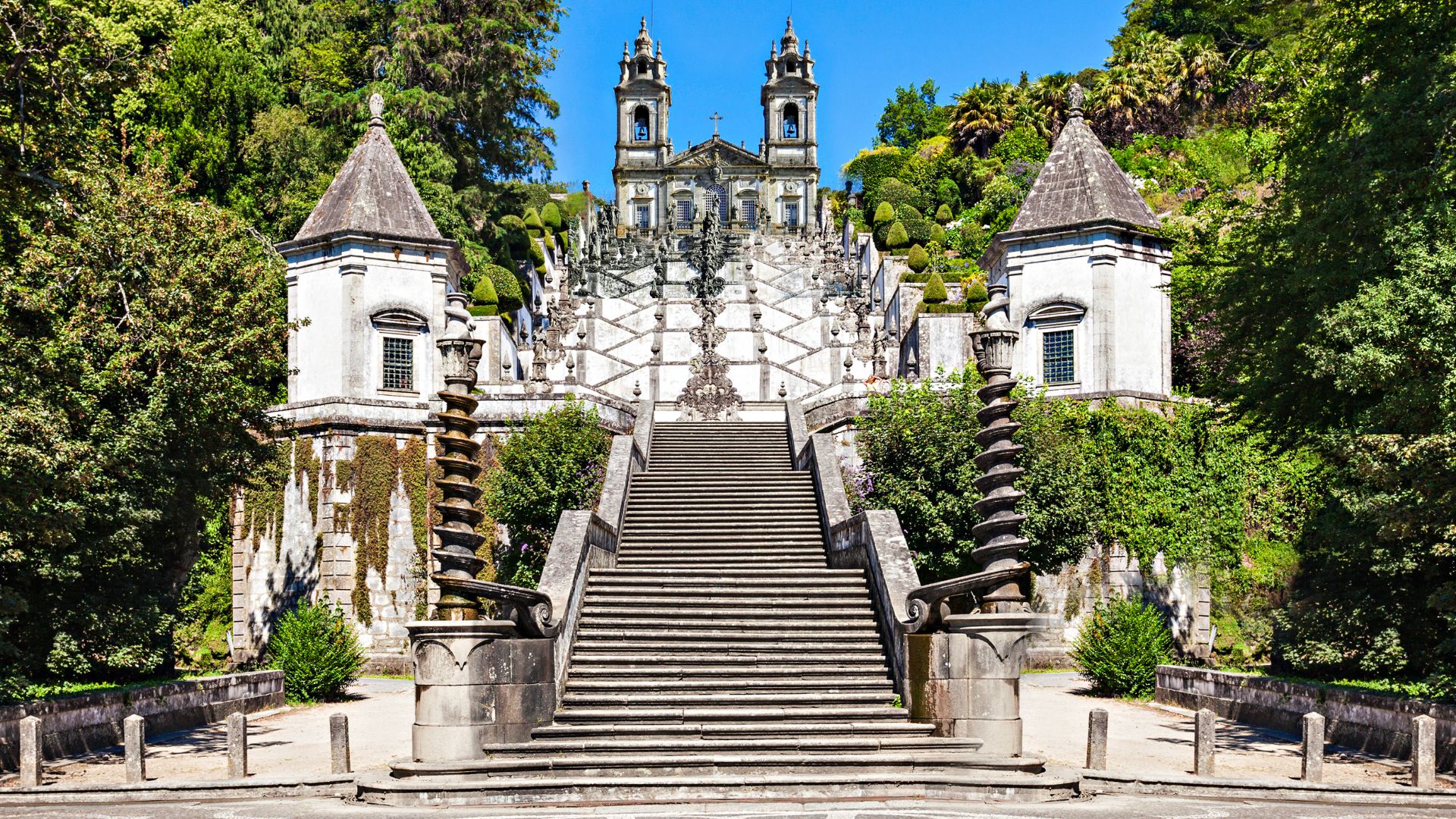
My journey led me to one of Braga’s most famous landmarks: the awe-inspiring Sanctuary of Bom Jesus do Monte. I huffed my way up its baroque stairway and got rewarded with stunning views and, honestly, a pretty good sense of accomplishment.
Along the way, I ducked into grand cathedrals echoing with stories from long ago. Every corner of Braga seemed to offer a new discovery.
It’s no wonder travelers fall in love with this northern Portuguese city. Whether you’re into history, architecture, or the buzz of student life, Braga has something up its sleeve.
Braga: Portugal’s Rome and Its Spiritual Heritage
Braga feels like a mashup of ancient religious landmarks, deep Catholic tradition, and a nickname that hints at its grand history. The city pulls you in to explore centuries-old cathedrals and soak up Portugal’s spiritual past.
The Historical Significance of Braga
Braga stands as one of Portugal’s oldest cities. Romans founded it over two thousand years ago.
Its original name, Bracara Augusta, instantly made me think about how Rome left its mark all over Europe. Walking the old streets, I spotted Roman ruins right next to colorful buildings and lively cafes.
Some city squares still hold remnants of Roman baths and shrines. The weight of history here is impossible to ignore.
Braga’s historic center bursts with baroque mansions and ancient churches. I noticed how the city blends layers of history everywhere I looked.
Braga has always been a crossroads—Roman, medieval, and modern roots all tangled together.
Legacy of Catholicism in Northern Portugal
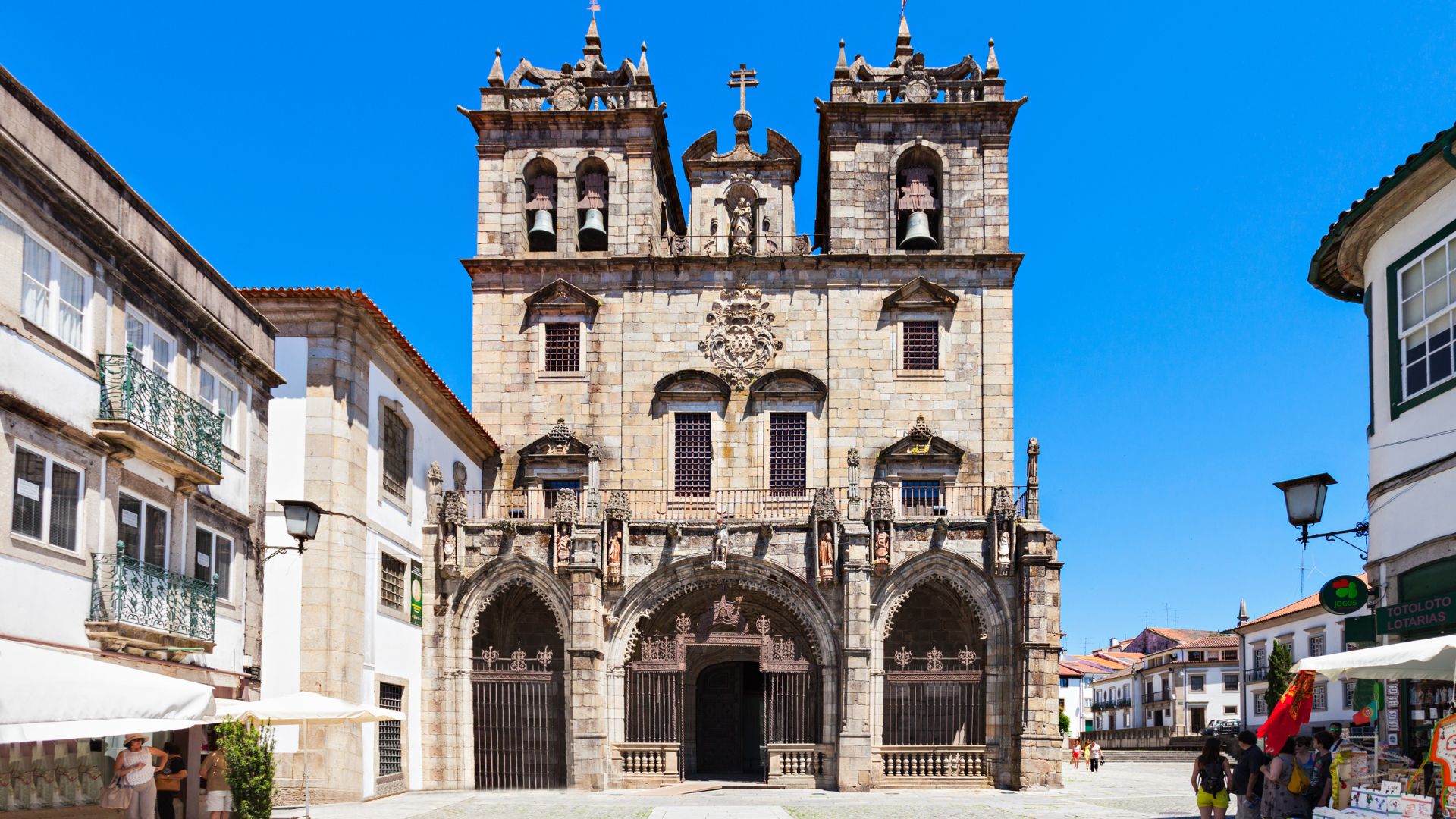
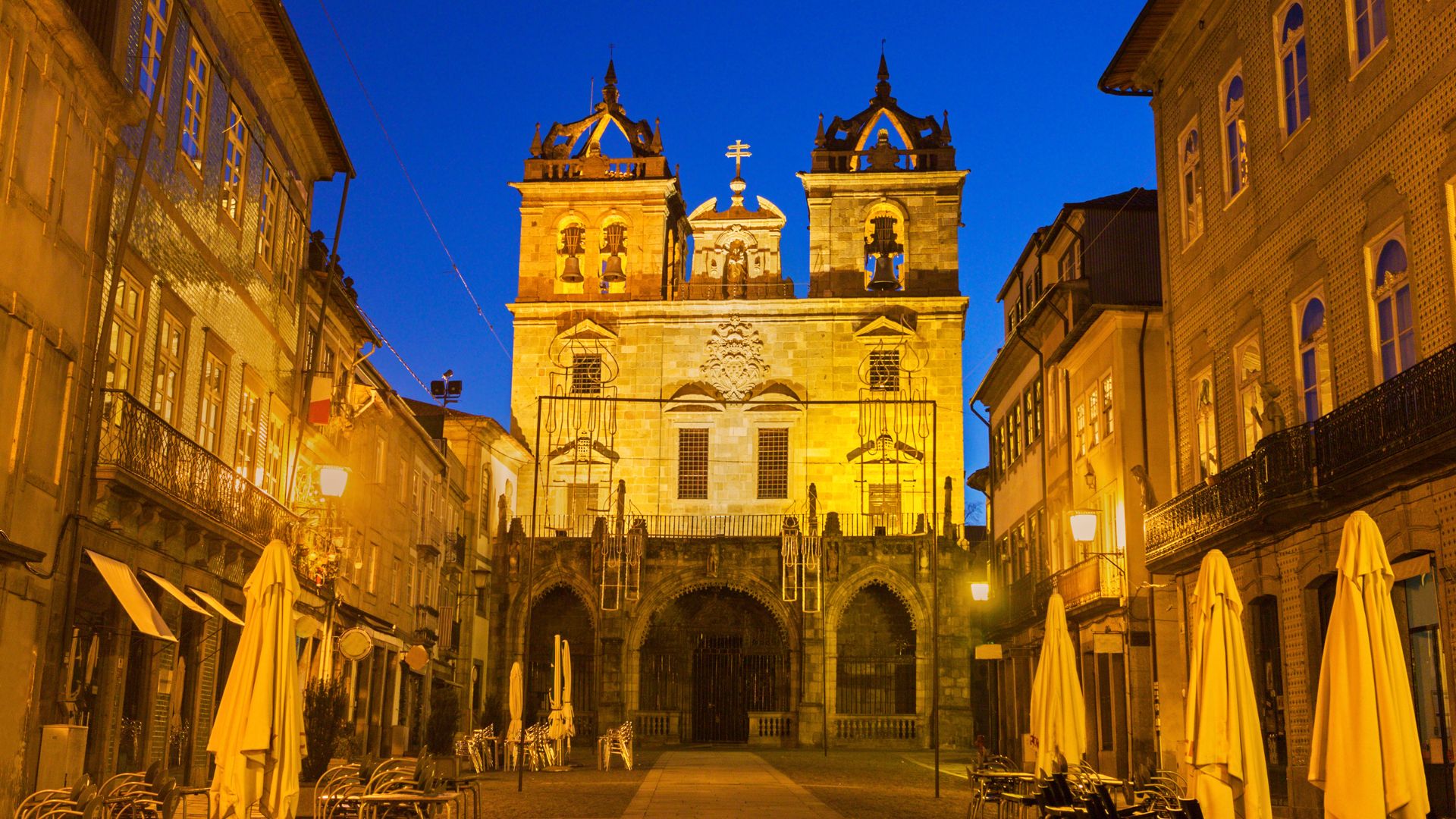
Catholicism sits at the heart of Braga’s identity. Locals call it “the city of the archbishops,” and it’s home to Portugal’s oldest cathedral, Sé de Braga.
When I stepped inside, the quiet felt heavy with centuries of worship. The city throws big Catholic festivals, especially during Holy Week.
Locals decorate the streets and fill them with music and tradition. Residents and visitors light candles and pass by age-old stone altars.
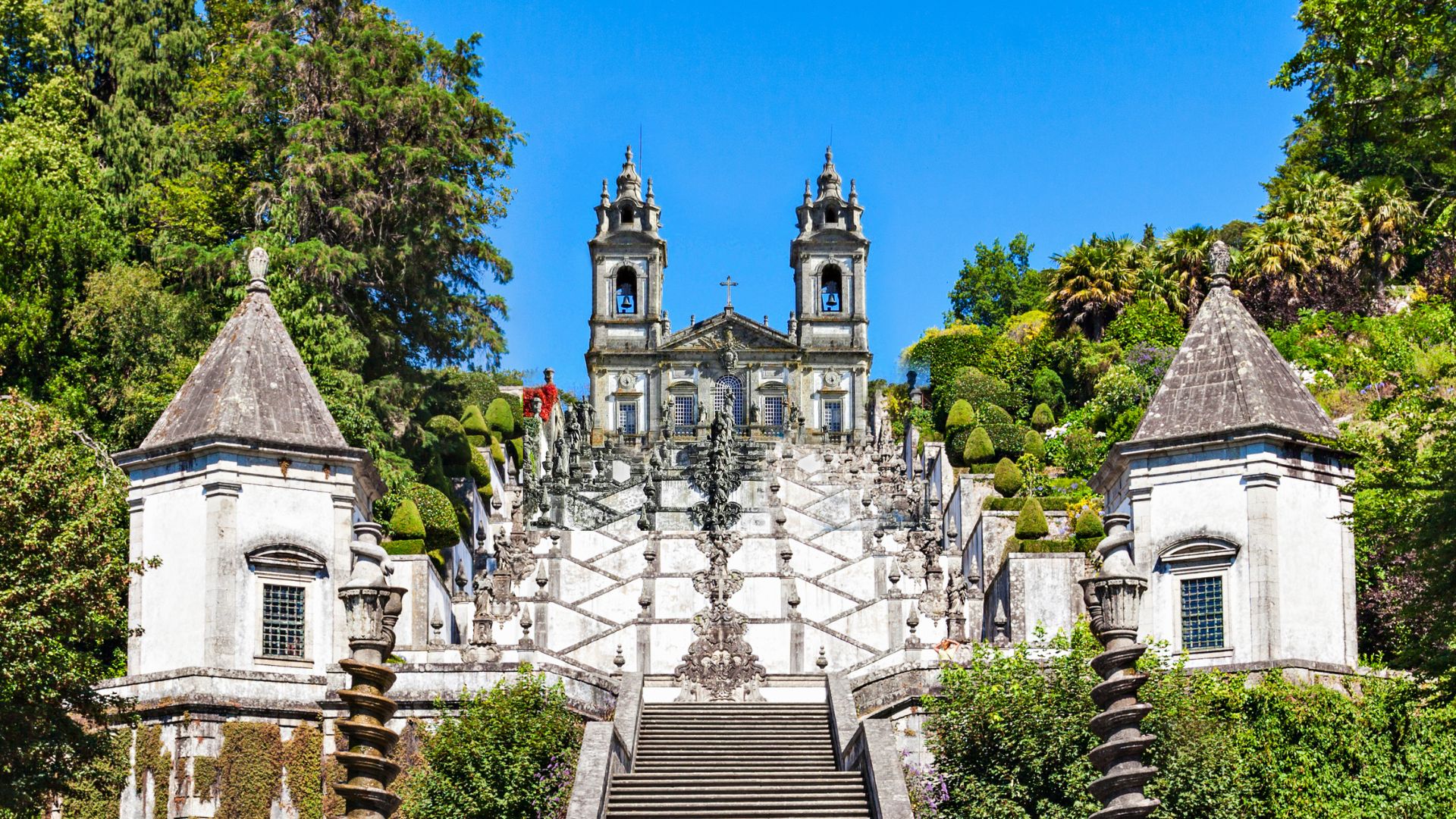
I climbed the hill up to Bom Jesus do Monte, a famous pilgrimage site. The Sanctuary’s baroque stairway zigzags through gardens dotted with statues and chapels.
UNESCO even listed the sanctuary as a World Heritage Site.
The Unique Nickname: Portugal’s Rome
People call Braga “Portugal’s Rome” for good reason. The city’s packed with churches, religious sites, and old Roman roots.
I first heard this nickname while chatting with locals at a café. They spoke with real pride about Braga’s spiritual reputation.
Unlike Rome, Braga feels less crowded but still full of ornate altars, shrines, and bell towers.
Here’s a quick rundown of what makes Braga similar to Rome:
| Feature | Braga | Rome |
|---|---|---|
| Ancient Roman Origins | Yes, as Bracara Augusta | Yes |
| Famous Cathedrals | Sé de Braga, Bom Jesus do Monte | St. Peter’s Basilica |
| Pilgrimage Sites | Bom Jesus do Monte | Vatican, many others |
| Rich Festival Calendar | Major religious festivals year-round | Yes |
If you’re into history or faith, Braga stands out as a true spiritual center in Portugal. I definitely felt that sense of awe wandering from church to church.
Ascending to Bom Jesus do Monte: An Epic Pilgrimage
Climbing to Bom Jesus do Monte in Braga is a real journey—a mix of history, artistry, and the rush of physical effort. Every step gives you sweeping views, remarkable architecture, and a few quiet moments inside a revered sanctuary.
Conquering the Baroque Staircase
The Baroque staircase at Bom Jesus do Monte? Unforgettable. Over 500 stone steps wind through sculpted terraces, and I felt both challenged and weirdly motivated.
The climb gets steep, but platforms, fountains, and statues break up the path. Each one celebrates a different biblical scene.
The stairway’s intricate designs tell their own stories. I kept pausing at each landing to check out the craftsmanship.
Symbolic fountains line the staircases, representing the Five Senses and the Three Virtues. Some pilgrims climb on their knees, embracing the site’s spiritual history.
Most, like me, just walk at their own pace and soak in the ambiance. Whether you’re climbing for faith, fitness, or plain curiosity, the experience sticks with you.
Panoramic Vistas and Storybook Gardens
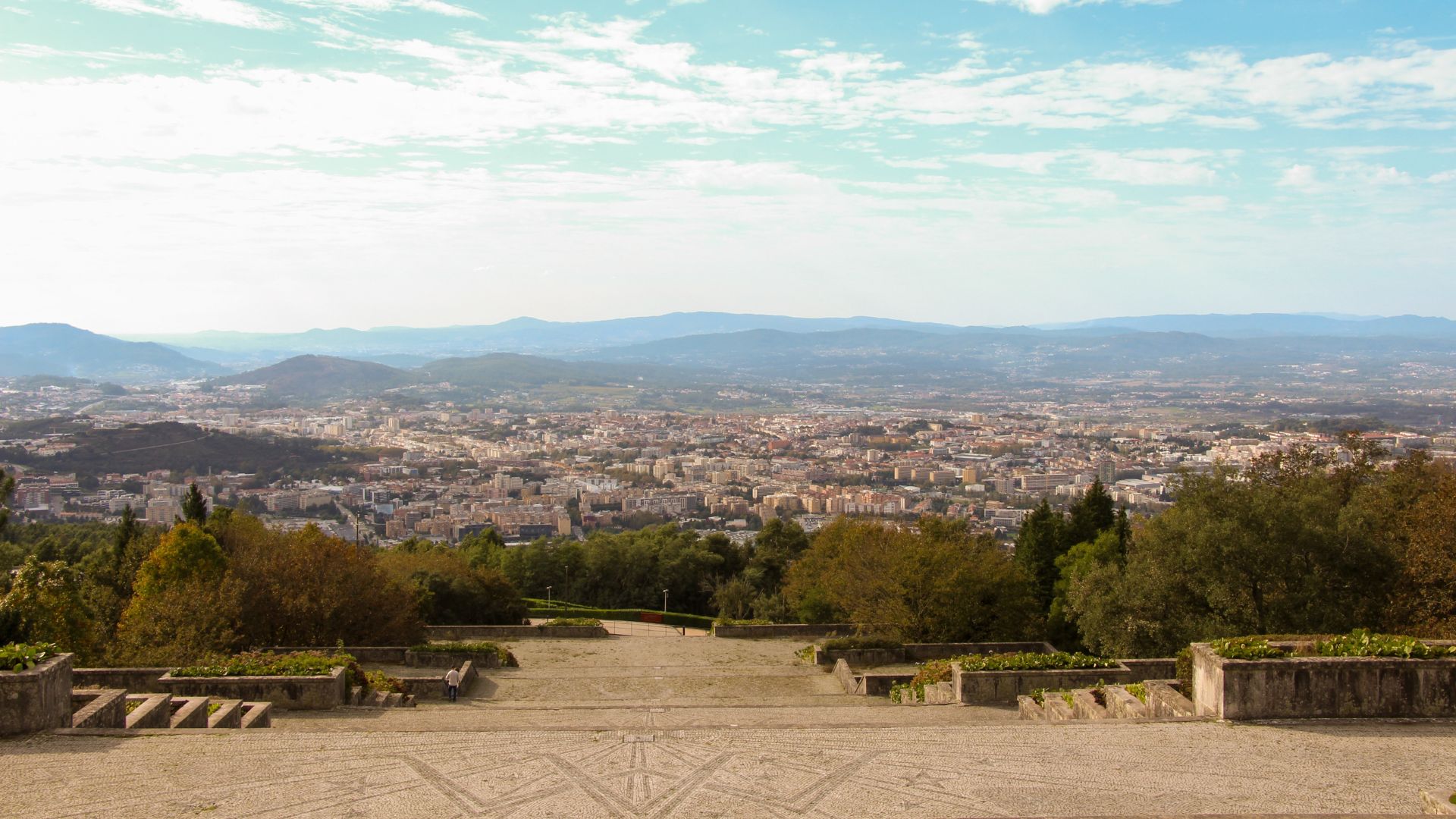
When I finally reached the upper terraces, I felt a satisfying sense of accomplishment. The panoramic views over Braga—red rooftops and church steeples everywhere—just blew me away.
On one side, manicured gardens and neat hedges gave the place a fairytale charm. I wandered quiet paths lined with flowers, small ponds, and romantic gazebos.
Benches beckoned me to sit, catch my breath, and just take it all in. Locals and families gathered here to relax.
The gardens felt peaceful and bright, with fresh, cool air under the shade of old trees. If you want a picture-perfect moment, this is the spot.
Inside the Sacred Sanctuary
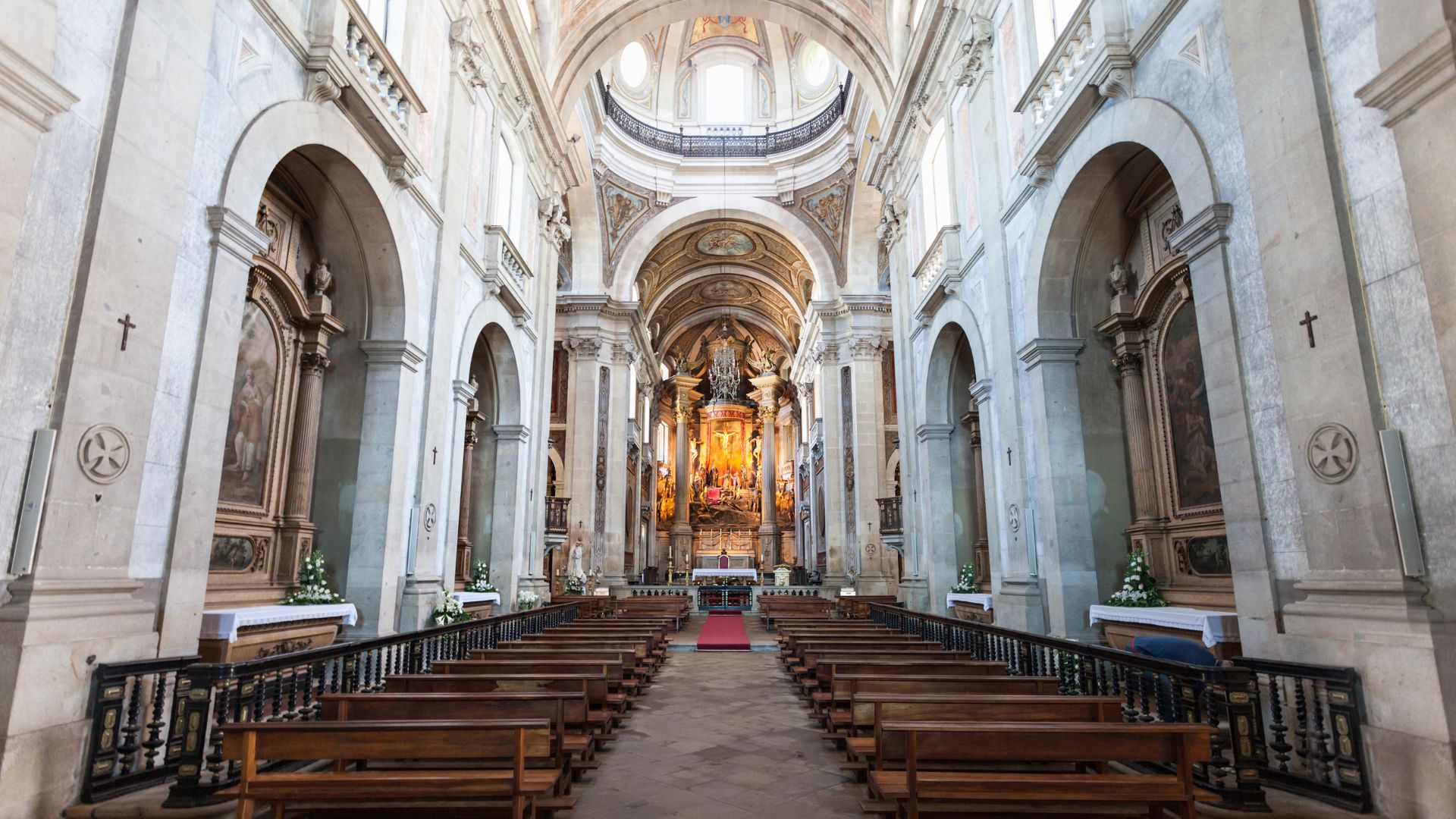
Stepping into the Sanctuary of Bom Jesus do Monte, I found a church bathed in soft light and baroque detail. The quiet hit me after the climb.
Inside, marble altars, gold leaf accents, and intricate woodwork caught my eye. Visitors lit candles and whispered prayers.
The atmosphere was respectful but welcoming—open to both tourists and those seeking a spiritual moment. Stained glass windows filtered the light into gentle colors, adding to the calm mood.
Historical displays explained the church’s significance and its centuries-old role as a major pilgrimage site. I lingered in the pews, just soaking up the peacefulness and the weight of history.
Practical Tips for the Climb
You’ll want comfortable shoes for this climb. The stones get worn and slippery, especially if it’s wet.
Bring a water bottle and a hat if the sun’s out. If the stairs aren’t your thing, hop on the historic funicular up the hillside.
It’s the oldest water-powered funicular in the world—how cool is that? Arrive early to dodge crowds; weekday mornings are best.
Weekends get busy, especially in summer. There’s a small café near the top for a treat, and restrooms are close to the sanctuary.
Quick Tips Table
| Tip | Details |
|---|---|
| Shoes | Wear sturdy, non-slip shoes |
| Timing | Arrive early for fewer crowds |
| Funicular | Option for easier access |
| Essentials | Hat, water, camera |
Exploring Ancient Cathedrals of Braga
Braga swept me into a world packed with historic churches, sacred art, and old legends carved into stone and wood. The city’s centuries of faith and artistry stare you in the face everywhere you turn.
Braga Cathedral (Sé de Braga): Oldest in Portugal
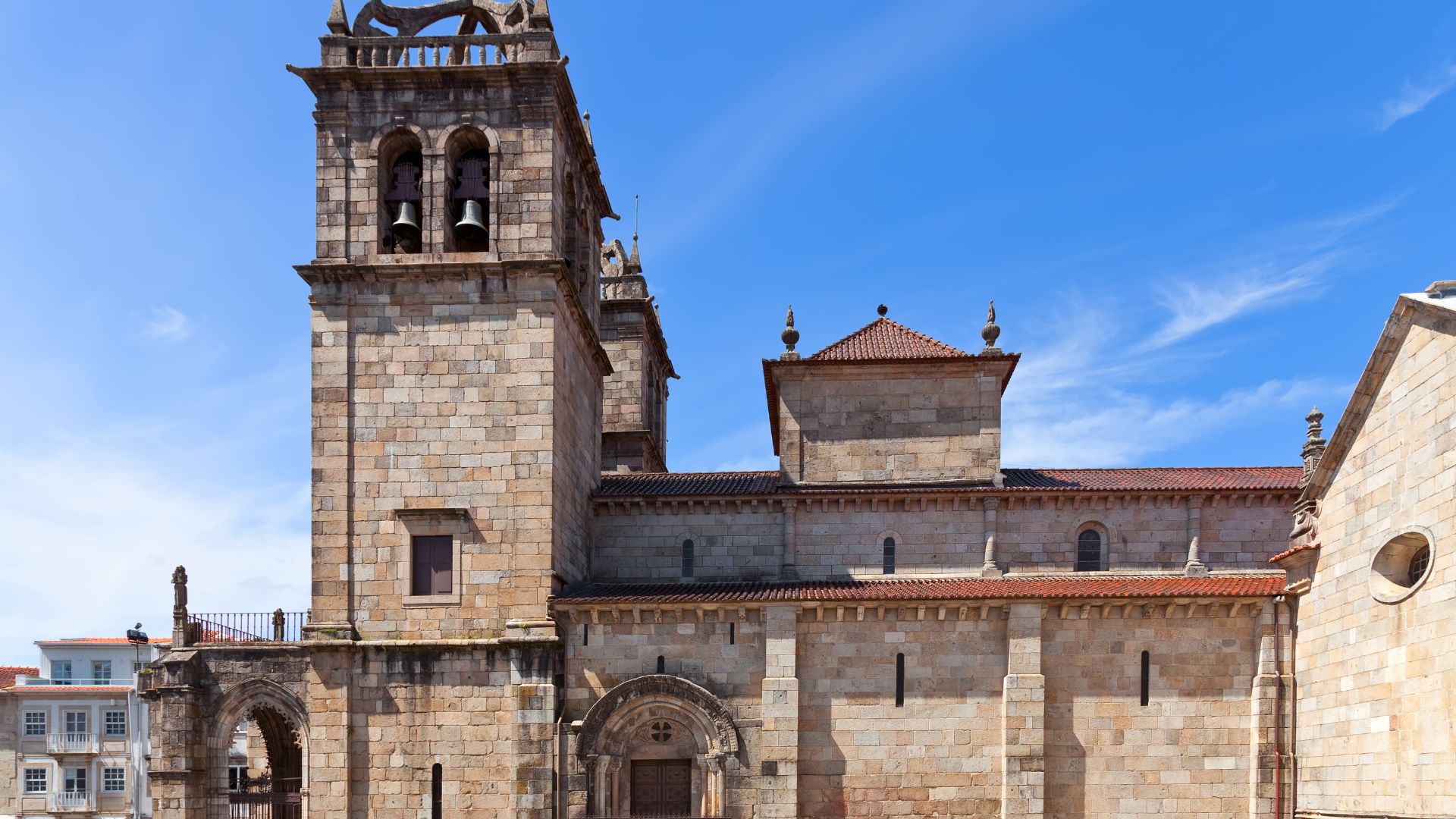
The Sé de Braga towers as Portugal’s oldest cathedral. Its Romanesque, Gothic, and Baroque architecture pulled me in right away.
It dates back to the 11th century and has been a spiritual center for generations. Inside, I wandered through soaring arches and admired intricate wood carvings.
The chapels held royal tombs and ancient relics. Organ pipes glittered in the half-light.
If you can, arrive early for that peaceful hush before crowds show up.
Here’s what really caught my eye:
| Feature | Description |
|---|---|
| Main Chapel | Ornate high altar and choir stalls |
| Treasure Museum | Sacred art and gold artifacts |
| Royal Tombs | Resting place of local nobility |
Wandering here felt like walking through living history.
Hidden Chapels & Ornate Altars
Behind grand facades, I found small chapels glowing with candlelight and gold leaf. Each one had its own intricate altarpieces, often dedicated to local saints and religious stories.
The Capela dos Reis, dedicated to important monarchs, felt especially peaceful. Detailed azulejo tiles covered the walls, telling stories from the Old and New Testament.
At the Capela da Glória, I stopped to admire the painted ceilings and vivid statues. It’s worth pausing to really study the details—many of these chapels are easy to miss if you rush.
Legends and Mystical Tales
Braga’s cathedrals overflow with legends and mysteries. Locals told me about relics of saints said to protect the city, hidden in golden reliquaries deep in the cathedral’s vaults.
One story involved a secret passage rumored to connect the Sé to a nearby monastery. I never found it, but the idea made every shadow feel full of possibility.
My guide insisted these tales encourage locals and visitors to respect the past and look for meaning in the details. Sitting in the cool stone nave, I felt connected to centuries of faith and folklore—and maybe a little more curious about what secrets Braga still keeps.
Youthful Energy in Portugal’s Oldest City
Braga might be packed with history, but I quickly noticed a strong sense of youth and modernity pulsing through its ancient streets. Vibrant university life mixes with creative spaces, fresh coffee shops, and bold new art.
Student Life and Contemporary Culture
Living in Braga feels like stepping into a city where the past and present blur together. The University of Minho brings thousands of Portuguese and international students, so there’s always a buzz near campus and around the old city center.
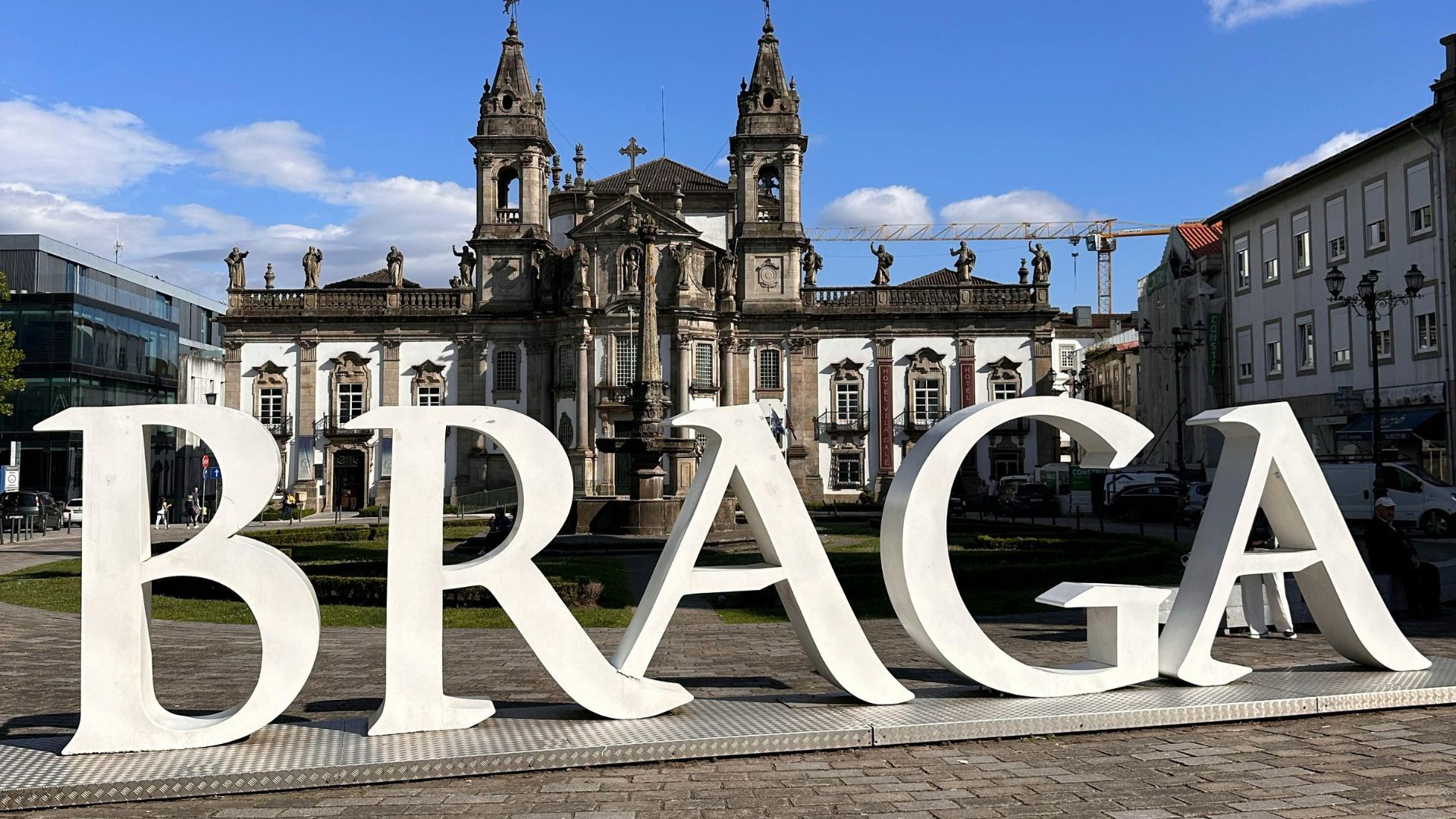
I often see student groups hanging out on the steps of Praça da República or laughing over coffee after class. Events and festivals pop up all the time.
Spring and fall fill Braga with open-air concerts, pop-up craft markets, and film nights. One afternoon, I stumbled on a student-run art fair by the Arco da Porta Nova, with music acts setting the vibe.
Unlike quieter historic towns, Braga’s student energy stirs up lively debates and performances. It’s not just about history—it’s about what Braga will become next.
Trendy Cafés and Social Hotspots
Braga’s café scene hooked me from my first morning. Café Vianna, a classic spot in Praça da República, buzzes with locals and university students.
Tables spill onto the square under umbrellas, making it easy to just watch city life go by. Modern spots like Spirito Cupcakes & Coffee serve specialty drinks and sweet treats in a casual, friendly setting.
It’s perfect for writing postcards or chatting with friends. I sampled pastries at Sabores Gelados, surrounded by old architecture and new ideas.
Many bars and bistros come alive as evening falls, especially around Rua do Souto or Largo da Praça Velha. These hotspots make finding a conversation or a new friend feel almost effortless.
Street Art and Creative Revival
Braga’s ancient walls now burst with color and creativity. As I wandered, I spotted bold graffiti and murals brightening the stone facades, especially in neighborhoods just off the main tourist paths.
Street art here isn’t just decoration. Many pieces celebrate Braga’s history or champion social causes.
Along Rua de São João, I admired large-scale artworks featuring historic Braga icons beside contemporary faces—blending generations. Locals really encourage this creative wave.
Regular street art tours help visitors spot hidden works, while galleries like Galeria Emergente show off up-and-coming artists. The city feels younger and more dynamic with every new piece that pops up.
Living Like a Local: Modern Braga Travel Insights
It didn’t take me long to realize that Braga’s got way more going on than just ancient ruins and museums. The neighborhoods buzz with life, and honestly, the little daily moments here can make you feel right at home.
From the quiet, historic lanes to the lively public squares, you’ll find a new layer of local life around every corner. There’s always something unexpected to stumble upon.
Neighborhoods Full of Local Charm
When I wandered through Braga’s old town (Centro Histórico), I saw a patchwork of narrow cobblestone streets, pastel houses, and friendly faces. This central area is perfect if you want to check out café culture, browse quirky bookshops, or hunt for boutiques tucked inside centuries-old buildings.
Just a short walk away, you’ll hit São Vicente. This district mixes local bakeries with student-filled bars, thanks to the university nearby.
It’s pretty easy to strike up a chat at the Praça da República or just blend in at one of the leafy parks filled with locals and families. The vibe feels welcoming, almost like everyone’s in on the same secret.
If you’re after a slower pace and some real tradition, head to Maximinos or São José de São Lázaro. These areas offer morning markets and retro grocery stores.
I’d often stop here just to watch older neighbors greet each other in the shade, or catch kids playing soccer in the open squares. There’s a simplicity that’s kind of refreshing.
Local Tip:
Most people spend late afternoons outdoors. You’ll see them relaxing in Avenida Central or people-watching by the fountains near the city’s main plaza.
Must-Try Eateries and Flavors
Trying the food in Braga? That quickly became a highlight for me. I’d usually start my mornings at a pastelaria with a bola de Berlim or just a simple espresso for about €1.
By lunchtime, I’d wander down a side street looking for tascas (those casual taverns) that serve Bacalhau à Braga, the city’s signature salted cod dish. It’s salty, filling, and somehow tastes better with the buzz of conversation all around.
For something sweet, you really can’t ignore Braga’s Jesuitas. These crispy, creamy pastries show up at almost every bakery.
I found my favorite at a spot that only took cash, so I paid in coins like the locals do. There’s something satisfying about that.
In the evening, Praça da República turns lively, with outdoor tables offering everything from local Minho wine to petiscos (think Portuguese tapas). My go-to? Caldo Verde soup at a small family-run place, handwritten menus and all.
Don’t Miss:
- Taberna do Migaitas for hearty, affordable meals.
- Braga’s weekly Saturday market for farm-fresh produce.
- Local galego (Galician beer) on tap at hidden bars.
Getting Around and Where to Stay
Braga’s city center honestly feels more compact than I expected. You can reach most attractions, shops, and restaurants with just a 15-minute walk.
For longer trips—like getting up to Bom Jesus do Monte—I hopped on the city bus or took the historic funicular. Both options are cheap and actually pretty reliable, which is a relief when you’re tired of hills.
Transportation Table:
| Option | Cost (approx.) | Best For |
|---|---|---|
| City Bus | €1.65/ride | Reaching suburbs & hills |
| Funicular | €1.50/one-way | Bom Jesus do Monte |
| Taxi/Bolt | from €4 | Late nights & convenience |
When I looked for places to stay, I noticed guesthouses and small hotels hidden in the quieter corners of the old town. Many have balconies with city views.
Most of them offer genuinely friendly, personal service. If you’d rather do your own thing, apartments near the university or along Avenida da Liberdade are easy to rent.
You’ll find yourself right in the middle of Braga’s everyday buzz. That’s not a bad way to experience the city, honestly.
