
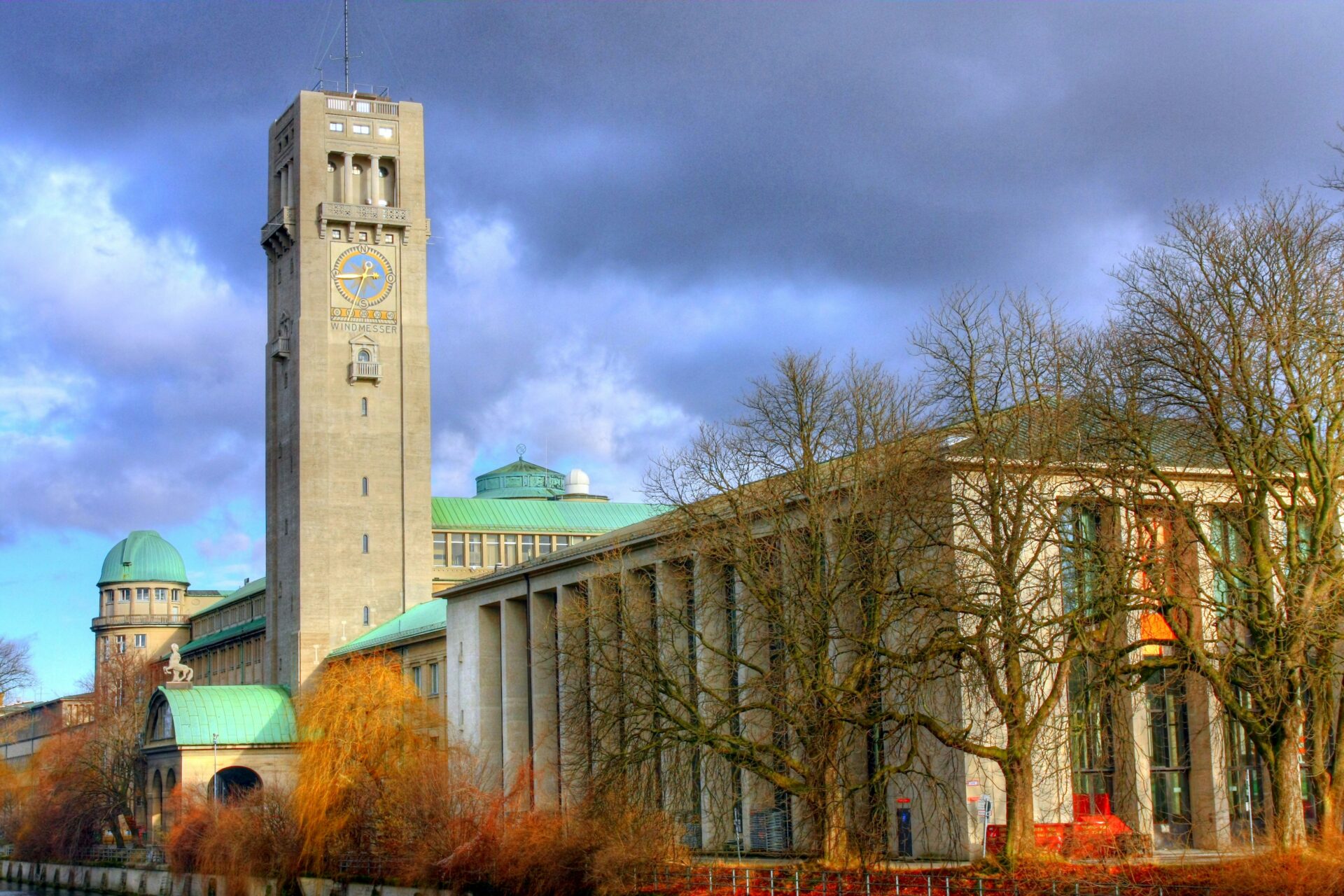
Walking into the Deutsches Museum in Munich honestly felt like stepping into a place where science and technology buzz with life. The scale here? It’s wild—this is the largest science and technology museum in the world, with over 28,000 fascinating objects across fifty fields.
From intricate old machines to hands-on experiments, every hallway pulled me in deeper. I wandered from aviation exhibits to robotics and lost track of time almost immediately.
You need to plan for hours here if you want to see even a fraction of what’s on offer. Whether you’re into classic engineering, space, chemistry, or even agriculture, there’s something for every curious mind.
Even after hours inside, I felt like I’d barely scratched the surface. The museum practically begs you to touch, try, and question everything.
If you’re in Munich—or just love discovery—you really shouldn’t skip this spot.
Planning Your Visit to the Deutsches Museum
Planning ahead for the Deutsches Museum saved me from a lot of hassle. I grabbed the right tickets, figured out the best tram, and used city pass perks to make the most of my day.
Having the right info let me focus on exploring all the hands-on exhibits.
Tickets, Admission, and Discounts
I bought my tickets online through the official Deutsches Museum website. That move let me skip the ticket line and walk right in.
Standard admission for adults was reasonable, and students, kids, and families got reduced prices. Children under six usually entered free, which is great if you’re bringing little ones.
Groups and educational trips can get special rates. If you have a student ID or belong to certain organizations, check for discounts before you go.
Sometimes, joint tickets let you visit other Munich museums for a bundled price. When I went, there was even a small discount for buying tickets online, so keep an eye out for that.
Ticket tip: If you claim a concession, bring your official ID—they checked mine at the entrance.

Opening Hours and Best Times to Visit
The Deutsches Museum usually opens around 9 AM and closes by 5 PM, but always double-check before you go, especially on holidays. Wednesdays and weekends get crowded, especially around midday.
I arrived early and avoided the worst of the crowds. Some galleries felt almost private in the morning.
By late afternoon, school groups and families started heading out, so it got quieter again. If you want to see everything, plan for at least 4-6 hours, maybe more.
With over 19 permanent exhibitions, it helps to pick your must-sees ahead of time. I used the museum map and checked which sections were under renovation since some big exhibits might be closed.

Getting There: Transport and Walking Routes
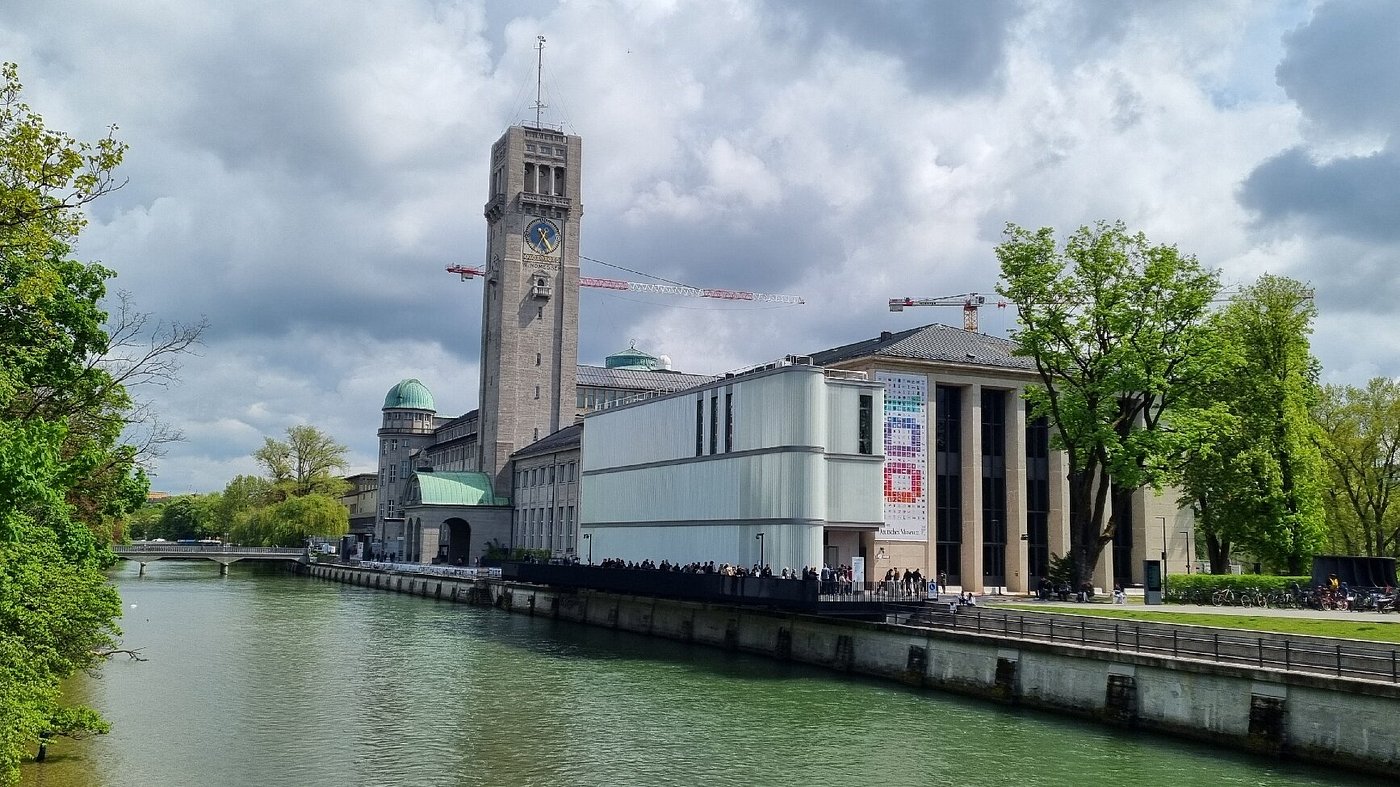
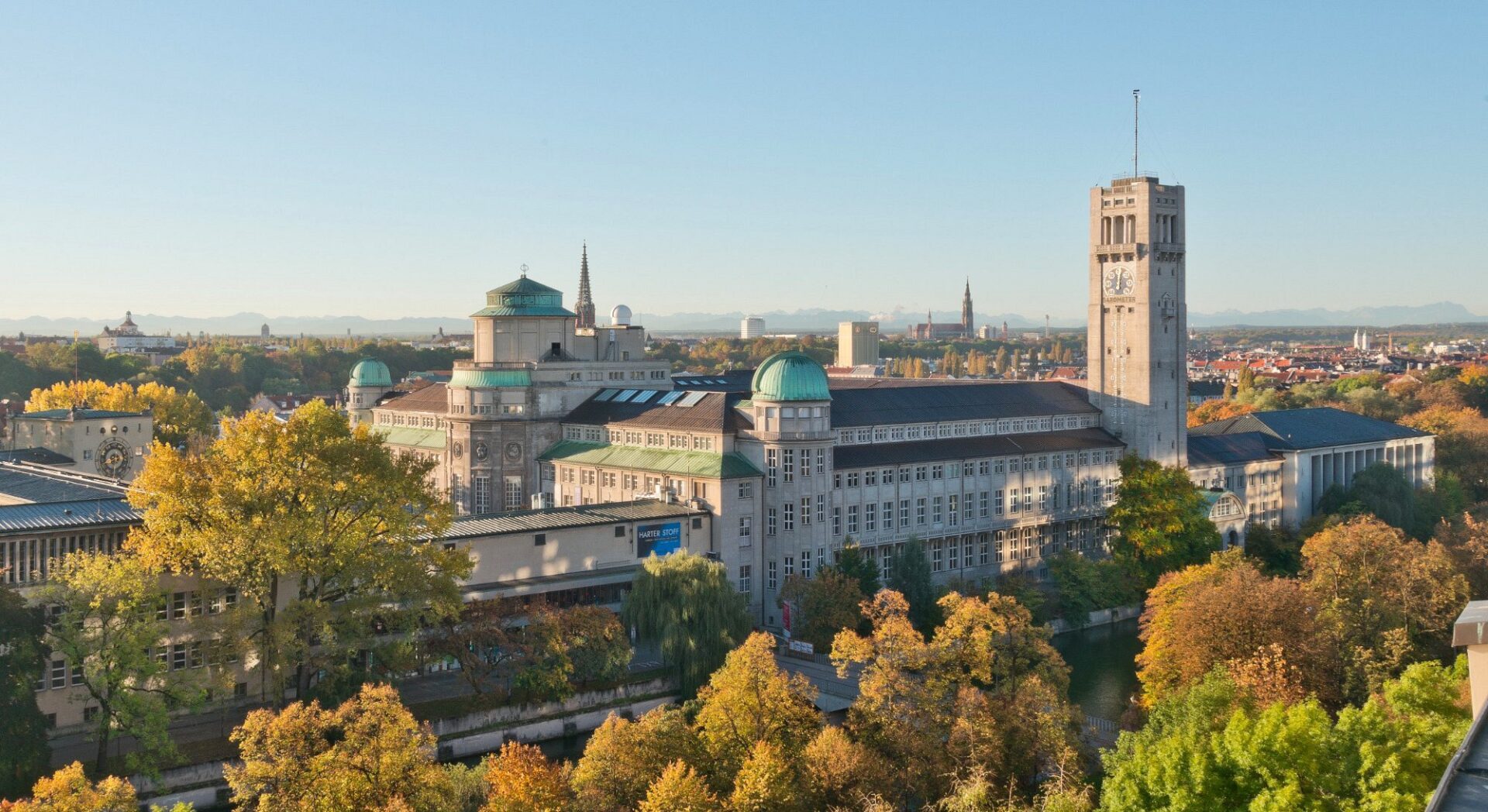
The Deutsches Museum sits on an island in the Isar River, which made the walk there surprisingly scenic. If you use public transport, trams and buses stop nearby—just look for the “Deutsches Museum” stop.
I hopped on tram line 16, which dropped me about five minutes from the entrance. Buses run often, and the S-Bahn (Isartor) and U-Bahn have nearby stations.
Munich’s MVV ticket made switching between tram, bus, and train super easy. If you’re walking from Marienplatz, it’s a 15-minute stroll through the old town and over the river.
The city added clear signs, and I felt safe day or night. There’s barely any street parking and no museum lot, so I’d say skip driving—public transport or walking is just easier.

City Pass Benefits and Entry Tips
The Munich City Pass worked out really well for me. It covered free or discounted entry to the Deutsches Museum and a bunch of other attractions.
I just showed my pass at the desk—no separate ticket needed. The pass also gave me unlimited rides on public transport, so I didn’t have to worry about tickets for trams or buses.
With the city pass, I didn’t need to carry cash and got in faster. If you buy one, check online to see if you need to pre-book a time slot during busy times since that can change.
I downloaded the official app for both the pass and museum. It made planning my route and entry a breeze.
Must-See Permanent Exhibitions and Collections
The Deutsches Museum really shines with its massive range of science and technology displays. Aviation, mining, and environmental innovations stood out and kept me exploring way longer than I’d planned.
Each hall packs in well-curated collections and hands-on activities. It’s honestly hard to choose where to start.
Aviation and Aerospace Hall
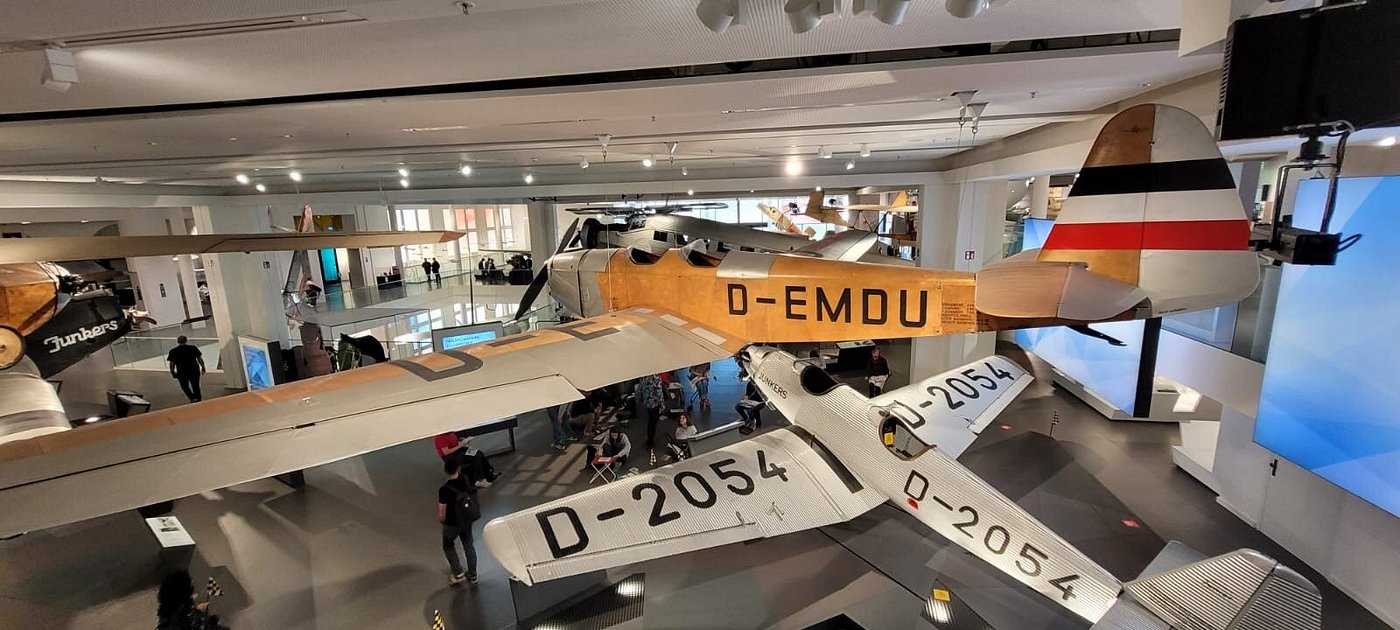
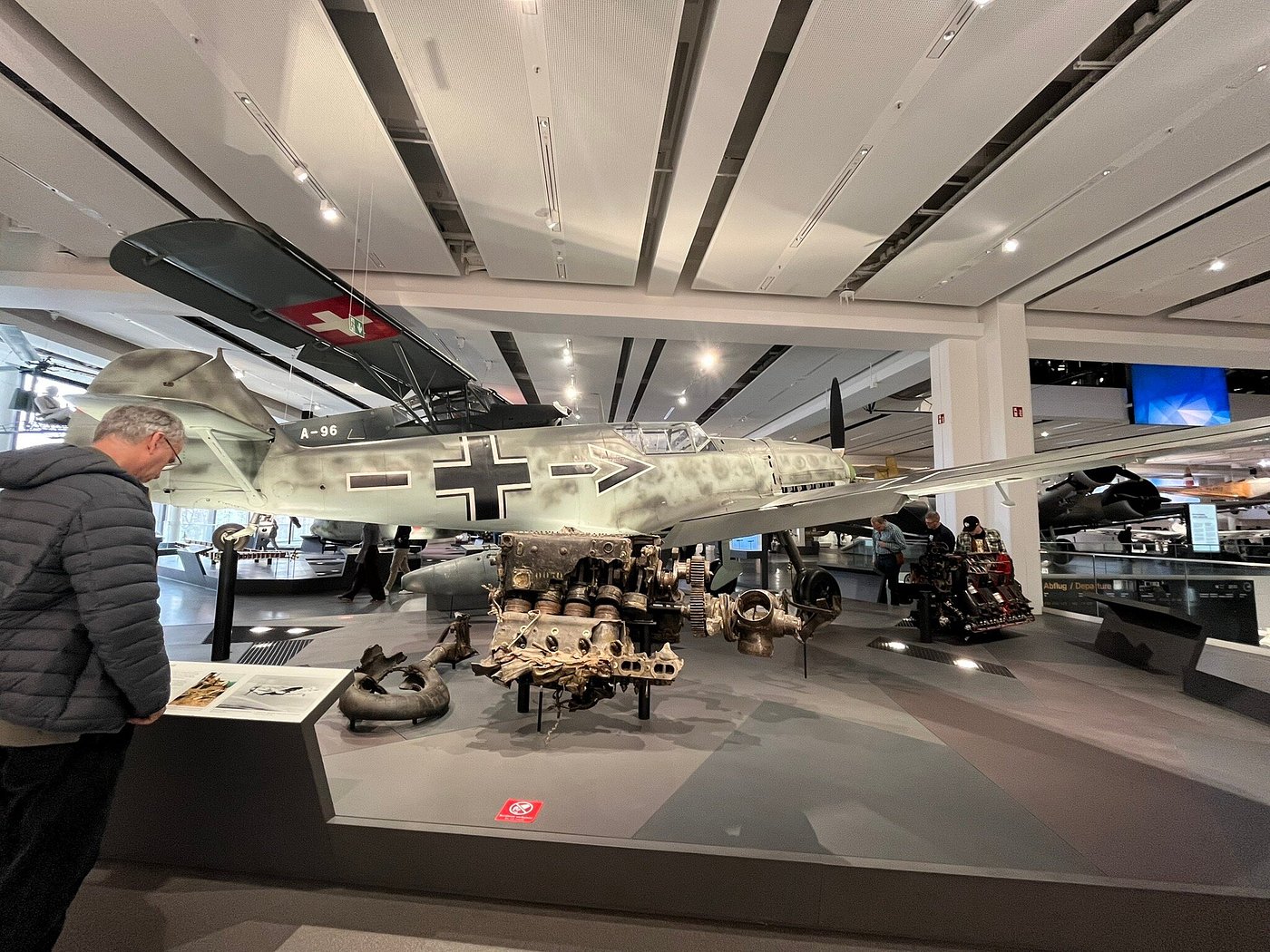
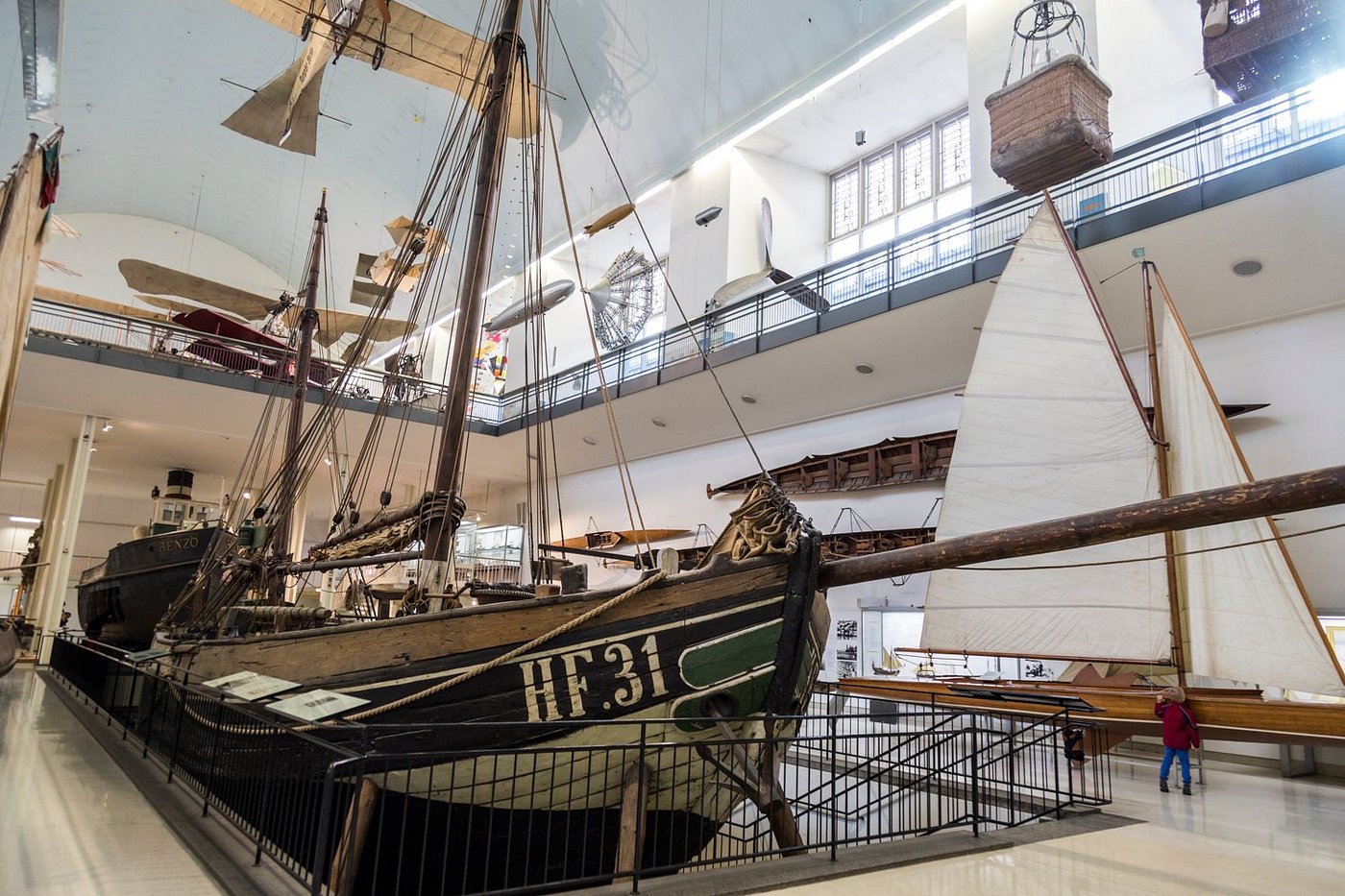
Standing under suspended airplanes in the Aviation and Aerospace Hall, I felt like I’d stumbled into a futuristic hangar. The collection covers everything from early gliders to supersonic jets.
Models, engines, and real aircraft fill the space. Some highlights? The Junkers F 13, old biplanes, and early helicopters.
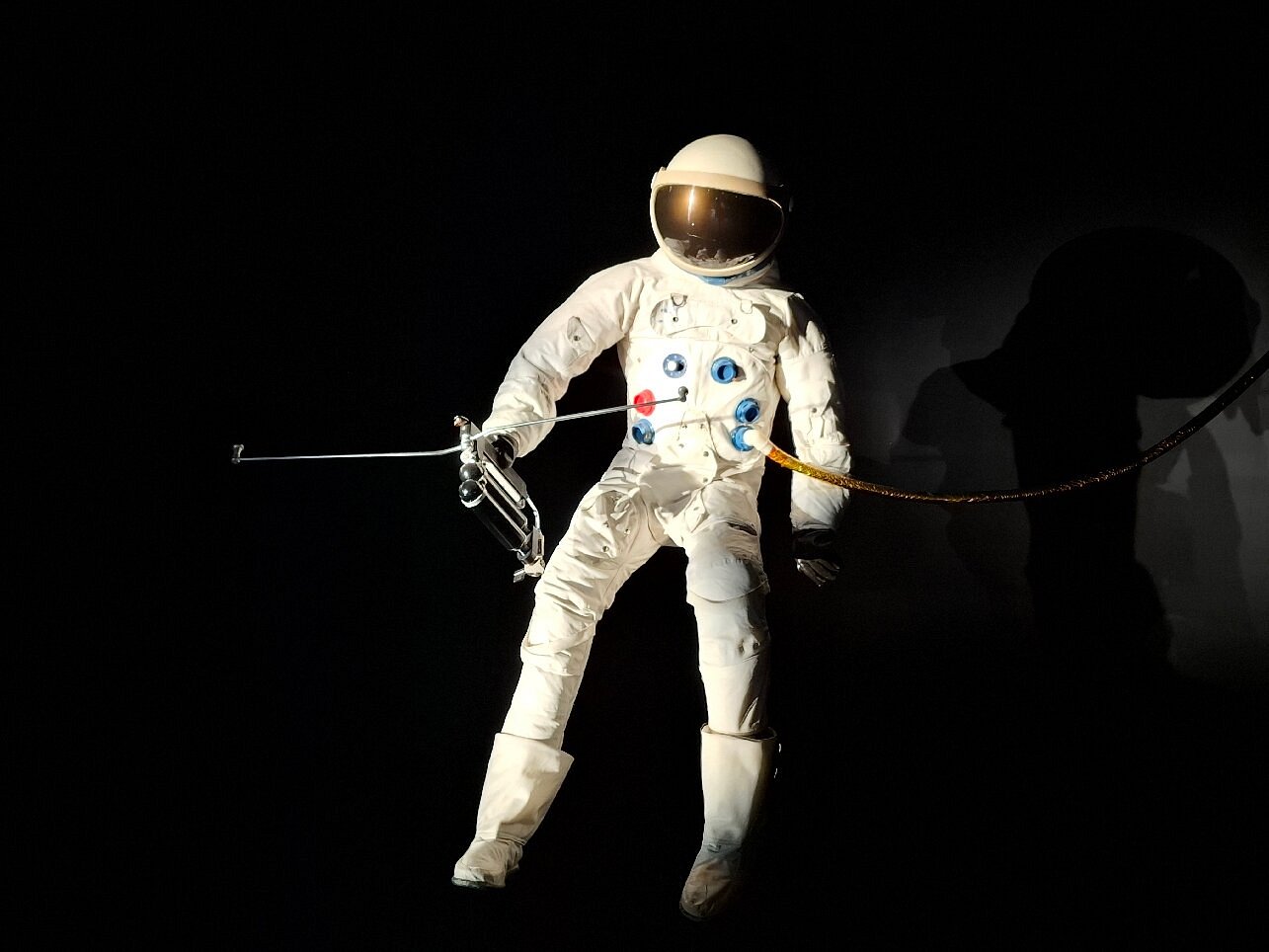
I loved the corner on space exploration. Rocket models, satellite replicas, and astronaut suits made me wonder what it would be like to travel beyond Earth.
The flight simulators let me test my piloting skills—let’s just say I’m not quitting my day job. If you have extra time, check out the museum’s Flugwerft Schleißheim branch near Munich.
It’s packed with even more vintage planes and restorations. Aviation fans, don’t miss it.
Mining Wonders and Machine Tools
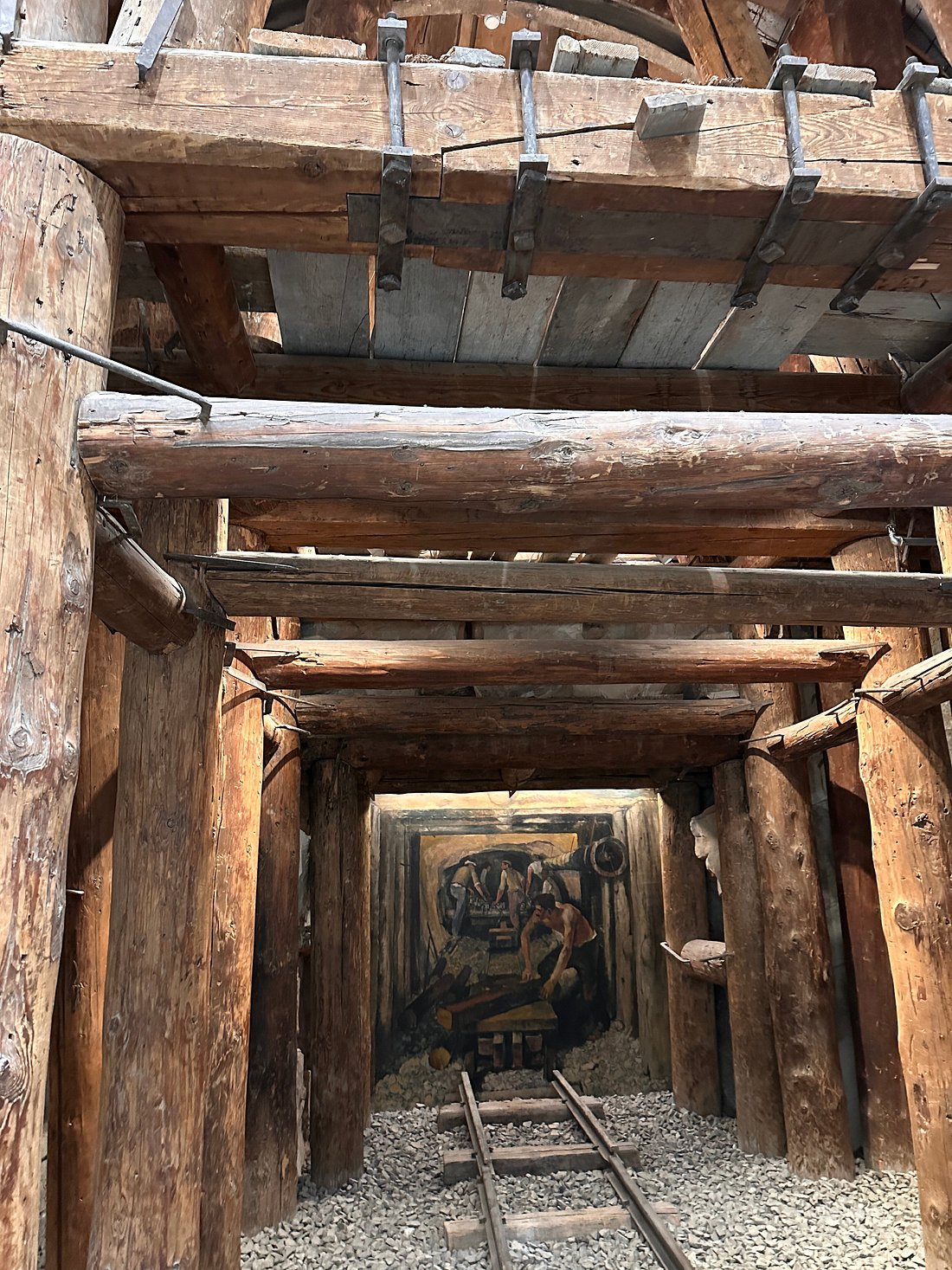
The Mining and Machine Tools section felt like stepping underground right in the middle of Munich. The recreated mine is dark, winding, and filled with real mining machines.
As I walked the tunnels, surrounded by drilling rigs and heavy equipment, I got a real sense of how miners powered Germany’s industrial boom. Interactive displays made it easy to see how machine tools changed industry.
I tried out old hand-operated lathes and saw how automation shifted the way people worked. Restored steam engines and mechanical workshops run on schedule, and you can see them in action.
What really stood out was seeing geology and engineering side by side. The exhibits show how minerals go from deep underground to the products we use every day.
If you’re into history, engineering, or geology, this section is a must.
Energy, Environment, and Climate Innovations
The energy, environment, and climate exhibits connect the past, present, and future. Giant hydroelectric generators, solar panels, and wind turbines fill the halls, showing how far energy tech has come.
I tried interactive stations that compare old and new power sources. Touchscreens explained climate science and gave me tips to save energy.
There are models of coal plants right next to sustainable solutions. Watching the working Tesla coil spark to life was unforgettable.
These displays made me think about my own energy choices and what clean power means for our planet. If you care about the future or the environment, don’t skip this hall.

Interactive and Hands-On Experiences
Every corner of the Deutsches Museum seems built to spark curiosity. There are dedicated spaces for kids, advanced workshops, and exhibits that make you want to roll up your sleeves.
I found myself learning by doing, which made the day fly by.
Kids’ Kingdom and Educational Activities
I started in the Kids’ Kingdom, which is perfect for families or anyone who’s just a kid at heart. It’s designed for ages 3 to 8, but honestly, I had fun with some of the activities too.
Kids can steer a ship, play with water wheels, and try simple science experiments. Everything’s hands-on and playful.
There are puzzles, play areas, and stations to see how levers, pulleys, and electricity work. Helpers are always nearby, so kids can explore safely.
School groups fill the place with energy on weekday mornings. Activity booklets, scavenger hunts, and special events keep older kids interested too.
Everyone—grown-ups included—finds something new to try or touch.
Live Demonstrations and Workshops
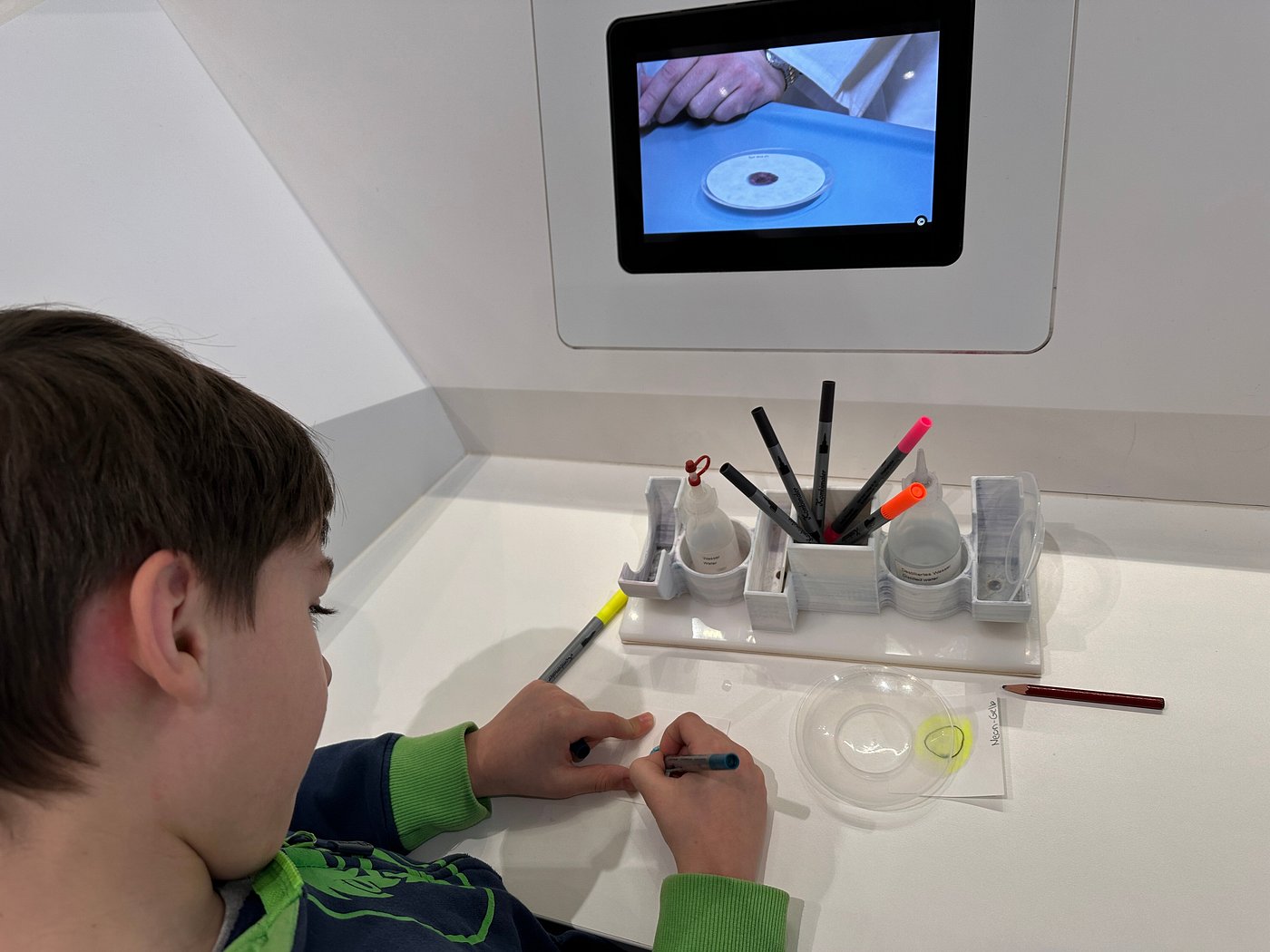
The live demonstrations and workshops really impressed me. Scientists and staff run regular shows on electricity, chemistry, and physics.
During a chemistry demo, I watched colored flames shoot up in glass tubes while the presenter explained each reaction. The audience asked questions and even joined in for small experiments.
I signed up for a workshop about coding mini-robots—no experience needed. Some workshops are drop-in, others you need to book ahead.
Daily schedules are posted online and at the entrances, so it’s easy to find something that fits your interests. Whether it’s circuits, paper airplanes, or renewable energy, there’s a workshop for you.
Guided Tours and Audio Guide Insights
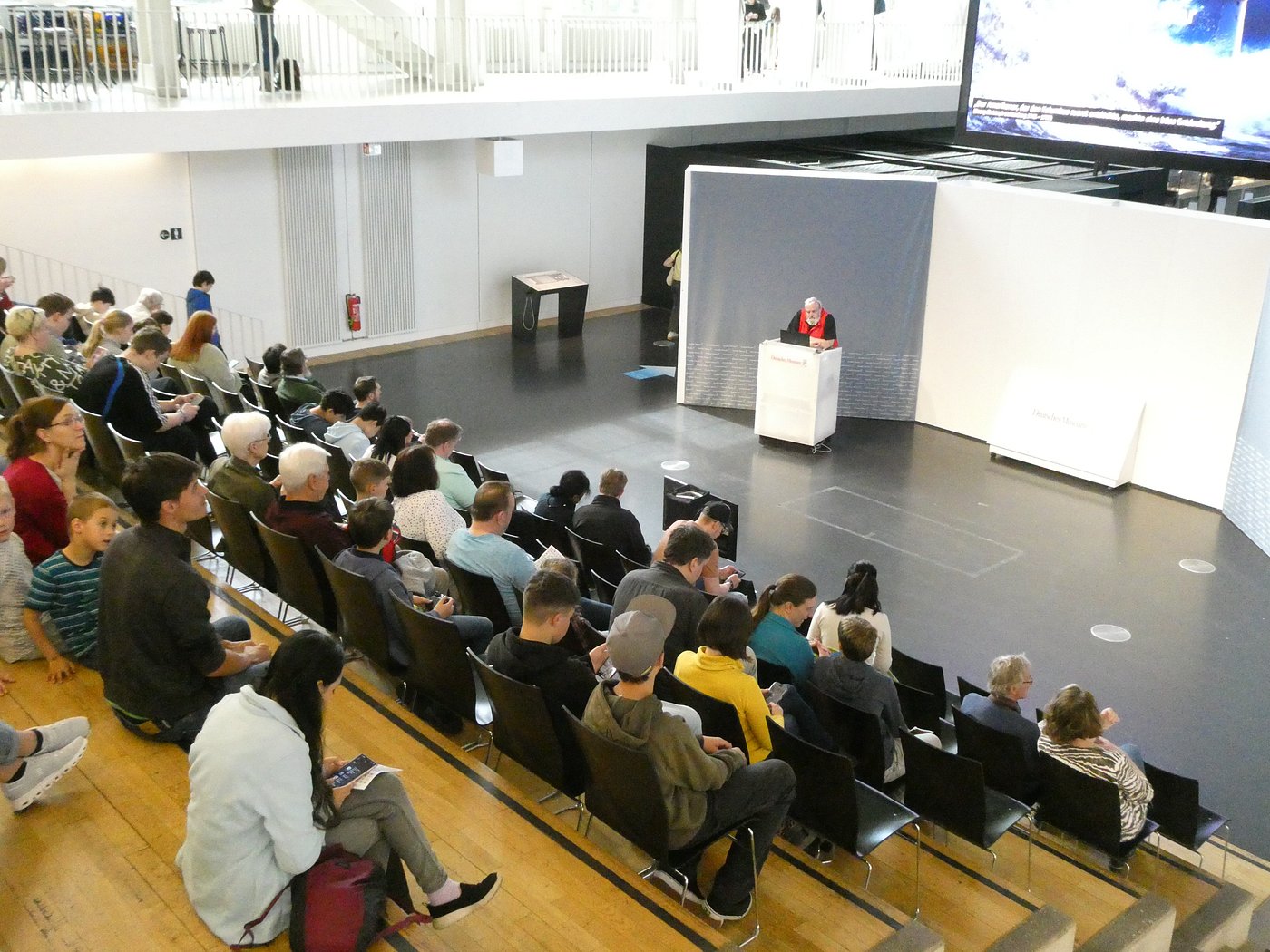
Guided tours made the museum feel more personal, especially in the huge galleries where it’s easy to get lost. Guides shared stories behind inventions, from steam engines to early computers.
If you prefer to wander, the audio guide is a solid choice. It covers most major sections in several languages.
I used mine for extra info on the space exhibit and found it really helpful for spotting hidden gems. Private tours focus on themes like aviation or medicine, and I saw families, school groups, and solo visitors all joining in.
Unmissable Interactive Exhibits and Displays
So many galleries here focus on touchable and playable displays. I pulled levers to lift weights, explored a wind tunnel, and tested my reflexes on a flight simulator.
The “Mission AI” area let me interact with artificial intelligence tools and see how machines “learn.” Some screens responded to my choices, while other exhibits had me building or pressing buttons.
A few can’t-miss interactives:
- Flight Simulator: Pilot a virtual plane, complete with speed and altitude readouts.
- Experiment Stations: Run science experiments with staff nearby.
- Energy Lab: Use water and air to power model turbines.
- Communication Table: Build and test cam-driven message machines.
Every hands-on experience made science stick. I left feeling like I’d experimented my way through history.
Science, Technology, and Innovation Highlights
My visit was packed with hands-on moments, incredible artifacts, and chances to see science and tech in motion. From staring up at planets to exploring new medicine, every floor had something wild to offer.
Space Exploration and Planetarium Shows
The space section grabbed me right away. Real rockets, satellites, and detailed models showed just how far we’ve come in exploring the universe.
I stood next to massive replica spacecraft and read about missions that changed how we see space. The planetarium was another highlight.
I found a seat for a live show and felt like I was floating among stars. The guides used advanced projection tech to make you feel part of the Milky Way.
They explained constellations and new space discoveries in simple, clear language. Interactive stations let me try a Mars landing and launch mini-rockets.
Kids and adults focused together, pressing buttons and working as teams. I picked up new facts about planets and space travel and left feeling inspired to keep looking up.
Robotics, Optics, and Atomic Physics
The robotics area was a blast. Robots of all shapes and sizes moved behind glass or across open floors.
Some danced, others solved puzzles, and a few even greeted visitors with programmed waves. I tried guiding a robot arm—way trickier than it looks.
Optics had glass cases packed with lenses, mirrors, and early telescopes. Demonstrations showed how light bends and splits into colors—a real rainbow in a box.
The atomic physics displays mixed hands-on models with bright diagrams. I watched electrons move on screens, saw a spinning atom model, and read about the scientists who unlocked atomic energy.
This area balanced digital exhibits with classic science gear, making tricky ideas a lot easier to understand.

Medicine, Health, and Musical Instruments
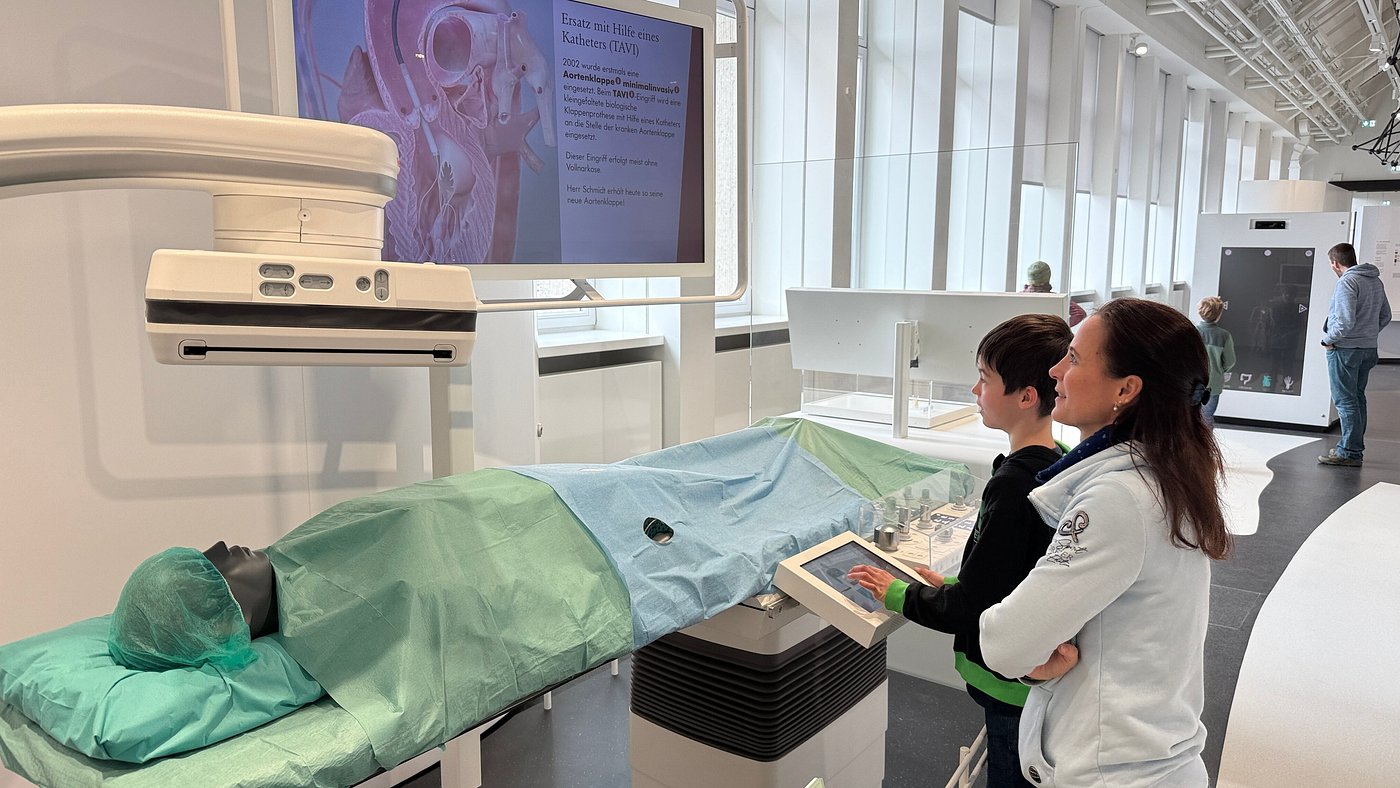
The health and medicine wing really showed me just how much technology shapes our lives. I wandered past microscopes, X-ray machines, and some early surgical tools, thinking about how treatments keep getting better.
Videos popped up everywhere, explaining how doctors now use all sorts of modern gadgets to catch health problems faster than ever.
I got to mess around with a hands-on heart model that actually beat when I pressed buttons. Watching the blood flow or seeing what happens when arteries clog up felt surprisingly real.
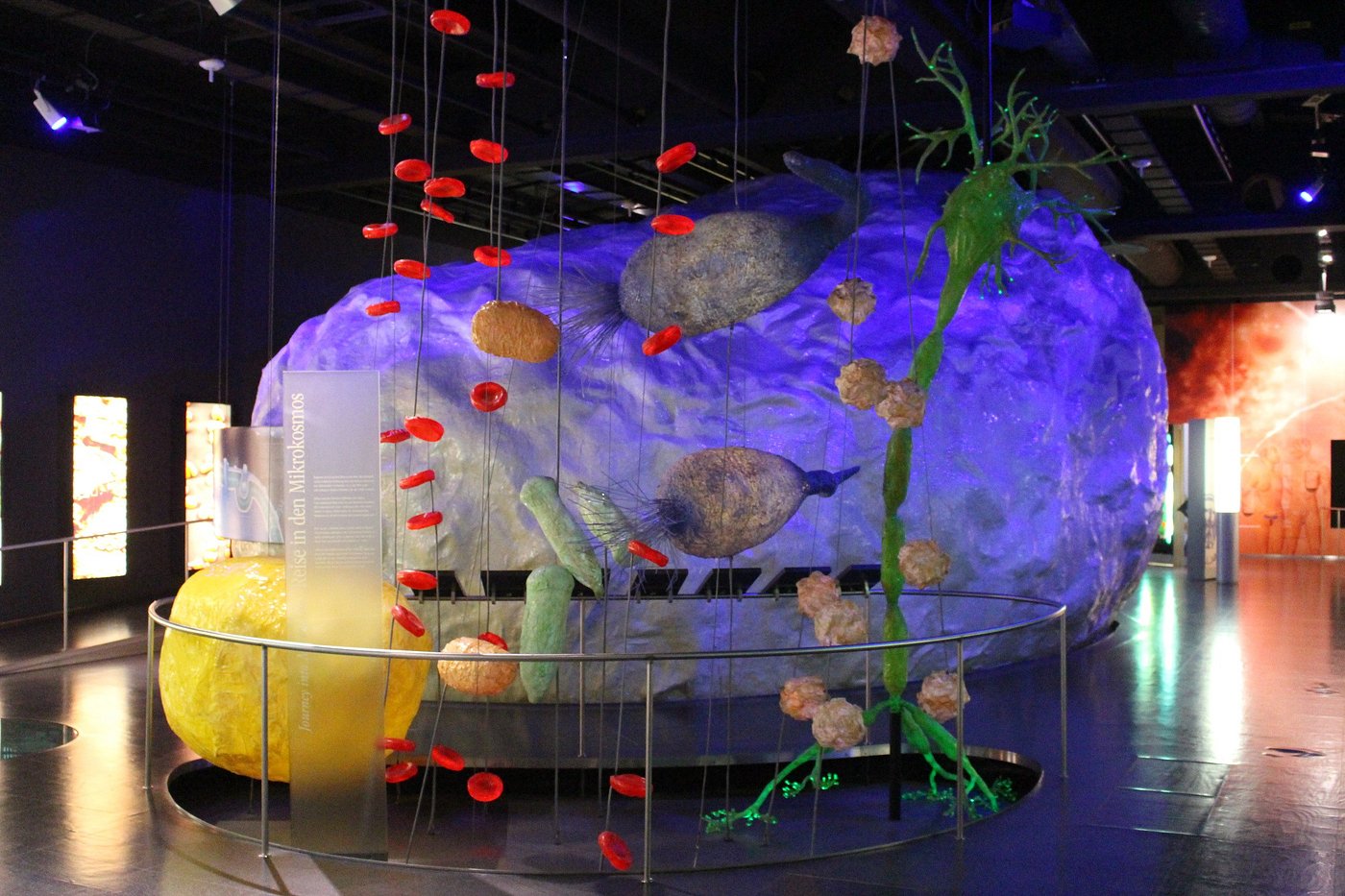
The museum didn’t shy away from tough health topics. I found displays about germs, the immune system, and even pandemics.
Right nearby, the musical instruments collection caught me off guard in the best way. Guitars, pianos, synthesizers, and some really odd old horns showed how science shapes sound.
Some instruments played music at the push of a button. It was honestly just fun seeing how tech and creativity come together to make the songs we love.
| Exhibit Area | Hands-On Activities | Standout Artifacts |
|---|---|---|
| Space Exploration | Mars simulator, Rocket Launches | Full-size spacecraft |
| Robotics | Robot arm, AI demonstrations | Walking robots |
| Optics | Light-bending tables, Telescopes | Historic lenses |
| Medicine | Heart model, X-ray viewer | Early medical tools |
| Musical Instruments | Try-out displays, Sound experiments | Rare instruments |
Special Exhibits, Temporary Displays, and Renovations
When I visited the Deutsches Museum, I realized it’s way more than just permanent galleries. Exhibits change all the time, and renovations keep the place feeling fresh and easy to explore.
My visit let me get up close with both the latest science displays and the creative ways the museum keeps reinventing itself.
Current and Upcoming Science Exhibitions
The moment I walked in, a few special exhibitions grabbed my attention. The “Water is Life” exhibit used real models and hands-on stations to show how water connects to everything—from biology to technology.
Nearby, “My Field is the World” had old pattern books and catalogs, revealing the rich history of industry and invention.
Temporary displays pop up throughout the year. Some highlight anniversaries or breakthroughs. One display that really stuck with me celebrated 100 years since the first long-distance car race, mixing vintage cars with interactive stories for both tech fans and car lovers.
Seasonal events like Munich Space Days brought in special programs and workshops. There’s always something extra to discover.
The museum posts updates about upcoming exhibitions online and around the building. It makes planning a visit around your own interests way easier.
Major Renovation Highlights
Since 2021, the Deutsches Museum has tackled some major renovations. The updated areas now have sleeker layouts, better lighting, and improved accessibility.
When I walked into the renovated Museum Island section, I noticed how open and airy it felt. Even on busy days, the new design kept things from feeling cramped.
Some of my favorite changes were the interactive dioramas and digital media stations. They made tricky topics—like atomic physics or robotics—so much easier to understand.
The museum added clear signs and touchscreens in lots of languages. As an international visitor, I really appreciated that.
Renovations also brought technical upgrades behind the scenes. The new climate control, security, and sustainability features help keep exhibits safer and in good shape for longer.
From what I saw, these changes gave the museum a fresh look without losing its classic vibe. Every return visit feels a bit different.
Essential Amenities, Nearby Attractions, and Insider Tips
Time flies at the Deutsches Museum, especially if you love exploring science and tech at your own pace. Knowing where to eat, snap photos, find hidden gems, and catch the must-see exhibits definitely makes your day smoother.
Café, Dining Options, and Relaxation Spaces
All that exploring left me craving a café break. Luckily, the museum café is roomy and offers both hot meals and lighter snacks.
I grabbed a fresh pretzel with coffee, but the salad bar and hot lunch specials looked tempting too.
The cafeteria has plenty of seats and big windows overlooking the Isar River. It’s a great spot to relax and recharge before heading back out.
If you bring your own food, you’ll find quiet benches in the garden by the entrance.
Tip: The eating areas get crowded at lunchtime, so I found it easier to go early or wait until after the rush.

Photography Tips and Souvenir Shopping
I brought my camera, and honestly, every corner of the museum has photo-worthy displays. The huge airplanes and interactive water exhibits especially stand out.
Photography’s allowed in most areas, but they don’t let you use tripods or flash, so it helps to check your camera for indoor settings.
If you’re into space, the Wright Brothers’ plane makes a great backdrop. I tried snapping shots inside the U1 submarine, but it’s pretty dark and tight in there.
Taking pictures early in the day meant I didn’t have to dodge as many people.
On my way out, the gift shop was packed with science kits, books, and quirky souvenirs. It’s a fun place to grab gifts for the curious folks back home.
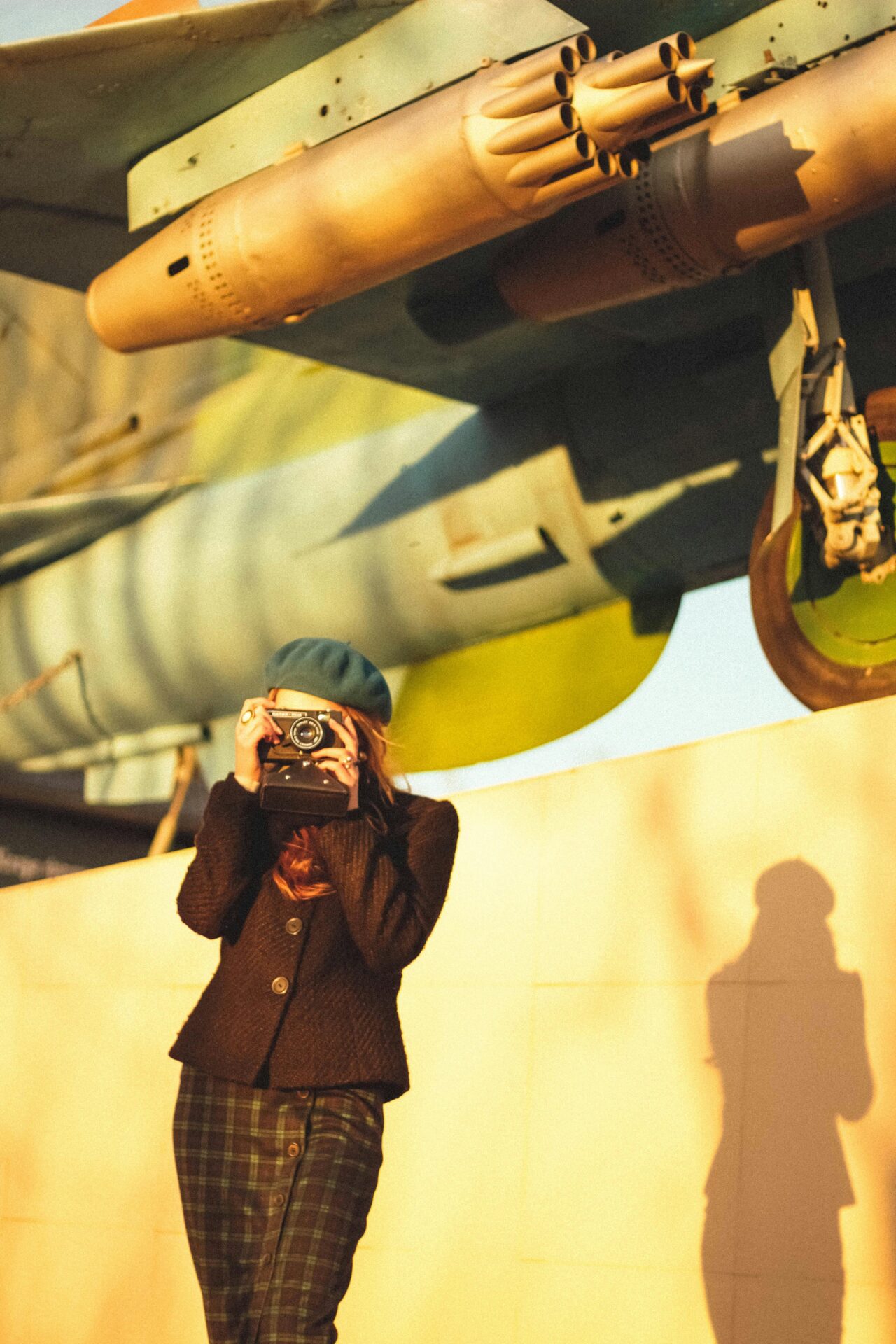
Exploring Verkehrszentrum, U1 Submarine, and More
One highlight for me was the Verkehrszentrum, the museum’s transport branch just a short tram ride away. I hopped over to check out vintage cars, steam locomotives, and interactive exhibits about moving people and goods.
If you’re into classic vehicles or urban mobility, it’s a must-see.
Back at the main museum, I climbed inside the U1 submarine. It’s cramped but gives you a real feel for submarine life.
Don’t skip the model airplanes on the upper floors. I learned about early aviation and couldn’t help but marvel at how far technology’s come since the Wright Brothers.
The water technology exhibits were hands-on and genuinely fun. I got to control little dams and locks, which was way more interesting than I expected.

Viktualienmarkt and Hidden Munich Gems
When I needed a change of scene, I wandered out to the Viktualienmarkt. It’s just a 10-minute walk away.
This bustling open-air market serves up Bavarian treats from food stalls—fresh fruit, sausages, local cheeses, you name it. I grabbed a quick snack and soaked in the lively atmosphere.
Sometimes, I just wanted a peaceful break. It’s easy to find quiet spots along the Isar River or in tucked-away gardens near the museum.
If you’re into quirky sights, you’ll find small galleries and historic churches scattered around the area. Wandering these hidden corners gave me a better feel for local Munich life—there’s so much more than what you see inside the museum.
