
Exploring California’s deserts? Honestly, it’s given me some of my most jaw-dropping travel moments. From stumbling into wildflower superblooms after rare rains to sprawling under a sky jammed with stars, there’s always something unexpected out here.
The desert’s quiet beauty, those huge open spaces, and the little surprises tucked away in rocky corners keep every trip feeling fresh. I never know what I’ll find next.
Every desert throws its own curveballs. Joshua Tree’s got those weird, otherworldly rocks. The salt flats near the Salton Sea shimmer with wild colors. Anza-Borrego explodes with flowers if you catch it just right. Sometimes, just driving through these places feels like an adventure—one minute you’re in emptiness, the next you’re gawking at a view you didn’t see coming.
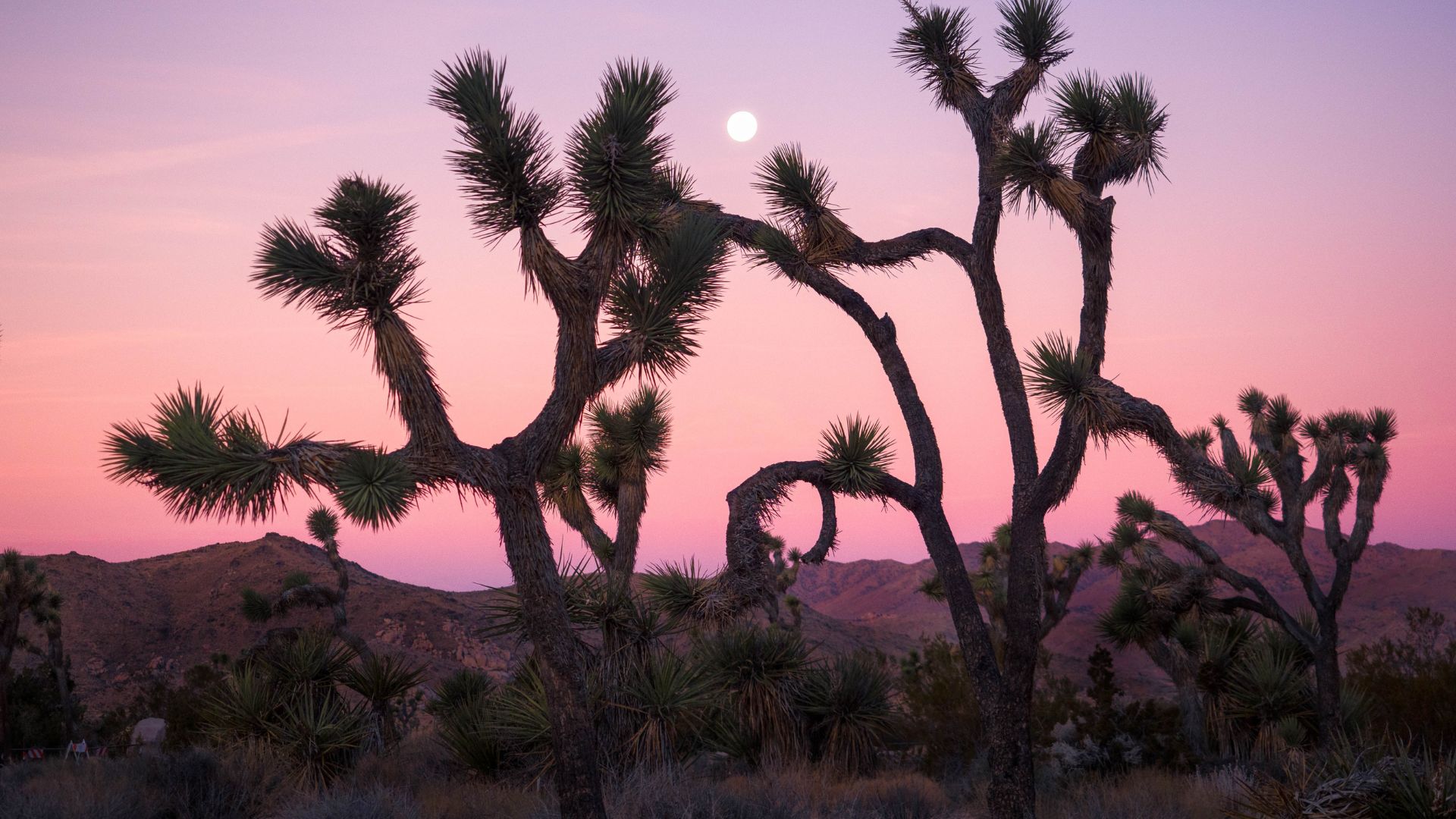
Superblooms and Wildflower Wonders
Spring in California’s deserts can knock you sideways. Suddenly, dry sand turns into fields of color. That change? It’s pure magic.
Every spot has its own wildflower personality. I never got bored chasing blooms.
Exploring Joshua Tree’s Vibrant Blooms
Sure, Joshua Tree’s famous for its rocks and those spiky trees—but spring brings a whole new vibe. Between February and April (if the rain’s been kind), wildflowers start popping up everywhere.
I wandered trails lined with desert marigolds, purple lupines, and those electric orange poppies. Hidden Valley and Cottonwood Spring? Some years, they look like someone spilled a box of crayons. I loved hiking early, when the air felt cool and the colors seemed extra sharp.
Birds and bees buzzed around, making the desert feel alive. Even when the big superblooms didn’t happen, I always found little pockets of color on the lower trails.

Alabama Hills in Peak Flowering Season
The Alabama Hills, tucked at the foot of the Eastern Sierra, totally surprised me after a wet winter. Most people know this place for its round boulders and old movie sets, but in early spring, the hillsides light up with desert gold, Indian paintbrush, and evening primrose.
I strolled down Movie Road, snapping photos of wildflowers with snowy mountains behind them. That contrast—gray rocks, blue sky, and splashes of color—felt unreal.
Blooms here don’t stick around long. I checked local updates and planned my trip down to the week. Early mornings worked best; the flowers looked fresh, and hardly anyone else was around.
Desert Wildflower Trails Near Death Valley
Just outside Death Valley, the desert trails sometimes deliver the wildest flower shows. After good rains, I’ve seen whole carpets of desert gold, phacelia, and sand verbena on roads like Jubilee Pass and Ashford Mill.
Visitor centers hand out maps showing where the best blooms are hiding. Timing’s everything—I usually aimed for late February or early March, before the heat started cooking everything.
Walking among the flowers, the air smelled sweet and bees darted everywhere. Even in dry years, I hunted down hidden canyons for little bursts of color.
Quick tips for wildflower viewing:
| Location | Best Months | Notable Blooms |
|---|---|---|
| Joshua Tree | Feb–April | Marigold, lupine, poppy |
| Alabama Hills | March–April | Indian paintbrush, primrose |
| Death Valley Region | Feb–March | Desert gold, sand verbena |
Majestic Desert Landscapes and Iconic Landmarks
California’s deserts just have this way of making you feel small—in a good way. Wild rock formations, endless stretches of sand, and adventures you can’t get in the city.
I always leave feeling a little more connected to the planet.
Hiking Through Death Valley National Park
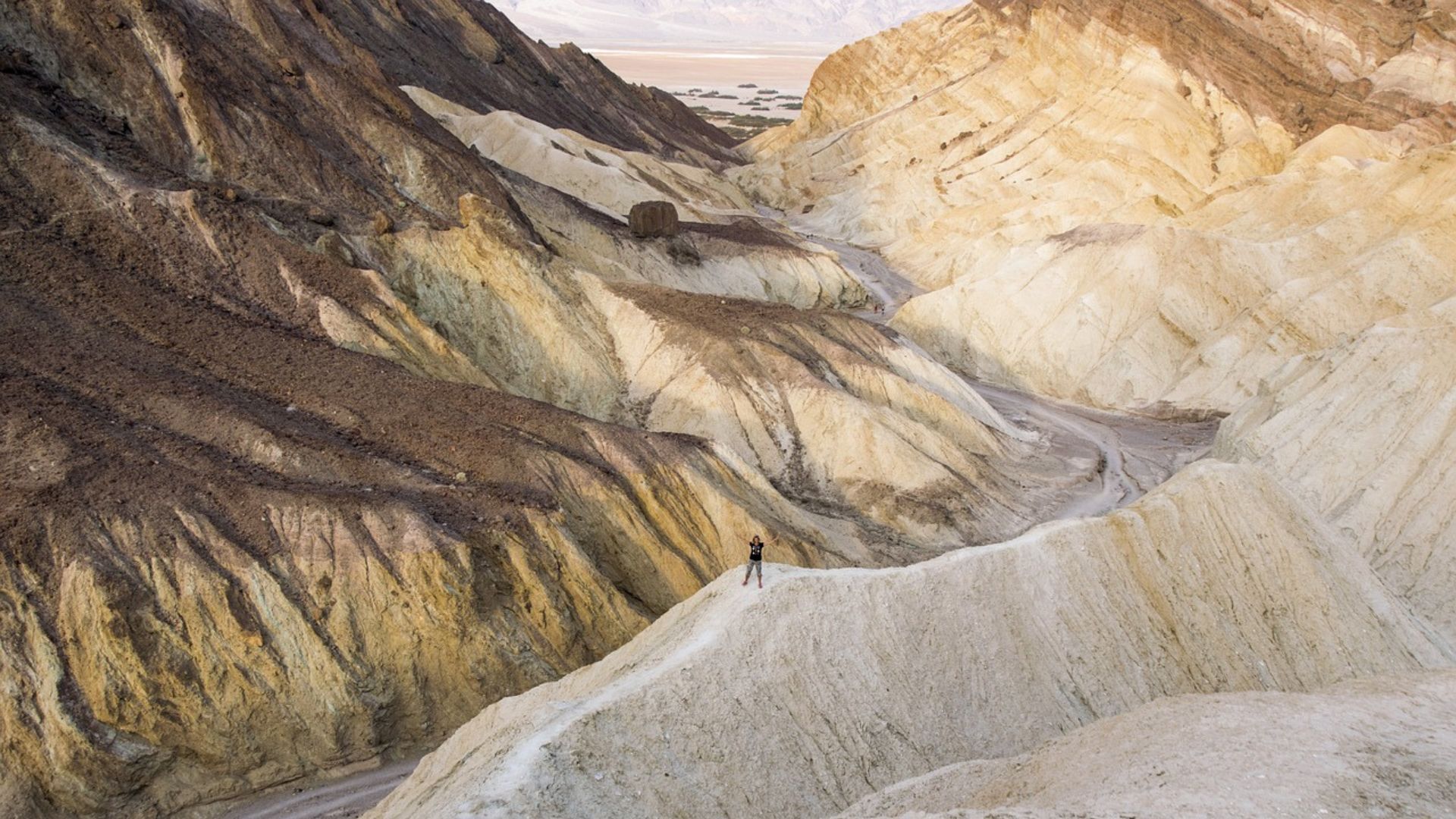
The first time I hiked in Death Valley, I just stood there, stunned. Salt flats at Badwater Basin stretched out forever. At Artists Palette, the hills looked painted by hand. I hit the Golden Canyon trail, winding through bright rock walls—tough, but so worth it.
Popular hiking highlights:
- Golden Canyon Trail (easy to moderate, great for families)
- Mosaic Canyon (smooth marble walls, super photogenic)
- Zabriskie Point (easy viewpoint, sunrise is unreal)
The heat gets brutal, so I always started at dawn and packed way more water than I thought I’d need. Every trail felt different—one evening, I watched the sunset over sand dunes and the whole valley changed color.
Campsites with Unbeatable Desert Views
Camping in Death Valley is a whole adventure on its own. I’ve stayed at Furnace Creek Campground—close to the main trails and visitor center. The views? Mountains on all sides, and nothing but open desert.
At night, the stars blew my mind. No city lights, just a sky packed with constellations. Mesquite Spring and Texas Spring are solid picks too. The bigger campgrounds have basics like toilets, water, and picnic tables, which makes things pretty comfortable.
Tips for camping:
- Book ahead in busy season.
- Bring more water and sunscreen than you think you’ll need.
- Respect the park rules—let’s keep it wild for everyone.
I always wake up out here feeling calm, ready for another day of exploring.
Stargazing Nights Under California Skies
If you love stargazing, California’s deserts are next-level. The air’s clear, the elevation’s high, and there’s barely any light pollution. Every spot has its own flavor—some are wide open, others have observatories. No two nights under the stars feel the same.
Stargazing in Joshua Tree
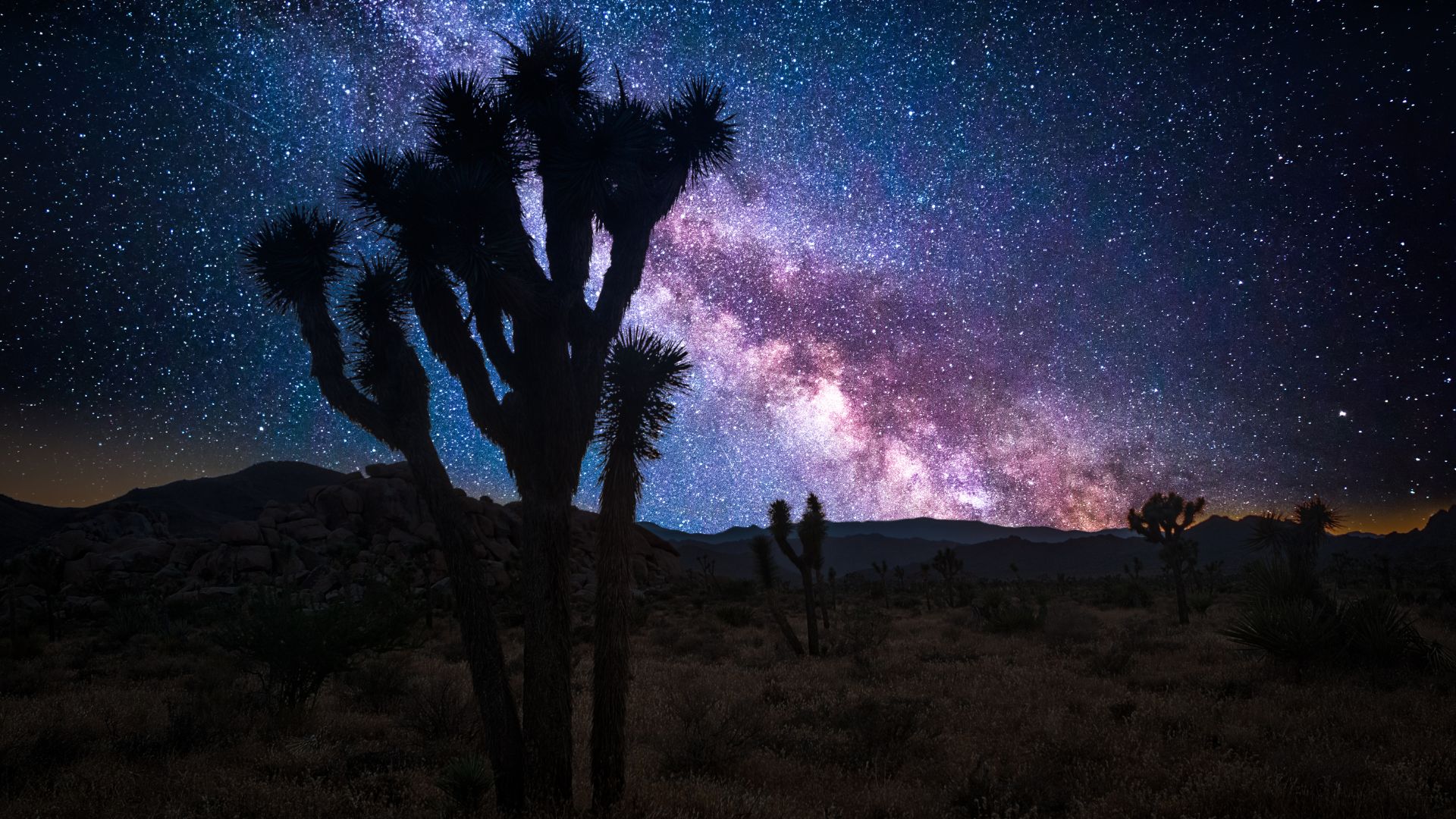
Joshua Tree National Park is basically a stargazer’s dream. Dark skies and total quiet. I’ve seen the Milky Way stretch across the whole sky here. The park’s an International Dark Sky Park, so it’s perfect for spotting constellations, planets, and even meteor showers.
Hidden Valley, Cottonwood Campground, and Cap Rock? All awesome for night skies. Sometimes, rangers set up telescopes and let you peek at Saturn or the Moon up close. Most nights, I just threw down a blanket and stared up for hours.
A few tips: skip the flashlights, get there before sunset, and give your eyes 20 minutes to adjust. Nighttime brings out the critters, so I always stayed alert. The peace and the stars—honestly, it sticks with you.
Unforgettable Nights in Big Bear
Big Bear’s famous for snow, but the stargazing? Wow. At 6,700 feet, the air’s crisp and the stars look sharper than anywhere else. I went in summer, bundled up, and caught some of the clearest skies I’ve ever seen.
The Big Bear Solar Observatory does public events sometimes, so I joined a group and got to use some pretty serious gear. I brought a star map and managed to spot Saturn’s rings and Jupiter’s moons—total bucket list stuff.
Down by the lake, the stars reflect off the water and the only sounds are owls and the occasional splash. The combo of mountain air and quiet made it unforgettable.
Observing the Heavens from Griffith Observatory
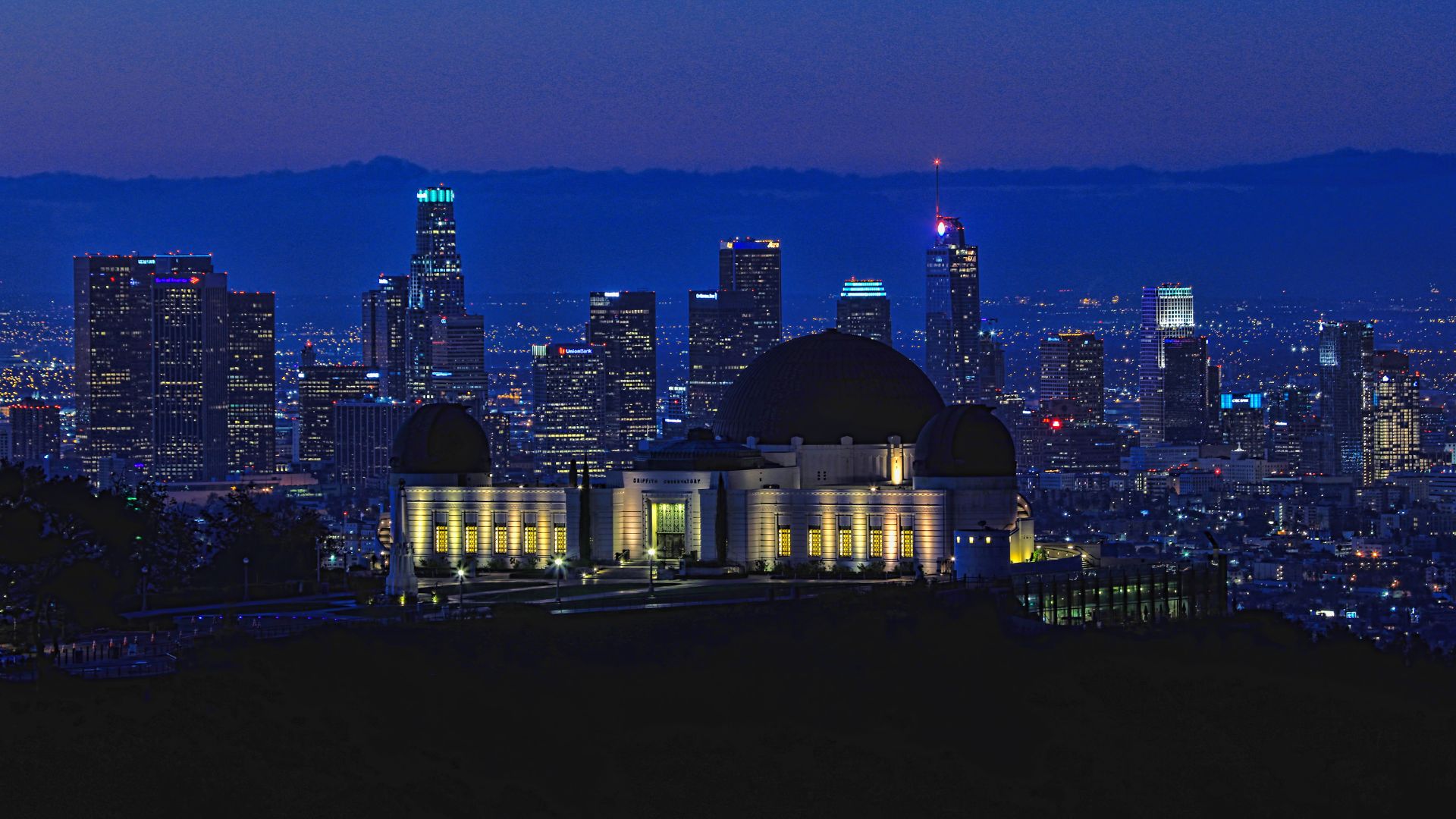
In L.A., Griffith Observatory is my go-to for city stargazing. Even with the glow of downtown, you can still see planets, the Moon, and some bright constellations. Perched on a hill, it gives you a killer view of the city lights too.
Inside, there are public telescopes most nights. The museum exhibits are fascinating—I always learn something new about space. Staff and volunteers are happy to help you find planets or answer questions.
Sure, the city lights limit what you’ll see compared to the desert, but Griffith’s accessibility and hands-on programs make it a must if you’re even a little curious about the night sky. I always leave wanting to learn more.
Road Trip Adventures Across Southern California
Driving across Southern California is a trip in itself. The scenery flips from city to desert to mountains before you know it. Some stretches of highway have become my favorites—I always discover something new.
Journey from Los Angeles to San Diego
The drive from L.A. to San Diego on Interstate 5 is a classic. I like to stop at Huntington Beach for breakfast and to watch the surfers.
The landscape shifts fast—one minute you’re in city traffic, the next, it’s open coast. Dana Point and Encinitas are fun detours for coffee or tacos. I usually swing by Torrey Pines State Natural Reserve for a quick hike and ocean views.
San Diego always feels like a fresh start. Balboa Park’s Spanish Colonial buildings and gardens are irresistible. The drive isn’t long, but it’s packed with good stops.
California’s Scenic Desert Drives
If you want to see the real desert, you’ve got to get off the main roads. The Rim of the World Scenic Byway winds through the San Bernardino Mountains, with crazy views across valleys and peaks.
Joshua Tree National Park is a must on any desert road trip. Driving between the park’s entrances, I always notice how different the Mojave and Colorado deserts look. Spring brings wildflowers, and at night, I pull over to stargaze.
Route 62 from Palm Springs is another favorite—wind farms, cactus gardens, and the edge of Joshua Tree wilderness. Every mile brings something unexpected. I never get tired of it.

Unexpected Desert Delights Along the Coast
Most folks picture California’s deserts as far from the ocean, but I’ve found some of the coolest moments right along the coast. From tucked-away beaches to funky neighborhoods, these places mix dry landscapes with Pacific breezes.
Each spot shows a different side of California’s wild spirit.
Malibu’s Hidden Beach Escapes
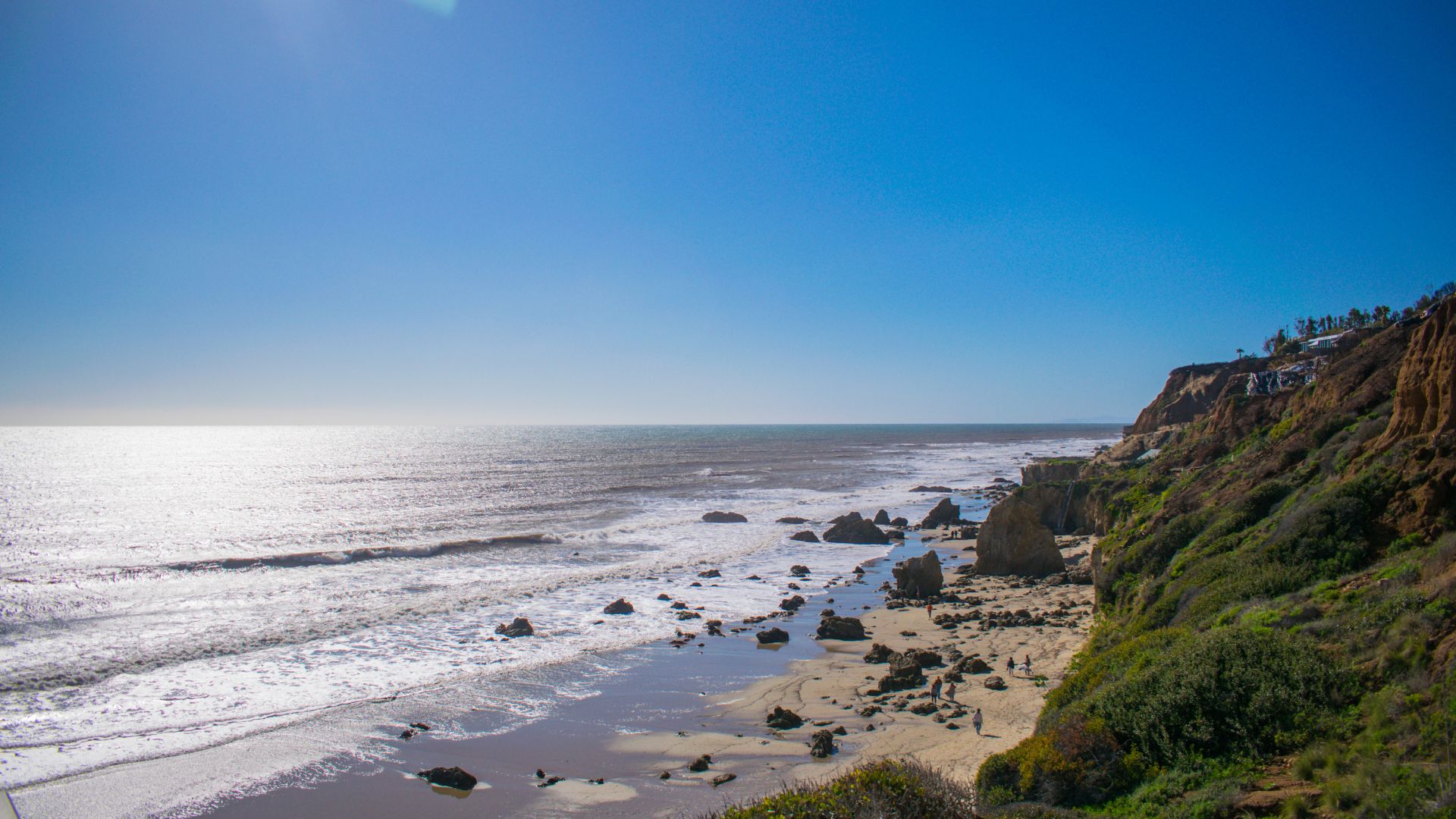
Malibu’s famous for its busy beaches, but I always hunt for the secret coves. El Matador Beach is a favorite—sea stacks, caves, and tide pools you can explore when the water’s low. Sometimes I get lucky and have the place to myself.
Trails lined with wild sage lead down to quiet stretches of sand. The sound of waves bouncing off the rocks makes the whole place feel special. Malibu’s hidden beaches are proof you don’t need crowds to find beauty.
Best time to visit: Early morning or mid-week afternoons
Parking tip: Arrive early—lots are tiny and street parking goes fast
Quiet Moments at Venice Beach
Venice Beach is known for its wild boardwalk, but wander a few blocks away and you’ll find peace. Early mornings, the sand’s empty and the air is cool.
I like strolling the canals, watching birds flit through gardens. Away from the noise, I sit on the sand and watch surfers catch the first waves. Venice has a laid-back, creative vibe if you know where to look.
What to do: Try the Venice Canals Walkway for calm water views
Quietest times: Before 8 am or after sunset on weekdays

Exploring the Funk Zone in Santa Barbara
Santa Barbara’s Funk Zone always surprises me. This little neighborhood buzzes with street art, galleries, and tasting rooms. I spent an afternoon wandering converted warehouses, finding new coffee shops and murals at every turn.
I sampled local wine and chatted with artists selling work on the sidewalk. The Funk Zone sits just blocks from the water, but it feels totally different from the rest of Santa Barbara. The energy and creativity here are contagious.
Must-see stops: Urban Wine Trail, artisan shops
Pro tip: Many tasting rooms do small pours—try a few, no rush
Panoramic Vistas Along the Big Sur Coastline
Driving the Big Sur coast still ranks as one of my favorite California adventures. Highway 1 twists past cliffs, cypress trees, and endless ocean. Every turnout has a new view—wildflowers, steep drop-offs, crashing waves.
I always stop at McWay Falls, where a waterfall spills onto the beach below. The sun-bleached rocks and blue water look almost unreal. Even a short walk along the trails reminds me how the dry hills and foggy shore blend together here.
Best viewpoints: Bixby Creek Bridge, Julia Pfeiffer Burns State Park
Reminder: Bring layers—it gets chilly and windy, even when it’s sunny
Extraordinary Encounters in Channel Islands National Park
You know, not many places in California have surprised me quite like Channel Islands National Park. I wandered through rugged coastal trails, crossed paths with wildlife I’d only read about, and soaked up views that honestly felt straight out of a movie.
Hiking and Wildlife Spotting on the Islands
When I set foot on Santa Cruz Island, I couldn’t resist hiking the Cavern Point Loop. The trail winds gently, offering these sweeping views over the Pacific that just pull you in.
Sea birds darted overhead while the sound of waves echoed up from below. In the valleys, bright yellow coreopsis and other wildflowers popped up everywhere—such a treat.
I caught a glimpse of a tiny island fox, which you’ll only find here. These little guys aren’t shy; sometimes they stroll right by the trail, like they own the place.
Down on the rocks, I watched harbor seals lounging in the sun. It’s hard not to pause and just watch them for a while.
Here’s a quick snapshot of what I came across:
| Animal | Where I Spotted It |
|---|---|
| Island Fox | Near Cavern Point |
| Harbor Seal | Rocky beaches below |
| Brown Pelican | Coastal bluffs |
If you’re into wildflowers, spring really brings the show. Santa Cruz and Santa Rosa Islands burst into color—hills blanketed in yellow, purple, and pink. And honestly, it’s so peaceful out there, you might have whole stretches to yourself.
Coastal Sights Near McWay Falls
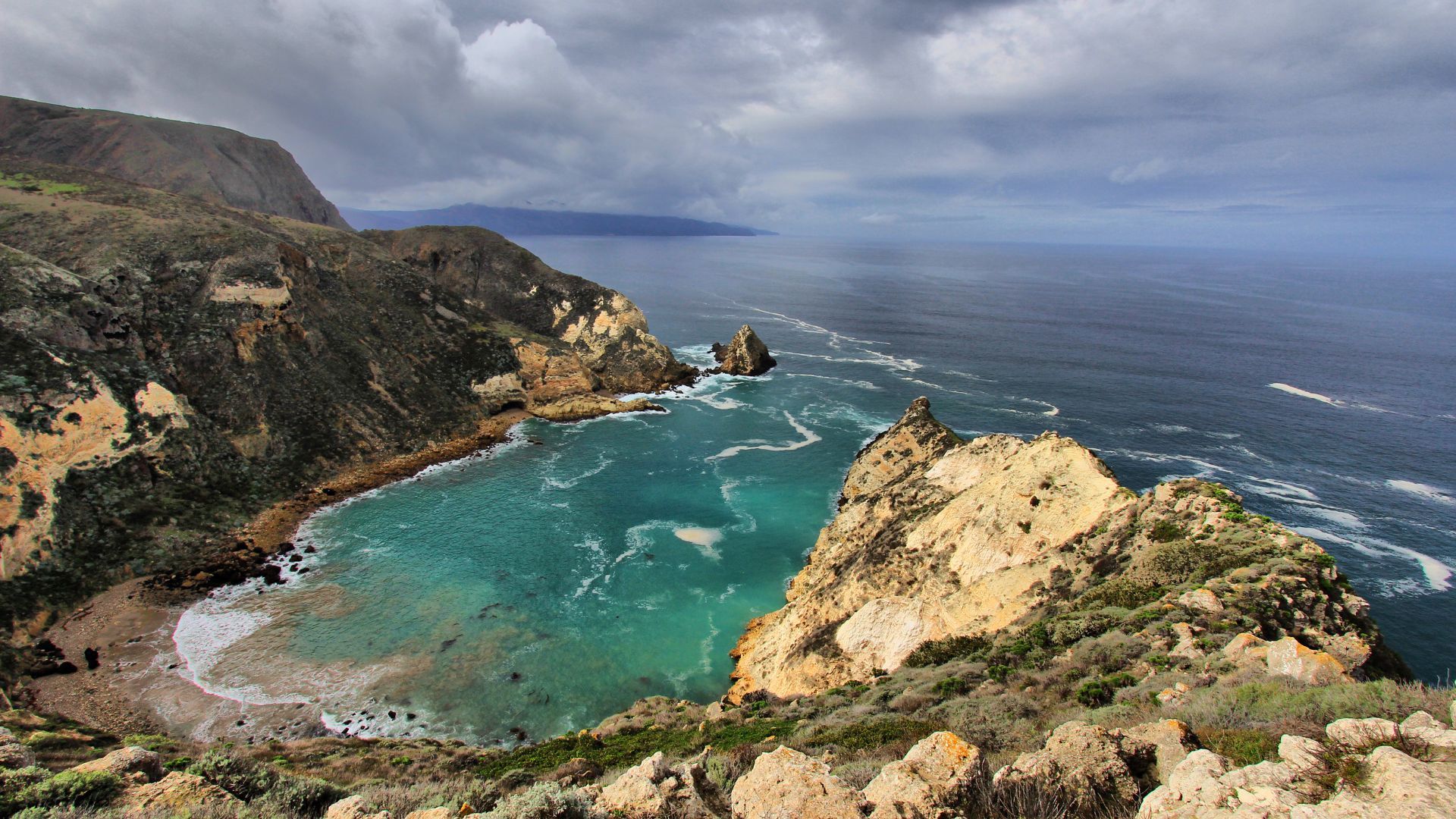
After my island adventures, I swung by McWay Falls in Big Sur. This waterfall drops right onto the sand—how often do you see that in California?
The water sparkled turquoise, and the rocky coves almost looked unreal. I followed some easy cliffside trails, pausing at overlooks to watch sea otters drifting in the kelp below.
Gulls circled above, and the morning fog gave the place a dreamy feel. But if you stick around for sunset, the ocean turns this deep, unforgettable blue.
If you’re craving ocean views mixed with raw beauty, McWay Falls is a must. The path to the lookout is short and sweet, with picnic tables waiting if you want to linger a bit longer.
Sunset Views and the Iconic Hollywood Sign
I wrapped up one of my trips with a hike through the Hollywood Hills, chasing that classic view of the Hollywood Sign. The trails wind all around this landmark—Mt. Hollywood Trail is a favorite.
Late afternoon sun poured over the hills, lighting up those giant white letters. It’s the kind of light that makes everything feel a little more cinematic.
At certain spots, I caught glimpses of the city skyline stretching out below, and if I squinted, I could just barely make out the Pacific way off in the haze. Watching the sky fade to orange behind the sign? Honestly, it felt like the city was putting on a show just for me.
These hills always surprise me. They offer a quieter, more open side of Los Angeles that you don’t really expect if you’ve only seen the city from the freeway.
If you’re thinking about tackling these trails, here’s what I’d toss in my bag:
- Water bottle
- Layered clothing (the weather changes fast)
- Camera or phone (you’ll want photos)
- Small snacks (trust me, you’ll get hungry)
Standing up there, looking out over LA with the sign right in front of me, I realized it’s still one of the most iconic city views I’ve found on foot.

