
Right in the center of Berlin, the Reichstag Building isn’t just another landmark. It’s a place where history, bold architecture, and government all meet in one unforgettable mix.
When I made my way up to the Reichstag’s glass dome, I got a real thrill from those sweeping 360-degree views over Berlin. There’s something special about seeing the city from up there—and, honestly, I learned a lot about how German democracy works just by being in that space.
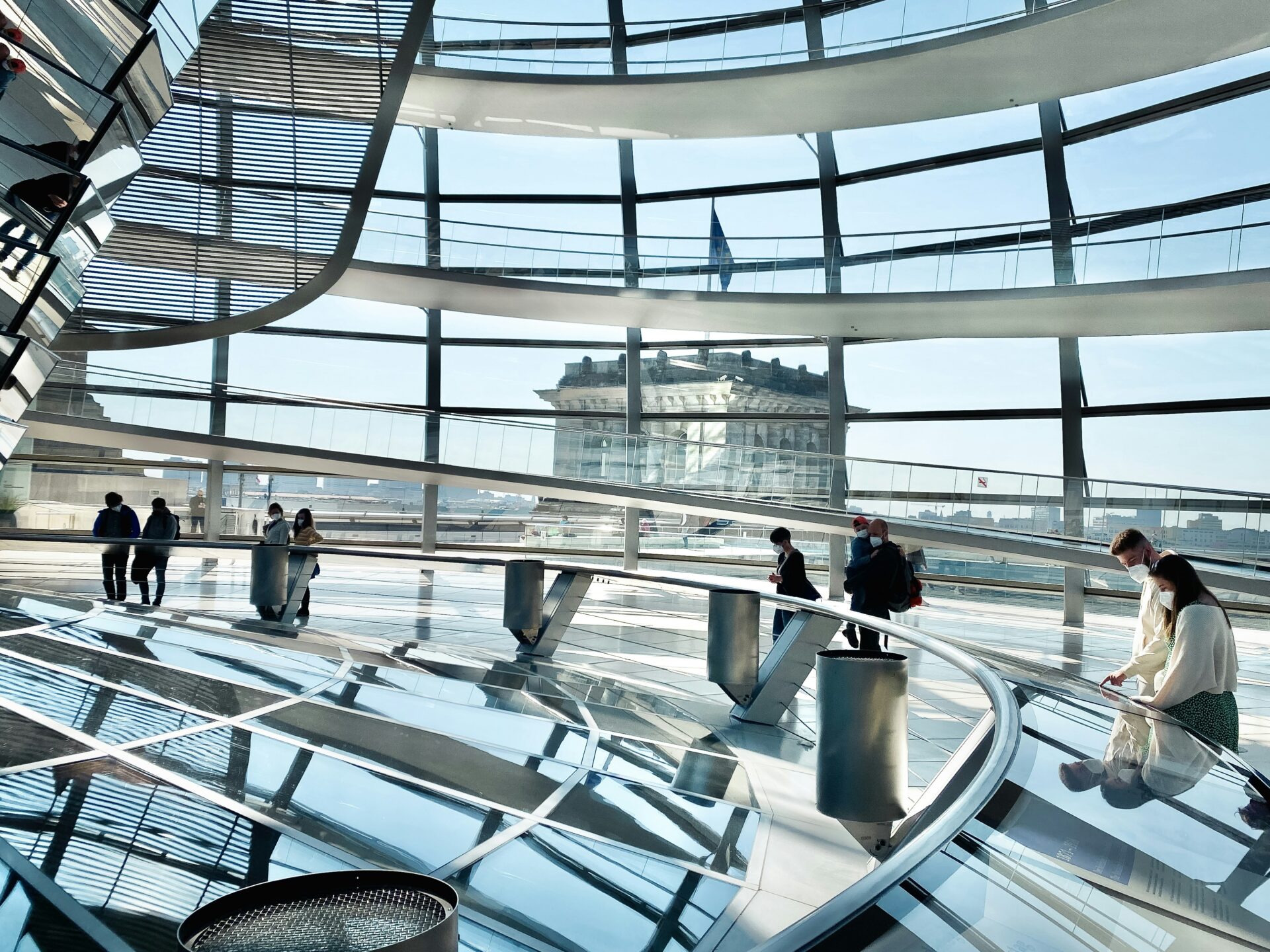
Walking up the spiral ramp inside the dome, I spotted iconic sights like the Brandenburg Gate and the Spree River. The dome’s design lets sunlight flood in, and you can even peek down into the parliament chambers.
This wasn’t your usual sightseeing stop. The whole experience gave me a fresh perspective on Germany’s government—literally and figuratively.
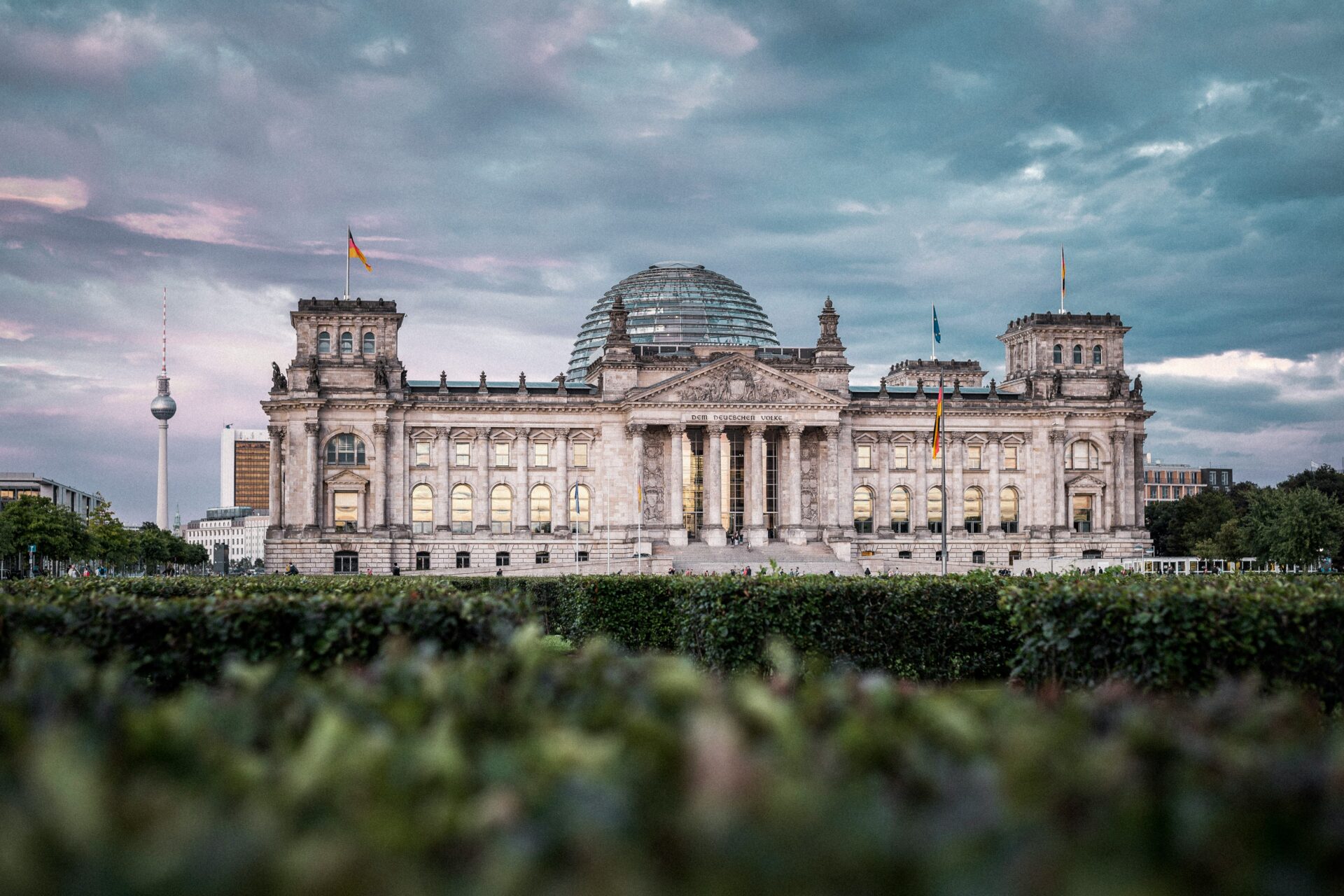
The Reichstag Building: History, Architecture, and Significance
The Reichstag in Berlin draws you in with its deep roots, striking architecture, and its ongoing role in shaping German democracy.
As I wandered through its halls and stood under the glass dome, I couldn’t help but feel the weight of history and the buzz of modern government.
Historical Role in German Democracy
The Reichstag opened its doors in 1894, built as the home of the German Empire’s parliament. The name “Reichstag” itself means national assembly, which feels fitting.
Over the years, the building saw German politics at its best and worst. Lawmakers met here during the Weimar Republic. In 1933, a fire tore through the building, setting off events that led to Hitler’s rise.
World War II bombings left the Reichstag in ruins, and during the Cold War, it stood neglected, right near the Berlin Wall. Even then, the building symbolized hope for reunification.
After 1990, when Germany came back together, the Reichstag got a new lease on life as the seat of the Bundestag. Now, I see it as a place where democracy is alive and constantly evolving.
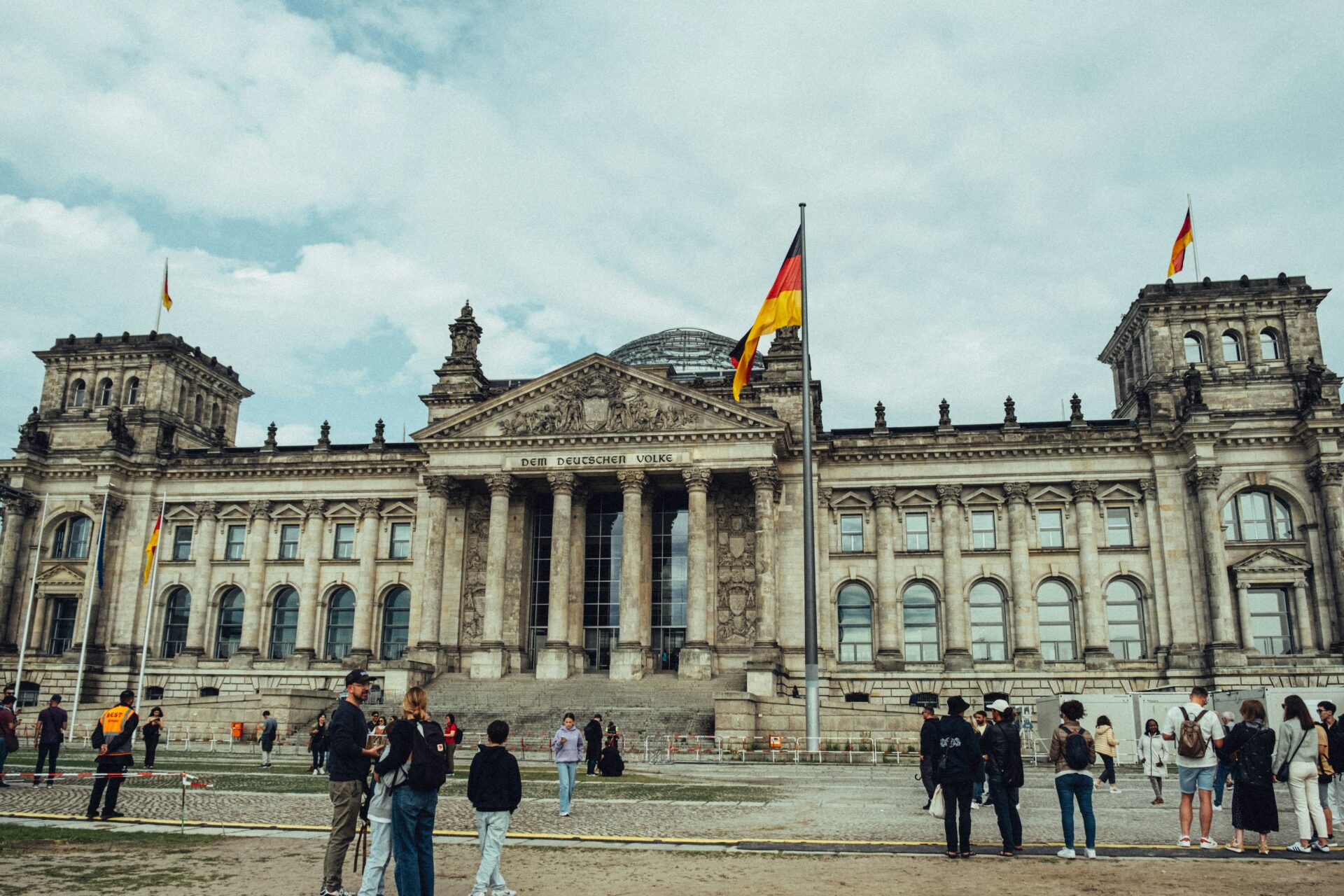
Architectural Evolution and Norman Foster’s Design
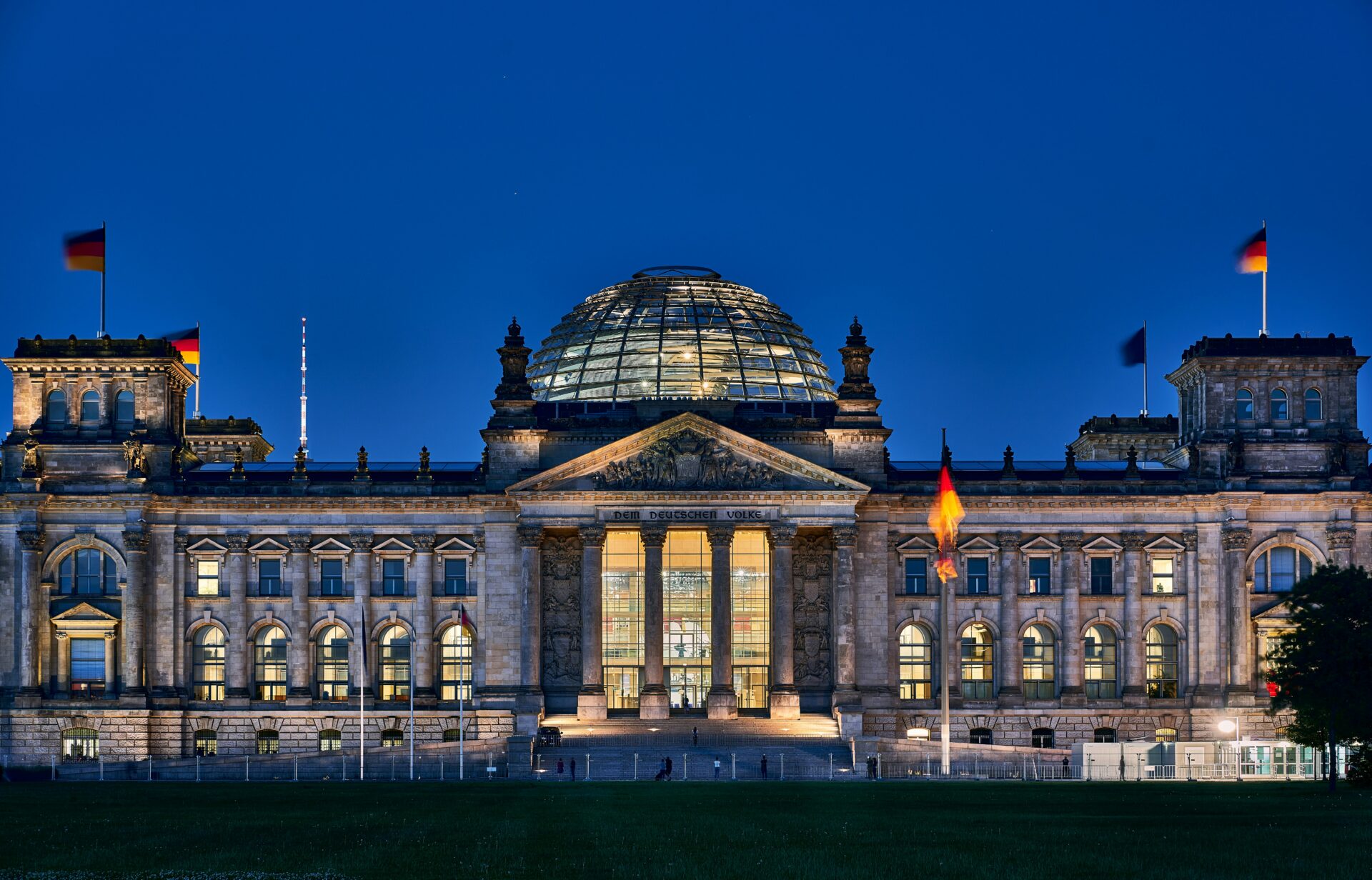
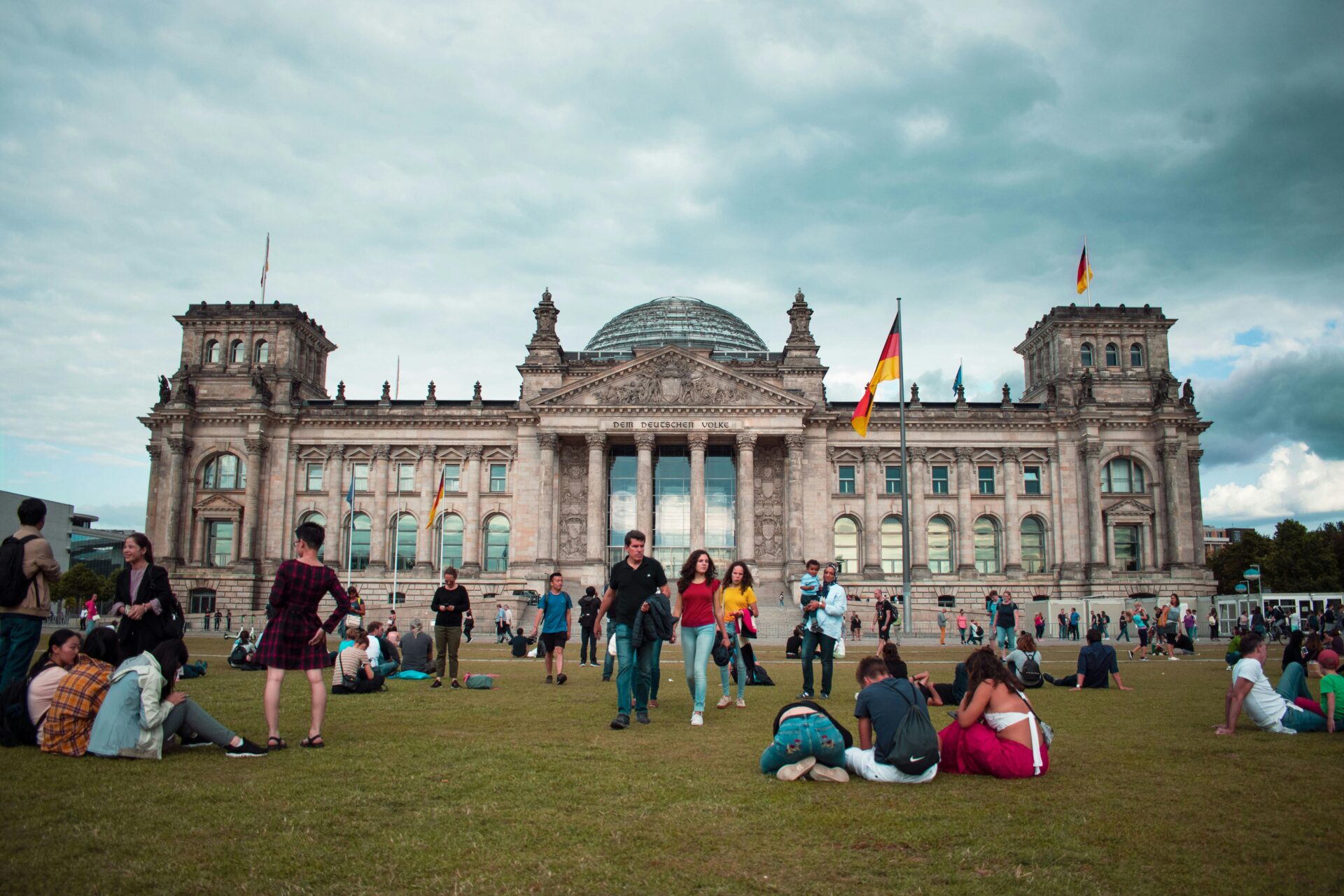
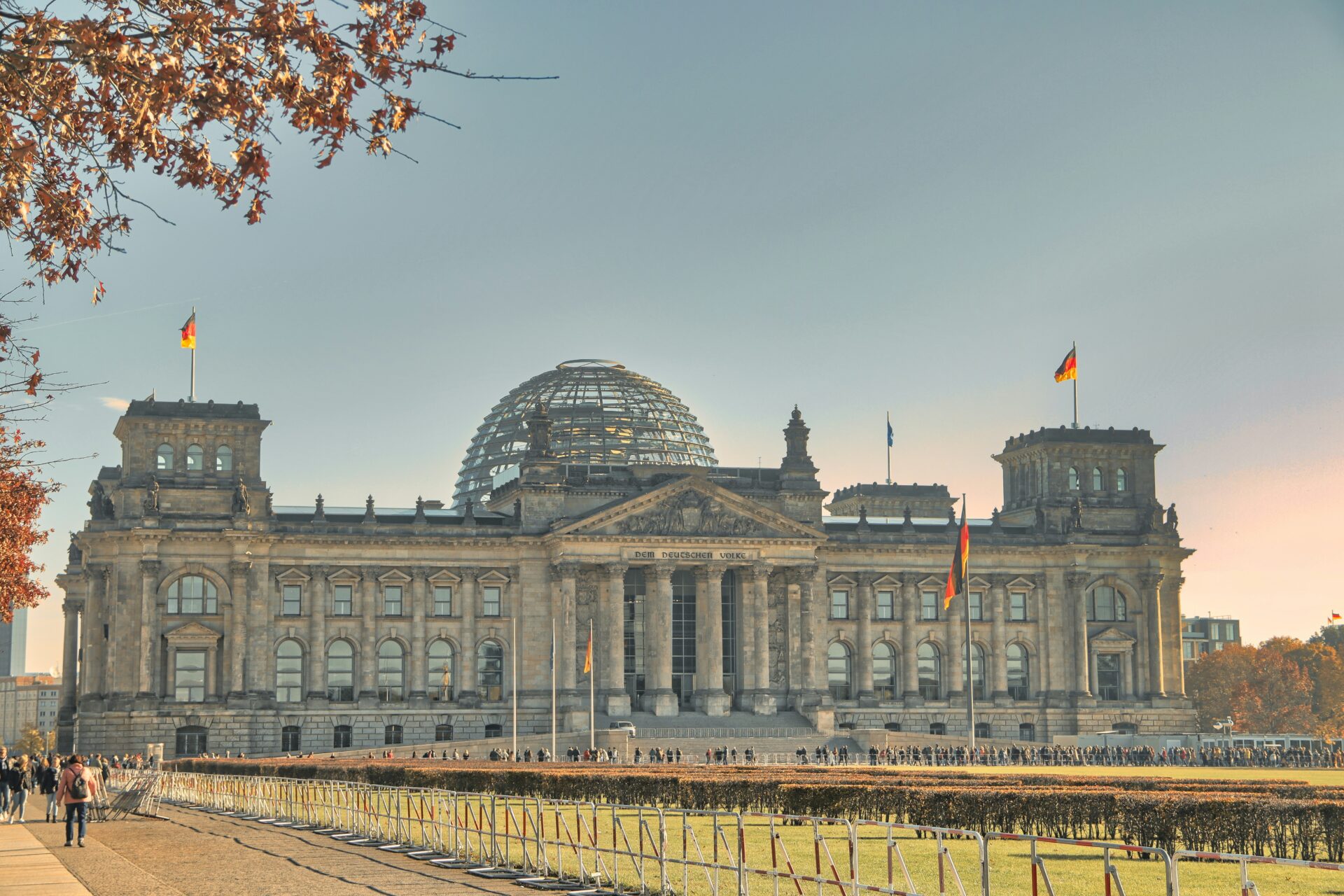
Paul Wallot’s original design gave the Reichstag its grand stone façade, classical columns, and a big dome. The inside was made for big crowds and parliamentary debates.
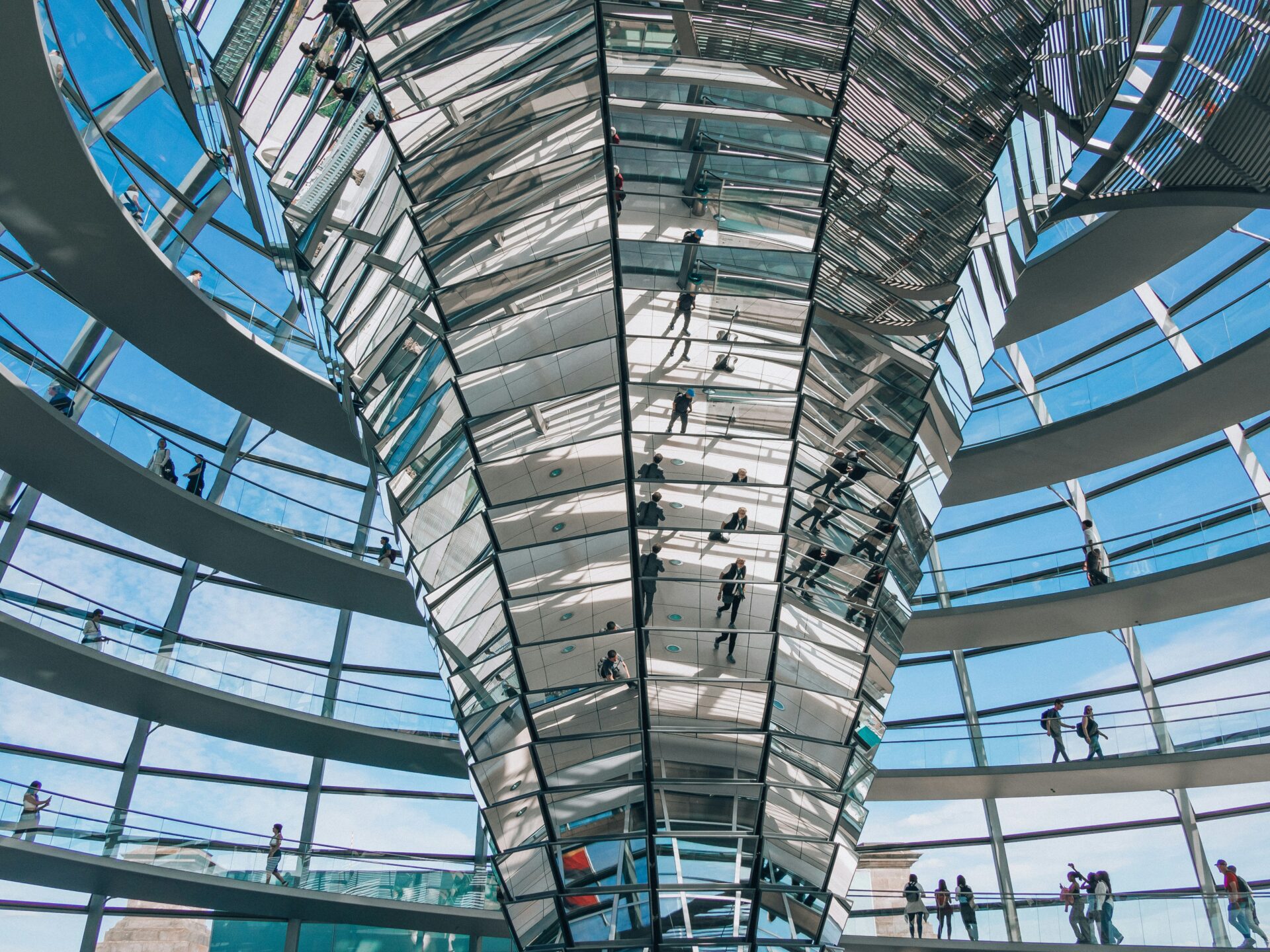
After reunification, Sir Norman Foster took on the challenge of transforming the building. He kept the historic bones but added a bold, modern twist. The glass dome really steals the show—rising up above the old stone, all steel and glass.
Key architectural features:
- Restored historic façade
- Sleek glass dome with spiral ramps
- Open parliament chamber filled with daylight
This blend of old and new feels intentional and inspiring. As I explored, I noticed how every detail seemed to nod toward Germany’s new direction.
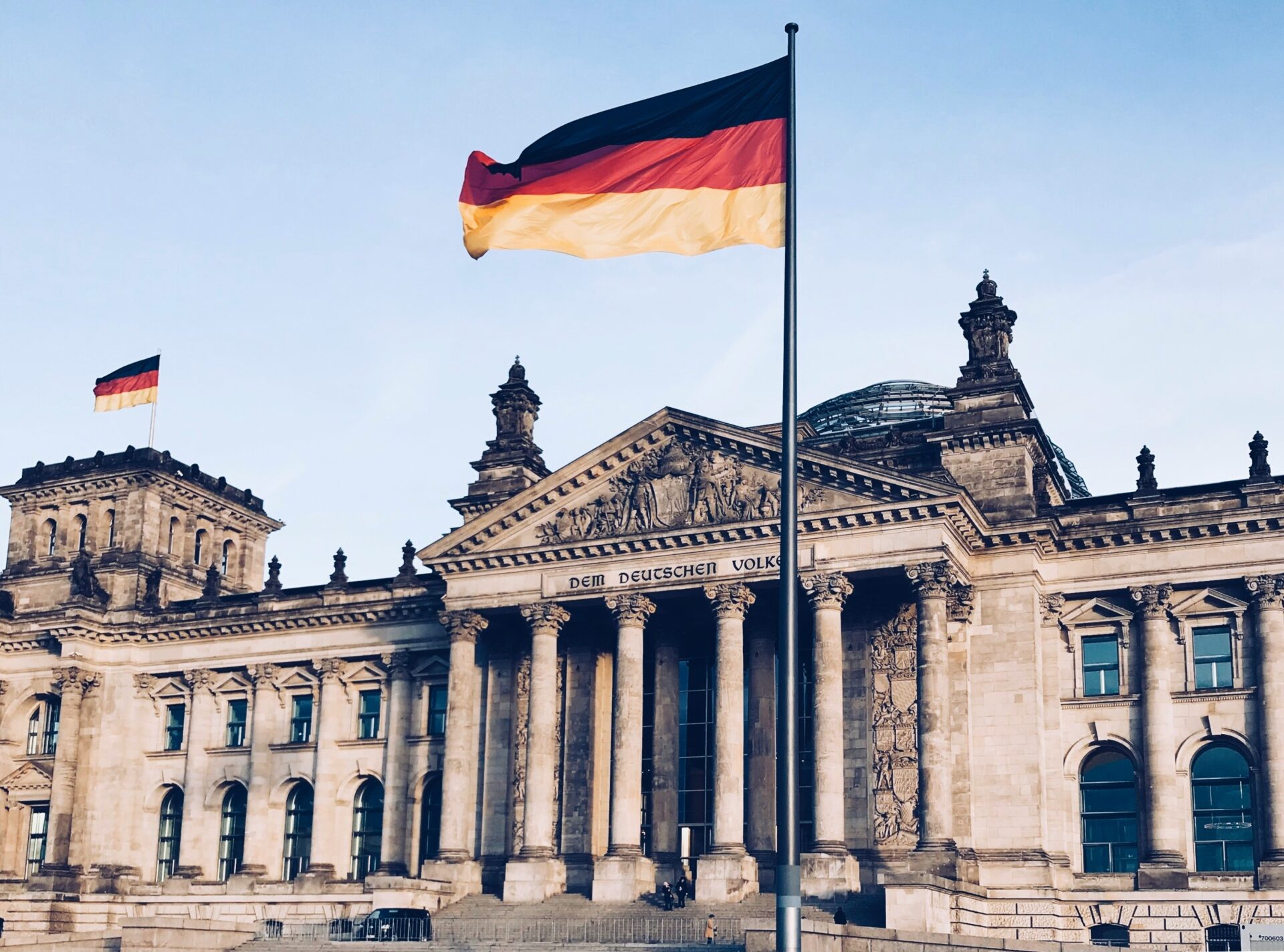
Symbolism and Transparency in Government
Standing inside the glass dome, I realized just how much the Reichstag stands for openness now. The dome lets visitors look down into the Bundestag chamber, so you can literally watch democracy in action.
All that glass isn’t just for looks—it’s a statement. The government wants to be seen. Foster’s design makes the workings of democracy visible, not hidden away.
The dome also uses smart, energy-saving tech like natural ventilation and sunlight. For me, it was a reminder that architecture can support both democratic values and sustainability. The Reichstag isn’t just a government building anymore; it’s a living symbol of transparency and a new chapter for Germany.
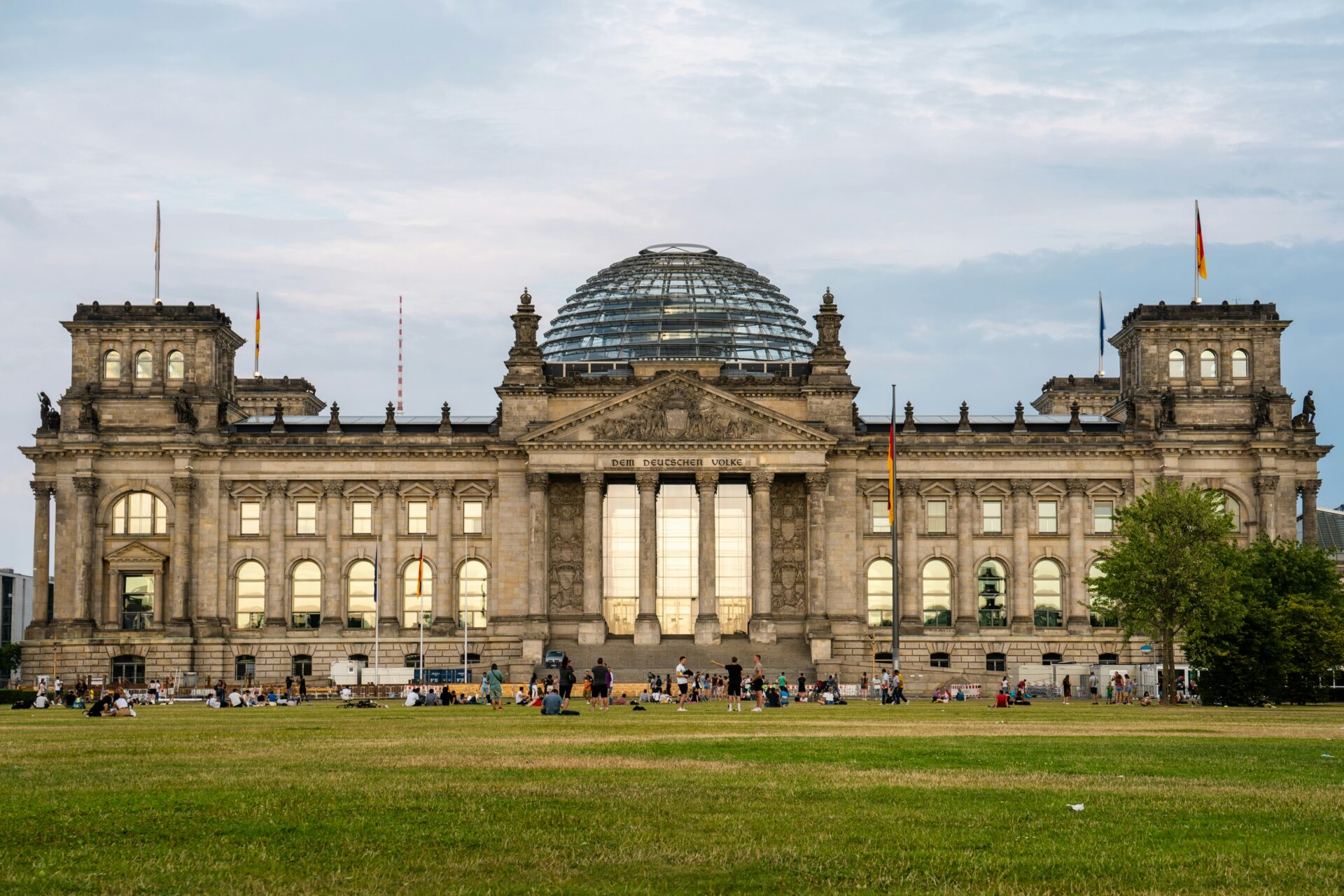
Exploring the Glass Dome: Panoramic Views and Features
Visiting the Reichstag’s glass dome gave me a close-up look at Berlin’s history, some seriously cool architecture, and some of the best skyline views you’ll find in the city.
The building’s full of unique details and little surprises—perfect for anyone who loves learning while exploring.
Dome Design and Spiral Ramp
The glass dome is a modern marvel, made from roughly 3,000 glass panels. It rises up against the Reichstag’s classic stone, making the whole building look both grounded and futuristic.
A light metal frame supports the dome, so it feels sturdy but not heavy. To reach the top, I walked up a gently spiraling ramp that hugs the inside wall.
The ramp lets you climb slowly, catching new angles of Berlin with every step. It’s not about rushing—it’s about taking it all in.
Sunlight streams in from everywhere. The glass panels light up the ramp and even shine down into the Bundestag’s main hall. That constant connection between visitors and parliament really makes you feel involved.
Rooftop Terrace and Berlin Pavilion
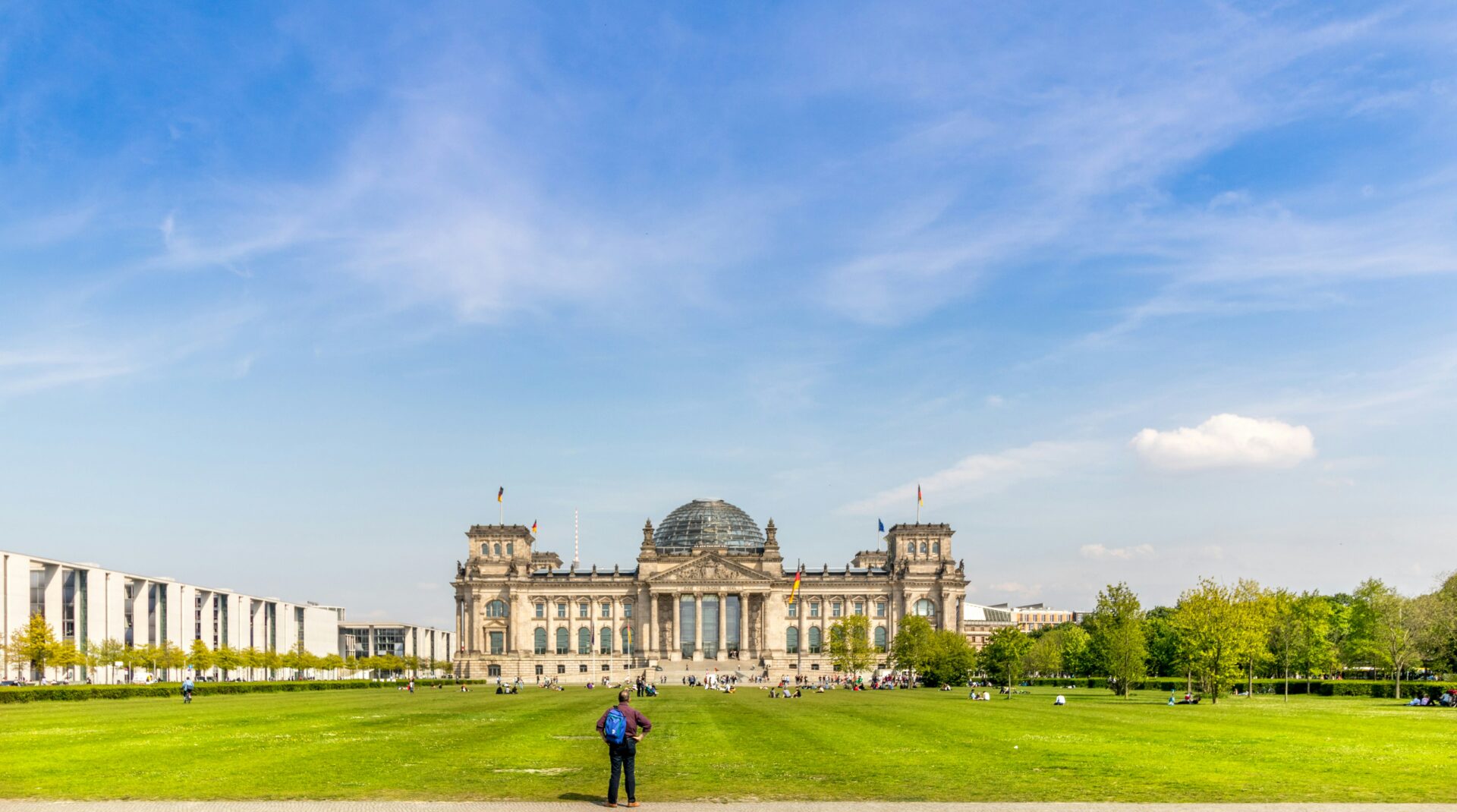
Before heading into the dome, I wandered out onto the rooftop terrace. It’s right above the Reichstag and offers wide-open views in all directions.
The terrace is open-air and spacious—ideal for a breather or getting your bearings before the dome. Next to it, the Berlin Pavilion houses security and visitor services.
I found rest areas, info desks, and a spot for refreshments in the pavilion. Everything felt organized and easy.
Panels along the terrace tell the story of the Reichstag and its significance. I took a few minutes to read up and get some context. Moving between the terrace, dome, and pavilion was a breeze—no crowds, no stress.
Iconic Landmarks Visible from the Dome
Inside the dome, I scanned the horizon and picked out Berlin’s greatest hits. The Brandenburg Gate stands to the south, its columns easy to spot.
To the east, the green dome of the Berlin Cathedral shines above Museum Island. I could also see the TV Tower (Fernsehturm) and stretches of the River Spree.
The Reichstag’s height gives you a panoramic view that reaches all the way to Potsdam on a clear day.
Here are some of the main landmarks I saw:
| Landmark | Direction from Dome | Notable Feature |
|---|---|---|
| Brandenburg Gate | South | Neoclassical columns |
| Berlin Cathedral | East | Green copper dome |
| TV Tower | East/Southeast | Tall, needlelike structure |
| Tiergarten | West | Large city park |
| Potsdam (on horizon) | Southwest | Visible in good weather |

Photography and Exhibitions
I brought my camera and was so glad I did. The glass walls are perfect for wide city shots. Even my phone grabbed great photos—close-ups and sweeping views alike.
The light inside the dome is fantastic, especially around sunrise or sunset. You’re free to snap photos throughout the dome and terrace. There are even benches and platforms where you can pause to get the perfect shot or just soak up the view.
All around the dome, exhibitions and display panels tell the Reichstag’s story. I read about the reconstruction and checked out photos of the dome being built. Audio guides in several languages add extra context if you want it.
The displays are clear and engaging. Topics range from German democracy to the dome’s architecture and Berlin’s big historical moments. Taking time with these panels made me appreciate the building—and its meaning—even more.
Visitor Information: Booking, Admission, and Security
If you want to visit the Reichstag, you’ll need to plan ahead. Entry isn’t automatic; you have to reserve in advance, bring valid ID, and go through security.
Online Registration and Reservations
To get into the glass dome or terrace, I had to register online before my visit. Walk-ins aren’t allowed because demand is high and security is tight.
I filled out the booking form on the official Bundestag website and picked my date and time slot.
After I submitted my info, a confirmation email landed in my inbox. Booking several days ahead is a must, especially during busy times. If my first choice was full, I checked out guided tours with dome access or reserved a table at the rooftop restaurant. It’s worth looking at all the options before your trip.
Required Identification and Security Checks
When my visit day came, I went through strict security at the Reichstag entrance. I brought my passport, but an EU ID or similar official document works too.
No ID, no entry—it’s that simple. Bags, coats, and personal items all go through scanners, and you’ll walk through a metal detector.
To save time, I arrived about 20 minutes early and packed light. Security here feels a lot like the airport, so just follow instructions and you’ll be fine.
Tickets, Admission, and Booking Confirmation
Admission to the Reichstag is free, but you can’t get in without a valid reservation and your ID.
At the entrance, staff check your booking confirmation—digital or printed—along with your identification. They use these to confirm your details before letting you through.
After security, staff direct you to the elevators for the dome and terrace. I kept my confirmation and ID handy, since spot checks can happen. If you’ve booked a meal at the rooftop restaurant, your reservation also gets you into the dome after you eat.
Quick Reference Table:
| What to bring | Why it matters |
|---|---|
| Booking confirmation | Required for entry (digital/print) |
| Passport/Photo ID | Needed to confirm identity |
| Minimal belongings | Needed for quick security checks |
Guided Tours, Audio Guides, and Visitor Services
The Reichstag offers a bunch of ways to learn about its history, architecture, and its place in German democracy.
I found the mix of tours, audio guides, and helpful staff made the visit smooth and enjoyable.
Guided Tour Options and Audioguides
Guided tours run in several languages, including English and German. Guides are knowledgeable and often take you through the government district before you even step inside.
Tours highlight the building’s history and its modern role in politics. There are special family tours for kids aged six to fourteen, which explain parliamentary work in simple, engaging ways.
Tours usually last 60 to 90 minutes and run several times a week. If you’d rather go solo, free audio guides are available. These offer clear commentary about the building, including the famous dome.
You can pick your language, which makes things easy for everyone.
Here’s a quick overview:
| Service | Details |
|---|---|
| Guided Tours | 60-90 minutes, English/German, multiple times a week |
| Family Tours | For ages 6-14, simplified explanations |
| Audio Guides | Multiple languages, self-paced, free of charge |
Visitor Services and Accessibility
Visitor services are on point. Security is tight, but staff are polite and ready to help.
Accessibility is clearly a priority. Elevators take you to the dome and terrace, and ramps help anyone with mobility needs. Audio guides include options for visually impaired visitors.
Restrooms, cloakrooms, and waiting areas are easy to spot. Signs are clear, and English directions are everywhere.
Booking ahead is smart, since tours and dome visits fill up fast, especially during peak season.
The visitor service team responded quickly when I emailed questions before my trip. They gave me detailed info about group bookings and the best time slots. That made planning so much easier.

Enhance Your Visit: Rooftop Restaurant and Travel Tips
A meal overlooking Berlin at the Reichstag’s rooftop restaurant really rounded out my visit. Getting there by public transit was simple, and with a little planning, I felt prepared and relaxed the whole time.
Dining at the Rooftop Restaurant
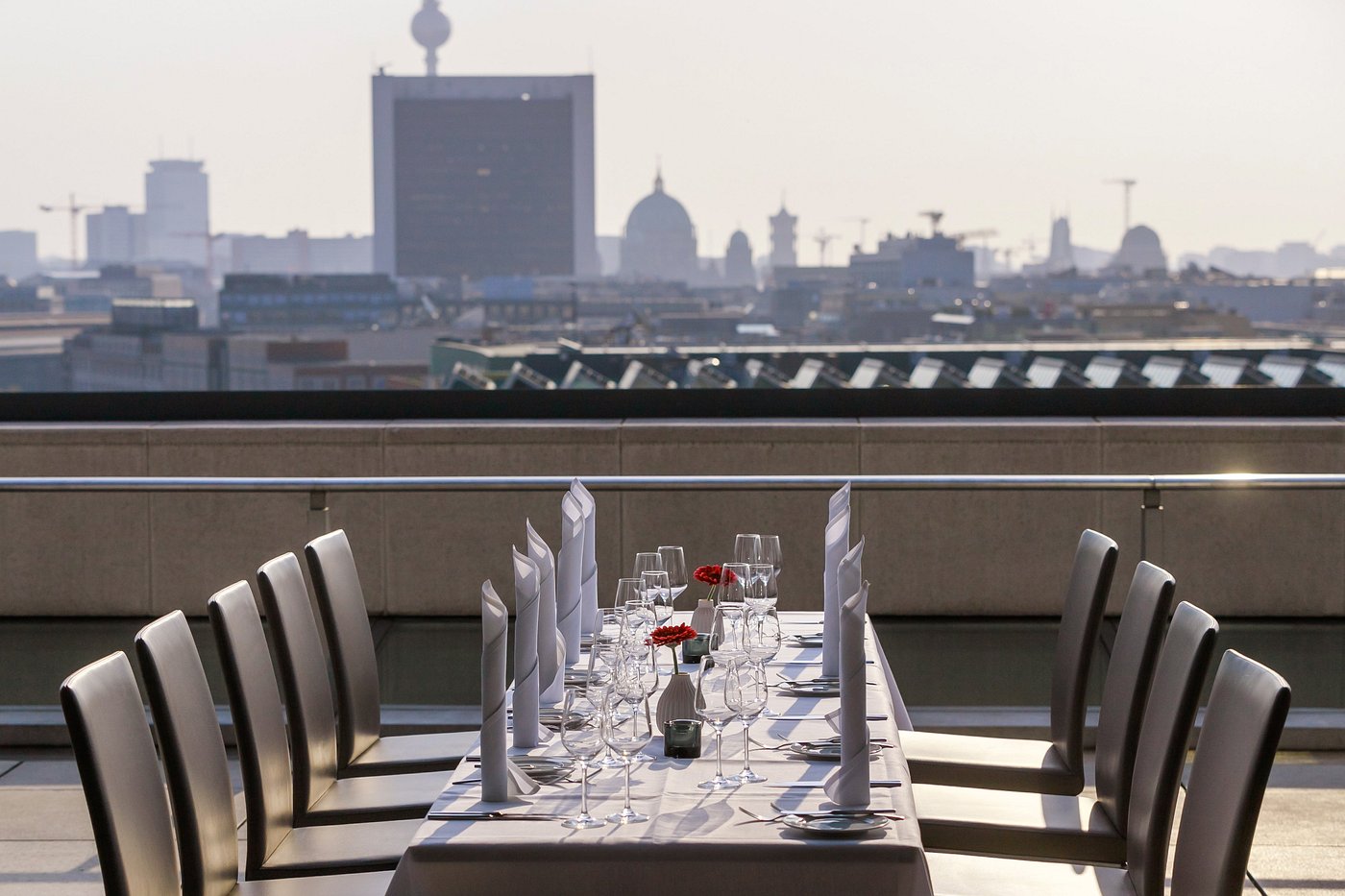
I managed to snag a table at the well-known Käfer rooftop restaurant, right next to that iconic glass dome. This spot sits atop the Bundestag building and dishes up modern German cuisine using fresh, local ingredients.
My table overlooked the city—a view that honestly made the meal unforgettable.
You can pick from set menus for breakfast, lunch, or dinner. You’ll need to book ahead, and your reservation also gets you into the glass dome afterward.
After I reserved, they sent a confirmation email, which I showed at the entrance along with my photo ID. The staff made me feel welcome, and the view alone puts this place high above most city attractions or museums.
Tip: Personally, I thought the lunch menu was a steal—three courses plus a glass of sparkling wine.
Getting There by Public Transportation
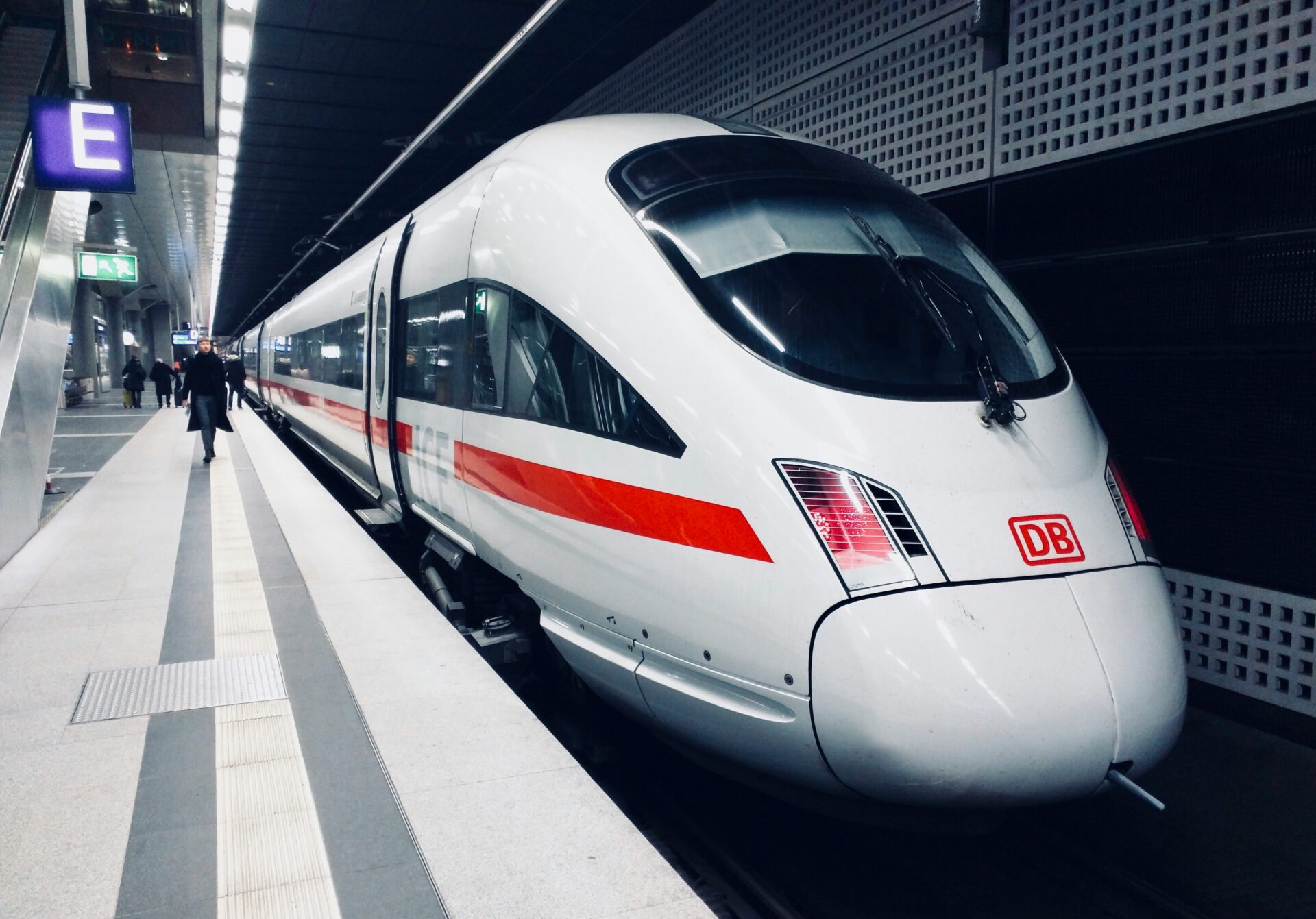
Reaching the Reichstag is surprisingly simple thanks to Berlin’s public transport. The nearest big station is Berlin Hauptbahnhof (Central Station), and it only takes about 10 minutes to walk from there.
Buses and trams also stop nearby, so you’ve got options.
I hopped on the S-Bahn to Hauptbahnhof and just followed the signs for the Reichstag. It’s a breeze, especially if you’re already out exploring museums or on a city tour, since so many routes cross paths here.
If you’re new in town, I’d suggest grabbing a route-planning app to check up-to-date schedules.
Public Transport Table:
| Option | Line/Stop | Walking Time to Reichstag |
|---|---|---|
| S-Bahn | Berlin Hauptbahnhof | 10 mins |
| U-Bahn | Bundestag (U55, limited) | 2 mins |
| Bus | Bus 100, Bus 200 | 5-8 mins |
Essential Travel Tips for Visitors
You’ll need to register in advance before you go—no way around it. I had to give my full name and date of birth ahead of time, all for security. On the day I visited, I brought my passport and showed up about 15 minutes early. The security checks felt a lot like the ones at airports, so be ready for that.
Photography’s mostly fine, but you should stay respectful if there’s a parliamentary session happening. I just brought a small bag and skipped anything sharp or bulky, which made the whole process way easier. Afterward, I wandered over to some nearby museums and even took a breather in Tiergarten park right across the street.
Try to plan your schedule carefully. If you want to see both the dome and the rooftop restaurant, set aside at least 2-3 hours. Honestly, I noticed weekday mornings felt way less crowded, so I could really soak in the views without feeling rushed.
