
When you think of Potsdam, chances are Sanssouci Palace pops up first. I get it—it’s iconic, and honestly, it deserves all the attention it gets. Still, Potsdam’s got a lot more going on than just palaces and royal gardens.
If you’re heading out from Berlin for a day trip, you’ll find plenty of unique spots in Potsdam that show off a different side of Germany. It’s not just about the usual tourist stops.
I wandered through historic sites, peaceful parks, and quiet corners that kept surprising me. Here’s my personal list of top 10 unforgettable experiences in Potsdam—perfect if you want to dig a little deeper than the obvious attractions.
Whether you love history, cool architecture, or just crave a quiet walk, Potsdam’s got something for every kind of traveler.

Architectural Wonders and Historic Landmarks
Potsdam’s architecture is like a living storybook—each place reveals a different chapter. Royal residences, World Heritage Sites, and neighborhoods shaped by waves of newcomers all blend together.
You’ll see traces of the Prussian court, international summits, and centuries of shifting styles.
Cecilienhof Palace and the Potsdam Conference
Cecilienhof Palace instantly grabbed my attention with its quirky English Tudor style—pretty rare for Germany. Crown Prince Wilhelm and Crown Princess Cecilie lived here after it was built in the early 20th century.
You can spot the timber framing, steep gables, and brickwork from a distance. It’s not your typical royal house.
But here’s what really sets Cecilienhof apart: In the summer of 1945, leaders like Churchill, Truman, and Stalin met in these rooms for the Potsdam Conference. They made decisions that shaped the world after World War II and kicked off the Cold War era.
Now, UNESCO recognizes the palace as a World Heritage Site. Wandering through the gardens and peeking into the historic rooms, I could almost feel the weight of history.
The circular meeting table and original conference room stand out as highlights.
The Dutch Quarter’s Red-Brick Charm
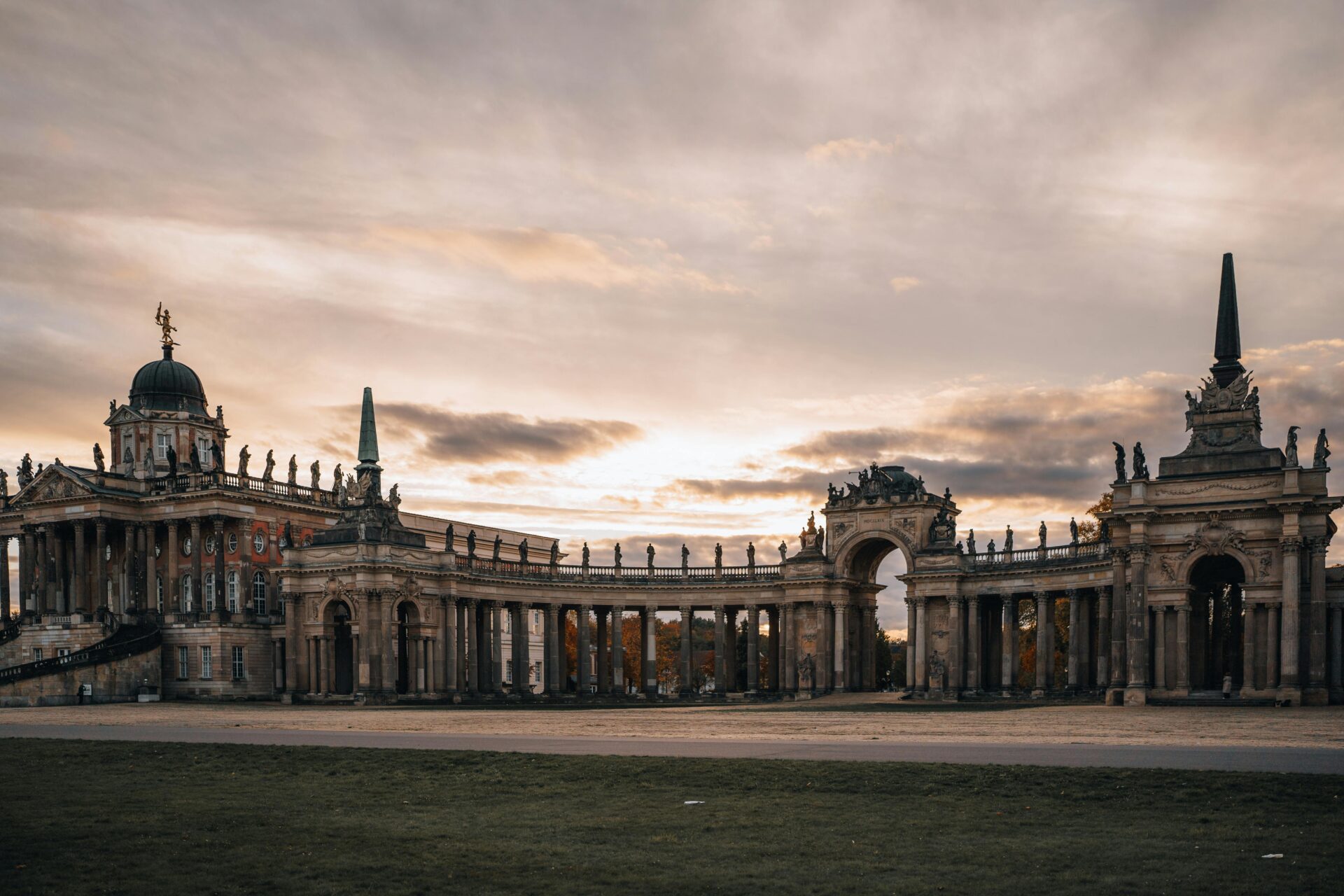
The Dutch Quarter threw me for a loop—it really feels like you’ve wandered into another country. Built in the 18th century for Dutch craftsmen, the area stretches across four main blocks.
Rows of red-brick houses with white trim and shuttered windows line the cobblestone streets. It’s got a vibe that’s hard to find outside the Netherlands.
I found small shops, cozy cafes, and art galleries tucked into these houses. The architecture—with its gabled roofs and neat facades—makes this neighborhood a cultural gem.
Locals keep the houses in great shape. I loved coming here early in the morning, when everything’s quiet and you can admire the details up close.
Babelsberg Palace and Tudor-Style Architecture
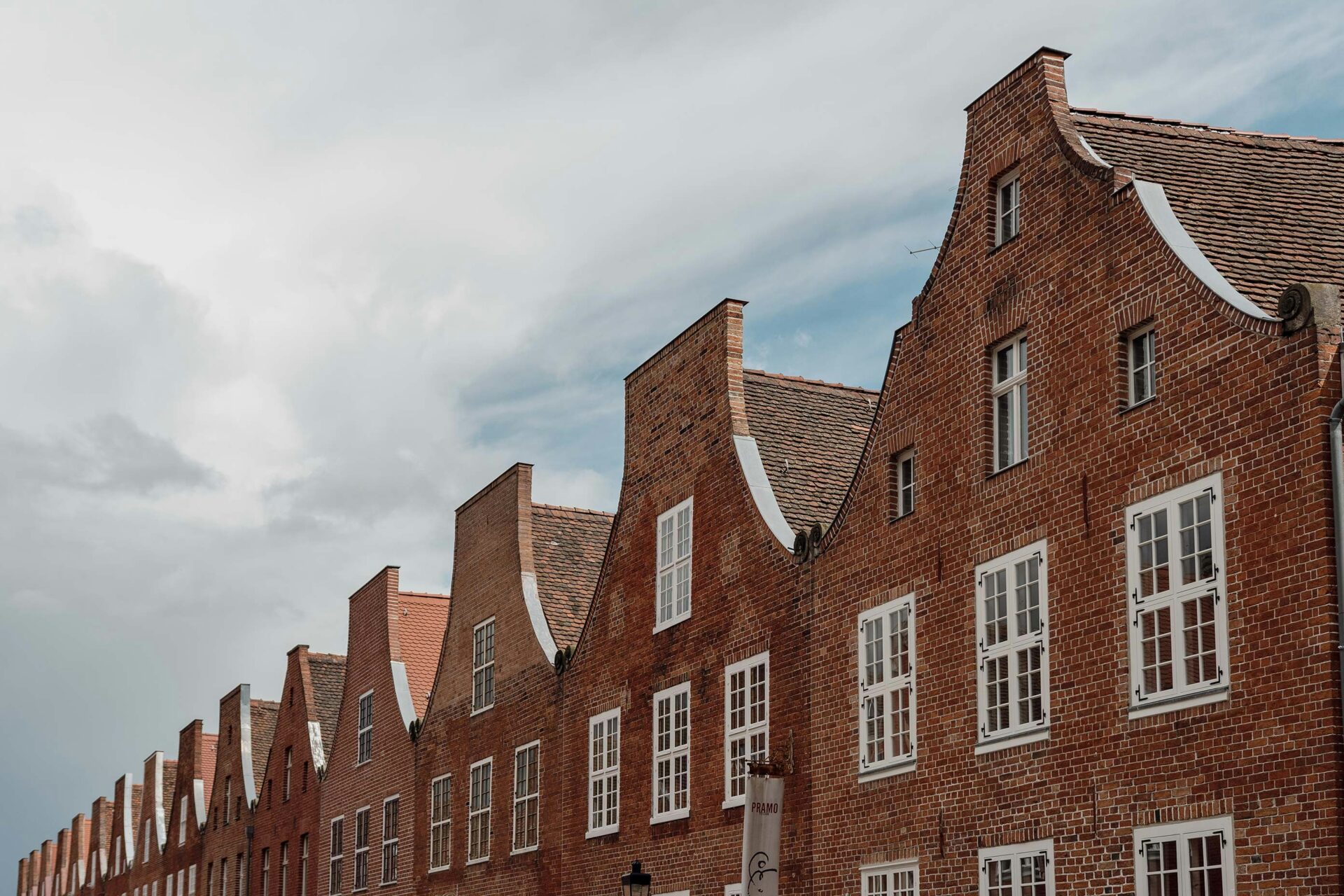
Babelsberg Palace sits right by the Havel River, and I couldn’t help but be drawn in by its dramatic Tudor-style look. Pointed arches, tall chimneys, and castle-like towers give it a fairytale feel.
Prince Wilhelm had this palace built, and it’s another nod to English-inspired design right here in Potsdam.
Both the palace and its park are UNESCO World Heritage Sites. The gardens, terraces, and lakeside paths create a peaceful escape from city life.
I always suggest visiting near sunset—the light on the brick and sandstone is stunning.
Discovering Sanssouci’s Hidden Treasures
Most people make a beeline for Sanssouci Palace, but I found so many hidden gems tucked away in Sanssouci Park. These lesser-known spots show just how deep Potsdam’s history runs.
You’ll find architectural surprises and peaceful green corners that go far beyond the palace’s famous Rococo halls.
Orangery Palace and the Gardens of Sanssouci
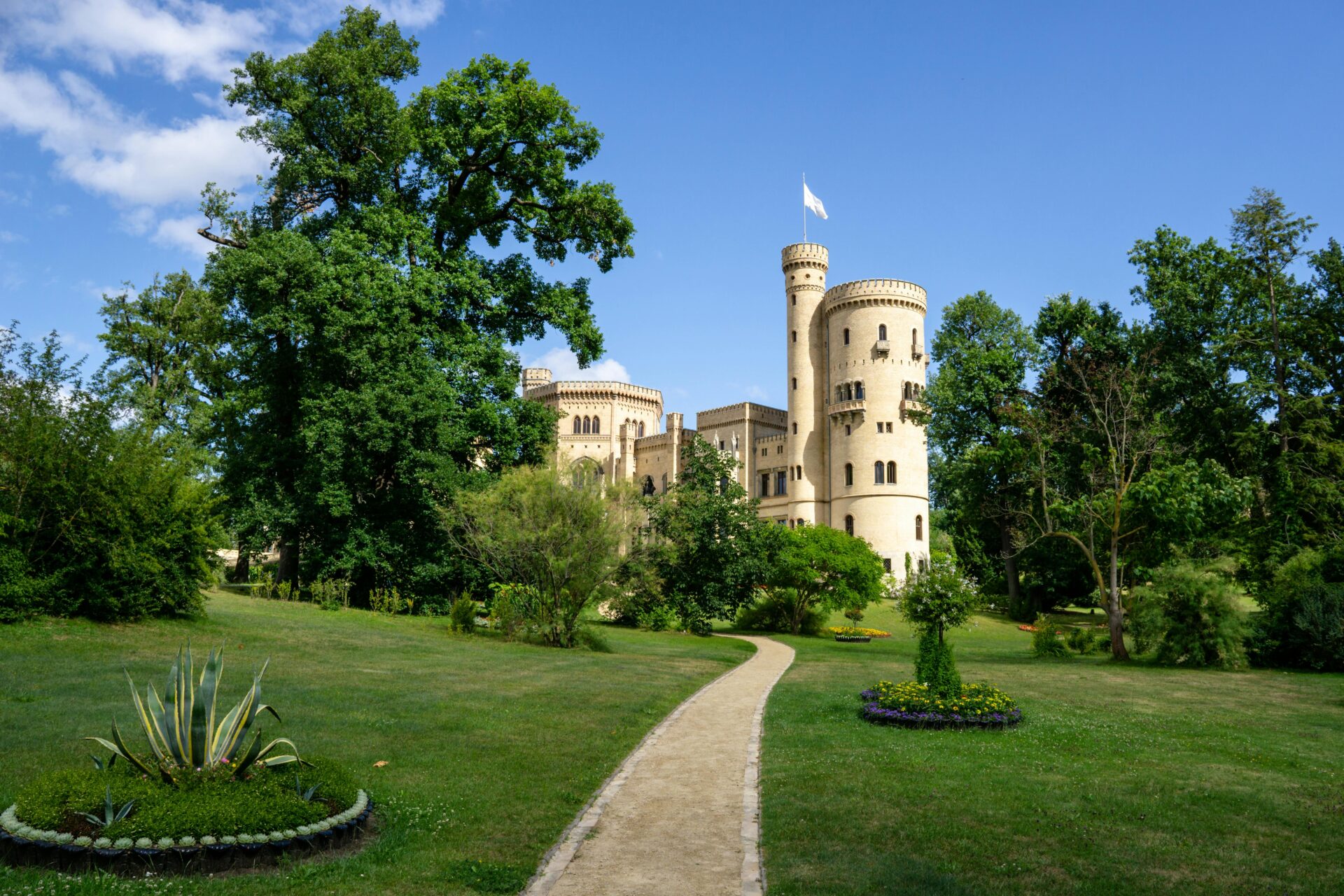
The Orangery Palace stands out at the edge of the park, all long terraces and Mediterranean plants. Its Italian-inspired design, with sweeping staircases and rows of orange and palm trees, made me stop and stare.
Inside, you’ll find the impressive Raphael Hall, where copies of Renaissance masterpieces fill the walls. The rooms are grand, with high ceilings and ornate décor.
Outside, lush gardens stretch out, fountains and flower beds arranged in neat patterns. It’s easy to see why UNESCO protects this spot.
I loved wandering among the statues and garden terraces, soaking in the quiet and the views. It’s the perfect place for a slow stroll or just sitting and watching the world go by.
Quick Highlights:
| Feature | Description |
|---|---|
| Raphael Hall | Gallery with Renaissance replica frescoes |
| Terraces | Citrus trees, palm trees, and flower beds |
| Architecture | Italian Renaissance style with high arches |
The Chinese House and Chinese Tea House
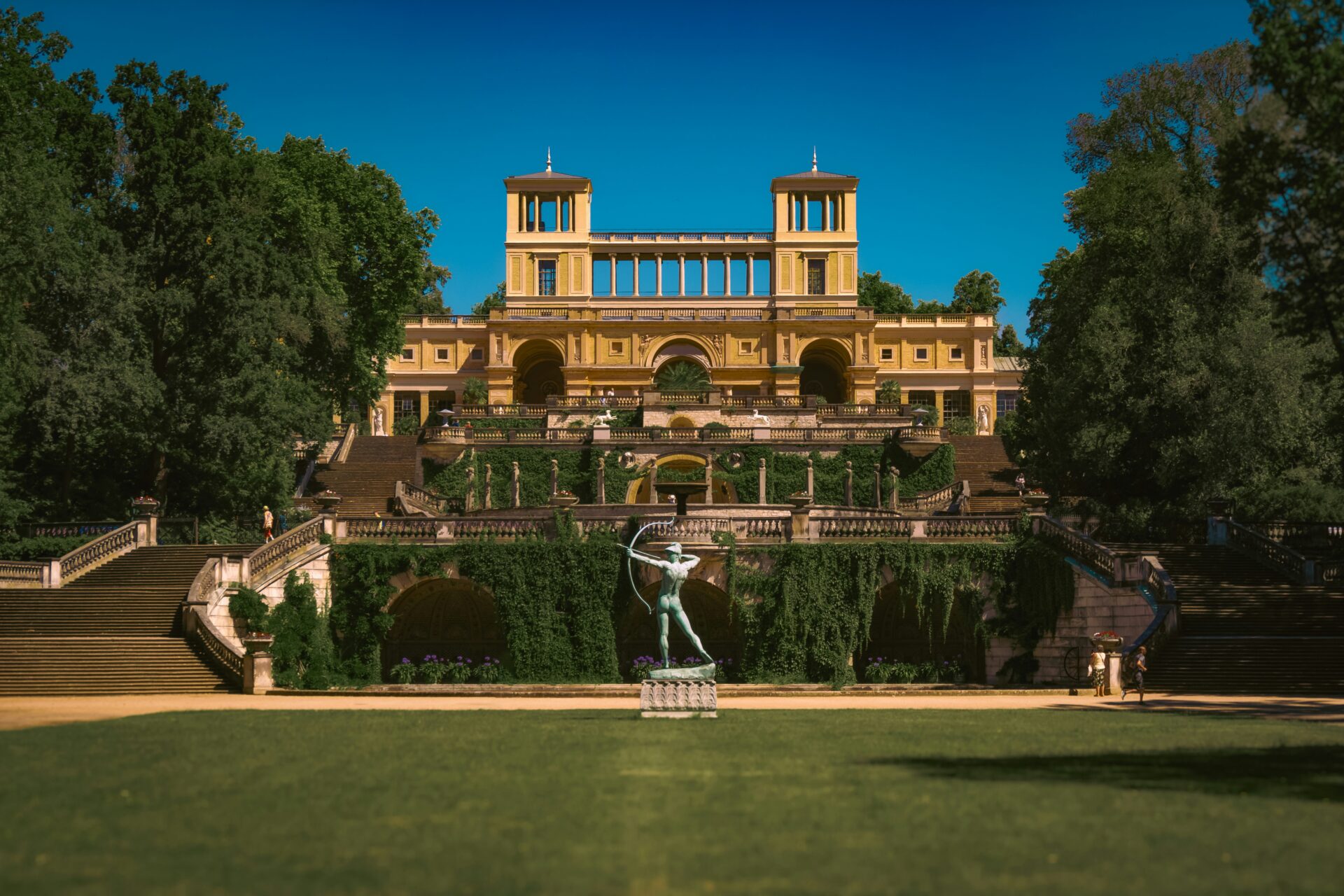
Hidden deep in the park, the Chinese House sparkles with golden statues and a green dome. I couldn’t resist snapping a photo—it’s pure 18th-century fantasy.
Ornate figures with parasols and trays decorate the building, and inside, delicate murals and porcelain-inspired artwork cover the walls. Every detail, from the curved roof to the gold trim, shows Frederick the Great’s fascination with Chinese art and tea culture.
Next to it, the tiny Chinese Tea House sits quietly among the flowers. I paused here for a few peaceful minutes, just taking in the storybook setting.
What stood out to me:
- Playful mix of Rococo and Asian influences
- Glittering gold statues outside
- Secluded, magical spot in Sanssouci Park

Charlottenhof Palace and Roman Baths
On the edge of Sanssouci Park, Charlottenhof Palace greets you with Neoclassical style and bright blue shutters. It’s not as grand as some other palaces, but the cozy, villa-like vibe really drew me in.
Behind the palace, the Roman Baths complex surprised me. These buildings, inspired by ancient Roman villas, include a Marble Hall, arcaded walkways, and little gardens.
I noticed the peaceful ponds and vine-draped walls—it’s a calm oasis, perfect for a quiet break.
Charlottenhof and the Roman Baths show off a different side of Potsdam’s royal past, with Italian and Greek touches set right in the heart of the gardens.
Key Features:
| Site | Feature | Style/Detail |
|---|---|---|
| Charlottenhof | Blue shutters | Neoclassical, villa-like |
| Roman Baths | Marble Hall | Ancient Roman-inspired architecture |
| Gardens | Quiet ponds, vines | Secluded spots, peaceful atmosphere |
Potsdam’s Cultural and Artistic Side
Potsdam’s arts scene is surprisingly vibrant. You’ll find everything from modern art museums to places that celebrate film history.
Music lovers and anyone curious about local culture will feel right at home too.
Museum Barberini and Barberini Palace
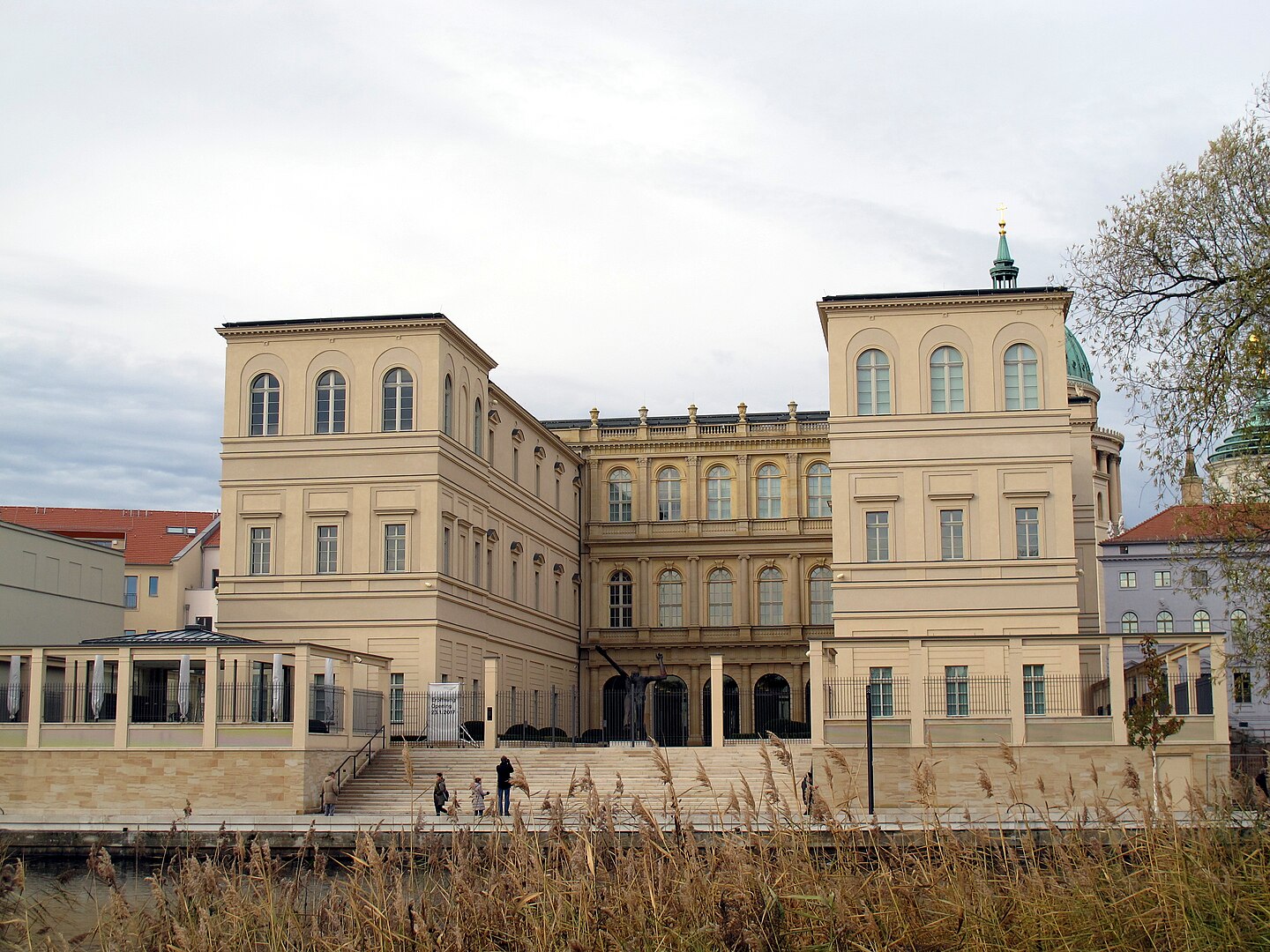
Museum Barberini, set in the beautifully restored Barberini Palace, quickly became one of my favorite artsy stops. The palace itself is a stunner, originally built in the 18th century and painstakingly rebuilt after WWII.
Inside, you’ll find rotating exhibitions—Impressionism, modern art, you name it. I’ve seen works by Monet, Renoir, and Kandinsky here. The galleries feel thoughtfully curated, and the info panels are refreshingly clear.
They also host lectures and special events for art lovers. Even if you’re not a huge art buff, the museum’s friendly vibe makes it easy to enjoy.
There’s a cozy gift shop and a café overlooking the Old Market Square—perfect for a break.
Filmpark Babelsberg and the Filmmuseum
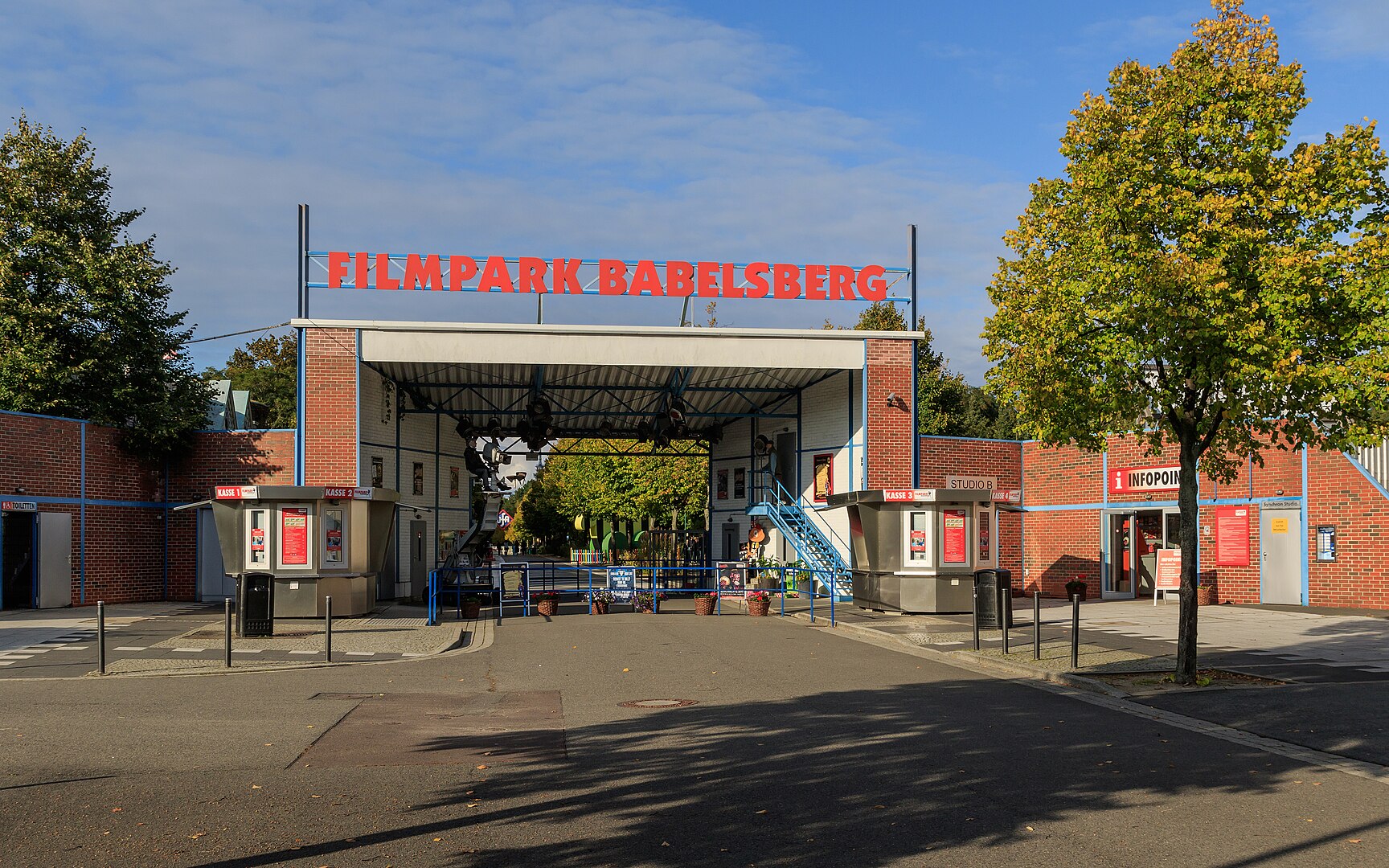
Filmpark Babelsberg is a fun, quirky amusement park all about film and TV production. Babelsberg has some of the world’s oldest film studios, and you can actually see sets used in German cinema.
I watched live stunt shows, peeked behind the scenes, and even spotted crews filming now and then.
The park’s interactive exhibits let you try out movie effects, check out costumes, and learn about animation. If you want a deeper dive, pop over to the Film Museum Potsdam nearby.
It’s in the historic Marstall building and traces Germany’s film history from silent movies to today. The hands-on displays and original props are a hit with all ages.
They regularly show classic films, so it’s a solid pick for movie fans.
Concert Hall and Local Artistic Venues
If you’re into music, don’t miss the Nikolaisaal concert hall. The space is modern, with great acoustics, and the lineup covers everything from classical to jazz and pop.
International stars and local musicians both take the stage here.
Beyond the big venues, Potsdam’s dotted with smaller galleries and creative spaces. Local artists exhibit contemporary works in intimate settings, and you can often chat with them about their process.
These spots sometimes host poetry readings or experimental performances. It’s a cool way to tap into Potsdam’s cultural history and see what’s happening now.
Unique Neighborhoods and Scenic Views
Potsdam isn’t just palaces and museums—it’s full of lively neighborhoods and gorgeous views. I love wandering from one village to the next, discovering how different cultures have left their mark.
Riverbanks, hidden gardens, and old city walls all beg for a photo or two.
Alexandrowka and the Russian Colony
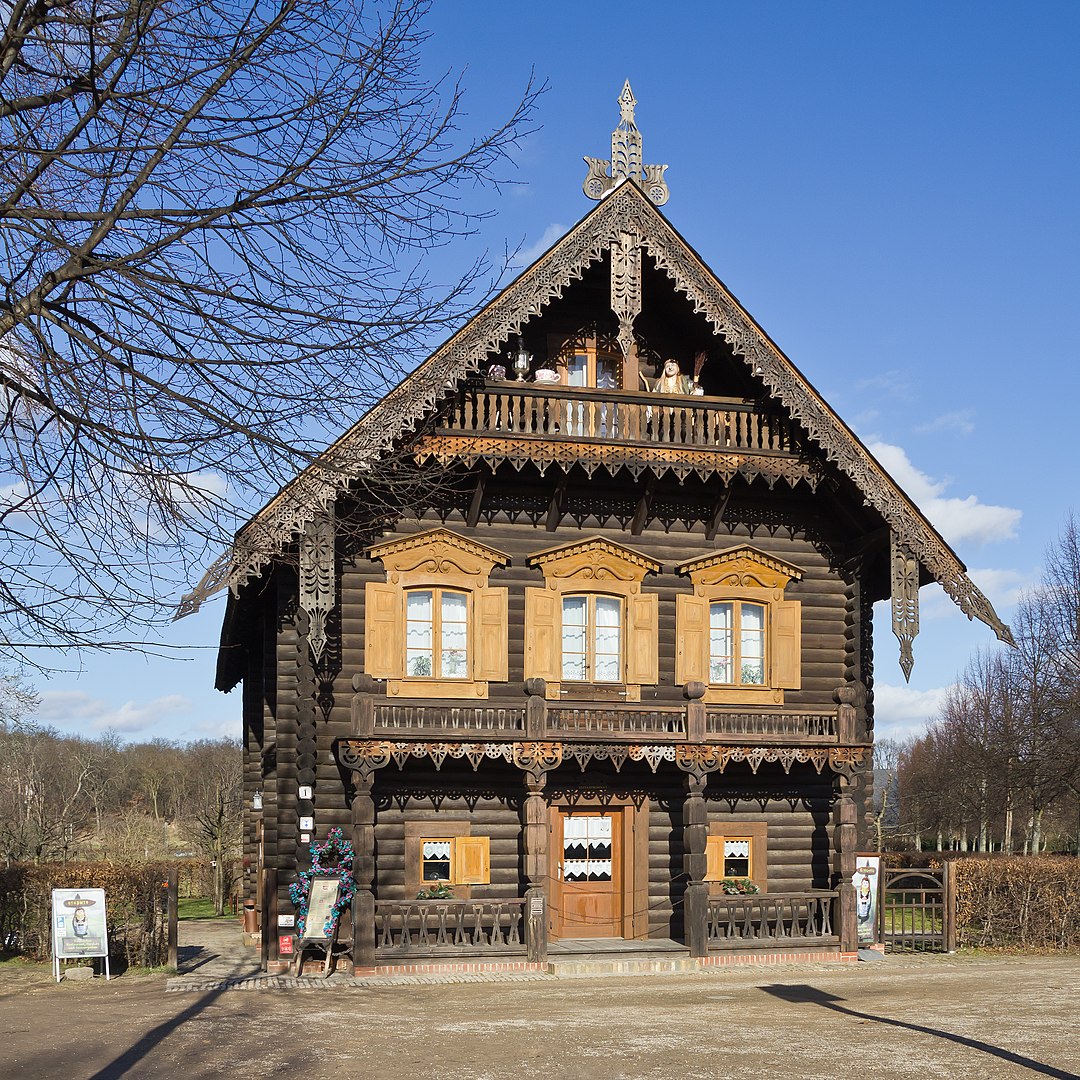
Alexandrowka always feels a bit magical to me. Built in the 1820s for Russian singers who served the Prussian king, the wooden houses and lush gardens look like they belong in a Russian fairy tale.
Handcrafted details on the homes catch my eye, and the air smells fresh from the nearby orchards. The Russian Orthodox church at the center stands out with its onion domes.
It’s peaceful here—perfect for reflection or just snapping a few photos, especially in the early morning.
Alexandrowka preserves a unique mix of traditions and architecture. You can sense the blend of cultures in every corner.
Nauener Tor, City Gates, and the City Wall
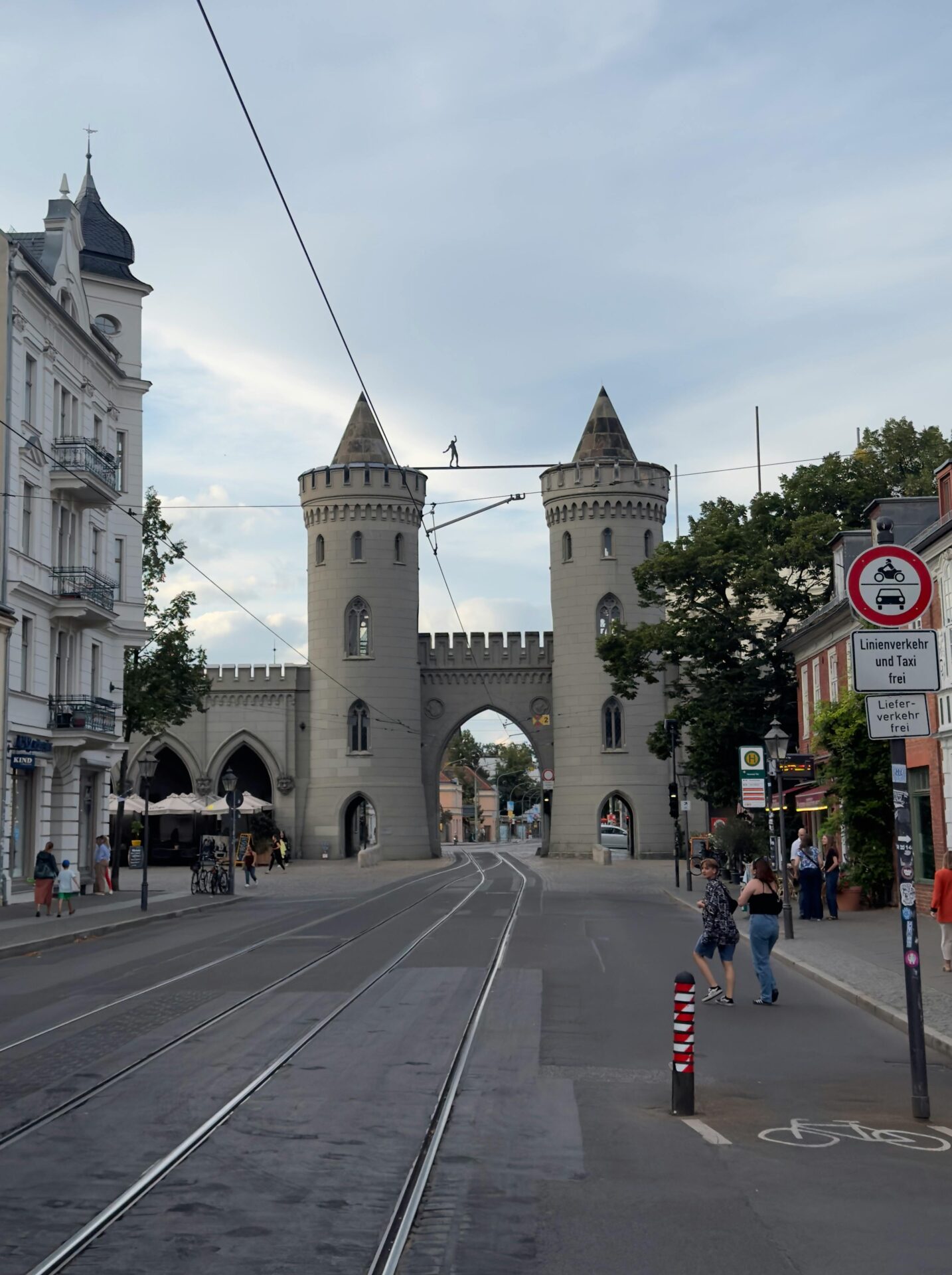
Nauener Tor, with its Gothic Revival flair, always pulls me in. The old city walls frame it, reminding me that Potsdam was once a fortified place.
This gate marks the line between the bustling city center and quieter neighborhoods.
I like walking the stretch between Nauener Tor and other gates like the Brandenburg Gate of Potsdam and the Jägertor. Along the way, you’ll spot bits of old walls and maybe even a historic windmill peeking above the rooftops.
Photographers will love the mix of architecture and the soft morning light. The gates make great backdrops, but don’t miss the hidden corners and weathered brickwork just off the main path.
Jungfernsee and Havel River Tranquility
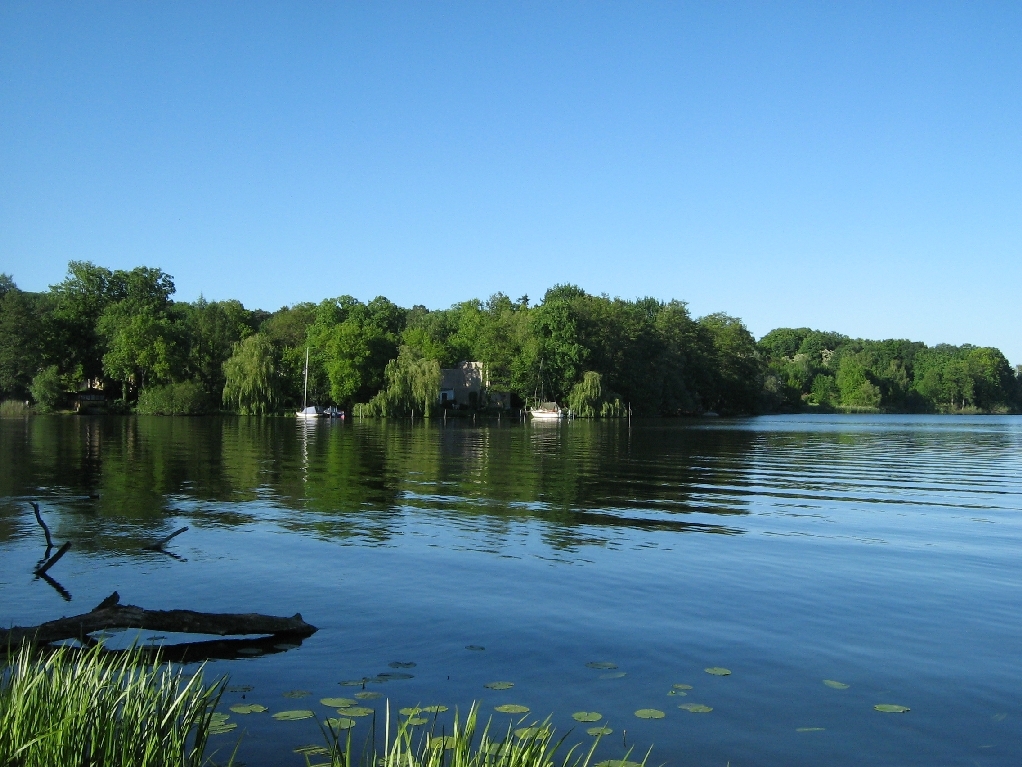
Jungfernsee, a scenic lake tucked off the Havel River, is my go-to escape when I need a break from the crowds. Its calm water mirrors trees, passing boats, and sometimes even a parade of swans gliding by.
Walking or cycling along the winding paths, I catch these wide-open views that just make you slow down. On those clear days, the sky and water sort of melt together—a dream for anyone who loves landscape photography.
I usually find myself pausing at a bench or a lookout, letting the gentle hush of birds and soft waves wash over me. It’s hard not to feel your shoulders drop a little.
This corner of Potsdam offers a different vibe—a quieter, softer side of the city. Sometimes I just sit, sometimes I snap a few photos, but either way, the Havel River and Jungfernsee always leave me feeling grounded.
Local Life and Flavors
Honestly, I think the real heart of any city beats in its daily routines and food traditions. For a proper Potsdam itinerary, I always seek out classic neighborhoods and local food—the spots where travelers and locals actually mix.
Exploring Old Market Square
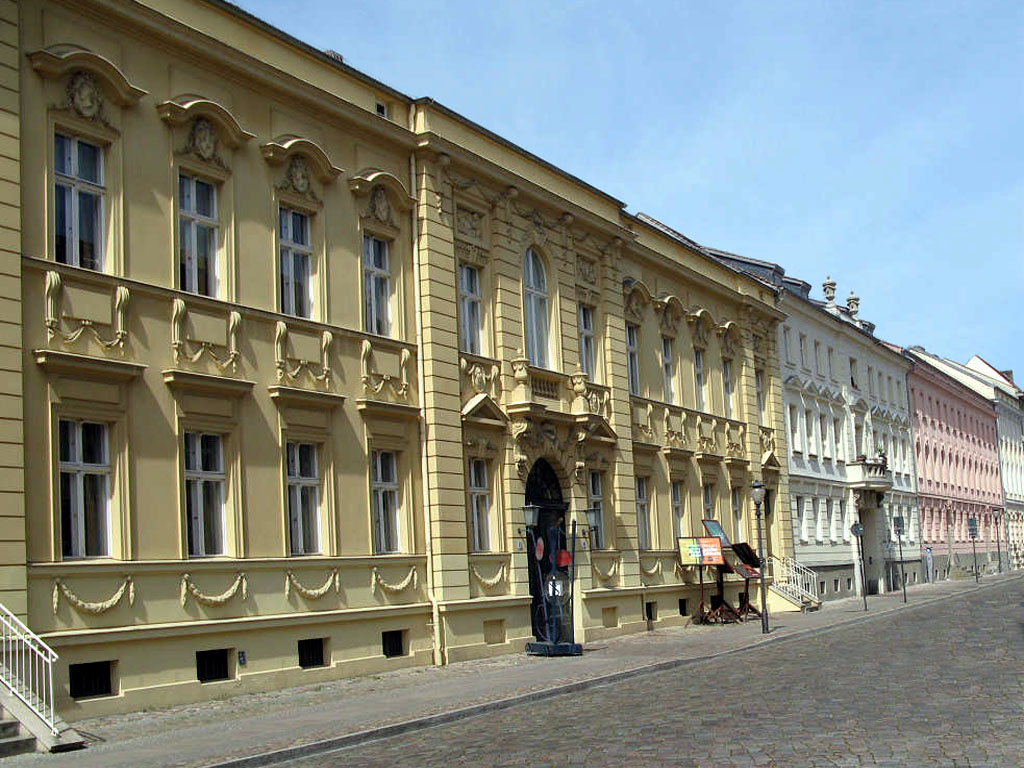
Wandering through Old Market Square, I felt like I’d stumbled into another era. Cobblestone streets, those historic facades, and a buzz of open-air cafes and street performers fill the area with life.
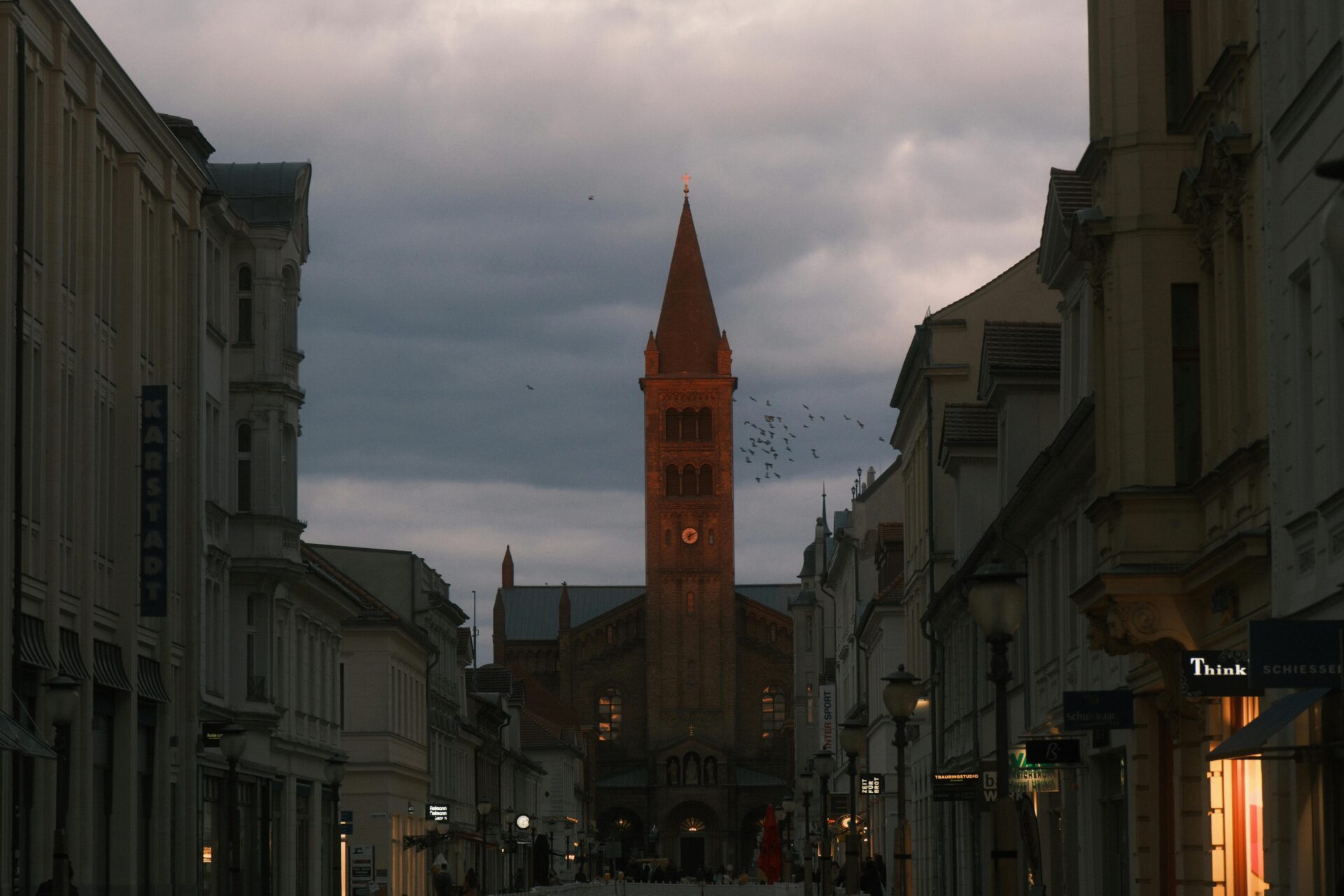
St. Nicholas’ Church stands right at the center, its dome impossible to miss from almost anywhere nearby. I liked sitting on the steps, just people-watching as locals went about their routines.
Many of Potsdam’s cultural gems cluster around here. I ducked into museums set in beautiful old buildings and browsed a few cozy bookshops.
The square works well as a jumping-off point for day trips or a wander to other city spots. Once evening falls, soft lights flicker on and the square takes on a mellow, inviting glow.
If you want to get a feel for Potsdam beyond the famous palaces, Old Market Square is where I always feel most connected to the city’s everyday rhythm.
Krongut Bornstedt and Local Cuisine
Krongut Bornstedt used to be a royal estate, but now it’s a lively spot packed with local flavor and events. When I wandered in, I couldn’t resist the traditional brewery on site—freshly brewed beers just called my name.
People flock here for the regional dishes. Königsberger Klopse (those famous meatballs in creamy white sauce), hearty stews, and those crunchy Spreewald pickles—honestly, it’s hard to pick a favorite.
The estate buzzes with seasonal markets and craft fairs. I found myself sampling handmade breads and cheeses, not really planning to but, you know, how could I not?
If you’re into food, this place really spices up any Potsdam trip. There’s just so much to try and discover.
What to Try at Krongut Bornstedt:
| Dish | Description |
|---|---|
| Königsberger Klopse | Meatballs in creamy caper sauce |
| Spreewald Pickles | Crisp pickles, often homemade |
| Local Beer | Brewed on site, varies by season |
For anyone curious about local flavors, Krongut Bornstedt offers an authentic Potsdam vibe that’s hard to beat.

.jpg)


#/media/File:Potsdam_Alexandrowka_02-14_img2.jpg)
