
When I visited Bremen, I expected charming old streets and maybe a few historic sites. What caught me off guard? The city’s local foods. They pulled me right into North German culture in a way I didn’t see coming.
From the hearty Knipp sausage to the sweet, minty Kluten, Bremen’s flavors stretched my palate and left a real impression.
Each meal gave me a peek into local traditions and the pride people take in their cooking. Some dishes felt unusual at first, but every single one stuck with me.
Let’s dive into the three foods that totally surprised me and made my Bremen trip unforgettable.
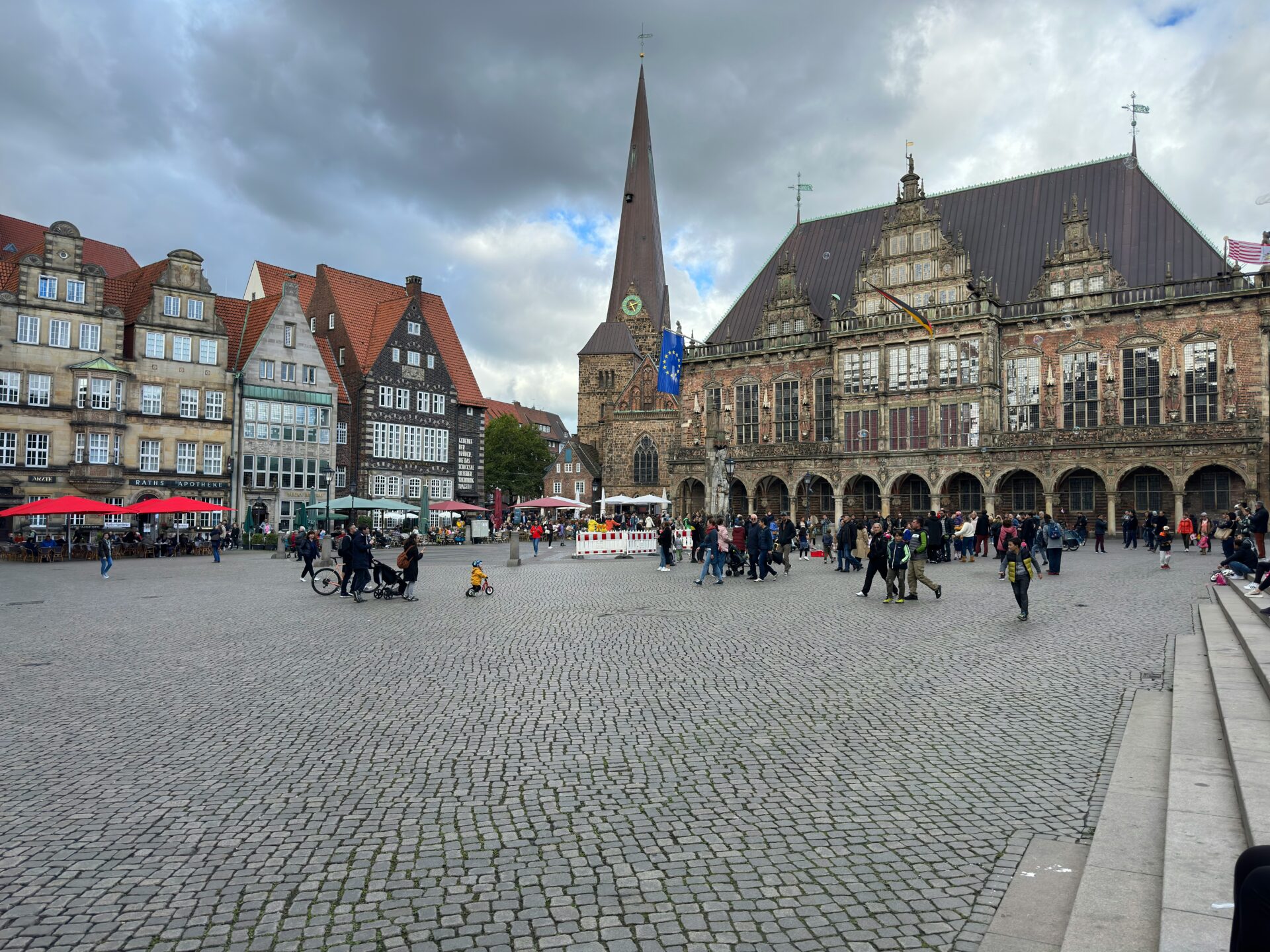
Discovering Bremen’s North German Culinary Identity
Bremen’s food culture mixes tradition, local ingredients, and its history as a trading powerhouse. I quickly realized that certain dishes and flavors really define how folks in Northern Germany eat.
Regional Specialties of Northern Germany
I stumbled on a bunch of foods in Bremen that you just don’t find elsewhere. Knipp is a hearty sausage—oats, pork, onions, and spices, usually pan-fried and served with dark bread.
The rustic taste took me straight to the region’s farming roots.
Then there’s Klaben, a sweet, spiced bread loaded with dried fruit—especially popular at Christmas. Kluten? Those are mint candies with a crisp white sugar shell. Simple, but they stick in your memory.
Northern German food draws a lot from its geography. The North Sea brings fresh fish, while the farmland produces rye, potatoes, and sturdy vegetables.
Every bite tells a story of practicality and making the most of what’s around.
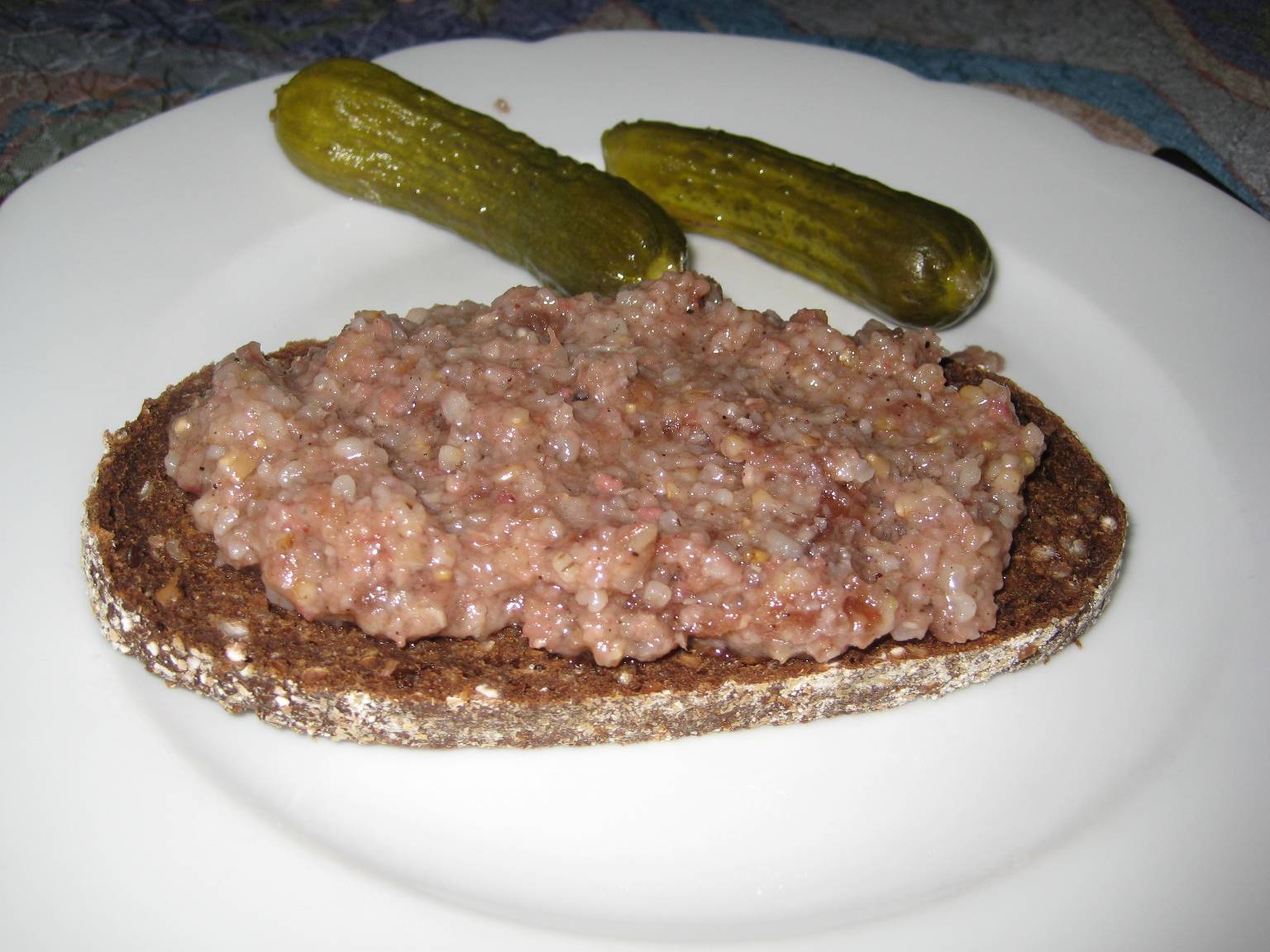
Traditional Dishes and Local Ingredients
One thing I couldn’t ignore was how much locals love their grains, especially oats and rye. I tried several rye breads—dense, flavorful, and honestly, they fill you up fast.
Grains also sneak into sausages like Knipp and Pinkel, which use barley or oats for extra heartiness.
Pork shows up everywhere—sausages, stews, roasts. Smoked and salted meats are staples, a nod to older ways of keeping food fresh.
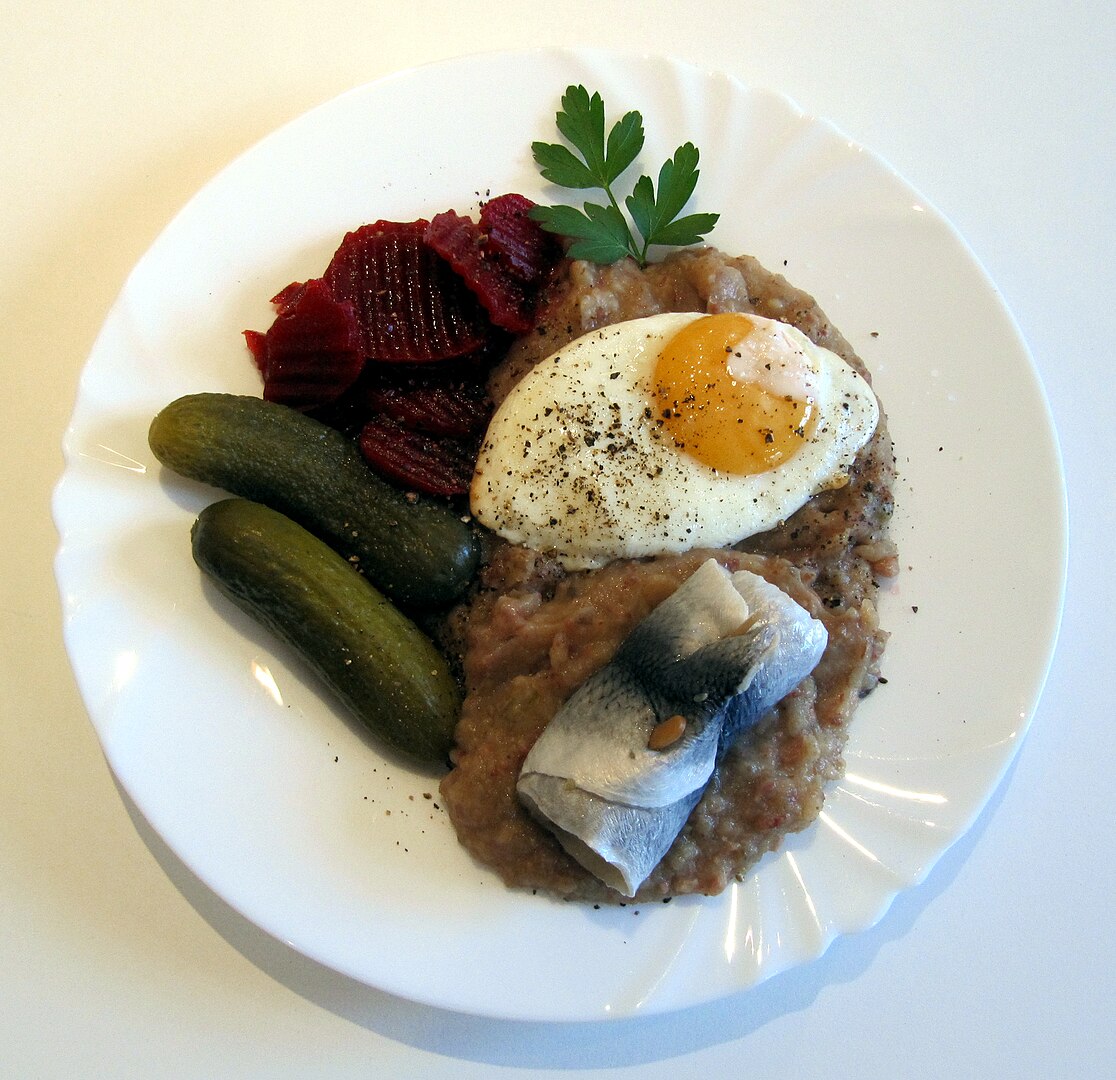
Labskaus surprised me: beef, potatoes, beetroot, and a herring topper. Not what I expected, but it works.
Seasonal veggies rotate in, but cabbage, carrots, and other roots are always around. Butter and dairy make everything richer.
The flavors lean savory, not spicy, with herbs like marjoram and parsley for a little depth.
North German Cuisine: Influences and Characteristics
Bremen’s Hanseatic port days left their mark on the food. Ships brought in spices and dried fruits, which explains why breads like Klaben use cinnamon, cloves, and raisins.
You’ll find hearty stews next to pickled herring—a real blend of land and sea.
Many dishes are built to last through cold winters. Smoking, pickling, and baking helped folks stretch their food.
Meals usually come with simple sides: boiled potatoes or dark bread to keep things balanced.
Neighboring regions like Lower Saxony and Lüneburg Heath share these traditions, but each spot has its own spin.
Every area seems to have a favorite way to make sausage or sweet bread, which makes food culture here both shared and personal.
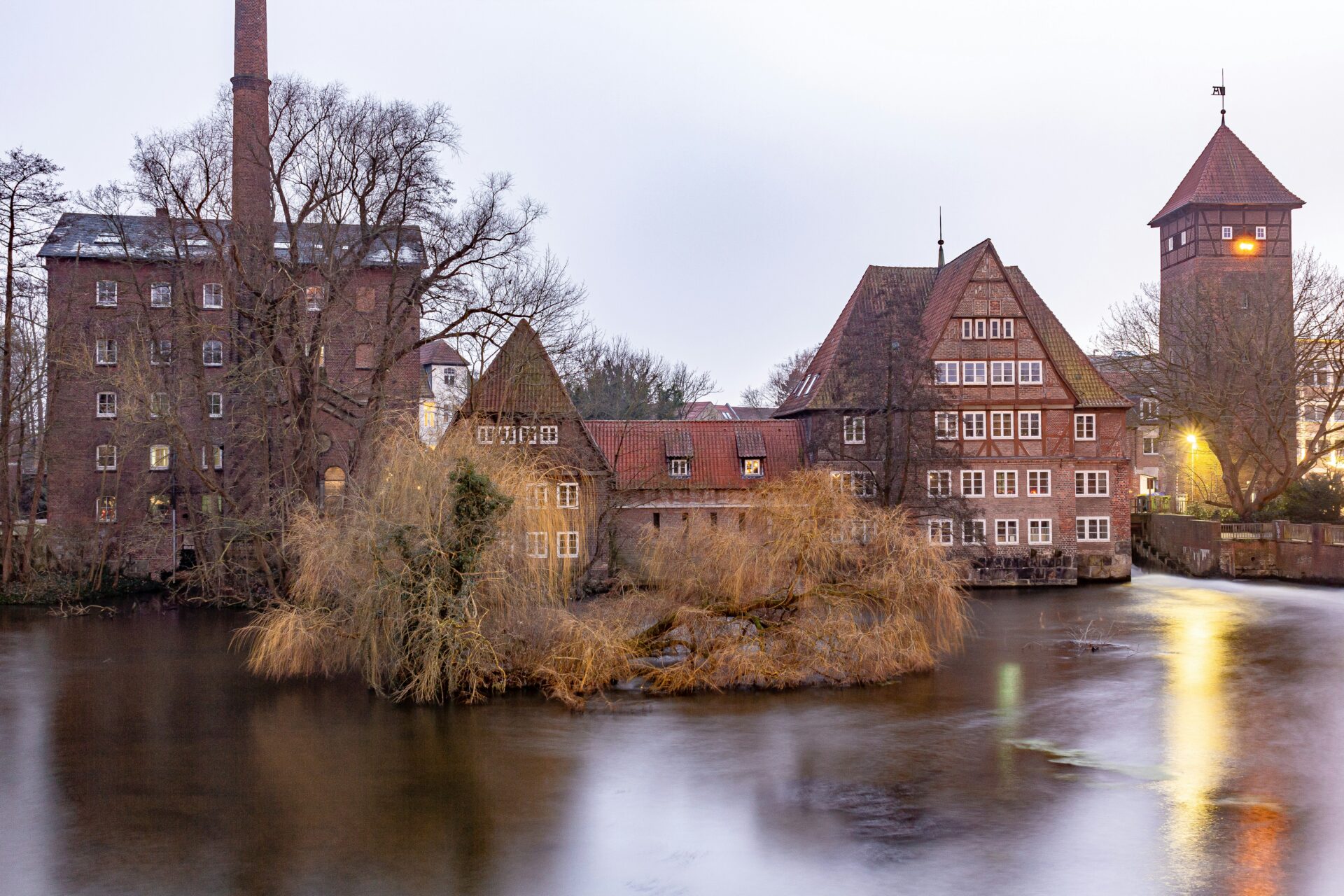
Knipp: A Hearty Bremen Classic
Knipp really caught me by surprise. It’s a true Bremen specialty—robust, comforting, and made from humble ingredients.
This traditional dish is North German cooking at its most honest and satisfying.
What Is Knipp? Origins and History
Knipp, sometimes called Bremer Knipp, is a cooked sausage rooted in North German tradition.
Farmers and working families first made it, using up every part of the animal. It’s all about avoiding waste and turning odds and ends into something hearty.
The recipe goes back centuries, especially around Bremen and Lower Saxony. Early cooks used whatever meats and grains they had, but oats eventually became the go-to.
Today, Knipp stands as a symbol of Bremen’s rustic side—served in local restaurants and at street festivals. Families still make it at home, keeping the old ways alive.
Key Ingredients in Knipp
Knipp keeps things simple, but the flavors are anything but plain. Pork is the star—shoulder or belly, sometimes with a bit of liver for depth.
Oats or oat groats bulk it up and soak in all the juices. Onions go in for sweetness and aroma.
I seasoned mine with salt, black pepper, allspice, marjoram, and, if I felt fancy, a pinch of cloves.
Ingredients List
- Pork shoulder or pork belly
- Pork liver (optional)
- Oats or oat groats
- Onion
- Broth
- Salt
- Pepper
- Allspice
- Marjoram
- Cloves (optional)

How Knipp Is Prepared
Making Knipp isn’t tricky, but it does take some time. I ground up the pork (and sometimes liver) with a meat grinder, then cooked it down with diced onions.
Once the meat softened, I tossed in oats and a splash of broth to pull it all together.
After seasoning with salt, pepper, and allspice, I let it simmer until the oats plumped up and the whole thing thickened.
I shaped it into a loaf or sausage and let it cool.
Leftover Knipp freezes well, and people often pan-fry slices until they’re crispy. You can eat it cold, but honestly, frying gives it that perfect crumbly edge.

Serving Traditions and Popular Pairings
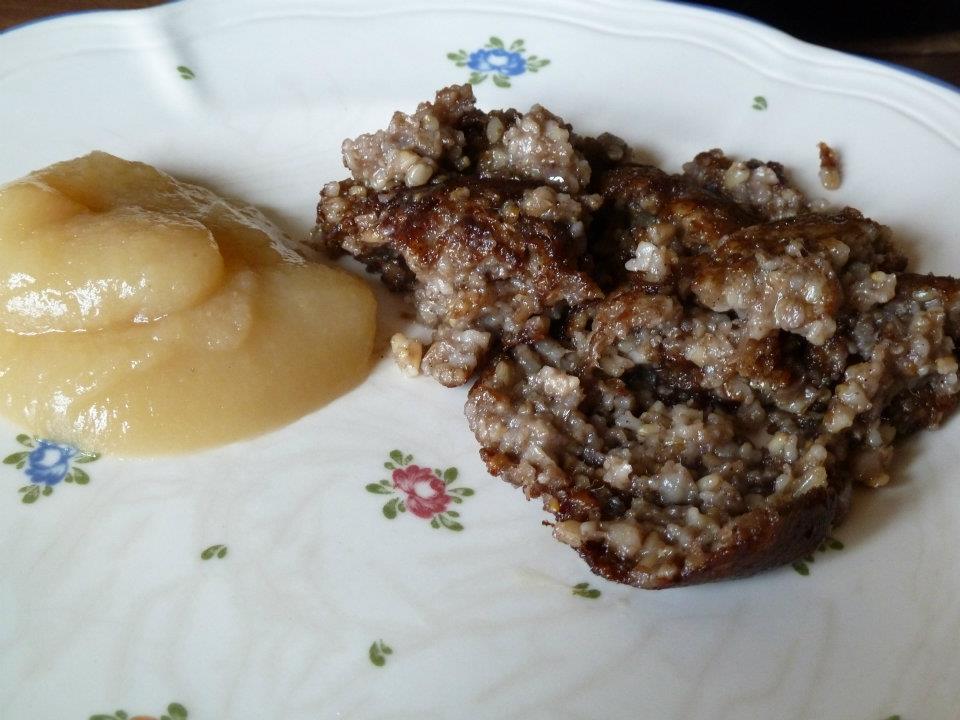
Traditionally, folks cut Knipp into thick slices and fry them in butter until golden. It usually takes center stage at the table.
Popular sides? Fried or boiled potatoes are a must. Applesauce adds a sweet note, and pickles—like gherkins or beetroot—bring a refreshing tang.
Common pairings:
- Fried potatoes
- Boiled potatoes
- Applesauce
- Pickles, like gherkins or beetroot
- Dark rye or wholemeal bread
I loved how these simple sides balanced the rich, savory sausage. Knipp is pure comfort food and a real taste of Bremen’s heritage.

Beyond Knipp: Exploring More Bremen Culinary Surprises
Bremen’s food scene goes way beyond sausages. There’s inventive fish dishes and a mix of city and sea traditions.
Every plate tells a bit of the region’s story.
Pinkel and Other Regional Sausages
Pinkel really stood out for me. This smoked sausage packs a punch—savory, hearty, and full of character.
Pinkel combines pork, oats or barley (grützwurst), onions, and spices. Locals usually serve it with kale in the winter classic, “Grünkohl und Pinkel.”
During my stay, I noticed pinkel isn’t just a side—it’s often the star, especially when it’s cold outside.
Mustard and dark bread round out the meal, adding extra warmth. Each butcher seems to have their own secret spice mix or grain blend.
Other regional sausages pop up, too. Mettwurst is soft and spreadable, while knackwurst has that satisfying “snap.”
Most are smoked, which gives them a deep, comforting aroma.
| Sausage | Main Ingredients | Traditional Pairing |
|---|---|---|
| Pinkel | Pork, grains, onions | Kale (Grünkohl), bread |
| Grützwurst | Pork, groats (grains) | Fried potatoes |
| Mettwurst | Ground pork, spices | Bread, pickles |
Fischbrötchen: The Beloved Fish Sandwich
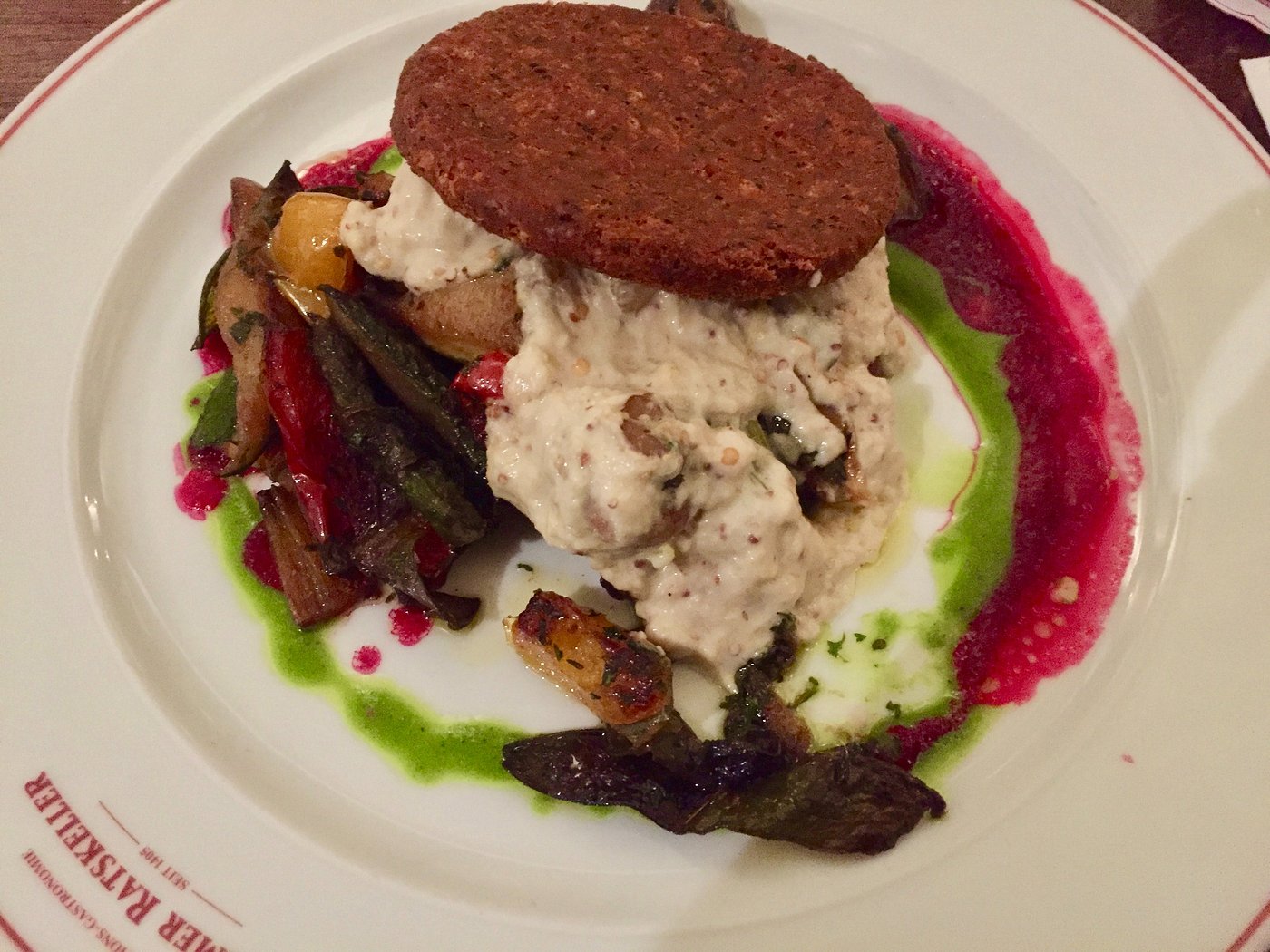
You can’t visit Bremen without grabbing a fischbrötchen. I found them everywhere—markets, street stalls, you name it.
This fish sandwich is quick, filling, and honestly, kind of addictive. Usually, it’s pickled herring, fried fish, or smoked mackerel tucked into a crusty roll.
Vendors pile on onions, pickles, remoulade, or lettuce for extra crunch and flavor.
Pickled herring gives it a sharp, tangy kick that works surprisingly well with the soft bread.
The sandwich really shows off Bremen’s bond with the North Sea.
People eat fischbrötchen on the go or with friends along the river. There’s a lot of pride in this humble snack.
Simple ingredients and super-fresh seafood make it a street food staple.
Typical Fischbrötchen Fillings:
- Pickled herring
- Bismarck herring
- Fried fish filet
- Smoked mackerel
Every bite felt like a bite of Bremen’s tradition and freshness.
Sweets and Snacks Unique to Bremen
Bremen’s bakeries are packed with traditional baked goods, candies, and breakfast treats.
Regional specialties fill the windows, many with stories that tie back to the city’s history and maritime roots.
Franzbrötchen: A Cinnamon Delight
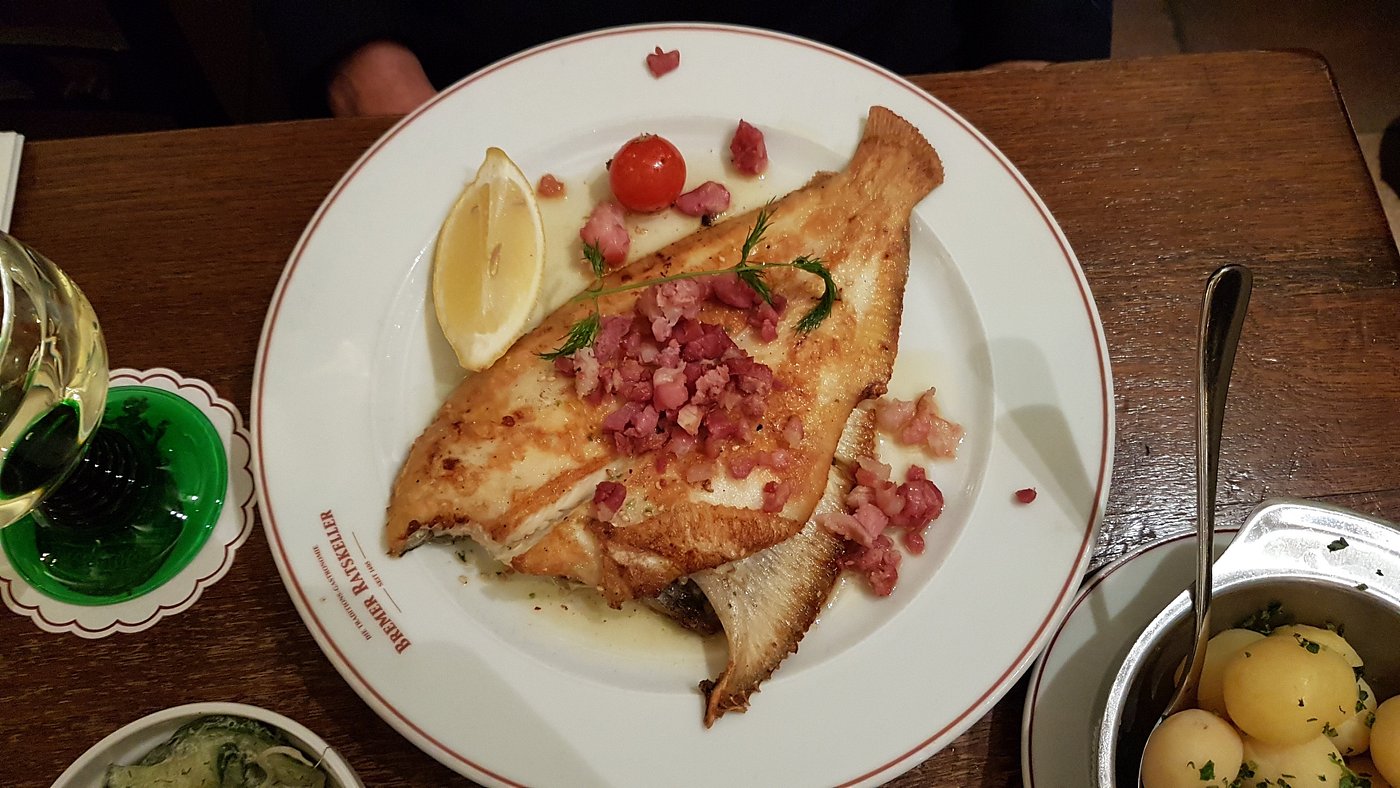
Franzbrötchen instantly grabbed my attention. These sweet rolls look a bit like cinnamon rolls, but they’re flatter and have buttery, crisp layers.
Each bite bursts with cinnamon and sugar, with a hint of caramelization. I saw locals grabbing them for breakfast or a midday treat.
Some bakeries add chocolate or raisins, but the classic cinnamon-sugar version is king.
Franzbrötchen and coffee? Absolute perfection for a snack break. The flaky texture really makes it stand out from other pastries I’ve had.
Bremer Klaben: Fruit Bread Tradition
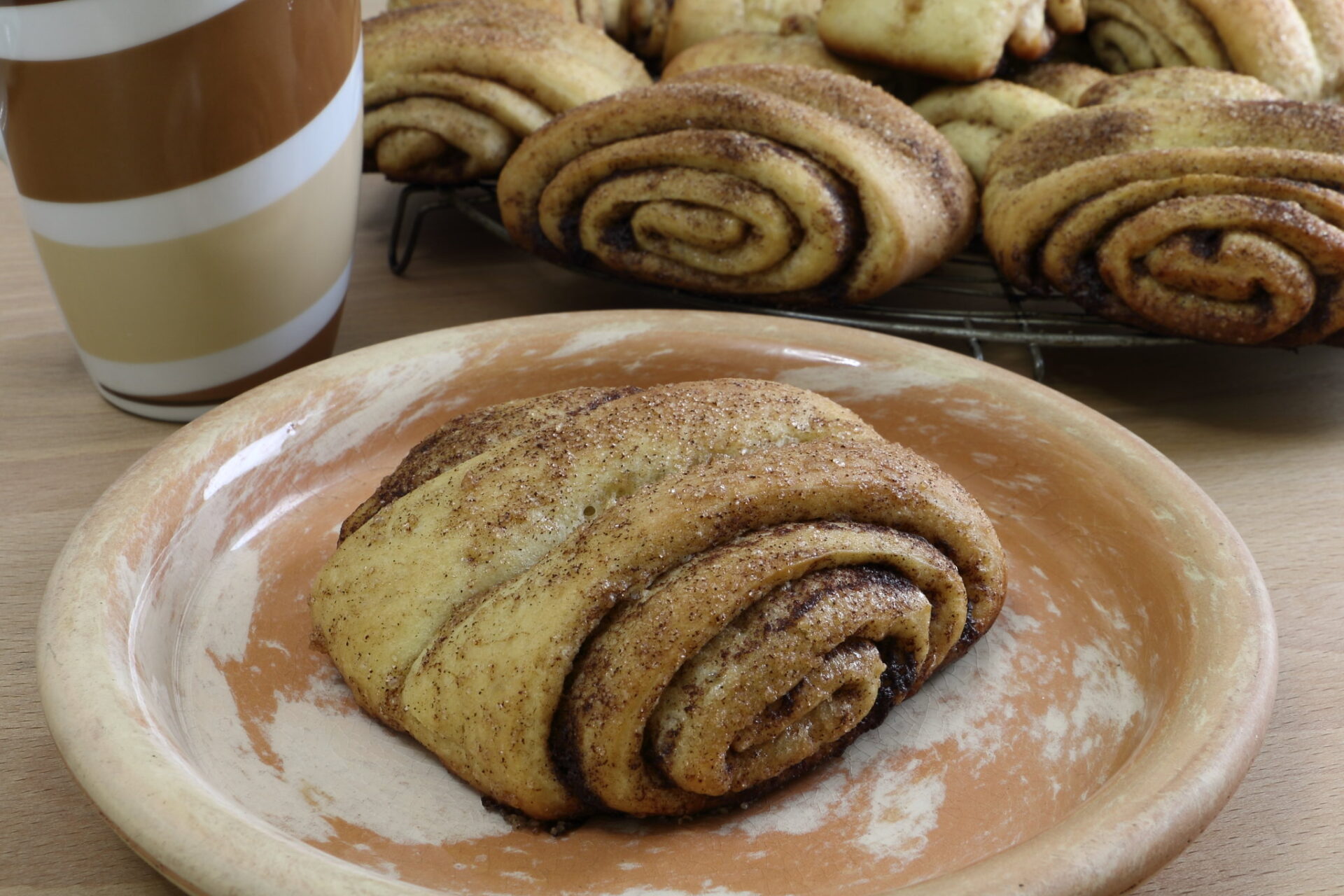
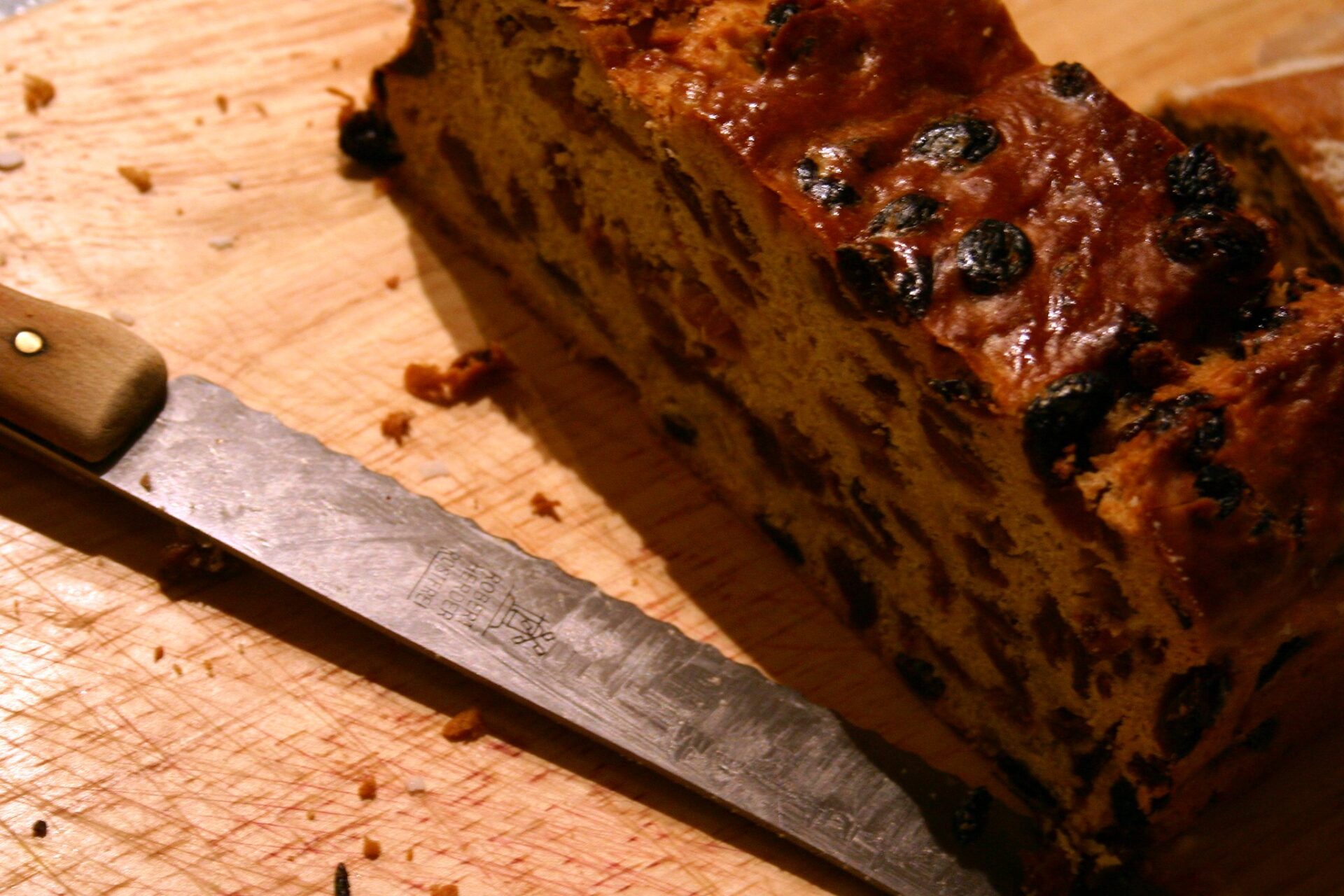
Bremer Klaben is a dense, fruit-studded bread—usually a winter treat, but you’ll find it all year in Bremen.
It’s loaded with raisins, candied citrus peel, almonds, and warm spices. The outside stays a bit crumbly, while the inside is chewy and rich.
Unlike other fruit breads, Klaben skips the powdered sugar. The sweetness comes from all the fruit inside.
It keeps for weeks, thanks to that high fruit content.
People slice it and eat it with butter, or just plain with tea. For me, it’s somewhere between a cake and a snack—definitely unique to Bremen.
Regional Sweet Treats and Snacks
Bremen’s sweet tooth goes beyond just bread and pastries. Bremer Kluten are a local classic—peppermint fondants dipped halfway in dark chocolate.
The sharp mint and chocolate combo is oddly refreshing.
You’ll also spot snacks like Schnoorkuller (little chocolate-hazelnut bites) and Babbeler (a hard peppermint stick kids love).
White bread toasted and slathered with sweet spreads is a breakfast staple.
All these snacks and candies show off Bremen’s maritime influence and old-town charm. Some of these flavors totally took me by surprise.

Experiencing Bremen’s Culinary Culture
Eating Bremen’s local food isn’t just about filling up. It’s a window into the city’s past, its seasons, and how people come together over a meal.
Where to Taste Authentic Regional Dishes
Bremen’s traditional restaurants? They serve up specialties you just won’t find anywhere else. I wandered into a few places called “Gasthaus” or “Brauhaus” and their menus were packed with local classics.
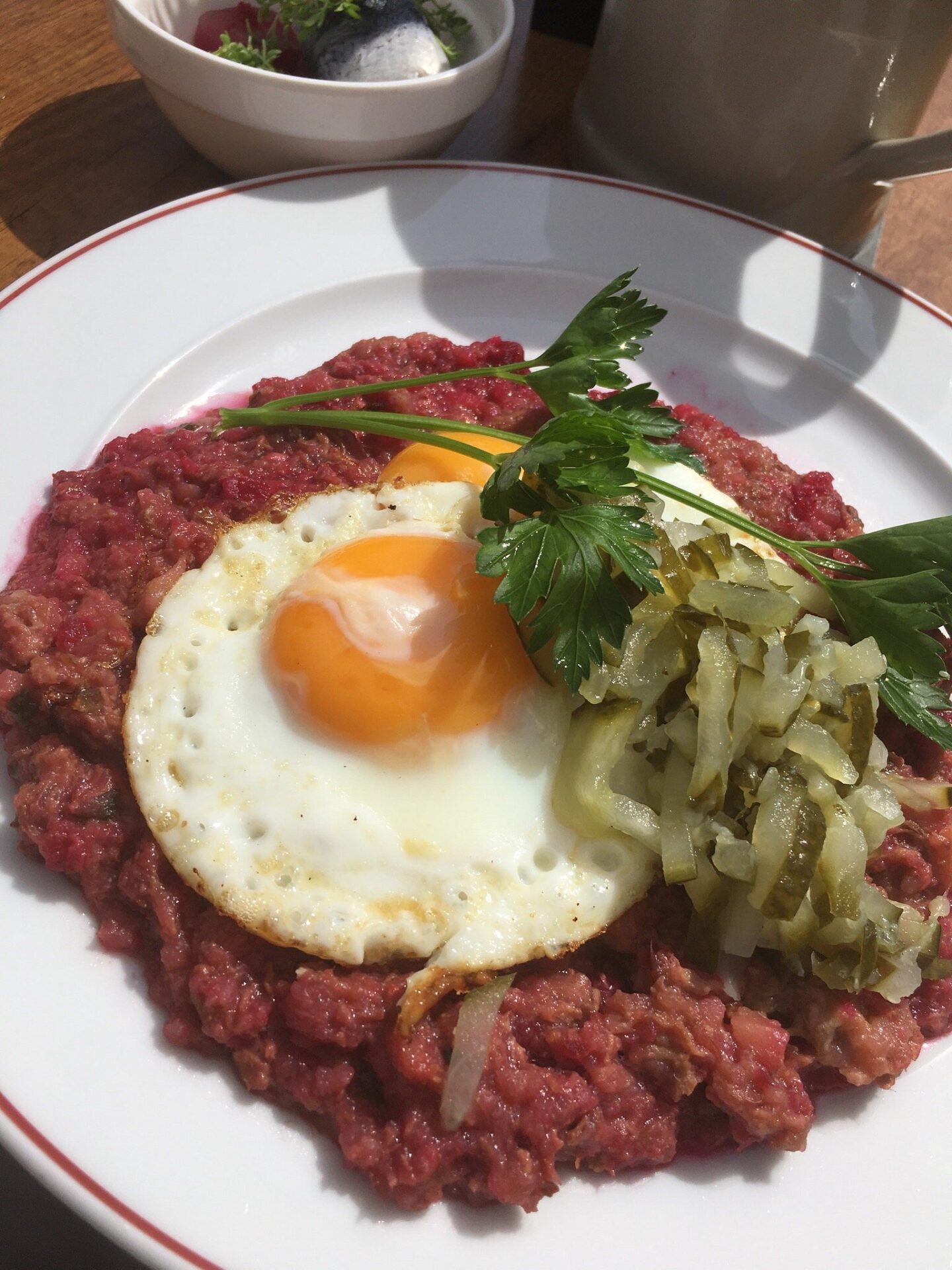
Take Knipp, for example—fried, hearty, and almost always paired with a pile of fried potatoes, tangy gherkins, and a side of applesauce. Labskaus caught my eye too, with its oddly comforting mix of corned beef, potatoes, and beetroot. I’ll admit, I hesitated at first, but it turned out to be surprisingly tasty.
Craving something sweet, I went for Bremer Klaben. It’s this dense fruit bread loaded with raisins, usually sliced up in cozy cafes. When I wanted to dig into regional favorites like Grünkohl—that’s kale with sausage, especially in the colder months—or the classic dessert Rote Grütze, I found the best versions tucked away in smaller neighborhood inns.
Most places actually spell out the ingredients, which made things easier. And honestly, the staff seemed genuinely happy to suggest what to try if you asked.
| Dish | Where I Tasted It | Best Paired With |
|---|---|---|
| Knipp | Brauhaus/Local tavern | Fried potatoes, applesauce |
| Labskaus | Traditional restaurant | Pickled beetroot, egg |
| Grünkohl | Wintertime inn | Smoked sausage, potatoes |
| Rote Grütze | Cafe/dessert shop | Vanilla sauce or cream |
Festivals and Seasonal Food Traditions
Some foods in Bremen just taste better during certain seasons or local festivals. In winter, I joined locals for Grünkohl tours. We’d walk together and end up at a cozy spot for a big kale dinner, swapping stories and laughing over steaming plates.
When Christmas rolled around, market stalls took over the city center. The air filled with the smell of Klaben, roasted almonds, and mulled drinks. I couldn’t resist grabbing a warm treat from a friendly vendor.
Spring and summer arrived, and suddenly, fresh Rote Grütze with cream showed up at outdoor cafes. Sitting outside with a bowl of that sweet berry dessert felt like a real treat. Neighborhoods celebrated the harvest with little fairs—think applesauce, smoked fish, and local sausage everywhere you looked.
At these events, farmers and cooks handed out samples. I’d try a bite here and there before deciding what to buy. It felt relaxed, almost like everyone was part of the same big picnic.
These traditions really bring people together. Locals love sharing the stories and recipes behind their favorite dishes. I found that food festivals and seasonal meals weren’t just about eating—they were about feeling Bremen’s honest warmth and hospitality, one plate at a time.



