
Exploring Hamburg through food? Honestly, I didn’t expect it to be this much fun—or this surprising. This city bursts with a mix of sweet, hearty, and fresh flavors that set it apart from the rest of Germany. I’d step into a bakery and get hit by that warm Franzbrötchen aroma, or dig into Labskaus and suddenly feel connected to Hamburg’s wild maritime history.
You’ll stumble upon everything from cinnamon-sugar pastries and fish sandwiches to traditional recipes that locals have adored for generations. Every bite seemed to tell its own story, giving me a real sense of Hamburg’s culinary adventure. If you’re curious about the city’s best food, these seven dishes are where you should start.
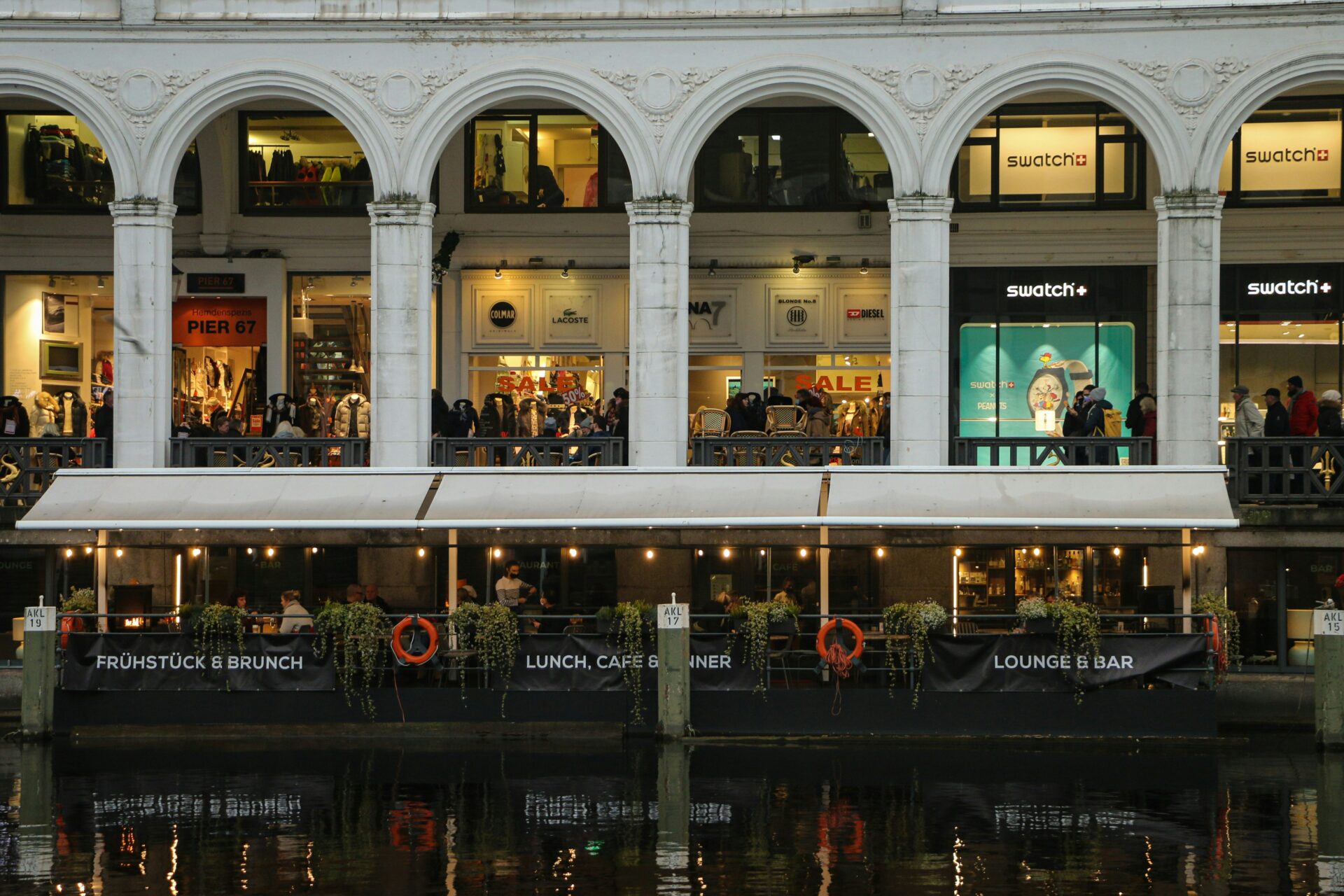
Hamburg’s Unique Food Culture
Hamburg’s food culture? It’s a mashup of old-school tradition and bold modern flavors, shaped by its port and diverse neighborhoods. You can taste something new almost anywhere if you’re willing to wander.
A Blend of Local Tradition and International Influences
It didn’t take long for me to realize that Hamburg’s food scene swings between the deeply traditional and the wildly global. Local classics like Labskaus and Fischbrötchen really show off those North German roots. They lean heavily on fresh fish, potatoes, and pickled veggies—things people have relied on here for ages.
| Local Classics | Main Ingredients |
|---|---|
| Labskaus | Corned beef, potato, beetroot |
| Fischbrötchen | Fish (often herring), bread |
| Franzbrötchen | Cinnamon pastry |
Because Hamburg’s a huge port city, it’s always been a landing spot for people and ideas from everywhere. Restaurant menus reflect this—Turkish döner, Vietnamese pho, and Italian pizza sit right alongside German specialties. Some of my favorite places mix up different cuisines in a single dish. That kind of variety keeps eating here genuinely exciting.
The History Behind Hamburg’s Culinary Scene
Hamburg’s food story ties directly to its long shipping history. The Speicherstadt warehouse district, which UNESCO recognizes, reminds everyone of the days when tea, coffee, and spices from all over the globe came through the port.
Back then, sailors needed food that could last long journeys, so hearty recipes like Labskaus were born. Coffee became a local staple since Hamburg traded beans from everywhere. Even now, cafés fill the city’s streets, keeping that tradition alive.
Trade and migration brought in influences from all over, and those flavors crept into the local cuisine. This melting pot vibe still shapes Hamburg’s food culture, and honestly, it’s one of the reasons I keep coming back for more.
Exploring Food Markets and Iconic Culinary Neighborhoods
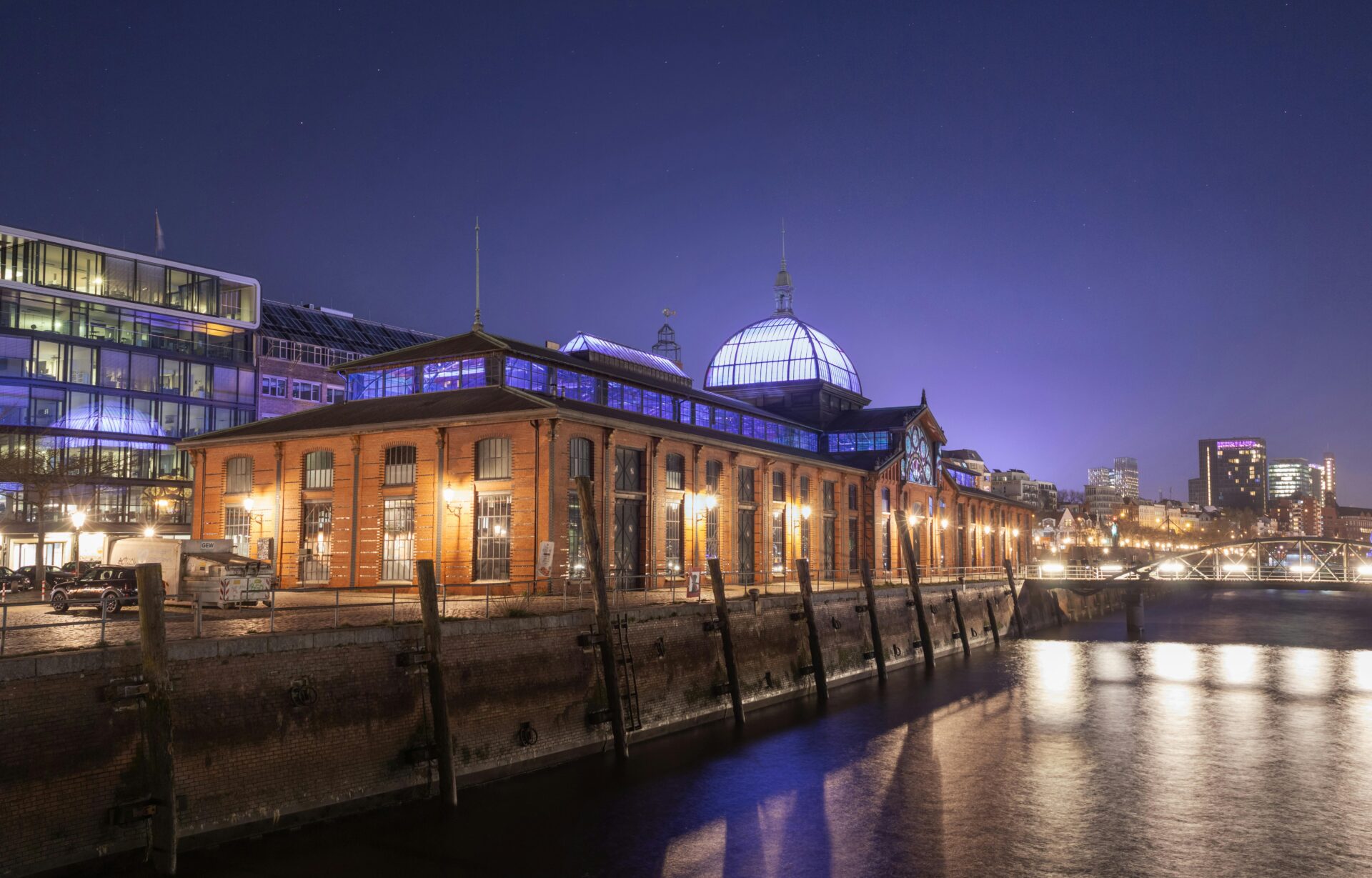
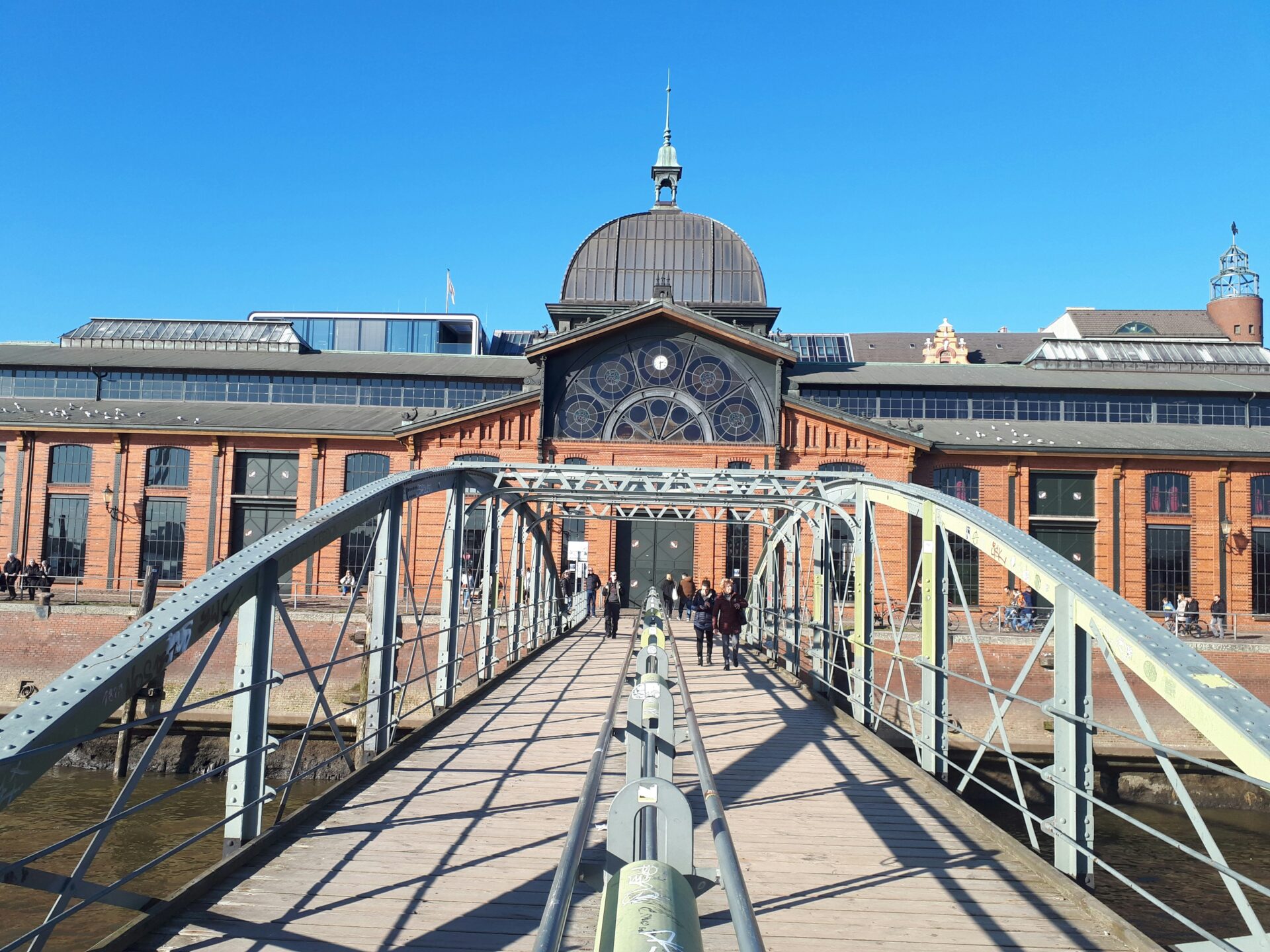
Wandering through Hamburg, I can’t resist the bustling food markets and colorful neighborhoods. Every Sunday, the Fischmarkt by the harbor wakes up early with fresh seafood, bread, and flowers. Locals and visitors flock there for a Fischbrötchen or just to soak up the lively scene.
Speicherstadt, with its red-brick warehouses, has such a distinct atmosphere. It’s the spot for local coffee and cafés that nod to Hamburg’s trading past. Reeperbahn and St. Georg, on the other hand, pulse with nightlife, multicultural eats, and a kind of openness that makes everyone feel at home.
If you’re a food lover, these neighborhoods offer guided tours and a wild range of dishes to sample. Each area has its own flavor and personality, and that’s what makes Hamburg’s food scene unforgettable.
From Franzbrötchen to Sweet Treats: Pastries and Desserts
Hamburg’s bakeries? Oh, they’re heavenly. The scent of rich pastries and German desserts drifts out onto the street. Every treat brings you closer to local tradition, whether it’s a flaky cinnamon roll or a fruity pudding with a strong cup of coffee.
Franzbrötchen: The Cinnamon Roll Icon
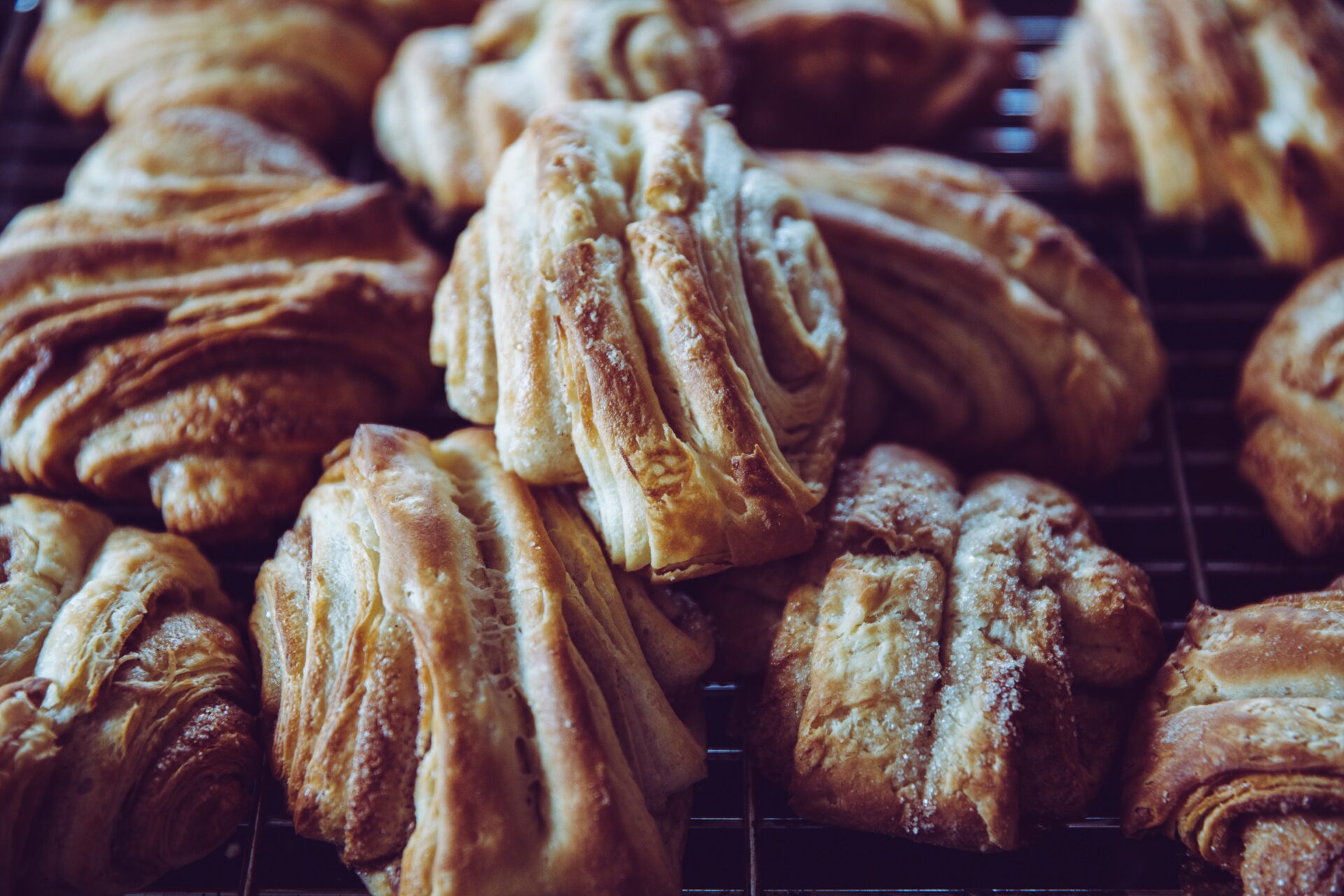
Franzbrötchen stands tall as one of Hamburg’s signature pastries. I spotted those golden, flaky layers right away—soft dough, cinnamon, butter, all rolled up and pressed flat before baking. It’s kind of like a cinnamon roll, but lighter and crispier.
You’ll find Franzbrötchen in bakeries across Hamburg, each with its own twist. Some toss in chocolate chips, raisins, or marzipan. Still, the classic version keeps things simple—cinnamon filling, maybe a hint of vanilla. Locals usually grab one with their morning coffee or as a quick pick-me-up.
Franzbrötchen at a glance:
| Feature | Description |
|---|---|
| Main Flavor | Cinnamon, buttery, sweet |
| Texture | Flaky outside, soft inside |
| Common Add-ins | Chocolate, raisins, marzipan |
Rote Grütze and Other Traditional Desserts
If you’re in Hamburg, you’ve got to try Rote Grütze. This red berry pudding is thick, sweet, and loaded with fruit flavor. Usually, it’s made with berries like raspberries, strawberries, and currants cooked down with sugar until they’re soft and juicy.
Most places serve Rote Grütze cold, topped with vanilla sauce or a dollop of cream. It’s light, refreshing, and especially popular in summer. Other sweets you’ll spot in Hamburg include butterkuchen (that buttery sheet cake) and Bienenstich (yeast cake with honey-almond topping).
You’ll find these desserts in small cafés and family-run bakeries, where homemade recipes have been handed down for ages.
Coffee and Pastry Culture in Hamburg
Coffee in Hamburg isn’t just about the drink—it’s a whole ritual. Locals take breaks at gemütlich cafés, sipping freshly roasted coffee and enjoying a pastry or two. I loved how people lingered over cake or a warm Franzbrötchen, just soaking up the moment.
Coffee usually comes mild and in big cups, perfect for dunking sweet treats. Some cafés go all out with their pastry selection—seasonal cakes, tortes, cookies, and the city’s unique specialties. Sharing dessert and coffee here feels like a cherished social tradition, and honestly, it’s a delicious way to take in Hamburg’s sweeter side.

Unmissable Fish Specialties
Hamburg’s food scene owes a lot to local seafood. You’ll see fish sandwiches, smoked eel, and all sorts of herring everywhere—from street stalls to classic bistros.
Fischbrötchen and the Art of the Fish Sandwich
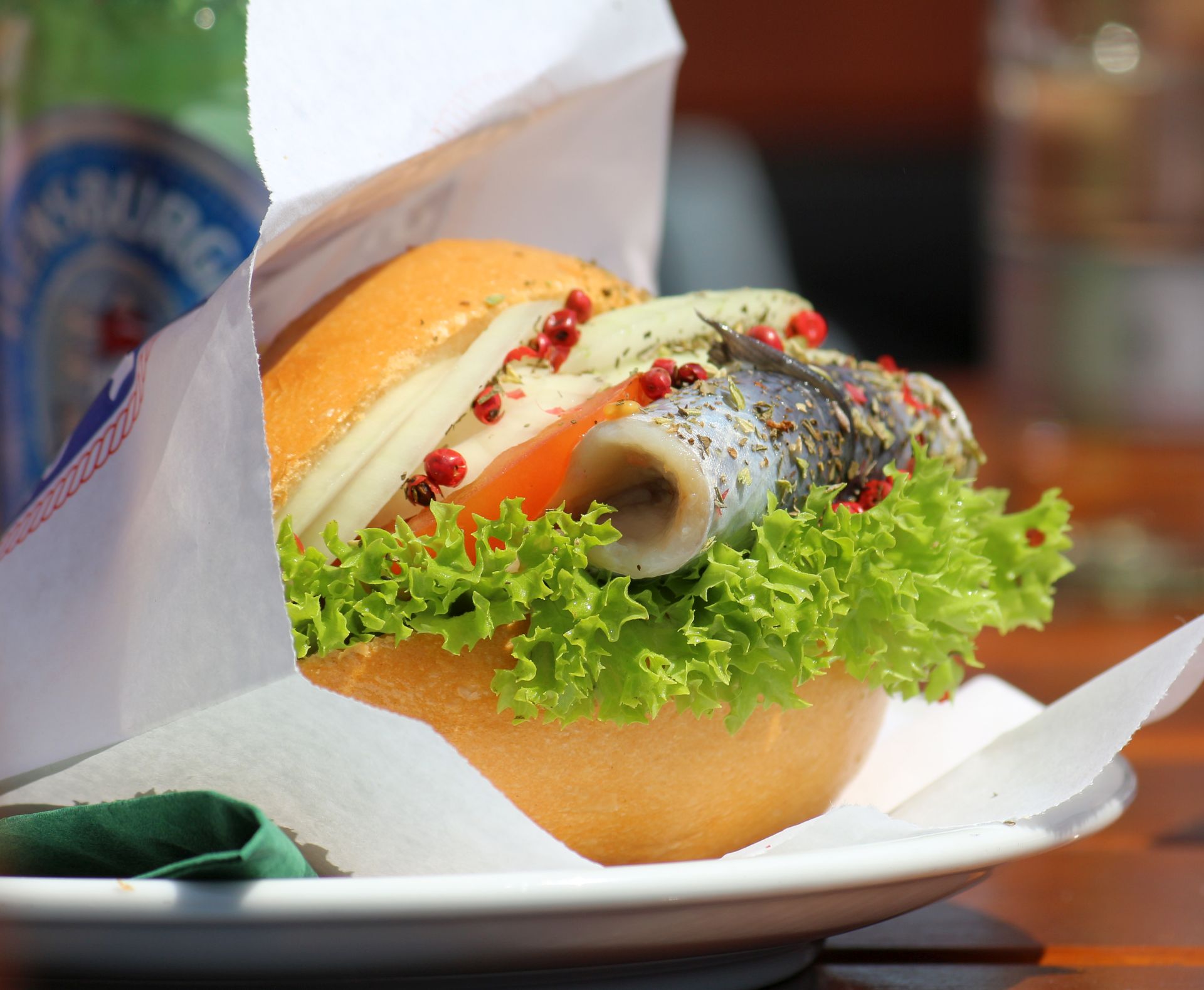
I’ll admit it: I ate Fischbrötchen almost every day in Hamburg. These simple fish sandwiches hit the spot—crisp bread rolls stuffed with fresh seafood. The fillings vary, but pickled herring, fried fish, or North Sea shrimp are the usual stars.
Popular fillings:
- Pickled herring (Bismarckhering)
- Soused herring (Matjes)
- Fried fish fillets
- North Sea shrimp (Nordseekrabben)
Brücke 10, a bistro by the Landungsbrücken piers, became my go-to spot. Eating a Fischbrötchen while watching boats drift by? That’s peak Hamburg. This dish feels like the city’s harbor culture—straightforward, tasty, and always fresh.
Smoked Eel and Hamburg’s Aal Traditions
Smoked eel, or Aal, is a real Hamburg specialty that I think everyone should try at least once. They cure and slow-smoke the eel, which gives it a bold, smoky flavor and a silky texture.
You’ll usually get it in thin slices, either on open sandwiches or as part of a hearty platter with bread and horseradish. Locals swear by pairing it with dark rye bread to really let the eel shine. I was honestly surprised at how much people here appreciate every part of the fish, turning even something as unusual as eel into a local favorite.
Herring in Many Styles: Matjes, Pickled, and Bismarck
Hamburg doesn’t mess around when it comes to herring. Matjes herring is the mildest—young, gently salted, and often topped with onions, apples, or creamy sauces. It’s a light meal but full of flavor.
Pickled herring and Bismarckhering are everywhere too. Pickled herring gets a sweet-sour marinade, while Bismarckhering is sharper thanks to a vinegar brine. Both work well in Fischbrötchen or as starters.
| Type | Preparation | Typical Serving |
|---|---|---|
| Matjes | Young, lightly salted | With onions or apples |
| Pickled Herring | Sweet-sour marinade | Salads & sandwiches |
| Bismarckhering | Vinegar marinade | Fish sandwiches, platters |

Classic Hamburg Dishes: Hearty and Flavorful
Hamburg’s most famous foods stick to simple ingredients and deep local roots. I found rich flavors and hearty recipes everywhere, whether in a cozy corner café or a bustling city bistro.
Labskaus: The Sailor’s Favorite
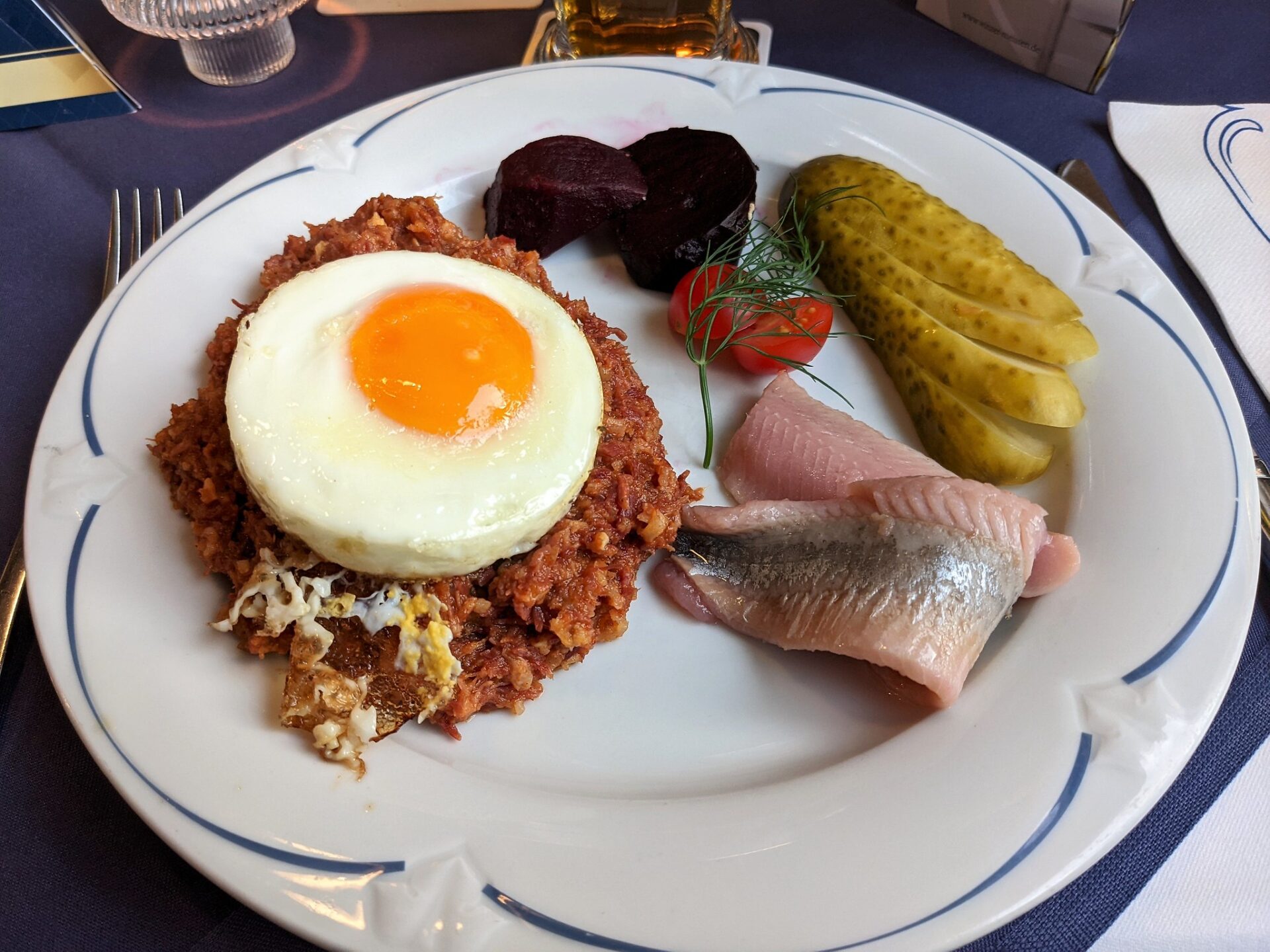
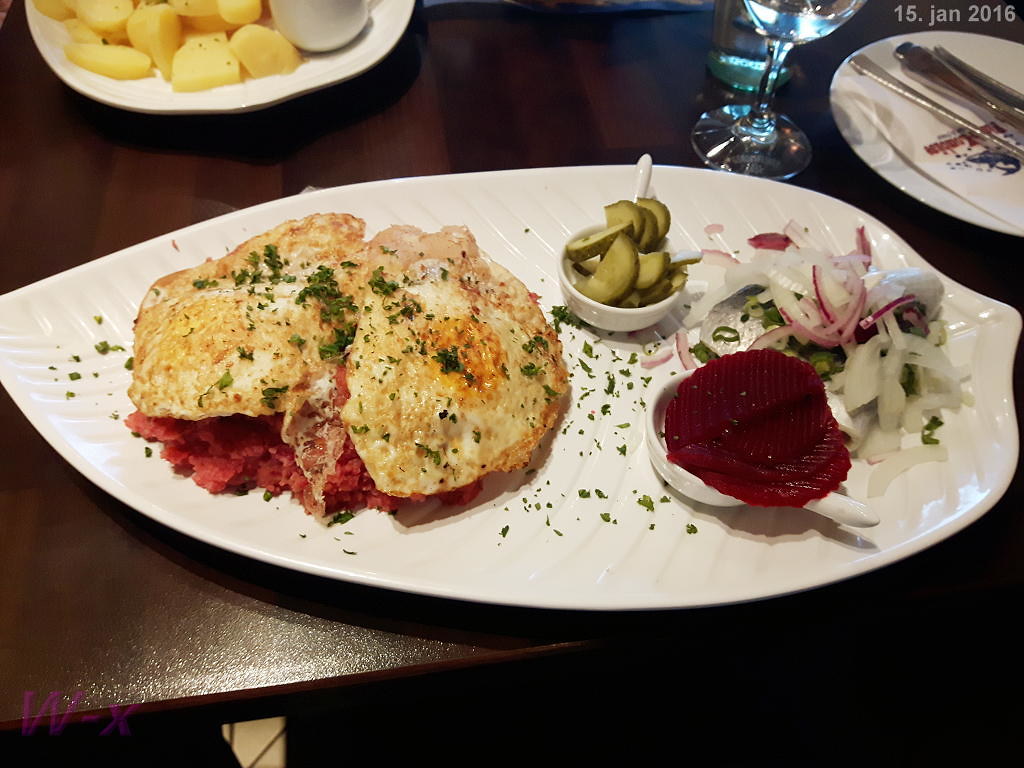
Labskaus pops up on so many menus here in Hamburg. This hearty dish mixes mashed potatoes, salted corned beef, and beetroot, which gives it that wild pink color. Usually, it comes with a fried egg, pickled cucumber, and sometimes a rollmops (pickled herring wrapped around onions or veggies).
Sailors loved labskaus because the ingredients lasted on long trips. I liked how the salty beef, earthy beetroot, and sharp pickles came together—plus the briny fish on top for extra punch.
Typical Labskaus plate includes:
- Mashed potatoes
- Corned beef
- Beetroot
- Fried egg
- Pickled cucumber
- Rollmops (optional)
It’s a hearty meal—perfect for chilly days or for anyone who wants a real taste of Hamburg.

Birnen, Bohnen und Speck: A Local Staple
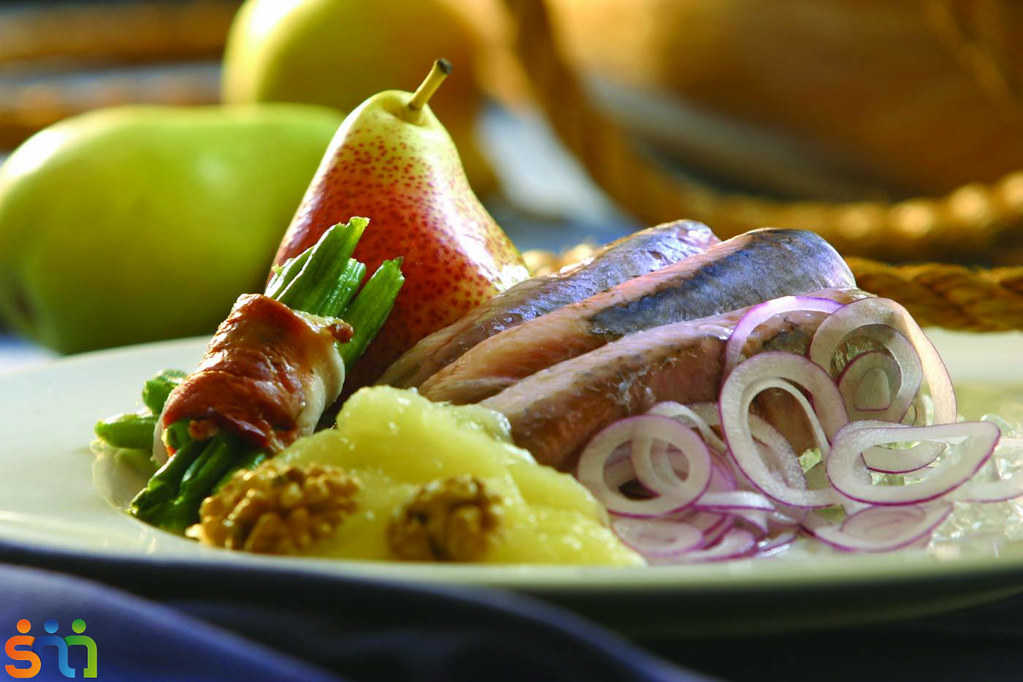
“Birnen, Bohnen und Speck” translates to “pears, beans, and bacon,” and it’s a classic one-pot meal up here. People in Hamburg and the surrounding region love this dish. Sweet pears, green beans, and thick slices of smoked bacon all come together for something unexpectedly comforting.
The sweet pears soften things up, beans keep it fresh, and bacon adds richness and a hint of smoke.
Ingredients usually include:
- Fresh or cooked pears
- Green beans
- Smoked bacon
- Potatoes (sometimes, for extra heartiness)
Depending on where you eat it, the dish might be served as a stew or a bit drier. Either way, it’s pure comfort food.
Grünkohl and Other German Classics
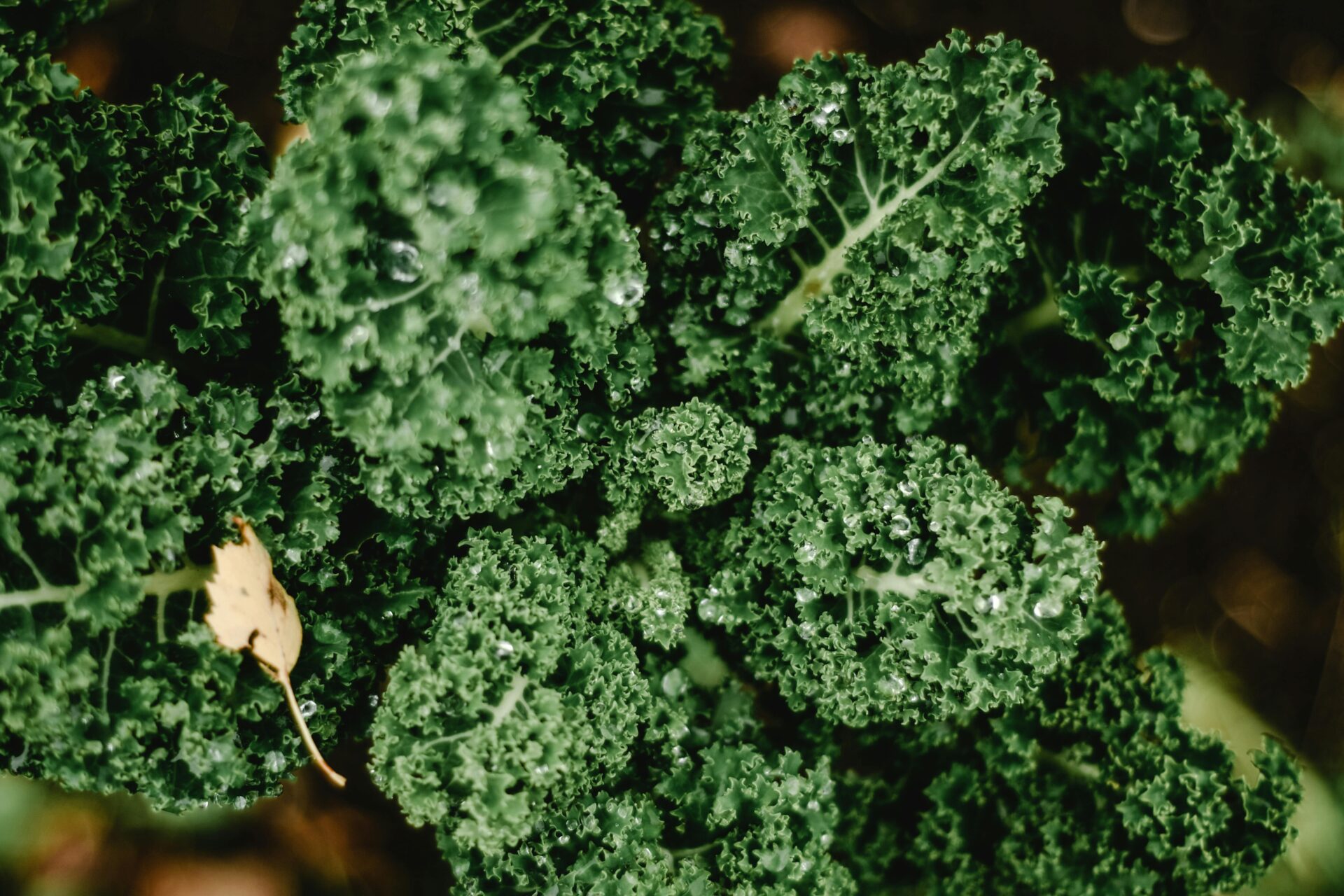
Grünkohl, or kale, is Hamburg’s go-to winter dish. People simmer kale for hours until it’s soft, then add onions, mustard, and bits of bacon or pork fat.
Most of the time, grünkohl comes with “Pinkel” (smoked sausage), “Kassler” (smoked pork), and boiled potatoes. It’s super filling and perfect for the cold months.
You’ll find potato dumplings, red cabbage, and schnitzel around Hamburg too, but grünkohl really stands out—especially when locals gather for “Grünkohlfahrten” (kale tours) in winter.
Unique Soups: Aalsuppe and Beyond
Hamburg’s soups have their own personality. Aalsuppe (which literally means “eel soup”) is probably the best known, though it doesn’t always include eel these days. Traditionally, people used eel from the Elbe river, but now, most recipes stick to smoked pork, veggies, dried fruit, and maybe a bit of eel for old times’ sake.
Aalsuppe has a complex, slightly sweet taste from apples, prunes, or raisins, with veggies and meat making it hearty. Herbs like marjoram or parsley brighten things up.
Besides aalsuppe, you’ll spot lentil soup (“Linsensuppe”) and pea soup (“Erbsensuppe”) in Hamburg cafés and homes, especially when the weather turns cold.

The Modern and International Taste of Hamburg
Hamburg’s food scene? It’s so much more than just classic German dishes. As I wandered the city, I sampled everything from spicy sausages to creative, global plates—sometimes all in a single afternoon.
Currywurst and International Street Food
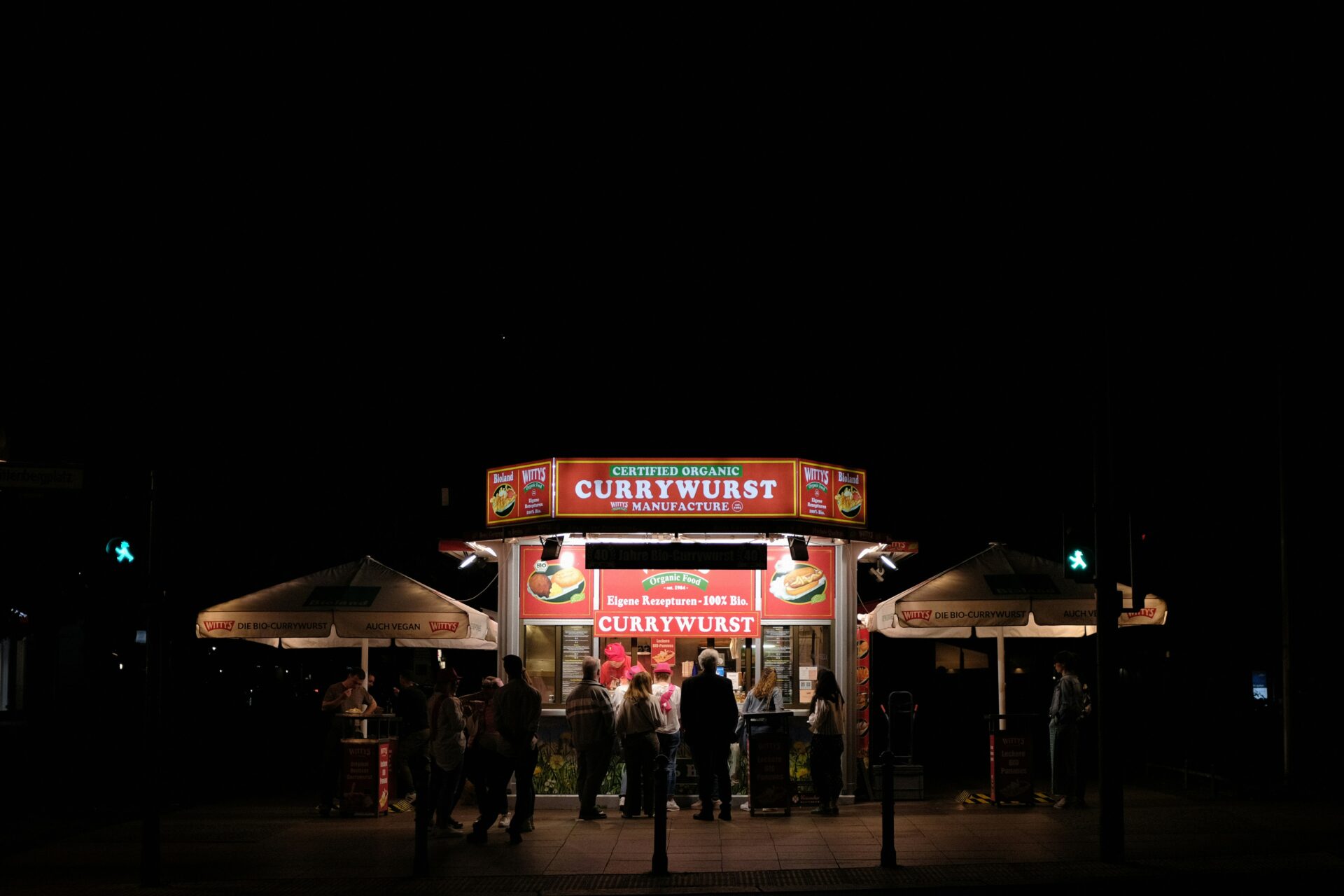
One of my first stops had to be currywurst. Picture this: a juicy sausage, loaded with spiced ketchup and a sprinkle of curry powder. Sure, it’s a German street food staple, but in Hamburg, food trucks and stands love to get inventive—think homemade sauces, or a kick of extra-hot spice that’ll surprise you.
The city’s markets and busy streets overflow with more than just currywurst. I grabbed spring rolls, tacos, and Dutch fries at food truck gatherings near the harbor and in Sternschanze. Every stall seemed to offer something from a different corner of the world, so I bounced from flavor to flavor without ever leaving Hamburg.
Tips for sampling street food in Hamburg:
- If you see a long line, trust that it’s probably worth the wait.
- Go for menu “samplers” so you can taste a few things at once.
- Bring cash—many places still don’t take cards.
Falafel, Global Cuisine, and Fusion Flavors
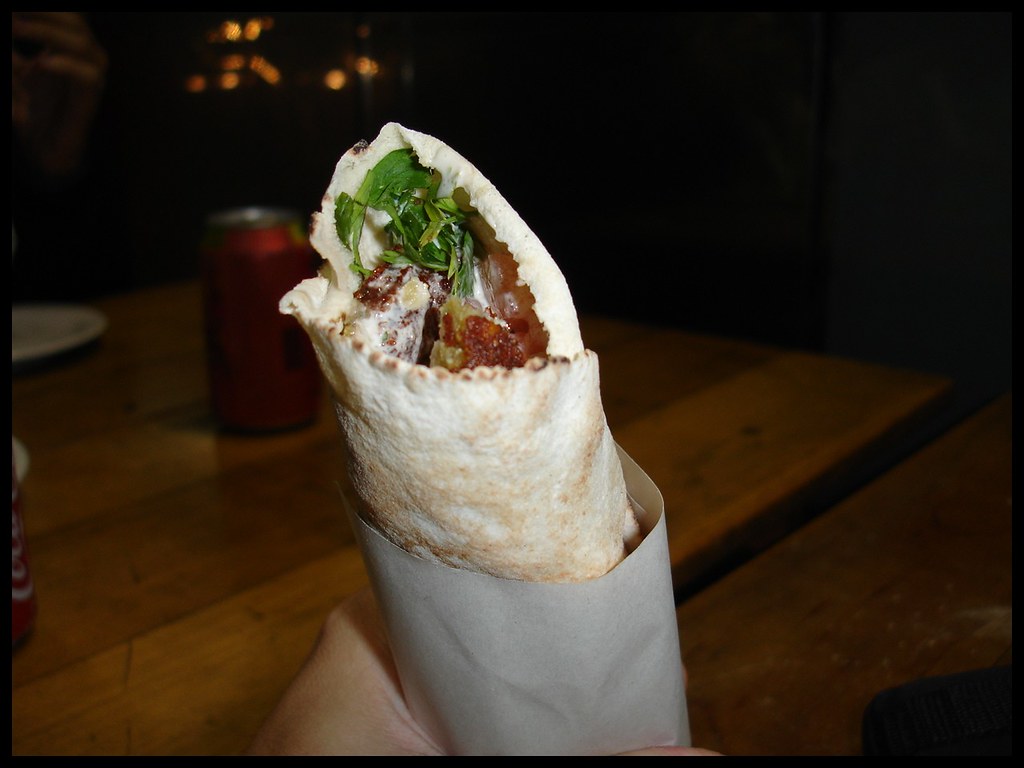
Falafel quickly became a comfort meal for me in Hamburg. Family-run Middle Eastern shops served up fresh falafel wraps, packed with pickled veggies and homemade sauces. The Turkish döner kebab stands always had lines, and for good reason—their kebabs were delicious.
I wandered into districts like St. Pauli and Altona and found Vietnamese noodle soups, Japanese sushi, and African stews. Some fusion restaurants got playful, tossing German and international flavors together—imagine Thai-style schnitzel or pizza with Turkish meats on top. It’s a bit wild, but it works.
Here’s a quick snapshot of what I tried:
| Cuisine | Dish Tried |
|---|---|
| Middle Eastern | Falafel wrap |
| Turkish | Döner kebab |
| Vietnamese | Pho |
| Italian | Pizza |
| Japanese | Sushi |
Contemporary Hamburg: Food Innovation and Urban Dining
Hamburg’s newer restaurants love to play with local, seasonal ingredients. I wandered into casual bistros where chefs mixed German produce with Asian spices, or swapped out heavy sides for lighter, plant-based options.
In neighborhoods like Karolinenviertel and HafenCity, I stumbled upon pop-up kitchens and quirky concept cafés. Some places experimented with vegan burgers, while others specialized in dessert bars serving matcha cakes and bubble tea. Sharing plates and tasting menus made it easy to try a bunch of things without overcommitting.
Eco-friendly dining is on the rise here. More spots now focus on reducing waste or using regional produce and sustainable seafood. It keeps Hamburg’s food scene fresh and a little unpredictable—perfect if you’re up for a culinary adventure.
Enjoying Hamburg: Dining Destinations and Local Experiences
Hamburg’s food is tied to its water, history, and traditions. The best meals? They often come with a view—by the river, near a landmark, or paired with a local beer.
Waterside Dining and Fish Markets
I couldn’t skip the Hamburg Fischmarkt. This market buzzes with life and has been around for centuries. I got there early, grabbed a classic Fischbrötchen (fish sandwich), and listened to the vendors call out their deals. The whole scene felt electric.
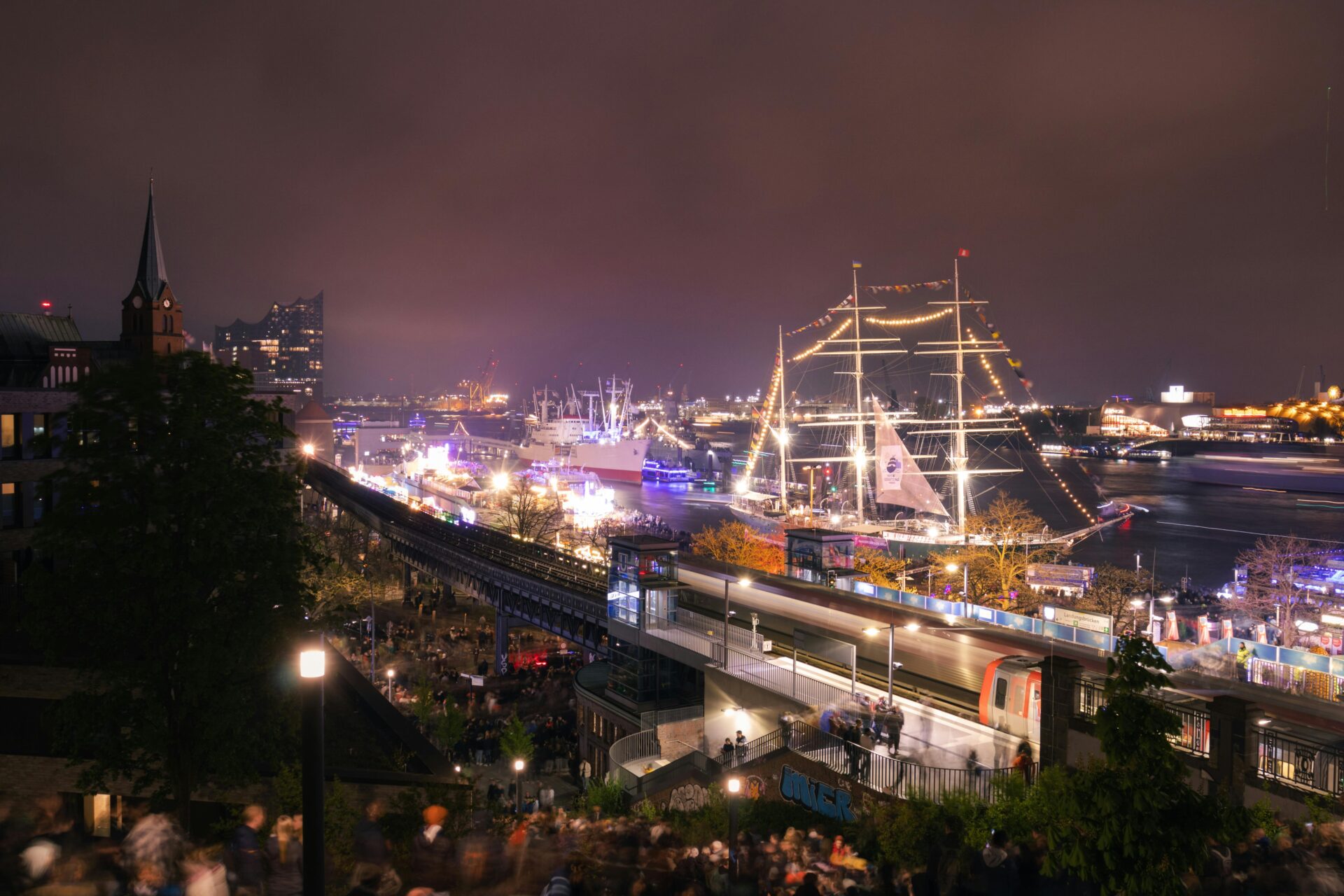
For a sit-down vibe, I really liked Brücke 10, perched right on the Landungsbrücken pier. Their takeaway fish sandwiches tasted even better with a harbor view—boats and ferries gliding by, seagulls calling overhead. Something about the waterfront just makes food taste better.
Plenty of spots let you eat outside, especially if the sun’s out. I found shrimp rolls and smoked salmon plates that hit the spot. Waterside meals in Hamburg are laid-back and packed with local flavor.
Bridges, Landmarks, and Food with a View
Hamburg’s rivers and canals are dotted with bridges—more than Venice or Amsterdam, actually. Dining near these bridges almost always means you’ll get a great view. I spent an afternoon at a riverfront café near the Elbphilharmonie, that wild, wave-shaped concert hall. Sipping coffee there, with the glass facade shining above, felt pretty special.
Restaurants near bridges like the Kornhausbrücke or Jungfernstieg serve up classic German dishes and bakery treats. I sat by Alster Lake, eating apple cake while boats drifted past. Some places even give you a front-row seat to historic ships and city landmarks—can’t beat that for atmosphere.
Here are a few landmark viewpoints I’d recommend for a meal:
- Elbphilharmonie Plaza Cafés
- Brücke 10, Landungsbrücken
- Alster Lake terraces on Jungfernstieg

Pairing Culinary Delights with Local Drinks
Whenever I sat down for a meal, I just had to find out what locals actually drink with their food. The local beer seemed like an obvious pick—crisp, light, and always served ice-cold.
Most fish bistros and harbor bars go for German pilsners as their house choice. I noticed a simple lager pairs perfectly with salty bites like herring and crusty bread.
But then came Alsterwasser, which honestly took me by surprise. It’s a mix of beer and lemon soda—Hamburg’s own take on the shandy.
People here love to order it at lunch or when they’re soaking up some sun by the water. Since it’s low in alcohol and seriously refreshing, it works so well with all that savory market food.
If you’re in the mood for something a bit more upscale, you’ll find restaurants near the Elbphilharmonie showing off wine lists with German Rieslings or sparkling options. I tried a glass with Labskaus, the traditional seafarer’s dish.
That pairing really brought out flavors I hadn’t expected in Hamburg’s classic foods.
