Spring in Yosemite Valley? It’s honestly like nature’s version of a grand finale. I couldn’t believe the sheer force and beauty during my last trip. The whole valley just shakes awake—snowmelt barrels down granite cliffs, waterfalls thunder so loudly you can hear them echo across the floor.
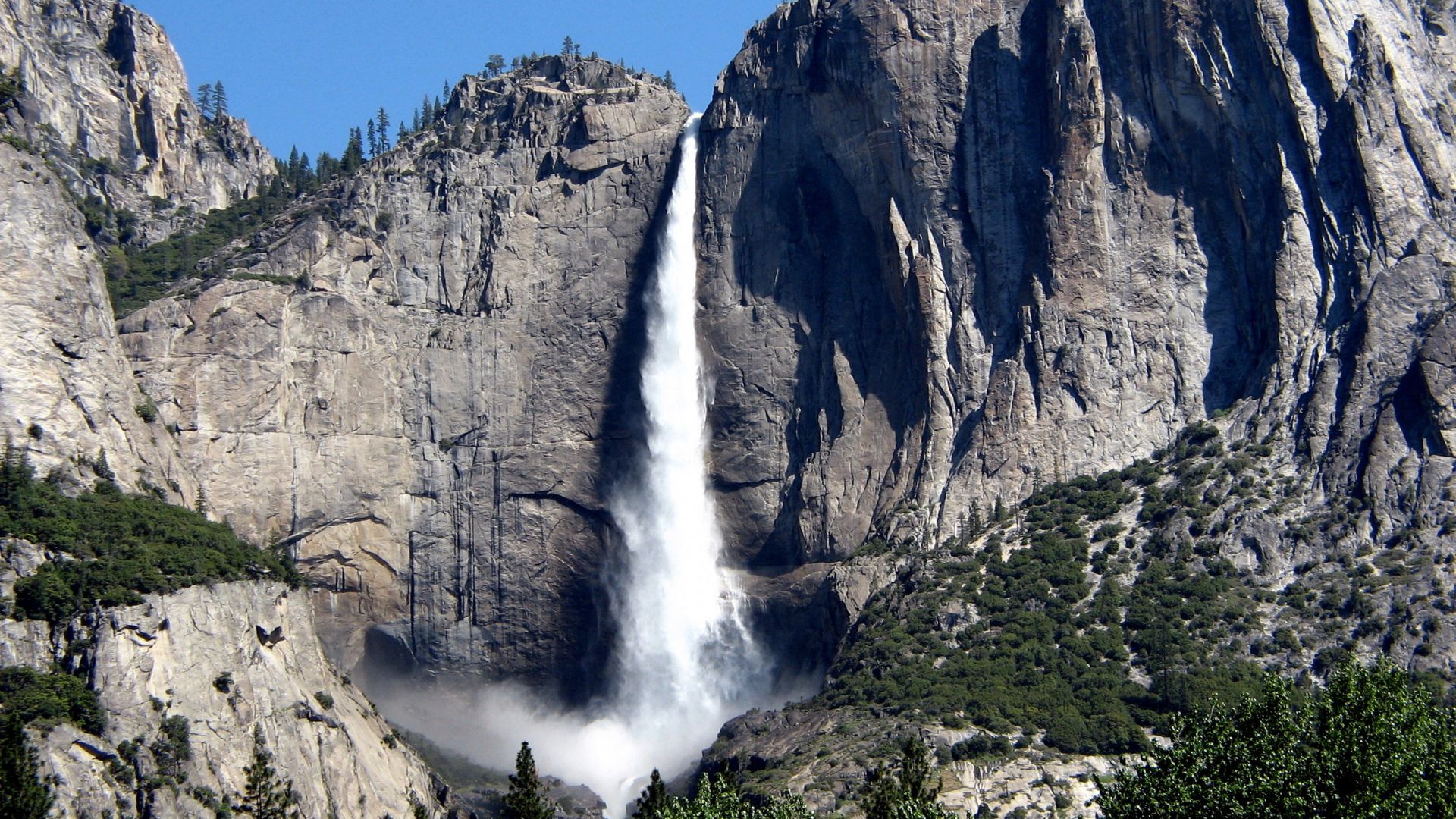
If you want to catch Yosemite’s waterfalls at their wildest, May and June are unbeatable. At peak flow, Yosemite Falls hurls something like 135,000 gallons of water over its edge every single minute. I felt the power up close—misty spray soaked me at the base, and the sound just bounced off every wall.
But Yosemite in spring isn’t just about the falls. Whitewater rivers surge, wildflowers roll out their carpets, and the trails practically beg you to explore. The mix of perfect temps and nature showing off? I’ll never forget it.
Peak Waterfalls: Yosemite Valley’s Thundering Wonders
Spring hits Yosemite like a switch flipped to “maximum volume.” Snowmelt powers up the falls, and suddenly the valley’s alive with the sound of water crashing down.
Year-round waterfalls go into overdrive, and seasonal ones make their brief, spectacular appearances.
Why Spring is Prime for Waterfalls
Spring snowmelt is the magic ingredient. I saw it myself in May—the valley hummed with the sound of water from dawn till dusk.
As Sierra Nevada’s snowpack melts, every waterfall gets supercharged. May is usually the sweet spot, but sometimes the show lasts into early June if the winter was snowy.
During peak flow, the mist from the big falls is wild. I got drenched just walking near Lower Yosemite Fall. The spray can drift hundreds of feet, soaking anyone nearby.
Flows change throughout the day. Mornings tend to be a bit calmer, but by afternoon, the sun kicks in and the waterfalls go full throttle.
Iconic Falls: Yosemite Falls, Bridalveil Fall, and Lower Yosemite Fall
Yosemite Falls towers over everything at 2,425 feet—North America’s tallest. You can spot this three-tiered monster from almost anywhere in the valley.
Lower Yosemite Fall is the easiest to reach. There’s a quick 1-mile loop that brings you right to the base, and in spring, the mist here is relentless. Definitely bring rain gear if you want to stay dry.
Bridalveil Fall is the valley’s welcoming committee. It drops 620 feet and, while it flows all year, late spring is when it really shines. The new, short trail leads you to a great viewing deck.
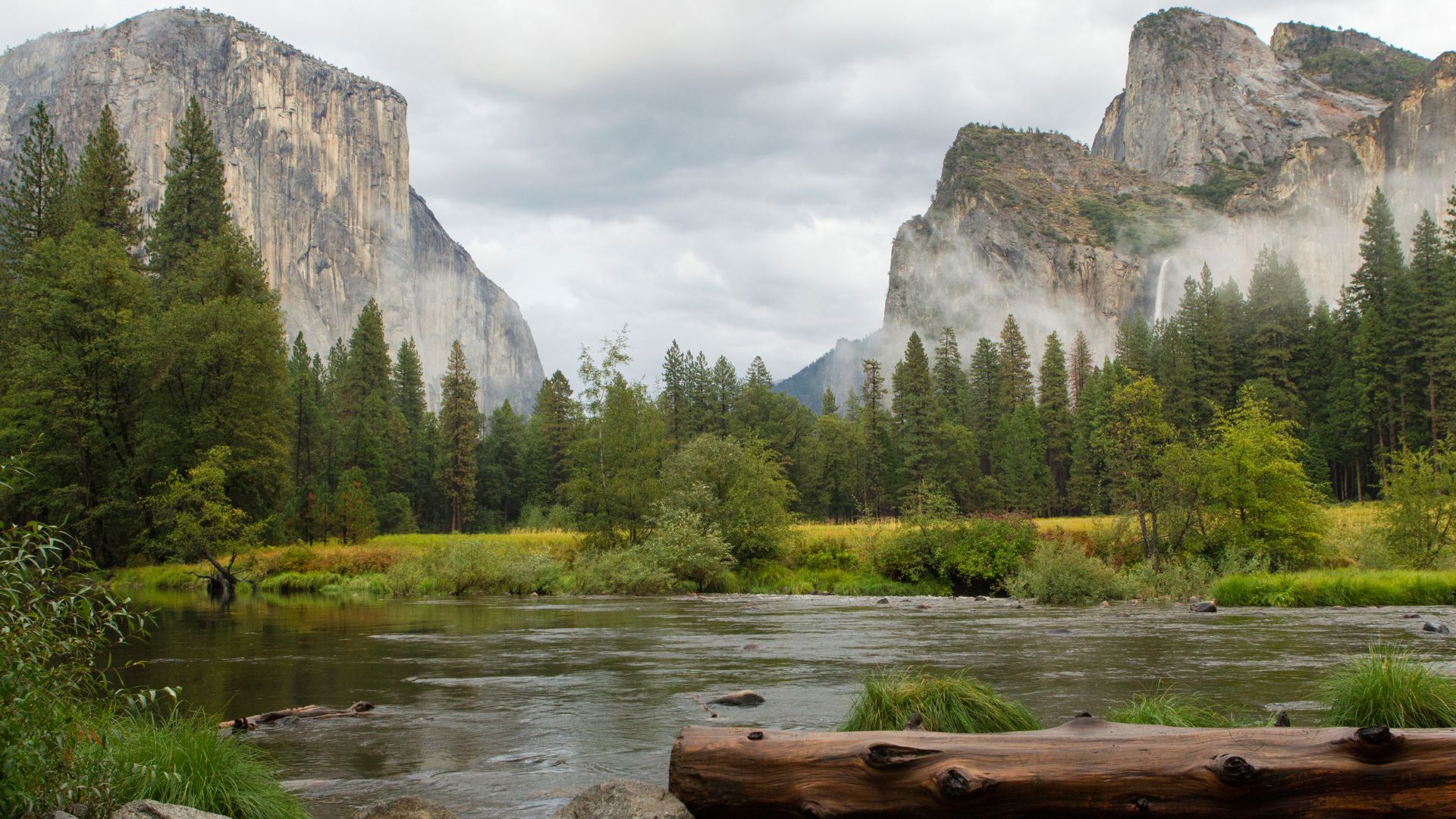
My favorite photo ops? Tunnel View, hands down—Bridalveil Fall, El Capitan, and Half Dome all in one shot. Valley View is another winner, especially if you want a quieter spot.
Ephemeral Highlights: Ribbon Fall and Seasonal Cascades
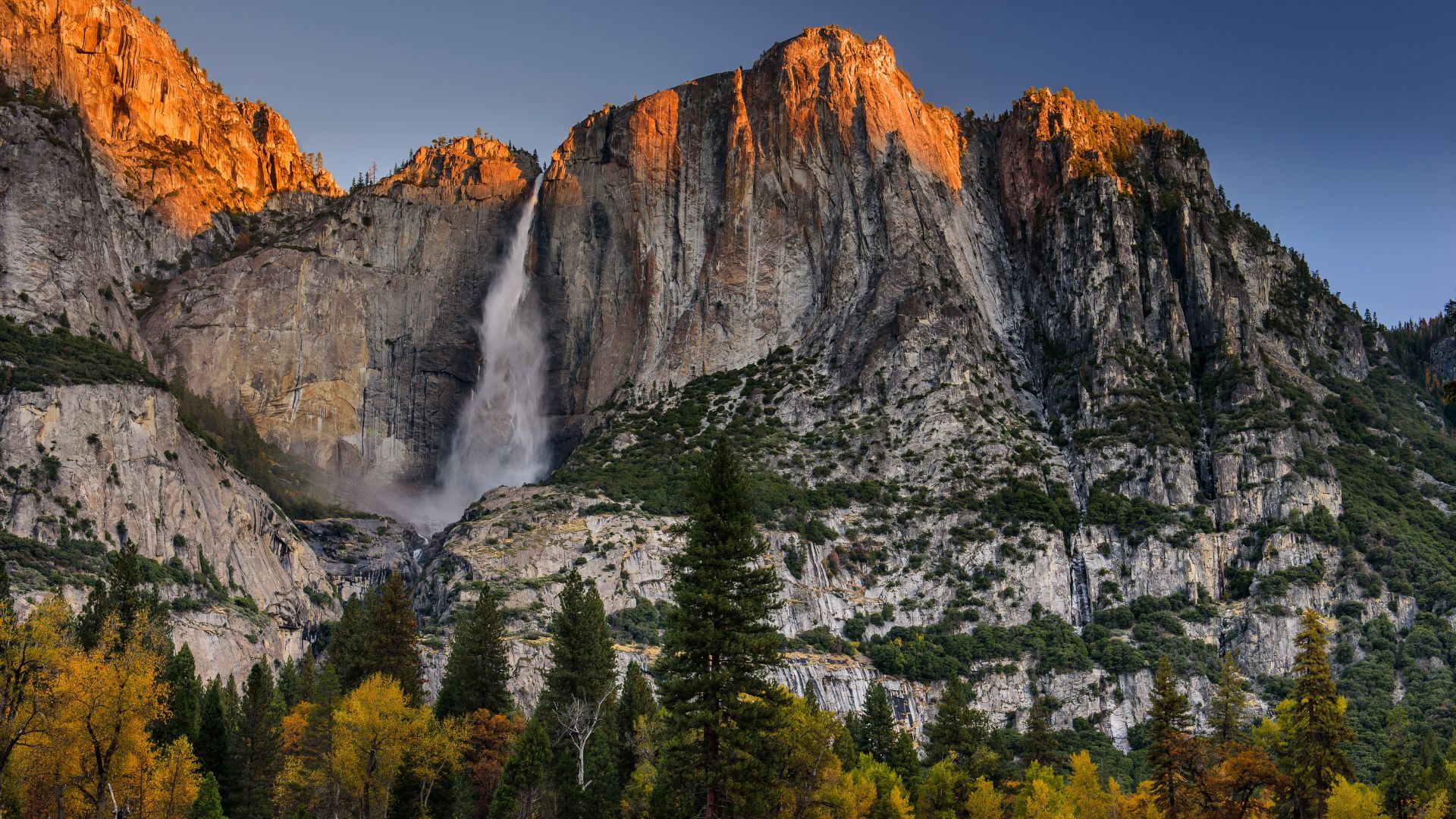
Ribbon Fall is Yosemite’s secret showstopper. It drops 1,612 feet off El Capitan’s west shoulder—longest free-fall in North America. I almost walked right past it, since it’s dry most of the year.
You’ll only catch Ribbon Fall during spring snowmelt, usually March to June. I found the best view near the Teddy Roosevelt and John Muir marker, where granite cliffs frame the fall perfectly.
Seasonal cascades pop up all over in spring. Silver Strand Falls tumbles 574 feet above Tunnel View, but most folks miss it. I only noticed it after glancing up from the main viewpoint.
Sentinel Falls puts on a multi-tiered show, with drops from 50 to 500 feet. I liked the view from Swinging Bridge picnic area. Royal Arch Cascade and Staircase Falls also join the party during spring.
Immersive Waterfall Experiences and Must-Do Hikes
Spring in Yosemite turned my trip into an epic waterfall adventure. The Mist Trail brought me face-to-face with roaring cascades, and the valley’s viewpoints gave me sweeping views of granite and water.
Mist Trail Adventure: Vernal Fall and Nevada Fall
The Mist Trail? Easily my favorite hike in the park. It starts at Happy Isles and climbs steeply, but wow, the payoff.
First up is Vernal Fall, after a 2.4-mile round trip. In spring, the 317-foot drop is pure power. The granite steps are a workout, but the views at the top make every step worth it.
The mist here is no joke—I got soaked through. Rainbows flickered in the spray, especially in the morning. The stone bridge below is a great photo spot.
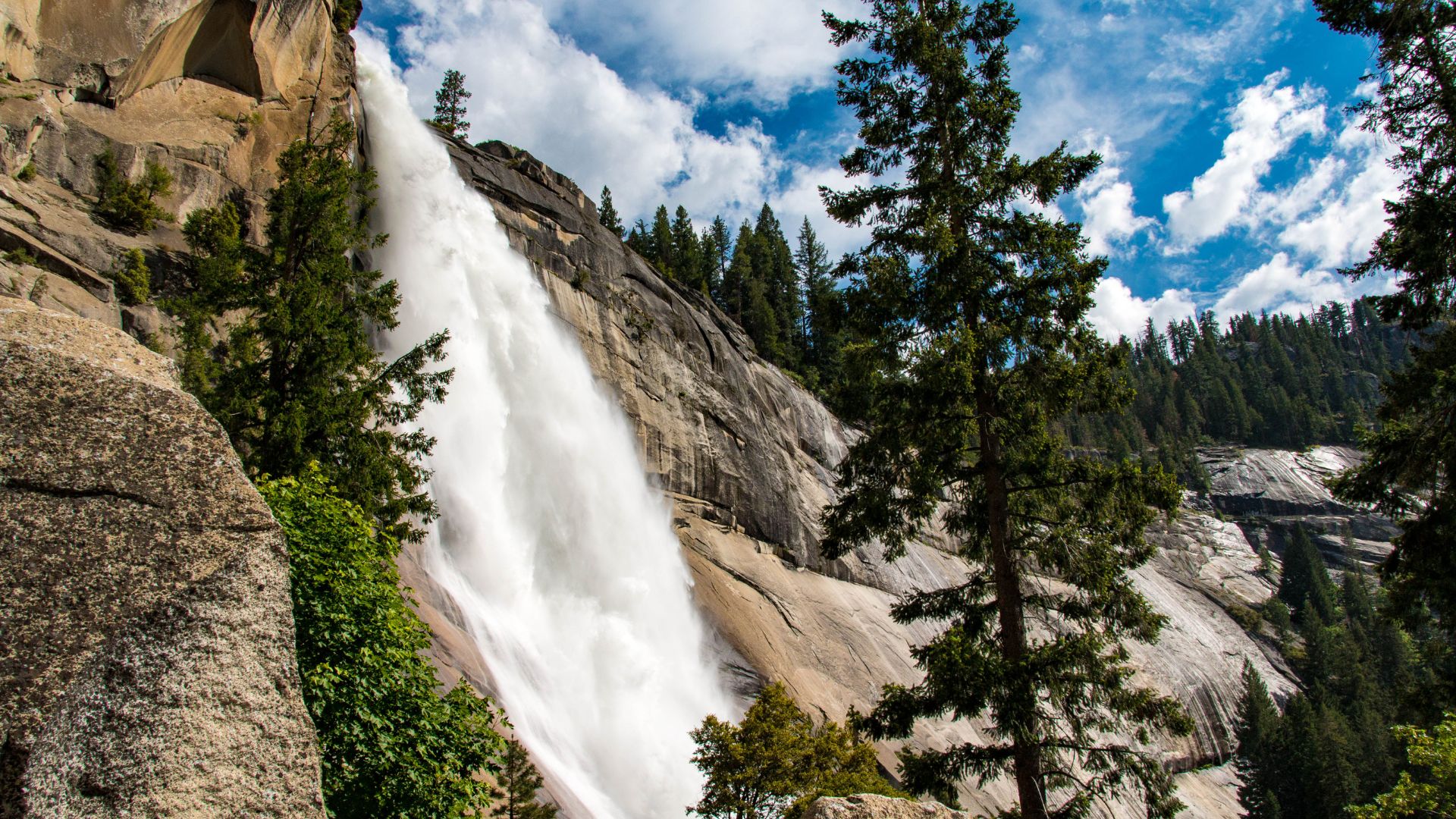
Nevada Fall is another tough 2 miles up from Vernal. At 594 feet, it’s a beast in spring. The granite platform at the top gives you a killer view across the valley.
What to expect on the Mist Trail:
- Total distance: 7-8 miles round trip to Nevada Fall
- Elevation gain: Over 2,000 feet
- Difficulty: Strenuous
- Best time: May or June for the wildest flow
Best Waterfall Viewpoints: Glacier Point and the Valley Floor
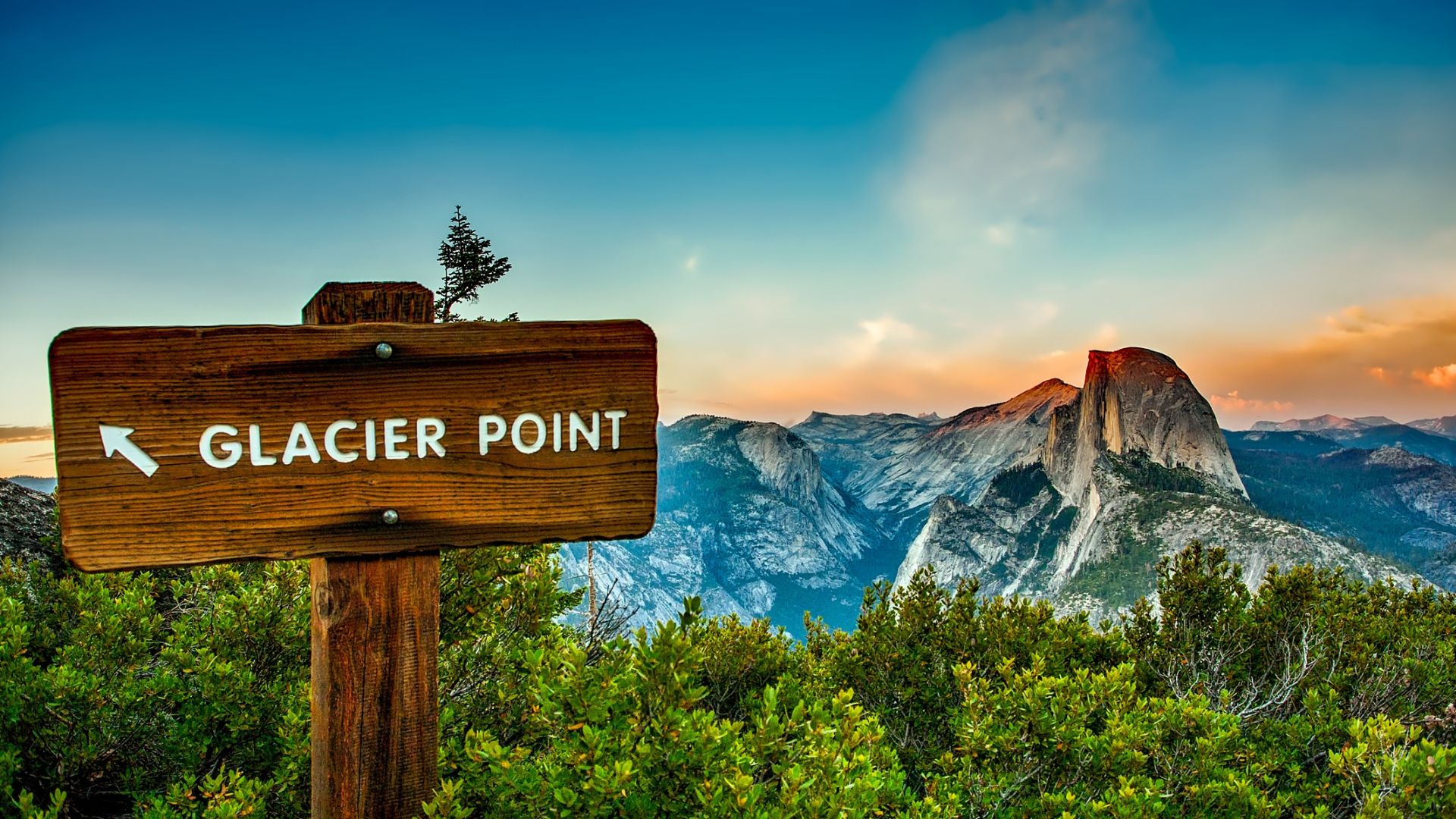
Glacier Point blew me away with its sweeping views. The drive from the valley floor takes about 45 minutes, but it’s worth every twist and turn.
From up there—7,200 feet—you can see Vernal and Nevada Falls spilling down granite cliffs. Half Dome looms over everything.
The valley floor gives you a different vibe. Tunnel View is the classic shot: Bridalveil Fall, El Capitan, and Half Dome lined up perfectly.
Swinging Bridge near Yosemite Village became my go-to chill spot for waterfall watching. It’s a short walk from parking, perfect after a long hike.
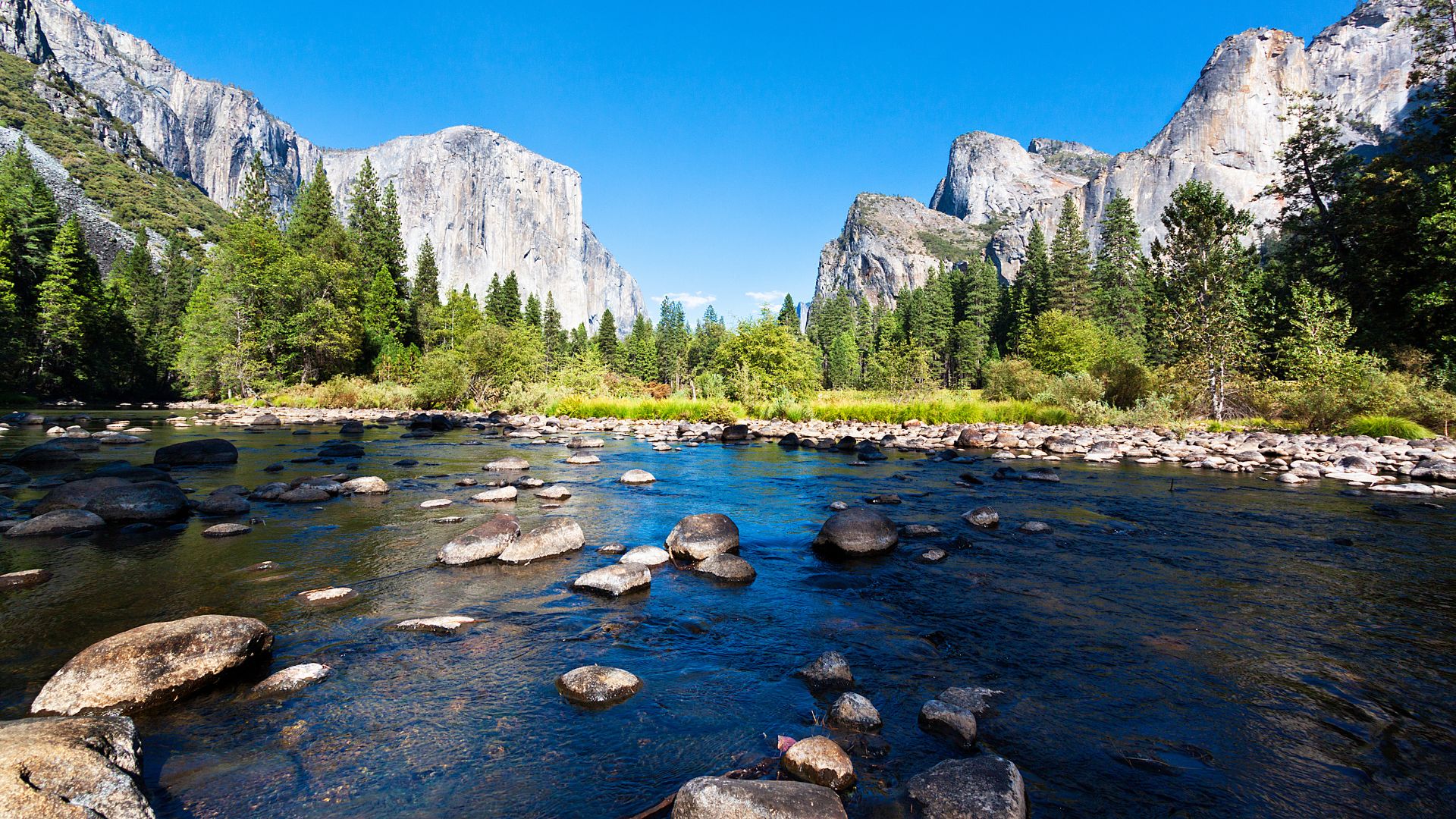
Valley View is another gem, especially early in the morning when you can snag it all to yourself—Bridalveil Fall and El Capitan, no crowds.
Half Dome and El Capitan in Spring
Spring turns these granite icons into dramatic waterfall backdrops. Half Dome looks even more epic with seasonal falls pouring down nearby cliffs.
El Capitan really grabbed my attention when Ribbon Fall was flowing down its west face. You won’t see this every month—it’s a spring-only show. That single 1,612-foot drop is just jaw-dropping.
I liked El Capitan Meadow for the best views. It’s a quick walk and gives you a clear shot of both the wall and whatever falls are running.
Horsetail Fall also makes an appearance on El Cap’s east side. It’s famous for the February “firefall,” but in spring, it’s just a beautiful, wild waterfall.
Snow still clings to the high elevations through June, adding to the drama.
Spring Wildflowers and Yosemite’s Explosive Flora
Spring turns Yosemite into a living canvas, bursting with color from March to August. Thanks to the park’s crazy elevation changes, you get layers of blooms—lupine, California poppies, and dogwood all take their turns.
Wildflower Bloom Hotspots
I’ve learned that the best wildflower spots depend on elevation and timing. Yosemite Valley’s lower elevations usually peak in mid-May.
The Merced River meadows explode with shooting stars and yellow monkeyflowers. These spots stay lush longer, so you get a bigger variety.
Cook’s Meadow and Sentinel Meadow are easy to reach and perfect for families. Just a short stroll from parking and you’re surrounded by blooms.
Higher up, the show comes later—often June. Wawona Meadow offers different flowers than the valley.
Timing by elevation:
- Valley floor (4,000 feet): Mid-May
- Mid-elevations (5,000-6,000 feet): Late May or early June
- Higher up (7,000+ feet): June and July
The Valley Loop Trail across from El Capitan is a sweet spot for wildflowers and waterfall views at once.
Blooming Favorites: Lupine, California Poppies, and Dogwood
Lupine lines Highway 140 with purple spikes—such a striking contrast against the granite. I see the best lupine blooms from March to May, especially near El Portal.
California poppies splash orange everywhere, from meadows to roadsides. They bloom on and off from March through August, depending on where you are.
Dogwood trees are pure magic. I’ve found the best displays at:
- The Ahwahnee Hotel grounds
- Valley Loop Trail near El Capitan
- Wawona Meadow Loop Trail
Dogwood blossoms start green and slowly turn white. Their peak is usually late April to early May.
Snow plants are the wild card—these bright red, alien-looking flowers pop up in shady forest spots, especially near Wawona.
Exploring Mariposa County for Wildflowers
Mariposa County, just outside the park, gives you even more wildflower options. Lower elevations bloom earlier here.
Highway 140 is a prime wildflower drive. I always stop at the pullouts for photos.
Merced River Canyon is another hotspot, full of lupine and other natives. It’s usually less crowded than inside the park.
Bloom timing: Mariposa’s lower elevations peak in March and April—great if you want to catch wildflowers before Yosemite’s main show.
Favorite spots:
- El Portal area
- Merced River overlooks
- Highway 140 pullouts
- Approaches to Mariposa Grove
Local shops and visitor centers often have wildflower maps and up-to-date bloom reports. Always worth checking for the latest info.
Since Mariposa has different habitats than Yosemite’s granite valleys, you get a whole new lineup of flowers. It’s perfect for stretching your wildflower adventures.

Whitewater and Rivers: The Merced’s Spring Surge
The Merced River goes wild in spring, turning into a torrent that draws Class III-IV rafters from all over California. Snowmelt from Yosemite’s peaks feeds this surge, making April to June the prime time for rafting and riverside exploring.
Whitewater Rafting on the Merced River
I’ve tackled the Merced River in spring, and it’s some of the best whitewater around. Rapids run Class III-IV from late April to mid-June, depending on the snowpack.
Standout rapids:
- Cranberry Rapid – The first big Class IV
- Ned’s Gulch – A dramatic staircase rapid with spots to watch
- Split Rock and Corner Pocket – Two back-to-back Class IVs to finish strong
The river is icy cold—expect 40-50°F in April, warming a bit by June. Air temps climb from the 60s to low 80s as spring rolls on.
Most rafting trips last a full day and start around 9 or 10 AM. Outfitters provide all the gear—wetsuits, helmets, you name it.
No dams control the Merced, so water levels depend entirely on snowmelt. That means the season is short but authentic.
Riverside Activities and Scenic Spots
Even if you’re not rafting, the Merced’s banks are full of life in spring. Wildflowers, especially poppies, light up the shores in April and May.
Favorite river spots:
- Sandy beaches for a picnic or just to chill
- Swimming holes (once it’s warm enough)
- Photo ops overlooking the rapids
The canyon is dotted with pine, oak, and manzanita. Wildlife is everywhere—birds, squirrels, the occasional deer.
Many folks pair river time with a Yosemite Valley visit. The main rafting launch is just minutes from the park entrance on Highway 140.
Some rocky ledges make perfect perches to watch rafters tackle the rapids. The contrast between calm pools and roaring water is just mesmerizing in spring.
Exploring Beyond the Falls: Spring Activities and Nature Highlights
Spring in Yosemite has so much more to offer than waterfalls alone. The Valley Floor Loop gives you easy access to a bunch of viewpoints, and plenty of comfy places to stay put you right in the middle of all the action.
Hiking Trails and Valley Loops
I’ve hiked a lot of Yosemite, but the 13-mile Valley Floor Loop really stole my heart one spring. You can bike or walk the whole thing, rolling past Bridalveil Fall and Yosemite Falls, all while those massive icons—Half Dome, El Capitan, Cathedral Spires—seem to follow you around every bend.
The trail stays pretty flat, so families and folks looking for a mellow stroll will love it. Honestly, it’s rare to find a route that makes the big sights so easy to reach.
Along this loop, I stumbled on some of my favorite photo spots. If you catch the early morning light, the granite glows in a way that’s almost surreal. Late afternoons? The shadows cut across the valley and everything looks dramatic and a little mysterious.
Popular Spring Valley Trails:
- Valley Floor Loop (13 miles, easy)
- Mirror Lake Trail (2-5 miles, easy)
- Swinging Bridge area (1 mile, easy)
You’ll find plenty of shorter trails branching off the main loop. I spent a whole day just poking around different sections, never feeling rushed. If you can, hit the trails on a weekday—crowds thin out and the valley feels a bit more like your own secret.
Yosemite Cabins: Staying Amidst Spring Splendor
There’s something magical about waking up in a Yosemite cabin in the spring. I stayed in one just minutes from trailheads and waterfall views, which meant less driving and more exploring.
Cabins here come in all shapes and sizes. Some have full kitchens, others stick to the basics. I’d recommend booking early—spring is a hot ticket for cabins and they fill up fast.
Cabin Location Benefits:
- Walk to Valley Floor trails in minutes
- Super quick to waterfall viewpoints
- Central for day trips all over the park
- Quiet, peaceful evenings (sometimes just birds and the river)
One morning, I woke up to the sound of rushing water outside my window. That alone was worth the trip. Some cabins even give you a front-row seat to the granite cliffs—perfect for lazy mornings or planning your next hike.
Spring temps in the cabins felt just right. During my May visit, it ranged from 40 to 70°F. I packed layers, which kept me comfy whether I was sipping coffee inside or heading out for another adventure.
Visiting Giant Sequoias in Mariposa Grove
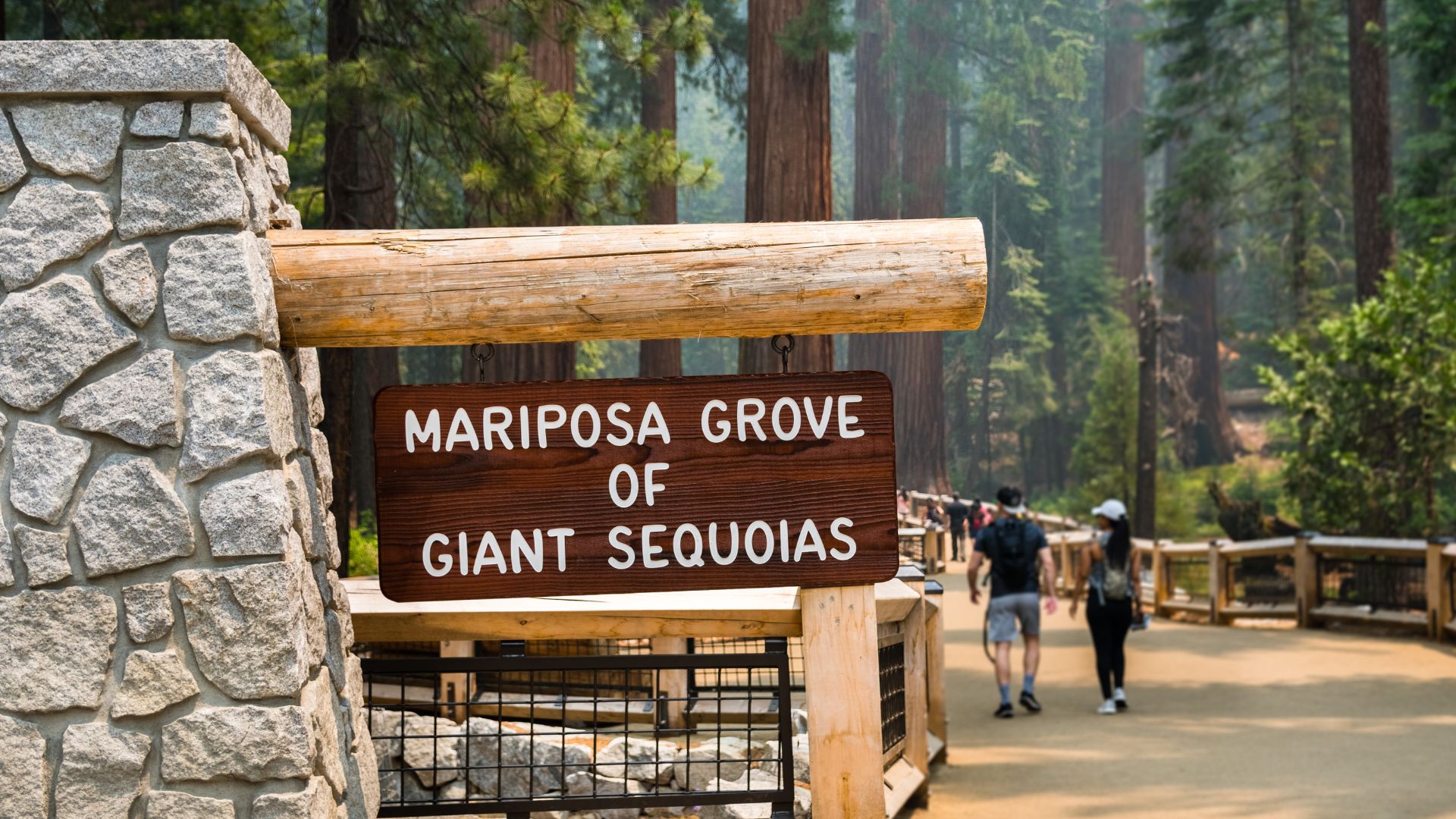
Mariposa Grove finally reopened after a big restoration, and wow—it’s a must-see. I wandered among more than 500 giant sequoias, all in a part of the park that’s surprisingly easy to reach.
The paved trails make this grove friendly for pretty much everyone. I took the short 0.8-mile loop to the Grizzly Giant, which towers over 200 feet. You feel tiny standing next to it.
Notable Trees in Mariposa Grove:
- Grizzly Giant (2,700 years old)
- California Tunnel Tree
- Clothespin Tree
- Telescope Tree
Spring is prime time for sequoia walks. I skipped the summer crowds and wandered comfortably in mild weather. Sure, the grove stays open all year, but spring just feels right.
The restoration added new boardwalks and some great viewing spots. I hopped on the shuttle from the parking area—it’s an easy ride and saves your legs for the trees. The grove sits about 45 minutes from Yosemite Valley, so it makes a great half-day trip if you’re looking to mix things up.
Hetch Hetchy and Tioga Road Spring Access
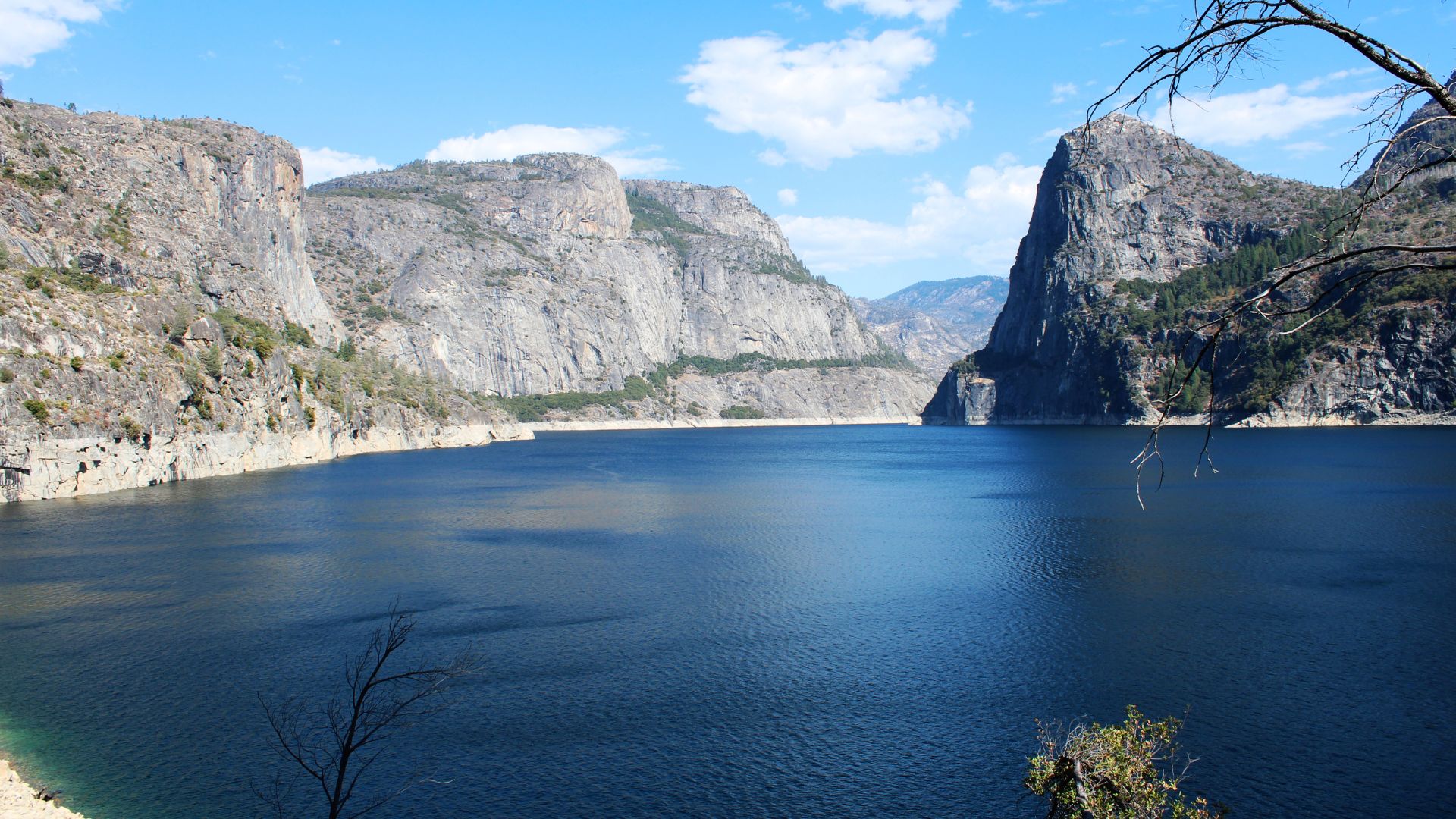
Hetch Hetchy delivers a much quieter spring adventure. I remember hiking out to Wapama Fall—wow, the water crashes down with real force when the snow melts.
The round trip clocks in at about 5.5 miles, and honestly, the views along the way are something else.
You won’t find the crowds here like you do in Yosemite Valley. I pulled into the lot by O’Shaughnessy Dam and found a spot right away.
The trail leads you across the dam, then suddenly you’re in the wilderness. It feels wild and peaceful at the same time.
Tioga Road usually opens up late in the spring. I always double-check road conditions—sometimes snow sticks around until May or even June.
Once it’s open, you can get to some of Yosemite’s high-elevation lakes and hikes that are just impossible to reach earlier in the season.
Spring Access Notes:
- Hetch Hetchy: Open year-round
- Tioga Road: Usually opens May-June
- Weather-dependent closures can happen
- Always check the park website for updates
Driving out to Hetch Hetchy from the valley takes about 45 minutes. I like to pack a lunch and turn it into a full day.
If you’re lucky, you’ll spot wildflowers blooming along the reservoir’s edge—spring really brings the place to life.