
Mammoth Lakes sits way up at 7,880 feet in California’s Eastern Sierra, just about an hour from Yosemite’s eastern entrance. This mountain town has become my favorite escape because it packs in wild outdoor adventures no matter the season.
Winter here means world-class skiing on 11,053-foot Mammoth Mountain, but come summer, those same slopes turn into a mountain biking playground with lift-accessed trails. The town’s tucked-away High Sierra location puts me close to alpine lakes, natural hot springs, and wild places like Devils Postpile National Monument.
What really makes Mammoth stand out for me is how it mixes big-mountain thrills with a laid-back mountain-town vibe. I’ve found everything from gnarly bike park trails and untouched ski runs to quiet lakeside hikes and local festivals that stick in my memory.
Embracing the High Sierra: Essential Guide to Mammoth Lakes
Mammoth Lakes sits at 7,880 feet in the Eastern Sierra Nevada. It’s surprisingly easy to reach from major cities, and the mountain weather keeps things interesting all year.
The town acts as a gateway to incredible outdoor recreation. Yosemite’s eastern entrance is only about an hour away—how cool is that?
Where Mammoth Lakes Is Located
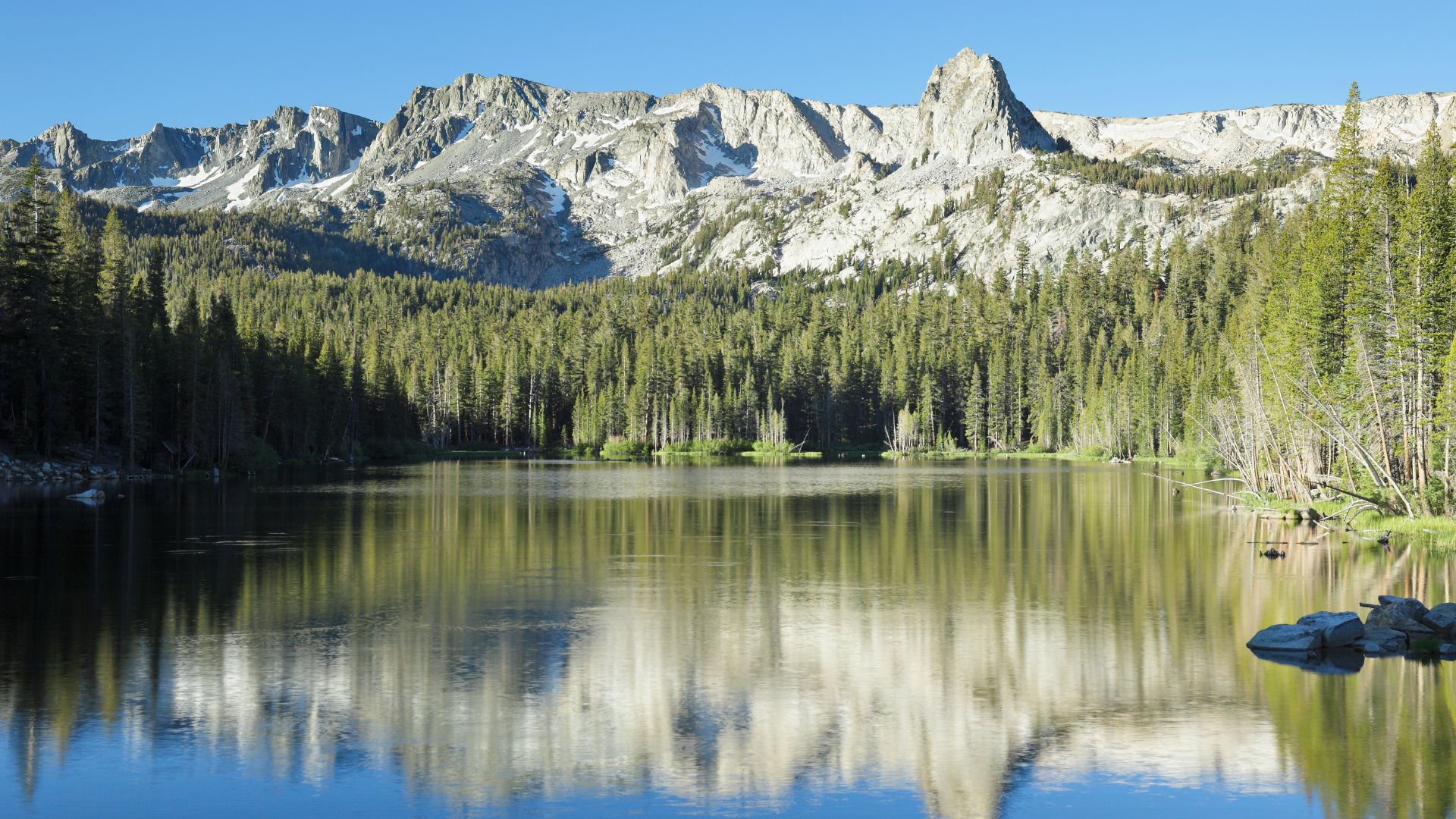
Mammoth Lakes nestles in California’s Eastern Sierra Nevada mountains. It sits right at the base of Mammoth Mountain, perched at 7,880 feet.
For mountain adventures, I can’t think of a better spot. Tioga Pass gets me into Yosemite National Park’s eastern side in just about an hour.
Key Geographic Features:
- Eastern Sierra Nevada range
- 50-mile stretch of untouched alpine terrain
- Quick access to Convict Lake, McGee Creek, and Rock Creek canyons
- Devils Postpile National Monument is close by
The Eastern Sierra gives me those big, dramatic mountain views and endless wilderness. I really appreciate being able to choose between developed ski resorts and wild backcountry trails.
Mammoth Lakes kind of anchors the whole region. From here, I can easily check out June Lake, Lee Vining, and other mountain towns.
Getting to Mammoth Lakes and Transportation Options
Most folks drive to Mammoth Lakes. The town is about six hours north of Los Angeles and three hours south of Reno, Nevada.
Major Driving Routes:
- From Los Angeles: US-395 North (6 hours)
- From San Francisco: I-580 to US-395 North (5 hours)
- From Reno: US-395 South (3 hours)
Before heading out, I always check road conditions. Snow sometimes shuts down mountain passes in winter.
Air Travel Options:
Mammoth Yosemite Airport runs seasonal flights from major cities. It’s a tiny airport just outside town—super convenient during busy seasons.
Most visitors end up flying into Reno or LA, then renting a car for the drive. Both airports have plenty of rental options for the scenic trip.
Public transit is pretty limited up here. Having a car gives you the freedom to roam the whole Eastern Sierra.

The Unique Climate and Seasons of the Eastern Sierra
The Eastern Sierra’s seasons really shape what you can do outdoors. Winters bring deep snow, and summers are all about warm days and cool nights.
Winter (December-March):
- Tons of snowfall and cold temps
- Ski season usually stretches to April or May
- Some years, I’ve seen snow linger on Mammoth Mountain until July
Spring (April-May):
- Snow hangs around, so spring starts late
- Fishing season opens in late April
- Weather can be unpredictable—sometimes it still snows
Summer (June-August):
- Warm days, chilly nights
- Perfect for hiking and mountain biking
- Lakes are at their best for swimming and paddling
Fall (September-November):
- Crisp air, changing leaves
- Great hiking weather
- Fewer crowds, which I love
At this elevation, weather changes in a blink. I always pack layers, no matter the forecast.
The rain shadow effect here means we get less precipitation than the western Sierra, but the temps swing more wildly.

Winter Wonders: Epic Skiing and Snow Adventures
Mammoth Lakes turns into a snowy wonderland every winter, with 300 days of sunshine and some of California’s best powder. I’ve had a blast skiing at Mammoth Mountain, trying out snowboarding terrain, gliding along cross-country trails, and even zipping around on snowmobiles.
World-Class Ski Resorts and Mammoth Mountain
Mammoth Mountain really is California’s top ski resort. The summit hits 11,053 feet, and I’ve skied almost 3,500 acres of terrain using 28 lifts and two gondolas.
You’ll find 150 named runs here. Beginners can stick to the mellow slopes at the base, while advanced skiers get their fix on wide-open bowls and steep chutes.
Key Stats:
- Elevation: 11,053 feet at the top
- Terrain: 3,500 acres
- Lifts: 28 chairlifts, 2 gondolas
- Runs: 150 trails
I’ve spotted Olympic athletes training on these slopes. Mammoth Mountain is actually an official U.S. Olympic Team training site.
Guided mountain tours leave every morning at 10:15 am from Main and Canyon Lodges. They’re a great way to get your bearings, especially if you’re new to the mountain.
Snowboarding and Terrain Parks for All Levels
Mammoth’s terrain parks are legendary. I’ve watched pros and Olympic medalists throw down tricks on these jumps and rails.
The resort sets up several parks each season. Beginners can start small, while advanced riders go big with massive jumps and technical features.
Terrain Park Options:
- Beginner: Small jumps, boxes, and rails
- Intermediate: Medium jumps, creative rails
- Advanced: Huge jumps, complex setups
Chair 22 and Cloud Nine Express are my go-tos after a fresh storm. The powder stashes don’t last long, so get there early.
Thanks to the high elevation, the snowboard season stretches deep into spring. Sometimes, you’ll even catch folks riding in early summer.
Snowshoeing and Cross-Country Skiing Trails
Tamarack Cross Country Ski Center grooms trails through the Lakes Basin. I like joining their morning naturalist tours—there’s always something new to learn about local wildlife and plants.
Guides share cool facts about Sierra Nevada ecology and geology. It’s a fun way to get a feel for the area’s history.
Trail Choices:
- Groomed trails: Smooth and easy to follow
- Backcountry: More rugged, for exploring
- Guided tours: Educational, led by naturalists
After a tour, I usually set off on my own. The Lakes Basin trails give you killer mountain views and quiet forests.
Renting snowshoes is easy, and you don’t need any experience to have a good time out there.
Snowmobiling and Family-Friendly Winter Fun
Mammoth Lakes lays out over 100 miles of groomed snowmobile trails. I’ve ventured across wide-open meadows and into the woods—it’s a real rush.
Local outfitters run guided trips for newbies, but if you’ve got experience, you can rent a machine and explore solo.
Winter Fun:
- Woolly’s Tube Park: Sledding with a tow rope—no hiking uphill!
- Ice skating: Check out the Mammoth Ice Rink in town
- Snowcat tours: Cozy rides to Minaret Vista with heated cabins
- Snow play areas: Plenty of spots for the kids to sled or build snowmen
The tube park is a hit with families. You can ride again and again without getting wiped out.
Evening snowcat tours come with champagne and sunset views. Families can grab hot cocoa and watch the alpenglow.
Book early if you’re visiting in peak season. Lots of places offer combo packages for winter activities.
Summer Thrills: Mountain Biking and Classic Outdoor Activities
When summer hits, Mammoth Lakes becomes a mountain biker’s dream. There are over 80 miles of trails, plus world-class downhill runs. The alpine lakes are perfect for kayaking and paddleboarding, and the climbing here? It’s top-notch.
Mammoth Mountain Bike Park and Downhill Trails
The Mammoth Mountain Bike Park is my favorite spot for big mountain biking days. I usually start at the Adventure Center at Main Lodge, where I can grab a rental and hop on the gondola.
Trails suit every skill level. Beginners get gentle, rolling paths, while advanced riders drop into steep, technical lines. The gondola hauls you and your bike up, so all your energy goes into the ride down.
Trail Types:
- Beginner: Green trails—wide and mellow
- Intermediate: Blue trails—some technical features
- Advanced: Black diamond—steep, rocky, challenging
The park runs daily in summer with lift access. I always try to get there early to beat the crowds and squeeze in extra laps.
Road Cycling and the Mammoth Lakes Trail System
Road cycling here is gorgeous. I love the Lakes Basin Path, which links several stunning lakes with mostly flat pavement.
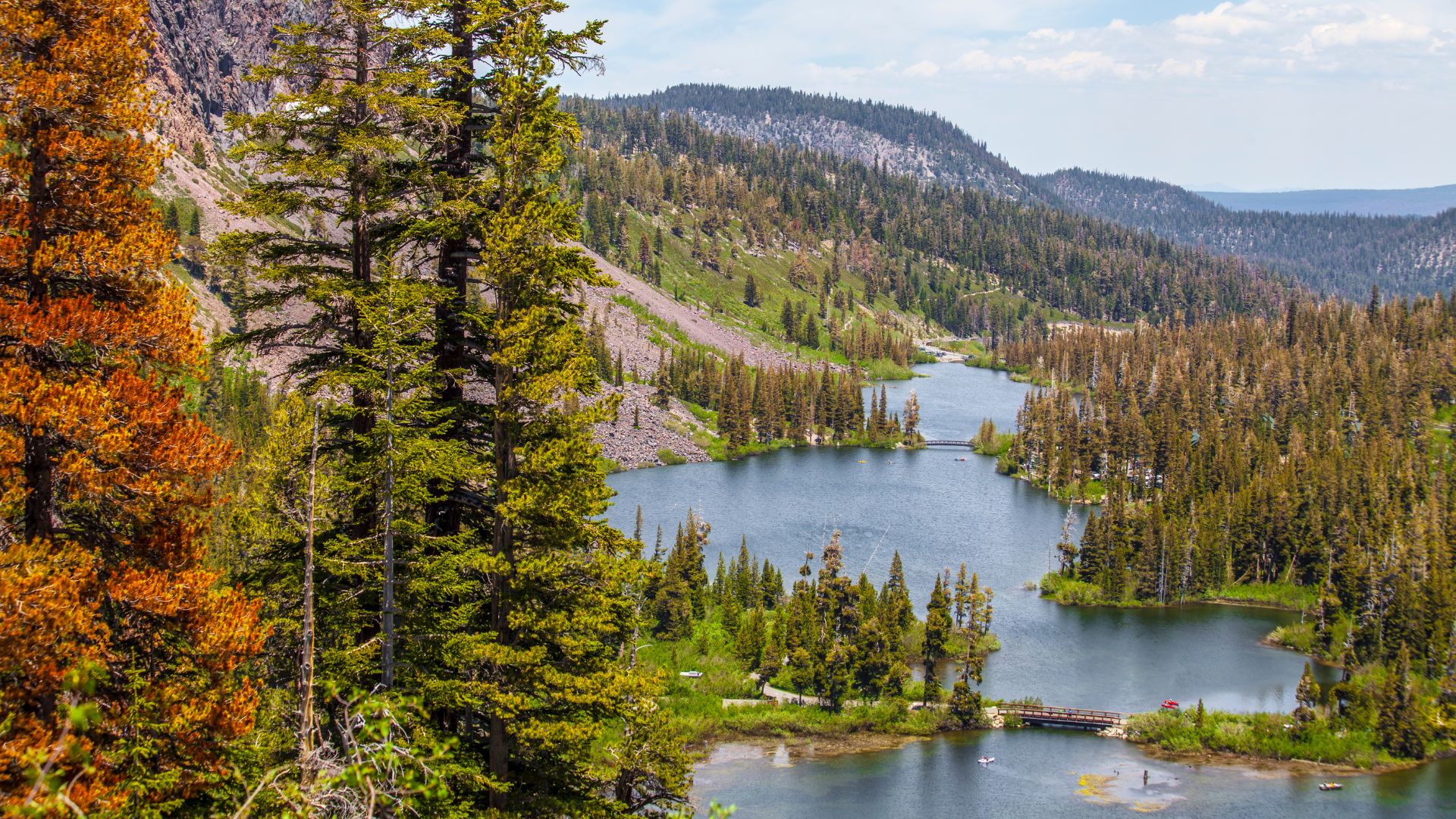
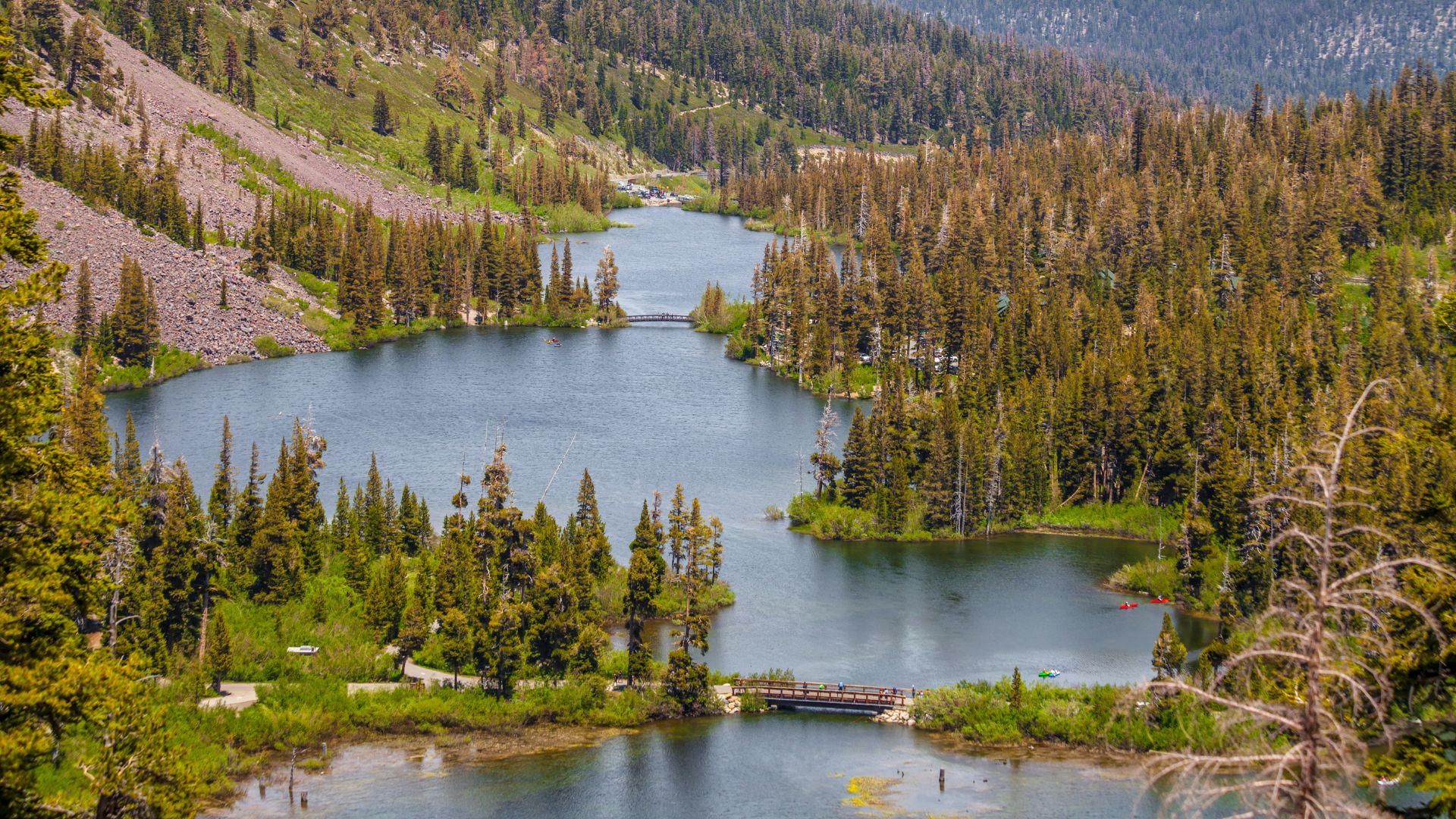
Renting an eBike from Tamarack Bike & Paddle Center makes it easy to cruise without tiring myself out. The path winds past Twin Lakes, Lake Mary, and Crystal Lake—the views just keep coming.
Mammoth Lakes Trail System has both paved and dirt options. Some favorite road rides:
- Lakes Basin Loop (8 miles, mostly flat)
- Mammoth Creek Path (3 miles, easy)
- Town Loop (5 miles, rolling hills)
These trails keep you off busy roads and let you really soak in the scenery. Early mornings are my pick—cool temps and a good chance to spot wildlife.
Kayaking and Paddleboarding on Pristine Lakes
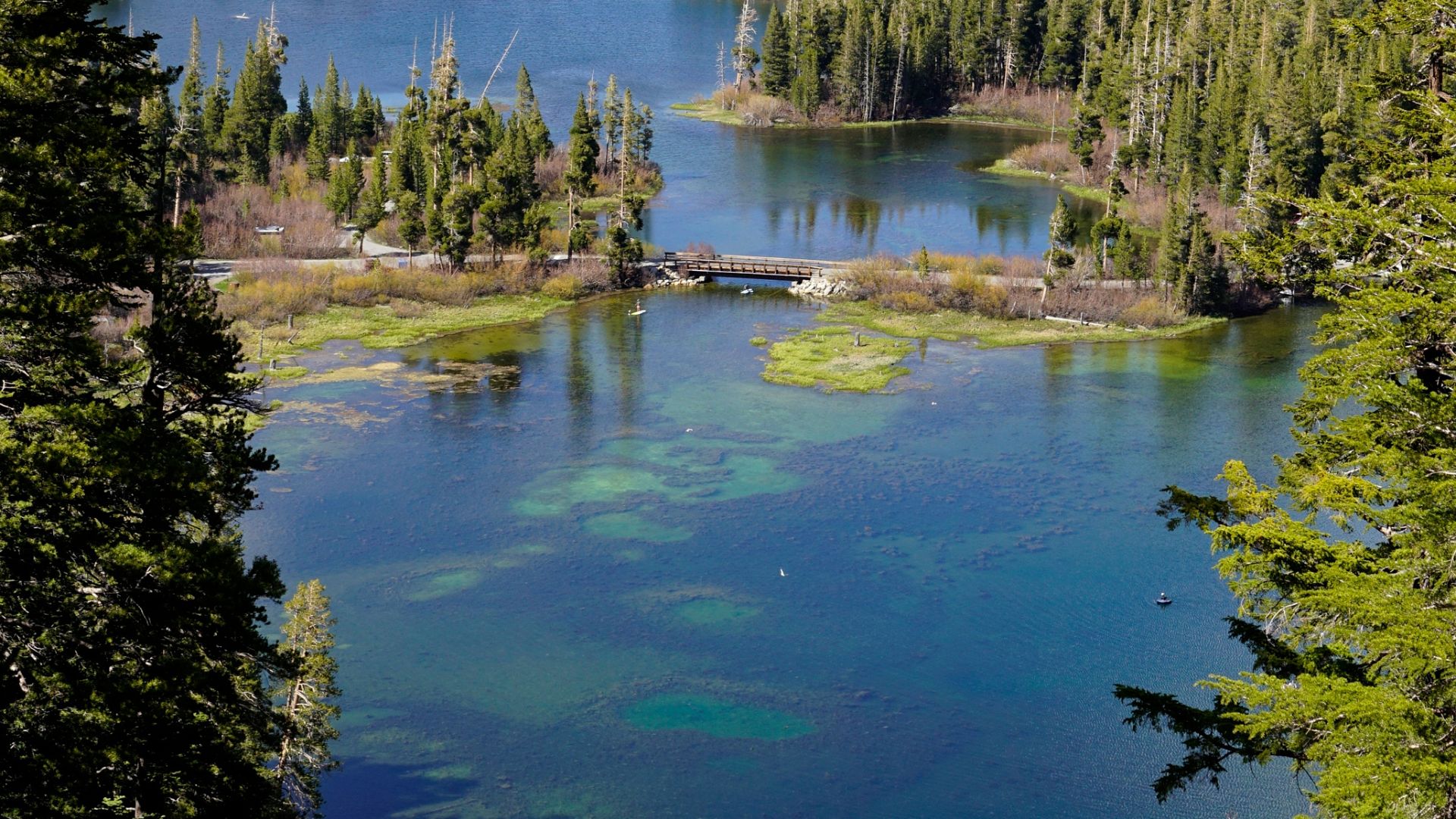
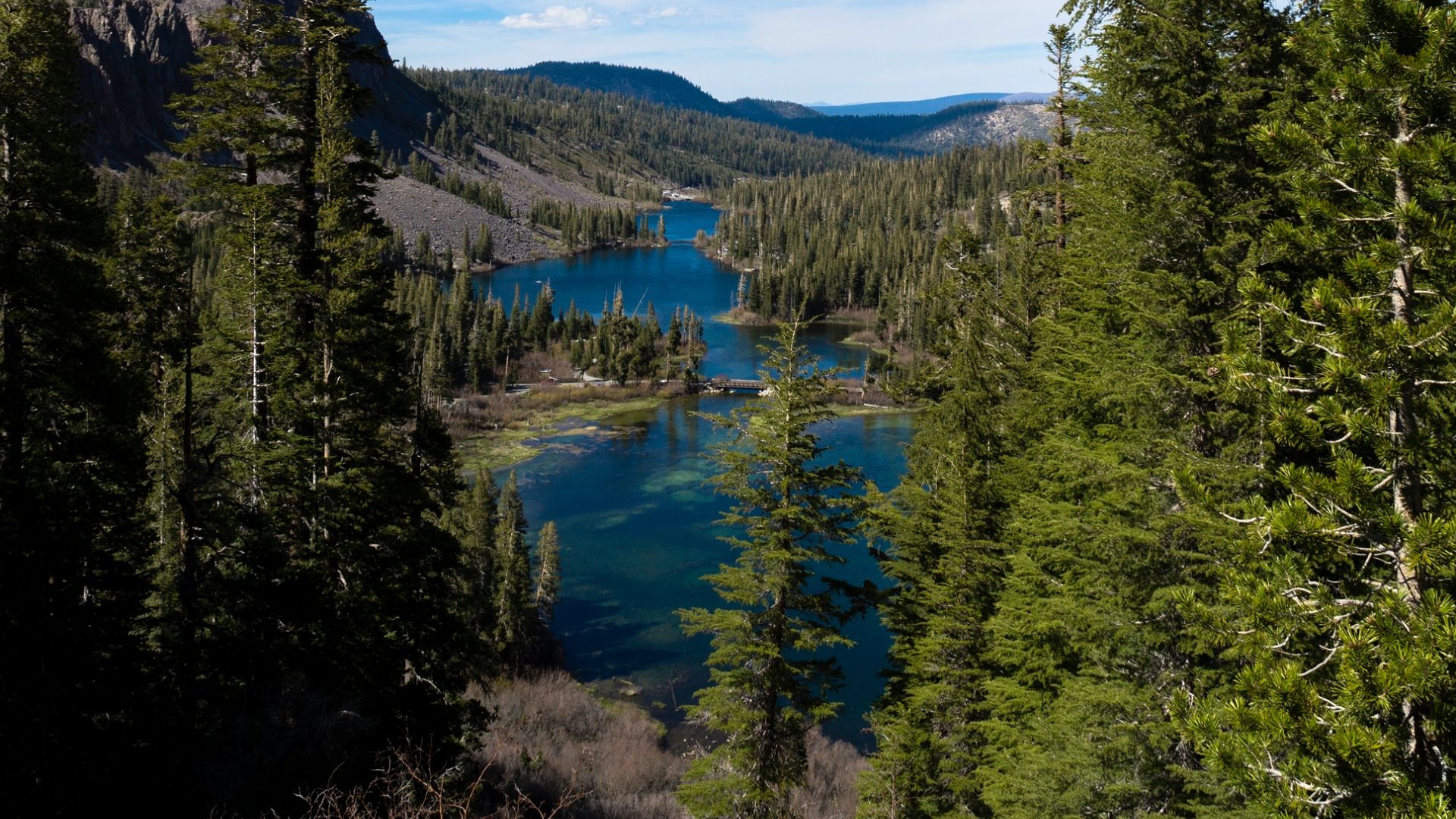
The alpine lakes around Mammoth are perfect for paddling. Twin Lakes is where I usually launch, with calm water and mountain views all around.
Tamarack Bike & Paddle Center rents paddleboards and kayaks right on the shore. Even in summer, the water stays pretty cool—super refreshing after a ride or hike.
Top Lakes for Paddling:
- Twin Lakes: Biggest, with rentals on site
- Lake Mary: Family-friendly, shallow spots for beginners
- Horseshoe Lake: Quieter, cool geology
- Crystal Lake: Small, but jaw-dropping
Most lakes open up for water sports by late spring. I always check the weather before heading out since things can change fast up here.
Rock Climbing and Scenic Picnic Spots
Mammoth has a ton of climbing options, from easy boulders to tough multi-pitch routes. The Adventure Center even has a climbing wall if you want to practice first.
Natural climbing areas surround the lakes and dot the higher elevations. I like to pack a picnic and make a day of it—climb, eat, and take in the views.
Popular climbing spots offer:
- Beginner top-rope climbs
- Sport routes with bolts
- Trad climbs for gear lovers
- Bouldering for a quick workout
Many crags are close to the water, so I often cool off with a swim after climbing. The mix of granite, mountain air, and easy access puts Mammoth high on my list of California climbing destinations.
Epic Hiking and Unforgettable Nature Experiences
Mammoth Lakes trails lead to some of California’s most breathtaking scenery. I’ve wandered paths to sparkling alpine lakes, chased thundering waterfalls, and soaked in mountain views that never get old.
The area acts as a gateway to legendary wilderness and iconic spots like Devils Postpile National Monument.
Top Hiking Trails in Mammoth Lakes
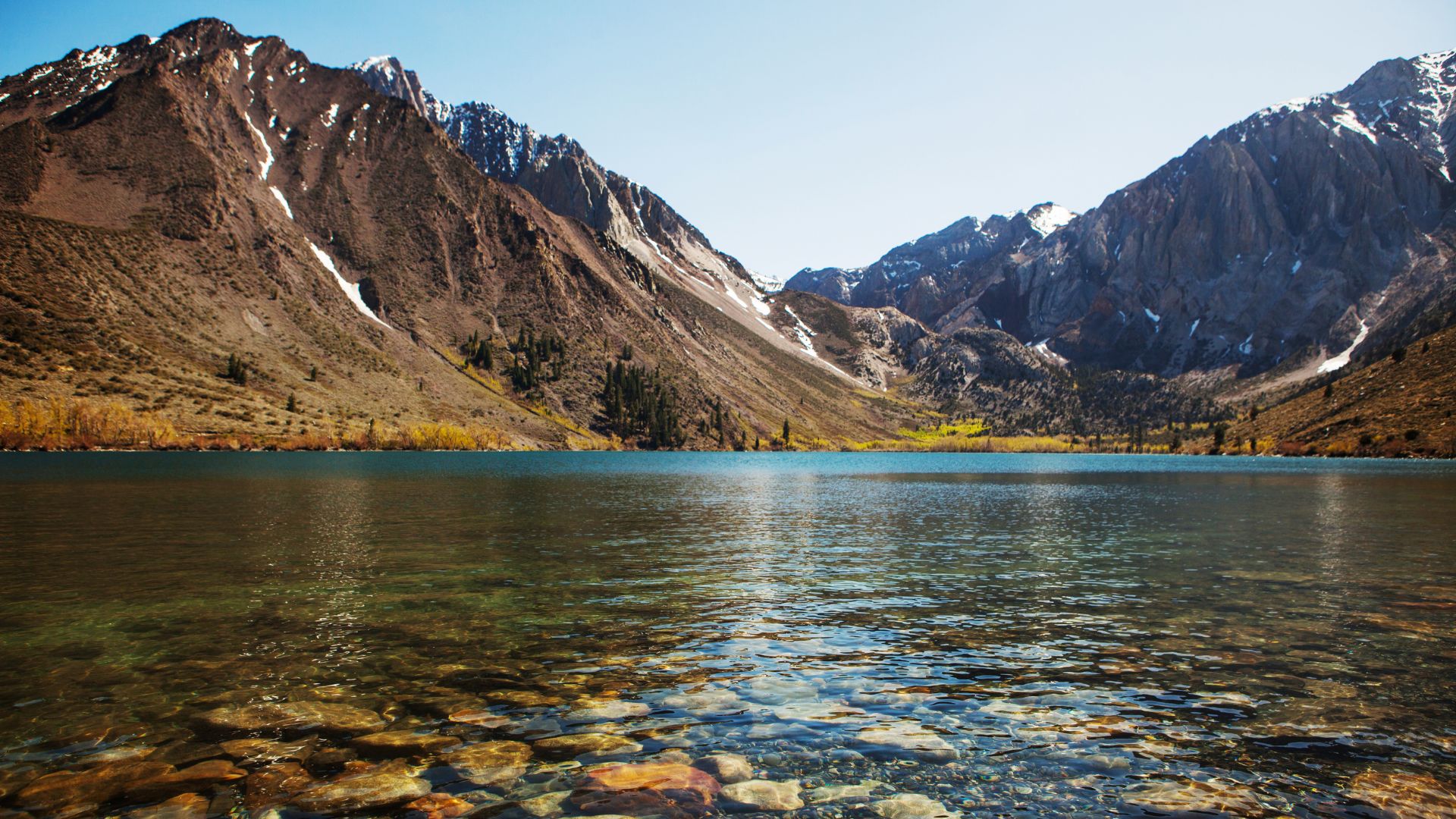
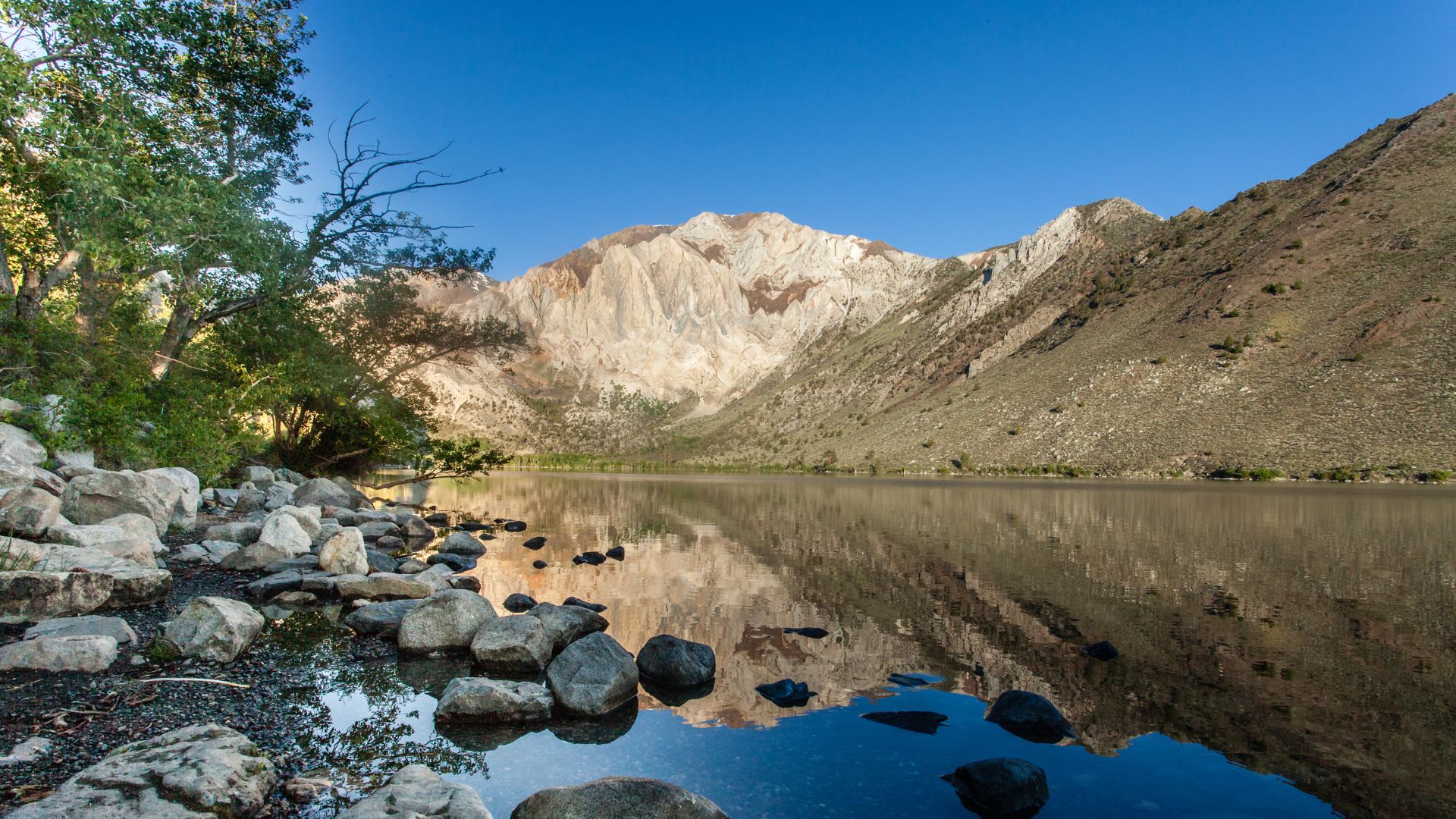
Convict Lake Loop has to be one of my favorite accessible hikes. This 2.5-mile trail wraps around a stunning turquoise lake, with dramatic granite cliffs looming overhead.
The path stays pretty flat, so families can easily enjoy it. I always notice how the views shift as you circle the lake—it’s never the same twice.
Panorama Dome is a solid choice if you want big views without a grueling climb. The 4-mile round trip hike winds through forest before popping out to these huge, sweeping vistas.
From the summit, I spot the entire Mammoth Lakes basin and distant peaks. Summer wildflowers sometimes turn the trail into a riot of color.
Shadow Lake dials up the challenge at 7 miles round trip. The trail weaves past a string of smaller lakes before you finally reach the main event.
When the Minarets reflect in that calm water, it’s just breathtaking. The elevation gain can be tough, but the alpine scenery makes every step worth it.
Adventures on the John Muir Trail and Beyond
The John Muir Trail slices right through Mammoth Lakes, opening up some of California’s wildest backcountry. I’ve trekked the stretch from Reds Meadow to Thousand Island Lake more than once.
This section covers about 15 miles of jaw-dropping terrain. The trail meanders from volcanic fields to classic granite peaks.
Thousand Island Lake sits up at 9,834 feet, with Banner Peak mirrored in the water. Hiking from Agnew Meadows usually takes me 6-8 hours round trip.
I’d say start early to dodge those afternoon storms. Summer crowds can get heavy, and you’ll need a permit for overnight trips.
Day hikers can wander shorter sections without any permits. The path from Reds Meadow to Shadow Lake gives you a taste of this legendary trail.
Exploring Devils Postpile and Rainbow Falls
Devils Postpile National Monument guards these wild volcanic rock columns that look almost too perfect to be real. The short 0.5-mile walk from the parking area brings you right to the main formation.
Every time I visit, I’m struck by those geometric patterns. These hexagonal columns formed as lava cooled slowly thousands of years ago.
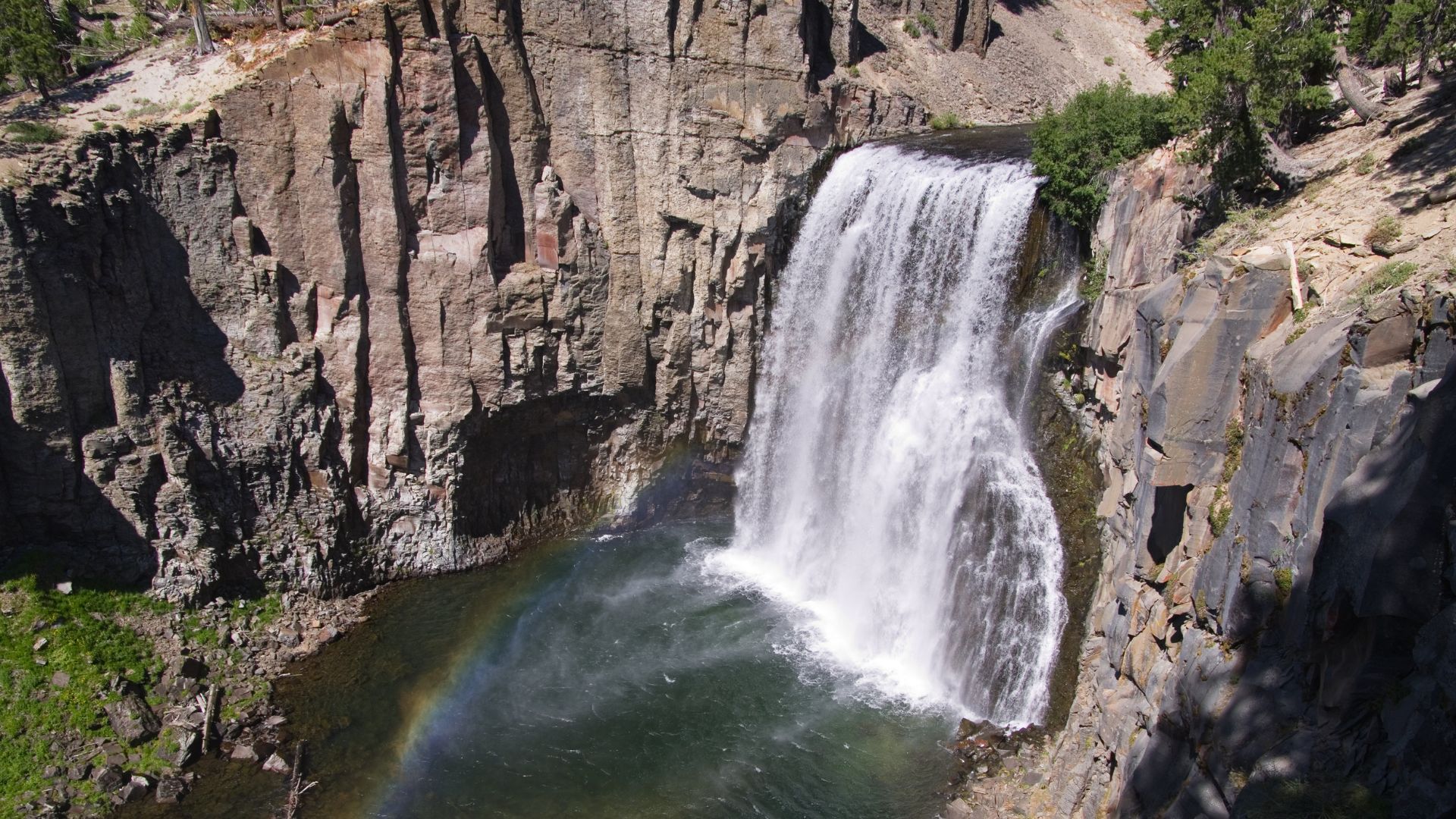
Rainbow Falls waits just 2 miles past Devils Postpile. The waterfall plunges 101 feet and throws rainbows into the mist if you catch it in the midday sun.
The trail drops gradually through forest to the best viewpoint. Late morning is my favorite time—the sunlight hits just right for those rainbows.
In summer, you can hop on a shuttle from Mammoth Mountain to reach both spots. The shuttle keeps the area from getting overrun by cars.
Backpacking in the Ansel Adams Wilderness
The Ansel Adams Wilderness gives you endless room for multi-day backpacking. I’ve spent several trips here, sometimes just two days, sometimes a full week.
People love heading to Ediza Lake, Garnet Lake, and the Minaret Lakes. These spots offer pristine alpine campsites and those classic mountain reflections.
Permits are required for all overnight trips, and you can grab them online. Book early—these places fill up fast.
Over 200 miles of trails crisscross the wilderness. Water’s easy to find, but I always pack purification tablets just in case.
Black bears roam these woods, so I make sure to store food properly. The landscapes here inspired Ansel Adams’ most famous photos, and it’s easy to see why.
Lakes, Hot Springs, and Geological Marvels
Mammoth Lakes sits right on top of ancient volcanic ground. That’s why you’ll find both sparkling alpine lakes and steamy hot springs in the same area.
The region offers more than 30 lakes and 11 hot springs, plus wild spots like Hot Creek.
Fishing, Boating, and Lakefront Relaxation
Lake Mary is usually my first stop for fishing or boating. At 8,900 feet, the lake gets stocked with rainbow trout. I like to launch my kayak from the marina’s boat ramp.
Twin Lakes never disappoints when it comes to fishing. The two lakes connect by a short channel, and I often pull in brook trout and rainbows here.
Crystal Lake takes a 2-mile hike to reach, but you’ll find clear water and hardly any crowds. It sits tucked in a granite bowl at 9,000 feet.
Lake George is super accessible, with a paved road right to the shore. I fish for planted rainbows or sometimes rent a boat from the marina.
The June Lake Loop links four lakes—June, Gull, Silver, and Grant—by a scenic 16-mile drive. Each one has its own vibe and plenty of fishing or boating options.
Soaking in Hot Springs and Hot Creek Geological Site
You’ll find 11 natural hot springs within half an hour of town. Most are free, open all year, and easy to reach.
Rock Tub Hot Springs sits just 15 minutes from Mammoth. The tub fits two to four people and gives you mountain views. Water usually stays around 100°F.
Wild Willy’s Hot Spring has two pools—the main one fits a crowd, and the smaller “Heart Pool” runs hotter, about 105°F. The bigger pool hovers around 95°F.
Hilltop Hot Spring lets you adjust the water temp with pipe valves. The stone tub gives you 360-degree mountain views and a comfy place to soak.
Hot Creek Geological Site shows off active geothermal features—hot springs, steaming vents, and all sorts of volcanic oddities. You really get a sense of the earth bubbling below Mammoth Lakes.
All the hot springs are clothing-optional and have zero facilities. I always bring extra water and do my best to leave no trace.
Discovering Iconic Alpine Lakes
Convict Lake lies 10 miles south of Mammoth Lakes, tucked in a dramatic granite canyon. Fishing here is fantastic for rainbow and brown trout.
Emerald Lake takes a bit of hiking to reach, but the views of the surrounding peaks are absolutely worth it. The lake sits at 9,000 feet.
Barrett Lake feels peaceful and rarely crowded. I usually reach it by a short trail from Lake George.
Horseshoe Lake sits near Mammoth Mountain and is easy for families to access. The fishing’s good for brook and rainbow trout.
Exploring Geology: Unique Natural Landmarks
Devils Postpile National Monument stands out with its 60-foot-tall basalt columns, all formed by ancient lava flows. The hexagonal shapes look almost unreal.
Rainbow Falls tumbles 101 feet over volcanic rock, and the mist sometimes throws up brilliant rainbows.
Mammoth Rock is a massive volcanic dome that actually gave the area its name. You can see signs of the region’s fiery past here.
Obsidian Dome is made of volcanic glass from eruptions just 600 years ago. The black obsidian almost glows against the pale granite.
Earthquake Fault cuts right through the area and shaped many of the lakes. It’s a reminder that the landscape here is always changing.
Culture, Events, and Mountain Town Charm
Mammoth Lakes mixes outdoor adventure with a surprisingly rich cultural scene and that small-town friendliness you don’t always find in resort towns.
The community throws festivals all year, keeps local history alive in museums, and serves up some pretty great food and craft beer.
Festivals and Year-Round Events
I love how every season in Mammoth Lakes brings something totally different. Winter comes with festive lights and wild slope-side competitions.
Spring means the famous pond skim—a goofy event where skiers and snowboarders try to glide across a freezing pond. It’s as ridiculous as it sounds.
Summer and fall are packed with music festivals and outdoor parties. There are fishing derbies and endurance races when the weather warms up.
Popular Annual Events:
- Winter holiday light shows
- Spring pond skim competitions
- Summer music festivals
- Fall harvest celebrations
- Fishing tournaments
I always check the events calendar before I visit. There’s almost always something happening, especially during peak seasons.
Local Museums and Historic Sites
The Mammoth Museum digs into the area’s mining past. I learned how this place went from a gold rush boomtown in the late 1800s to the adventure hub it is now.
Hayden Cabin stands out as a key historic spot. This old cabin tells the story of early settlers and their tough mountain lives.
Inside, you’ll find mining gear and photos from the gold rush days. Interactive exhibits give you a feel for how miners survived in such harsh conditions.
I’d suggest spending at least an hour exploring these sites. They really help you understand why Mammoth Lakes popped up in such a remote spot.
Vibrant Dining and Craft Beer Scene
Mammoth Lakes has a surprisingly good dining scene, with everything from hearty mountain grub to upscale eats.
Local breweries craft unique beers that capture the mountain vibe. I like sampling seasonal brews that fit whatever adventure I’ve had that day.
Top Dining Categories:
- Hearty mountain comfort food
- Fresh seafood (yes, even here)
- International flavors
- Farm-to-table restaurants
Plenty of places have patios with killer mountain views. After a long day on the trails or slopes, nothing beats a good meal and a local pint.
The town keeps its authentic mountain feel, but you’ll still find creative menus and fresh ingredients. Local chefs know how to feed hungry adventurers like us.
Family-Friendly Activities in Every Season
Woolly’s Adventure Summit packs in year-round fun for families right by Main Lodge. Kids always seem to gravitate toward the mountain coaster, the tube park, and that ropes course—it’s a bit of a challenge, but that’s half the fun.
You’ll find an on-site café where you can grab breakfast, lunch, or just something to sip on. I usually kick back there while the kids burn off energy on the attractions.
Seasonal Family Activities:
- Winter: Sledding, snowshoeing, ice skating
- Spring: Easy hiking trails, wildlife viewing
- Summer: Swimming, fishing, camping
- Fall: Leaf peeping, harvest festivals
Lake Mary sits close by and feels just right for families who want a gentle adventure. It’s scenic and incredibly accessible, so you don’t have to be an expert to get out and enjoy nature.
Honestly, I love how Mammoth Lakes manages to blend adrenaline sports with activities everyone can enjoy. No matter the season, there’s always something that fits every age and energy level.
