
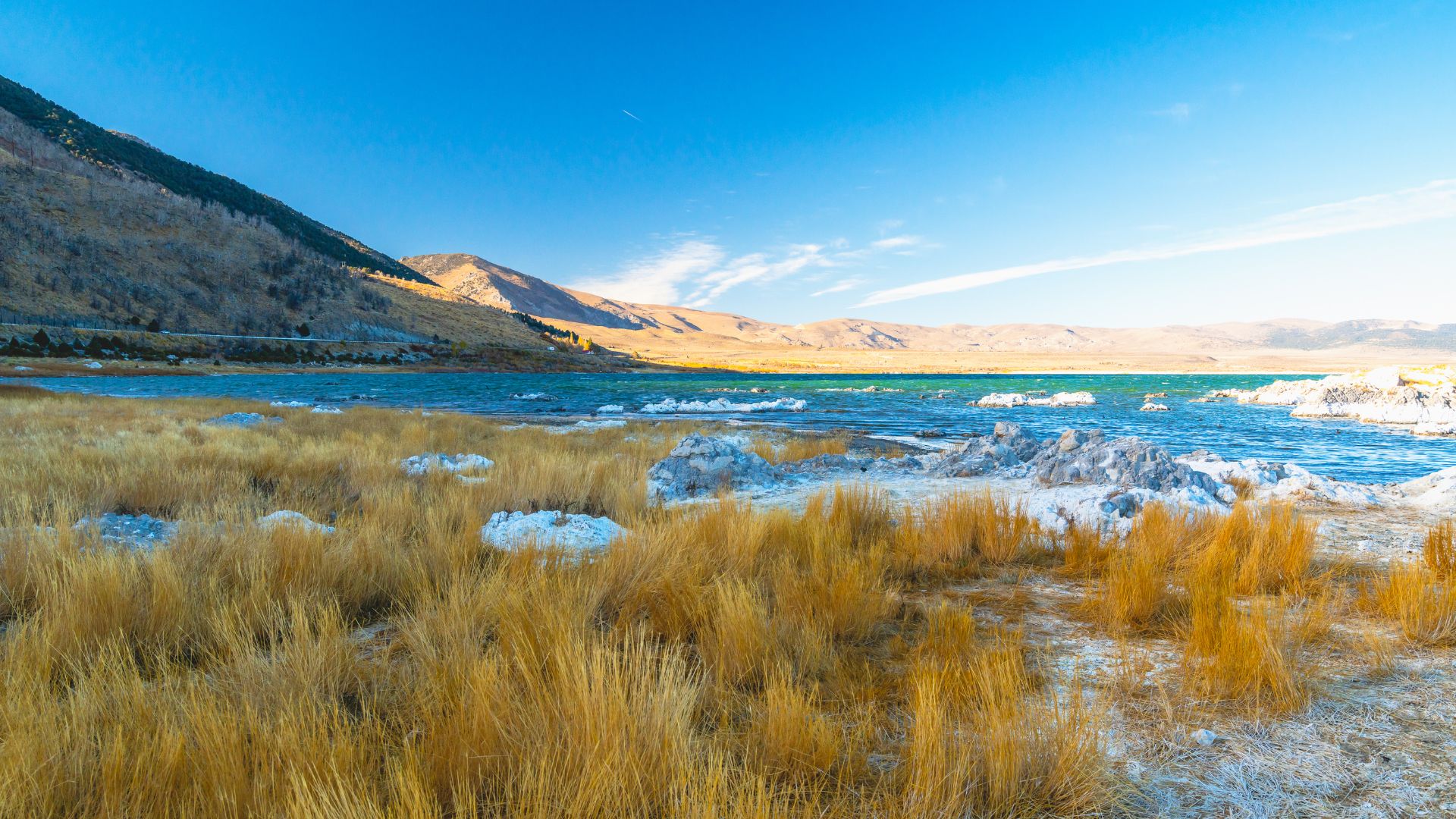
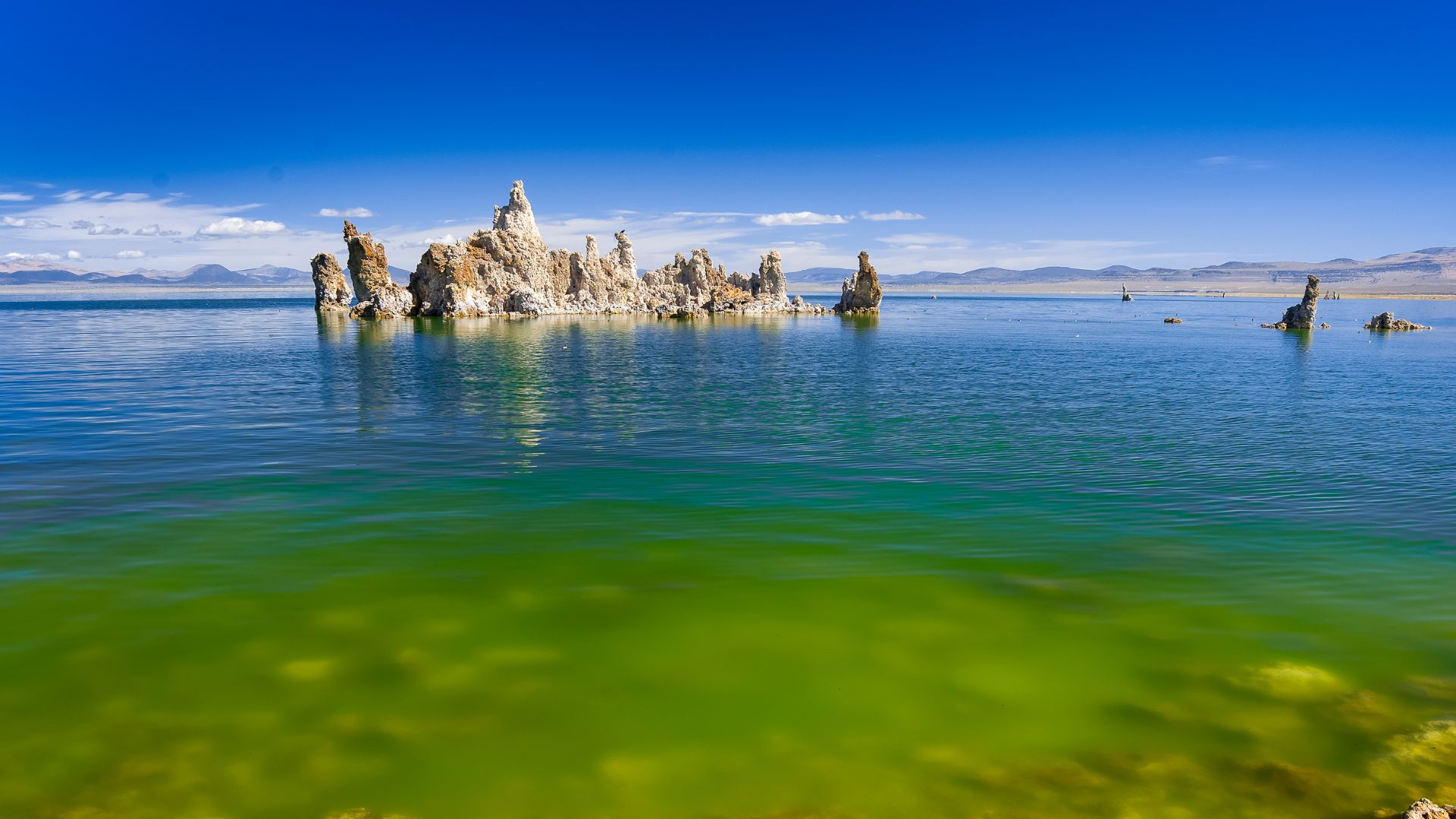
Standing at the edge of Mono Lake in California’s Eastern Sierra, I honestly felt like I’d landed on another planet. Mono Lake’s tufa towers—those wild limestone formations—shoot up from the water like ancient stone spires. Nature built them over centuries, as calcium-rich springs bubbled up, mixing with the lake’s alkaline waters and leaving behind these strange, beautiful shapes.
This lake is seriously old—about 760,000 years—and it sits way up at 6,378 feet above sea level. With no outlet, all the minerals and salts just build up, turning the place into one of North America’s weirdest, most fascinating bodies of water.
You can feel the drama here. Five streams flow in, but the only way water leaves is through evaporation. That concentrates all those minerals, and honestly, it’s what gives Mono Lake its bizarre chemistry and those unforgettable tufa towers.
But it’s not just about rocks. The lake’s salty waters support a wild ecosystem—millions of birds, clouds of tiny creatures, and a whole lot of life you wouldn’t expect in such a harsh-looking place.
When I visited Mono Lake, I finally understood why photographers and nature lovers travel from all over to see this spot. The contrast between those chalky spires and the endless desert is almost too strange to believe.
Every turn reveals something new—whether you’re learning how these towers formed, searching for the best viewpoints, or spotting the lake’s unique wildlife.
Encountering Mono Lake’s Surreal Tufa Towers
Walking among Mono Lake’s tufa formations felt like stepping into a science fiction set. The limestone structures cluster in three main areas, and each one feels a little different.
South Tufa Area: Walking Among the Giants
South Tufa is where the towers get really dramatic. I wandered an easy trail that winds right between dozens of these formations, jutting up from the shallow, alkaline water.
Nature formed these towers when freshwater springs met the lake’s mineral-heavy water. It’s a simple reaction—calcium and carbonate combine to make limestone, and over thousands of years, you get these surreal sculptures.
Key Features:
- Over 30 big tufa towers
- 1-mile loop trail
- Elevation: 6,380 feet
- Best photos: sunrise and sunset
Some towers rise 30 feet high. I could walk right up and run my hand along the porous limestone.
The shapes are wild—some look like coral, others like sand castles, and a few could pass for modern art.
Boardwalks keep you off the most fragile spots, but you still get up close. I spent about an hour here, just gawking and snapping photos.
Navy Beach: Tufa Formations at the Shoreline
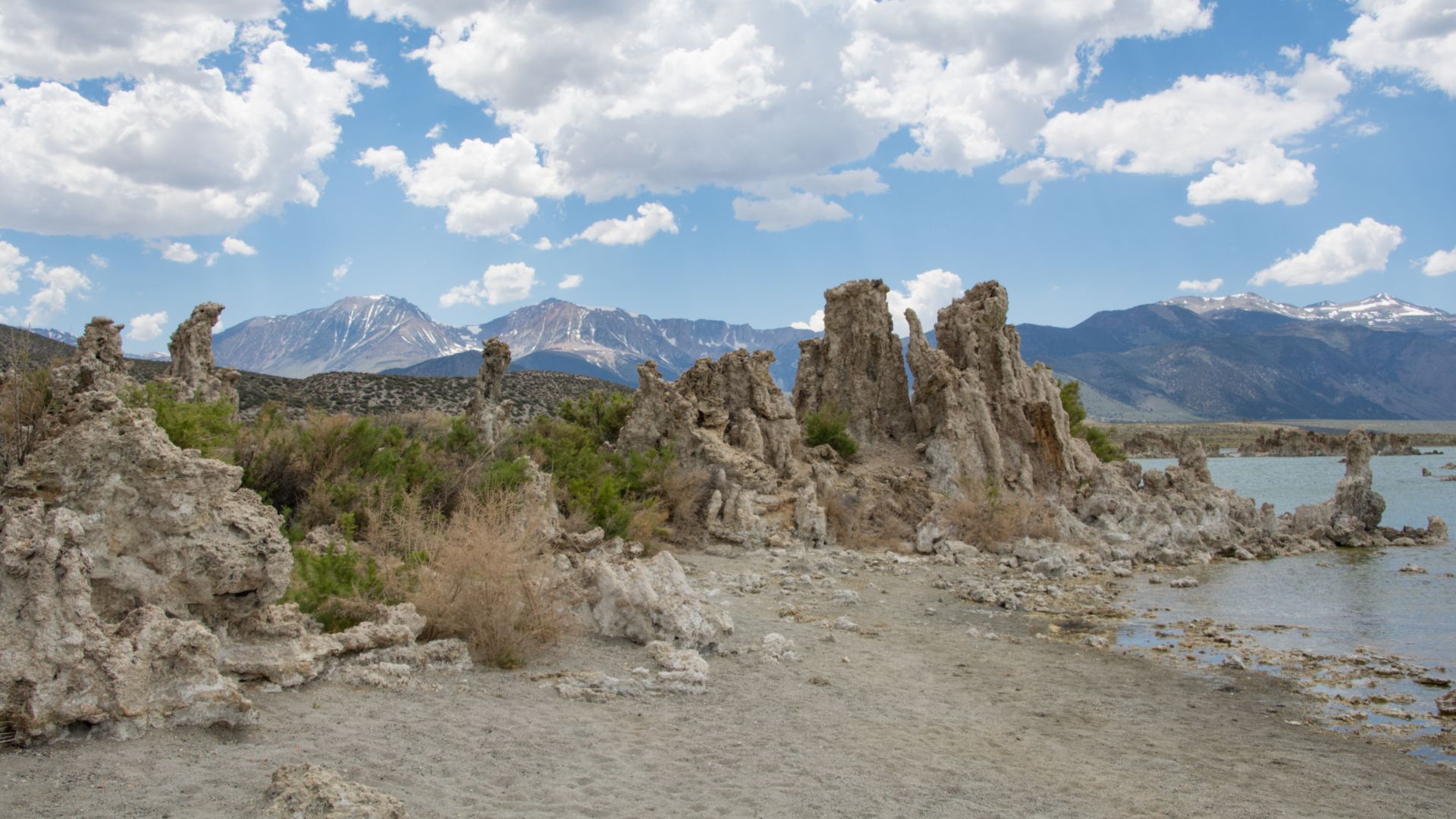
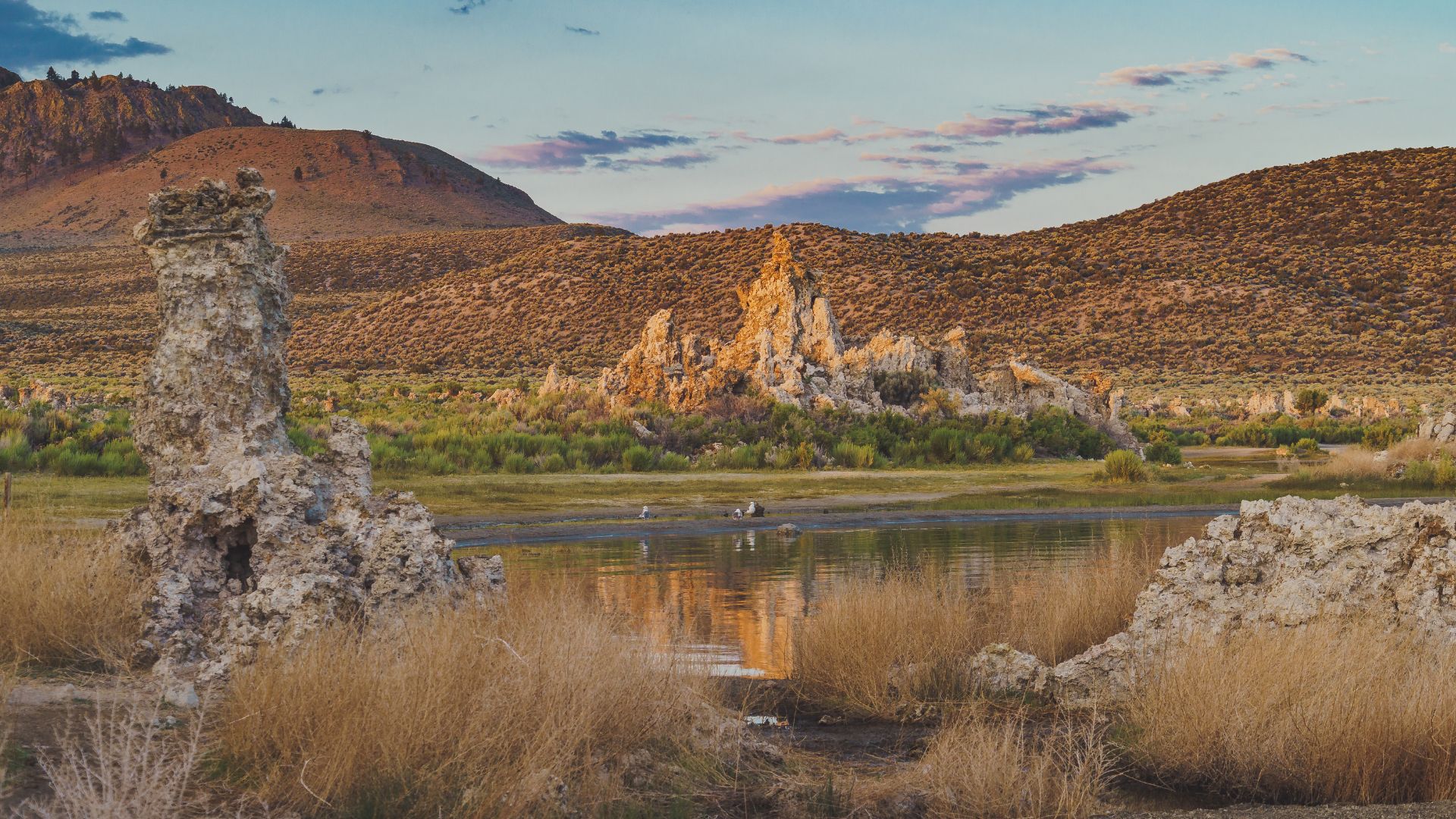
Navy Beach gives you a totally different vibe. Here, the tufas sit half-submerged along the shore.
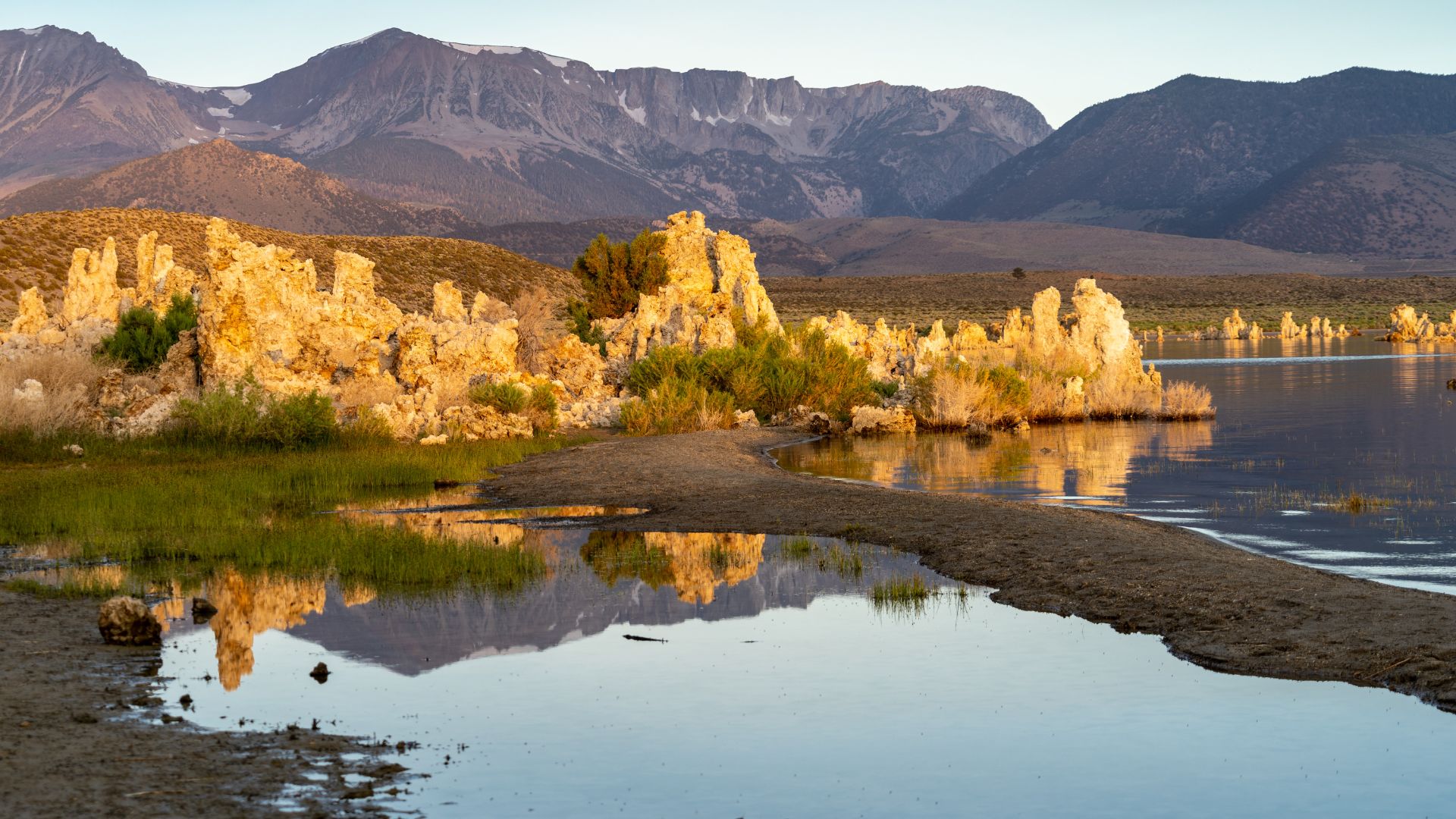
It’s a quick walk from the parking lot. The formations aren’t as tall as South Tufa’s, but the way they reflect in the still water is something else.
Why Navy Beach stands out:
- Tufa towers mirrored in the lake
- Swimming access (if you’re feeling brave)
- Fewer people than South Tufa
- Gorgeous at sunrise
The shoreline changes with the seasons. When the water drops, more tufa pops up above the surface.
I spotted brine shrimp and alkali flies buzzing around the edges. These little creatures love the salty water.
Mono Lake County Park: Boardwalk Views and Wetlands
Mono Lake County Park gives you a higher view of the tufas, thanks to its boardwalk system. The wooden walkways keep you off the delicate wetlands but let you see the towers scattered across the lake.
From up here, you really get a sense of scale. The park has signs explaining how tufa forms, and I found myself stopping to read every one.
Boardwalk highlights:
- 0.5 miles of elevated walkway
- Wetlands full of migrating birds
- Educational displays about tufa
- Some wheelchair-accessible sections
Springs still bubble up through the lakebed, so new tufa keeps forming underwater. When the lake level drops, more towers appear.
Formation and Geology of Mono Lake’s Tufa
Mono Lake’s tufa towers owe their existence to a quirky chemical process. Freshwater springs rise up from the lake bottom, carrying calcium, and when they hit the lake’s alkaline waters, limestone begins to build up—slowly, decade by decade.
This ancient lake sits in a volcanic basin, shaped by thousands of years of geologic drama.
How Freshwater Springs and Alkaline Waters Create Tufas
I learned that all Mono Lake tufa starts its life underwater. Calcium-rich springs seep up, and when the calcium meets the lake’s carbonate (think: natural baking soda), it forms solid limestone.
The limestone settles around the spring, and over time, it grows into a tower—sometimes 30 feet tall, all hidden beneath the waves.
After 1941, Los Angeles started diverting water, and the lake level dropped a lot. Suddenly, these underwater towers stood exposed to the air. Once that happens, they stop growing and slowly start to erode.
How it works:
- Calcium-rich springs mix with alkaline lake water
- Limestone forms and builds up around the springs
- Towers grow up from the lakebed
- When exposed, towers stop growing
Geological History and the Ancient Saline Lake
Mono Lake is seriously ancient—over a million years old. It sits in the Mono Basin, a spot that volcanoes and earthquakes have shaped for ages.
Back in the ice age, the lake was five times bigger than it is now. You can still find ancient tufas way up the hills, showing where the shoreline used to be.
The saltiness comes from minerals washing down from the mountains. Since there’s no outlet, everything just gets more concentrated, creating the perfect conditions for tufa.
Other desert lakes in California and Nevada have tufas too, but Mono Lake is special. It has more springs and a steady chemistry, so the towers keep forming.
Panum Crater and Black Point Fissures
The Mono Lake area is surrounded by volcanic features, and they’re worth a visit. Panum Crater, for example, is a young dome made of obsidian and pumice—formed only about 600 years ago.
Black Point Fissures are another volcanic oddity. These cracks in the earth appeared when lava erupted underwater, back when Mono Lake was much larger.
Volcanic rocks from these features feed minerals into the lake, helping keep the water alkaline and perfect for tufa growth.
It’s wild to think about how all this volcanic activity set the stage for the lake’s otherworldly beauty.
Wildlife and the Unique Ecosystem of Mono Lake
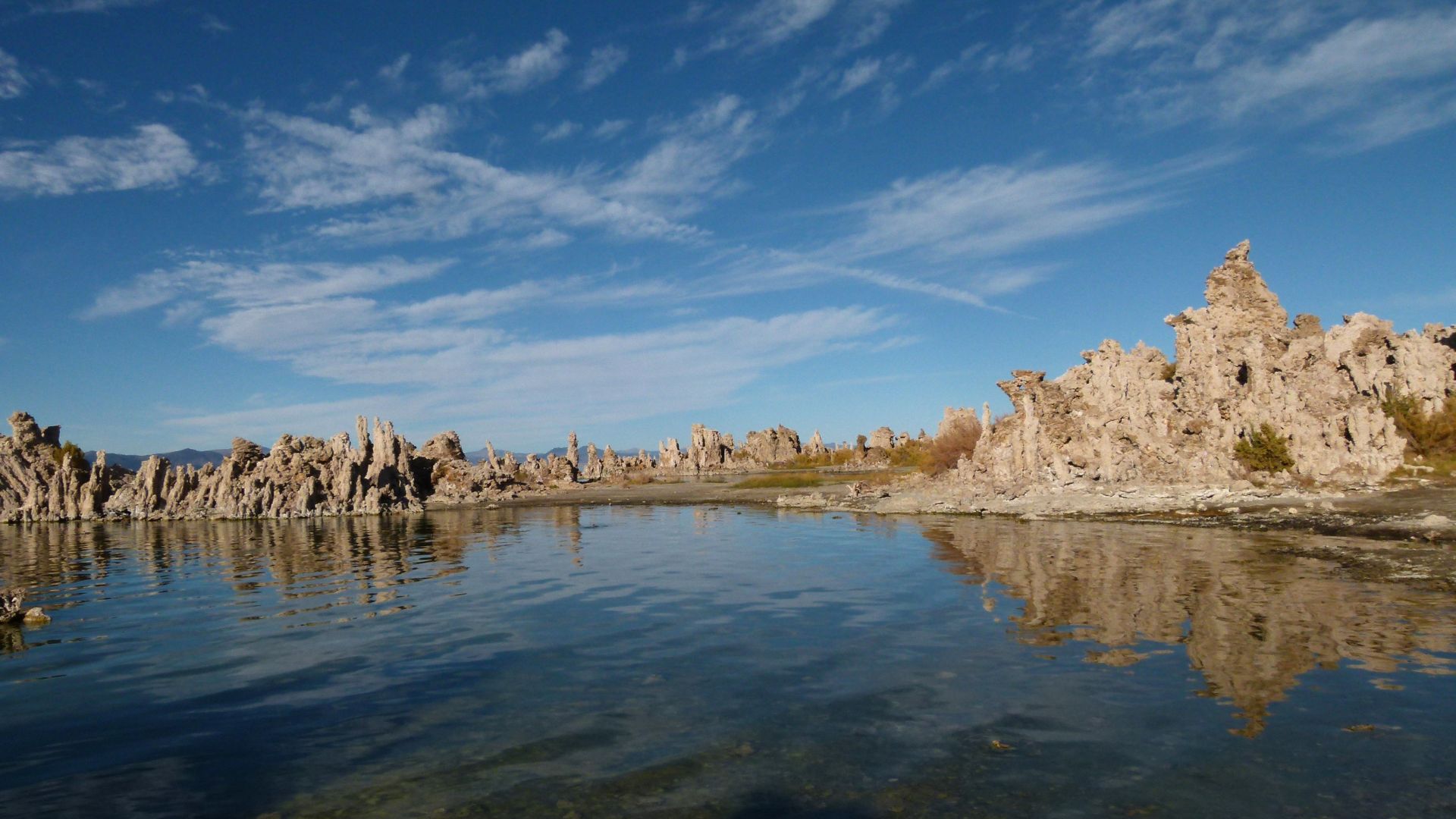
Mono Lake’s ecosystem is straight-up fascinating. Trillions of brine shrimp and alkali flies thrive in its salty waters, and they feed a whole world of migratory birds. Every year, millions of birds—including California gulls and eared grebes—make a pit stop here.
Brine Shrimp and Alkali Flies: Life in Alkaline Waters
The lake’s food web balances on two tiny but mighty creatures. Brine shrimp flourish in the salty water—so salty it’s about three times saltier than the ocean.
In summer, these little guys reproduce like crazy. I watched them swarm in orange clouds beneath the surface.
Alkali flies are another Mono Lake specialty. They dive underwater to lay their eggs, using air bubbles trapped in their body hair to stay dry. It’s weirdly mesmerizing.
The Kutzadika’a Paiute people used to gather these flies for food. Not many insects can handle pH levels above 10, but these guys seem to love it.
Migratory Birds and Resident Species
Mono Lake is a lifeline for birds. Nearly 2 million stop here every year.
California gulls nest on the islands—about 50,000 pairs in summer. I watched eared grebes diving for shrimp during migration; they can double their weight on all the food here.
Some other birds you might spot:
- Red-necked phalaropes spinning in circles to feed
- Wilson’s phalaropes picking off shrimp and flies
- Ruddy ducks hanging around in winter
The islands keep nests safe from predators, but low water can create land bridges and threaten the colonies.
Ecological Significance and Conservation
Mono Lake’s productivity is off the charts. Per acre, it creates more biomass than many tropical rainforests, all thanks to its mineral-rich waters.
After 1941, water diversions for Los Angeles dropped the lake level fast. Salinity spiked, and it put the whole ecosystem at risk.
People fought hard to protect the lake. Now there are rules to keep water levels high enough for wildlife.
It’s a delicate balance—too much fresh water, and the chemistry changes; too little, and salt levels get deadly. Climate change and water demands still threaten this fragile system, so the fight to keep Mono Lake healthy isn’t over.
Exploring Around Mono Lake: Scenic Points and Activities
Mono Lake makes it easy to get right up close to its tufa towers. Boardwalks and trails wind through the best spots, and if you’re feeling adventurous, kayaking lets you float among the formations. It’s also one of California’s top places for sunrise and sunset photos.
Mono Basin Scenic Area Visitor Center and Boardwalk Trails
The Mono Basin Scenic Area Visitor Center is a great place to start. I checked out the exhibits on geology and history before heading out.
The center has clean bathrooms and a big parking lot. Staff hand out maps and give tips on trail conditions.
The South Tufa Boardwalk Trail quickly became my favorite. It’s a flat, easy 1-mile loop that takes about half an hour.
The boardwalk keeps you off the fragile tufa but brings you right up close. I wandered among the stone towers, camera in hand, and felt like a kid in a candy store.
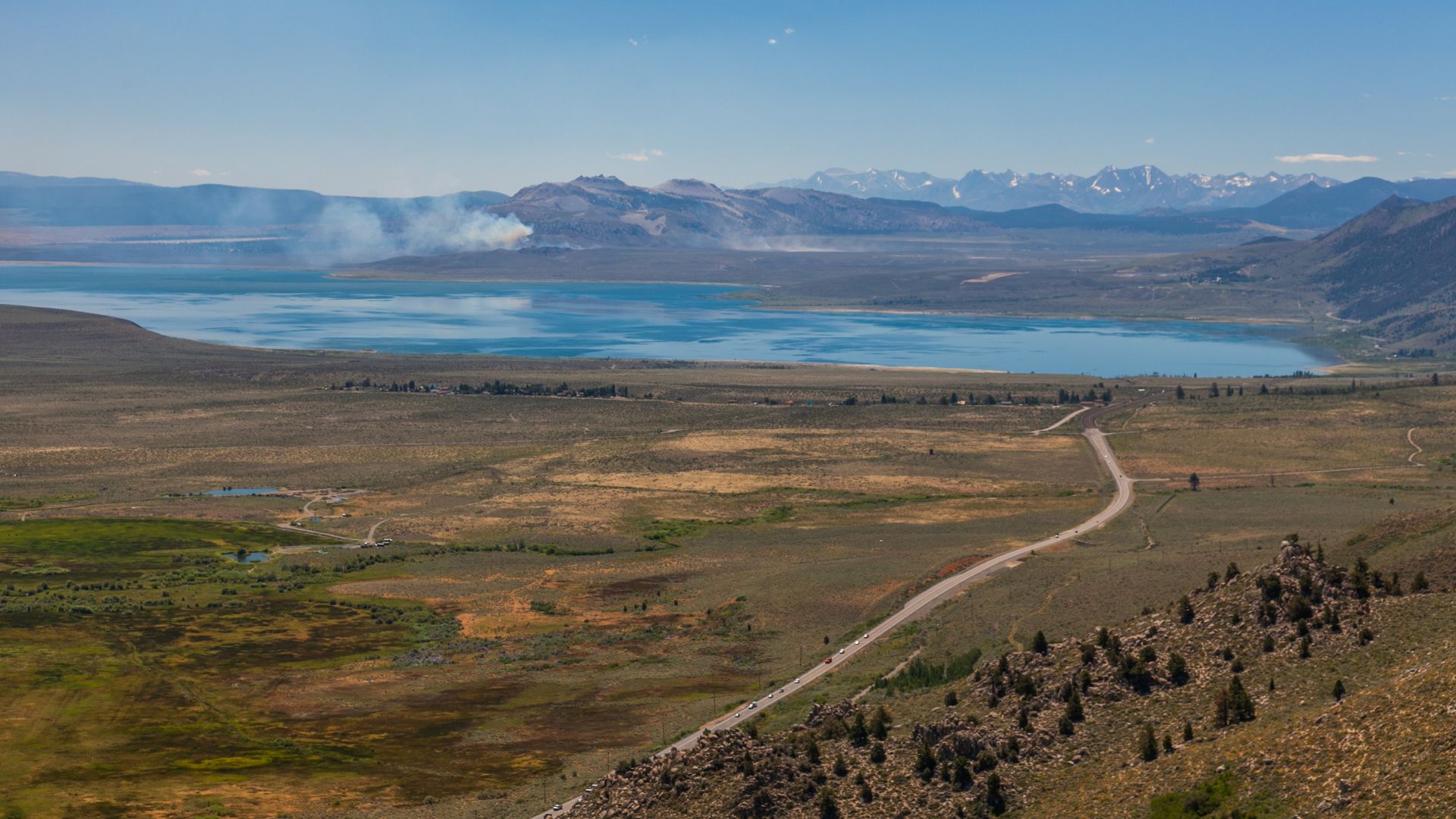
For something different, the Black Point Fissures Trail heads north of the lake. It’s a 4-mile round trip with volcanic rocks and sweeping views.
At the top, I looked out over the entire Mono Basin. The ancient lava flows and deep cracks are worth the hike.
Kayaking and Guided Tours of the Lake
Kayaking on Mono Lake is a blast. The water is so salty, you float almost effortlessly.
I launched from South Tufa, where the water stays calm. Floating out among the towers, I felt like I’d slipped into a dream.
Guided tours run in summer, led by naturalists who share stories and point out wildlife. I learned a ton about the lake’s hidden springs and the birds that call it home.
The tours are family-friendly, but they fill up fast—booking ahead is smart.
The water stays cold, even in summer, so I wore layers. Early mornings are best for kayaking, before the wind picks up.
Photographer’s Paradise: Sunrise and Sunset Views
Mono Lake is a magnet for photographers. The tufa towers make wild silhouettes against the sky.
Sunrise is magic at South Tufa. I got there half an hour early, set up my tripod, and watched the mountains catch the first light while the towers stayed in shadow.
For sunset, I headed to the west shore near Highway 395. The limestone glows orange and pink as the sun drops.
Golden hour—about an hour before sunset—is when the towers look like they’re lit from within. The reflections on the calm water double the drama.
In winter, snow-covered peaks make the perfect backdrop. Summer brings blue skies and more crowds, so plan your shot accordingly.
Visiting Mono Lake: Travel Tips and Practical Advice
When I started planning my trip to Mono Lake, I realized there’s a lot to think about—timing, logistics, and just being mindful of the environment. The lake sits high up in California’s Eastern Sierra, which makes for some wild weather and interesting wildlife.
Best Time to Visit and Seasonal Considerations
Honestly, summer’s the sweet spot for Mono Lake. June through August brings warm days, usually in the 70s or 80s, so you can kayak or wander around those otherworldly tufa formations without freezing or melting.
Spring surprised me with how lively it gets. Birds start flocking back, and if you’re into birdwatching, it’s hard to beat. The crowds thin out after summer, which is nice, and you’ll spot all kinds of birds—over 200 species, actually. California gulls seem to take over during nesting season.
Fall rolls in with those classic Sierra Nevada colors. The air cools down but not too much, and honestly, the mountain views get pretty spectacular. If you’re into photography, autumn might just be your season.
Winter, though? It’s quiet and kind of magical. The tufa towers look dramatic against snowy peaks, but wow, it gets cold. If you’re thinking of a winter visit, don’t forget serious cold-weather gear.
Temperature ranges by season:
- Summer: 70-80°F days, 40-50°F nights
- Spring/Fall: 50-70°F days, 30-40°F nights
- Winter: 30-50°F days, 10-30°F nights
Access, Amenities, and Nearby Accommodation
Getting to Mono Lake is pretty straightforward—it’s right off US Highway 395. I drove up from Los Angeles in about five hours. If you’re coming from San Francisco, expect a similar drive.
The Mono Basin Scenic Area Visitor Center (1 Visitor Center Dr) should be your first stop. They hand out maps, share trail updates, and the staff genuinely know their stuff. I always learn something new about the lake’s ecosystem there.
Lee Vining is the closest town, and it has a handful of motels and small hotels. If you’re visiting in summer, book early—those rooms fill up fast. Mammoth Lakes is just half an hour south, and you’ll find more hotel and food options there.
Key facilities include:
- Restrooms and picnic spots at the Tufa State Natural Reserve
- Kayak and canoe rentals in Lee Vining
- Camping areas near the lake
- Trails with plenty of interpretive signs
If you’re aiming to see the iconic limestone towers, head to the South Tufa area. There’s parking, and it’s just a quick walk to the shoreline where the biggest tufa towers rise out of the water.

Respecting Mono Lake’s Fragile Environment
Mono Lake’s ecosystem feels like something from another planet, and honestly, it needs all the protection it can get. The water’s salinity hits about 2.5 times higher than the ocean, which is wild, and that creates a home for some really specialized wildlife and those bizarre mineral towers.
Whenever I visit, I try to stick to Leave No Trace principles. I always pack out my trash, stick to the trails, and do my best not to bother the birds or critters. The tufa towers—those weird, spiky formations—grow painfully slowly, so climbing or touching them just isn’t worth the damage.
Essential conservation practices:
- Stick to marked paths around tufa towers
- Don’t feed the birds or wander near nesting areas
- Take all food scraps and garbage with you
- Skip swimming—the water’s salty enough to sting, and honestly, it’s not that comfortable anyway
The high elevation out here in the Eastern Sierra sneaks up on you. Dehydration is no joke, so I always bring more water than I think I’ll need and lather on the sunscreen because the sun just feels stronger at 6,380 feet.
Snapping photos? Absolutely do it. Just watch your step—there’s fragile vegetation everywhere, and the wildlife needs a break from people crowding in for the perfect shot. Those California gulls and other migratory birds rely on this place to nest and refuel, and they deserve a little peace.
