
For years, sailing through the crystal-clear waters of the Greek islands sat right at the top of my travel bucket list. I’d always imagined myself hopping between whitewashed villages, swimming in hidden bays, and catching sunsets from the deck of a yacht.
But could the real thing ever live up to the dream I’d built in my head?
After a week sailing through the Cyclades, I found the trip exceeded my expectations in some ways, but it also brought surprises I hadn’t expected. Waking up somewhere new every morning felt magical. Exploring hidden coves and having the freedom to roam was everything I’d hoped for.
Still, life on a boat isn’t just the glamorous stuff you see on Instagram. I ran into a few realities that caught me off guard.
Let’s get into it—everything from picking the right sailing route to the real ups and downs of island hopping by yacht. If you’re dreaming about your own Greek sailing adventure or just wondering if it’s worth the hype, here’s what I wish I’d known before I set sail.
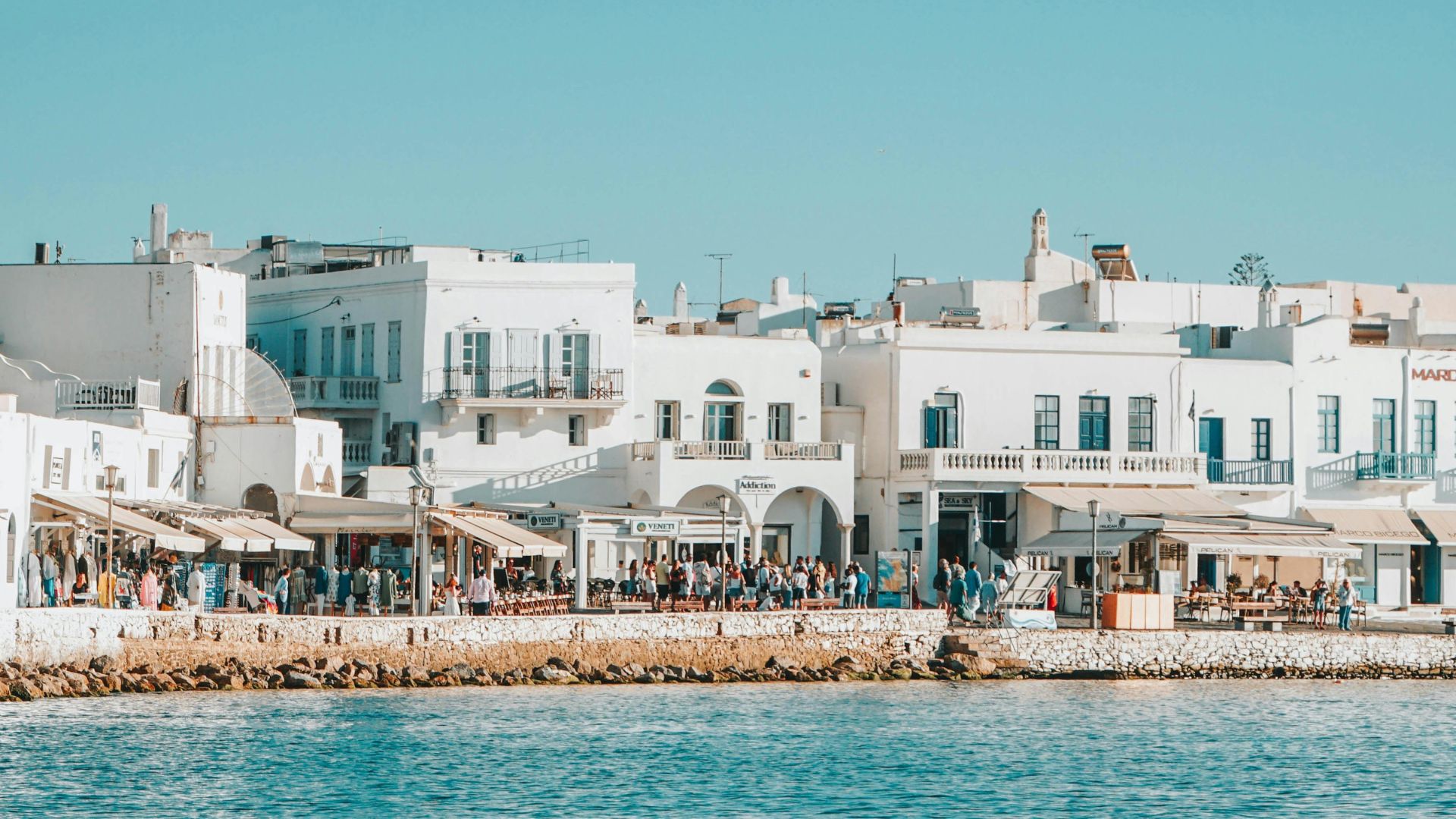
The Allure of Sailing the Greek Islands
There’s just something about the Greek Islands that feels tailor-made for sailors. Over 220 inhabited islands, thousands of islets, and that Mediterranean sun—each day feels like a fresh adventure.
Greece offers so many ways to island hop. Maybe you want a luxury crewed trip, or maybe you’re itching to take the wheel yourself.
Why the Greek Islands Are a Bucket-List Sailing Destination
Greece has around 220 inhabited islands and thousands more uninhabited. That means hidden beaches and secret coves are everywhere, just waiting for you to discover them.
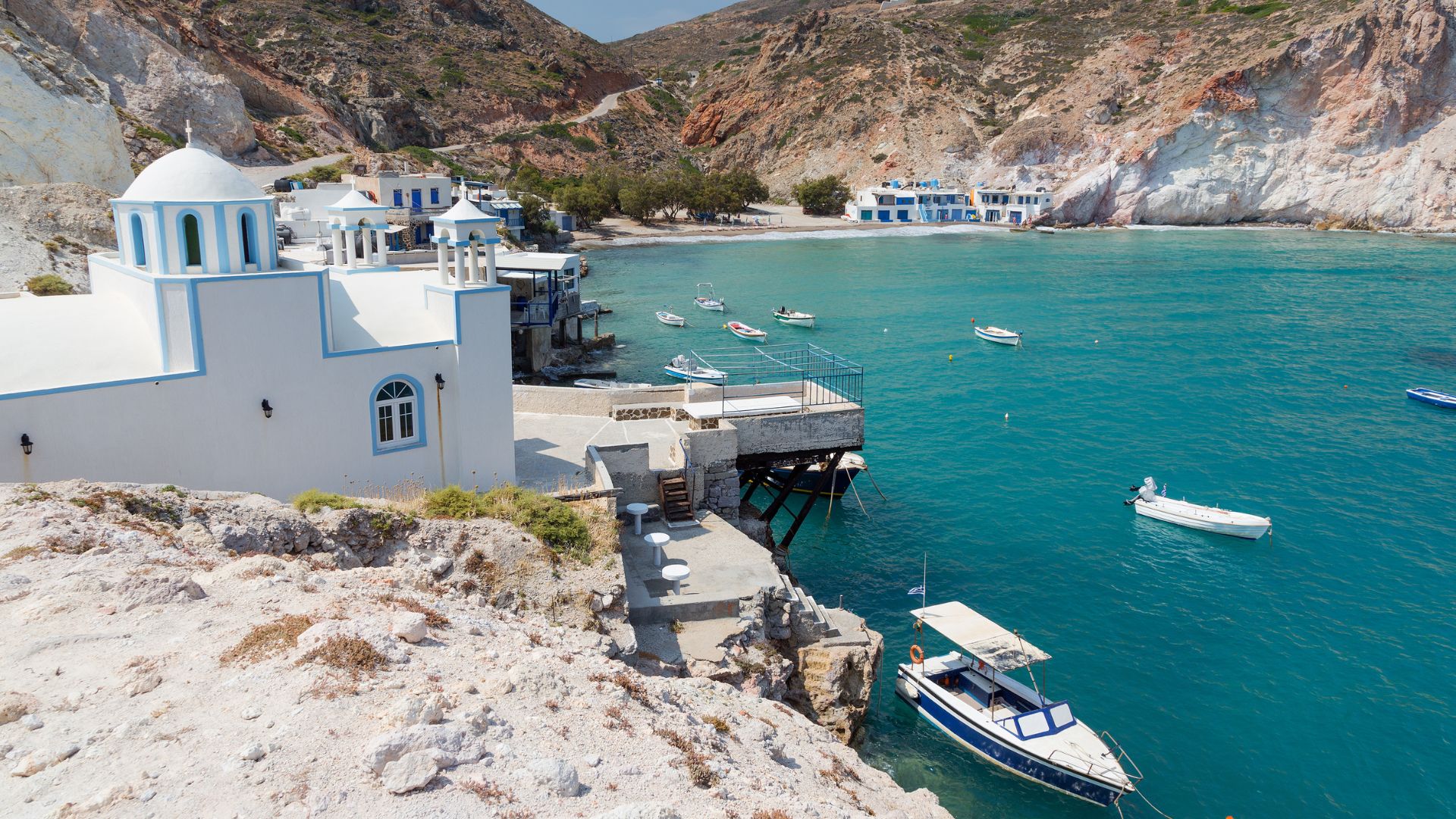
The variety is wild. The Cyclades give those classic whitewashed villages and blue-domed churches. The Dodecanese? Totally different landscapes and vibes at every stop.
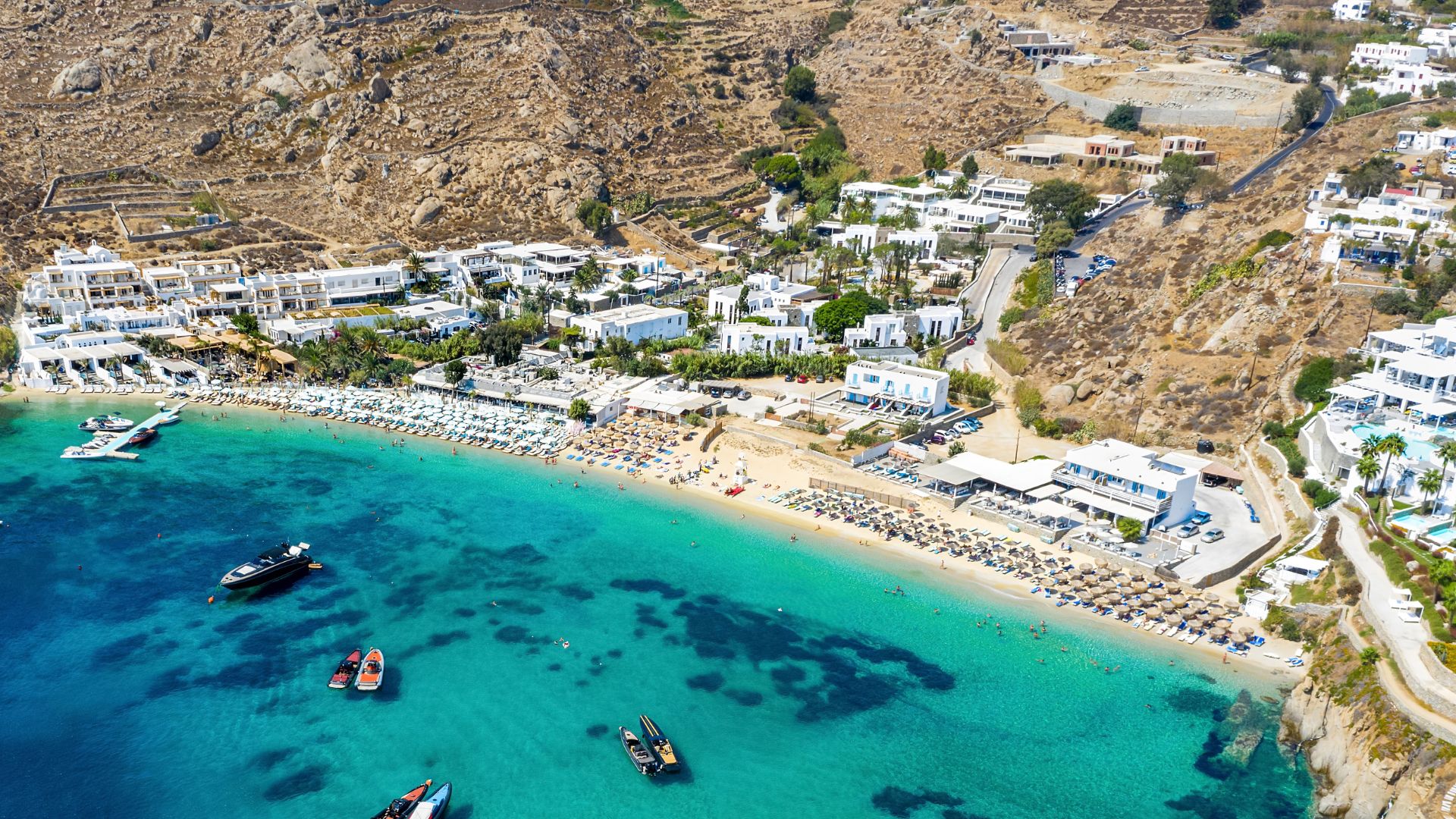
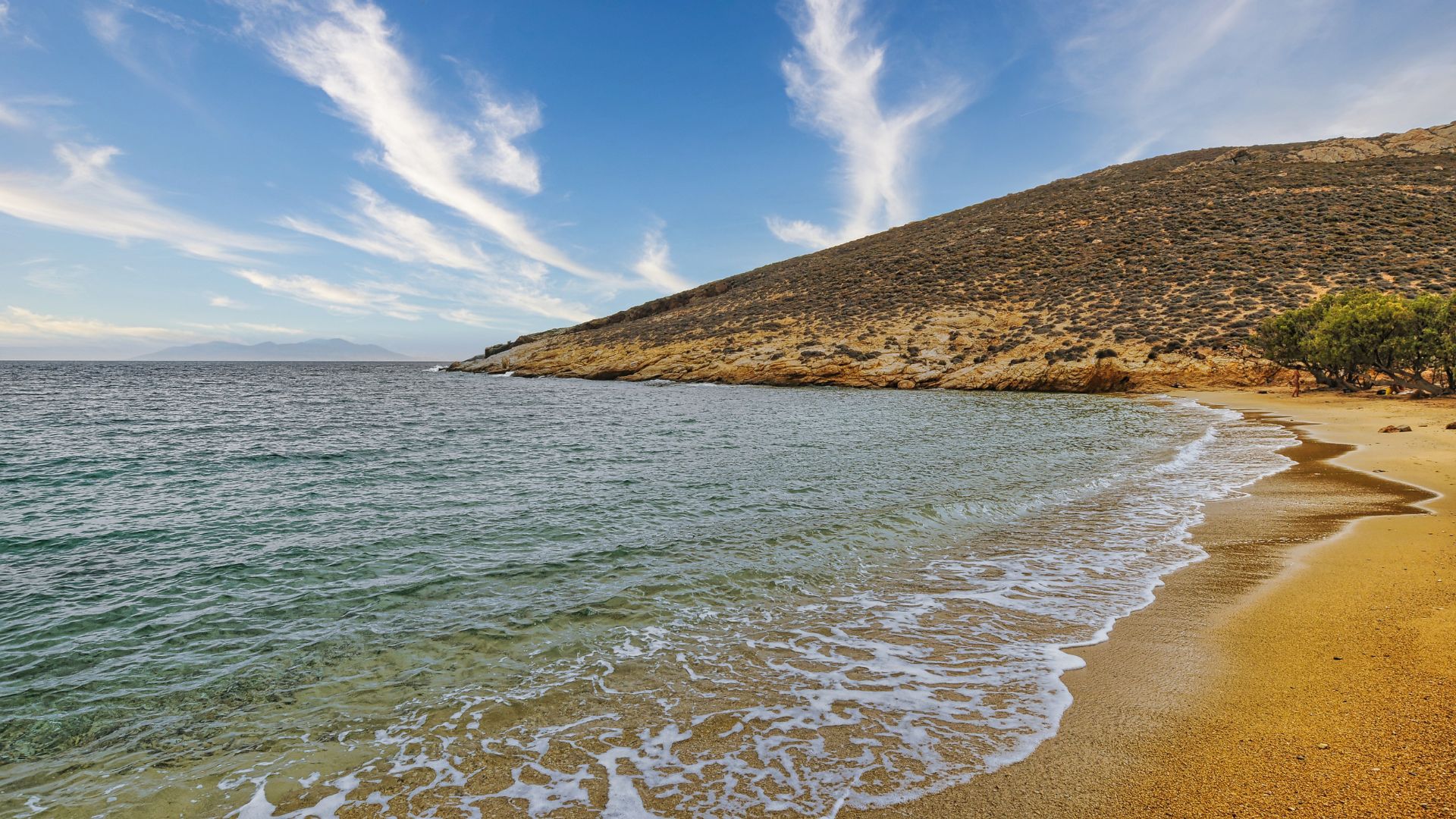
What really sets Greek sailing apart: all those places you can only reach by boat. I anchored in bays with nobody else around and swam in water so clear it didn’t seem real. Some caves and remote beaches—well, you just can’t get there any other way.
Each island group has its own personality. Mykonos is all energy and nightlife. The Little Cyclades are pure tranquility, with water so blue it almost looks fake.
And then there’s the history. I wandered through ancient ruins, then dove into the same waters where Greek legends once sailed. That mix of old and new? It’s unreal.
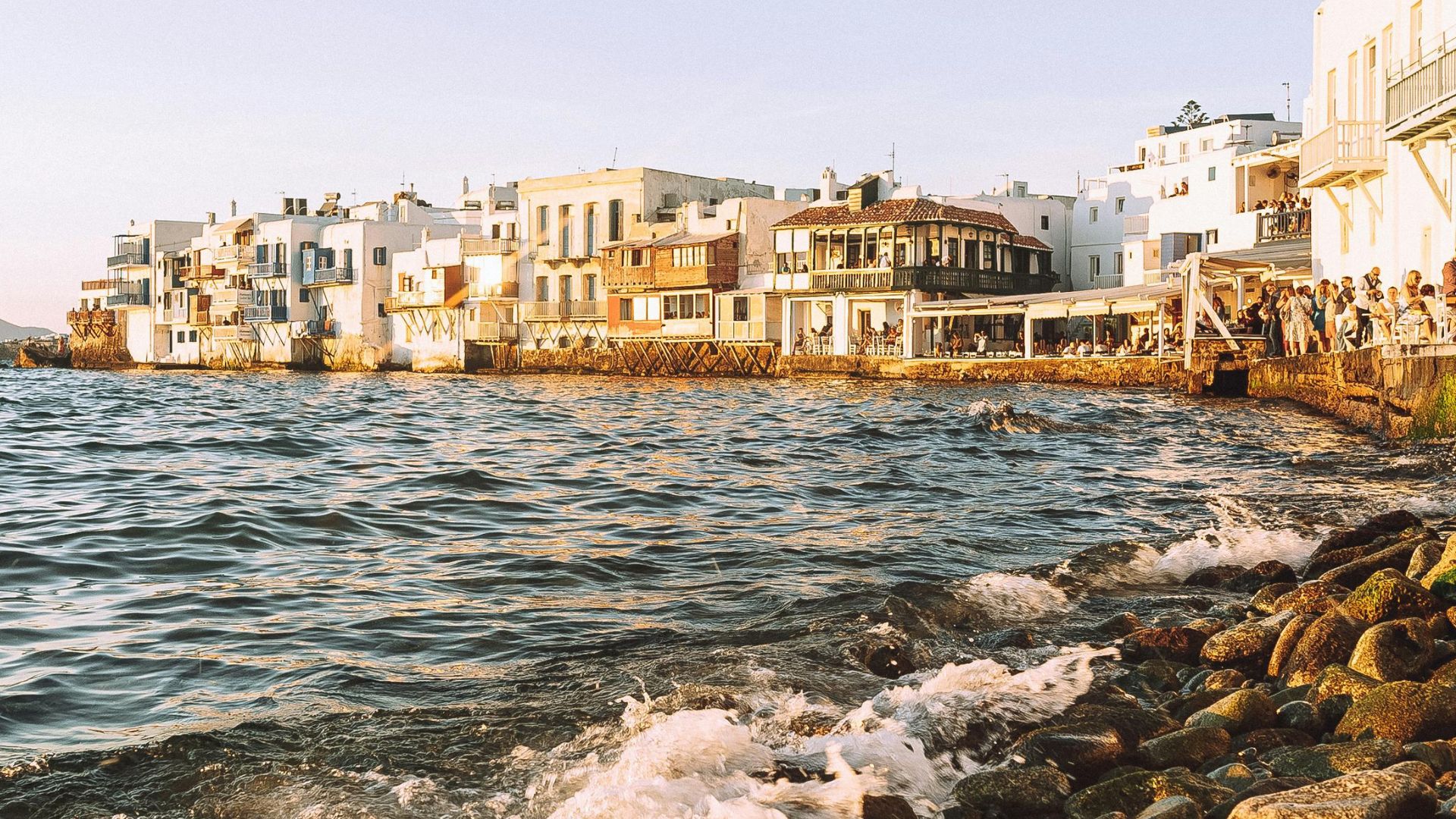
Mediterranean Sun and Ideal Climate
Let’s talk weather. The Mediterranean sun in Greece just hits differently. Most of the year, sailing conditions are spot-on.
Best sailing months:
- May-June: Mild temps, fewer people
- July-August: Warmest, but super busy
- September-October: Still warm, seas calm down
Sunshine is almost guaranteed during sailing season. I barely saw a cloud, let alone rain.
Afternoon breezes kept things comfortable, even when the sun was blazing. I loved anchoring out and feeling that cool sea air.
Types of Sailing Experiences Available
Greece has options for every kind of sailor and budget.
Crewed sailing tours are perfect if you don’t know the first thing about boats. A skipper handles the hard stuff, and a hostess whips up fresh meals. You just enjoy.
Bareboat charters are for those with sailing licenses. Total freedom—go where you want, when you want.
Small group tours on catamarans (usually 8-12 people) strike a nice balance between social and private.
Most boats come with paddle boards, snorkeling gear, and little canoes. I loved paddling into sea caves or swimming off the back of the boat.
What really won me over? Flexibility. Skippers often tweak routes for weather or guests’ wishes, so every trip feels different.
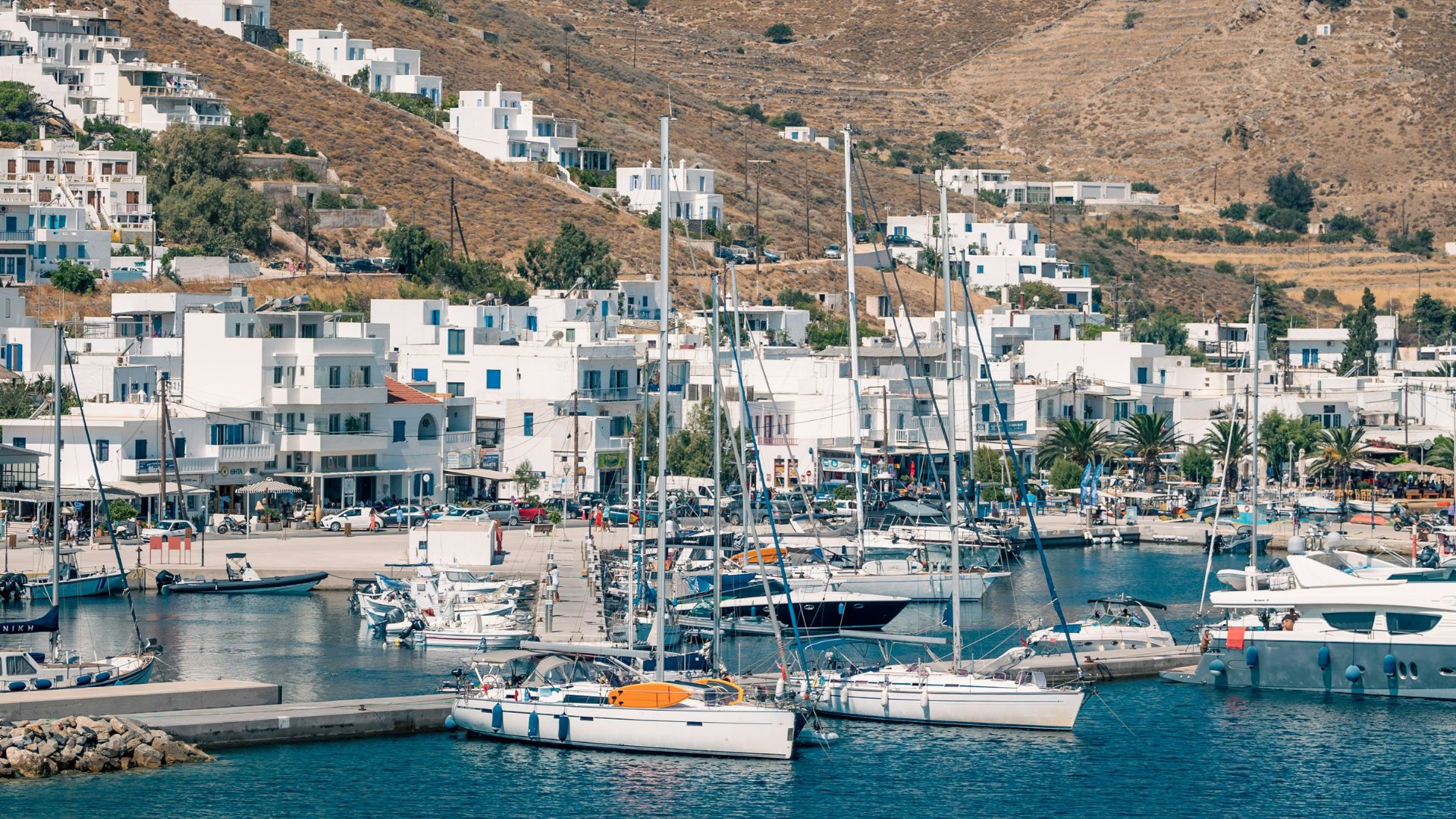
Choosing Your Route: Regions and Island Groups
The Greek islands split into distinct groups, each with its own sailing style. The Ionian Islands are gentle and beginner-friendly. The Cyclades? Gorgeous, but those winds can get intense.
Ionian Islands Highlights
For first-timers, I always suggest the Ionian Islands. These western islands have gentle breezes and calm waters—way less stress if you’re new to sailing.
Corfu stands out with its Venetian buildings and emerald bays. I could’ve spent days just exploring its old town.
Kefalonia brings dramatic cliffs and tucked-away harbors. Plus, it’s a Mamma Mia filming spot, which is always fun.
Lefkas has turquoise waters and you can actually drive there from the mainland. Super convenient.
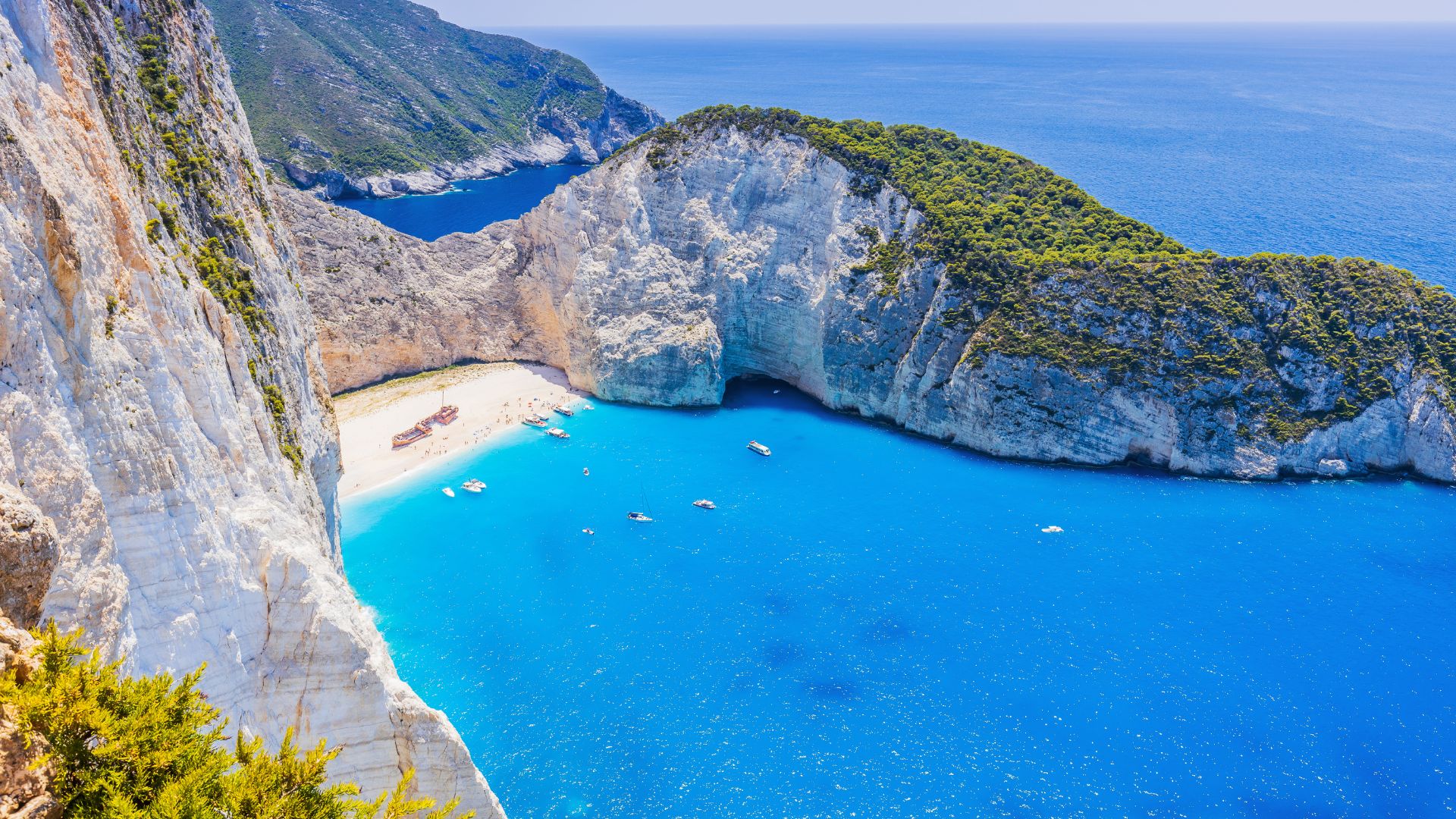
Zakynthos is home to Shipwreck Beach. It’s stunning, though it does get packed in high season.
If you want short hops between islands, the North Ionian route (Corfu, Paxos, Antipaxos) is ideal. Great for families or anyone who hates long days at sea.
The South Ionian covers Lefkas, Kefalonia, and tiny isles like Meganisi and Kastos. These spots feel untouched, with just a few hundred locals and hardly any tourists.
Cyclades Islands Essentials
The Cyclades are beautiful, but they don’t mess around. I faced Meltemi winds that hit 25-35 knots in summer. You’ll need some sailing chops for this region.
Mykonos makes a popular jumping-off point. It’s got a party rep, but the marina is top-notch for stocking up.
Paros is all about golden beaches. I used it as a launchpad for day trips.
Naxos has stunning architecture and quieter anchorages. It felt like a hidden gem.
Santorini—yep, it’s the postcard shot. But anchoring there? Tricky. Deep water and lots of boats.
Sifnos totally won me over with its food. The island’s all about pottery and slow-cooked, traditional dishes.
If you want something less touristy, check out Amorgos, Milos, or Syros. Syros, in particular, surprised me with its neoclassical charm.
The Central Cyclades route links Delos, Naxos, and Paros. Delos is a must for history buffs—think ancient temples and the birthplace of Apollo.
Dodecanese and Sporades: Off-the-Beaten-Path Choices
Craving something different? The Dodecanese and Sporades are for you.
The Dodecanese Islands hug Turkey’s coast. Rhodes boasts medieval castles and killer food, while Kos has sandy beaches and ancient sites tied to Hippocrates.
Patmos draws spiritual seekers—it’s where Saint John wrote the Book of Revelation. The vibe is peaceful and reflective.
If you’re up for adventure, try Symi, Tilos, or Nisyros. Nisyros even lets you walk inside a volcano crater. How wild is that?
The Sporades Islands are way greener than most Greek islands. Skiathos and Skopelos starred in Mamma Mia, and it’s easy to see why.
Anchorages are close together, and the sailing is mellow. The National Marine Park near Alonissos protects monk seals and dolphins—I never got tired of looking for them.
Skill-wise, Sporades are easy to moderate. The Dodecanese, though, can throw some serious wind at you, so be ready.
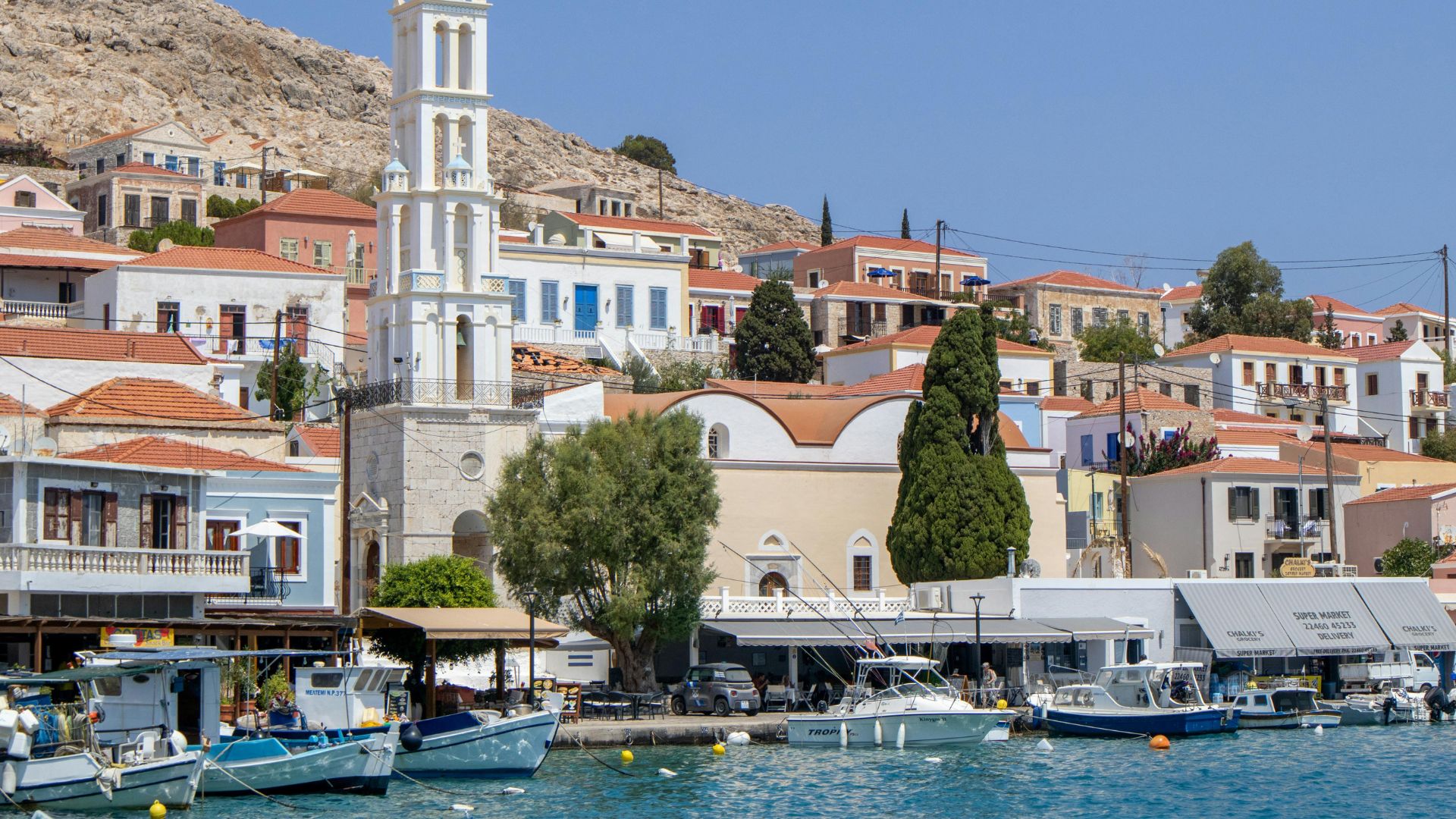
Planning and Preparing for Your Sailing Trip
Nailing the timing and picking the right charter type made a huge difference for me. I quickly learned that packing light is non-negotiable on a boat.
Best Time to Sail and Weather Considerations
I set sail in late June and lucked out with perfect conditions. Days were warm but not scorching, and the sea hovered around 75°F.
High Season (June-August):
- Endless sunshine—12+ hours of daylight
- Water temps between 73°F and 81°F
- Meltemi winds can get fierce (15-25 knots)
- Marinas get crowded, and prices spike
Shoulder Season (May, September-October):
- Calmer winds and seas
- Quieter anchorages
- Lower charter costs
- Some spots start to close in October
Those Meltemi winds? They’re no joke. They blow hard from June to September, usually picking up by mid-morning.
I made checking the weather a daily ritual and tweaked my route if needed—especially in the Cyclades, where winds sometimes topped 25 knots.
Deciding Between Skippered, Crewed, or Bareboat Charters
For my first trip, I went with a skippered charter. It let me learn the ropes but still relax.
Skippered Charter (My Pick):
- Pro captain takes care of sailing and safety
- You can help out or just chill
- Skippers know the best anchorages and tavernas
- Expect to pay €150-200/day for the skipper, plus a tip
Bareboat Charter:
- Total control over your route
- You’ll need a sailing license and some experience
- You handle everything—navigation, docking, the lot
- Cheapest for seasoned sailors
Fully Crewed:
- Captain, chef, and crew do it all
- Gourmet meals, zero stress
- Most expensive, but ideal for big groups or special occasions
I started from Alimos Marina near Athens. Super convenient—close to the airport, with plenty of shops for last-minute supplies.
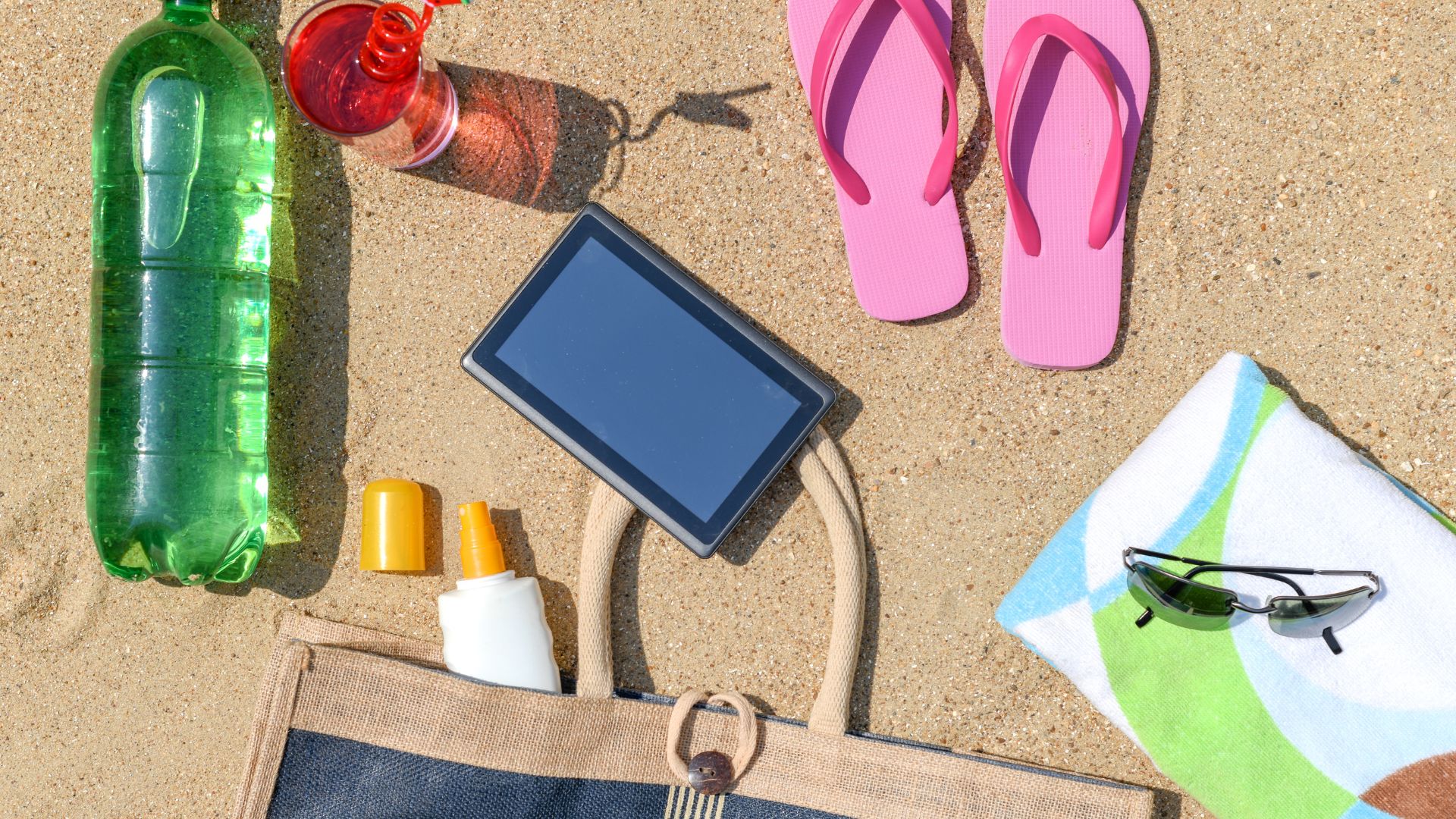
Packing Essentials for Sailing in Greece
Space on a boat is tight, so every item had to earn its keep. I packed multi-use clothing and ditched anything bulky.
Clothing Must-Haves:
- Quick-dry shorts and tees
- 2-3 swimsuits
- Light jacket for breezy nights
- Non-slip boat shoes
- Sun hat with a strap (trust me, you’ll need it)
Sun Protection:
- Reef-safe SPF 50+ sunscreen
- Polarized sunglasses with a strap
- Long-sleeve UV shirt
- Zinc stick for nose and lips
Practical Items:
- Waterproof phone pouch
- Small dry bag for valuables
- Seasickness tablets (just in case)
- Basic first aid kit
- Refillable water bottle
I used a soft duffel bag—hard suitcases just don’t fit. A little backpack for island day trips was a lifesaver.
The Greek sun reflects off the water like crazy. I ran out of sunscreen faster than I expected, so bring more than you think you’ll need.
Memorable Stops: Unmissable Islands and Experiences
Every island I visited brought something different—tavernas serving local specialties, ancient temples perched above the sea, or just that perfect, empty stretch of sand. Culture, history, and jaw-dropping nature all mixed together to make each stop stand out in its own way.
Authentic Greek Culture and Cuisine
Hydra quickly became my favorite cultural discovery during my sailing trip. Since the island bans cars and motorcycles, donkeys roam the stone streets carrying supplies, giving the whole place a wonderfully old-world vibe.
I stumbled on the best traditional Greek meal at a little family-run taverna by the harbor. The owner’s grandmother cooked up fresh octopus and grilled sardines—recipes she learned from her own grandmother.
Local festivals popped up on several islands while I was there. On Poros, I wandered into a small village party where locals poured homemade wine and tried to teach me traditional dances. I was terrible at it, but nobody seemed to mind.
The food markets on these islands? Absolutely wild in the best way:
- Seafood caught just that morning
- Cheeses from neighboring farms
- Honey straight from island beehives
- Olive oil pressed from ancient trees
Every island had its own flavor. Aegina’s pistachios tasted completely different from the ones I’d tried on the mainland. Hydra’s wine had this volcanic minerality that stuck with me.
Must-See Historical Landmarks
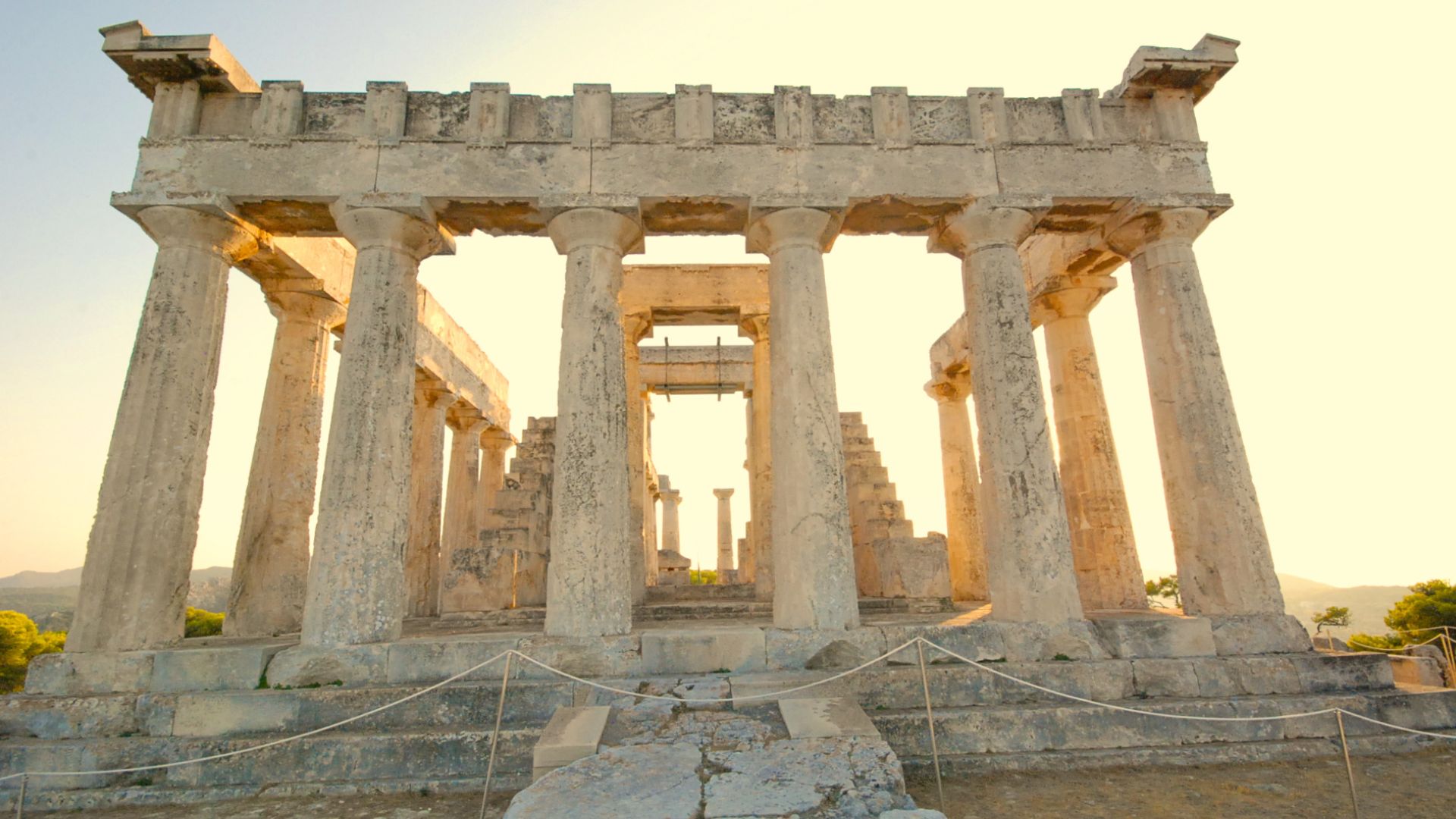
The Temple of Aphaia on Aegina took my breath away. This 2,500-year-old temple sits high on a hill, and the views across the Saronic Gulf are unreal.
I spent a couple of hours walking around the columns, soaking in the history. Fewer crowds than the mainland, but just as much significance—maybe even more, if you ask me.
Poros surprised me with its archaeological sites from all sorts of eras. I wandered through ruins of temples and old city walls, imagining the island life centuries ago.
Many islands show off medieval fortifications—castles and watchtowers from a time when pirates were a real threat. These spots always offer killer views for photos.
The museums on bigger islands store artifacts from local digs. I found pottery, jewelry, and tools that painted a vivid picture of Greek island life through the ages.
Hidden Gems and Less-Traveled Islands
Some of my best sailing moments happened on the smaller islands tucked between the big names. Hardly any tourists, but all the charm.
Secluded anchorages made for perfect swimming and snorkeling. I dropped anchor near empty islets where fish darted just beneath the surface, totally unbothered by my presence.
A few abandoned villages clung to hillsides, telling silent stories of people who once lived up there before moving down to the coast. Creepy? A little. Beautiful? Absolutely.
Local fishing boats would sometimes pull up and share tips about hidden coves and beaches you’d never find on a map. Thanks to them, I swam in spots that felt like my own private paradise.
Traditional windmills and old stone houses stood quietly on lesser-known islands. These little details showed how people lived before tourism took over.
Stunning Beaches and Anchorages
Protected bays made for peaceful overnight stays, especially with those blazing Greek sunsets. I loved finding spots sheltered from the wind but close enough to shore for a quick dinner run.
Sandy beaches changed dramatically from place to place. Some had powdery white sand, others had black volcanic sand that nearly burned my feet by midday.
Snorkeling blew away my expectations. The water was so clear I could see down twenty feet—colorful fish, sea urchins, and wild rock formations everywhere.
Swimming conditions depended on the wind. Mornings were calm and glassy, while afternoons brought breezes and little waves just right for bodysurfing.
Beachside tavernas sat right on the sand, serving grilled fish and cold beer. I could eat with my toes in the water and watch boats drift by.
Onboard Realities: Daily Life, Challenges, and Surprises
Living on a yacht in the Greek islands brought a rhythm I never expected. Cramped cabins, navigation headaches, and little surprises made the trip both challenging and memorable. That dreamy Instagram version of sailing? It’s only half the story.
Living on a Yacht or Catamaran
My catamaran came with a full kitchen and a cozy dining area, but wow, space was tight. Everything had a spot, and keeping things tidy became a daily ritual.
I started mornings with coffee in the cockpit. The gentle rocking felt peaceful, but sleeping took some getting used to—the boat always moved.
The bathroom was tiny but worked. Showers were short, and I learned to rinse off in the sea first to save water.
Daily chores included:
- Making beds and stashing loose stuff
- Watching water and power usage
- Wiping salt spray off everything
- Planning meals with a tiny fridge
Cooking felt like an adventure. The stove worked fine when we were anchored, but try making pasta while bouncing through waves—good luck.
Storage was a constant battle. I definitely overpacked. Soft bags fit better than hard suitcases in those little cabins.
Navigating Greek Waters
Greek waters threw some curveballs I hadn’t planned for. The Meltemi winds showed up out of nowhere, turning glassy seas choppy in minutes.
Island hopping took longer than I thought. On the map, islands look close, but a “quick” sail to Mykonos somehow took six hours.
Each marina had its own rules. Some needed advance booking, especially in peak season. Others were first-come, first-served, and spots filled up fast.
Navigation challenges:
- Weather changed fast
- Anchorages near popular beaches got crowded
- Rocky coastlines meant careful chart reading
- Ferry traffic created huge wakes
Anchoring took practice. Greek bays often have a mix of sand and rock, and my anchor dragged a couple of times before I figured it out.
Marina staff helped when they could, but they were busy. English worked most places, but a few Greek phrases went a long way.
Managing Expectations vs. Reality
My Pinterest-perfect sailing fantasy met reality fast. Those dreamy photos never show the constant work of daily boat life.
Expected vs. Reality:
| What I Expected | What Actually Happened |
|---|---|
| Constant swimming and relaxation | Daily maintenance and planning |
| Perfect weather every day | Wind delays and rough seas |
| Easy island hopping | Long sailing days and tired evenings |
The Greek islands are stunning, but getting there takes effort. Some days, I spent more time fixing things than swimming.
Weather apps became my go-to. Plans changed with the wind. That sunset sail? Postponed twice.
Crowds at famous spots surprised me. Santorini’s marina was packed, and finding a dinner table took reservations. Remote anchorages delivered the peace I’d imagined.
The budget reality hit fast. Marina fees, fuel, and eating out added up. Cooking onboard saved cash but took time away from exploring.
Frequently Asked Questions
Planning a sailing trip to the Greek Islands? You probably have a ton of practical questions. Here’s what I learned about packing, sailing experience requirements, costs, and safety during my adventure.
What are the essential things to pack for a Greek Islands sailing adventure?
Pack light—seriously. Soft luggage fits better in tiny boat cabins than hard suitcases.
Bring a few swimsuits and loose clothes for sailing days. Toss in a sundress or slacks for dinners ashore.
Deck shoes or sneakers are a must for moving around the yacht. Regular sandals get slippery on wet decks.
Don’t skimp on sun protection. I packed high SPF sunscreen, good sunglasses, and a wide-brimmed hat.
A lightweight windbreaker saved me on breezy nights. Even in summer, evenings can feel chilly on the water.
Can beginners participate in sailing excursions in the Greek Islands, or is prior experience required?
At least one crew member needs a valid sailing certificate—like ICC, ASA 104, or an RYA bareboat skipper license.
Port authorities might reject a “Day Skipper” license, so it’s worth checking and upgrading if needed.
Co-skippers just need to declare some experience, not full certification. That makes it easier for beginners to join a trip.
Plenty of charter companies offer skippered boats with a pro captain. It’s a great way for beginners to learn without the stress.
Which sailing itinerary is recommended for getting the most diverse experience of the Greek Islands?
In my opinion, the Cyclades islands offer the most variety. You get everything from traditional villages to wild landscapes.
Start in Athens, then sail to Mykonos for nightlife and beaches. Santorini brings those epic sunsets and volcanic cliffs.
Don’t skip Paros and Naxos for authentic Greek culture and amazing food. These islands feel less crowded but just as special.
Give yourself 7-10 days to explore multiple islands. Rushing through too many ruins the vibe.
Watch the weather—Meltemi winds in July and August can change your plans fast.
How do you manage safety while sailing through the Greek Islands?
Call your charter company right away if any problems pop up. Most have 24-hour support all over Greece.
Get a full boat briefing before you leave. Learn about the rigging, electrical systems, water tanks, and emergency gear.
During check-in, pay attention and inspect everything. You’ll sign a form making you responsible for the yacht.
Most island ports don’t offer mooring lines. You’ll anchor and use your own ropes to dock.
Return to your starting marina the day before your charter ends, ideally by 6 PM. That gives time for inspections and repairs if needed.
What cultural experiences should you not miss while sailing around the Greek Islands?
Eat at local tavernas on every island. Each spot has its own specialties you won’t find anywhere else.
Check out archaeological sites and museums when you can. Many islands have incredible ruins and artifacts.
If your timing works out, join a local festival. Summer brings all sorts of religious and cultural celebrations.
Learn a few Greek phrases. Locals appreciate the effort, even if they speak English.
Shop at local markets for authentic products and better prices than tourist shops.
In terms of cost, what can one typically expect to budget for a Greek Islands sailing trip?
Charter prices swing wildly depending on the size of your boat, the time of year, and how long you’re out there. If you’re planning to sail in July or August, brace yourself—those months hit your wallet the hardest.
If you go for a skippered boat, it’s pretty common to tip the crew about 10-15% of your charter price. Good service deserves a little extra, right?
One-way charters? They usually tack on an extra fee, unless you stumble upon a rare summer deal. The cost changes based on how far apart your starting and ending ports are.
Food costs really depend on your taste. Supermarkets near the marinas usually have everything you need, but if you crave something fancy, expect to pay more.
Don’t forget to set aside some cash for fuel, marina fees, and island taxes. These little extras can sneak up on you over a week-long trip.
