
Why stress over border crossings or scramble for a passport just to find a slice of paradise? The United States quietly boasts dozens of jaw-dropping islands with tropical beaches, crystal-clear waters, and laid-back island culture—all without leaving the country. From the sun-soaked sands of the U.S. Virgin Islands to the wild coastlines of Hawaii, there’s no shortage of dreamy escapes right here at home.
After years of hopping between American islands, I’ve realized some of the best tropical getaways are practically hiding in plain sight. Maybe you crave Puerto Rico’s Caribbean flair, Maine’s rugged coastal islands, or the volcanic drama of Hawaii. Whatever your vibe, you’ll find it—no currency exchange, no new SIM card, no foreign transaction fees.
Let’s be honest: Some of these islands are a breeze to reach, like Florida’s barrier isles. Others, way out in the Pacific, feel like another world. Each one? It’s got its own personality, wild nature, and local quirks that can rival any far-flung destination. You’ll stumble upon tropical territories, cozy coastal gems, and Pacific hideaways that might just surprise you.
Discovering Domestic Island Paradises
American islands bring together everything you’d want: gorgeous beaches, unique communities, and a relaxed, tropical feel. You get all this without the hassle of leaving the U.S.
Some islands are volcanic and wild, others are calm with clear blue waters. They’re all worth exploring.
What Makes These Islands Unique
Every American island I’ve visited has its own character. Hawaii? It’s got active volcanoes, epic surf, and rainforests you could get lost in for days.
Florida’s islands? You’ll find everything from the party energy of Key West’s sunset celebrations to quiet, crystal-clear waters perfect for a lazy snorkel. The pace just slows down.
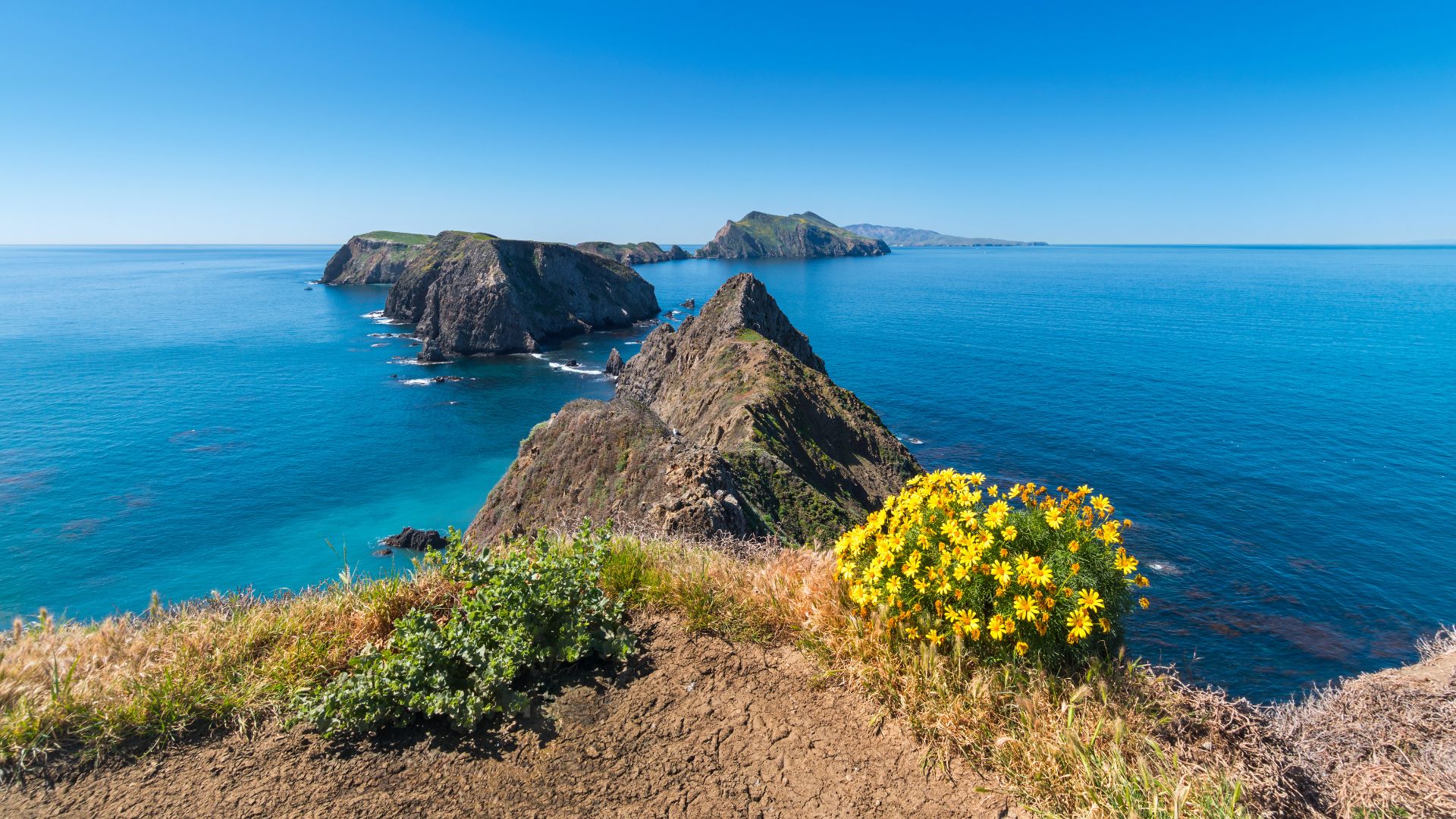
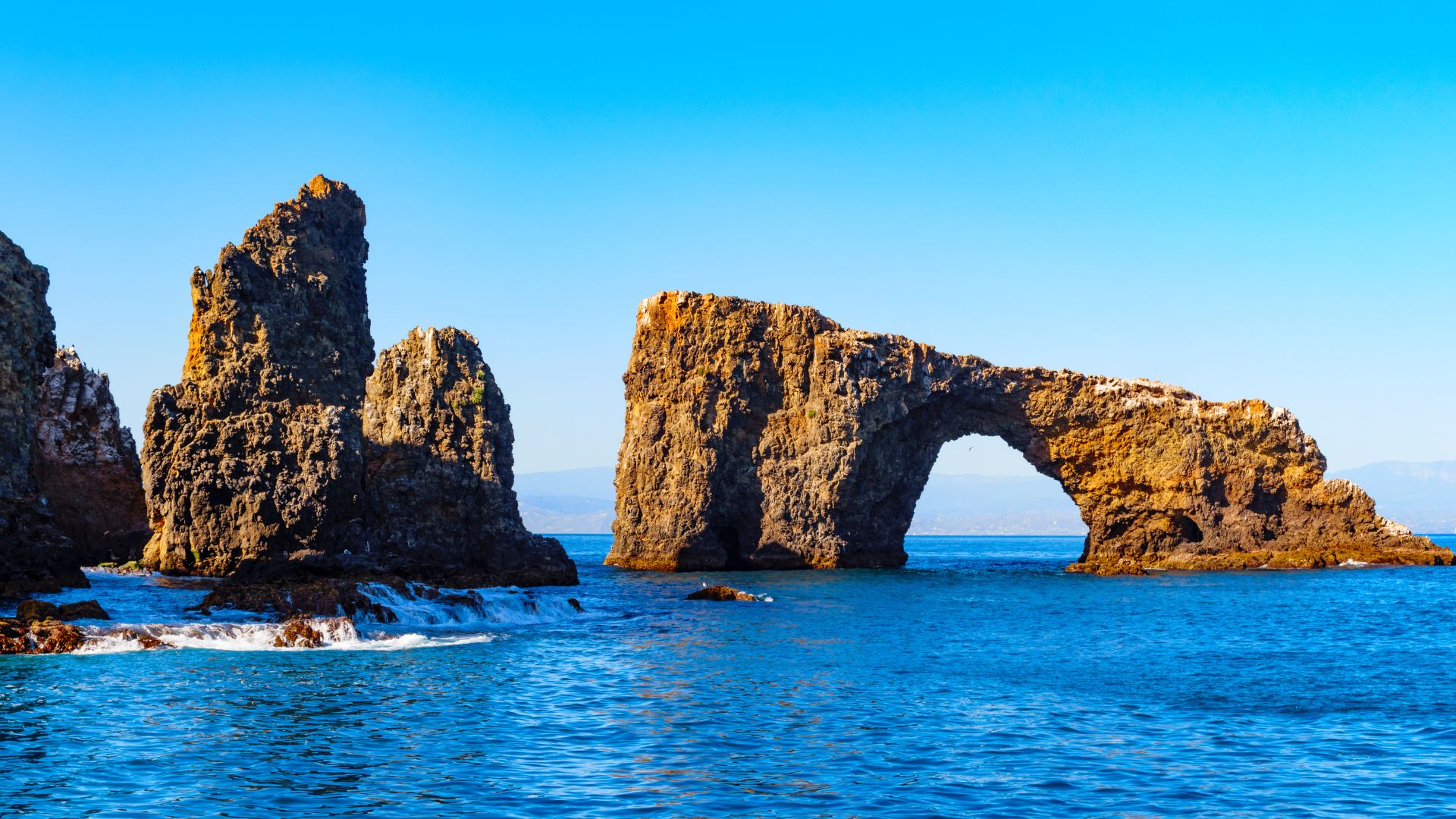
California’s Channel Islands are all about rugged cliffs and untouched wilderness. If you love hiking or spotting seals and dolphins, this is your playground.
Puerto Rico mixes tropical beaches with centuries-old Spanish history. Bioluminescent bays and El Yunque rainforest? Yeah, you can find those here.
Tiny places like Smith Island in Maryland keep old-school fishing traditions alive. It’s like stepping back in time.
Benefits of No Passport Travel
Traveling to these islands is just easy. I never have to think about passport expiration dates or scramble for visas.
No customs lines means you’ll breeze through the airport or ferry terminal. Honestly, that alone saves hours.
Money stays simple—no awkward currency exchanges or surprise fees on your card.
Cell service? It works just like it does at home. I don’t stress about roaming charges or losing touch.
If something goes wrong, emergency services are familiar and insurance usually covers you like it would anywhere else in the States.
And if flights get delayed, you just rebook. No panic about missing a visa window or getting stuck.
Types of Island Experiences Available
There’s an island for every kind of traveler. Beach lovers will find powdery sand and warm water for swimming or sunbathing.
Adventure seekers can hike volcanoes, fish offshore, or ride some of the world’s best waves. Snorkeling and diving? Absolutely.
Culture’s everywhere—think Hawaiian luaus or Puerto Rican street festivals. Locals often love sharing their stories and traditions.
| Experience Type | Best Islands | Activities |
|---|---|---|
| Beach Relaxation | Florida Keys, Hawaii | Swimming, sunbathing, beach walks |
| Adventure Sports | Hawaii, Channel Islands | Surfing, hiking, diving |
| Cultural Immersion | Puerto Rico, Key West | Festivals, historic sites, local cuisine |
Nature lovers have their pick of wild places and rare wildlife. Some islands offer guided tours through protected parks and marine reserves.
Tropical Escapes: U.S. Territories in the Caribbean and Pacific
You don’t need to leave the U.S. to wander Caribbean beaches or Pacific jungles. These territories are packed with tropical scenery, vibrant cultures, and wild adventures. Maybe you’ll paddle glowing waters in Puerto Rico, shop duty-free in St. Thomas, or catch a glimpse of Chamorro traditions out in the Pacific.
Puerto Rico: Vibrant Culture and Natural Wonders
Puerto Rico blends Spanish colonial charm with all the comforts of modern travel. Old San Juan, with its candy-colored buildings and cobblestone streets, feels like a postcard from the 1500s.
Beyond the beaches, the island surprises you. El Yunque National Forest stands as the only tropical rainforest in the U.S. system. I love hiking its lush trails and cooling off in waterfall pools.
Some must-try experiences:
- Swim in the glowing waters of La Parguera’s bioluminescent bay
- Wander 500-year-old forts
- Savor authentic mofongo and pasteles
Puerto Rico’s cultural mashup—Taíno, Spanish, African—makes every neighborhood unique. You’ll hear both Spanish and English as you explore.
The beaches? They range from calm Caribbean coves to wild Atlantic surf. Flamenco Beach on Culebra is a personal favorite and often lands on “world’s best” lists.
U.S. Virgin Islands: St. Thomas, St. John, and St. Croix
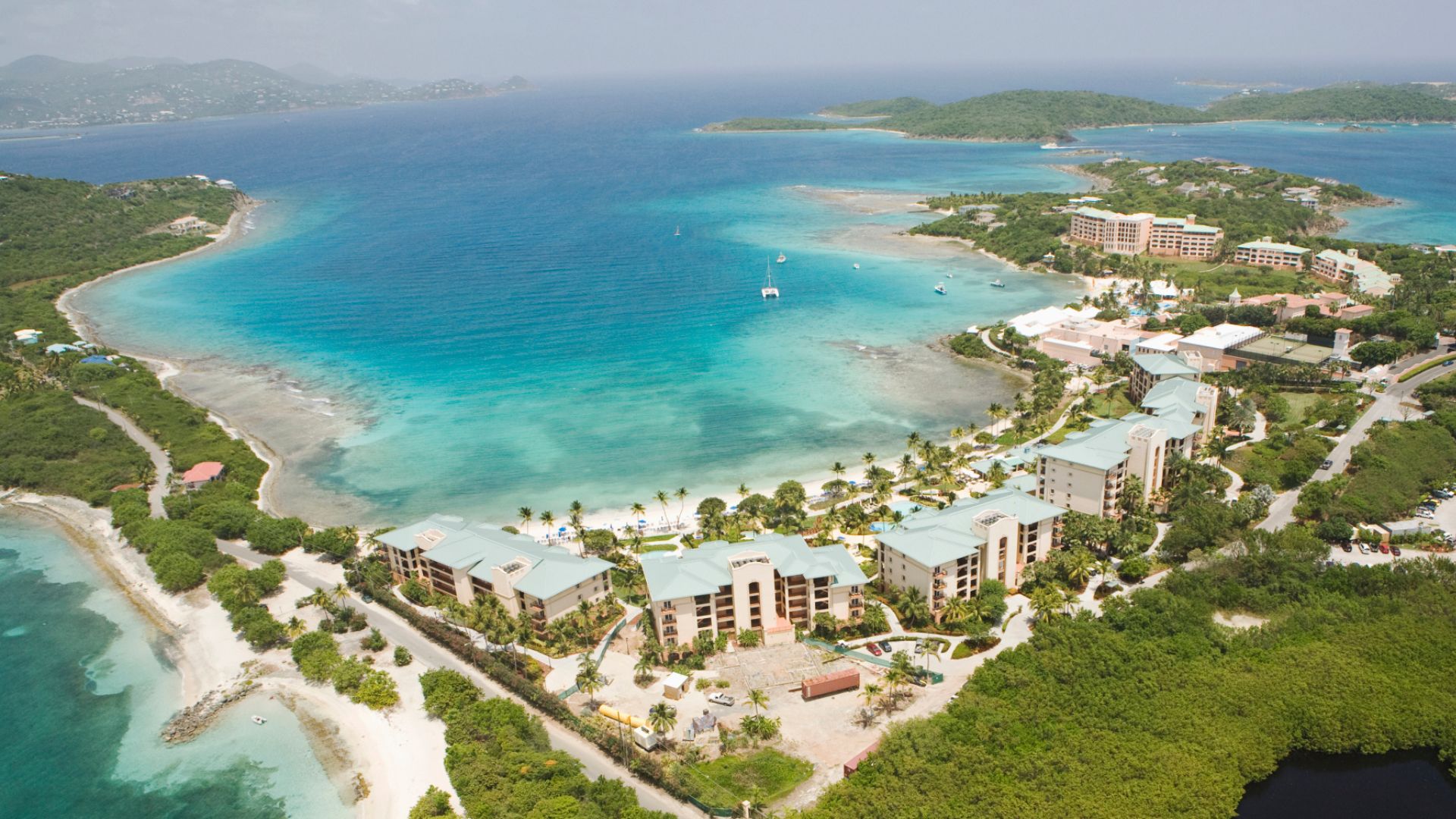
Each of these three islands has its own vibe. All of them offer crazy-clear water for snorkeling and diving.
St. Thomas is a shopper’s paradise, especially in Charlotte Amalie’s duty-free stores. Magens Bay Beach is a mile of pure, calm bliss. Fun fact: folks here drive on the left.
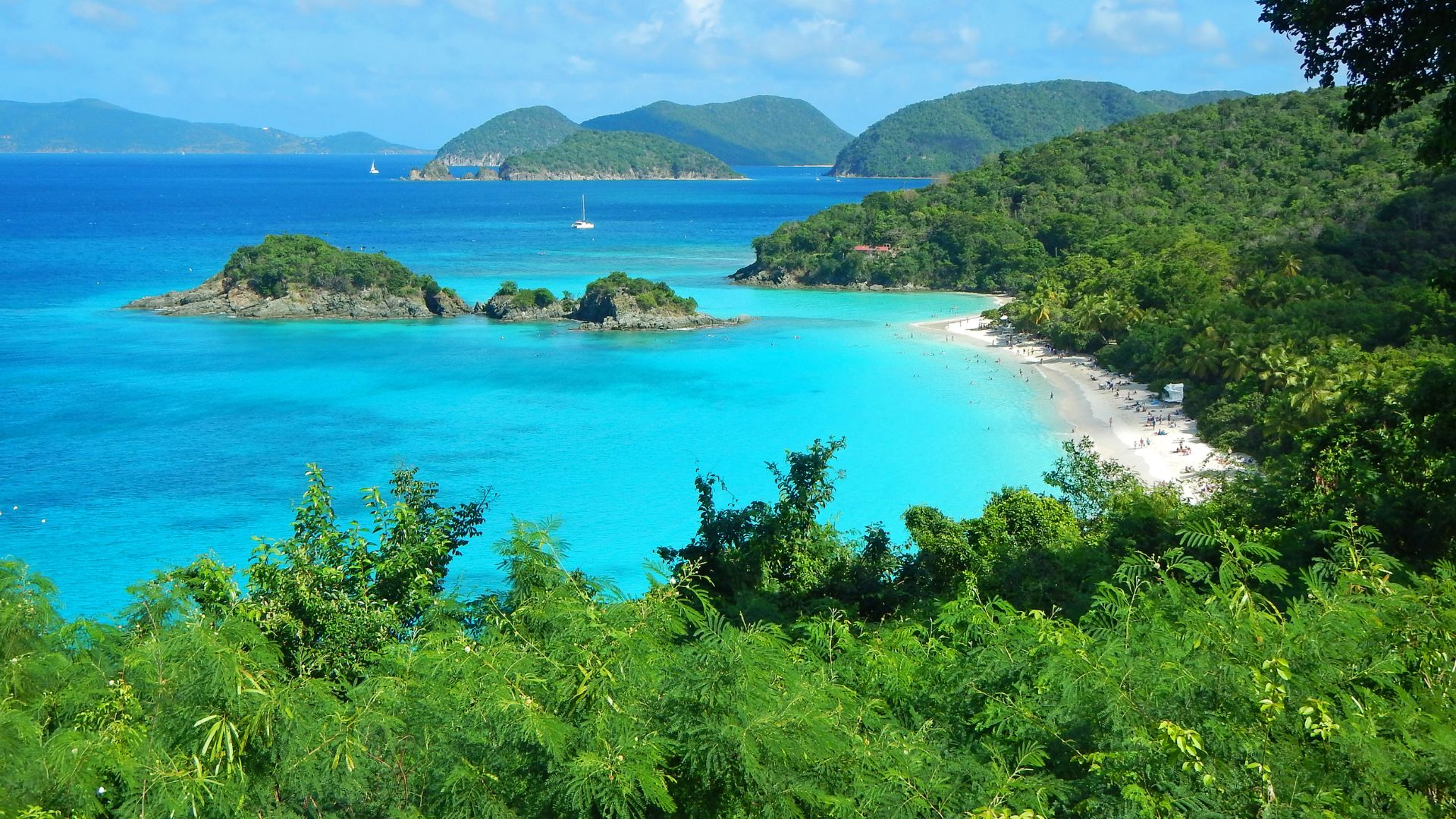
St. John is mostly national park—over half the island. I always suggest the Trunk Bay snorkel trail for beginners. Hikers will love the trails with sweeping ocean views.
St. Croix claims the easternmost point of the U.S. at Point Udall. You’ll spot Danish colonial buildings downtown. Don’t miss Buck Island Reef National Monument for epic snorkeling.
Each island’s culture mixes influences from Denmark, Britain, and the Caribbean. It’s a fascinating blend.
Guam and American Samoa: Remote Pacific Retreats
These Pacific islands are far-flung but unforgettable.
Guam serves up Chamorro culture alongside American conveniences. You’ll find empty beaches, WWII sites, and some of the best diving. Ancient latte stones and local dishes like kelaguen are musts.
American Samoa feels untouched. The National Park stretches across volcanic islands and coral reefs. Villages still live by old Samoan customs.
Getting here takes time, but the unspoiled beauty and genuine Pacific culture are worth every mile.
Iconic Islands of the Continental U.S.
Some islands in the lower 48 have become true American icons. Washington’s wild archipelago, Michigan’s car-free gem, and Florida’s tropical outpost each offer something totally different.
San Juan Islands: Scenic Northwest Getaway
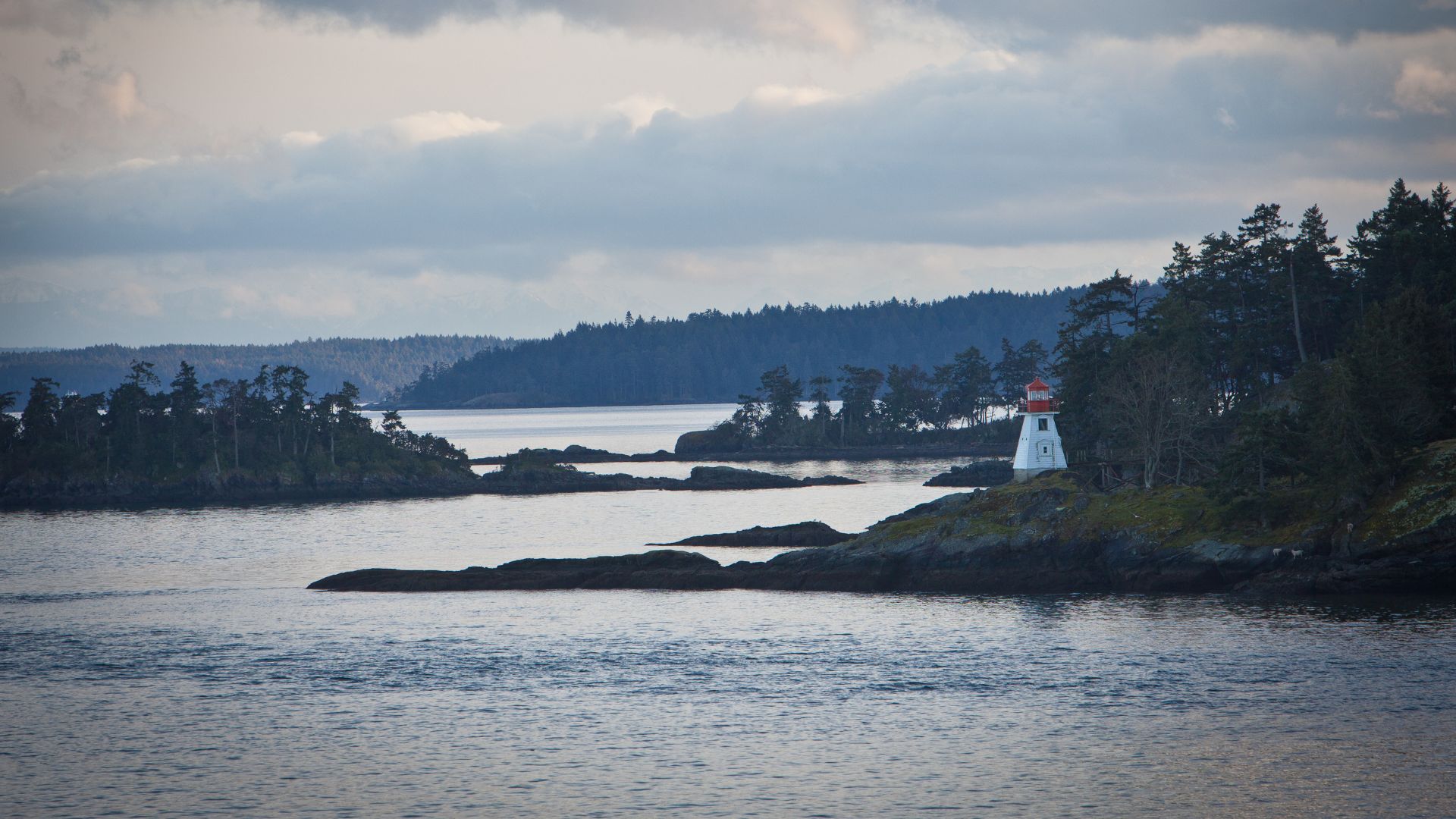
The San Juan Islands float between Washington and Canada. You can hop over by ferry, seaplane, or even private boat from Seattle or Anacortes.
San Juan Island is the biggest. Friday Harbor greets you with waterfront seafood and the quirky Whale Museum. Orca sightings are a real possibility.
Orcas Island is all about hiking. Moran State Park leads you up Mount Constitution for jaw-dropping views.
Lopez Island draws cyclists with its peaceful roads. Life here moves at its own pace.
Wildlife is everywhere—harbor seals, bald eagles, and whales are regulars. Kayaking gets you up close in sheltered coves.
Lodging ranges from rustic cabins to the historic Rosario Resort on Orcas.
Mackinac Island: History and Tranquility in Michigan
Mackinac Island sits in Lake Huron, tucked between Michigan’s peninsulas. No cars allowed—just bikes and horses.
Rent a bike near the ferry and cruise the eight-mile loop around the island.
Fort Mackinac stands high on the bluffs, offering living history and cannon blasts in summer.
The Grand Hotel is iconic, its 660-foot porch overlooking the water. Presidents and celebrities have stayed here since the 1800s.
Mackinac Island State Park covers most of the island. Arch Rock, 146 feet above the lake, is the photo spot.
Main Street is lined with fudge shops—a tradition since the 1880s. During peak season, they churn out over 10,000 pounds of fudge a day.
Key West: Florida’s Southernmost Paradise
Key West is as far south as you can drive in the continental U.S.—just 90 miles from Cuba. The Overseas Highway’s bridges are a road trip dream.
Duval Street never really sleeps. Historic bars, funky shops, and endless people-watching fill the day and night. Street performers light up the evenings.
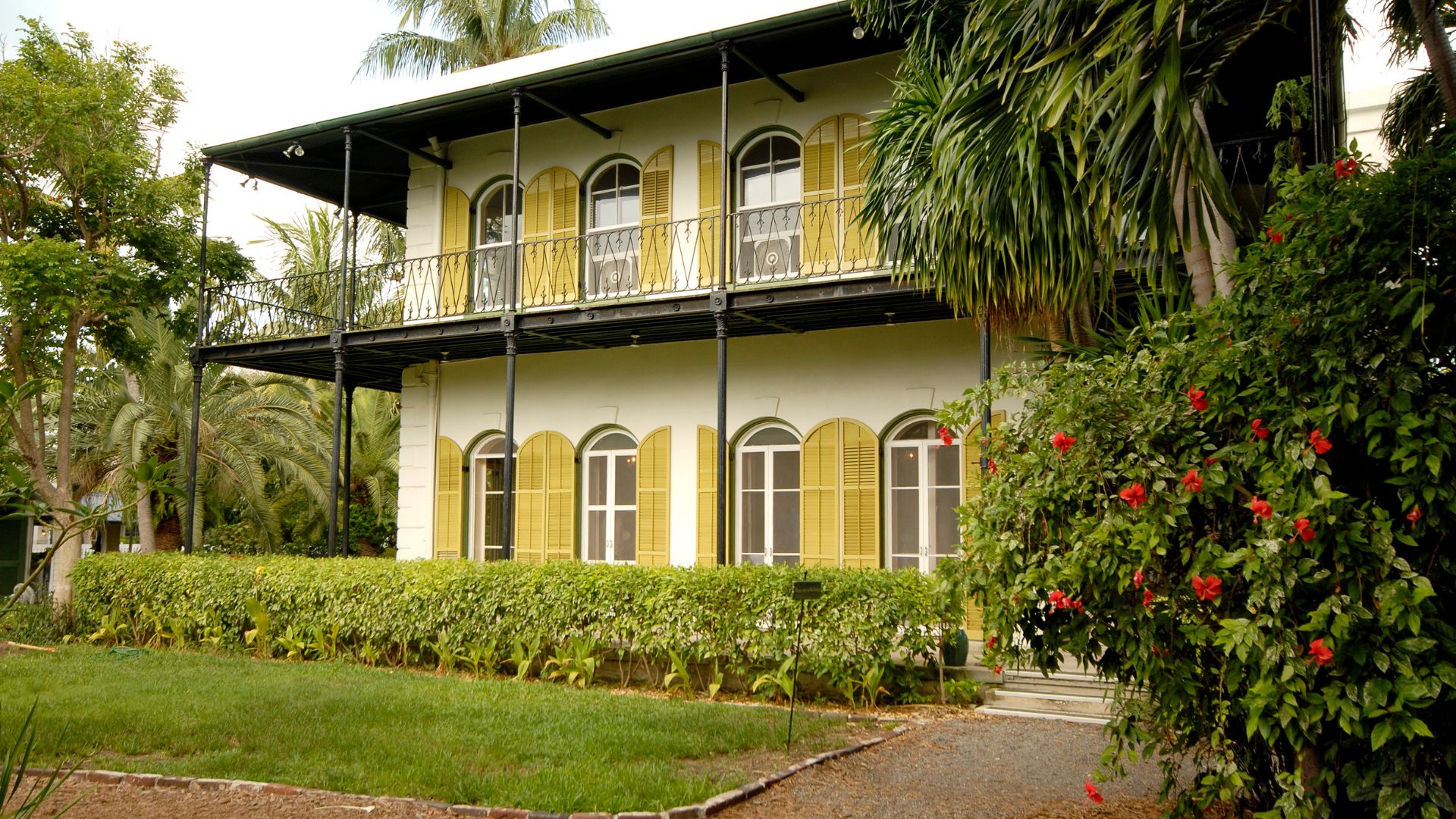
The Ernest Hemingway House still houses his famous six-toed cats and a peek into his writing life.
Mallory Square turns sunset into a nightly festival. Jugglers, musicians, and magicians perform as the sun dips below the Gulf.
Water adventures are everywhere. Glass-bottom boats glide over coral reefs, and snorkeling or diving let you explore the only living coral reef in North America.
Warm weather is a given—expect 75°F in winter and 85°F in summer.
History buffs can tour Fort Zachary Taylor or climb the Key West Lighthouse for a dose of the island’s military past.
Enchanting Isles of the Northeast and Midwest
The Northeast hides some island gems. Martha’s Vineyard and Nantucket ooze classic New England style, while Block Island brings dramatic cliffs and peaceful beaches.
Martha’s Vineyard: New England Coastal Charm
Martha’s Vineyard feels like pure New England magic. Just seven miles off Cape Cod, it’s close but feels a world away.
Six towns dot the island, each with its own flair. Edgartown is all stately captain’s houses and tidy gardens. Oak Bluffs bursts with colorful “gingerbread houses” that look straight out of a storybook.
How to Get There:
- Ferry from Woods Hole (about 45 minutes)
- Seasonal ferries from Boston and New York
- Walk-on tickets? No reservation needed
The island is big—100 square miles of beaches, woods, and tiny harbors. Don’t skip the red clay Aquinnah Cliffs at sunset. State Beach is calm and perfect for families.
Celebrities and presidents love it here, but honestly, it’s accessible to everyone. Strict building rules keep the charm intact. Summers are lively, but I prefer the quiet, golden days of fall.
Nantucket: Timeless Massachusetts Getaway
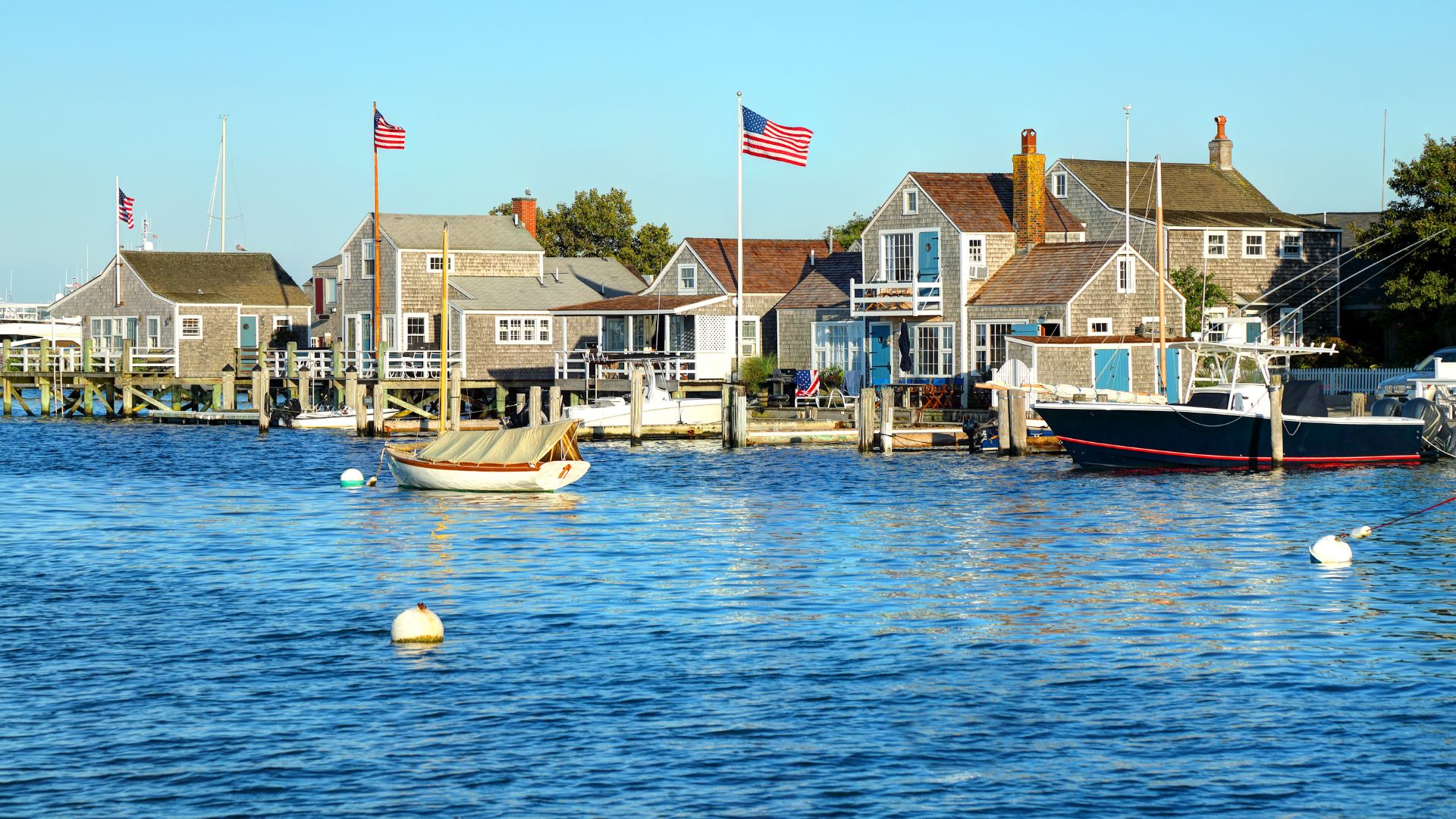
Nantucket feels like a step back in time. It’s 30 miles off Cape Cod, with cobblestone streets and gray-shingled cottages.
The whole island is a National Historic Landmark. Strict building codes mean no tall buildings or modern eyesores—everything fits the classic Nantucket look.
Don’t Miss:
- 82 miles of unspoiled coastline
- The Whaling Museum’s fascinating exhibits
- Sankaty Head Lighthouse perched on dramatic bluffs
- Jetties Beach—great for families
Nantucket is small—just 14 miles long and 3.5 wide. Biking is the way to go since traffic is light.
Ferries run year-round from Hyannis, with extra routes from New York in summer. Book your stay early—the island fills up fast. And if you love seafood, don’t leave without trying the local scallops.
Block Island: Rhode Island’s Seaside Escape
Block Island sits just 13 miles off Rhode Island’s coast, and it’s got this rugged charm that never feels overdone. Even though it’s only about 10 square miles, the island feels surprisingly diverse for its size.
The Mohegan Bluffs shoot up 200 feet above the Atlantic, and honestly, these clay cliffs might offer the most dramatic coastal views in New England. There’s a long wooden staircase that zigzags down to a hidden beach—totally worth the climb back up, even if your legs complain later.
Island Features:
- 17 miles of beaches
- 32 miles of hiking trails
- Over 40 freshwater ponds
- Victorian-era hotels
You won’t really need a car here—everything’s close enough for walking or biking, which keeps the vibe laid-back and peaceful.
The ferry runs from Point Judith, Rhode Island, and there are seasonal boats from Connecticut and New York. Day-trippers come and go, but if you can swing an overnight stay, you’ll get to see a quieter side of the island. I’d aim for spring or fall; the weather’s just right, and the crowds thin out.
Remote Pacific Island Adventures
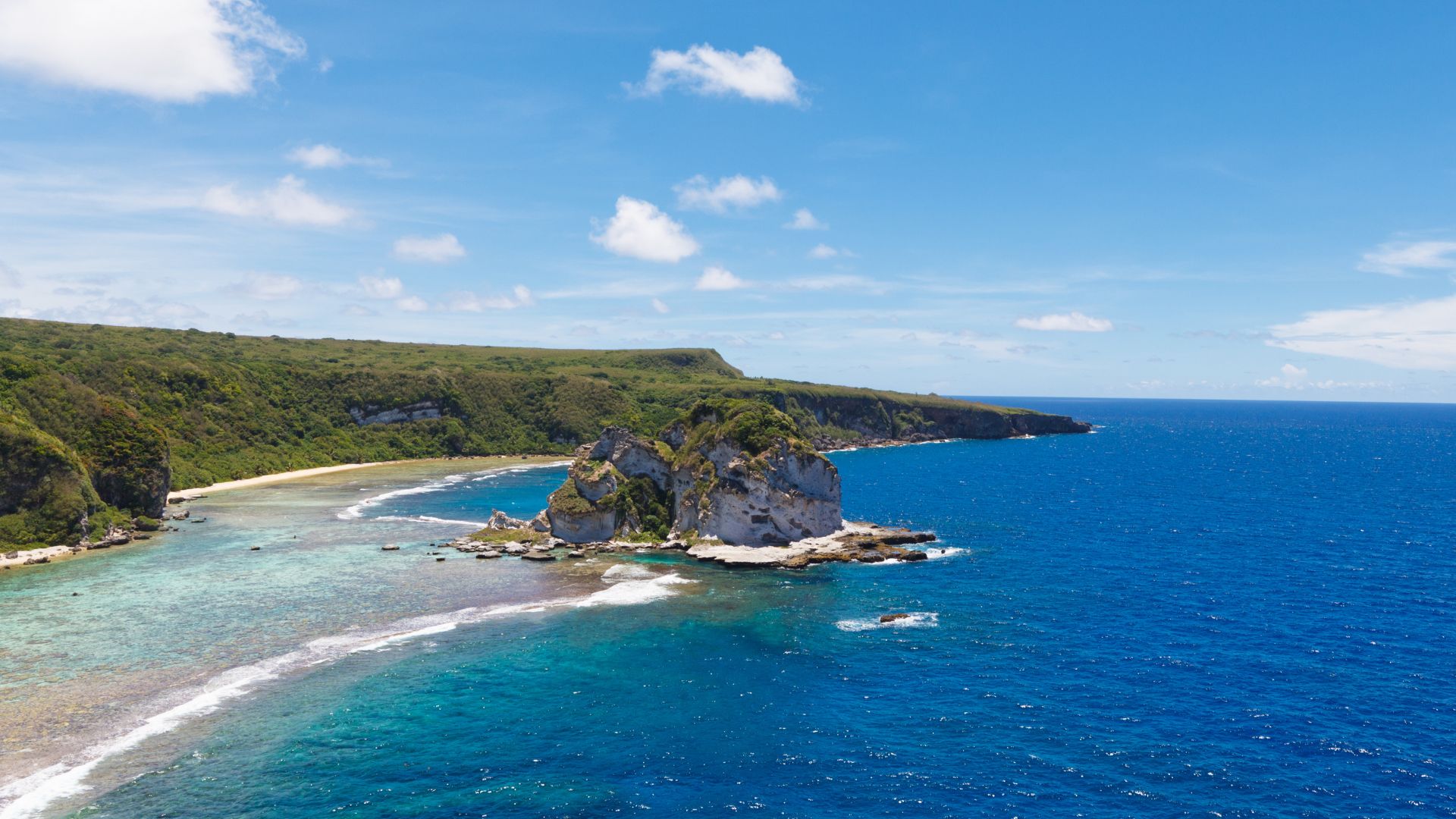
If you’re craving adventure, the Northern Mariana Islands offer some of America’s most remote tropical escapes. These Pacific gems have wild beaches, world-class diving, and rich cultural heritage—and you don’t even need a passport.
Northern Mariana Islands: Saipan, Tinian, and Rota
I genuinely think the Northern Mariana Islands are one of America’s best-kept secrets. Fourteen islands dot the South Pacific here, and you get all the tropical vibes with none of the international travel hassle.
Saipan is the main hub, and it’s also the biggest island in the chain. The climate? It’s so steady that it actually holds the Guinness World Record for stability—think 80°F all year, no wild swings.
If you love beaches, check out Micro Beach, Lau Lau Beach, and Landing Beach. They’re pristine, and the sand feels almost too soft to be real. Divers rave about the visibility here—sometimes over 100 feet, which is a little surreal.
Eagle Ray City is a must for anyone into diving. I’ve seen dozens of eagle rays swooping through the water on a single dive—unforgettable. History fans can explore WWII wrecks scattered across the sea floor, which adds a whole other layer to the experience.
Tinian and Rota move at a slower pace than Saipan. You’ll find secluded beaches and untouched landscapes, perfect if you want to unplug.
The Grotto on Saipan is a limestone cavern that’s equal parts eerie and beautiful—divers love it. Just a heads-up: December through June brings the best weather, but typhoon season hits from July to October.
If you’re hungry, try local kelaguen—it’s this zesty blend of chicken, lemon, coconut, and peppers. Estufao stew is another Chamorro favorite, and honestly, it’s the kind of comfort food you remember.
Island Highlights: Natural Wonders, Culture, and Activities
America’s islands bring together stunning beaches, wild horses, coral reefs, and cultures shaped by centuries of isolation. You can kayak through sea caves, join quirky festivals, and try foods you’ll never find on the mainland.
Beaches, Wildlife, and National Parks
No two island beaches look the same. Some are all about white sand, while others have rugged coastal cliffs that make you stop and stare.
Assateague Island stretches for 37 miles along Maryland and Virginia, and wild horses wander right along the shore. Seeing them graze with the ocean in the background? It’s an iconic photo op.
Dry Tortugas National Park sits on seven tiny islands in the Gulf of Mexico. The crystal-clear waters make for some of the best snorkeling and diving in North America. The coral reef here is the third-largest on the continent.
Many islands double as wildlife havens. Prince of Wales Island in Alaska has black bears fishing for salmon and sea otters drifting in kelp beds. The Tongass National Forest blankets much of the island, so you’re never far from nature.
North Carolina’s Outer Banks are a safe haven for nesting sea turtles and migrating birds. The Cape Hatteras National Seashore protects long stretches of wild coastline where you can walk for miles without seeing another soul.

Local Culture, Festivals, and Cuisine
Island life shapes its own culture, sometimes in ways you don’t expect. Tangier Island in Virginia’s Chesapeake Bay, for example, keeps a dialect that sounds straight out of 17th-century England. Locals use sayings and expressions you won’t hear anywhere else.
On Molokai in Hawaii, time just slows down. There are no traffic lights, no high-rises, and traditional culture still thrives. People here keep old customs alive, and you feel it in the air.
Seafood takes center stage on most islands. Tangier Island’s blue crab dishes are legendary, and the crab shanties serve up recipes passed down for generations.
Festivals pop up throughout the year, celebrating everything from maritime history to local music. You’ll find handmade crafts, regional foods, and a sense of community that’s hard to replicate anywhere else.
Adventure, Water Sports, and Relaxation
Kayaking? It’s honestly one of the best ways to explore American islands. I paddled through the crystal-clear waters of the Apostle Islands in Wisconsin, weaving in and out of sea caves.
Come winter, those same caves transform into shimmering ice cathedrals—totally surreal.
Over in California, the Channel Islands just call out to divers and surfers. I spotted dolphins and seals gliding through the protected waters—sometimes they come so close, you almost forget you’re not part of their world.
If you love hiking, you’ve got to check out Mackinac Island. There are over 70 miles of trails, and cars just aren’t allowed. That means the only sounds you’ll hear are your footsteps, the wind, and maybe the clip-clop of a horse-drawn carriage.
Biking around the island feels like stepping back in time. It’s honestly refreshing.
Craving pure relaxation? Little Palm Island in the Florida Keys might just be your dream escape. It’s an exclusive spot with no phones or TVs in the rooms, so you can really unplug.
I once had a spa treatment over the water there—imagine the sound of gentle waves and nothing else. It’s the kind of peace that’s hard to describe.
Of course, you’ll find water sports everywhere—fishing, sailing, and even whale watching, depending on where and when you visit. There’s always something new to try, and that’s half the fun of island life.
