
There’s something pretty magical about the way Americans gather at the dinner table. The potluck tradition isn’t just about eating—it’s a whole philosophy that saves money and brings people together in ways that feel both practical and meaningful.
When families and friends go potluck, they usually slash meal costs by 70-80%. At the same time, they build social bonds that just don’t happen at a fancy sit-down dinner.
I’ve seen potlucks work their magic across neighborhoods, offices, and friend groups. Each person brings a dish, so nobody gets stuck with all the work or the bill.
That simple act of sharing food opens up space for folks from all walks of life to connect over stories and recipes.
Potlucks tackle two big challenges at once. They make socializing affordable, and they help us build the kind of community that actually supports our well-being.
Whether we’re celebrating a mishmash of cultures or just stretching our dollars during tight times, potlucks offer a down-to-earth way to keep our social fabric strong.

The Core Values of the American Potluck Philosophy
Potlucks in America really run on three main ideas: shared responsibility, open-hearted hospitality, and making sure everyone feels like they belong.
These aren’t just buzzwords—they’re what make potlucks tick.
Embracing Shared Responsibility
At a potluck, everyone pitches in. No one person does it all.
Each guest brings a dish, and suddenly, feeding a crowd isn’t overwhelming or expensive.
Families who couldn’t dream of hosting 20 people can show up with a casserole and feel just as much a part of things.
But it doesn’t stop at food. People help set up tables, serve, and tidy up after.
You start to notice how this shared work builds a sense of ownership.
What folks usually help with:
- Bringing enough food for 8-10 people
- Setting up and breaking down tables
- Cleaning dishes and shared spaces
- Coordinating with the group
Kids pick up on this, too. They learn that community events work best when everyone chips in.
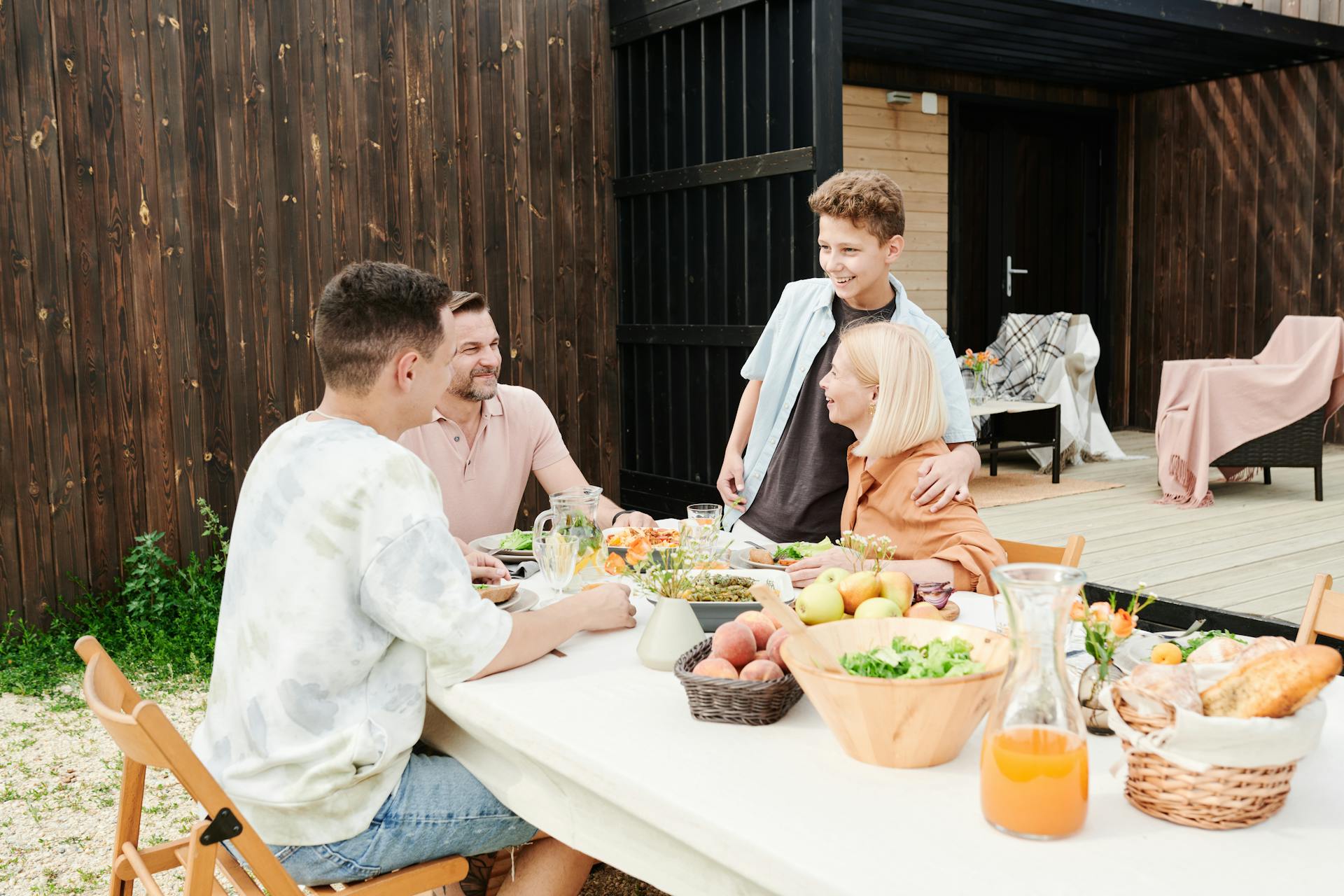
Hospitality and Welcoming Traditions
Potluck hospitality is all about making people feel at home, not showing off.
The host opens their space and provides some basics, but nobody’s aiming for perfection here.
You’ll see store-bought cookies right next to homemade lasagna. That’s part of the charm.
This relaxed vibe means more people can join in, even if cooking isn’t their thing.
People love sharing the stories behind their dishes. I’ve watched total strangers laugh together over a secret ingredient or a family tradition.
Welcoming touches I see often:
- Plates, utensils, and drinks are ready for everyone
- Name tags for dishes and dietary notes
- Seats arranged to spark conversation
- Quick introductions before the meal
It’s a model that works for busy families, students, and anyone on a budget.
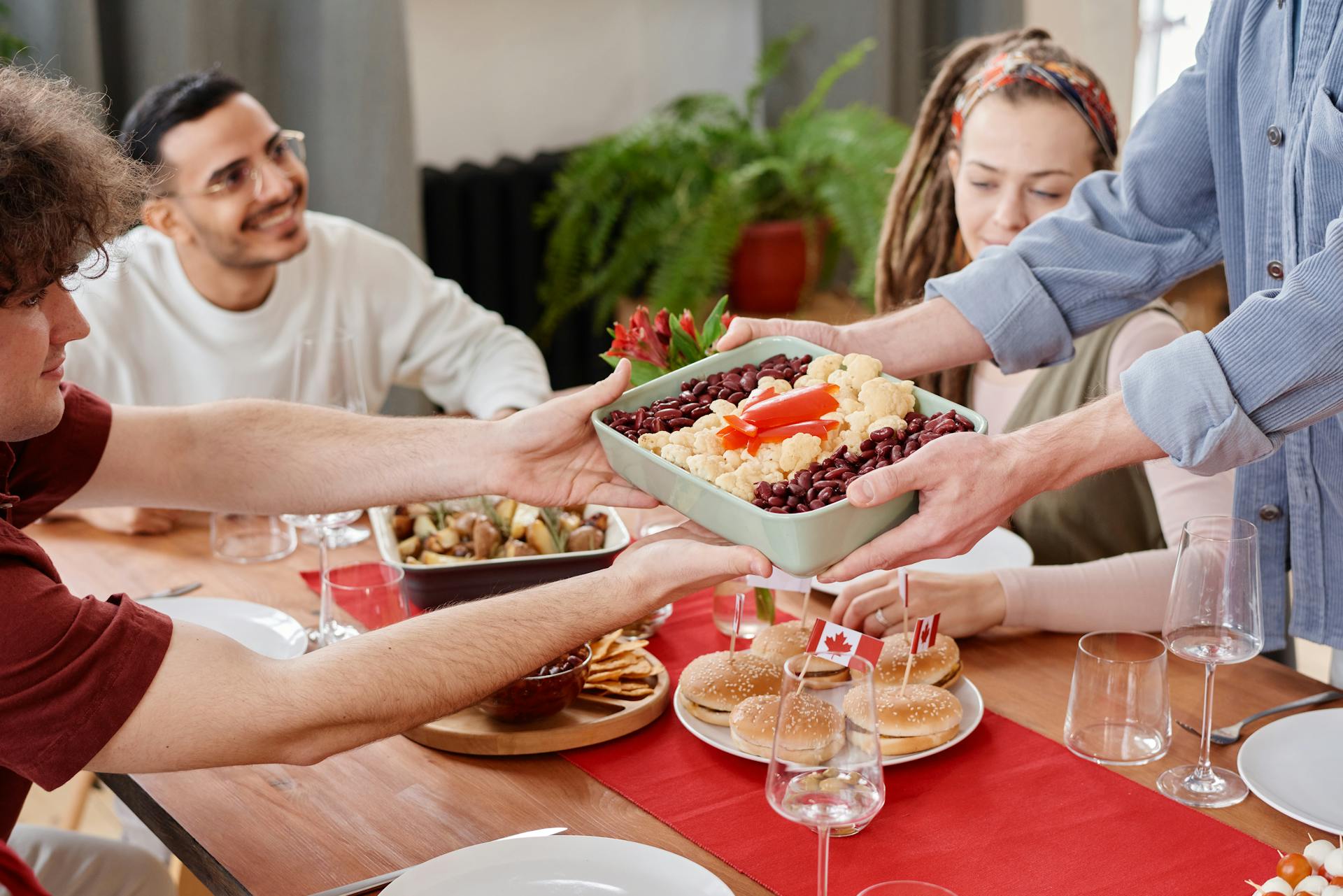
Equality Around the Shared Table
The potluck table is one of the most level playing fields I know.
Every dish, whether it’s a lavish roast or a simple salad, gets the same spot on the table.
Social status melts away. You’ll find the CEO’s potato salad right next to a student’s homemade bread.
People choose what they want to eat, and curiosity leads to conversations.
How equality shows up:
- All dishes are valued the same
- Guests serve themselves however they like
- No assigned seats or stuffy rules
- Everyone helps clean up
This kind of equality is what makes potlucks so good at connecting people from all backgrounds.
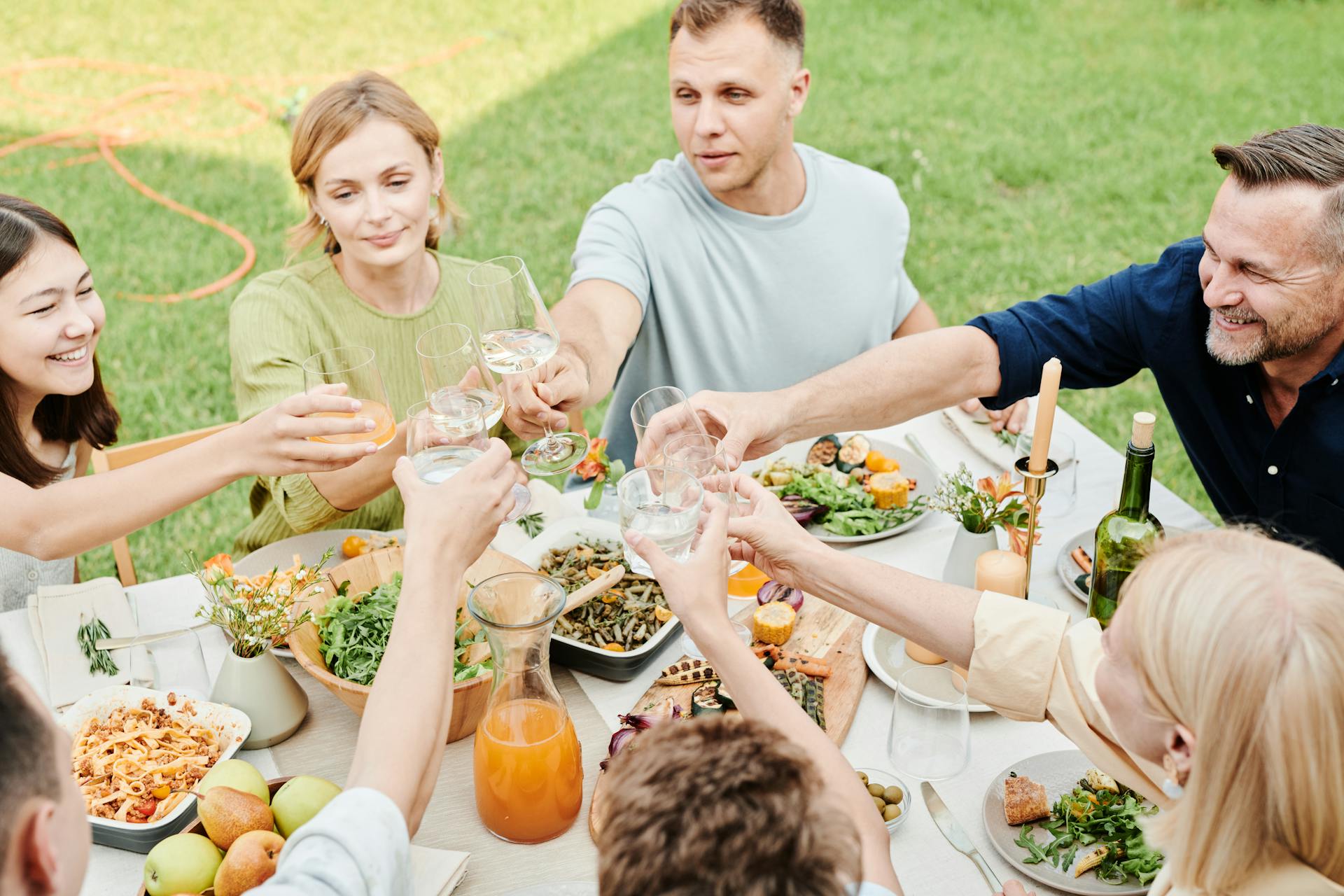
Building Community and Fostering Belonging Through Shared Meals
Potlucks bring people together in ways that go way beyond food. Shared meals help us feel like we’re part of something bigger.
These gatherings bridge gaps between generations and cultures, creating connections that might not happen otherwise.
Potlucks as a Social Glue
Honestly, I think potlucks act like social glue. When neighbors show up with their favorite dish, they’re doing more than just feeding each other.
They’re building the kind of trust and familiarity that make communities feel safe.
Research points out that sharing meals boosts cooperation and friendship. Even one meal together can make a difference.
How potlucks spark connection:
- Breaking down walls between strangers
- Giving people regular chances to connect
- Sparking conversation over food
- Showing care through sharing
When I bring my grandmother’s casserole, I’m sharing a piece of my story.
This kind of sharing creates social capital. People who go to potlucks often know who to call when they need a hand.
Shy folks find it easier to join in, too. Food gives everyone something to talk about, and before you know it, small talk leads to real connections.
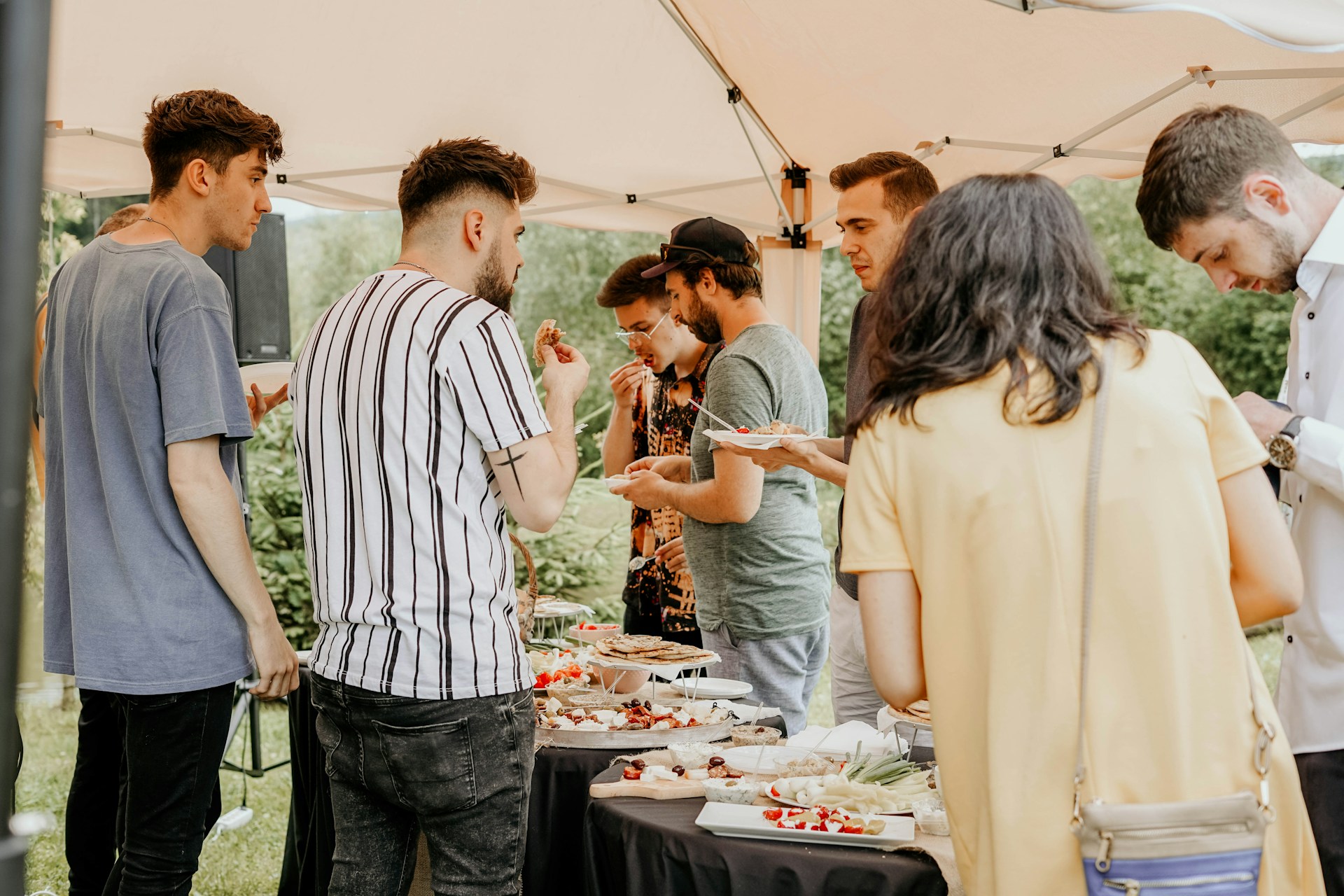
Strengthening the Sense of Belonging
There’s something about being invited to a potluck that just feels good. It’s like someone saying, “You matter here.”
Eating together actually triggers feel-good chemicals in our brains. Maybe that’s why potlucks leave us feeling so satisfied, even after the plates are empty.
What builds belonging at potlucks:
- Being asked to bring a dish
- Swapping recipes and stories
- Showing up regularly and seeing familiar faces
- Pitching in with group tasks
I’ve watched people who felt alone come alive after joining a potluck group. They end up volunteering for other things and making new friends.
The American melting pot comes to life at these tables. Every contribution counts, whether it’s a simple salad or a treasured family recipe.
Intergenerational and Cross-Cultural Connections
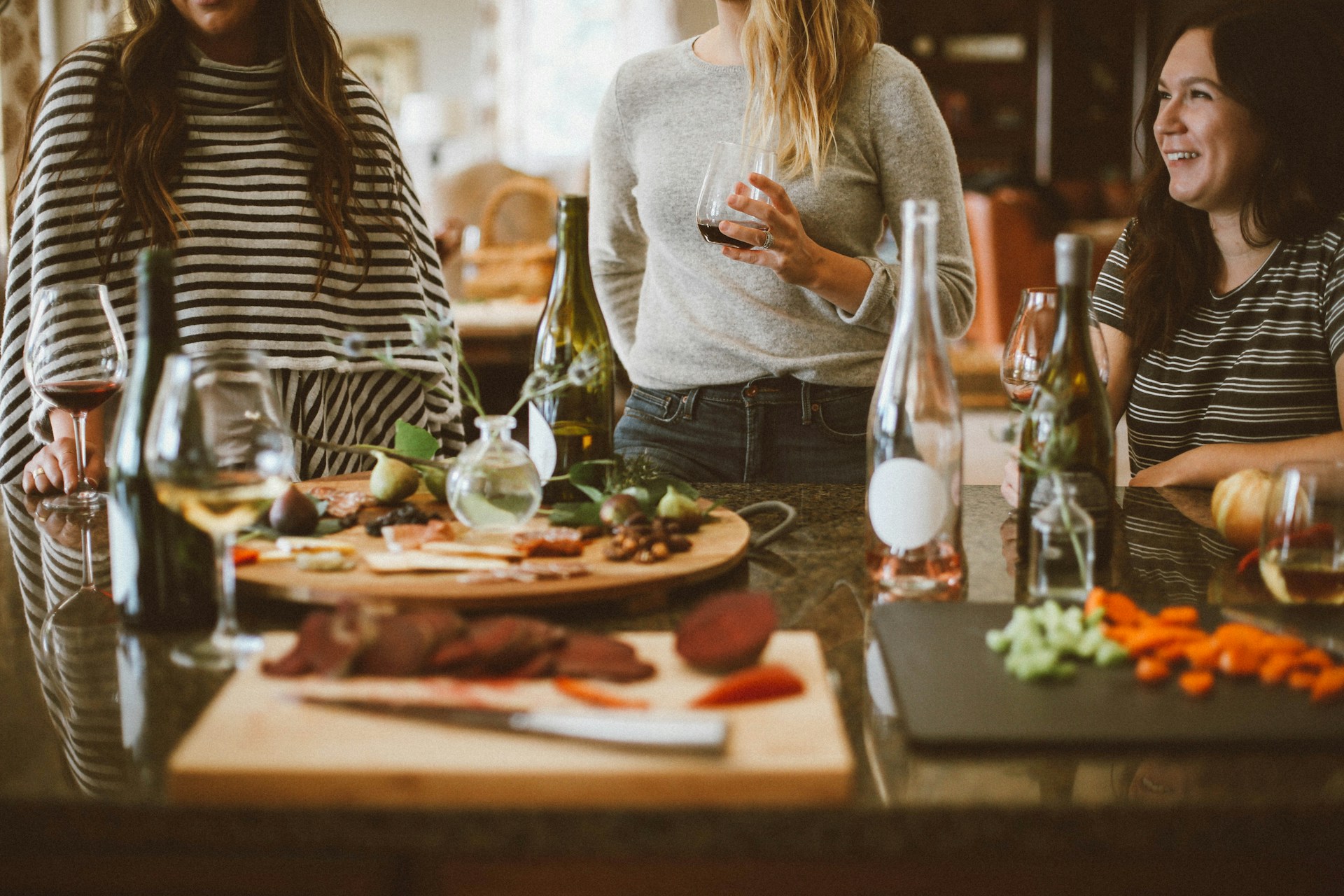
Potlucks have this surprising way of connecting people across ages and cultures.
You might see Korean bulgogi next to Southern cornbread, with kids and grandparents sitting side by side.
Older adults often become the keepers of tradition, showing younger folks how to make dishes the old-fashioned way.
I’ve watched an 80-year-old teach college students how to fold dumplings, and everyone leaves a little richer for it.
Why these connections matter:
- Trying new foods and learning new techniques
- Sharing the stories behind recipes
- Breaking down stereotypes, one bite at a time
- Creating shared memories
Kids get a taste for diversity early on. They try foods they’d never see at home, and that openness sticks with them.
Potlucks often help newcomers feel welcome. Sharing a favorite dish lets them bring a piece of their culture to the table.
Mixing different groups multiplies the benefits. Seniors find energy in the company of young families, and parents get a hand with the kids.
Economic Benefits: How Potlucks Cut Costs and Share Resources
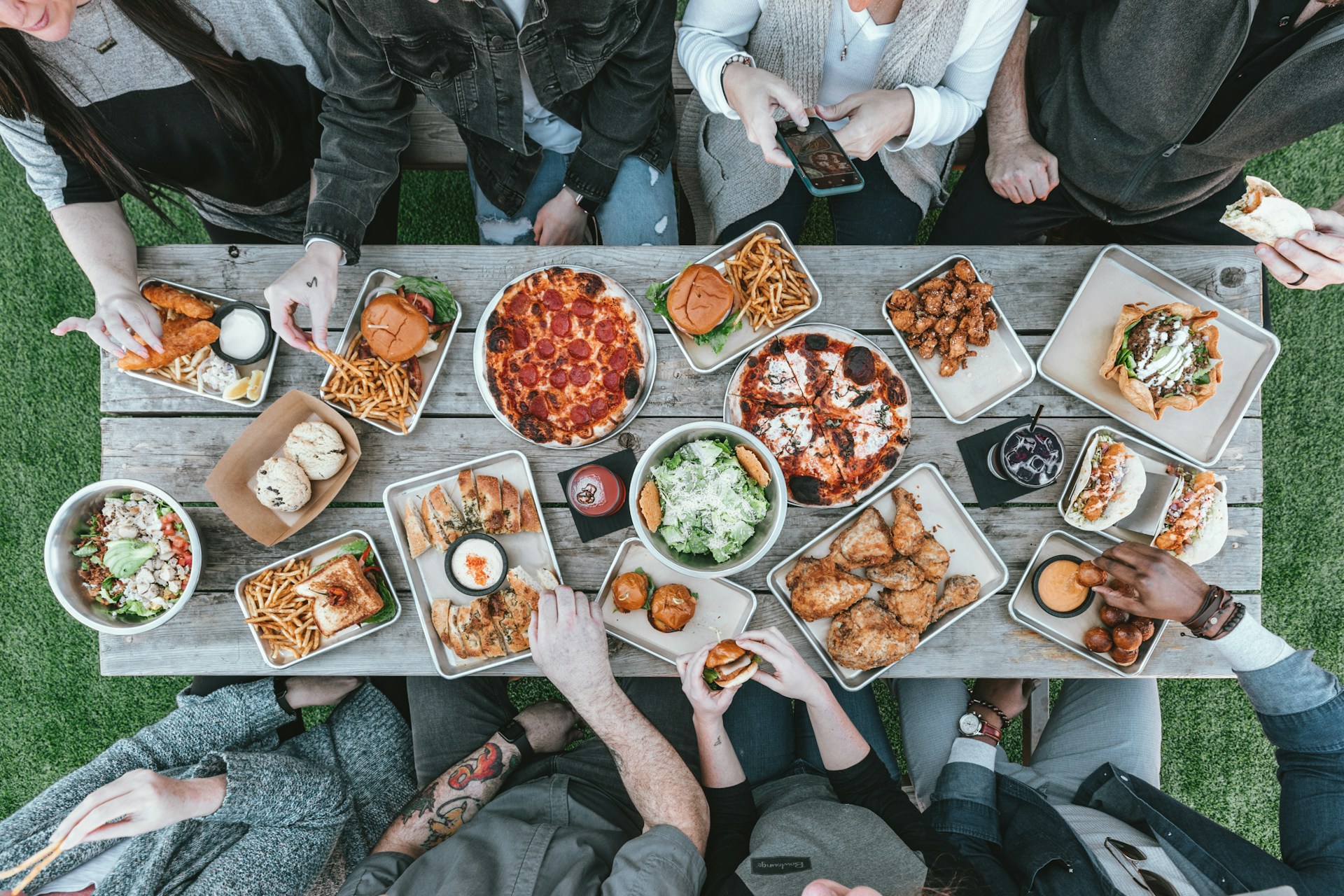
Potlucks offer some real financial perks by spreading out the costs and making the most of what everyone brings.
It’s a team effort that saves money and cuts down on waste.
Distributing Hosting and Food Costs
The biggest money-saver? Everyone shares the cost.
Instead of one person footing the bill for a big meal, each guest brings something to the table.
A dinner party for 12 can run a host $150-200. Go potluck, and it drops to about $15-20 per person.
Quick cost comparison:
- Dinner party: Host pays $150-200
- Potluck: Each pays $15-20
- Restaurant: $25-40 per person
If you do this every month, the savings really stack up.
Hosts also save on little things—guests often bring napkins or drinks, covering those forgotten extras.
Encouraging Resourcefulness and Accessibility
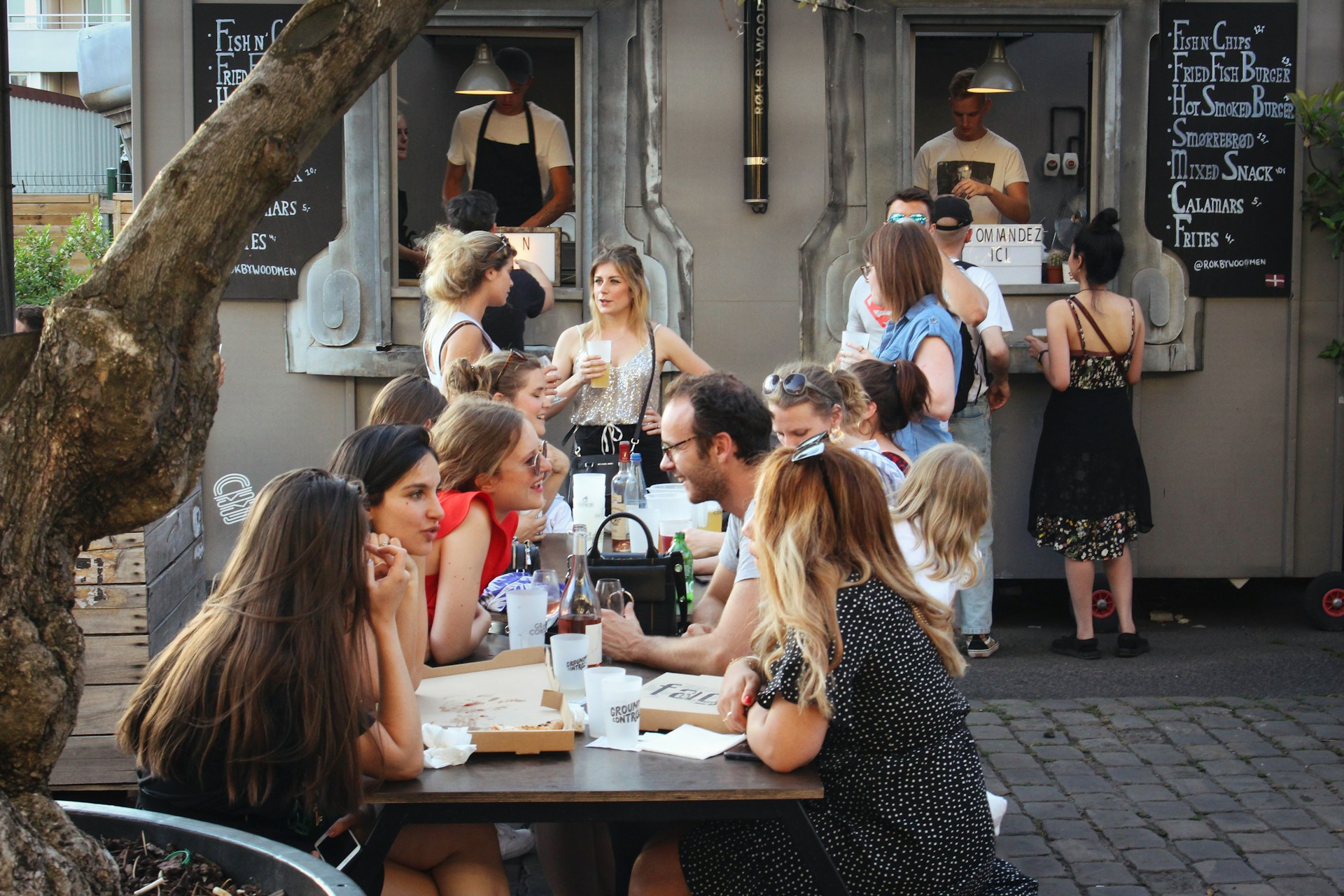
Potlucks are for everyone, no matter the budget.
I’ve seen folks bring everything from homemade bread to store-bought cookies, and nobody bats an eye.
People get creative with what they have. A pasta salad or a batch of rice can feed a crowd for under $10.
Some folks use veggies from their garden or pantry staples that need using up.
Budget-friendly ideas:
- Under $5: Bread, pasta salad, deviled eggs
- $5-10: Casseroles, salads, soup
- $10-15: Mains, desserts, special treats
This approach means everyone can join in, from students to professionals.
Regulars get pretty good at finding recipes that feed a lot without costing much.
Reducing Food Waste Through Collaboration
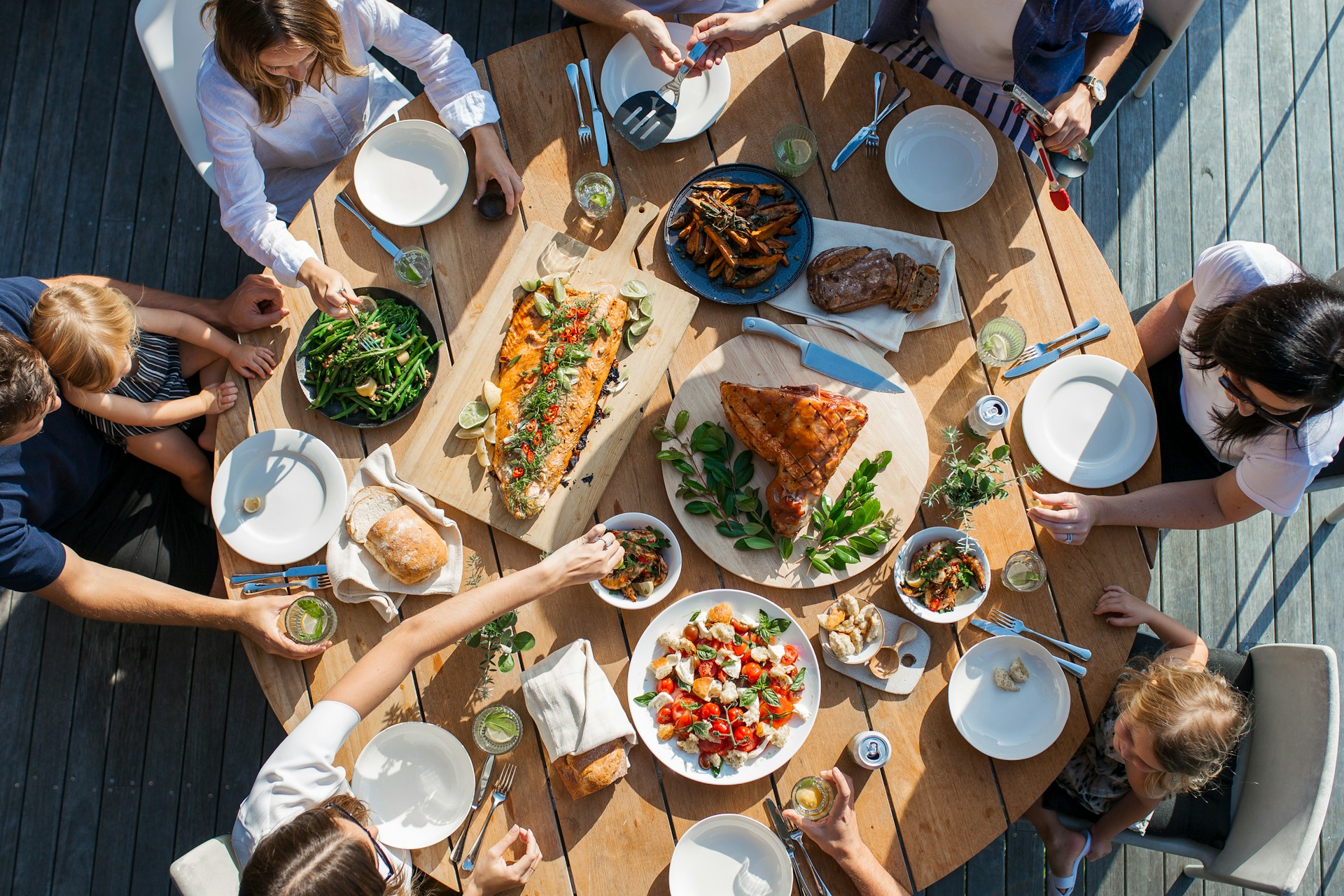
Potlucks help cut down on food waste because people plan what they’re bringing.
When we coordinate dishes, we avoid ending up with five desserts and no mains.
Everyone brings a dish they can finish, so there’s less leftover food going bad.
It’s easier to split up leftovers, too. People take home a mix of dishes, and nothing gets tossed.
Simple waste-busting moves:
- Planning dishes ahead of time
- Bringing containers for leftovers
- Sharing extras with others
Sometimes, we even plan potlucks around what needs to be used up—ripe produce, pantry odds and ends.
Group meal planning helps people discover new ways to stretch ingredients, too.
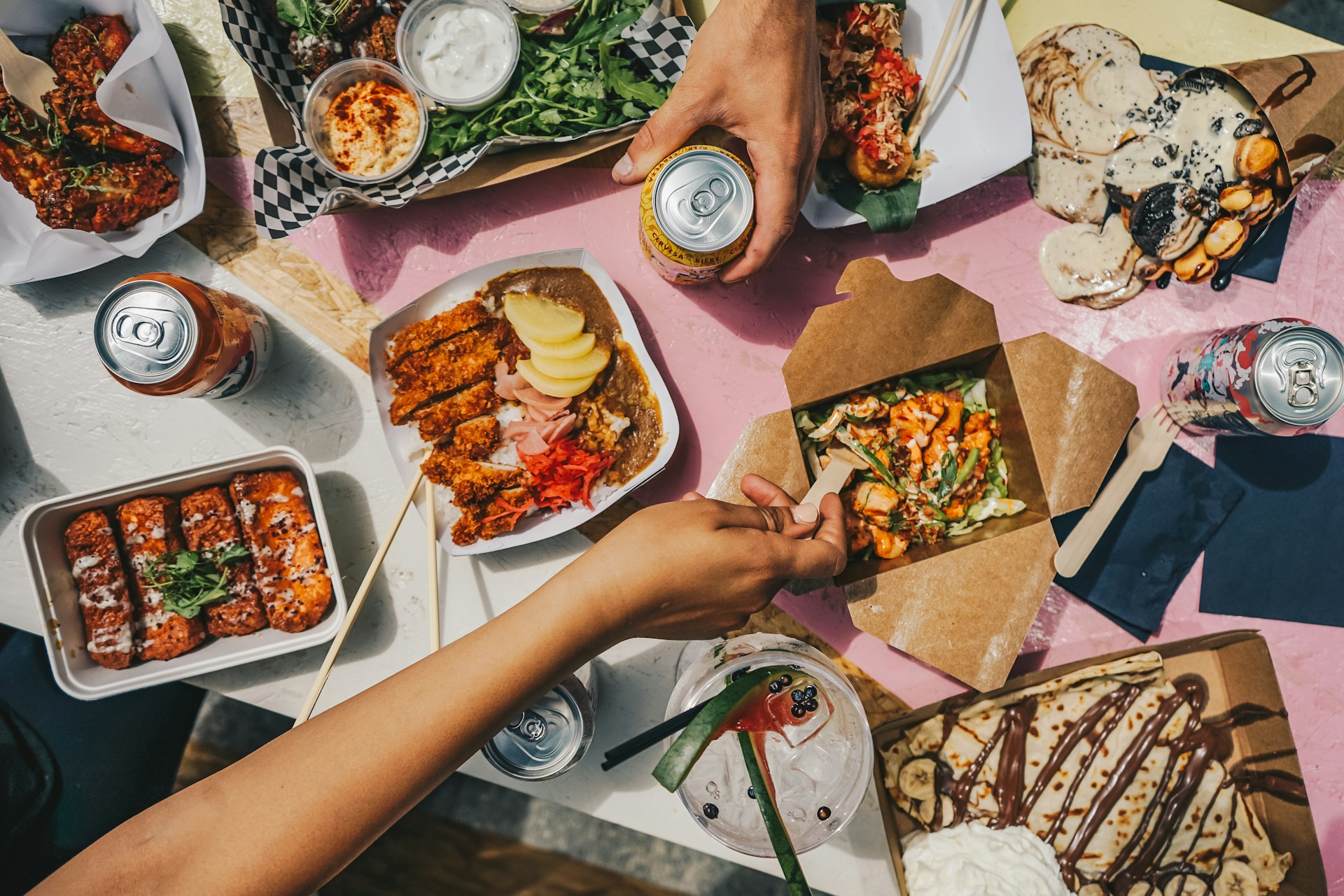
Celebrating Diversity and Storytelling at the Shared Table
Potlucks turn America’s melting pot idea into something more colorful—a place where food tells stories and sharing a meal bridges all sorts of divides.
Sharing Culinary Traditions
Potlucks show off America’s food diversity in ways you just don’t see at restaurants.
Each dish carries a piece of someone’s family history or cultural tradition.
You might find biryani next to green bean casserole, or sweet potato biscuits sharing space with kifle bread.
These combos happen because everyone brings what matters to them.
Dishes that show up often:
- South Asian curries and rice
- Latin American salsas and tamales
- European breads and stews
- African spiced veggies
- Middle Eastern dips and flatbreads
The best part? People bring real recipes from home, not watered-down versions.
Sharing culinary traditions doesn’t cost extra, but the stories and connections are priceless.
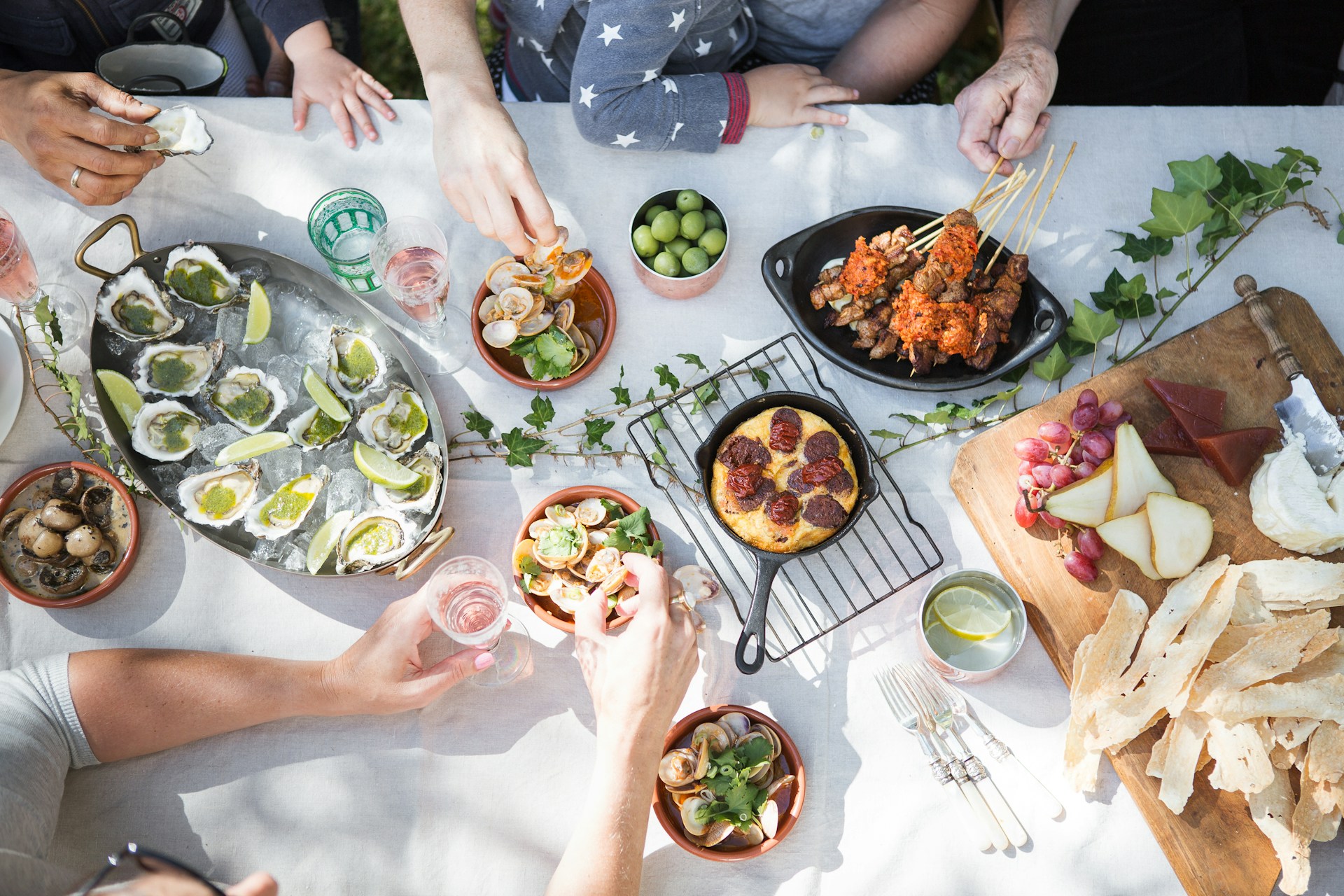
Storytelling Through Food
Food has a way of starting conversations.
People ask about dishes they’ve never seen, and suddenly you’re swapping family stories.
I’ve heard about recipes that helped families through hard times, or dishes tied to wedding days and holidays.
Stories you’ll hear:
- Immigration journeys and comfort foods
- Holiday memories
- Family secrets passed down
- Regional spins on classic dishes
These stories just come out naturally—nobody forces it.
Food feels like a safe way to share a little piece of yourself.
Recipes connect us to those universal moments: hunger, celebration, love, and memory.
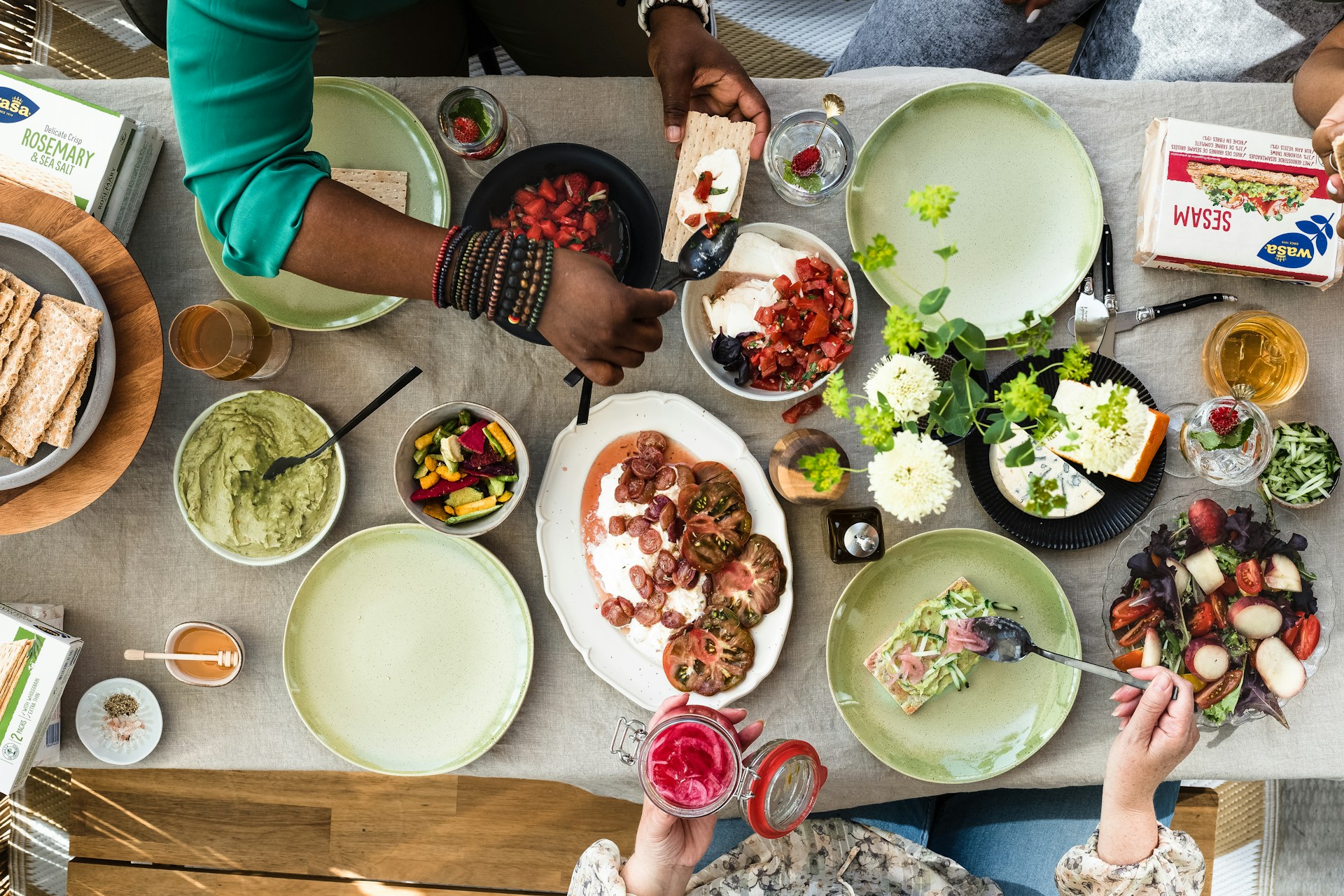
Bridging Cultural Differences
Potlucks break down barriers in ways formal events just can’t.
Sharing a meal gives people a reason to be curious and open.
I’ve watched neighbors who barely spoke become friends over a plate of something new.
When I explain my cooking choices, people see my background in a new light. When they share theirs, we all learn something.
How potlucks bridge gaps:
- Dietary needs spark creative dishes
- Cooking tricks get passed around
- Ingredients become shopping tips
- Recipes get swapped and remixed
Instead of blending everything into sameness, the potluck table lets each flavor stand out while still coming together.
That’s the real magic—everyone keeps their unique taste, but the meal is better for it.
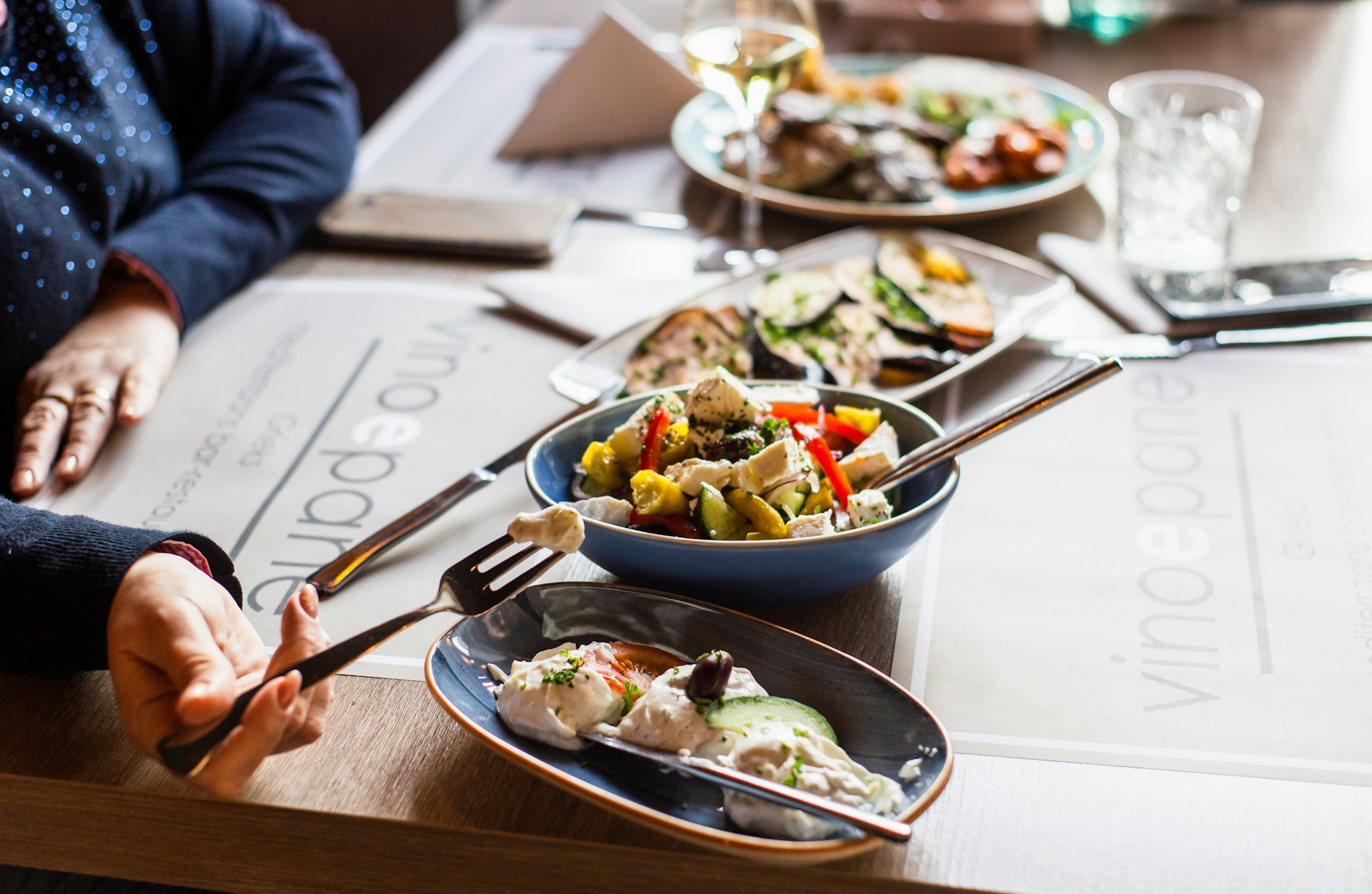
Potlucks and Well-Being: Physical and Emotional Impacts
You know, there’s something special about potlucks—they bring people together in a way that’s hard to replicate. Sharing home-cooked food isn’t just about eating; it’s about connecting, and honestly, science seems to agree.
Studies suggest that folks who regularly share meals with others tend to feel happier and healthier. It’s not magic, but it sure feels close.
Supporting Physical Health Through Home-Cooked Meals
Let’s talk about the food. Potluck dishes usually come straight from someone’s kitchen, not a factory or fast food spot. That means you get more control over what goes into your body.
I love knowing exactly what I’m eating when I bring something homemade. Less salt, less sugar, and way fewer weird additives sneak in.
There’s almost always a rainbow of veggies, some hearty grains, and lean proteins on the table. It’s a buffet, but not the kind that leaves you feeling sluggish.
Trying new foods at a potluck? Happens every time. That variety gives your body a chance to pick up vitamins or minerals you might skip otherwise.
A few nutritional wins:
- Fewer empty calories
- More fiber (hello, digestion)
- Antioxidants from all those fresh picks
- Hardly any preservatives
Plus, potlucks make it easier to eat smaller portions. When there are a dozen dishes to sample, you naturally take just a little of each. No food coma required.
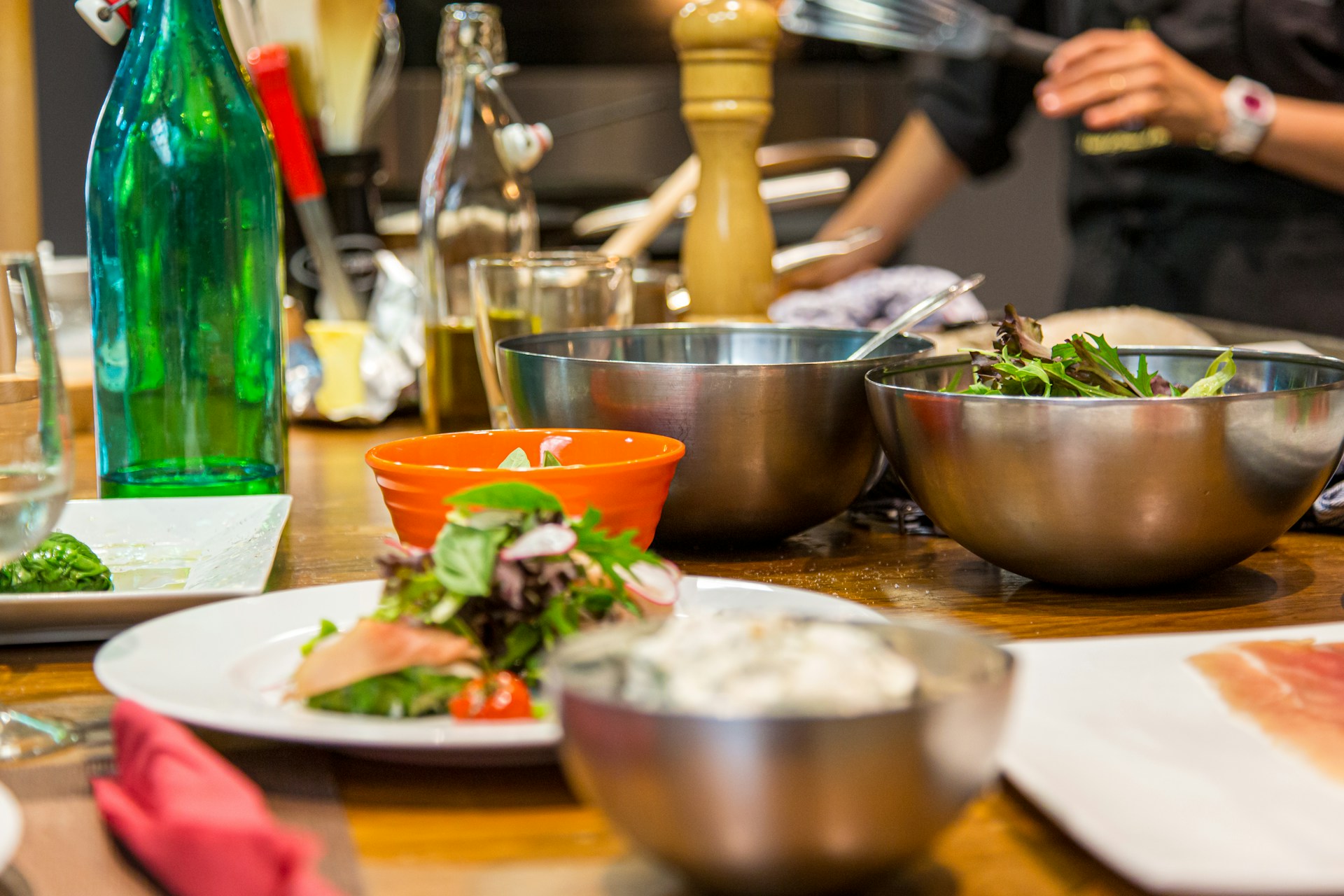
Enhancing Emotional Wellness via Community Eating
There’s something special about breaking bread together—it sparks joy and melts away stress. I’ve noticed that when people gather for a meal, laughter comes easier and worries seem to fade.
Researchers say that shared meals can boost life satisfaction and dial down those negative feelings. Honestly, it makes sense. Eating with others just feels good.
When we eat together, our bodies release oxytocin. That’s the so-called “trust hormone.” It helps us relax and feel like we belong, which is honestly priceless these days.
Potlucks, in particular, have a magic of their own. Here’s why I think they’re so good for the soul:
- Less loneliness—you get that face-to-face connection that’s hard to find on a screen.
- A sense of value—bringing a dish feels like contributing to something bigger.
- Stress relief—there’s no pressure, just casual conversation and good food.
- Cultural sharing—every dish tells a story, and you get to taste the world.
Even the prep work lifts my mood. Picking a recipe and cooking it up gives me a sense of purpose. When I share an old family favorite, I’m keeping my heritage alive and sharing a piece of myself.
It’s tough eating alone all the time—people who do it often report feeling less happy. Potlucks flip that script. They give us a reason to gather, share, and enjoy the simple pleasure of a meal together.
