
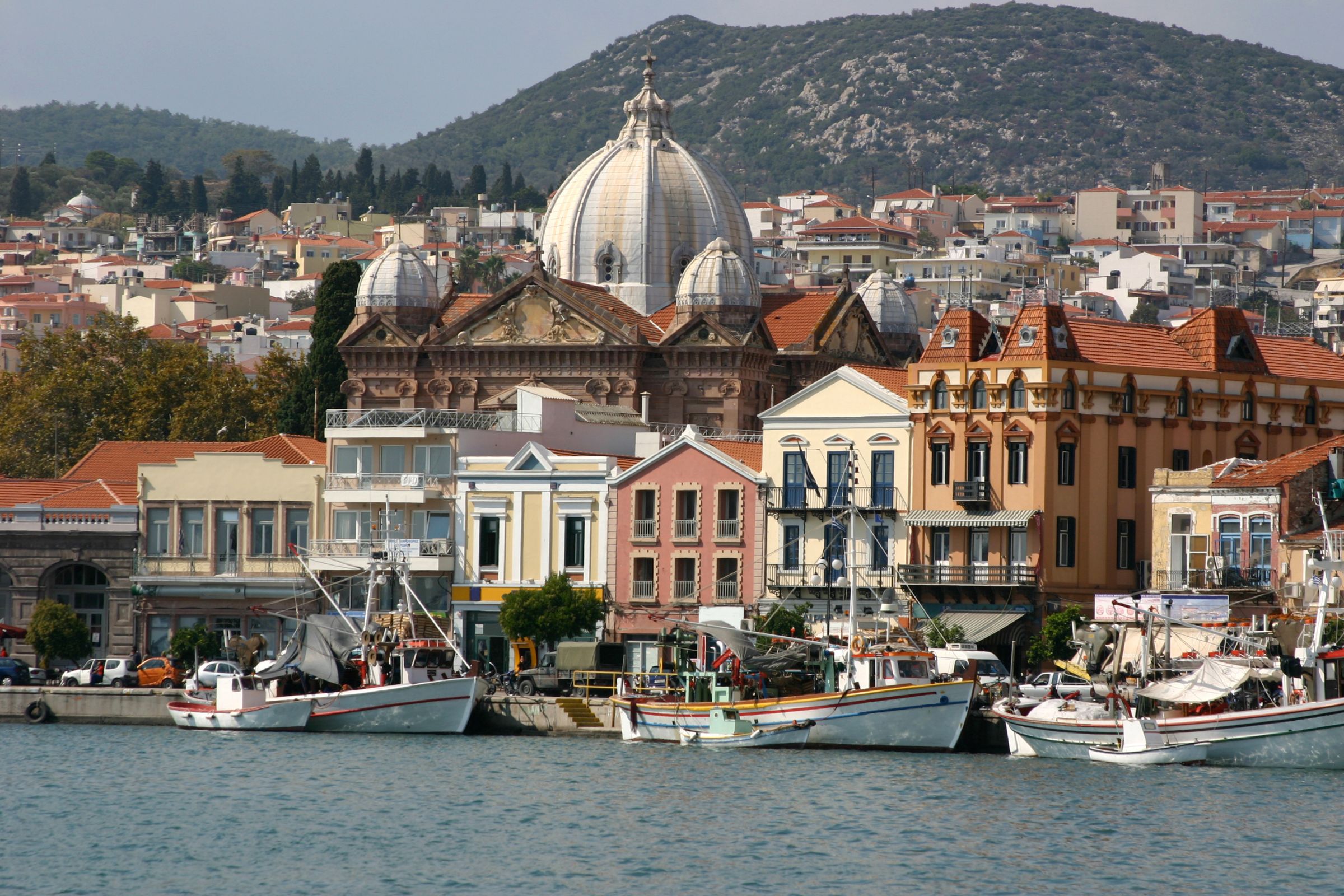
Mytilene perches on the southeastern tip of Lesvos, Greece’s third-largest island. It’s where ancient ruins bump up against lively city streets.
The capital stretches between two harbors, rising up over seven hills. From the water, the view’s honestly pretty striking.
This city of about 30,000 people has everything—think a sprawling medieval castle, fresh seafood tavernas, and a university vibe that keeps things buzzing.
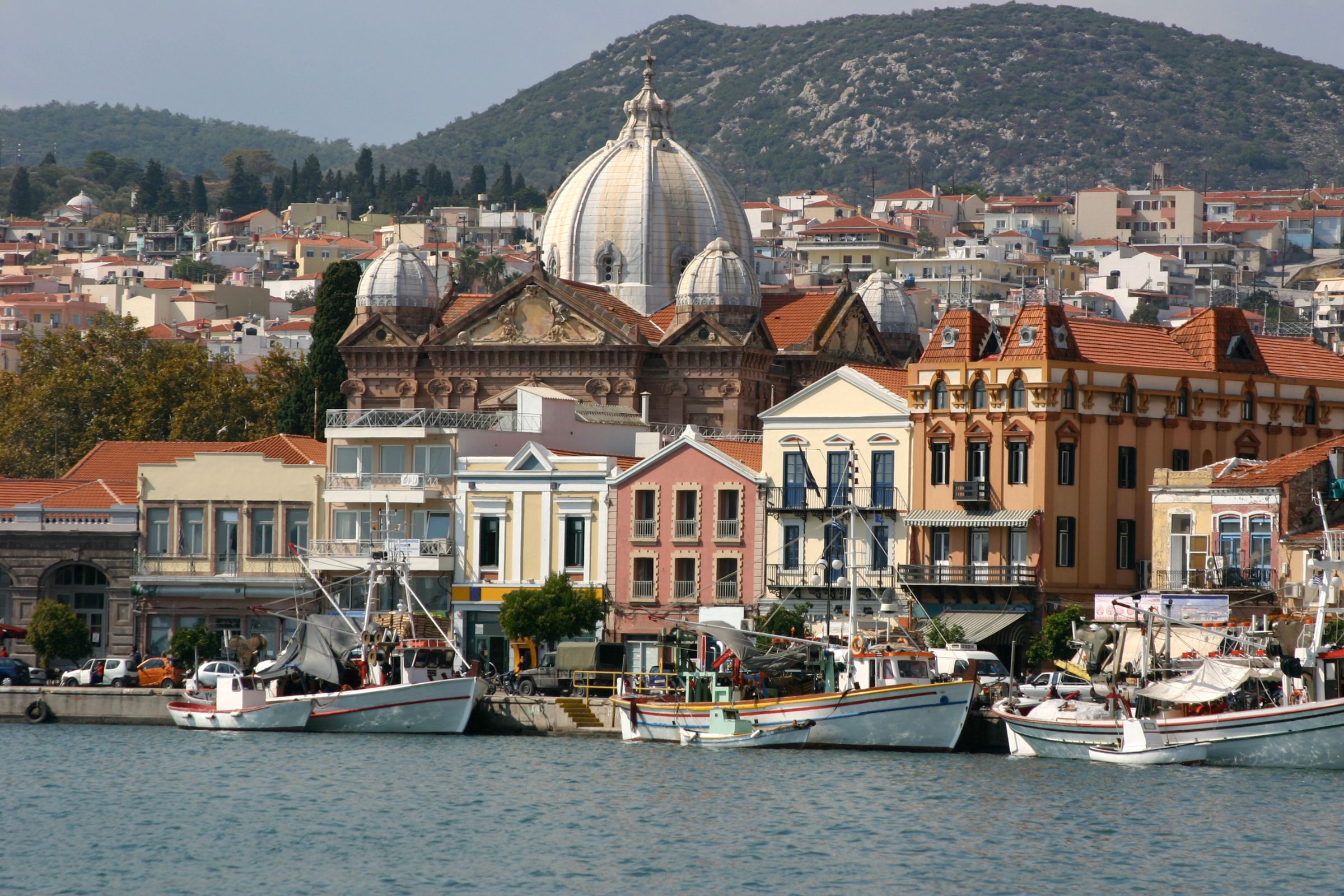
A lot of travelers just breeze through Mytilene on their way to the beaches, but that’s their loss. There’s a real energy here.
Students from the University of the North Aegean fill the cafes, mixing with locals who’ve been here for generations. You’ll wander past grand 19th-century mansions and catch snippets of Greek, Turkish, and maybe even a bit of English in the air.
What’s so cool about Mytilene? It’s the way old and new collide. The huge fortress looms over busy fishing harbors, where tavernas serve up whatever came in on the boats that morning.
Museums and art galleries dot the city, showing off everything from ancient relics to bold new artwork. If you love both culture and food, you’ll find plenty to keep you busy here.
The Mighty Castle of Mytilene
Let’s start with the big one: the Castle of Mytilene. This place sprawls over 60 acres on a hill above the harbor.
It’s one of the biggest medieval fortresses anywhere in the Mediterranean, and you can really feel the layers of history—Byzantine, Genoese, Ottoman—all mashed together.
Historical Significance and Architecture
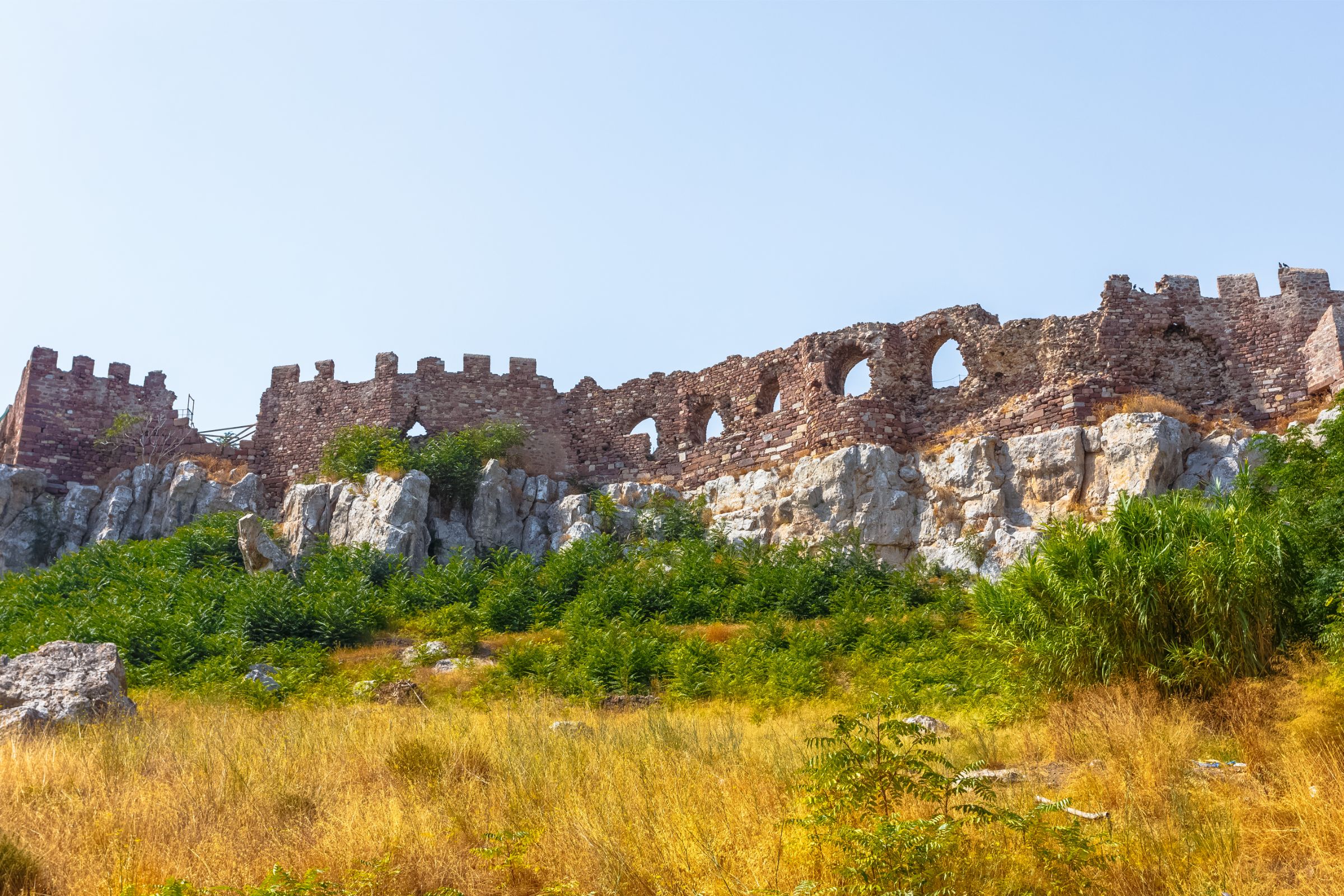
The castle’s story goes way back to the 6th century, during Emperor Justinian’s time. I love tracing its evolution through the three main building phases.
The Upper Castle holds the oldest walls. Byzantine rulers put up the first defenses right where the ancient acropolis once stood.
Back then, the most important religious and administrative buildings sat inside these walls.
Later, the Gattelusi family took over and built up the middle fortifications. Then the Ottomans swept in around 1462, adding their own touches.
Some standout features:
- Gates from the Byzantine era (restored and easy to spot)
- A 16th-century Ottoman seminary (Medrese)
- Defensive walls stacked on three different levels
- Courtyards and educational buildings from the Ottoman period
The Ottoman seminary really deserves a look. It’s a two-story building with a square plan, wrapping around a peaceful inner courtyard.
Downstairs, people once cooked and offered alms. Upstairs, you’ll find a domed hall and a tiny prayer niche—evidence of its religious purpose.
Exploring the Castle Grounds
If you’re visiting, start at the Lower Castle. Multiple entry points make it easy to get in, and a coastal road now slices through this part, thanks to demolition work back in the ‘60s.
The Middle Castle takes a bit more effort to reach. But it’s worth it—the structures are better preserved, and you’ll find restored Ottoman buildings and old defensive spots.
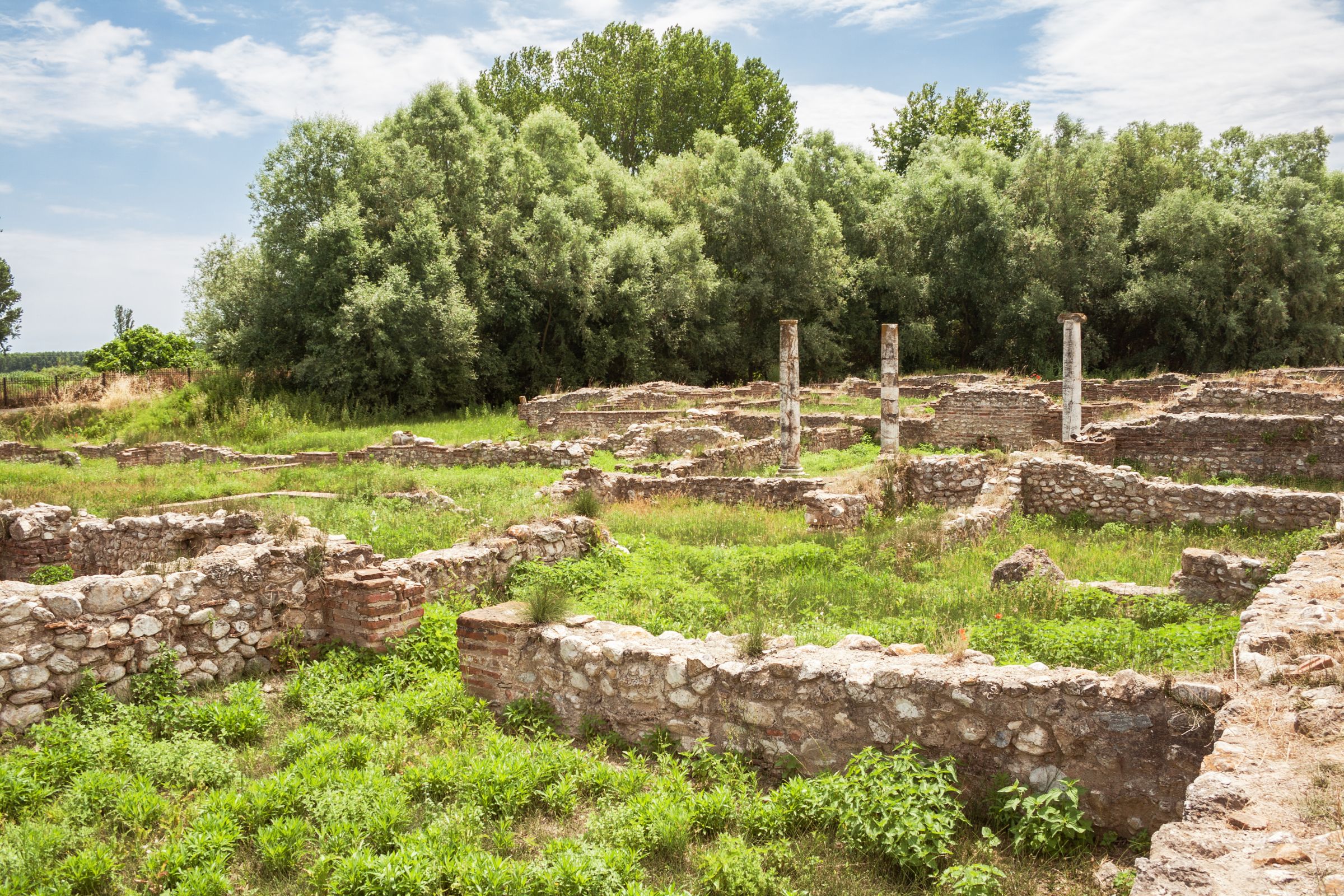
At the top, the Upper Castle sits at the heart of it all. Archaeologists uncovered a sanctuary of Demeter here, which Canadian teams helped excavate.
Keep an eye out for:
- Restored northeastern walls (missing parts rebuilt)
- Original Byzantine gates
- Ottoman powder storage
- Stone passages connecting different castle levels
Greece’s Ministry of Culture has poured over 15 million euros into restoration. The focus? Protecting the Great Wall, main tower, and Ottoman buildings, while making it all visitor-friendly.
They recently finished restoring the Ottoman seminary, with 1.5 million euros going into that project alone. Crews also rebuilt crumbling sections of the northeastern walls.
Panoramic Views and Photography Spots
The castle’s location means you get killer views of Mytilene and the North Aegean. I always find myself lingering at the best vantage points.
Top spots for photos:
- Upper Castle walls overlooking the harbor
- Ottoman seminary courtyard
- The northeastern tower ruins
- Western walls with a city panorama
From the upper walls, you can see the port in action and even the Turkish coastline on a clear day. Early mornings are best—soft light, hardly any crowds.
The western walls frame the city’s mix of old and new—red-tiled roofs, blue sea, and neoclassical facades. It’s a patchwork that’s hard to resist.
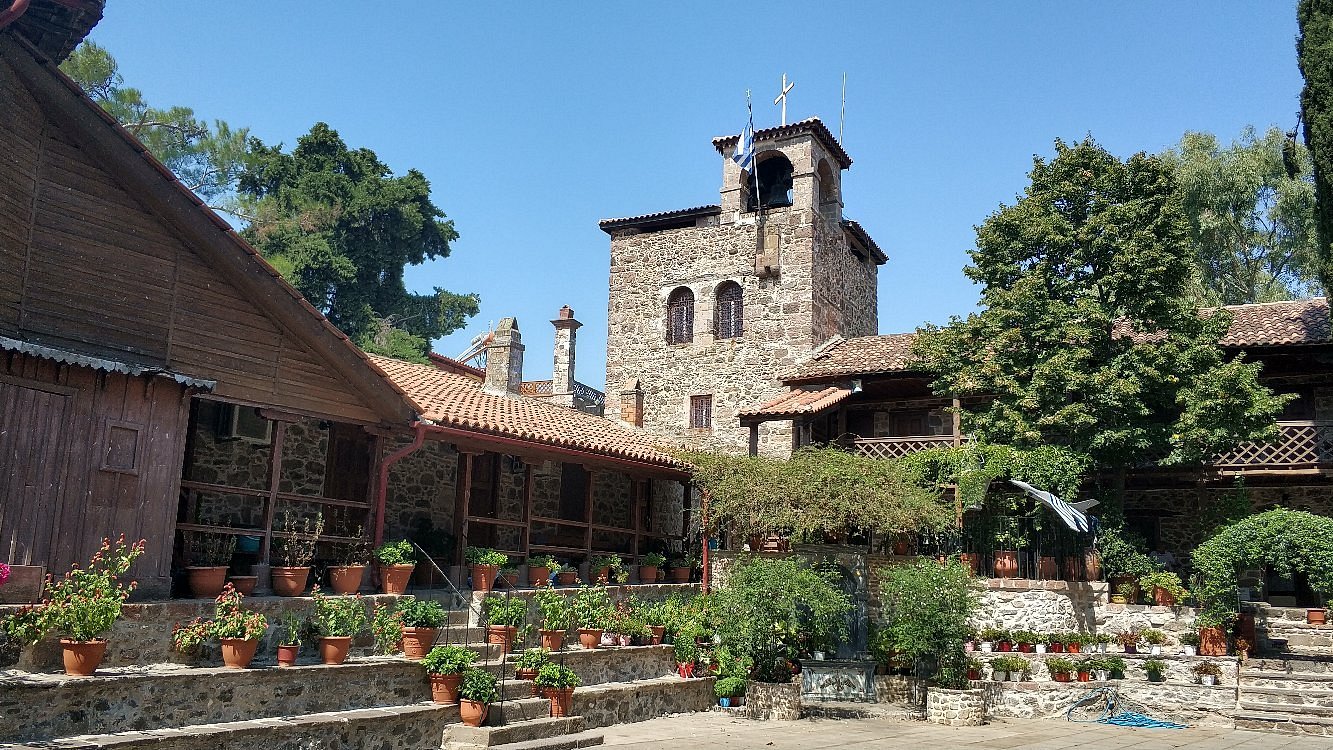
Image Source: Tripadvisor
Inside, the Ottoman seminary’s courtyard offers a different vibe. Stone arches and geometric patterns make for great close-ups.
If you can, stick around for sunset. The light is gorgeous, and the castle walls turn golden as fishing boats head back to port. I’d recommend a wide-angle lens to capture it all.
Cultural Gems and Museums
Mytilene packs in some seriously impressive museums. The city does a great job preserving everything from ancient Greek artifacts to Byzantine icons and folk art.
Archaeological Museum Collections
The Archaeological Museum of Mytilene is a must for history buffs. I always get drawn in by the Roman mosaics—whole floors covered in mythological scenes.
You’ll also find pottery from the Archaic period through Roman times. Stone sculptures and marble reliefs show off ancient craftsmanship.
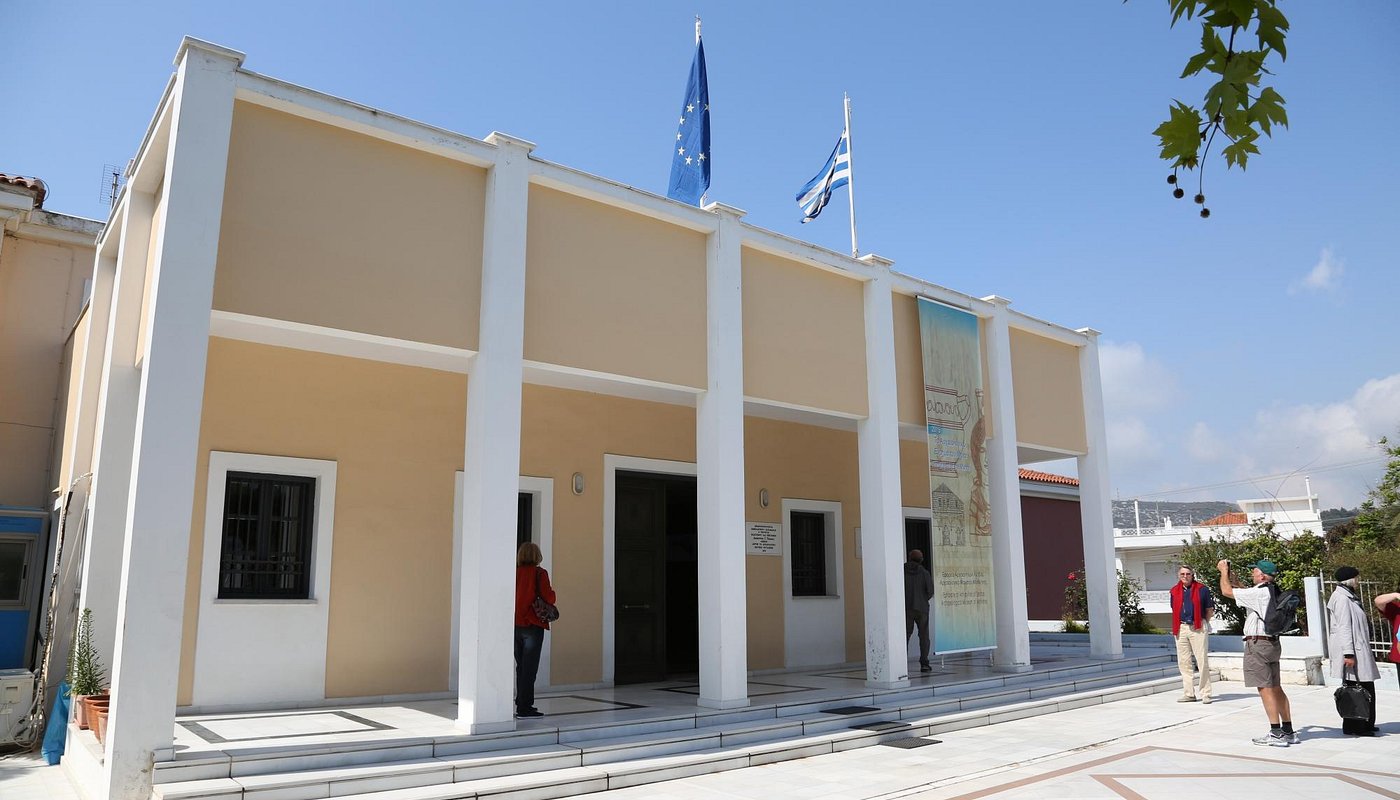
Image Source: Tripadvisor
Don’t miss:
- 3rd-century BC theater masks
- Roman marble statues
- Ancient coins and jewelry
- Pottery from all eras
The museum itself sits in a neoclassical building from the early 1900s, which gives the ancient treasures inside a touch of grandeur.
Byzantine Museum and Artifacts
The Byzantine Museum focuses on religious art from Lesvos’ Christian heritage. You’ll see icons from the 15th to 18th centuries, each showing how artistic styles evolved.
Carved wooden screens and church furniture highlight local talent. Gold-leafed items and illuminated manuscripts round out the collection.
A lot of these icons survived the Ottoman era, rescued from churches and monasteries across the island. They offer a window into how Byzantine art shaped local tradition.
Theophilos Museum of Folk Art
Theophilos Hatzimichail might be Greece’s most beloved folk painter, and this museum celebrates his legacy. His paintings burst with color, capturing Greek history and everyday island life.
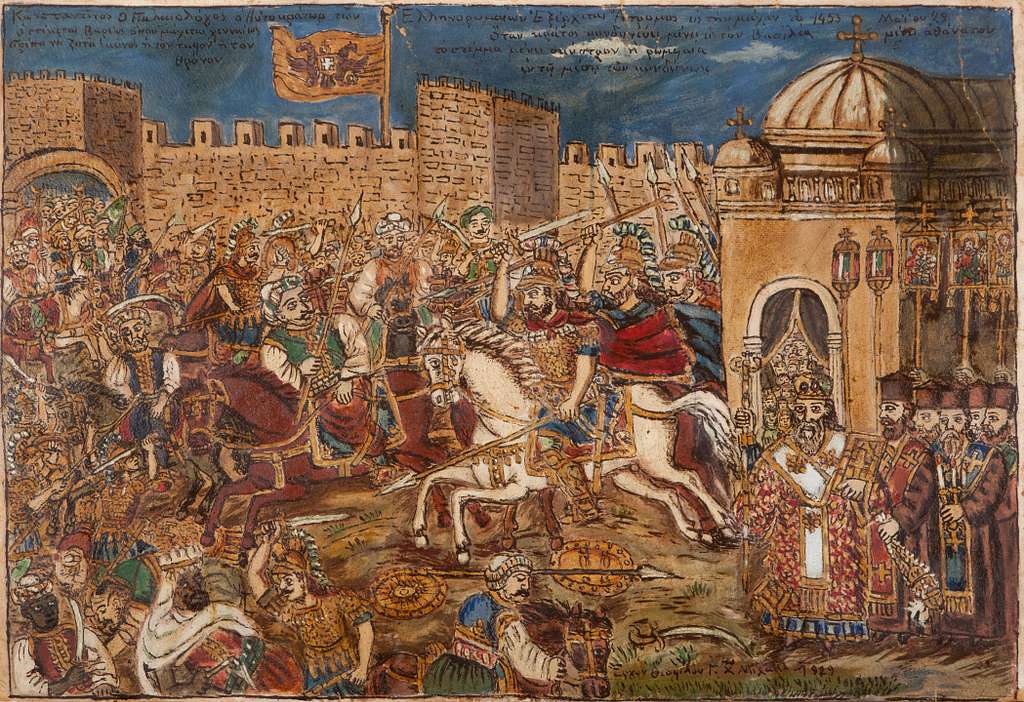
He painted on just about anything—walls, wood, canvas. Village festivals, mythological heroes, and local costumes fill his work.
You’ll find over 86 originals here, organized by theme. I love how his art bridges ancient stories and modern island culture.
Neoclassical and Ottoman Heritage
Mytilene’s architecture tells its own story. Museums are often housed in restored mansions, letting you experience both the building and its contents.
You’ll see carved balconies, painted ceilings, and tile roofs—hallmarks of local style. Ottoman-era buildings feature covered balconies and inner courtyards, blending seamlessly with later neoclassical touches.
Sometimes, just walking through these historic homes feels like stepping back into another era.
Seaside Tavernas and Local Cuisine
If you love eating by the water, Mytilene’s got you covered. The waterfront is lined with tavernas serving up the freshest Aegean seafood, and the ouzo culture here is something special.
Harborfront Dining Experiences
Down by the harbor, you’ll find some of Greece’s most authentic waterfront dining. I stumbled upon tavernas along the coastal road that always seemed busy, no matter the hour.

To Balkonaki in Vareia sits just above the road, looking out over the small harbor. It’s a top spot for seafood with a view.
Their calamari is sweet and tender—probably the best I’ve had on the island. While seafood takes center stage, you’ll also find solid home-style dishes.
O Dimos by the harbor in Upper Scala is another favorite. You can watch the sun set behind the castle while tucking into grilled octopus.
This place nails the classic Mytilenian ouzeri vibe. Bottles pile up as diners order round after round of meze.
Traditional Dishes and Specialties
Lesvos has its own culinary identity, mixing Greek and island flavors. You’ll spot salt-baked fish—usually sea bream or red mullet—on lots of menus.
There’s dolmades (vine leaves stuffed with rice or meat) and sougania (minced meat wrapped in onions). The Imam dish features eggplants soaked in sauce for hours.
Menus change with the seasons. In winter, tavernas often serve chickpeas with goat—a hearty, rustic dish.
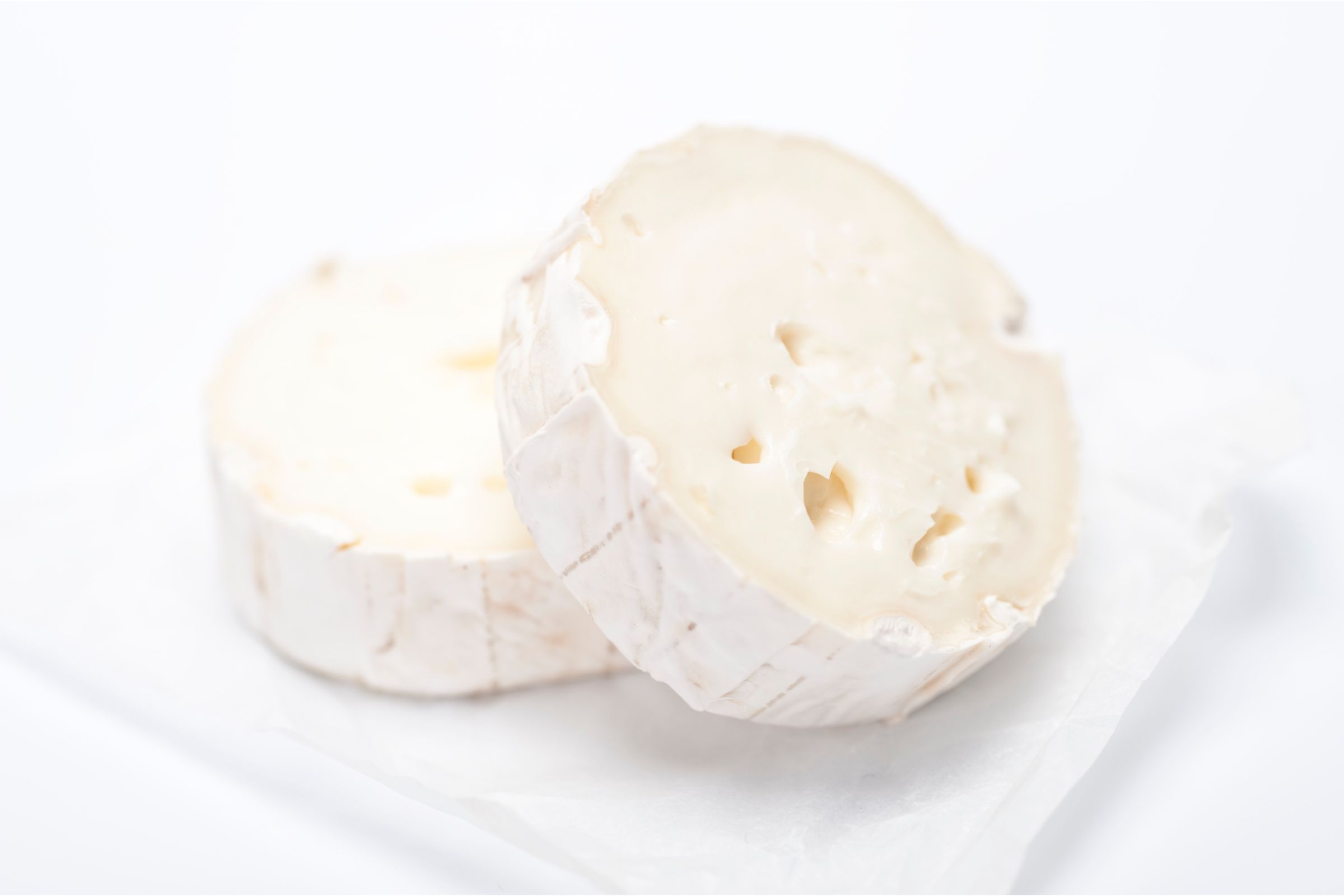
Ladotyri cheese grilled as meze is a local staple. Bean dishes, both broad and white, make great sides for seafood.
Ouzo and Meze Culture
Ouzo isn’t just a drink here—it’s a whole way of life. After 1:00 PM, locals fill tavernas, ordering ouzo and a parade of meze plates.
You’ll see tall glasses filled with ouzo, cold water, and ice, turning the spirit milky white. Meze dishes keep coming: bitter greens, shrimp with lemon, grilled fish, and more.
Lesvos and ouzo go hand in hand. The spirit even has EU protection as a Geographical Indication—only Greek and Cypriot producers can call it ouzo.
People gather around these tables for hours, talking politics, sharing stories, and just enjoying the moment. The ouzo bottles stick around until the last person calls it a night.

Traditional Architecture and Historic Districts
Mytilene’s architecture reads like a timeline. You’ll see neoclassical mansions, Ottoman buildings, and Byzantine churches all within a few blocks.
The mix of Venetian, Ottoman, and Greek styles gives the city its unique character.
Old Town and Cobbled Streets
The old town’s winding cobblestone streets feel like a living museum. Cafes and little shops line the alleys, and the vibe is pure Greek island.
Mikras Asias Street stands out for its Ottoman-era buildings. The old Law Courts building, once a school, shows off the neoclassical Anatolian style.
The Halim Bey mansion, built in 1880, tells a story of Ottoman wealth. In 1923, Greek refugees found shelter here during the population exchange.
Today, the mansion houses the Municipal Art Gallery. It’s a testament to the craftsmanship of Ottoman families who shaped Mytilene’s skyline.
Neoclassical Mansions and Landmarks
Along the harbor, neoclassical buildings catch the eye with their elegant facades and classic proportions. The old Town Hall from 1900, designed by German architect Ernst Ziller, is a standout.
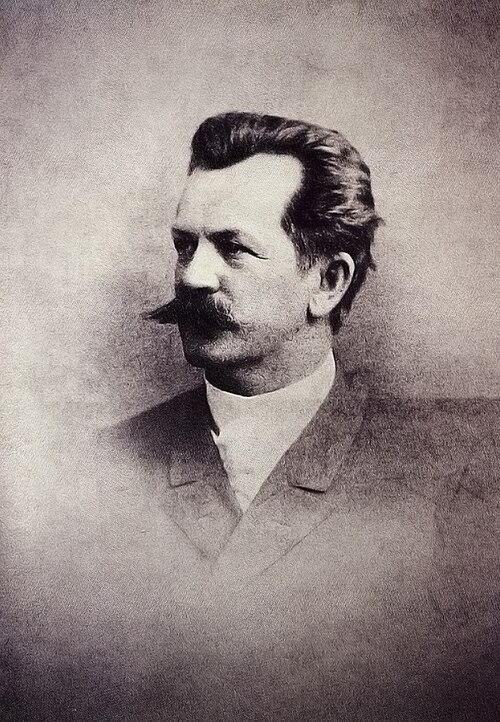
Image Source: Wikimedia Commons
Key Neoclassical Features:
- European and Ancient Greek influences
- Distinctive stonework
- Graceful lines and symmetry
Upper-class mansions from the 18th and 19th centuries showcase baroque and neoclassical styles. These homes belonged to Lesvos’ wealthiest families, reflecting the island’s prosperity.
The Varelitzidaina mansion in a nearby village has been beautifully restored. Now it’s an interactive museum where you can learn about traditional building methods.
Mytilene isn’t just a stopover—it’s a city with stories around every corner, waiting for travelers who take the time to explore.
Religious Monuments and Mosques
The Metropolitan Church of Agios Athanasios stands out as a 16th-century relic, and its neo-gothic bell tower always catches my eye. Builders actually hauled stones all the way from Asia Minor quarries for this place—can you imagine the effort?
Inside, you’ll spot some of Lesvos’ most impressive post-Byzantine woodcarvings. The intricate details really highlight the skills of local artisans, and honestly, it’s hard not to linger and admire their handiwork.
The Church of Agios Therapontas mixes things up with its architecture. Construction started in the early 19th century and finally wrapped up in 1935, blending Byzantine, Baroque, neoclassical, and gothic styles in a way that’s both unexpected and oddly harmonious.
The dome is massive and commands attention from every angle. Turns out, one of Ernst Ziller’s local assistants designed it, so it’s not your typical Greek church—far from it.
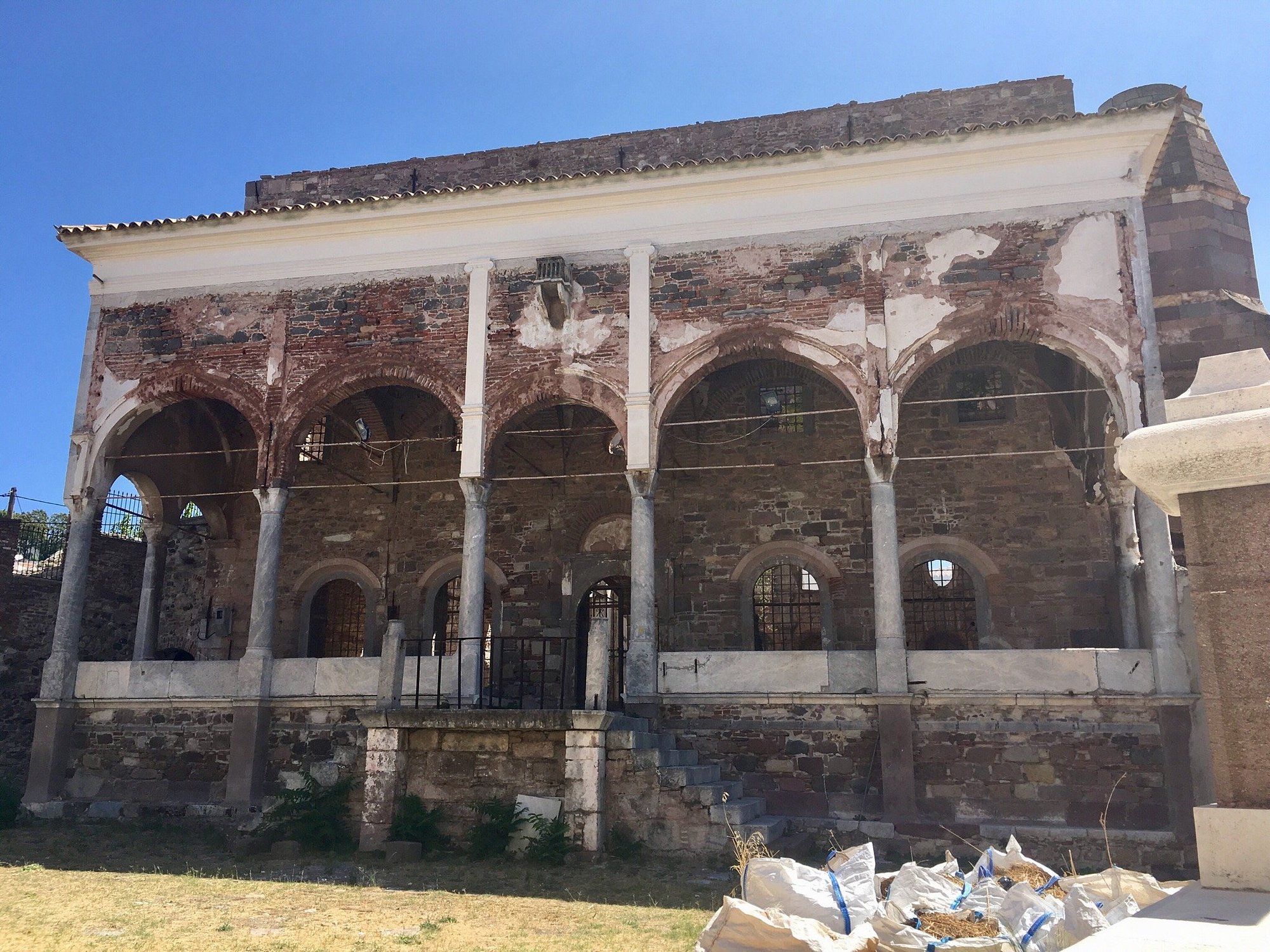
Image Source: Tripadvisor
You’ll also find the Yeni Mosque, a striking example of Ottoman religious architecture right in Mytilene. The Halim Bey family’s descendants built it, and the Islamic influences are unmistakable, adding another layer to the island’s story.
University Life and Vibrant Local Scene
The University of the Aegean gives Mytilene a pulse you don’t find everywhere. There’s this lively blend of academic buzz and classic Greek island charm—students spill out into the city, filling up cafes and bars, and the energy just feels contagious.
Festivals pop up all the time, and the mix of locals and students creates a vibe that’s both traditional and refreshingly modern.
The University of the Aegean Presence
The University of the Aegean really put Mytilene on the map as an academic hub in the eastern Aegean. Every year, thousands of students arrive, and I’ve watched the city shift—suddenly, it’s younger, busier, and way more diverse.
You’ll run into both Greek and international students on campus. That multicultural buzz weaves right into daily island life, and it’s honestly one of the city’s best features.
Key University Facts:
- Multiple academic departments scattered around town
- Students come from all over Greece—and beyond
- The city stays active year-round thanks to the academic calendar
- Research programs focus on everything from Aegean studies to environmental science
The city really comes alive from September through June, when the student population peaks. During these months, Mytilene feels more cosmopolitan, with something always happening somewhere.
Student Hotspots and Urban Energy
Students tend to cluster in certain neighborhoods, and you can feel the energy shift as you move through the city. The harbor promenade is a favorite spot for grabbing coffee, catching up with friends, or just people-watching.
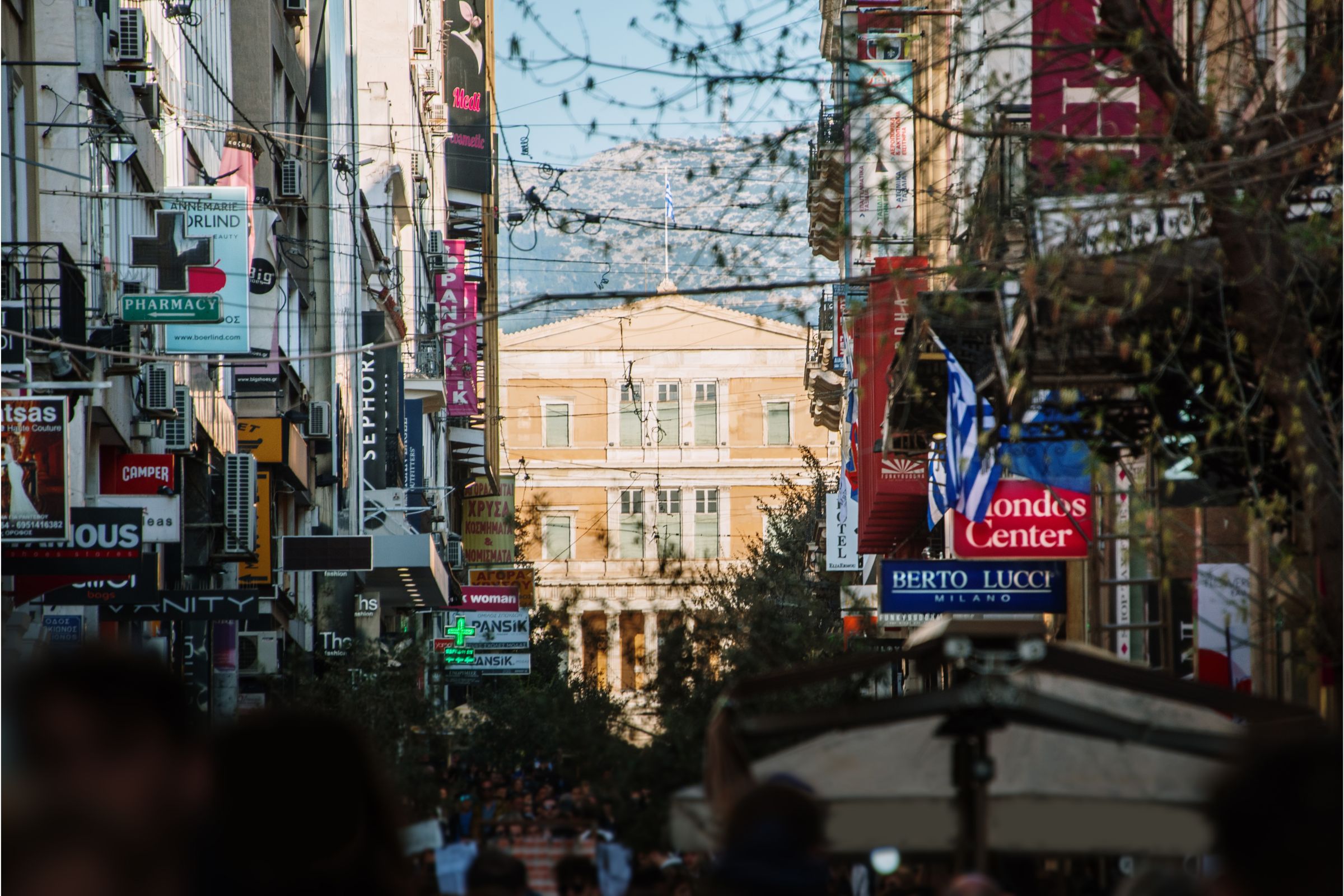
Ermou Street stands out as the unofficial student avenue. You’ll find cheap eats, quirky bookstores, and shops that cater to student budgets—plus plenty of places to just hang out between classes.
Popular Student Areas:
- Harbor District: Waterfront cafes perfect for studying or relaxing
- Ermou Street: Wallet-friendly restaurants and student-centric shops
- Central Square: The go-to spot for meeting up or spontaneous gatherings
- Near Campus: Affordable apartments and all the essentials students need
The nightlife scene gets a noticeable boost from the university crowd. Bars stay open late, and live music or cultural events seem to pop up more often, especially when classes are in session.
Local businesses have definitely adapted. You’ll see traditional tavernas right next to sleek modern cafes with speedy WiFi and plenty of plugs—perfect for studying or just scrolling through your phone.
Events, Festivals, and Cultural Activities
Mytilene really comes alive with cultural events all year long. Students and locals mix traditions and fresh ideas in ways you just don’t see everywhere.
The university jumps in with public lectures, art shows, and conferences. Anyone can wander in, which I think is pretty cool.
I stumbled on music festivals and cultural celebrations more often than I expected. These gatherings pull together students, longtime residents, and curious travelers like me.
Annual Cultural Highlights:
- Academic conferences and symposiums
- Student theater and music performances
- Art exhibitions at local galleries
- Traditional Greek festivals with student involvement
University programs and local heritage weave together, so there’s always something happening—no matter the season.
Students join in on old-school celebrations, while locals show up for university events. This back-and-forth creates a lively buzz you can actually feel.
Honestly, I noticed Mytilene’s social scene felt way more vibrant than what you’d expect from an island this size. It’s not just a tourist stop; it’s a place where tradition and new energy meet.

.jpg)