
Ioannina sits beside Lake Pamvotida in Epirus, but honestly, there’s so much more going on here than just the calm water. As I wander the lively streets, I stumble on a city where tradition and modern energy mingle—from old silversmith workshops to the corners buzzing with university life.
Ioannina’s blend of old-world craftsmanship and a youthful student vibe makes for a travel experience I won’t forget on the Ionian coast.
I watch silversmiths shape jewelry with a careful touch, a skill families have passed down for generations. Cafés overflow with students from the University of Ioannina, filling the city with fresh ideas and a pulse you can actually feel.
Every day here, I discover another layer—history, learning, local flavor—all of it coming together along the lake.
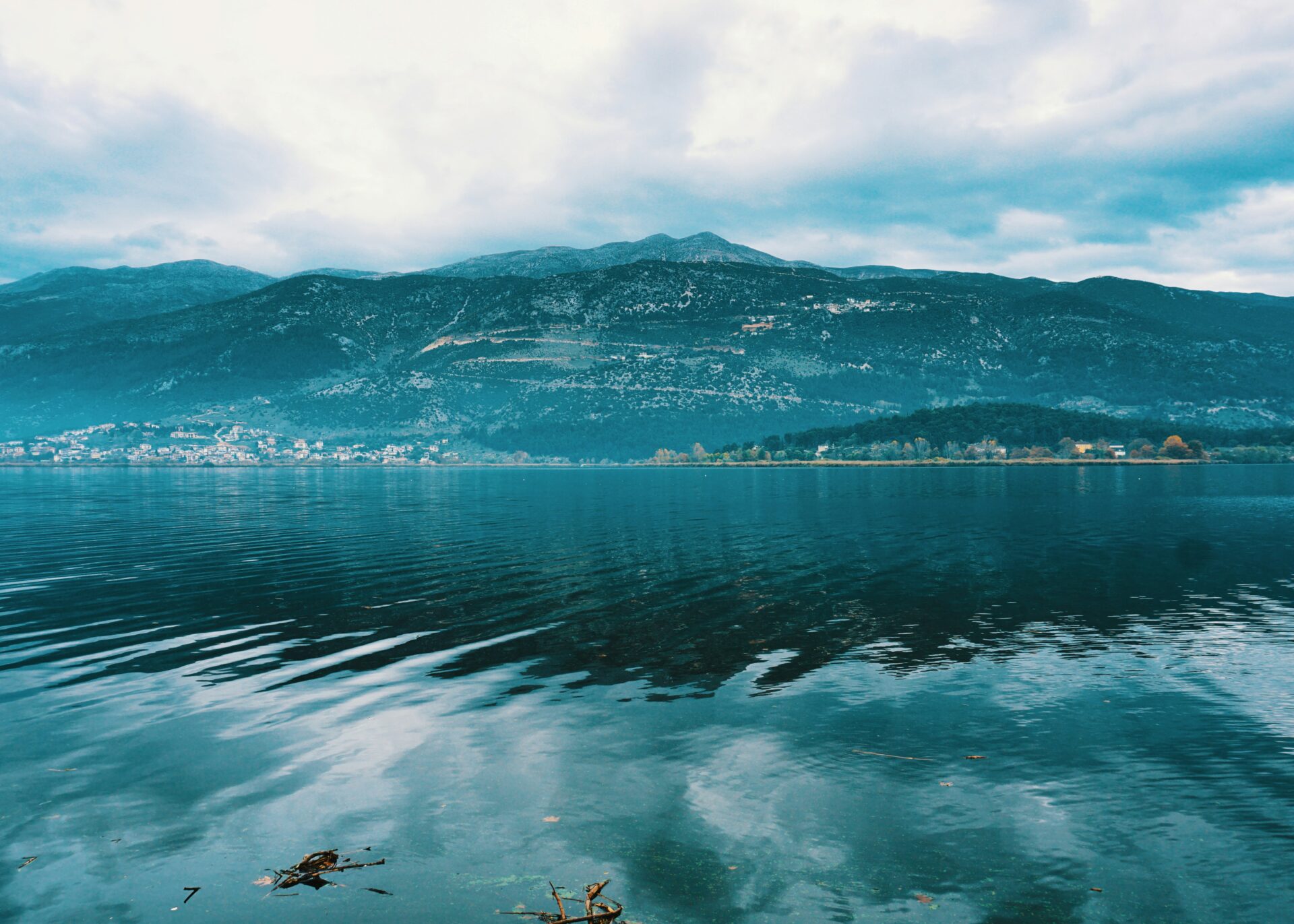
Ioannina’s Legendary Lakefront and Island Enchantment
The lakefront in Ioannina isn’t just a pretty view; it pulls you in with its calm water, old legends, and a sense that there’s always more to find. I step onto the shore and right away, I sense a mix of natural beauty, lively culture, and that relaxed Mediterranean rhythm.
Natural Beauty and Seasonal Charms
Lake Pamvotis stretches out like a mirror, catching the moods of the sky and the earth. In spring, wildflowers explode along the banks, and the mountains wear a bright green coat.
Locals and visitors fill the parks, walking or biking, just soaking in the fresh air.
Summer feels alive, with breezes coming off the water. I love watching families set up picnics under the big plane trees.
The lake glitters in the sun, boats and fishermen drifting across its surface.
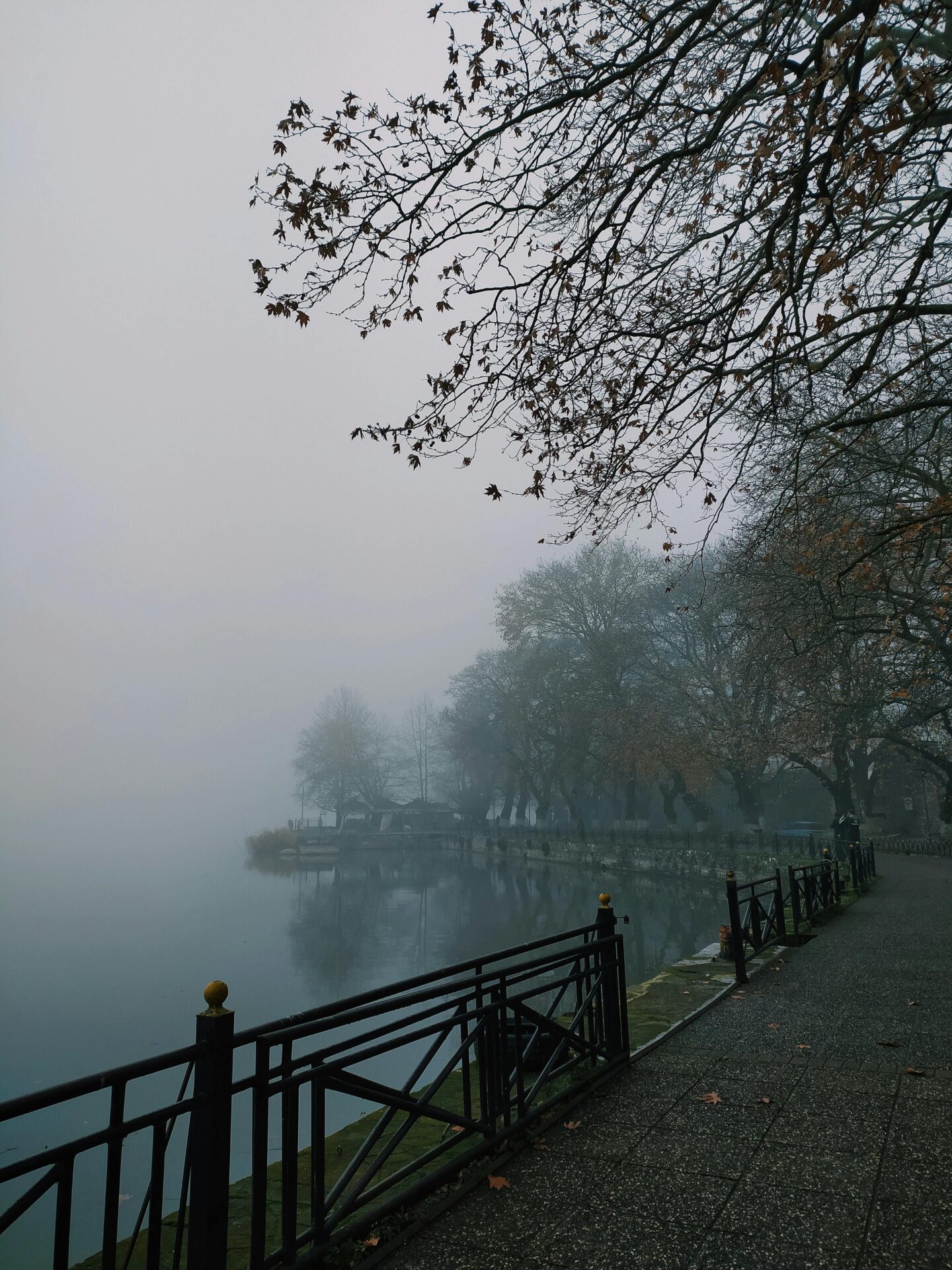
Autumn paints everything gold and red. It gets quieter, perfect for evening walks along the promenade, the smell of wood smoke curling from nearby cafes.
Sometimes in winter, snow dusts the hills—a rare but magical sight in this part of Greece.
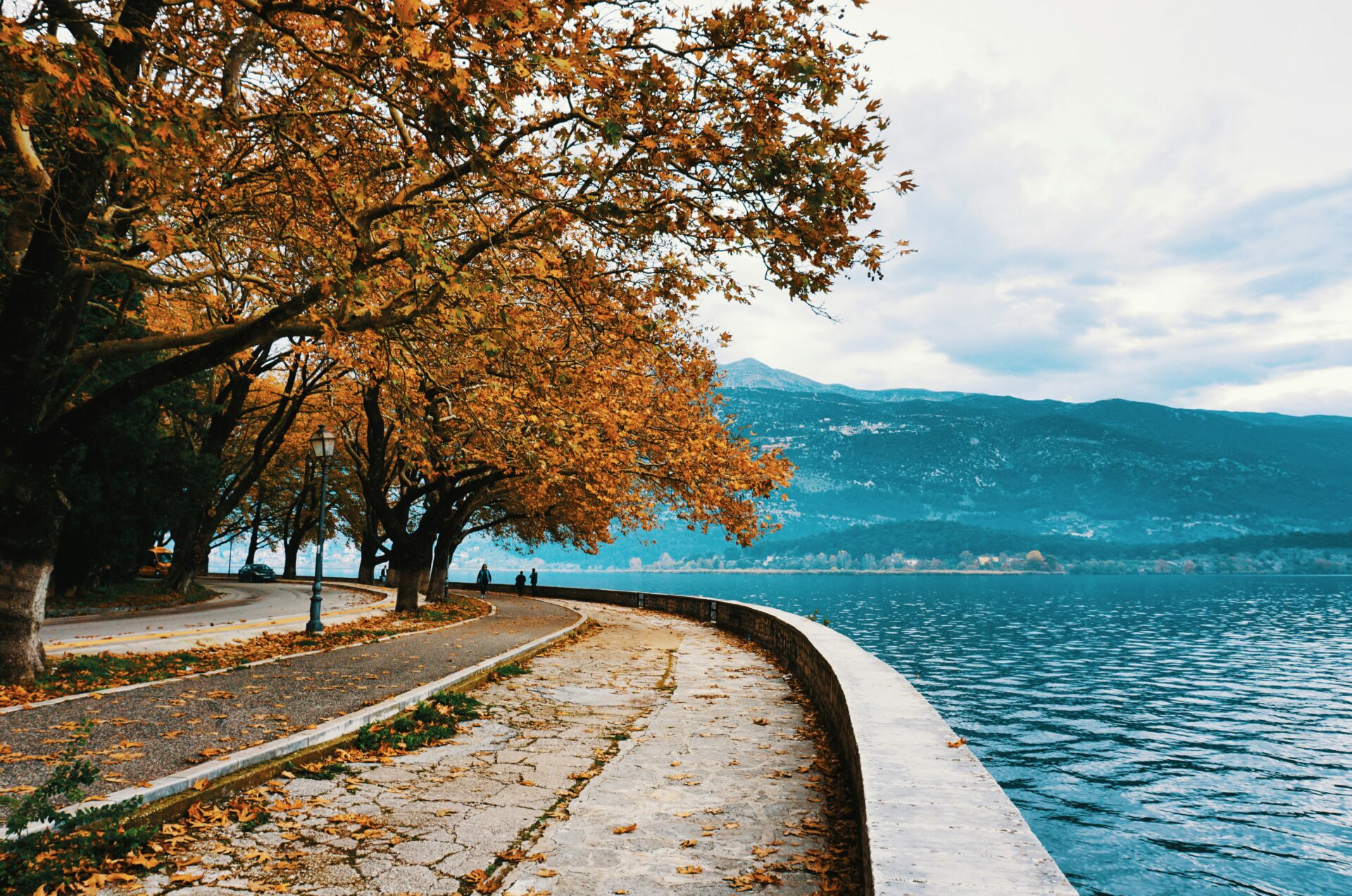
Ferry Journeys and the Allure of Island Life
Hopping on the short ferry across Lake Pamvotis feels like slipping into a secret world. The ride is peaceful, breezy, with the castle staring back from the far bank.
The island isn’t just a tourist stop—it’s home to a small, close-knit community.
When I arrive, narrow cobbled paths wind between monasteries, stone houses, and tiny artisan shops. Some monasteries date back centuries, their frescoes and courtyards telling stories you can still feel.
No cars here—just quiet and the steady rhythm of daily life.
I try sweets in a family-run taverna, getting a taste of tradition that’s lasted for generations. Walking the edge of the water, I spot fishermen casting nets—a living piece of the island’s rhythm.

Influence of Mediterranean Climate
Ioannina enjoys a classic Mediterranean climate—mild winters, warm dry summers. Spring and early autumn feel especially nice, with comfortable weather for exploring or strolling by the lake.
I notice how the seasons change the look of the island and the city’s mood.
Summers can hit 32°C (about 90°F), but the lake breeze keeps things pretty comfortable. Winters don’t get too cold, rarely dropping below 5°C (41°F).
Snow sometimes dusts the mountains, but the city itself gets lots of bright days and crisp evenings.
The climate shapes local routines—from garden planting to shop hours. For me, the weather here always feels just right, making it easy to enjoy both the city’s energy and the island’s calm.
Silversmithing Traditions: The Shimmering Soul of Ioannina
Silverwork runs through Ioannina’s veins, sparkling with stories from long ago. Every winding street in the old city rings with the sound of hammers, and metalwork shapes both daily life and the city’s place in Greek history.
Origins and Ottoman-Era Mastery
When I first heard about Ioannina’s silversmiths, I didn’t expect the tradition to go back almost a thousand years. Silversmithing here really flourished during the Ottoman era, becoming woven into Ioannina’s cultural fabric.
Ottoman rule brought new skills and styles, mixing Greek artistry with influences from all over the empire. Artisan families formed guilds, passing secrets down the line.
Walking through Ioannina, I sense the pride in this intricate tradition.
Many of Greece’s antique silver pieces—jewelry, candle holders, you name it—came from workshops like these. Here, history feels close, not just something from textbooks or faraway ruins.
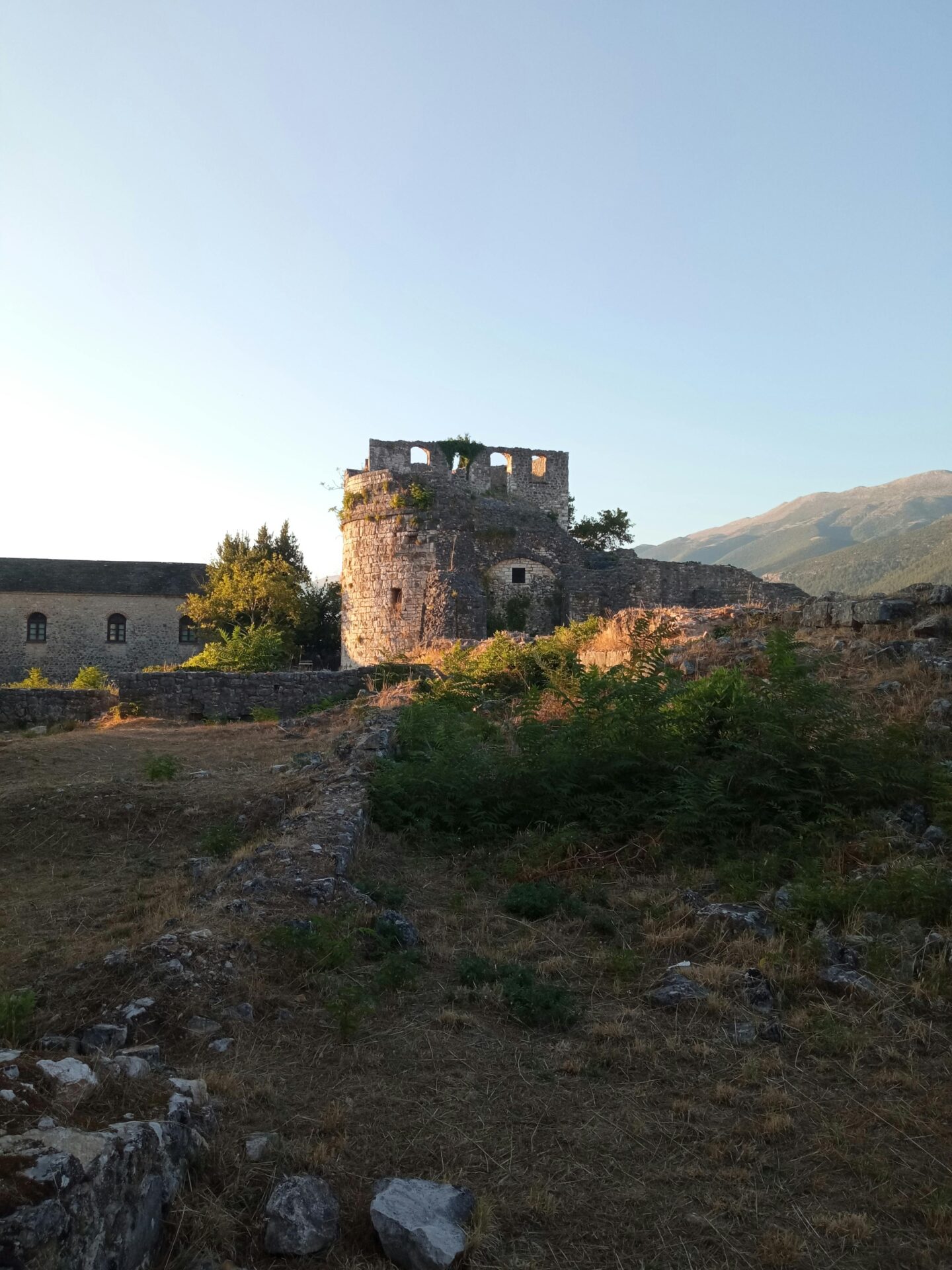
Exploring the Silversmithing Museum
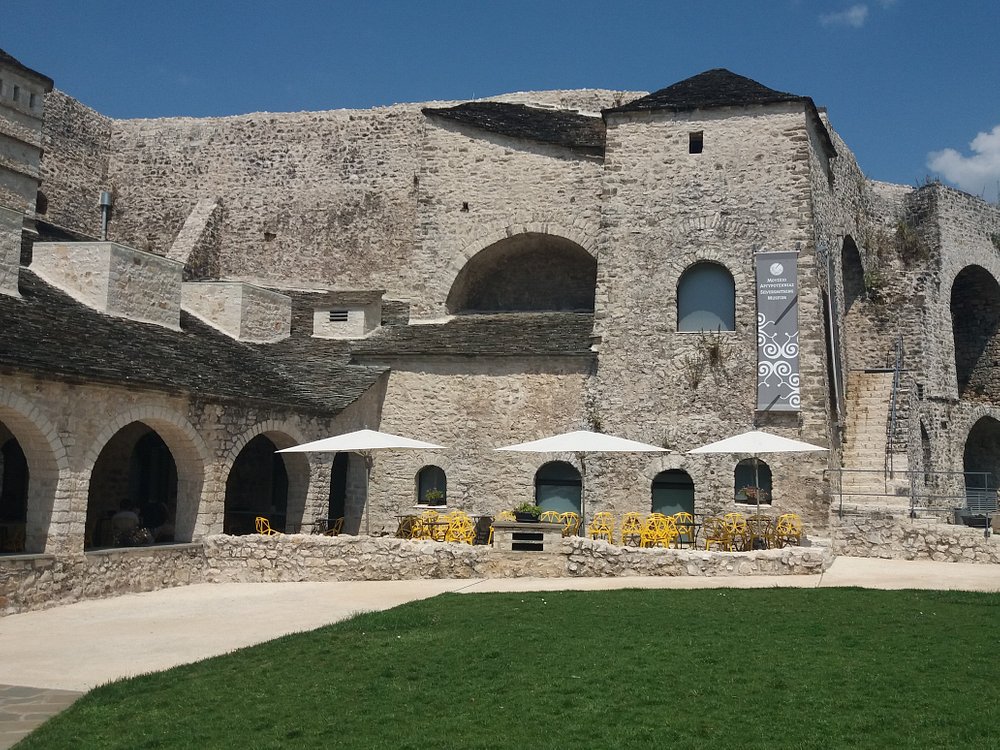
The Silversmithing Museum, set inside the Castle of Ioannina in the Its Kale bastion, feels like a hidden trove. I step inside and find old tools, beautiful silverware, and examples of hand-engraved boxes and jewelry that put Ioannina on the map.
The museum’s exhibits and multimedia displays walk you through the craft’s evolution, from ancient times to now.
Families and solo travelers can easily spend an hour or two here, diving into the stories behind ornate belts and delicate crosses. I leave with a new respect for the patience and skill that goes into every piece.
Artisans at Work in the Old City
I wander the old city’s narrow streets and can’t help but peek into silver workshops. The tap-tap-tap of tools echoes down the alleys.
Inside, artisans sit at wooden benches, polishing filigree or soldering tiny chains.
They stick with techniques their grandparents used, but also add modern touches. Some even let visitors watch or try a simple task.
Shops overflow with finished pieces—bracelets, goblets, icons—each catching the light and telling a bit of Ioannina’s story.
I like stopping to chat with the silversmiths. Many share stories about their families, the Ottoman influences in their designs, and even local legends.
From Ancient Roots to Modern Craft
Ioannina’s silverwork doesn’t stay stuck in the past. Today’s silversmiths respect tradition, but they’re not afraid to try new things.
Some mix classic Greek patterns with modern style. Others draw on ancient myths for inspiration.
That living link between old roots and new ideas makes Ioannina stand out. I spot shops selling pieces that echo ancient elegance and bold Ottoman flair.
This adaptability keeps the craft alive, pulling in younger artists—including students from the city’s busy university.
If you want a souvenir with real meaning, Ioannina silver is hard to beat. Each piece carries part of the city’s story—a shining thread in Greece’s big tapestry.
A University City Alive: Youth, Energy, and Urban Pulse
Ioannina buzzes with youthful energy, thanks to its students and lively streets. Local hospitality mixes with a modern beat, making the city feel both timeless and fresh.
The Student Presence: Day and Night
From the minute I arrive, I notice Ioannina’s youthful energy everywhere. The University of Ioannina draws thousands of students from Greece and beyond.
During the day, groups chat in Greek along the lakeside or head to class with backpacks slung over one shoulder.
At night, everything shifts. Parks and streets fill with laughter, debates, and sometimes late-night studying.
Public spaces feel safer and more alive than in a lot of university towns I’ve seen.
The student presence shapes daily life, blending tradition with a modern vibe.
Events pop up all the time—open-air concerts, language meetups (great for practicing my Greek). The campus blends into the city, so the line between university and community feels blurry in the best way.
Cafés, Nightlife, and Gathering Spots
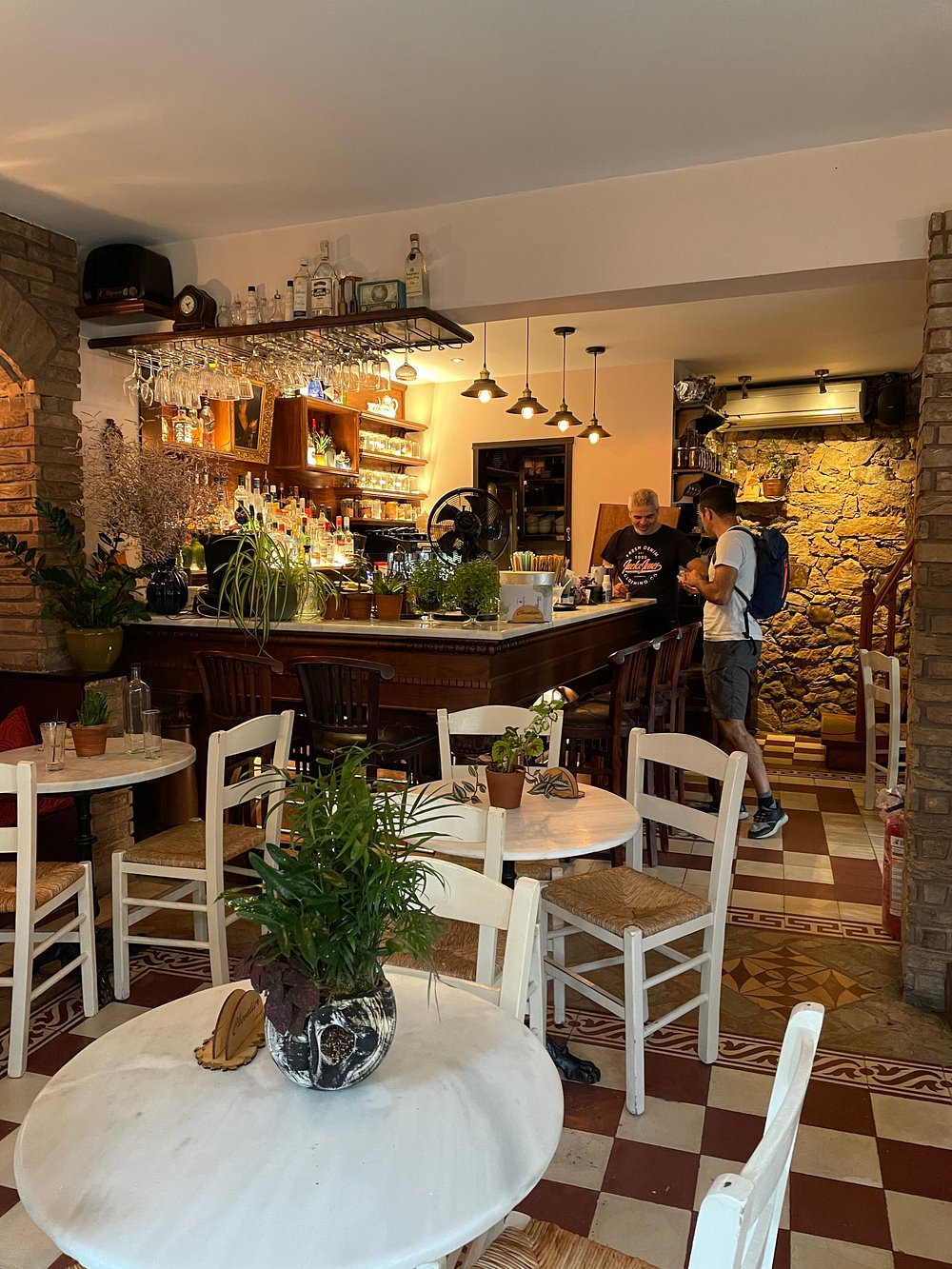
Cafés are the heartbeat of Ioannina, not just by day. If I ever wrote a travel book, Table 8 at Kafeteria would get its own shoutout as my planning HQ.
Tables spill onto sidewalks, packed with students sipping freddo espressos or chatting late into the night.
Nightlife here is welcoming and full of variety. Some nights, I wander into bars with live bouzouki music; other times, neon-lit clubs pulse with Greek pop.
What stands out is how locals and students mix—it’s easy for travelers to join in.
These spots show off the city’s open hospitality. Whether sharing exam tips or pointing me to the best street souvlaki, Ioannina’s students and baristas make everyone feel at home.
Tabletop games echo around, and you’ll hear Greek and English mix in the air, pulling you into the city’s buzz.
Beyond the Lake: Exploring Ioannina’s Historic Heart
Behind the sparkling lake, Ioannina hides layers of history, culture, and everyday life. The city comes alive through old landmarks, winding alleys, and traditions that turn every walk into something new.
Byzantine and Ottoman Landmarks
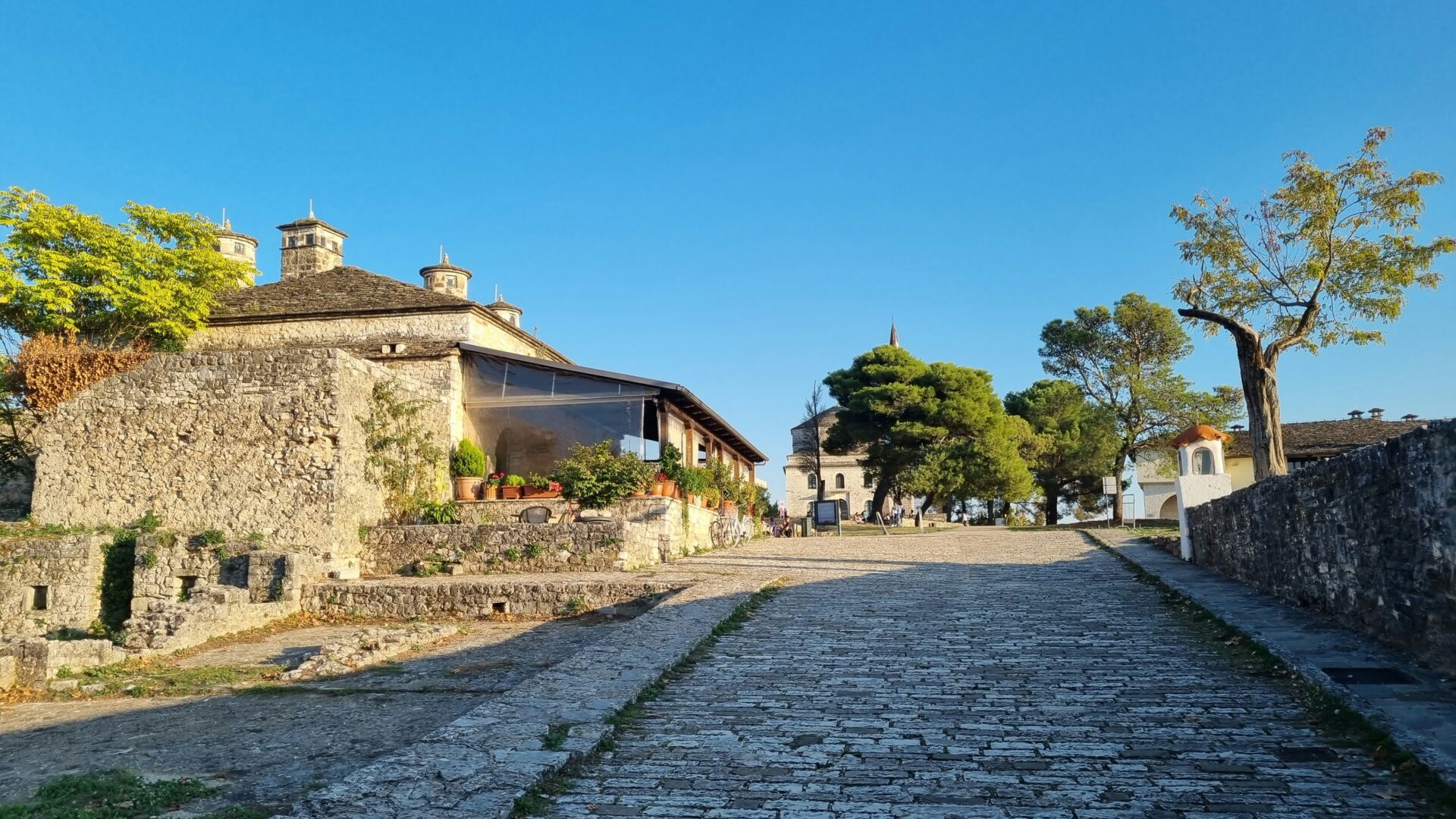
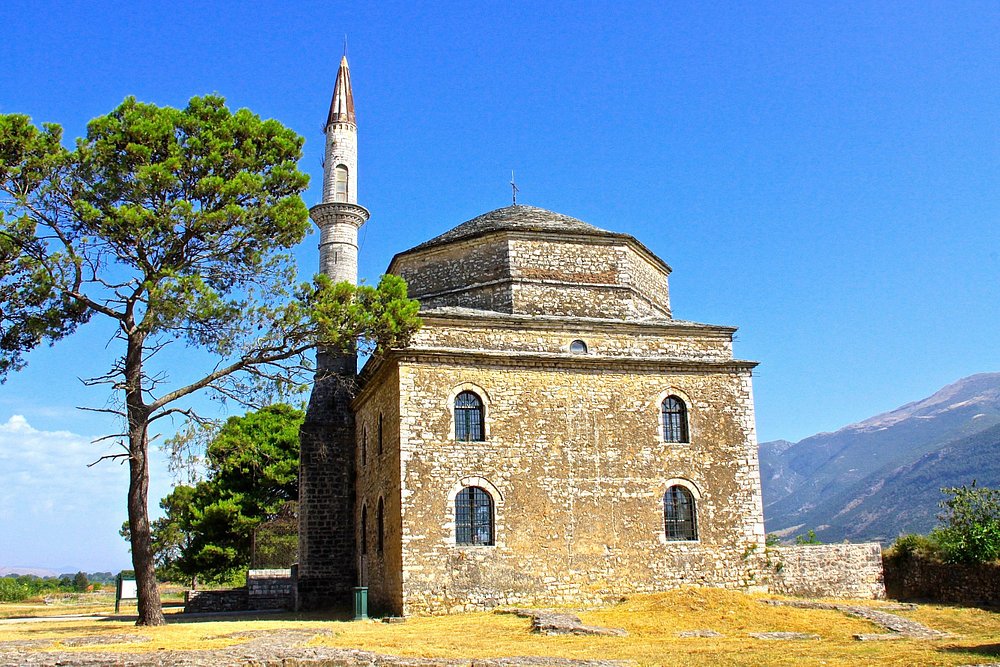
Every time I stroll through Ioannina, I spot traces of its Byzantine and Ottoman past. Ancient city walls wrap around the center, and the Ioannina Castle stands at the heart of the old town.
Walking through the gates feels like stepping into a different century.
Inside, the Fethiye Mosque and Byzantine Museum invite visitors to check out artifacts, mosaics, and stories from Greek history.
The Aslan Pasha Mosque now houses the Municipal Ethnographic Museum, packed with traditional dress and cultural treasures from both Greek and Ottoman times.
Nearby, the medieval synagogue reminds me that Ioannina once had a thriving Jewish community. All these sites sit close together, letting me see how old and new life blend in this city.
Strolling Through Old Town Alleys
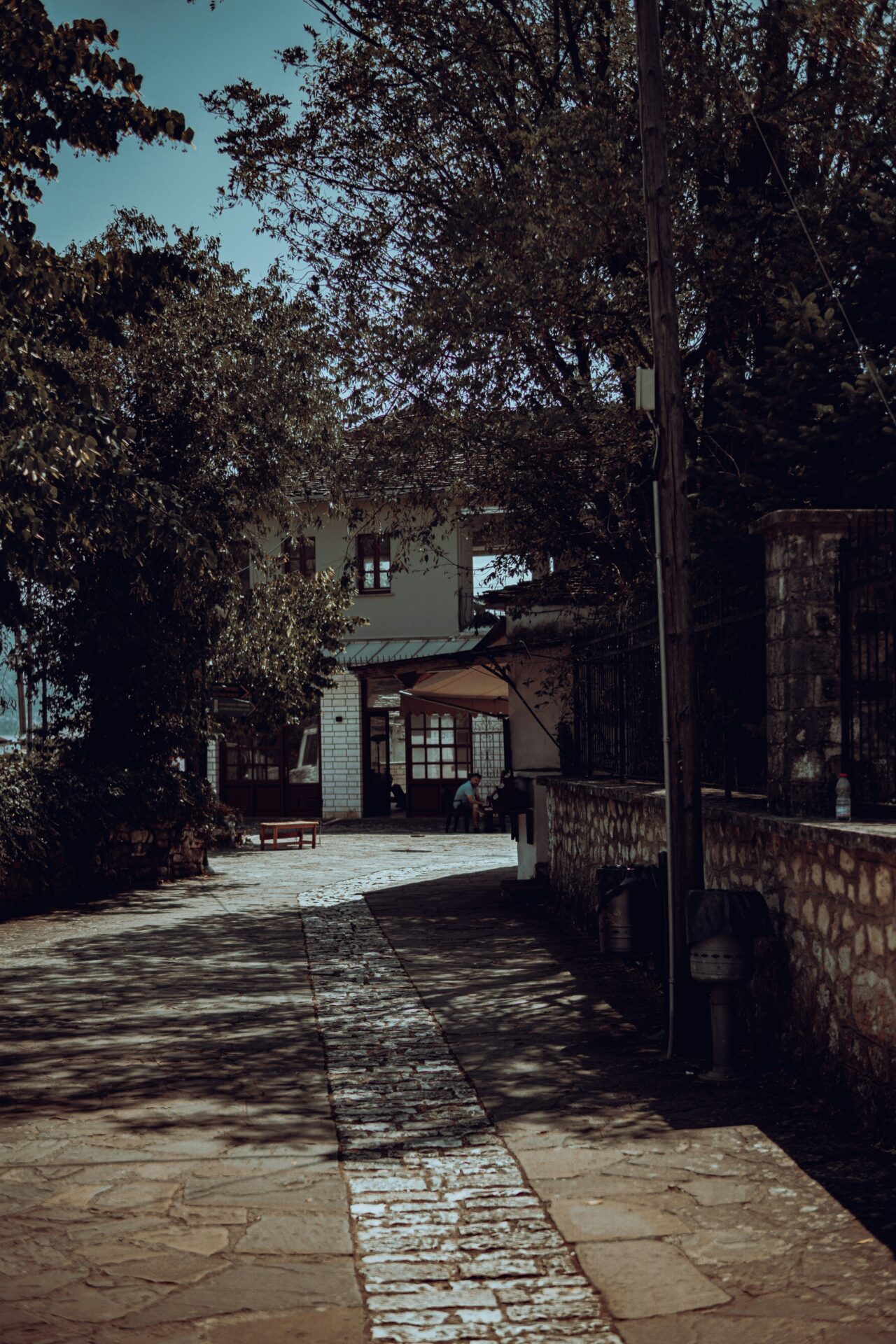
Ioannina’s old town is a maze of narrow stone streets lined with flower pots, painted doors, and iron balconies. I pause to admire small squares and quiet courtyards, where time seems to slow.
Some alleys lead to hidden shops with local crafts; others open onto cafés filled with students and neighbors chatting over coffee.
It’s easy to find silver workshops tucked between bakeries and bookstores. I like peeking inside, watching craftsmen shape jewelry with family-taught techniques.
Many artisans love explaining the difference between old and new styles, or even letting you try something on.
Along the way, street art and murals jump out from ancient walls, adding color against the old stones.
That mix of tradition and new ideas makes these alleys special.
Festivals, Fairs, and Cultural Events
Ioannina never stays quiet for long. All year, the city throws festivals and events that celebrate Greek culture and local traditions.
During Carnival, music fills the streets and people wear colorful masks and traditional clothes. I always try to catch a parade in the main square.
In spring, craft and food fairs pop up in parks and alleys. You can taste baklava, sample cheese, or watch silversmiths at work.
The annual Lake Pamvotida celebration draws locals and travelers for boat races, concerts, and storytelling—a living snapshot of old customs.
Summer brings open-air theater inside the castle. Sitting under the stars, surrounded by ancient stones and new friends, I feel more connected to Ioannina’s past and its lively present.
Epirus and Its Crossroads: Gateways to Adventure
Ioannina sits right in the heart of Epirus, so I find it super easy to explore ancient villages, hike mountain trails, or even cross into Albania for a totally different vibe. Scenic lakes, wild trails, and coastal escapes are all nearby, which means there’s always something calling my name—no matter what kind of traveler you are.
Day Trips to Zagori and the Pindus Mountains
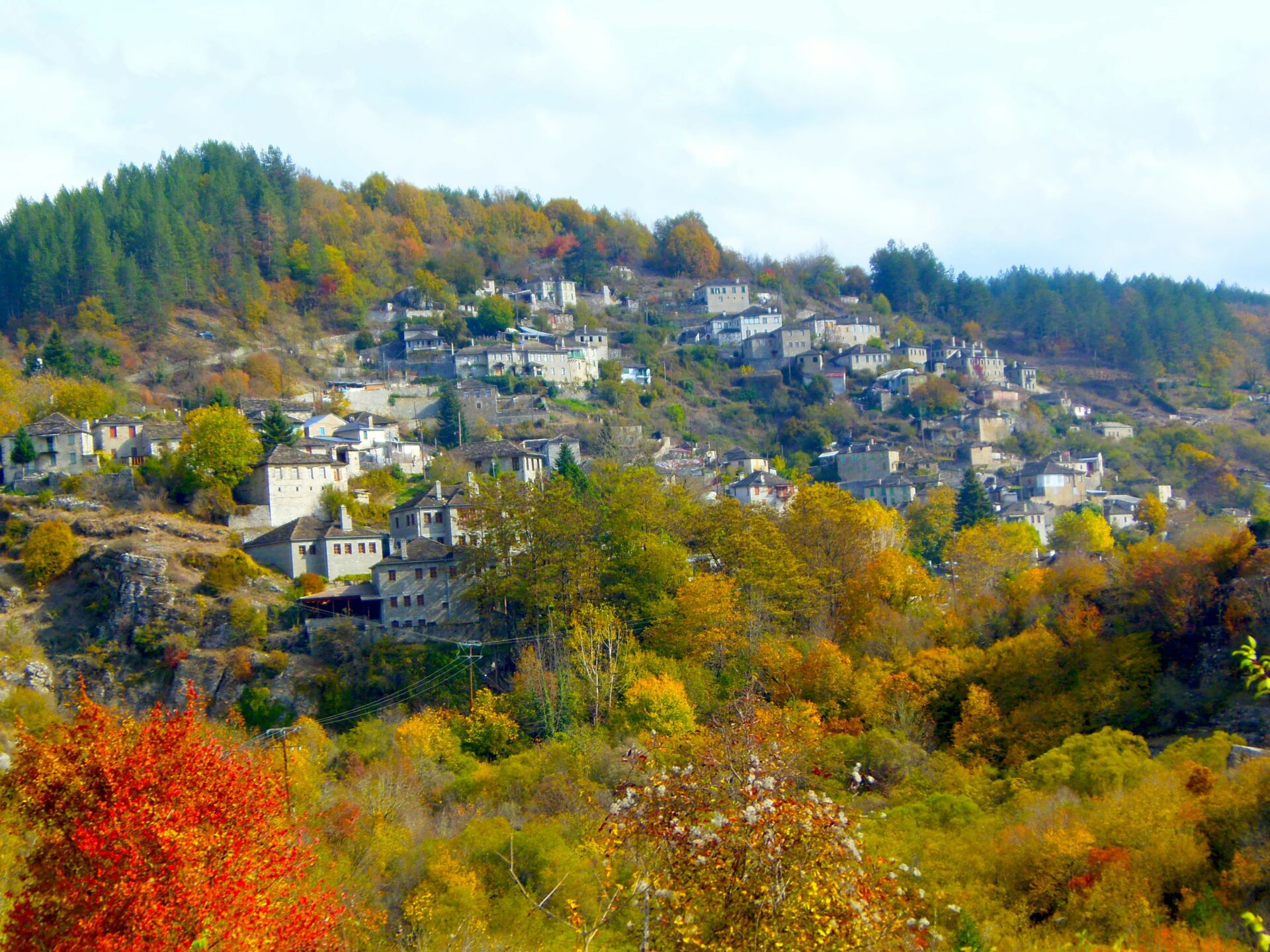
My favorite part of Epirus? That’s got to be the stone villages of Zagori, just a quick drive from Ioannina. When I wander through Papingo or Monodendri, those cobbled paths and old stone houses really make me feel like time just slowed down.
In spring and autumn, the mountains explode with color—greens, reds, you name it. Every view feels like a painting, honestly.
Anyone who loves the outdoors will find the Pindus Mountains irresistible. The Vikos Gorge, which people call one of the world’s deepest canyons, pushes even seasoned hikers to their limits. But the views at the top? Absolutely worth it.
I’ve rafted down the Voidomatis River and crossed those ancient arched stone bridges that connect the villages. It’s wild and beautiful, but I never have to give up comfort.
Quick Ideas:
- Must-See Villages: Papingo, Monodendri, Kipi
- Nature Activities: Hiking, rafting, birdwatching
- Don’t Miss: Crossing the 18th-century stone bridges and sampling local pies
Venturing into Albania and Its Cities
From Ioannina, I can reach the Albanian border in about an hour. That fact alone has tempted me more than once to just cross over for the day.
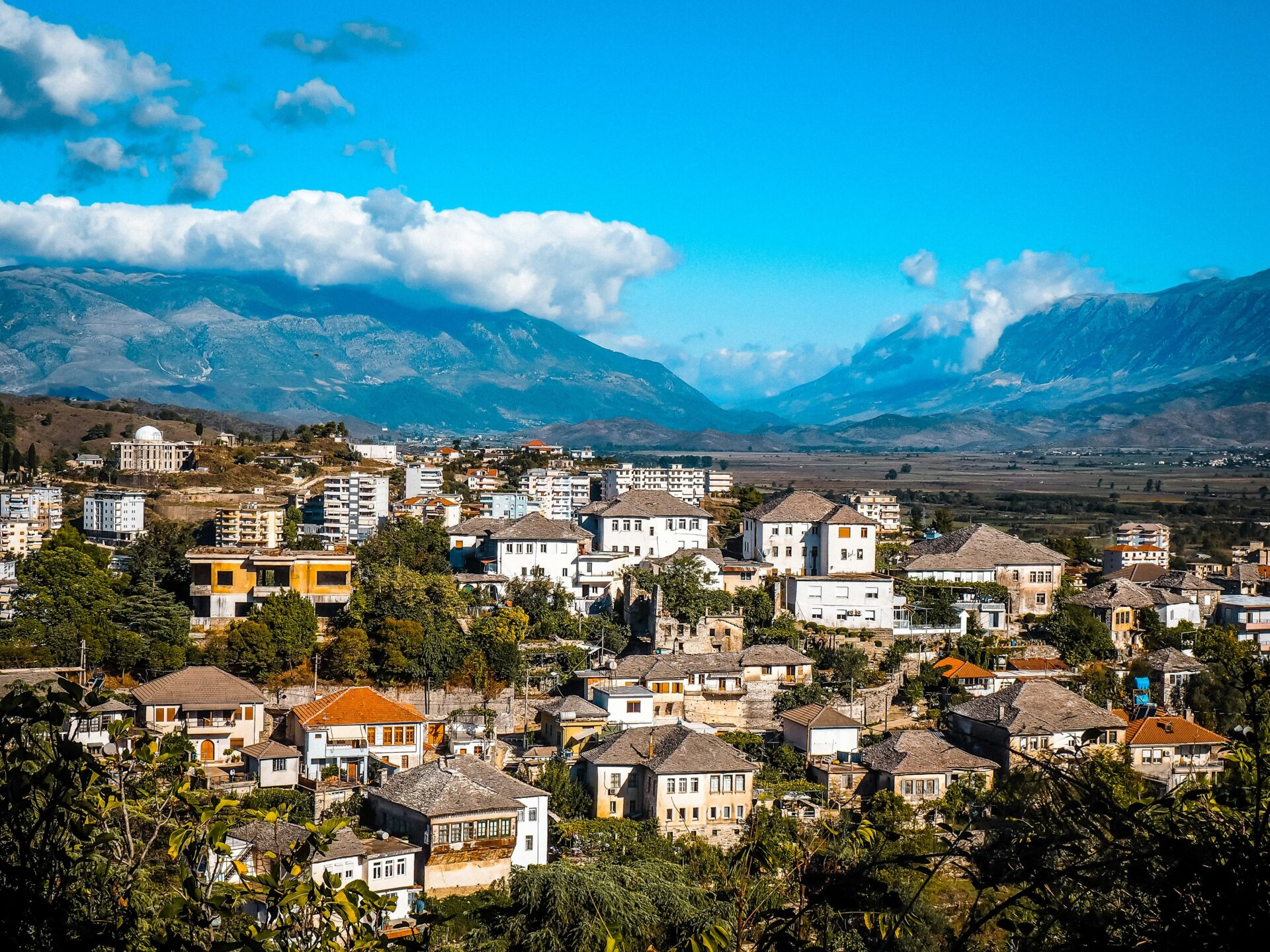
Southern Albanian cities like Gjirokastra and Saranda blend Ottoman history with Mediterranean flair. In Gjirokastra, stone-roofed houses climb steep hills, and the castle gives you sweeping views across the Drino valley.
I love how easy it is to get to Ksamil’s beaches or wander the ancient ruins of Butrinti. If you’re more into city life, Tirana’s got colorful buildings and a café scene that’s totally different from the quieter mountain towns.
Inland, Korça and Voskopoja have Byzantine churches, lively markets, and hearty Albanian food. Every time I visit, I’m reminded how close and connected the Balkans really are.
Top Albanian Stops from Ioannina:
| City | Highlights |
|---|---|
| Saranda | Ionian beaches, seafood tavernas |
| Gjirokastra | UNESCO old town, hilltop fortress |
| Tirana | Museums, nightlife, murals |
| Butrinti | Archaeological ruins near the coast |
Neighboring Wonders: The Ionian Sea and Beyond
If I head west, the Ionian coastline is never far away. A short drive gets me to the port of Igoumenitsa, which is the jumping-off point for island ferries and that gorgeous turquoise sea.
I like to follow the winding road down to Syvota, catching those flashes of blue-green water and pine-covered islets along the way.
When I want to go further, I’ll check out the beaches at Parga or the sunny headlands near Preveza. Sometimes I even make it to the shimmering waters off Lefkada.
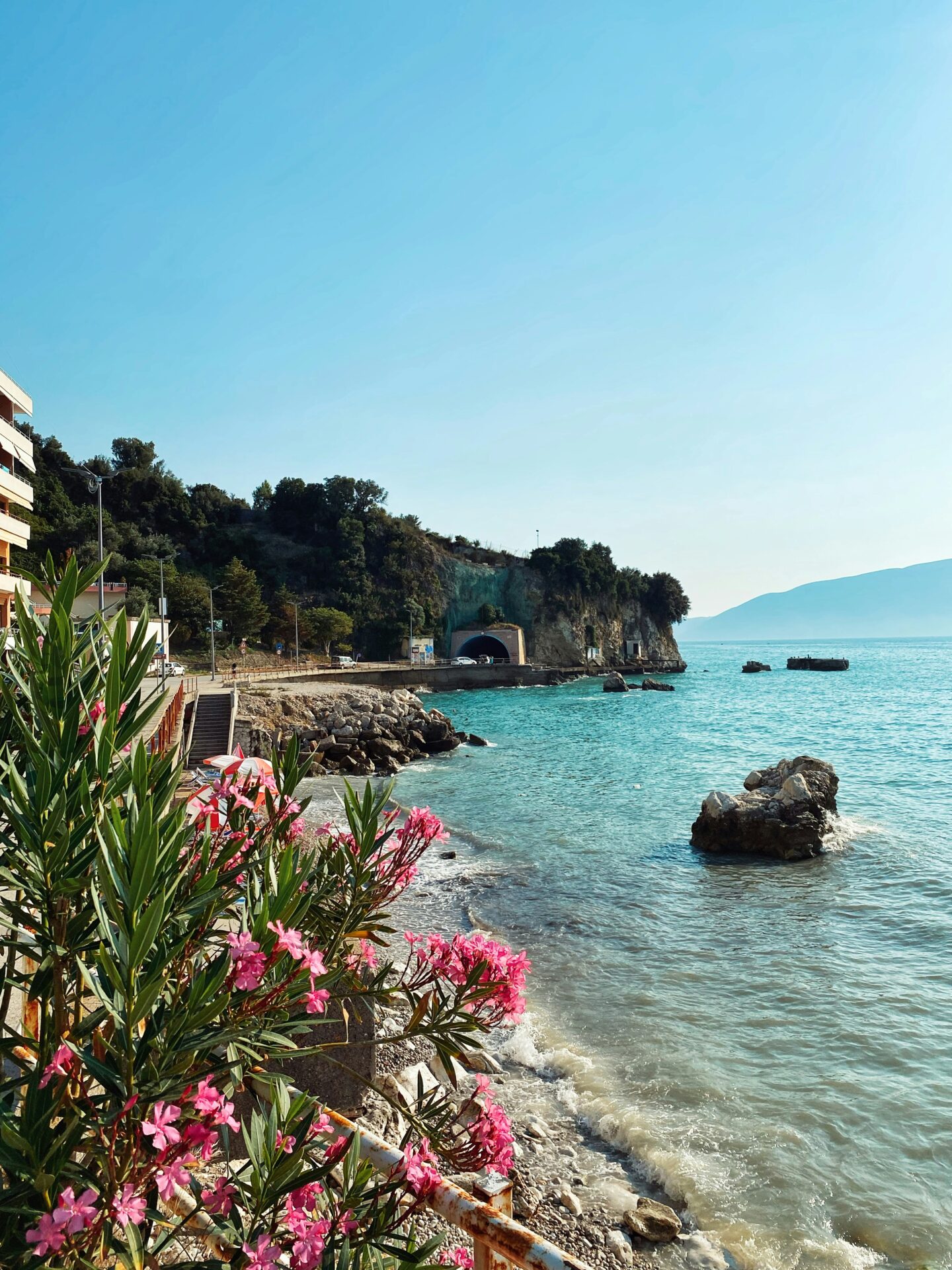
Other times, I’ll drive south toward the Peloponnese or look north along Albania’s Riviera—places like Durrësi, Vlora, and Dhërmiu. Every stretch of coast feels different, with its own secret coves, lively beach bars, and scenic drives that always tempt me back.
Tips for Coastal Adventures:
- Best time for swimming: Late May to September
- Island hopping: Ferry from Igoumenitsa to Corfu
- Scenic drives: Syvota to Parga, Vlora to Dhërmiu
Travel Memories, Literature, and the Spirit of Discovery
When I walk the streets of Ioannina, I stumble into stories everywhere—some tucked away in local legends, others left behind by travelers long gone. The city’s soul comes alive in tales of adventurous writers, old myths, and lively chats in cozy cafés.
Inspiring Writers: Lawrence Durrell and Lord Byron
Ioannina’s quiet charm drew some pretty famous writers. Lord Byron wandered along the lake ages ago, leaving his mark in poetry.
His fascination for the region shows up in verses that really capture both the stillness of the water and the drama of the mountains. It’s one thing to read about his travels, but standing where he once did? That’s something else.
Lawrence Durrell, the guy behind The Greek Islands, wrote about Greece with both detail and a sense of humor I can’t help but appreciate. Even though Durrell wrote about more than just Epirus, his insights make me see Ioannina with new eyes—even the geology under my feet.
The town’s silver workshops always remind me of how these writers searched for meaning—sometimes in tiny details, sometimes in the shimmer of lake water or the clink of a xhiro (silver ring).
Myths, Legends, and Local Storytelling
Ioannina’s myths run just as deep as the lake itself. Locals can’t resist sharing tales about the mysterious Lady of the Lake or Ali Pasha’s wild final days.
I’ve heard these stories in nearly every corner shop and taverna I wander into. These legends just sort of cling to places—old fortress walls, tiny island monasteries, you name it.
When you travel here, you basically get handed a living storybook. Every legend I pick up adds another layer of wonder and meaning.
Sometimes the stories blur myth and fact, like when folks explain the lake’s odd quirks by talking about its geology. Maybe it’s a quick chat about old silver, or maybe the night stretches long with folklore.
However it happens, Ioannina’s storytellers really keep that sense of discovery alive.
