
Lemnos hides secrets that go back over 5,000 years. That’s wild to think about, right? It’s honestly one of the most important archaeological hotspots in Europe, even though most travelers haven’t heard of it.
The island’s ancient settlements tell stories of early civilization, and some of these stories started before Troy even existed.
Poliochni claims the title of Europe’s oldest city, while the mysterious Kaveirio sanctuary gives us a peek into ancient rituals that shaped the prehistoric Aegean.
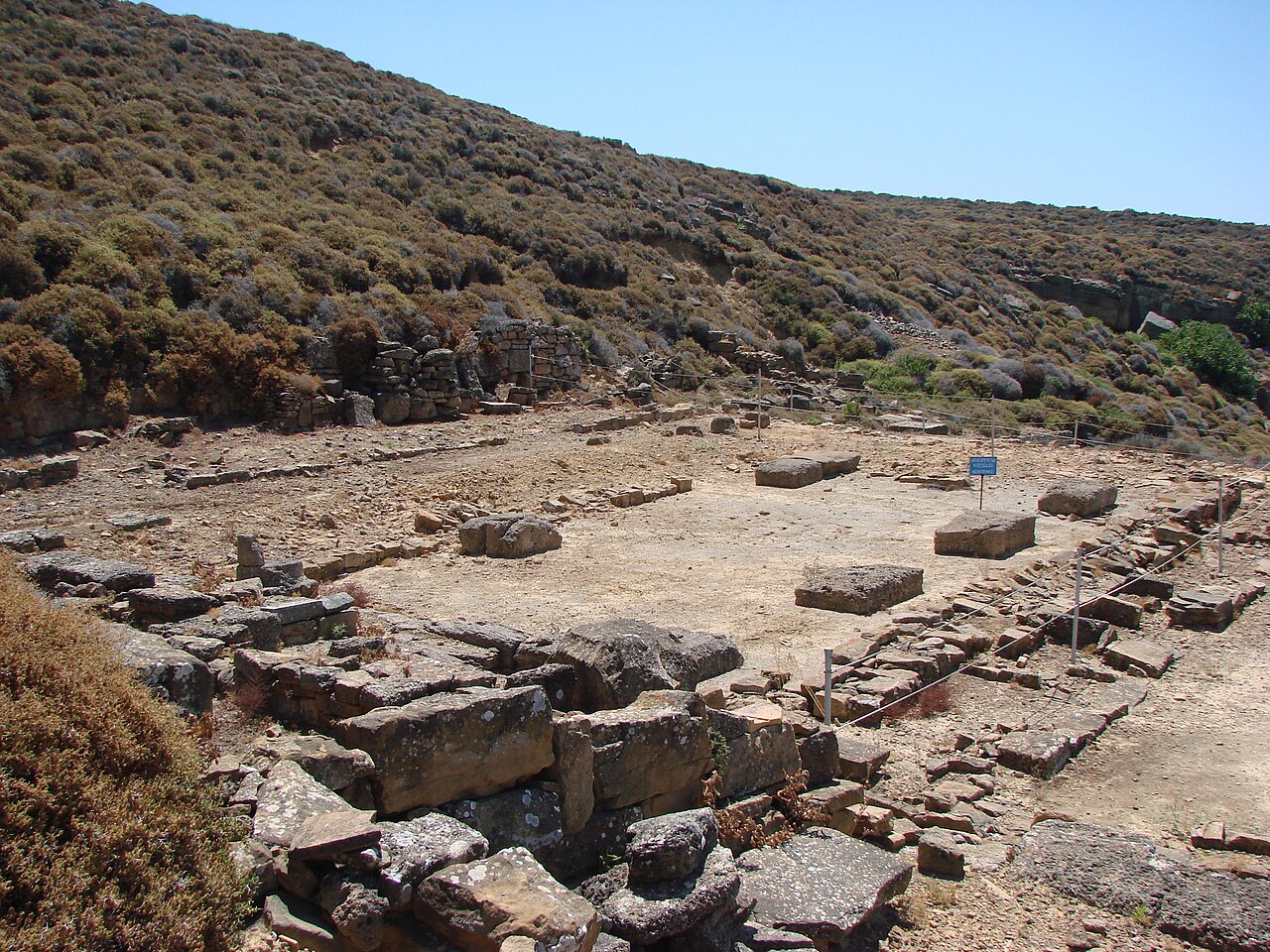
I’ve spent years wandering these sites, and honestly, they keep surprising me. Poliochni wasn’t just a random cluster of huts; it was a real urban center, with planning, metallurgy, and trade networks that reached far beyond Lemnos.
Seven different settlement phases show how people kept adapting and thriving here for thousands of years. That kind of resilience is impressive.
Lemnos’ archaeological finds tell a story of invention and cultural exchange. You can see it in the stone architecture of Poliochni and the sacred rituals at the Kaveirio sanctuary, dedicated to fire and metallurgy gods.
Exploring these places feels like time travel. Let’s dive into their history, cultural weight, and the discoveries that keep changing what we thought we knew about prehistoric Europe.
Poliochni: The Oldest Settlement of Lemnos
Poliochni sits on Lemnos’ eastern coast and dates back to the 4th millennium BC. It’s recognized as Europe’s oldest known city.
This prehistoric settlement had stone houses, paved streets, and a level of organization that makes you wonder what else we’re missing about the Bronze Age.
Discovery and Location of Poliochni
You’ll find Poliochni in the Vroskopos area, near Kaminia village, gazing out over the Aegean Sea. The spot is strategic—perfect for controlling sea routes.

Image Source: Wikimedia Commons
Italian archaeologists dug here first in the 1930s. Their work revealed the site’s long history, stretching from the Late Neolithic to the Early Bronze Age.
It’s about 30 kilometers east of Lemnos’ main town. The location gave the settlement natural defenses and easy access to trade.
Excavations still happen, though not continuously. In 2025, restoration efforts made the site much more visitor-friendly while keeping its archaeological magic intact.
Poliochni’s Architectural Phases and Urban Planning
Poliochni grew in clear phases, each one more sophisticated than the last. The earliest layers date back to the mid-5th millennium BC.
Development Phases:
- Blue Phase: Late Neolithic beginnings
- Green Phase: Expansion (Early Bronze Age I)
- Red Phase: Peak development (Early Bronze Age II)
- Yellow Phase: Continued occupation (Early Bronze Age III)
- Brown Phase: Final settlement
The Red Phase really stands out. The city had organized neighborhoods and public spaces—honestly, it feels advanced even by later standards.
At its peak, Poliochni covered around 15 hectares. Defensive walls surrounded the place, and inside, there were clear divisions between residential and administrative areas.
Stone Houses, Paved Streets, and Drainage Systems
Poliochni’s stone houses were solid, built for comfort and lasting through generations. The city had paved streets—some of the earliest in Europe—and a drainage system that kept wastewater away from homes.
That’s not something you see everywhere in the ancient world.
Homes had multiple rooms, usually centered around a courtyard. You’d find storage, workshops, and living spaces separated for different uses.
Some buildings reached two stories. Builders used stone foundations and mudbrick walls, making sure these structures could stand the test of time.
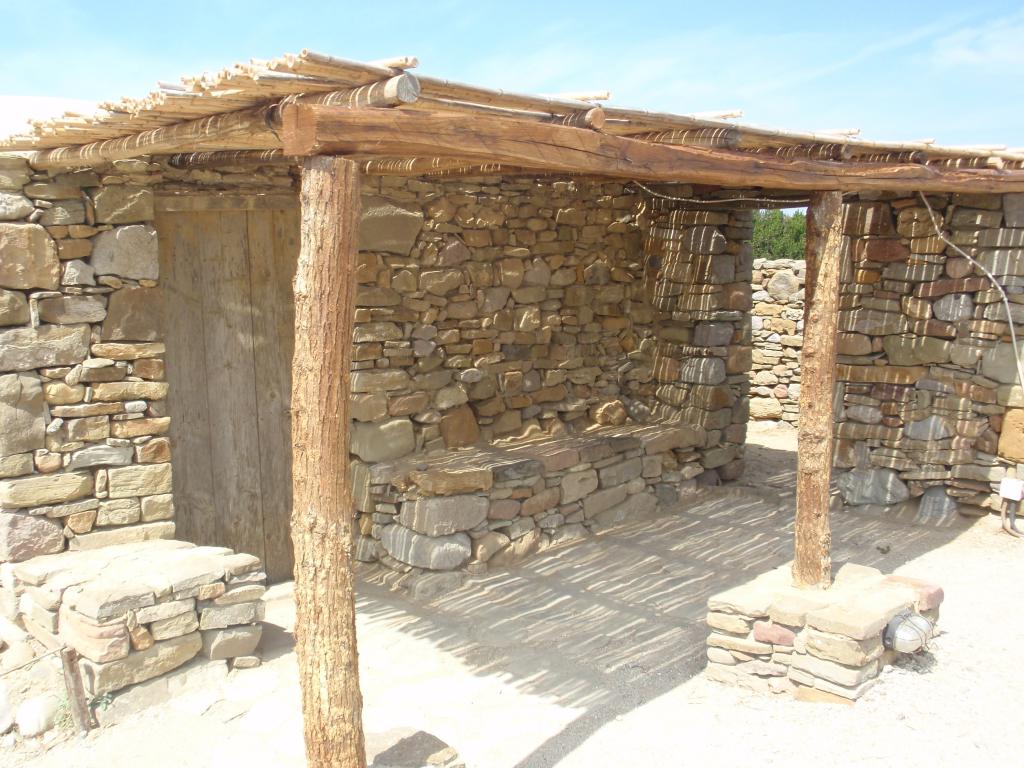
Image Source: Tripadvisor
Society, Governance, and Early Democracy
One of my favorite discoveries? Evidence of early democracy. There’s a rectangular building with stepped seating—basically, an ancient assembly hall.
This is Europe’s earliest known sign of democratic governance. People probably gathered here to make community decisions.
Poliochni’s social structure was complex. You had craft specialists, traders, and administrators all working together.
Pottery workshops, metalworking spaces, and storage rooms point to economic specialization. At its peak, the city housed around 1,000 to 1,500 people.
There’s no evidence of palaces or royal buildings. Leadership seems to have been collective—pretty remarkable for the time.
Archaeological and Cultural Insights of Poliochni
Excavations at Poliochni show off impressive urban planning, advanced ceramics, and defensive architecture. It was one of the most developed Bronze Age hubs in the Aegean.
Residential Areas and Daily Life
The residential setup at Poliochni was ahead of its time. Organized neighborhoods and structured living spaces made life efficient.
Houses rested on stone foundations and had several rooms. Many even included stone baths, which feels downright luxurious for the Neolithic.
Inside, you’d spot storage, cooking, and workshops—each with its own space. Daily routines were clearly more complex than just survival.
The city grew rapidly during the Blue Period. Both the number of houses and people shot up.
Central planning is obvious in the street layout. Someone was definitely in charge of keeping things organized.
Pottery, Ceramics, and Artisan Crafts
Poliochni’s pottery tells a story of creativity and connection. Early ceramics show Anatolian influences, but over time, local styles mixed with Aegean trends.
The introduction of the potter’s wheel was a game changer. Suddenly, ceramics were more uniform and production sped up.
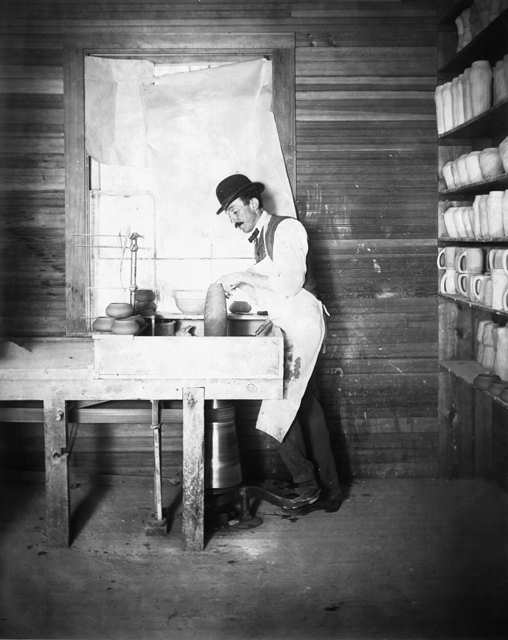
Image Source: Wikimedia Commons
You’ll find:
- Barrel containers for storage
- Tripod cooking pots
- Decorative vessels for ceremonies
- Transport jars for shipping goods
These ceramics weren’t just for show. Material analysis links them to other Early Bronze Age settlements, proving Poliochni was part of a much larger network.
Fortification Walls and Defensive Structures
The city’s fortification system was no joke. Even in the Blue Period, builders put up a strong wall on the mainland side.
Over time, they rebuilt and reinforced these defenses. Each phase brought better techniques and tougher materials.
Poliochni’s position on a coastal ridge gave it a natural advantage. You could spot trouble coming from land or sea.
As the city expanded, its defenses got more complex. Later phases show walls adapted to protect a bigger area.
Trade, Maritime Connections, and Regional Influence
Poliochni’s location turned it into a crucial Bronze Age trade hub. It competed with Troy and maintained connections across the Aegean, linking the Mediterranean and Black Sea.
Poliochni and Troy: Interactions and Competition
The relationship between Poliochni and Troy is fascinating. These two cities faced each other across the Dardanelles in the Early Bronze Age.
They shared similar pottery styles and urban layouts. Builders on both sides used comparable construction methods.
But make no mistake—competition was fierce. Both wanted control over trade routes, raw materials, and influence in the region.
Despite rivalry, some cultural exchange happened. Artistic styles and burial customs moved between the two, suggesting traders and craftsmen crossed paths, even when politics were tense.
Links with the Cyclades and Mainland Greece
Poliochni traded regularly with the Cyclades and mainland Greece. Archaeologists find imported pottery from these areas all the time.
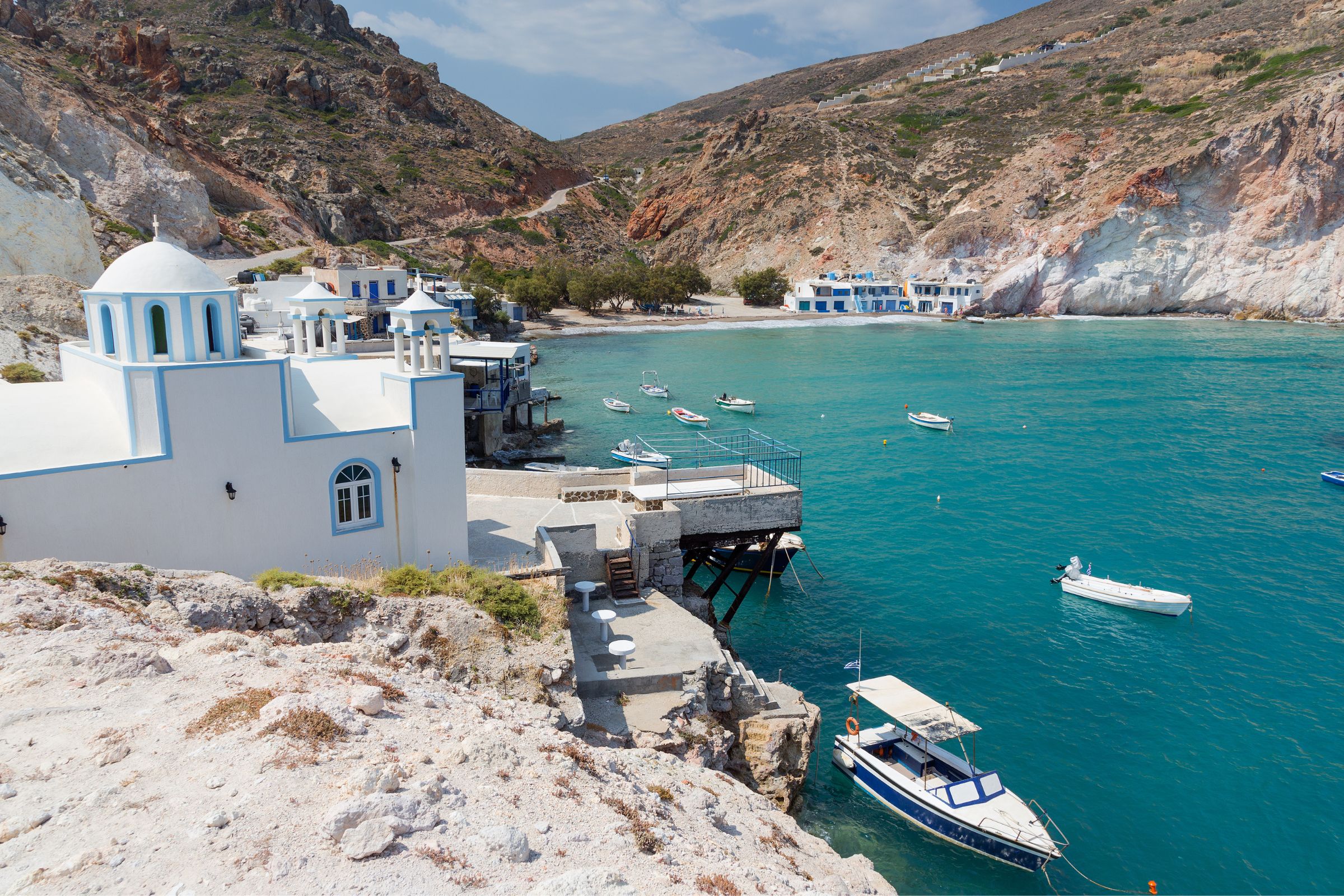
Distinctive Cycladic styles show up in Poliochni’s ceramics, hinting at regular contact by sea. Local potters even copied some of these designs.
Trade wasn’t just about finished goods. Poliochni exported local resources and imported things it couldn’t produce, like metal ores and obsidian.
Artistic motifs from the mainland started appearing in local crafts, and religious practices blended too. Over time, the city’s foreign connections only grew stronger.
Role in the Aegean and Black Sea Trade Networks
Poliochni served as a gateway between the Aegean and Black Sea worlds. Its location let it control ships moving through the Dardanelles.
Traders from all over met here, swapping ideas and goods. This mixing sparked new crafts and urban planning innovations.
Key trade routes included:
- Northeast Aegean islands
- Western Anatolia
- The Black Sea
- Central Mediterranean
Archaeologists keep finding exotic materials and foreign pottery styles at the site—evidence of long-distance trade.
Poliochni’s influence went beyond commerce. Nearby settlements copied its pottery and building styles, showing just how important it was in the third millennium BC.
Kaveirio Sanctuary and Other Prehistoric Sites of Lemnos
Lemnos is home to some of Greece’s most mysterious ancient places. Beyond Poliochni, you’ll find the sacred Kaveirio sanctuary, where secret rituals honored gods of fire and fertility. Other sites, like Myrina, reveal how strategic the island was for ancient trade.
Myth, Mysticism, and Rituals at Kaveirio
The Kaveirio sanctuary sits high on the Chloe peninsula in northeastern Lemnos, about 3 kilometers from ancient Hephaestia. The views of Samothrace and the Aegean are breathtaking.
This place was dedicated to the Kaveiroi, mysterious gods tied to fire, metallurgy, fertility, wine, and the sea. Local legends say they were children of Hephaestus and the goddess Kaveiro.
Italian archaeologists started digging here in 1937, with more work happening through the 80s and 90s. They uncovered sacred buildings, including a Hellenistic Telesterion—an initiation hall for secret ceremonies.
Rituals here focused on purification and spiritual rebirth. Unlike other mystery cults, these ceremonies didn’t create exclusive societies. Instead, they offered personal freedom to initiates.
Sadly, the site has suffered from stone theft, earthquakes, and erosion. Most of what’s left are foundations scattered on steep, overgrown slopes.
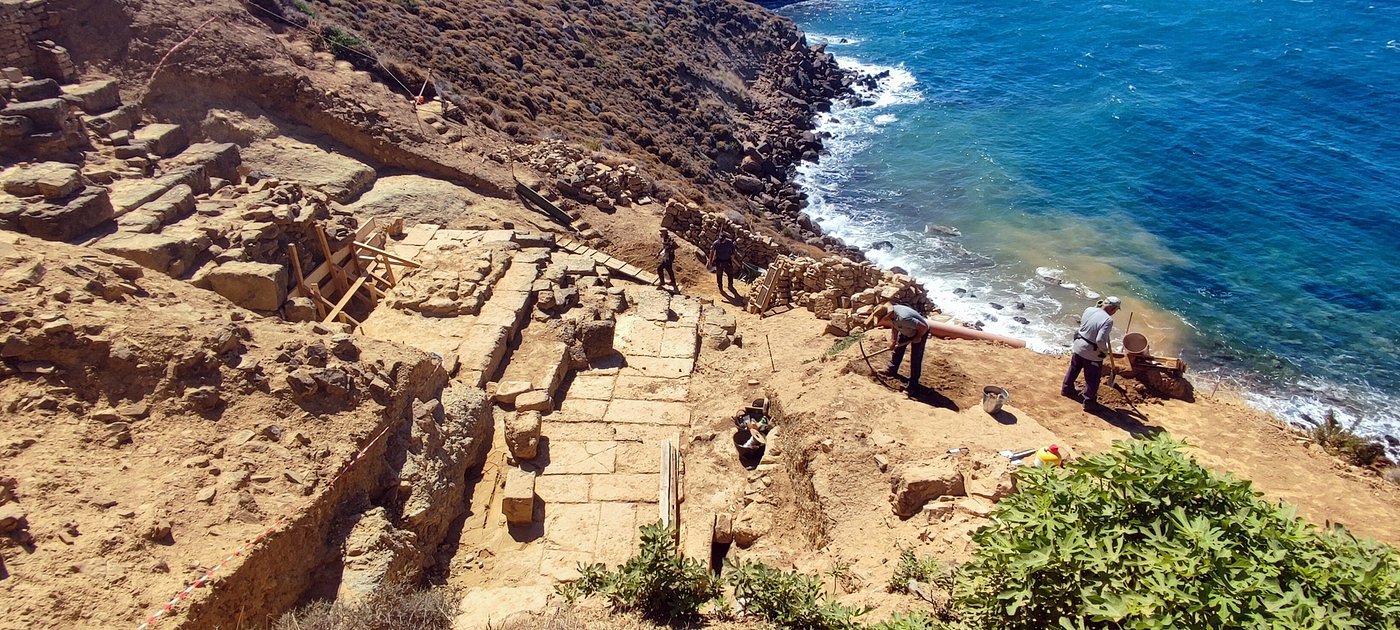
Image Source: Tripadvisor
Other Ancient Settlements: Myrina and Koukonisi
Modern Myrina is Lemnos’ capital and main port, but it sits on ancient roots. The harbor’s strategic value made it a key trade center for centuries.
Continuous settlement here dates back to prehistoric times. The town’s castle—built by Byzantines and later Ottomans—probably stands where ancient fortifications once guarded the coast.
Koukonisi is another important prehistoric site. It’s smaller, but Bronze Age remains add more detail to Lemnos’ early story.
These settlements formed a network across the island. Each had its own strengths—safe harbors, strong defenses, or access to the island’s volcanic soil.
Exploring Lemnos, you’ll feel the layers of history under your feet. There’s always more to discover, and honestly, that’s what keeps me coming back.
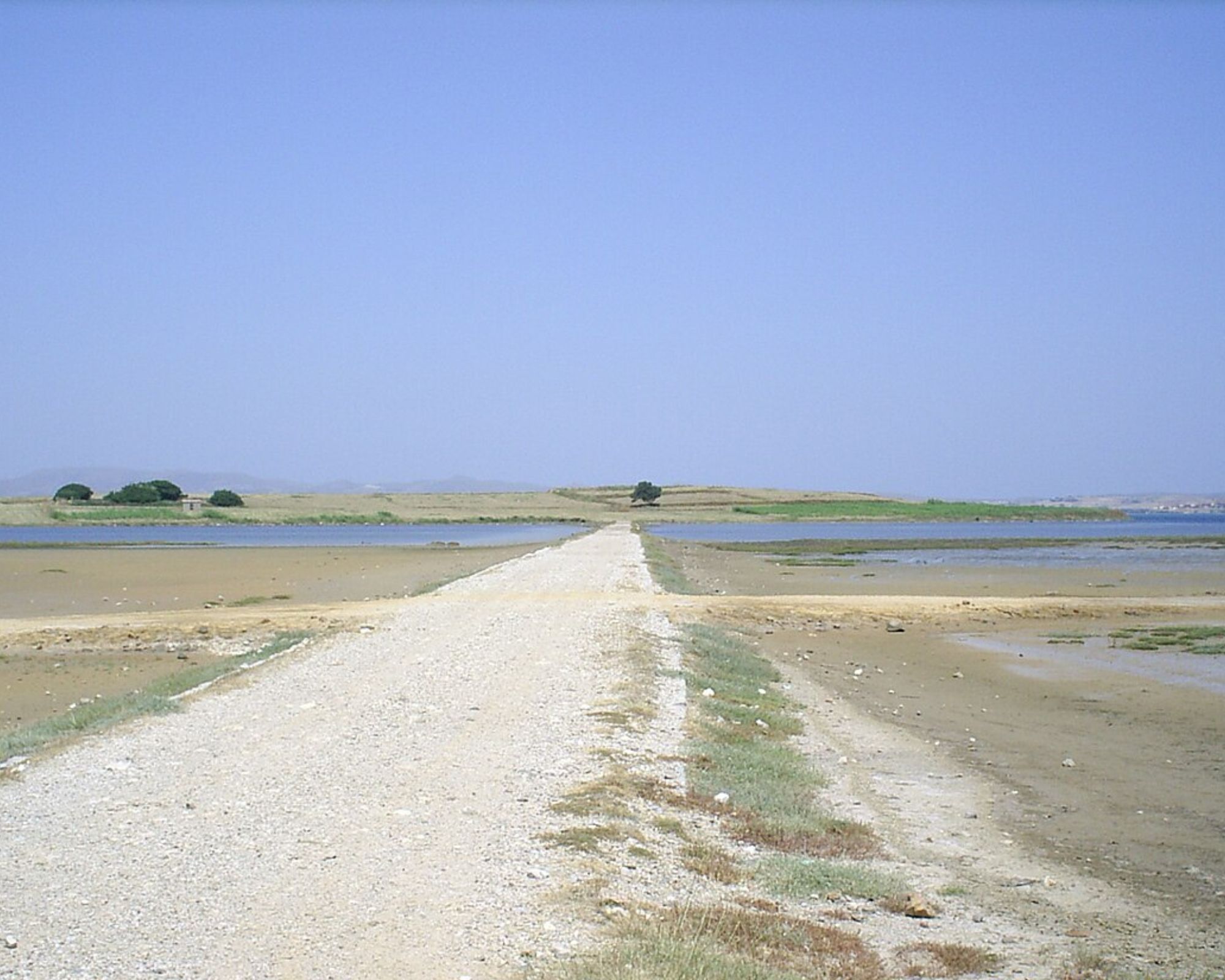
Image Source: Wikimedia Commons
Geographical Context: From Vroskopos to Samothrace and Thebes
Lemnos sits in this wild, crucial spot between mainland Greece and Asia Minor. If you stand at Kaveirio on a clear day, you’ll spot Samothrace shimmering across the water, where mystery cults once thrived.
Down in the Vroskopos region, southern Lemnos hides archaeological gems that link the island to the wider Aegean world. These ancient settlements reached out to places like Thebes and other major Greek hubs.
Lemnos’ volcanic landscape drew people in with its unique resources. Those iron deposits and rich soils? They made the island a magnet for metalworkers and farmers alike.
The island’s position handed its rulers control over sea routes between Europe and Asia. No wonder so many civilizations wanted a piece of Lemnos over the centuries.
Maritime routes tied Lemnos to the greater Greek world, but the island kept its quirks—especially those mystery cults that made it stand out among Aegean neighbors.
Legacy and Modern Exploration
Poliochni’s story really took off in the 1930s when Italian teams started digging. They uncovered one of Europe’s oldest urban centers, and honestly, walking those ancient streets today still feels a bit surreal.
Excavation History and Archaeological Discoveries
Italian archaeologists kicked off the big discoveries at Poliochni back in the 1930s, working under the Italian Archaeological School at Athens. They mapped out seven settlement phases, stretching from the Late Neolithic into the Middle Bronze Age.
Key Archaeological Phases:
- Black Period (Late Neolithic): The earliest, with basic structures
- Blue Period (Early Bronze Age I): First hints of urban planning
- Green Period (Early Bronze Age II): Settlement expands, fortifications rise
- Red Period (Early Bronze Age III): Urban life at its peak
- Yellow Period (Middle Bronze Age): The last phase of occupation
The team uncovered stone-paved streets, drainage systems, and public buildings—details that really changed how I think about early European civilization.
They found more than 600 houses, all organized into city blocks. Pottery workshops, metalworking spaces, and big storage rooms popped up everywhere, showing how organized and advanced Poliochni’s economy was.
Poliochni’s Role in European Prehistory
People sometimes call Poliochni Europe’s oldest city, and it actually predates Troy I by quite a bit. Around 3000-2500 BCE, the place was buzzing and set the standard for Early Bronze Age settlements.
Urban planning here went beyond what most of its contemporaries even imagined. Streets followed neat, geometric patterns, and the buildings stuck to standardized designs—later Aegean cities took notes, for sure.
Significant Contributions to European Prehistory:
- First clear example of systematic urban planning in Europe
- Bronze production techniques that were way ahead of their time
- A society with complex organization and specialized crafts
- Trade networks that bridged Anatolia and the Aegean
Poliochni thrived as a major trading hub. The city linked Anatolian cultures with the blossoming Aegean world, fueling a vibrant exchange of ideas, goods, and technology.
Visiting the Site: Information and Preservation
If you ever find yourself on the east coast of Lemnos Island, you can actually wander through the archaeological site of Poliochni. The place stays open to the public, and there are marked paths that wind through what’s left of this ancient city.
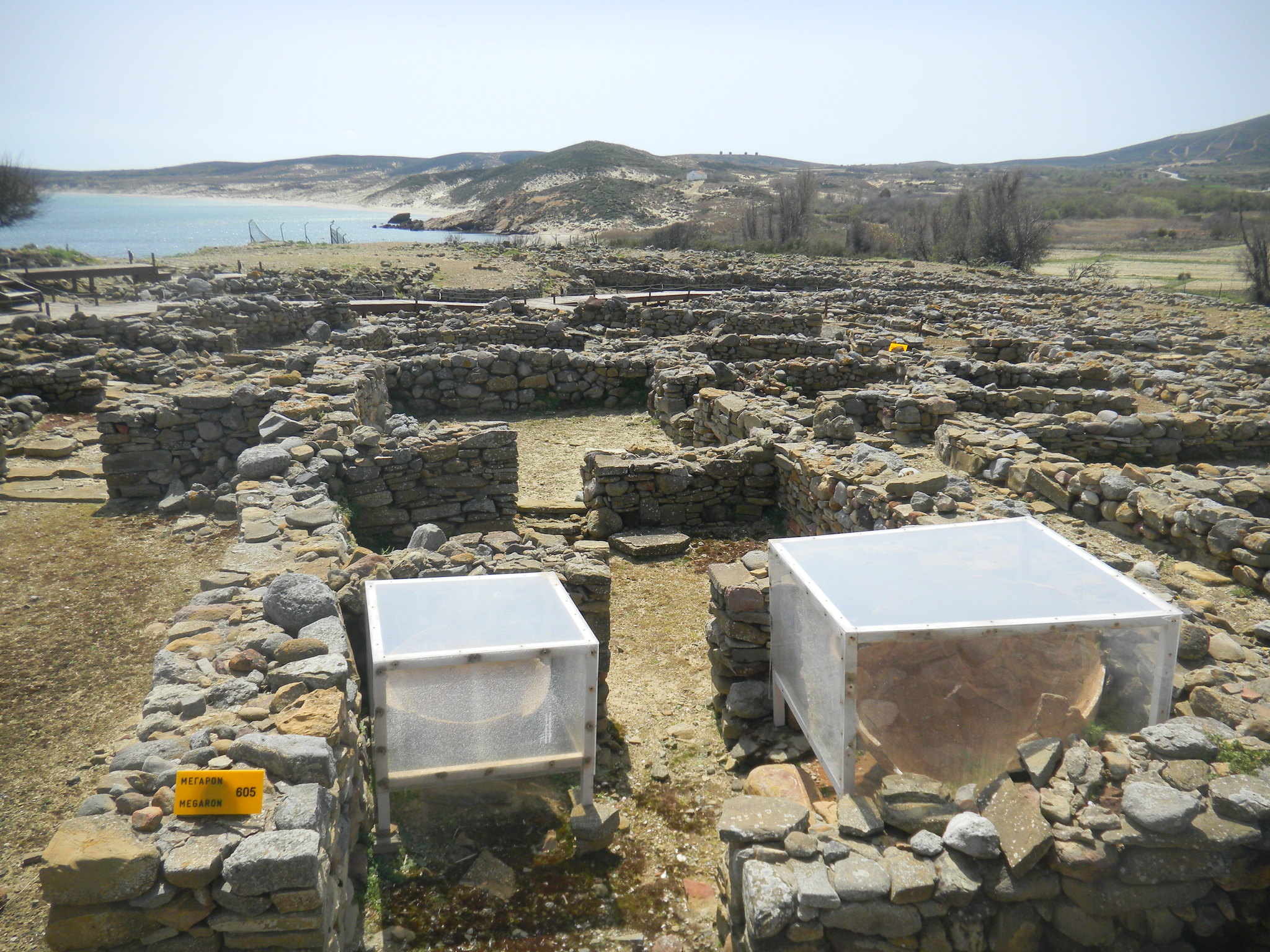
Image Source: Flickr
You’ll spot the old street layouts, house foundations, and the sturdy defensive walls—honestly, it feels a little surreal to stand where people lived thousands of years ago. They’ve set up informational panels along the way, which help you imagine what daily life looked like back then and how the city changed over time.
Visitor Information:
- Location: East coast of Lemnos Island, Greece
- Access: Regular ferry rides from mainland Greece
- Best visiting season: Spring through fall (trust me, the weather’s perfect then)
- Duration: Plan for about 2-3 hours if you want to see everything
Preservation teams work hard to shield the exposed stonework from the elements. The Greek Ministry of Culture handles most of the conservation, always working to keep the site’s history intact.
Researchers still dig here, and sometimes you’ll see international teams using new excavation methods. Every season, they uncover more clues about how Poliochni shaped early European civilization. It’s honestly amazing how much we’re still learning from these ancient stones.