
I’ll be honest—I never thought Thrace would steal my heart the way it did. Tucked away in Greece’s northeast, this region hides ancient sanctuaries in rolling hills and wetlands alive with birds and wildflowers.
Exploring Thrace made me rethink Greek history and natural beauty. It’s a far cry from the packed streets of Athens or the busy islands.
As I wandered through the ruins, I pictured the Thracians—fierce warriors and skilled horsemen—whose stories stretch across Bulgaria, Romania, and Greece. I found myself inside mysterious tombs and gazed at treasures dug up by archaeologists.
Every spot told a story. Each path felt like a new discovery.
But honestly, it was the wetlands that caught me off guard. Birds swooped overhead and rare plants crowded the water’s edge. The gentle sounds of nature gave me a real break from city noise.
Thrace ended up as my most surprising Greek adventure, mixing history, culture, and landscapes in ways I never expected.
Discovering Ancient Sanctuaries of Thrace
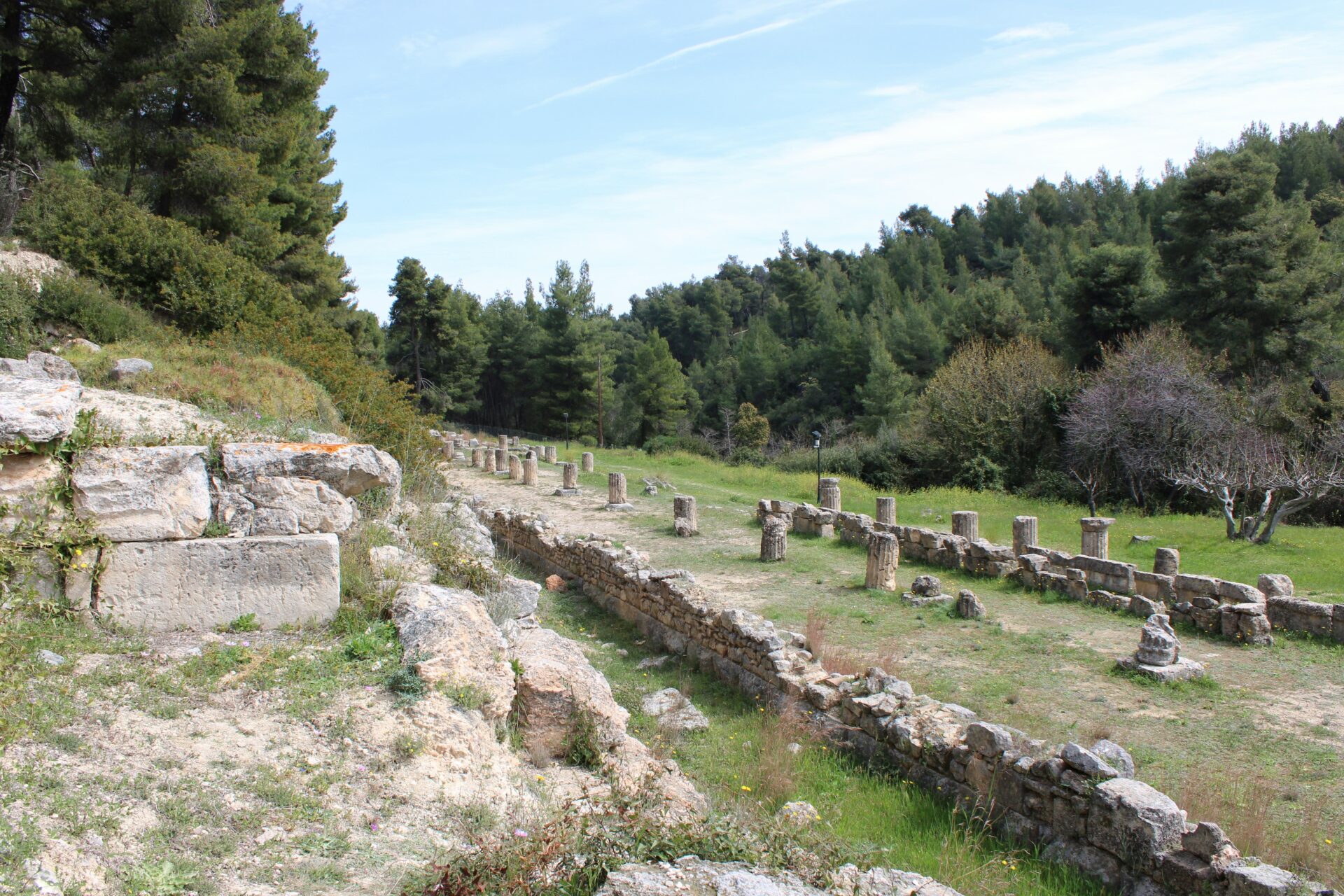
Traveling through Thrace put me face-to-face with stories carved in stone and legends echoing through the hills. Greek gods and old rituals left deep marks here.
I found vivid links between sacred places, ancient texts, and powerful deities.
Mythology and Sacred Sites
My first real step into a Thracian sanctuary felt like stepping into a myth. The hills hid secret temples and open-air shrines where people once worshipped gods like Zeus and Athena.
Some sites had carved stones and altars stained by centuries of offerings. These simple reminders showed how faith shaped daily life.
Guides pointed out ruins tied to famous Greek stories. Locals said these places acted as portals to the divine, guarded by nymphs and watched by wandering priests.
When I explored the Sanctuary of the Great Gods at Samothrace, I understood why myth and ritual blended so easily here. The silence felt thick with old prayers.
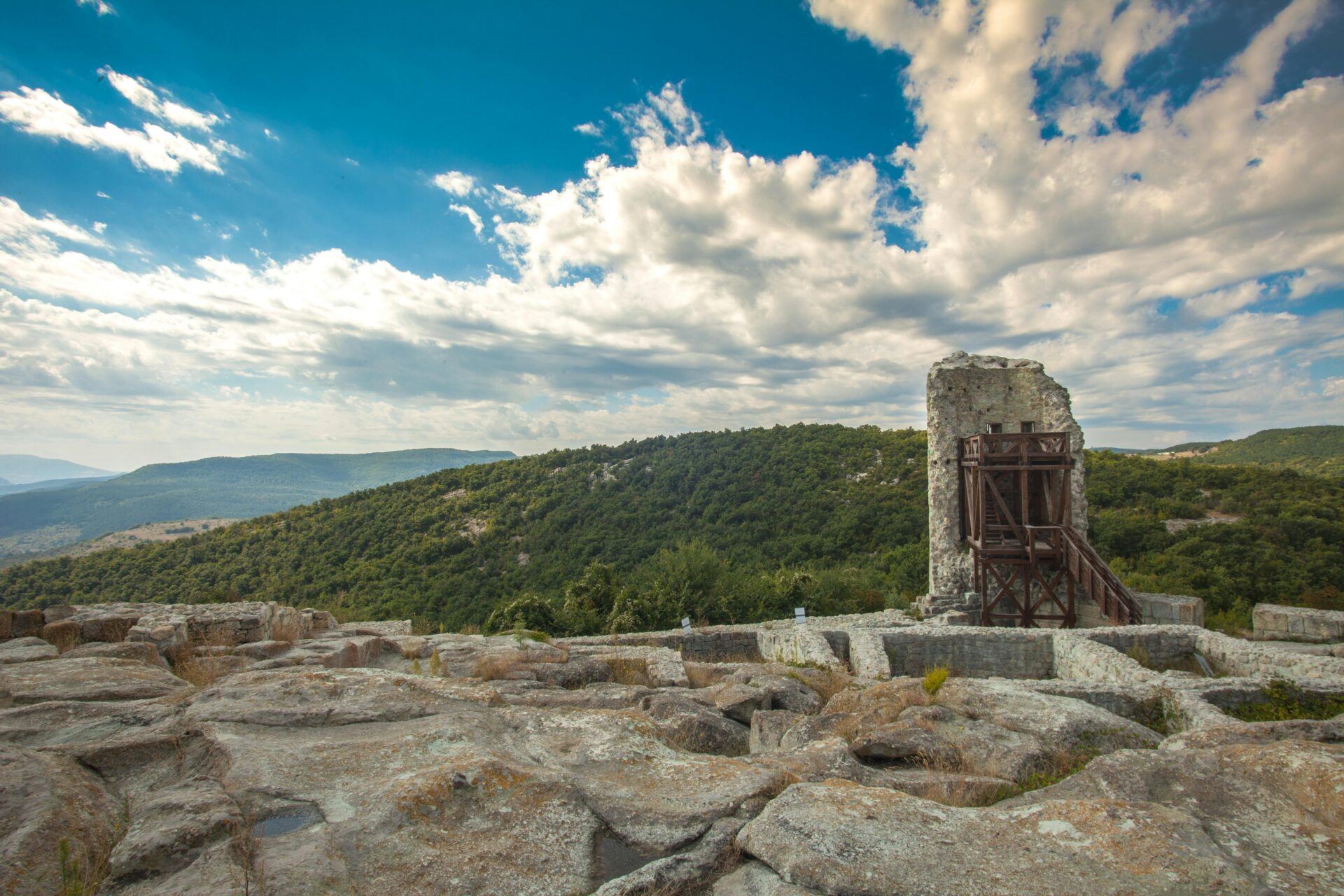
Archaeologists digging at places like Perperikon uncovered layers of history: bits of statues, faded frescoes, and clay tablets. Each find unlocked a piece of Thracian spirituality.
Even now, I felt a connection—standing where legends once lived and breathed.
Homer and Literary Echoes
Reading Homer just hit different after seeing Thrace. The Iliad and Odyssey mention Thrace’s tribes and their fierce fighters.
The landscape made those stories feel real. Sunlight flashing on the river Evros looked just as it might have when Greek ships landed here ages ago.
Herodotus called Thrace a land of mysteries. I read lines from ancient Greek tragedy while sitting among the stones of an old theater.
In those moments, the link between literature and place clicked for me. My view on Greek learning and storytelling shifted as I saw how these lands inspired poets and dramatists.
I started seeing Thrace not just as a backdrop, but as a character—shaping events, influencing writers, and adding depth to stories we still tell.

Influence of Athens and Zeus
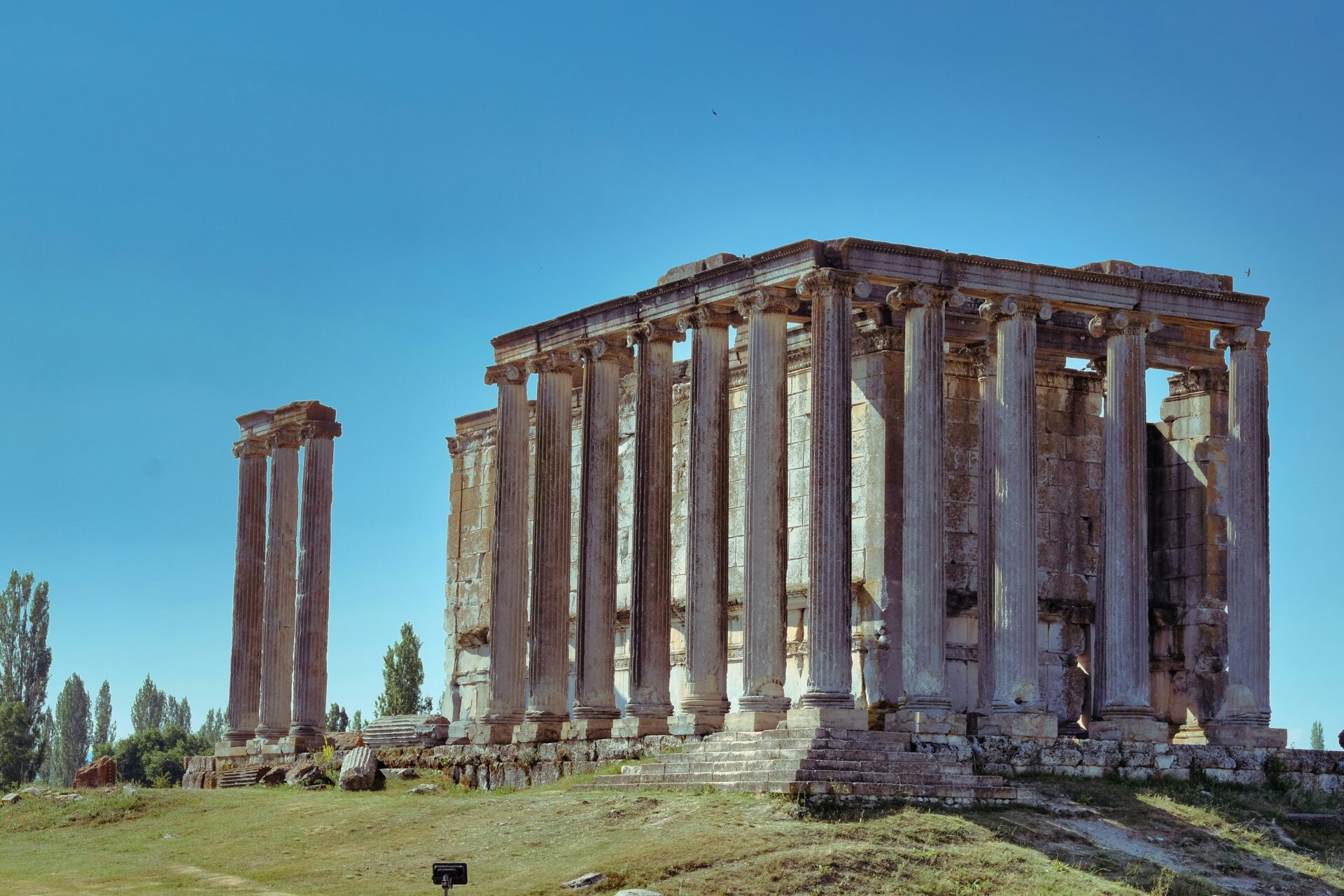
Everywhere I turned, Athens’ influence popped up. Columns copied Classical Greek styles, and inscriptions honored Athenian protectors.
Zeus, king of the gods, was worshipped at several peaks, blending Greek and Thracian traditions.
Villagers shared legends mixing Athenian heroes with Thracian myths. I traced old routes where teachers once led students to sacred groves, showing how faith and knowledge overlapped.
Learning here became an act of devotion, not just memorization.
These sanctuaries taught me more than any textbook. They revealed how culture, belief, and history overlap—with Zeus watching from above, and Athena’s wisdom echoing in every stone.
Journey Through Thrace’s Thriving Wetlands
Exploring Thrace’s wetlands opened my eyes to a world bursting with wildlife and color. Birds, peaceful waterways, and distant hills shaped moments I won’t forget.
Unique Fauna and Natural Beauty
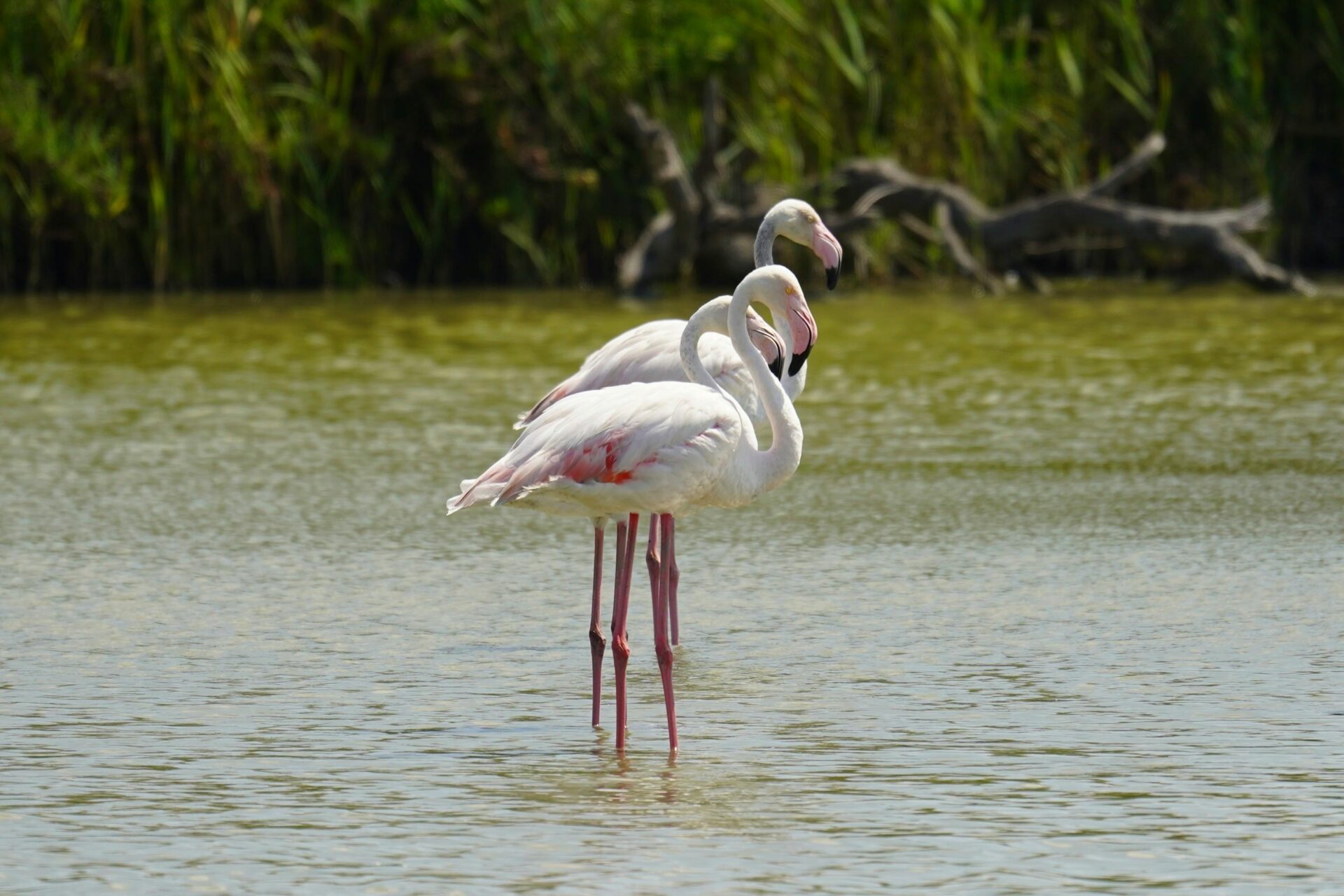
It’s tough to beat the thrill of spotting wild flamingos wading in the lagoons. White storks and herons darted through reeds, their wings bright against the sky.
In quieter corners, turtles sunbathed on rocks, and dragonflies hovered above the water.
Fish zipped just beneath the surface. Frogs sang at dusk, creating a chorus that filled the air.
Wetlands like Lake Vistonida and the Nestos Delta attract migratory birds traveling between the Balkans and the Mediterranean. I’d say bring binoculars—each visit brought something new, from spoonbills to glossy ibises.
Quick List: Wetland Wildlife
- Flamingos
- White storks
- Herons
- Turtles
- Glossy ibises
Regional Geography and Landscapes
Thrace’s wetlands stretch out where land meets the Aegean coast. Rivers like Evros and Nestos snake through marshes, shaping sandbanks and green floodplains.
In spring, water lilies bloom everywhere, and reed beds seem endless.
These landscapes form part of a bigger tapestry linking the Balkans and the Mediterranean. Walking along wooden boardwalks, I felt tiny beside the waterways, with mountains framing the view.
Local guides showed me how wetlands support fishing villages and shelter rare plants and animals.
A map at the visitor center laid out how rivers, lakes, and salt pans connect—making Thrace a crossroads for both nature and people in northern Greece.
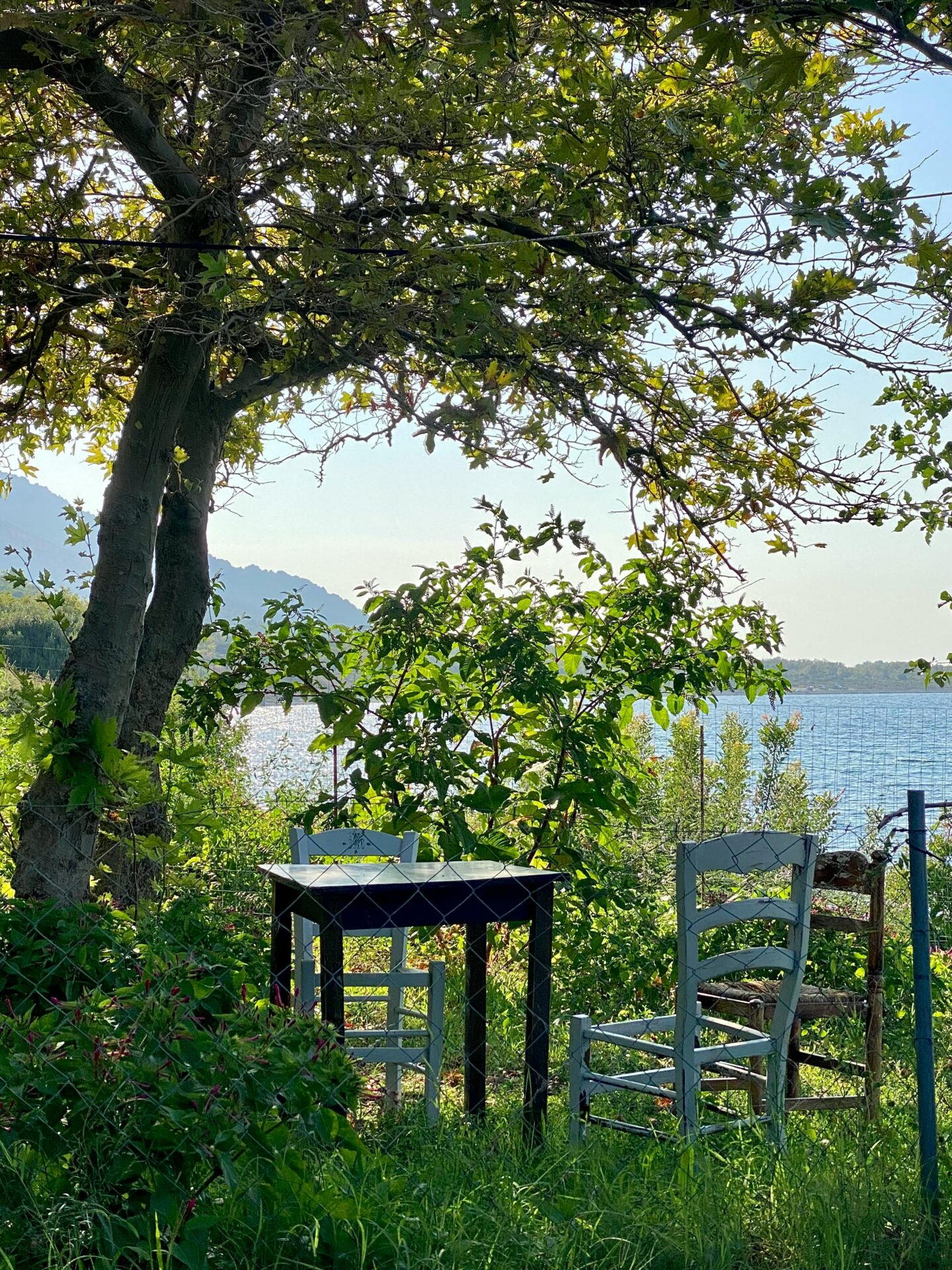
Ancient to Modern: Thrace’s Crossroads of Cultures
As I traveled through Thrace, I saw a region shaped by centuries of change. Ancient sanctuaries and markets all bore the marks of distant empires and busy trade routes.
Persian, Greek, and Roman Influences
Walking through ancient Thrace, I spotted signs of Persian influence in artifacts and stone ruins. In the 5th century BCE, Persian armies passed through, sometimes ruling, sometimes clashing with Greek city-states.
Greek settlers founded cities like Abdera and opened busy ports. Their temples, now worn by time, once buzzed with worship and trade.
Greek coins and pottery still turn up in markets and museums, tying today’s landscape to ancient myths.
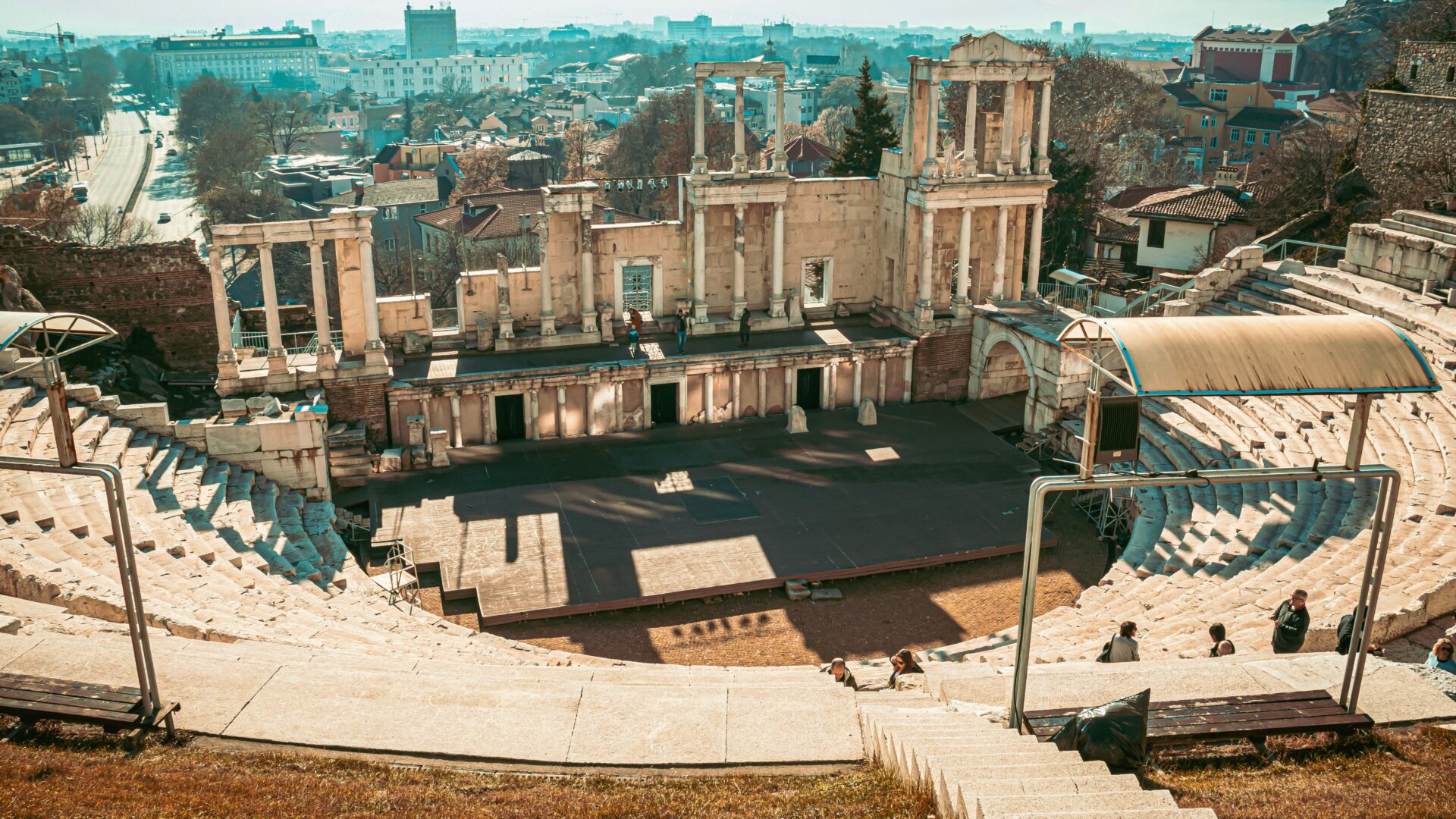
Romans conquered Thrace in 46 AD, folding it into the province of Thracia. I came across sections of Roman roads and ruins in places like Philippopolis (now Plovdiv).
Roman law and customs blended with older traditions. Even now, you can spot the patterns in festivals and food.
Trade Routes of Asia Minor and Beyond
Thrace’s landscape folds between mountains, wetlands, and river valleys. I traced old roads that once connected Asia Minor to Central Europe and the Mediterranean.
Traders from Kilikia, Iberia, and North Africa moved spices and cloth along these paths. Stops like Massalia and Venetia buzzed with foreign voices and markets.
Regional towns along these routes—especially near the Maritsa River—still host lively bazaars. Greek and Turkish sweets sit next to handwoven carpets, showing off the area’s layered heritage.
I found this table in a local museum, listing trade goods that once filled Thracian caravans:
| Route | Main Goods | Destinations |
|---|---|---|
| Asia Minor | Spices, silk, gold | Thrace, Liguria, Venetia |
| North Africa | Olive oil, glass | Thrace, Massalia |
| Kilikia | Wine, grain | Thrace, Asia Minor |
Sometimes, coin hoards buried near river crossings popped up—proof that traders had to abandon their goods in a hurry. Modern highways now follow some of these same routes, linking the region just as they did centuries ago.

Unexpected Encounters: Society, Traditions, and Cuisine
Jumping into Thrace’s daily life introduced me to close-knit communities and old traditions. It’s not just about pretty landscapes—people here really value neighbors, hospitality, and food.
Local Customs and Hospitality
In Thrace, generosity isn’t just a tradition—it’s how people live. During my trip, locals welcomed me like an old friend, sometimes after just a quick hello.
Invitations to coffee or even a meal came easily. Family and community support shape daily life.
Neighbors help each other out, whether it’s sharing food or looking after kids and elders. Liberty matters, but so do shared customs and big communal celebrations.
Weddings stand out with their colorful rituals. Music, dancing, and feasting spill into the streets, turning the whole village festive.
Even activism has its place here. Locals speak up for what matters, especially when it comes to traditions or the environment.

Traditional Foods and Markets
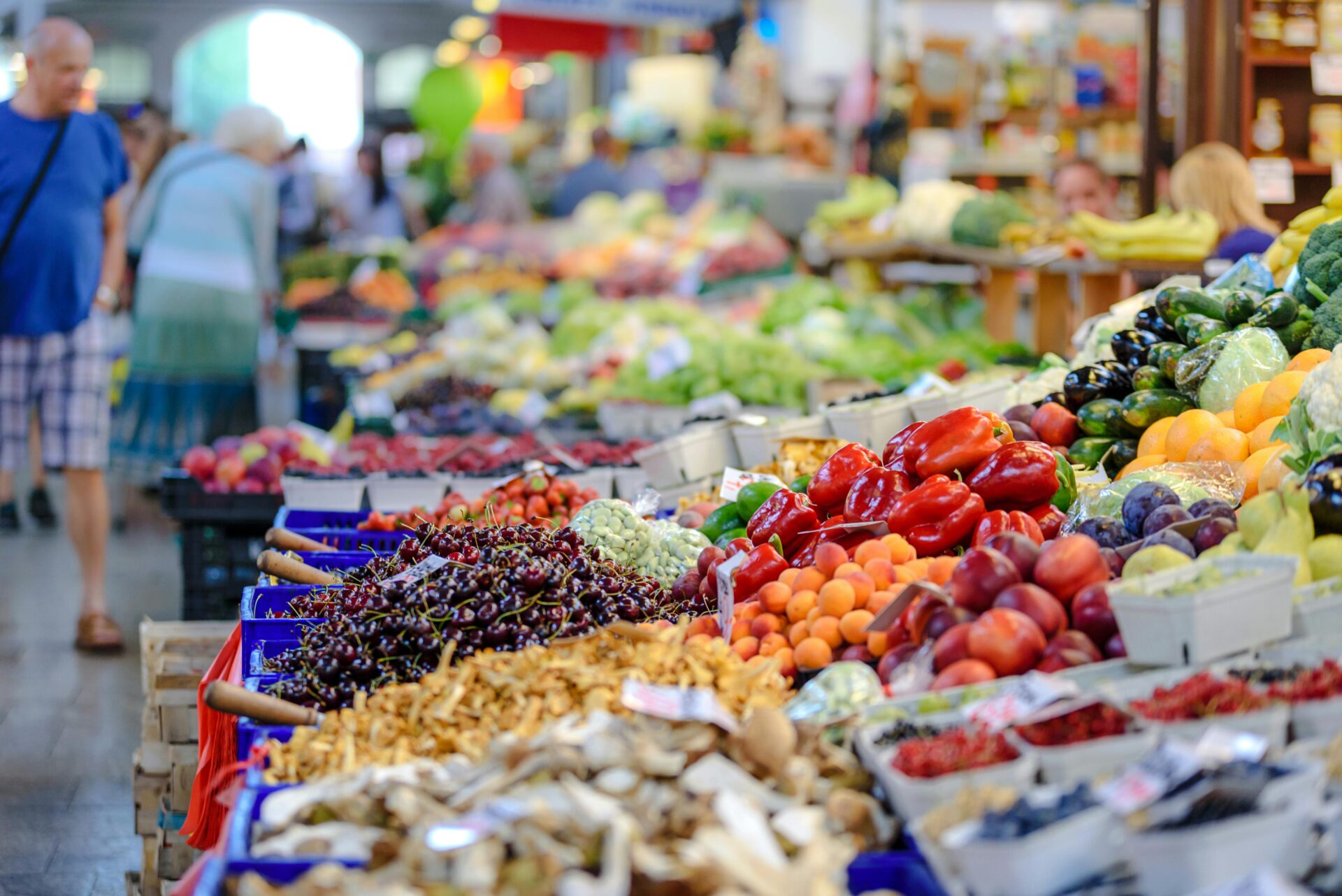
To taste Thrace is to taste its past. Markets buzz with fresh vegetables, homemade cheeses, and jars of local honey.
At a Saturday market, I watched neighbors greet each other, swapping recipes and tips. Bougatsa, a creamy pastry, quickly became my go-to snack.
Food stalls serve spicy sausages, roasted lamb, and wild greens picked from the wetlands. Many families keep their own olive oil or grapevines, handed down through generations.
Local products aren’t just sold—they’re celebrated. Tables often feature homemade wine or rakia (a strong fruit spirit), especially when friends gather.
For food lovers, these markets offer more than groceries. They’re social hubs and a window into real Thracian life. Watching locals barter, swap advice, and celebrate local produce, I felt woven into a living tradition.
Legends, Literature, and Lasting Impressions
Thrace surprised me with dramatic tales and quiet moments that history left behind. Ancient writers and today’s travelers cross paths here, making the place feel both legendary and real.
Plays and Performances in Thracian Context
Standing among Thrace’s ruins, I couldn’t help but picture the stories told here long ago. Dramatists like Aeschylus, Sophocles, and Euripides drew from Thracian myths and legends.
Euripides set “The Bacchae” in Thrace, capturing wild rituals and mysterious gods.
The storytelling tradition lives on. Local theater troupes sometimes stage plays inspired by Greek classics.
Watching a performance outdoors, with birds calling overhead and evening light on the stones, was unforgettable.
Historians like Thucydides and Xenophon wrote about Thrace. Pindar, Pausanias, and Polybius also filled my guidebook’s pages with references.
Ancient Thrace wasn’t just a setting. It inspired literature and learning. Some say Athens’ Academy even had teachers from Thrace’s diverse communities.
Travel Reflections and Practical Advice
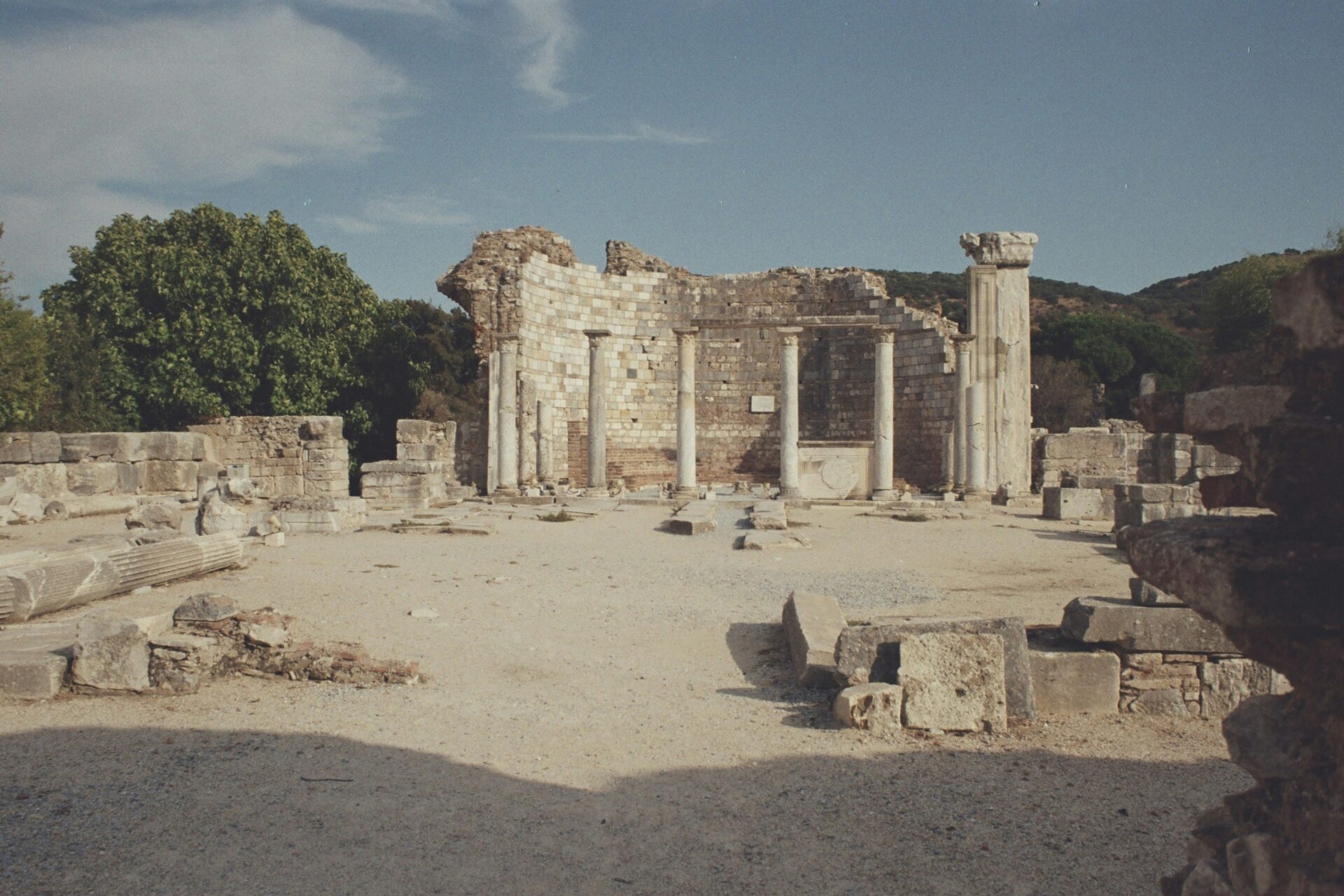
Thrace surprised me in ways I didn’t expect. I packed sturdy shoes for the rough paths, since some ancient sites—especially those sanctuaries hidden up in the hills—really force you to walk.
The wetlands near the Evros Delta buzzed with storks and herons. I found myself sketching them quickly in my journal, trying to catch the moment before it slipped away.
If you get the chance, chat with local guides. They’ll tell you folk tales you won’t find in any travel book.
Trying Thracian food—fresh river fish, spicy cheese pies, wild herbs—made every day taste different. Sometimes, I’d just sit and listen or write, letting the past and present blur together.
If you want to dig deeper, the small museums in Komotini and Alexandroupolis show off artifacts and displays that really bring old legends to life. Fans of Josephus or Aristophanes might even notice echoes of ancient themes when talking with locals.
Honestly, the quiet magic of this region still lingers with me, even now.
