
People toss around the word “fresh” when it comes to seafood, but honestly, most of what you get at restaurants has sat on ice for days—sometimes even longer. I’ve learned that there’s a level of freshness you just can’t find unless you get right up close to the ocean. Dock-to-dish dining, harvesting your own clams, or eating a meal just steps from where the catch came in—these are the moments where you taste the sea itself.
You’ll notice the difference right away. Oysters shucked seconds after they leave the water, lobster that was crawling in a trap that morning, clams you dig up with your own hands—nothing else compares. It’s not just a subtle upgrade; it’ll change the way you think about seafood.
In my travels, I’ve wandered through coastal towns where the menu literally depends on what the fishermen haul in that morning. I’ve eaten surrounded by marine life in underwater restaurants and even tried my hand at sustainable harvesting. These eight maritime adventures will totally change your idea of what fresh seafood means—and maybe make you care a bit more about where your food comes from.
What Defines Truly Fresh Seafood?
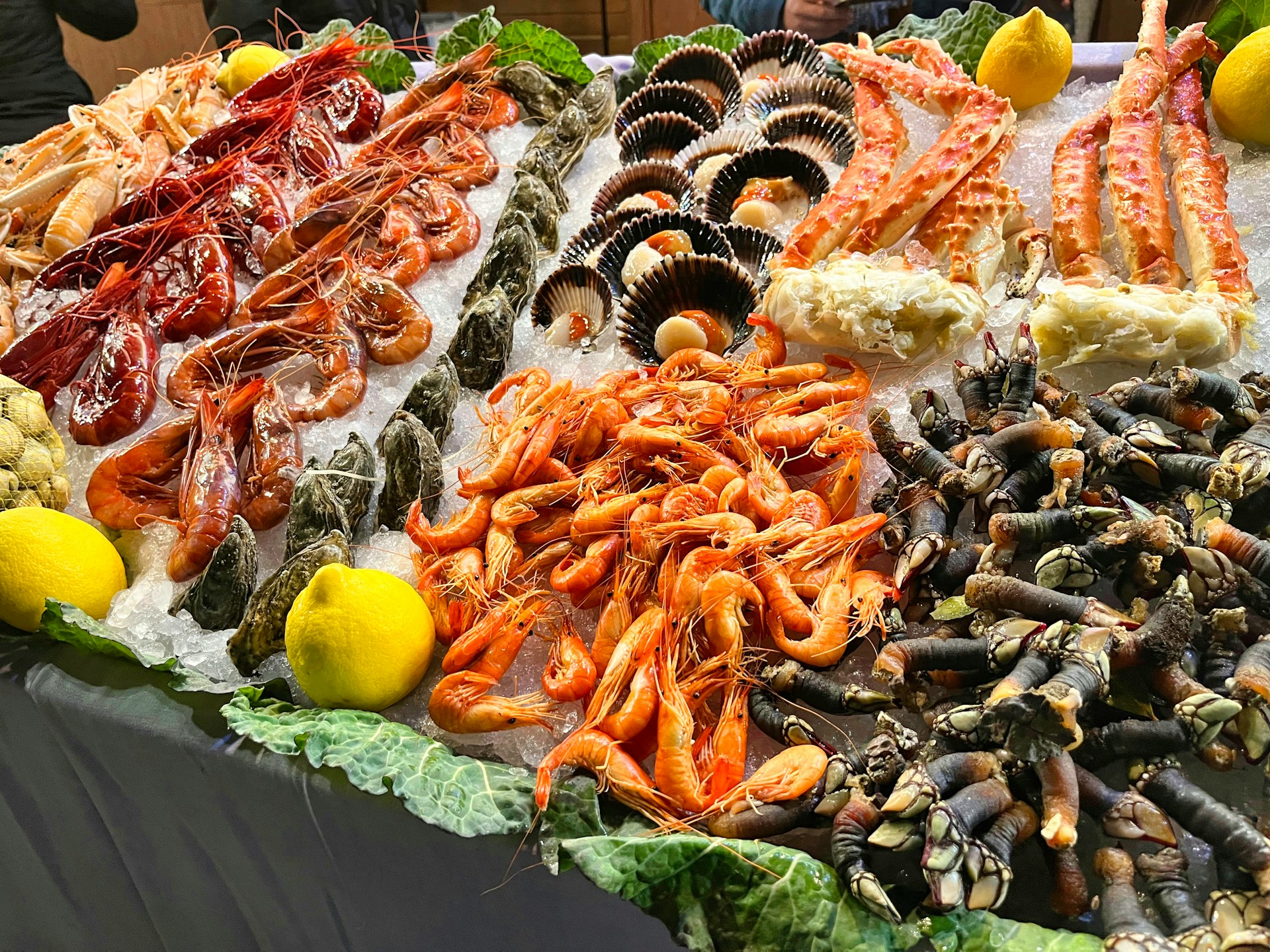
Truly fresh seafood gets caught and lands on your plate within hours or, at most, a couple of days. Fishermen have to handle it carefully and get it moving fast. You’ve got to know how to spot the real thing.
From Dock to Plate: The Journey of Fresh Seafood
The shortest journey makes the best seafood. Fishermen haul in their catch and ice it right away.
They clean and pack the seafood quickly. Ice keeps it cold during transport. That cold temperature stops bacteria from multiplying.
Most truly fresh seafood arrives at restaurants within a day or two. Some places get deliveries every morning, so the fish you order might have been swimming just yesterday.
Key steps for fresh seafood:
- Catch and ice immediately
- Clean and process quickly
- Transport cold to markets or restaurants
- Store properly until it’s cooked
If you see “fresh” on frozen seafood, be skeptical—it probably traveled for weeks. The real deal has a clear line from the boat to your fork.
Key Signs of Freshness in Seafood
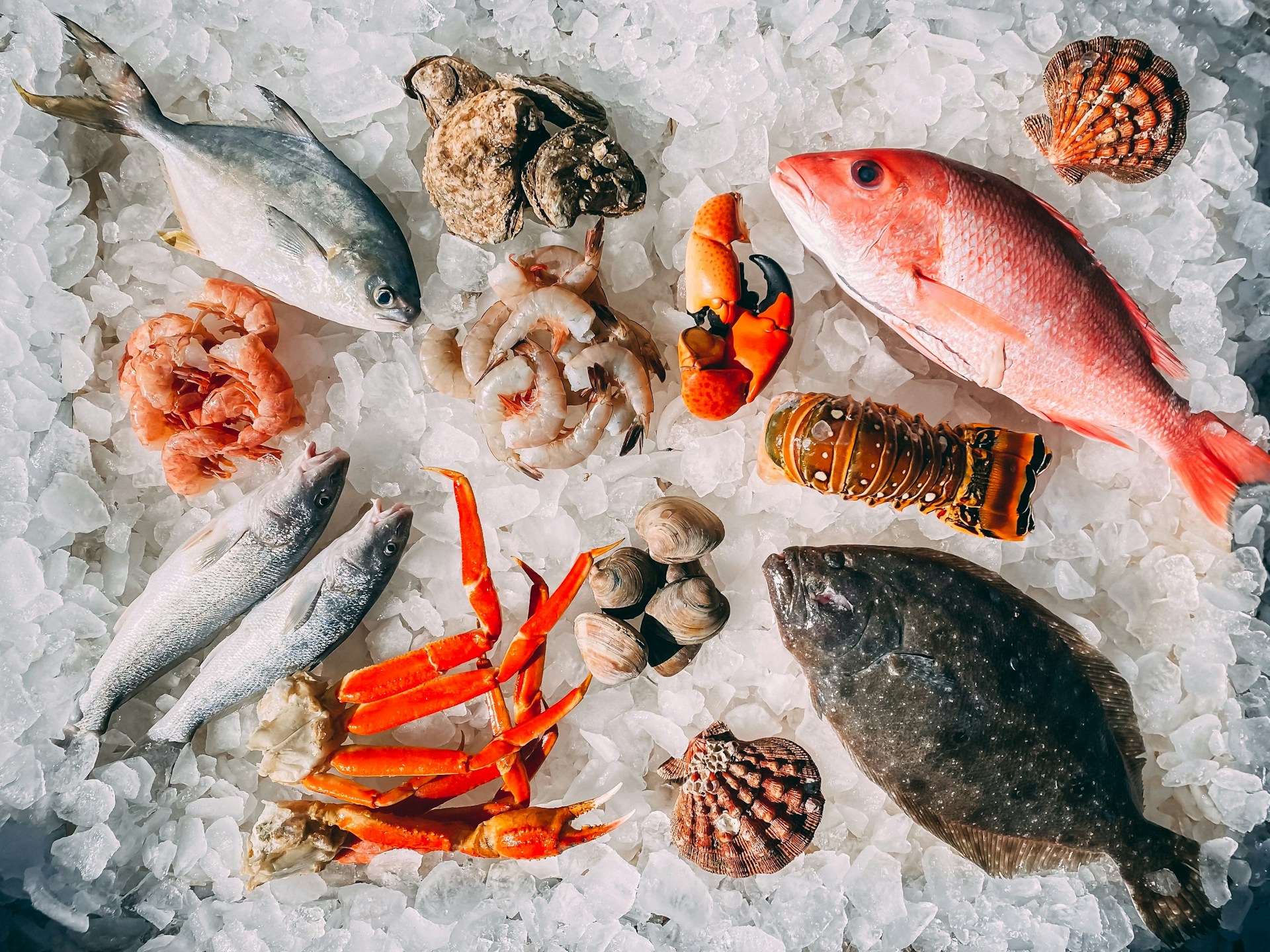
You can learn to spot fresh seafood with just your senses. Fresh fish have clear, bright eyes. Their skin looks shiny and feels firm.
Fresh fish checklist:
- Eyes: Bright and clear, never cloudy
- Smell: Like the ocean, not fishy or sour
- Flesh: Firm, bounces back when pressed
- Gills: Red or pink, not dull or gray
Oysters and clams should be tightly closed. If you tap them, they close tighter. Open, smelly shellfish? Walk away.
Shrimp and lobster need to smell clean, like the sea. The meat looks translucent, not gray or yellow. Fresh crab shells feel heavy and hard when you lift them.
Why Freshness Matters for Flavor and Texture
Fresh seafood tastes sweet, clean, and a little like the ocean breeze. Old seafood gets fishy or sour. As time passes, proteins break down and ruin the texture.
Fresh fish feels firm and flakes easily. Old fish turns mushy or rubbery. Shrimp should snap when you bite in.
Why go for fresh?
- Naturally sweet flavor
- Firm, never mushy texture
- More nutrients, like omega-3s
- Safer to eat raw (think sushi!)
Nutrients and healthy fats stick around longer in fresh seafood. That’s why the best dishes always start with the freshest catch.
Maritime Oyster Experiences: Savoring the Briny Best
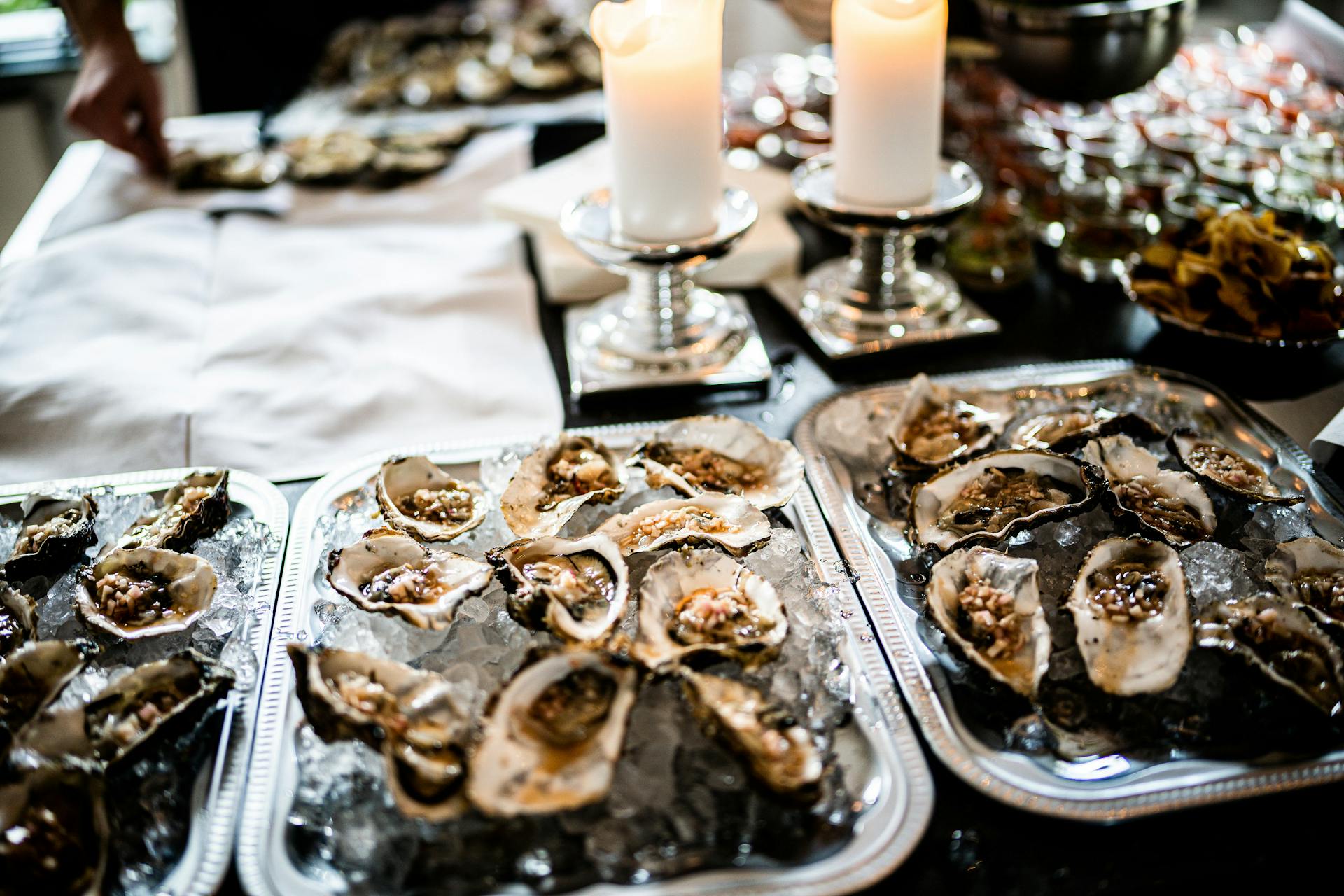
Nothing beats slurping oysters right by the water. The best shellfish experiences happen where you can taste oysters grown just yards away, all while learning about their flavor and how to shuck them.
Oysters Served Shore-Side
Eating oysters at a waterfront spot is something you just have to try. Places like Drayton Harbor Oyster Company serve oysters grown in the same harbor.
Top Shore-Side Spots:
- Farm-to-table: Eat while looking at the oyster beds
- Dockside stands: Grab oysters right from the harvest boats
- Waterfront restaurants: Specialize in local varieties
When oysters travel just minutes instead of days, the flavor pops. You can taste the difference—briny, crisp, and alive.
Some oyster farms sell directly from the dock. You might watch someone pull up a basket and shuck your order right there.
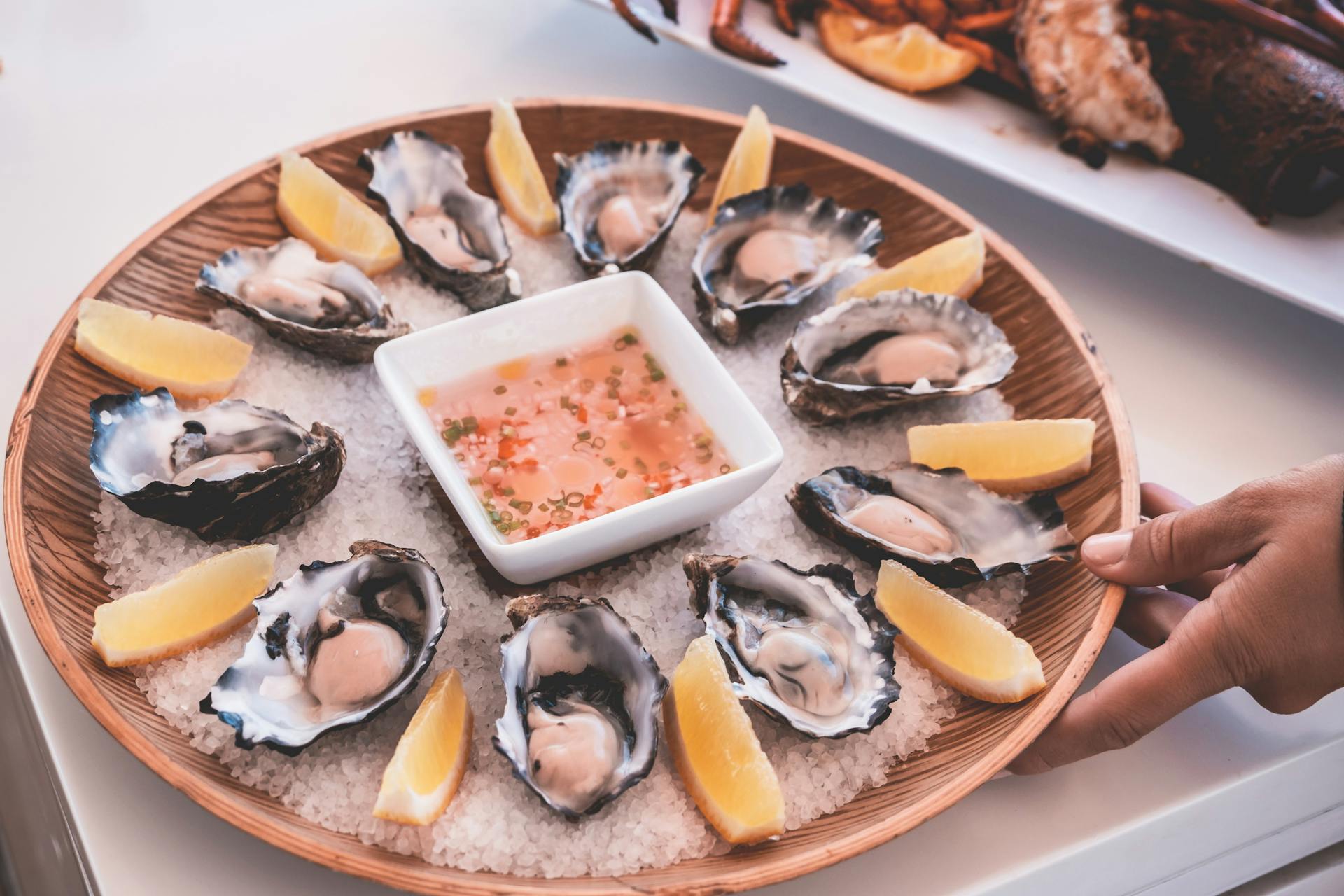
Trying a mix of local oysters on one plate is the best way to taste how growing conditions affect flavor.
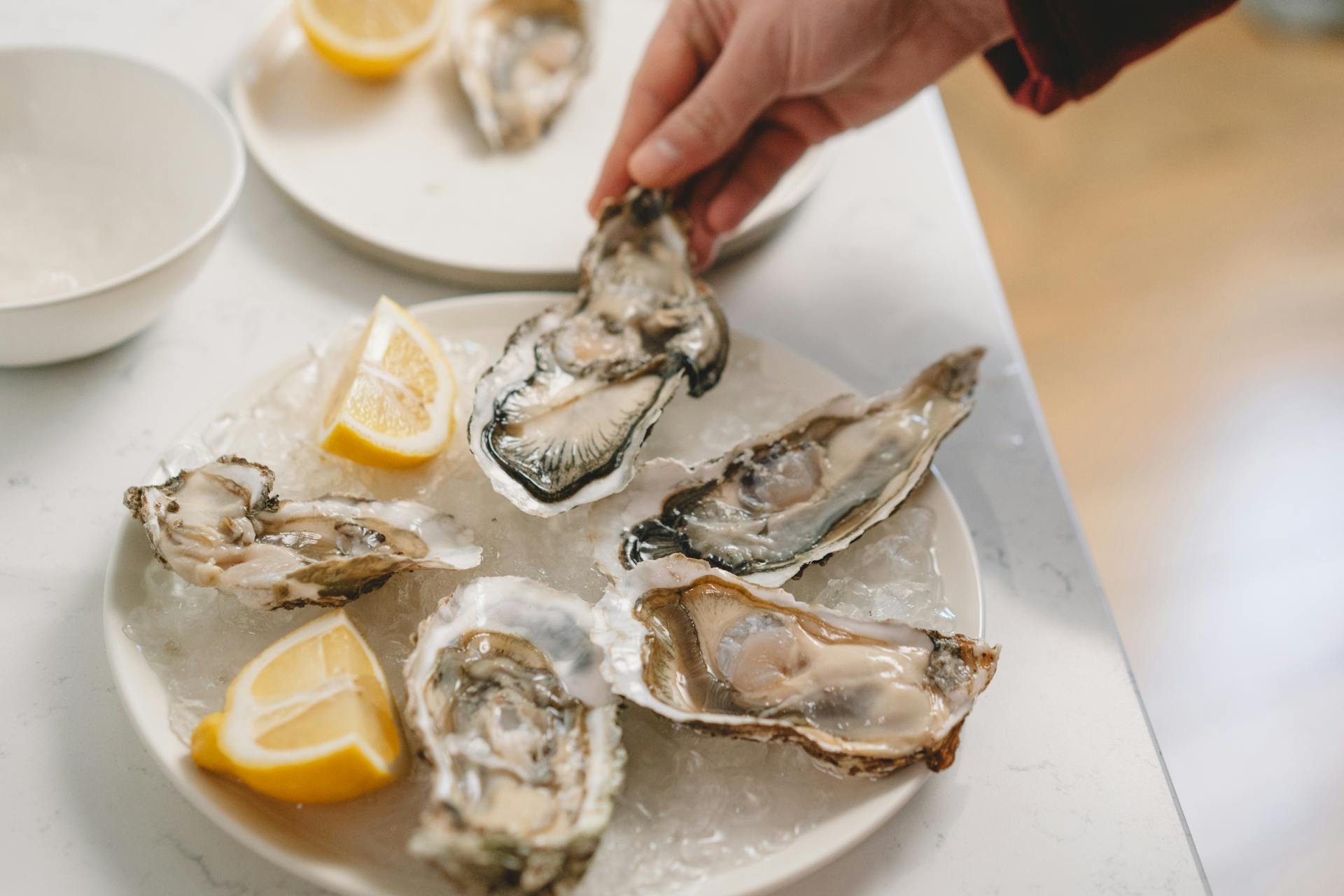
Perfect Oyster Pairings and Tasting Techniques
Start with milder oysters and work your way up. That way, your taste buds catch all the subtle notes.
Classic Pairings:
- Champagne or sparkling wine—cuts through the richness
- Crisp whites like Chablis or Sancerre
- Light beers—pilsners or wheat
- Mignonette (vinegar and shallots)
I always sniff the oyster first for that ocean scent. Slurp it all in one go, liquor and all.
Tasting order:
- Small, sweet oysters first
- Medium, balanced ones next
- Big, briny ones last
Chew a couple of times to release the flavors. The taste should remind you of the sea, with hints of where it grew.
Oyster bars often offer guided tastings now. You get to learn what you like and what’s unique about each region.
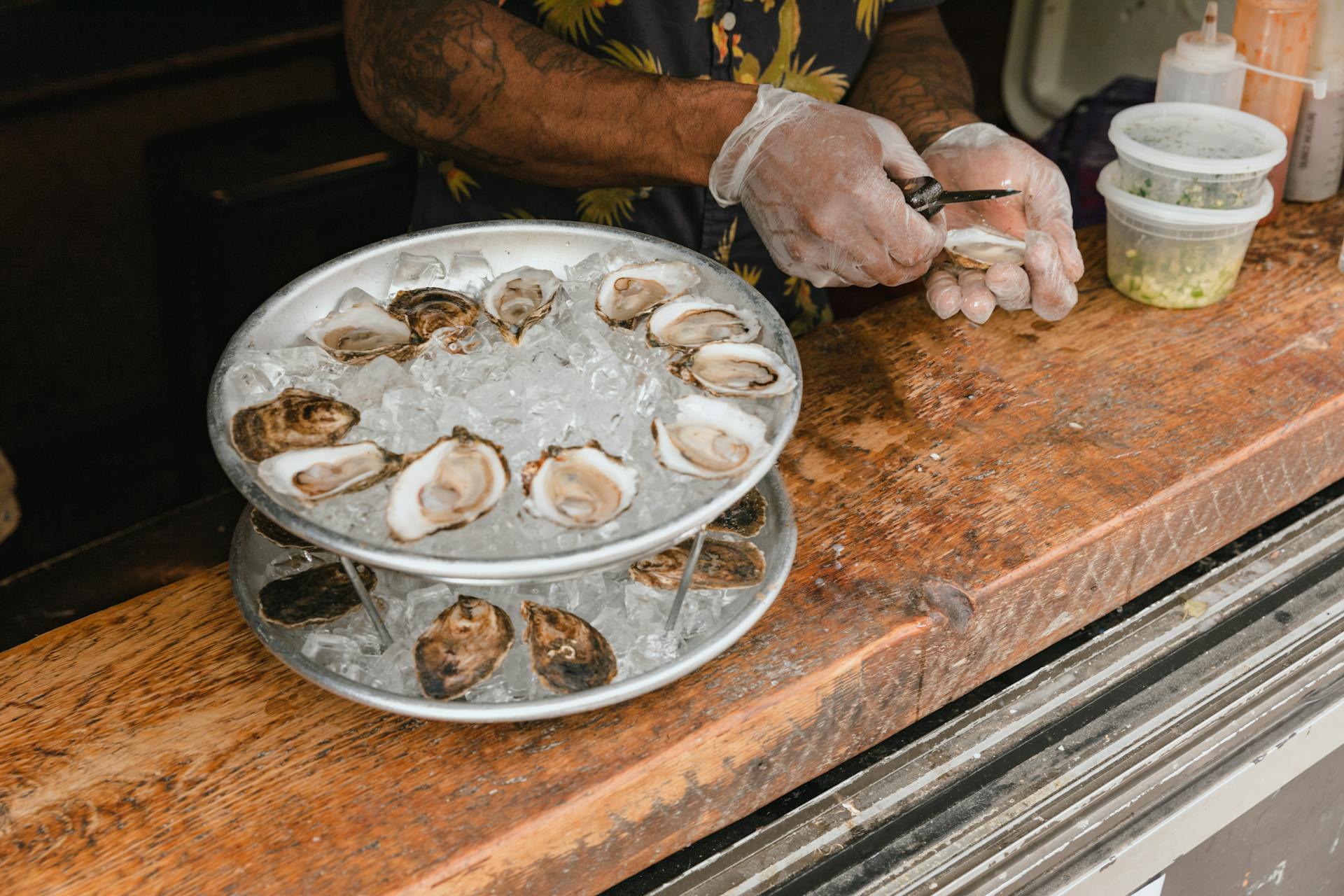
The Art of Oyster Shucking
Shucking oysters is half the fun. I use a sturdy oyster knife—don’t even try it with a regular blade.
You’ll need:
- Oyster knife
- Cut-resistant gloves
- Thick towel for grip
- Solid cutting board
Hold the oyster with the hinge facing you. Stick the knife in and twist gently at the hinge.
Slide the blade along the top shell to cut the muscle. Keep it level so you don’t lose that precious liquor.
Safety tips:
- Don’t force the knife if it slips
- Keep your hand behind the blade
- Take it slow until you get the feel
Lots of places by the water offer shucking lessons. It’s a great way to build confidence and get hands-on with your food.
Fresh oysters smell clean and briny. If you get a whiff of anything off or see broken shells, skip them.
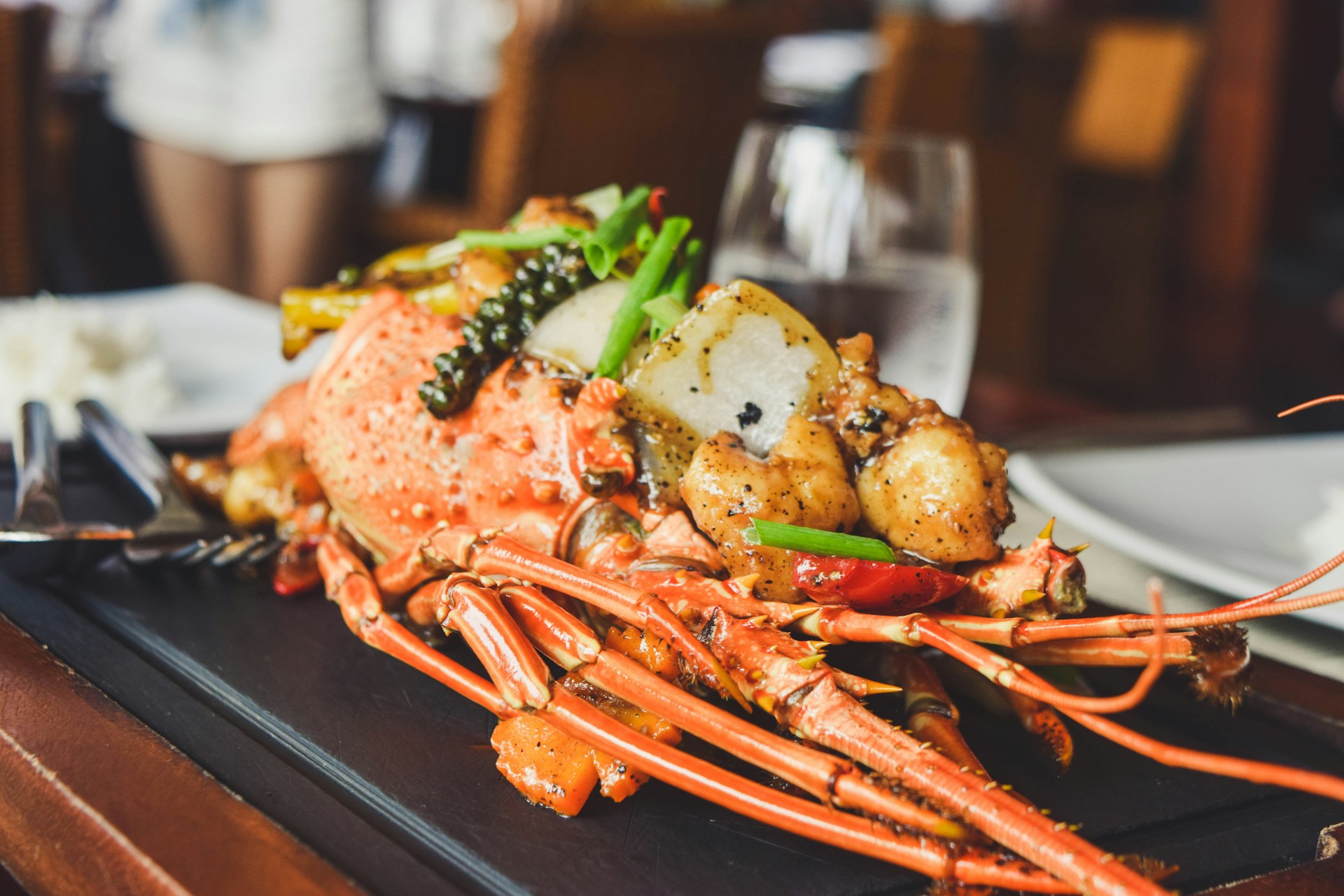
Indulging in Lobster and Shrimp: Classics Reimagined
Coastal chefs are reinventing lobster and shrimp, letting their natural sweetness shine. They keep things simple and let the quality do the talking.
Signature Lobster Dishes by the Water
Waterfront spots know how to treat lobster right. They usually steam the lobsters right after they’re caught.
Try these classics:
- Butter-poached lobster tail
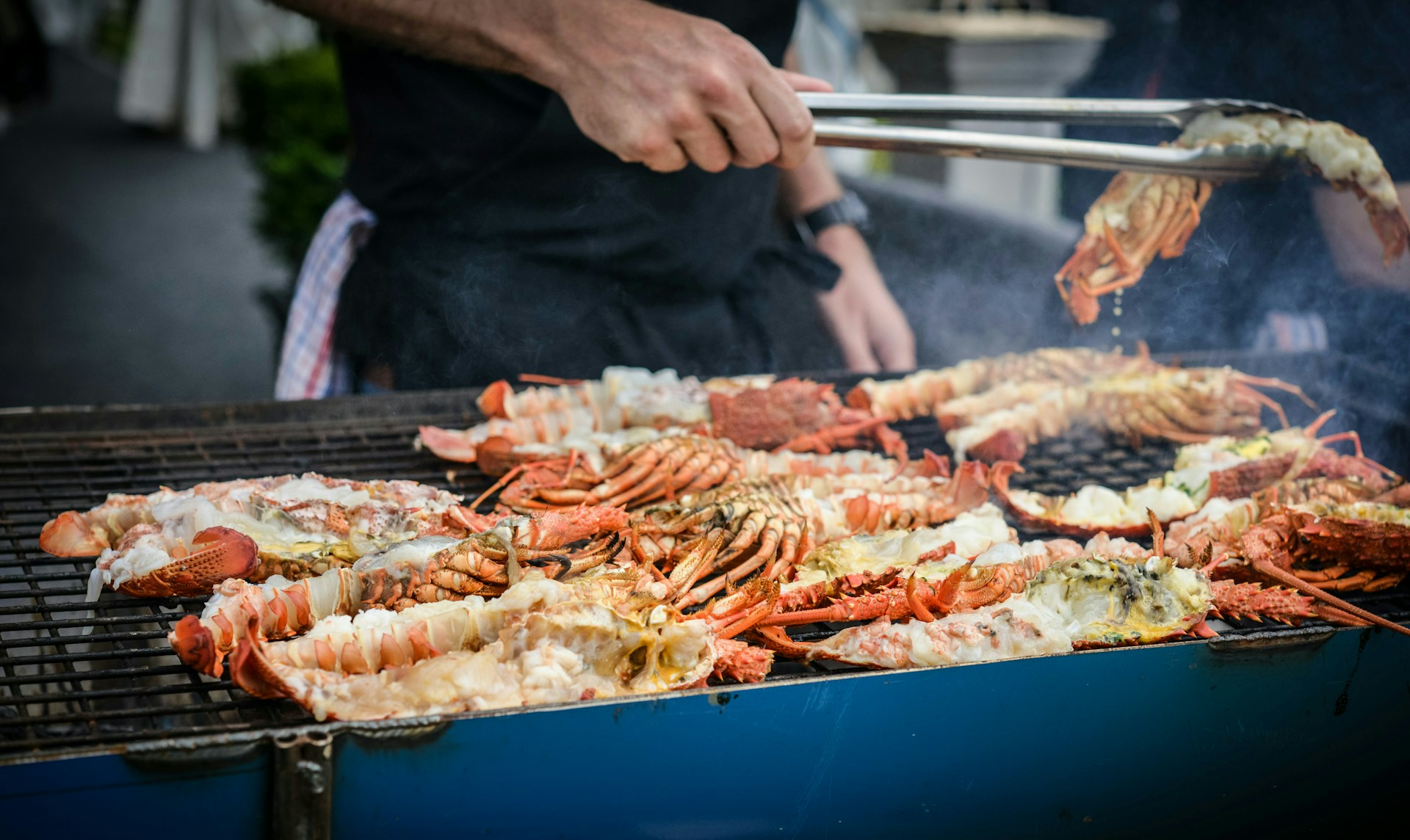
- Grilled lobster with herb butter
- Lobster bisque from fresh shells
- Steamed lobster with drawn butter
Fresh lobster has a firm but tender bite. The flavor is sweet and salty, almost like the sea.
Many places now serve lobster with just lemon and sea salt. You can taste the difference between a lobster caught that day and one that sat around.
Some restaurants crack the shells at your table. The meat stays warm and juicy, and the whole thing feels like a show.
Innovative Lobster Rolls and Local Variations
Lobster rolls come in two main styles: cold with mayo (Maine) or warm with butter (Connecticut).
Modern twists include:
- Brioche buns instead of basic rolls
- Avocado, microgreens, or spiced butters
- Local herbs—dill, chives, you name it
I’ve seen chefs use claw meat for more texture. Sometimes they mix in tail meat for variety.
Regional spins:
- West Coast: sourdough and citrus aioli
- Pacific Northwest: local mushrooms and herbs
- New England: celery salt for that classic kick
The bread matters. The best rolls get toasted just on the sides—crisp outside, soft inside.
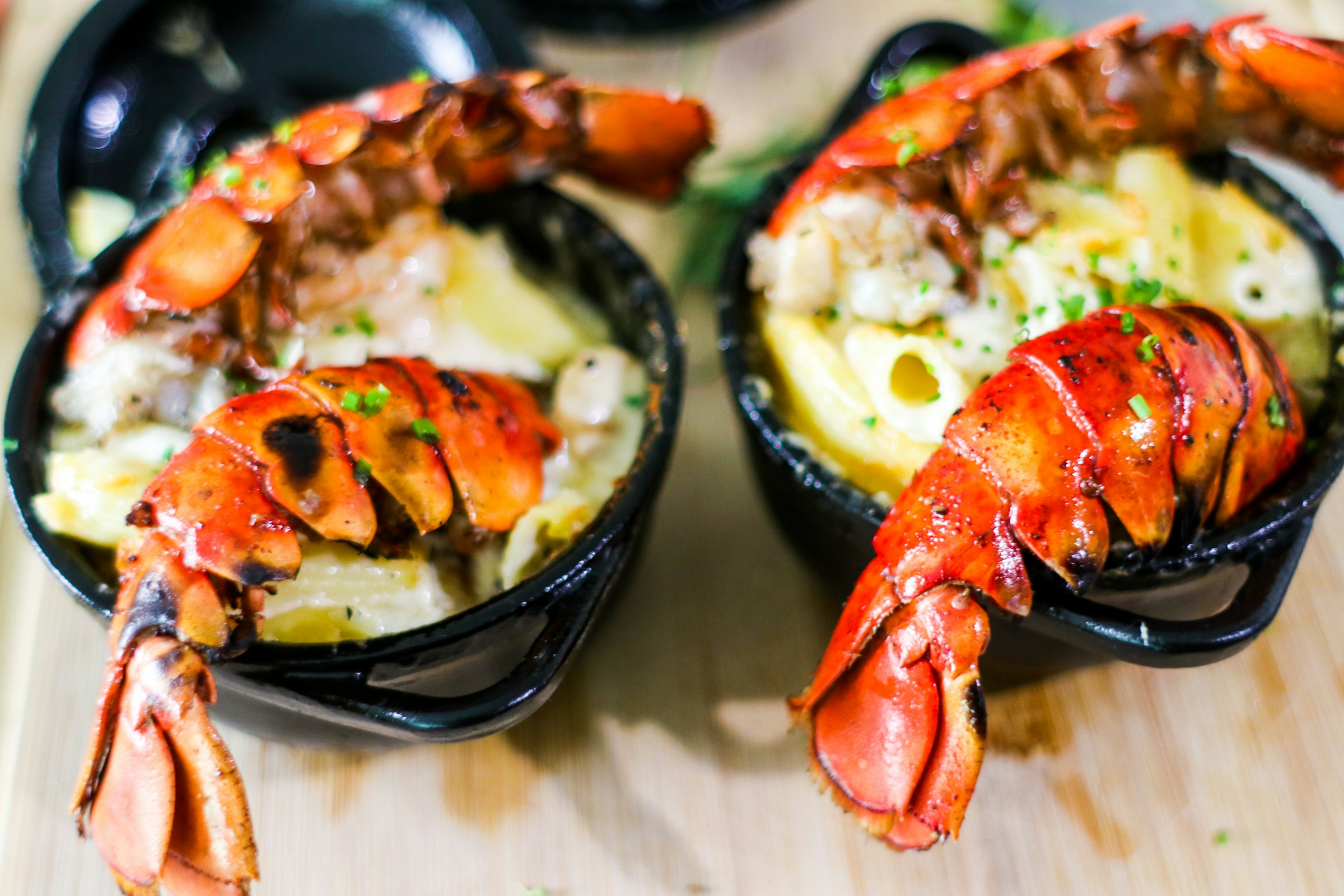
Ocean-to-Table Shrimp Specialties
Fresh shrimp are a game changer. They’re sweet, with a satisfying snap.
Local varieties keep things interesting:
- Spot prawns: delicate and sweet
- Rock shrimp: almost like mini lobsters
- Gulf shrimp: rich and meaty
- Bay shrimp: tiny but super sweet
Restaurants that serve shrimp caught the same day? That’s where you want to eat.
Simple is best. Grilled shrimp with garlic and herbs, or a classic shrimp cocktail, really show off the quality.
Popular fresh shrimp dishes:
- Peel-and-eat shrimp
- Grilled shrimp skewers
- Shrimp scampi with local wine
- Raw shrimp with mignonette
Don’t overcook them—just a couple minutes per side. Otherwise, you’ll lose that sweetness and snap.
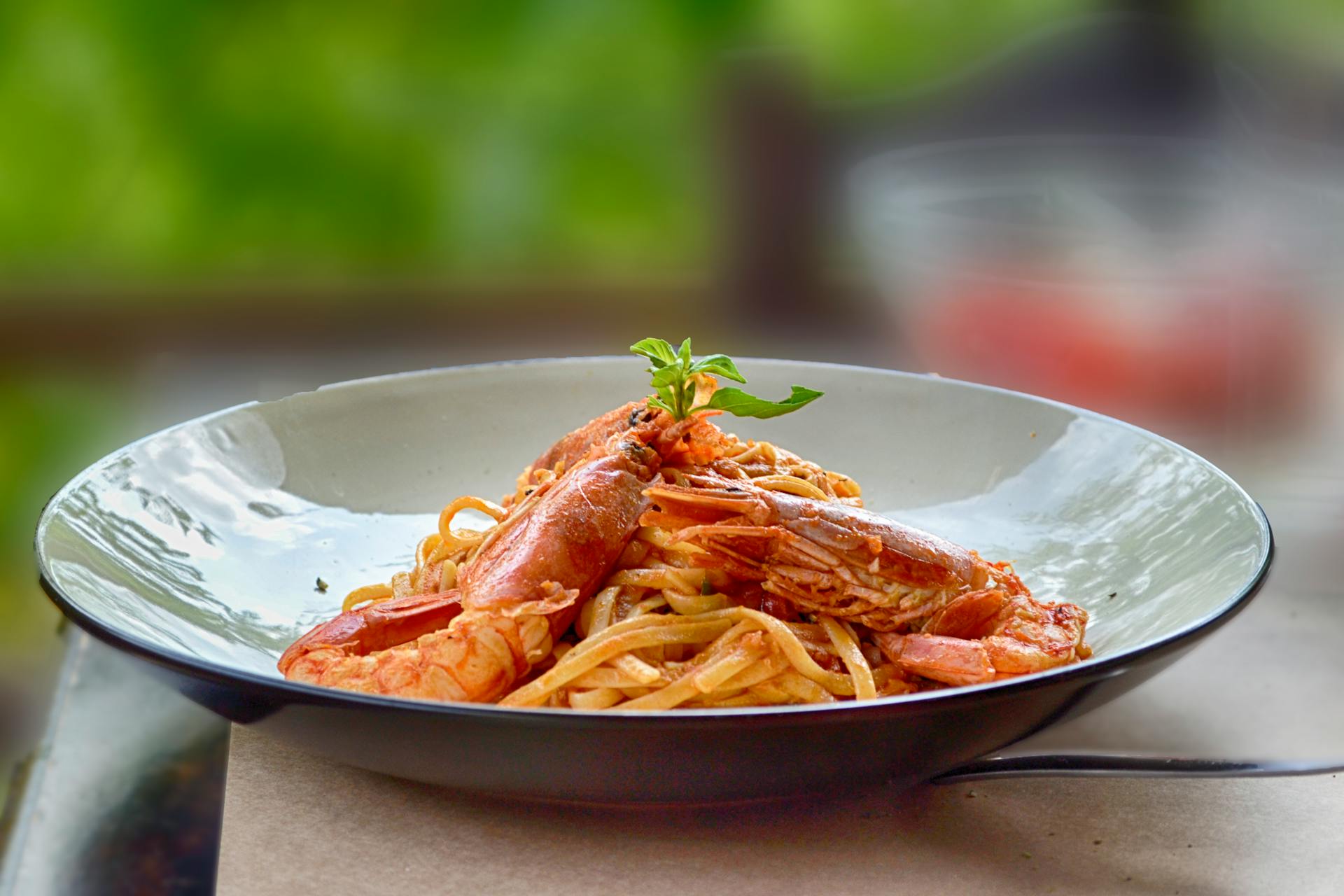
Clams, Shellfish, and Beyond: Explore the Ocean’s Bounty
The ocean has way more to offer than just clams. Razor clams, geoduck, and other shellfish each bring something unique to the table. Classic steamed clams are great, but regional specialties and creative twists keep things exciting.
Classic and Creative Clam Preparations
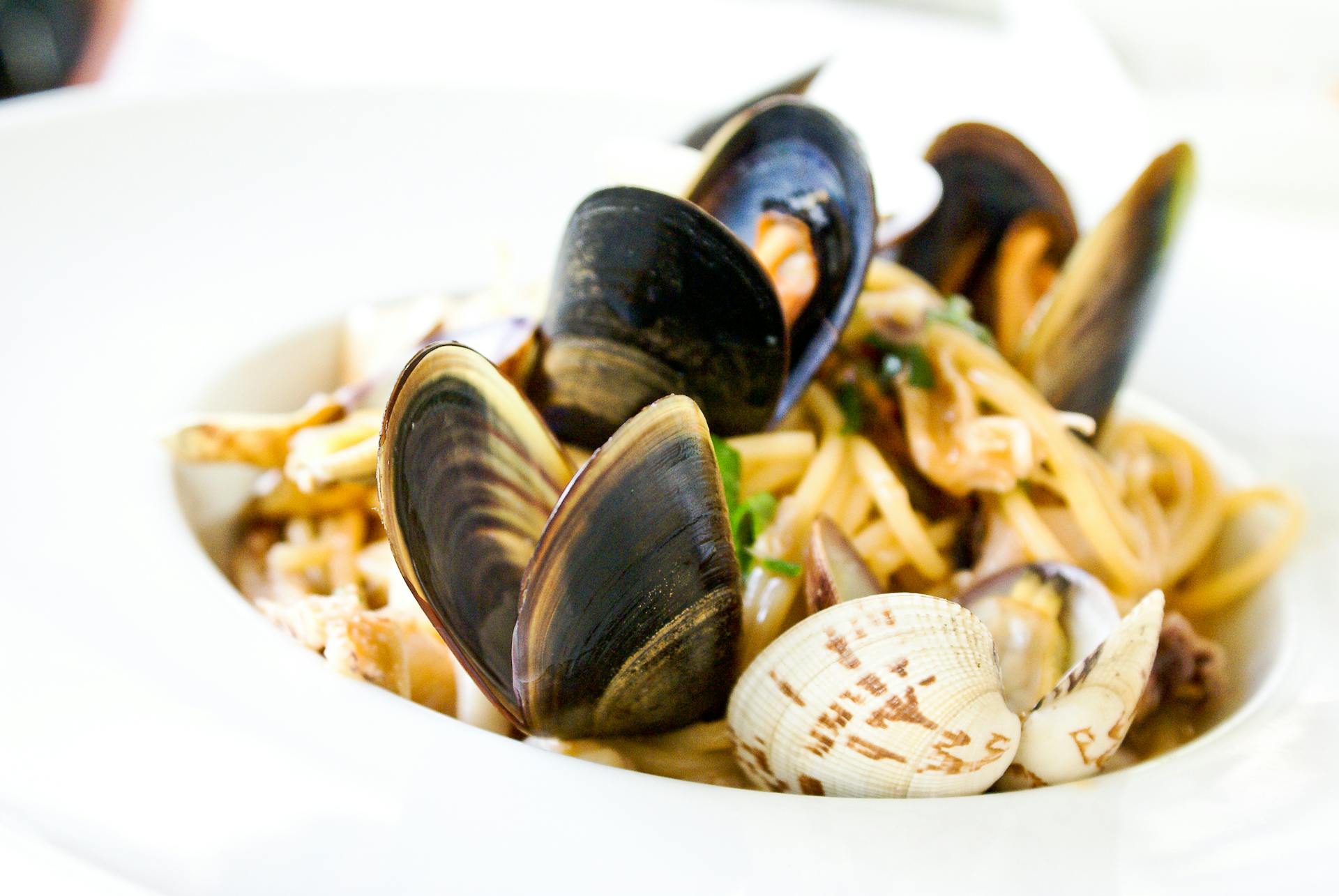
Clams are incredibly versatile. Steamed clams never get old. I usually go with white wine, garlic, and a handful of fresh herbs.
Littleneck clams work well raw—their sweet, briny flavor stands out. Manila clams are a bit more delicate.
For something different, I toss clams into pasta. Clam linguine is a favorite for highlighting that ocean flavor. Razor clams are sweet and tender, perfect on the grill or sautéed.
Clam chowder is pure comfort. Creamy New England style is my pick, but some people swear by the tomato-based Manhattan version.
Pan-fried clams are crispy outside, tender inside. Just dredge in seasoned flour and fry. Razor clams are especially good this way.
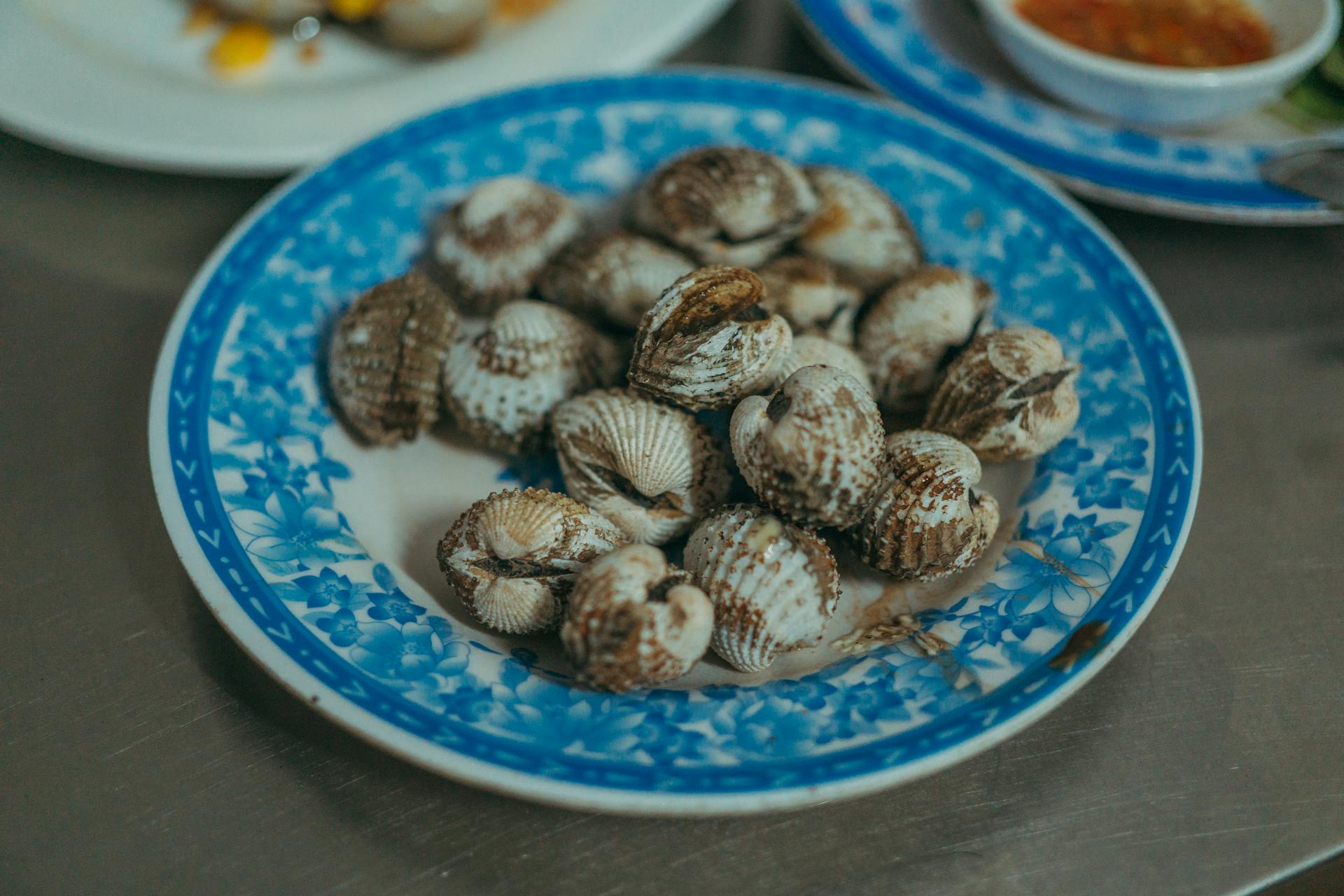
Discovering Regional Shellfish Delicacies
Every coast has its own shellfish stars. Geoduck clams from the Pacific Northwest get huge—up to three feet! Their crunchy, sweet meat makes amazing sashimi.
Cockles are tiny, heart-shaped, and super tasty. I steam them with garlic and herbs, then toss them into pasta or risotto.
Sea urchin (uni) brings creamy, rich roe to sushi and pasta. The flavor is like nothing else—intensely oceanic.
Soft-shell crabs are a treat during molting season. I pan-fry them until golden. Just a squeeze of lemon and you’re set.
Whelks are sea snails with a firm bite. I like them in stews or cold salads, tossed with garlic and lemon.
Fresh Fish Tacos: Catch of the Day
Fish tacos are a perfect way to combine freshness and flavor. I usually go for white fish like mahi-mahi, halibut, or cod.
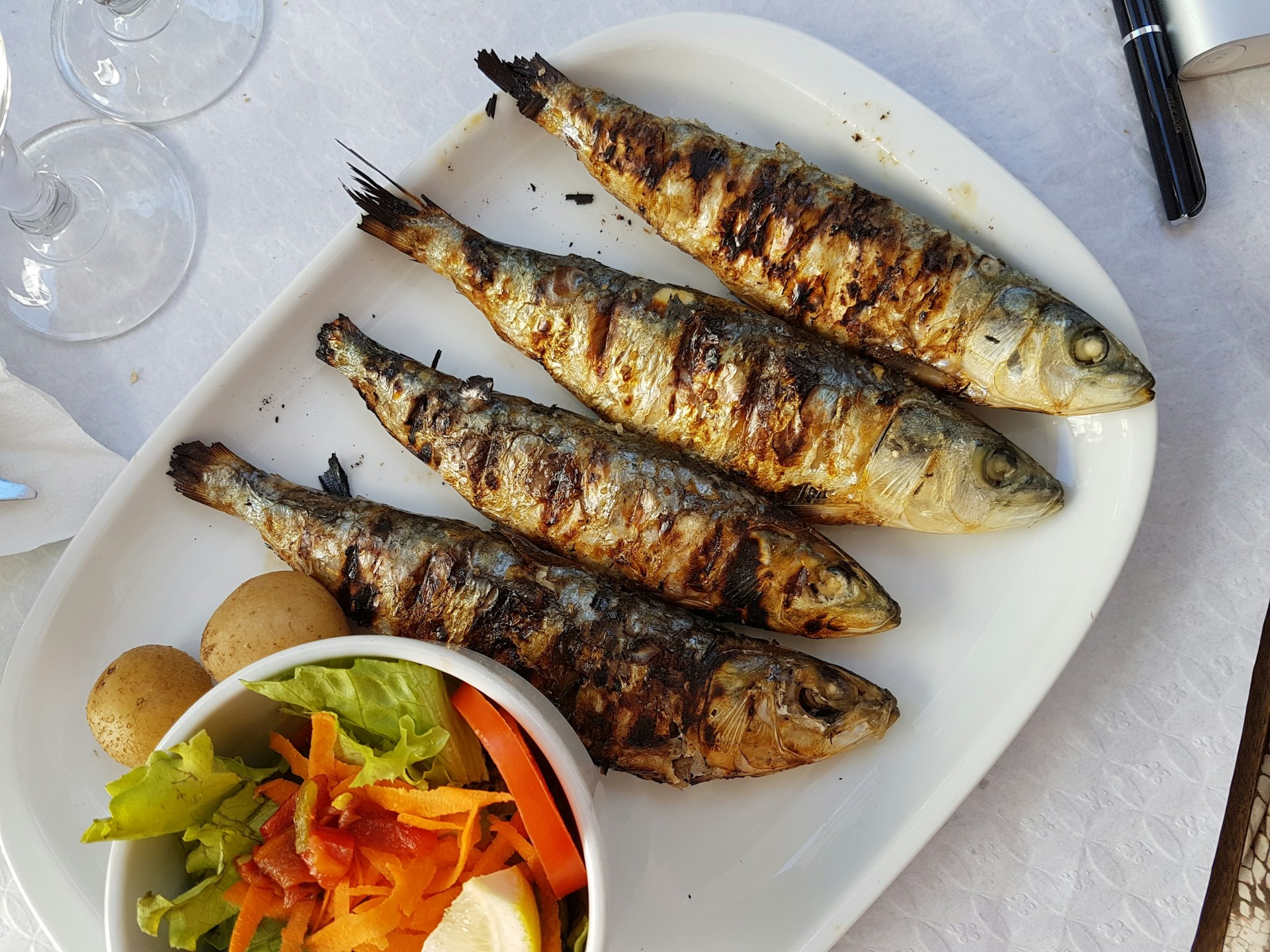
Grilled fish brings smoky notes and stays firm. I keep it simple—cumin, chili powder, lime zest.
Beer-battered fish gives you that crispy shell. Cold beer in the batter makes it light and crunchy.
Toppings make all the difference. Shredded cabbage, pico de gallo, lime crema, and pickled onions add a burst of flavor.
Corn tortillas beat flour every time for authenticity. I warm them on a griddle until just charred. Cilantro and lime are must-haves.
Just don’t overcook the fish. The fresher, the better.
Unique Seafood Settings: Dining, Markets, and Underwater Adventures
Some of the best seafood memories happen in unexpected places. Floating restaurants, lively fish markets, or even dining rooms under the sea—these settings turn a meal into an adventure. The atmosphere can make every bite more memorable.
Floating and Underwater Restaurants
Floating restaurants toss you right into the action. At spots like The Lobster Shack in Maine, you can eat a lobster roll while watching boats unload their catch just feet away.
Underwater dining? That’s another level altogether. Ithaa in the Maldives and Al Mahara in Dubai seat you below sea level, with glass walls that let you stare out at fish gliding by as you eat.
Sometimes, the fish swimming past your table are exactly what’s on your plate. Many places show off live seafood tanks, letting you point to your dinner before it’s cooked.
Key Features:
- Seafood pulled straight from nearby waters
- Wide-open views of the ocean or harbor
- Pick-your-own seafood from tanks
- Chefs cooking everything fresh, right there
Some floating spots even let you fish off the dock. You catch dinner, then the kitchen cleans and cooks it for you on the spot.

Experiential Seafood Festivals
Seafood festivals pop up in coastal towns during the best fishing months. These events turn the waterfront into a buzzing market, and local fishermen bring in their top catches.
The best festivals, in my opinion, really focus on one star ingredient. Maine’s lobster fests, salmon parties in the Pacific Northwest, and Gulf Coast shrimp boils all celebrate what the region does best.
Festival highlights include:
- Chefs showing off live cooking demos
- Fishermen talking about their catch, boat-to-table style
- Old-school prep techniques you won’t see anywhere else
- Tasting seafood that’s only around for a short season
Fishing crews compete for bragging rights, and the top catches head straight to festival kitchens. You get to try the freshest fish possible.
Iconic Local Seafood Markets
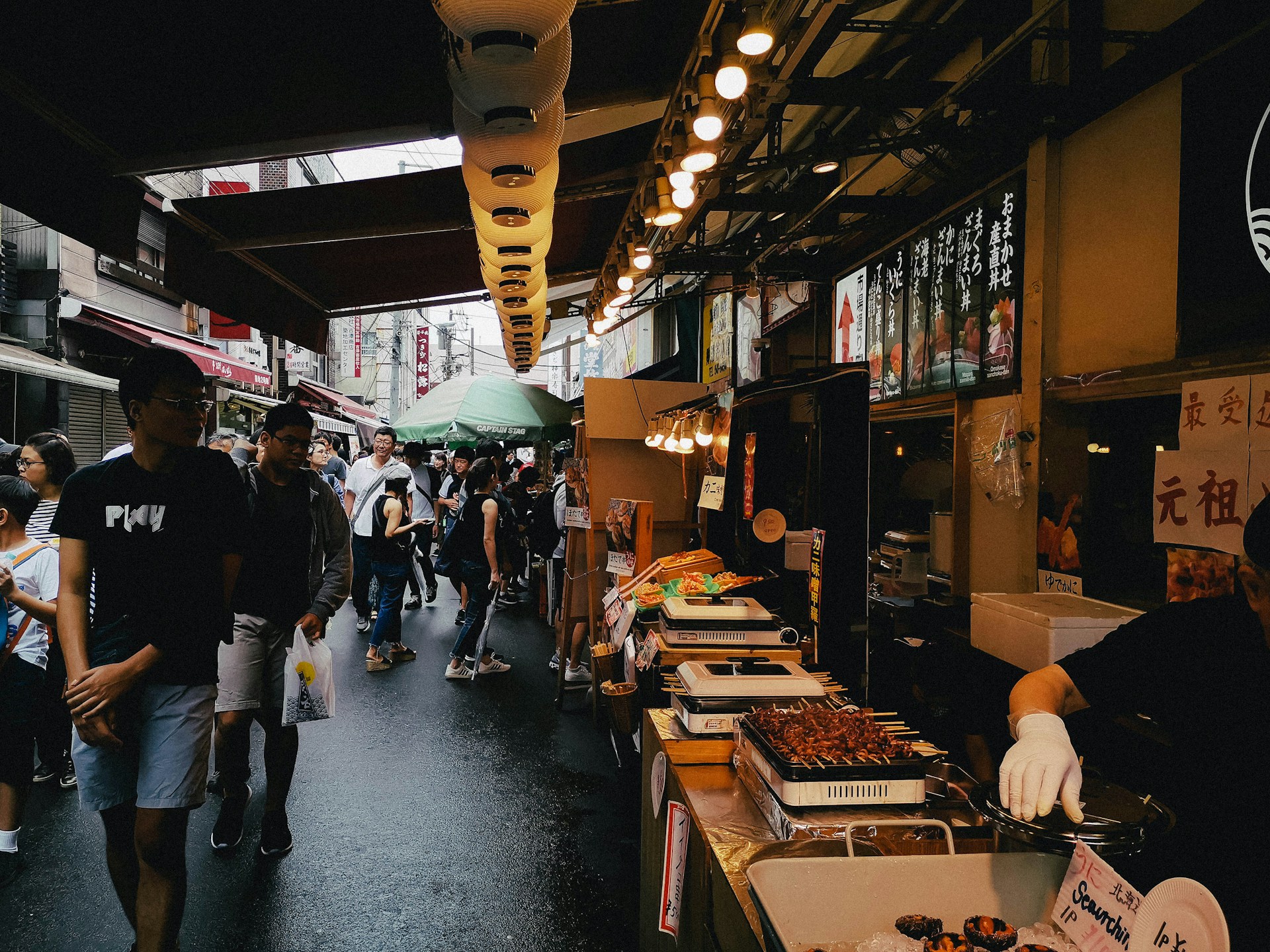
Nothing beats the energy of a classic fish market before sunrise. At Tsukiji in Tokyo, Pike Place in Seattle, or Sydney Fish Market, boats roll in with the morning’s haul.
What makes these markets special:
- Auctions where chefs battle for the best fish
- Vendors who greet fishermen by name
- Fish caught just hours earlier
- On-the-spot cleaning and prep for customers
On Cambodia’s Tonlé Sap Lake, floating fish markets show what life on the water really means. Vendors sell right off their boats, weaving through the community.
If you want the best pick, timing is everything. I show up at 5 AM to grab the freshest options. By midday, most of the good stuff is already gone.
Sustainable and Responsible Seafood Enjoyment
Choosing sustainable seafood isn’t just a trend—it’s about protecting the oceans for the next generation. It means hunting for the freshest catch and supporting folks who fish responsibly, all while leaving a lighter mark on the planet.
Sourcing Sustainable Seafood
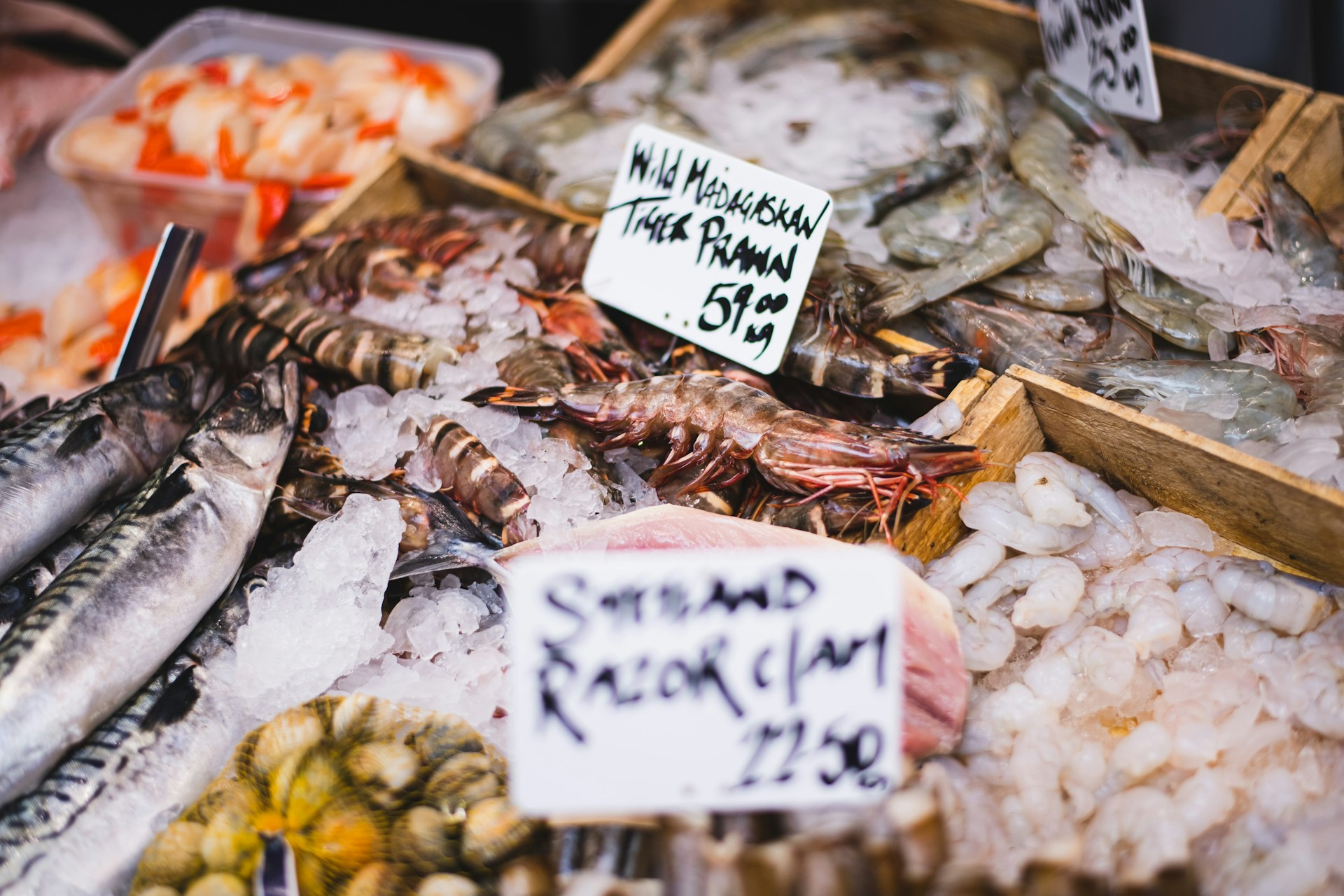
When I shop for seafood, I hunt for certifications. The Marine Stewardship Council and Aquaculture Stewardship Council labels help me know I’m making a good choice.
Key indicators of sustainable seafood:
- Wild fish from well-managed sources
- Farmed seafood raised with care for the environment
- Local catches that don’t need long-haul shipping
- Choosing what’s in season, not what’s flown in
Seafood guides, like the ones from Seafood Watch, make things easier. They sort seafood into “Best Choice,” “Good Alternative,” or “Avoid,” based on how it impacts the environment.
I always ask where my fish comes from. Vendors who know their supply chain give me peace of mind—and usually, better-tasting seafood.

Supporting Local Fisheries
Buying from local fishing communities helps me cut down on my carbon footprint and put money back into the region. Local fishers often use smaller boats and traditional gear, which is usually better for the environment.
Benefits of choosing local seafood:
- Fresher fish and better flavor
- Less shipping means fewer emissions
- You help fishing families keep their traditions alive
- You get to know how your seafood was caught
- Menus change with the seasons, so you never get bored
I like to head straight to the docks or fish markets when I can. Buying direct means I get the freshest catch and build real connections with the people behind my meal.
Community-supported fisheries are another great option. They work kind of like a farm share, delivering fresh, local seafood right to your door and connecting you with the folks who caught it.
Eco-Conscious Seafood Preparation
Whenever I can, I use the entire fish—bones go into stock, and scraps end up in the compost. It just feels right to honor the ingredient and cut down on waste.
Sustainable preparation methods:
- I grill or steam seafood instead of deep frying.
- Energy-efficient appliances make a difference, so I stick with those.
- All those shells and scraps? Straight to the compost.
- Reusable serving dishes keep single-use plastics out of the equation.
Buying whole fish usually means less packaging, so I look for those at the market. Picking up some basic filleting skills lets me stretch each purchase further.
Storage can make or break seafood. I keep it chilled and use it up fast—no one likes spoiled fish. Good handling helps me get the most from every sustainable choice.
