
Croatia’s become a summer darling in Europe, but let’s be honest—the secret’s out. July and August can feel like everyone’s invited to the same party, with over 4 million visitors a month. Suddenly, those dreamy Adriatic getaways look more like a game of human Tetris: lines everywhere, packed beaches, and patience-testing waits.
If you ask me, the real magic happens during the shoulder seasons: late April to mid-June and then again from September to October. The weather’s lovely, crowds thin out, and prices drop. Most of the good stuff—attractions, ferries, restaurants—are still open. It’s wild how much Croatia changes depending on when you show up.
Let’s break down what the seasons actually feel like, and how you can dodge the worst of the crowds. Whether you’re after wild festivals, quiet corners, or just want to stretch your euros, timing really does make or break your Croatia trip.

Peak Summer Crowds in Croatia: What to Expect
July and August hit like a tidal wave. Prices skyrocket, and famous spots get absolutely swarmed.
You’ll want to plan every step: book hotels early, map out your days, and maybe even set an alarm to beat the crowds.
Tourist Hotspots and Crowd Density
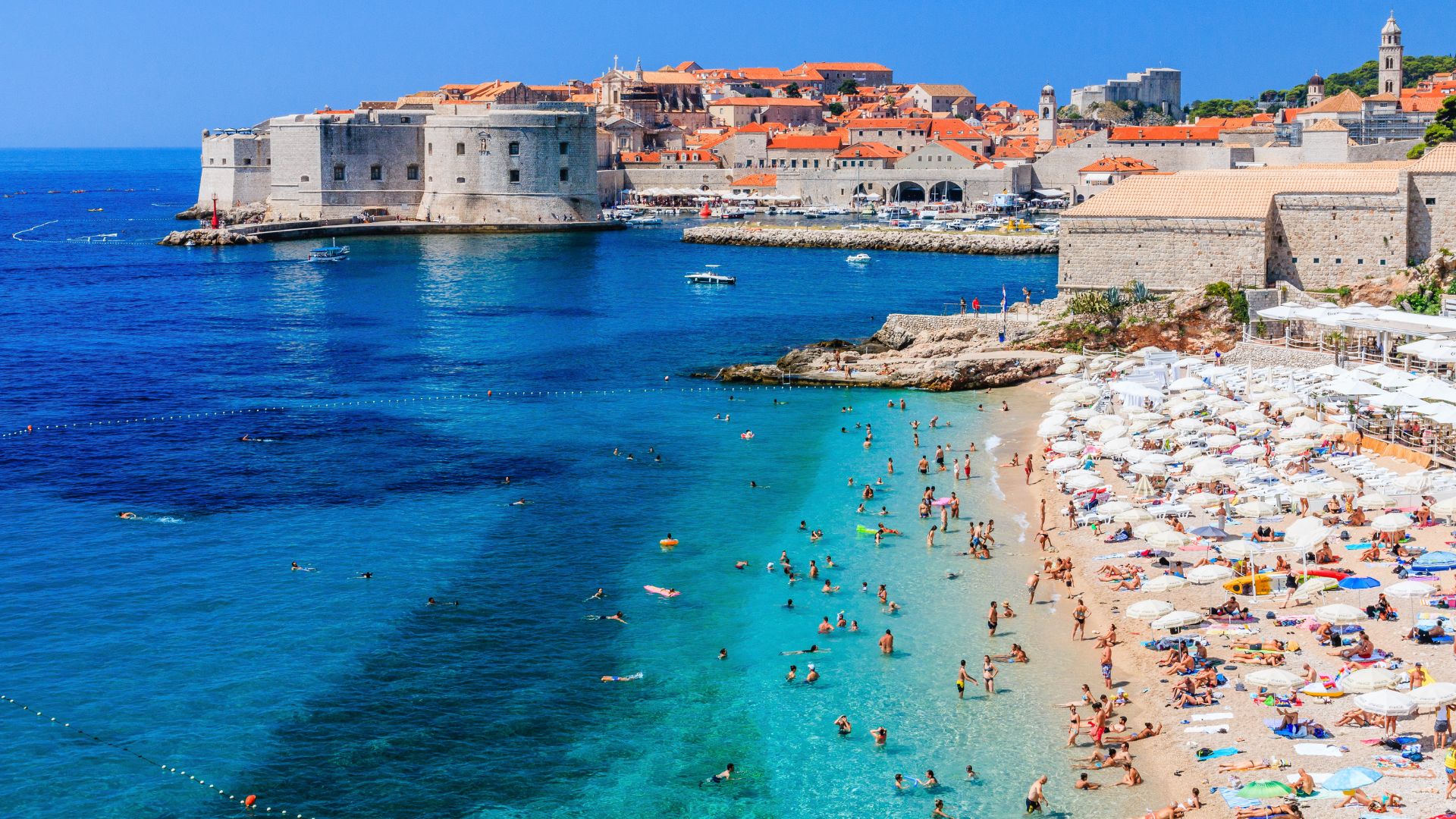
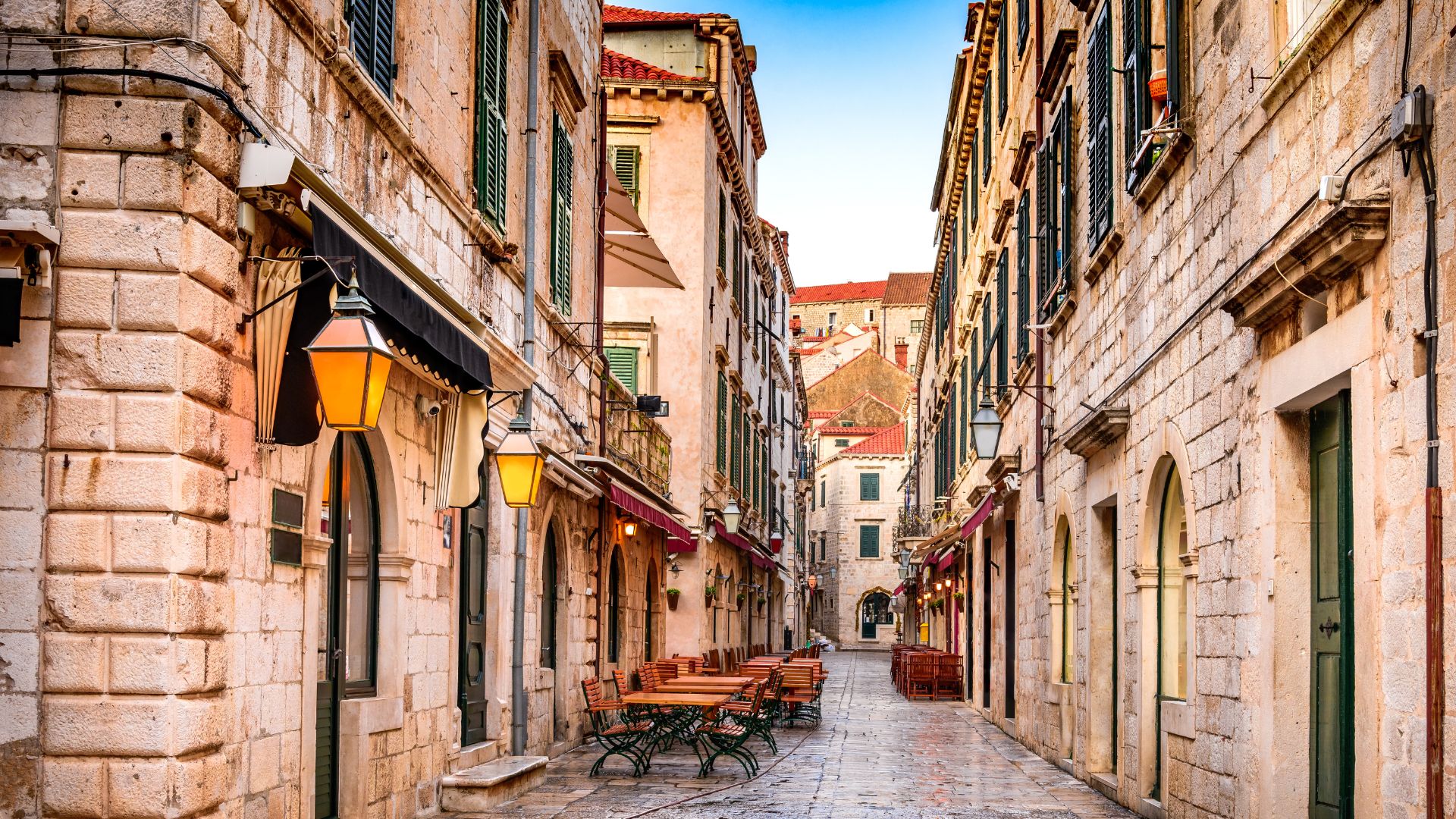
Dubrovnik in July and August? It’s a zoo. I’ve waited over two hours just to climb the Old Town walls.
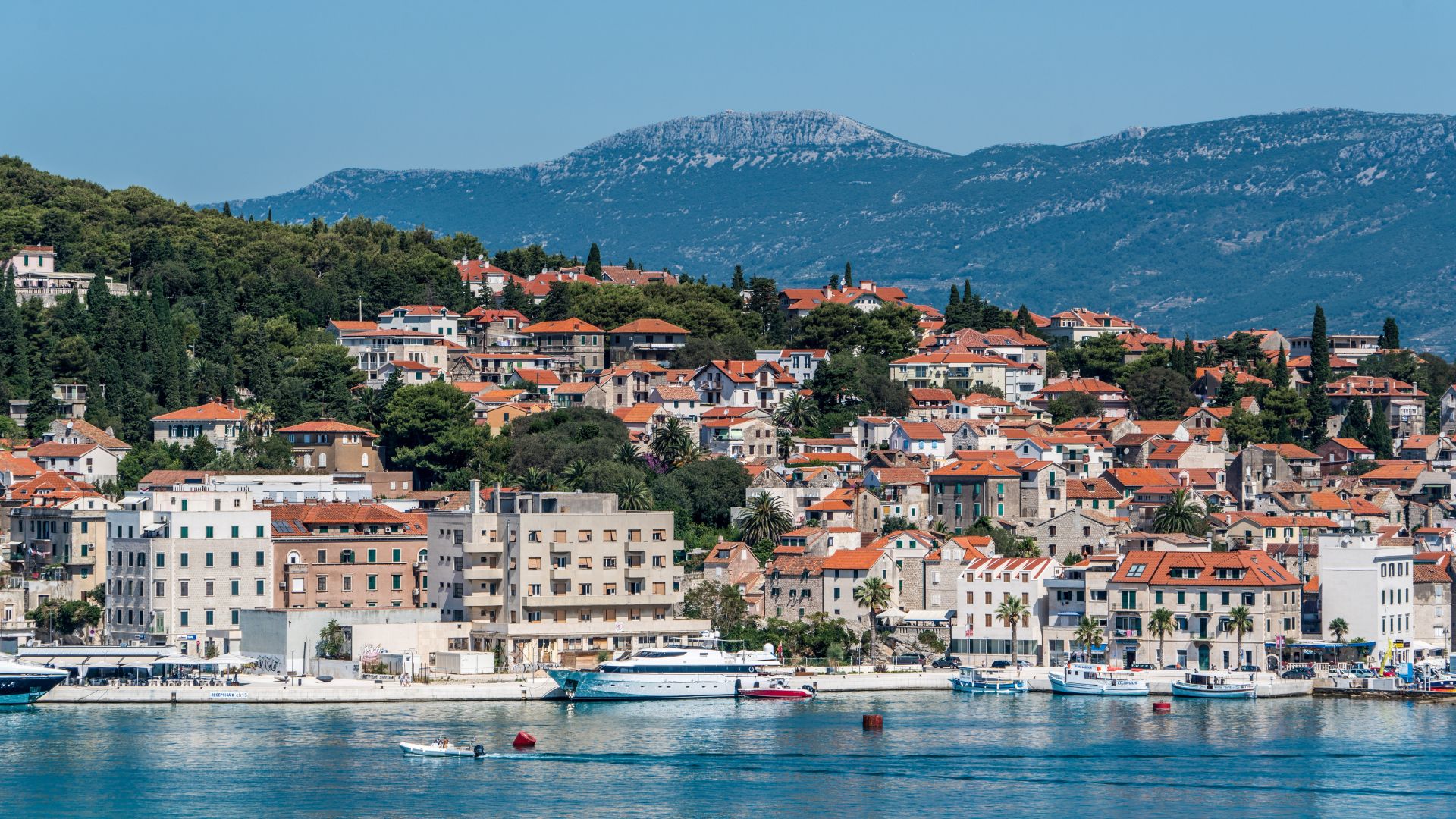
Tour groups and cruise passengers pour in, clogging the marble streets. Diocletian’s Palace in Split doesn’t escape the madness either.
Over on Hvar, summer means party central. The harbor buzzes with superyachts and day-trippers.
Brač’s Zlatni Rat beach? By noon, it’s standing room only. Seriously, if you want a towel down, get there before 9 AM.
Zadar stays a little calmer, but the Sea Organ still draws a crowd—especially at sunset.
Ferries to the islands? Expect long lines, especially on weekends. I’ve watched people miss boats because they didn’t book ahead.
Impact on Accommodation and Travel Costs
Hotels cash in during the high season—think 60-80% price hikes. In Dubrovnik, luxury rooms can top €400 a night.
Mid-range options in Split jump to €150-250. Hvar gets even pricier, with boutique stays easily hitting €300+.
| Location | Off-Season Rate | Peak Summer Rate | Increase |
|---|---|---|---|
| Dubrovnik | €80-120 | €200-400 | 150-250% |
| Split | €60-100 | €150-250 | 150% |
| Hvar | €100-150 | €250-350 | 150-200% |
Ferries fill up fast—book ahead or risk being stuck. Weekend travel? Forget about spontaneity.
Restaurants along the water? If you don’t reserve weeks ahead, good luck getting a table in July or August.
Popular Festivals and Events
The Dubrovnik Summer Festival takes over July and August, drawing even more visitors. Theater and concerts create a real buzz, but they also make rooms scarce.
INmusic Festival in Zagreb brings in international acts and a flood of fans. Hotels in the city fill up fast during the three-day event.
Outlook Festival in Pula is a magnet for electronic music lovers, making Istria surprisingly busy in late August.
Split hosts endless concerts and events all summer. It’s fun, but it means even more people everywhere you go.
Even small towns along the Dalmatian coast crank up the festivities. Local celebrations can turn a sleepy village into a surprise hotspot overnight.
Realities of Visiting Iconic Destinations
If you want to walk Dubrovnik’s city walls in July, brace yourself for crowds. I’ve found it almost impossible to snap a decent photo with so many people packed in.
The trick? Get there before 8 AM. Later in the day, the heat and crowds turn it into an endurance test.
Split’s Riva promenade? It moves at a snail’s pace in the evenings. Sometimes, the crowd feels endless.
Restaurant service slows down, too. Staff juggle way too many tables, and wait times stretch.
Want that famous Game of Thrones staircase shot? You’ll probably wait your turn—sometimes behind 20 or more people.
Beach clubs on the islands fill up. If you want a sunbed or a table, book early and expect to pay a premium.
Croatia’s Seasonal Differences: Weather, Atmosphere, and Authenticity
Croatia’s weather and vibe swing wildly depending on where and when you visit. The coast feels Mediterranean, while inland cities like Zagreb get a real continental climate.
Mediterranean vs Continental Climate
Along the Adriatic, summers are warm and dry. Temperatures hit 32°C, and the sea warms up to 25°C.
Inland, it’s a different story. Zagreb and friends get hotter summers and way colder winters.
Summer Temperature Comparison:
- Coast: 25-32°C, breezy and pleasant
- Inland: 32°C or more, no sea breeze
When winter rolls in, the coast stays mild, but inland towns can dip below -10°C with snow.
Rain patterns also shift. The coast gets dry summers, but inland areas see more rain year-round and even snow from November to March.
Atmosphere in Coastal vs Inland Regions
The Adriatic coast goes wild in summer. Beach bars pump out music, ferries run nonstop, and medieval towns fill up.
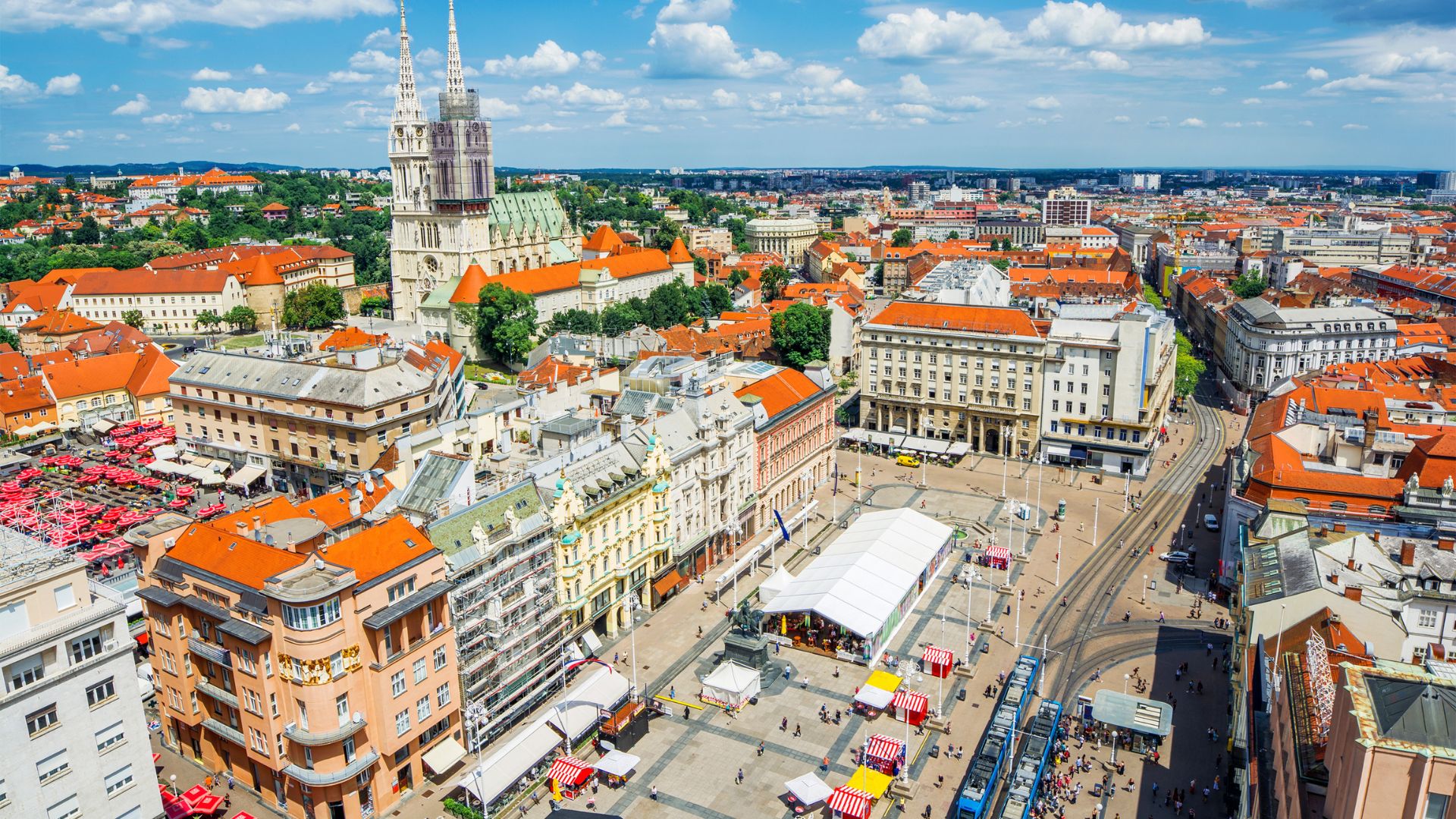
Meanwhile, inland cities like Zagreb actually empty out. Locals escape to the sea, leaving behind a quieter, more authentic vibe.
Coastal Summer Atmosphere:
- Beaches packed, lines everywhere
- Accommodation prices spike
- Nightlife and festivals everywhere
- Ferries run at full tilt
Inland Summer Atmosphere:
- Fewer tourists
- Lower prices
- Quiet streets, easy sightseeing
- Museums and parks without crowds
Once shoulder season hits, the coast chills out. The weather stays nice, and you can explore in peace. Inland, spring and fall bring perfect temps for city walks and park visits.
Local Life During Summer and Off-Season
Summer flips the script for locals. Coastal towns ramp up for tourists—long hours, seasonal staff, and a full calendar of events.
Locals in tourism work nonstop from June through August. Come winter, many coastal hotels and restaurants just shut their doors.
Summer Local Experience:
- Tourists everywhere
- Prices climb for everyone
- Public spaces get crowded
- Locals have less time to chat
Off-Season Reality:
- Normal life returns
- Cafés and local hangouts reopen
- Traditional festivals and events pop up
- Prices drop, and experiences feel real
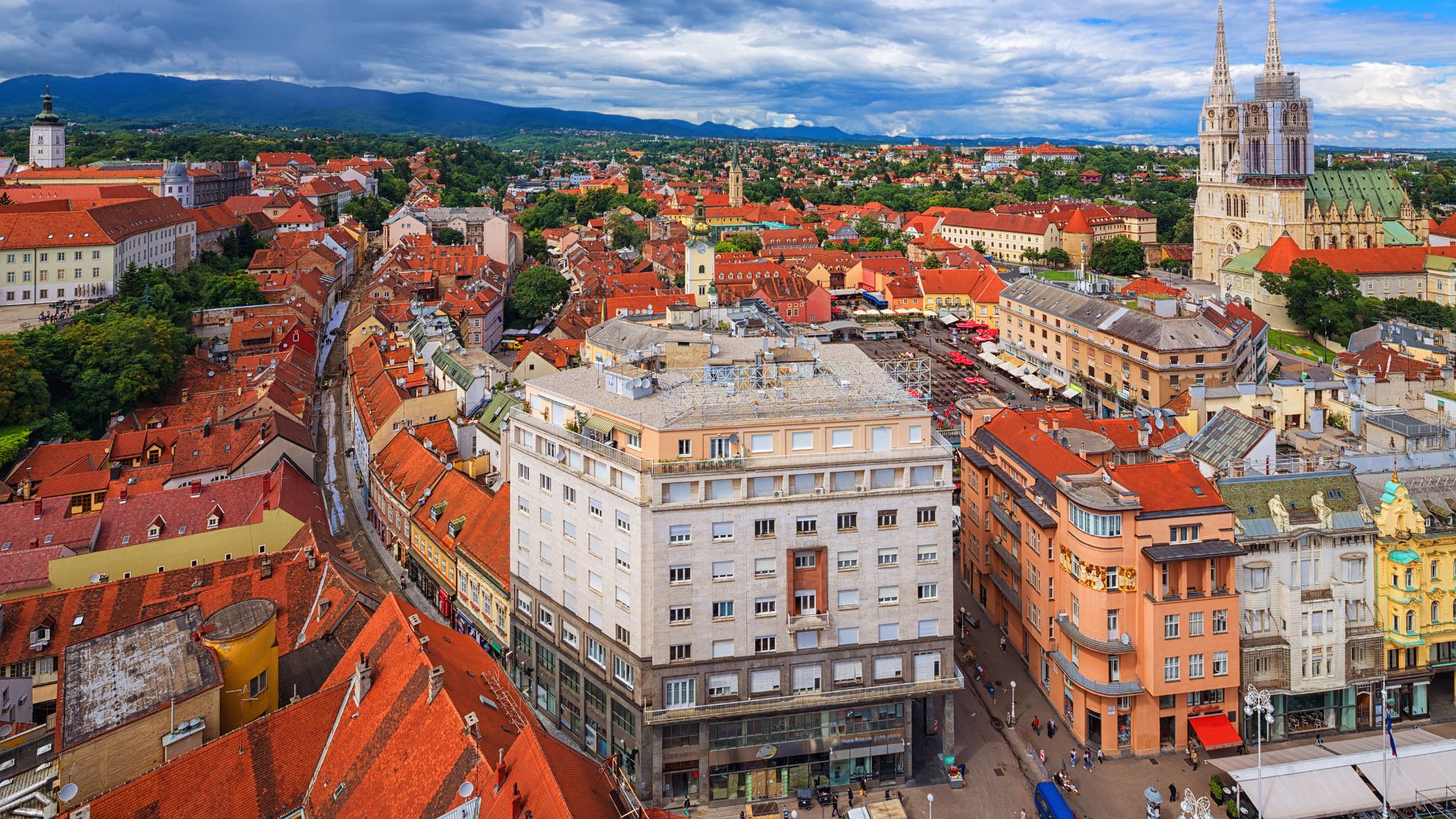
Winter in Croatia surprised me—in a good way. Zagreb’s cafés buzz with locals, and traditional events like Rijeka’s carnival show off genuine culture.
Spring and autumn? You get the best of both worlds. Authentic local life, open attractions, and mild weather for exploring.
Best Times to Visit Croatia for Different Experiences
When you visit Croatia really depends on what you’re after. Beach days? Island hopping? National parks? There’s a sweet spot for each.
Beaches and Island Adventures
May through October is prime time for the coast. The sea warms up by May and stays swimmable into October.
June and September are my absolute favorites for island hopping. You get perfect weather minus the July-August crowds.
Hvar, Brač, and Korčula go bonkers in peak summer. Ferries and beaches become a battle. I once visited Hvar in June and lounged on empty beaches that would be packed a month later.
Late May is great if you don’t mind cooler water. Zlatni Rat on Brač is blissfully empty, and Hvar’s hidden coves feel private.
Early October is a secret gem for flexible travelers. The sea’s still warm, but the crowds have vanished. Ferries run less often, so double-check schedules.
April works for exploring islands, but swimming’s chilly and some beach bars stay closed.
Nature and National Parks
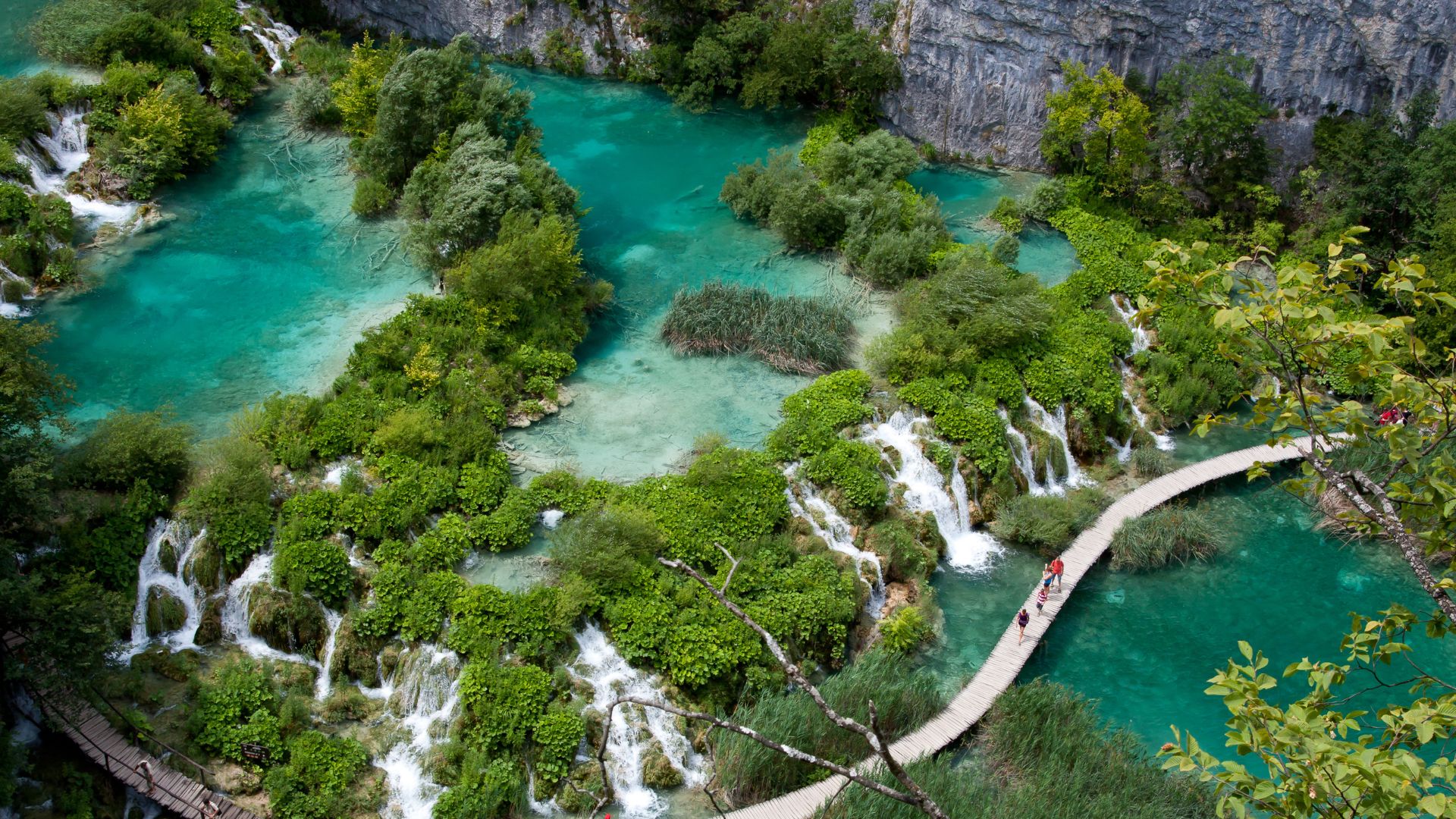
Spring (April-June) brings Croatian parks to life. Plitvice Lakes explode with turquoise water and roaring falls after the snow melts.
Late spring is a sweet spot. I loved Plitvice in May—waterfalls were full, and crowds hadn’t hit yet.
Krka National Park is good from April through October. Spring is all about the waterfalls, while summer lets you swim below them.
Summer gets hot for hiking, especially inland. If you go, hit the trails early.
Fall (September-October) means cooler hikes and fewer people. Water levels drop, but you can actually hear the birds.
Winter keeps some parks open, but hours get short and trails close. Plitvice is magical under snow, but don’t expect to swim.

Cultural Events and Festivals
Summer is festival season. Ultra Europe hits Split in July, and the Dubrovnik Summer Festival runs all through July and August.
June is a smart time for festivals. INmusic Festival in Zagreb happens then, and hotels are still bookable.
December brings Christmas markets—Zagreb’s Advent is a highlight. Hotels fill up, but prices stay below summer highs.
Spring and fall offer smaller art shows and cultural events. Museums and galleries are open, but you won’t fight for space.
July and August have the most events, but you’ll need to plan way ahead. Popular festivals sell out fast, and rooms disappear.
Essential Destinations Beyond the Summer Rush
Croatia hides plenty of gems if you’re willing to skip the big-name spots. These towns serve up authentic experiences and better prices.
Hidden Gems and Lesser-Known Towns
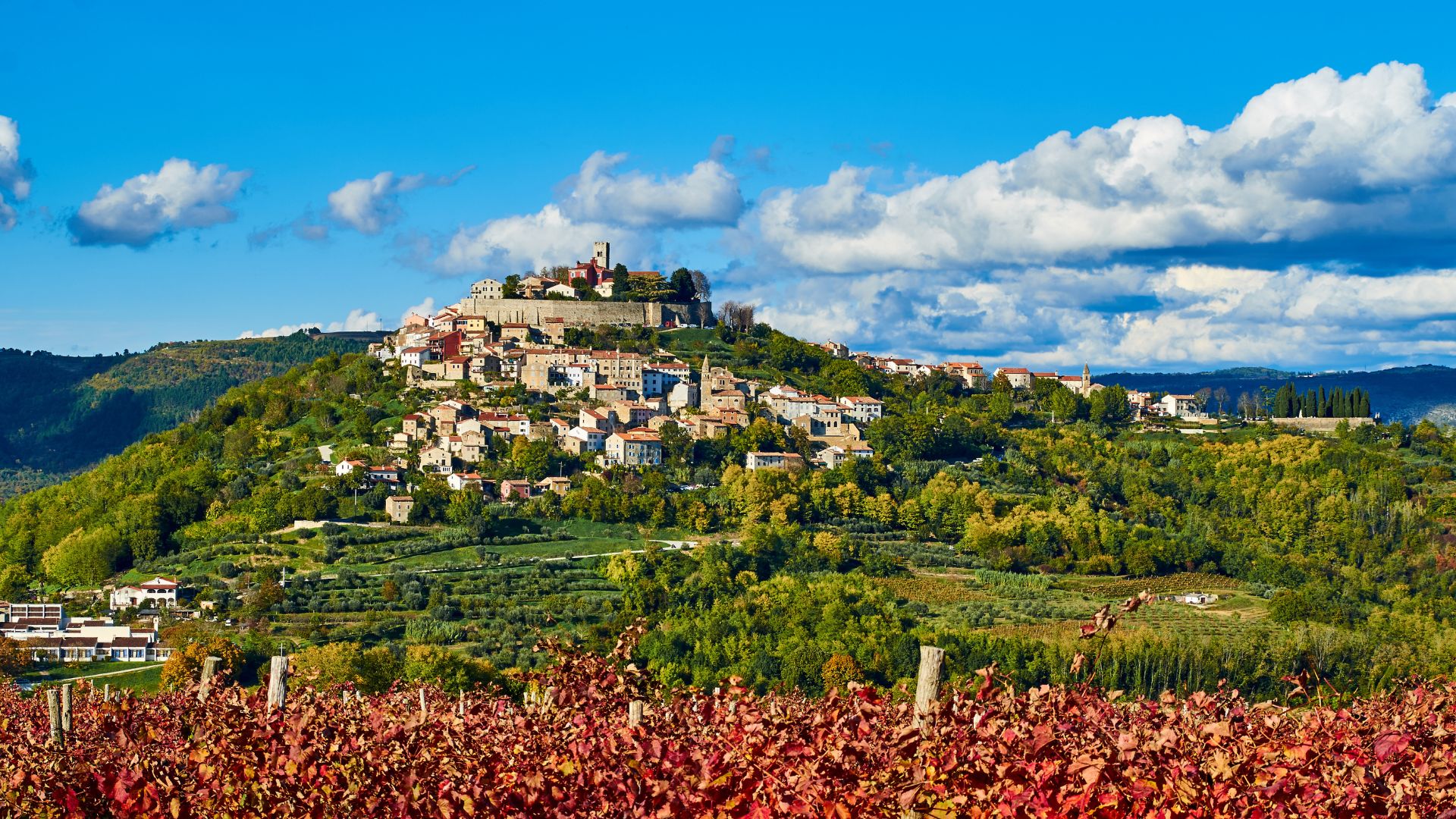
Put Motovun on your list. This Istrian hilltop town hosts a cool film festival, but mostly stays off the tourist radar.
You can wander medieval streets, walk the walls, and feast on local truffles without elbowing through crowds.
Vis island is another favorite. It’s remote, packed with history, and beaches are pristine.
Ferries don’t run as often, which keeps the crowds away—even in July.
Check out Primošten and Omiš for quieter beach days. They’re close to Split, but feel worlds apart.
Family-run hotels and local restaurants are the norm, and prices are often half what you’ll pay in Dubrovnik.
Regional Highlights for Every Traveler
Istria blends Croatian and Italian vibes. Rovinj charms with its colorful waterfront, and Pula’s Roman amphitheater rivals anything in Italy.
Pula’s summer concerts are a blast—without the massive crowds.
Šibenik in Dalmatia boasts UNESCO sites and jaw-dropping stonework at the Cathedral of St. James.
Trogir sits on its own little island, all medieval streets and bridges. The whole old town is UNESCO-listed.
Zadar is quirky and fun. The Sea Organ makes music from the waves, and the Greeting to the Sun lights up at dusk.
Both are free, and honestly, you won’t have to fight for a spot.
Local Tips for a Genuine Croatian Experience
Honestly, I always go for private apartments over hotels when I’m in Croatia. Local families usually charge less, and you get all sorts of insider tips you’d never find in a guidebook.
Try to book straight with the owners. It puts more money in their pocket, and you’ll often get some surprisingly good travel advice thrown in.
Skip the touristy restaurants. Hunt down a real konoba—those cozy, traditional spots where locals actually eat.
If you’re craving seafood, head to the smaller towns. The prices there? Sometimes 40% less than what you’ll pay in the big tourist hubs.
Hop on a local bus when moving between towns. It’s cheap, connects just about everywhere, and you’ll probably chat with a few locals along the way.
Keep an eye on ferry schedules, especially outside peak season. They cut back a lot in the shoulder months, so check those timetables before you plan your island hopping.
Strategies for Avoiding Crowds and Maximizing Your Experience
Croatia can get packed, but you don’t have to fight the crowds if you plan with a little strategy. Timing is everything—seriously. Off-peak hours and the right months make all the difference.
Smart Itineraries and Trip Planning
I always try to book my first activity early in the morning. Most places open around 8 or 9 AM, and that first hour is pure magic—quiet, cool, and almost empty.
Why bother waking up early?
- You’ll get those perfect, crowd-free photos.
- No long lines at the entrance.
- It’s way cooler for walking around.
- Parking’s a breeze.
If you’re heading to Dubrovnik’s city walls, avoid the main entrance at Pile Gate. I like to start at the Ploče entrance—way less hectic.
I suggest finding a place to stay outside the touristy center. Neighborhoods like Lapad in Dubrovnik or Marjan in Split feel more local, cost less, and are just less stressful.
Bad weather? No problem. I keep a backup list:
- Check out a museum or art gallery.
- Try a wine tasting.
- Sign up for a cooking class.
- Book a spa session.
For dinner, I always book a table for 6 PM or after 9 PM. The 7-8 PM slot is a madhouse with tour groups.
Timing Visits to Major Sites
If you want Plitvice Lakes to yourself, get there right at 8 AM. By 10, it’s packed with tour buses and the walkways feel like rush hour.
I walk Dubrovnik’s city walls either at opening or after 5 PM. Trust me, the midday heat isn’t worth it.
Best times to visit top spots:
- Diocletian’s Palace: Get there before 9 AM or after 6 PM.
- Hvar Town: Early morning or late afternoon feels best.
- Rovinj old town: Sunrise or sunset just hits different.
- Korčula walls: Go first thing in the morning for peace and quiet.
Split’s Riva promenade never really empties out. I escape to Marjan Hill for a morning stroll instead.
For island day trips, I always catch the first ferry and come back on the last. You’ll squeeze in more time and dodge the biggest crowds.
And beaches—don’t even try to show up at Zlatni Rat after 11 AM. I either go super early, around 9, or wait for the late afternoon lull after 4 PM.
Optimal Months for Touring Croatia
May and September really hit that sweet spot for exploring Croatia—think warm days, but without the chaos of peak season crowds.
Late April? It’s a bit of a gamble. Coastal cities start waking up, but ferry schedules to the islands are still pretty limited.
By October, autumn colors pop everywhere, which is stunning. But, fair warning—some restaurants start shutting their doors for the season.
| Month | Crowds | Weather | Prices | Ferry Schedule |
|---|---|---|---|---|
| May | Light | Perfect | Medium | Full |
| June | Medium | Hot | High | Full |
| July | Heavy | Very hot | Highest | Full |
| August | Heaviest | Very hot | Highest | Full |
| September | Light | Perfect | Medium | Full |
Winter months (November-March) are a whole different story. If you’re watching your budget and don’t mind chilly weather, this is your window.
A lot of coastal spots slow way down, with many restaurants closed. But cities like Zagreb keep buzzing with life, which I love.
Honestly, I steer clear of July and August in the most popular places. Crowds triple, and prices shoot up—it just isn’t worth the hassle for me.
Here’s how timing shakes out across regions:
- Istria: Try May, September, or even October for the best vibe.
- Dalmatian coast: May and September are magic—trust me.
- Zagreb and inland: Pretty great all year, unless you hit peak summer heat.
If you’re planning to visit during those shoulder months, book your stay 3-4 months in advance. Sure, you can sometimes snag a last-minute deal, but options disappear fast.
