
Croatia’s limestone cliffs shoot straight up from the Adriatic Sea, giving the country a wild, dramatic coastline that’s become a favorite playground for climbers. I’ll admit, when I first arrived, I expected beautiful beaches—what I didn’t expect was a climbing culture so deeply woven into the rhythm of everyday life.
The scene here? It’s a mix of world-class sport routes and those classic, old-school trad lines. You’ll find everything from easy, friendly crags to multi-pitch adventures that’ll leave your arms shaking and your heart racing. What really sets Croatia apart is the way climbing fits right alongside the coastal lifestyle. Picture this: you’re scaling a sun-bleached wall in the morning, then cooling off in the sea by afternoon. Not bad, right?
Paklenica National Park gets most of the headlines, but there are countless hidden gems scattered across the islands and inland. The community here values both the technical challenge and the sheer beauty of their surroundings. It’s not just about chasing grades—it’s about that feeling you get when the mountain meets the sea and you’re right there in the middle of it all.

Croatia’s Climbing Culture and Adventure Spirit
Croatia used to be a bit of a secret among climbers. These days, it’s firmly on the map, but it’s managed to keep its local flavor. The climbing culture here blends old mountaineering traditions with a fresh wave of adventure-seekers from all over.
The Rise of Rock Climbing in Croatia
Climbing in Croatia started with the Željezničar hiking club and some old Alpine Club programs up in Zagreb. These early climbing schools got a lot of people hooked on the sport, especially in places like Paklenica National Park.
Klek Mountain—now that’s a spot with some real history. Locals call it the “cradle of Croatian alpinism.” It looks almost mystical, and those first routes drew in the boldest climbers of the time.
Key climbing areas that really shaped the scene:
- Paklenica National Park (over 400 bolted routes)
- Omiš near Split (limestone walls up to 200m)
- Velebit Mountain (classic alpine lines)
- Istrian Peninsula (a patchwork of climbing spots)
As time passed, climbers started exploring everything—coastal cliffs, inland mountains, and even sea cliffs for deep water soloing on islands like Hvar and Vis. Deep water soloing, by the way, is just you, the rock, and the water below. No ropes. Just jump if you fall!

Local Climbing Communities and Traditions
Local climbing communities do most of the heavy lifting when it comes to equipping and maintaining routes. They’ve bolted most areas for safety, and they’re always out there checking anchors and bolts.
The Alpine Club of Željezničar keeps the tradition alive by training new climbers. Their programs teach solid technique and safety from day one. I’ve met quite a few Croatian climbers who got their start in these community schools.
Different groups focus on their own regions:
- Paklenica climbers keep the park’s routes in top shape
- Istrian locals develop the peninsula’s crags
- Dalmatian crews handle the coastal cliffs
One thing everyone here seems to agree on: respect the rock and the environment. Climbers follow Leave No Trace, and it’s not unusual to see someone replacing a worn anchor or picking up trash.
These days, a lot of former climbers run adventure agencies. They know the cliffs inside out and offer tours that help visitors experience the real Croatia.
Adventure Tourism Trends in Croatia
Adventure tourism in Croatia has exploded, and climbing is right at the heart of it. More and more travelers are skipping the crowded beaches for something a little wilder.
Climbing tourism trends I keep seeing:
- Spring and fall are prime time for perfect weather
- Tour packages often mix climbing with hiking or kayaking
- Island-hopping for deep water soloing is a thing now
- Marjan Hill in Split offers an urban climbing fix
Most climbing tourists are beginners, at least according to the guides I’ve talked to. Guided tours make it easy for people to dip their toes in—sometimes literally, after a sweaty session on the rock.
Climbing areas close to Split, Zadar, and Dubrovnik are especially popular. You can hit a crag in the morning and wander a medieval town by evening.
Sustainability is becoming a bigger deal, too. Local guides keep group sizes small and pay attention to the environment.
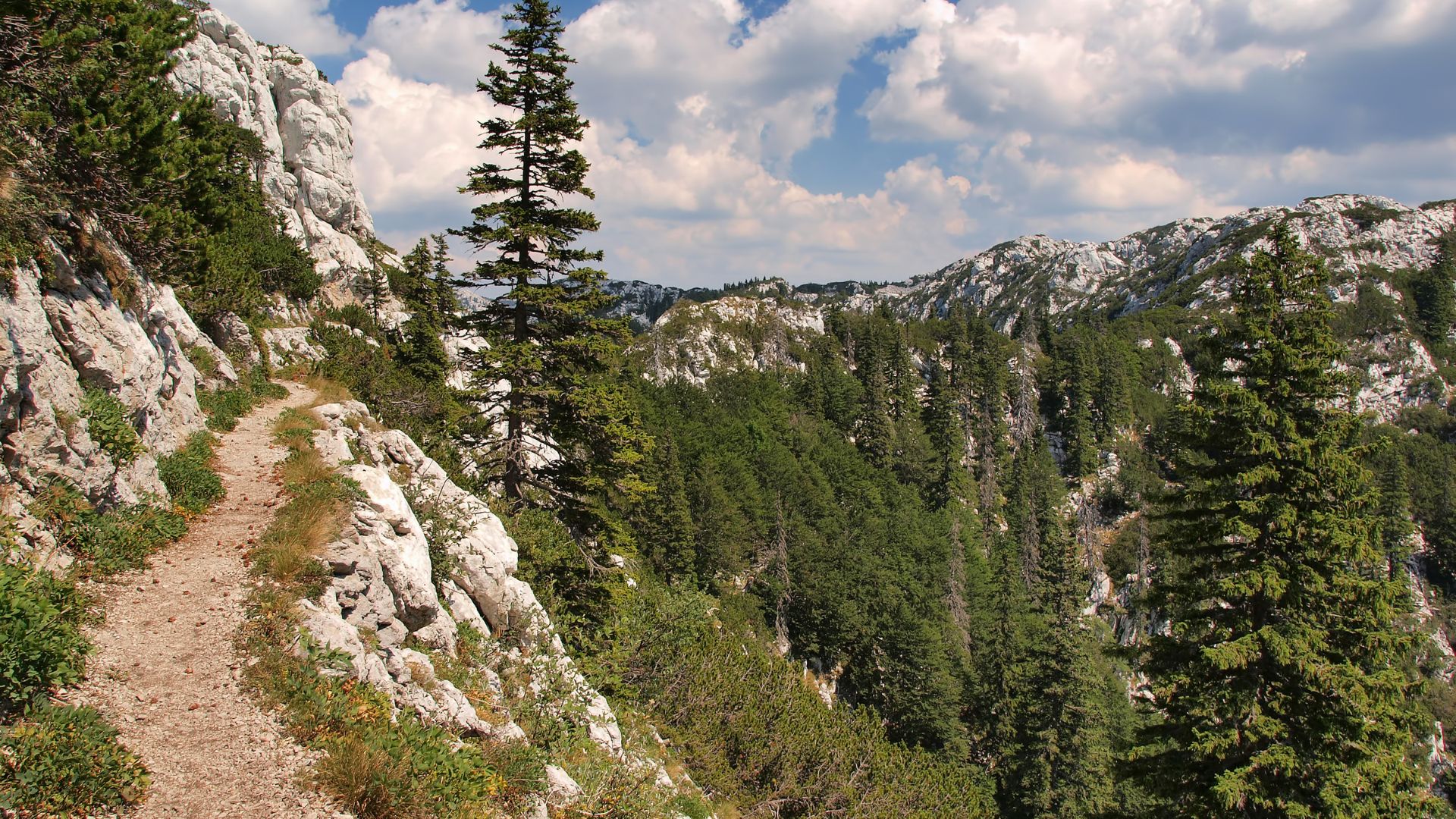
Top Climbing Destinations and Their Unique Challenges
Croatia’s climbing scene really revolves around three regions, each with their own vibe. Paklenica is all about those towering limestone walls, Split’s Marjan Hill offers city views and sea breezes, and Istria in the north is packed with diverse limestone crags.
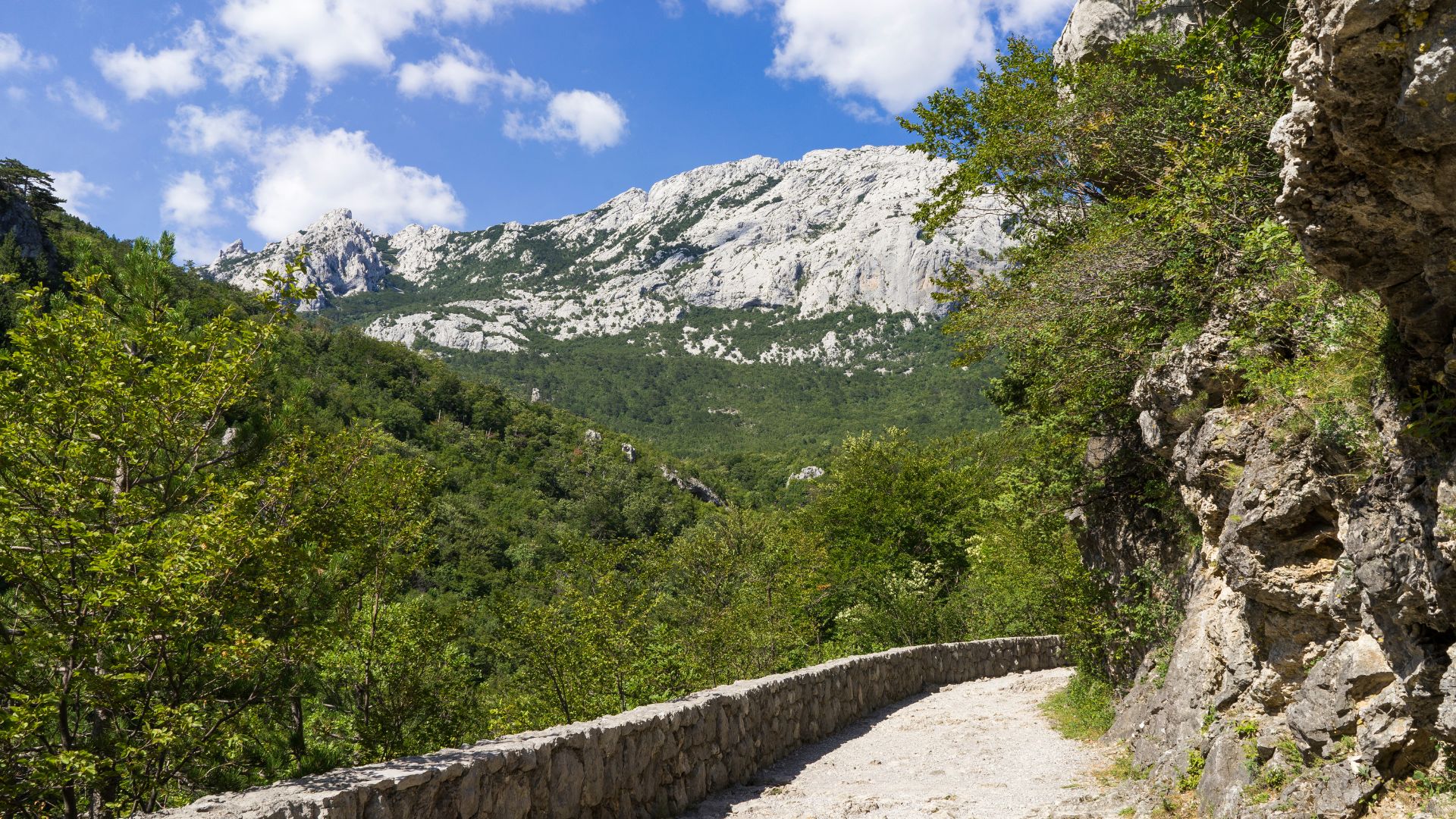
Paklenica National Park: Icon of Croatian Climbing
Paklenica is the crown jewel. You’ll find it about 45 kilometers from Zadar, tucked into the wild Velebit mountains.
What stands out:
- Over 400 routes for every level
- Limestone walls up to 400 meters
- Two main canyons: Velika and Mala Paklenica
Anića Kuk is the big challenge here. This massive face has multi-pitch routes that can take most of the day—six to eight hours, easily.
The limestone in Paklenica is some of the best I’ve climbed on. Solid holds, nice cracks, but the height and exposure? They’ll test your head game for sure.
Best times to climb:
- Spring (April-May)
- Fall (September-October)
Summers get brutally hot—over 35°C isn’t unusual. Winter brings snow up high, so plan accordingly.
You’ll need a climbing permit for the park. Registration happens at the entrance, and you’ve got to stick to the marked trails to reach climbing areas.
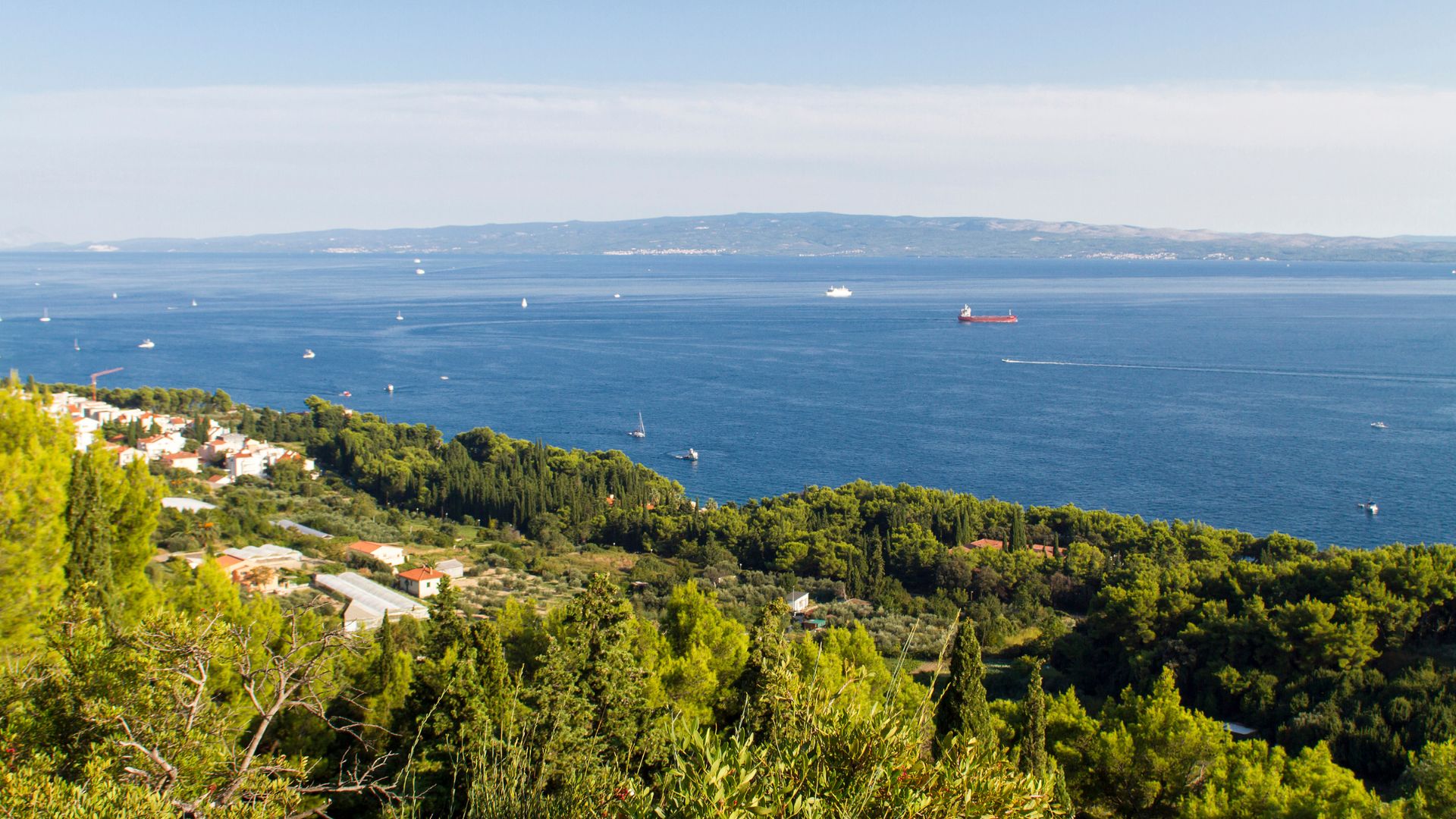
Marjan and Split: Urban Cliffs and History
Marjan Hill rises right out of Split’s city center. It’s not every day you get to climb with the sea on one side and Roman ruins on the other.
The climbing sectors are scattered across Marjan’s southern and western faces. Most routes are 15-30 meters—short, sweet, and surprisingly technical.
Why Marjan is cool:
- Gorgeous sea views from most climbs
- You can get there by city bus or even on foot
- The climate makes year-round climbing possible
I love how you can finish a session and be eating seafood in a downtown café within the hour. The proximity to Diocletian’s Palace adds a bit of magic to the whole experience.
Marjan’s limestone is more compact, with smaller holds than Paklenica. It’s a playground for footwork and balance.
Popular sectors:
- Telegrin (great for beginners)
- Sustipan (a bit spicier)
- Marjan West (for the technical crowd)
Shoulder seasons are best. Summer sun turns the rock into a frying pan, so bring plenty of water if you’re climbing in July.
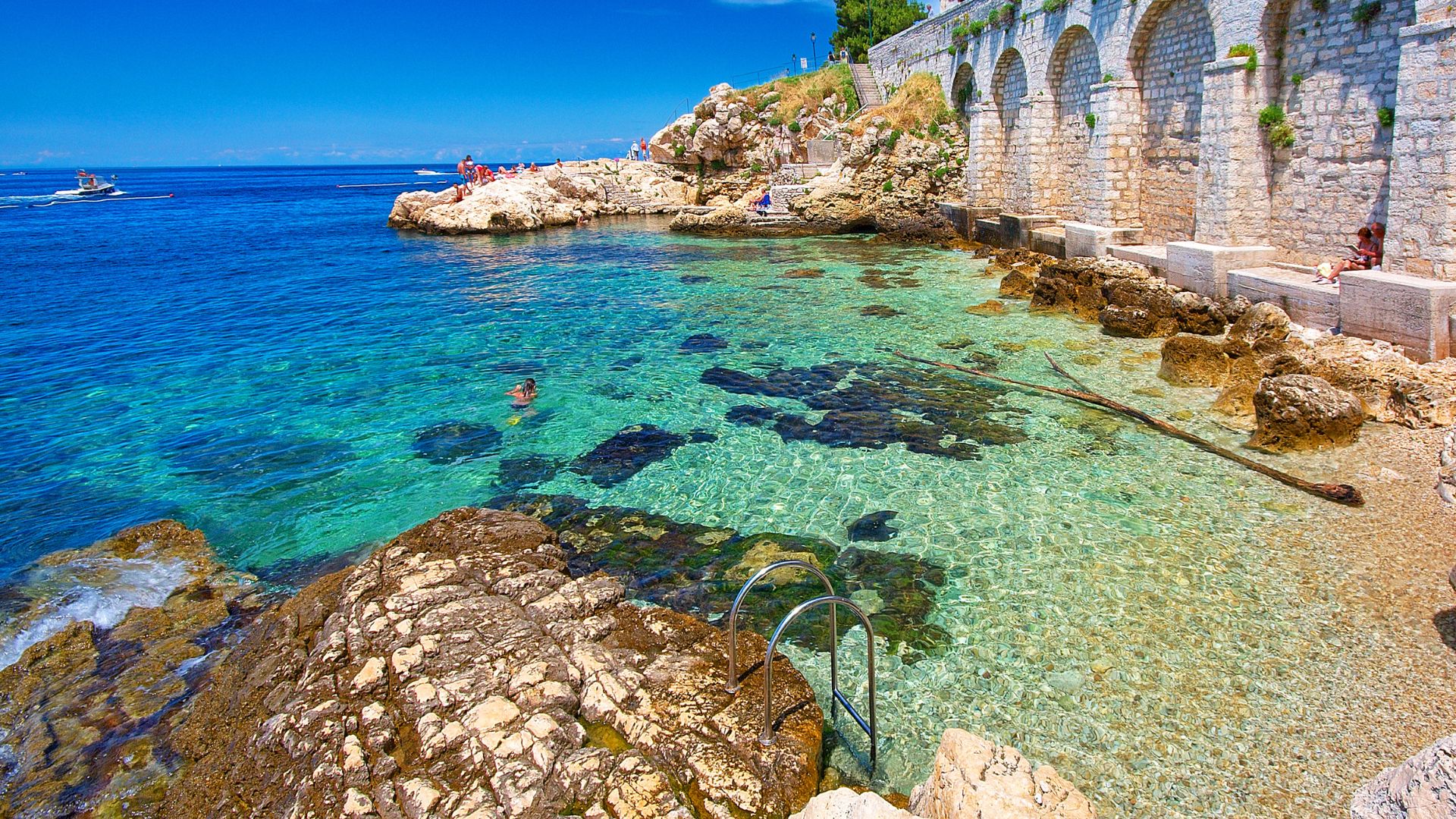
Pula and Istria: Northern Limestone Hotspot
Istria is a climbing buffet. The area around Pula has a bunch of crags, all within easy driving distance.
Top spots:
- Rovinj’s seaside cliffs
- Pazin’s cave routes
- Motovun’s hilltop crags
The limestone varies a lot here. Some places have those classic Mediterranean pockets, while others are all crimps and edges.
Sport climbing rules the day, with most routes in the 20-40 meter range. Perfect for single-pitch days when you want to sample lots of lines.
When to go:
- Coastal crags are mild even in winter
- Inland can get frosty
- Spring and fall are ideal
Being so close to Italy and Slovenia means climbers from all over Europe flock here. Many crags are less than 30 minutes from Pula’s airport.
You’ll find everything from 5a to 8c on the French scale, so there’s something for everyone.
Island Climbing Adventures: Brac, Hvar, and Vis
Croatia’s islands add a whole new dimension to climbing here. Brac, Hvar, and Vis each have their own flavor.
Brac is the most developed, with everything from beginner walls to gnarly overhangs. Hvar mixes classic sport climbing with deep water solo—think climbing above turquoise water, then dropping in for a swim.
Brac: Varied Routes for All Levels
Brac feels like a climber’s playground. There are over 400 routes, and new ones pop up all the time.
Smrka Canyon is the latest hotspot. Locals keep bolting new lines, and the place could easily have 100+ routes soon.
You’ll find everything—easy slabs, steep overhangs, and solid bolts everywhere. Most climbs are single-pitch and well protected.
Climbing areas worth checking out:
- Smrka Canyon (the new kid on the block)
- Postira (great for families)
- Bol (routes right by the sea)
Climbing is possible year-round thanks to mild weather. Winter’s actually a great time for harder grades.
Most crags are a short hike from the car. Local guides are friendly and happy to help with gear or beta.
Hvar: Deep Water Solo and Coastal Crags
Hvar blends sport climbing with some of the best deep water soloing I’ve tried. There are 10 main areas and about 450 routes in total.
Cliffbase is a standout, with over 130 routes right above the sea. The access is easy, and the views are unreal.
Milna offers sun-baked limestone and routes for all levels. Beginners, especially, seem to love the friendly grades and warm rock.
Most routes are between 10 and 30 meters, with grades from 4c to 7a.
Favorite spots:
- Milna (easy and sunny)
- Podstine (mixed grades)
- Sveta Nedelja (scenic and challenging)
Deep water soloing is a rush—no ropes, just you and the sea. Fall off, and you’re in the water. Simple as that.
Hvar also hosts annual climbing festivals. These events bring together climbers from all over and give you a taste of the island’s culture.
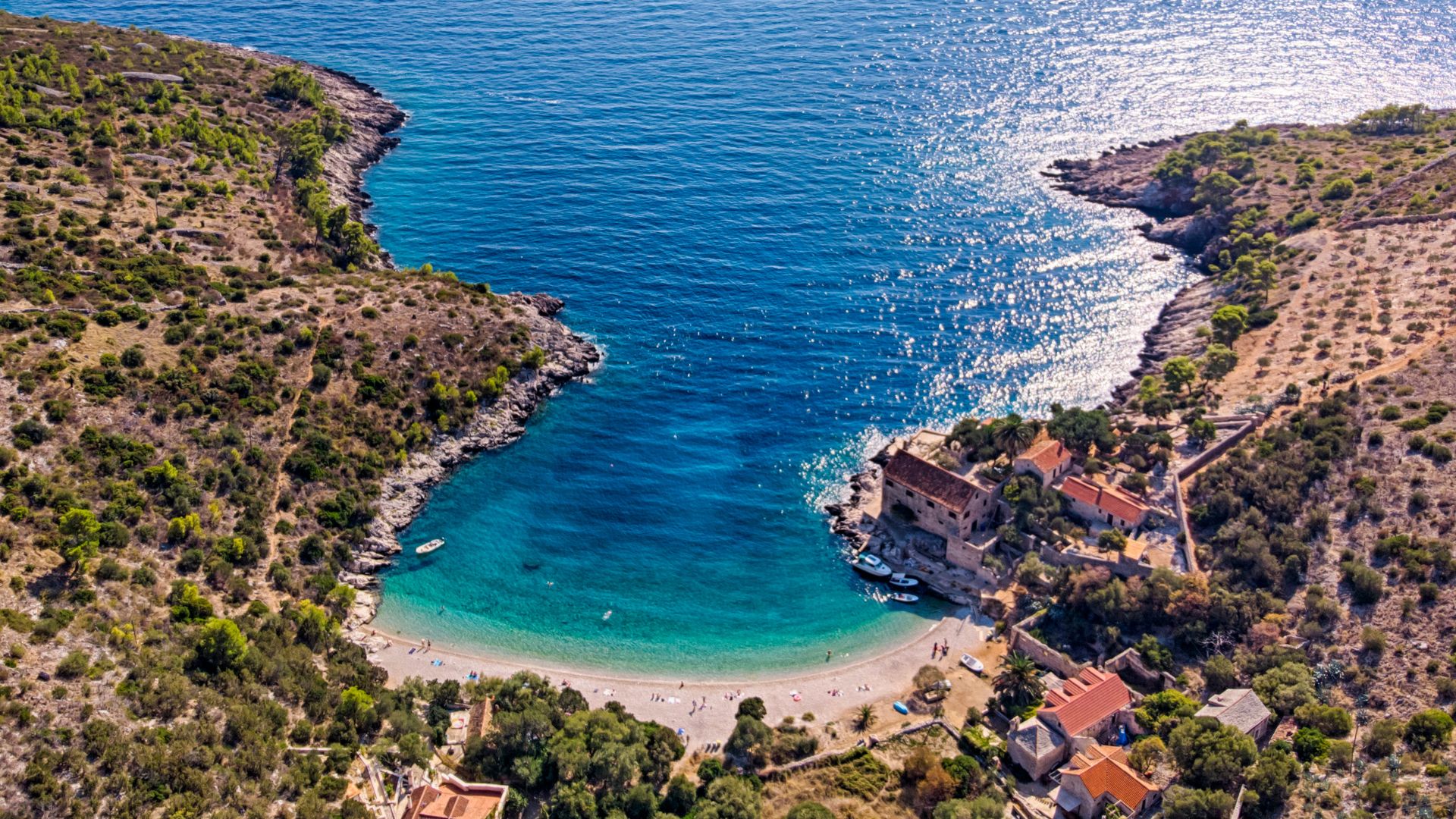
Vis: Untouched Challenges off the Beaten Path
Vis is the wild card among Croatian islands. It stayed closed to tourists until 1989, so it feels untouched.
Climbing development is slower here, which means there’s still room for first ascents. The limestone is unique, with wild formations you won’t see elsewhere.
Why Vis is special:
- Fewer crowds, more solitude
- Loads of potential for new routes
- Authentic island vibe
Approaches can be longer, and you’ll need to bring your own gear. Rental options are pretty much non-existent.
The island’s isolation means fewer services but a more genuine experience. Sometimes local fishermen will give you a lift to remote sea cliffs.
The water here is some of the clearest in the Med. It’s perfect for mixing climbing with a swim or a bit of snorkeling.

Types of Climbing Experiences in Croatia
Croatia’s limestone makes it a playground for almost every style of climbing. Sport climbing dominates, but bouldering and deep water soloing are catching up fast.
Sport Climbing: Modern Routes and Grading
Sport climbing is king here, with more than 3,000 single-pitch routes. Most crags use the French grading system, so you’ll see everything from beginner 4a to gnarly 9a+.
Istria Peninsula leads the way with over 1,200 sport routes. The pockets and technical moves here will test your precision. Kompanj is a favorite—sunny faces and lots of variety.
Paklenica National Park has 500+ routes, including multi-pitches up to 350 meters. Those “radiator” holds are something you won’t find anywhere else.
Route density is impressive. You can hit two or three crags in a single day, all with solid, modern bolting.
Sport Climbing Highlights:
- 3,000+ routes
- Grades from 4a to 9a+
- Main zones: Istria, Paklenica, Omiš, Pokojec
- Classic limestone with pockets and crimps
Bouldering: Developing Scene and Top Spots
Bouldering’s still growing in Croatia, but the potential is obvious. The limestone is perfect for natural problems, though there aren’t as many dedicated bouldering areas just yet.
Istria is the best bet for bouldering. Scattered blocks near sport crags offer problems from V0 to V8. The friction is great, and the views aren’t bad either.
Hvar Island has some coastal bouldering spots with epic sea views. You’ll need to take a ferry, but the setting is worth it.
Most locals treat bouldering as a warm-up or a rest-day activity. New problems keep popping up, especially near established sport areas.
Dedicated boulder fields are rare, but what’s here is quality. If you’re a boulderer, keep an eye on this scene—it’s only going to get better.
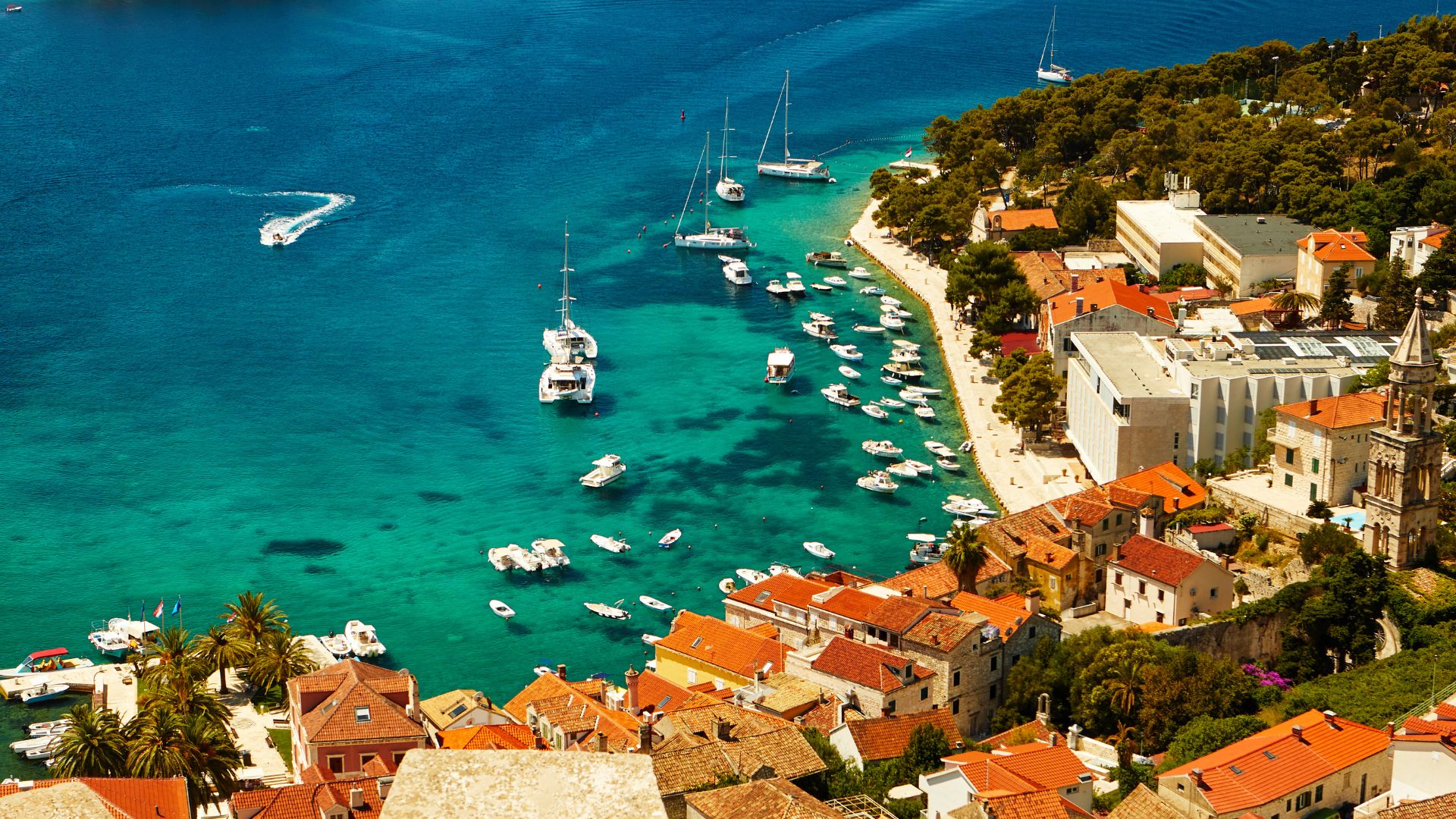
Deep Water Solo Adventures
Let’s talk about deep water soloing—probably the most thrilling way you can climb in Croatia. Along the Adriatic, limestone cliffs shoot right out of the sea, and the water below is so clear you can spot every fish darting around.
I’m a huge fan of Brač and Hvar Islands for this. These spots have something for everyone, whether you’re into mellow scrambles or you want to hang off a wild overhang with nothing but water below. No ropes, no gear—just you, the rock, and a splash when you let go (or, hey, if gravity wins).
Come between May and October if you want that warm, inviting water. Most cliff bases drop off into more than 10 meters of depth, so you can fall without worry. Plus, the water’s so clear, you can actually see where you’re about to land.
A few favorite DWS locations:
- Brač Island: Ložišća and Sumartin sectors
- Hvar Island: Loads of tucked-away coastal spots
- Omiš region: Sea cliff routes
- Rovinj area: Shorter, playful problems
Definitely bring approach shoes with solid grip. The limestone bites back if you’re not careful, and you’ll want to watch your footing as you leap in. There’s nothing quite like mixing climbing with those endless blue views.
Dalmatia’s Role in Shaping the Croatian Climbing Scene
Dalmatia sits right at the heart of Croatia’s climbing world. It’s the second largest region for climbing, and honestly, I think it’s where the sport really took off here.
Back in the day, climbers stuck to basic trad routes. But now? Dalmatia boasts over 200 bolted climbs that draw people from all over.
Historic Crags and Modern Developments
Climbing in Dalmatia actually kicked off in the 1930s. But things really started to move after the 1990s, when the region finally got some peace. Funny enough, that delay ended up helping—climbers could start fresh with modern ideas.
Early Days:
- Trad climbing ruled until the 1990s
- Political tensions kept new routes to a minimum
- Not many established spots
After the war, everything changed. Local climbers grabbed drills, stainless steel bolts, and set up solid anchors. Suddenly, sport climbing took off.
Modern Growth (2000s-Present):
- Omiš alone now has over 200 routes
- Fourteen sectors, each with its own vibe
- Grades run from 5a to 8a+, so there’s something for everyone
Cliffs near Split and Omiš turned into playgrounds for new bolting tricks. I’ve climbed here and can say these routes feel safe and well-maintained—some of the best in Croatia.
Dalmatia’s coastal location changed the local climbing culture, too. Where else can you finish a route, then jump into the sea or hop on a sailboat? It’s no wonder more tourists started showing up, which helped pour resources back into the scene.
International climbing festivals pop up here now and then. You’ll meet climbers from everywhere, and there’s always someone keen to swap tips or stories. The energy at these gatherings? It’s contagious.
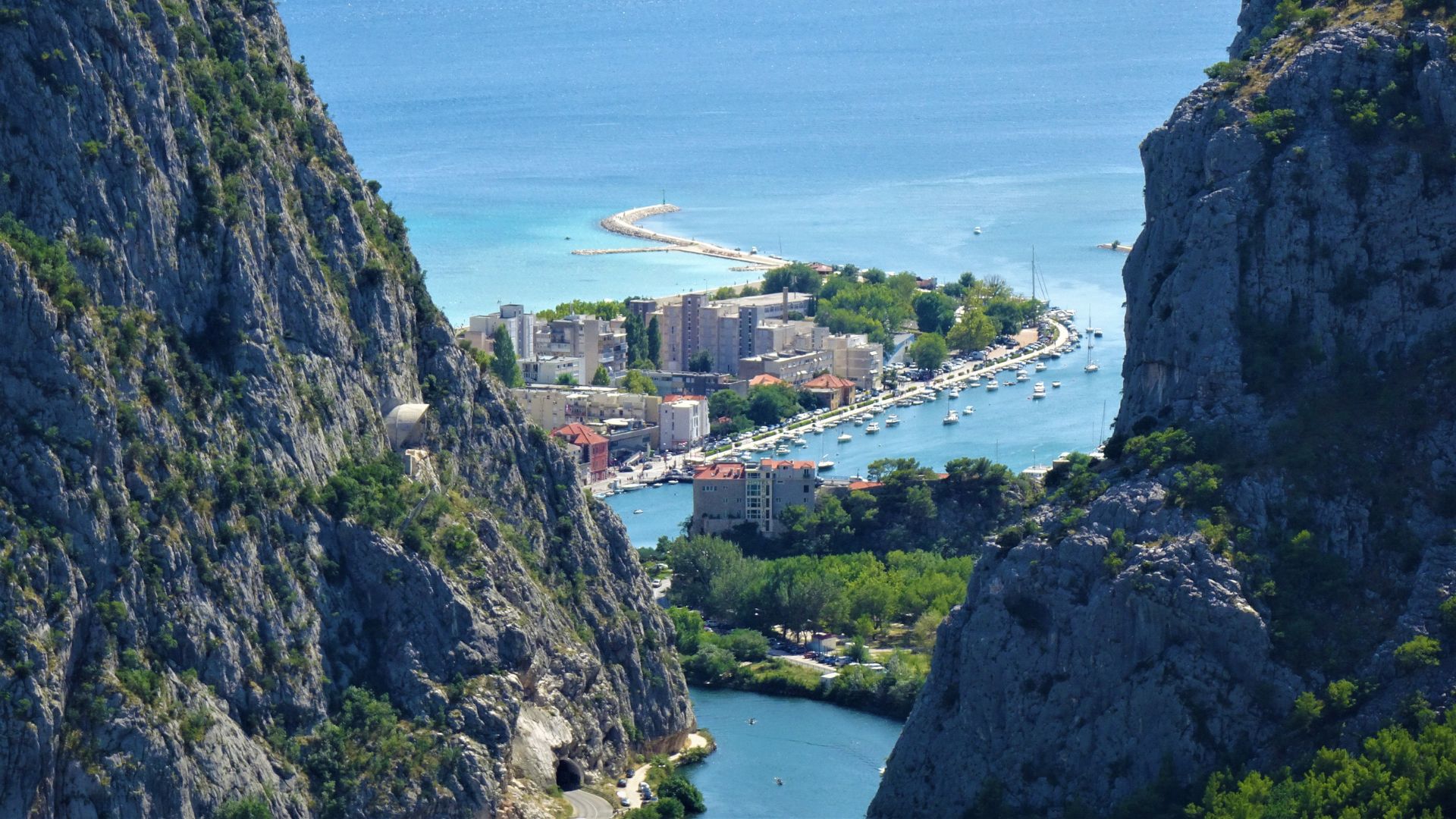
Markezina Greda: A Test Piece for Experienced Climbers
Markezina Greda really captures Dalmatia’s passion for tough, well-set routes. If you’re looking to push your limits on Croatian limestone, this is the spot that’ll call your name.
The cliff packs some of the hardest climbs in Dalmatia. Grades usually start around 7c and just go up from there—no joke. I’ve seen plenty of climbers come here to size up their skills before tackling even bigger projects elsewhere in Croatia.
Key Features:
- Route Quality: Steep limestone, lots of positive holds—super satisfying moves
- Protection: Bolts are modern and up to international standards
- Access: Quick walk-in from the parking lot, which is always a relief
- Seasons: Spring and fall are ideal; summer gets way too hot
When locals started developing Markezina Greda, they really wanted to show that Croatian climbers could set world-class routes. They took the time to learn from the best, focusing on smart bolt placement and careful cleaning.
Strong climbers from all over Europe flock here. It’s become a bit of a training ground, especially for those looking to prepare for even gnarlier limestone routes abroad.
The rock quality is just so consistent, and you get a nice mix of route styles. If you’re serious about improving, you’ll find plenty of inspiration here.
Markezina Greda doesn’t just challenge you physically—it’s a testament to how far Dalmatian climbing has come. The routes demand technique and fitness levels that, honestly, were pretty rare in Croatia before the 2000s.