
Croatia’s Adriatic coastline? It’s honestly one of Europe’s most exciting windsurfing playgrounds. The secret sauce? Wildly unique wind patterns. The Maestral wind shows up every afternoon, blowing reliably through Croatia’s island-filled channels and setting up perfect conditions for windsurfers—no matter your skill level. I’ve spent afternoons chasing those northwest winds, and with the country’s sparkling-clear water and sun-warmed air, you can windsurf here pretty much from spring to late autumn.
Croatia’s coastline really sets the stage. It stretches out for more than 1,100 miles and is dotted with over 1,000 islands. That geography creates natural wind tunnels between the islands, which means you get steady, predictable breezes.
From the Istrian Peninsula up north to the southern Dalmatian coast, every region brings something a little different. Each area has its own wind quirks and water moods. I want to break down how these regional differences shape the windsurfing experience, and share a few hard-earned tips about the best spots, timing, and gear you’ll want if you’re thinking about chasing the wind in Croatia.
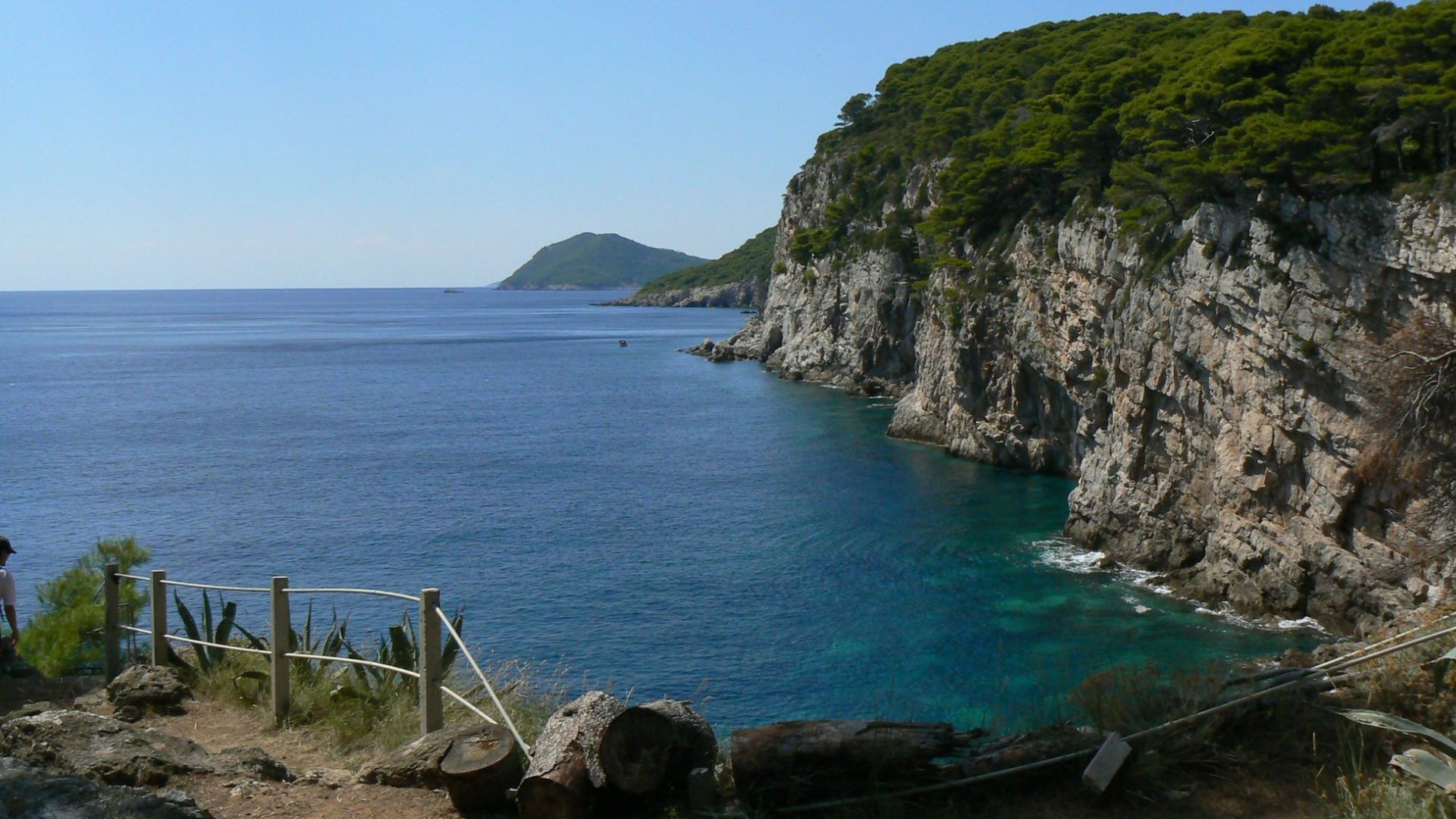
Understanding Croatian Winds and Their Influence on Windsurfing
Croatia’s coastal winds set the stage for some of the most reliable windsurfing conditions in Europe. Three main winds—Maestral, Bura, and Jugo—each bring their own flavor, creating different wave patterns and wind strengths that shape the whole experience.
Types of Winds Along the Croatian Coast
Three big winds rule the Croatian coast. Maestral is the favorite among windsurfers.
This northwest wind usually picks up around lunchtime and fades before dinner. It blows a steady 10-20 knots—just right for everyone from beginners to seasoned pros.
Bura? That’s a forceful northeast wind, cold and dry, barreling down from the mountains. Sometimes it hits 30-40 knots.
Bura’s wild energy is best left to advanced windsurfers. When it arrives, it sticks around for 3-9 days and clears the skies to a brilliant blue.
Jugo sweeps in from the southeast and brings steady power. In summer, Jugo’s 15-25 knot winds are great for intermediates.
But in autumn? Jugo can ramp up to 50 knots, stirring up rough seas and bringing clouds or rain.
Tramontana is less common—a sudden northerly that blasts through with strong gusts. It doesn’t last long, but when it shows up, experienced windsurfers get a treat.
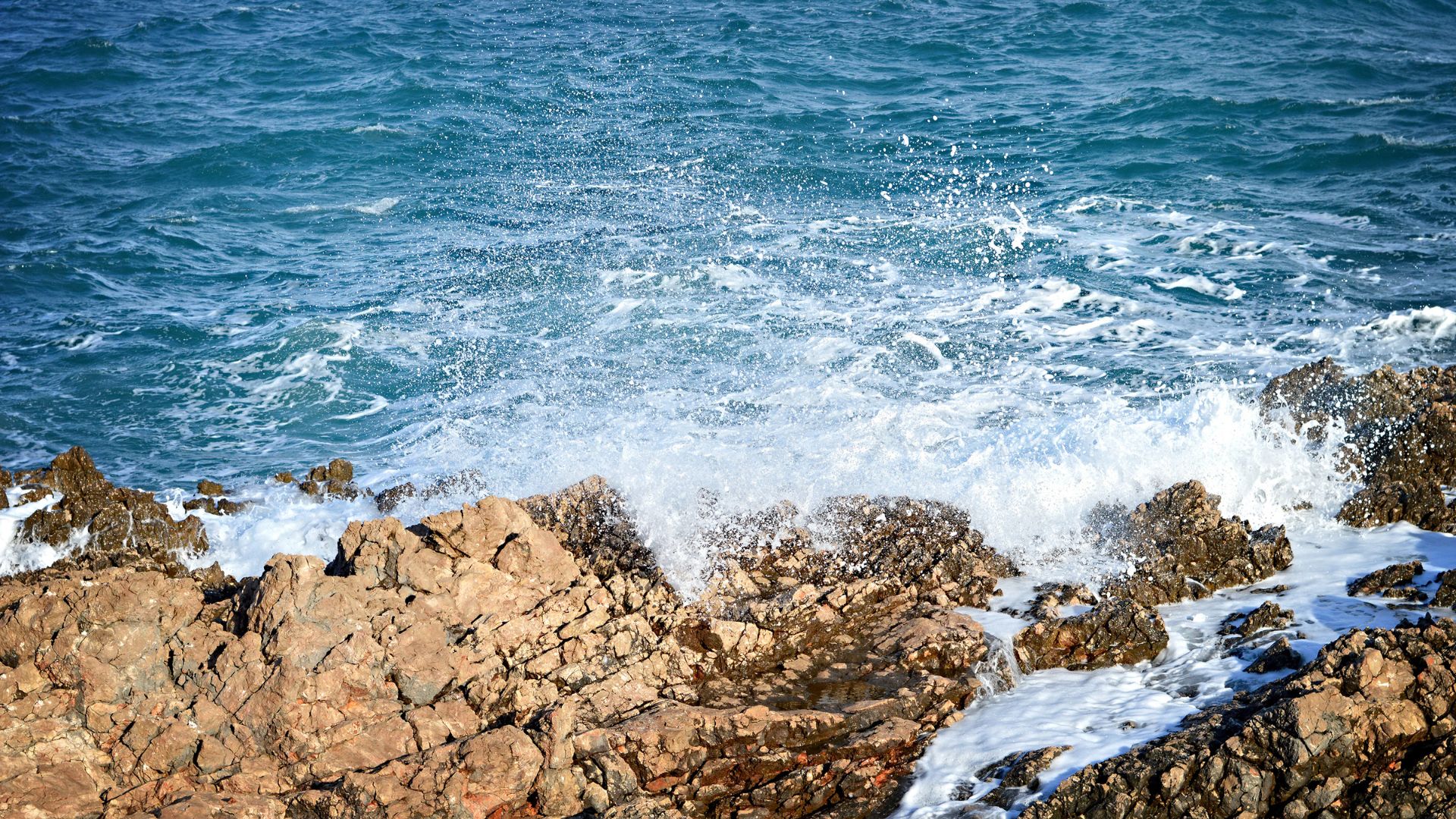
Seasonal Wind Patterns and Best Times for Windsurfing
Summer is when things get predictable. Maestral dominates from June to September, following a daily thermal rhythm.
If you’re just starting out, July and August are your best bet. Maestral blows a friendly 12-18 knots with manageable waves.
May and September attract the experts. Bura shows up more often, and the winds get punchier.
Spring is more of a wild card, with both Bura and early Maestral making appearances. March through May offers decent sailing, but you’ll need to be flexible.
Peljesac Peninsula steals the show with the longest windsurfing season, stretching into October. The winds here just don’t quit.
Winter? Only for the truly brave. Bura dominates, and the cold plus strong gusts make it a challenge for all but seasoned pros.
Autumn Jugo is the real beast. From September to November, it can whip up storm-force winds topping 50 knots.
How Wind Strength and Direction Affect the Waves
Each wind shapes the sea in its own way. Maestral creates small, manageable waves—perfect for learning or freestyle.
These northwest winds usually stir up 1-2 meter waves with a gentle rhythm. Most beaches see soft-breaking waves, which is great for beginners.
Bura doesn’t play nice. It whips up bigger, messier waves—sometimes up to 3 meters. Gusts come and go, making things unpredictable.
Places like Brac Island really feel Bura’s punch. In narrow channels, the wind speeds up, and the waves get even steeper.
Jugo brings the drama. In autumn storms, waves can reach 5 meters. These southeast winds roll in long, powerful swells—amazing for wave sailing.
Warm Jugo winds usually blow onshore, so exposed southeast-facing beaches become wave-riding playgrounds.
Wind direction really matters. Maestral works best at beaches facing the open Adriatic, while Bura favors northern shores.
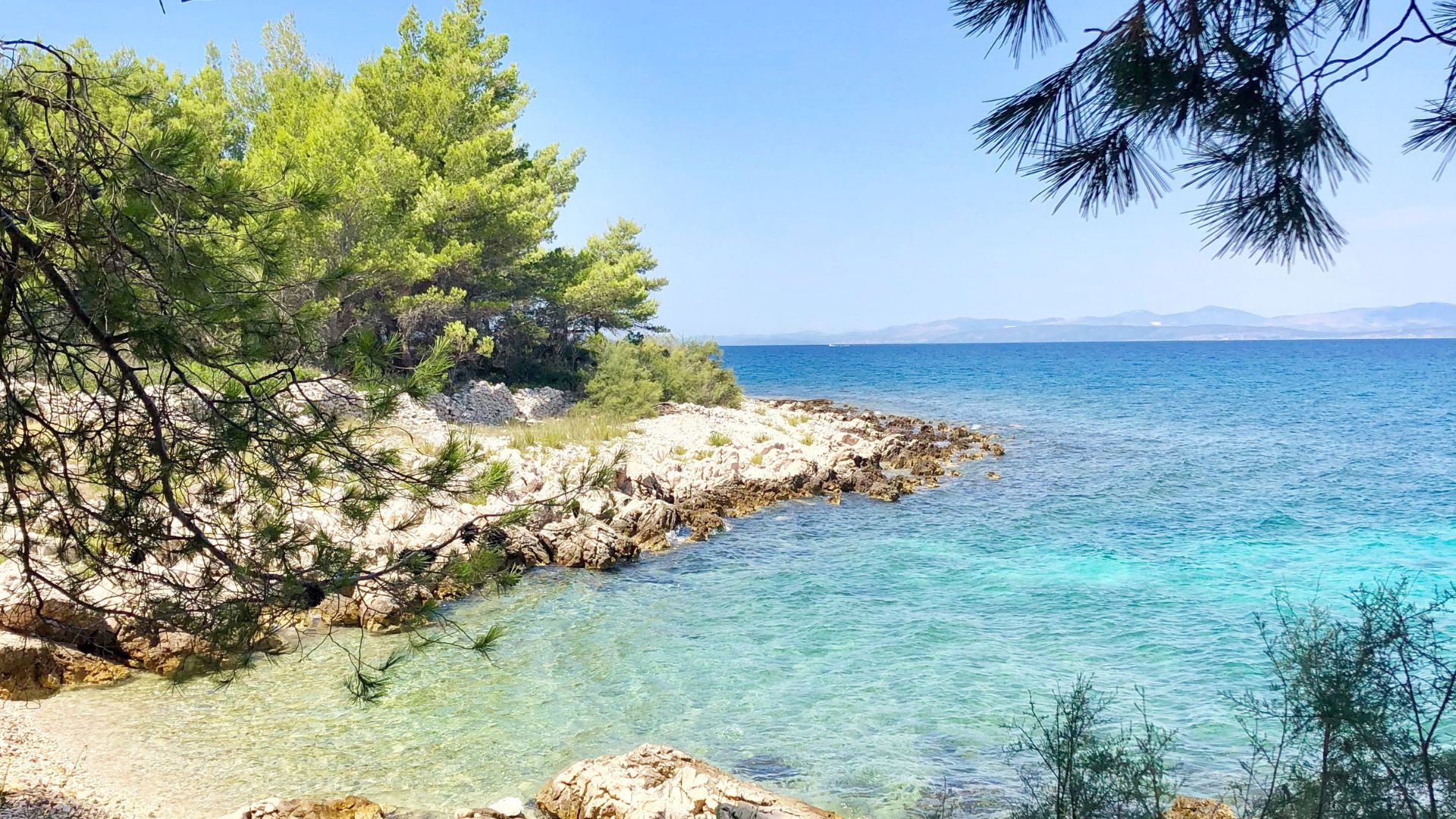
Top Windsurfing Destinations in Croatia
Croatia’s coast has three main windsurfing hotspots, each with its own vibe. Viganj on the Pelješac Peninsula is a personal favorite for steady winds and calm waters. Bol on Brač Island keeps things interesting with a mix of conditions for all levels. Then there’s Premantura in southern Istria, famous for reliable winds and solid infrastructure.
Viganj and Pelješac Peninsula Hotspots
Viganj is the gem of Croatian windsurfing. This chill village sits tucked in a bay on the Pelješac Peninsula, serving up amazing conditions for both newbies and seasoned riders.
Wind Conditions:
- Steady daily winds all summer
- Thermals build in the morning
- Afternoons bring 15-25 knots of pure fun
The mountains behind Viganj act like a wind tunnel, turbocharging and smoothing out the breeze.
What’s Special:
- Crystal-clear, calm water with barely any chop
- Sandy spots to launch from
- The longest windsurfing season in Croatia
- Several launch sites for different wind directions
Even when other spots go quiet, Viganj usually keeps working. The peninsula’s position between mainland and islands creates a natural wind tunnel.
You’ll find gear rental shops, pro instructors, and cozy beachfront places to stay. The village still feels authentic, even as it caters to windsurfers.
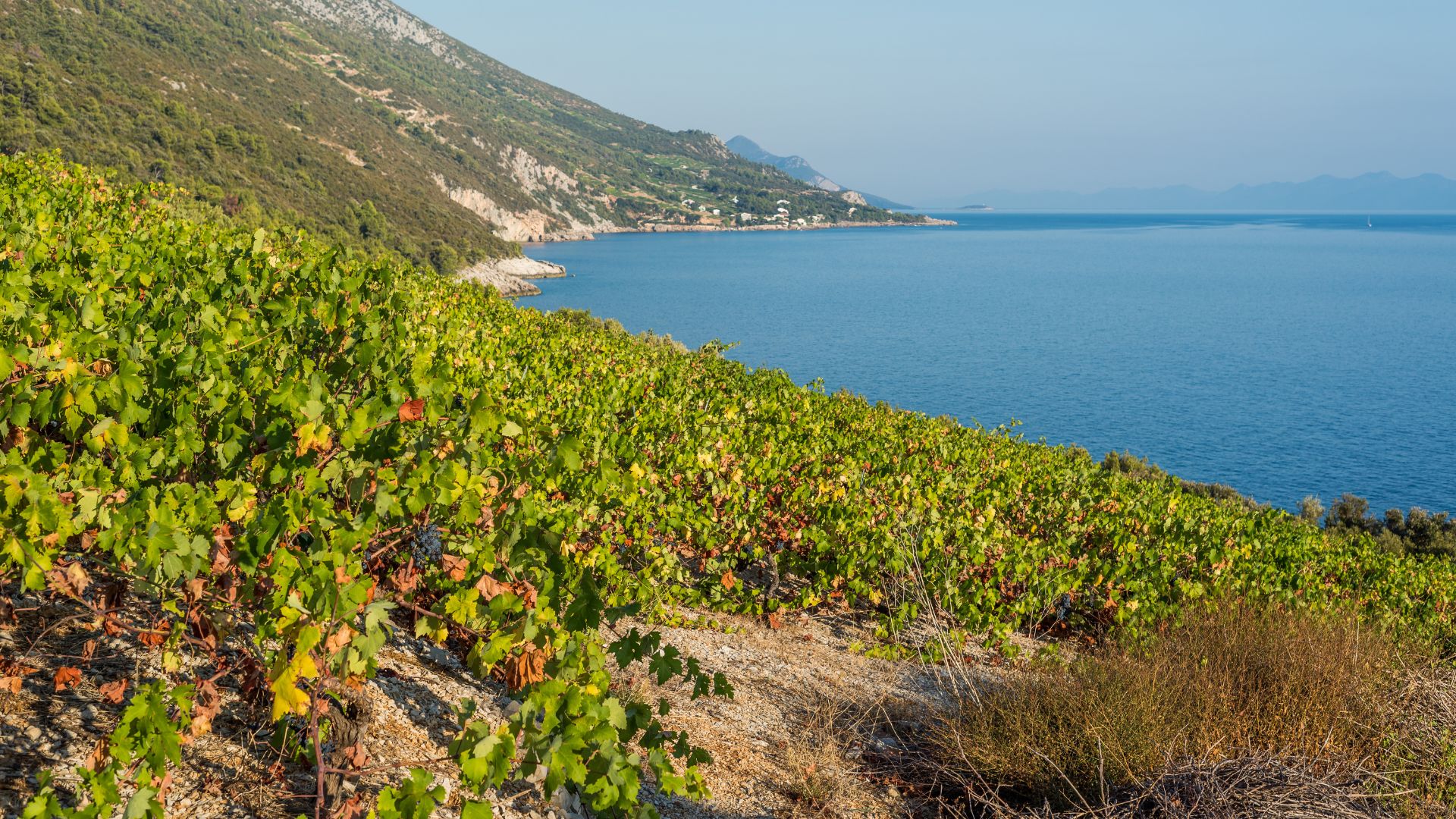
Bol and the Island of Brač Experience
Bol on Brač Island has a magic all its own—especially thanks to the famous Zlatni Rat beach. I’ve seen this shifting sandbar actually change the local wind every afternoon.
Wind Patterns:
- Maestral from the northwest in summer
- Thermal winds from the island’s rocky heart
- Dependable afternoon sessions June to September
The limestone mountains heat up, pulling in strong thermals. These team up with sea breezes for solid afternoon wind.
Skill Level Options:
- Sheltered spots near the beach for newbies
- Open water for more advanced riders
- Wave sailing on the windward side
Brač is great for intermediates ready to level up. The variety lets you pick your challenge—just choose your launch spot.
Bol has everything you need: rental shops, instructors, and plenty of hotels and restaurants close to the water.
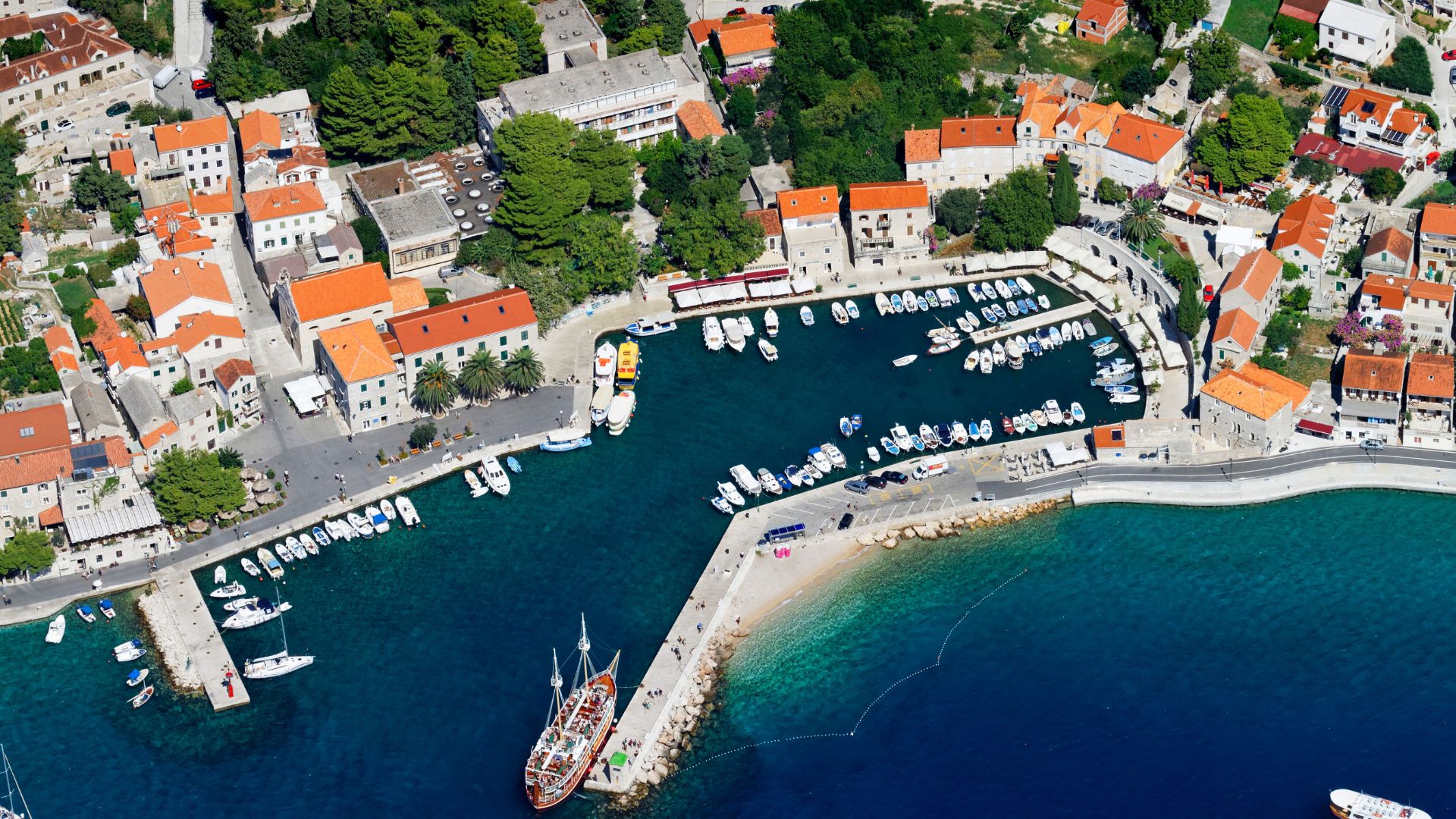
Premantura and Southern Istria Advantages
Premantura, right at the southern tip of Istria, is the go-to for reliable wind in northern Croatia. I’ve had sessions here when everywhere else was dead calm.
Geographic Benefits:
- Open to winds from all directions
- Bora from the northeast
- Scirocco from the southeast
- Summer thermals
The peninsula juts out, catching every breeze. Even when high pressure stalls over Europe, Premantura usually delivers.
Infrastructure:
- Multiple launch sites, whatever the wind
- Solid windsurfing schools
- Campsites right on the water
- Shops and repair services
I love the variety here. Stupice Bay gives you flat water, while the outer coast offers waves and stronger winds for those who want a challenge.
Seasonal Perks:
- Sailing season runs April to October
- Winter bora for the hardcore
- Predictable summer thermals
Istria’s tourism setup means you’ll always find good places to stay and eat, no matter the season.

Windsurfing Conditions by Region
Northern Croatia has its own windsurfing flavor, from the protected bays of the Kvarner Gulf to the shallow lagoons of Nin. Each spot has unique wind patterns and water features, so you can really pick what suits you.
Exploring the Northern Adriatic and Kvarner
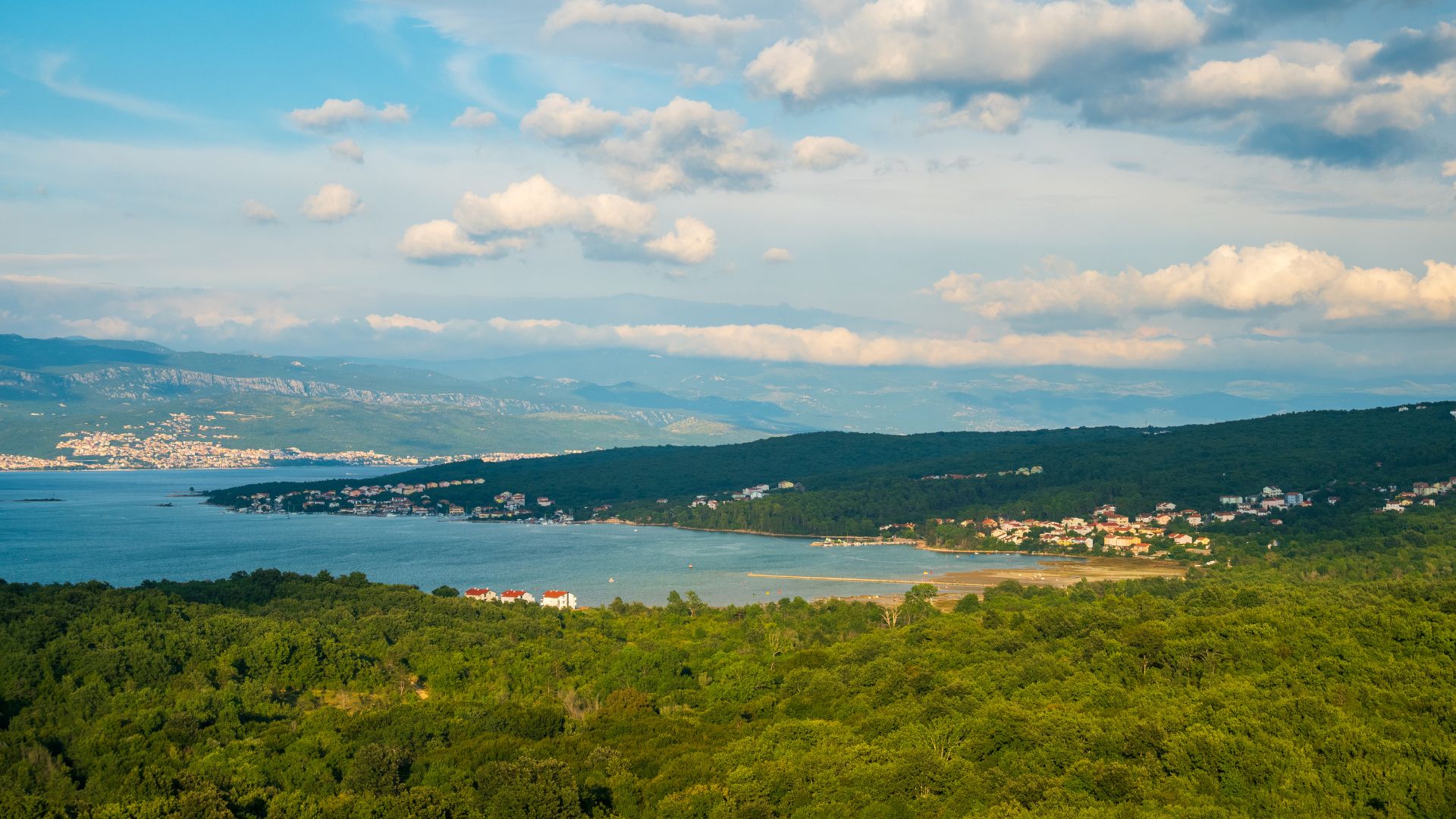
The Kvarner region stands out for reliable wind and sheltered waters. Krk Island is a favorite for both newbies and more experienced windsurfers.
Punat has a calm bay—perfect for learning. The Bura wind blows here, but the sea stays smooth.
Baška ups the ante. The Bura from Senj can hit 27-30 knots, and waves reach 1.5 meters. That’s a playground for advanced riders.
Pula, up in the Northern Adriatic, gets steady Maestral winds in summer. You’ll find both beginner spots and more challenging water.
Premantura is known for safety. The Bura blows toward land, so if you get in trouble, you drift back to shore. That’s a huge confidence boost.
Spring and autumn bring stronger Bura and Jugo, while summer is all about the reliable Maestral.
Unique Features of Nin for Beginners and Families
Nin is a dream for learning, thanks to its shallow, sandy lagoon. The sheltered waters make it safe for first-timers.
Winds usually come from the northwest or southwest, shaped by the nearby mountains. Most days, speeds stay moderate.
The shallow water means you can stand up easily—super helpful for beginners. Families love it here because it’s safe for kids.
Wind reliability isn’t as high as some other spots. I always check the forecast before planning a session. Still, the long sandy bottom makes up for the occasional lull.
Summer is the time to go. Maestral winds are most reliable, and mornings usually offer gentler breezes for practice.
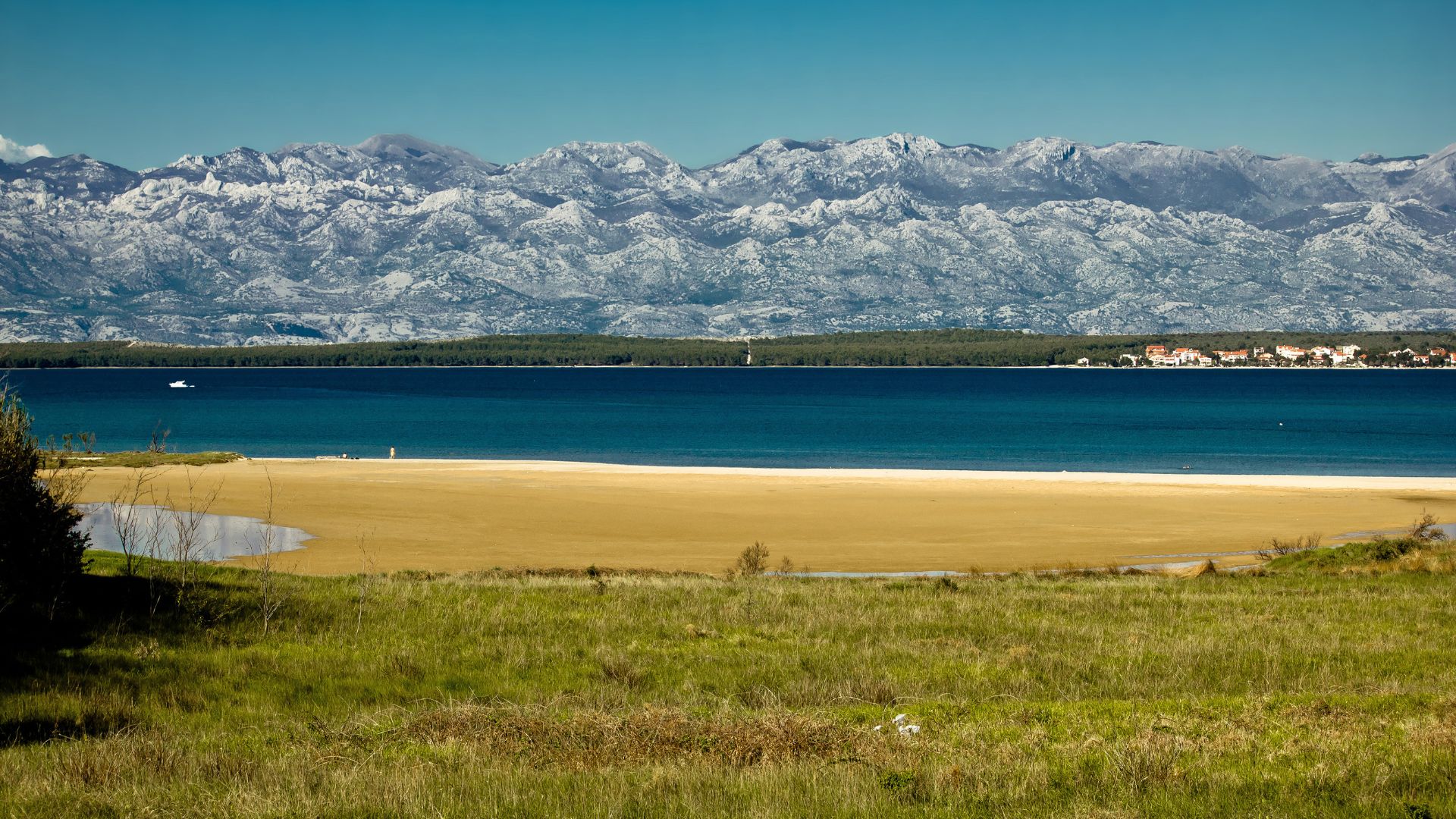
Savudrija and the Western Coastline
Savudrija sits at Croatia’s western edge, catching winds from all directions.
Maestral takes over in summer, starting up in the early afternoon. You get steady 10-15 knot winds—perfect for a relaxed ride.
Mornings bring lighter offshore breezes, which suit beginners and intermediates. The wind builds gradually, so you can ease into the day.
Spring and autumn are more intense. Bura can hit 20+ knots from the northeast, while Jugo brings southerly winds and bigger waves.
The rocky coastline gives you different launch options. Some spots are great for wave sailing, others for flat water.
Water stays warm from May to October. If you want the strongest winds, go in the afternoon. Early mornings are calm and good for learning.
Essential Water Sports and Activities
Croatia’s Adriatic coast isn’t just for windsurfing. The steady winds and warm water make it a magnet for all kinds of water sports—plus plenty of swimming and fun on the side.
Blending Sailing and Surfing Techniques
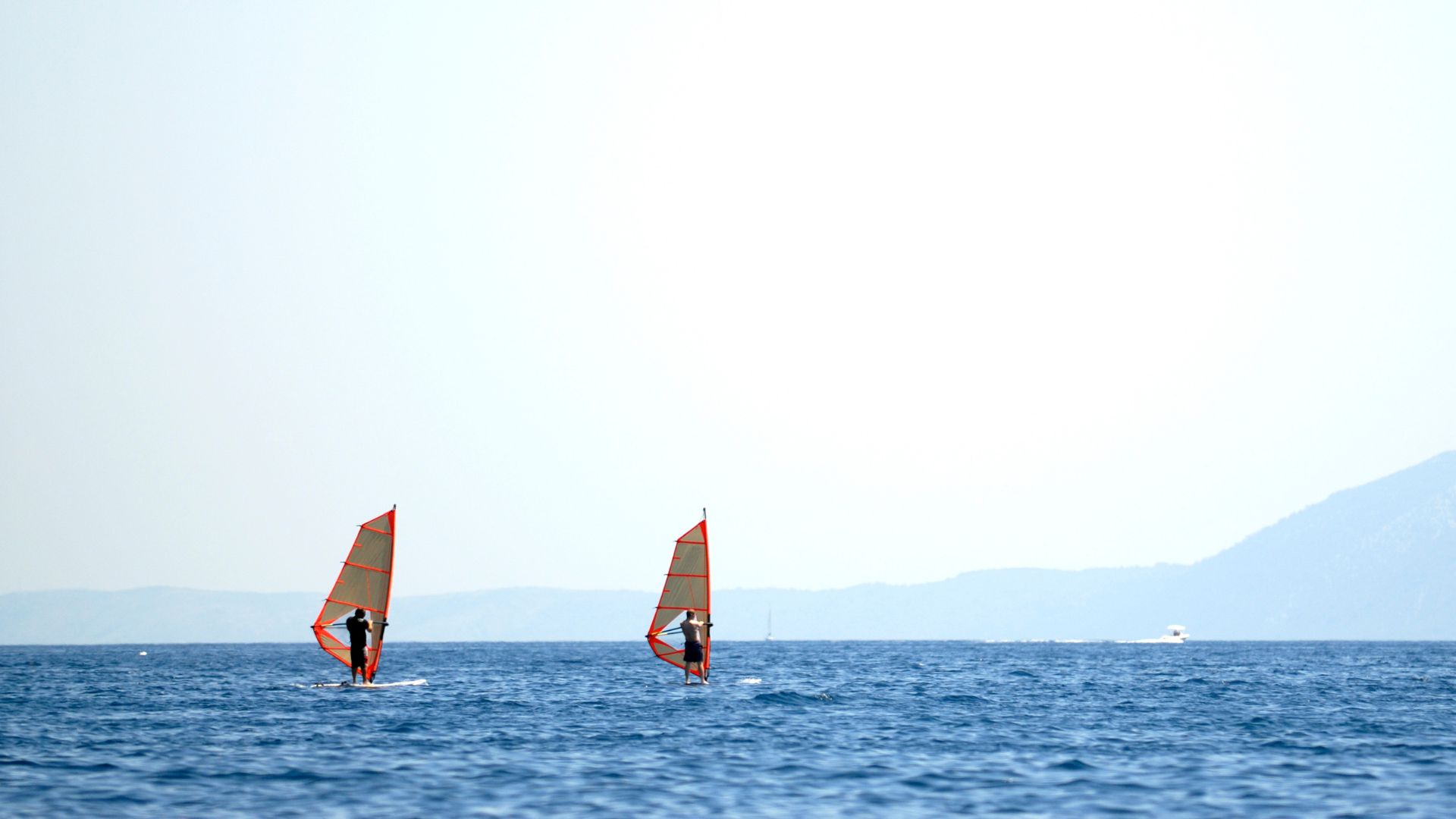
Windsurfing is this wild blend of sailing and surfing. I love how it mixes wind awareness with the balance you need on a board.
You have to read the wind and control the sail, just like sailing. Adjusting your sail and knowing which way the wind is blowing? That’s key.
Sailing basics:
- Knowing where the wind’s coming from
- Tweaking your sail angle
- Mastering tacks and jibes
The surfing side is all about balance and reading the water. I’ve seen plenty of beginners wobble as they try to steady both the board and the sail.
Surfing essentials:
- Staying balanced
- Shifting your weight
- Spotting the right waves
Croatia’s Maestral wind is a gift for learning. Those steady afternoons help you practice both sailing and surfing skills at once.
Most schools have pro instructors who break everything down step by step. They make the whole process way less intimidating.
Swimming and Other Outdoor Pursuits
Let’s be real—if you want to windsurf, you’ve gotta feel at home in the water. I always tell people: get comfortable swimming before you even think about grabbing a board.
Croatia’s Adriatic is a dream for swimmers. The water feels inviting from spring through autumn, usually hovering between 68°F in the early season and a balmy 75°F by summer.
Why swimming matters for windsurfers:
- It keeps you safe if you end up far from shore.
- Builds up your stamina for longer sessions.
- Makes you more relaxed when the waves get rowdy.
There’s a whole world of outdoor fun beyond windsurfing, too. Kitesurfers flock to the same breezy beaches, chasing the wind right alongside windsurfers.
Sailing is another favorite. I’ve picked up so many wind tricks just by hopping on a sailboat for an afternoon. There’s something special about gliding between Croatia’s islands, feeling the wind work its magic.
On those rare calm days, I usually spot people diving into beach volleyball or hiking the rocky coastline. It’s the best way to stay active when the wind takes a break.
Rental shops here don’t just stop at windsurfing gear. They’ll set you up with whatever you need—whether you want to try a different board or just kick back with a kayak for the afternoon.
Practical Tips for Windsurfers in Croatia
Matching your skills to the right spot makes all the difference. I always check the wind forecast and ask locals about each beach’s quirks before heading out. A little planning keeps things fun—and safe.
Choosing the Right Spot Based on Experience Level
Beginner-Friendly Locations
If you’re just starting out, Nin near Zadar is perfect. The lagoon is shallow, so you can stand up if you fall. Sandy beaches and gentle onshore winds mean you’re always drifting back toward land, not out to sea.
Punat on Krk Island is another sweet spot for newbies. Its calm bay offers smooth water and almost no waves. The Bura wind here is steady but not too strong, which makes it easier to learn the basics.
Intermediate to Advanced Spots
When you’re ready to level up, head to Viganj on Peljesac Peninsula. The wind here seems to show up right on cue, and the season stretches longer than most places. The channel between Peljesac and Korcula creates a reliable breeze from April onward.
Baska on Krk Island is where things get serious. The Bura wind can blast up to 27-30 knots, and the waves sometimes hit 1.5 meters. You’ll need a short board and some serious skills to handle it.
| Skill Level | Best Spots | Wind Conditions | Wave Conditions |
|---|---|---|---|
| Beginner | Nin, Punat | Light to moderate | Calm/flat water |
| Intermediate | Bol, Porec | Moderate Maestral | Small waves |
| Advanced | Baska, Viganj | Strong Bura/Jugo | Large waves |
Wind Forecasting and Safety Precautions
Understanding Croatian Wind Patterns
Let’s talk about the Maestral wind. It’s honestly the most reliable companion you’ll find during Croatia’s summer. Every afternoon, you can count on this northwestern breeze showing up, thanks to the temperature tug-of-war between land and sea.
Then there’s the Bura wind—it’s no joke. The Bura can whip up intense, sometimes wild, conditions. But here’s something interesting: in Premantura, the Bura actually blows toward the shore. That makes it feel a bit safer than some other places where it pushes you out to sea.
Safety Equipment and Planning
Before I even think about heading out, I always check the local weather forecast. Can’t recommend that enough. I keep an emergency whistle on me and wear a wetsuit—even when the sun’s blazing and the water feels warm.
If you’re new to a spot, stay near the shore for your first few sessions. Local windsurfing schools rent out gear and they’re a goldmine for up-to-date info about current conditions.
And don’t underestimate the Jugo southern wind. It brings the biggest waves and never really lets up. If you’re thinking about surfing when Jugo’s blowing, make sure you’ve got solid skills and all your safety gear dialed in.
