
Gavdos sits at the southernmost edge of Europe, a tiny Cretan outpost where wild beauty and a feeling of total freedom follow you everywhere. With only about 100 permanent residents, this remote island feels like a secret—far off the usual tourist trail in Greece.
Winds whip the shores, old villages cling to dusty hills, and untouched beaches stretch for miles with barely anyone around.
When I stepped off the boat, I felt a deep peace—almost like I’d reached the edge of the world. Gavdos moves at its own slow pace, shaped by nature’s rhythms, and the locals greet visitors with a gentle, unhurried warmth.
If you’re daydreaming about lazy days on empty beaches, hiking rugged cliffs, or just chasing a sense of freedom you can’t quite put into words, Gavdos calls you to let go of routine. My days here opened up a different world—a place to breathe, wander, and remember what it means to truly get away.
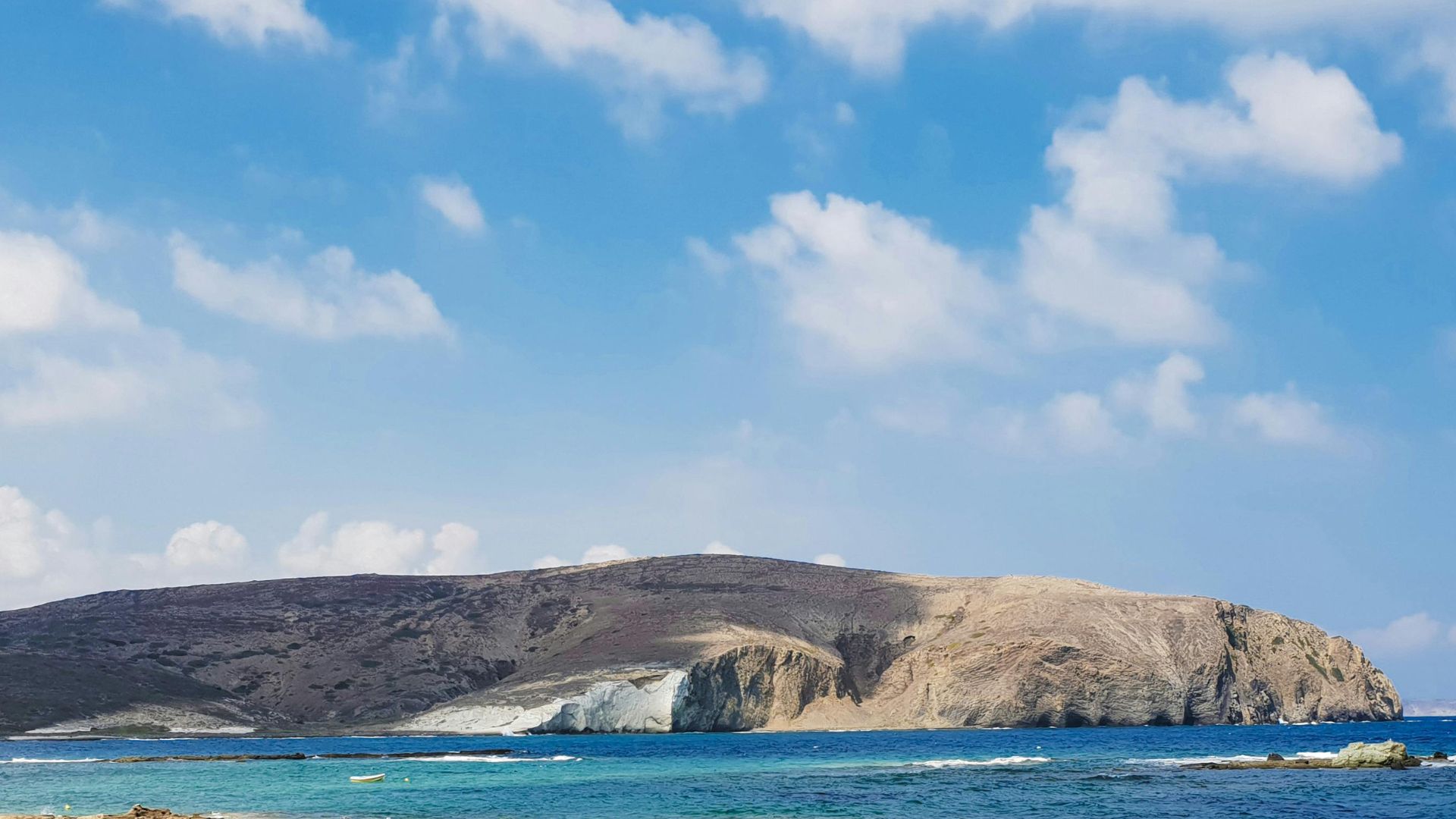
Setting Foot on Gavdos: First Impressions of Europe’s Southern Edge
Landing on Gavdos feels like you’ve stepped off the map. The place is raw, carved out by time, with a wildness that grabs you right away.
Arriving at the Island: Ferry Adventures and Logistics
Getting to Gavdos is a journey all its own. I rode the ferry from Crete, watching the busy mainland disappear as open water spread out ahead.
The ride took a few hours, sometimes smooth, sometimes rocking with the waves, always with seabirds overhead.
Ferries don’t run every day, and rough weather can change everything. Planning ahead really matters here.
I checked wind forecasts and double-checked departure times since delays happen a lot, especially outside summer.
Luggage space was tight, so I packed light. Most travelers I met did the same—backpacks work best, not rolling suitcases.
Tickets sell out fast in peak season, so booking early online or at the port made sure I didn’t get left behind.
Here’s a quick tip table:
| Ferry Tip | Why It Matters |
|---|---|
| Book ahead | Limited seats in high season |
| Check weather | Delays and cancellations possible |
| Pack light | Easier for dirt roads and ferries |
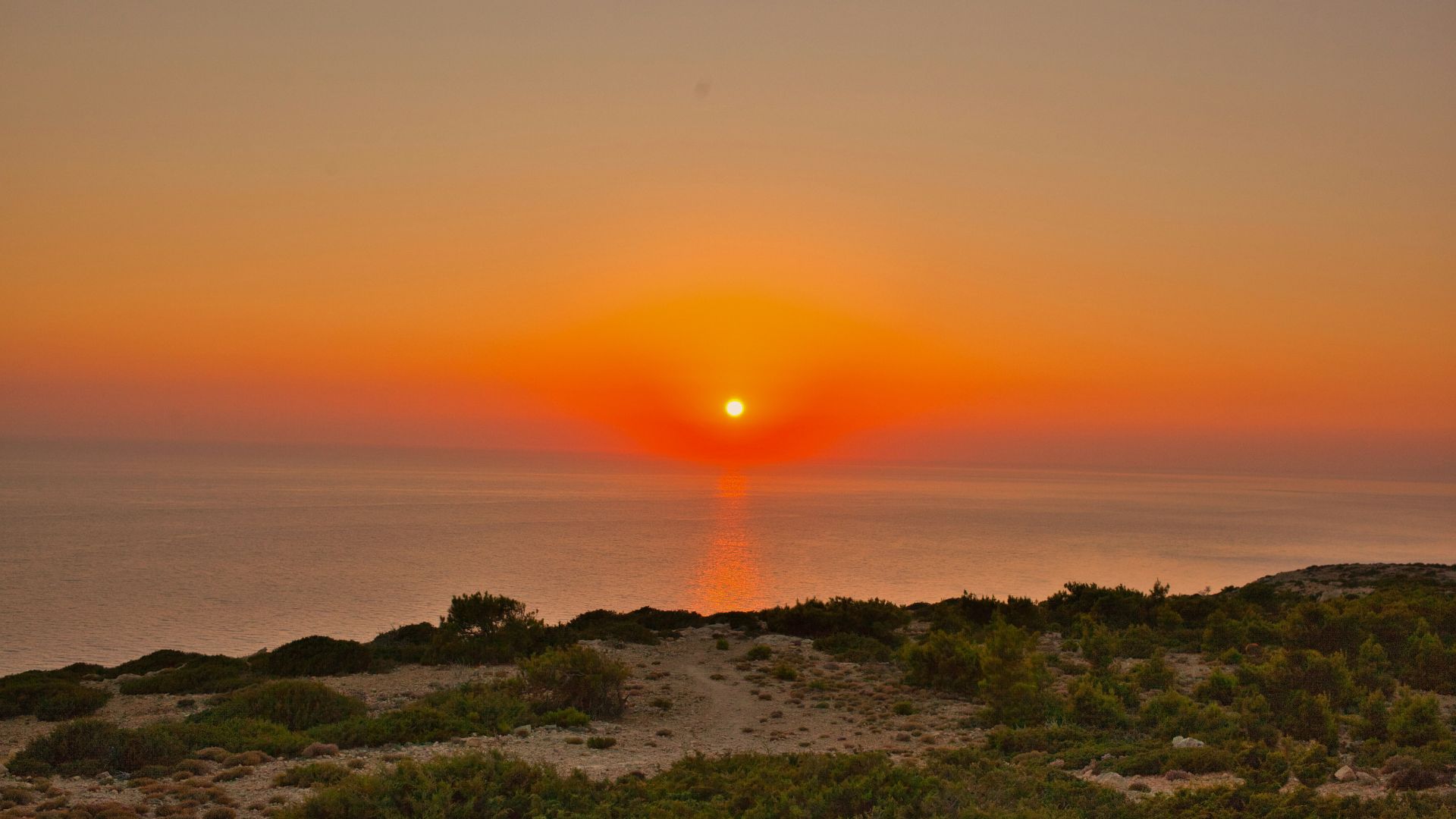
Untouched Wilderness and Rugged Beauty
When I landed, the wildness of Gavdos hit me right away. There aren’t many paved roads, no big hotels, and almost no modern development.
Pine and sea scents ride the wind, mixing with the dry earth. Most of the coast is rocky, with little sandy coves.
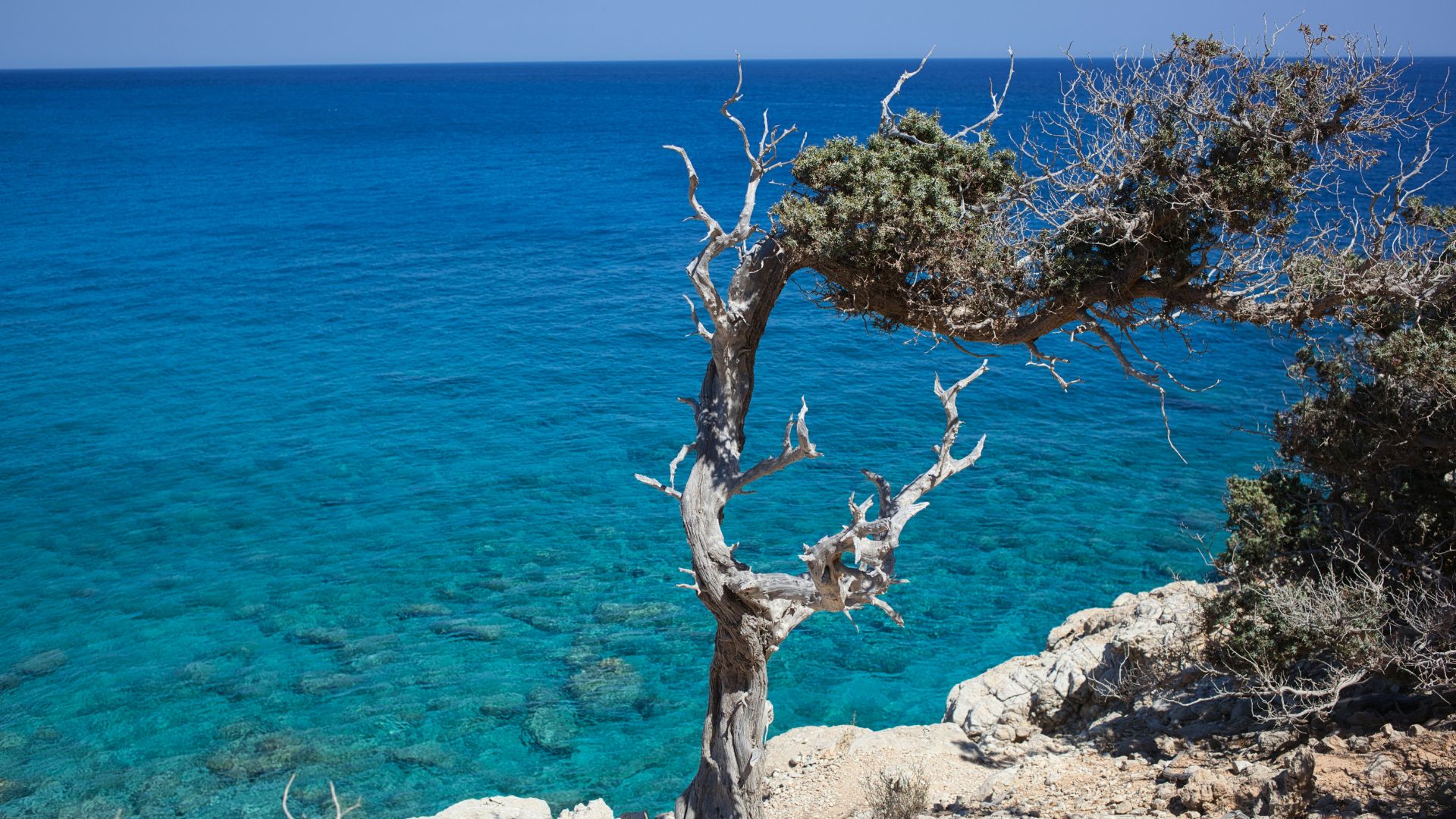
Wild goats and lizards dart between bushes. Old junipers twist skyward.
I found easy hiking trails and plenty of wild spots to wander, so sturdy boots came in handy.
The colors pop—blue water against red earth, wildflowers in cracks, white houses with faded paint.
Walking into town, I passed a handful of tavernas and hand-painted signs to beaches or viewpoints. No crowds, no busy streets—just space to breathe.
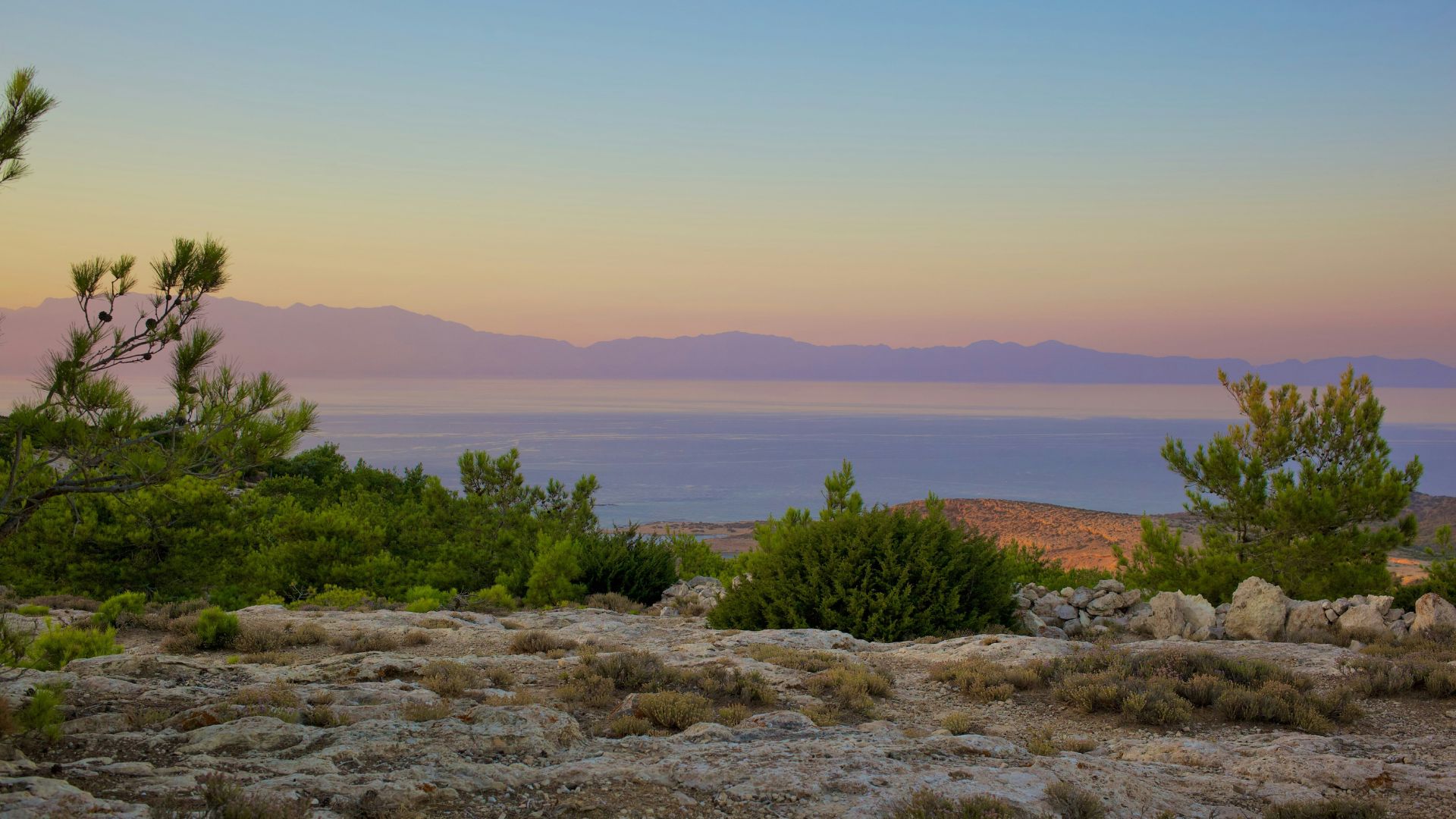
Encounters With the Elements: Wind, Sea, and Sun
Gavdos doesn’t let you forget the elements. The wind can be fierce, sweeping across the open land.
More than once, my hat nearly flew off as I walked a ridge. The wind’s whistle is a constant backdrop.
The sea is always there, shifting from turquoise to deep blue. Swimming here feels wild and bracing.
Some beaches are sheltered, but others have big waves and strong currents. I always checked with locals before swimming, especially when the wind picked up.
The sun is intense, even early in the year. I kept sunscreen and water with me at all times.
Shade is rare unless you find a pine grove. You really feel how close Gavdos is to Africa—the midday sun is powerful and the horizon seems endless.
Life on a Remote Cretan Outpost: Culture, Community, and Freedom
Life on Gavdos feels raw but welcoming, shaped by close community ties and the independent spirit of its visitors.
Privacy, authentic traditions, and a relaxed openness to newcomers set the pace here.
Meeting the Locals: Hospitality and Stories
From my first walk down a dusty lane, meeting people felt easy. Locals greeted me with a nod, a smile, and a simple hello.
It’s common to get invited for coffee at a taverna or to share stories under a fig tree.
Locals love telling tales—sometimes about old shipwrecks, sometimes about harvesting olives. One night, a fisherman told me about the time a rare turtle washed ashore.
Their stories blend fact and myth, giving the island a timeless feel.
Meals on Gavdos aren’t rushed. Dinners stretch out, with goat cheese and homemade bread at the center.
I felt like more than a visitor—almost part of the island’s small community, if only for a while.
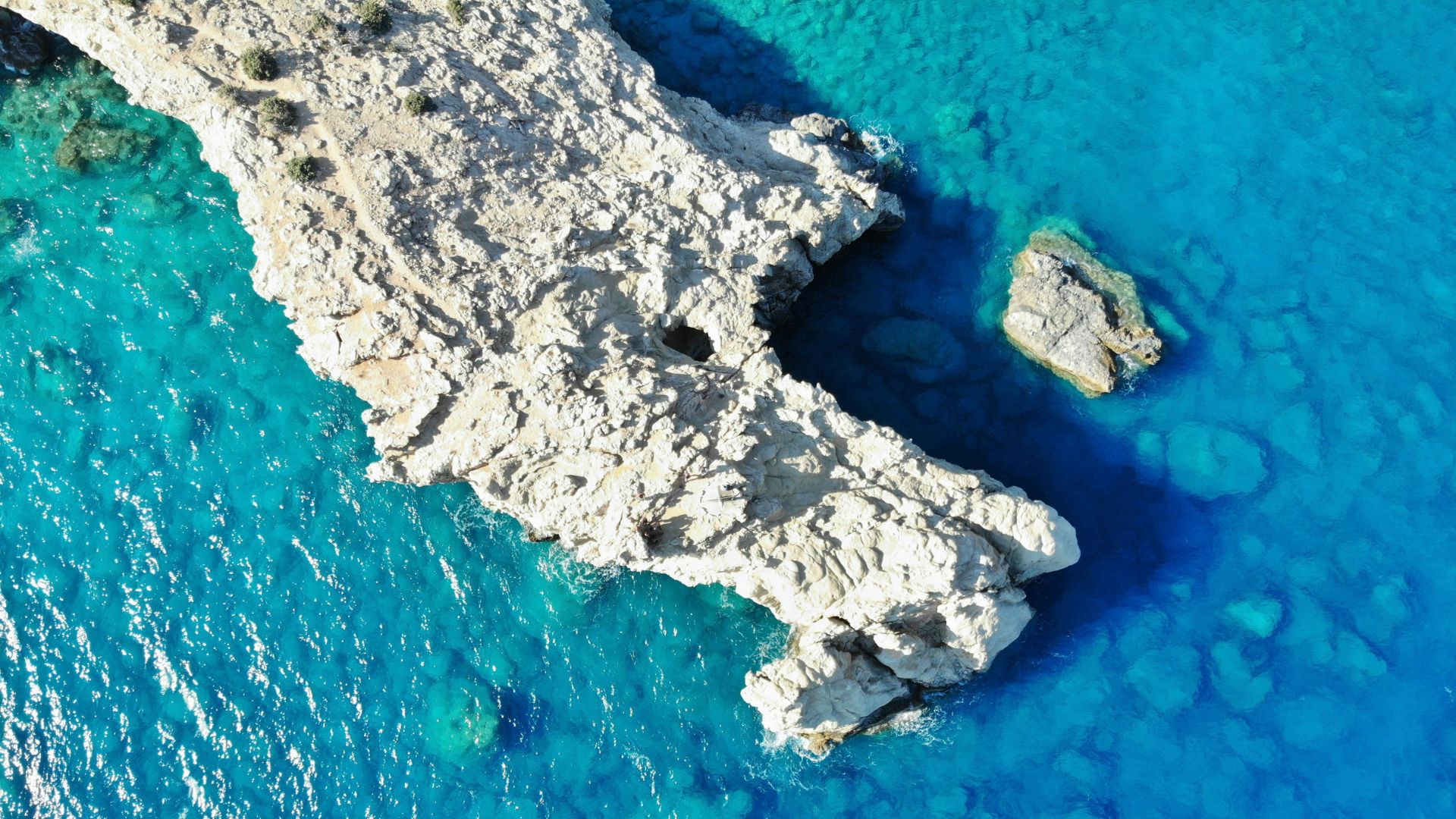
A Haven for Free Spirits and Nomads
Gavdos attracts a special crowd. I met backpackers who planned to stay a week and ended up staying the whole summer.
Artists carried canvases along the trails, looking for quiet spots to paint. Campers pitched tents on the dunes, happy with nothing but the sea and the stars.
Many visitors live off-grid, using solar panels or cooking over open fires. There’s no nightlife in the usual sense, but music and conversation around campfires go late.
People share food, books, and whatever else they’ve got. It’s a place where personal freedom matters most.
Dress codes? Not really a thing. Shoes and watches are optional. The usual rules and noise of the mainland just don’t reach here, and honestly, that’s the best part.
Island Traditions and Daily Rhythms
Old traditions shape daily life on Gavdos. Most people raise goats, fish, or tend gardens.
You’ll still see cheese made in hand-tied baskets and bread baked in outdoor ovens. Families gather for Sunday meals, passing down recipes.
Shops and the post office open for a few hours in the morning. After noon, the island slows down.
Locals take siestas or head off for a swim. Evenings bring everyone together at the main square or outside a chapel.
Church bells ring out on feast days, calling people to food and music. Even with new faces, the island’s roots run deep.
Wild Landscapes and Epic Exploration
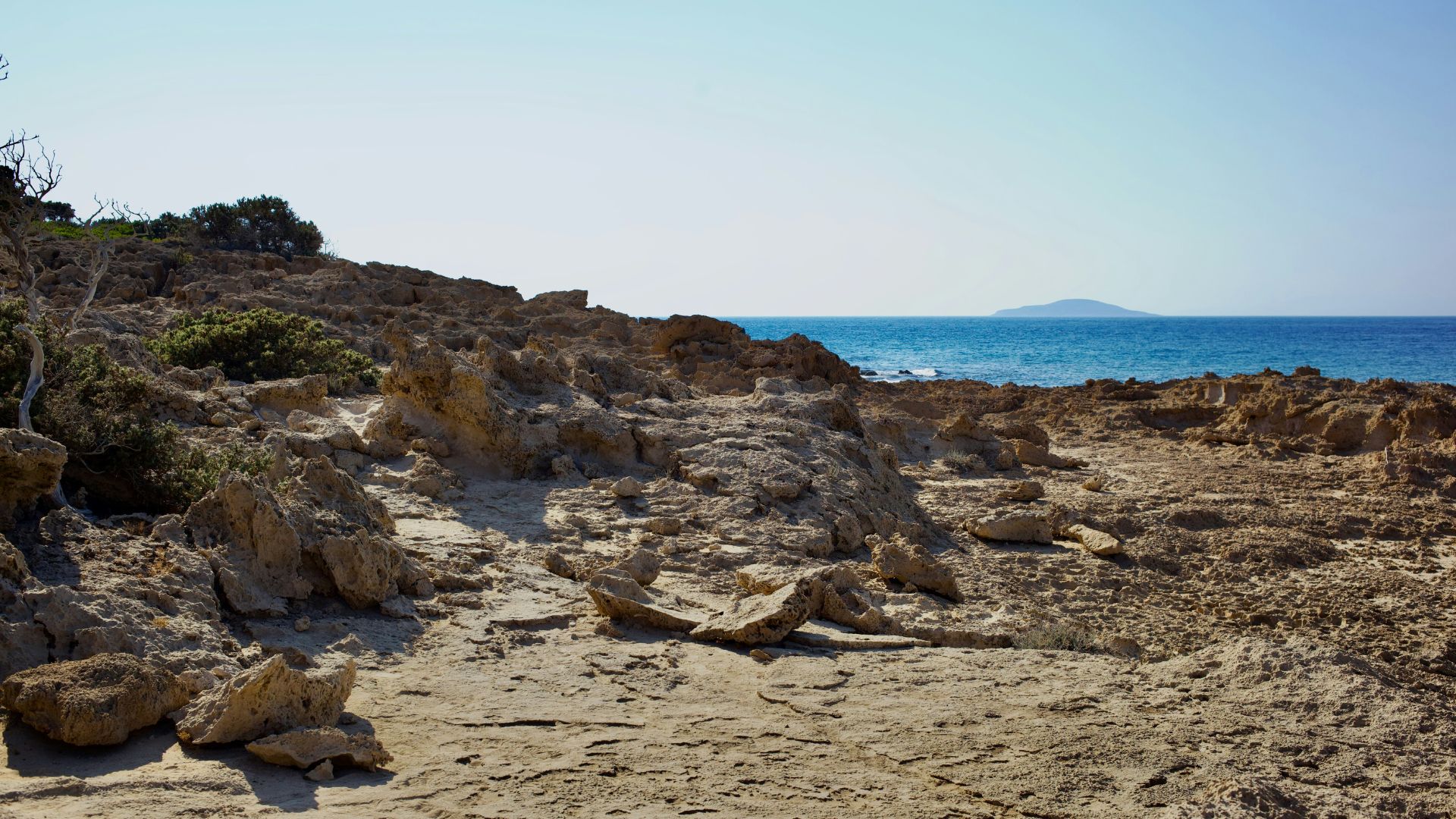
Exploring Gavdos means steep cliffs, sandy tracks, emerald forests, and a coastline full of secret coves.
Every step—whether I climbed coastal trails or lay under silent cedars—felt wild and different from anywhere else in Europe.
Hiking Gavdos: Trails, Cliffs, and Panoramas
Hiking on Gavdos is more than just getting from point A to B. The island is laced with trails, some marked, some not, winding over hills and cliffs.
I started near Kastri, the main village, and followed paths to the lighthouse. Along the way, I climbed to high points where the wind carried the smell of sea and wild thyme.
Top Hiking Highlights:
- Lighthouse Trail: On clear days, you can see all the way to Crete.
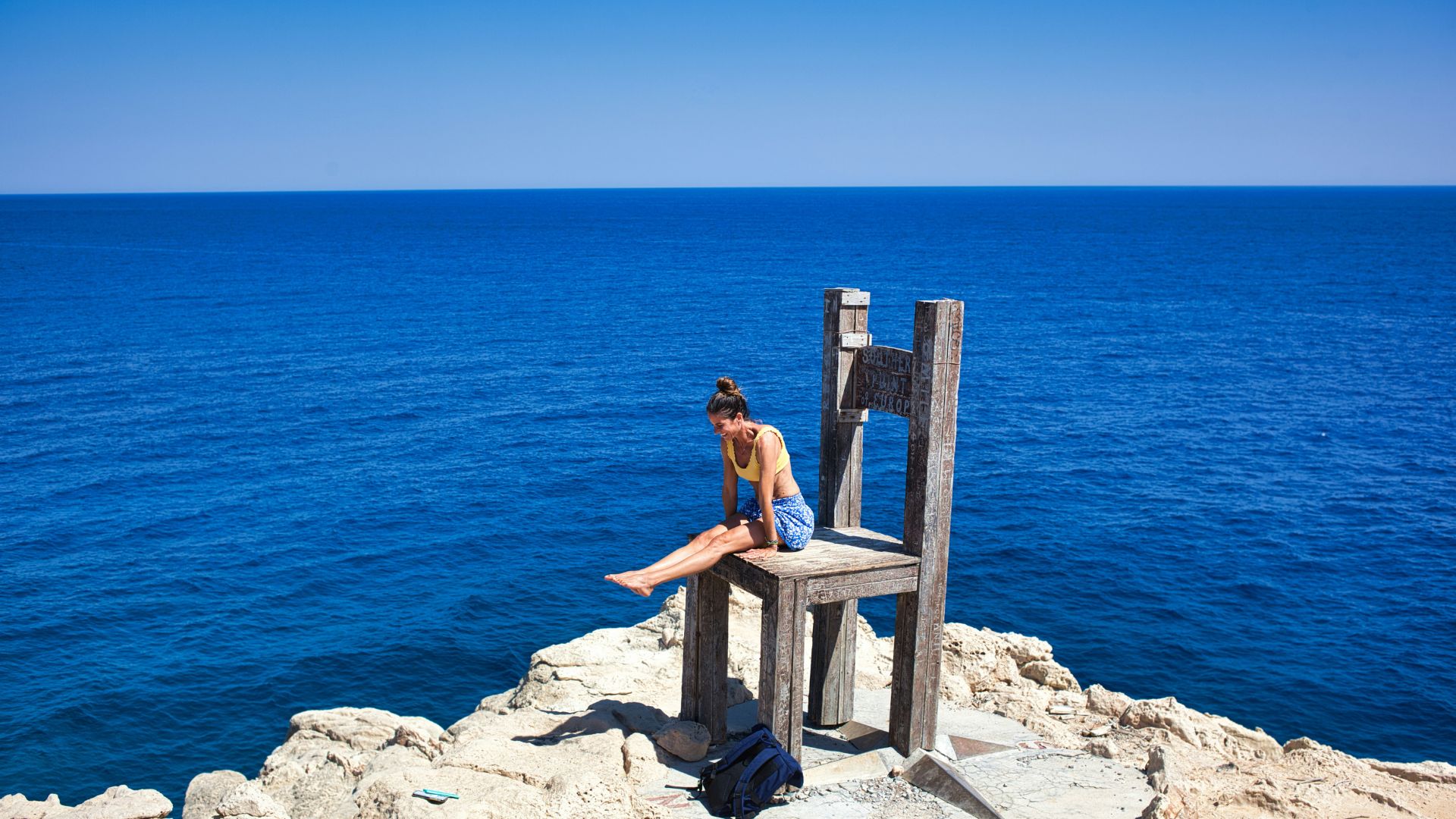
- Tripiti: The southernmost point of Europe, with a giant chair sculpture.
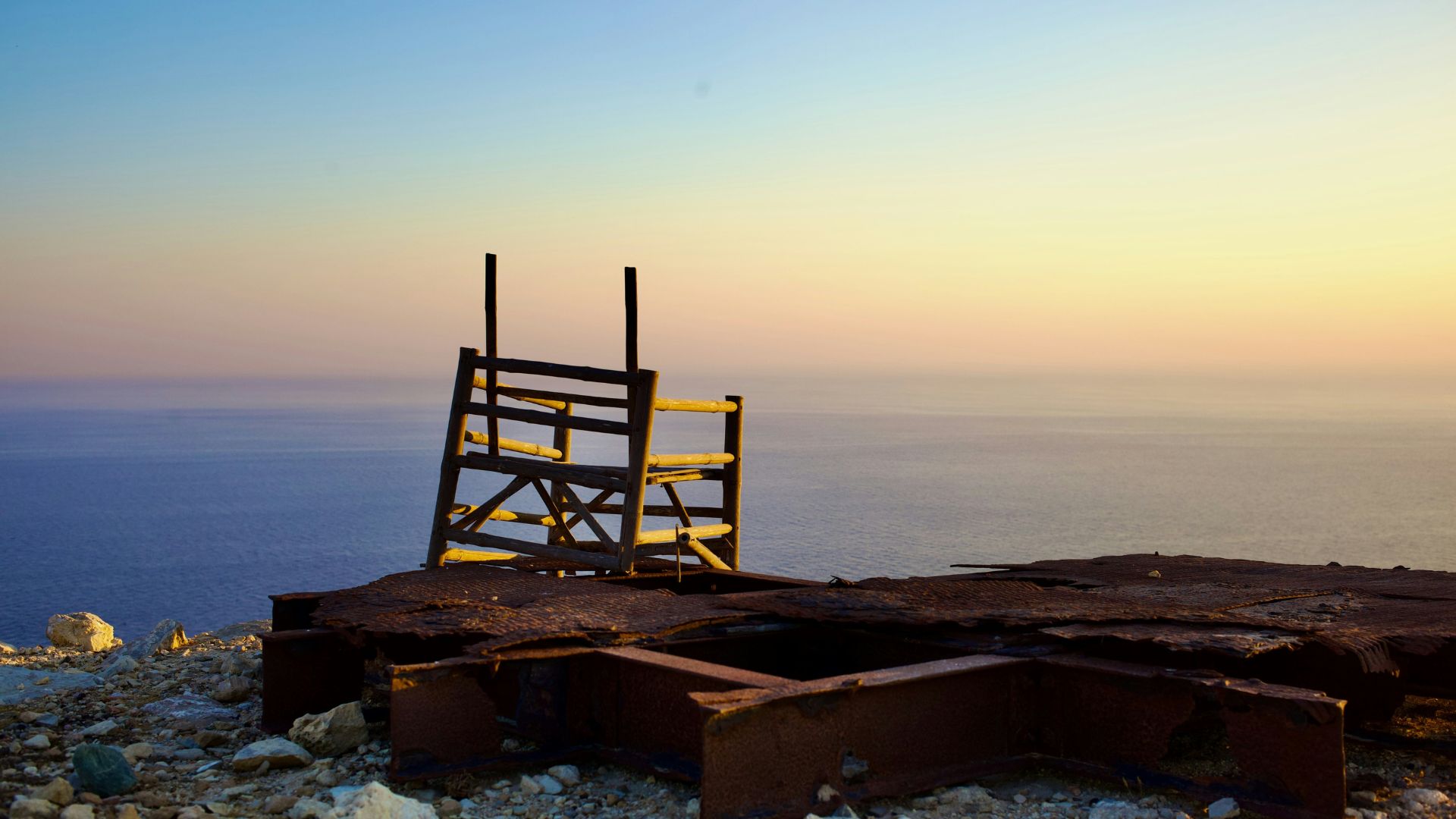
- Cliffs above Potamos: Rusty colors set against the blue sea.
You need good shoes and plenty of water—the sun is strong, and there’s not much shade. I kept a map handy, but locals happily pointed out the best views.
Hidden Beaches: From Sarakiniko to Agios Ioannis
Gavdos is known for beaches you reach only by foot or boat. Sarakiniko, with soft sand and shallow water, is easy to get to and has a few tavernas.
But Agios Ioannis is the real gem. I hiked dusty paths past goats and wild herbs before reaching the dunes.
This beach often makes “best in the Mediterranean” lists for its untouched vibe.
Lavrakas is another favorite, where nudists and campers settle under tamarisk trees. Potamos stands out for its red cliffs.
Even in summer, beaches are quiet. I soaked in the sound of waves and little else.
The Cedar Forests and Unique Island Flora
I didn’t expect to find so much green on Gavdos. Cedar forests around Agios Ioannis and the north coast look almost out of place, with twisted trunks and thick needles.
Walking through these groves, I spotted wildflowers between roots. Orchids and sea daffodils bloom in spring, splashing color under the old trees.
Unique Plants Found on Gavdos:
| Plant Name | Description |
|---|---|
| Juniper Cedars | Give most of the shade and hold the dunes. |
| Sea Daffodils | White blooms on sandy beaches. |
| Cretan Thyme | Fills the air with a strong herbal scent. |
Mostly, you’ll see birds and lizards. That quiet background hum made every forest walk feel hidden from the world.
The island’s plant life is fragile, so I stuck to the tracks and tried not to trample anything.
The Windswept Experience: Embracing Utter Freedom
Gavdos strips life down to the simple things. The wild landscape, the slow days, and the quiet let you find a kind of freedom that’s hard to explain until you’re here.
Camping Under the Stars and Island Living
Camping on Gavdos isn’t about crowded plots or rules. It’s open dunes, scattered pines, and salty air.
Lying awake under a sky full of stars, I listened to the wind in the bushes and waves on the shore.
Most campers, myself included, settle near Sarakiniko or Agios Ioannis Beach. Bringing a sturdy tent is a must—the wind can roll up anything not pegged down tight.
A basic packing list for camping here:
- Lightweight tent with solid pegs
- Warm clothes (nights get cool)
- Reusable water bottles
- Headlamp or flashlight
Beach tavernas serve up simple, fresh meals—grilled fish, dakos, that kind of thing.
For breakfast, I joined other travelers making coffee over camp stoves, swapping stories and tips.
Time moves differently here—measured by sunrise and sky colors, not by any clock.
Disconnecting: No Crowds, Just the Elements
Gavdos really does feel isolated. No big hotels, almost no traffic. The main soundtrack is wind, birds, and waves.
My phone signal faded right after I left the ferry dock, and honestly, I didn’t miss it.
Without internet, I noticed everything—the tiny geckos on rocks, the wild thyme brushing my ankles, the way the wind changed direction as the day went on.
No crowds meant I found whole stretches of beach empty except for driftwood.
At dusk, the island came alive in a quiet way. I watched the sky shift, feeling small and totally free.
Stepping away from screens and noise, I started actually listening—to the island and to myself.
Practical Guide to Gavdos: What Every Adventurer Needs to Know
Getting to Gavdos and moving around this tucked-away island takes planning, but that’s half the fun.
Finding a place to sleep and keeping stocked up means going back to basics, and honestly, that’s what makes this place so freeing.fstoc
Getting There and Around Without a Fuss
Traveling to Gavdos means you’ll cross the Libyan Sea. I hopped on the ferry from Chora Sfakion, which is this small port village tucked away on Crete’s southern coast.
Ferries don’t run every day—most just go a few times a week, and the weather can mess with the schedule. I kept checking ferry times online, just in case things shifted without warning.
When I landed on Gavdos, I noticed there were barely any roads. The island’s tiny, so honestly, I didn’t even bother with a car.
Minibuses link up the main ferry dock, Agios Ioannis, and some little villages. Most days, I just wandered along dusty paths between beaches and small hamlets.
I bumped into travelers who tried hitchhiking or rented bicycles instead. The maps? They’re usually simple and hand-drawn, but honestly, getting lost here almost always led me to some hidden beach or a peaceful bit of forest.
Where to Stay: Simple Rooms to Wild Camping
Places to stay on Gavdos are pretty basic, but there’s a certain charm to that. I grabbed a small guesthouse near Sarakiniko Beach; the room had just the essentials.
A lot of spots don’t bother with Wi-Fi or air conditioning, and sometimes the power cuts out—especially if the wind picks up at night. Booking ahead isn’t a bad idea, though if you’re here in the off-season, you might just find a room by asking around.
Wild camping really sets Gavdos apart. You’ll see tents tucked among tamarisk trees at Agios Ioannis or Tripiti.
It’s a mellow scene—no wild parties, just quiet fires and a sky full of stars. Since organized campsites are rare, campers need to bring their own stuff and plan to carry out all their trash.
Supplies, Food, and Travel Essentials
Shops on Gavdos are few and far between, and honestly, supplies disappear quickly in high season. You’ll find a couple of mini-markets and bakeries in Kastri—the main village—and at Sarakiniko, but they mostly offer basics like bread, fruit, tinned goods, and water.
Prices tend to be higher than what you’d see on Crete. I usually tossed extra bottled water and snacks into my backpack, especially if I planned a long walk. It just made life easier.
When I ate out, I gravitated toward simple local tavernas. Fresh fish, Greek salads, and baked vegetables showed up on almost every menu.
A lot of places close after lunch or simply run out of fresh food by evening. So, I started planning my meals earlier in the day. Missed meals are no fun.
Here’s a basic packing list for Gavdos:
- Durable shoes for rocky trails
- A refillable water bottle
- High SPF sunscreen and a hat
- Cash (cards are rarely accepted)
- Headlamp or flashlight for dark paths
You won’t find ATMs, pharmacies, or any big supermarkets here. Coming prepared really matters.
Every time I forgot something, it turned into a small lesson in self-reliance. Maybe that’s part of the adventure.
